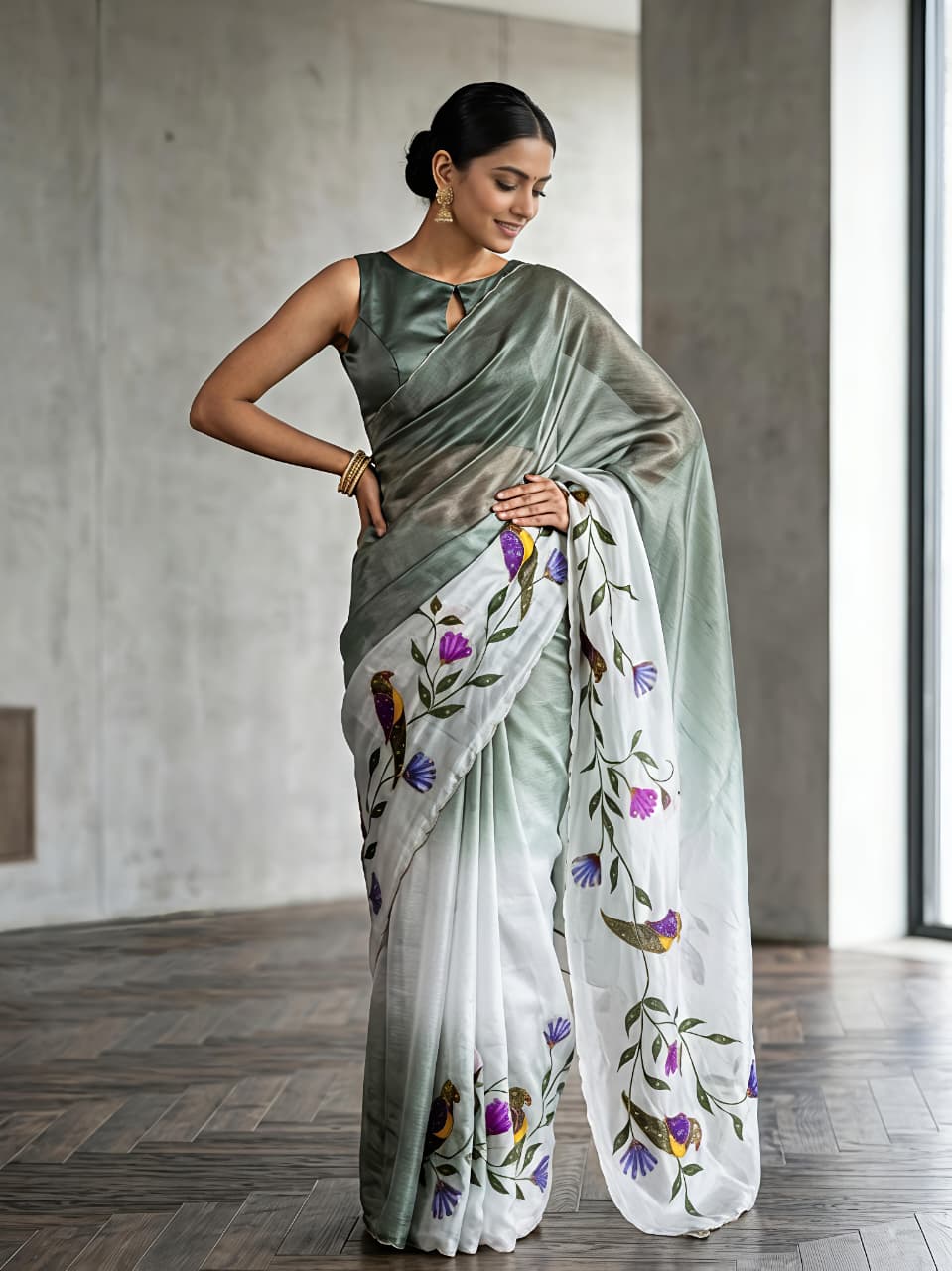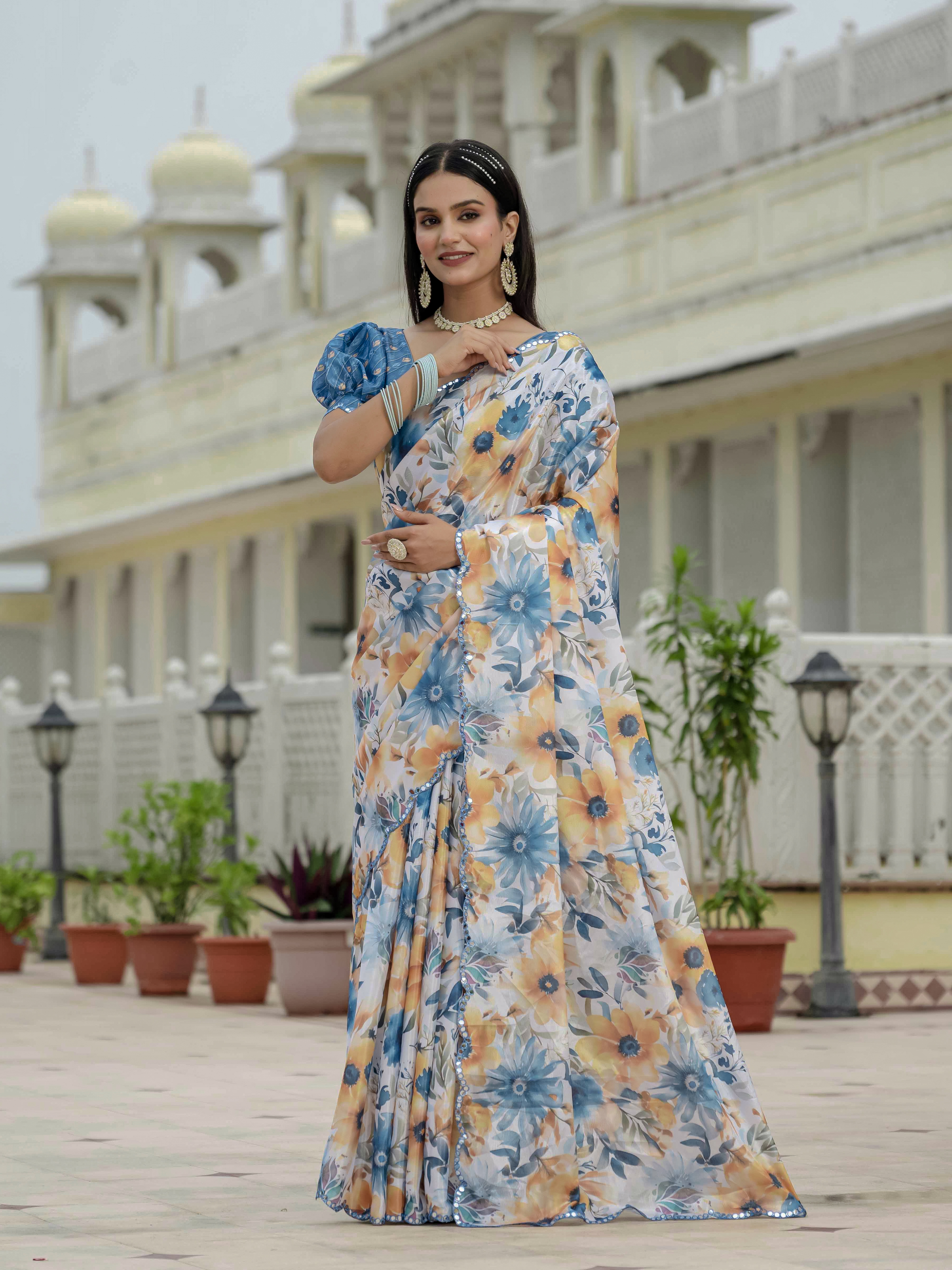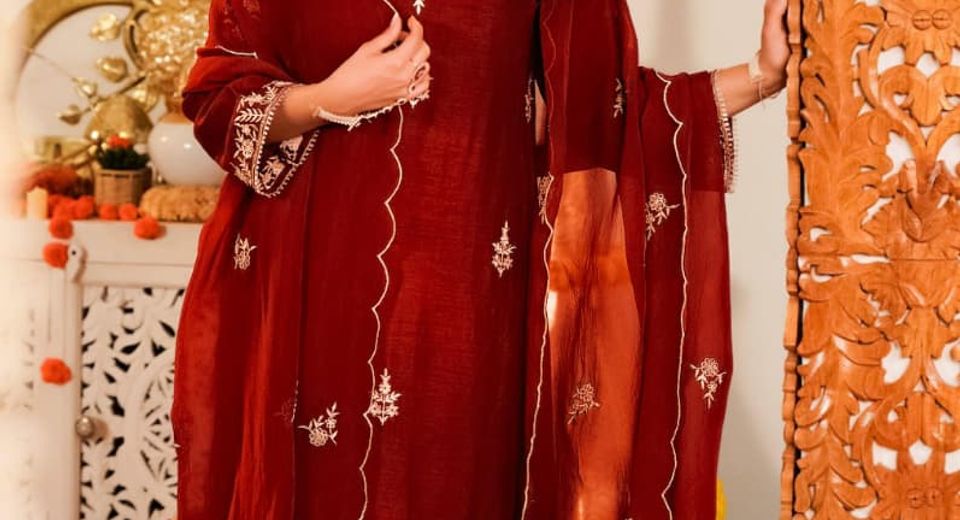
Snow-fed valleys, sharp mountain evenings and lively temple celebrations make Himachal Pradesh festivals beautiful but demanding to dress for. Best Salwar Suits for Himachal Festivals: Warm & Traditional Styles should offer insulation, easy movement and enough visual richness for family gatherings, processions and photographs. The right choice depends on the month, altitude, indoor heating, fabric weight and the amount of time you'll spend outdoors.
A festive salwar suit can work more effectively than a heavily layered saree when temperatures fall, because a long kurta, full-length bottom and dupatta create several useful layers without restricting walking. Fabric, lining, sleeve length, colour and footwear each influence comfort. A thoughtful outfit can look rooted in Indian craft while still handling cold mornings and chilly late evenings.
What makes a salwar suit suitable for Himachal festivals?
A suitable salwar suit for Himachal festivals combines a moderately dense fabric, full coverage, comfortable layering and festive surface detail. A long kurta with three-quarter or full sleeves, a covered neckline and a straight or relaxed bottom usually provides better warmth than a short, sleeveless or very sheer design.
Temperature changes matter in Himachal Pradesh. A sunny afternoon in lower-altitude areas may feel comfortable, while a shaded courtyard or evening market can become cold quickly. Outfits should therefore accommodate a woollen shawl, thermal camisole, cardigan or tailored jacket without becoming tight across the arms and torso.
Salwar suits also make practical travel clothing because they allow easier movement on uneven paths and steps. A straight pant, cigarette pant or moderately roomy salwar is generally safer for walking than an extremely wide palazzo that can catch on stairs or muddy ground. A kurta hem falling between the knee and mid-calf offers traditional coverage while reducing contact with wet ground.
Which fabrics provide the most warmth?
Rayon, viscose, silk blends, wool blends and lined Chanderi provide more useful winter coverage than unlined chiffon or very lightweight georgette. Fabric density matters more than shine alone, so a smooth-looking suit should still be checked for opacity, lining and the number of layers in the dupatta.
Rayon drapes softly and feels comfortable for long wear, making a design such as Cream Pink Printed Rayon Readymade Salwar Suit practical for a daytime gathering when paired with a warm shawl. Viscose Chanderi gives a festive surface and moderate structure; Cream Threadwork Viscose Chanderi Readymade Salwar Suit can be made more winter-ready with a full-sleeve inner layer and a dense stole.
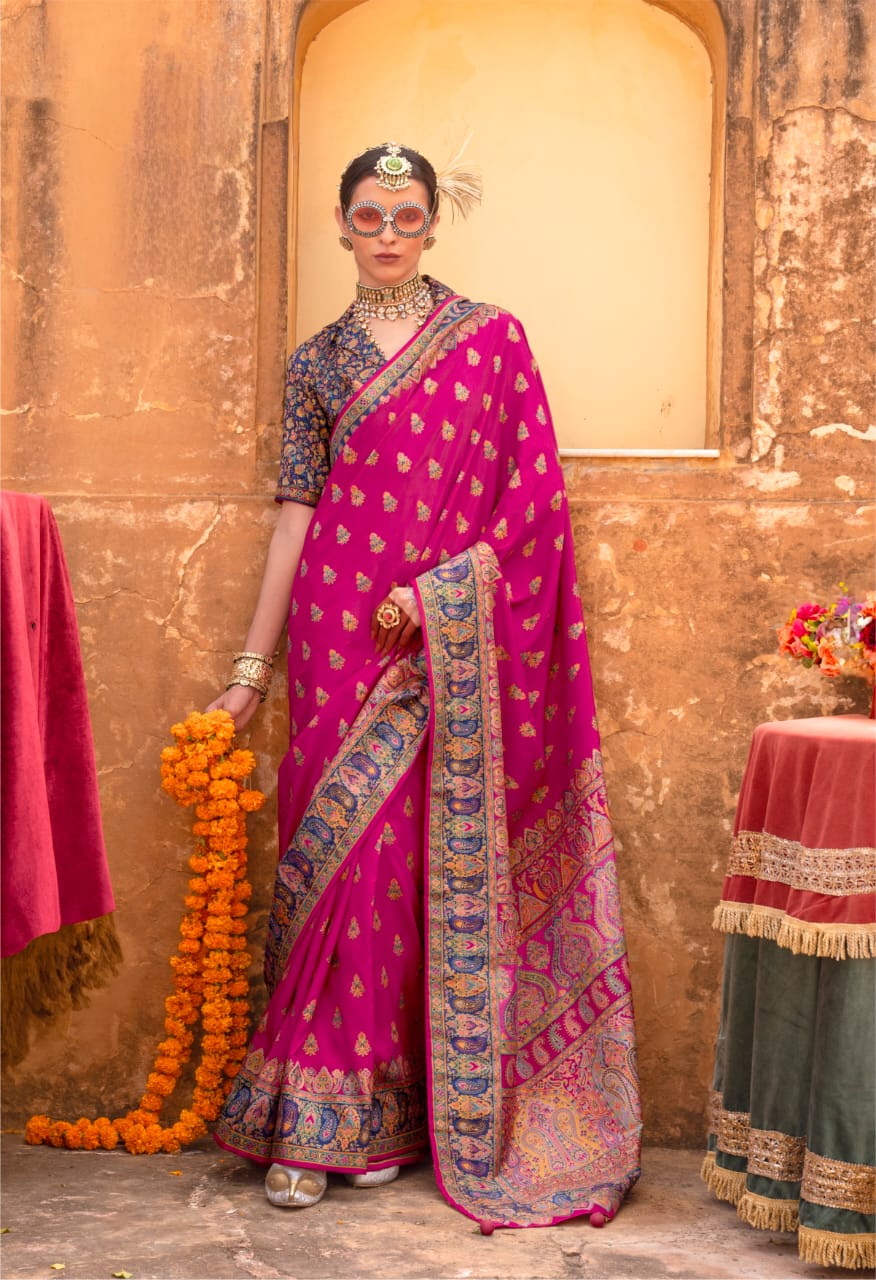
Banarasi silk or a silk-blend dupatta adds visual richness and can block more wind than a very sheer scarf. Kanjeevaram-inspired borders, zari panels and woven motifs are particularly useful when a plain kurta needs a ceremonial finish. Pure silk, however, isn't automatically warm enough by itself, so lining and layering remain important.
How should you layer traditional salwar suits in cold weather?
The most reliable method is to build three light layers: a breathable base layer, the salwar suit and an outer wrap or jacket. Three light layers are usually more comfortable than one bulky sweater because they trap air while allowing the wearer to adjust clothing as indoor and outdoor temperatures change.
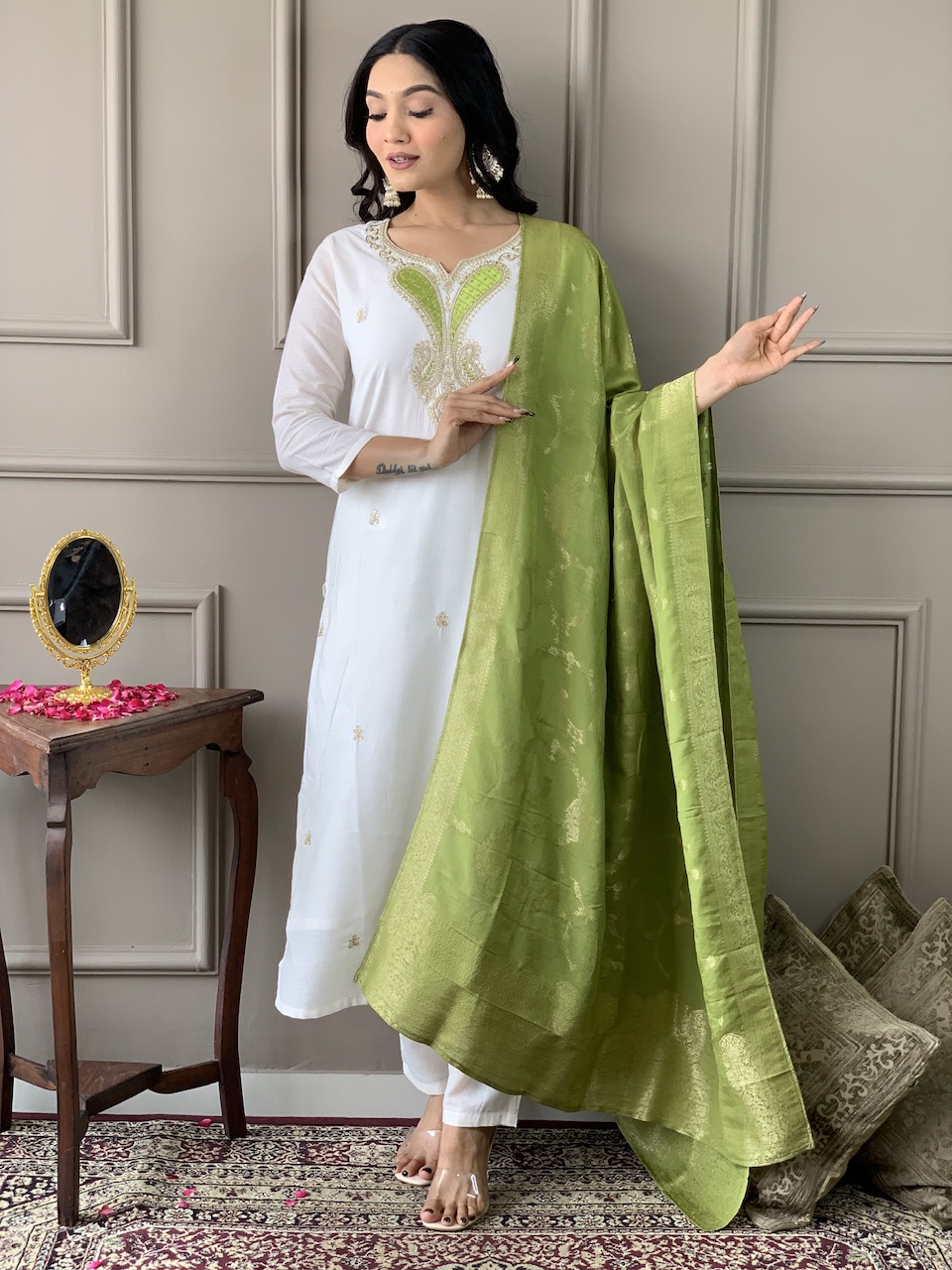
Begin with a fitted cotton, merino or thermal camisole that doesn't show above the neckline or sleeve. Add the kurta and bottom as the main outfit, then use a wool, pashmina-blend or densely woven shawl over the shoulders. A longline Nehru jacket or quilted ethnic jacket can add warmth without hiding the embroidery on the front of the kurta.
The dupatta should be long enough to wrap once around the upper body, preferably about 2.25 to 2.5 metres for an adult wearer. A heavier dupatta stays in position better during outdoor movement than a slippery satin scarf. Secure one shoulder with a discreet brooch or a small safety pin placed from the reverse side so the drape remains neat during a procession.
What should you avoid when layering?
Avoid adding thick layers beneath a very fitted kurta because restricted arm movement makes walking, sitting and carrying a bag uncomfortable. Avoid placing bulky wool directly over delicate zari, sequins or raised embroidery, since friction can flatten threads and create pulls.
Short cardigans can leave the lower back exposed when sitting outdoors, while oversized coats can overwhelm a narrow salwar silhouette. A knee-length wool coat, a sleeveless quilted jacket or a rectangular shawl generally gives better coverage. Match the outer layer to the suit's strongest colour rather than trying to coordinate every small embroidered detail.
Which salwar suit silhouettes work best for festival travel?
Straight-cut, A-line and gently flared salwar suits work best for Himachal festival travel because they balance warmth, modest coverage and easy movement. A straight kurta with a narrow pant creates a clean profile under a shawl, while an A-line kurta leaves room for a thermal layer without looking bulky.
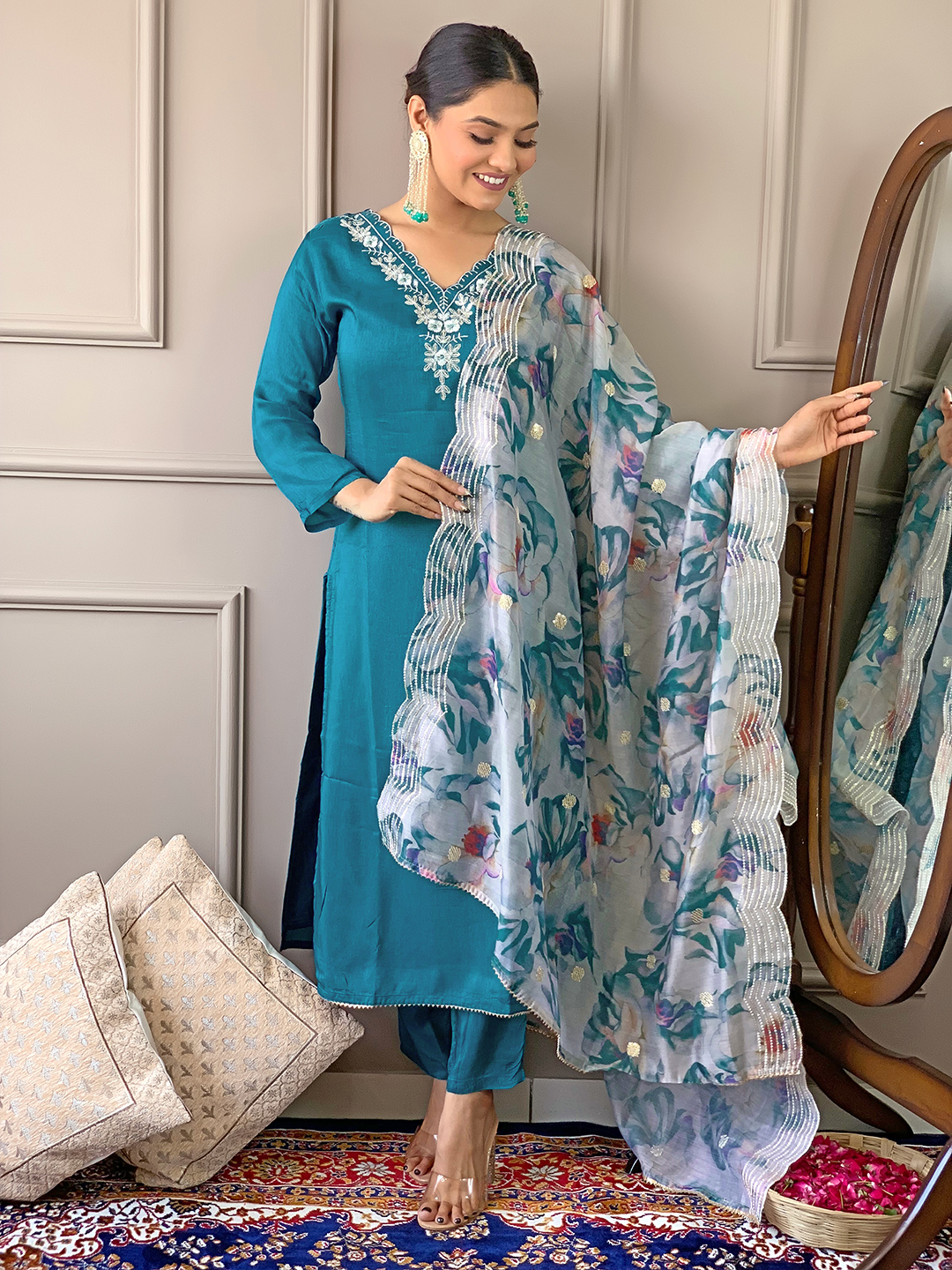
A traditional salwar or semi-Patiala bottom is useful when sitting cross-legged or moving through crowded venues, but excessive gathers can feel heavy under a long coat. A palazzo suit brings airflow and dramatic movement, although a narrower palazzo is more practical for steep paths and damp weather.
Anarkali suits are suitable for indoor receptions and evening celebrations when the hem isn't so long that it touches the ground. Choose an Anarkali with a full lining, a structured yoke and moderate flare. A heavily layered net skirt may look festive but brings little warmth and can become difficult to manage in wind.
Readymade sets are convenient when festival preparation time is limited. Check the garment measurements rather than relying only on the stated size, especially around the upper arm, because a sleeve must accommodate a base layer. A 2 to 4 centimetre ease allowance around the bust and upper arm usually makes winter layering more comfortable.
How can colour and craft reflect Himachal festival dressing?
Deep reds, saffron, mustard, pine green, navy, maroon and warm camel suit the landscape and visual mood of Himachal festivals. These colours remain clear in low winter light and pair naturally with wool shawls, silver jewellery and embroidered accessories.
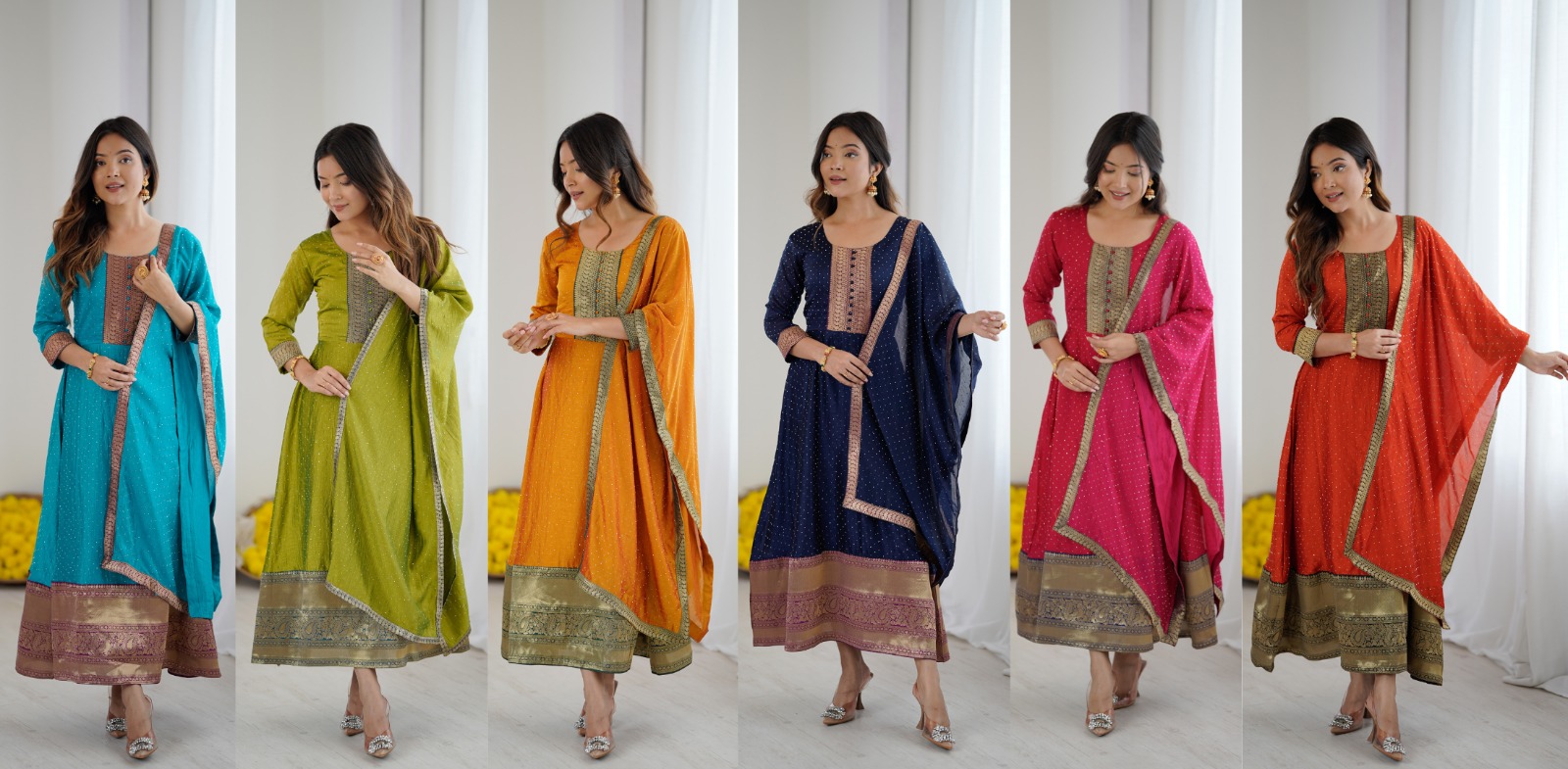
Yellow carries a celebratory quality for daytime rituals and Haldi ceremony gatherings. Yellow Readymade Chanderi Embroidered Salwar Suit works well with a rust, burgundy or forest-green shawl, especially when the embroidery is restrained enough for repeated wear. Navy gives a practical base for outdoor events; Navy Blue Traditional Kurta Pant Dupatta Ensemble can be brightened with saffron earrings or a coral wool wrap.
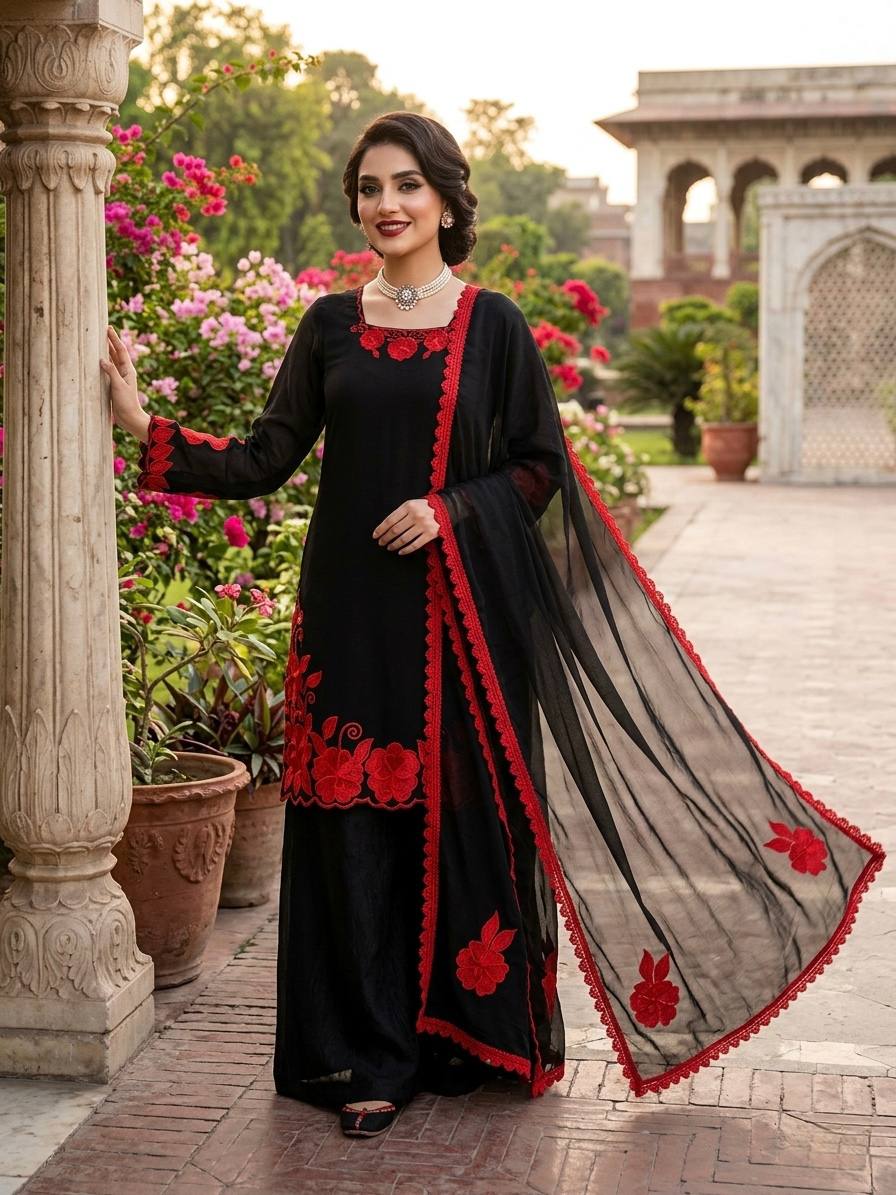
Traditional detail doesn't require an outfit covered entirely in decoration. Zari edging, threadwork cuffs, a woven border or small floral embroidery can provide the ceremonial element while keeping the garment comfortable. Kashmir Embroidered Salwar Suits are an useful reference for this balance because Kashmiri-inspired embroidery can add warmth visually without requiring heavy sequins.
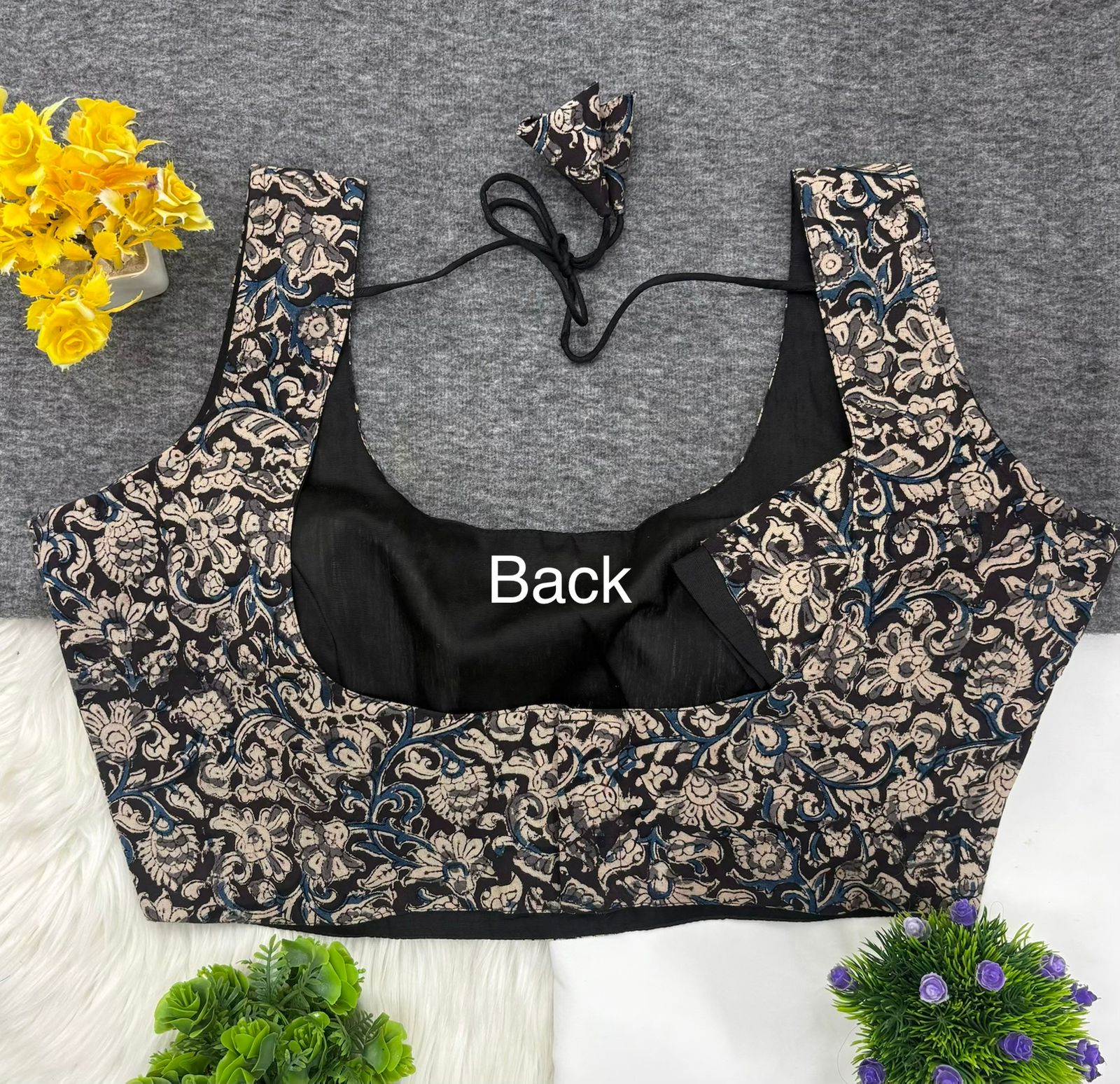
Regional craft references can also be mixed carefully. Punjab Phulkari Embroidered Salwar Suits bring lively floral threadwork and strong colour contrast, while Maharashtra Paithani Inspired Salwar Suits often use jewel tones and border-led styling. Kalamkari Print Salwar Suits offer narrative botanical or figurative motifs for daytime festivities, and Karnataka Silk Salwar Suits provide a richer, more formal option for indoor celebrations.
How much embellishment is practical in mountain weather?
Medium-weight embroidery and woven borders are more practical than fragile, all-over embellishment for Himachal weather. Dense sequins can snag on shawls, while very delicate threadwork may need careful handling around rough wool and outdoor seating.
Choose one dominant detail: an embroidered neckline, a decorative hem, a statement dupatta or prominent earrings. For example, Pista Royale Salwar Suit can carry a soft, refined daytime look when styled with antique-gold jewellery, whereas Hot Pink Vichitra Embroidered Suit can support a more vibrant evening palette with a deep plum or charcoal wrap.
What should you wear to different Himachal festival settings?
Daytime temple visits call for full sleeves, a comfortable hem, a secure dupatta and modest coverage at the neckline. A light-to-medium salwar suit with flat footwear is more practical than a heavily embellished ensemble, particularly when the route includes stairs or outdoor queues.
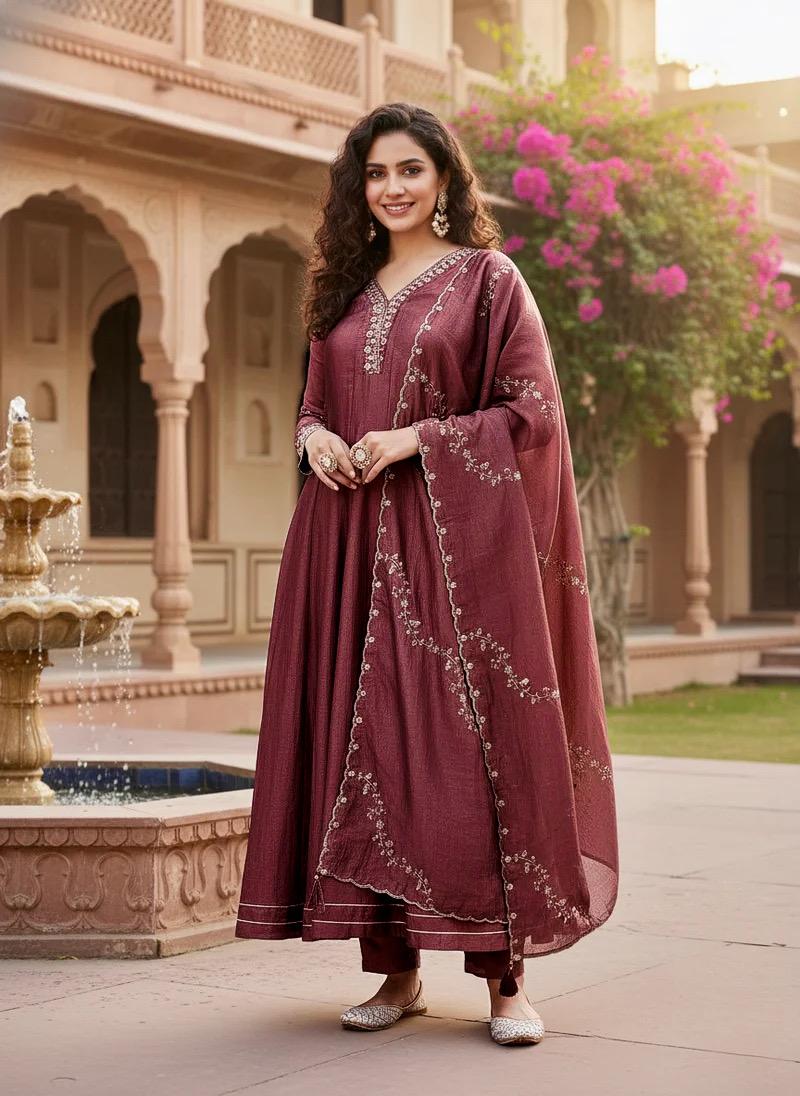
For a family lunch or local fair, select a washable rayon, viscose or lined cotton-blend suit in mustard, pink, green or navy. Cream Pink Printed Rayon Readymade Salwar Suit and Elegant Camel Shade Salwar Suit Set can both work in this setting when paired with a warm stole and low block heels or embroidered juttis.
Evening receptions require greater insulation because temperatures drop after sunset. Embroidered Salwar Suit Set for Women can become evening-appropriate with a velvet or wool-blend shawl, closed-toe shoes and a small metallic clutch. A silk-blend or dense Chanderi dupatta adds ceremony without requiring a separate heavy lehenga.
Outdoor bonfires and processions call for the most practical styling. Keep the dupatta secured, choose a kurta that doesn't drag, wear socks with closed shoes and carry a compact wrap. Avoid loose synthetic scarves near open flames and keep long tassels away from candles, lamps and cooking areas.
How do you choose footwear and accessories for mountain celebrations?
Closed-toe juttis, cushioned mojaris, ankle boots and low block heels are the safest footwear choices for Himachal festivals. Shoes with a textured rubber sole provide better grip on stone paths and damp ground than smooth leather soles or narrow stilettos.
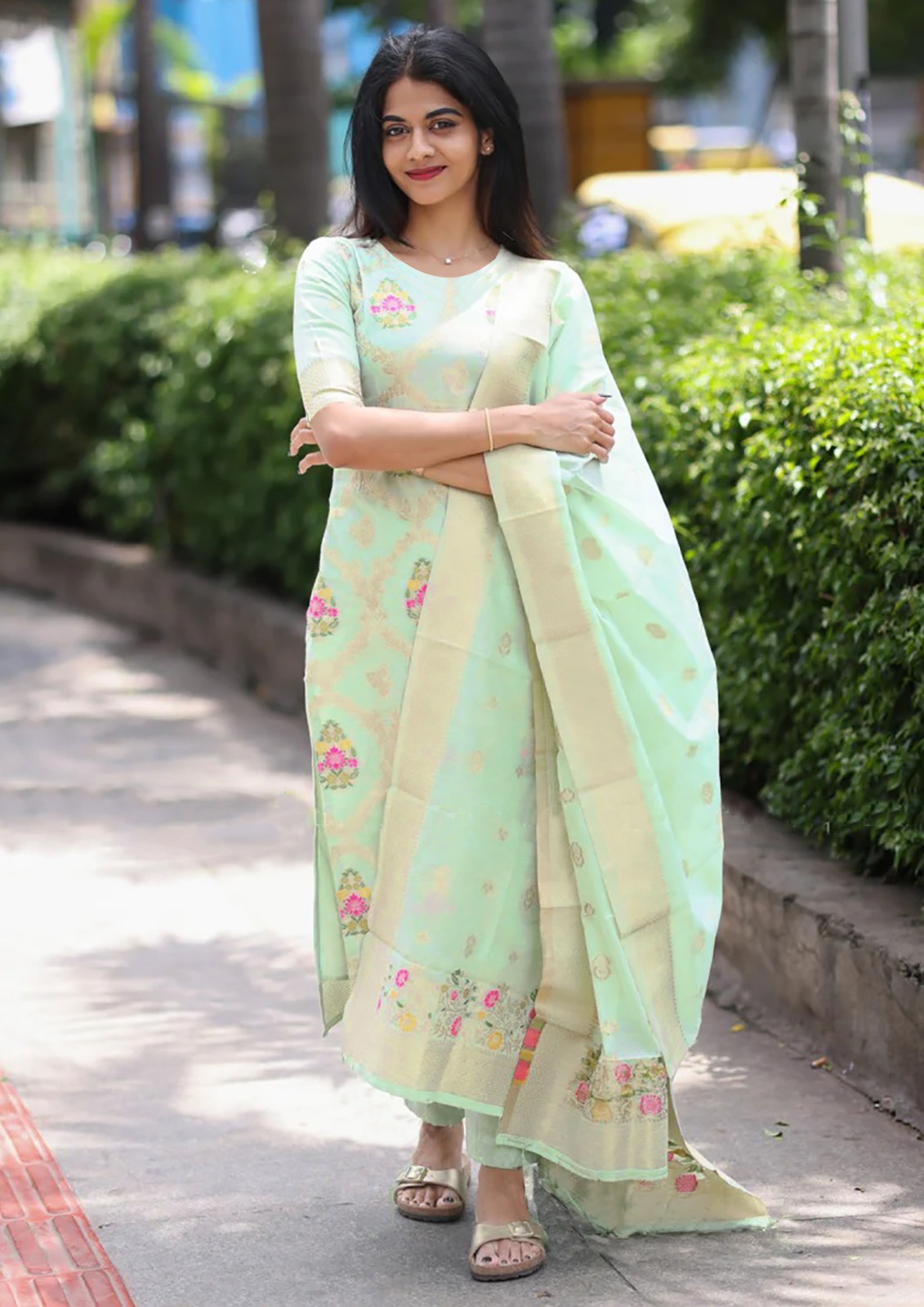
Silver jewellery complements Himachali-inspired clothing, especially when the suit includes deep red, green, navy or mustard. Oxidised silver earrings, a broad cuff and a small nose pin can create a traditional impression without adding the weight of a full bridal set. Gold-toned zari looks balanced with antique-gold earrings, while bright threadwork can be paired with enamel or glass bangles.
Keep handbags compact and hands-free when walking through crowded venues. A small crossbody potli or structured sling bag can hold a phone, tissues, lip balm and a folded pair of gloves. Avoid oversized handbags that pull against the dupatta or become awkward when climbing steps.
How should you check fit, care and packing before travelling?
Check sleeve width, kurta length, lining, seam strength and bottom measurements before packing a festival salwar suit. A garment should allow you to raise both arms, sit comfortably and wear the planned base layer without pulling at the shoulder or bust.
Pack one primary festive suit, one comfortable spare suit and two versatile wraps for a multi-day trip. Roll soft rayon and viscose garments loosely to reduce sharp creases, but fold embroidered Chanderi with tissue paper between embellished surfaces. Keep zari and sequined pieces in a cotton garment bag rather than compressed plastic.
Air the suit after wearing it outdoors, especially if it has absorbed smoke, food aromas or moisture. Brush away surface dust with a soft clothes brush and follow the care label for washing. Many embroidered, lined or zari-detailed suits are safer with professional dry cleaning; avoid soaking such garments unless the label specifically permits it.
don't iron directly over zari, mirror work or raised embroidery. Place a thin cotton cloth over the reverse side and use low heat, or use steam from a safe distance. Rayon can develop shine under excessive heat, and Chanderi can lose its crisp finish when handled roughly.
How can you build a warm traditional look without overbuying?
An useful Himachal festival wardrobe needs three interchangeable elements: one comfortable suit, one dressier suit and two warm wraps in contrasting colours. This small system creates several combinations while reducing luggage and avoiding garments that suit only one event.
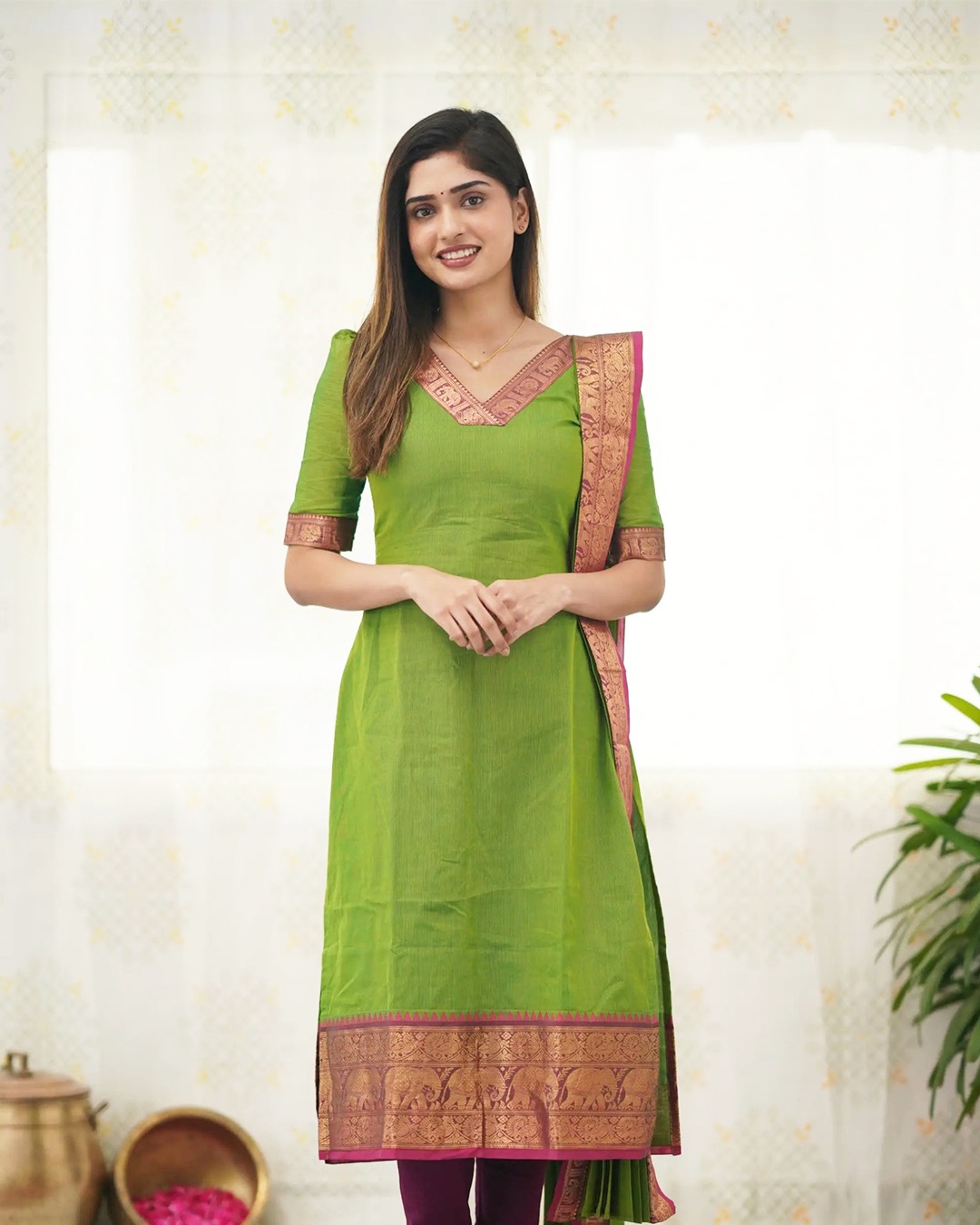
Start with a flexible base such as navy, camel, cream or pista green. Elegant Camel Shade Salwar Suit Set can work with maroon, rust and bottle-green accessories, while Pista Royale Salwar Suit pairs naturally with antique gold, cream and berry tones. Add one brighter outfit for photographs or an evening function, then use the same shoes and jewellery across both looks.
Use the dupatta to change the formality of an outfit. A printed cotton or rayon dupatta keeps a suit relaxed for daytime, while Banarasi silk, zari-bordered or velvet-textured draping makes the same silhouette suitable for a reception. This approach prioritises repeat wear, comfort and genuine craft rather than buying a separate outfit for every invitation.
Good festive dressing in Himachal is finally a coordination exercise between climate, movement and tradition. A warm base, breathable layers, a secure dupatta, practical shoes and regionally significant colour can make a salwar suit feel both celebratory and sensible. The strongest outfit is the one that remains comfortable from the first temple visit through the ultimate evening gathering.
Questions About Warm Salwar Suits for Himachal Festivals
Which fabric is warmest for a salwar suit in Himachal Pradesh?
Wool blends, dense rayon, viscose, silk blends and lined Chanderi generally provide better warmth than unlined chiffon or lightweight georgette. A thermal base layer and a wool or pashmina-blend shawl can make a medium-weight suit suitable for colder evenings.
Can I wear a Chanderi salwar suit during a Himachal winter festival?
You can wear a Chanderi salwar suit in winter when it has lining and is paired with a warm inner layer and dense shawl. Viscose Chanderi is particularly useful for festive dressing because it offers structure and decorative texture while remaining comfortable indoors.
What colour salwar suit is suitable for a Himachal festival?
Mustard, saffron, maroon, navy, pine green, camel and deep red are suitable choices for Himachal festivals. These shades work well with woollen wraps and silver jewellery while remaining visible in soft winter light.
How should I style a salwar suit for a cold outdoor ceremony?
Wear a breathable thermal layer under a full-sleeve kurta, add a secure dupatta and carry a wool or pashmina-blend shawl. Closed-toe shoes with textured soles, socks and a knee-length outer layer will provide better protection on cold or uneven ground.
Are palazzo salwar suits practical for Himachal festival travel?
Palazzo salwar suits are practical when the legs are not excessively wide and the hem stays clear of wet ground. A narrower palazzo is easier to manage on stairs, paths and crowded venues than a very long, flowing style.
How can I protect embroidered salwar suits while travelling?
Fold embroidered suits with tissue paper between decorated surfaces and carry them in a cotton garment bag. Keep zari away from direct heat, avoid rough wool rubbing against raised embroidery and follow the care label instead of soaking embellished garments.