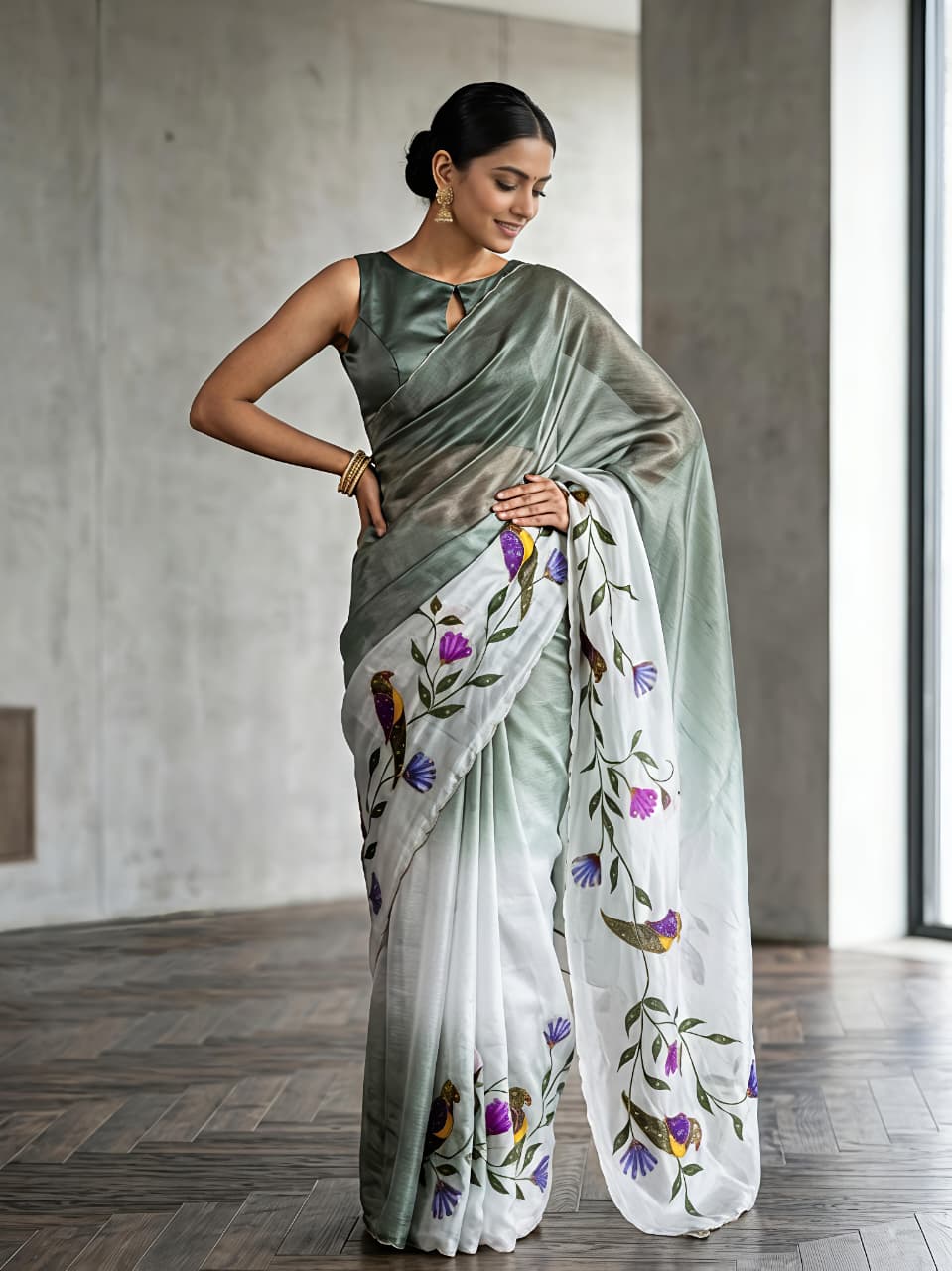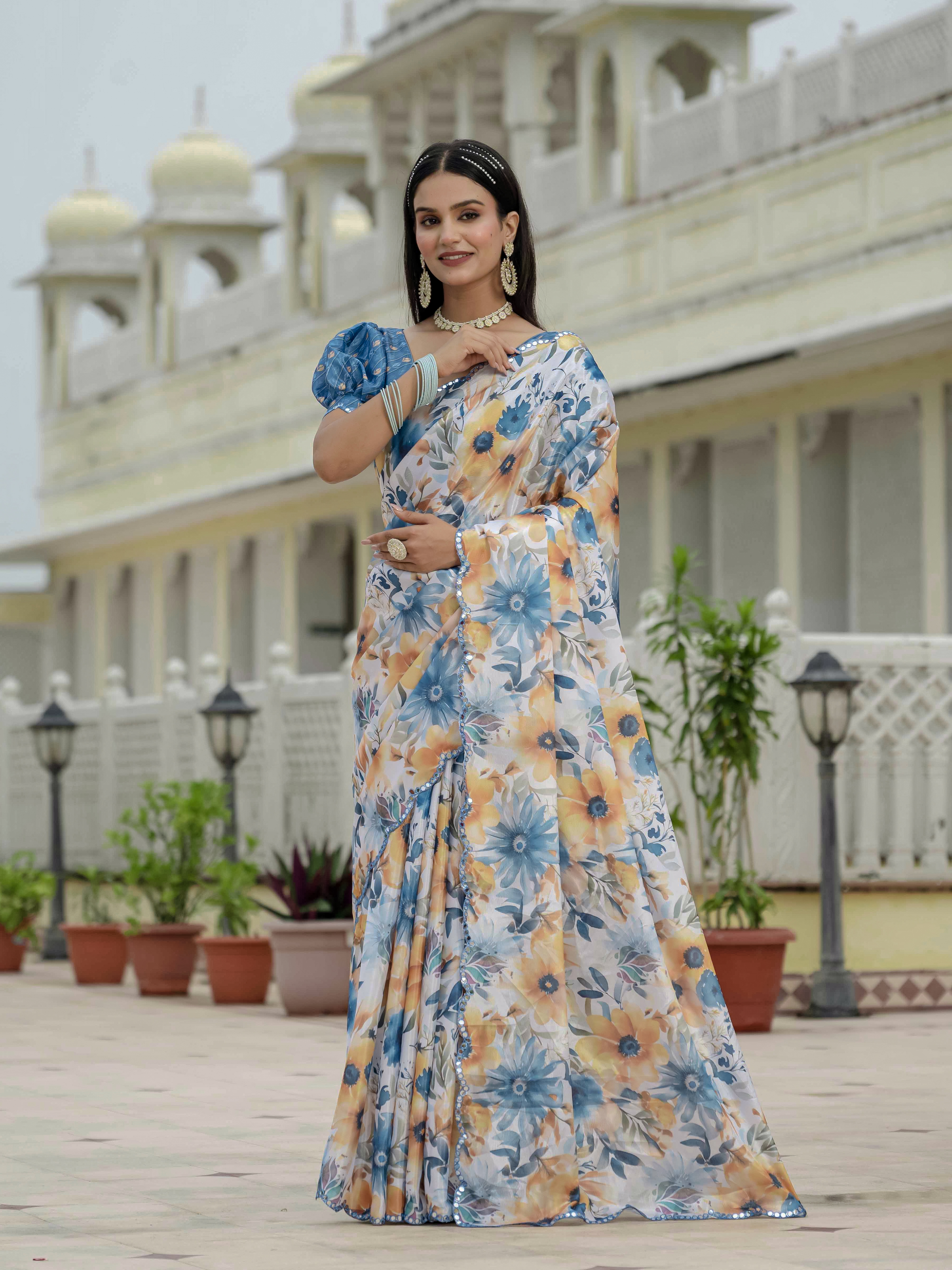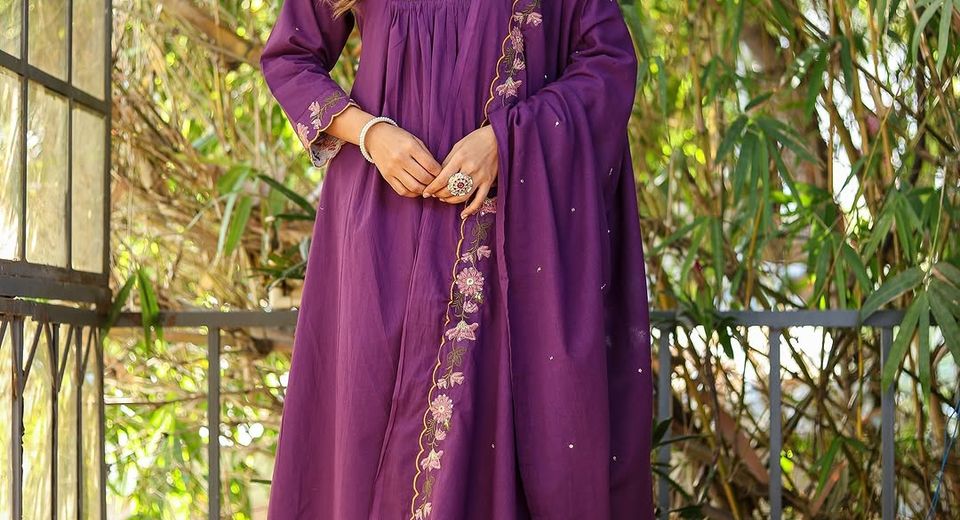
The Best Salwar Suits for Garhwali & Kumaoni Women should work across changing temperatures, family gatherings, festive rituals and everyday movement. A good suit isn't chosen only for colour or embroidery; the fabric, trouser shape, sleeve length, dupatta weight and ease of alteration matter just as much. Garhwali and Kumaoni women often need clothing that looks polished for a puja or wedding while remaining practical for walking, sitting on the floor and travelling between town and hill settings.
Regional identity doesn't require one fixed silhouette. A woman from Almora may prefer a straight suit for work, while someone attending a Kumaoni wedding may choose an Anarkali with a richer dupatta. The most useful approach is to match the suit to weather, movement and the social setting, then add regional character through colour, jewellery, draping and accessories.
What makes the Best Salwar Suits for Garhwali & Kumaoni Women practical?
The Best Salwar Suits for Garhwali & Kumaoni Women combine season-appropriate fabric, a secure fit, comfortable trousers and enough detail for the occasion. The right suit should allow comfortable arm movement, sit without pulling across the waist and keep the dupatta in place during walking or dancing.
Mountain dressing involves practical variables that online descriptions often overlook. Morning and evening temperatures can drop even during a sunny day, roads may require more walking than expected, and layered clothing can change how a kameez fits. A slightly relaxed armhole, sleeves that accommodate a thin thermal layer and trousers with a comfortable waistband can make a greater difference than an additional row of embellishment.
Personal style also matters. Some women prefer the vertical line of a straight suit, while others like the swish of an Anarkali or the relaxed shape of a Patiala salwar. Garhwali and Kumaoni style can look contemporary without abandoning familiar festive colours such as red, green, ivory, maroon, mustard and deep purple.
Which fabrics work best in the Best Salwar Suits for Garhwali & Kumaoni Women?
Chanderi, cotton blends, viscose and moderate-weight synthetic blends are useful choices because they offer different balances of breathability, drape, warmth and maintenance. No single fabric works equally well for summer afternoons, monsoon travel and winter celebrations.
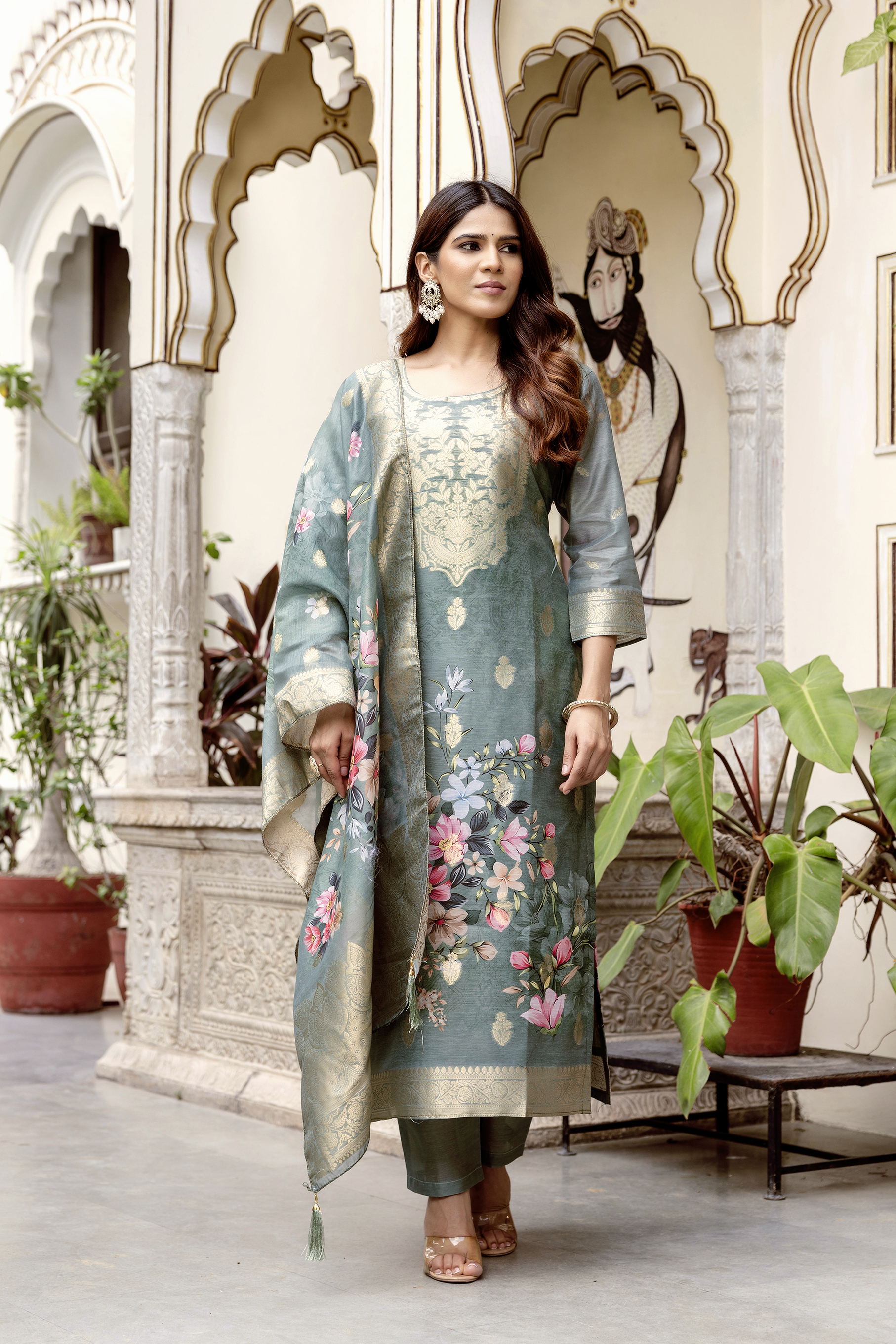
Warm-weather and indoor choices
Viscose Chanderi gives a fluid fall with a lightly festive surface, making it suitable for a puja, daytime reception or family lunch. Cream Threadwork Viscose Chanderi Readymade Salwar Suit illustrates how a soft neutral and delicate threadwork can look dressed-up without the heaviness of dense metallic embellishment.
Chanderi should be stored away from damp walls and direct sunlight. A lined garment bag is safer than a tightly packed plastic cover, especially in humid weather. Airing the suit in shade after wearing helps reduce odour without exposing the fabric to harsh sun.
Lightweight cotton and breathable blends are practical for summer travel, temple visits and daytime errands. These fabrics are usually easier to wash, but embroidered sections still need careful handling because repeated machine washing can loosen threads and flatten the surface.
Cold-weather layering
For colder months, a medium-weight suit with full sleeves works better than an extremely thin fabric worn under a bulky sweater. A longer straight kameez can be layered over a fitted thermal top, provided the armhole and sleeve circumference are not too narrow.
Viscose and blended fabrics can provide useful drape over a thermal layer, while a heavier dupatta adds warmth around the neck and shoulders. Avoid choosing a suit so fitted that a shawl or cardigan makes the front pull open. A two- to three-inch ease allowance across the bust and upper arm can make winter layering more comfortable, depending on the individual's measurements.
Which silhouettes make the Best Salwar Suits for Garhwali & Kumaoni Women easy to wear?
Straight suits, lightly flared Anarkalis and relaxed salwar sets are the most versatile silhouettes for movement, travel and mixed-age family events. The choice depends on how much walking, sitting and layering the wearer expects.
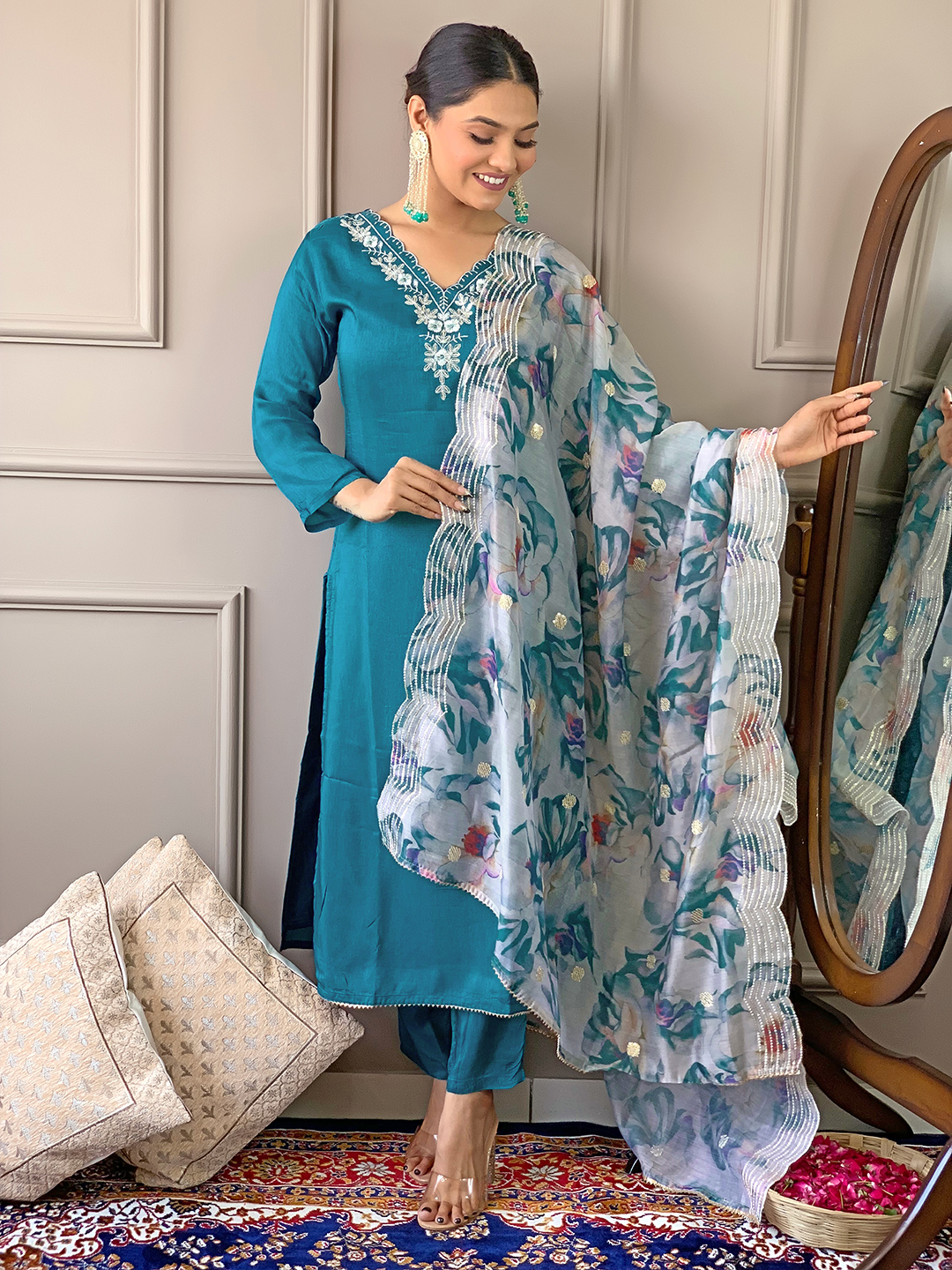
Straight suits for everyday versatility
A straight suit creates a clean vertical line and usually pairs easily with cigarette pants, churidar trousers or a simple salwar. Off White Floral Embroidered Straight Suit Set is an useful example of a silhouette that can move from a daytime celebration to a formal lunch through changes in jewellery and footwear.
A straight kameez ending around the knee or slightly below the knee is often practical for active days. A side slit that begins below the hip gives walking ease, while a slit that rises too high can require additional fitting or lining. Check whether the trouser hem allows a comfortable stride rather than judging fit only while standing still.
Anarkalis for festive gatherings
Anarkali suits suit weddings, engagement ceremonies and evening celebrations because their flare creates movement and a more ceremonial shape. Green Embroidered Anarkali Suit Set for Women brings colour and volume into a festive wardrobe without requiring a heavily layered lehenga.
Flare needs practical attention in hill settings. A very wide hem can catch on stairs, uneven paths or chair legs, so a moderate flare is easier for travel. Ankle-length trousers or a well-finished churidar also reduce the chance of the hem dragging through wet ground.
Salwar and Patiala-inspired shapes
A relaxed salwar offers more room around the thigh and knee, which can be helpful for sitting cross-legged and moving through busy family functions. Punjab Patiala Salwar Suits can provide an useful styling reference for women who enjoy volume, pleats and a more expressive festive silhouette.
Volume should be balanced with the kameez length and dupatta weight. A very short kameez with a voluminous salwar can feel visually busy, while a longer straight kameez can create a more balanced proportion. A secure waistband is important because loose pleats should not make the salwar slide during walking.
How should colours shape the Best Salwar Suits for Garhwali & Kumaoni Women?
Choose colour and embroidery according to the time of day, formality and personal complexion rather than treating one shade as universally traditional. Deep reds, greens, purples, ivory, camel, mustard and jewel tones all work differently across daylight, indoor lighting and festive decoration.
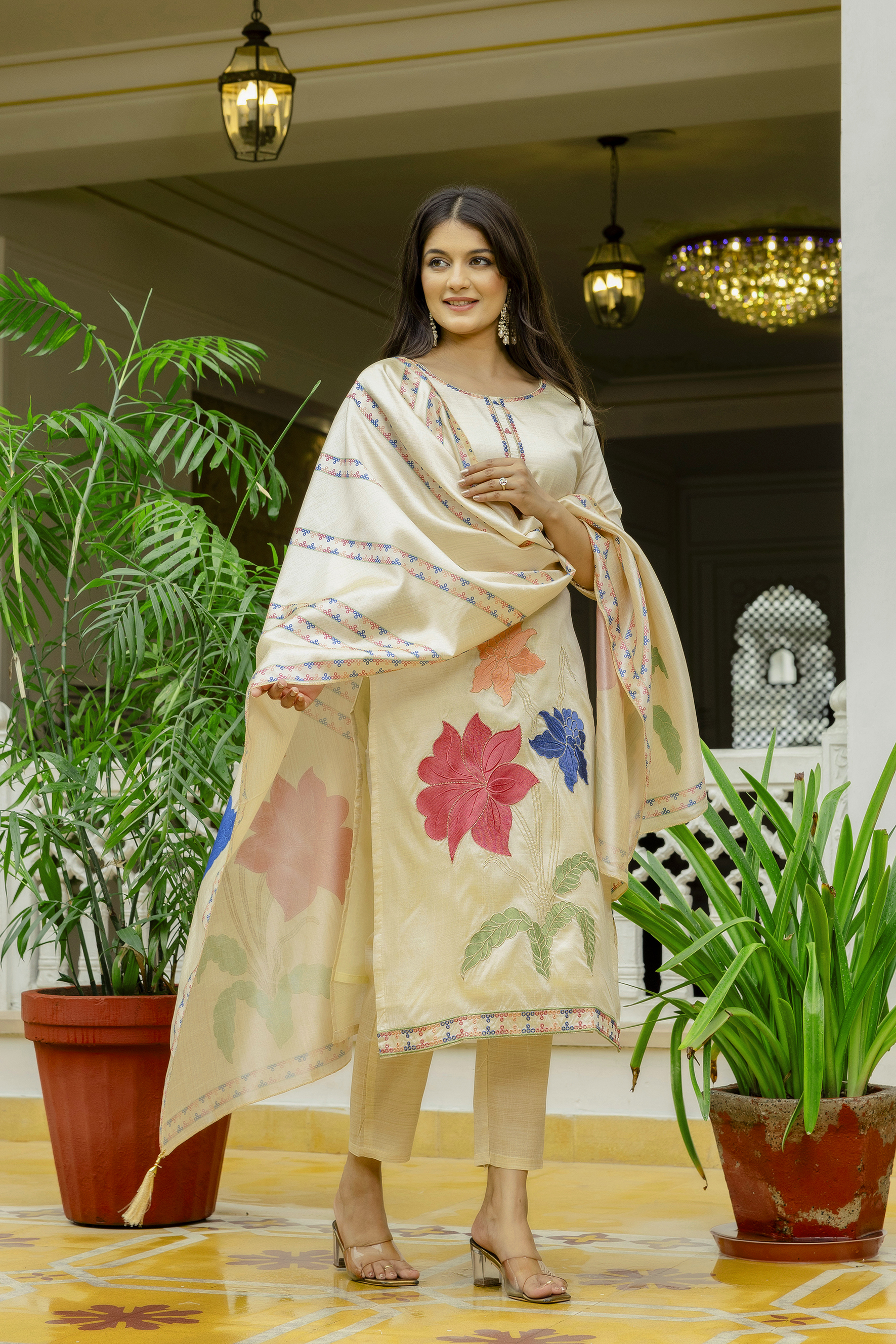
Red remains a strong choice for wedding-related events, but the amount of embellishment should reflect the ceremony. Red Chanderi Threadwork Suit Set for Women can suit a celebratory gathering where threadwork provides detail without the visual weight of a heavily embellished bridal outfit. Pairing red with antique-gold jewellery or a contrasting green dupatta can create definition.
Green works well for daytime festivals, family pujas and spring celebrations because it feels festive without being as intense as bright red. Purple can be especially effective for evening events, where embroidery catches artificial light. Purple SlubCharm Embroidered Salwar Suit gives a way to use a saturated shade while keeping the outfit centred on the suit rather than on excessive accessories.
Neutrals are not limited to casual dressing. Cream, white and camel can look refined when the cut is crisp and the embroidery is well placed. Elegant White Cording Threadwork Salwar Suit works for a daytime celebration or intimate ceremony when styled with coloured earrings, a contrasting dupatta or a defined lip colour.
Camel and warm beige shades are useful for women who want a softer alternative to white. Elegant Camel Shade Salwar Suit Set can be styled with rust, bottle green, maroon or gold accessories. Light colours require practical care near dusty paths, food counters and monsoon surfaces, so a darker dupatta or washable stole may be more convenient for outdoor events.
How can the Best Salwar Suits for Garhwali & Kumaoni Women suit each occasion?
Change the dupatta, jewellery, footwear and hair finish before replacing the entire suit to create different looks from one well-fitting set. Styling should also account for walking surfaces, temperature and how long the outfit will be worn.
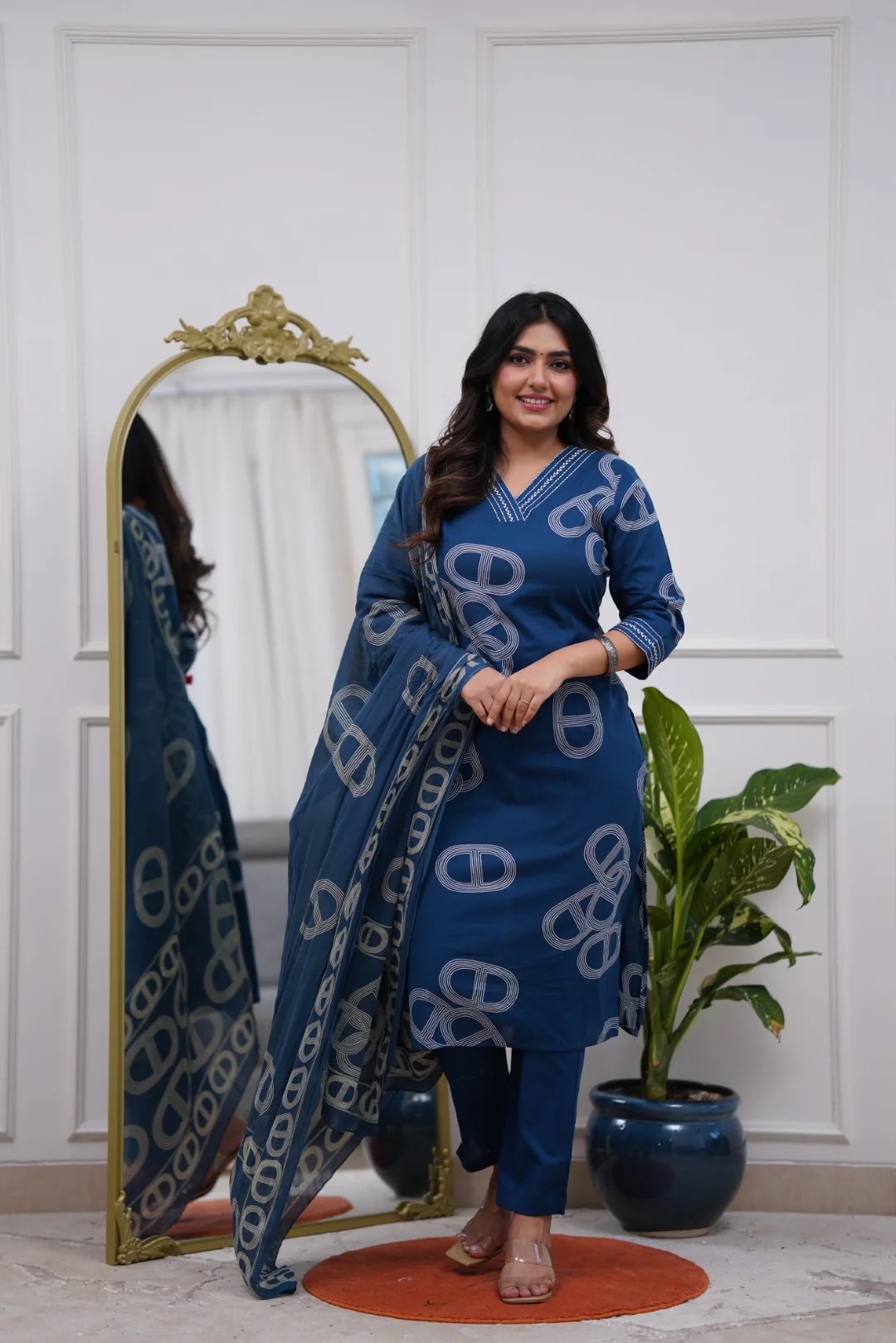
Wedding and engagement dressing
For a wedding, choose a suit with visible embroidery, a richer dupatta and jewellery that frames the neckline without hiding it. Embroidered Salwar Suit Set for Women can become more formal with jhumkas, a structured potli and embellished juttis, while a plain or lightly detailed dupatta keeps the look from becoming crowded.
For a Kumaoni or Garhwali family function, a shawl can be practical as well as decorative. A woven shawl in maroon, rust or deep green adds warmth and can be removed indoors. Pin the dupatta at one shoulder and secure the second side near the elbow if the event involves serving food, greeting guests or frequent movement.
Haldi ceremony and daytime celebrations
A Haldi ceremony calls for washable practicality, comfortable movement and colours that remain attractive in bright daylight. Green, camel, yellow, ivory and lighter printed styles are easier to wear for a daytime function than very dark fabrics that show turmeric or dust immediately.
Gujarat Bandhej Salwar Suits can inspire a lively daytime direction through tie-dye patterning, while Kalamkari Print Salwar Suits (Copy) offer a more illustrative, earthy approach. These references can be balanced with simple jewellery and flat footwear so the outfit remains practical on uneven ground.
Everyday and travel dressing
For regular wear, prioritise a washable fabric, a moderate hem, secure pockets or a small crossbody bag, and trousers that don't drag. Maharashtra Paithani Inspired Salwar Suits and Odisha Sambalpuri Salwar Suits can offer pattern-led ideas for a wardrobe that feels rooted in Indian textile traditions without relying on heavy wedding embellishment.
A readymade suit is most useful when the wearer checks measurements rather than selecting only by standard size. Compare the bust, waist, hip, sleeve and kameez length with a garment that already fits well. A local tailor can usually adjust side seams, sleeve length and trouser hems, but major changes to embroidery placement or shoulder width may be difficult.
What fitting and care details complete the Best Salwar Suits for Garhwali & Kumaoni Women?
A well-fitting salwar suit should permit a full arm raise, a comfortable seated position and a normal walking stride without pulling at the bust, hip or crotch. Fit should be checked with the undergarments and winter layers that will actually be worn.
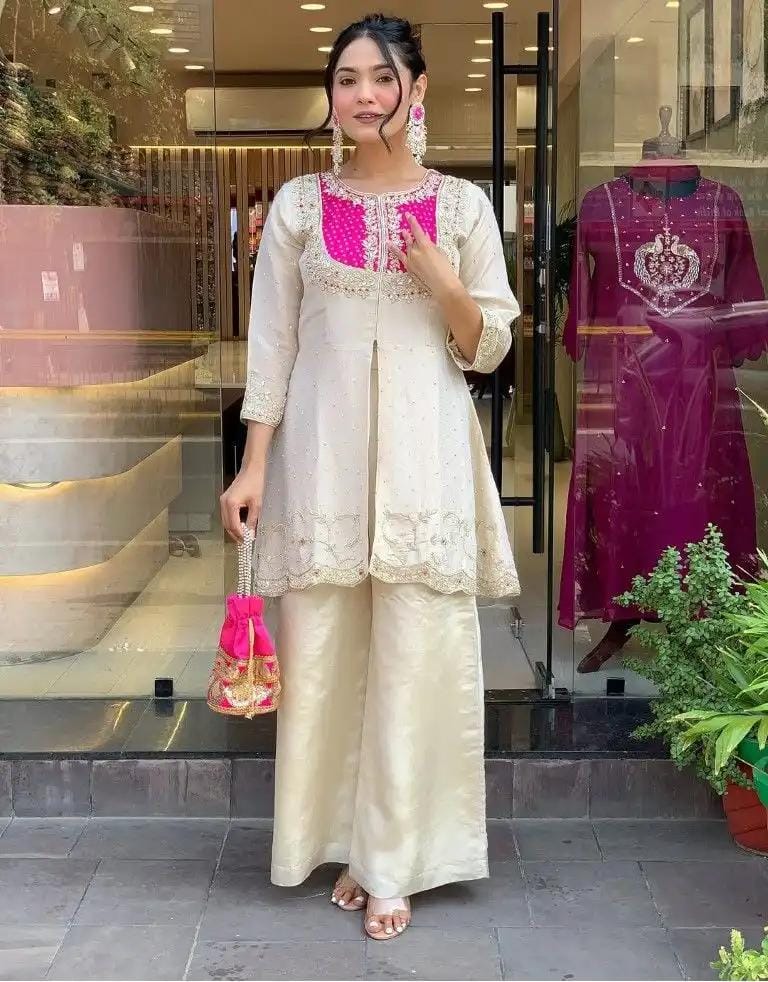
Measure the fullest bust, natural waist and fullest hip with the tape parallel to the floor. Measure sleeve length from the shoulder point to the preferred wrist position, and measure the kameez from the highest shoulder point to the desired hem. For trousers, check the waistband, rise, thigh circumference and inseam rather than relying only on the labelled size.
Embroidery and zari need separate care from plain fabric. Follow the garment label first, turn embellished clothing inside out, use a breathable storage cover and avoid pressing directly over threadwork or metallic surfaces. A low-temperature iron over a cotton pressing cloth is safer than placing a hot iron on embroidery.
During monsoon travel, allow damp clothing to dry completely before storage. Do not leave a wet suit folded inside luggage overnight because moisture can encourage mildew and weaken decorative threads. Professional dry cleaning is sensible for heavily embroidered Chanderi or delicate embellished garments, while simpler washable suits should still be tested for colour bleeding in an inconspicuous area.
The most reliable choice is the suit that matches the wearer's actual day. A breathable straight suit may serve better than a dramatic Anarkali for a long journey, while a well-supported Anarkali or embroidered set can make a wedding outfit feel appropriately special. Garhwali and Kumaoni elegance comes through thoughtful proportion, comfortable movement and personal connection, not through one prescribed design.
Common Questions About Salwar Suits for Garhwali and Kumaoni Women
Which fabric is most comfortable for salwar suits in hill regions?
Chanderi, viscose, cotton and breathable blends are useful choices, depending on the season. Viscose Chanderi offers a fluid festive drape, while cotton and lighter blends are often more comfortable for warm daytime travel. Medium-weight fabrics with full sleeves work better for colder months and layering.
Which salwar suit style is easiest to wear for a Garhwali or Kumaoni wedding?
A moderately flared Anarkali or an embroidered straight suit is usually easiest for a wedding because both provide festive detail without the bulk of a heavily layered outfit. Choose a secure dupatta arrangement, comfortable footwear and a hem that will not drag on stairs or uneven paths.
Are Chanderi salwar suits suitable for cold weather?
Chanderi salwar suits can work in cold weather when paired with a thermal layer, full sleeves and a warm shawl or dupatta. Chanderi alone is lightweight, so it should not be treated as a substitute for wool or a substantial winter layer.
How should a salwar suit fit when it will be worn with a thermal layer?
A salwar suit intended for winter layering should have enough ease across the bust, upper arm and armhole to prevent pulling. Check the fit while wearing the intended thermal top, and make sure the sleeve and side seams do not restrict arm movement.
Which colours work well for a Kumaoni or Garhwali family function?
Red, green, ivory, maroon, camel, mustard and purple all work well, with the best choice depending on the time of day and formality. Red and deep jewel tones suit evening celebrations, while green, camel and ivory can feel lighter for daytime pujas and Haldi ceremonies.
How should embroidered salwar suits be stored in a mountain or monsoon climate?
Store embroidered salwar suits in a breathable garment cover away from damp walls and direct sunlight. Air the garment in shade after wearing, allow it to dry fully before folding, and use professional dry cleaning when the care label recommends it or the embroidery is particularly delicate.