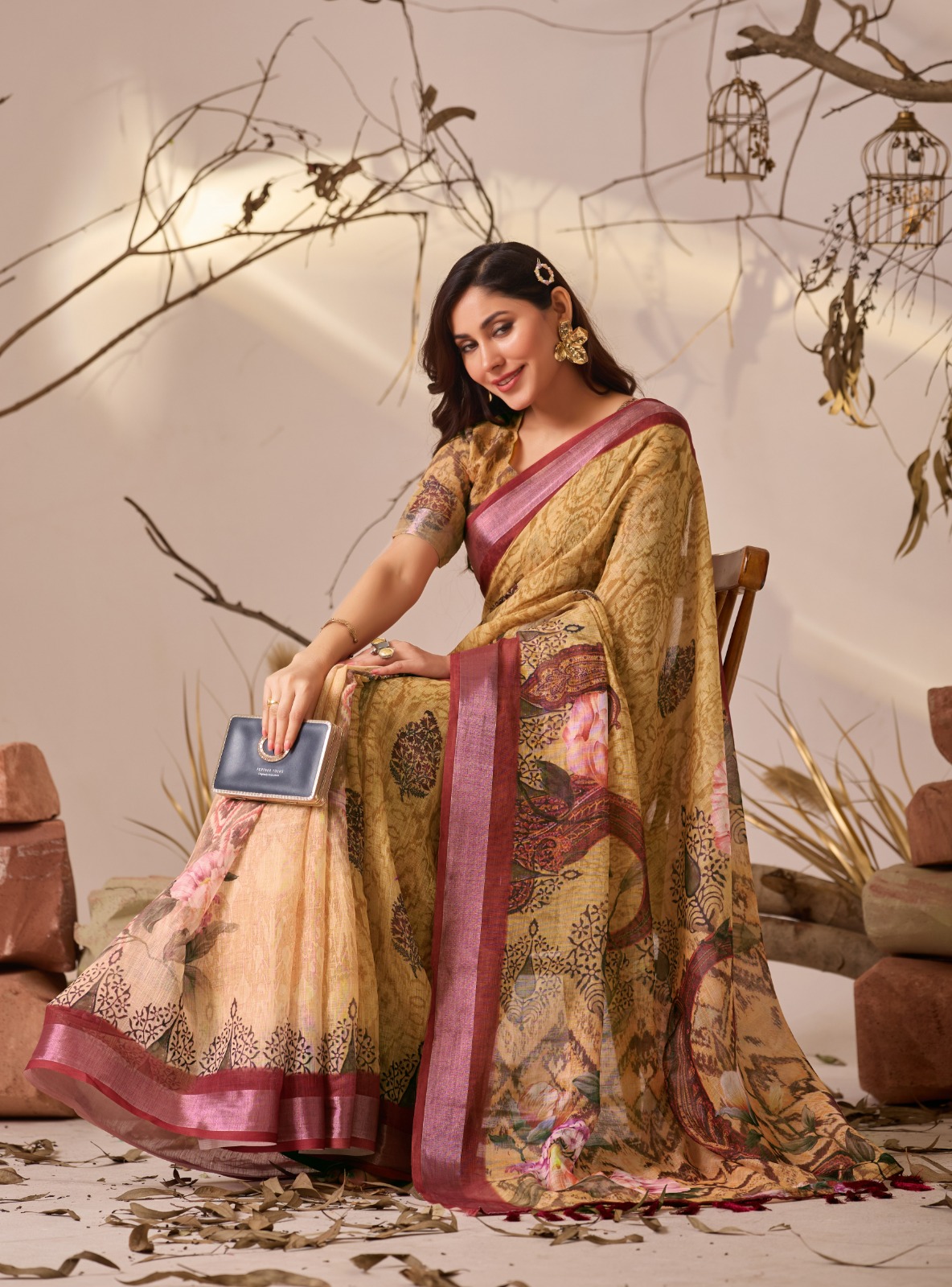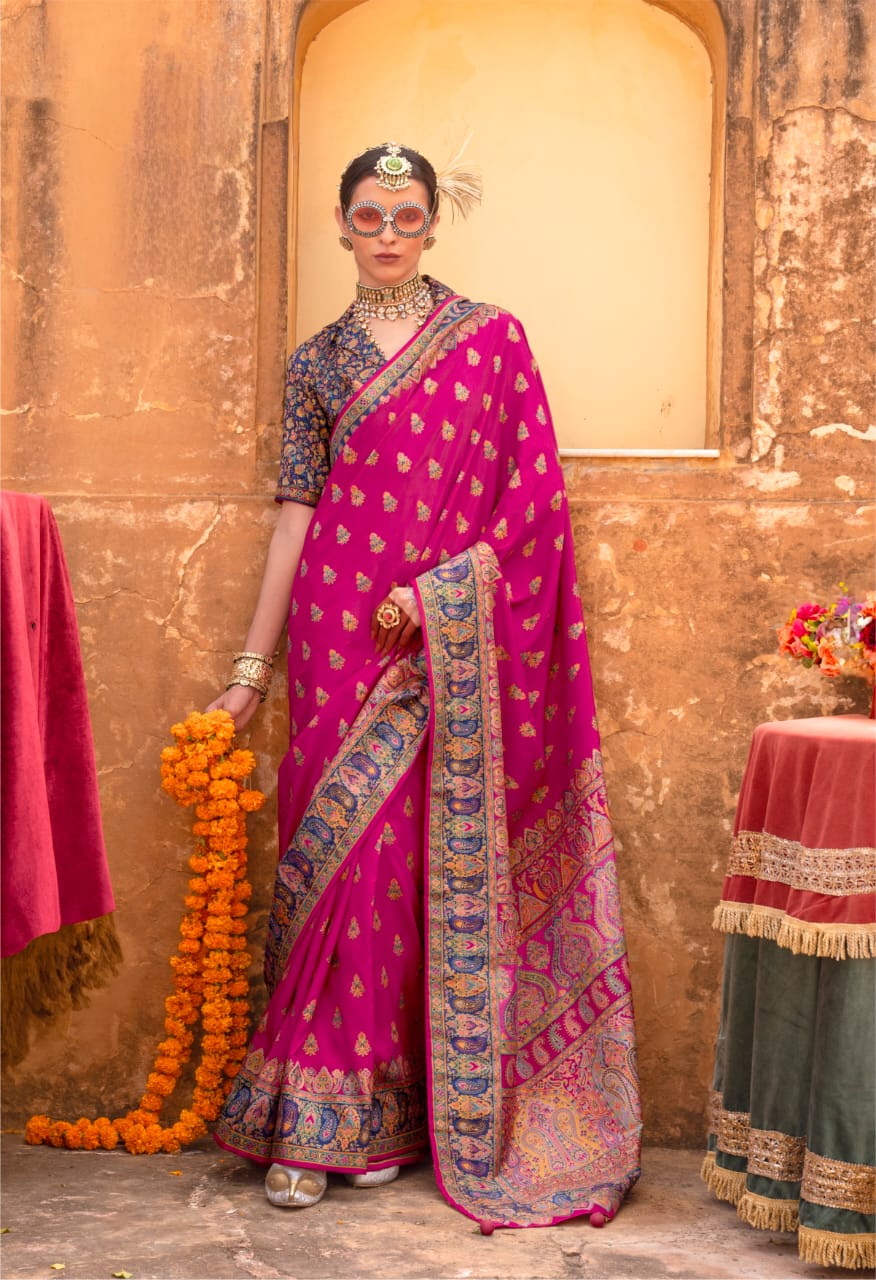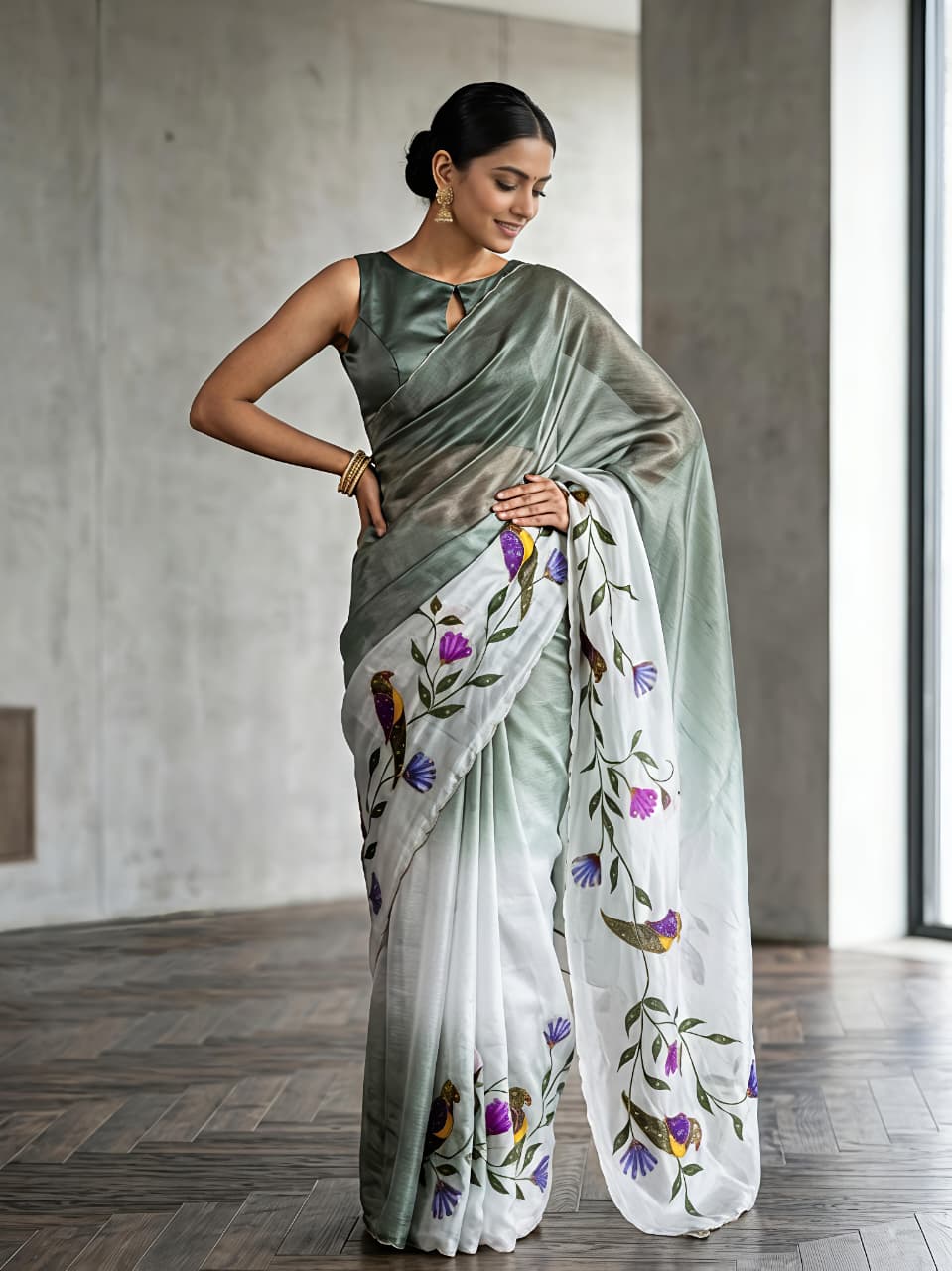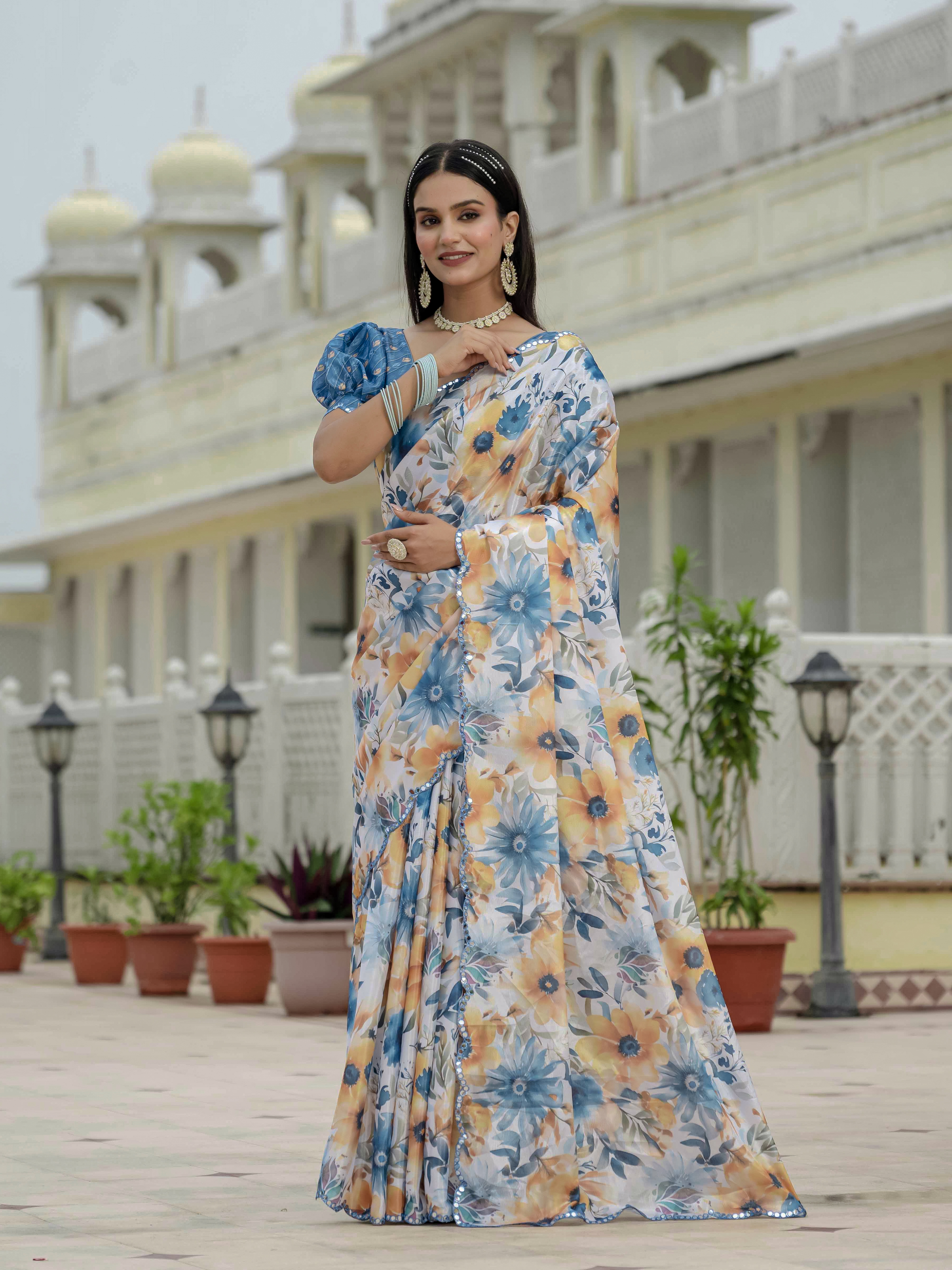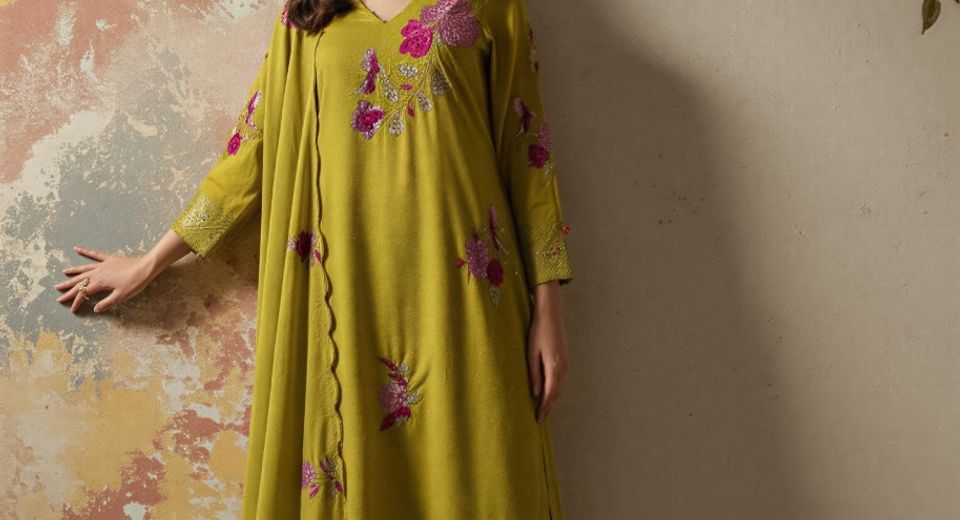
The Best Salwar Suits for Family Functions make room for two priorities: looking appropriately dressed and staying comfortable through greetings, meals, photographs and several hours of conversation. A daytime puja, a cousin's engagement and an evening anniversary dinner don't require the same fabric or level of embellishment. The right choice usually comes from matching the suit's weight, silhouette and colour to the venue before adding jewellery or dramatic makeup.
An useful starting point is the event schedule. Cotton and light Chanderi work well for warm daytime gatherings, while silk blends, zari and richer embroidery suit evening celebrations. Readymade party wear suits for women can save alteration time, but measurements, lining and dupatta length still deserve careful attention before ordering.
How to choose the Best Salwar Suits for Family Functions
The best salwar suit for a family function matches the time of day, expected formality, weather and amount of movement required. A simple three-part test makes selection easier: identify the function's dress code, choose a breathable or structured fabric, and then select a silhouette that fits comfortably at the shoulders and waist.
For a morning havan, house puja or informal lunch, a straight kurta with trousers or a modest palazzo looks polished without appearing heavy. For an engagement, reception-style dinner or milestone celebration, an Anarkali, embroidered kurta set or silk three-piece suit can carry more visual richness. A close family gathering may also allow a statement colour, whereas a formal religious ceremony often calls for graceful coverage and restrained styling.
Venue matters as much as the invitation. A floor-length Anarkali can look elegant in a banquet hall but become inconvenient in a crowded home with low seating. A palazzo may feel airy outdoors, while a narrow trouser is easier to manage on stairs and during repeated sitting. Family-function dressing works best when the outfit supports the day rather than requiring constant adjustment.
Which fabrics work for daytime family gatherings?
Cotton, Chanderi silk, cotton-silk blends and lightweight viscose are dependable fabrics for daytime family gatherings because they offer breathability, moderate structure and easier movement. Cotton salwar suits for family functions are especially practical in humid weather, long ceremonies and homes where guests move between indoor and outdoor spaces.
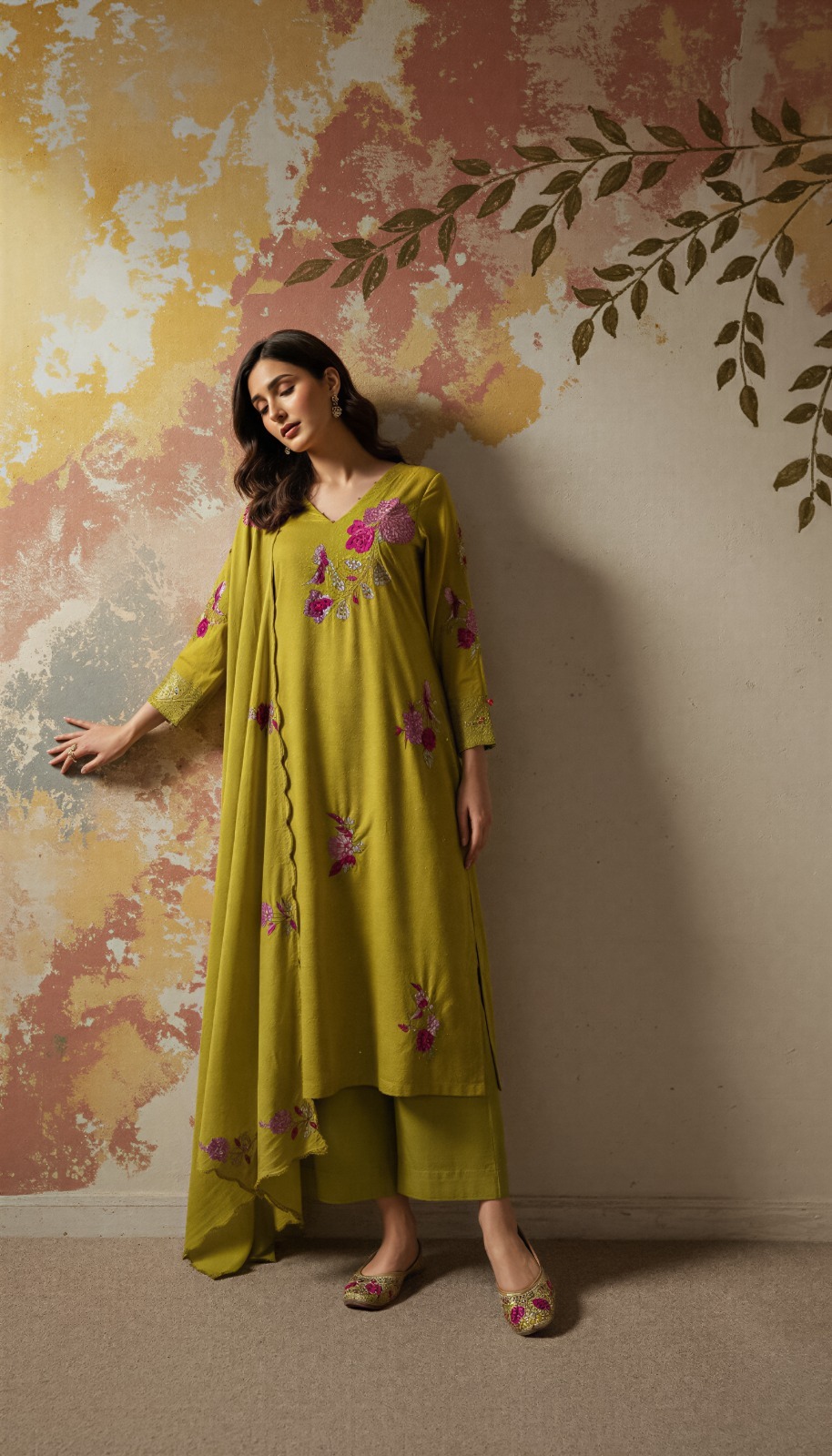
Pure or cotton-rich cotton usually feels comfortable in summer, but cotton can crease around the lap after sitting. A small amount of texture or embroidery can make those creases less noticeable. Chanderi silk has a light hand and a subtle sheen, making it suitable when a daytime event feels more festive than casual. The Olive Green Chanderi Silk Embroidered Kurta Set Dupatta combines a grounded colour with a dressier surface, while the Green Chanderi Silk Kurta Pant Dupatta Set for Women offers a coordinated three-piece format.
Slub textures add visual interest without requiring dense embellishment. The Sky Blue SlubElegance Embroidered Suit Set is an useful example of how a cooler colour and textured fabric can look celebratory in daylight. Light blue, sage, cream, soft yellow and muted pink tend to photograph gently under natural light, while olive and bottle green bring more depth to family portraits.
Silk and heavily lined fabrics deserve more caution in hot weather. Silk can look beautiful for an evening function, but a synthetic lining may feel warm after several hours. Check whether the kurta is lined, whether the sleeves allow airflow and whether the dupatta has enough width to sit comfortably without becoming cumbersome.
Which silhouettes suit different family functions?
Straight-cut suits, Anarkalis, palazzo sets and contemporary crop-top sets each suit a different combination of comfort, movement and formality. The most flattering silhouette is usually the one that gives the body enough ease without creating excess fabric at the waist, armhole or hem.
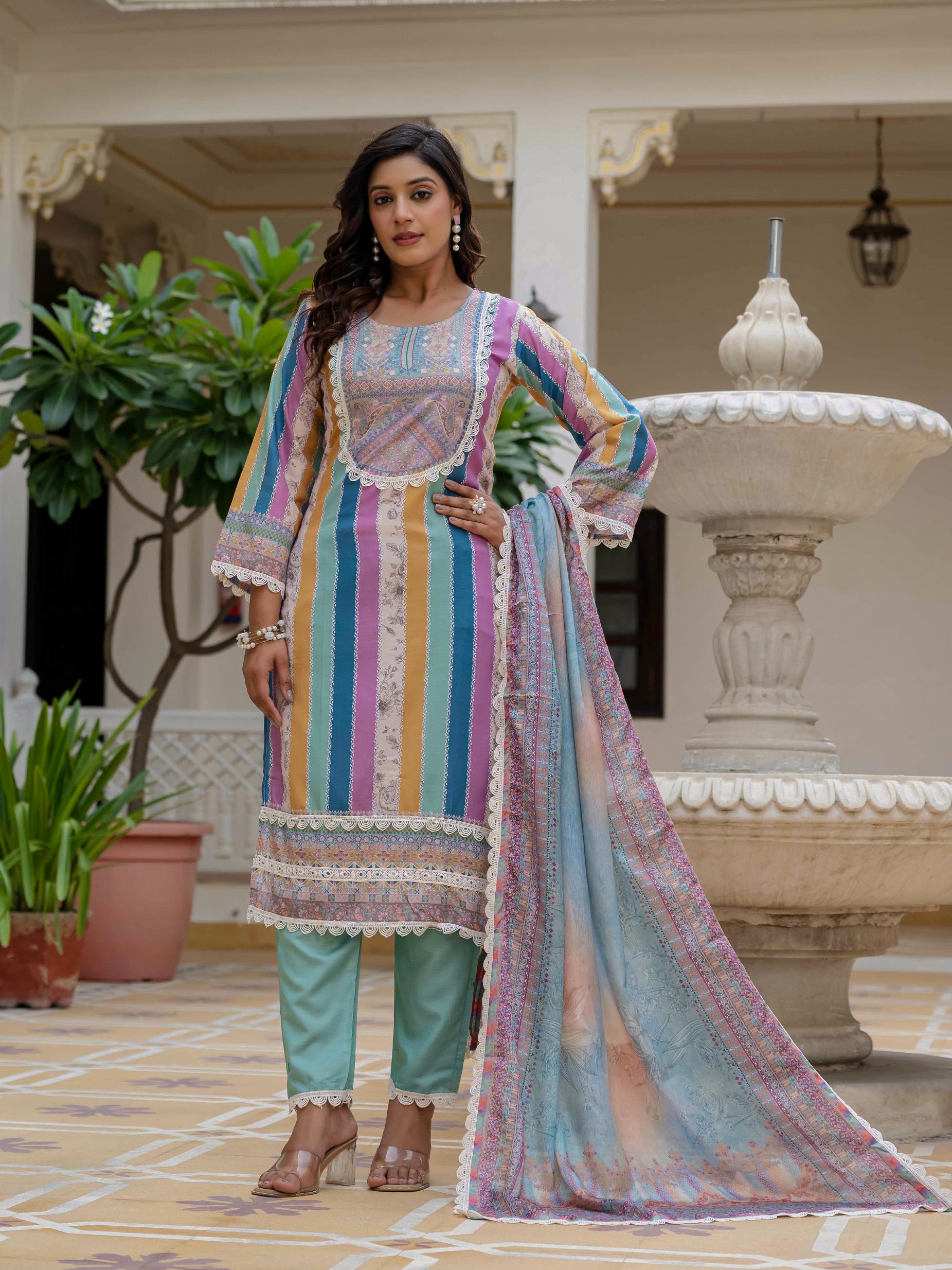
Straight kurta and trouser sets
Straight kurta sets are the most versatile choice for pujas, lunches and mixed-formality family gatherings. A straight hem creates a clean vertical line, and trousers make walking, sitting and climbing stairs simple. The Green Chanderi Silk Kurta Pant Dupatta Set for Women illustrates why coordinated kurta-pant-dupatta sets are useful: each piece already shares a colour story, so styling can remain minimal.
Anarkali and flared suits
Anarkali suits suit evening celebrations and functions where a more traditional, festive shape is expected. The flare creates movement in photographs, but the hem should not drag and the waist should not feel tight after a meal. Ladies Dress Anarkali Salwar Suits is a relevant collection for comparing fuller silhouettes, neckline treatments and levels of surface work before choosing a specific look.
The Cream Printed Anarkali Gown with Ethnic Motif Design brings a softer route to occasion dressing through an all-over motif rather than relying only on heavy borders. Cream works well with gold accessories, pearl details or a contrasting dupatta, but it should be checked under the venue's lighting because very pale shades can appear brighter in flash photography.
Palazzo, sharara and modern coordinated sets
Palazzo suits provide generous legroom and an easy contemporary shape, especially for daytime events. The Mustard Silk Embroidered Kurti Palazzo Dupatta Set adds festive colour and a wider lower silhouette without the volume of a full Anarkali. Palazzo hems should be short enough to clear the floor by approximately 1 to 2 centimetres when worn with the intended footwear.
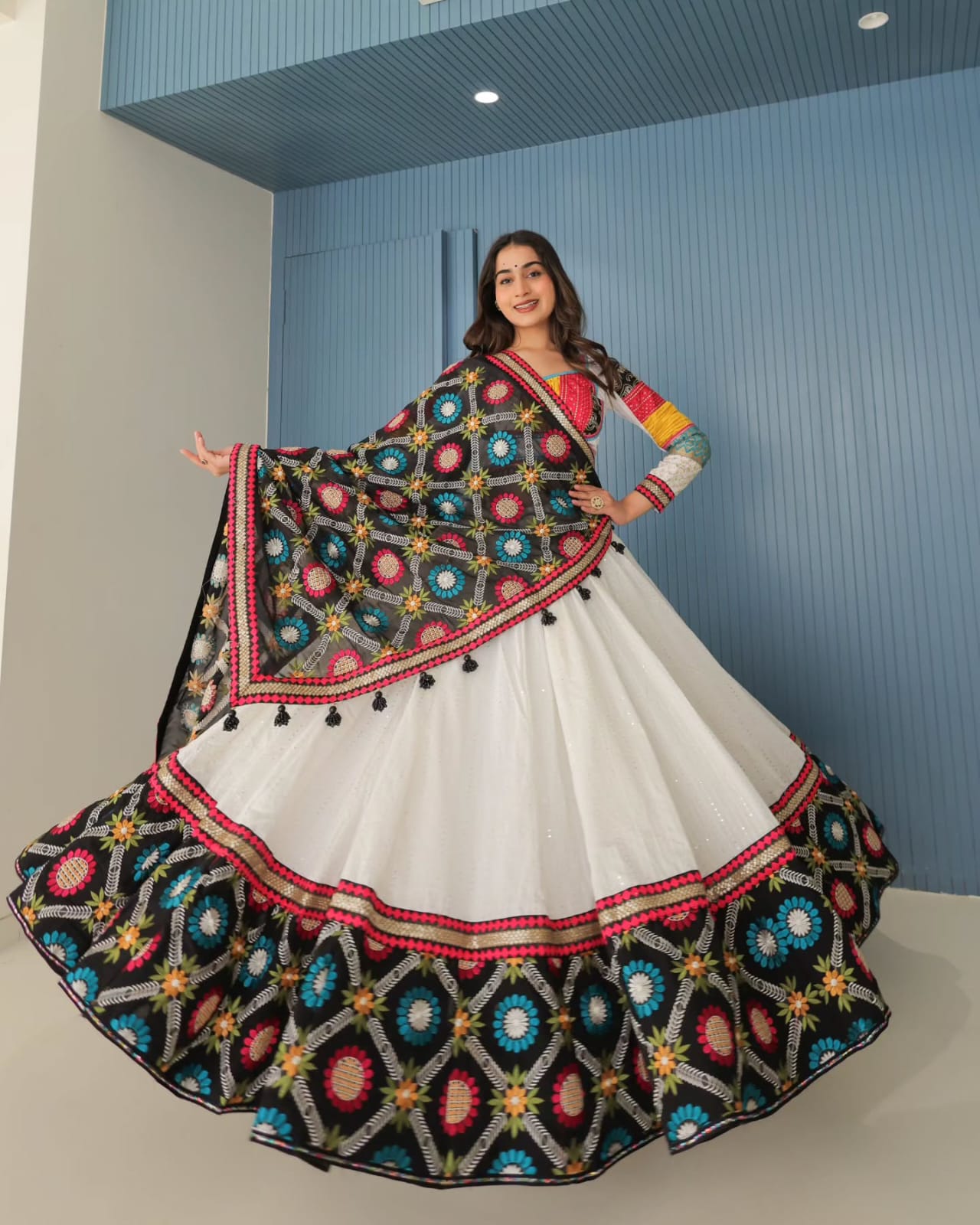
A crop-top lehenga set can suit a younger, fashion-forward family celebration, especially when the venue calls for movement and photographs. The Off White Vichitra Silk Crop Top Lehenga Set with Zari Work pairs a contemporary two-piece proportion with zari, so jewellery can be kept lighter. A longer dupatta drape or higher-waisted skirt can provide additional coverage when required for a religious gathering.
How much embroidery and zari is appropriate?
Moderate embroidery is appropriate for most family functions, while dense zari, sequins or ornate borders are better reserved for evening celebrations and milestone events. The easiest way to judge embellishment is to consider the event's lighting, the number of guests and whether the outfit already has a strong silhouette.
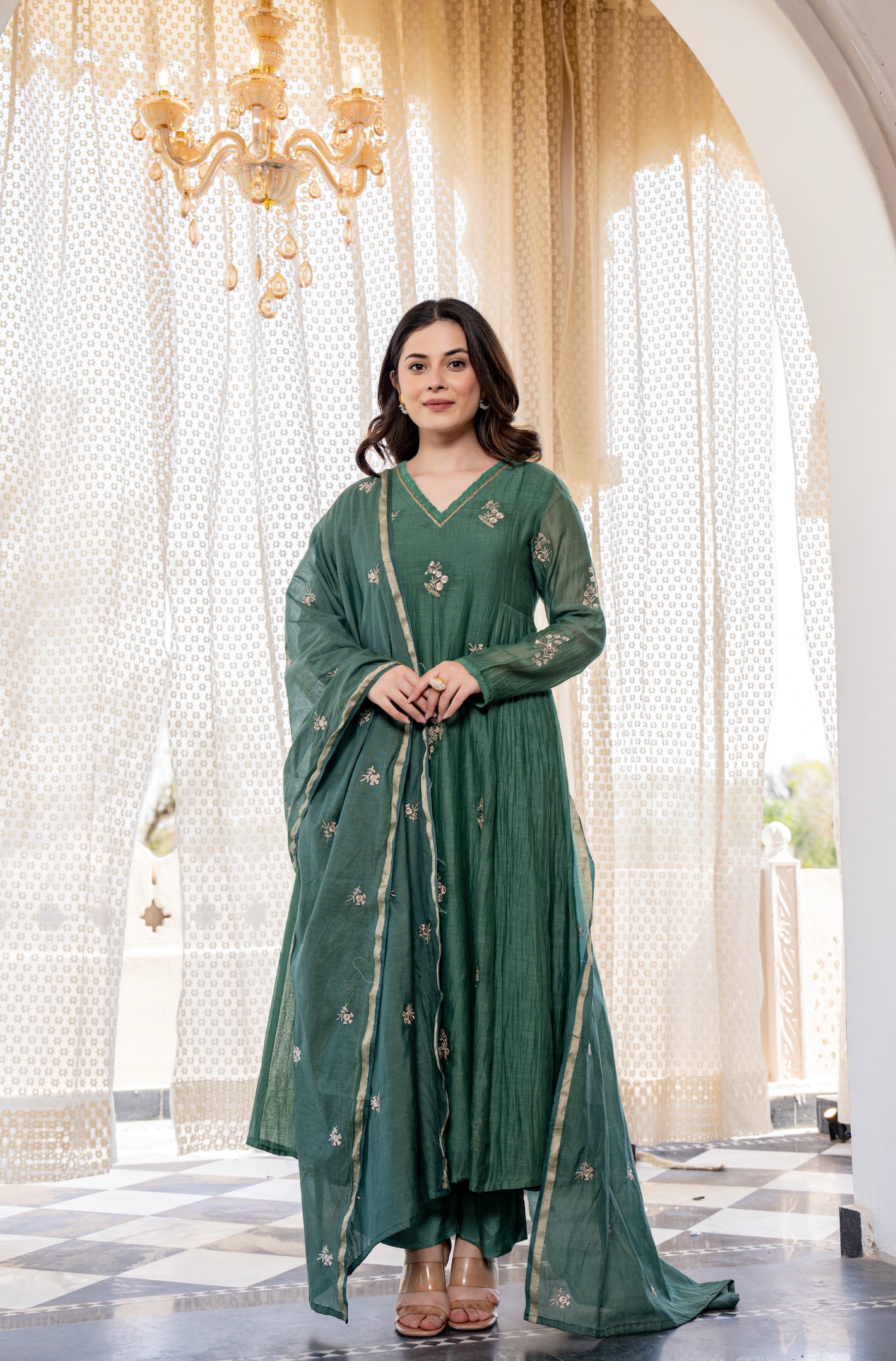
Thread embroidery, printed motifs and small repeats tend to work well for daytime. Zari, metallic thread and concentrated borders become more visible after sunset and under warm indoor lighting. A garment with one strong feature-such as an embroidered yoke, decorated sleeve or zari hem-usually looks more refined than a suit where every surface competes for attention.
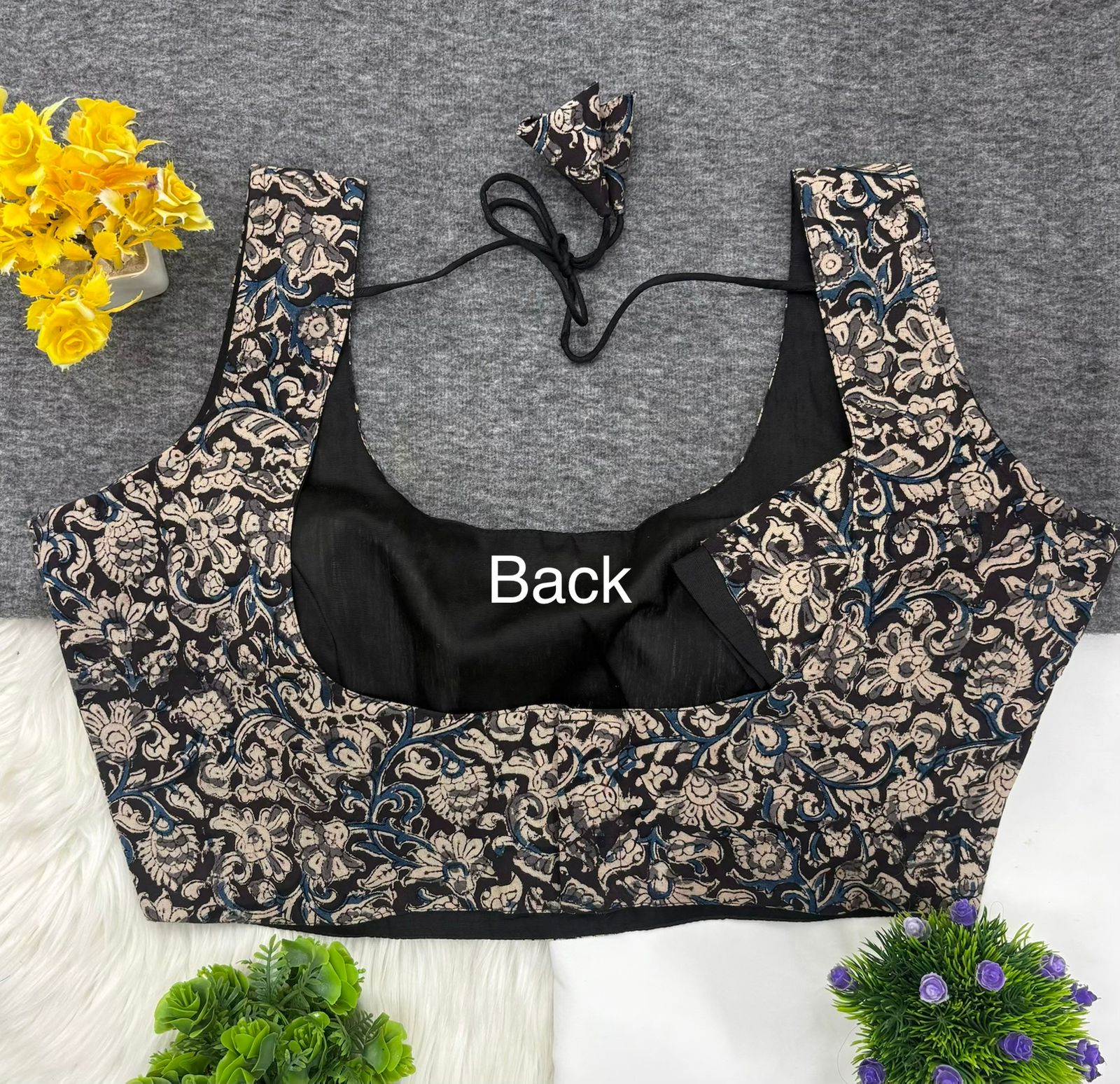
Black can be polished for an evening family function when balanced with floral embroidery, metallic jewellery or a bright lip colour. The Black White Floral Embroidered Readymade Salwar Suit uses contrast to create definition without requiring a large number of accessories. Black Red Fendy Silk 3 Piece Readymade Salwar Suit Set takes a more dramatic route through red-and-black contrast, making it more suitable for a night event than a morning puja.
Readymade salwar suit dupatta sets are convenient because the kurta, bottom and dupatta are designed as one outfit, but inspect the finishing details. A slippery dupatta may need discreet pins at the shoulder. A heavily embellished edge can catch on bangles. A lined kurta may require one size more than an unlined cotton style, particularly around the bust and upper arm.
Are fully stitched suits better than dress materials?
Fully stitched salwar suits are better when time, predictable proportions and immediate wear matter, while dress materials are better when custom measurements or a personalised design are the priority. Neither option is automatically superior; the right choice depends on how much tailoring control is needed.
Fully stitched salwar suits reduce the risk of delayed tailoring before a function. They are practical for travellers, last-minute invitations and anyone who wants a coordinated outfit without sourcing fabric, lining and a matching dupatta separately. Readymade party wear suits also make it easier to compare the complete proportion of kurta, bottom and dupatta before purchase.
Dress materials are valuable when sleeve length, kurta length, neckline depth or trouser width needs to be customised. The tailoring cost and completion time should be added to the garment budget. The Dress Materials collection can be useful for comparing fabrics and prints when a standard readymade fit doesn't accommodate personal preferences.
Before buying a stitched suit, measure the bust, waist, hip, shoulder and preferred kurta length. Compare those measurements with the garment chart rather than relying only on a familiar small, medium or large label. Leave extra ease for sitting and eating; a suit worn for a six-hour family event should not fit like a fitted evening dress.
How should you style a salwar suit for a family function?
A salwar suit looks occasion-ready when the accessories repeat one detail from the garment without matching every element exactly. Choose jewellery, footwear and makeup according to the suit's strongest colour or finish, then keep the remaining components quiet.
Gold-toned jhumkas complement mustard, olive, cream and zari work. Silver or oxidised jewellery suits sky blue, black-white prints and cooler green shades. A small clutch in gold, tan, black or a related jewel tone is more practical than an oversized handbag during photographs and meals.
The dupatta changes the visual balance of the outfit. A shoulder drape creates a longer vertical line and keeps both hands free. A front drape displays a printed or embroidered border but may need pinning. For a crowded home function, secure one shoulder with a hidden safety pin and place a second pin near the waist if the fabric is slippery.
Footwear should be selected before finalising the hem. Low block heels or embellished flats work for most family gatherings, while narrow stilettos can sink into grass, catch on rugs or become uncomfortable during prolonged standing. Keep the heel height consistent with the measurement used for alterations.
Hair and makeup should reflect the function rather than compete with the salwar suit. A low bun, braid or half-up style works well when the neckline and earrings are important. For a daytime ceremony, breathable base makeup and a defined lip are generally more comfortable than a heavy layered finish. Evening functions allow stronger liner, deeper lipstick or a more luminous highlight.
Where can you compare affordable family-function options?
Collections organised by construction, discount and price range make comparison easier, but a low price should never replace checking fabric, size information and finishing. Salwar Suits with 30% Off and Salwar Suits Flat 40% Off can help when setting a budget for a complete outfit, accessories and alterations.
Price should be evaluated as total wear value. A suit costing less but requiring major tailoring may not be cheaper than a well-fitting fully stitched set. An adaptable straight kurta in Chanderi, cotton or a restrained print can also be worn to future lunches and festive visits, improving value over a highly specific one-time design.
For shoppers seeking lower-cost options, Red Dress Materials Under 2000 may be relevant when tailoring is available locally. A material budget should include stitching, lining, hooks, pressing and any matching bottom fabric. For a ready-to-wear choice, inspect whether the dupatta is included and whether the garment description specifies the fabric of every component.
Colour, comfort and occasion suitability matter more than chasing a single "trending" salwar suit design. A well-fitting readymade suit in a flattering colour will usually look more polished than a fashionable silhouette that restricts movement or needs repeated adjustment. The strongest family-function wardrobe contains a mix of breathable daytime sets, one evening suit and one adaptable neutral outfit.
A practical checklist before ordering
Use a short checklist before buying a salwar suit for a family function: confirm the event time, check the fabric against the weather, measure the garment area that usually feels tight, verify the included pieces, and plan footwear before deciding the hem length.
- For morning events: choose cotton, Chanderi silk, slub fabric or a light printed set with moderate embroidery.
- For afternoon celebrations: select a breathable three-piece suit in sky blue, green, mustard, cream or another colour that photographs well in daylight.
- For evening functions: consider silk, zari, deeper colours, denser embroidery or a more dramatic Anarkali shape.
- For long ceremonies: prioritise lined-but-breathable fabric, secure dupatta placement and footwear that can be worn for several hours.
- For quick purchases: choose fully stitched suits, compare actual measurements and confirm whether the bottom and dupatta are included.
- For custom fits: choose dress materials only when tailoring time and alteration costs are available.
The most reliable family-function outfit is one that looks considered from the first photograph to the last goodbye. A suitable fabric prevents discomfort, a practical silhouette makes movement easier, and controlled embellishment lets the wearer remain the focus rather than the clothing becoming a distraction.
Questions Shoppers Ask Before Choosing a Family-Function Salwar Suit
Which website is the best for buying salwar suits?
The best website is one that provides clear garment measurements, fabric details, product photographs, delivery information and a dependable exchange process. Compare the complete outfit rather than judging only the kurta, because the bottom and dupatta affect the final fit and appearance.
What is a good salwar suit for a 50-year-old woman?
A straight kurta with trousers, a softly flared Anarkali or a comfortable Chanderi or cotton-silk three-piece set is a strong choice for a 50-year-old woman. Moderate embroidery, a stable neckline and enough ease at the armhole usually provide a polished appearance without sacrificing comfort.
Which salwar suit is trending now?
Coordinated three-piece sets, straight kurtas with pants, palazzo suits and contemporary Anarkali silhouettes remain versatile choices. Current styling also favours textured fabrics, controlled embroidery and wearable colours over excessive decoration, making the outfit easier to reuse.
Where can I find the cheapest salwar suit online?
Lower-priced options can be found in discounted salwar-suit and dress-material collections, but the final cost should include tailoring, lining and shipping. A fully stitched suit may offer better value when a dress material requires substantial alteration.
Are cotton salwar suits suitable for a family function?
Cotton salwar suits are suitable for daytime pujas, lunches, informal gatherings and warm-weather family functions. Choose a refined print, textured cotton or light embroidery when the event is semi-formal, and check the crease level if the function involves extended sitting.
Are readymade salwar suits good for party wear?
Readymade salwar suits are good for party wear when the measurements, lining and embellishment match the wearer's needs. Silk, zari, floral embroidery and richer colours can make a fully stitched suit appropriate for an evening celebration, while lighter cotton and Chanderi options work better during the day.