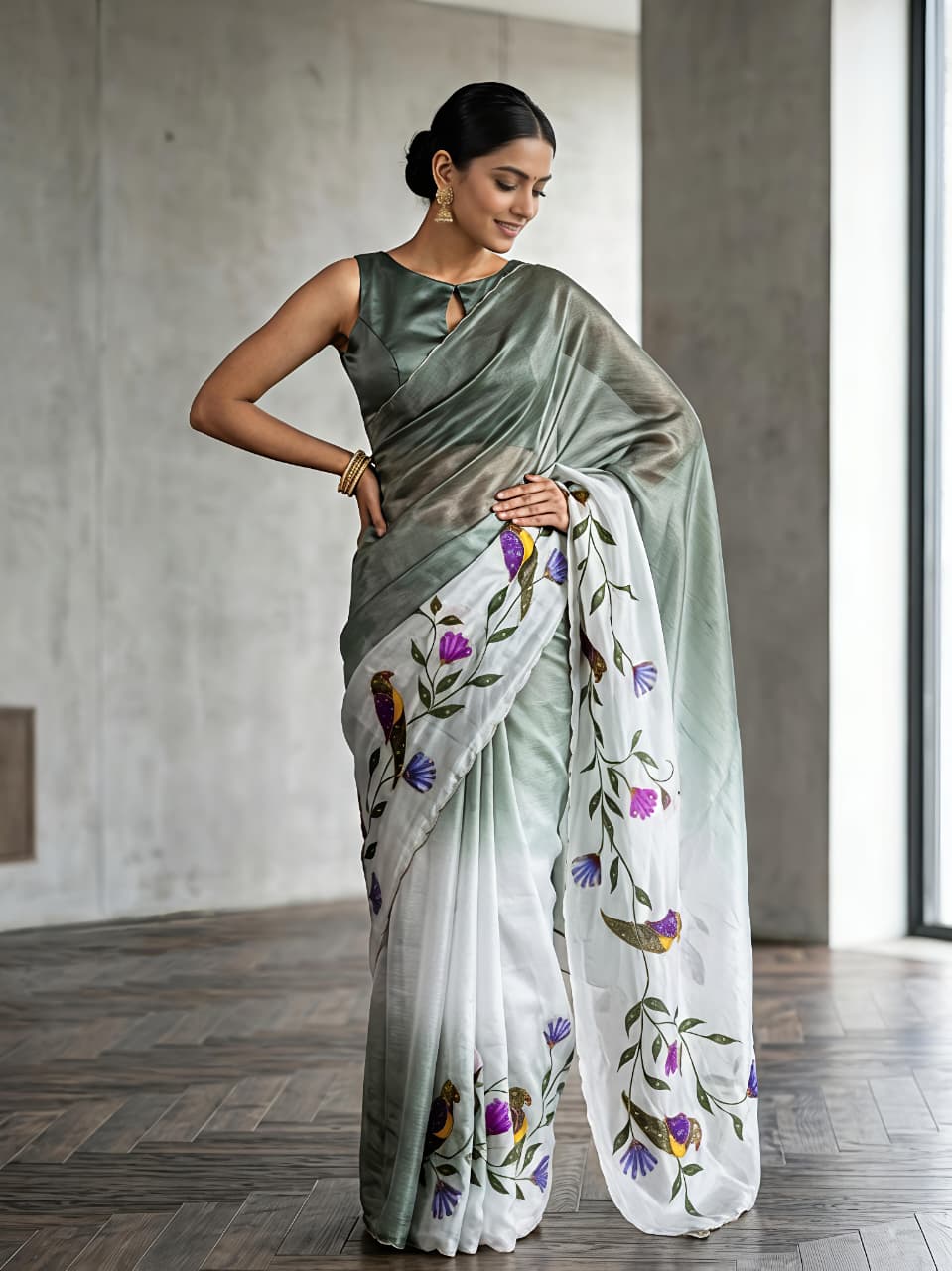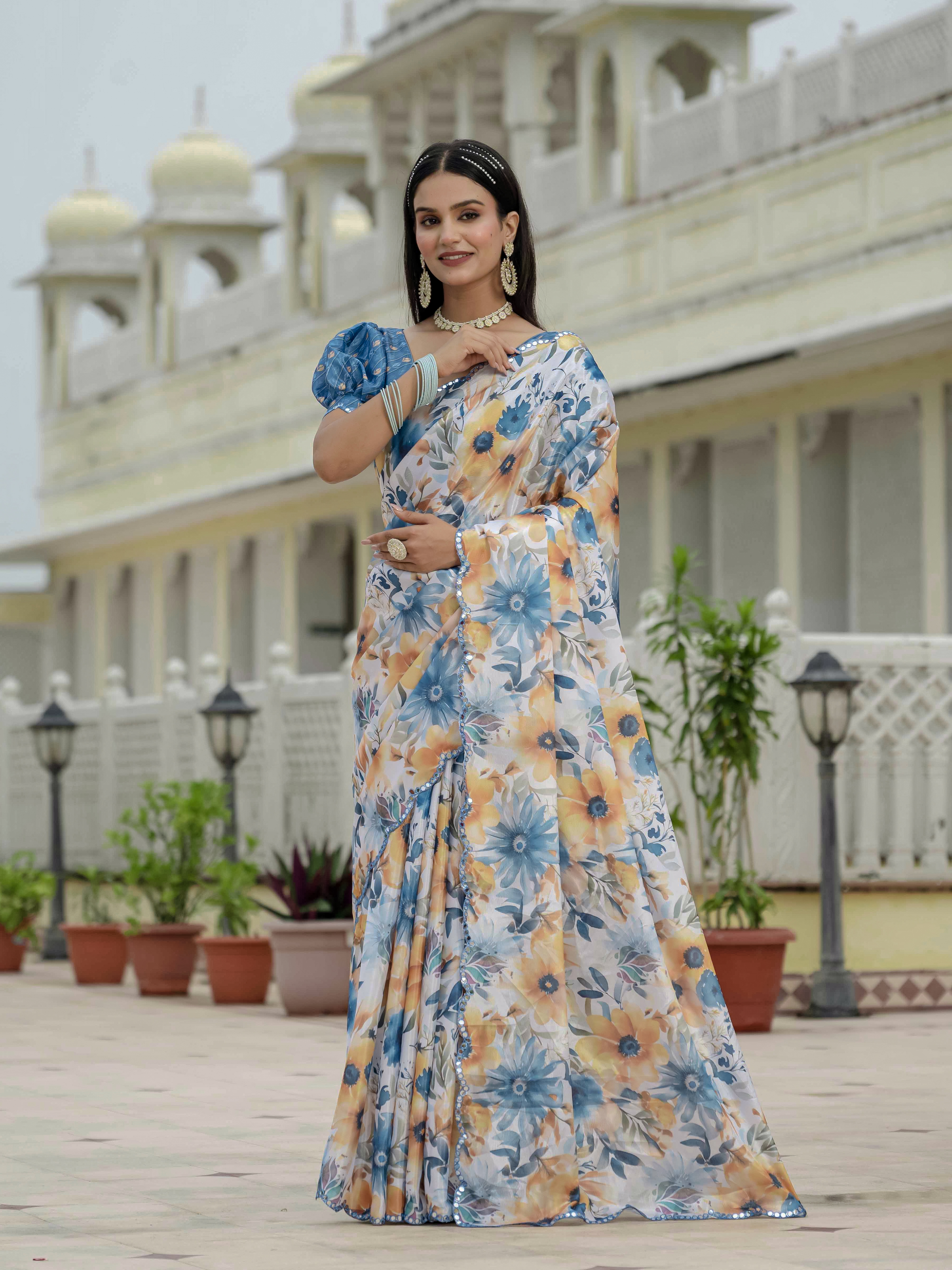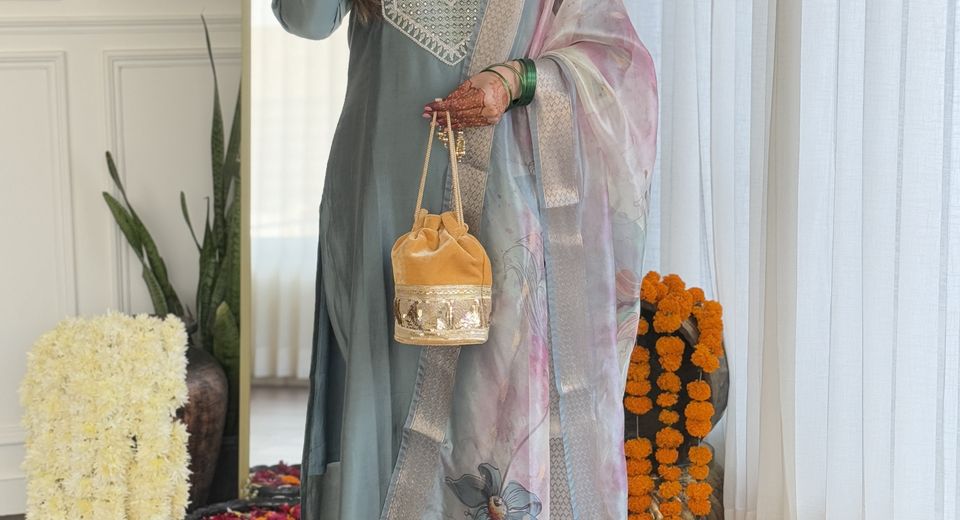
Best Salwar Suit Fabrics for Different Seasons depend on more than colour or embroidery. Cotton, rayon, Chanderi cotton, silk blends and dense woven textiles behave differently in heat, humidity, rain and winter chill. Fibre content, weave, lining and fit determine whether a salwar suit feels airy, sticky, warm or restrictive. The right choice also depends on where you'll wear the suit, how often you'll wash it and whether you prefer a crisp or fluid silhouette.
Indian weather changes sharply between regions, so a breathable cotton suit that works in dry Delhi heat may feel different in humid Kolkata or coastal Kochi. The guide below explains which fabrics suit each season, what construction details matter and how to care for common salwar suit materials without damaging colour, embroidery or shape.
Best Salwar Suit Fabrics for Different Seasons: how should fabric change?
Salwar suit fabric should become lighter and more breathable in hot weather, quicker-drying during the monsoon, and denser or easier to layer during winter. Fabric weight, fibre content, weave and lining matter as much as the printed design.
Natural fibres such as cotton absorb perspiration and allow air to circulate, making cotton a reliable choice for summer. Rayon has a smooth, fluid drape and often feels cool against the skin, although rayon garments require more careful washing and may take longer to dry. Chanderi cotton combines a relatively light hand with a dressier woven appearance, which makes it useful for warm-weather events.
Winter dressing doesn't always require a very heavy salwar suit. A medium-weight cotton, wool-blend accessory, lined kurta or layered dupatta can add warmth while preserving movement. A practical wardrobe contains several fabric weights rather than relying on one material for every month.
Best Salwar Suit Fabrics for Different Seasons in summer
Cotton is the most dependable summer salwar suit fabric because cotton absorbs moisture, permits airflow and remains comfortable during long daytime wear. Handloom cotton, mulmul cotton, cambric cotton and lightweight cotton blends can all work well, but final comfort depends on weave density and lining.
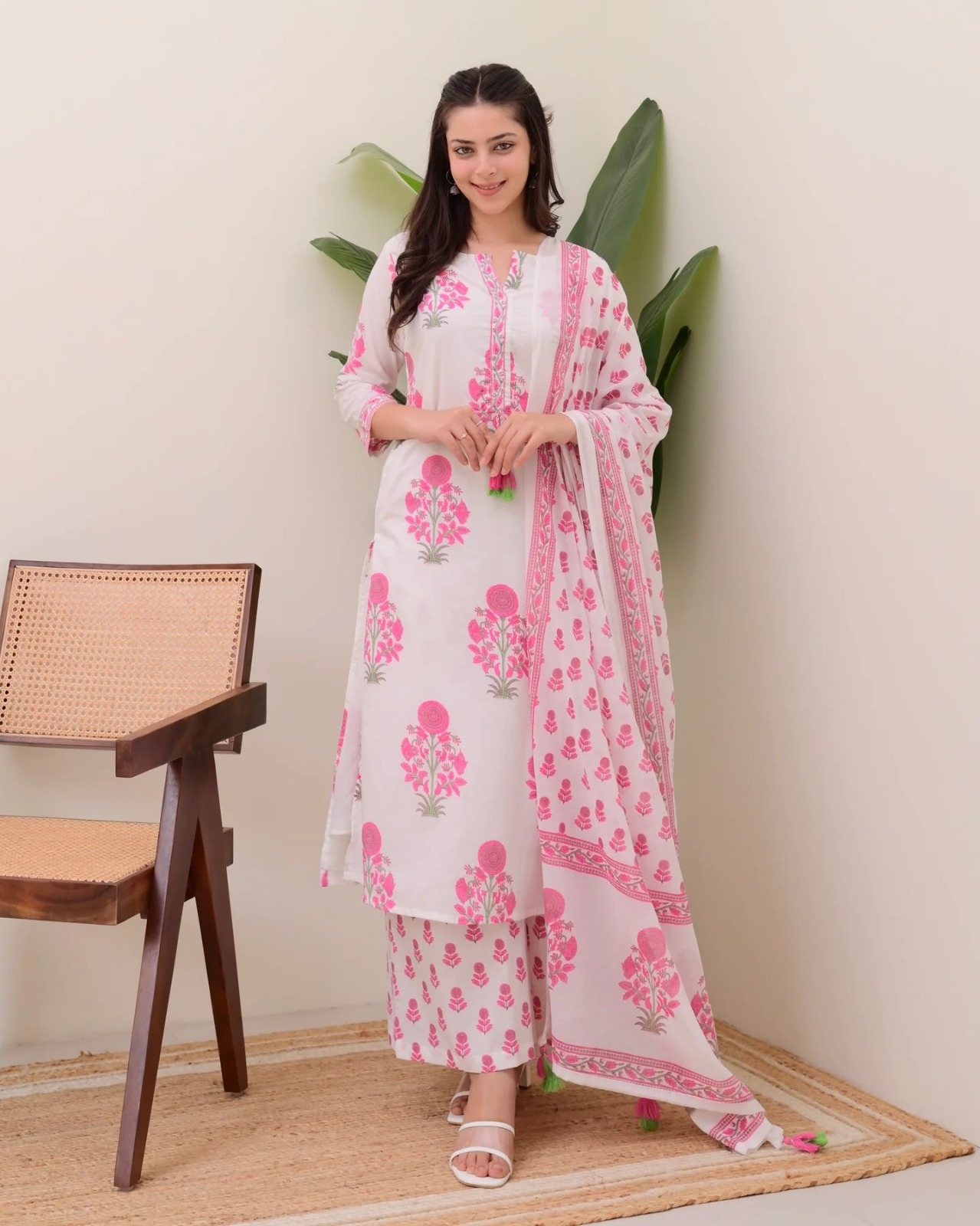
Why cotton suits hot weather
Cotton fibres absorb perspiration instead of trapping it directly against the skin. A loose weave improves ventilation, while a close weave offers better opacity and structure. For everyday summer use, choose an unlined or lightly lined kurta when the fabric is opaque, and select a cotton lining when the outer fabric is slightly transparent.
White, ivory, pale blue, pista green and soft pink can feel visually cooler, but colour doesn't determine physical breathability. A dark cotton suit can remain comfortable if the weave is airy and the fit is relaxed. Straight suits, short kurtas with palazzos and lightly gathered salwar trousers generally allow better ventilation than heavily layered Anarkali silhouettes.
Woven Chanderi Cotton Readymade Salwar Suit gives an useful middle ground for summer dressing because Chanderi cotton can look polished without the dense weight of many embellished fabrics. Elegant White Chanderi Threadwork Suit with Dupatta is better suited to a warm-weather lunch, puja or daytime gathering than a thick, heavily lined festive suit.
Summer details worth checking
- Look for cotton or cotton-rich fabric in the kurta, especially when the garment will be worn outdoors.
- Check whether the lining covers the entire kurta or only the bodice, because full synthetic lining can reduce airflow.
- Choose a relaxed armhole and sleeve rather than a very tight fit that holds perspiration against the body.
- Prefer lighter embroidery, threadwork or prints for daily wear because dense embellishment adds weight and makes washing more difficult.
- Pair a breathable kurta with cotton trousers or a cotton-lined palazzo instead of a fully synthetic bottom.
Ladies Dress Anarkali Salwar Suits can still work in summer when the Anarkali has a light cotton or Chanderi base, short lining and moderate flare. A heavily layered Anarkali with multiple synthetic panels is less suitable for a long afternoon outdoors.
Best Salwar Suit Fabrics for Different Seasons during monsoon
Rayon blends, lightweight cotton and quick-drying synthetic blends are practical monsoon choices, provided garments are washed promptly and dried thoroughly. The best monsoon fabric balances comfort against drying time, colourfastness and resistance to humidity.
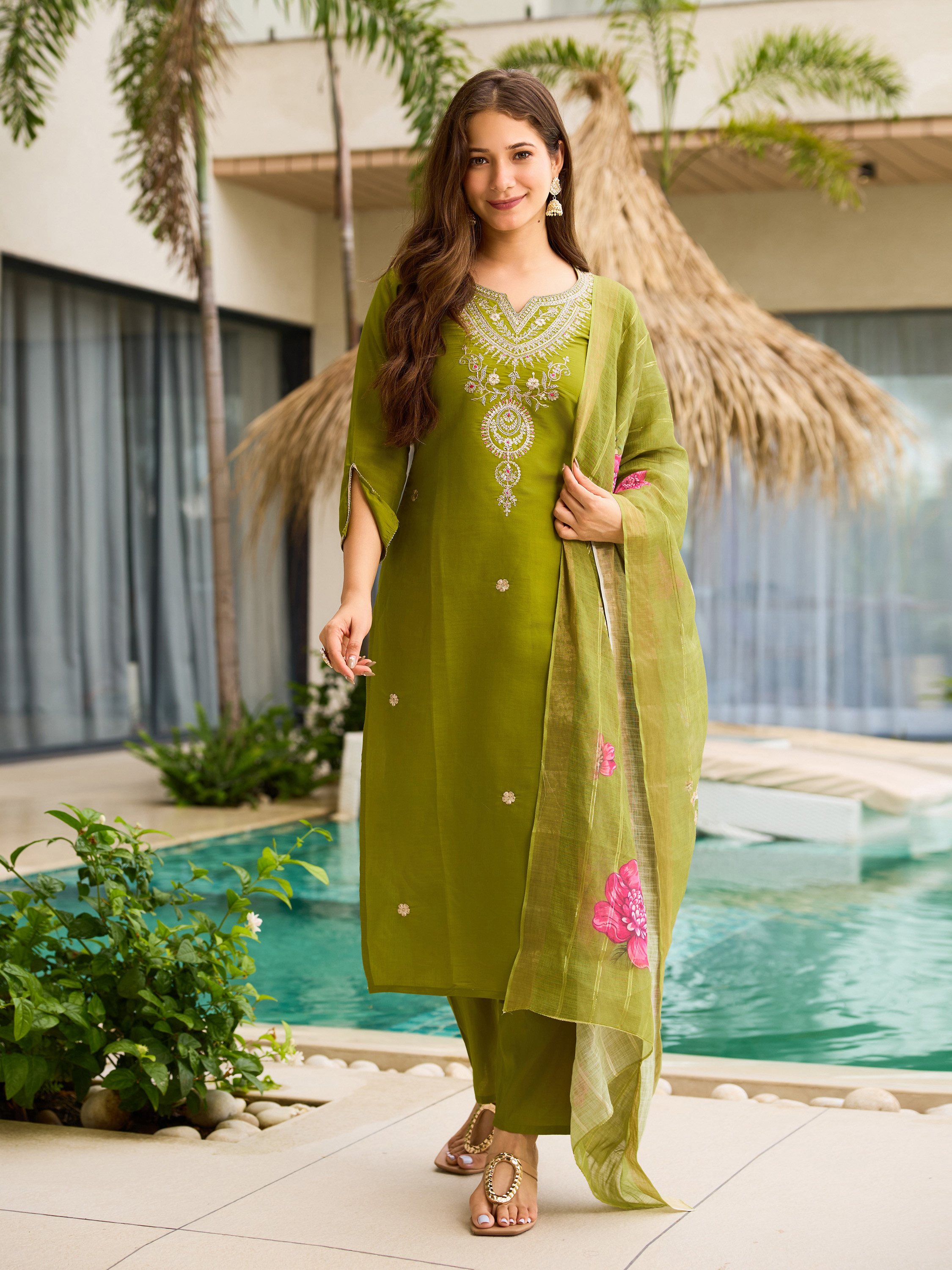
Rayon feels soft and fluid, making it popular for straight salwar suits and relaxed everyday sets. Rayon can absorb moisture and may take longer to dry than polyester, so a rayon suit should not remain damp in a laundry basket. A well-ventilated drying area is essential during humid weather.
Cream Pink Printed Rayon Readymade Salwar Suit illustrates why rayon works for casual monsoon dressing: the fluid fall suits a comfortable straight silhouette, while a printed surface can be more forgiving of minor everyday marks than a pale solid fabric. Teal Rayon Threadwork Salwar Suit can work for an evening plan when the weather is humid, but threadwork areas should be dried flat or supported carefully to prevent distortion.
How to prevent monsoon fabric problems
don't store a damp salwar suit, even when the garment appears dry on the outside. Moisture trapped near seams, embroidery or underarm areas can create odour and mildew. After wearing a rayon or cotton suit in rain, air the garment fully before placing it in a wardrobe.
Colour bleeding is more likely when dark dyes meet water, friction and heat. Wash a new navy, teal or maroon garment separately the first time, use cold water and avoid soaking for long periods. Navy Blue Embroidered Salwar Suit deserves particular care because dark dyed fabric and embroidery can both lose clarity after harsh detergent or prolonged soaking.
Choose a shorter dupatta or pin a dupatta securely during heavy rain. Long trailing dupattas collect water and dirt at the edges, while unprotected zari or metallic thread can tarnish when repeatedly exposed to moisture. A simple cotton or rayon dupatta is often more practical than a heavily embellished dupatta for commuting.
Dress Materials can be useful for monsoon wardrobes when you want to select a lighter lining, shorter kurta or narrower hem. Customising the construction helps reduce drying time, especially when a fully lined readymade suit feels too heavy in humid weather.
Best Salwar Suit Fabrics for Different Seasons in winter
Medium-weight cotton, wool-blend fabric, velvet accents and layered Chanderi or silk-blend outfits are suitable for winter because they retain more warmth than sheer summer fabrics. A winter salwar suit should provide coverage without becoming so stiff that movement feels restricted.
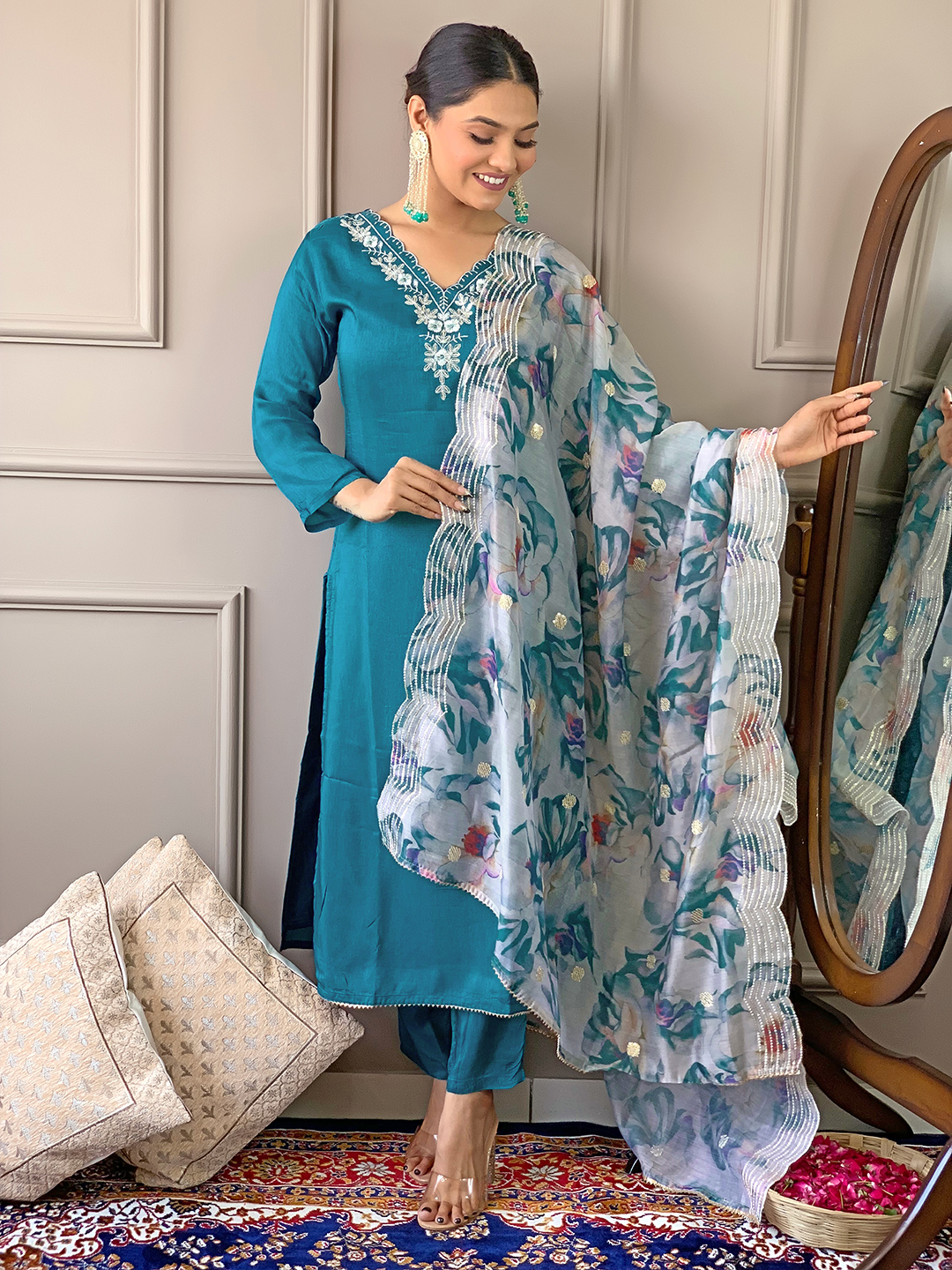
Winter suitability depends on layering as much as on the kurta fabric. A full-sleeved cotton kurta can be worn with a warm shawl, long coat or quilted jacket. A Chanderi or silk-blend kurta can be layered over a thin inner top, while a denser trouser fabric protects the legs better than a very light palazzo.
Embroidered Salwar Suit Set for Women can serve as a festive winter option when worn with a substantial dupatta or shawl. Embroidery itself doesn't guarantee warmth, so check the base fabric and lining before selecting an outfit for an outdoor function. SunsetCharm Ethnic Suit can suit an evening celebration when the styling includes closed footwear, a warm stole or a structured jacket.
Layering without losing the silhouette
A thin thermal layer under a straight kurta adds warmth with less bulk than a thick sweater. A longline jacket preserves the vertical shape of an Anarkali or straight suit, while a cropped jacket works well with a high-waisted palazzo or sharara bottom.
Use the dupatta as a functional layer rather than only as decoration. Wool, modal, cotton-silk and heavier woven dupattas provide more warmth than sheer organza. When a suit includes a delicate dupatta, add a separate shawl instead of forcing the dupatta to handle cold weather, wind and frequent movement.
Salwar Suits with 30% Off and Salwar Suits Flat 40% Off can be useful places to compare fabric weights when building a seasonal wardrobe, but a discount should not replace checking fibre content, lining and care instructions. A lower price is valuable only when the garment suits your climate and usage.
Best Salwar Suit Fabrics for Different Seasons: rayon or Chanderi?
Chanderi generally gives a lightweight, slightly crisp and occasion-ready appearance, while rayon brings a softer drape and a more fluid everyday feel. Neither fabric is automatically superior; the right choice depends on climate, activity and the finish you want.
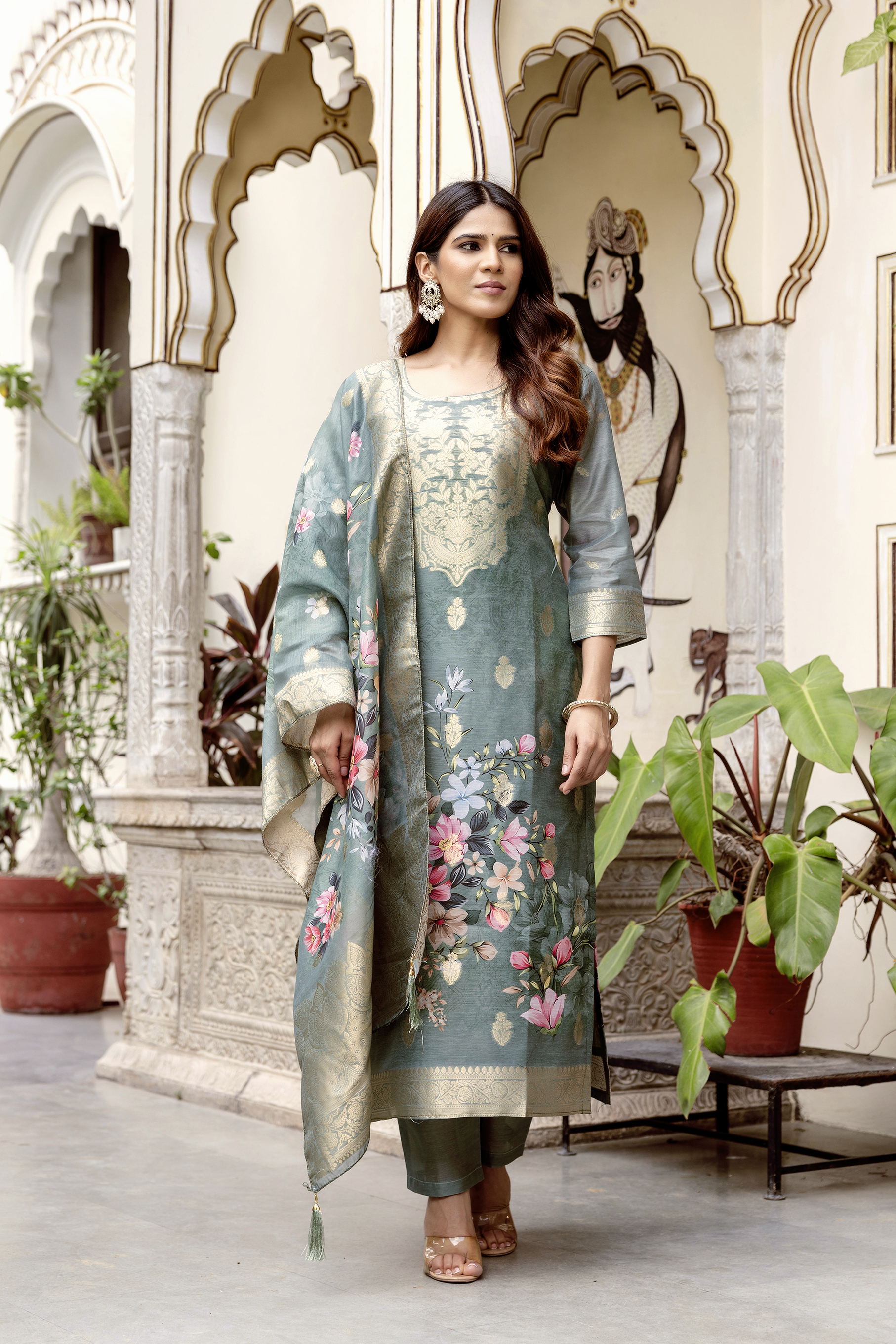
Chanderi fabric is associated with a fine, airy woven texture and a subtle sheen. Chanderi cotton is especially useful for daytime celebrations because it looks refined without the heavy warmth of brocade. Chanderi may crease or snag more visibly than sturdy everyday cotton, so careful storage and gentle ironing are important.
Rayon falls close to the body and creates movement in straight kurtas, palazzos and relaxed salwar trousers. Rayon can be comfortable in warm weather, but rayon garments should not be wrung aggressively because wet fibres can weaken or lose shape. Pista Green Rayon Threadwork Salwar Suit is an example of a soft-drape outfit that can move from daytime wear to a modest festive setting with simple jewellery.
For frequent washing and everyday errands, cotton often brings easier maintenance. For a flowing silhouette and smooth hand feel, rayon often performs better. For a polished warm-weather event, Chanderi cotton provides more visual texture than plain cotton while remaining lighter than many embellished festive fabrics.
Best Salwar Suit Fabrics for Different Seasons: what construction matters?
Weave, lining and fit can change the comfort of a salwar suit even when two garments use the same fibre. A breathable fibre loses much of its advantage when a tight synthetic lining, dense embroidery or restrictive cut blocks airflow.
Weave density and surface finish
A loosely woven cotton usually ventilates better than a tightly packed cotton of similar weight. A smooth finish can make rayon feel cool initially, while a textured weave can improve the visual depth of a lightweight Chanderi kurta. Hold a fabric against light to assess opacity, but remember that an opaque fabric may still feel warm if it has a dense synthetic backing.
Lining and embroidery
Lining should support comfort, opacity and shape without adding unnecessary heat. Cotton lining is generally more breathable than polyester lining, while partial lining can preserve airflow in a lightweight kurta. Dense zari, sequins and layered threadwork add weight, so embellished suits are more comfortable for shorter events than long commutes in hot weather.
Fit changes air circulation as well. A garment with approximately 5 to 8 centimetres of ease around the bust and hips usually allows more movement than a body-skimming fit, although the correct amount depends on the cut and personal preference. Tight sleeves and narrow armholes can feel particularly uncomfortable in humid weather.
Best Salwar Suit Fabrics for Different Seasons: care and buying checklist
Fabric care should match fibre type, colour depth, embellishment and season of use. Reading the care label before purchase can prevent shrinkage, colour transfer, stretched rayon and damaged zari.
- Check the fibre composition and identify whether the kurta, bottom and dupatta use different materials.
- Ask whether the garment is pre-shrunk, especially when buying cotton or cotton-rich fabric.
- Wash dark colours separately in cold water and avoid long soaking.
- Use mild detergent for rayon, Chanderi and embroidered garments, and never wring delicate fabric forcefully.
- Dry rayon and embroidered suits in shade rather than strong direct sunlight to reduce fading.
- Iron cotton at the recommended temperature, and use a pressing cloth for rayon, Chanderi, zari and threadwork.
- Store clean, completely dry garments with space between heavily embellished pieces.
Salwar Suits On Sale can help you find seasonal additions at a lower cost, but inspect the fabric information and construction before checkout. A cream cotton suit may be ideal for summer, while a rayon suit may be more useful for a fluid monsoon wardrobe and a lined Chanderi suit may serve a festive winter afternoon.
The simplest seasonal rule is practical: choose breathable cotton for prolonged summer wear, fluid rayon or light cotton for humid monsoon days, and layerable medium-weight or textured fabrics for winter. Woven Chanderi Cotton Readymade Salwar Suit, Elegant White Chanderi Threadwork Suit with Dupatta, Cream Pink Printed Rayon Readymade Salwar Suit and Pista Green Rayon Threadwork Salwar Suit show how fabric choice can change the same salwar suit category from everyday clothing to occasion wear. A thoughtful fabric choice improves comfort, maintenance and repeat wear far more than a trend-led purchase.
Common Questions About Seasonal Salwar Suit Fabrics
Which fabric is best for a salwar suit in summer?
Cotton is usually the best summer fabric because it absorbs perspiration and allows airflow. Lightweight Chanderi cotton can also work for daytime events, especially when the lining is minimal and the fit is relaxed.
Is rayon suitable for salwar suits during the monsoon?
Rayon is suitable for humid weather because it has a soft, fluid drape and can feel comfortable against the skin. Rayon garments should be washed promptly, dried completely in ventilation and never stored while damp.
Which salwar suit fabric is warmest for winter?
Medium-weight cotton, wool blends and layered silk-blend outfits provide more warmth than sheer cotton or lightweight rayon. A full-sleeved kurta paired with a shawl, jacket or heavier dupatta can be warmer and more versatile than a very thick single fabric.
Is Chanderi suitable for everyday salwar suits?
Chanderi cotton can be suitable for everyday wear when the weave is comfortable, the embellishment is light and the garment is cared for gently. Chanderi is especially useful for daytime gatherings because it looks dressier than plain cotton without the weight of dense brocade.
How should embroidered salwar suits be washed?
Embroidered salwar suits should generally be washed in cold water with mild detergent and minimal soaking, unless the care label specifies dry cleaning. Avoid harsh scrubbing, forceful wringing and direct high heat, then dry the garment in shade.
Does lining make a salwar suit more comfortable?
Lining improves opacity and structure, but comfort depends on its material and coverage. Cotton or partial lining usually supports airflow better than a full synthetic lining, particularly during hot and humid weather.