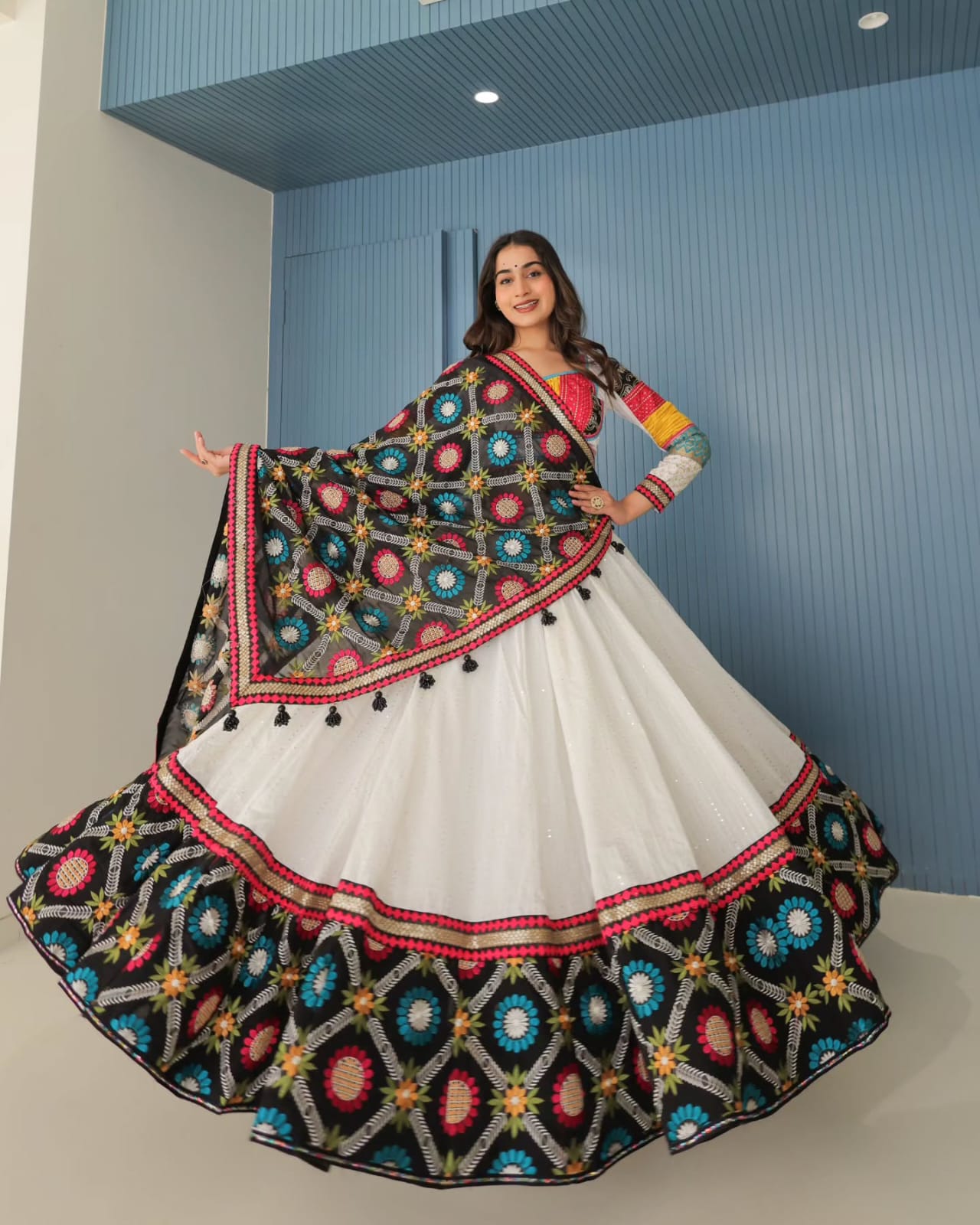
Colour, movement and handcrafted surface detail give the Best Rajasthani Lehengas for Wedding and Festive Celebrations their unmistakable character. A traditional Rajasthani ghagra choli usually combines a flared skirt, fitted choli and odhni, while contemporary versions may use ready-to-wear construction, lighter fabrics and modern necklines. Choosing well means matching the textile, embellishment, silhouette and dupatta to the ceremony rather than selecting colour alone.
Rajasthani-inspired wedding dressing draws from several regional visual languages, including mirror work, bandhani, leheriya, gota patti and bright colour contrasts. Red, yellow, fuchsia, green, orange, cobalt and purple can appear together in one outfit without looking accidental because contrast is central to the visual tradition. The right lehenga should also suit the weather, venue, amount of walking and hours you expect to spend wearing it.
Best Rajasthani Lehengas for Wedding and Festive Celebrations: What defines the style?
The defining features are vivid colour combinations, a generous flare, reflective embellishment and a coordinated odhni or dupatta. Rajasthani lehengas often use visual contrast more confidently than minimalist bridal separates, pairing a yellow skirt with a purple choli or a red base with multicolour embroidery and mirrors.
Mirror work catches movement and evening light, making it especially effective for sangeet and reception photographs. Small mirrors sewn or applied across the skirt create rhythm, while larger mirror motifs produce a stronger folk-art effect. Gota patti adds metallic ribbon shapes, scallops or floral outlines without necessarily making the entire outfit as heavy as dense zari embroidery.
Bandhani refers to a resist-dyeing technique that creates small dotted patterns, while leheriya produces diagonal wave-like stripes. Both textiles are strongly associated with Rajasthan and can appear on dupattas, skirts or blouse panels. A bandhani or leheriya odhni can make a relatively simple silk or georgette lehenga feel regionally grounded.
The silhouette also matters. A kalidar lehenga uses multiple panels that create controlled flare, whereas a circular-cut lehenga opens in a more continuous sweep. A kalidar construction displays alternating fabrics or borders clearly, while a circular cut usually gives more volume for twirling and dance. Check the number of panels, lining and hem finish because those details affect movement and fall.
Best Rajasthani Lehengas for Wedding and Festive Celebrations by fabric
Chinon silk, butter silk, net, georgette and silk blends suit different ceremony requirements, so fabric should be selected according to weather, duration and the amount of movement expected.
Daytime functions and Haldi ceremonies
Lightweight chinon silk, georgette and breathable silk blends are practical for daytime functions because they drape softly and feel less restrictive in warm weather. Yellow, marigold, lime, coral and pink work naturally for a Haldi ceremony, where turmeric, flower petals and outdoor seating can expose the outfit to stains.
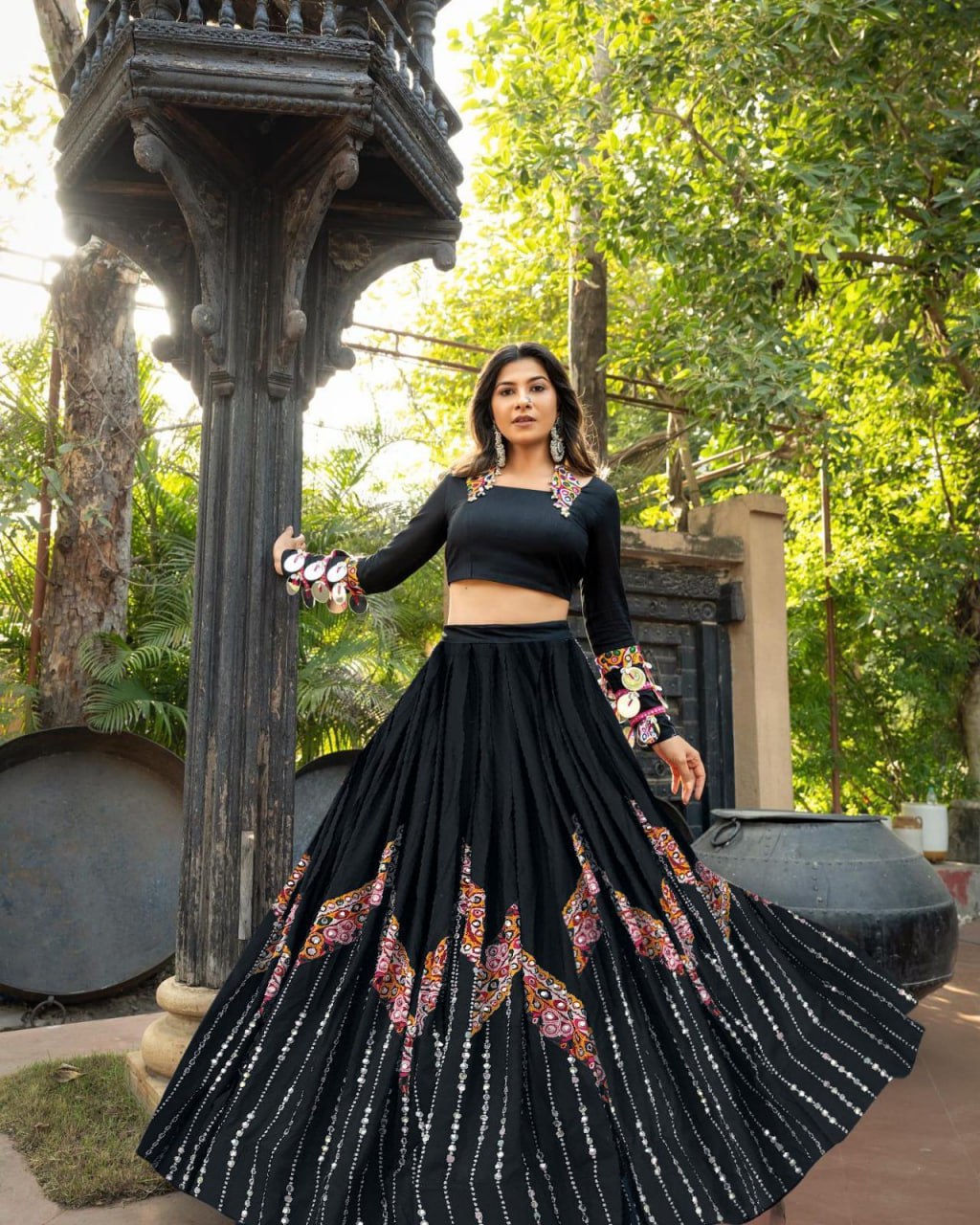
The Yellow Purple Chinon Silk Mirror Work Lehenga Choli Set shows how a bright complementary colour pairing can create a Rajasthani-inspired effect without requiring a heavily embroidered skirt. For a Haldi outfit, choose a washable or easily spot-cleaned lining where possible, and avoid a very long trailing hem.
The Haldi Lehengas Under 5500 collection is useful when the outfit is intended for one daytime event or when a bride wants a separate, lower-cost look before the main ceremony. A secure waistband, lightweight dupatta and manageable hem are more valuable than excessive embellishment in a hot outdoor setting.
Sangeet and evening celebrations
Butter silk, heavier chinon silk and layered net provide enough structure for an evening lehenga while still allowing dance movement. Mirror work, sequins and metallic borders photograph well under warm venue lighting, but embellishment should be checked for sharp edges that may catch on chairs or snag another garment.
The Red Multicolor Butter Silk Mirror Work Lehenga Set demonstrates the impact of a saturated base with contrasting surface work. Red can appear bridal, festive or dramatic depending on the jewellery and dupatta, so reserve heavy kundan or a large choker if the skirt already carries dense mirror detail.
The Stylish Multicolor Butter Silk Lehenga Choli Set offers another useful styling direction: a multicolour base can supply visual interest even when the jewellery remains simple. This approach suits a bridesmaid or close family member who wants a statement outfit without matching the bride's exact palette.
Wedding ceremonies and receptions
Silk blends, lined net and structured brocade-style fabrics suit wedding evenings because they hold shape and support heavier borders. A reception lehenga can carry sequins, zari, pearls or layered embroidery, while a daytime pheras outfit may benefit from lighter weight and a dupatta that stays secure over the head.
Net creates volume and a soft formal outline, but net alone can feel fragile and transparent. Look for an opaque skirt lining, reinforced seams and a clean waistband. The Cream Peacock Embroidered Net Lehenga Set for Women shows how a pale base and peacock-inspired embroidery can provide occasion presence without using the strongest bridal red.
The Net Lehengas Under 4500 with 51% Discount collection can help guests compare lighter formal silhouettes when the event calls for volume but not a heavily time-honoured bridal palette. Check the lining and embroidery attachment carefully, because a net skirt with insufficient inner structure may lose its shape after repeated wear.
Best Rajasthani Lehengas for Wedding and Festive Celebrations: Choosing colour and detail
Choose the dominant colour by ceremony, family dress codes and intended jewellery, then use the dupatta to add the strongest Rajasthani accent.
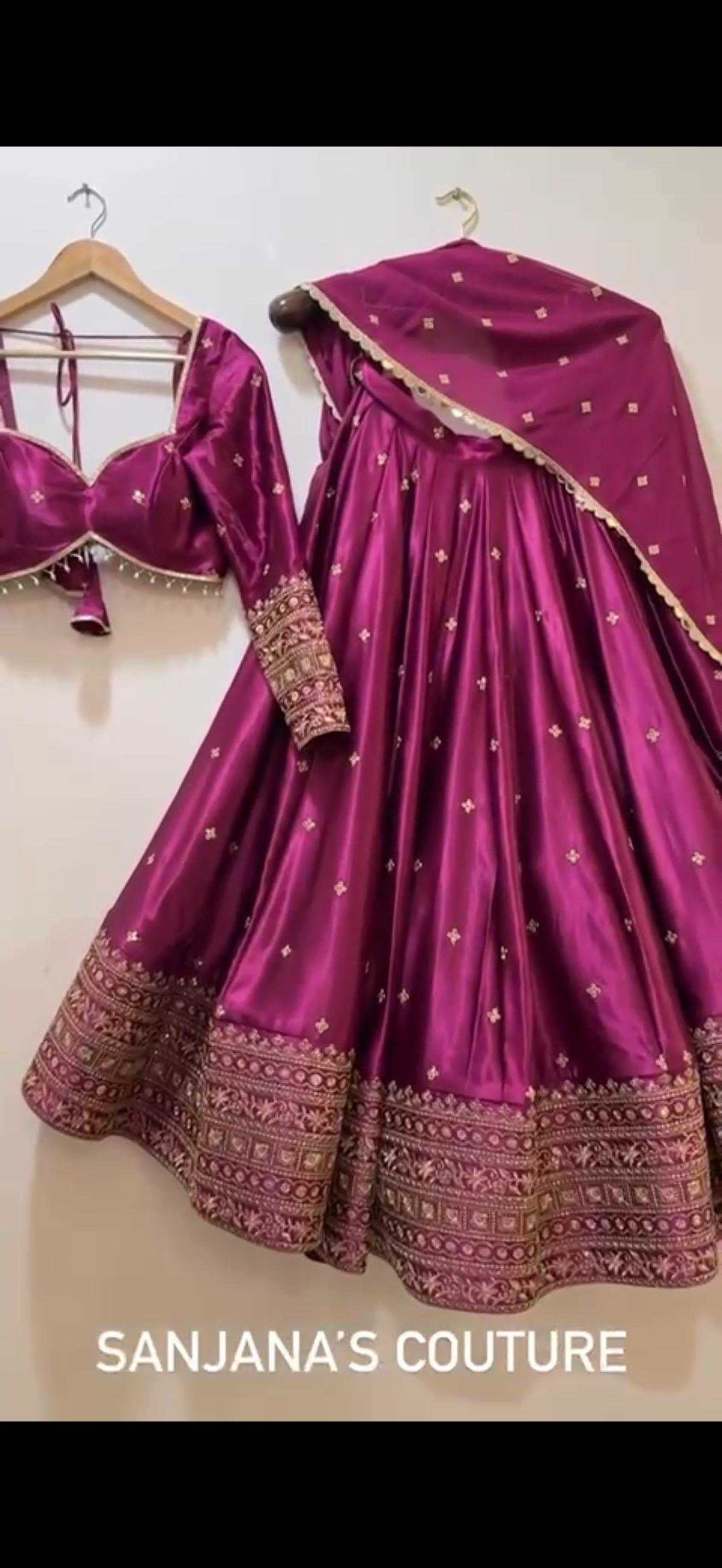
Yellow, turmeric and marigold shades are associated with auspicious daytime celebration and work especially well for Haldi. Fuchsia, magenta and orange create a high-energy sangeet palette. Red, wine and deep pink carry bridal weight, while emerald, cobalt and purple offer celebratory alternatives for guests. Cream, blush and pastel blue can look elegant at a reception, but they need enough contrast in the border or blouse to avoid appearing washed out under bright lights.
Colour pairing can be more memorable than a single shade. A purple choli with a yellow skirt creates complementary contrast; pink with orange feels warm and festive; blue with green gives a jewel-toned result. The Yellow Purple Chinon Silk Mirror Work Lehenga Choli Set is a clear example of using contrast instead of relying on all-over embroidery.
Match embroidery density to the photograph distance and event length. Small mirror work and sequins create sparkle from a distance, while larger motifs are easier to see in close portraits. Gota patti gives a classic metallic outline, and zari contributes a richer gold or silver effect. If the skirt is heavily worked, a plain or lightly embroidered blouse and dupatta can prevent visual overload.
The dupatta should be treated as a structural part of the outfit, not a final accessory. A lightweight odhni can be pinned over one shoulder for dancing, while a wider dupatta can be draped over the head during a family ceremony. A bandhani-style or leheriya-inspired dupatta introduces regional character even when the skirt uses contemporary embroidery.
The Pink Sequins Embroidered Butterfly Net Lehenga Set gives a softer, sparkle-led option for a reception or engagement party. Pair the outfit with silver-toned earrings, a narrow bracelet stack and a controlled dupatta drape rather than adding several competing metallic accessories.
Best Rajasthani Lehengas for Wedding and Festive Celebrations: Getting the fit right
The right fit leaves enough room for sitting, walking and dancing while keeping the waistband stable and the blouse secure.
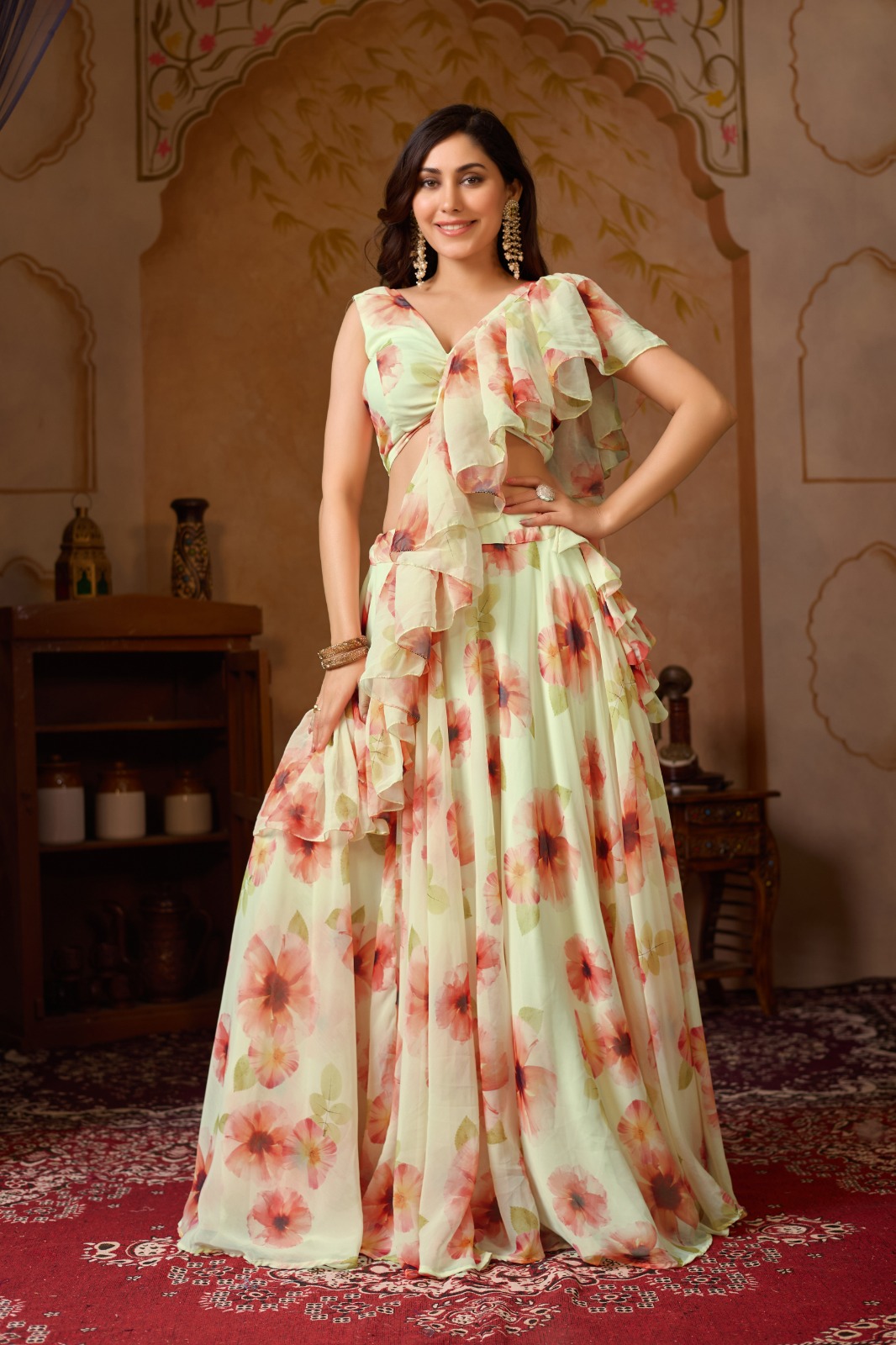
Measure the natural waist, fullest hip, shoulder width and bust while wearing the undergarments planned for the event. A lehenga waistband should sit firmly without digging in when seated. Leave practical ease at the hip and check whether the blouse has seam allowance for alteration. A blouse that's tight across the armhole becomes uncomfortable faster than a slightly relaxed waist.
Check the skirt length with the footwear you'll actually wear. The hem should sit close to the floor without dragging; a heel change of even 2 to 3 centimetres can alter the fall. A can-can layer increases flare but also adds weight and may make stairs difficult. For outdoor ceremonies, a moderate flare with a secure inner lining is usually easier to manage than a very full skirt.
Ready-to-wear construction saves tailoring time, but the waistband, hook placement and blouse closure still deserve inspection. A side zip is quick, while hooks and drawstrings can offer more adjustability. If a garment includes mirror work or sequins, test the inner surface against the forearm because rough finishing can cause irritation during a long celebration.
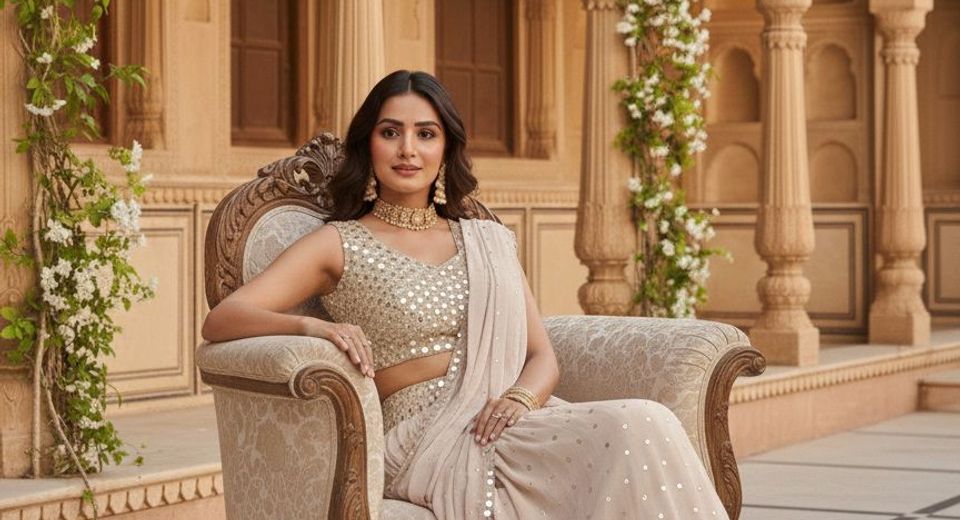
A coordinated alternative can be useful when a full lehenga feels too elaborate. The Beige Mirror Work Ready to Wear Saree with Blouse combines pre-stitched convenience with reflective embellishment, making it practical for a guest who wants Rajasthani-inspired sparkle without managing several skirt panels and a separate petticoat.
Best Rajasthani Lehengas for Wedding and Festive Celebrations: Styling without excess
Balance one dominant statement element with quieter accessories, a controlled dupatta and footwear that can survive the event.
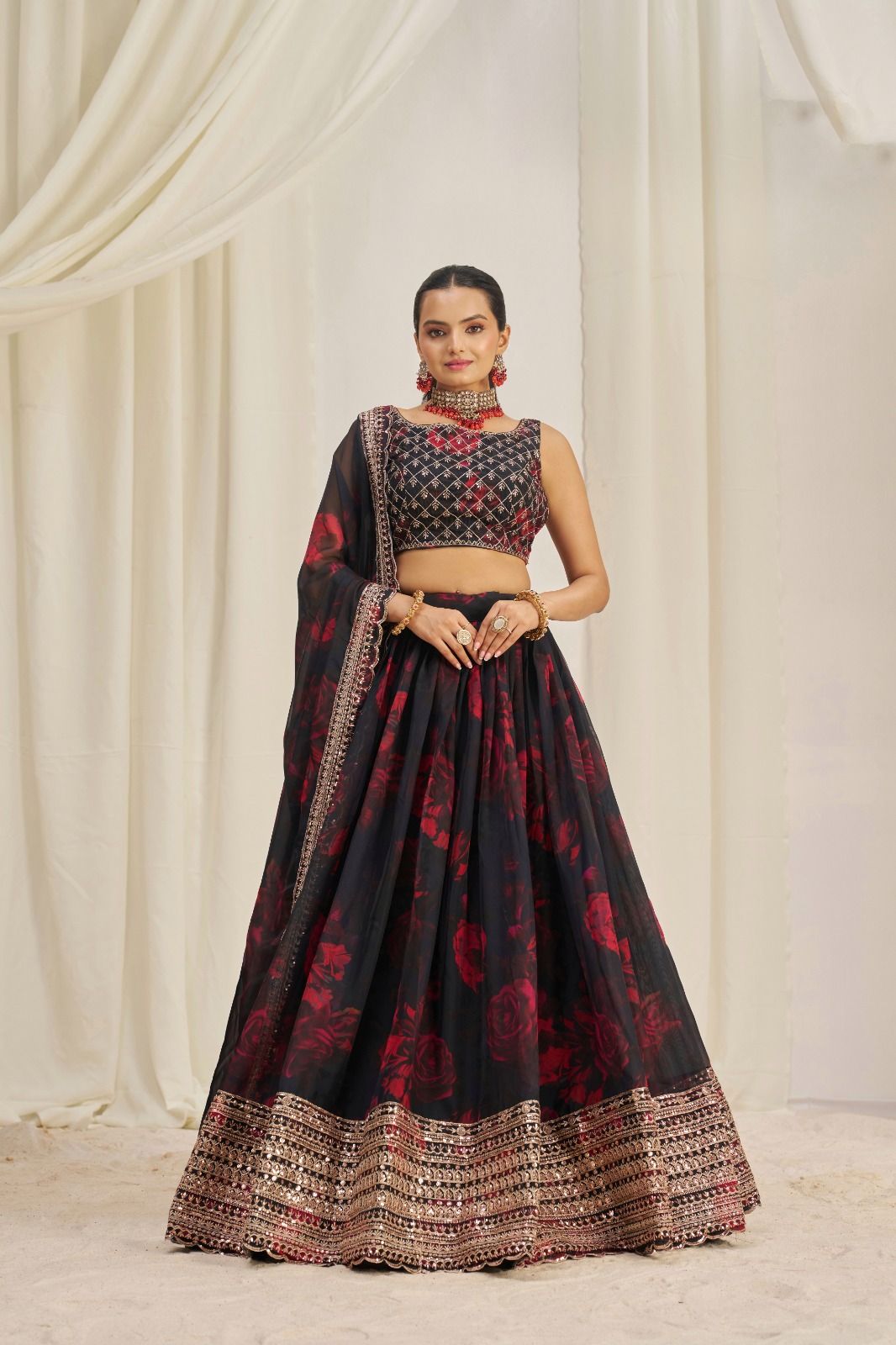
For mirror-work lehengas, oxidised silver jhumkas, a borla-inspired maang tikka or a stack of bangles can reinforce the folk influence. Gold jewellery suits zari, gota patti and warm shades such as red, orange and mustard. Kundan or polki works well for formal wedding evenings, but combining a large necklace, heavy earrings and a forehead ornament with dense mirror work can make the upper body look crowded.
Keep the blouse neckline compatible with the necklace. A deep or broad neckline supports a choker or layered haar, while a high neckline often looks cleaner with long earrings and no necklace. A fitted choli with a full skirt benefits from a neatly pinned dupatta; loose draping can obscure the waistline and create unnecessary bulk around the arms.
Footwear should have a stable heel and a cushioned sole because wedding venues often involve uneven lawns, marble floors and prolonged standing. Juttis coordinate naturally with Rajasthani styling, while block heels add height without the instability of a narrow stiletto. Carry safety pins, fashion tape and a small needle-and-thread kit for emergency adjustments.
Pink Lehengas Under 4000 with 50% Discount is a practical collection to review when a guest wants a festive colour at a controlled budget. Silk Lehengas Under 3000 can suit a simpler family function, while Bridesmaid Lehengas Under 5500 is relevant for coordinated group dressing where colour consistency matters more than identical embroidery.
Best Rajasthani Lehengas for Wedding and Festive Celebrations: Budget and care decisions
A sensible budget accounts for the outfit, alterations, accessories, footwear, cleaning and possible blouse adjustments rather than considering the lehenga price alone.
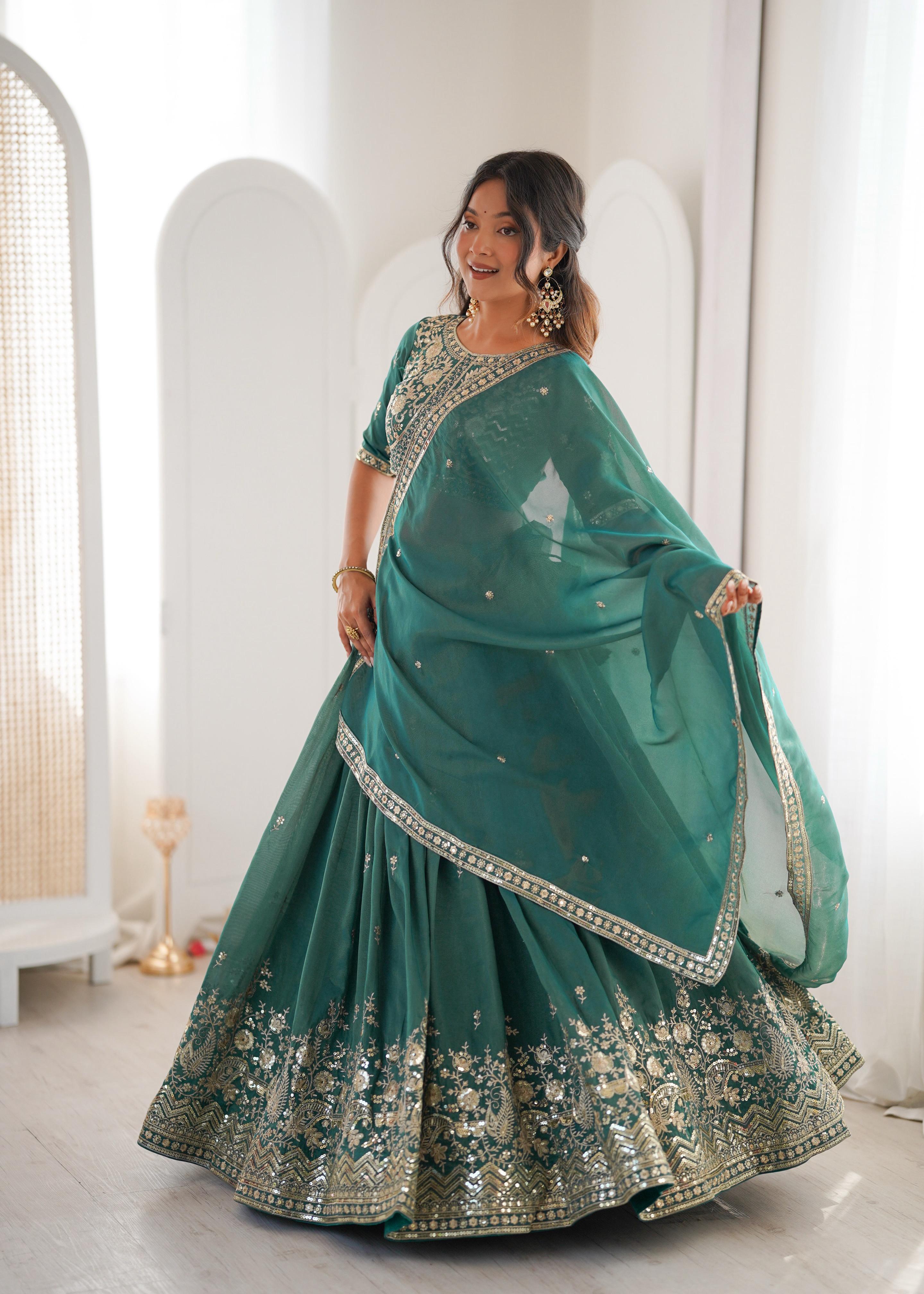
Lower-priced lehengas can work well for Haldi, mehendi or a single guest appearance when the fabric is light and the finishing is secure. Mid-range options often offer better lining, more reliable closures and embroidery that's less likely to loosen. Heavier bridal pieces justify a higher spend when the skirt has quality structure, reinforced seams and a versatile blouse that can be restyled with a different dupatta.
Ask how the garment should be cleaned before wearing it. Mirror work, zari, sequins and net commonly require professional dry cleaning or careful spot treatment rather than machine washing. Do not soak embellished garments, rub stains aggressively or iron directly over mirrors and metallic thread.
After the celebration, air the lehenga away from direct sunlight before storing it. Fold the skirt with acid-free tissue or a clean cotton cloth between embellished layers to reduce snagging. Store the dupatta separately if its zari or sequins can catch on the skirt. Avoid compressing a can-can or heavily flared skirt under other garments because permanent creases can form.
The Pink Embroidered Roman Silk Lehenga Set Online can work as a reusable festive option when its colour and silhouette can be separated from one specific wedding theme. Choosing a flexible blouse and a detachable or reversible dupatta increases the number of future styling combinations.
For many wardrobes, the most useful Rajasthani-inspired purchase isn't the most heavily decorated one. A well-lined skirt in a repeatable colour, a comfortable blouse and a dupatta that can be restyled for Diwali, Navratri or a family ceremony will provide more value than a fragile outfit reserved for one photograph.
Common Questions About Rajasthani Wedding and Festive Lehengas
Which colour Rajasthani lehenga is best for a Haldi ceremony?
Yellow, marigold, orange and bright pink are strong choices for a Haldi ceremony because they suit the daytime, floral setting and celebratory palette. Choose a lightweight fabric, a manageable hem and embellishment that can tolerate careful spot cleaning.
What fabric is most comfortable for a Rajasthani lehenga in summer?
Lightweight chinon silk, georgette and breathable silk blends are generally more comfortable in summer than heavily layered velvet or dense brocade. A cotton-blend lining and moderate flare can improve comfort during outdoor ceremonies.
How should mirror work be cared for after a wedding?
Mirror-work garments should usually be aired, folded with a clean cotton or tissue layer and stored away from moisture and direct sunlight. Avoid machine washing, soaking and direct ironing because water and heat can loosen mirrors, zari and adhesive embellishments.
Can a Rajasthani lehenga be worn to a wedding as a guest?
A Rajasthani lehenga is suitable for a wedding guest when the colour and embroidery do not closely imitate the bride's outfit. Choose lighter mirror work, a multicolour or pastel palette and restrained jewellery for a balanced guest look.
What jewellery goes with a Rajasthani mirror-work lehenga?
Oxidised silver jhumkas, bangles and a borla-inspired maang tikka complement mirror work and folk styling. Gold, kundan or polki suits zari and warm colours, but one large statement piece is usually enough when the lehenga is heavily embellished.
How can I make a Rajasthani lehenga easier to dance in?
Select a moderate flare, a secure waistband and a dupatta that can be pinned at the shoulder or waist. Test the outfit by walking, sitting and raising both arms before the event, and wear the intended footwear during the fitting.