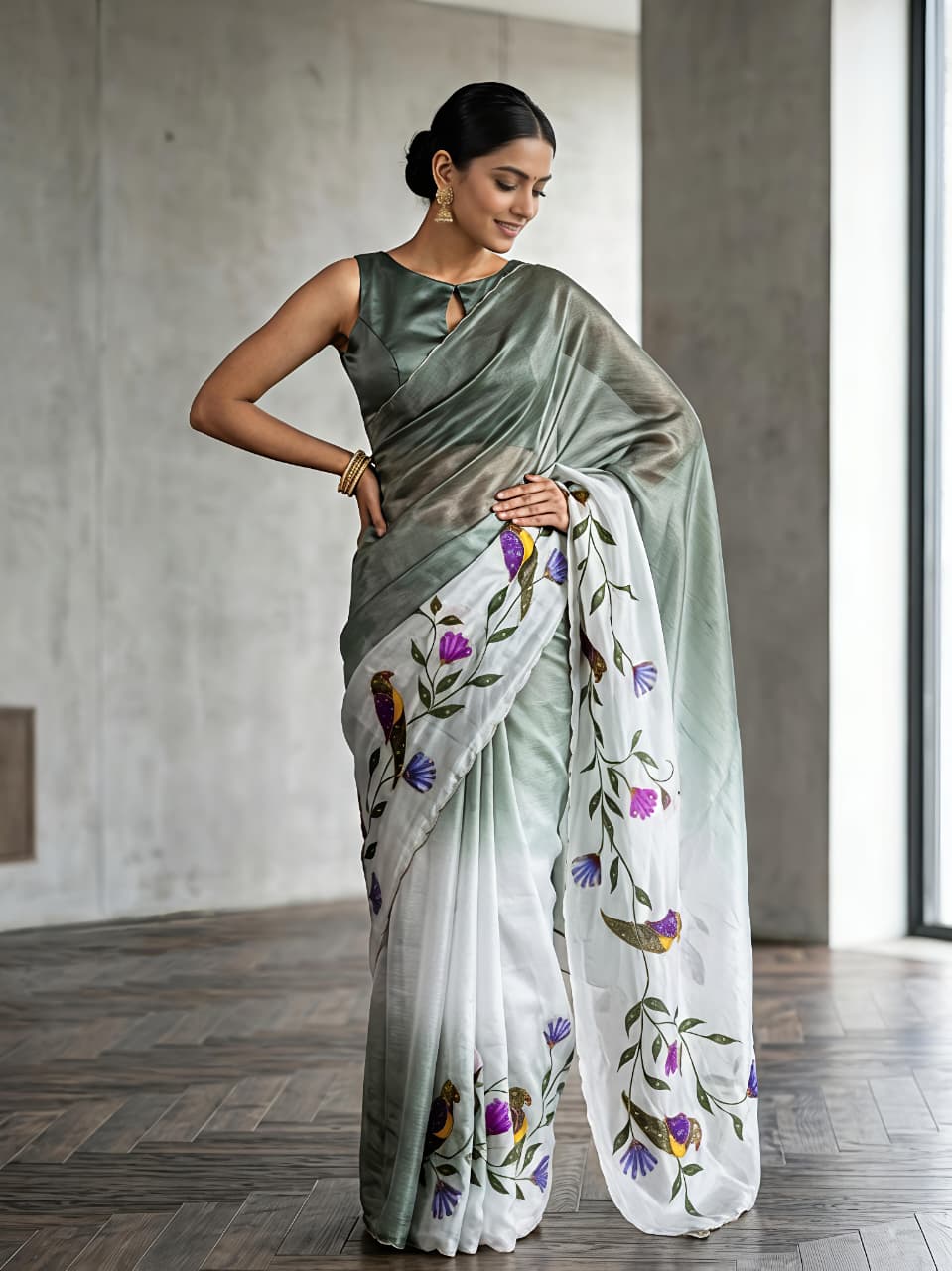
Choosing the Best Punjabi Salwar Suits for Festivals, Weddings & Family Functions becomes easier when the suit matches the event, weather, movement and level of ceremony. A bright cotton suit may be perfect for a daytime puja, while zari, silk or detailed embroidery works better for a wedding reception. The most flattering choice isn't always the most heavily embellished one; a well-proportioned kameez, comfortable salwar and manageable dupatta often make a stronger impression.
Punjabi dressing offers useful variety within one broad category. A Patiala-inspired bottom creates volume and movement, a straight salwar suit looks polished for formal gatherings. A kurta-pant-dupatta ensemble gives a cleaner contemporary line. Colour, sleeve length, neckline, fabric weight and finishing details can change how suitable the same silhouette feels for a Haldi ceremony, Diwali visit or family dinner.
How do the Best Punjabi Salwar Suits for Festivals, Weddings & Family Functions match the event?
The best Punjabi salwar suit matches its fabric, embellishment, coverage and comfort to the event's time, setting and dress code. A festive suit should allow easy movement while looking intentional in photographs and in person.
Punjabi salwar suits traditionally balance a comfortable lower garment with a kurta and dupatta. But modern readymade designs vary considerably. Some use a voluminous salwar, while others pair a straight kurta with cigarette pants or palazzo trousers. The word Punjabi therefore describes a styling tradition rather than one fixed cut.
For a daytime family function, breathable cotton, rayon or lightweight printed fabric can be more practical than dense embellishment. For an evening wedding, silk, art silk, slub textures, embroidery and zari provide visual richness under indoor lighting. For a formal ceremony, a clean neckline and controlled hemline can look more refined than excessive surface work.
- Daytime puja or festival visit: Choose cotton, rayon, Chanderi-inspired textures or light prints in yellow, pink, pista, ivory or coral.
- Haldi ceremony: Select a washable or easy-care fabric, cheerful colour and a dupatta that can be pinned securely.
- Wedding guest dressing: Consider embroidery, zari, silk-like surfaces or a richer jewel tone without competing with the bride.
- Family dinner: Use a straight suit, modest print or subtle embroidery with comfortable footwear and restrained jewellery.
The right festive salwar suit also depends on how long it will be worn. A heavily layered outfit may look beautiful for two hours but become uncomfortable during a six-hour celebration involving travel, meals, standing and dancing.
How should you choose the fit of the Best Punjabi Salwar Suits for Festivals, Weddings & Family Functions?
Choose the silhouette by considering body movement, torso length, desired volume and how the dupatta will sit over the kameez. Fit around the shoulders and armholes matters more than a loosely hanging hem because poor shoulder fit restricts movement and changes the garment's fall.
Patiala-inspired volume
A Patiala-inspired salwar has gathered volume at the hips and folds towards the ankle, creating a distinctly Punjabi profile. The silhouette works well with a shorter or medium-length kurta, but petite wearers may prefer controlled pleats rather than excessive fabric. A firm waistband and secure drawstring are especially important when the outfit is worn for dancing or visiting multiple homes.
Straight suits and kurta-pant sets
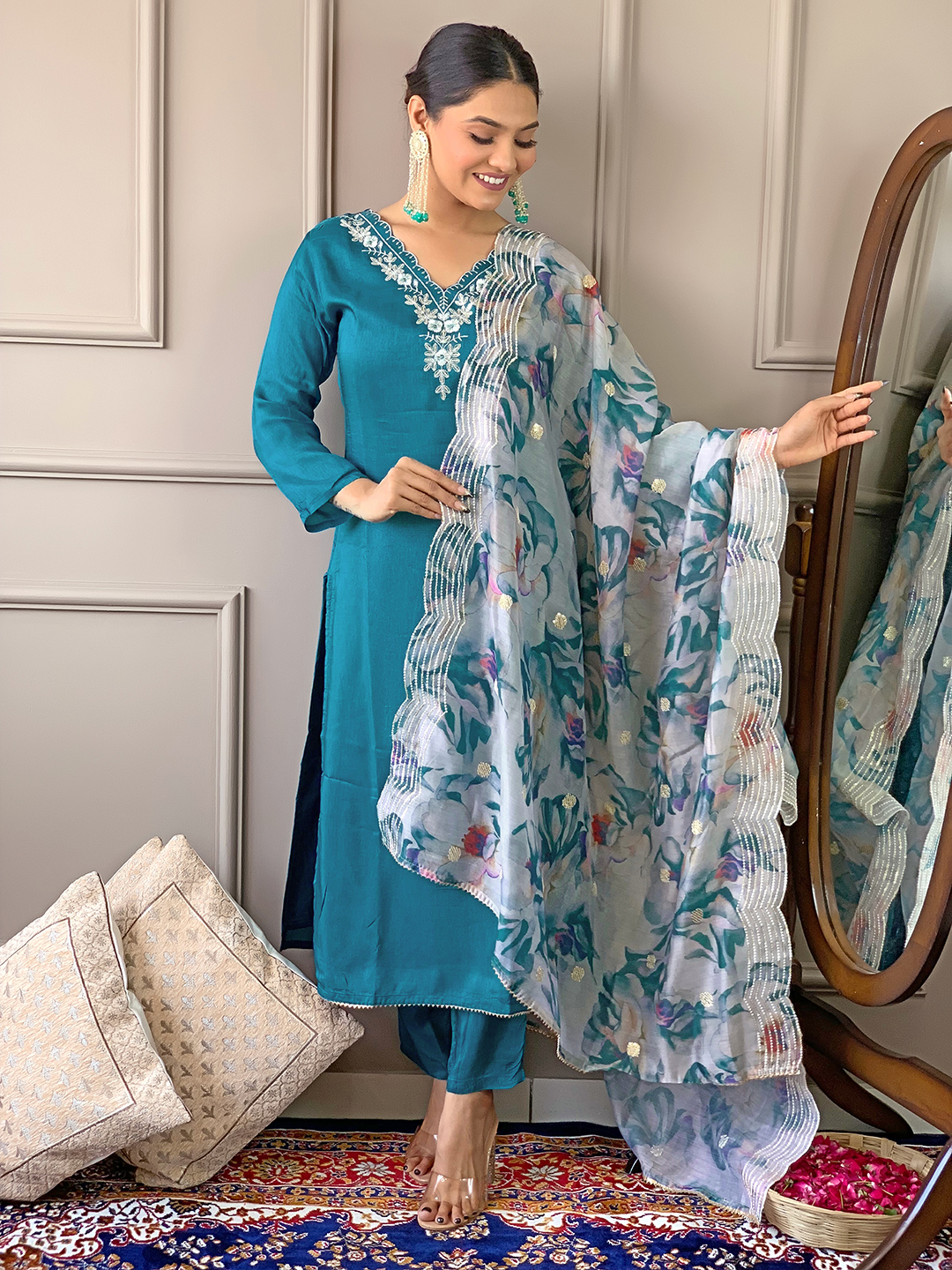
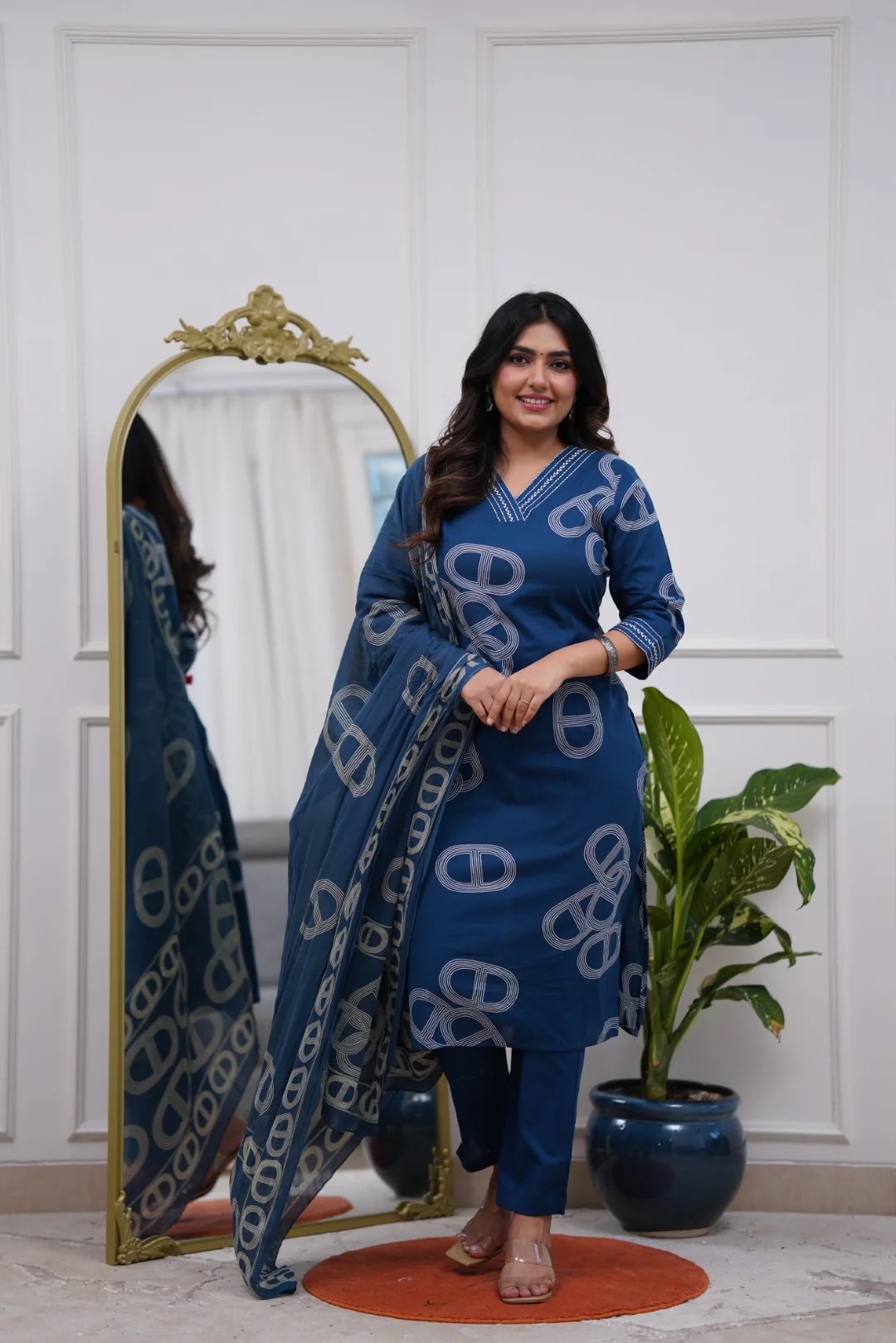
A straight suit or kurta-pant set gives a streamlined shape and suits formal family functions, office-linked celebrations and evening dinners. The Navy Blue Traditional Kurta Pant Dupatta Ensemble illustrates how a darker base can create a composed appearance without relying on a wide flare. Straight trousers also make walking and sitting easier than an overly narrow churidar.
Anarkali and flared shapes
Anarkali and flared kameez silhouettes suit festive evenings because their movement adds drama without requiring a very elaborate bottom. The hem should fall cleanly around the ankles or above the shoe, depending on the design. A flared kurta looks most balanced when the dupatta is lightweight enough to preserve the line of the outfit.
Before buying a readymade salwar suit, compare the garment's size chart with a well-fitting kurta rather than relying only on a usual label. Measure bust, waist, hip, shoulder and sleeve length, and check whether the listed kurta length suits your height. Readymade salwar suit dupattas also vary in width; a narrow dupatta may be easier to manage, while a broader one brings more traditional coverage.
Which fabrics suit the Best Punjabi Salwar Suits for Festivals, Weddings & Family Functions?
Silk-like fabrics, cotton, rayon, Chanderi, art silk and textured weaves each suit different festive conditions, so fabric weight should be selected before colour or ornamentation. A fabric that photographs beautifully but traps heat or wrinkles quickly may not be practical for a long celebration.
Banarasi silk and Kanjeevaram are associated with grand traditional dressing. But a salwar suit doesn't need either textile to look ceremonial. Zari borders, woven motifs, embroidered necklines and a lustrous surface can create a festive effect in a more manageable outfit. Chanderi is valued for its lightness and delicate sheen, making it useful for daytime occasions when a heavier silk would feel excessive.
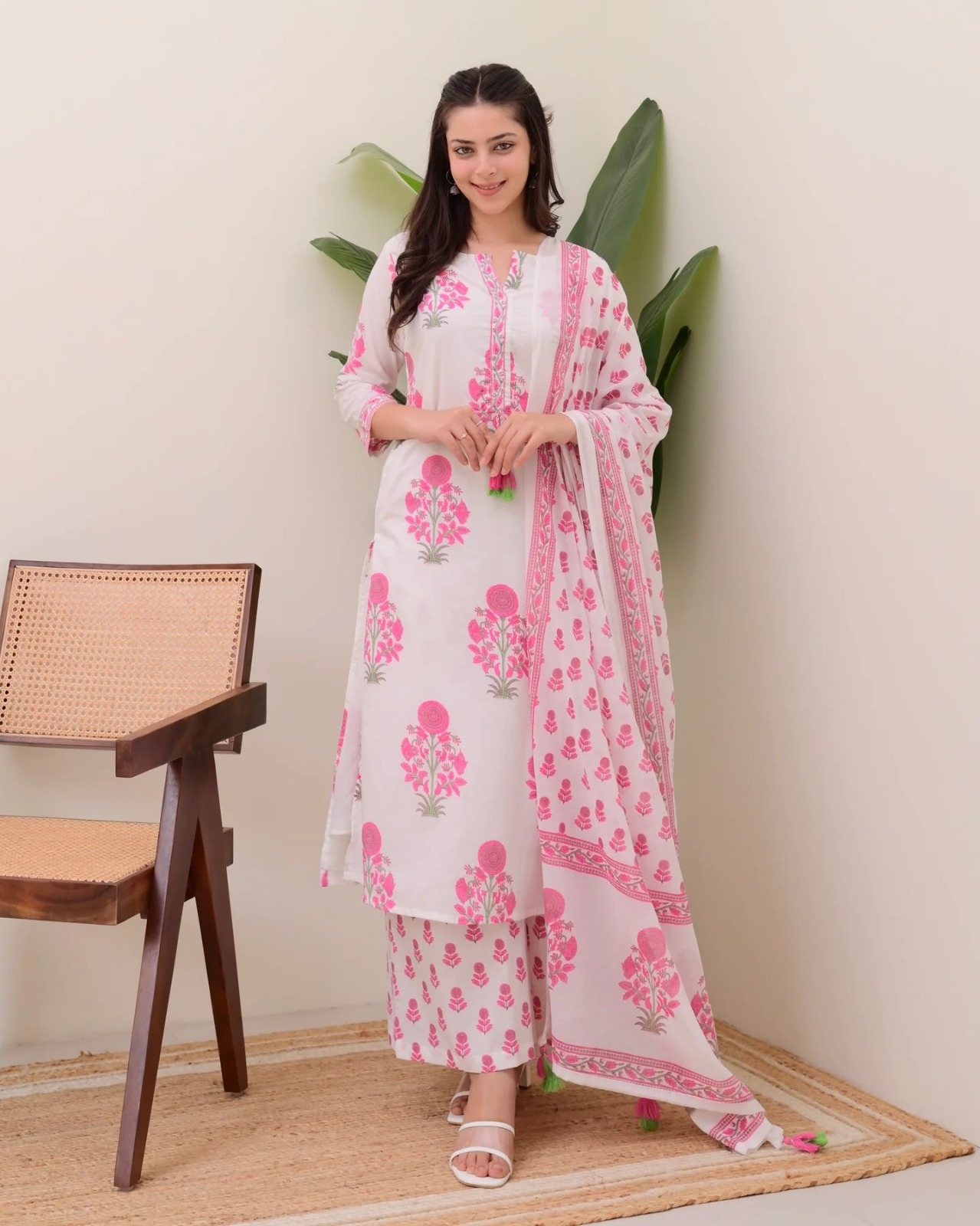
Cotton salwar suits for festive wear are especially useful in warm climates and daytime events. Cotton may be printed, block-printed, embroidered or combined with a more decorative dupatta. Rayon gives a softer drape and often resists the stiffness that some cottons develop, although the care label should be checked before washing.
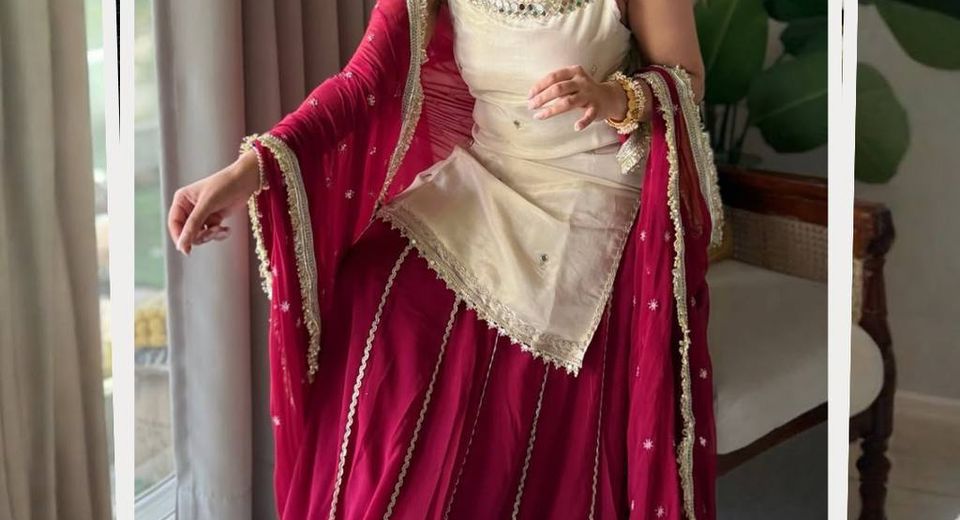
The Off White Vichitra Silk Crop Top Lehenga Set with Zari Work isn't a conventional salwar suit, but it demonstrates an important festive principle: a lighter base can make zari visible without a dark colour competing with the detail. The same principle applies to a salwar suit with ivory, blush, champagne or pastel foundations.
Embellishment should relate to the event rather than simply increase in quantity. Phulkari-inspired embroidery, mirror work, thread work and zari can all feel festive, but placement changes the visual effect. Embroidery concentrated around the neckline draws attention upward. A decorated hem gives movement; scattered motifs make a suit feel lighter and more versatile.
How do colours improve the Best Punjabi Salwar Suits for Festivals, Weddings & Family Functions?
Colour sets the first impression of a festive salwar suit, while print scale determines whether the outfit feels intimate, formal, playful or grand. Bright yellow, fuchsia, green and orange suit daytime celebrations, whereas navy, wine, plum and emerald often read as more formal after sunset.
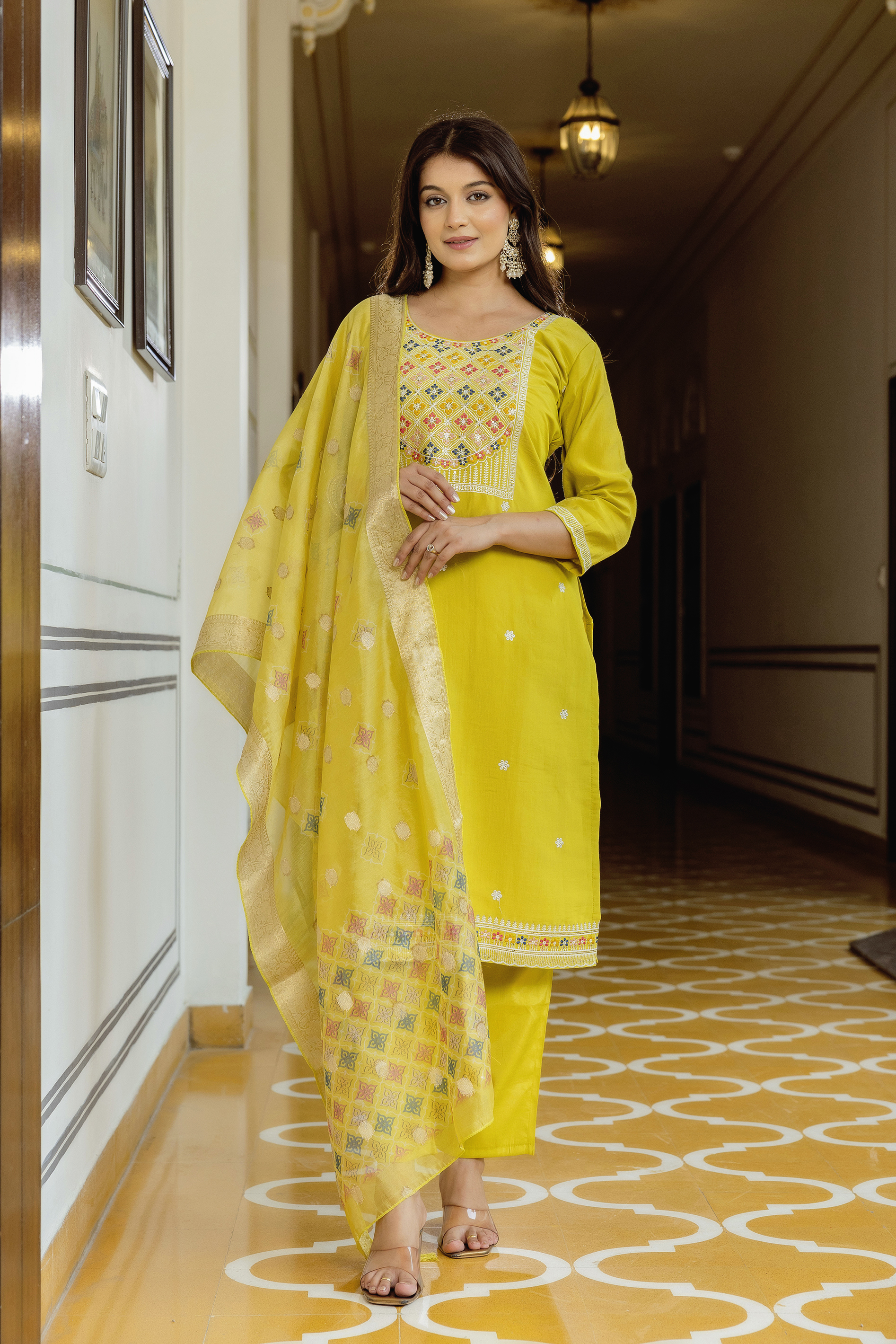
For a Haldi ceremony, marigold yellow, turmeric yellow, leaf green and pink create a celebratory appearance without requiring heavy work. For Diwali or another evening festival, deep blue, purple, rose, teal and jewel-toned combinations gain definition under warm lighting. Ivory and off-white can look elegant at a family gathering. But they require more care around food, colour powder and crowded seating.
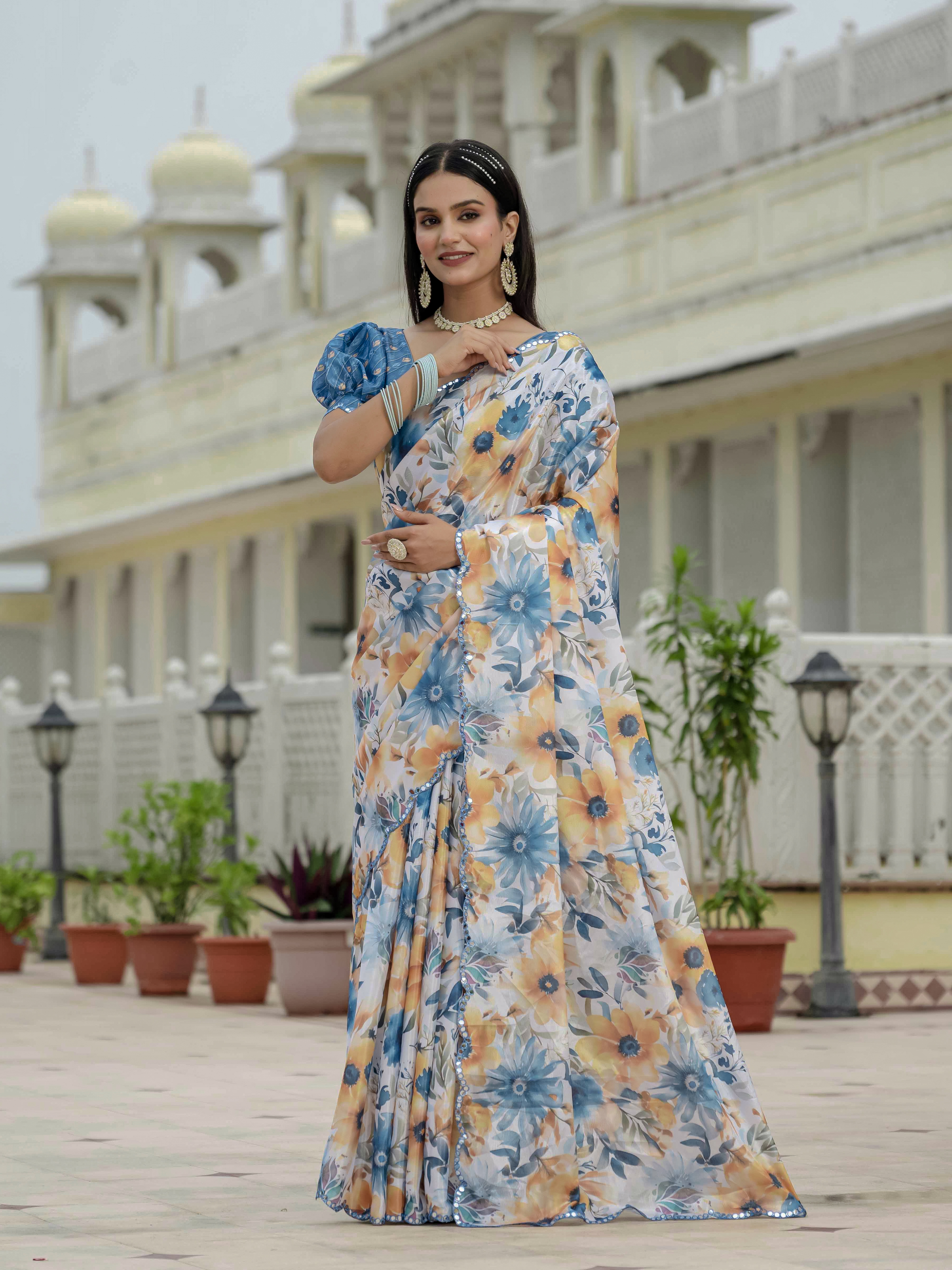
The Pink Flower Printed Salwar Suit shows how a floral print can bring festive energy without the formality of dense embroidery. Floral prints work particularly well for daytime pujas, brunches and smaller family events. A printed suit can be elevated with a contrasting dupatta, metallic earrings or embroidered footwear.
The Cream Pink Printed Rayon Readymade Salwar Suit brings another useful direction for women who want a softer party look. Cream and pink create a gentle palette, while rayon generally provides fluid drape. The outfit can move from a family lunch to a low-key evening gathering when paired with different jewellery and shoes.
Large motifs visually expand the area they cover, while small repeated prints create a more even surface. Vertical borders can make the body look longer. A darker trouser with a lighter kurta can create a clear visual break. Colour choices should also account for photographs: very pale shades may lose definition against bright backgrounds, while high-contrast combinations remain visible.
Which Best Punjabi Salwar Suits for Festivals, Weddings & Family Functions suit each celebration?
The best Punjabi salwar suits for festivals, weddings and family functions are selected by matching ornamentation and practicality to the ceremony rather than treating every invitation alike.
Festivals and pujas
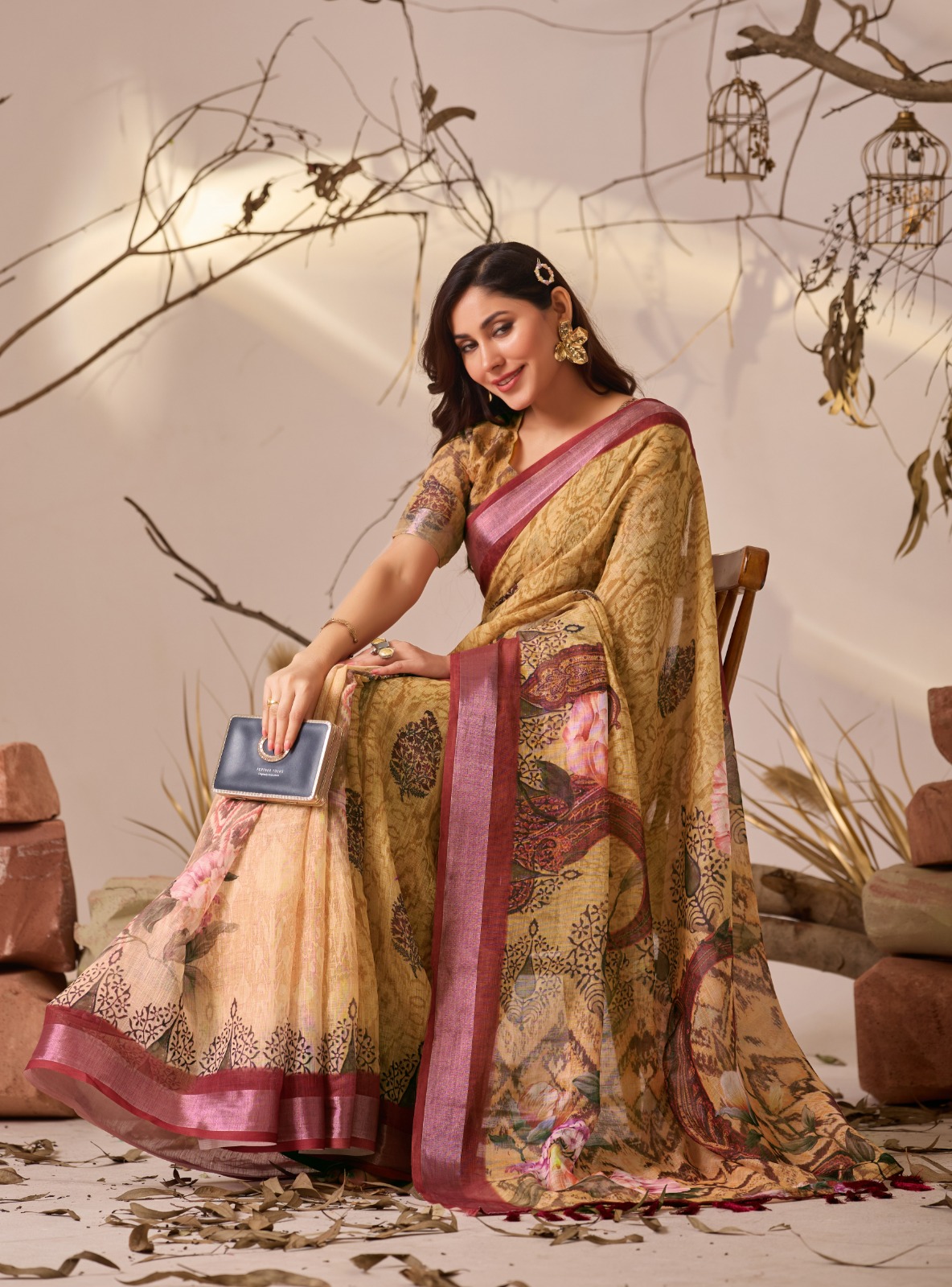
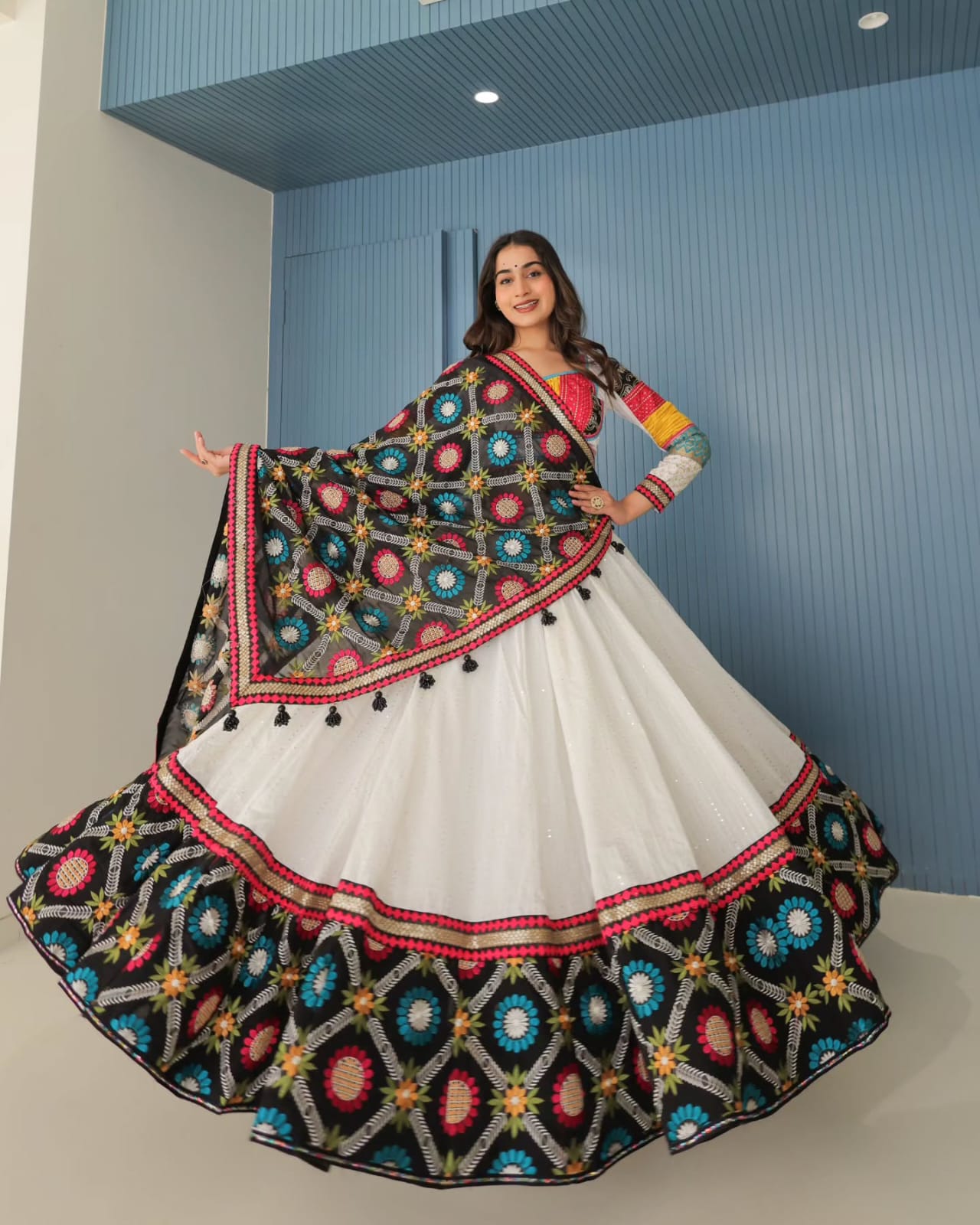
Festivals and pujas usually call for breathable fabric, cheerful colour and moderate decoration. Gujarati Festive Salwar Suits and Maharashtra Paithani Inspired Salwar Suits can provide regional design references through colour combinations, borders and textile-inspired detailing. A printed or lightly embroidered suit is often more comfortable than a densely worked style when the event involves travel, sitting on the floor or visiting several homes.
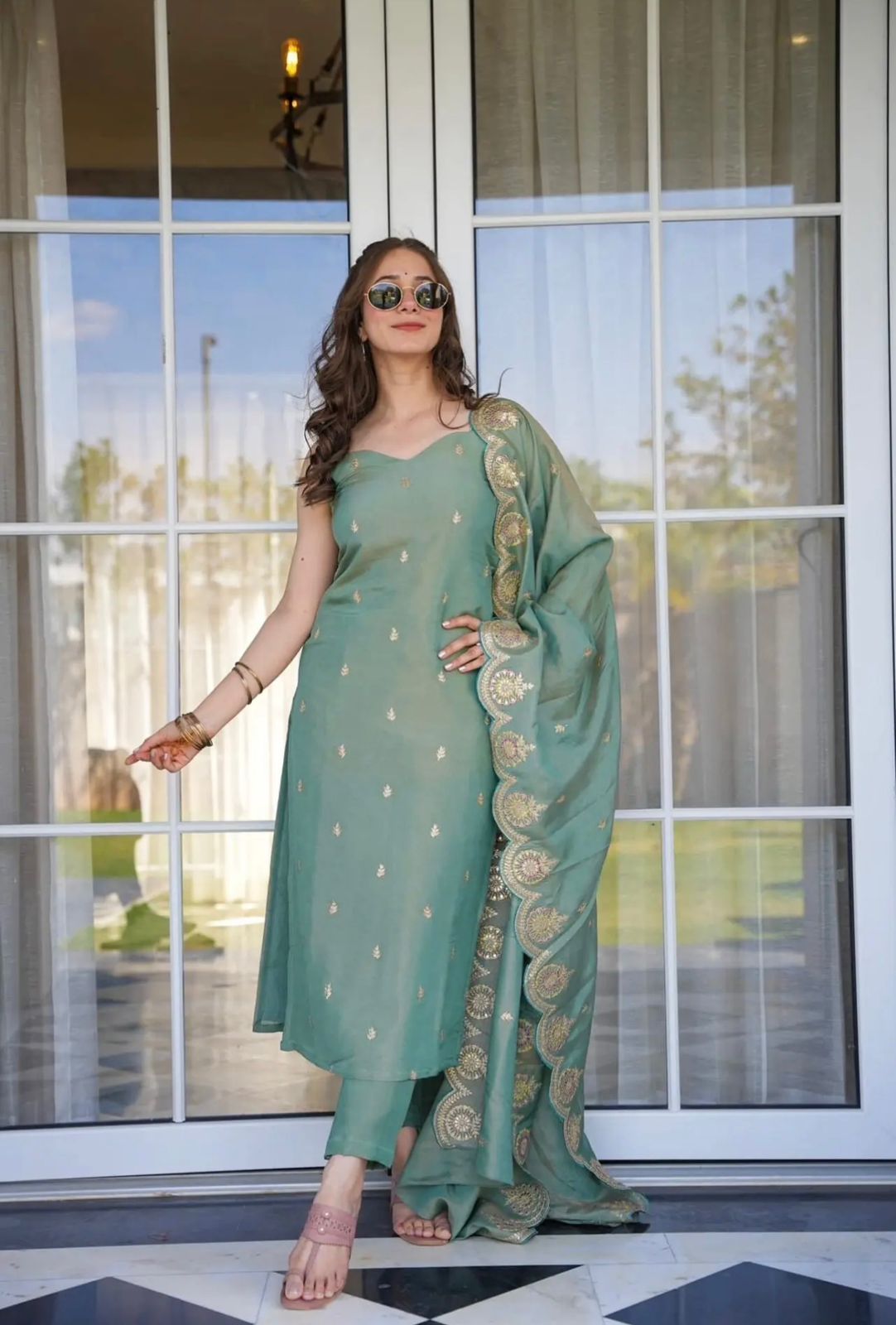
The Pista Royale Salwar Suit is an example of how a soft green palette can feel festive without appearing overly formal. Pista works with pearl, gold, rose-gold and kundan-style accessories, while neutral sandals keep the outfit suitable for a daytime celebration.
Weddings and receptions
Weddings and receptions allow richer fabric surfaces, deeper colour and more visible embellishment. A formal salwar suit for ladies can include embroidered panels, a structured neckline, zari accents or a dupatta with a decorative border. Avoiding a train, extremely long hem or unsecured stole is sensible when the venue is crowded.
The Purple SlubCharm Embroidered Salwar Suit brings an useful direction for an evening function because purple has depth under artificial lighting and embroidery supplies visual detail. Pairing an embroidered suit with simple earrings prevents the neckline, dupatta and jewellery from competing for attention.
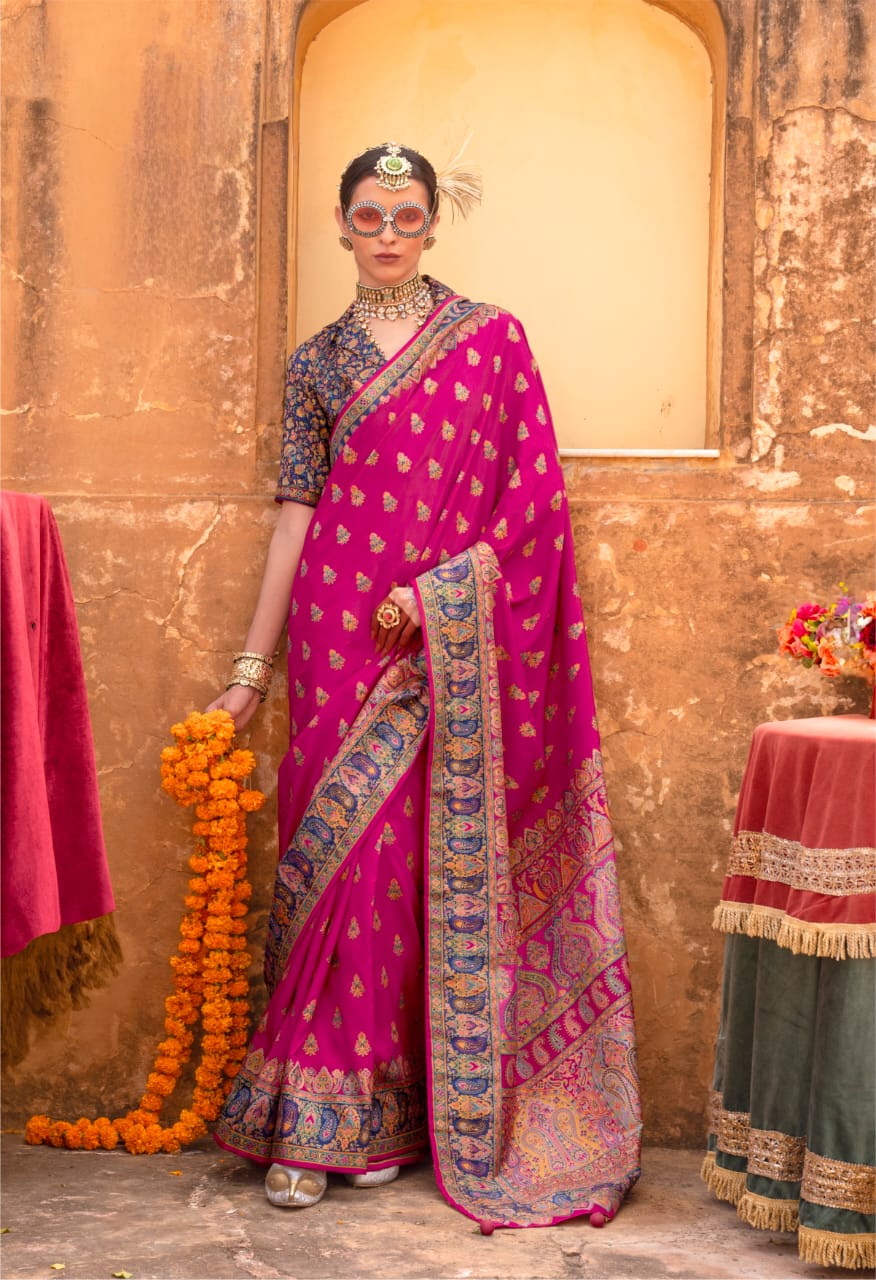
Marwari Style Festive Salwar Suits and Punjab Phulkari Embroidered Salwar Suits are useful references when the desired look is more traditional and visibly celebratory. Regional inspiration can guide colour and embroidery choices without requiring a costume-like result.
Family functions and smaller gatherings
Family functions benefit from adaptable suits that look festive without restricting conversation, meals or movement. The Embroidered Salwar Suit Set for Women can work for a more dressed-up family gathering when paired with low heels or embellished flats. The RoseGlow Designer Salwar Suit gives a softer statement for guests who prefer colour and design detail over heavy traditional ornamentation.
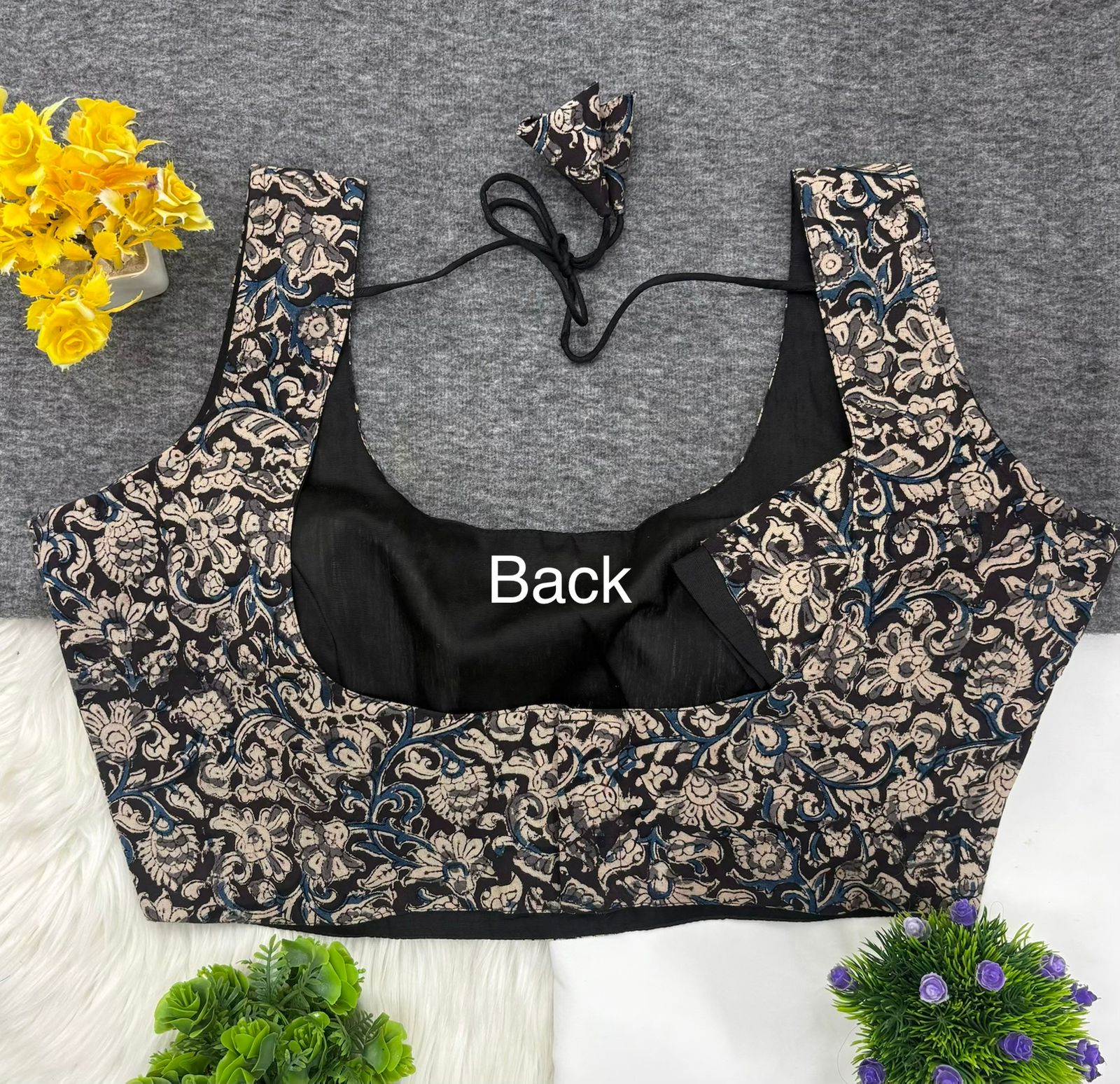
Kalamkari Print Salwar Suits (Copy) can inspire a print-led approach for daytime family occasions, while a simple gold bangle or jhumka can make the outfit feel more ceremonial. A print-led suit is also a practical choice when the same outfit may be worn again for a lunch, cultural programme or informal celebration.
How can you style the Best Punjabi Salwar Suits for Festivals, Weddings & Family Functions?
Style a Punjabi salwar suit by balancing one focal detail with quieter accessories, secure draping and footwear suited to the venue. A decorated neckline needs less jewellery, while a plain kurta can support a more prominent dupatta or necklace.
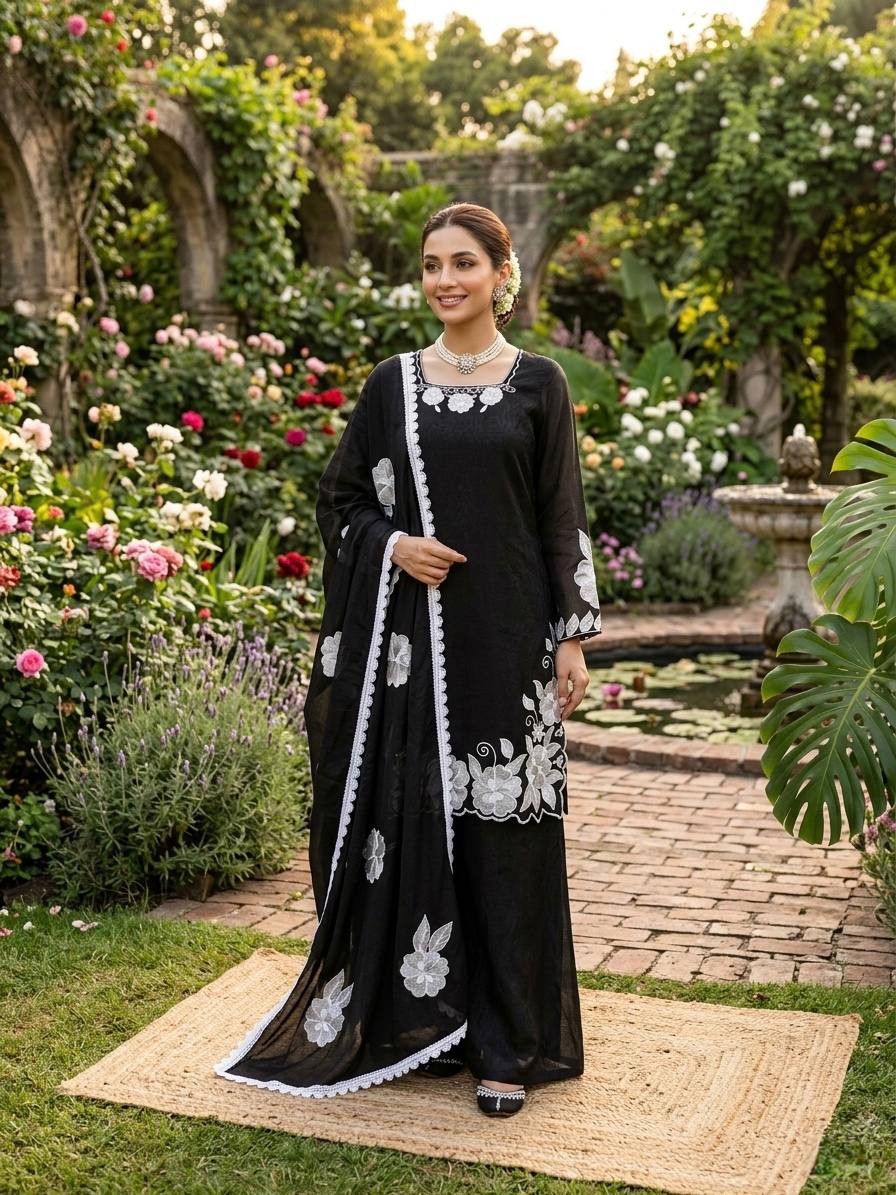
For a traditional appearance, drape the dupatta over both shoulders or pin one side near the shoulder and let the other side fall across the front. For dancing or a crowded venue, use two discreet safety pins at the shoulder and waist so the dupatta stays in place without pulling the fabric. A brooch can secure the edge, but heavy brooches may distort delicate Chanderi or lightweight rayon.
Jhumkas, chandbalis, pearl drops and small hoops each create a different effect. Gold-toned jewellery complements zari and warm colours, while silver or oxidised metal works well with cooler purple, navy and printed palettes. Choose one prominent accessory category rather than wearing large earrings, a heavy necklace and stacked bangles together.
Footwear should be selected before finalising the kurta length. Flat juttis, embroidered mojaris and cushioned sandals suit long family events; block heels add height without the instability of stilettos. Check that the trouser hem doesn't drag under the heel and that the salwar doesn't catch beneath the shoe.
Makeup and hair can also reinforce the regional character of the outfit. A low bun with fresh flowers feels traditional, while soft waves create a more contemporary party look. A bindi, braid accessory or neatly defined eyeliner can add festive polish without making the styling feel excessive.
How should you care for the Best Punjabi Salwar Suits for Festivals, Weddings & Family Functions?
Care for a festive salwar suit by following its label, separating dark colours and protecting embroidery from friction, moisture and direct heat. Correct storage preserves the shape of the kameez, the finish of zari and the fall of the dupatta.
Air a worn suit before storing it, but don't leave silk-like or embellished garments in harsh sunlight. Fold embroidered pieces with soft cotton or muslin between decorated layers so sequins, zari or thread work don't snag the fabric. Store a dupatta separately if its border is heavy enough to pull the kurta out of shape.
Spot-test any home cleaning method on an inside seam. Cotton and some rayon garments may tolerate gentle washing, but zari, embroidery, lining and colour combinations can require dry cleaning. Do not wring a decorated garment, and press from the reverse side using low or medium heat with a pressing cloth.
Before a wedding or festival, try on the complete outfit at least two days in advance. Check the drawstring, hooks, zip, sleeve comfort, dupatta length and shoe pairing. A small alteration made before the event is safer than discovering a movement problem while travelling to the venue.
Common Questions About the Best Punjabi Salwar Suits for Festivals, Weddings & Family Functions
Practical questions about Punjabi salwar suits usually concern fabric, fit, styling and how much embellishment suits a particular celebration.
Common Questions About the Best Punjabi Salwar Suits for Festivals, Weddings & Family Functions
Which Punjabi salwar suit is best for a daytime festival?
A cotton, rayon or lightly printed salwar suit is usually best for a daytime festival because it offers breathability and comfortable movement. Yellow, pista, pink, coral and ivory work well, while moderate embroidery or a decorative dupatta adds festive detail without excessive weight.
Can cotton salwar suits work for festive occasions?
Cotton salwar suits work well for daytime festive occasions, especially in warm weather or during events that involve travel and extended sitting. Choose a printed, embroidered or border-detailed cotton design and pair it with jewellery or a richer dupatta for a more ceremonial finish.
What should women wear to a Punjabi wedding as guests?
Women can wear an embroidered, silk-like or zari-detailed Punjabi salwar suit in a jewel tone, rich pastel or deep neutral shade. Choose comfortable footwear, secure the dupatta and avoid an outfit so elaborate that it competes with the bride.
How can a readymade salwar suit look more suitable for a party?
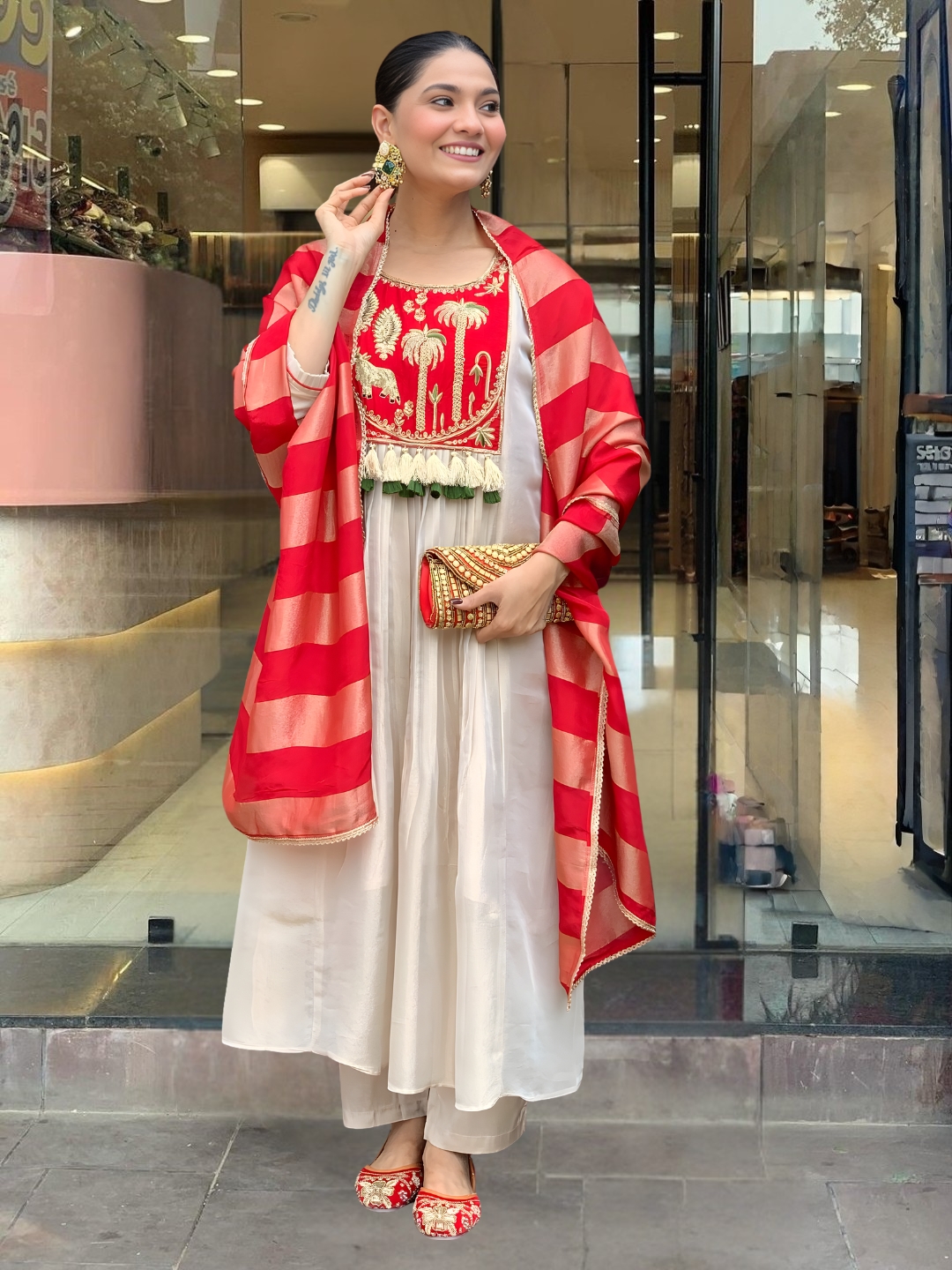
A readymade salwar suit can look more suitable for a party with statement earrings, an embellished jutti, a contrasting dupatta or a metallic clutch. A neat fit is essential, so compare the size chart with your measurements and have the hem or sleeves adjusted when necessary.
Which dupatta style is easiest to manage at a family function?
A lightweight dupatta pinned at one shoulder and lightly secured at the waist is usually easiest to manage at a family function. A two-shoulder drape offers more coverage, while a heavy border should be supported with discreet pins to prevent slipping.
How should an embroidered Punjabi salwar suit be stored?
Store an embroidered Punjabi salwar suit clean and completely dry, with soft muslin or cotton between decorated folds. Keep the garment away from direct sunlight, avoid hanging heavy embroidery for long periods and follow the care label before washing or dry cleaning.