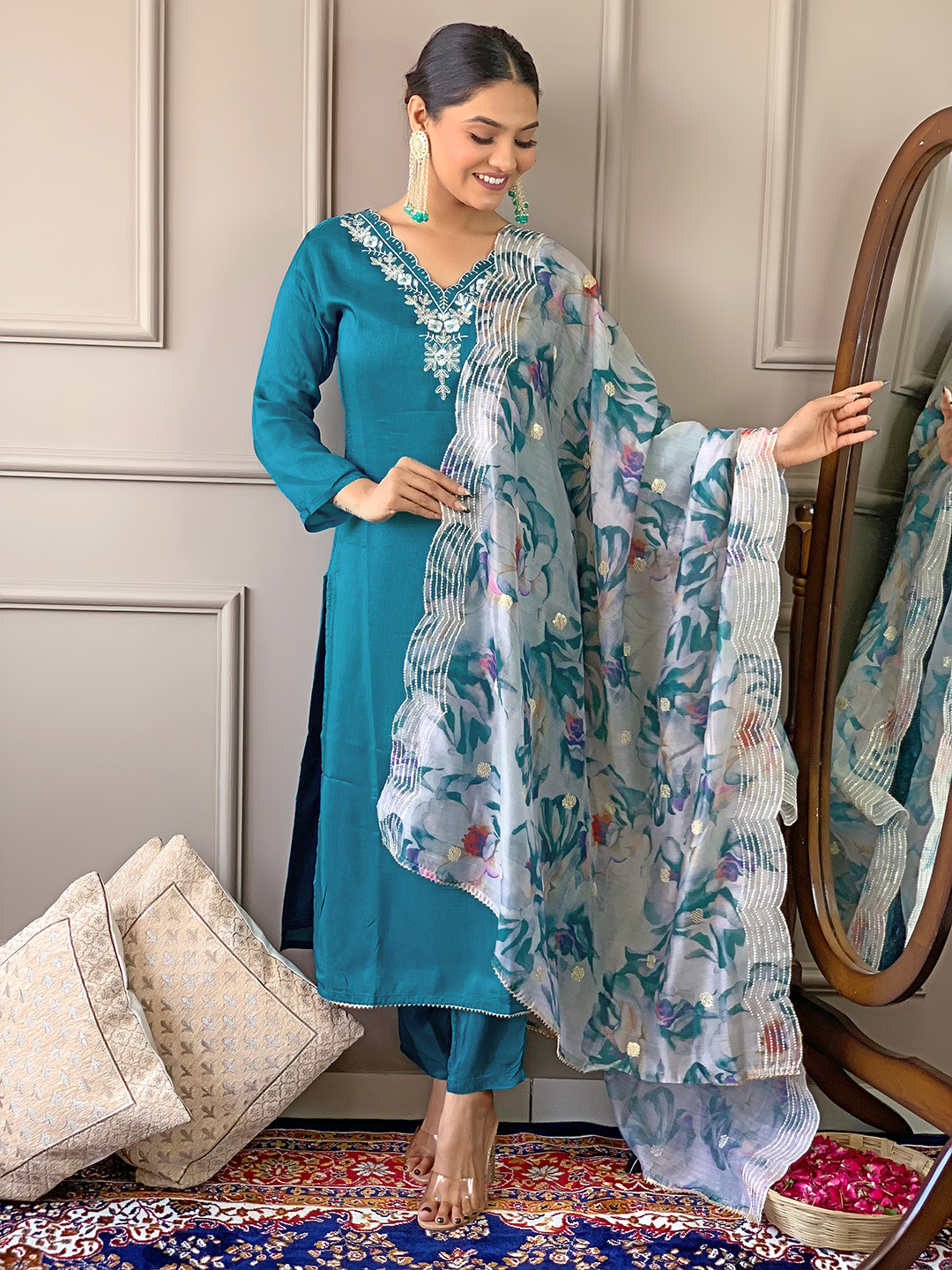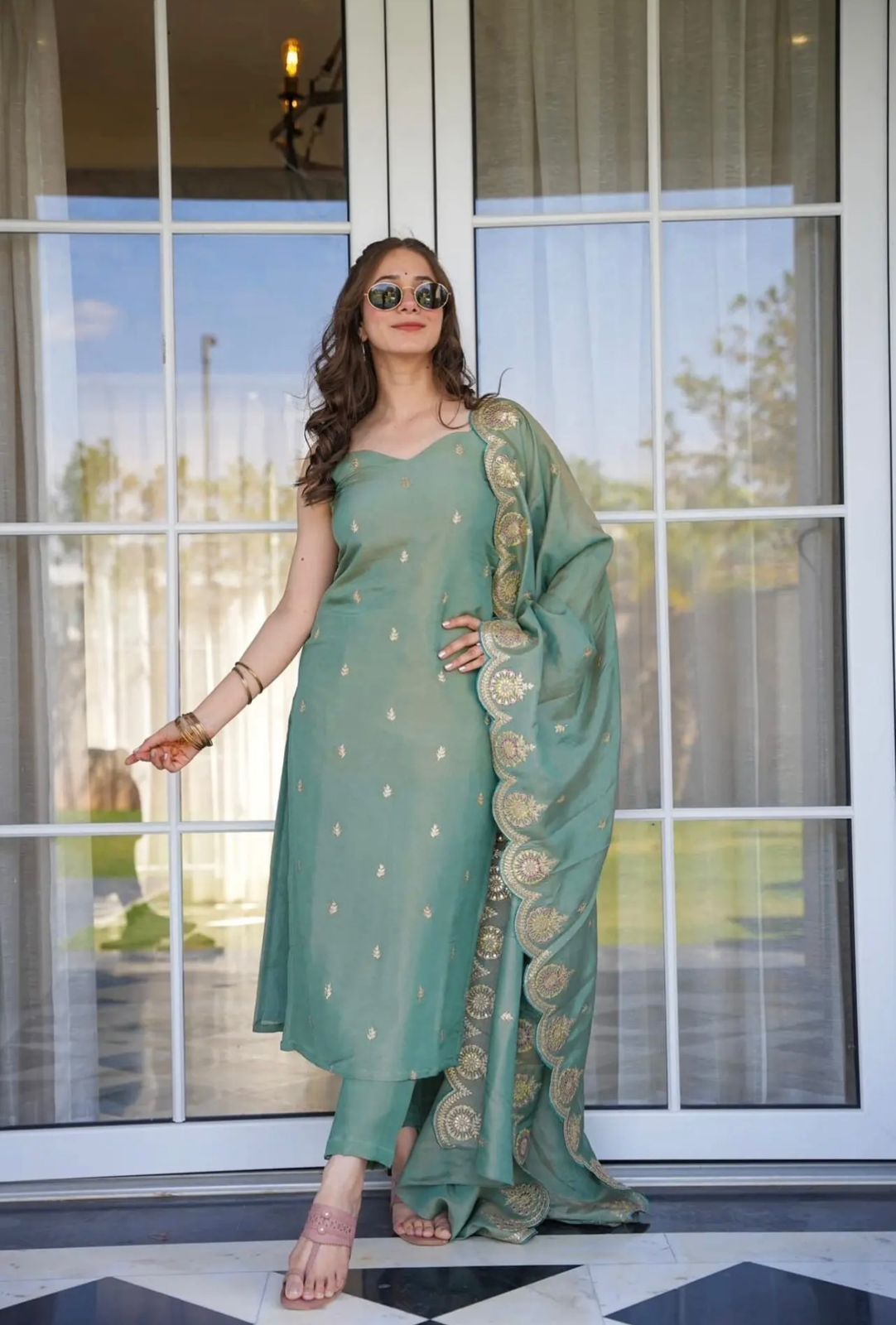
Choosing the best handloom sarees in India isn't simply a matter of selecting the brightest colour or the highest price. An useful choice depends on four measurable factors: the fibre, the weaving method, the weight of the saree and the finishing details such as zari or printed motifs. Once these are understood, online shopping becomes less uncertain and the same saree can be matched sensibly to a wedding, office event, festival or party.
Handloom doesn't automatically mean silk, heavyweight or expensive. Banarasi silk, Kanjeevaram, Chanderi, cotton and tissue blends can all have different textures, levels of sheen and care requirements. The guide below explains how to read those differences before placing an order.
What makes a saree handloom?
A handloom saree is woven on a loom operated by hand rather than produced entirely on a power loom. The weaver controls the movement of the yarn, shuttle and pattern mechanism, so small variations in selvedge, texture or motif alignment can occur.
Handloom is a method of production, not a single fabric category. A handloom cotton saree may feel airy and slightly crisp, while a handloom silk saree may feel dense, smooth and lustrous. A tissue cotton saree can have a light reflective surface without being a pure silk saree.
Look for a clear fabric description, the stated fibre composition and close-up photographs of the border and pallu. A genuine product description should distinguish between Banarasi silk, soft silk, cotton, tissue cotton and synthetic fibres instead of using the word "silk" as a general style label. Weave irregularities are not necessarily defects, but broken threads, large holes and badly finished edges should not be accepted as normal handloom character.
How should a buyer read the word "zari"?
Zari is a metallic thread used to create borders, but the word alone doesn't reveal whether the thread is real silver-gold zari, tested zari or a metallic polyester substitute. Product details should explain the zari type when that distinction affects price and care.
Zari also changes the practical behaviour of a saree. A heavily zari-woven Banarasi silk saree may be suitable for a reception but feel warm or weighty during a long daytime ceremony. A light floral print with a narrow zari border offers a more comfortable festive option.
How do you choose the best handloom sarees in India by fabric?
The best handloom sarees in India depend on whether the priority is breathability, drape, shine, warmth, durability or ceremonial impact. Fibre is the quickest way to narrow the choice.

Silk for structure and formal dressing
Silk sarees are usually chosen for their smooth surface, rich fall and ability to hold a formal drape. Banarasi silk is known for patterned zari work and a celebratory appearance, while Kanjeevaram is associated with a firmer body, contrast borders and traditional wedding dressing. Soft silk generally has a more fluid fall and can be easier to wear for several hours.
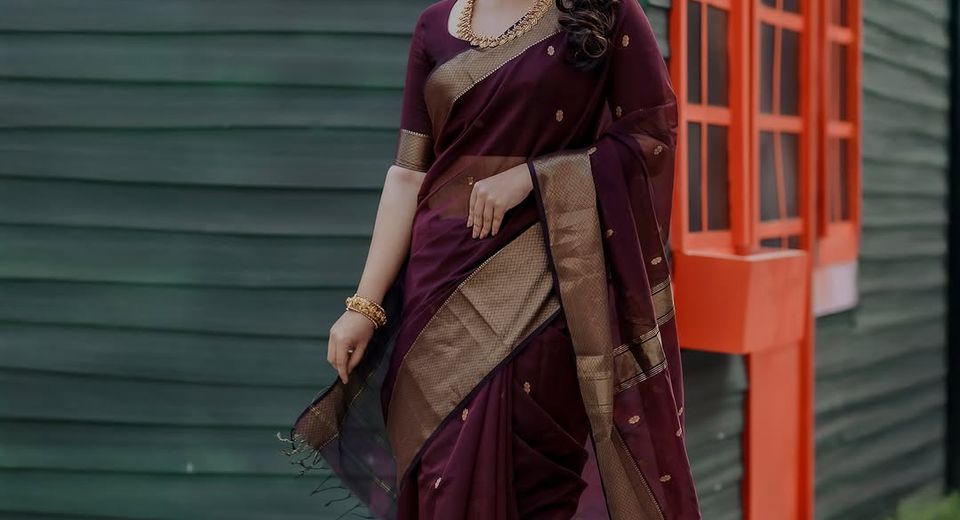
The Red Banarasi Soft Silk Zari Weave Sareee, Maroon Banarasi Soft Silk Zari Weave Saree and Royal Banarasi Soft Silk Zari Weave Saree illustrate how colour changes the styling result even when the base construction is similar. Red creates a high-contrast festive look, maroon appears deeper and more restrained, and royal blue or similarly saturated tones work well with antique-gold or neutral jewellery.
Silk isn't automatically the right answer for every wedding. Check the expected duration, weather and amount of walking. A lightweight soft silk can be more practical than a very dense silk for a daytime Haldi ceremony or a venue without strong air conditioning.
Cotton and tissue cotton for comfort
Cotton handloom sarees are generally the strongest choice for breathability, repeated wear and warm climates. Cotton absorbs moisture better than many synthetic fibres, although a crisp cotton weave can crease more quickly and may need careful pressing.
Tissue cotton combines a cotton base with a subtle translucent or reflective effect, making it more festive than plain everyday cotton without necessarily becoming as heavy as silk. Blue Tissue Handloom Cotton Saree with Zari Floral Print uses the contrast between floral design and metallic detail to create a dressed-up appearance. Blue Tissue Handloom Cotton Saree with Floral Digital Print is a better reference point for a print-led look with less emphasis on zari.
Cream Blue Floral Tissue Cotton Handloom Saree with Zari Shimmer demonstrates why pale grounds deserve practical thought. Cream and blue can look refined in daylight, but light-coloured sarees show food marks, foundation and dust more visibly. Choose a deeper blouse or a washable underlayer when wearing a pale saree to a long event.
Which handloom saree suits each occasion?
A wedding, workday, festival and evening party require different levels of weight, shine and movement. Matching the saree to the activity produces a more comfortable and polished result than choosing only by trend.
Weddings and heritage ceremonies
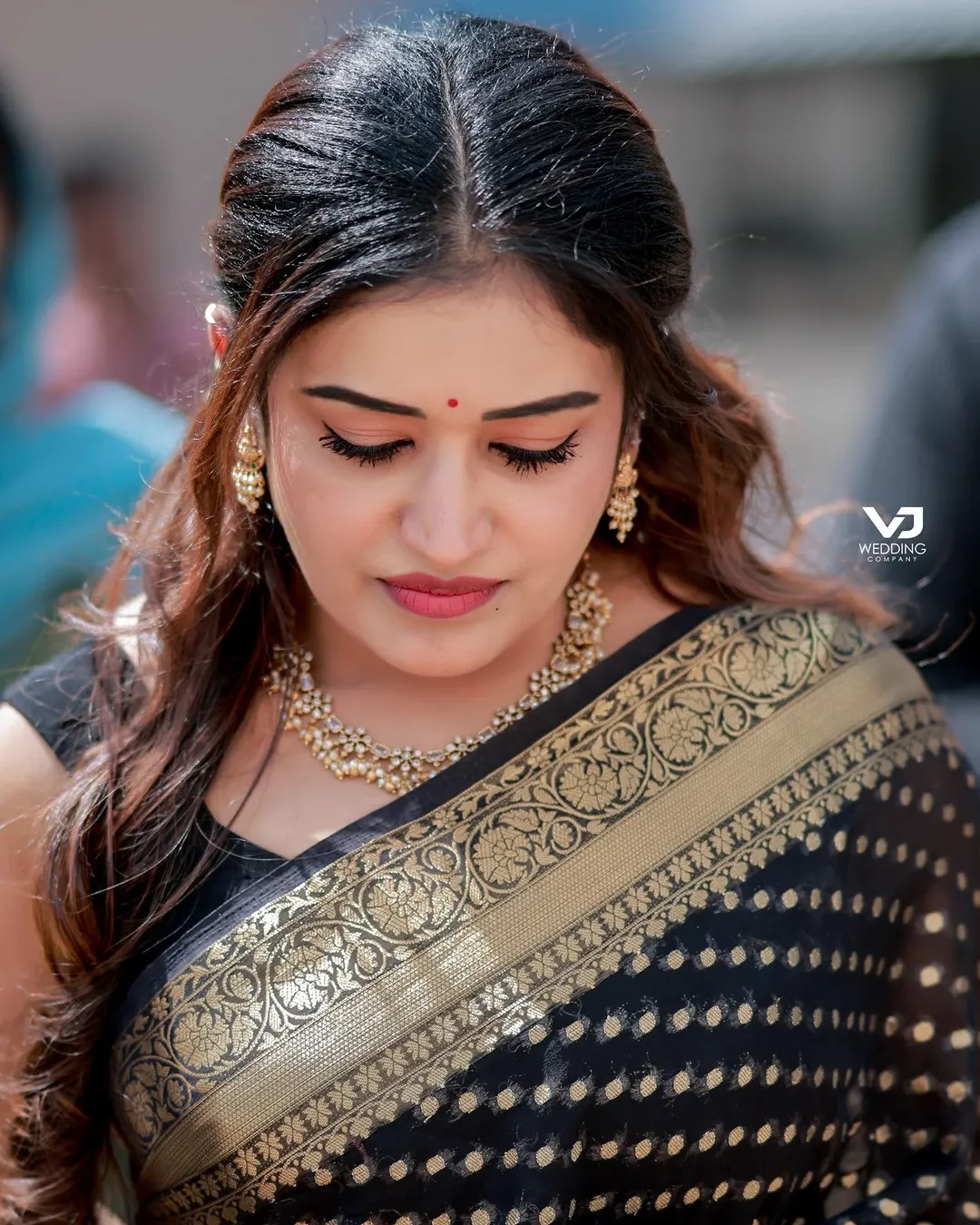
Silk with a defined border and zari pallu is appropriate for weddings, family rituals and formal receptions. Maroon, red, royal blue, deep green and purple create strong photographs, especially when the blouse uses one colour pulled from the border.
For a main wedding ceremony, pair Banarasi silk with a structured blouse, a secure petticoat and a pleated front. For a daytime family function, a lighter soft silk or tissue cotton reduces heat and allows easier movement. A saree that weighs several kilograms may look impressive on a hanger but become tiring after four or five hours.
Haldi ceremony and daytime festivities
A Haldi ceremony calls for a lighter saree, secure pleats and colours that can tolerate turmeric splashes. Yellow, cream, blue, pink and printed cotton are more practical than delicate, heavily embellished surfaces that require specialist cleaning after one stain.
Digital floral prints and small zari accents work well for women party wear when the event includes standing, sitting on the floor or moving between outdoor and indoor spaces. Keep jewellery lighter and use a blouse with sleeve coverage if the ceremony is held in direct sun.
Office, travel and regular wear
Cotton, tissue cotton and lighter soft silk are more useful for work and travel than very ornate silk. A medium-width border helps the saree look finished without catching on chair arms, vehicle doors or bags. Choose blouse colours that coordinate with at least two other sarees to increase wardrobe flexibility.
For regular wear, pre-pleating is possible, but the folds should not be stored tightly for months because permanent pressure can weaken zari and create sharp crease lines. Folding the saree along different lines every few wears distributes stress.
How can you shop for handloom sarees online without misjudging them?
Online saree shopping becomes safer when a buyer checks construction details, measurements, photographs, return conditions and care instructions before comparing discounts.

- Read the fibre line first. Confirm whether the saree is silk, cotton, tissue cotton, a blend or synthetic. "Silk look" doesn't mean silk.
- Check the saree length and blouse piece. Many sarees are approximately 5.5 metres with a separate blouse piece, but lengths and blouse-piece sizes vary. Tall wearers and those who prefer a generous pallu should verify measurements.
- Zoom into the pallu and border. Close views reveal whether a design is woven, digitally printed, screen printed or embroidered. Woven zari usually has a different reverse-side appearance from a surface print.
- Compare the weight with the occasion. A dense zari weave may suit a short evening event but be unsuitable for humid outdoor functions or frequent travel.
- Review colour photographs carefully. Screen brightness changes how maroon, purple, cream and royal blue appear. Product images taken in daylight are more useful than heavily filtered images.
- Look for care information. Dry-clean-only instructions matter when comparing the real cost of ownership. Cotton may still require gentle washing, shade drying and low-temperature ironing.
Price is useful only when compared with material and construction. A discount on a silk saree doesn't prove authenticity, while a lower-priced cotton handloom saree can be a sensible purchase if its fibre, length and finishing are clearly stated. Collections such as Gray Color Sarees Under 1000 and Red and Yellow Sarees from Rs 799 with Up to 75 Percent Off can help with budget discovery, but the fabric description still deserves more attention than the percentage reduction.
How should colour and styling guide the purchase?
Colour should be selected according to lighting, jewellery, blouse reuse and the visual weight of the weave. A dark, saturated saree generally appears more formal, while a pale or floral saree feels lighter and more daytime-friendly.
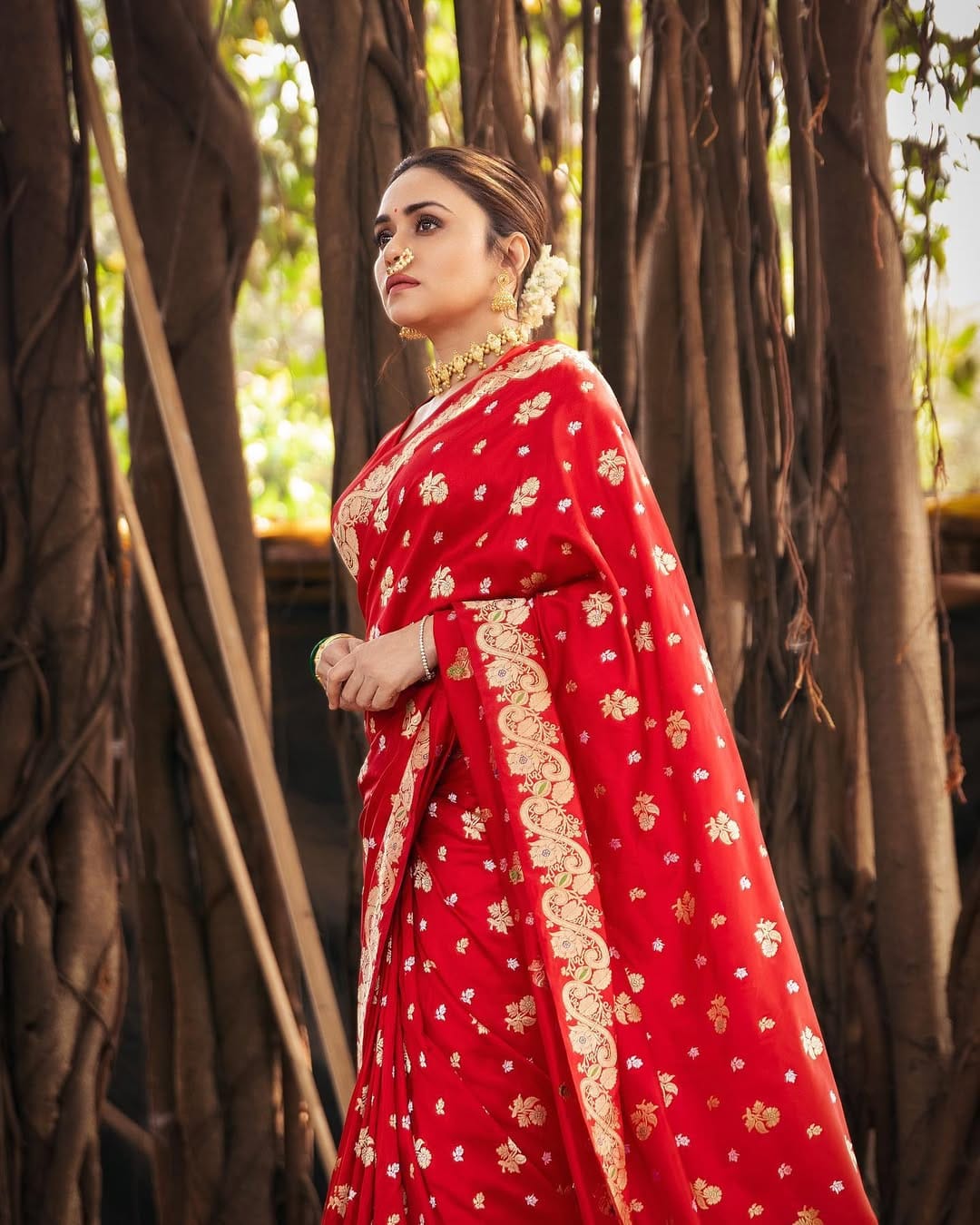
Red Banarasi silk pairs naturally with antique gold, kundan or uncut-style jewellery, while maroon can be balanced with gold, champagne or muted rose accessories. Royal blue works with silver, pearls and bright gold depending on the zari tone. Purple Zari Woven Lichi Silk Saree Online - Varnavi shows how a jewel tone can carry an evening look even when the silhouette remains simple.
For a printed cotton or tissue cotton saree, select a blouse from one minor colour in the motif rather than matching the dominant ground exactly. This technique prevents a blue floral saree from becoming visually flat. A plain blouse also allows the pallu to remain the focal point.
Party Wear Sarees are useful when the requirement is a more polished evening wardrobe, whereas White Silk Sarees in Cream Ivory and Off White supports a softer palette for daytime receptions, pre-wedding dinners and intimate celebrations. Maroon Silk Sarees with Up to 74% Off is relevant when a deeper colour is wanted without moving into black or navy.
How do you care for silk, zari and cotton handloom sarees?
Silk and zari sarees last longer when they're aired after wearing, folded in breathable cotton and stored away from direct sunlight. Refold silk every few months along a different line, and avoid hanging a heavy saree permanently from a narrow hanger because concentrated weight can stretch the fabric.
Keep perfume, deodorant and hairspray away from zari and silk surfaces. Apply such products before draping and allow them to dry fully. If a spill occurs, blot it with a clean, dry cloth rather than rubbing the area or applying household detergent.
Cotton handloom sarees can often tolerate gentler home care than silk, but the exact fibre and dye determine the safe method. Use cool water only when the care label permits it, choose a mild detergent, avoid prolonged soaking and dry the saree in shade. Iron cotton on the reverse side or through a thin cloth when the surface contains print or zari.
Store sarees in clean cotton or muslin covers rather than sealed plastic for long periods. Silica gel can help control moisture in a cupboard, but it should not touch the saree directly. Professional dry cleaning is the safer option for dense zari, uncertain colourfastness, oil stains and heirloom silk.
What should you finally prioritise when choosing?
The best handloom sarees in India are the ones whose fibre, weight, weave and care needs suit the wearer's real routine. A saree used once for a reception can justify more zari and a heavier drape, while a saree intended for work, travel or repeated festivals should prioritise comfort and easy maintenance.
Before purchasing, write down the event, expected wearing time, climate, preferred blouse style and realistic care routine. Then compare Banarasi silk, soft silk, cotton and tissue cotton on those criteria rather than treating "handloom" as a complete buying decision. A transparent description, close-up weave photographs and accurate measurements are stronger signs of a worthwhile purchase than a dramatic discount or an elaborate product name.
That approach makes online shopping more deliberate: choose the fibre first, confirm the construction second, evaluate colour and occasion third, and consider price only after the first three checks. The result is a handloom saree that looks appropriate on the day and remains useful long after the event.
Common Questions Before Buying a Handloom Saree
What is the best online store for sarees in India?
The best online store is one that gives clear fibre composition, saree and blouse-piece measurements, close-up photographs, care instructions and transparent return terms. Compare those details before judging a store by its range or discount alone.
Which company saree is best in India?
No single company is best for every wearer because Banarasi silk, Kanjeevaram, cotton and tissue cotton serve different needs. Choose the seller that accurately describes the weave, fibre, zari and care requirements for the saree you need.
Which app is best for saree shopping in India?
The most useful shopping app is one that displays verified product details, high-resolution fabric images, customer reviews and dependable size and delivery information. App convenience cannot replace checking whether a saree is silk, cotton, tissue cotton or a synthetic blend.
Which online site is best for buying silk sarees?
A reliable silk-saree website should state the silk type, explain the zari or embellishment, show the pallu and border clearly, and provide care guidance. Buyers should also confirm the saree length, blouse-piece size, return conditions and whether the item requires dry cleaning.
How can you tell whether an online saree is really handloom?
Check whether the listing names the fibre and describes handloom construction rather than using only words such as traditional or handcrafted. Slight texture variation may be consistent with hand weaving, but authenticity is best supported by transparent seller information, product documentation and detailed close-up images.
Are handloom silk sarees suitable for summer weddings?
Lightweight soft silk or tissue cotton is generally more comfortable for a summer wedding than a dense, heavily zari-woven silk. For an outdoor event, also consider the ceremony duration, shade, ventilation and whether the saree can be worn without repeated adjustment.