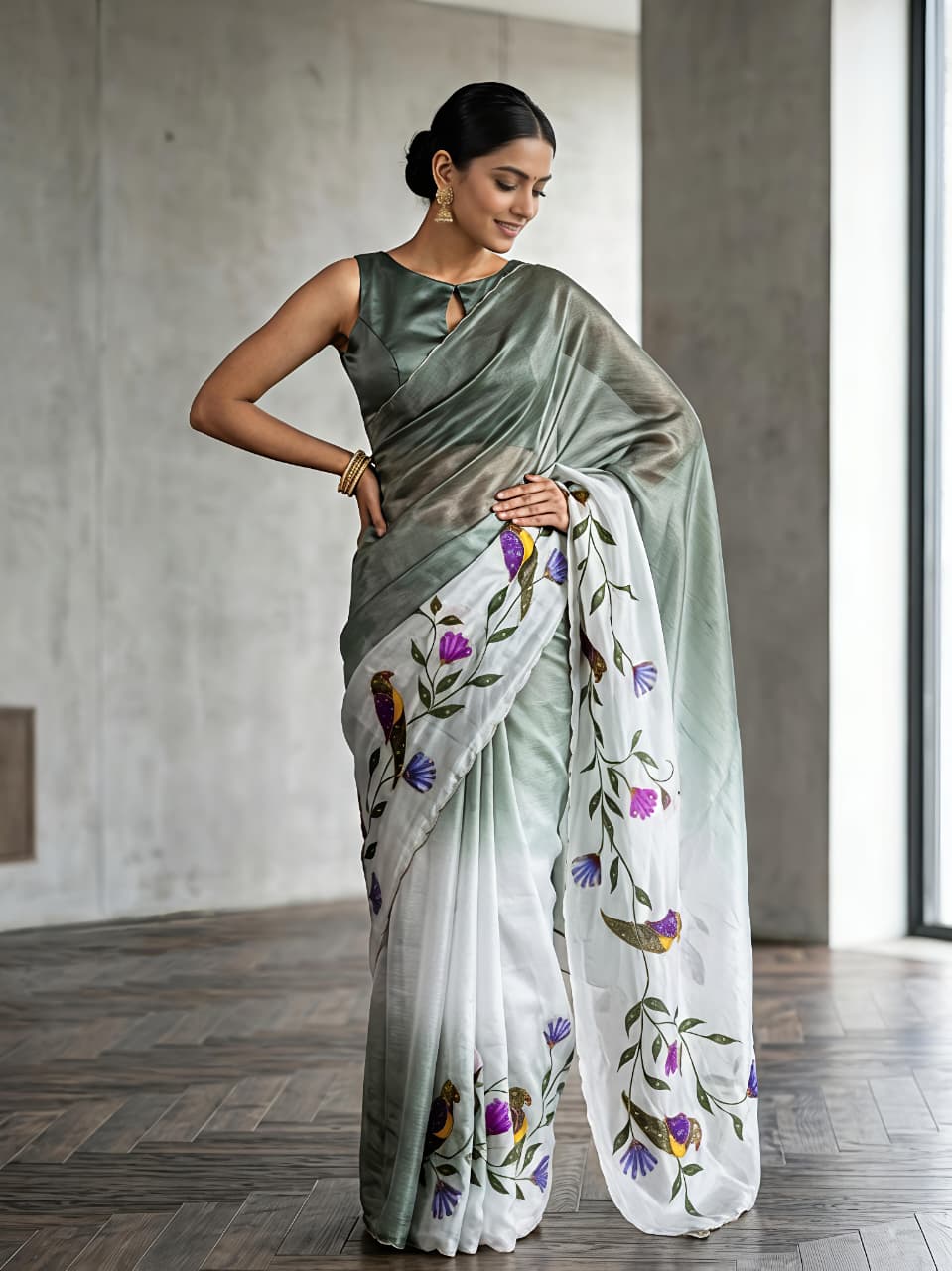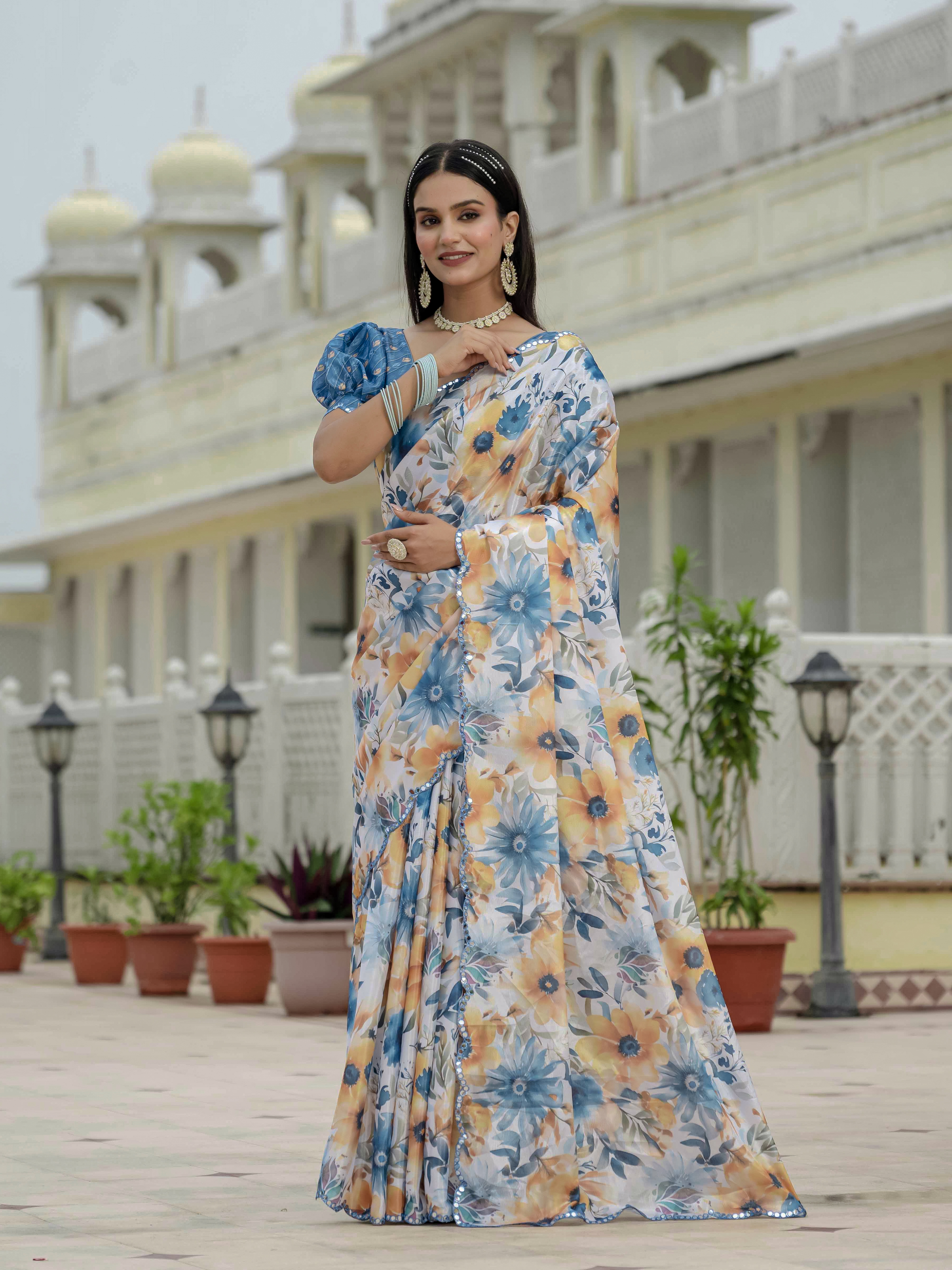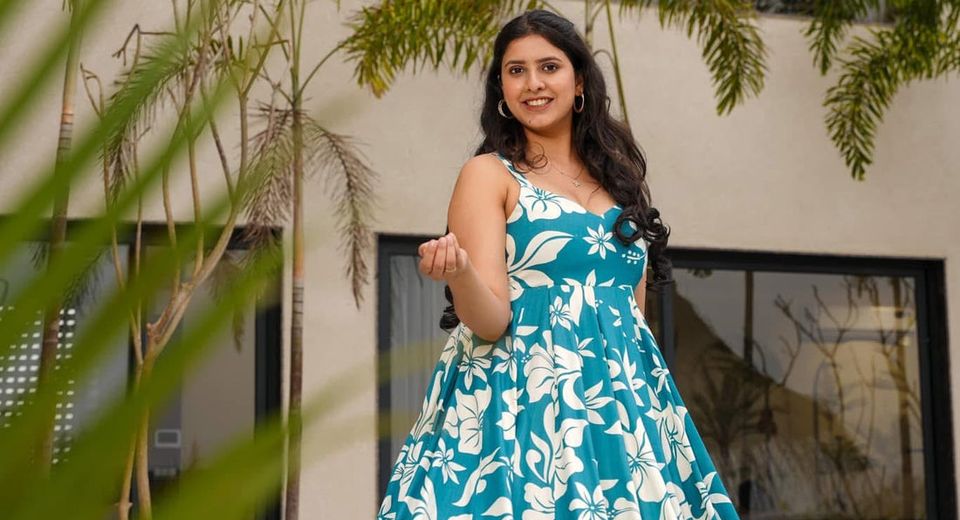
Choosing the Best Fabrics for Salwar Suits in Summer can make a greater difference to comfort than choosing a lighter colour. In hot and humid Indian weather, the right fabric affects airflow, sweat management, cling, drying time and how long a suit keeps its shape. Cotton, rayon, Chanderi cotton and carefully used organza each solve a different summer dressing problem.
A comfortable salwar suit also depends on construction. A breathable fabric can still feel hot when paired with a dense lining, tight armholes, heavy synthetic embroidery or a heavily layered dupatta. The most reliable choice combines a suitable fibre with a relaxed fit, sensible lining and a weave that allows air to move.
What makes a salwar suit suitable for hot weather?
A summer-ready salwar suit allows airflow, absorbs or manages moisture, dries at a practical speed and doesn't trap heat against the skin. Fibre content matters, but weave, fabric weight, lining and garment volume matter just as much.
Cotton generally feels dependable because the fibre absorbs perspiration and remains comfortable during long daytime wear. Rayon feels smooth and fluid because regenerated cellulose fibres create a soft drape, although rayon garments need more careful washing. Chanderi cotton combines a light hand with a slightly dressier surface. Organza works best as a sheer dupatta or overlay rather than as a fully lined main garment.
Look beyond the word "summer" in a product description. Check whether the kurta has polyester lining, whether the sleeves are close-fitting, whether the trousers have enough room at the thigh and whether the dupatta is thick with embroidery. A loose straight kurta in a medium-light fabric can feel cooler than a very thin Anarkali with several layers.
Best Fabrics for Salwar Suits in Summer: a practical comparison
The most useful summer fabric choices for salwar suits are cotton, rayon, Chanderi cotton and light organza, with each option suited to a different routine.
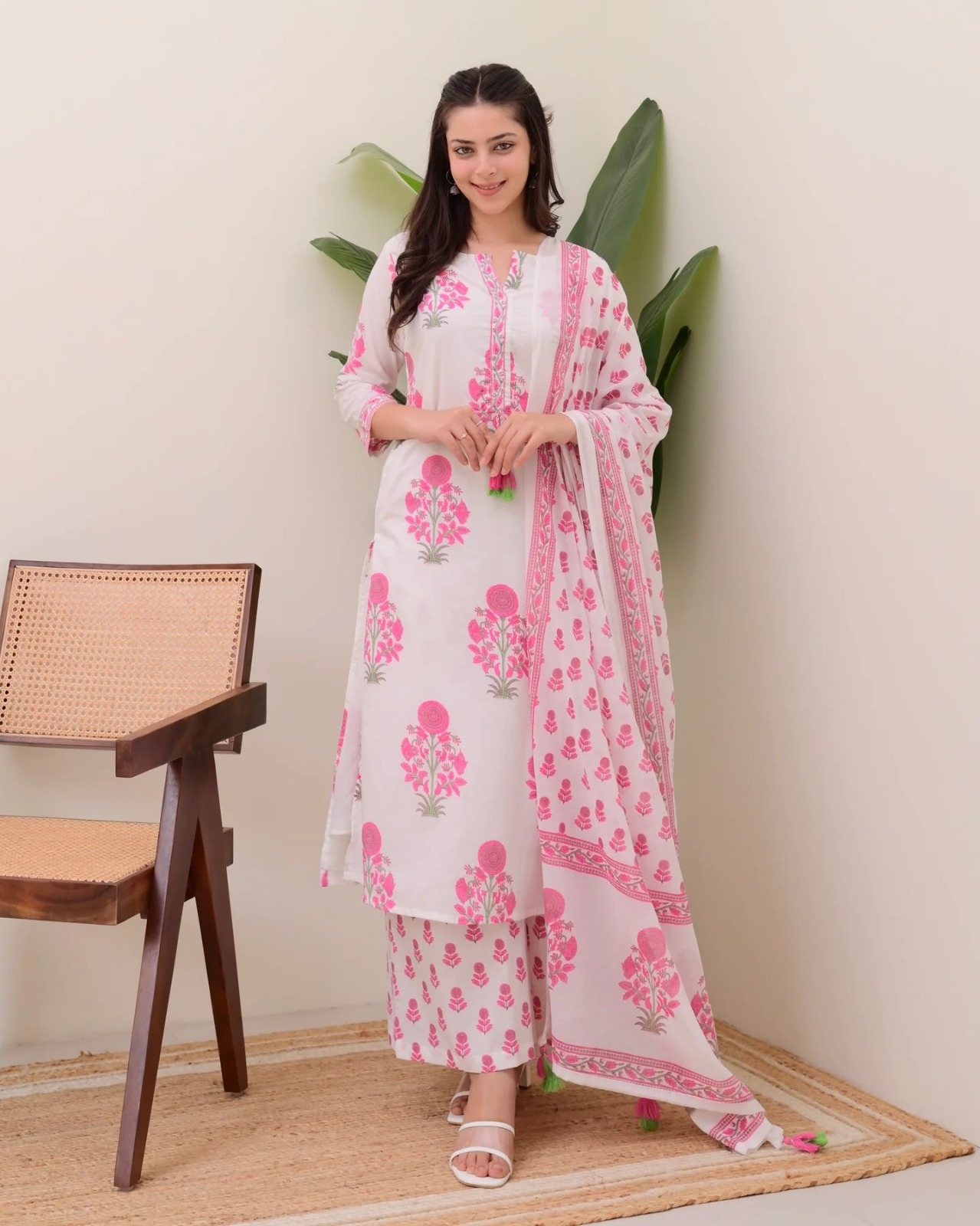
Cotton for everyday heat
Cotton is usually the safest choice for daily summer wear because it's breathable, absorbent and familiar to maintain. Cotton salwar suits suit office commutes, college days, errands and daytime family gatherings when the garment needs to remain comfortable for several hours.
Pure cotton can crease more readily than rayon or blended fabric, so a cotton suit may need pressing before work. The benefit is dependable comfort and a naturally matte appearance. Cotton also works well with block prints, small florals, woven stripes and light embroidery because surface decoration doesn't have to carry the entire visual effect.
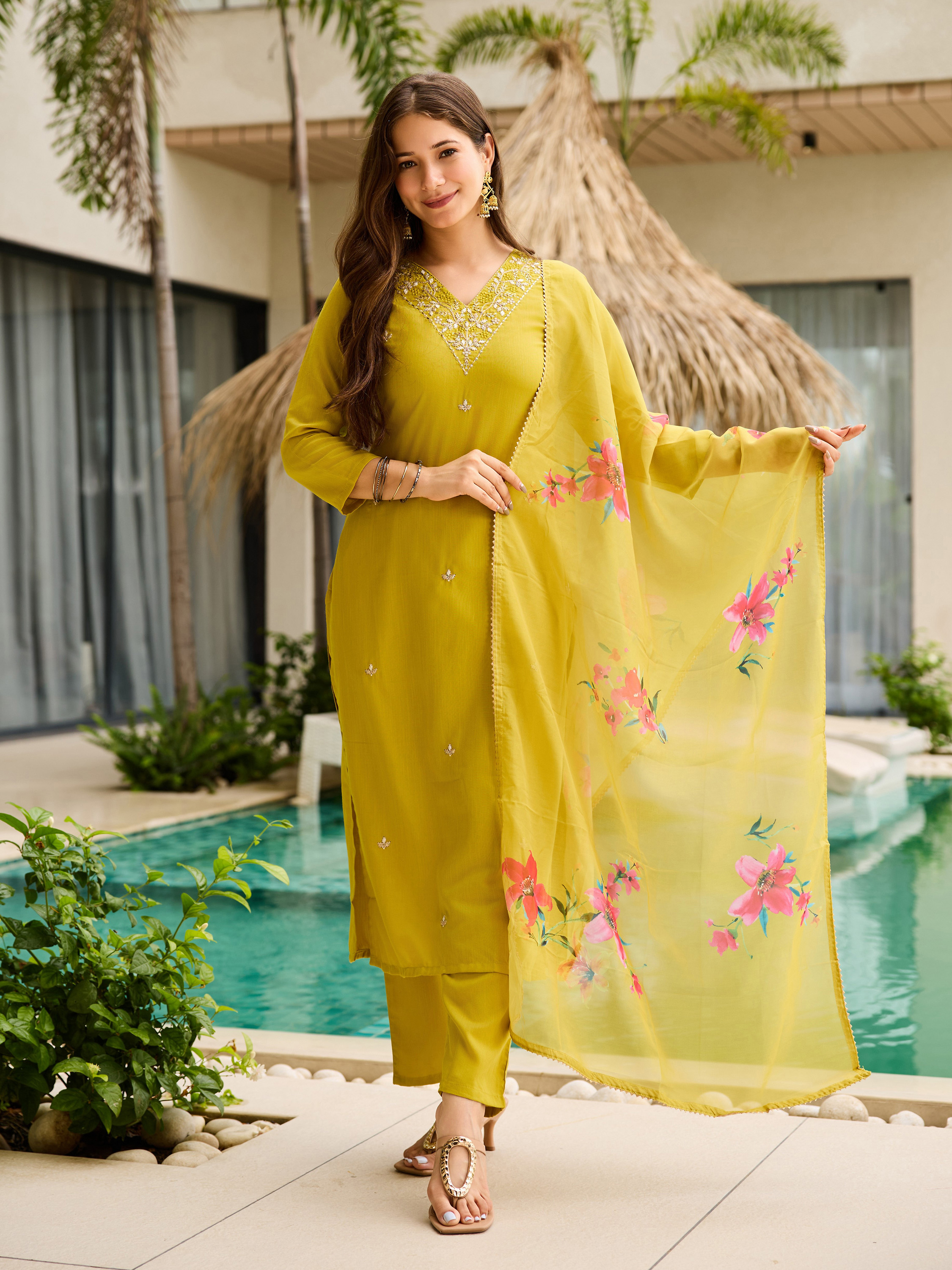
Green Embroidered Chanderi Cotton Kurta Set is an useful example of how cotton can look occasion-appropriate without becoming heavily layered. Chanderi cotton is lighter and more translucent-looking than many everyday cotton weaves, so inspect the garment for lining and wear appropriate inner layers where required.
Rayon for soft drape and movement
Rayon is a strong summer option when a fluid drape and smooth hand feel matter more than crisp structure. Rayon falls close to the body without the stiffness of some cotton weaves, making it effective for straight kurtas, palazzo sets and relaxed printed silhouettes.
Rayon can feel comfortable in warm weather because the fabric is often lightweight and has a soft, breathable hand. Rayon can also absorb moisture, but it may take longer to dry than a very light cotton garment. Rayon fibres can weaken when wet, so a gentle wash and careful reshaping are important.
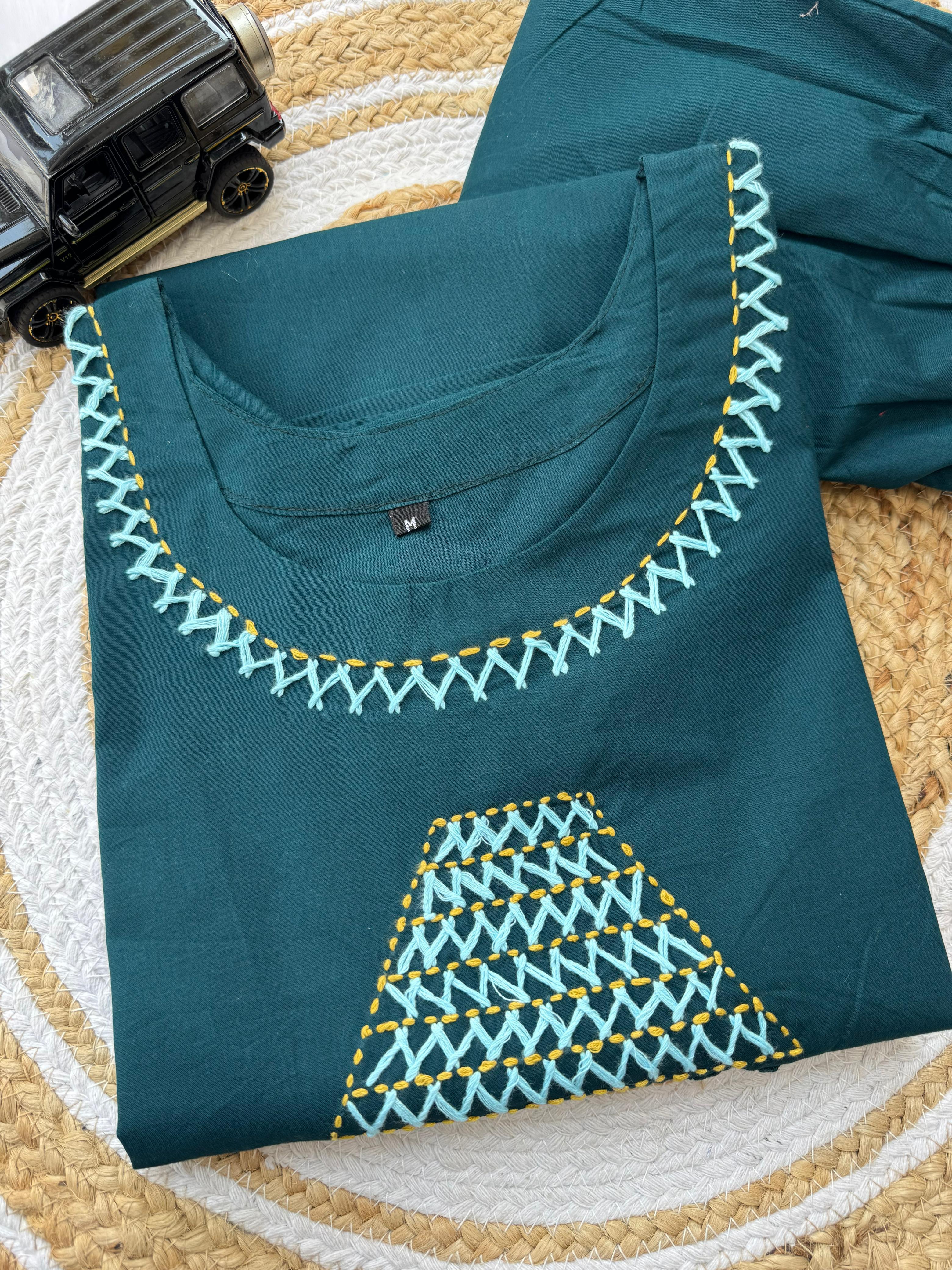
Cream Pink Printed Rayon Readymade Salwar Suit demonstrates why printed rayon is popular for summer wardrobes: the print adds visual interest while the fabric keeps the silhouette fluid. Pista Green Rayon Threadwork Salwar Suit and Teal Rayon Threadwork Salwar Suit show a dressier direction, although threadwork can add weight and make a garment warmer than an unembellished rayon suit.
Rayon suits benefit from a hanger with broad shoulders or flat storage after drying. Avoid wringing rayon, because twisting can distort the grain and create uneven hems. Rayon is a better choice for a softly falling outfit than for a sharply tailored, structured look.
Chanderi cotton for lightweight festive dressing
Chanderi cotton is suitable for summer occasions when a light fabric with subtle sheen and traditional character is needed. Chanderi weaves are known for their airy appearance and delicate surface, which makes them useful for daytime pujas, intimate celebrations and polished office dressing.
Chanderi cotton often has a more refined finish than plain everyday cotton, but it can be slightly sheer depending on the weave and colour. A well-fitted lining or a comfortable slip may therefore be necessary. Choose a suit with moderate embroidery if you'll be outdoors, because metallic thread and dense motifs can reduce the cooling advantage of a lightweight base.
The Green Embroidered Chanderi Cotton Kurta Set works best with minimal accessories: small earrings, a light stole or dupatta and breathable footwear. Chanderi cotton doesn't need a heavy necklace or a multi-layered dupatta to appear festive.
Organza for a light-looking dupatta
Organza is most useful in summer as a sheer dupatta or decorative layer because its open, crisp appearance adds occasion appeal without the visual bulk of a dense woven stole. Organza isn't automatically cool against the skin, especially when it's heavily embroidered or backed with another fabric.
Threadwork Salwar Suit with Pure Organza Dupatta illustrates a sensible use of organza: the dupatta supplies structure and polish while the main suit carries most of the comfort responsibility. Wear the dupatta loosely over one shoulder rather than wrapping it tightly around the neck, particularly for outdoor functions.
Organza can snag on jewellery, rough bags and textured seating. Fold an organza dupatta separately, avoid forcing it into an overcrowded wardrobe and use a low-temperature iron with a pressing cloth if the care label permits ironing.
How should you choose a summer fabric for your routine?
Choose cotton for long daily wear, rayon for fluid comfort, Chanderi cotton for lightweight festive dressing and organza mainly for a structured dupatta. Matching fabric to the number of hours, location and activity prevents many comfort problems.
- For commuting and office hours: Select cotton or lightweight rayon with a straight kurta, three-quarter sleeves and trousers that don't cling at the knees.
- For humid weather: Prefer a breathable, unlined or lightly lined garment with a loose armhole and avoid dense polyester layers.
- For daytime celebrations: Choose Chanderi cotton, light cotton embroidery or rayon with a restrained threadwork dupatta.
- For travel: Rayon prints and easy-care cotton blends are practical when drying space is limited, but check the wash instructions before packing.
- For a polished minimalist outfit: A solid or small-print straight suit with a light dupatta is generally cooler than a heavily layered Anarkali.
Striped Rayon Straight Kurta Palazzo Set for Women is an example of a silhouette that supports movement and visual length without requiring a heavy flare. A palazzo trouser offers air around the legs, but the waistband should remain comfortable when sitting for extended periods.
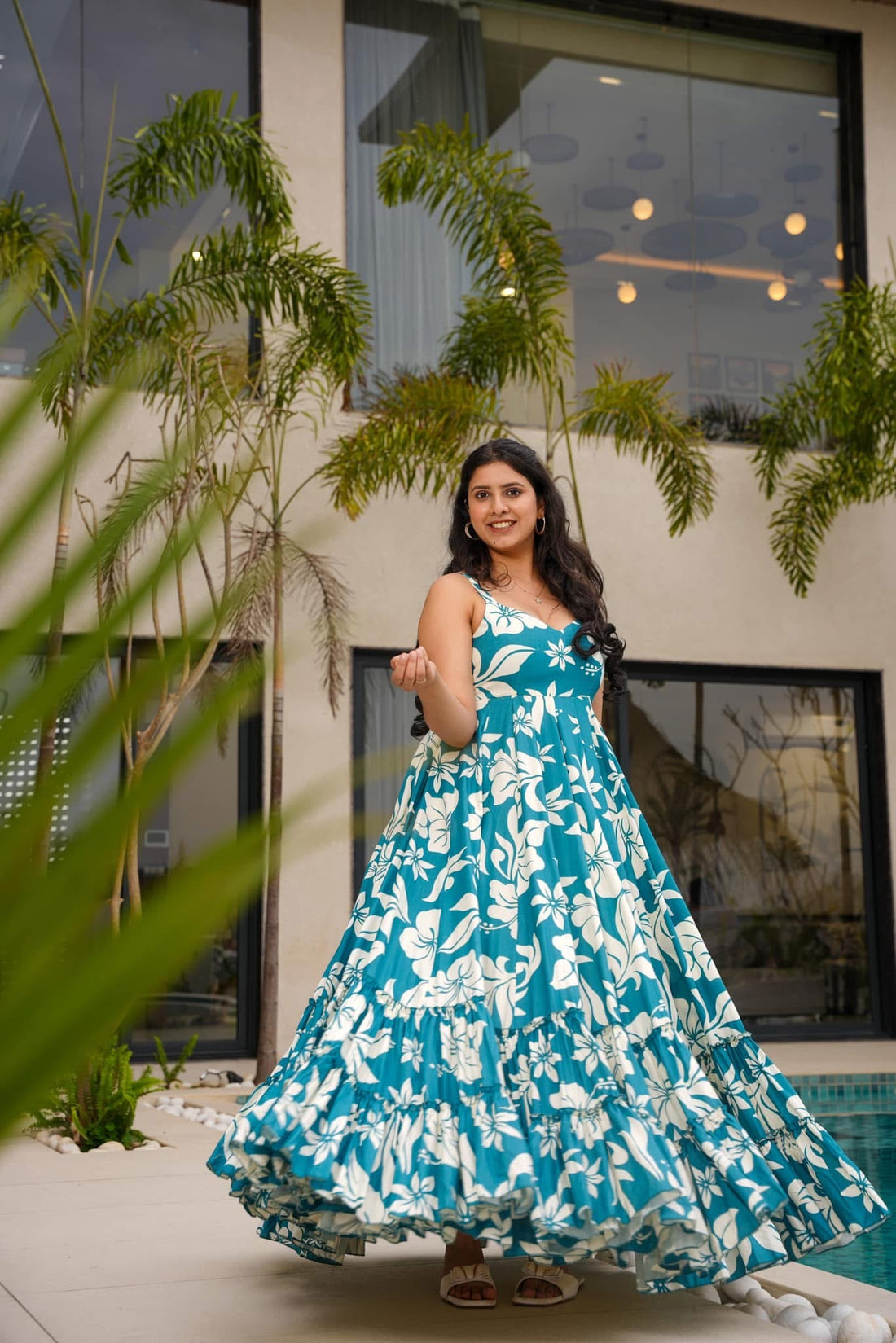
Not every summer outfit needs to be a heritage three-piece set. Teal Floral Printed Maxi Dress for Women Summer Wear and Floral Printed Maxi Dress for Women Sleeveless Tiered show how a fluid printed garment can serve the same warm-weather need when a dupatta is unnecessary. A sleeveless style is practical only when the setting permits it and the armhole doesn't rub during movement.
Does the weave matter as much as the fibre?
Yes, the weave can change how a fabric feels even when two garments contain a similar fibre. A loose or lightweight weave usually allows more air movement than a compact, dense weave.
Plain-weave cotton may feel crisp and airy, while a dense cotton sateen can feel smoother but warmer. Rayon jersey can stretch and drape closely, whereas woven rayon may feel more ventilated and structured. Chanderi cotton has a light, elegant surface, but transparency and durability vary according to the specific weave.
Touching fabric is useful but not sufficient when shopping online. Examine the garment measurements, lining details, sleeve construction and close-up images. A product described as rayon can range from very light to moderately substantial, so the garment's fall and thickness matter more than the fibre label alone.
Print scale also affects perceived summer comfort. Small floral or striped designs often look lighter than dense all-over motifs, while dark colours can absorb more sunlight outdoors. Colour doesn't determine breathability, but pale shades may feel less hot when worn in direct sun.
How do fit and lining change summer comfort?
A relaxed fit and minimal lining usually make a salwar suit cooler than a close fit with multiple inner layers. Extra room at the bust, underarm, hip and thigh allows air circulation and reduces friction while walking.
Check whether the lining ends at the hem or extends through the sleeves and trousers. A full polyester lining can trap heat even when the outer fabric is cotton or Chanderi cotton. A partial cotton lining may feel more comfortable, but the final decision should follow the garment's care and opacity requirements.
Very wide Anarkali panels can look graceful but may add fabric around the legs and torso. Ladies Dress Anarkali Salwar Suits can work for summer functions when the base fabric is light and the flare isn't overloaded with layers. For everyday heat, a straight kurta, A-line kurta or moderate palazzo set is generally easier to ventilate.
don't size down to create a sharper silhouette. Tight armholes restrict movement, and fabric pressed against the underarm can feel warmer and show perspiration more readily. Choose the size that leaves comfortable ease while keeping the shoulder seam correctly positioned.
Summer styling ideas that keep the outfit breathable
Breathable styling uses fewer layers, lighter accessories and footwear that doesn't make the outfit feel cumbersome. Styling should support the fabric rather than cover it with additional weight.
- Pair a printed rayon suit with small metal earrings, a cotton-lined bag and flat sandals.
- Wear a Chanderi cotton kurta set with a compact clutch and low-profile jewellery instead of a heavy necklace.
- Keep an organza dupatta on one shoulder or draped over both arms rather than wrapped several times around the neck.
- Use cotton camisoles or slips where opacity requires an inner layer, and match the inner layer to the garment's colour.
- Choose breathable cotton or leather footwear for long daytime events, because enclosed synthetic shoes can increase overall discomfort.
Dress Materials can be useful when you want to control the final fit, lining and trouser volume through tailoring. A made-to-measure cotton or Chanderi cotton suit can include a deeper armhole, side slits and a sleeve length suited to the wearer's routine. Tailoring also lets you avoid unnecessary padding and excessive lining.
Price-led browsing should not replace fabric inspection. Salwar Suits with 30% Off, Salwar Suits Flat 40% Off and Salwar Suits On Sale may provide useful starting points, but the discount doesn't indicate whether a garment will feel cool. Read the fibre composition, measurements and care instructions before comparing prices.
How should summer salwar suit fabrics be washed and stored?
Wash cotton and rayon according to the care label, use mild detergent, avoid harsh wringing and dry garments away from strong direct sunlight when colour fading is a concern. Correct care preserves both comfort and shape.
Turn printed garments inside out before washing to reduce surface friction. Separate dark teal, green and pink garments from pale clothing during the first few washes because excess dye can transfer. Cotton can often tolerate a gentle machine cycle, while rayon is safer with hand washing or a delicate cycle and low spin.
don't leave rayon soaking for a long period. Support the garment while it's wet, reshape the side seams and dry it flat or on a broad hanger according to the care label. Hanging heavy wet rayon from a thin hanger can stretch the shoulders.
Chanderi cotton should be handled gently to protect its fine surface and embroidery. Fold organza dupattas loosely with clean tissue paper if they will be stored for several months. Avoid spraying perfume directly onto zari, metallic threadwork or delicate organza, because alcohol and moisture can affect surface finishes.
A simple wardrobe rotation also helps summer clothing last longer. Allow a worn suit to air before placing it in a cupboard, keep garments dry and avoid compressing embellished dupattas under heavy stacks. These small habits reduce odour, creasing and premature fabric wear.
Making the final summer fabric decision
The best choice depends on the day you're dressing for, not on a single universal "coolest" fabric. Cotton is the dependable everyday option, rayon brings soft movement, Chanderi cotton adds lightweight refinement and organza works best as a structured accent.
For a practical summer wardrobe, begin with one easy cotton suit, one fluid rayon option and one dressier Chanderi cotton or organza-accented set. Check the lining, fit, care label and garment weight before considering colour or embellishment. That approach produces salwar suits that remain wearable after the first impressive try-on.
Questions to Ask Before Buying a Summer Salwar Suit
Which fabric is coolest for salwar suits in summer?
Cotton is usually the most dependable cool-weather choice because it is breathable and absorbent. Lightweight rayon and Chanderi cotton can also feel comfortable, provided the garment does not have a heavy lining or dense embroidery.
Is rayon suitable for summer salwar suits?
Rayon is suitable for summer when you want a soft, fluid drape and a lightweight feel. Rayon can take longer to dry and may weaken when wet, so wash it gently, avoid wringing and reshape it while drying.
Is Chanderi cotton good for hot and humid weather?
Chanderi cotton can work well in hot weather because its lightweight weave feels airy and looks refined. Check opacity, lining and embroidery before buying, because a dense inner layer can reduce the fabric's cooling advantage.
Can organza be worn in summer?
Organza can be worn comfortably in summer as a light dupatta or decorative layer. Heavily embroidered organza may feel less breathable, so avoid wrapping it tightly around the neck or choosing it as the main fully lined garment for outdoor heat.
Are cotton or rayon salwar suits easier to maintain?
Cotton is generally easier to wash and press, although it can crease more readily. Rayon needs more care because soaking, wringing and hanging while very wet can distort the garment.
What should I check before buying a summer salwar suit online?
Check the fibre composition, garment measurements, lining, sleeve construction, trouser ease and care instructions before buying online. Product photographs can show colour and silhouette, but the fabric details determine whether the suit will remain comfortable for extended wear.