Rainy days change how clothing behaves against the skin. Humidity slows evaporation, damp hems collect dust, and a suit that felt comfortable in May can become heavy after a short commute. The Best Fabrics for Salwar Suits in monsoon weather are breathable, reasonably quick to dry and manageable between washes. Fibre content matters, but weave, lining, embroidery, fit and dupatta choice matter just as much.
A practical monsoon wardrobe doesn't need to exclude cotton or festive detailing. It needs a sensible mix of rayon, lightweight cotton, cotton blends and carefully chosen overlays. The right salwar suit can remain polished for office hours, college travel, family visits and a Haldi ceremony without becoming difficult to wash or dry.
What makes a salwar suit suitable for monsoon weather?
A monsoon-friendly salwar suit lets air move around the body, doesn't stay clammy for many hours and can be dried without excessive heat or wringing. A light construction, moderate fit and limited lining usually improve comfort more than a fabric label alone.
Humidity reduces the usefulness of very thick fabrics because trapped moisture has fewer routes to escape. Long synthetic linings, dense velvet panels and heavily layered Anarkali silhouettes can feel warm even when rain lowers the temperature. A straight suit, kurti-pant set or lightly flared salwar suit often provides better airflow.
- Breathability: Air movement reduces the sticky feeling caused by sweat and humid air.
- Drying time: A garment that dries within a few hours is easier to wear repeatedly during a rainy week.
- Weight when wet: Heavy fabric can stretch at the shoulder and place stress on seams while drying.
- Colour stability: Deep dyes should be tested for bleeding before a new suit is worn with pale separates.
- Surface detail: Dense embroidery, zari and glued embellishments need more careful drying than plain fabric.
Construction also affects rainy-day practicality. An ankle-length palazzo or full flared salwar can collect splashes from wet roads, while a trouser ending a few centimetres above the ankle is easier to keep clean. A breathable lining, secure seam finishing and a dupatta that doesn't become waterlogged are useful details.
Which are the Best Fabrics for Salwar Suits in monsoon?
Rayon, lightweight cotton, cotton blends and Chanderi cotton are strong choices for monsoon salwar suits, although each suits a different need. Rayon offers fluid comfort, cotton brings airflow, and Chanderi cotton gives a dressier appearance when the weave remains light.
Rayon for soft, fluid everyday wear
Rayon is useful in humid weather because its smooth surface feels cool and its drape avoids the stiff, bulky appearance that some woven cottons develop after repeated washing. Rayon isn't automatically quick-drying, so a thin construction and good air circulation remain important. Rayon garments should be washed gently and dried away from harsh midday sunlight to help preserve colour.
The Teal Rayon Threadwork Salwar Suit shows how rayon can support a polished everyday-to-evening wardrobe. The Pista Green Rayon Threadwork Salwar Suit brings the same fabric direction in a lighter-looking colour family, while the Cream Pink Printed Rayon Readymade Salwar Suit demonstrates why printed rayon works when a wearer wants visual interest without adding heavy embellishment.
Rayon works particularly well for commuting, shopping and indoor gatherings because the fabric falls close to the body without needing multiple layers. Wear a breathable inner garment and avoid an excessively tight rayon kurta in extreme humidity, because close contact reduces airflow and can make perspiration feel trapped.
Lightweight cotton for airflow and regular washing
Lightweight cotton is among the most breathable choices for monsoon salwar suits, especially for daytime wear and regular washing. Cotton absorbs perspiration comfortably, but saturated cotton can take longer to dry than rayon and may feel cool and heavy when rain-soaked.
The Woven Chanderi Cotton Readymade Salwar Suit is an example of cotton used in a more refined format. Chanderi cotton has a lighter, dressier hand than many dense cotton weaves, making it suitable for lunches, work events and small family functions. Treat Chanderi cotton gently, avoid wringing and use a broad hanger only after excess water has been removed.
Plain cotton and printed cotton are sensible choices when laundry access is easy. Cotton also tolerates regular washing better than many embellished fabrics, although colour bleeding remains possible with deep indigo, maroon and black dyes. Wash new dark cotton garments separately until the rinse water runs clear.
Blends and smooth man-made fibres
Cotton blends can provide an useful compromise between cotton's airflow and a man-made fibre's ability to recover after washing. A blend may crease less and dry more evenly, but comfort depends on the percentage and weave. A tightly woven, mostly synthetic garment can still feel hot in humid conditions.
Read the care label before buying a blended suit, especially when embroidery or a separate lining is involved. A low-maintenance blend suits travel and frequent office wear, while a mostly cotton construction may feel better for long outdoor periods. Fabric weight and fit should guide the decision rather than the word "blend" alone.
Can Chanderi, organza and embroidery work during the rains?
Chanderi and organza can work during monsoon celebrations when they're used as lightweight layers, but both need more protection from prolonged dampness than rayon or washable cotton. Embroidery is practical when the base fabric is light and the embellishment isn't dense enough to prevent drying.
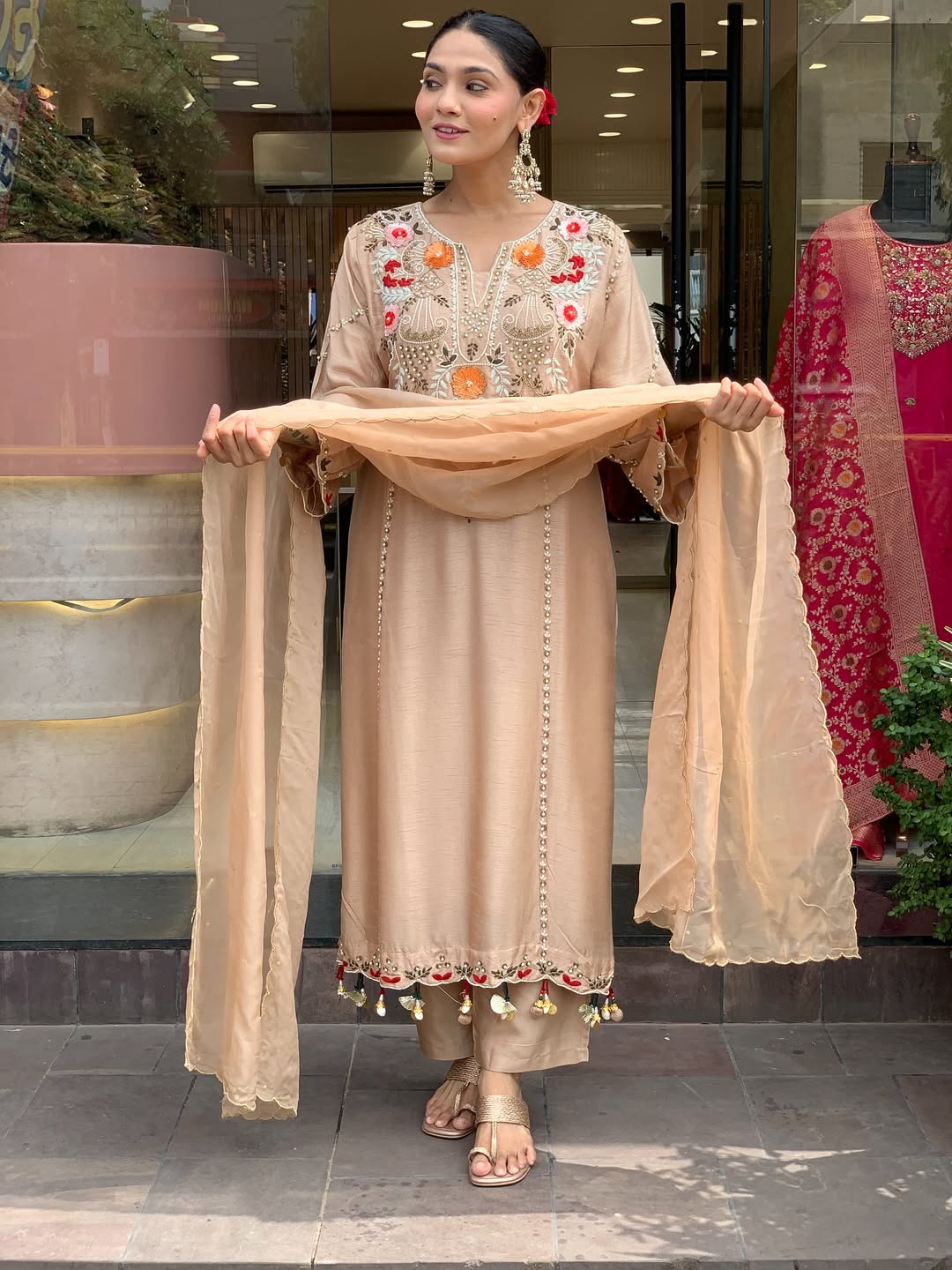
Chanderi cotton suits indoor daytime gatherings because the fabric combines a delicate appearance with a breathable woven base. Do not leave damp Chanderi cotton folded in a laundry basket. Spread the garment on a clean towel or broad hanger until it's completely dry.
Organza is generally more practical as a dupatta than as the main fabric for wet-weather travel. Pure organza is light and can dry relatively quickly, but its crisp structure can crease, snag or lose shape if squeezed into a crowded bag. Threadwork Salwar Suit with Pure Organza Dupatta can inspire a festive monsoon outfit when the dupatta is carried separately in a breathable cloth bag and kept away from direct rain.
Embroidered clothing needs inspection after every damp outing. Check the hem, underarm seams and areas around threadwork for moisture before storage. Embroidered Salwar Suit Set for Women is better suited to an indoor celebration or a short covered commute than to a long walk through waterlogged streets.
Dense zari, sequins and glued stones increase care requirements because moisture can dull metallic surfaces or weaken adhesive. A lightly embroidered neckline or sleeve is generally easier to maintain than a fully embellished front and dupatta.
Which salwar suit silhouettes work best in humid conditions?
Relaxed straight suits, kurti-pant sets and lightly flared styles usually perform best in humidity because they allow air to circulate and reduce fabric contact with sweaty skin. An ankle-skimming lower half also reduces contact with muddy water.
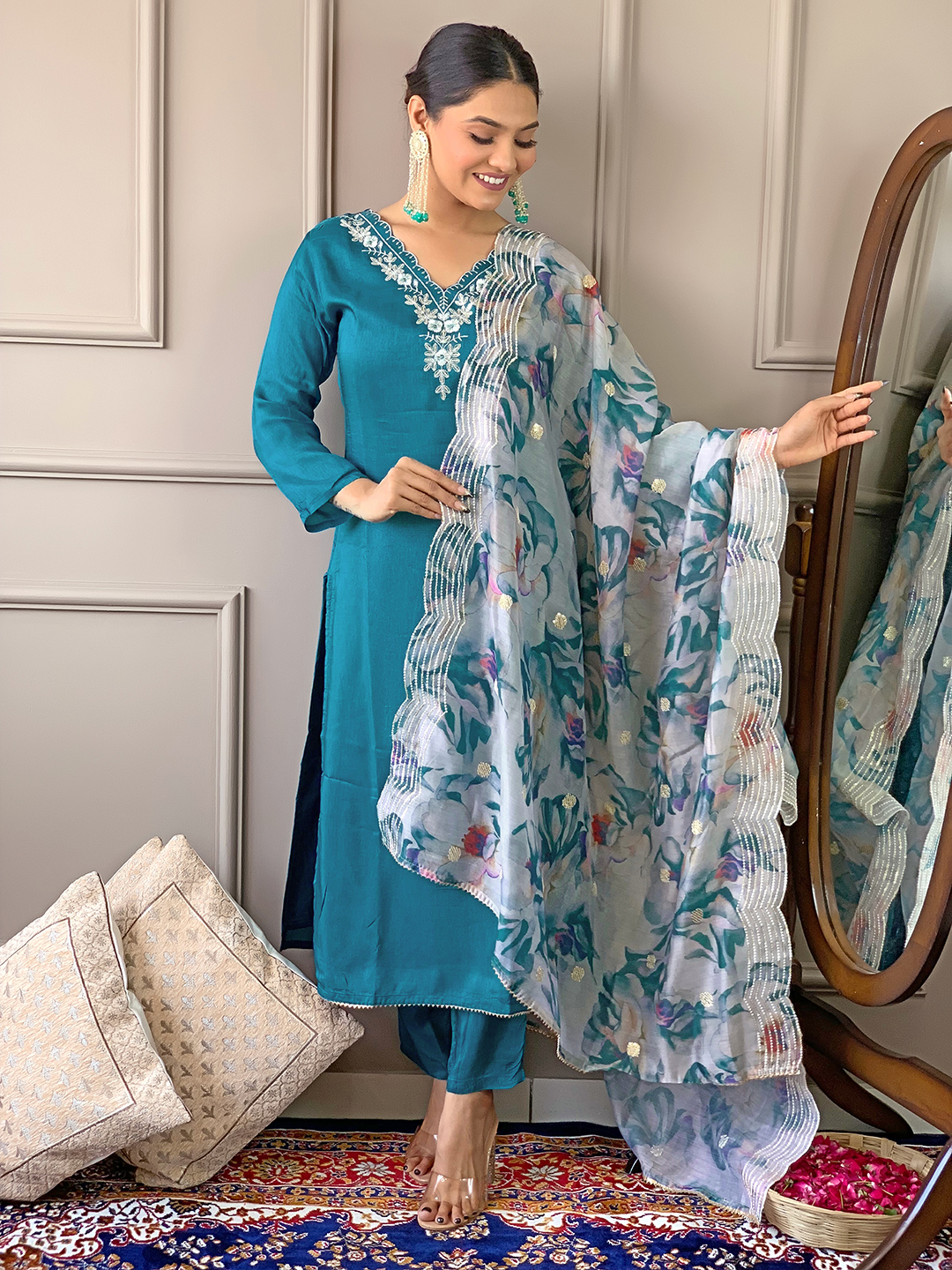
A straight kurta with tapered trousers is practical for commuting because the lower garment stays clear of puddles more easily than a long, wide flare. A palazzo can remain comfortable in humid weather, but choose a moderate width and a hem that doesn't sweep the ground.
Anarkali suits create graceful movement, yet multiple panels and a full lining add fabric that can hold moisture. Ladies Dress Anarkali Salwar Suits can work for indoor functions when the selected design has a light lining and enough room through the sleeves and bodice.
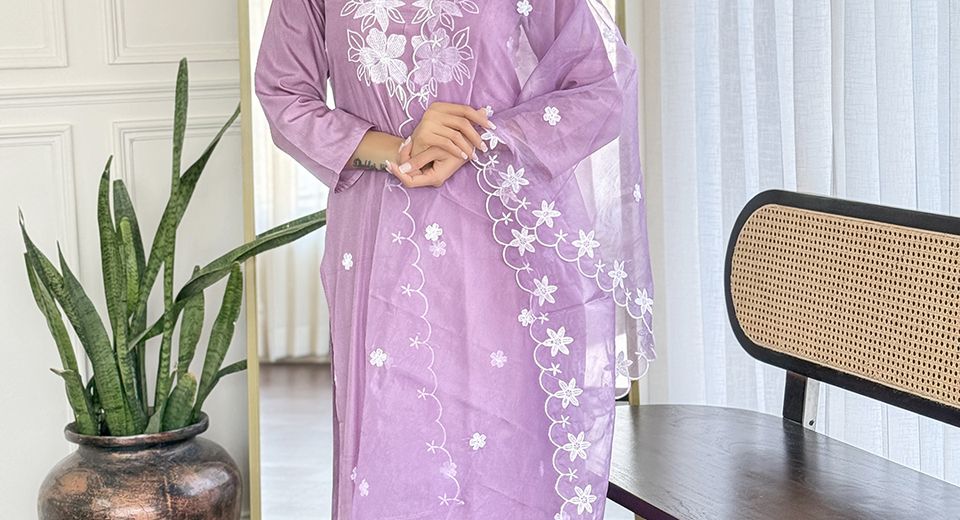
The Lavender Kurti Pant Set with Organza Dupatta illustrates an useful monsoon balance: a manageable kurti-pant base paired with a visually festive but lightweight dupatta. Keep the trouser hem above the splash zone and avoid carrying the organza loosely over a wet shoulder.
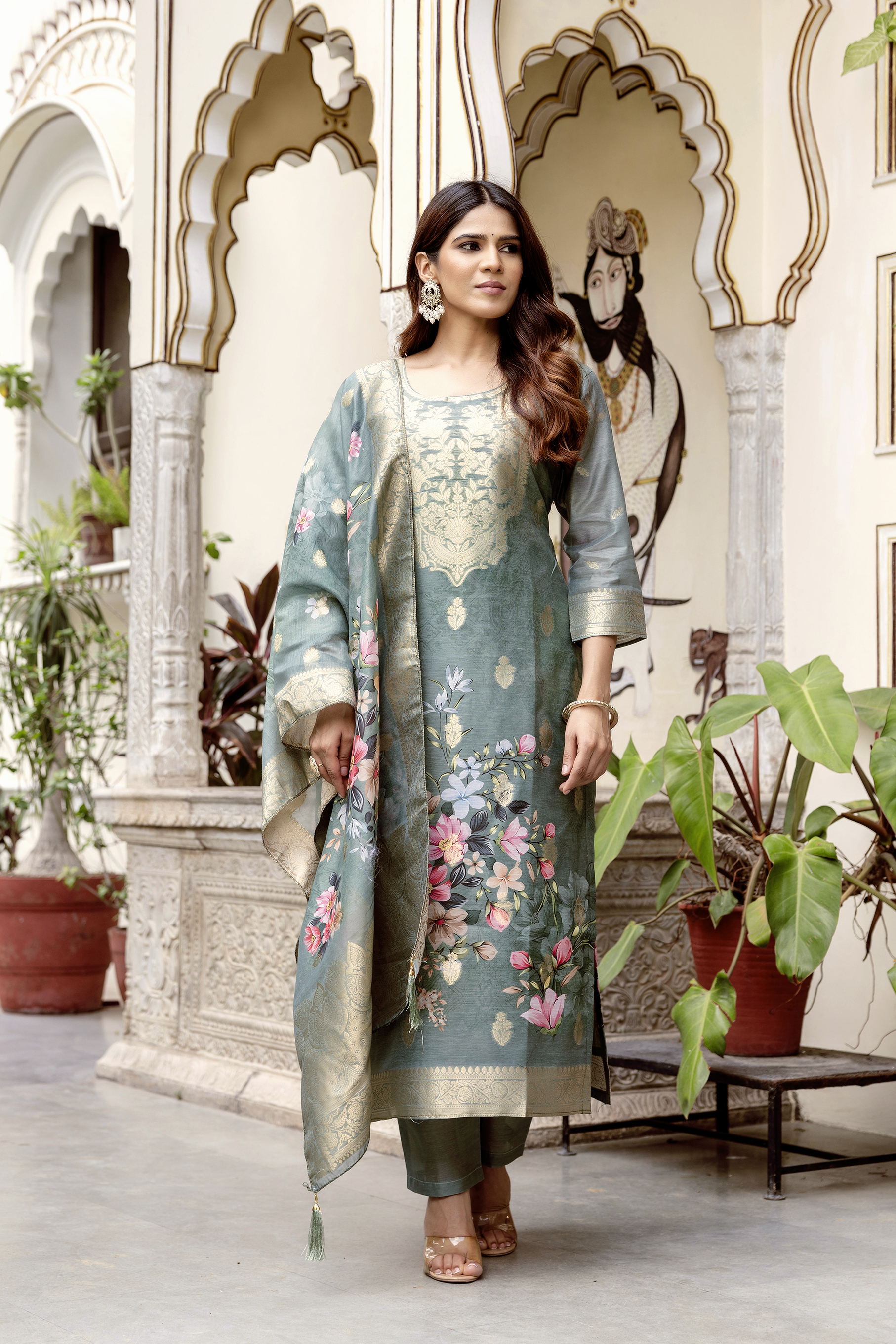
Midnight Black Blossom Salwar Suit gives another useful styling direction for rainy days because a printed, mid-tone surface can be more forgiving of minor splash marks than a completely pale solid garment. A darker base still requires a colourfastness test, particularly before the first wash.
Fit affects comfort as much as fibre. A kurta that's one size too close at the armhole traps sweat, while an excessively loose sleeve can collect rainwater. Look for moderate ease across the chest, a clean armhole and trousers that allow sitting without pulling at the waist.
How should colours and prints be chosen for rainy-season wear?
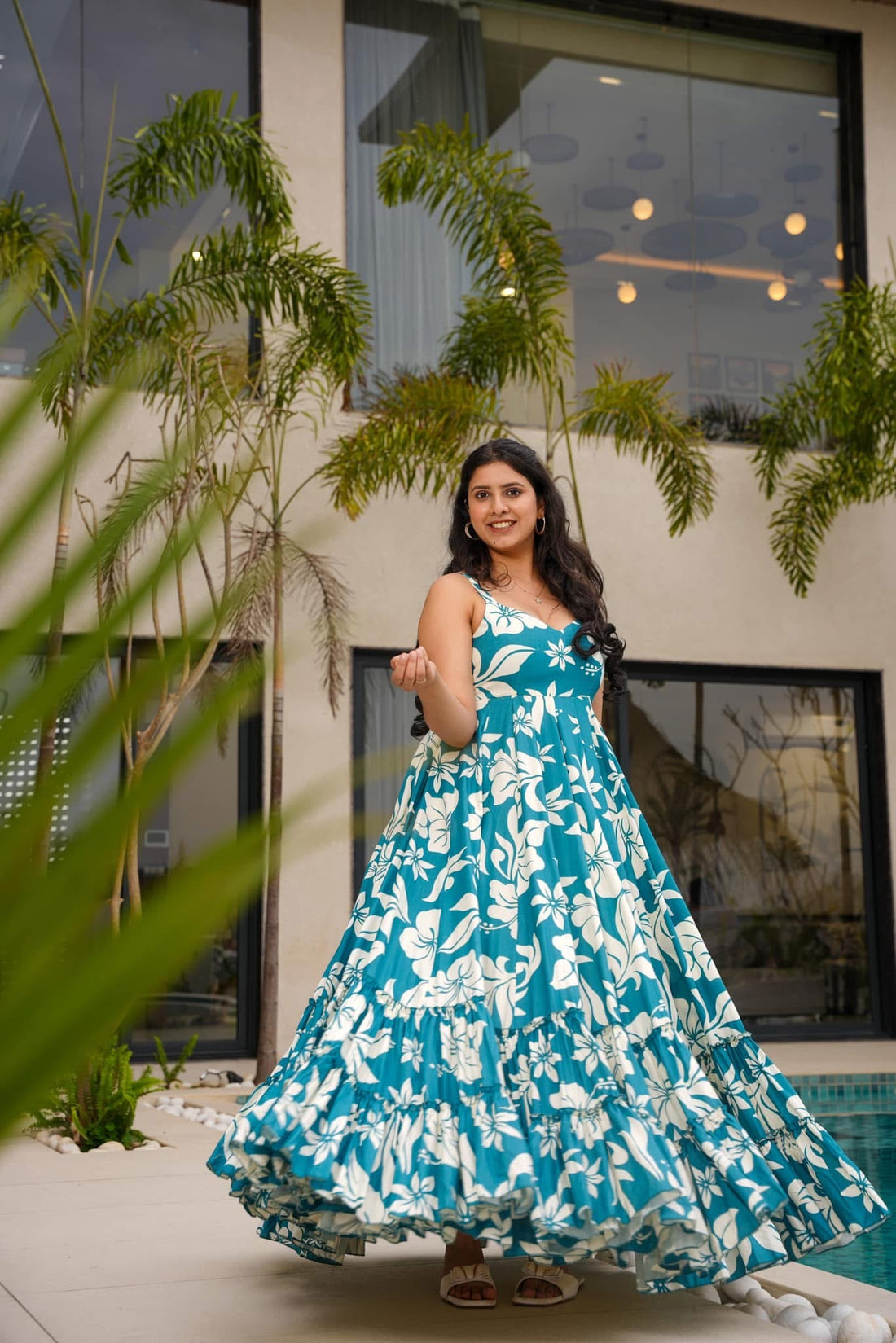
Mid-tone prints, small motifs and colours that don't reveal every splash are easiest to manage during monsoon. Navy, teal, green, plum and patterned cream bases can be practical, while very pale solid trousers may show road dirt quickly.
Colour choice doesn't replace care. Black, red, magenta and dark green dyes can release excess colour during the first washes, especially when garments remain wet for long periods. Test a hidden seam with a damp white cloth before combining a dark kurta with a pale dupatta or trouser.
Printed rayon is useful when a wearer wants a lively outfit without adding surface weight. Threadwork creates a more formal effect, but raised threads should not be rubbed against rough bags or damp walls. A small print can also disguise minor water spots better than a completely plain pastel surface.
For a Haldi ceremony, turmeric, flower water and food stains are more likely than rain alone. A washable rayon or cotton suit in a medium tone is easier to manage than a dry-clean-only embellished ensemble. Carrying a spare lightweight dupatta can also protect the outfit if the first one becomes damp or stained.
How should salwar suits be dried and stored after rain?
Monsoon salwar suits should be dried promptly in moving air, away from prolonged direct heat, and stored only after every seam is fully dry. Prompt drying is the simplest way to reduce musty odour, mildew risk and colour transfer.
- Remove surface moisture: Blot wet areas with a clean cotton towel instead of twisting the garment.
- Separate layers: Take off the dupatta and loosen the kurta from the trousers so air can reach each piece.
- Use airflow: Hang garments in a shaded, ventilated place or near a fan, leaving space between pieces.
- Protect shape: Use a broad hanger for kurtas and lay delicate organza or embellished pieces flat if the care label recommends it.
- Check hidden areas: Feel the waistband, pocket, underarm, hem and embroidered sections before folding.
- Store dry: Keep clean garments in a breathable cotton cover rather than an airtight plastic bag.
don't iron a visibly damp garment because heat can set stains, flatten texture or damage synthetic fibres. Do not store a wet suit overnight in a closed wardrobe. If a garment develops a musty smell, wash or air it according to the care label rather than masking the odour with perfume.
For frequent monsoon dressing, collections such as Dress Materials can be useful when you prefer to choose a lighter fabric and have a suit stitched with a shorter, practical hem. Salwar Suits with 30% Off, Salwar Suits Flat 40% Off and Salwar Suits On Sale may offer price-led options, but discount percentage should never replace checking fibre content, lining and care instructions.
What should you check before buying a monsoon salwar suit?
Check the fibre, fabric weight, lining, hem length, care label and drying requirements before buying a monsoon salwar suit. These details predict everyday comfort more reliably than colour or surface decoration.
- Hold the fabric up to light to assess whether the weave looks breathable rather than densely sealed.
- Check whether the trousers or salwar have a hem likely to brush wet roads.
- Look for a lining that ends cleanly and doesn't add unnecessary thickness.
- Inspect threadwork, zari and stones for secure attachment and manageable cleaning requirements.
- Ask whether the garment is machine washable, hand washable or dry-clean only.
- Plan the dupatta separately, especially if the outfit includes pure organza or another delicate overlay.
The Best Fabrics for Salwar Suits in monsoon are not identical for every wearer. Rayon may suit a soft, fluid office outfit, lightweight cotton may be better for repeated daytime washing, and Chanderi cotton may be the right choice for an indoor celebration. Selecting according to commute, laundry access and event type produces a wardrobe that remains comfortable long after the first shower.
Common Questions About Choosing Monsoon Salwar Suit Fabrics
Which fabric is best for salwar suits in monsoon?
Rayon, lightweight cotton, cotton blends and Chanderi cotton are practical choices for monsoon salwar suits. Rayon feels fluid and cool, while cotton offers airflow; the best option depends on drying facilities, commute length and how often the suit will be washed.
Is rayon suitable for rainy-season salwar suits?
Rayon is suitable for humid weather because it feels smooth and drapes comfortably, but rayon is not always fast-drying. Wash rayon gently, avoid wringing and dry it in moving air away from prolonged harsh sunlight.
Is cotton better than rayon for monsoon?
Cotton usually provides stronger airflow, while rayon often feels softer and dries with fewer heavy creases. Lightweight cotton is useful for repeated daytime washing, whereas rayon can be more comfortable for fluid office and occasion dressing.
Can I wear an organza dupatta during monsoon?
You can wear an organza dupatta during monsoon for indoor events or short covered commutes. Keep the dupatta away from direct rain, carry it in a breathable bag and avoid squeezing it because organza can crease or lose shape.
How do I dry a salwar suit after getting caught in rain?
Separate the kurta, trousers and dupatta, blot excess water with a clean towel and hang or lay each piece in a shaded, ventilated area. Check the waistband, underarms, hems and embroidered sections before folding the suit only when completely dry.
Which salwar suit style is most comfortable in humid weather?
Relaxed straight suits, kurti-pant sets and lightly flared silhouettes are usually most comfortable in humid weather because they allow airflow and reduce fabric contact with the skin. Moderate ease at the armhole and a hem above splash level make the outfit more practical.