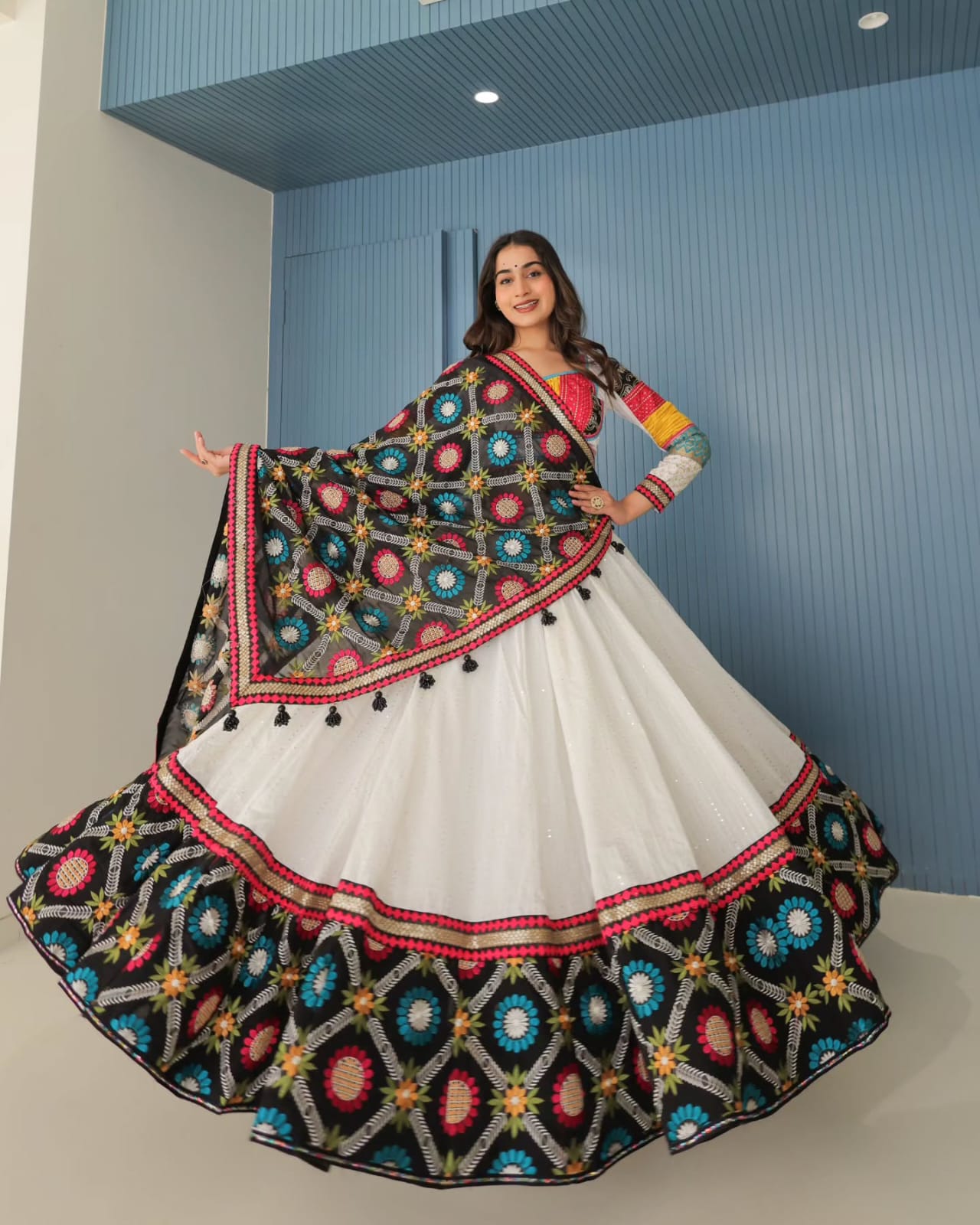
Best Ethnic Wear for Winter Festivals in Arunachal Pradesh must do more than look festive in photographs. An useful outfit needs insulation for mountain temperatures, enough mobility for walking, and a polished silhouette for prayers, family gatherings and community celebrations. Pashmina sarees, lined salwar suits, full-sleeved kurtas and carefully chosen shawls offer warmth without making festive dressing look bulky.
Winter conditions vary considerably between Arunachal Pradesh destinations. Tawang and Bomdila can become sharply cold after sunset, while Itanagar is generally milder. Travel time, altitude, wind, indoor heating and the length of the celebration should guide fabric and layering choices. The most adaptable wardrobe combines one warm main garment with two light, removable layers rather than relying on one heavy piece.
Best Ethnic Wear for Winter Festivals in Arunachal Pradesh: What Makes an Outfit Suitable?
Ethnic wear is suitable for Arunachal Pradesh winters when the outfit combines a warm textile, covered upper-body styling, comfortable layering and secure footwear. A practical festival ensemble should protect the neck, arms and torso while allowing movement across uneven roads, courtyards and monastery pathways.
Fabric weight matters, but fabric construction matters just as much. Pashmina traps warm air while remaining relatively light, making it more comfortable than several stiff layers. Wool blends provide insulation, whereas cotton alone may feel inadequate in high-altitude cold. Cotton-linen garments work better as inner or daytime layers in milder areas than as the only layer after dusk.
Colour can support the setting without overpowering it. Deep wine, navy, forest green, charcoal and cream create a festive winter palette that photographs well against hills and wooded landscapes. Rich colour doesn't require heavy embellishment; a woven border, restrained embroidery or a beautiful dupatta can provide enough occasion character.
Best Ethnic Wear for Winter Festivals in Arunachal Pradesh: Saree or Salwar Suit?
Choose a pashmina saree for a formal seated celebration, and choose a salwar suit when walking, travelling or participating in active festivities is likely. The decision depends on movement, temperature and the amount of time spent outdoors.
When a pashmina saree works well
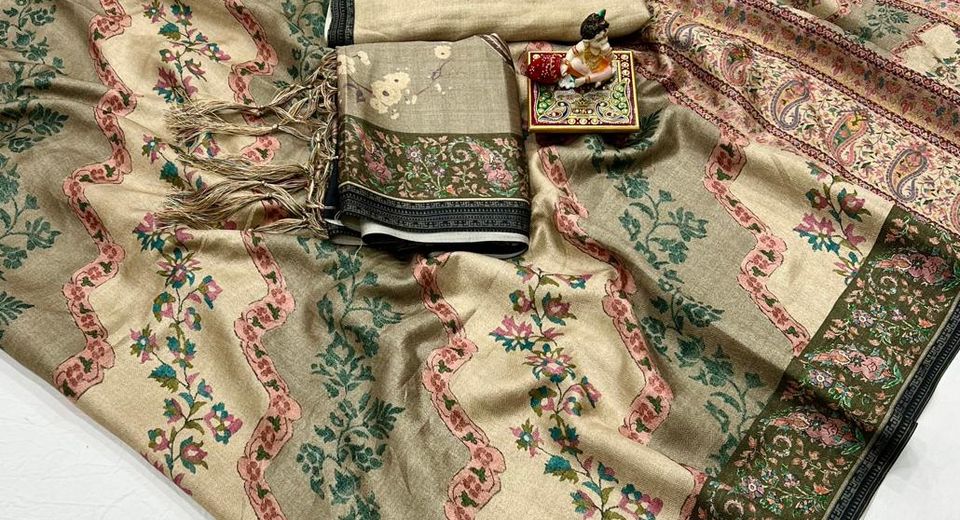
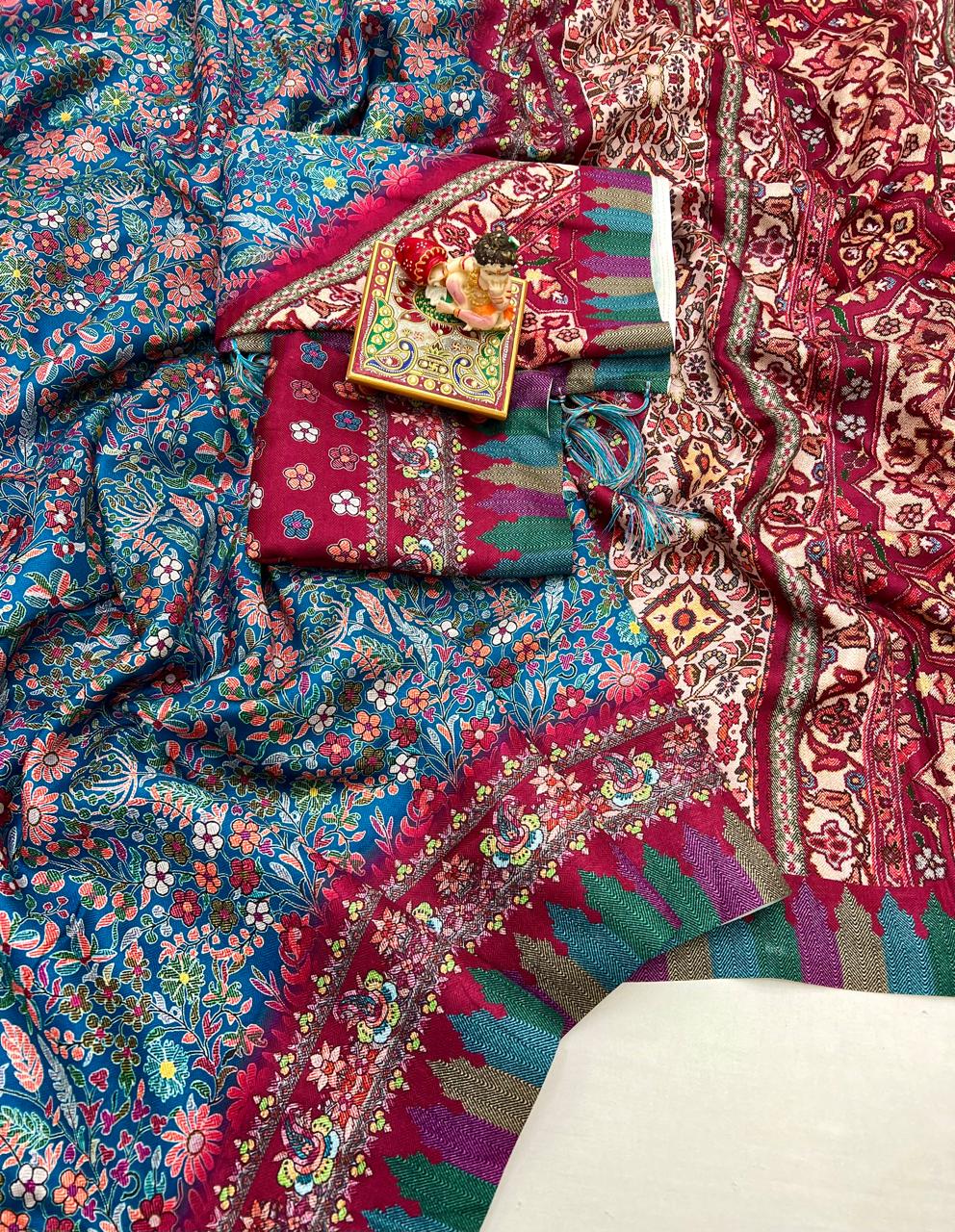
A pashmina saree creates warmth across the lower body and can be paired with a matching shawl for extra protection around the shoulders. Festive Blue Pashmina Saree With Shawl & Blouse is an useful example of a coordinated look because the shawl removes the difficulty of finding a compatible outer layer. Grey Kashmiri Style Pashmina Saree With Shawl & Blouse offers a softer neutral direction for daytime ceremonies and understated family portraits.
Cream Floral Pashmina Saree With Shawl & Blouse Online shows how a floral surface can keep a winter outfit from looking visually heavy. Cream works particularly well with tan, brown or muted gold accessories, although a darker shawl may be more practical for travel and outdoor seating.
When a salwar suit is more practical
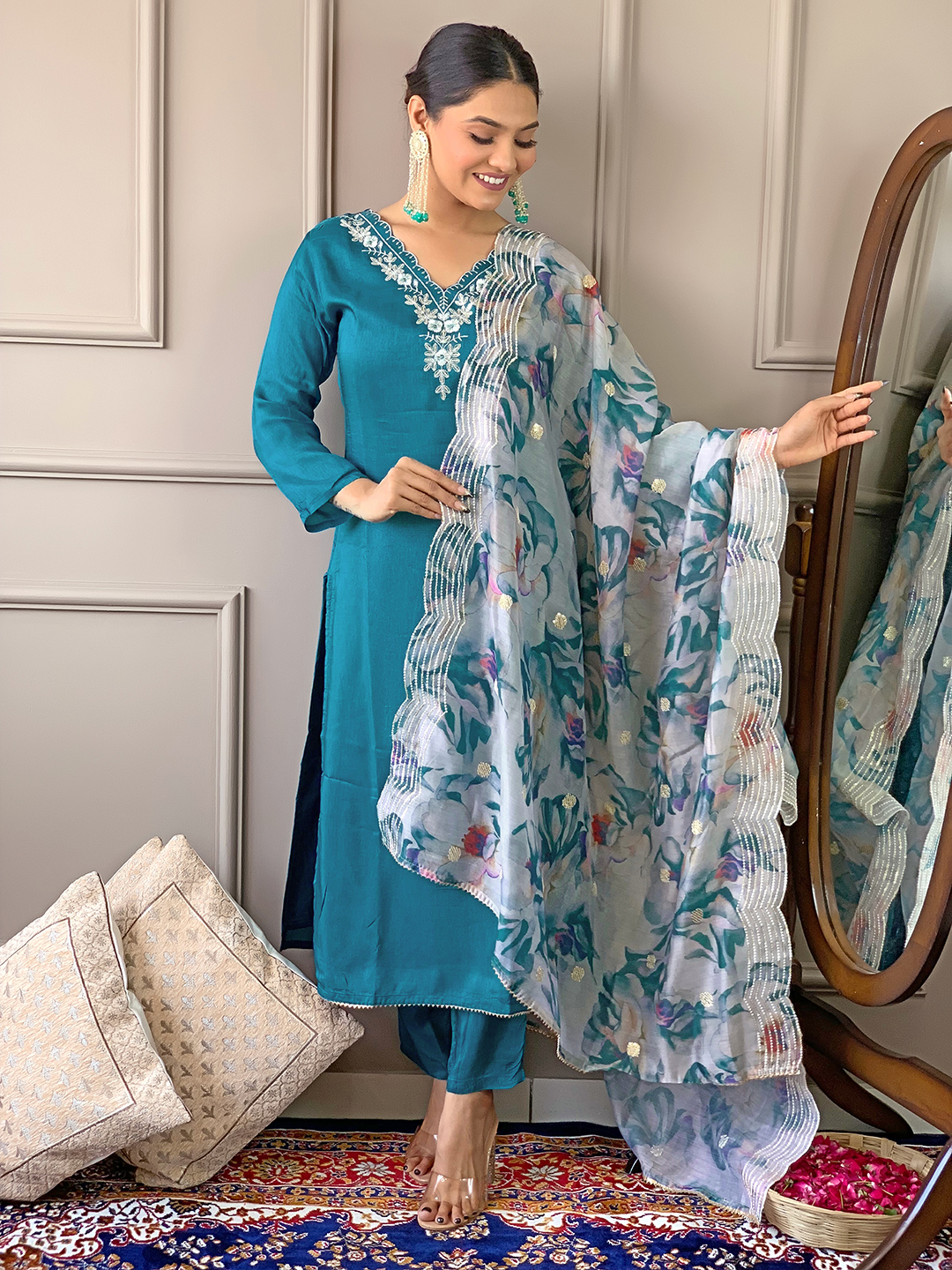
A salwar suit is usually more practical than a saree when the itinerary includes long walks, vehicle transfers, outdoor queues or dancing. A fitted inner layer can sit beneath the kurta, while the dupatta adds warmth around the chest and neck. Green Embroidered Anarkali Suit Set for Women brings occasion detail through embroidery while retaining the movement offered by a full-length suit.
For a more structured winter palette, Navy Blue Traditional Kurta Pant Dupatta Ensemble provides three coordinated pieces that can be layered without complicated draping. The trouser silhouette is also easier to wear with warm socks and closed shoes than a wide, trailing hem.
Best Ethnic Wear for Winter Festivals in Arunachal Pradesh: Which Fabrics Keep You Warm?
Pashmina, wool blends, velvet accents and tightly woven cotton are among the most useful choices for winter festival dressing, while thin polyester and unlined cotton are better used selectively. Fabric performance depends on weave, lining and the number of air-trapping layers, not simply on surface thickness.
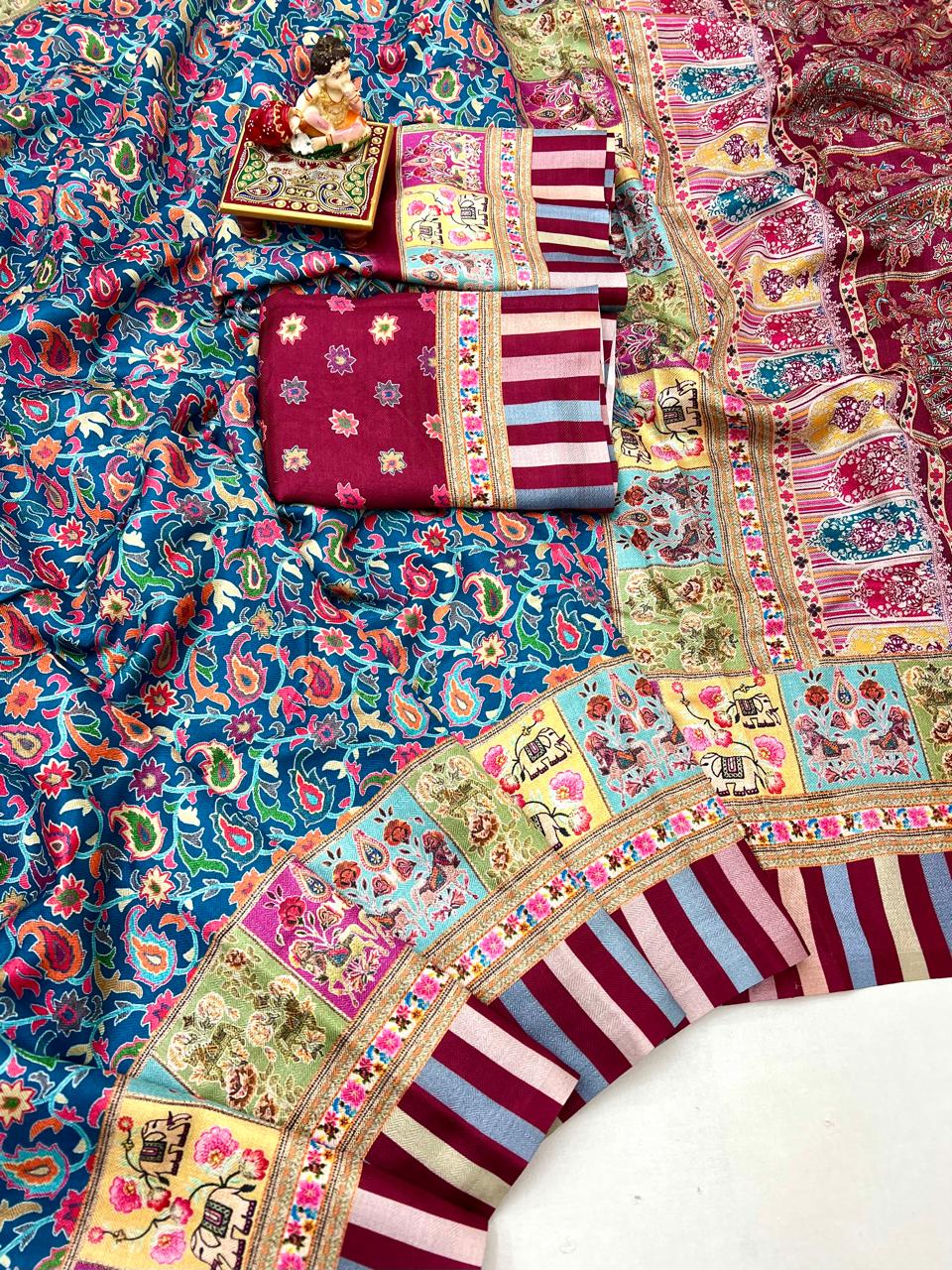
- Pashmina: Pashmina is lightweight, soft and effective as a saree, shawl or stole layer. Pashmina suits formal styling because it falls neatly rather than standing away from the body.
- Wool blends: Wool-blend shawls and jackets provide dependable insulation and are often easier to maintain than delicate pure fibres. A fine blend can sit over a silk or cotton-silk kurta without overwhelming the outfit.
- Cotton: Cotton is breathable and comfortable for daytime wear, but cotton by itself may not provide enough protection in Tawang or Bomdila after sunset. Add a wool shawl, quilted jacket or thermal base.
- Cotton-linen: Cotton-linen is useful for milder winter days and indoor gatherings. Ethnic Beige Cotton Linen Saree with Village Art Design shows how a natural, breathable textile can support a daytime festive look when paired with a warm shawl.
- Velvet and brocade accents: Velvet sleeves, a brocade blouse or a zari border add visual richness and some density without requiring a complete velvet outfit. Heavy all-over embellishment can become uncomfortable during travel.
Thermal comfort improves when layers remain breathable. A close-fitting thermal vest under a blouse or kurta can add significant warmth without changing the visible outfit. Avoid stacking multiple slippery fabrics because shifting layers make walking and sitting less comfortable.
Best Ethnic Wear for Winter Festivals in Arunachal Pradesh: How Should You Layer?
Layer ethnic wear from the skin outward with a thin thermal base, the festive garment and one insulating outer layer. This three-part system is warmer and more adaptable than wearing one oversized garment throughout the day.
- Start with a discreet base: Choose a full-sleeved thermal top in a neckline that remains hidden beneath the blouse or kurta. Neutral shades reduce the chance of the base layer showing through light fabrics.
- Add the occasion garment: Wear the saree, Anarkali, kurta set or sharara over the base. Check that the armholes and sleeves still allow comfortable movement before leaving home.
- Use the dupatta or shawl strategically: Drape a shawl over both shoulders during travel and around the upper arms during seated ceremonies. A pashmina shawl can also be folded into a narrower stole when the venue becomes warmer.
- Finish with a short outer layer: A cropped wool jacket, longline coat or quilted waistcoat can protect the torso without hiding the entire ethnic silhouette. Select a length that doesn't catch under the feet or interfere with a saree pleat.
A coordinated layer doesn't have to match the outfit exactly. A charcoal shawl can ground a cream saree, while a camel coat can complement navy, green or wine. Matching the border, blouse or accessory to one colour in the outer layer creates visual connection without making every item identical.
Best Ethnic Wear for Winter Festivals in Arunachal Pradesh: Which Details Improve Comfort?
Secure draping, covered footwear, warm accessories and a manageable hem matter most during long winter festival days. Small construction and styling decisions often improve comfort more than adding another decorative element.
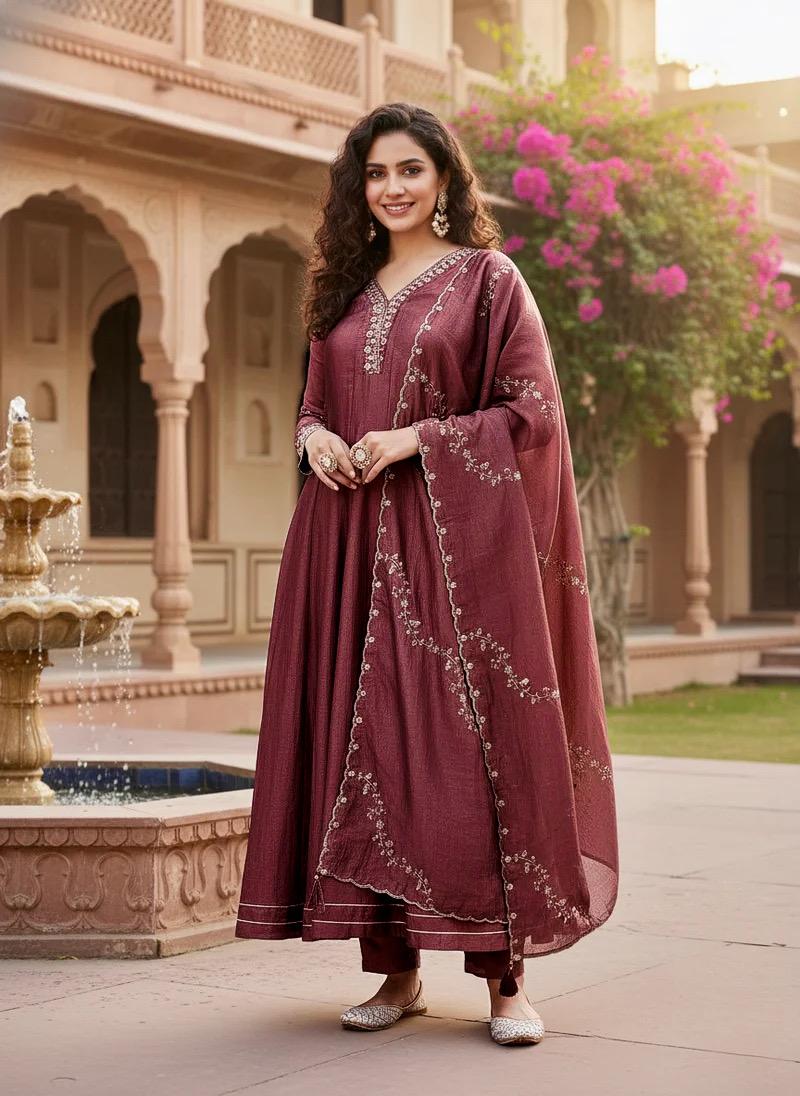
Pin saree pleats at the waist and secure the pallu near the shoulder if the event involves walking outdoors. A shawl with enough length to wrap once around the upper body is more useful than a very narrow stole in strong wind. For suits, choose a dupatta that can be pinned at both shoulders or worn across the front without dragging on wet ground.
Closed loafers, juttis with a firm sole or ankle boots are safer than open sandals on cold stone, gravel and damp paths. Thick cotton or wool socks can make formal shoes more comfortable, but test the complete footwear combination before the event. A sole with visible grip is particularly valuable in hill towns where surfaces may become slippery.
Keep jewellery purposeful. Silver-toned earrings, a brooch, small jhumkas or a textured belt can finish a winter look without catching on shawl fibres. Heavy necklaces may become uncomfortable under a high-neck thermal layer, while bangles can interfere with thick sleeves and outerwear.
Pack a compact garment bag or cotton cover for delicate shawls and embellished dupattas during road travel. Keep one spare safety pin, a small stain-removal cloth and a transparent pouch for jewellery in the travel kit. These simple preparations are especially useful when the celebration involves several changes of vehicle or outdoor waiting time.
Best Ethnic Wear for Winter Festivals in Arunachal Pradesh: How Should You Dress by Destination?
Style ethnic wear according to altitude, travel distance and venue rather than choosing one identical outfit for every Arunachal Pradesh festival. A warm formal look for Tawang should have more insulation than a daytime gathering in Itanagar.
For Tawang and other colder high-altitude destinations
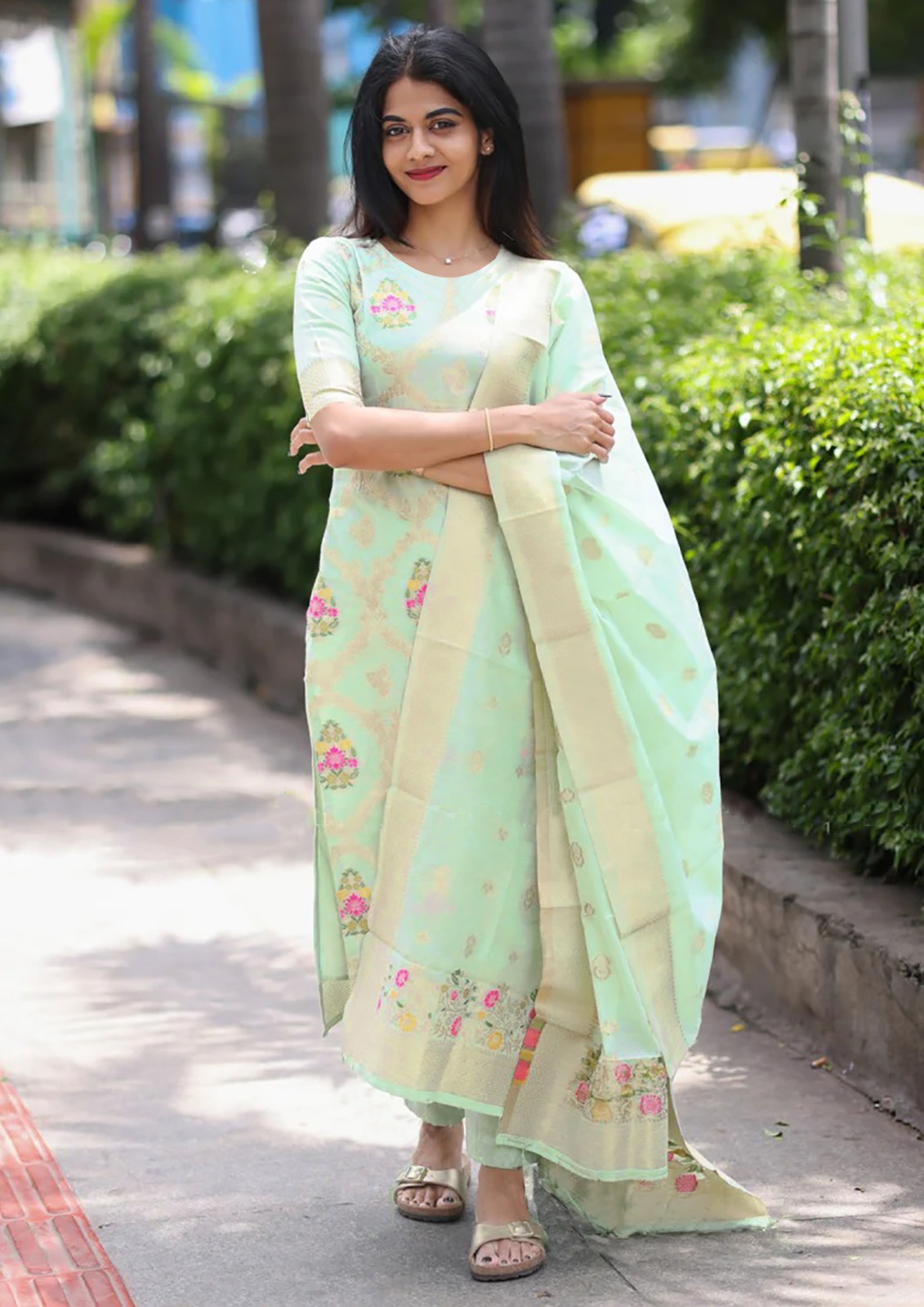
Use a thermal base, pashmina or wool-rich main garment, full sleeves, a substantial shawl and closed footwear for Tawang. Navy Blue Traditional Kurta Pant Dupatta Ensemble can be layered with a long wool coat, while a pashmina saree can be paired with thermal leggings under the saree for additional comfort.
Choose darker or mid-tone accessories for high-altitude travel because dust and road spray are more visible on pale hems. Keep the most delicate embroidered dupatta for the indoor portion of the event and carry a practical wrap for transfers.
For Bomdila and cool daytime gatherings
Use a breathable kurta set or cotton-linen saree with a medium-weight shawl for Bomdila daytime celebrations, adding a jacket as temperatures fall. Kanchi Cotton Woven Kurta Pant Dupatta Set brings a structured woven option that can be warmed with a thermal camisole and a wool stole.
Earthy beige, olive, rust and muted maroon complement the landscape without competing with traditional surroundings. A simple woven texture can look more appropriate for a daytime community gathering than very dense sequins or reflective metallic work.
For Itanagar and milder winter evenings
Use a lighter cotton, cotton-linen or lined synthetic blend for Itanagar, then add a shawl for late evening. Elegant Wine Ethnic Kurti Set with Dupatta gives a festive colour story without requiring a heavy saree or coat, and the separate dupatta gives flexible coverage.
Green Embroidered Anarkali Suit Set for Women can work for an indoor celebration when paired with a light thermal layer and closed flats. If the venue is heated, choose removable layers so the outfit remains comfortable after arrival.
Best Ethnic Wear for Winter Festivals in Arunachal Pradesh: How Should You Care for the Clothes?
Care for winter ethnic wear by following the garment label, avoiding unnecessary washing and storing every item completely dry. Pashmina, zari, embroidery and printed surfaces can all deteriorate through heat, friction and damp storage.
Air a pashmina saree or shawl in shade after wearing it, then fold it loosely once the fabric is fully dry. Do not hang a heavy saree from a thin wire hanger because the weight can distort the shoulder area. Store pashmina in breathable cotton rather than sealed plastic, and keep cedar blocks or clean paper nearby instead of strongly scented products touching the fabric.
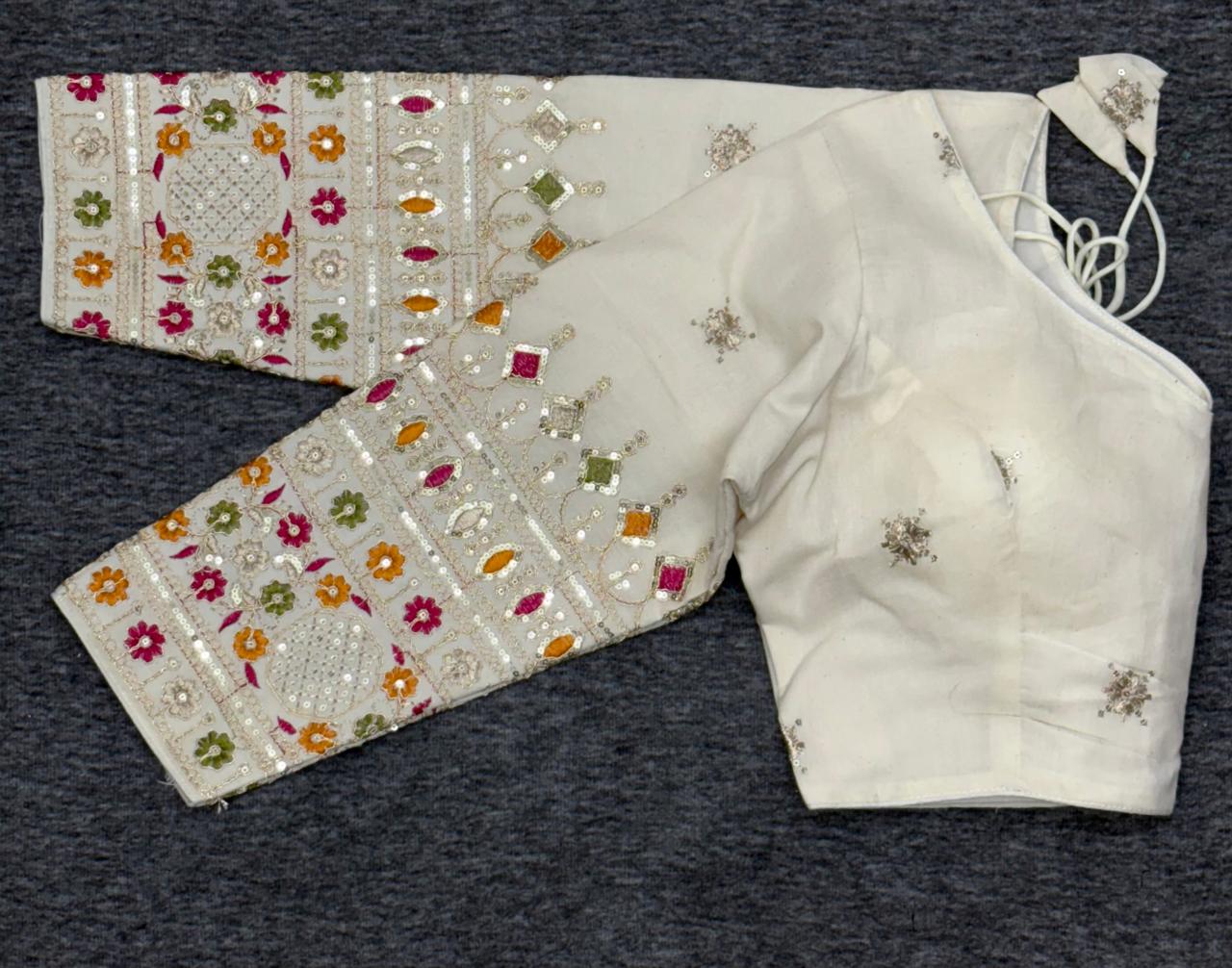
Fold embellished garments with a soft cotton cloth between heavily worked sections. Turn embroidered suits inside out before placing them in a garment bag, and avoid pressing zari directly with a hot iron. A low-heat iron used from the reverse side with a pressing cloth is safer for most decorated textiles, but the care label should take priority.
Remove stains by blotting rather than rubbing. Food, tea and road dust can spread when rubbed into pashmina or silk. For valuable garments, professional dry cleaning is safer than home soaking, particularly when the garment contains zari, colour-blocked panels or attached lining.
A winter festival outfit succeeds when warmth, movement and cultural respect receive equal attention. The most useful festive garment is one that can travel comfortably, adapt to changing temperatures and remain presentable after several hours of wear.
Common Questions About Winter Festival Dressing in Arunachal Pradesh
What is the warmest ethnic wear for winter festivals in Arunachal Pradesh?
Pashmina sarees with shawls, wool-blend layers and lined salwar suits are among the warmest practical choices. A thin thermal base beneath the main garment adds insulation without creating excessive bulk.
Can I wear a saree in Tawang during winter?
You can wear a saree in Tawang if you choose a warm pashmina or wool-rich weave and add thermal leggings, a full-sleeved blouse and a substantial shawl. Secure the pleats and pallu carefully if the itinerary includes outdoor walking.
Which is better for a winter festival, a saree or a salwar suit?
A salwar suit is usually better for long walks, travel and active celebrations, while a pashmina saree suits formal seated gatherings. Movement, altitude and time spent outdoors should determine the choice.
Are cotton sarees suitable for Arunachal Pradesh winter festivals?
Cotton sarees are suitable for milder daytime celebrations when paired with a warm shawl or jacket. Unlined cotton alone may not provide enough protection for cold evenings in Tawang or Bomdila.
What footwear should I wear with ethnic clothes in Arunachal Pradesh?
Choose closed loafers, firm-soled juttis or ankle boots with visible grip. These options provide better protection and stability on cold stone, gravel, damp paths and uneven hill roads than open sandals.
How should I pack a pashmina saree for a festival trip?
Pack a pashmina saree in a breathable cotton cover and fold it loosely after ensuring that it is completely dry. Avoid compressing the saree under heavy luggage, and carry a pressing cloth for safe touch-ups.