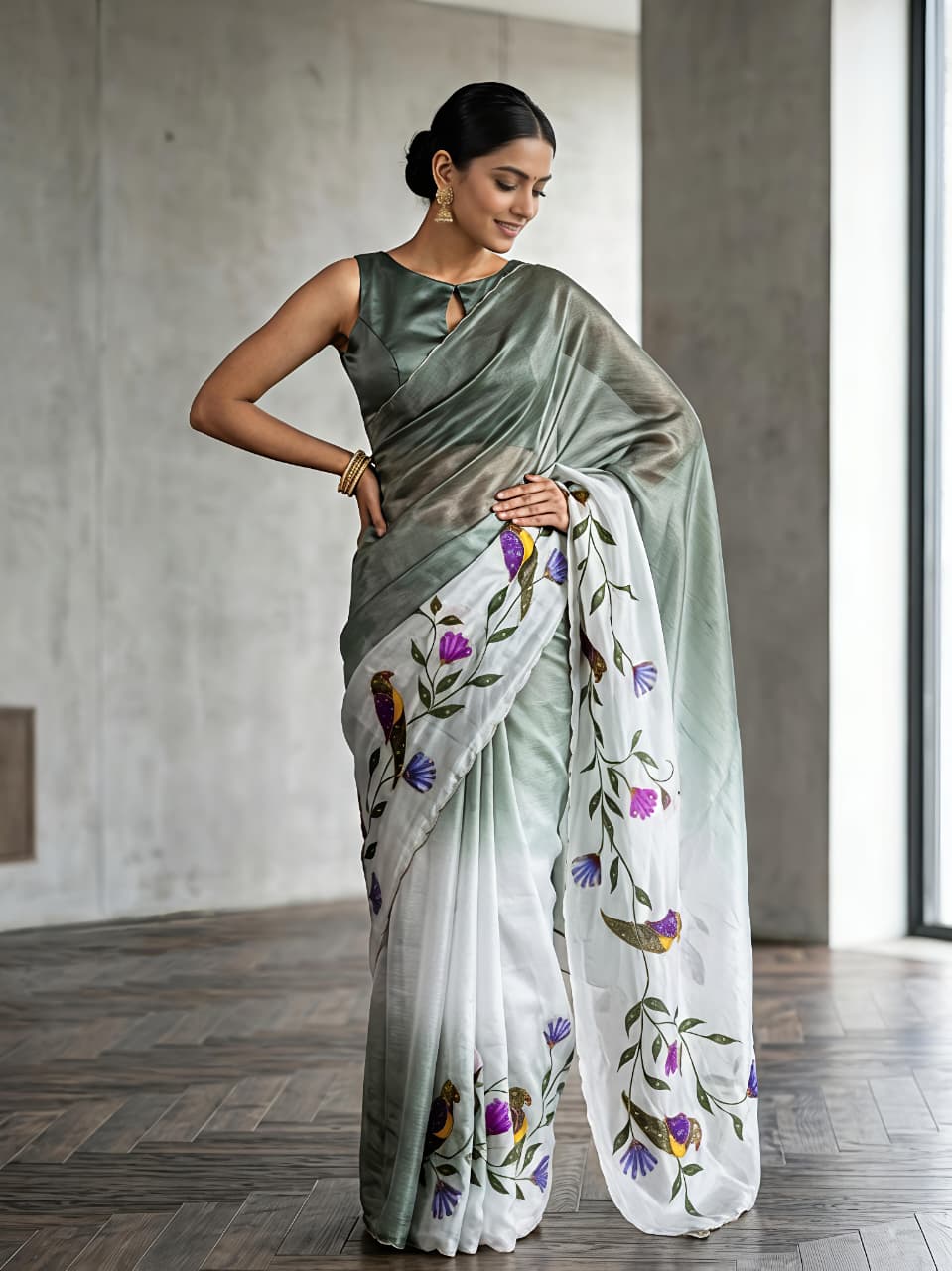
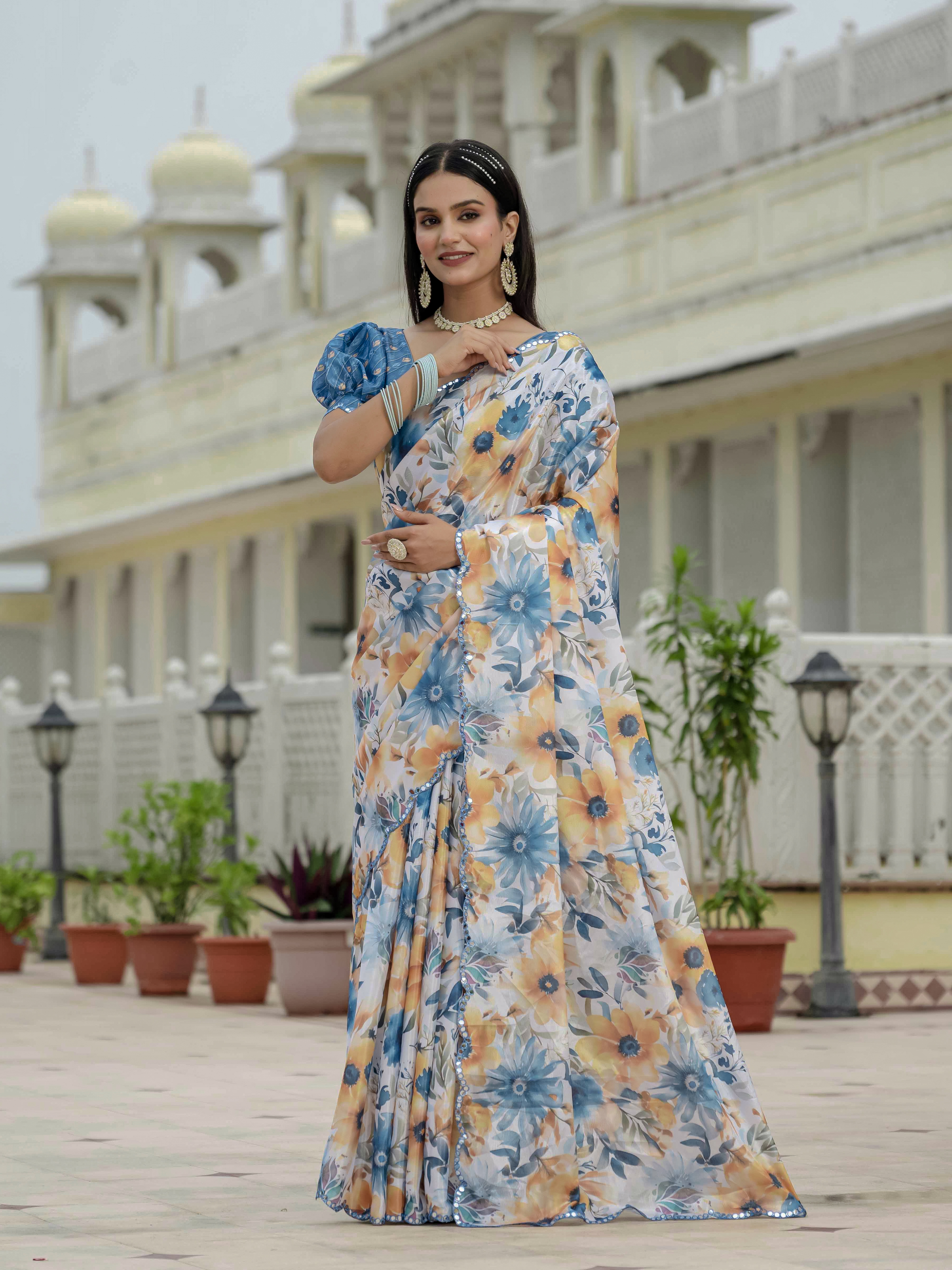
Best Ethnic Wear for Meghalaya Cultural Festivals needs to do more than look ceremonial in photographs. The outfit should remain comfortable through standing, walking, community performances and changing hill weather, while showing respect for the distinct traditions of Khasi, Jaintia and Garo communities. A breathable saree, a secure drape, a modest blouse and sensible footwear can create a polished festive outfit without suggesting that one garment represents every Meghalaya tradition.
Meghalaya's cultural calendar includes celebrations such as Wangala, the Garo harvest festival; Shad Suk Mynsiem, a Khasi spring dance festival; Nongkrem Dance Festival, a Khasi thanksgiving celebration; and Behdienkhlam, a major Jaintia religious festival. Each event has its own history, dress codes and visual language. Visitors should therefore treat contemporary saree styling as a respectful festive interpretation rather than a replacement for community-specific traditional attire.
Best Ethnic Wear for Meghalaya Cultural Festivals: What Makes an Outfit Suitable?
Suitable ethnic wear for Meghalaya festivals combines breathable fabric, secure movement, weather flexibility and culturally considerate styling. Cotton, linen-cotton and lightweight silk generally perform better than heavy synthetic fabric during long outdoor programmes.
Shillong and other highland areas can feel cool, damp and windy, particularly in the morning, evening or during monsoon-influenced months. A fabric that feels comfortable in warm indoor lighting may feel chilly outdoors once the temperature drops. A cotton saree with a light shawl, cropped jacket or full-sleeved blouse gives more control than a heavily layered outfit that becomes difficult to manage.
Movement matters because cultural festivals often include processions, open-air stages, group dances and uneven ground. A saree with a firmly tucked lower edge, a petticoat that fits securely at the waist and a pallu fixed with discreet pins is more practical than a loose drape that needs constant adjustment.
Visual restraint is equally important. Rich colour, handloom texture and a carefully chosen border can look festive without copying ceremonial garments reserved for a particular community. Avoid wearing indigenous crowns, jewellery, shawls or symbolic accessories as costume pieces unless a local host or cultural authority has clearly invited that use.
Best Ethnic Wear for Meghalaya Cultural Festivals by Celebration
Festival context should guide the formality, colour balance and accessories of an ethnic outfit. Wangala, Shad Suk Mynsiem, Nongkrem Dance Festival and Behdienkhlam don't share one universal dress code.

Wangala and harvest celebrations
Wangala is a Garo harvest festival associated with thanksgiving, drums, dancing and the conclusion of agricultural work. A comfortable saree in maroon, magenta, purple or deep blue can suit a visitor's festive wardrobe, especially when paired with a simple blouse and low, stable footwear.
Natural textures work well for an outdoor harvest celebration. Mal cotton provides a soft, comparatively breathable option for walking and sitting, while a printed border adds visual interest without requiring elaborate jewellery. Maroon Mal Cotton Ethnic Saree With Blouse from VARNAVI demonstrates how a strong single colour can carry an outfit when accessories remain quiet.
Shad Suk Mynsiem and Nongkrem Dance Festival
Shad Suk Mynsiem and Nongkrem Dance Festival are Khasi cultural celebrations where heritage Khasi dress and ceremonial adornment have specific meaning. Visitors should wear polished ethnic clothing without reproducing the exact jewellery, headpieces or layered forms used by performers.
A saree in a controlled colour palette can look appropriate for viewing performances, attending a cultural programme or joining a general festive gathering. Purple Mal Cotton Printed Saree With Blouse - VARNAVI offers a useful example of keeping pattern at the centre while avoiding an overloaded combination of necklace, bangles and hair ornaments.
Behdienkhlam and Jaintia cultural settings
Behdienkhlam is a major Jaintia festival with religious and community significance, so visitors should follow local guidance before choosing clothing or entering specific spaces. Modest coverage, comfortable walking clothes and a respectful attitude are more important than creating a dramatic festival look.
For a cultural visit connected with Behdienkhlam, choose a saree with a manageable pallu and avoid fragile trailing embellishment. A plain blouse, small earrings and a light wrap create a composed appearance while leaving attention on the festival itself.
Best Ethnic Wear for Meghalaya Cultural Festivals in Hill-Weather Fabrics
Linen-cotton, Mal cotton, cotton and lightweight silk are practical fabric choices for Meghalaya festival dressing because they balance airflow, texture and ease of movement.

Mal cotton is useful for daytime wear because its soft hand feel and relatively light construction make long periods of sitting or walking easier. Cotton also handles warm indoor spaces well, although it can take longer to dry in damp weather. Carrying a compact umbrella and keeping the saree hem slightly clear of wet ground is more useful than choosing a very delicate fabric.
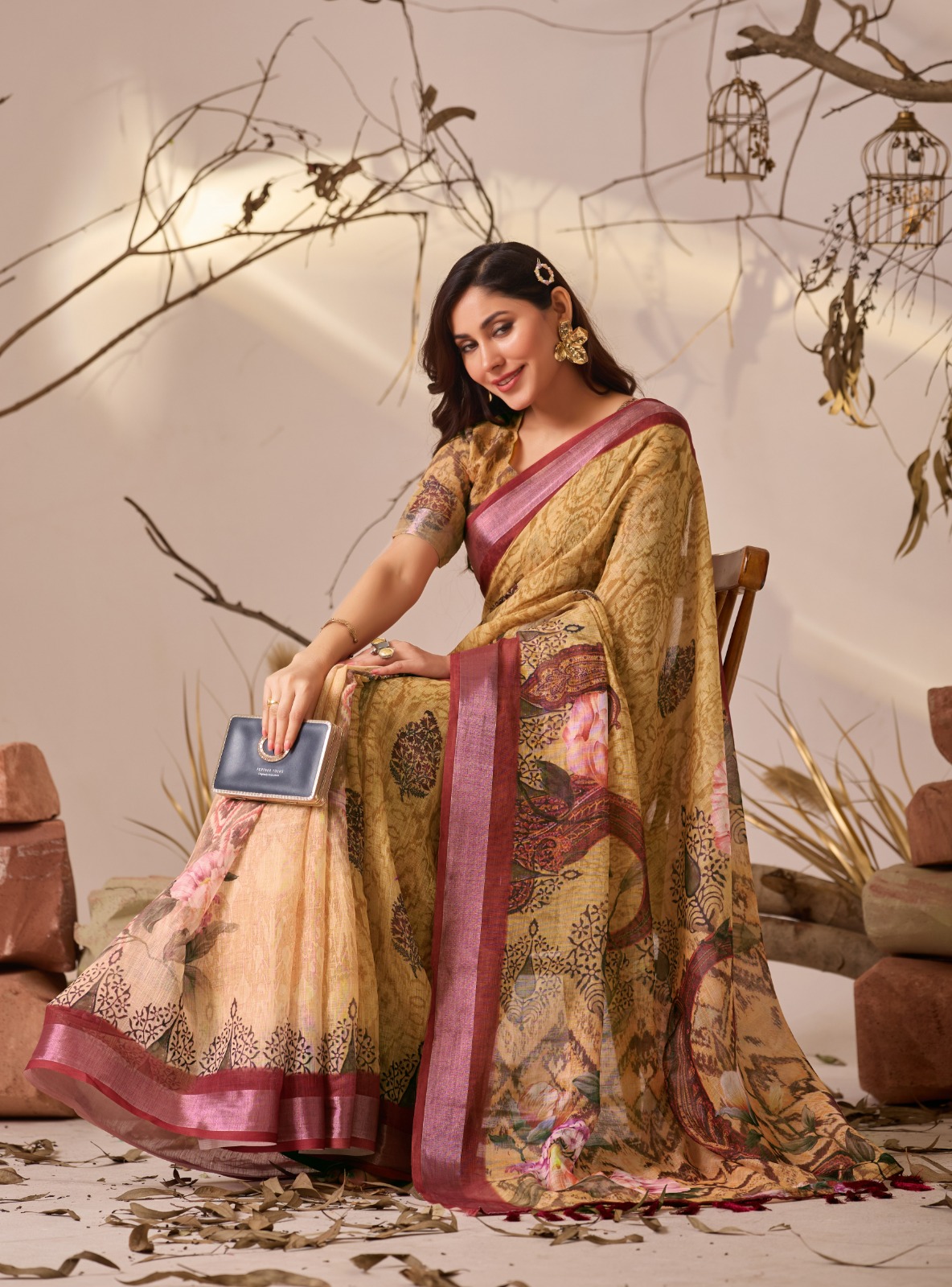
Linen-cotton brings a textured, breathable surface that suits a relaxed cultural programme. Ivory Red Folk Art Print Linen Cotton Saree combines a neutral base with a visible folk-inspired print, making it a strong option when the blouse and accessories remain understated.
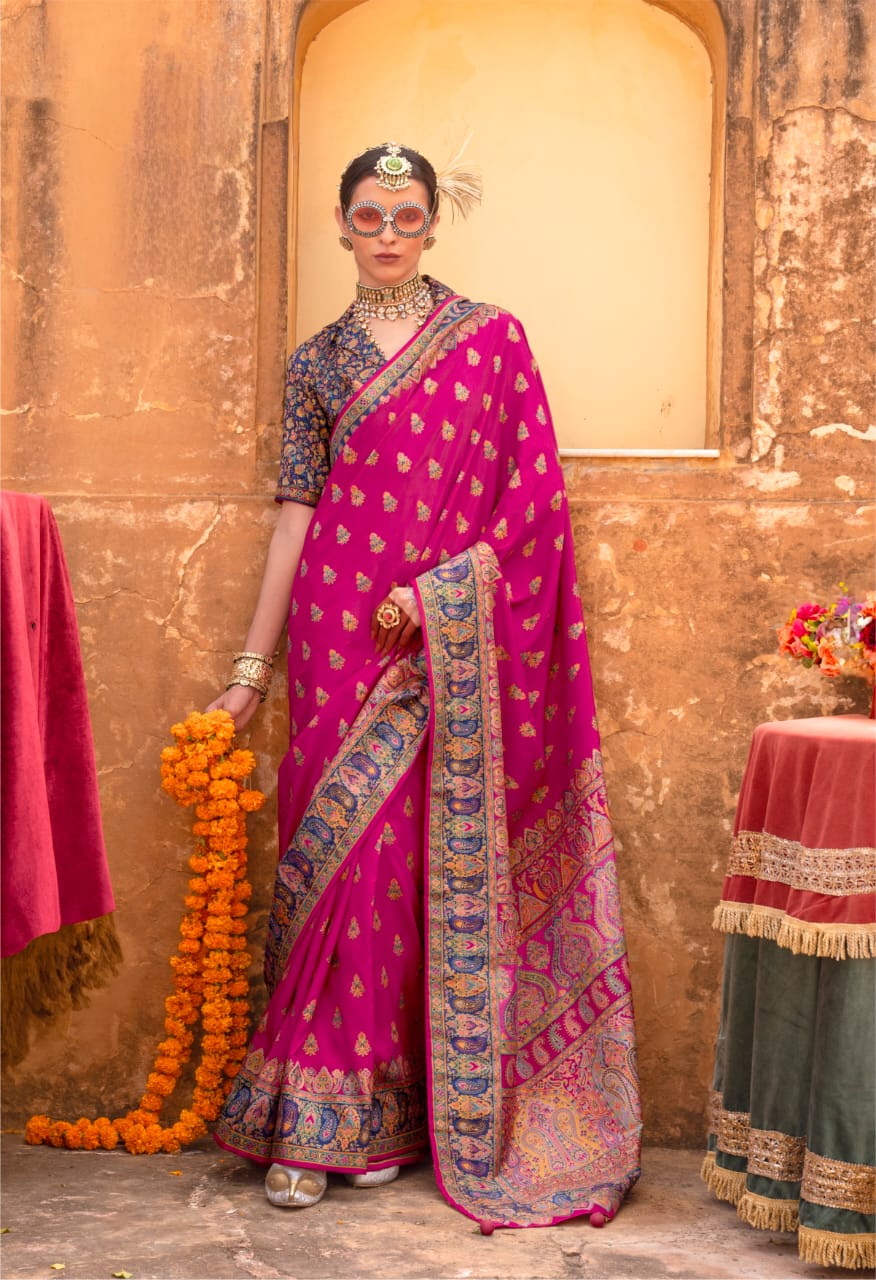
Banarasi silk and other zari-rich silks create greater formality but can feel warmer and heavier during daytime outdoor events. Magenta Banarasi Soft Silk Zari Saree | Varnavi Online is better suited to an evening reception, indoor celebration or formal photograph than to hours of walking in humid conditions. Soft silk also benefits from careful folding because zari can catch against rough surfaces.
Polyester satin and very stiff embellished fabrics may photograph brightly, but they can trap heat, snag easily and become uncomfortable during a full day. Fibre content, lining, garment weight and finishing matter more than a generic label such as "party wear."
Best Ethnic Wear for Meghalaya Cultural Festivals: How to Style a Saree
A secure Nivi drape with a firmly pinned pallu is the most practical saree styling choice for many Meghalaya festival visits. The drape should allow normal steps, easy sitting and quick movement across grass, stone or crowded pathways.

Start with a well-fitting cotton or stretch-blend petticoat that doesn't loosen when walking. Tuck the saree at a comfortable height rather than dragging the hem close to the ground. Make five to seven even front pleats, depending on the saree width and your stride, then pin the pleats discreetly from the inside if the fabric slips.
Keep the pallu long enough to cover the shoulder securely but not so long that it brushes the ground. One hidden safety pin at the shoulder and one near the blouse side seam usually provide better control than numerous visible pins. A brooch can add polish, but a sharp or heavy brooch may pull delicate fabric during movement.
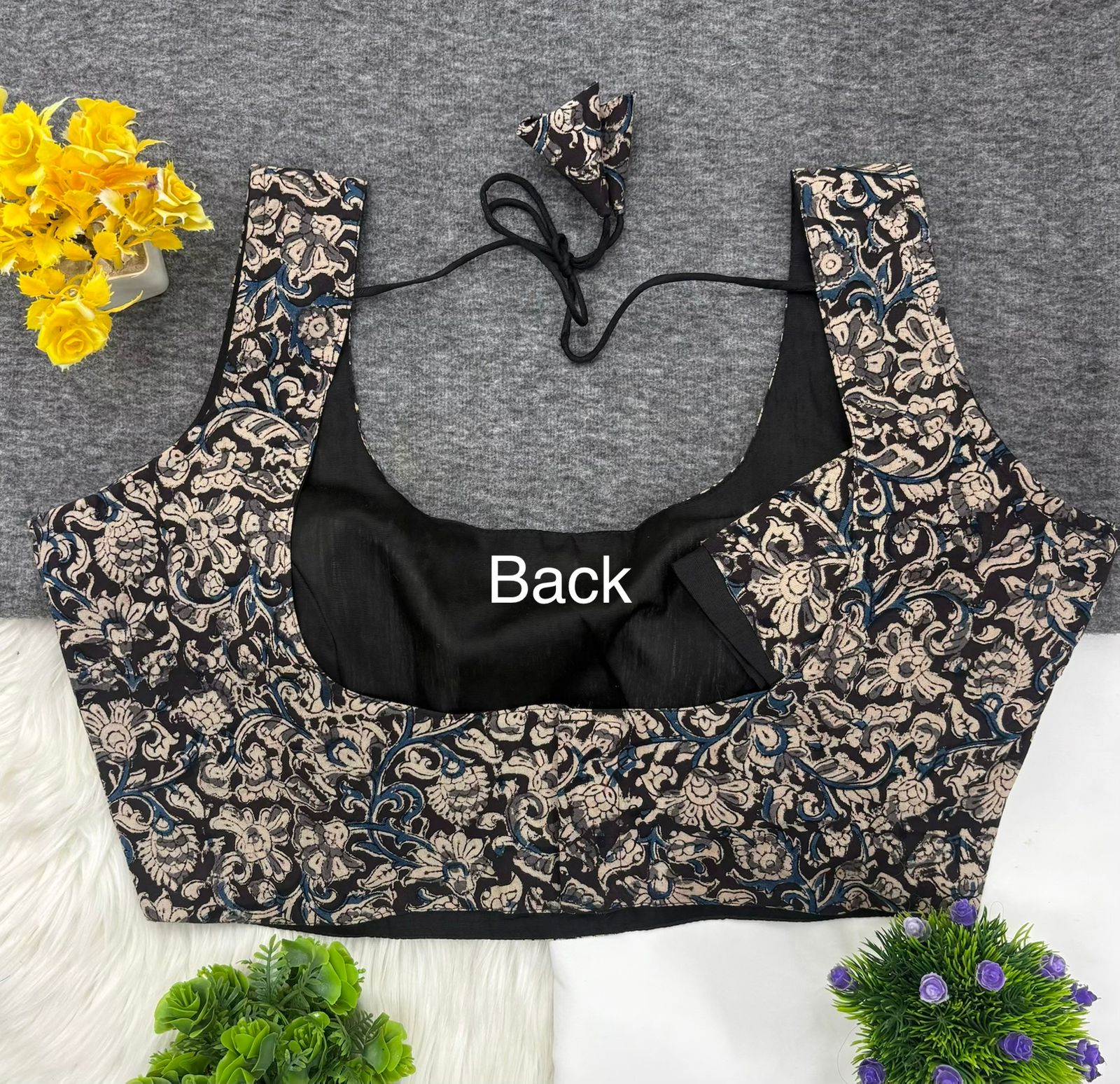
Blouse coverage should match the setting. Elbow-length sleeves, a higher back and a comfortable neckline create a versatile option for religious or community spaces. A full-sleeved blouse is also useful during cool evenings. When the saree has a bold print, select a solid blouse from one of its secondary colours rather than introducing another competing pattern.
Purple Mal Cotton Patterned Saree with Blouse - VARNAVI shows how a patterned saree can remain wearable when the blouse repeats the base tone. A similar principle applies to Navy Blue Mal Cotton Floral Saree With Blouse - VARNAVI: let the navy ground anchor the floral design, then choose one restrained accessory colour.
Best Ethnic Wear for Meghalaya Cultural Festivals: Colours and Accessories
Culturally considerate styling uses colour and accessories to complement a celebration without imitating sacred or community-specific regalia. Colour has no single fixed meaning across all Meghalaya communities, so personal preference should be balanced with local guidance.
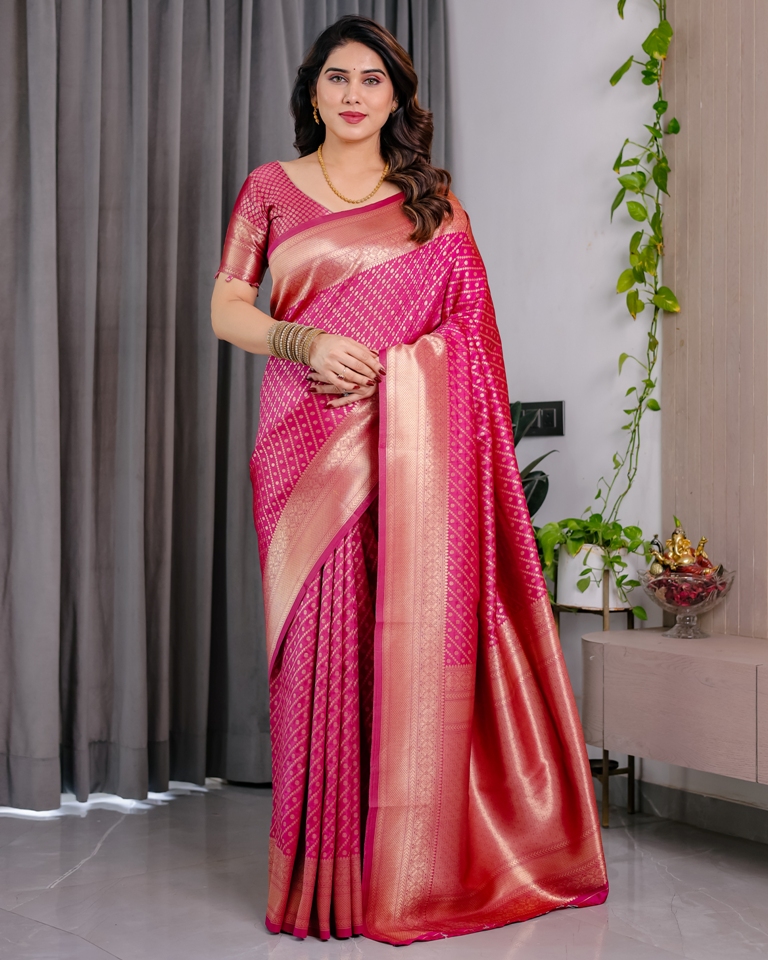
Maroon, wine, magenta, purple and navy create strong festival palettes that work well in photographs and evening light. A deep colour can be balanced with ivory, beige or muted metallic accessories. Wine Blue Mal Cotton Floral Saree With Blouse - VARNAVI, for example, can be styled with small silver-toned earrings and a plain blouse detail rather than a full set of highly ornate jewellery.
Choose one focal accessory: statement earrings, a textured clutch, a narrow waist belt or a distinctive bangle stack. Wearing all four can make a printed cotton saree look visually busy and can become uncomfortable during a long programme. Lightweight silver, oxidised metal or fabric-covered jewellery is generally easier to wear than very heavy necklaces.
Hair should be secured against wind and humidity. A low bun, braid or half-up style with a few discreet pins is more reliable than loose hair that repeatedly catches on the pallu. Avoid adding classic headgear or ceremonial ornaments from a community you don't belong to simply because the pieces appear decorative.
Best Ethnic Wear for Meghalaya Cultural Festivals: What to Pack and How to Care for It
A small festival-day kit should include safety pins, two ordinary hair ties, a foldable umbrella, a light shawl, blister plasters and a cloth bag for wet footwear or a damp saree edge.

Choose footwear with a closed or firmly strapped upper and a sole that grips wet paths. Heels can sink into soft ground and narrow sandals can become unstable on stone or sloping surfaces. Flat juttis, low wedges or supportive sandals are usually more practical for a full day of movement.
Keep a shawl or light jacket in a neutral colour that works with the saree. Meghalaya evenings can feel cooler than expected, and a wrap also helps in indoor halls with strong fans. A compact crossbody bag leaves both hands free for walking, taking photographs or managing an umbrella.
Pack the saree separately from cosmetics, jewellery and footwear. If the fabric becomes damp, hang the saree indoors in an airy room and allow it to dry fully before folding. Do not iron a damp saree at high heat because moisture can produce uneven marks and excessive heat can damage printed surfaces or zari.
Mal cotton and cotton sarees can usually be washed according to their care label, but dark colours should be tested for colour bleeding before the first wash. Use mild detergent, avoid prolonged soaking and dry printed sarees away from harsh direct sunlight. Banarasi silk, zari and delicate embellished sarees are safer with professional dry cleaning when the care instructions recommend it.
Respectful clothing also includes respectful conduct. Ask before photographing performers or entering restricted areas, follow local instructions about seating and footwear, and don't touch ceremonial objects without permission. Thoughtful behaviour makes an ethnic outfit feel appropriate in a way that expensive embellishment never can.
Best Ethnic Wear for Meghalaya Cultural Festivals: A Simple Selection Checklist
The most reliable festival outfit can be selected with five checks: fabric, weather, movement, cultural context and care.

- Check the fabric: Choose Mal cotton, cotton, linen-cotton or lightweight silk according to the temperature and programme duration.
- Check the drape: Confirm that the pleats stay in place, the pallu is pinned and the hem doesn't drag.
- Check the blouse: Select sleeves and neckline that suit the venue, weather and level of formality.
- Check the footwear: Choose grip and support over delicate straps or high heels.
- Check the cultural setting: Wear personal festive clothing, but don't copy community-specific ceremonial regalia.
- Check the care plan: Carry protection from rain and know whether the saree requires gentle washing or professional cleaning.
A thoughtful saree outfit can look festive while leaving room for the festival's music, people and traditions to remain central. The strongest choice is rarely the heaviest or most elaborate garment; it's the one that lets the wearer participate comfortably, move safely and dress with cultural awareness.
Common Questions About Dressing for Meghalaya Cultural Festivals
What should women wear to a Meghalaya cultural festival?
Women can wear a breathable saree, salwar suit or another modest ethnic outfit with secure movement and comfortable footwear. Mal cotton, cotton and linen-cotton are practical for daytime programmes, while a light shawl or full-sleeved blouse helps during cool evenings.
Can I wear a saree to Wangala or Nongkrem Dance Festival?
Yes, visitors can wear a saree as contemporary festive clothing, provided the drape is comfortable and the styling does not imitate ceremonial Khasi or Garo regalia. Pin the pallu securely, choose practical footwear and follow local guidance in religious or restricted spaces.
Which saree fabric is best for Meghalaya’s weather?
Mal cotton, cotton and linen-cotton are generally the most practical choices for Meghalaya's variable hill weather. Lightweight silk can suit formal evening events, but zari-rich Banarasi silk may feel warm or cumbersome during long outdoor programmes.
What colours are suitable for Meghalaya festival wear?
Maroon, purple, magenta, navy, wine and ivory can all create attractive festive palettes. No single colour has a universal meaning across Meghalaya communities, so avoid assuming that a colour alone represents a particular tradition.
How can I keep a saree secure during an outdoor festival?
Use a well-fitting petticoat, five to seven even pleats and discreet pins at the shoulder and blouse side. Keep the hem above wet or uneven ground, and test the complete drape by walking, sitting and climbing a few steps before leaving.
Is it respectful to wear traditional Meghalaya jewellery as a visitor?
Visitors should avoid wearing community-specific ceremonial jewellery, crowns or symbolic ornaments as fashion accessories without local permission. Simple earrings, bangles or a light shawl are safer choices because they create a festive appearance without copying sacred or identity-specific regalia.