Bengali Bridal Guest Fashion: Saree vs Lehenga Styling Guide starts with one practical question: what will you need to do at the wedding? A saree brings a graceful drape and strong cultural connection, while a lehenga offers easier walking, a defined waist and a secure silhouette. The right choice depends on the ceremony, venue, weather, expected movement and how closely you want to follow Bengali dressing traditions.
A daytime Haldi ceremony may call for breathable fabric and cheerful colour, whereas an evening reception can accommodate silk, zari, sequins and deeper jewel tones. A traditional wedding ritual may also influence your decision, particularly when family photographs, seated ceremonies and formal introductions are involved. The most successful guest outfit looks festive without competing with the bride's main bridal clothing.
This guide compares sarees and lehengas for Bengali weddings and explains how to select fabric weight, colour, blouse shape, jewellery, footwear and dupatta placement. Specific outfit examples make the advice easier to apply when you're shopping or styling pieces already in your wardrobe.
Bengali Bridal Guest Fashion: Saree vs Lehenga Styling Guide for each ceremony
The wedding ceremony should determine the outfit's formality, colour intensity and level of embellishment. A guest dressing for a Haldi ceremony needs a different balance of comfort and decoration from a guest attending a formal evening reception.
Haldi and daytime celebrations
A lightweight saree or a softly structured lehenga suits a Haldi ceremony because both garments allow movement and work well in natural light. Yellow, marigold, coral, pink, pistachio, mint and soft orange create a celebratory appearance without automatically resembling bridal clothing. Cotton silk, Chanderi, georgette and light butter silk are practical choices for outdoor venues.
The Haldi Lehengas Under 5500 collection gives useful colour inspiration for a bright skirt-and-blouse outfit. A yellow skirt with a pink blouse, or a mint lehenga with a coral dupatta, creates contrast without requiring heavy jewellery. Avoid extremely long trails because turmeric, grass, dust and crowded seating can quickly damage delicate hems.
Wedding rituals and evening receptions
A formal Bengali wedding ritual or evening reception permits richer fabric, zari, sequins and more substantial jewellery. Wine, emerald, navy, plum, fuchsia, crimson and antique gold appear especially effective under warm indoor lighting. Guests should still confirm the bride's colour palette before choosing a strongly bridal red or a heavily embellished ivory outfit.
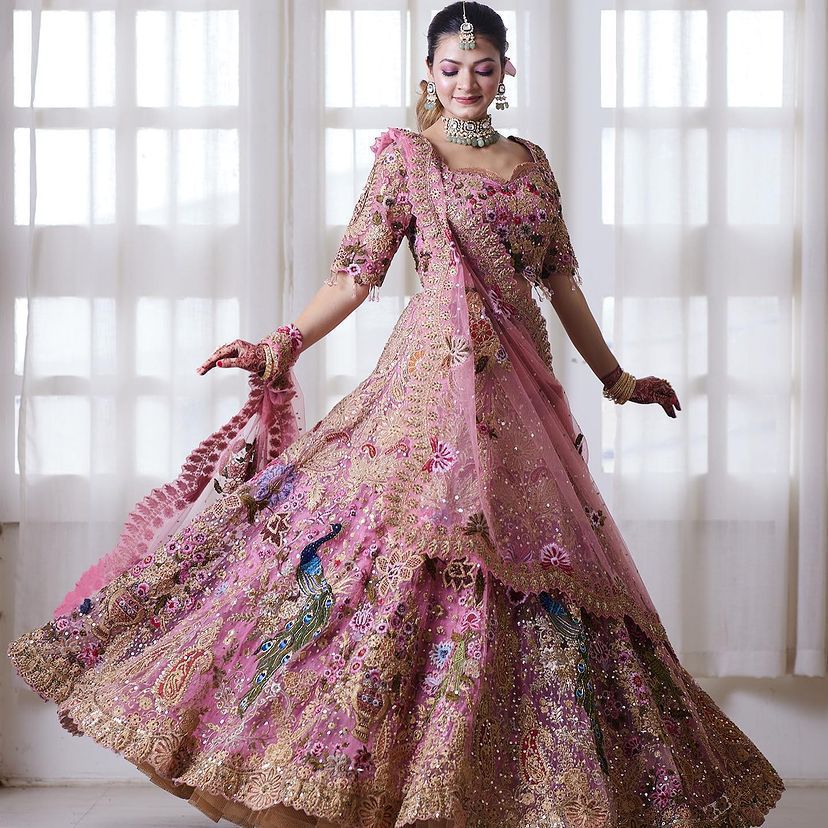
Designer Threadwork Silk Lehenga Choli Set with Dupatta illustrates how silk and threadwork can create a formal appearance without requiring a large jewellery stack. Pink Bridal Sequins Lehenga Set with Heavy Flare brings more drama through shine and volume, making it better suited to a spacious reception than a crowded daytime ceremony.
Bengali Bridal Guest Fashion: Saree vs Lehenga Styling Guide for choosing a saree
A saree is the stronger choice when the celebration includes time-honoured rituals, extended seated ceremonies or a dress code that leans toward Bengali heritage. A saree also suits guests who prefer an adjustable drape, a long vertical line and a garment that can be restyled for future occasions.
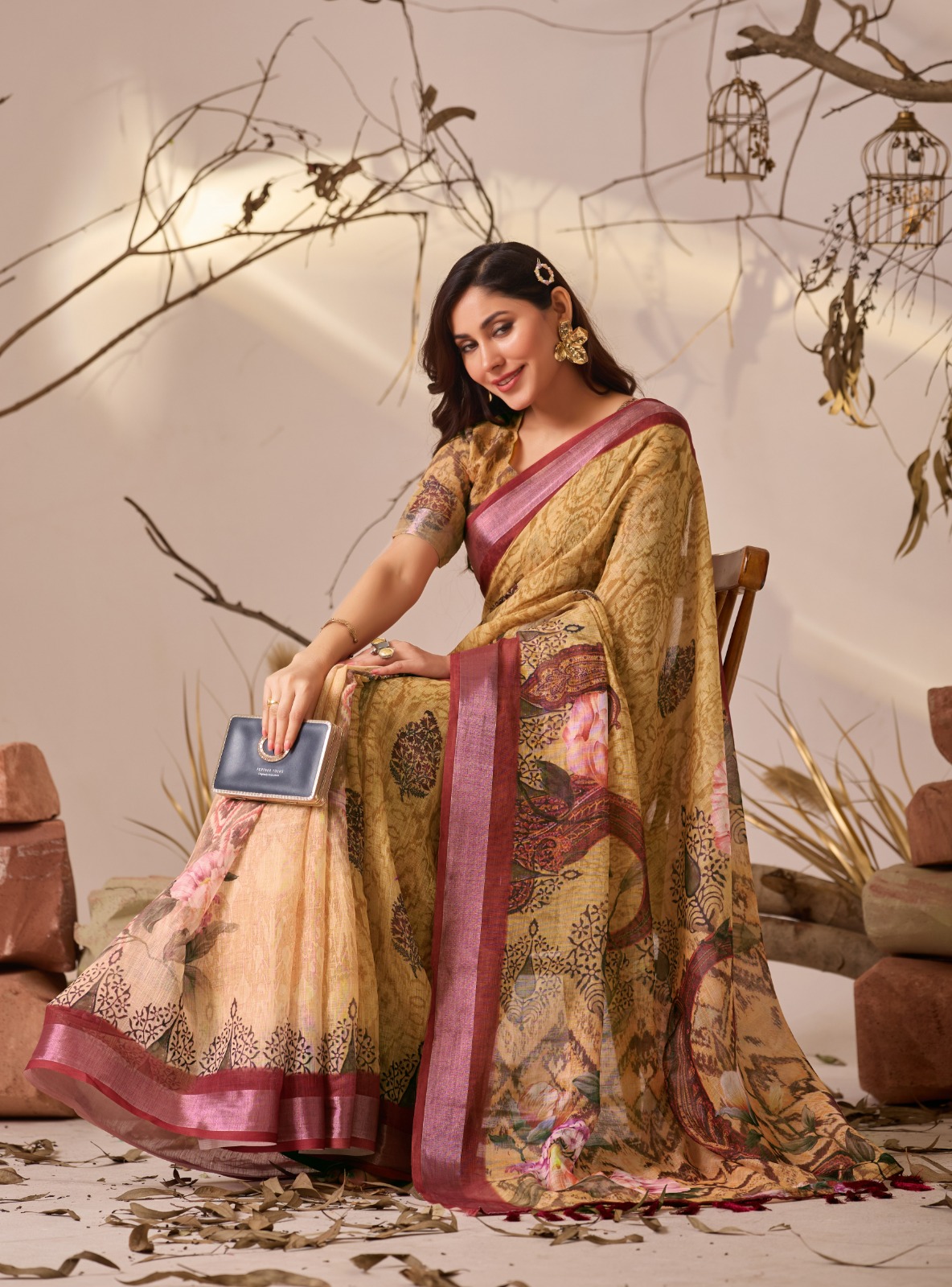
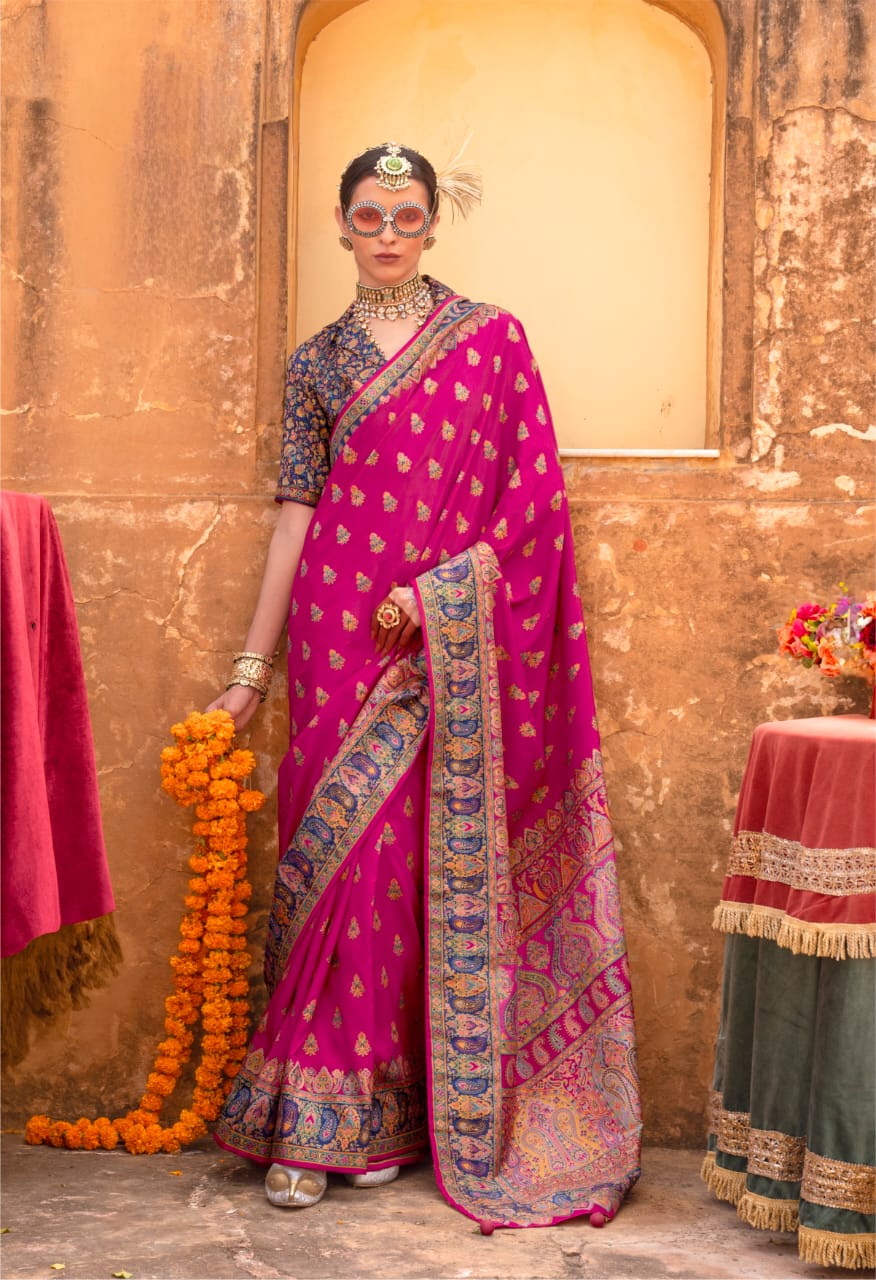
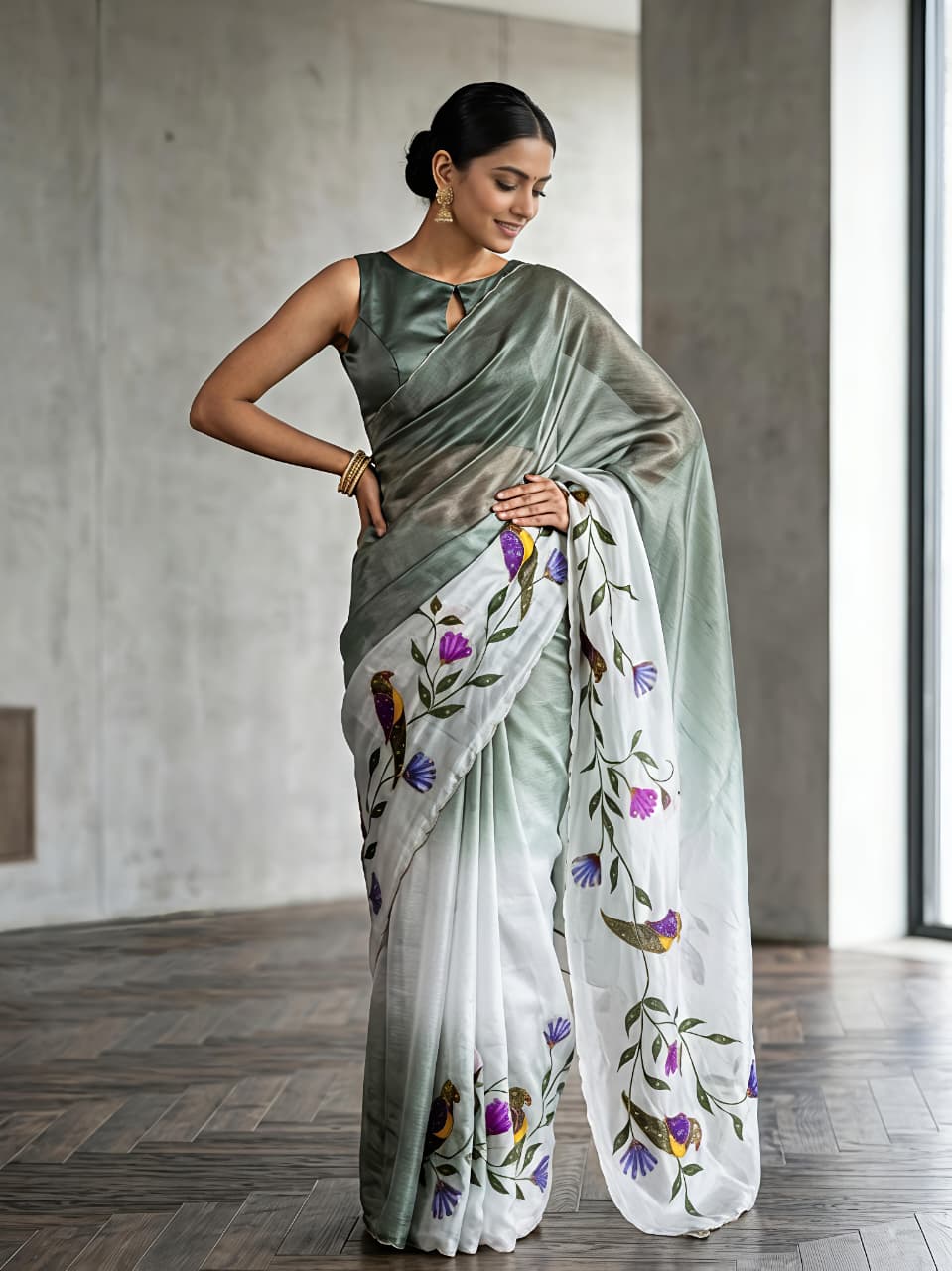
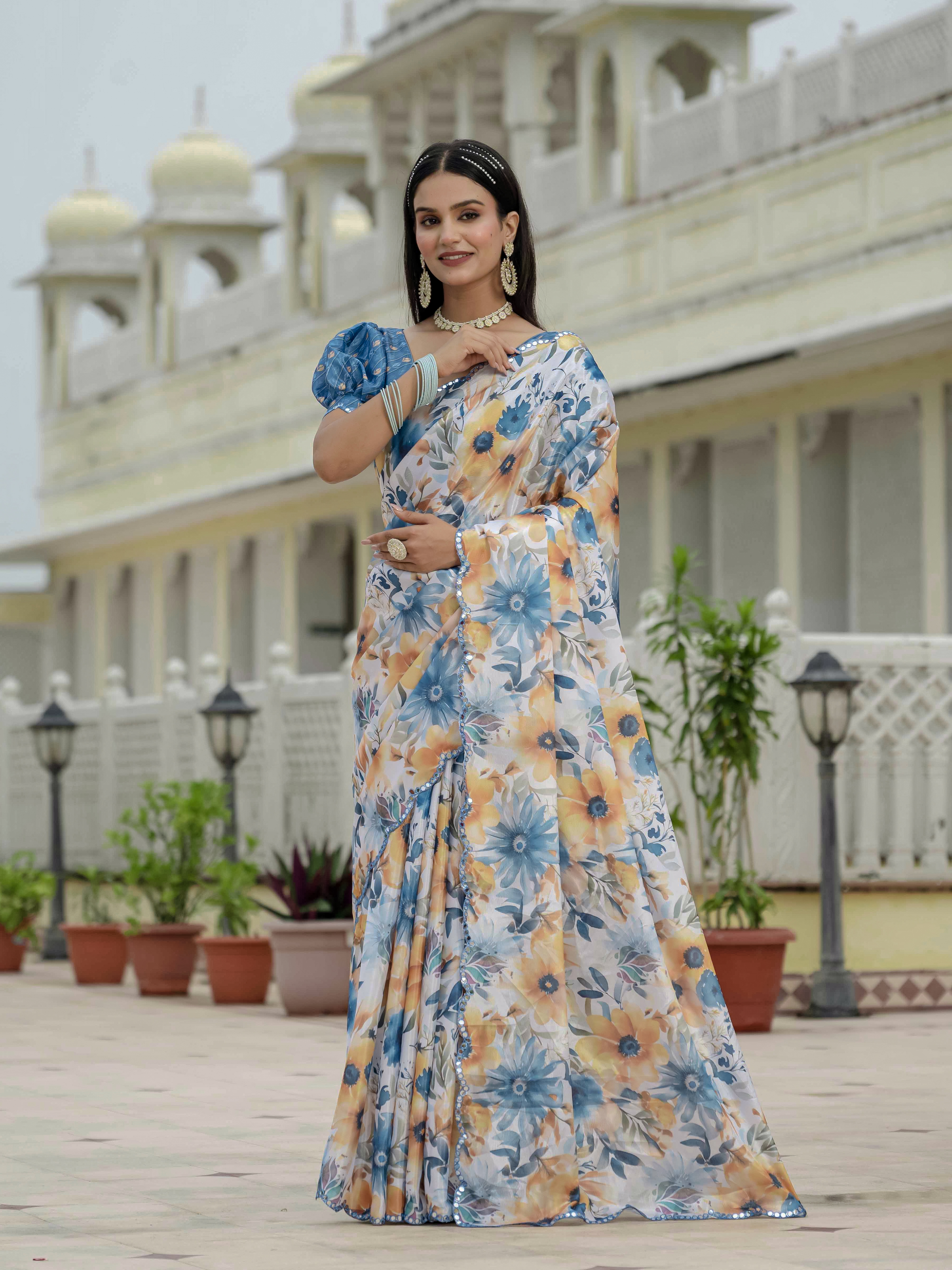
Bengali saree styling often draws attention to the border, pallu and blouse rather than relying on a full skirt's volume. Banarasi silk, tussar silk, cotton silk, Chanderi and handloom blends each create a different impression. Banarasi silk adds woven richness through brocade and zari, while Chanderi feels lighter and more appropriate for warm daytime functions.
Red-and-white clothing carries strong associations with Bengali weddings, but guests should use the combination thoughtfully. An ivory saree with a narrow red border and a coloured blouse can look festive without appearing excessively bridal. A bright red Banarasi silk saree with dense gold zari may resemble the bride's principal wedding attire, so checking the bride's outfit plans is considerate.
A secure drape is essential when a saree will be worn for several hours. Pleats should be pinned discreetly at the waist, and the pallu should be anchored at the shoulder and near the blouse if dancing or frequent walking is expected. A fitted petticoat or saree shapewear should allow sitting, climbing stairs and using the washroom without excessive adjustment.
Blouse proportions can change the entire appearance of a saree. A shorter blouse and high-waisted petticoat create a longer-looking lower body, while an elbow-length sleeve adds coverage and formality. A boat neck or modest square neck allows statement earrings to remain visible without making the neckline feel crowded.
Bengali Bridal Guest Fashion: Saree vs Lehenga Styling Guide for choosing a lehenga
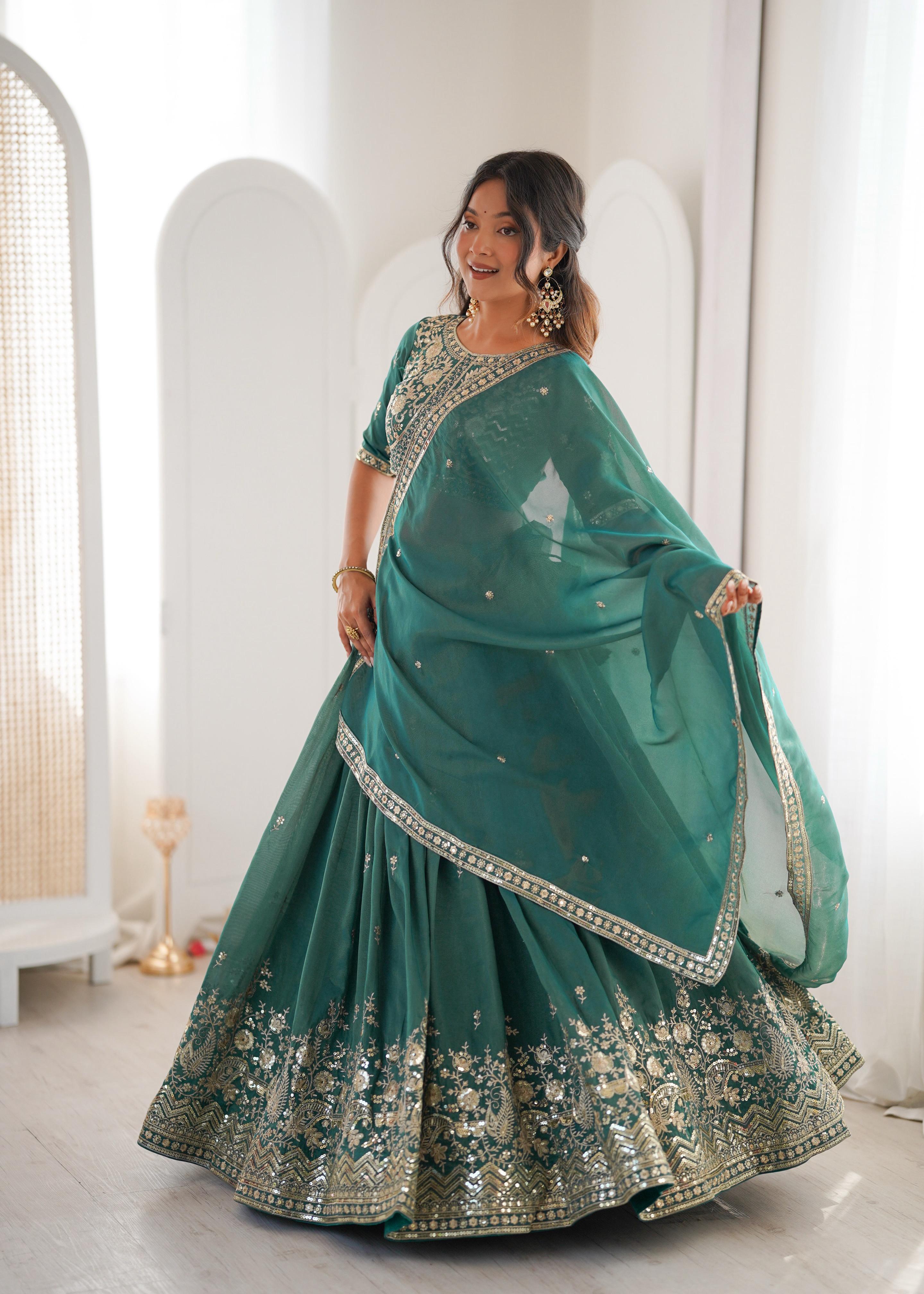
A lehenga is usually more practical when the wedding includes dancing, long walks, crowded venues or many hours of standing. The separate skirt, blouse and dupatta create a defined outfit with less fabric trailing around the feet, and the waistband gives the silhouette greater stability than a loosely draped garment.
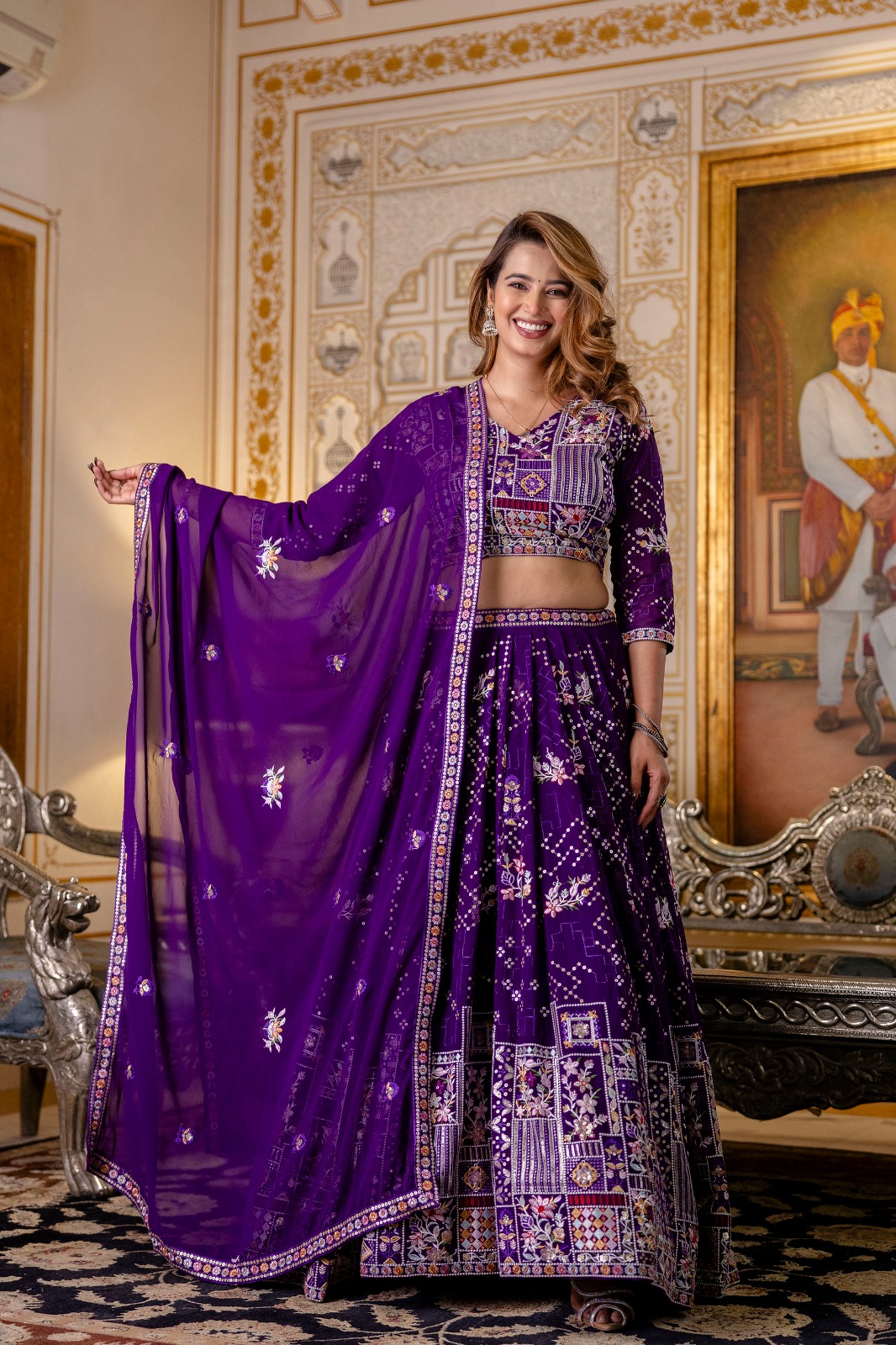
A lehenga also works well for a reception following the main Bengali wedding ceremony. A flared skirt photographs attractively during movement, while a fitted blouse gives the outfit a clean structure. The hem should sit close to the top of the foot when worn with the intended shoes; a skirt that drags by two or three centimetres can collect dirt and become a tripping hazard.
Cream Peacock Embroidered Net Lehenga Set for Women demonstrates how a light base can look formal when embroidery supplies texture. Cream clothing should be styled with enough contrast to avoid disappearing against pale décor. Gold earrings, a coloured clutch or a contrasting dupatta can provide definition, while very minimal styling may make the outfit appear more suited to an engagement or cocktail event.
Mint Embroidered Lehenga Set with Net Dupatta for Women shows how a pastel colour can remain occasion-appropriate when embroidery and layering add depth. A pastel lehenga is particularly useful for a daytime wedding because it reflects natural light softly. Stronger lip colour, antique gold earrings or a contrasting blouse can prevent the overall appearance from looking washed out.
Lehengas require attention to the waistband, lining and can-can. A stiff waistband may become uncomfortable after a meal, and excessive can-can may make sitting difficult. A cotton or satin lining reduces friction, while a moderate flare usually gives better comfort than a very wide skirt in a crowded venue.
Bengali Bridal Guest Fashion: Saree vs Lehenga Styling Guide for fabric and comfort
Comfort depends more on fabric weight, fit and finishing than on whether the outfit is a saree or a lehenga. A lightweight garment with a properly fitted blouse generally feels better than a heavily decorated outfit that restricts breathing or movement.
Choosing fabric for weather and venue
Georgette, chiffon, crepe, Chanderi and light silk blends are useful for warm venues, outdoor photographs and long celebrations. Banarasi silk, dense zari, velvet accents and layered net provide greater visual richness but can feel heavy after several hours. Sequins may also irritate the skin when the underside of a blouse or dupatta has not been lined properly.
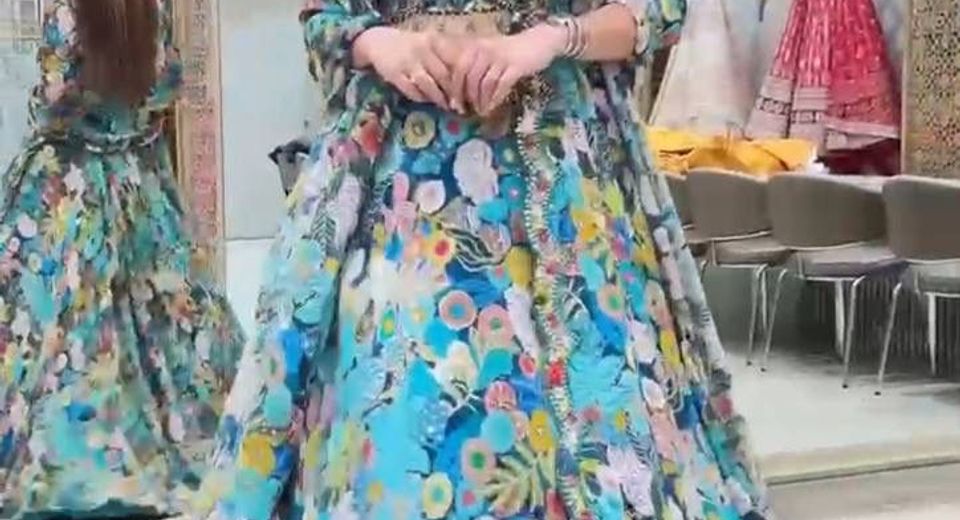
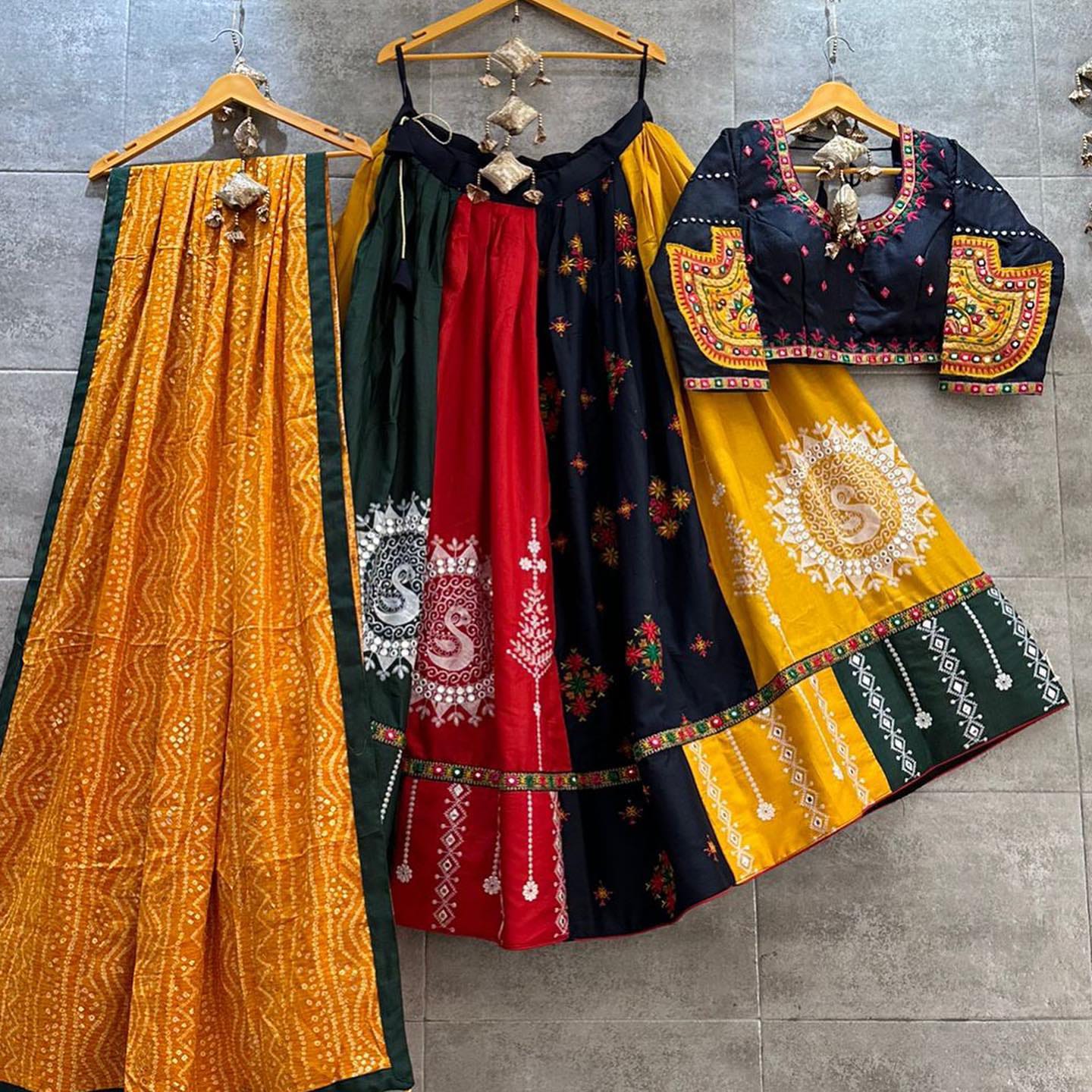
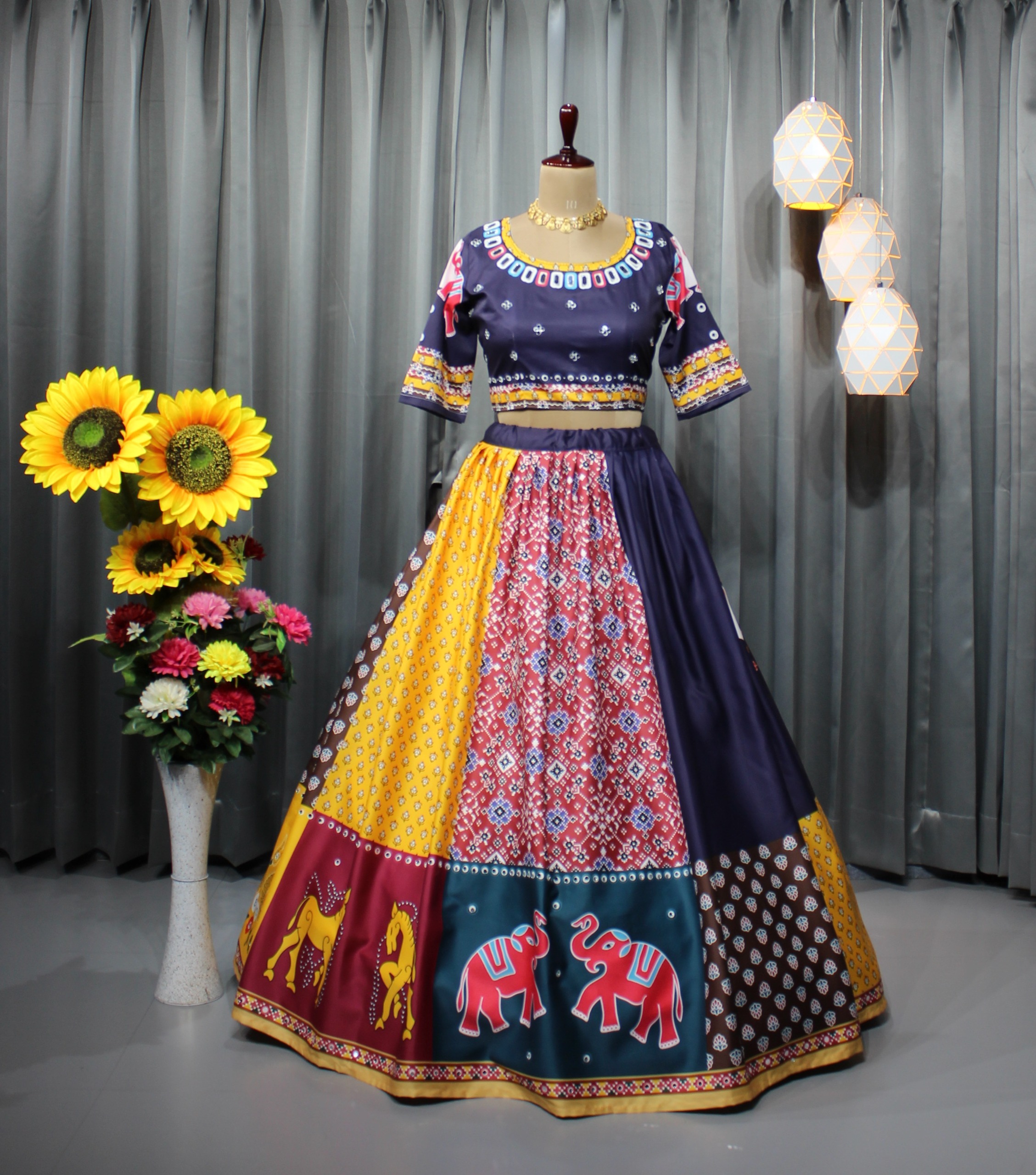
Stylish Multicolor Butter Silk Lehenga Choli Set can suit a colourful daytime celebration because butter silk has a gentle sheen without the weight of dense brocade. Pastel Floral Georgette Lehenga Set with Ruffle Blouse is another useful direction for a garden or daytime venue, where floral texture and a ruffle create interest without depending entirely on metallic work.
The Silk Lehengas Under 3000 collection is relevant when you want a silk-based occasion outfit while keeping the overall purchase practical. A lower price doesn't remove the need to check lining, seam finishing, zipper quality, skirt length and the amount of embellishment around the waist.
Testing fit before the wedding
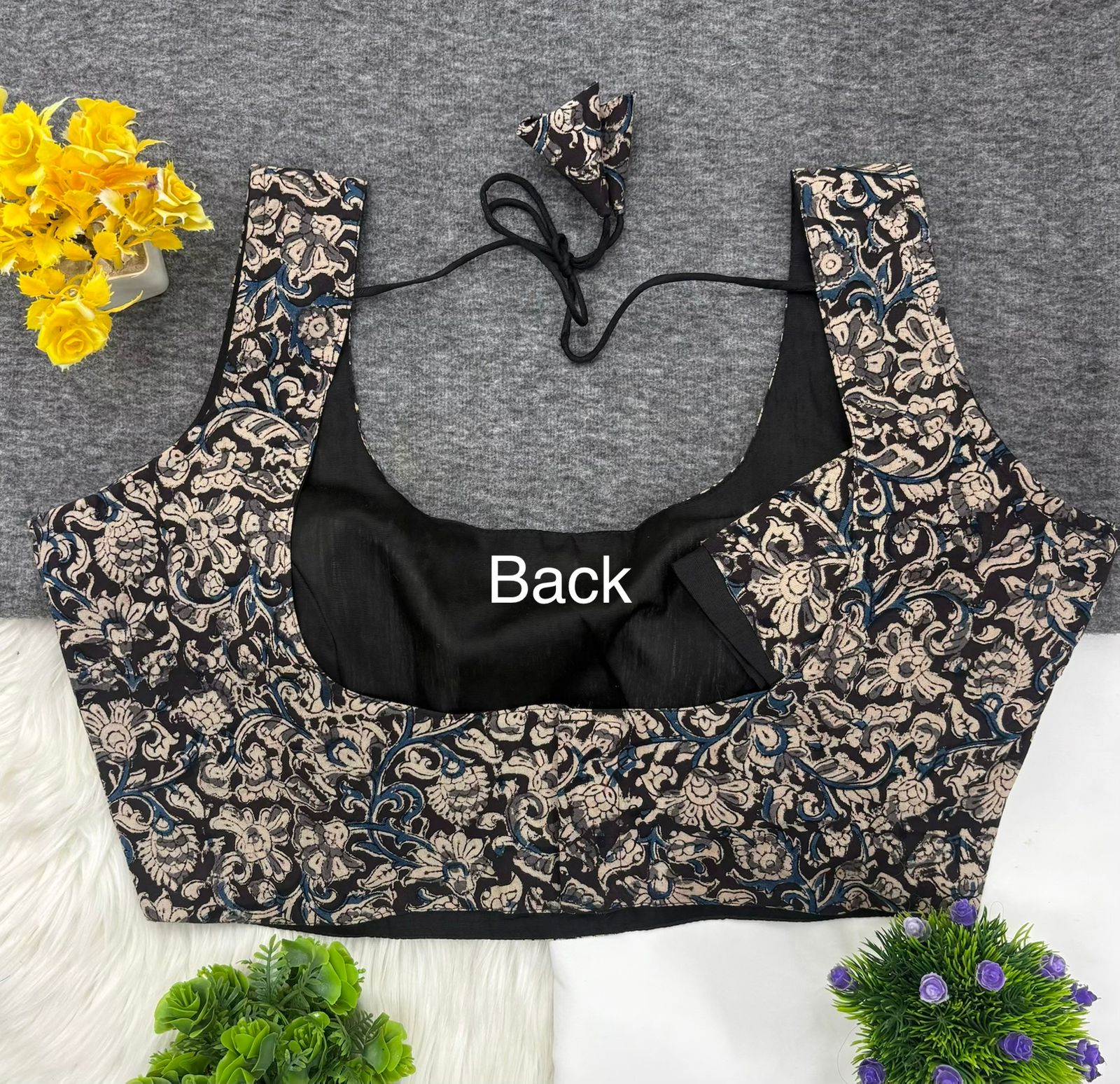
A blouse should permit one full arm lift without pulling across the bust or cutting into the armhole. Measure the bust, underbust, shoulder, armhole and sleeve opening, then allow enough ease for breathing and sitting. A side zip brings convenience, while a back tie may provide small adjustments.
A saree wearer should walk, sit and climb a few steps after pinning the pleats. A lehenga wearer should test the outfit with the exact footwear planned for the event. A two- to three-inch heel can alter the skirt length enough to make a previously safe hem difficult to manage.
Bengali Bridal Guest Fashion: Saree vs Lehenga Styling Guide for colour and photography
Mid-depth colours, visible fabric texture and controlled contrast generally photograph better than pale monochrome clothing or excessive reflective embellishment. Camera flash can make sequins and metallic zari appear brighter than they look in person, so a high-shine skirt should be balanced with a matte blouse, dupatta or jewellery finish.
Red Butterfly Net Sequins Lehenga Set Wedding Wear is visually strong because red and sequins create immediate contrast. The outfit can work for an evening reception when the bride isn't wearing a similar red, but the accessories should remain controlled. Gold earrings, neutral footwear and a simple clutch are often enough.
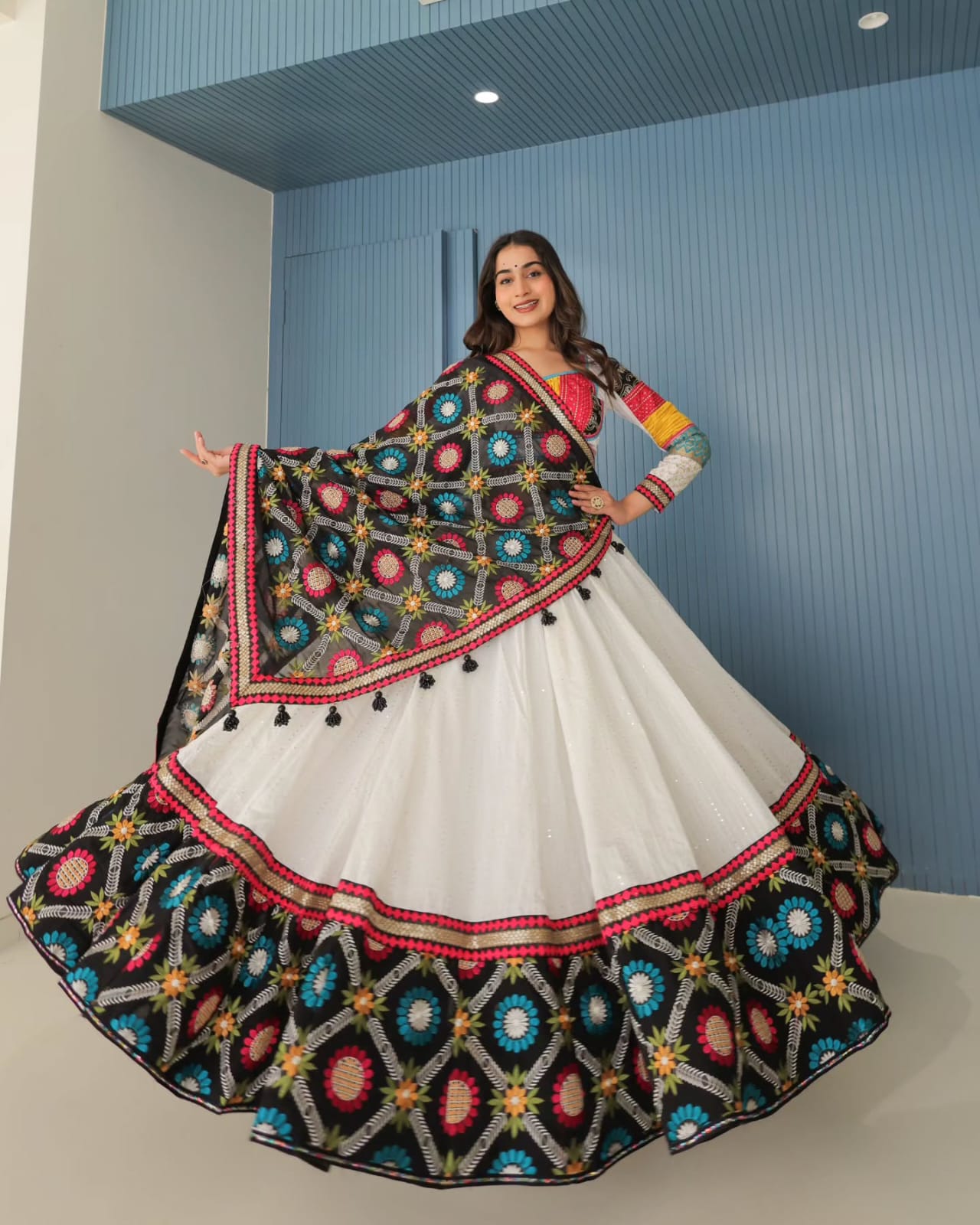
Black Wedding & Festive Wear Designer Lehenga offers a dramatic alternative for guests who prefer darker evening clothing. Black can be made more festive through coloured embroidery, gold jewellery or a bright dupatta. Confirm the family's dress expectations before choosing black for a religious ceremony, because some households may prefer brighter or more classic colours.
Background colour deserves consideration before the final choice. A pale lehenga may disappear against cream mandap décor, while a bright red outfit can blend into marigold-heavy decoration. Jewel tones stand out against light fabric backdrops, and muted pastels create a softer frame against dark evening interiors.
Photographs also reveal proportion more clearly than a mirror does. Large motifs can appear uneven when they sit directly across the bust, while a broad border can visually shorten a petite frame. Vertical embroidery, a longer dupatta edge and a single-tone lower half can create a more streamlined appearance.
Bengali Bridal Guest Fashion: Saree vs Lehenga Styling Guide for jewellery and finishing touches
Jewellery should follow the outfit's neckline, border, embroidery density and ceremony rather than being selected as an independent layer. Sarees often benefit from jewellery that follows the vertical drape, while lehengas can support a concentrated necklace, earring and waistline arrangement.
A saree with a high-neck blouse can be paired with jhumkas, chandbalis or a short necklace. A long layered necklace works better with a simple blouse and a relatively plain pallu. A saree with substantial zari usually looks more balanced with antique gold or muted kundan than with several competing metallic finishes.
A lehenga with a sweetheart or square neckline can support a choker, while long earrings may be sufficient when the blouse already has dense embroidery. A maang tikka, potli bag or slim kamarbandh should be added only when the dupatta and blouse leave enough visual space. Heavy earrings, a large choker and an ornate dupatta can overwhelm the face.
Net Lehengas Under 4500 with 51% Discount can be useful for comparing embellished net silhouettes, but the discount should not be the sole basis for a purchase. Check whether the net has a lining, whether the sequins are secure and whether the dupatta edge can be pinned without tearing.
Footwear should be chosen before hemming. Block heels provide stability on uneven floors, while embellished juttis are practical for grass, stone courtyards and long periods of standing. Carry blister patches and a small pair of foldable flats if the celebration includes dancing or several venue changes.
Bengali Bridal Guest Fashion: Saree vs Lehenga Styling Guide for a final decision
Choose a saree when cultural formality, seated rituals and an elegant draped silhouette matter most. Choose a lehenga when movement, dancing, easy walking and a defined fit matter more. Both garments can look fully appropriate for a Bengali wedding when colour, embellishment and styling respect the bride's visual space.
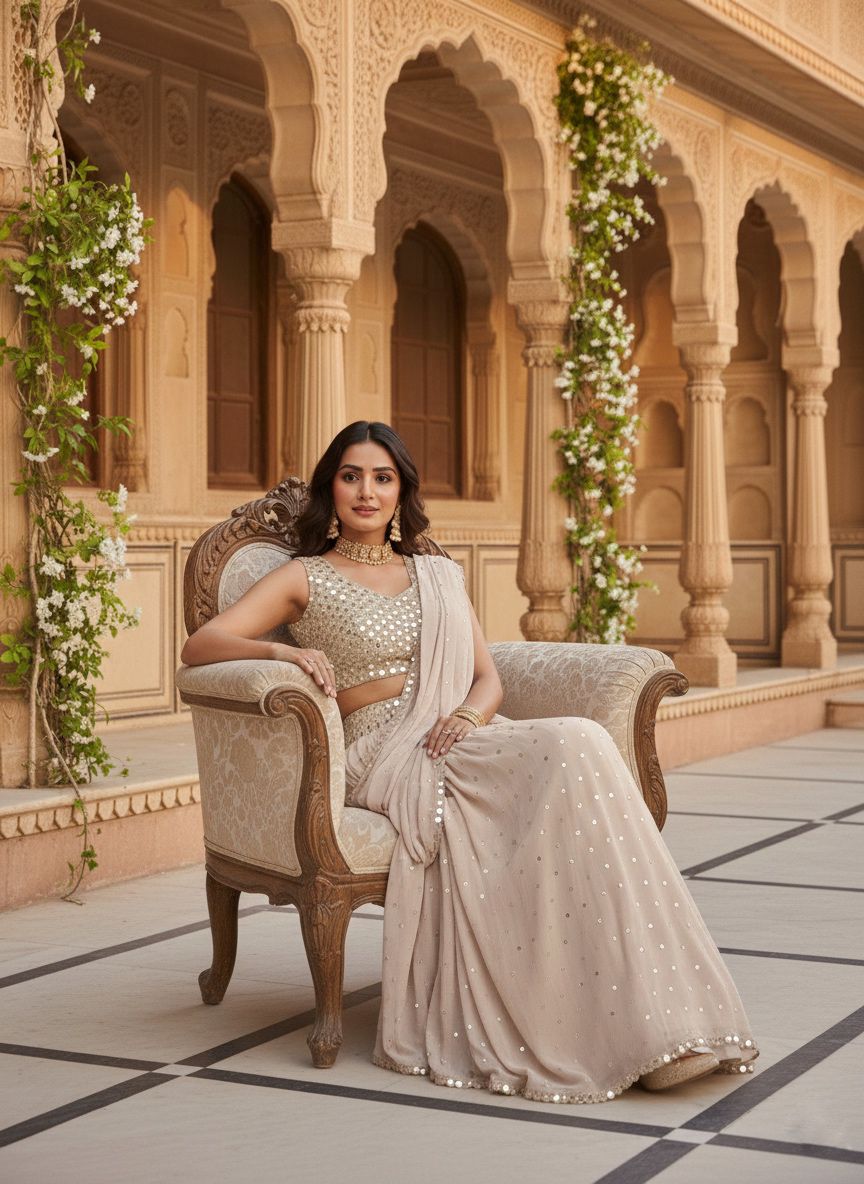
Bridesmaid Lehengas Under 5500 is an useful direction for a coordinated group outfit, particularly when several guests need a shared colour family rather than identical garments. A group can coordinate through one common shade, such as rose, mint or gold, while varying necklines and silhouettes so every wearer remains comfortable.
A practical decision checklist includes five questions: will the event be indoors or outdoors, how long will you wear the outfit, how much walking is expected, what colours will the bride and décor use, and can you sit comfortably in the chosen garment? The answers usually resolve the saree-versus-lehenga decision more reliably than trend images alone.
Whichever garment you choose, complete a trial run at least three days before the wedding. Wear the blouse, footwear, jewellery and dupatta together for 20 minutes, check the hem in motion and photograph the outfit under indoor and outdoor light. Small adjustments made before the event can prevent slipping straps, painful shoes and distracting last-minute pinning.
Common Questions About Bengali Bridal Guest Fashion Choices
Is a saree or lehenga better for a Bengali wedding guest?
A saree is better for traditional rituals and guests who prefer a classic Bengali silhouette, while a lehenga is better for dancing, walking and extended standing. The venue, ceremony and comfort requirements should decide the final choice.
Can a Bengali wedding guest wear red and white?
A guest can wear red and white, but the combination should be used thoughtfully because it has strong Bengali bridal associations. An ivory saree with a narrow red border or a red blouse with a less bridal base can create a festive guest look without copying the bride.
What should a guest wear to a Bengali Haldi ceremony?
A lightweight saree or lehenga in yellow, coral, pink, mint, pistachio or orange works well for a Bengali Haldi ceremony. Georgette, Chanderi, cotton silk and light butter silk are more comfortable than heavy velvet or dense zari in warm daytime settings.
Which fabrics are comfortable for a long Bengali wedding?
Georgette, chiffon, crepe, Chanderi and lightweight silk blends are comfortable for long celebrations because they allow movement and reduce garment weight. Banarasi silk, heavy zari, velvet and layered net can work for shorter evening events but require careful lining and fit.
How can a wedding guest avoid looking like the Bengali bride?
A guest can avoid resembling the bride by checking the bride's colour palette and choosing lighter embroidery, a shorter silhouette or a different accent colour. Extremely bright red, dense gold zari, bridal veils and heavy head-to-toe embellishment are best avoided unless the family has specifically requested them.
What footwear works best with a Bengali wedding saree or lehenga?
Block heels and embellished juttis are practical choices because they provide stability during long ceremonies and uneven venue surfaces. The footwear should be tested with the outfit before hemming, and a guest attending a long reception should carry foldable flats or blister protection.