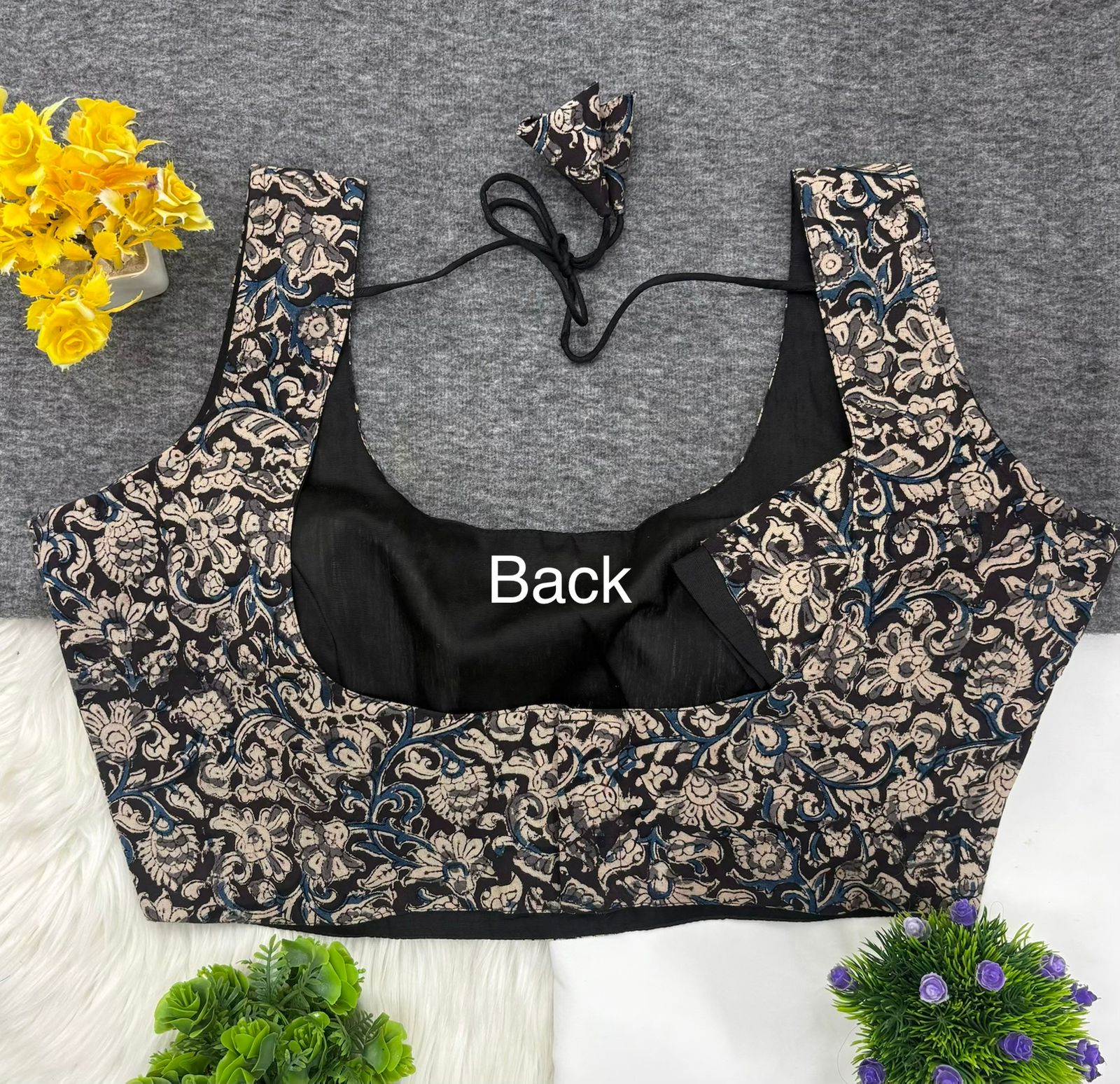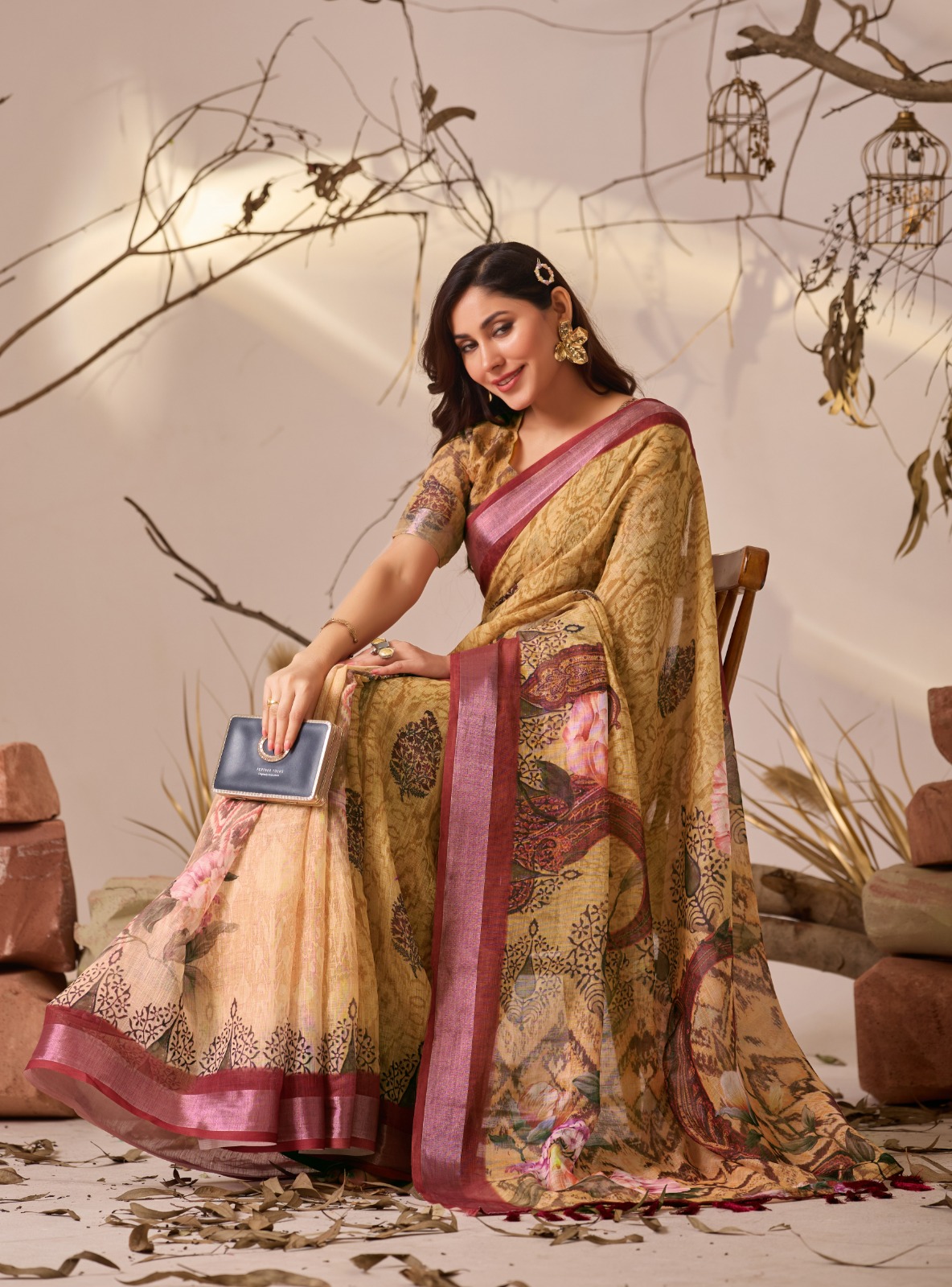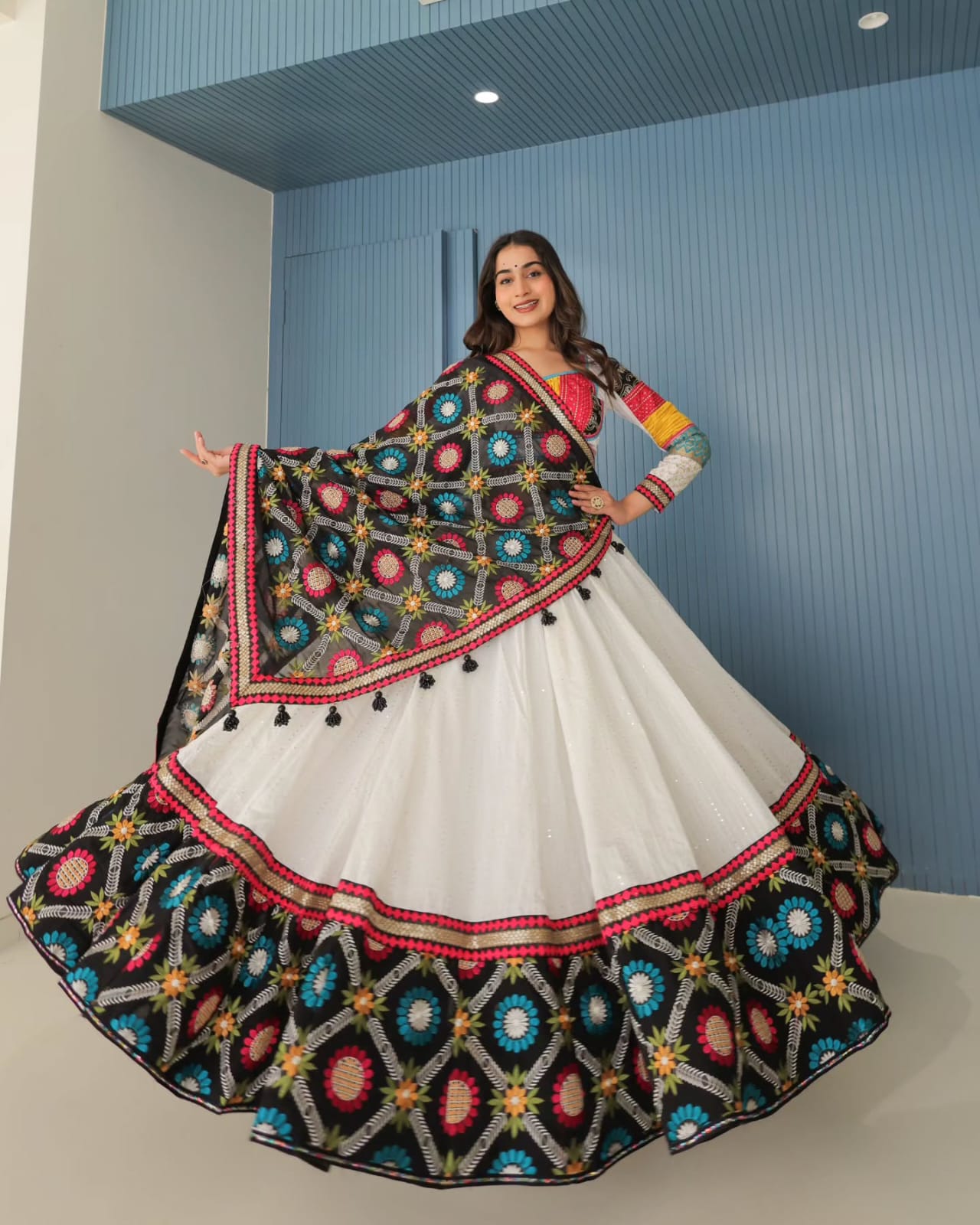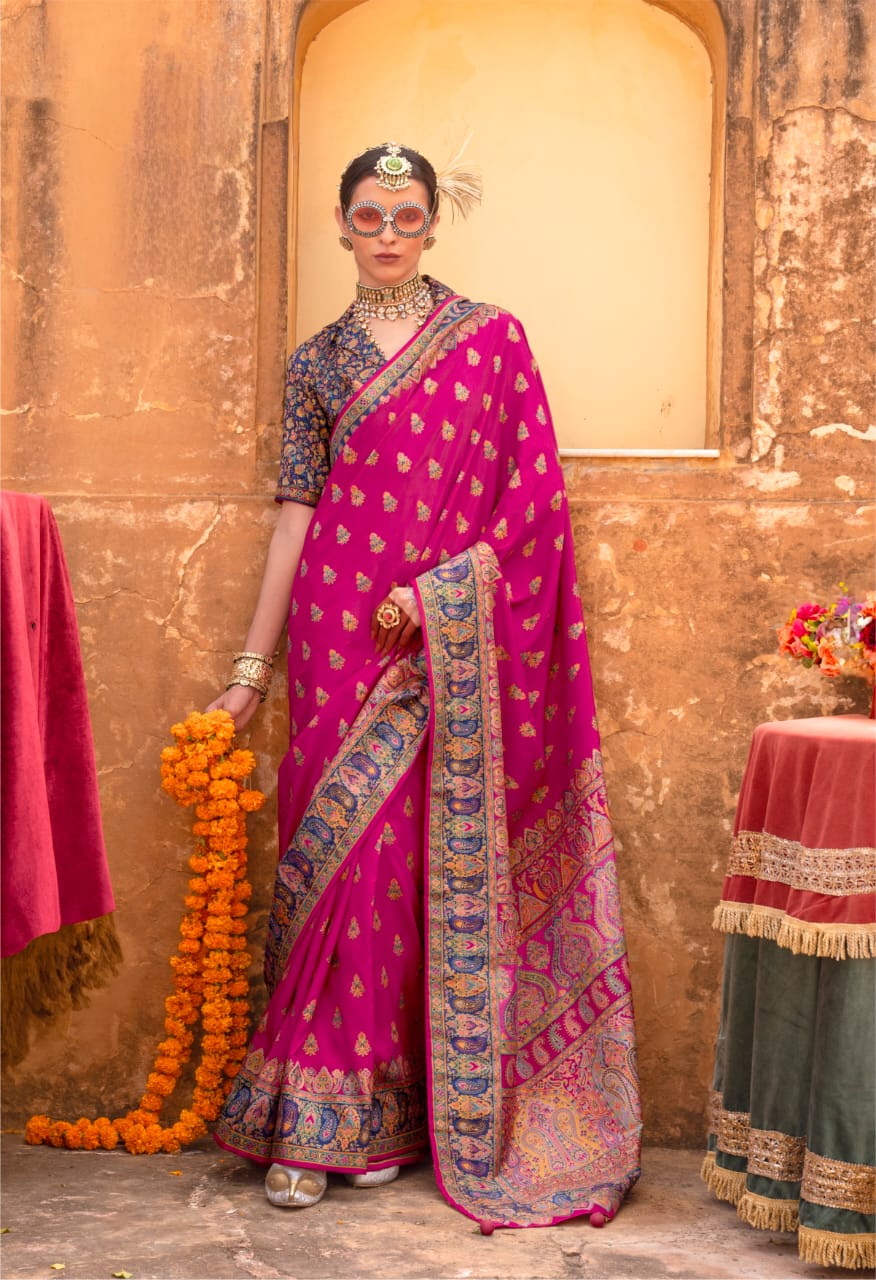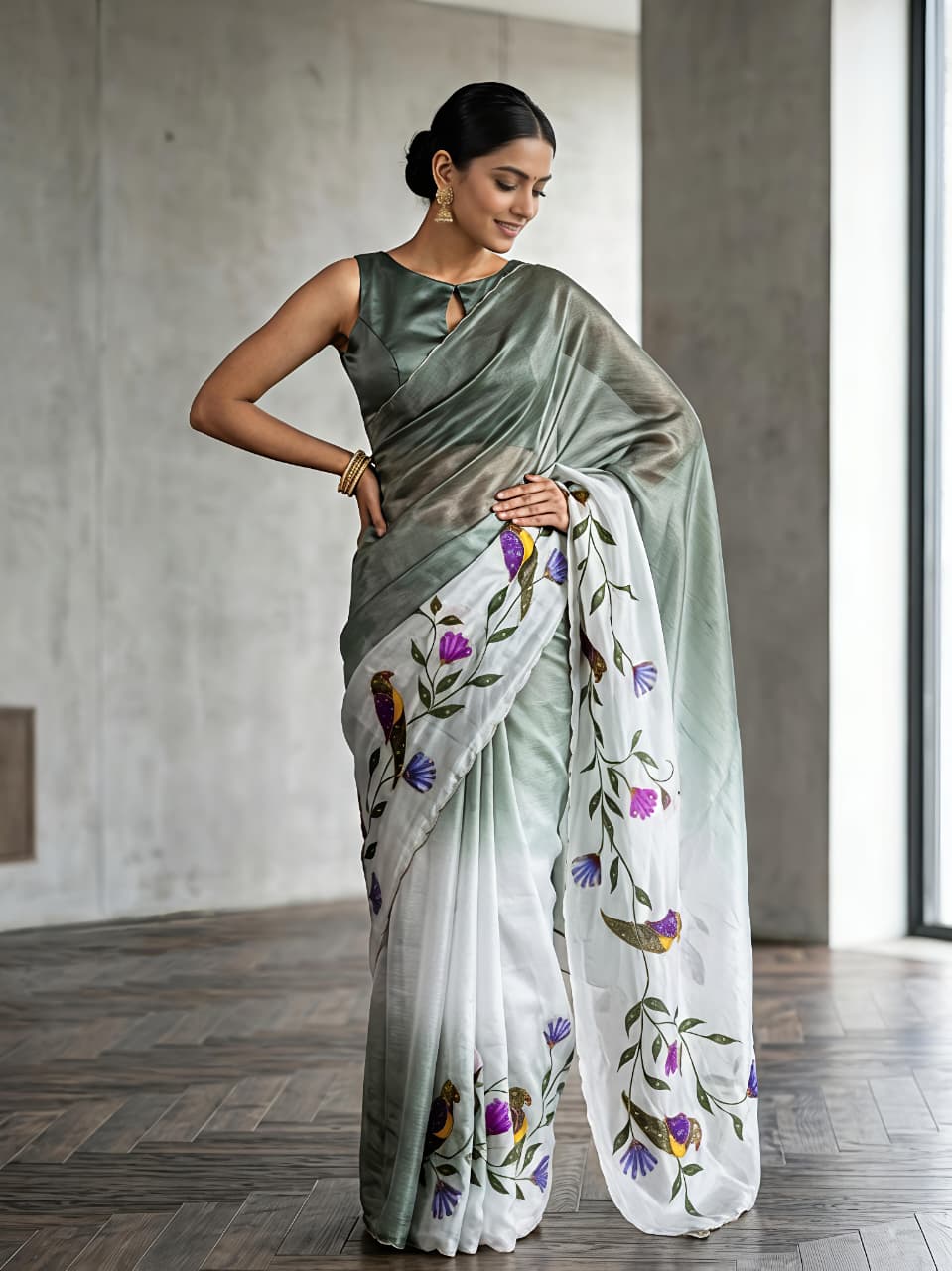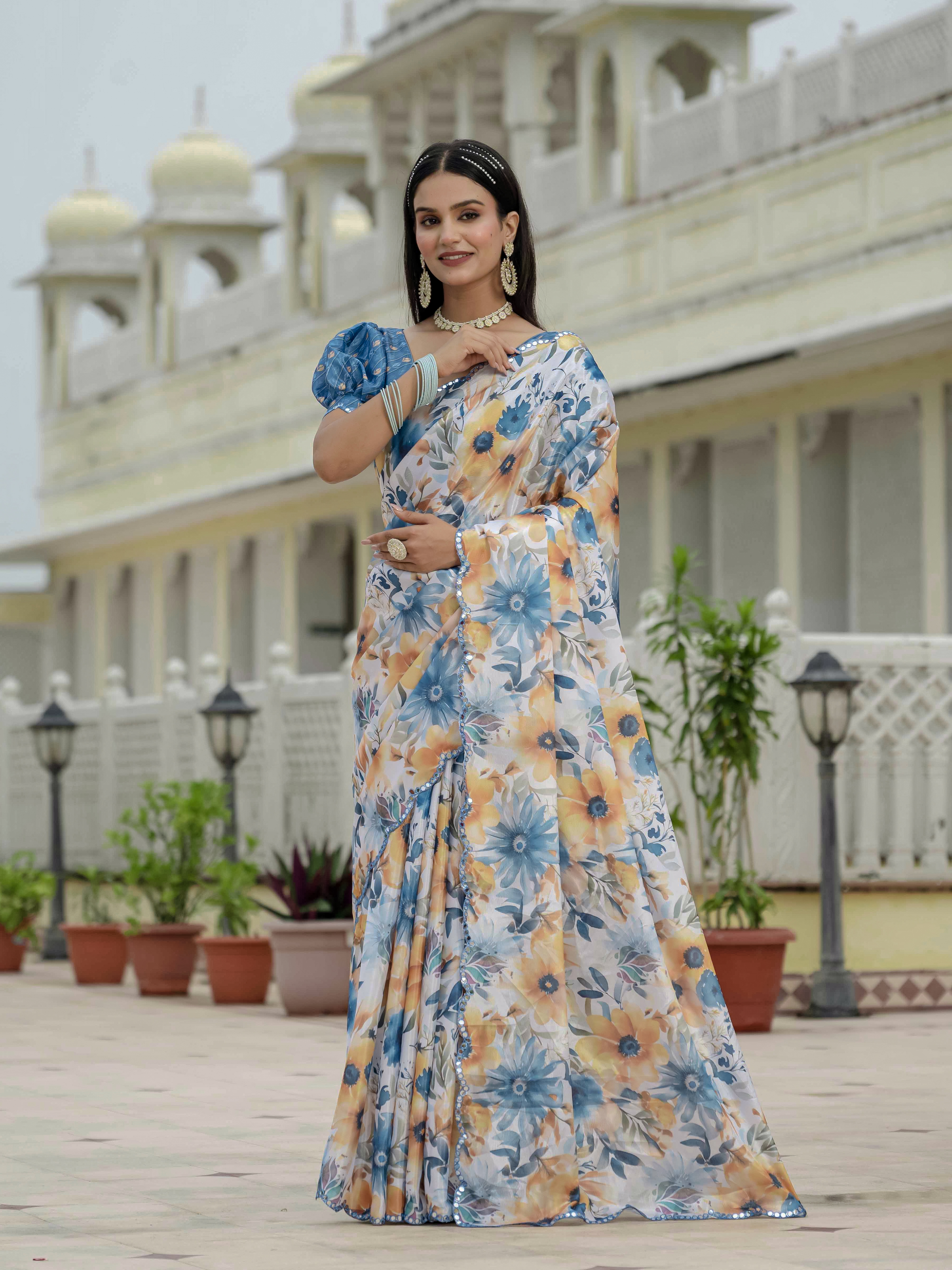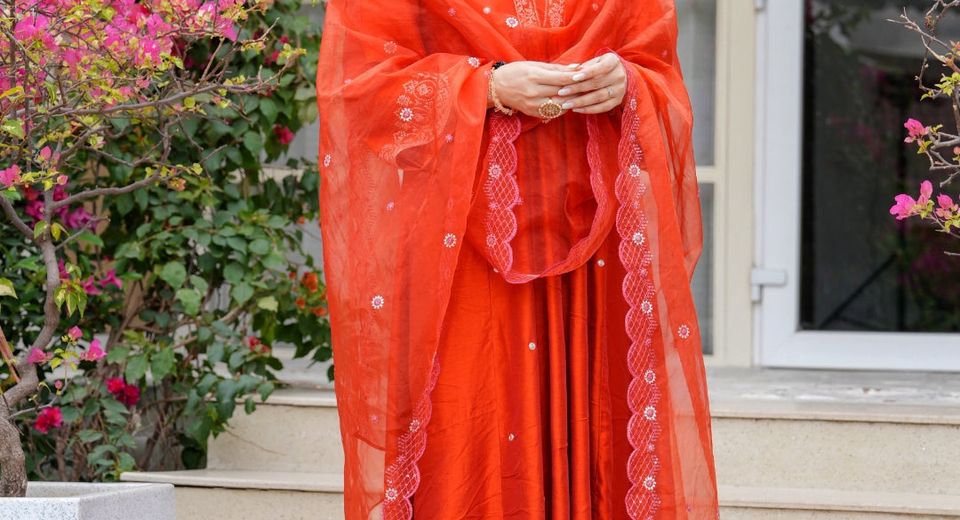
Beautiful Salwar Suit Color Combinations can change the character of an outfit before you add a single accessory. A bright orange suit can look festive, a navy suit can appear polished, and an ivory-and-green pairing can feel quietly elegant. The most useful choice depends on three things: the depth of the colours, the amount of contrast and the setting where you plan to wear the salwar suit. Once those elements are clear, selecting a kameez, bottom and dupatta becomes far less confusing.
Colour pairing also affects how embroidery, prints and silhouettes are noticed. A heavily worked neckline needs a calmer supporting shade, while a plain straight suit can carry a stronger dupatta or statement jewellery. The combinations below explain how to make those decisions with specific examples for weddings, festivals, office gatherings and everyday dressing.
How Beautiful Salwar Suit Color Combinations Actually Work
Beautiful Salwar Suit Color Combinations work when the dominant shade, supporting shade and accent shade have clear roles. The dominant colour covers most of the outfit, the supporting colour appears on the dupatta or bottom, and the accent colour comes through zari, embroidery, borders, footwear or jewellery.
An useful starting point is the 60-30-10 balance. Around 60 percent of the look can be one main colour, 30 percent can be a secondary colour, and 10 percent can be a bright accent. For example, a navy kameez with a white dupatta and gold earrings follows the same visual logic. A white suit with an orange dupatta and small gold details creates a similar balance with more energy.
Colour temperature matters as much as colour depth. Warm shades include orange, yellow, coral, red and mustard, while cool shades include navy, blue, emerald and violet. Neutrals such as black, white, cream, beige and grey can connect warm and cool shades without making the outfit look disjointed.
- Monochromatic: Different depths of one colour, such as blush pink with rose pink and wine accents, create a refined appearance.
- Analogous: Neighbouring colours, such as orange with yellow or blue with green, create harmony without looking flat.
- Complementary: Opposite colours, such as navy and orange or green and pink, create visible contrast and a more festive impression.
- Neutral-led: White, black, ivory or beige carries the outfit while one strong shade supplies personality.
Embroidery changes the perceived colour of a garment. Gold zari makes orange, red, pink and green look warmer, while silver-toned work usually sharpens navy, blue, lavender and grey. The lighting in a wedding hall can also make saturated colours look stronger, so a very bright suit may need a simple dupatta and restrained jewellery.
Which Salwar Suit Colours Suit Weddings and Festive Functions?
Wedding and festive salwar suits usually benefit from one saturated shade paired with a controlled neutral or a closely related colour. Rich combinations such as orange and pink, yellow and green, wine and blush, or royal blue and gold photograph well without depending entirely on heavy embellishment.
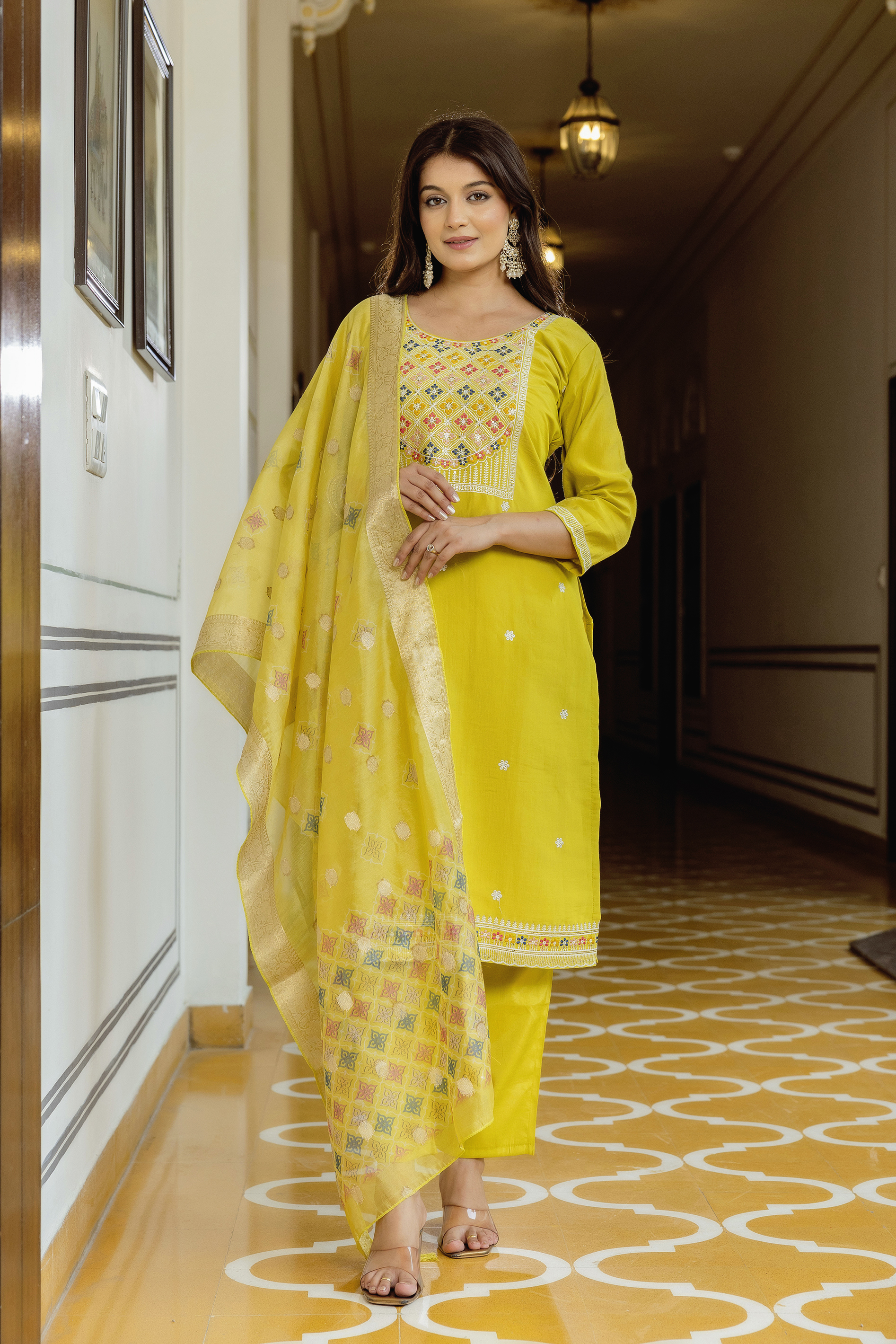
Orange, pink and gold
Orange with pink creates a warm, celebratory combination that suits mehendi events, sangeet functions and daytime wedding gatherings. Gold earrings and neutral sandals prevent the pairing from becoming visually crowded. Orange Radiance Salwar Suit demonstrates how a single vivid colour can become the focus when the rest of the styling remains uncomplicated.
A pink dupatta can soften a strong orange base, while a peach dupatta creates a more tonal result. Green jewellery can work as a small accent, but large green accessories may introduce a third dominant colour and reduce the clarity of the pairing.
Yellow, green and ivory
Yellow with green and ivory feels particularly suitable for a Haldi ceremony, daytime puja or spring celebration. The combination looks fresh because yellow supplies warmth, green supplies depth and ivory reduces visual intensity. Designer Yellow Salwar Suit with Dupatta can be styled with simple gold jewellery and tan footwear for a balanced festive outfit.
For a more sophisticated version, use mustard instead of lemon yellow and olive or bottle green instead of a very bright green. An ivory potli or cream-coloured footwear keeps the combination grounded. Green glass bangles can repeat the supporting shade without competing with the suit.
Royal blue, navy and metallic accents
Blue salwar suits create a polished wedding look when paired with gold, silver or a small amount of orange. Navy Blue Embroidered Salwar Suit works well with gold earrings for a warmer finish or silver accessories for a sharper evening appearance. White or soft beige footwear can make the outfit feel lighter, especially when the suit has a dark base.
Dark colours don't require equally dark accessories. A navy suit with pearl earrings, a champagne-toned clutch and soft makeup often looks more balanced than navy combined with black shoes, a black bag and dark jewellery.
What Are the Most Wearable Colour Combinations for Daytime and Work?
The most wearable daytime combinations use one moderate or neutral colour with one restrained accent. White and orange, off-white and green, black and white, dusty pink and beige, and navy and ivory are practical because they can be dressed up or down.
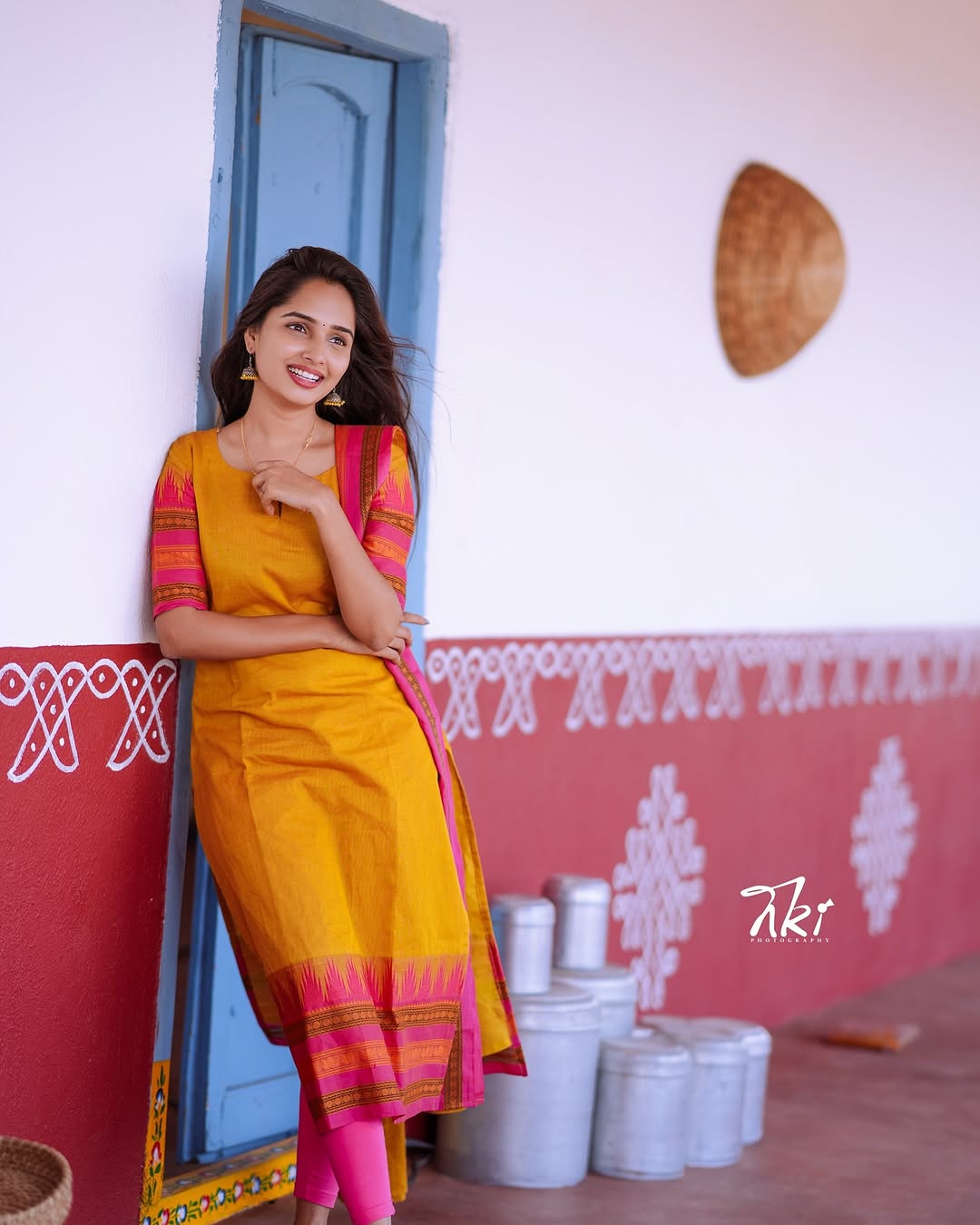
Black and white offer a reliable base for office lunches, cultural events and evening dinners. Black White Floral Embroidered Readymade Salwar Suit can be paired with black footwear for a streamlined look or with white, silver or muted red accessories for controlled contrast. Floral embroidery already adds movement, so a plain dupatta and minimal earrings usually provide enough finish.
Off-white and green create a softer alternative to stark black and white. Off White Threadwork Salwar Suit with Green Jacquard Dupatta shows how green can be used as the supporting colour rather than covering the entire outfit. Gold studs, a small green bangle stack and beige sandals would preserve the quiet contrast.
White and orange is brighter but still easy to control. White Embroidered Salwar Suit with Orange Silk-Blend Dupatta places the vivid shade away from most of the bodice, making the combination energetic without overwhelming the face. Orange jhumkas may repeat the dupatta, while nude or tan footwear keeps attention on the outfit.
Neutral combinations are also valuable when a salwar suit will be worn repeatedly. A white, cream, beige or black base can be restyled with different dupattas, bags and jewellery. That flexibility often makes a moderate-colour suit more useful than a highly specific neon or novelty shade.
How Should Skin Undertones Influence Salwar Suit Colour Choices?
Skin undertones can guide colour selection, but they should support personal preference rather than restrict it. Warm undertones often harmonise with mustard, rust, orange, coral, peach and warm green, while cool undertones often complement cobalt, navy, berry, lavender, emerald and blue-based pinks.
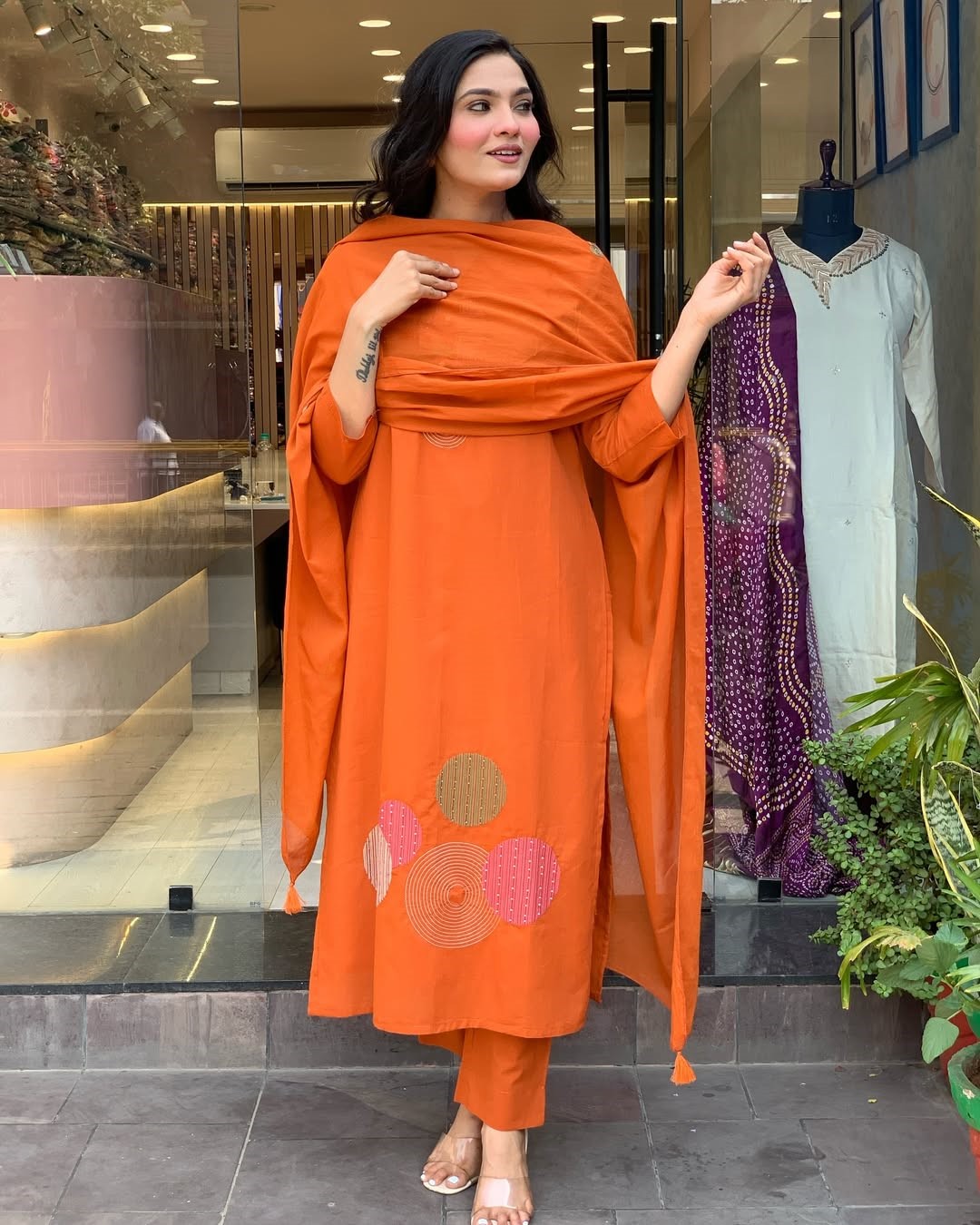
Warm undertones
Warm undertones commonly suit colours with yellow, red or golden depth. Orange, marigold, brick red and olive can make the face look lively, especially when paired with gold jewellery. A bright colour near the face can be balanced with a neutral dupatta or a slightly deeper bottom.
Cool undertones
Cool undertones commonly work well with blue, violet, raspberry, emerald and crisp white. Silver, pearl and white-stone jewellery can reinforce the cooler character of these colours. Navy Blue Embroidered Salwar Suit is an especially adaptable example because navy can look formal with silver and festive with gold.
Neutral undertones
Neutral undertones can usually carry both warm and cool colour families, so contrast and saturation become more important than temperature. A neutral complexion may suit orange just as comfortably as navy, but the best choice still depends on the depth of the shade and the colour placed closest to the face.
Fabric surface also affects the result. A glossy or reflective surface makes colour appear more intense, while a matte surface can make the same shade seem softer. Checking a colour in daylight is more reliable than judging it only under warm indoor bulbs.
How Can the Dupatta Improve or Disrupt a Colour Combination?
A dupatta improves a salwar suit colour combination when it repeats one existing shade or introduces one deliberate contrast. A dupatta disrupts the look when it adds several unrelated colours, competing motifs and a different level of visual heaviness.
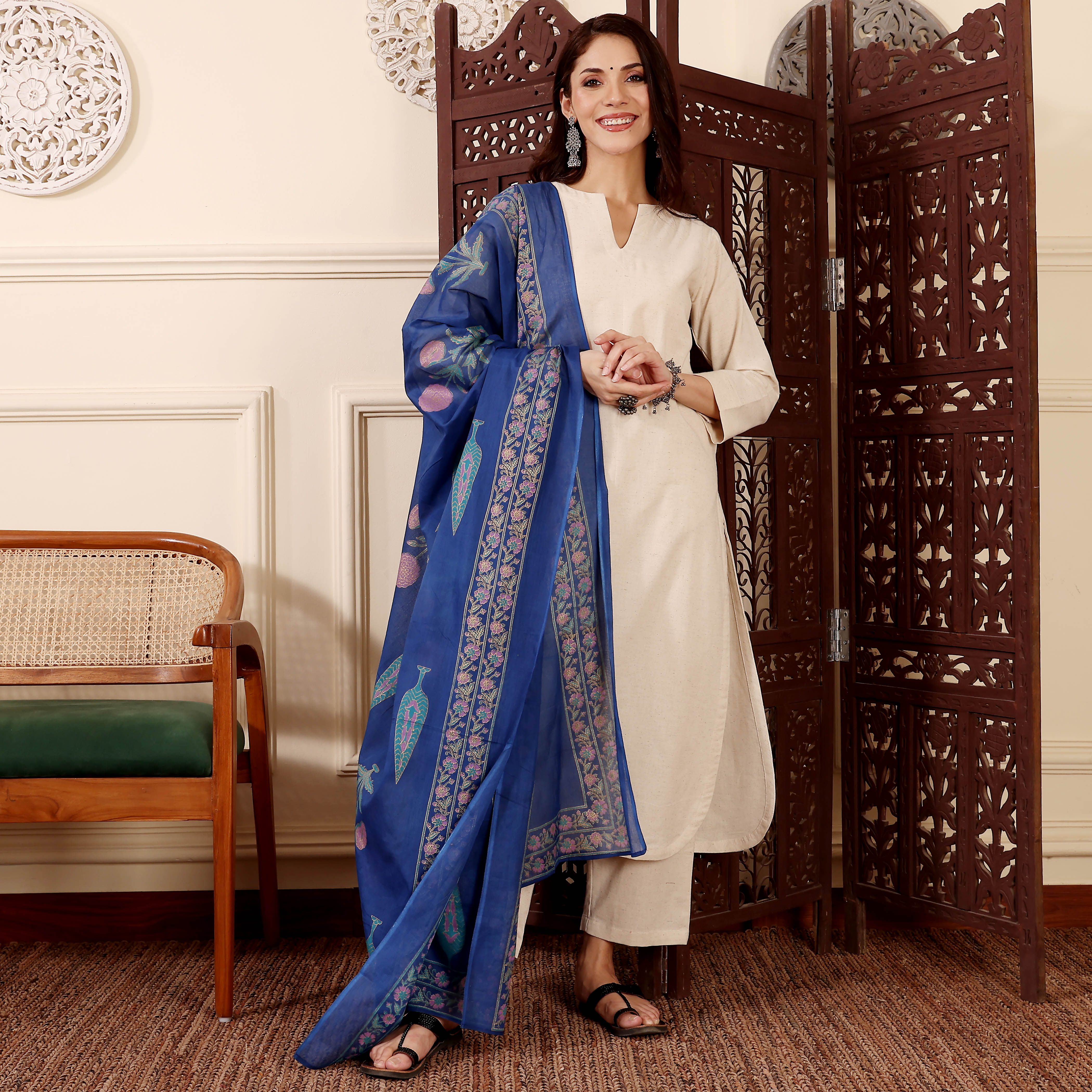
When the kameez has heavy embroidery, choose a dupatta that shares one colour from the embroidery or border. When the kameez is plain, a printed, woven or contrasting dupatta can supply the main point of interest. The dupatta doesn't need to match the kameez exactly; it needs a visible relationship with the outfit.
- A navy suit can take a white, silver, blush or orange dupatta depending on whether the desired result is classic, refined, soft or festive.
- An orange suit can be paired with pink, ivory, beige or a deeper rust dupatta for different levels of contrast.
- A black suit can use white for graphic contrast, red for drama or muted gold for evening wear.
- An off-white suit can support green, teal, rust, powder blue or rose accents without losing its neutral foundation.
Dupatta placement changes how much of the secondary colour is visible. A drape over both shoulders gives the supporting colour greater presence, while an one-shoulder drape or an open front allows the kameez to remain dominant. A neatly folded dupatta can also reduce visual volume when the suit contains floral embroidery or a broad border.
Which Jewellery and Footwear Colours Complete the Outfit?
Gold jewellery generally complements warm salwar suit colours, while silver and pearl accessories often sharpen cool or monochromatic combinations. Footwear should usually repeat a neutral or a small accent colour rather than introduce a fourth major shade.
Gold works naturally with yellow, orange, coral, red, mustard and warm green. Kundan, kundan-look stones and antique gold finishes can suit wedding styling, while small gold hoops or studs are more appropriate for daytime. Gold doesn't have to match every thread in the outfit; repeating one warm detail is enough.
Silver, pearls and clear stones suit navy, cobalt, lavender, cool pink, black and white. Silver sandals can echo embroidery, but white, black, beige and metallic footwear are often more versatile across several colour combinations.
RoseGlow Designer Salwar Suit can be styled with pearl earrings for a softer finish or with gold accessories when the rose tone leans warm. Midnight Black Blossom Salwar Suit can take silver jewellery for a crisp evening effect or gold jewellery for a richer festive mood. The accessory decision should respond to the undertone and embellishment rather than follow a fixed rule.
Makeup can quietly connect the colours. Peach or coral lips support orange and yellow, berry tones support navy and wine, and neutral rose shades suit black, white and off-white outfits. Matching lipstick exactly to the suit is rarely necessary; a related undertone usually looks more natural.
How Can You Shop for the Right Colour Without Regretting It?
The safest purchase begins with the event, existing wardrobe and care routine rather than a trend photograph. A colour that suits one occasion may not provide enough repeat wear for another, so consider where the salwar suit will be worn during the next six months.
- Identify the dominant colour. Decide whether the kameez, dupatta or embroidery will lead the look.
- Limit the palette. Keep two major colours and one small accent unless the print clearly requires more.
- Check daylight appearance. View product images and, when possible, the garment in natural light because warm bulbs can alter yellow, white and orange.
- Study the dupatta separately. A dupatta may make the outfit more formal, brighter or more flexible than the kameez alone.
- Compare with existing accessories. Jewellery, shoes and bags already in your wardrobe can determine whether a colour will receive regular wear.
- Choose depth for the setting. Lighter shades suit daytime and intimate gatherings, while deep navy, black, wine and emerald often suit evening functions.
Collection browsing can also be organised by purpose rather than by colour alone. Ladies Dress Anarkali Salwar Suits may be useful when a flowing silhouette is part of the desired effect, while Dress Materials allow greater control over the final colour placement. Discount-led collections such as Salwar Suits with 30% Off, Salwar Suits Flat 40% Off and Salwar Suits On Sale can be useful for comparing colour options, provided the garment details and return conditions are checked before purchase.
Colour coordination becomes easier when the outfit has a clear hierarchy. Choose one shade to notice first, one shade to support it and one small detail to finish the look. That method keeps beautiful colour combinations wearable, repeatable and appropriate for more than a single photograph.
Common Questions About Choosing Salwar Suit Colour Combinations
Which colour combination is best for a wedding salwar suit?
Orange and pink, yellow and green, navy and gold, and wine with blush are strong wedding choices. Select the combination according to the function, with brighter colours for daytime events and deeper shades for evening gatherings.
What colour dupatta goes with a navy blue salwar suit?
A navy blue salwar suit can be paired with white, silver, blush, beige, gold or orange depending on the desired effect. White and silver look polished, while orange and gold create a more festive contrast.
Which salwar suit colours are suitable for a Haldi ceremony?
Yellow, marigold, orange, green and ivory are suitable colours for a Haldi ceremony. Yellow with green or ivory keeps the outfit festive while making the bright palette easier to accessorise.
How many colours should a salwar suit outfit contain?
Two major colours and one small accent usually create the clearest result. Embroidery and prints may add extra shades, but the dominant colour, supporting colour and accent should remain visually identifiable.
Does gold or silver jewellery suit a salwar suit better?
Gold jewellery usually complements warm shades such as orange, yellow, coral and mustard, while silver and pearls suit navy, blue, lavender, black and white. Neutral colours can work with either metal, so the embroidery and personal preference should guide the final choice.
Which salwar suit colour is easiest to restyle?
White, off-white, black, navy and beige are among the easiest colours to restyle because they work with several dupatta and accessory shades. A neutral base can support different looks for work, daytime gatherings and festive events.