A Bathukamma Saree Guide should start with the festival itself: Bathukamma is Telangana's floral celebration dedicated to the life-giving power of nature and the feminine principle. Women gather around a carefully arranged stack of seasonal flowers, sing traditional songs, and move in a circle during the nine-day festival. A suitable saree must therefore look festive in photographs while remaining comfortable enough for standing, walking, clapping and dancing.
Traditional dressing usually combines a bright saree, a coordinated blouse, gold-toned jewellery, flowers in the hair and a secure drape. Modern styling can introduce linen, printed silk, lighter jewellery, contemporary blouses or practical footwear without making the outfit feel disconnected from Bathukamma culture. Fabric weight, border placement, pallu security and colour balance matter more than wearing the most heavily embellished saree.
Bathukamma Saree Guide: What does a traditional outfit include?
A traditional Bathukamma saree outfit includes a festive saree, a well-fitted blouse, jewellery, flowers and a firmly pinned drape. The saree may be cotton, silk, silk-cotton, tussar or another breathable handloom textile, depending on family custom, weather, budget and the time of the celebration.
Bathukamma takes place in the post-monsoon period, when daytime conditions in Telangana can still feel warm. A breathable saree is especially useful for daytime gatherings, while silk or richer textiles suit evening celebrations and the final Saddula Bathukamma. A saree with a defined border also photographs well when women sit or stand around the floral arrangement.
The final day, known as Saddula Bathukamma, is generally the grandest celebration. Families prepare offerings of different saddulu, or rice-based dishes, and women dress more elaborately for singing, dancing and community gatherings. The nine-day sequence includes named forms such as Engili Pula Bathukamma, Atukula Bathukamma, Muddapappu Bathukamma and Saddula Bathukamma, so the same woman may choose simpler cottons for earlier days and a more festive silk for the final evening.
Flowers are central to the visual language of the festival. Marigold, gunuka, tangedu, chrysanthemum, lotus and other seasonal flowers may appear in Bathukamma arrangements, although exact combinations vary by place and availability. Saree colours inspired by these flowers-yellow, orange, pink, magenta, green, white and turmeric tones-create a culturally appropriate palette without requiring printed motifs of the festival itself.
Bathukamma Saree Guide: Which fabrics work best?
Cotton, linen, silk-cotton, tussar silk and lightweight traditional silk work well for Bathukamma because they balance festive appearance with movement and breathability.
Cotton and linen for daytime celebrations
Cotton sarees are practical for warm daytime gatherings because the fibre allows airflow and usually feels less restrictive than a heavily embellished textile. Teal Green Cotton Saree for Women Online India offers a strong example of how a saturated botanical colour can feel festive without adding weight. Teal pairs naturally with marigold yellow, antique gold and orange accessories.
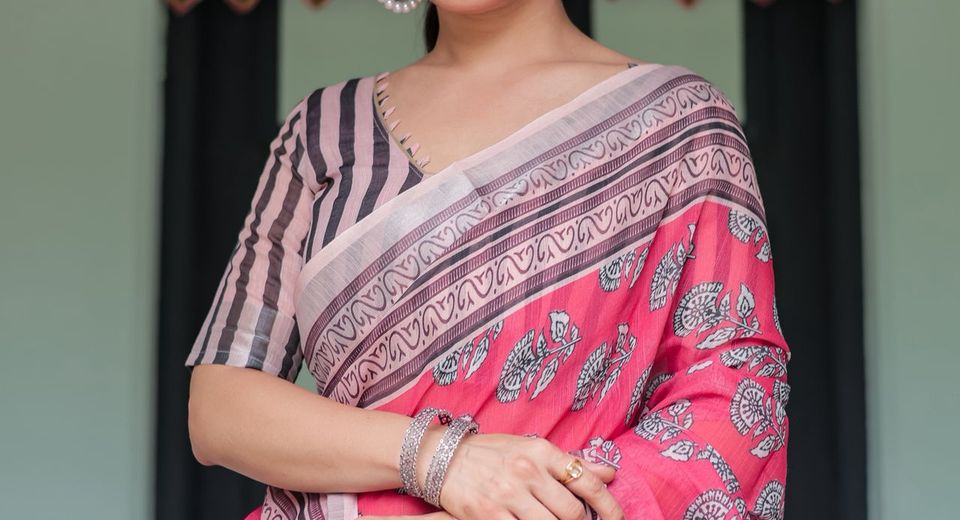
Linen has a slightly structured fall that can make pleats look crisp. Elegant Pink & Black Linen Printed Saree for Modern Women suits a contemporary daytime interpretation, particularly with a sleeveless, elbow-length or square-neck blouse. Linen can crease during movement, so careful ironing and a few discreet pleat pins are worthwhile before leaving home.
Silk and tussar for the final celebration
Silk creates a richer evening appearance through its natural sheen and defined drape. Teal Traditional Silk Saree with Copper Jacquard Border brings depth through the contrast between cool teal and warm metallic detailing. Traditional Teal Banarasi Saree for Festive Wear gives a more formal look when the celebration includes family portraits, temple visits or a larger evening gathering.
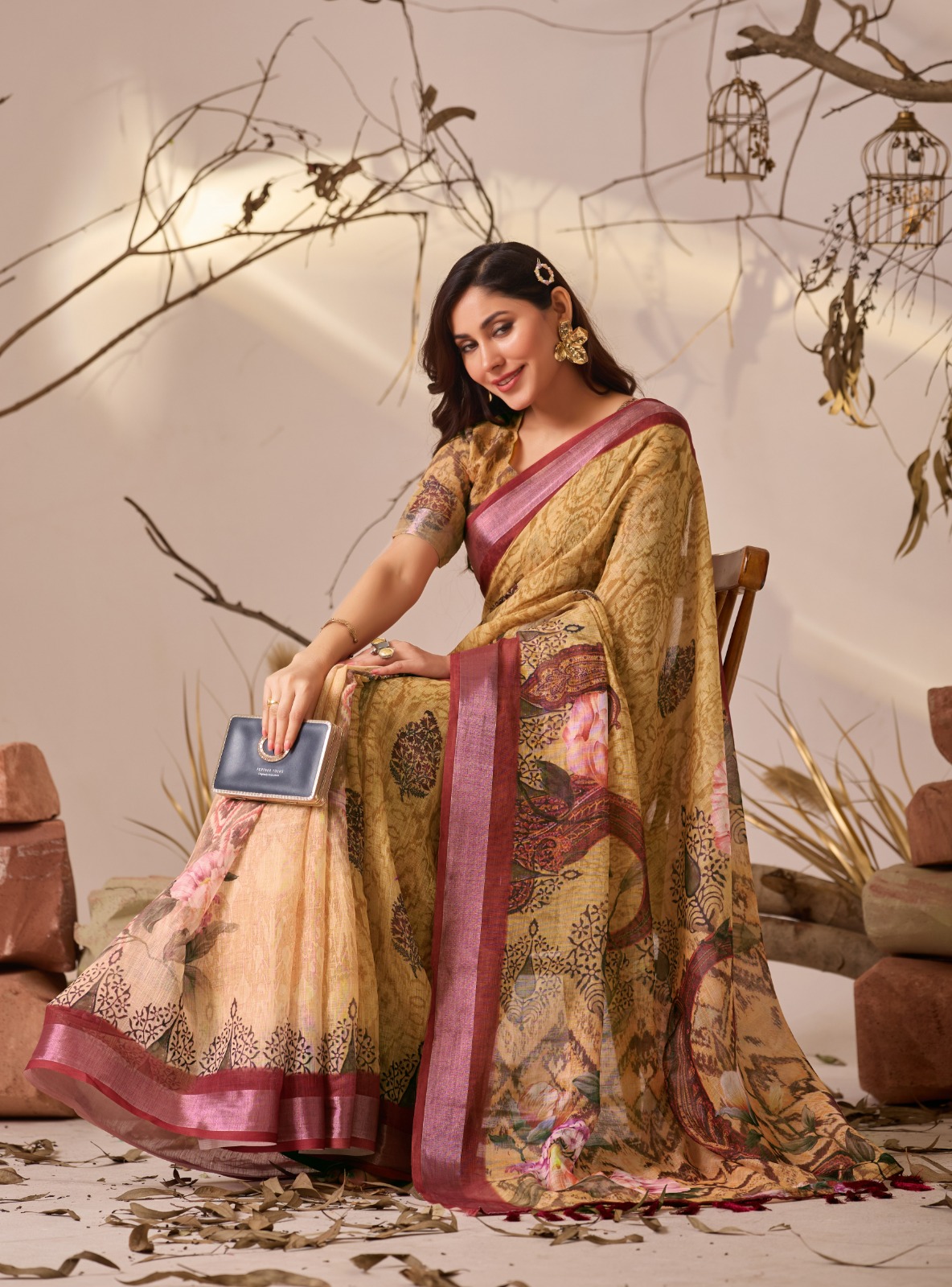
Tussar silk has a textured surface and a softer, less mirror-like finish than highly polished silk. Handloom Magenta Tussar Silk Saree with Rich Pallu can be styled with antique gold jewellery and a plain blouse so that the pallu remains the focal point. The heavier the pallu, the more important it becomes to use shoulder pins and a blouse with a secure fit.
Printed sarees for an expressive cultural look
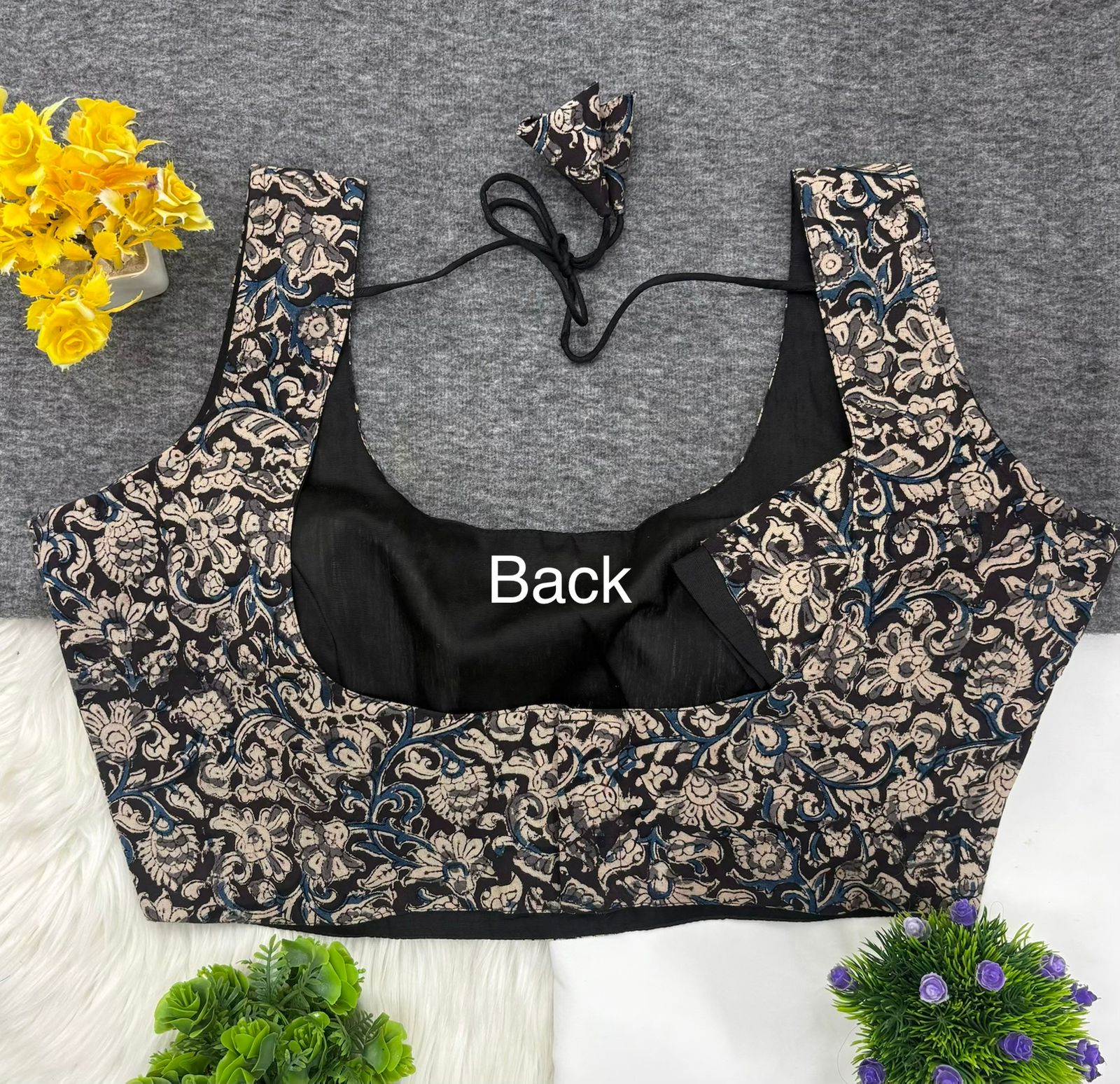
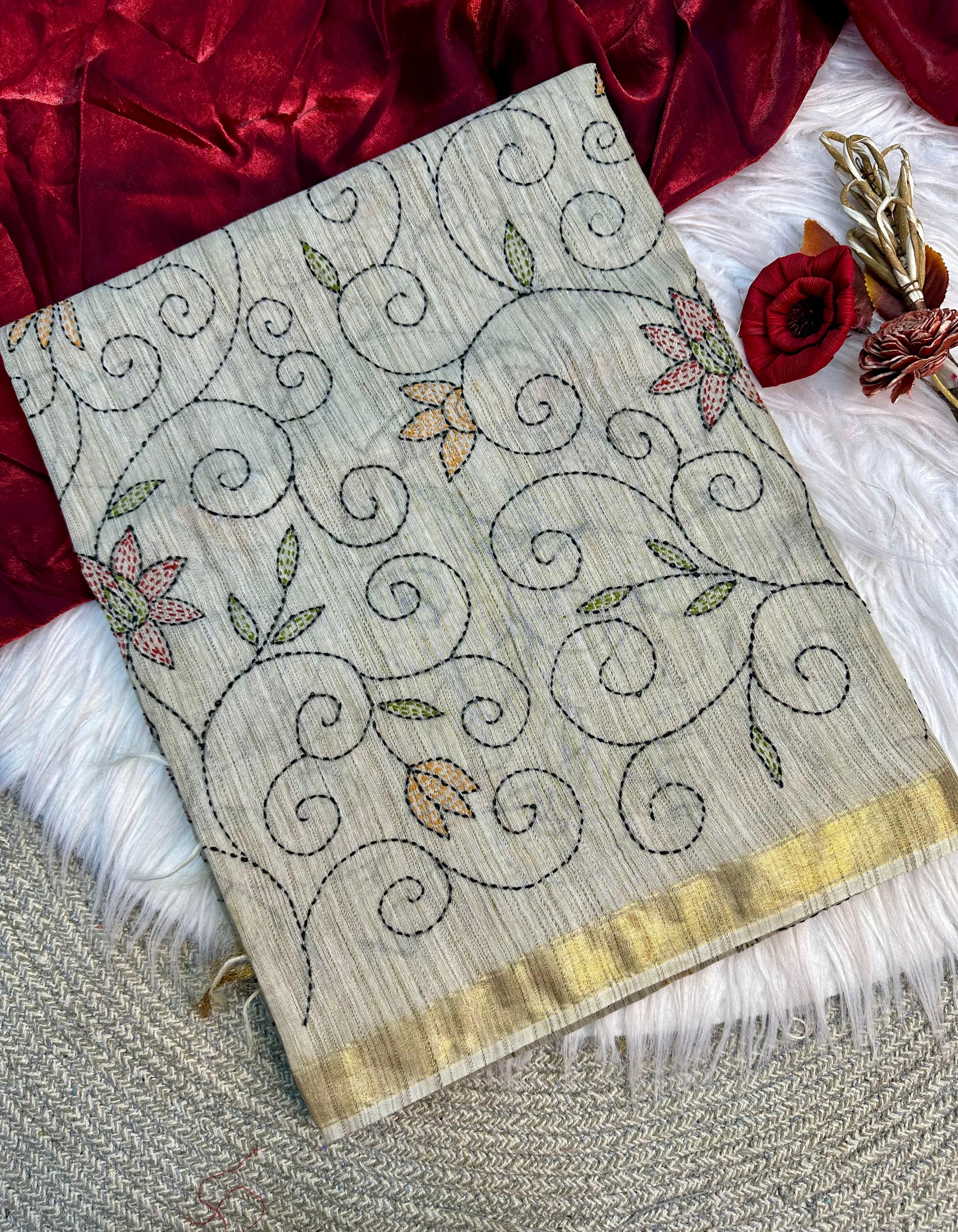
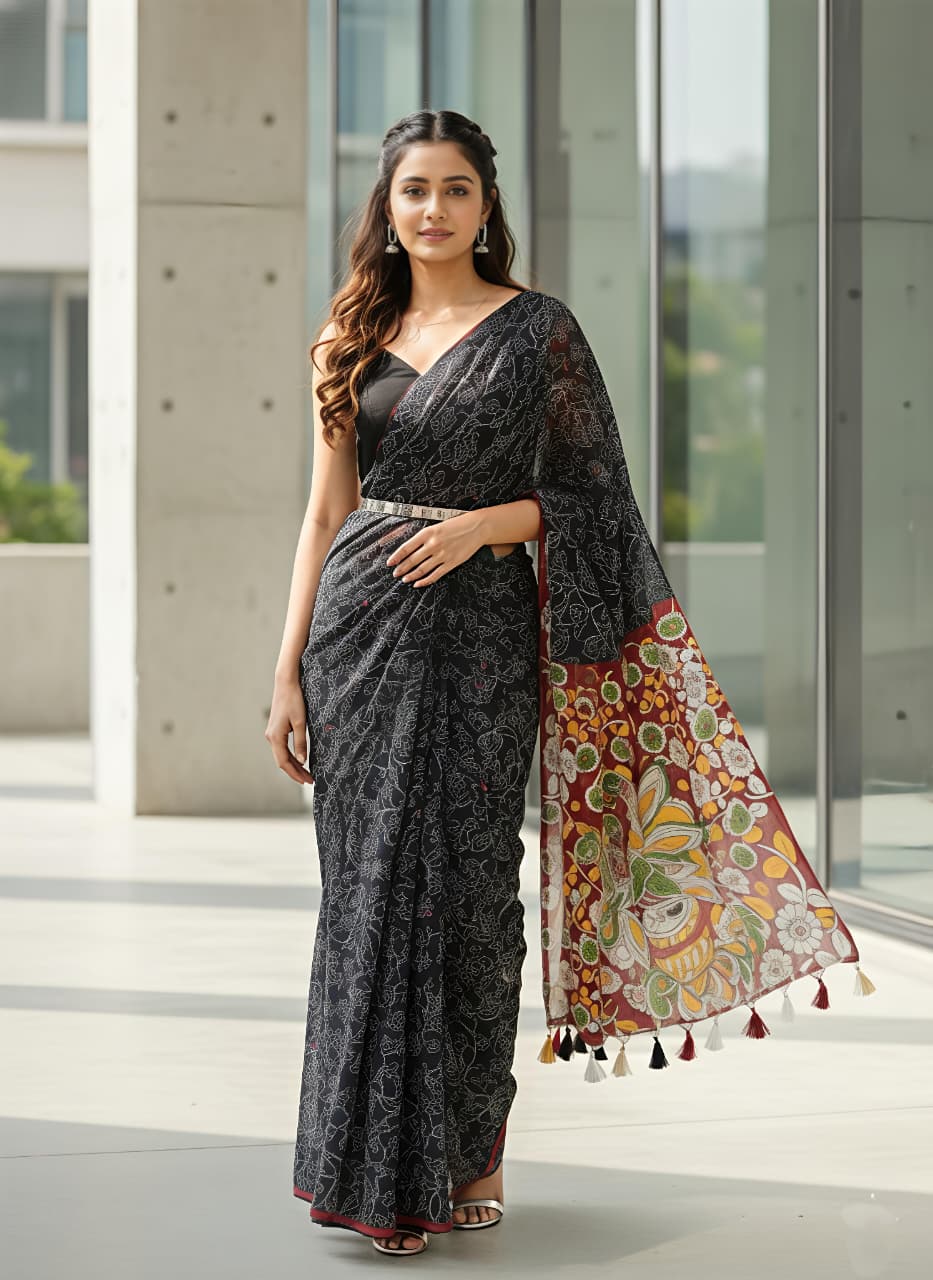
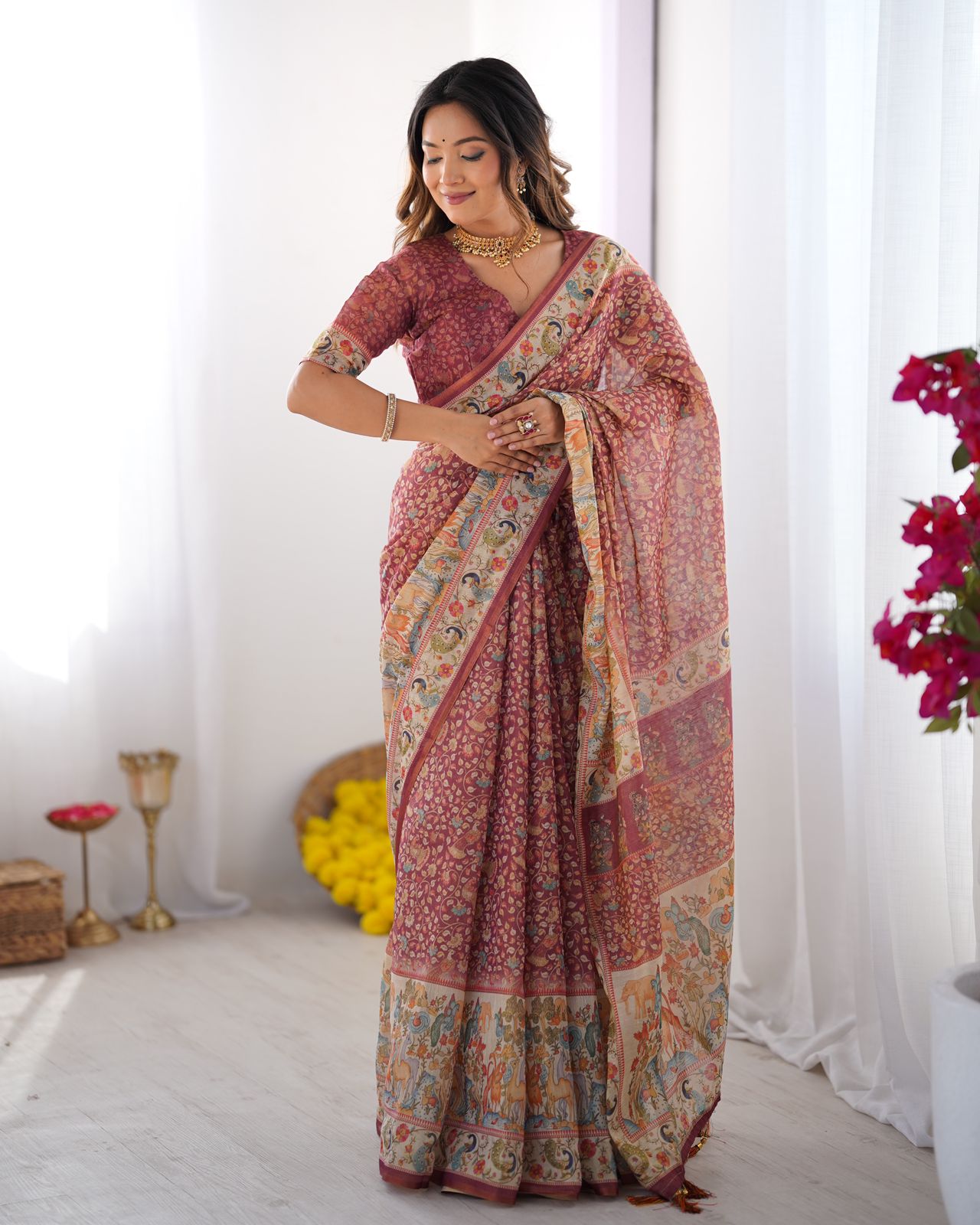
Printed sarees can connect festive dressing with regional craft traditions. Magenta Traditional Kalamkari Art Saree with Blouse introduces narrative textile art through Kalamkari-inspired detailing, while Elegant Black Kalamkari Silk Saree with Blouse brings a deeper, more dramatic base for gold accessories. Traditional Beige Multicolor Printed Saree is useful when a wearer wants several accessory colours to work with one saree.
Bathukamma Saree Guide: How should you choose colours?
Choose Bathukamma saree colours by balancing flower-inspired vibrancy with the lighting, time of day and jewellery you plan to wear. Bright pink, magenta, yellow, orange, green and teal suit the festival, while black, beige, ivory and navy can anchor a multicoloured or metallic styling scheme.
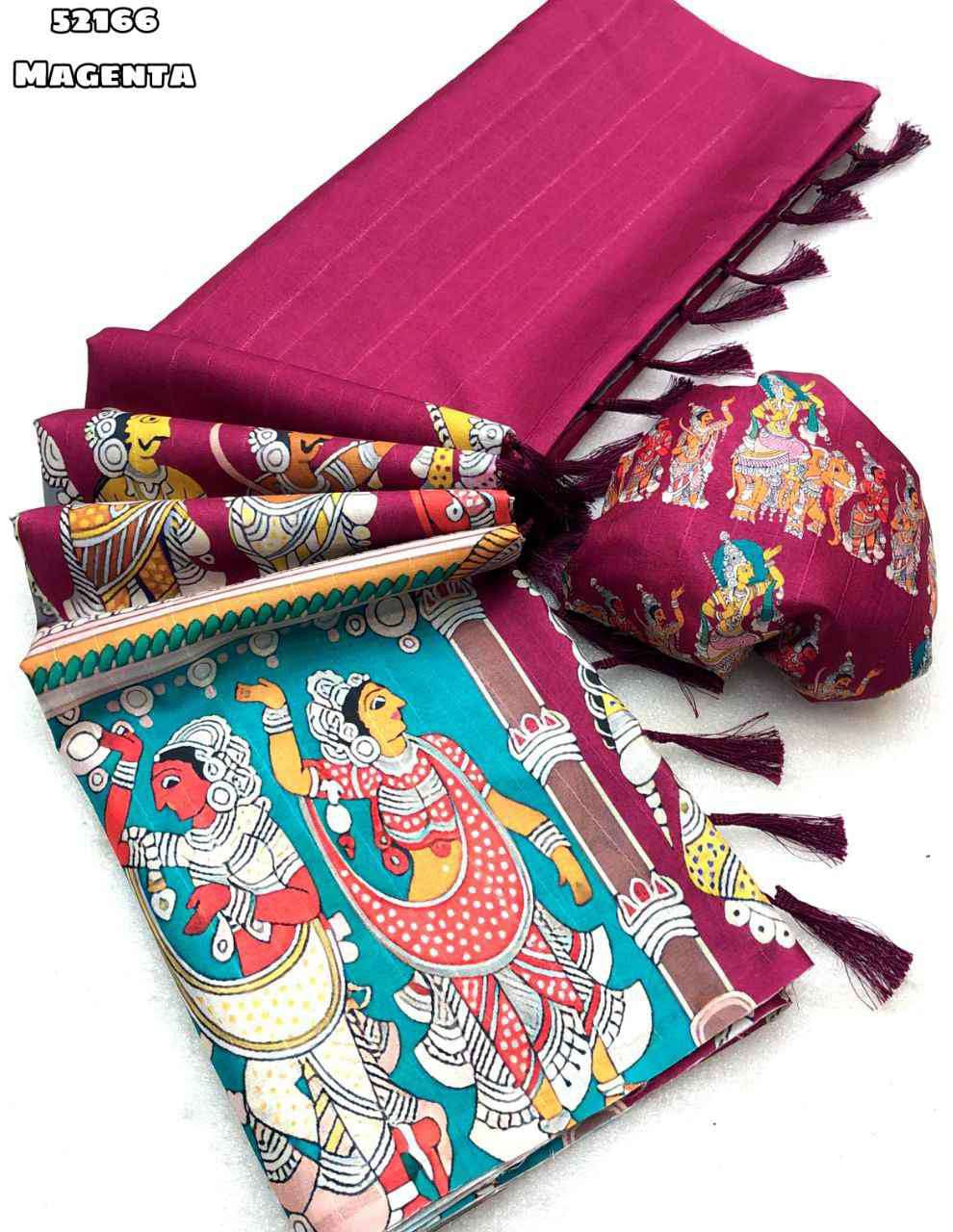
Magenta and pink create a lively look beside yellow marigolds and green foliage. These shades are effective for group photographs because they remain visible among colourful floral arrangements. A magenta saree works especially well with a green, mustard, antique-gold or contrasting pink blouse.
Yellow and orange echo the colour of turmeric and common festival flowers. These shades look balanced with a red, green, maroon or deep pink blouse. Gold jewellery can blend into a yellow saree, so oxidised silver, green glass bangles or ruby-coloured stones can provide clearer contrast.
Teal and green bring a cooler balance to the warm colours surrounding Bathukamma. Copper, antique gold, orange and magenta accents prevent teal from appearing too muted. A black saree can look striking for an evening event, but colourful jewellery, a bright blouse or a lively floral hair arrangement keeps the outfit celebratory rather than severe.
A simple colour formula helps when the saree, blouse and accessories are selected separately: choose one dominant saree colour, one secondary border or blouse colour and one accent shade for jewellery or flowers. Three strong colours usually look intentional; five competing bright shades can make the outfit appear visually crowded.
Bathukamma Saree Guide: Which blouse and drape details help?
A comfortable Bathukamma outfit needs a supportive blouse, secure pleats, a manageable pallu and enough ease around the waist and shoulders for several hours of movement.
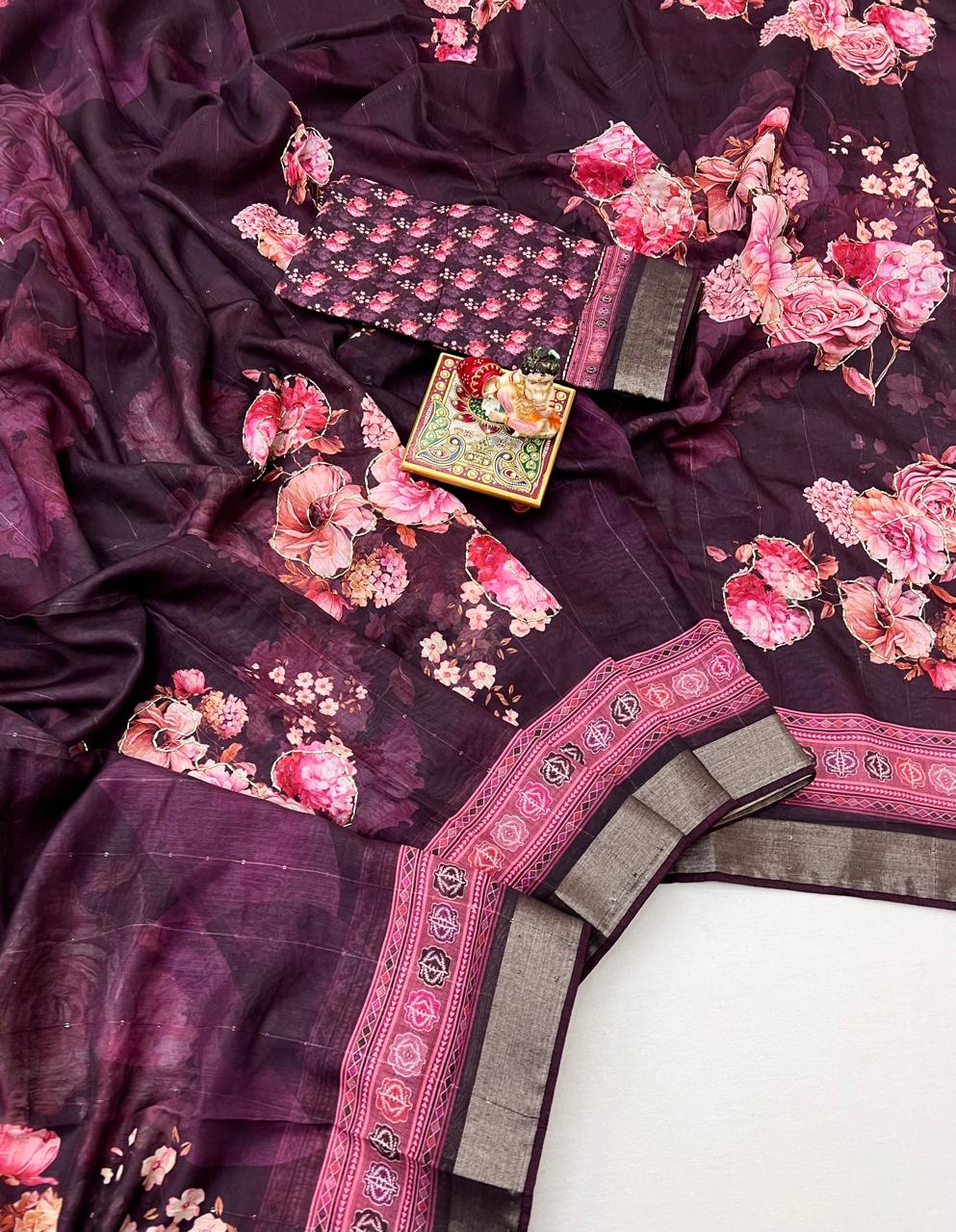
The blouse should sit firmly at the bust and shoulder without pulling when the arms are raised. Elbow-length sleeves offer traditional coverage and protect the upper arm from repeated friction, while a short-sleeve or sleeveless blouse can suit a modern linen or printed saree. A blouse lining improves comfort in silk and textured fabrics, especially during warm outdoor gatherings.
Border width influences the visual proportion of the outfit. A broad border gives a formal, traditional appearance and works well with a simpler blouse. A narrow border feels lighter and pairs easily with statement earrings or a contemporary neckline. Copper, gold or zari borders can be repeated in blouse piping, bangles or a handbag for a coordinated finish.
The Nivi drape is a practical choice because it keeps the pleats centred and the pallu over the left shoulder. Five to seven front pleats, each around 10 to 12 centimetres wide, generally create a stable fall, although the number depends on saree width and the wearer's height. A concealed safety pin at the waist and two pins at the shoulder help the drape remain secure during circle dancing.
A shorter pallu can be more practical for active participation, provided the length still covers the blouse and falls neatly below the hip. A longer pallu creates drama in photographs but can catch on bangles, chairs and other people during movement. Wearing a fitted underskirt with a non-slip waistband also reduces the chance of the saree loosening during the evening.
Bathukamma Saree Guide: How can modern styling update the look?
Modern Bathukamma styling works when contemporary cuts and accessories support the saree's colour, textile and cultural setting rather than overwhelming them.
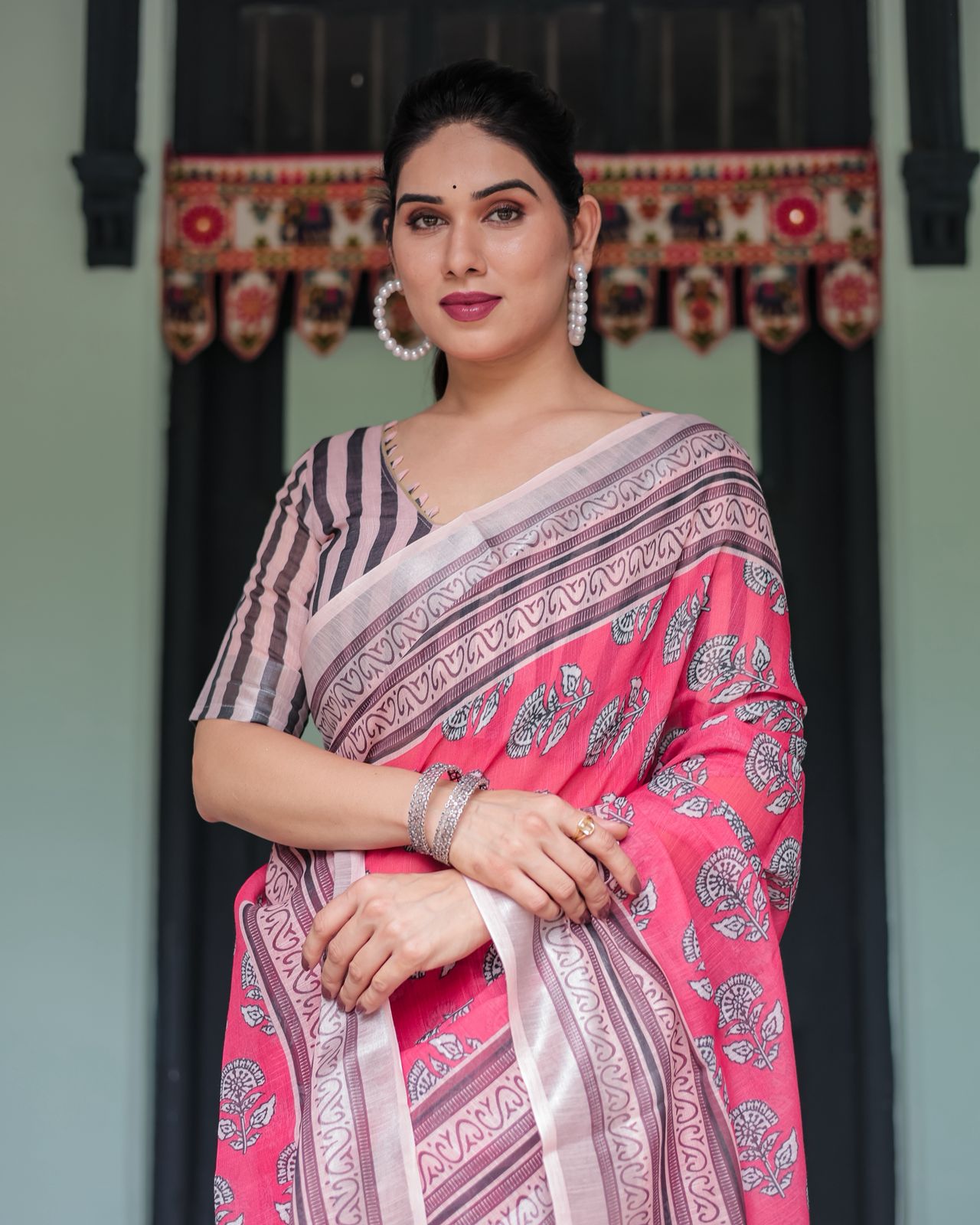
A plain blouse with a textured saree creates a clean modern silhouette. A collared blouse, structured boat neck, square neck or high-neck design can update a traditional saree without requiring heavy embroidery. For a printed Kalamkari saree, a solid blouse in one colour taken from the print usually looks more polished than a second competing print.
Statement earrings can replace a full necklace when the pallu or blouse already has strong detail. Chandbali earrings, jhumkas, temple-style earrings or oxidised silver designs each create a different mood. A small bindi, stacked bangles and a gajra or braid flowers retain traditional references even when the blouse has a modern cut.
Contemporary footwear should combine grip with comfort. Low block heels, embellished flats, juttis and cushioned sandals are safer choices than narrow stilettos for uneven outdoor ground. Metallic footwear can echo zari or a jacquard border, while tan or muted gold footwear works with multicoloured printed sarees.
A modern outfit can also come from styling one saree in two ways. Wear the pallu in a classic front-facing fall for the daytime flower ritual, then pleat or fan the pallu more sharply for evening photographs. A compact potli or small crossbody bag keeps essentials accessible without interrupting the saree silhouette.
Bathukamma Saree Guide: How should you buy within a budget?
Buy a Bathukamma saree by comparing fibre, weave, border, blouse compatibility, care requirements and total cost rather than judging price from the photograph alone.
A practical budget can begin with the Sarees from Rs 1000 to Rs 1500 collection, where a wearer may find suitable cottons, prints or lighter everyday festive options. Lower-cost sarees can be excellent choices for daytime celebrations, repeated use and younger family members who need easy-care clothing.
Discount collections such as Sarees Under 20% Off and Sarees Under 10% Off can be useful when you want to compare a broader range of colours without selecting a heavily reduced item solely because of the percentage shown. Sarees Flat 60% Off and Sarees Flat 50% Off may appeal to shoppers looking for a richer textile at a reduced price, but the fibre label, measurements and care instructions should still guide the final decision.
Check whether a blouse is included, especially when comparing a saree with an attached blouse piece against a saree sold with a stitched blouse. Confirm the saree length and width before ordering. A standard saree is often around 5.3 to 5.5 metres without a blouse piece, but measurements vary, and a taller wearer or a more elaborate drape may need additional length.
Read the fabric description carefully. Banarasi silk, tussar silk, cotton, linen and Kalamkari-style printed textiles have different textures, falls and care needs. Zari or metallic borders may add visual richness but can require gentler storage and ironing. A product photograph can't reliably show fabric weight, so written specifications are essential for a festival involving several hours of movement.
Bathukamma Saree Guide: How should you prepare and care for the saree?
Prepare a Bathukamma saree at least one day before wearing it by checking the fall, blouse fit, pleat position, pins and accessories.
Iron the saree according to its fibre. Cotton and linen generally tolerate moderate heat with a pressing cloth, while silk, tussar silk and zari require lower heat and preferably a protective cotton layer between the iron and the textile. Never place a hot iron directly on metallic zari or a delicate printed surface.
Make a trial drape before the event if the saree is new. Mark the approximate pleat position, test the pallu length and walk for five minutes indoors. This quick rehearsal can reveal whether the underskirt slips, the blouse restricts the shoulders or the border catches at the ankle.
Use rust-resistant safety pins and avoid attaching pins through prominent zari motifs whenever possible. Store a spare pin, a small sewing kit, tissues and a few hairpins in the handbag. These small preparations are especially valuable at community gatherings where the wearer may not have a private space to repair a loose pleat.
After wearing the saree, air it in the shade before folding. Remove flowers, pins and accessories before storage, and avoid sealing a damp saree in plastic. Fold silk, tussar and zari sarees along various sections periodically so that a permanent crease doesn't form in one place. Follow the care label or use professional dry cleaning for delicate silk and heavily metallic textiles.
Bathukamma Saree Guide: What complete outfit combinations can you try?
A complete Bathukamma outfit can be planned by pairing the saree's dominant colour with one blouse shade, one jewellery finish and one flower or hair detail.

For a bright daytime look, pair Teal Green Cotton Saree for Women Online India with a mustard blouse, gold-toned jhumkas, green glass bangles and a low braid decorated with yellow flowers. The breathable cotton supports movement, while the warm accessories connect teal with the colours of the floral arrangement.
For a modern printed look, wear Elegant Pink & Black Linen Printed Saree for Modern Women with a plain black blouse, silver earrings, black flats and a pink bindi. Keep the jewellery restrained because the contrast between pink and black already provides a strong visual statement.
For a traditional evening look, style Handloom Magenta Tussar Silk Saree with Rich Pallu with an antique-gold blouse, temple jewellery and a neatly pleated pallu. A green bindi or green glass bangles can add contrast without competing with the magenta silk.
For an art-textile combination, wear Magenta Traditional Kalamkari Art Saree with Blouse with a solid green blouse and a simple braid adorned with jasmine. Let the Kalamkari-inspired print provide the detail and choose only one prominent accessory, such as large jhumkas or a broad bangle stack.
For a dramatic final-day option, pair Elegant Black Kalamkari Silk Saree with Blouse with antique-gold jewellery, a magenta blouse accent and bright flowers in the hair. The combination remains festive because the accessories supply colour and the silk adds evening sheen.
For a softer multicolour appearance, choose Traditional Beige Multicolor Printed Saree with a blouse in one of its printed shades, such as teal, pink or mustard. This approach makes it easier to coordinate footwear, bangles and flowers without adding another unrelated colour.
The best Bathukamma outfit is one that respects the festival's floral spirit, supports free movement and feels natural to the wearer. A thoughtful fabric choice, secure drape and carefully limited colour palette will usually create a more memorable result than excessive decoration.
Common Questions About Choosing and Styling a Bathukamma Saree
Which saree is best for Bathukamma celebrations?
Cotton, linen, silk-cotton, tussar silk and lightweight traditional silk are suitable for Bathukamma. Choose cotton or linen for warm daytime gatherings and silk or tussar silk for a more formal Saddula Bathukamma celebration.
What colours should women wear for Bathukamma?
Pink, magenta, yellow, orange, green and teal are especially suitable because they reflect the colours of seasonal flowers and foliage. Beige, black or ivory can also work when they are balanced with bright jewellery, a colourful blouse or vivid flowers.
How can I keep my saree secure while dancing during Bathukamma?
Use a fitted underskirt, five to seven evenly sized pleats, one concealed waist pin and two shoulder pins. Choose a manageable pallu length and test the full drape by walking and moving your arms before leaving home.
Can I wear a modern blouse with a traditional Bathukamma saree?
Yes, a collared, boat-neck, square-neck or high-neck blouse can modernise a traditional saree while preserving its festive character. Keep the blouse solid when the saree has a detailed Kalamkari print, zari border or rich pallu.
What jewellery goes well with a Bathukamma saree?
Jhumkas, chandbalis, temple jewellery, antique-gold pieces, green glass bangles and oxidised silver all work well. Match the jewellery finish to the saree border, then use one contrasting colour so the accessories remain visible against the textile.
How should I care for a silk or zari saree after Bathukamma?
Air the saree in the shade, remove all pins and flowers, and store it dry rather than sealing it immediately in plastic. Fold silk and zari along different sections periodically, use low heat with a pressing cloth, and follow the care label for professional cleaning when required.