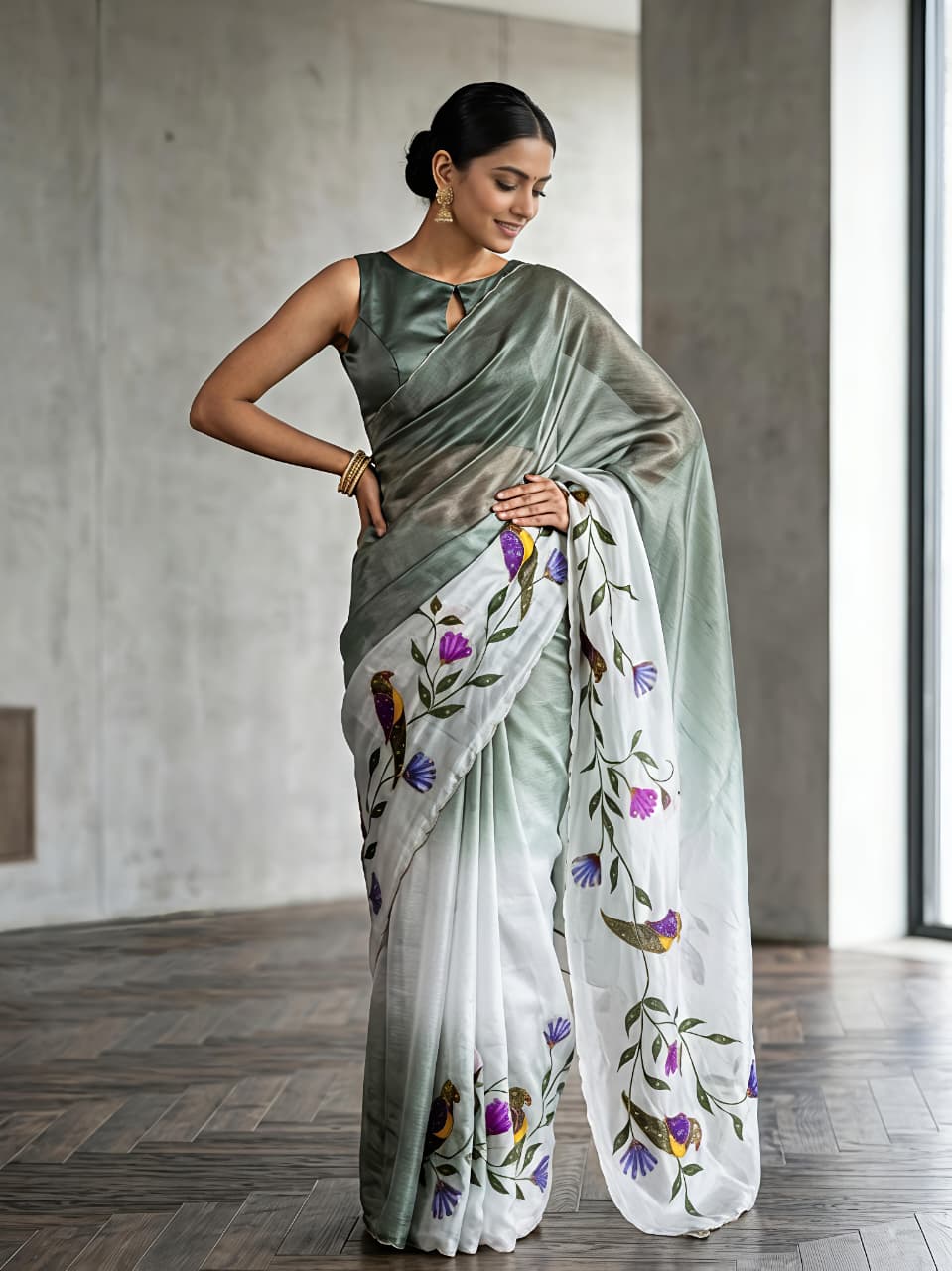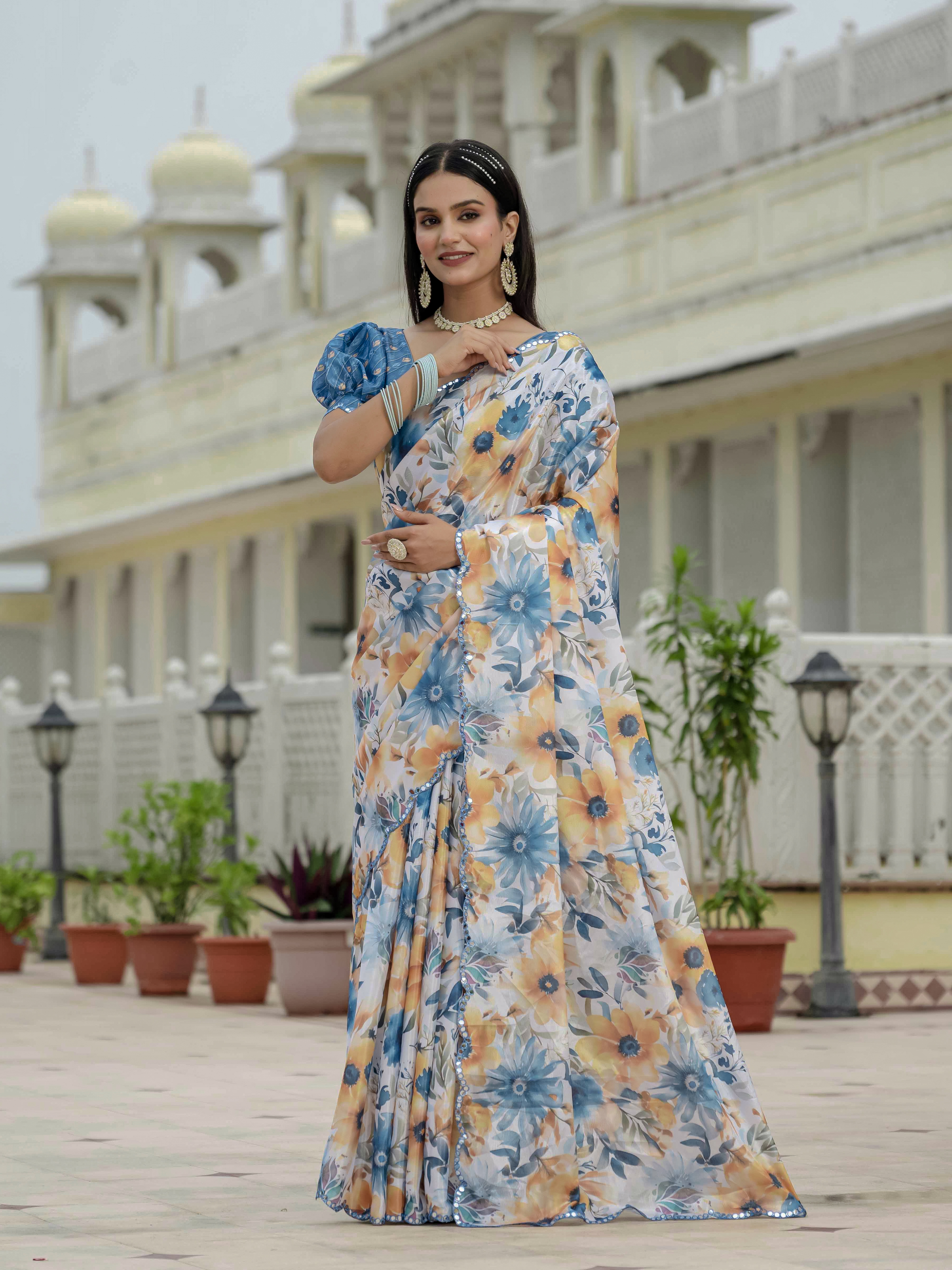
Bathukamma Blouse Designs: Best Styles to Pair With Festive Sarees should be selected with movement, weather and saree texture in mind. Bathukamma celebrations bring together flowers, music, group dancing and long periods of standing, so a blouse needs to be attractive as well as secure and breathable. The most reliable choice depends on four details: the saree fabric, the border width, the sleeve length and the jewellery planned for the outfit.
Bathukamma is a floral festival celebrated mainly in Telangana during Navratri. Women arrange seasonal flowers in a conical form, gather in groups, sing traditional songs and move around the floral Bathukamma before immersion. That setting makes comfortable armholes, stable necklines and sleeves that don't catch on bangles especially valuable. A blouse that looks impressive in a still photograph can become uncomfortable when worn for several hours.
Bathukamma Blouse Designs: Best Styles to Pair With Festive Sarees for comfort
A good Bathukamma blouse combines festive colour, comfortable construction and enough structure to keep the saree drape in place. The blouse should support walking, clapping and turning without pulling at the shoulder or shifting at the bust.
Cotton, linen cotton, cotton silk and lightweight tissue fabrics are practical for daytime gatherings because they allow better air circulation. Silk blends, zari and controlled embroidery work well for evening celebrations when the weather is cooler and the outfit can carry more visual richness. A firm shoulder seam, correctly placed darts and a smooth lining usually make more difference to comfort than heavy decoration.
Bathukamma festivities may involve standing and moving for an extended period. Elbow-length sleeves are a dependable choice because they offer coverage and remain stable under bangles. Short sleeves suit warm weather, but the armhole must be cut accurately. Very wide sleeves can brush against flowers, lamps or other people. Test hooks, a concealed zip or fabric-covered buttons before the event rather than waiting until the day of the celebration.
Bathukamma Blouse Designs: Best Styles to Pair With Festive Sarees by fabric
Match the blouse's visual weight to the saree's texture: a richly woven saree needs a quieter blouse, while a plain or printed saree can support more detail at the neckline, sleeve or back.
Light linen cotton and handloom cotton sarees
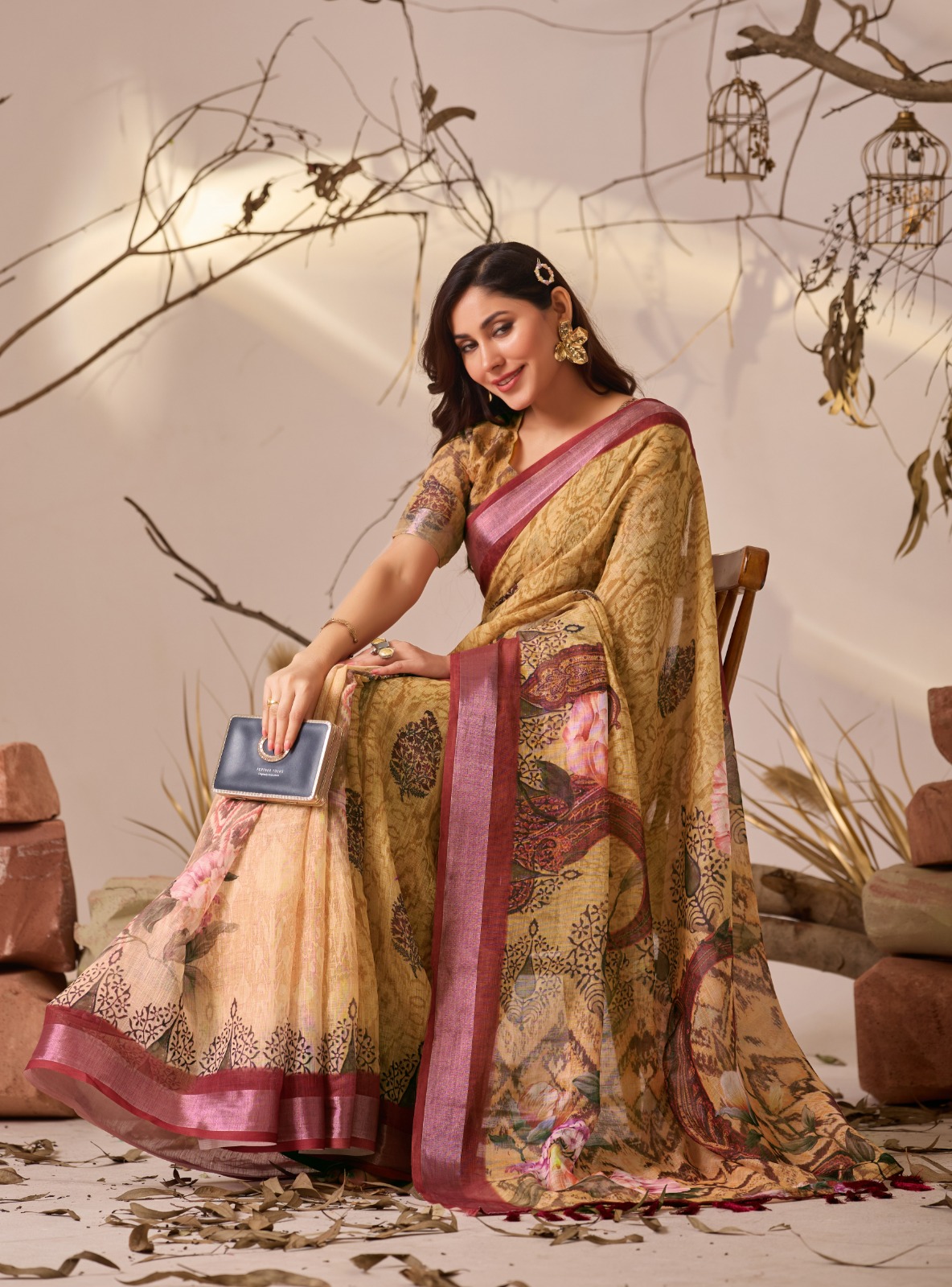
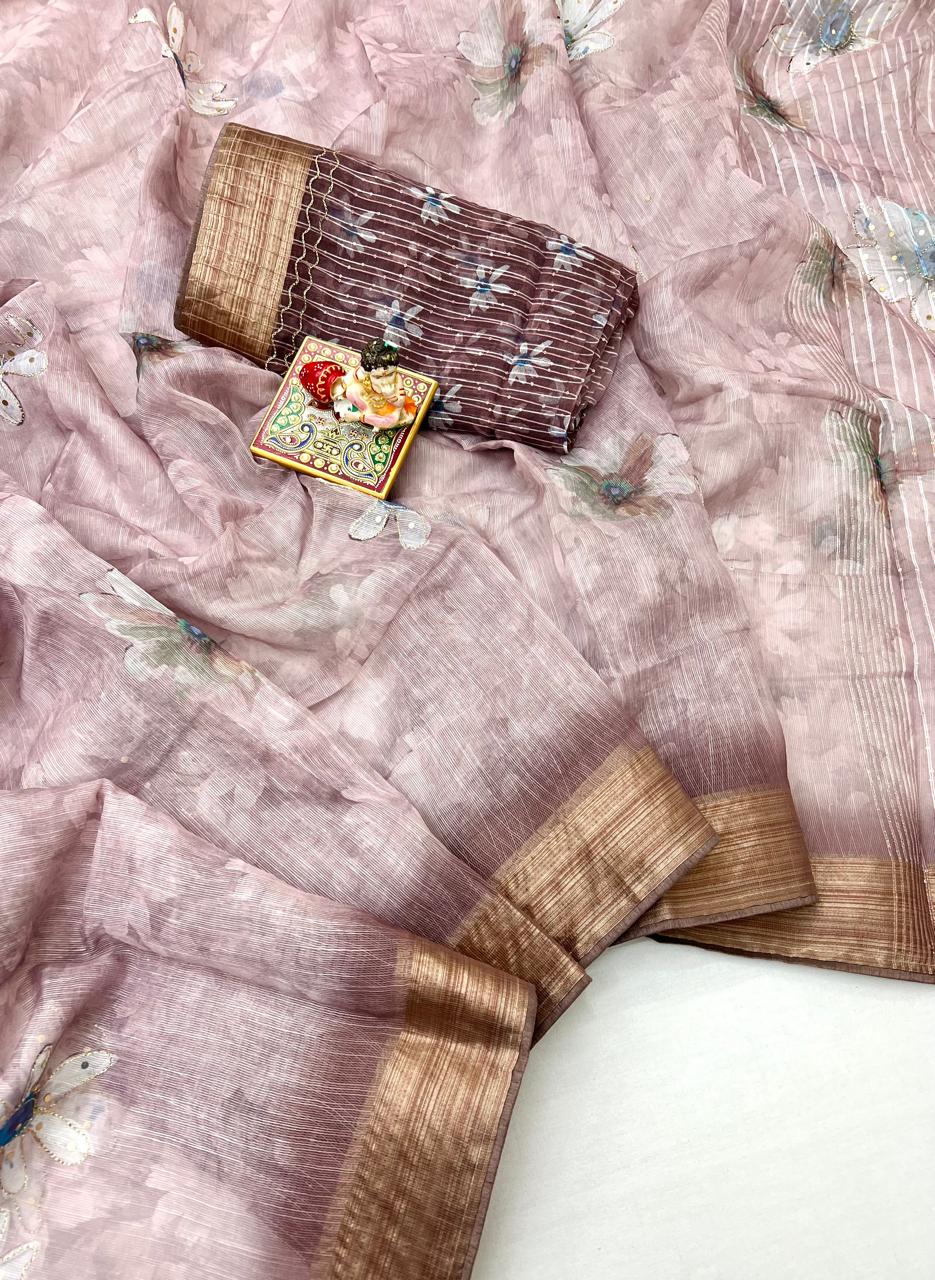
Linen cotton sarees look balanced with blouses that have clean tailoring and modest ornamentation. A contrast blouse in pink, marigold, parrot green, turquoise or deep purple can pick up one colour from a floral print. Pastel Linen Cotton Floral Print Saree with Designer Blouse shows why a coordinated blouse can be useful: the print already supplies visual interest, so the neckline and sleeve finish can remain simple.
Peach Linen Cotton Floral Print Saree with Blouse for Women suits a blouse with a square neckline, narrow piping and elbow-length sleeves. Coral, rust or leaf green creates a festive connection without turning the outfit into one uninterrupted pastel block. Pastel Floral Tissue Handloom Cotton Saree with Zari Weaves can take a blouse with a slightly more luminous finish, such as tissue silk or cotton silk, because the zari border introduces a formal element.
Silk, Pashmina and zari sarees
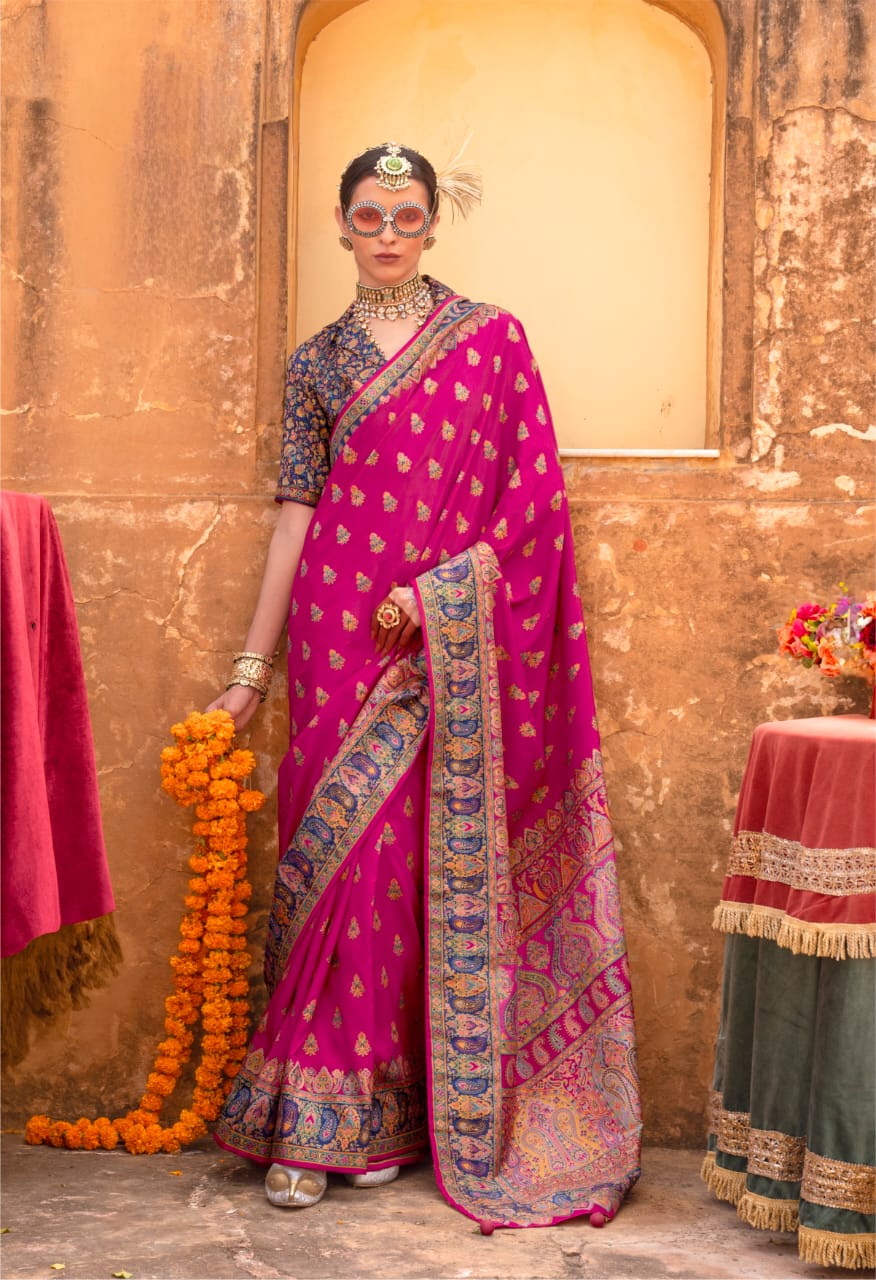
Silk and Pashmina sarees need a blouse that respects their drape and surface richness. Red Woven Zari Silk Blend Saree With Brocade Blouse already contains brocade and zari, so additional sequins across the blouse may create unnecessary competition. A plain blouse with a brocade sleeve border or a high boat neckline makes the saree look considered rather than overloaded.
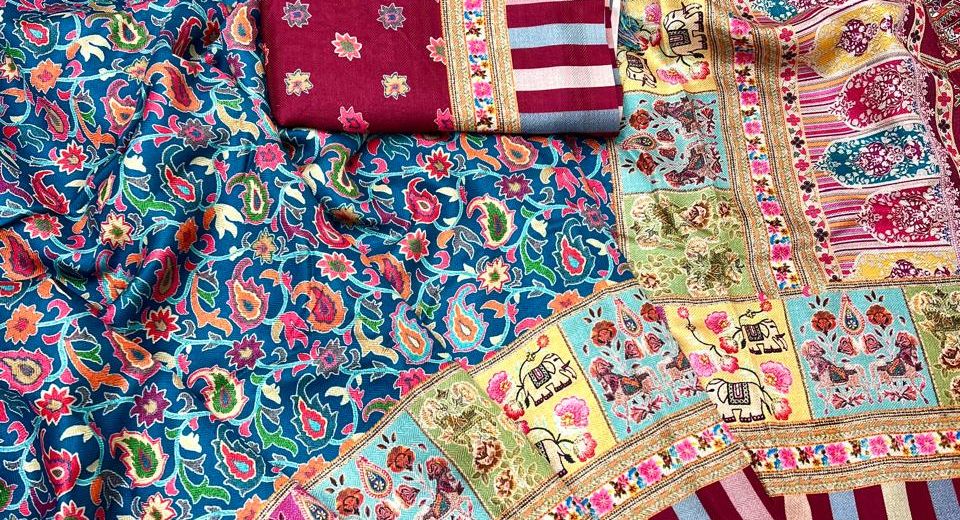
Festive Purple Tussar Silk Saree with Printed Blouse can support a printed blouse when the pattern scale is smaller than the saree's main motif. Tussar silk has a textured, matte character, so antique gold jewellery and a restrained zari edge often look more harmonious than bright silver embellishment. Kashmiri Style Pashmina Saree With Shawl Set calls for a smooth blouse that doesn't snag on the shawl; a full-sleeve or three-quarter-sleeve blouse can make the set suitable for a cooler evening.
Printed and artisanal sarees
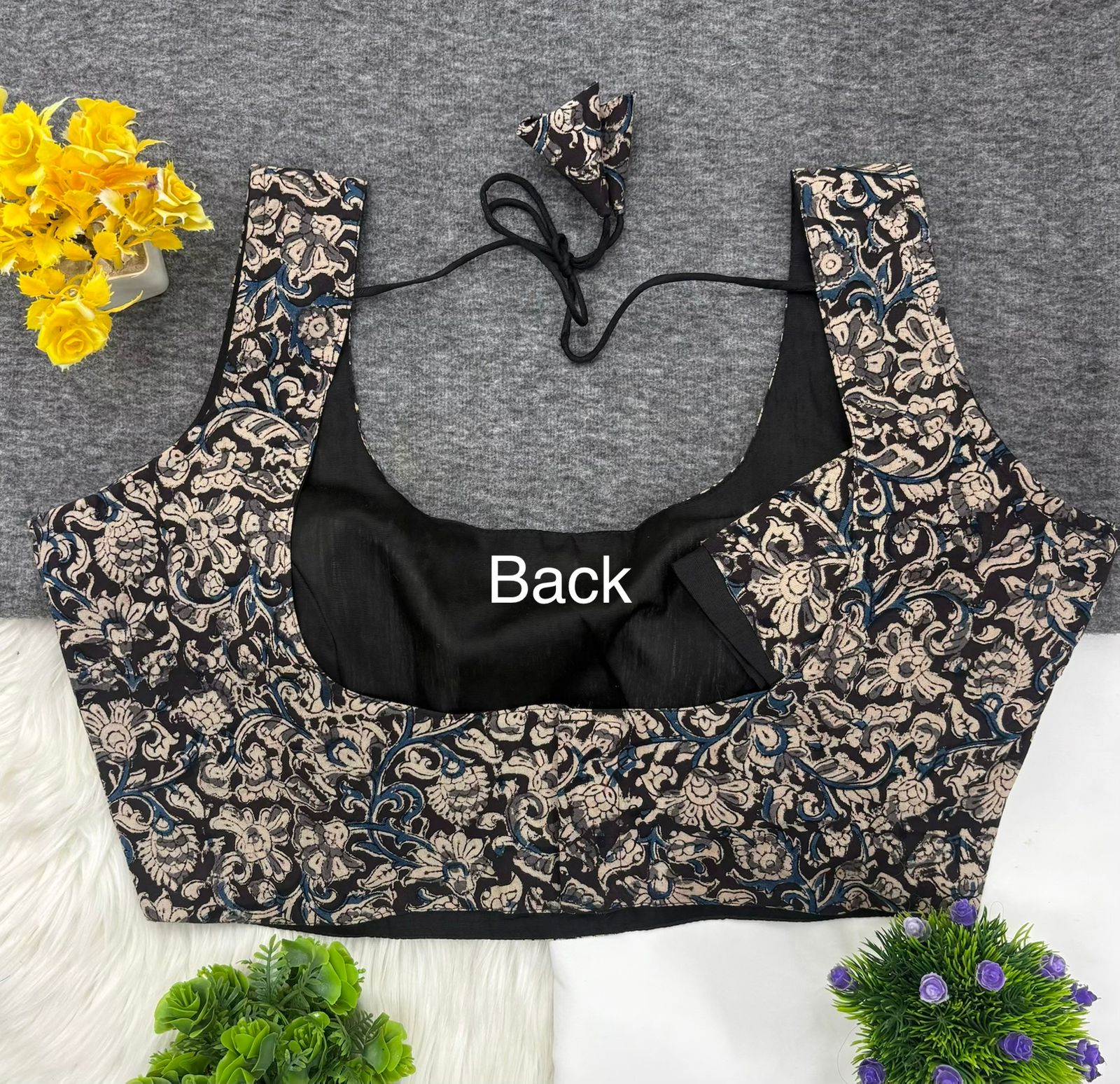
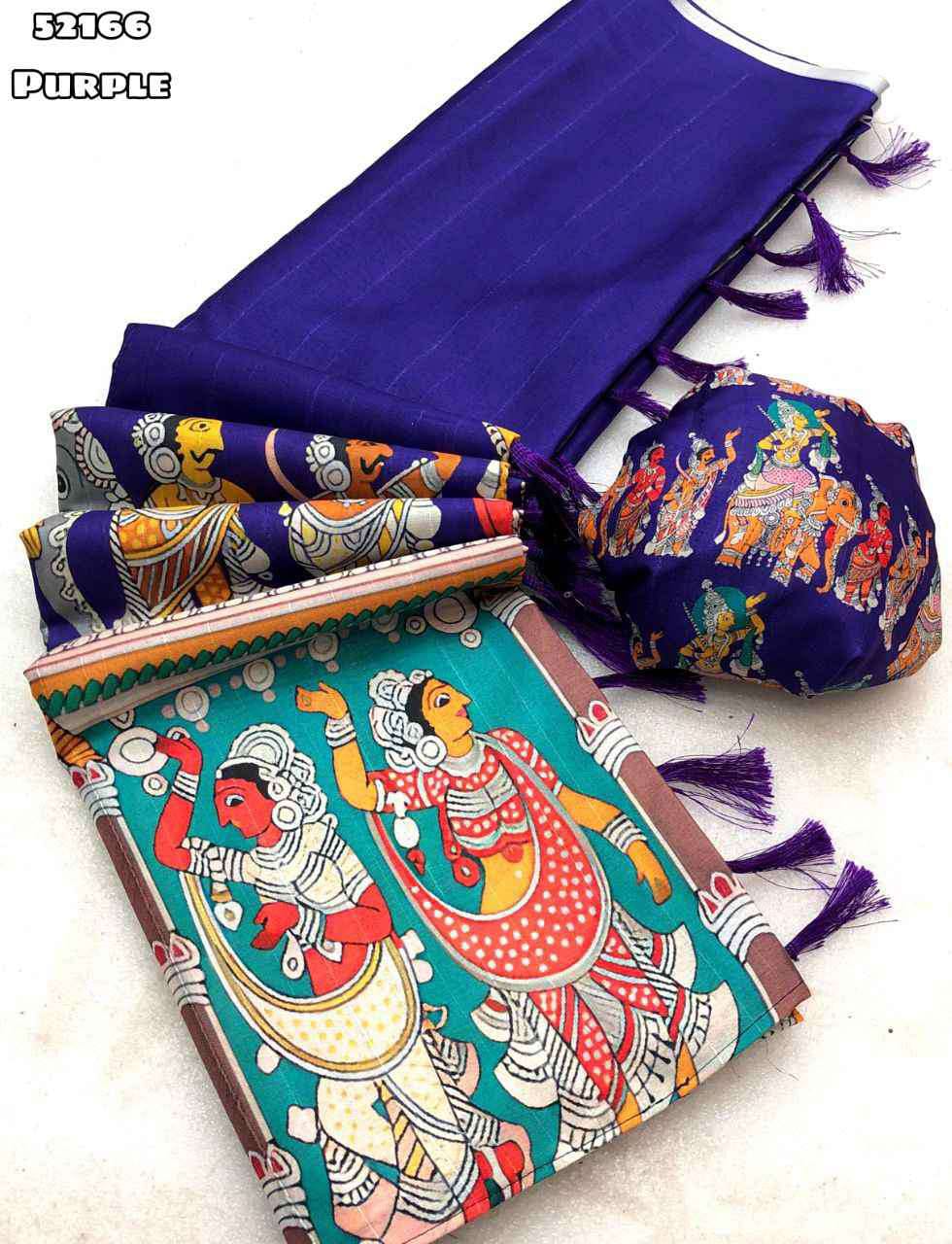
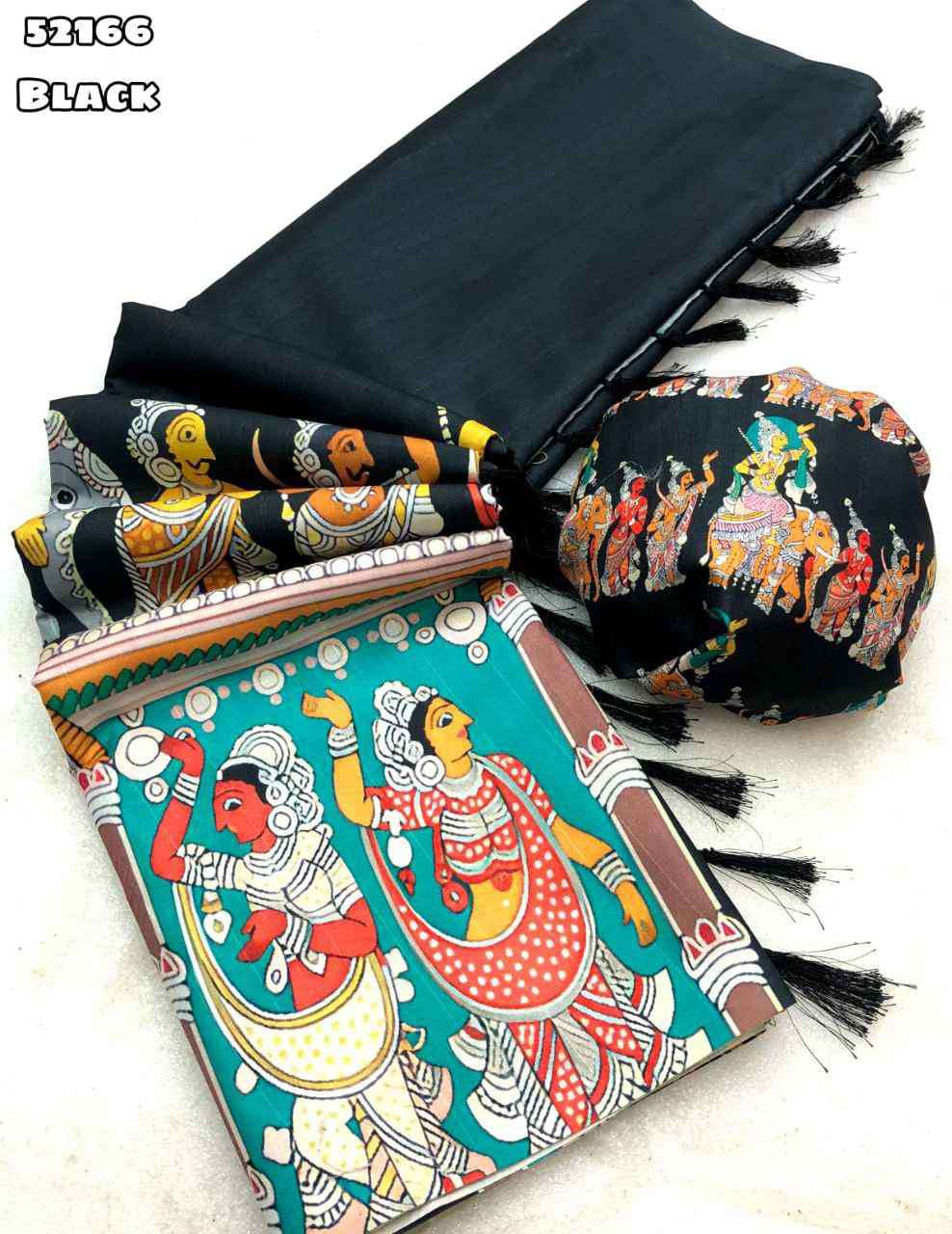
Printed sarees pair best with blouses that repeat one colour or one craft detail instead of copying every motif. Black Kalamkari Mirror Work Linen Saree with Ethnic Digital Print already has a strong artisanal identity, making a plain black, rust, mustard or bottle-green blouse more effective than another large print. Small mirror accents at the sleeve edge can connect with the saree, but mirrors across the entire blouse may feel heavy during movement.
Bathukamma Blouse Designs: Best Styles to Pair With Festive Sarees by neckline
Boat, square, round and modest V-necklines are the most versatile choices for Bathukamma because they remain secure during movement and suit both classic and contemporary sarees.
Choosing the neckline
A square neckline gives the upper body a defined frame and works well with a broad saree border or layered necklace. A boat neckline visually extends the shoulders and looks elegant with tightly pleated saree fabric. A round neckline is easy to wear with a short necklace, while a modest V-neckline creates length when the saree has a heavier border.
A high round neckline or band collar suits brocade, zari and silk blouses when the saree already has a strong festive presence. A sweetheart neckline can look graceful, but it needs accurate fitting at the bust and armhole to remain comfortable while dancing or bending. Deep backs and very low necklines are optional choices rather than requirements for a heritage Bathukamma outfit. A shaped back with a tie detail can provide interest without reducing support.
Selecting sleeves
Elbow-length sleeves are the safest all-purpose option for Bathukamma because they balance coverage, comfort and ornamentation. Three-quarter sleeves suit Pashmina, Tussar silk and evening celebrations, while short sleeves work well for lightweight cotton sarees in warm weather.
A sleeve border can echo zari, Kalamkari colours, mirror work or floral tones in the saree. Keep the border narrow when the saree has a wide pallu border. Puff sleeves, petal sleeves and gathered sleeves can add softness to a plain saree, but sleeve volume should stop above the bangle stack so the fabric doesn't catch while clapping or moving.
Bathukamma Blouse Designs: Best Styles to Pair With Festive Sarees by colour
Bathukamma-ready colour combinations usually pair one dominant saree colour with one floral accent and one grounding shade such as maroon, green, navy, black or antique gold.
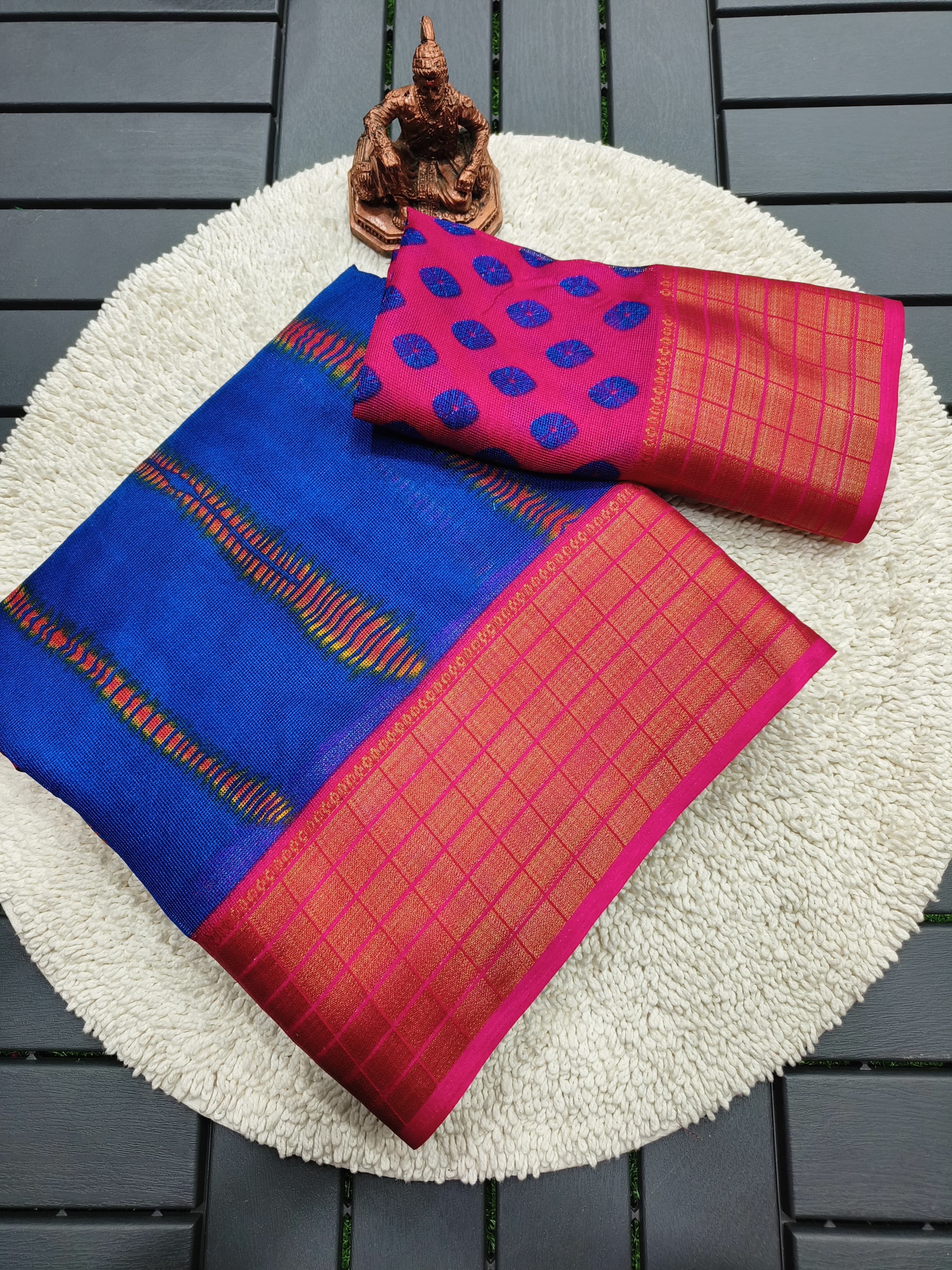
Yellow and magenta reflect the brightness of marigold and seasonal flowers, while pink and green create a softer floral contrast. Purple with gold works especially well for evening celebrations, and red with antique gold gives a time-honoured high-impact finish. A pastel saree can be strengthened with a saturated blouse rather than a matching pale shade; a pastel pink saree with a deep green blouse gains definition in group photographs.
Black becomes festive when paired with mirror work, bright embroidery or a contrasting zari border. The black base of Black Kalamkari Mirror Work Linen Saree with Ethnic Digital Print allows rust, mustard and red accessories to show clearly. Avoid matching the blouse to every colour in a multicoloured saree. Selecting one dominant accent produces a cleaner outfit and makes jewellery easier to coordinate.
Blue and purple blouses work particularly well with silver-toned accessories, while red, peach and mustard blouses naturally support gold-toned jewellery. A blouse colour can also repeat the colour of one flower in the Bathukamma arrangement, creating a thoughtful connection without requiring a fully floral outfit.
Bathukamma Blouse Designs: Best Styles to Pair With Festive Sarees and jewellery
Jewellery should fill the visual space left by the blouse rather than cover its strongest design feature. A broad necklace pairs naturally with a square or boat neckline, while long chains work better with a high neckline or simple round neck.
Gold-toned jhumkas, bangles and a small bindi suit zari, brocade and silk. Silver-toned earrings sharpen a black, purple or blue outfit, particularly when the blouse has mirror work or cool-toned embroidery. Floral jewellery can echo the Bathukamma theme, but one floral accessory is usually enough when the saree already has a botanical print.
Secure the saree pallu with concealed pins at the shoulder and near the waist, placing the pins through the inner layers rather than visibly through the zari. Medium-width pleats are practical because they hold their shape without adding excessive bulk. A blouse with a well-fitted armhole allows the pallu to stay smooth; an armhole that's too tight can pull the saree upward whenever the wearer lifts an arm.
For Festive Blue Pashmina Saree With Shawl & Blouse, keep the saree pleats neat and allow the shawl to sit over one shoulder without hiding the blouse neckline completely. A plain blouse becomes more visible when the shawl is folded narrowly, while a printed blouse needs a simpler shawl arrangement.
Bathukamma Blouse Designs: Best Styles to Pair With Festive Sarees on different budgets
A practical Bathukamma wardrobe can be built at different price points by prioritising fabric quality, fit and repeat wear instead of dense embellishment. A well-cut cotton blouse can serve multiple sarees, while one brocade or zari blouse can be reserved for the most formal festive drapes.
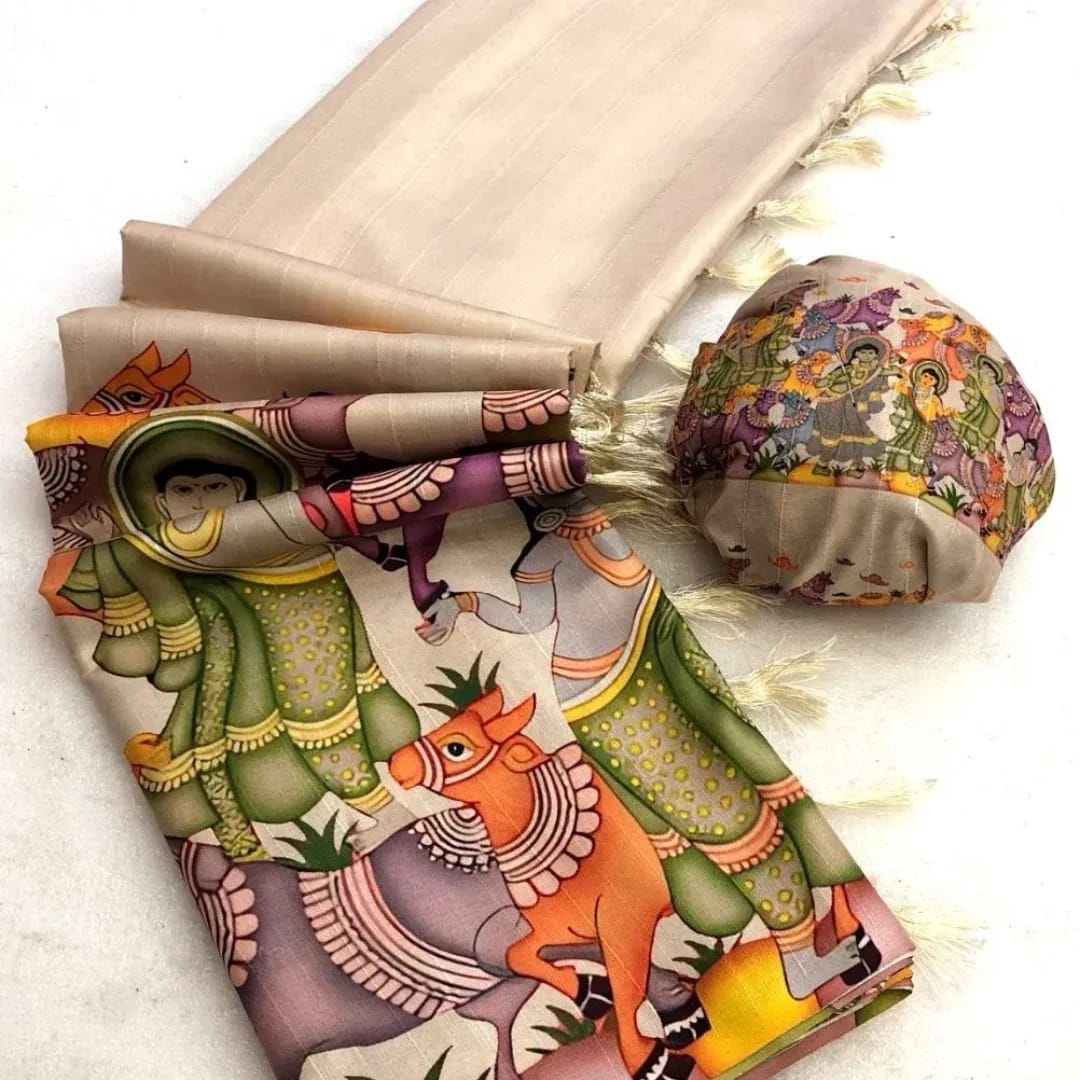
For an accessible outfit, compare pieces in Sarees from Rs 1000 to Rs 1500 and choose a saree with a defined print or border that doesn't require extensive blouse decoration. A plain blouse with contrast piping can look more polished than a poorly matched embellished blouse. Sarees Under 20% Off and Sarees Under 10% Off can also be useful when selecting an adaptable saree that will work beyond Bathukamma.
For a more dramatic festive look, Sarees Flat 60% Off and Sarees Flat 50% Off may offer an opportunity to choose a richer silk blend, zari weave or brocade combination. Check the fabric composition, blouse piece measurements and care instructions before deciding that a discount represents good value. A lower price doesn't compensate for a blouse that can't be altered or a saree that's uncomfortable in warm weather.
Daytime Bathukamma gatherings generally favour breathable cotton or linen cotton, minimal padding and lightweight earrings. Evening celebrations can accommodate deeper colours, zari and richer textures. The duration of wear matters as much as the formality of the event, so test the complete saree, blouse, footwear and jewellery combination for at least 20 minutes before leaving home.
Bathukamma Blouse Designs: Best Styles to Pair With Festive Sarees and care
Care the blouse and saree according to their fibre and embellishment, because zari, mirror work, silk and printed cotton respond differently to washing and storage.
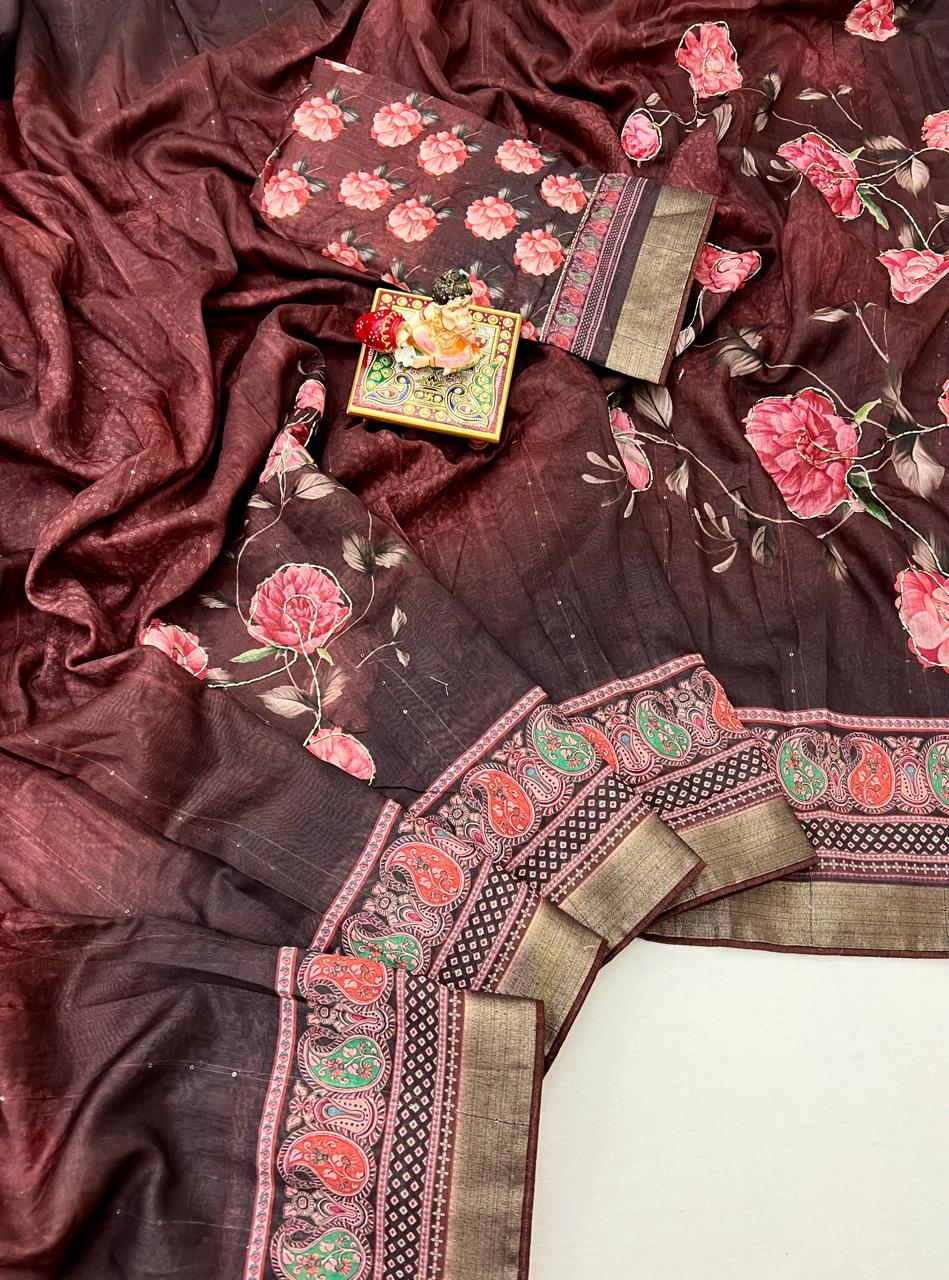
Air a worn blouse before storing it and remove jewellery pins carefully so that threads don't catch. Cotton and linen cotton blouses should be washed according to the garment label, while silk, Tussar silk, Pashmina and zari-rich pieces are safer with professional dry cleaning. Do not iron directly over mirrors, zari or printed surfaces; place a thin cotton cloth between the iron and the garment and use a low temperature where the care label permits.
Store embellished blouses in a clean cotton cover rather than plastic, which can trap moisture. Fold Pashmina and silk pieces with acid-free tissue or soft muslin between heavy embellishments. Refold stored sarees and blouses every few months to reduce permanent creasing, and keep perfumes, deodorants and hair sprays away from zari and dyed fabrics.
The most successful festive outfit usually has one clear focal point. If the saree has a broad zari border, choose a restrained blouse. If the saree is a light floral print, allow the blouse to provide contrast through colour, sleeve shape or a carefully finished neckline. That proportion keeps Bathukamma clothing festive, comfortable and easy to wear again.
Common Questions About Bathukamma Blouse Designs and Festive Sarees
Which blouse sleeve length is best for Bathukamma celebrations?
Elbow-length sleeves are the most practical choice for Bathukamma because they provide coverage, stay secure under bangles and allow comfortable movement. Short sleeves suit lightweight cotton sarees in warm weather, while three-quarter sleeves work well with Pashmina or evening outfits.
What neckline looks best with a Bathukamma saree?
Square, boat, round and modest V-necklines are versatile choices for Bathukamma sarees. Select the neckline according to the saree border and necklace: a square neckline suits a broad border and layered necklace, while a boat neckline works well with a tightly pleated pallu.
Which blouse fabric is suitable for a daytime Bathukamma event?
Cotton, linen cotton, cotton silk and lightweight tissue fabrics are suitable for daytime Bathukamma events because they are generally more breathable than heavy synthetic or densely embellished fabrics. A smooth lining and correctly fitted armhole are important for comfort during several hours of wear.
How can I style a blouse with a printed saree for Bathukamma?
Repeat one colour from the saree in a plain or lightly detailed blouse instead of matching the entire print. A rust, mustard, bottle-green or black blouse can work with Kalamkari and floral prints, while narrow piping or a small sleeve border adds coordination without making the outfit busy.
Can I wear a full-sleeve blouse for Bathukamma?
A full-sleeve blouse can work for an evening Bathukamma celebration or a cooler setting, especially with Tussar silk or Pashmina. Choose a smooth sleeve that does not catch on bangles or shawls, and avoid excessive sleeve volume if the event includes group movement.
How should I care for a zari or mirror-work Bathukamma blouse?
Zari and mirror-work blouses should generally be cleaned according to the care label, with professional dry cleaning safer for delicate embellishment. Store the blouse in a breathable cotton cover, keep perfume away from the surface and place a thin cloth between the iron and any zari or mirrors.