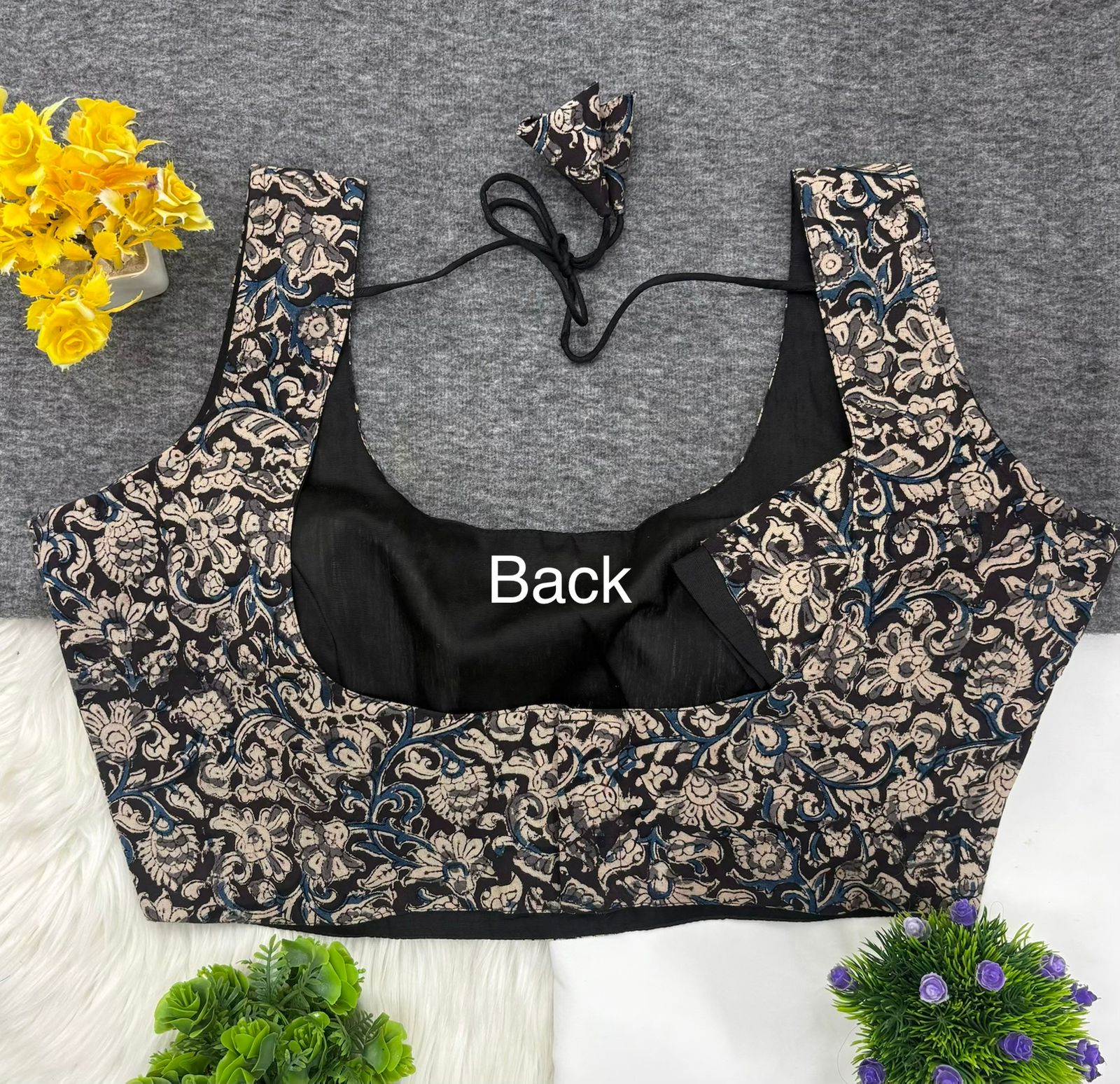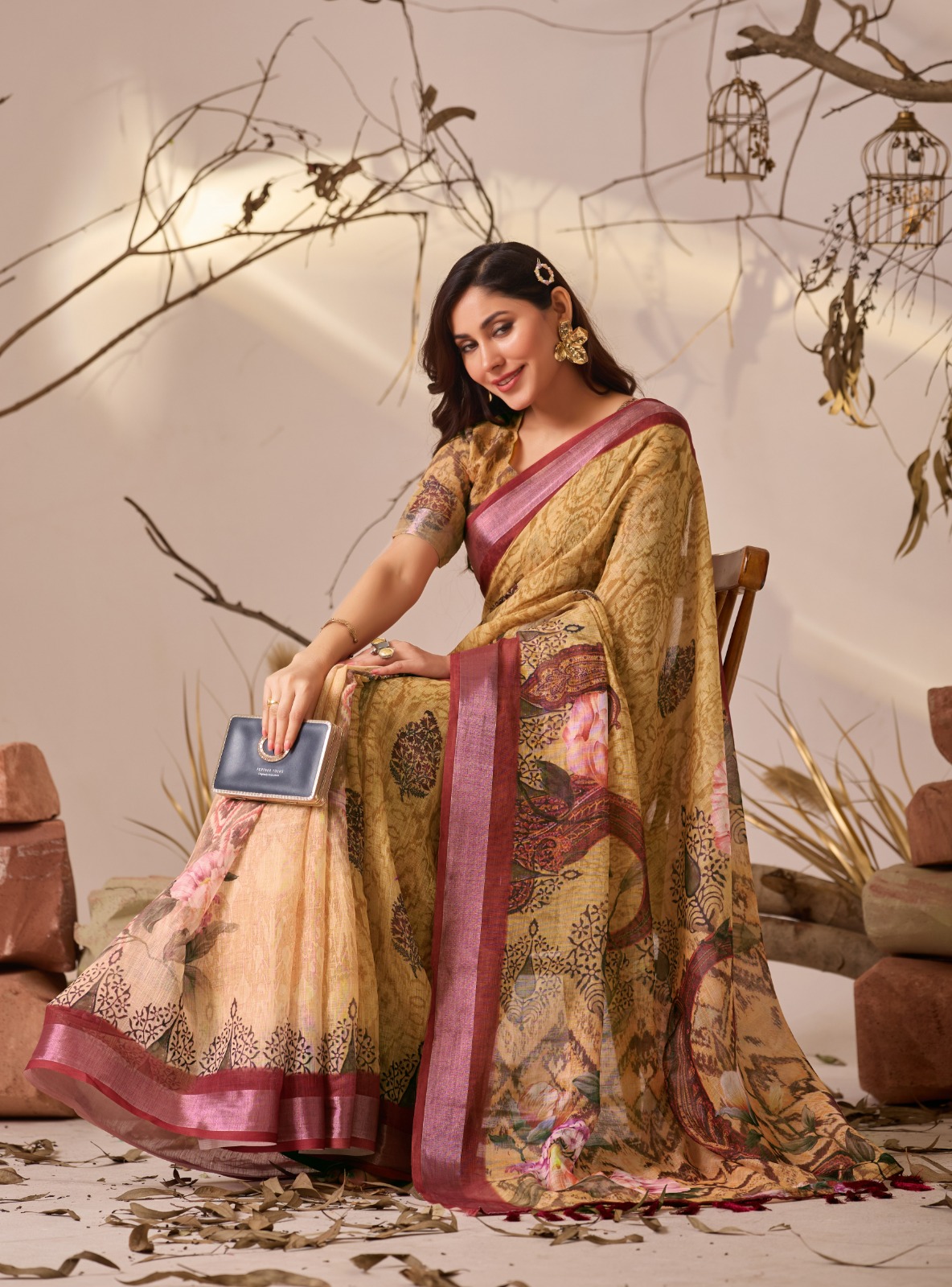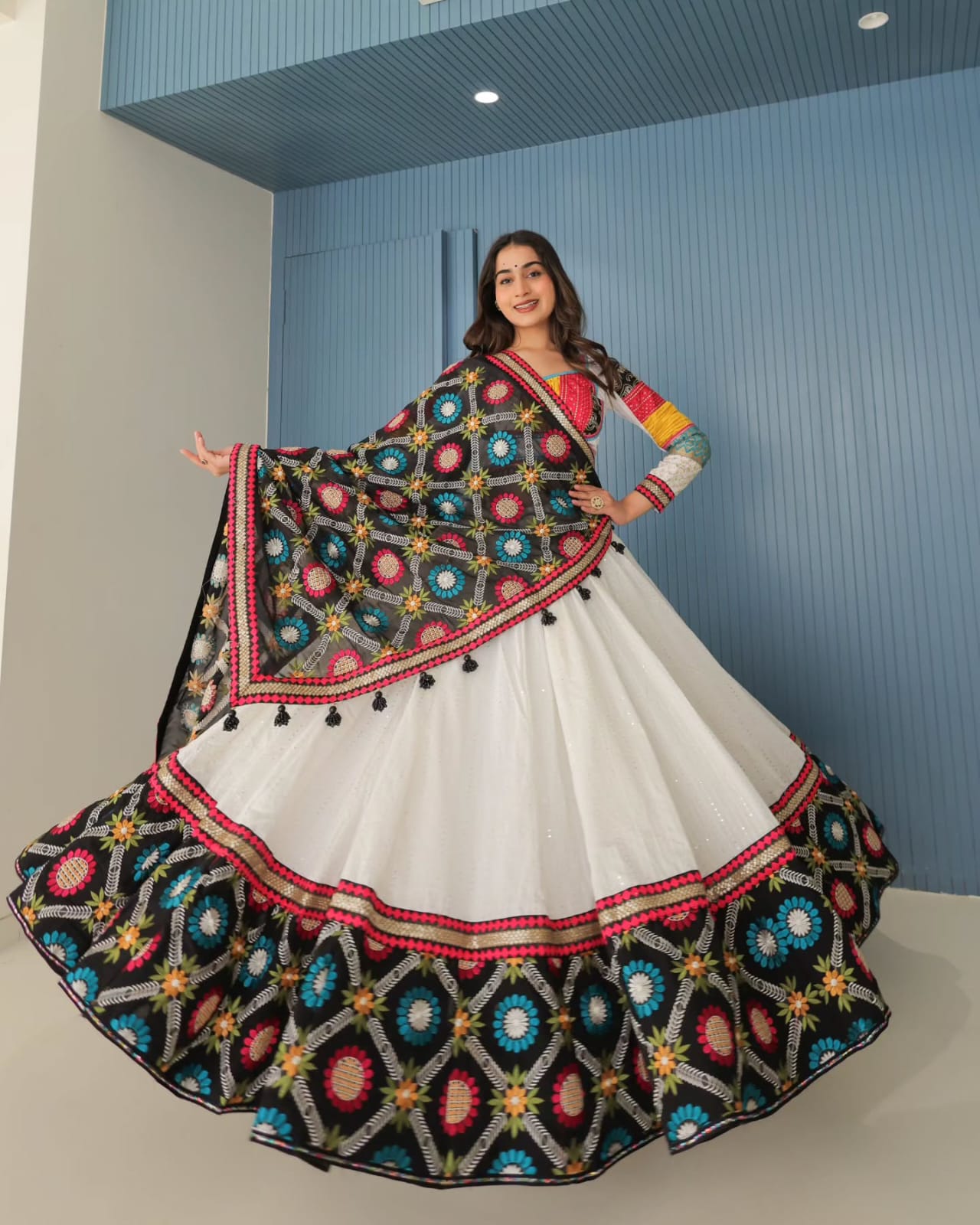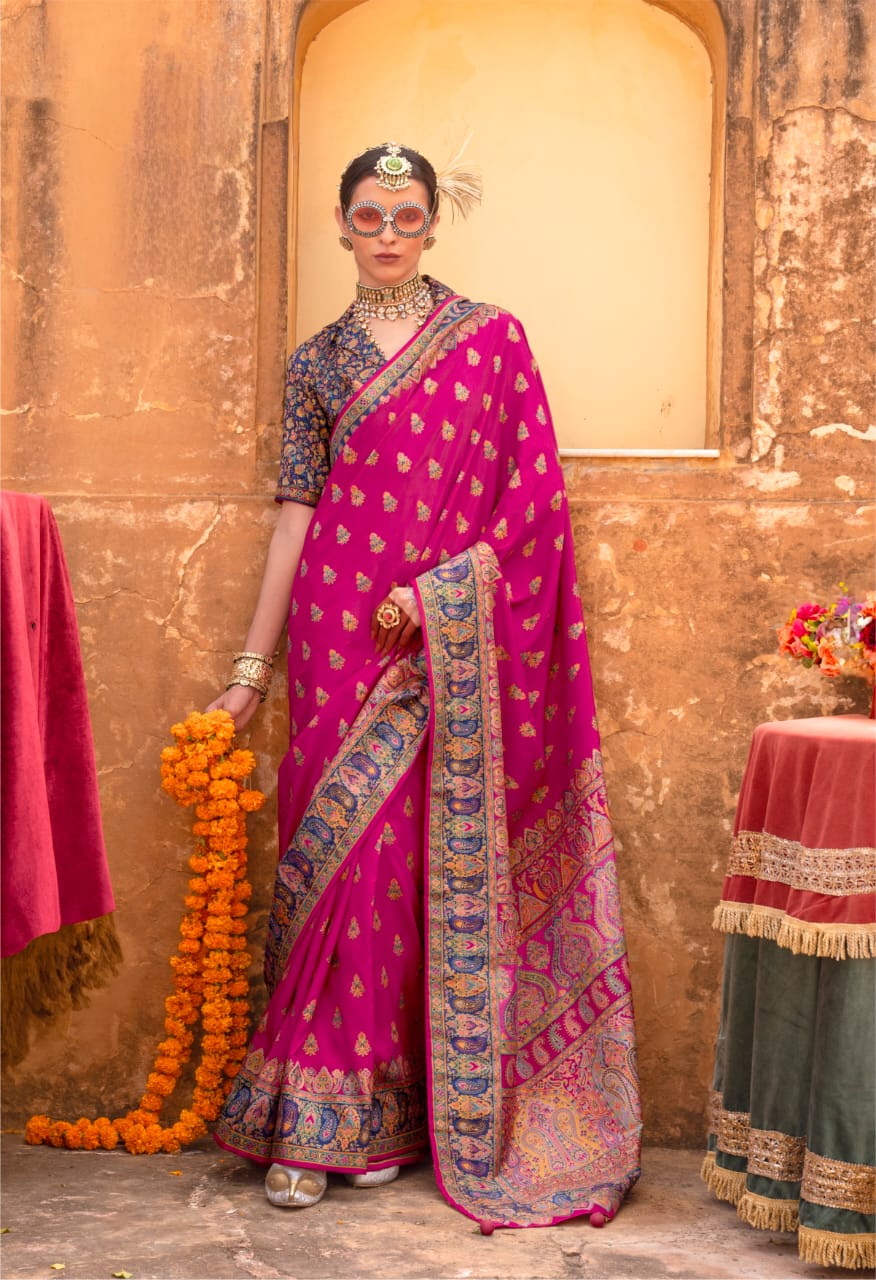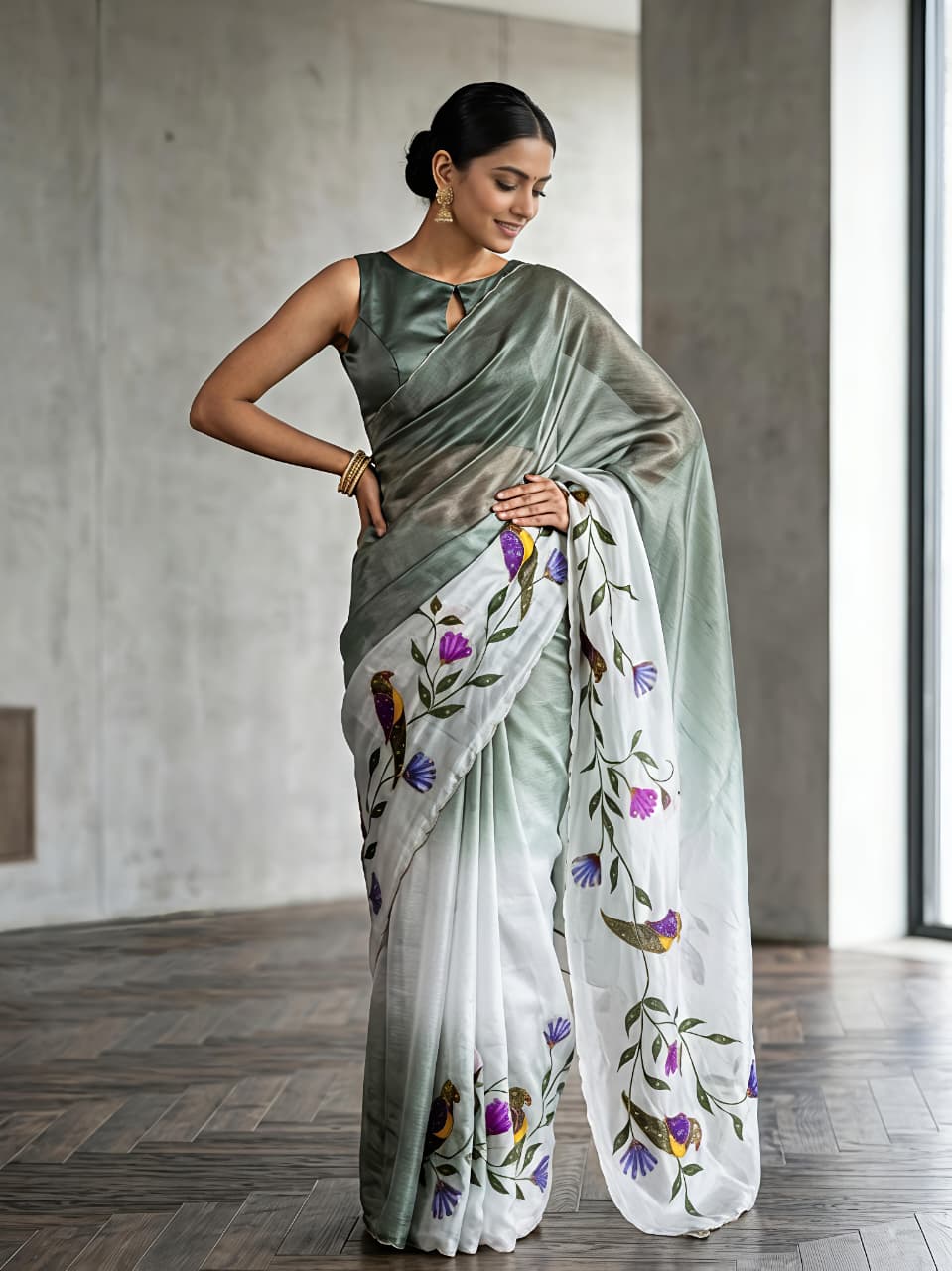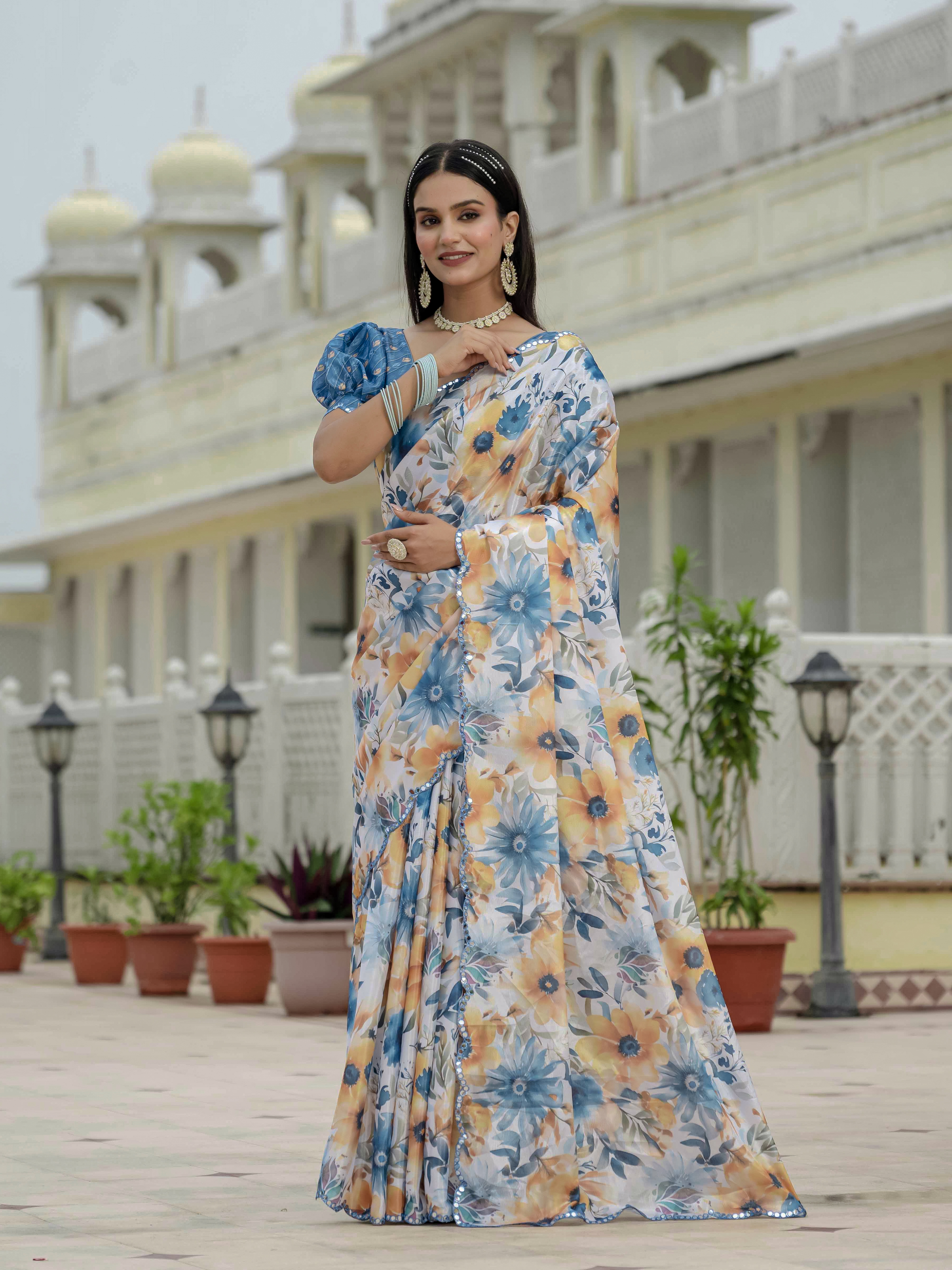
Bandhani Salwar Suits for Gujarati Navratri Celebrations bring together the colour, movement and regional character that make Garba dressing so distinctive. The right outfit must do more than look festive: it should allow repeated arm movements, tolerate several hours of dancing, stay secure while you turn, and remain comfortable in a crowded venue. Fabric weight, trouser width, sleeve construction, dupatta placement and footwear all influence that experience.
Bandhani, also written as Bandhej, is a resist-dyeing tradition associated especially with Gujarat and Rajasthan. Small sections of fabric are tied or bound before dyeing, creating dotted, circular or clustered patterns when the fabric is opened. A salwar suit inspired by Gujarati festive dressing can combine Bandhani print or dupatta details with modern kurta shapes, embroidered panels and practical trousers.
Understanding the difference between hand-tied Bandhani and a printed imitation helps you choose thoughtfully. Both can suit Navratri, but a product description should identify the technique accurately rather than treating every dotted design as hand-crafted Bandhani.
Bandhani Salwar Suits for Gujarati Navratri Celebrations and Regional Colour
Bandhani suits Gujarati Navratri because the craft carries regional identity while its dotted patterns support the energetic colour palette of Garba nights. Traditional Bandhani commonly appears in red, fuchsia, yellow, green, orange, royal blue and white, with combinations that remain visible under indoor lights and outdoor festival lighting.
Gujarati Navratri clothing has a strong relationship with repetition and rhythm. Garba circles, embroidered borders, mirror work, patterned skirts and bright odhnis create visual movement even when the wearer stands still. Bandhani's repeated dots contribute a similar rhythm without requiring a heavily embellished outfit from neckline to hem.
Bandhani isn't limited to a complete head-to-toe outfit. A Bandhani dupatta with a solid kurta and straight pants can provide a clear Gujarati reference, while a dotted kurta with a plain bottom creates a quieter interpretation. This approach works well for a family lunch, office celebration or daytime puja where a full dance costume may feel excessive.
Red and yellow carry strong festive associations in Gujarat, but colour choice can also respond to the venue and time of day. Mustard with maroon and antique gold creates a warm evening palette, while royal blue with pink or white gives a cooler alternative. A neutral beige or white base allows a vivid Bandhani dupatta to become the main festive accent.
Bandhani Salwar Suits for Gujarati Navratri Celebrations and Fabric Comfort
Choose a breathable, moderately light fabric with enough structure to hold its shape during dancing and enough softness to prevent chafing. Cotton, cotton blends, viscose, Chanderi and light georgette can each work, but comfort depends on lining, weave, embellishment and fit.
Breathability and sweat management
Cotton absorbs moisture well and suits outdoor Garba in warm weather, although untreated cotton may crease during a long evening. Viscose has a fluid fall and feels comfortable against the skin, but a very thin viscose garment can cling when the wearer becomes warm. Chanderi offers a light, slightly crisp hand and works well for polished daytime styling; a lining may be necessary if the weave is sheer.
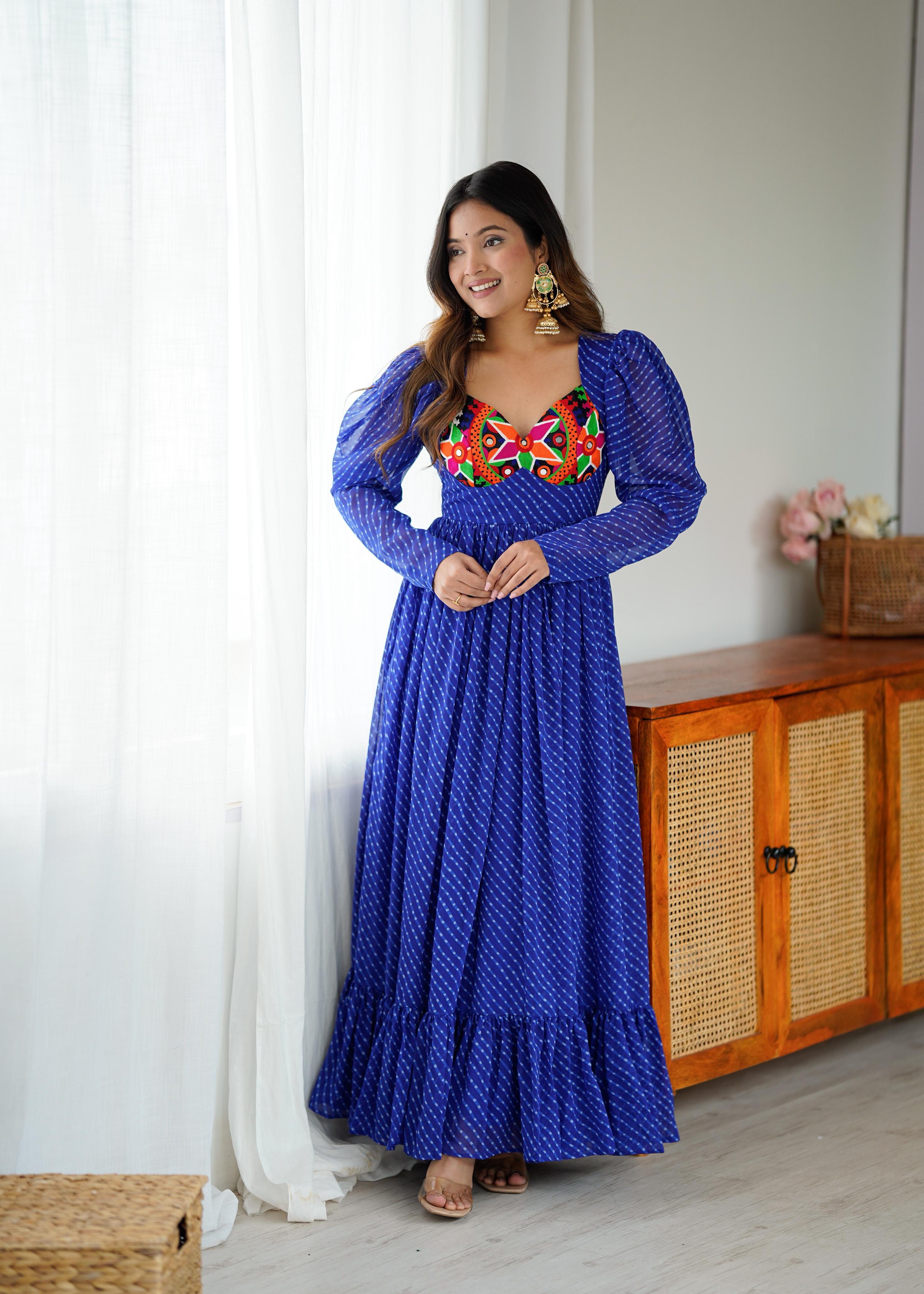
Georgette moves attractively with turns and can make a dupatta feel light, but polyester georgette may feel warmer than natural-fibre fabric in a crowded venue. Blue Printed Georgette Designer Gown for Women Festive demonstrates why fluid georgette is visually effective for festive movement, although a gown silhouette is less practical than a salwar suit for people who prefer separate trousers and a kurta.
Weight, lining and embellishment
Choose embroidery concentrated at the yoke, cuffs or border rather than dense decoration across every panel when you expect to dance for several hours. Heavy zari, sequins or metal embellishments can pull at fabric, catch on jewellery and increase heat. A smooth lining prevents rough embroidery from rubbing the underarm and waist, while a properly finished hem reduces the chance of fabric catching under a foot.
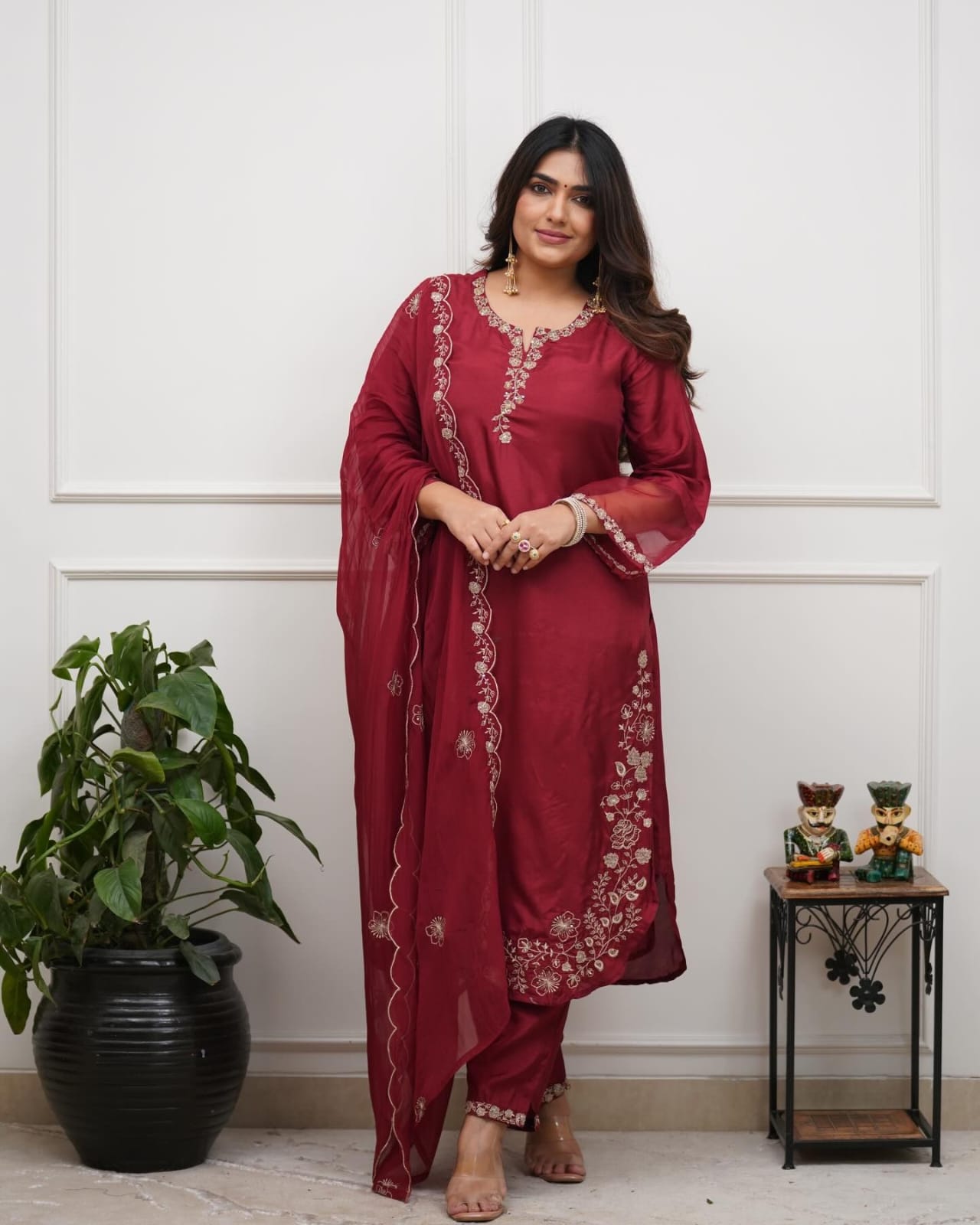
Chanderi is an useful middle ground for a festive salwar suit because it can look dressy without the weight of heavily worked velvet or brocade. Mustard Viscose Chanderi Kurta Set with Sequence Embroidery shows how mustard, a major Navratri colour, can be presented through a lighter kurta-set format. Maroon Viscose Chanderi Silk Embroidered Kurta Set for Women gives a deeper colour direction for evening celebrations, especially when paired with antique-gold accessories.
Bandhani Salwar Suits for Gujarati Navratri Celebrations and Dance-Friendly Silhouettes
A straight kurta with relaxed trousers, a lightly flared Anarkali with sufficient hem clearance, or a palazzo set with a secure waistband usually brings the best balance of movement and polish for Garba. The ideal silhouette depends on how vigorously you dance, how crowded the venue is and whether you'll walk long distances before and after the event.
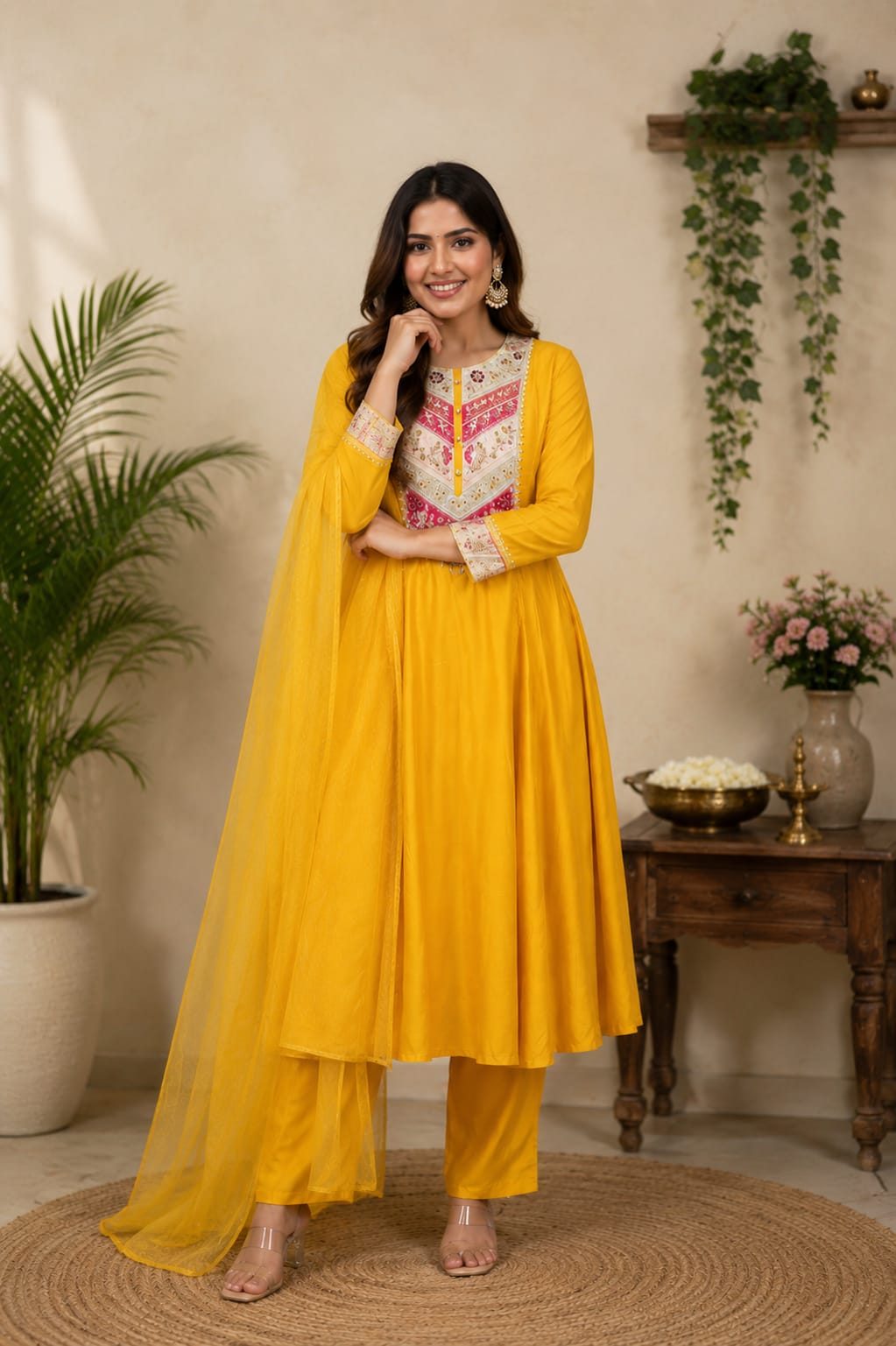
Straight kurta and trouser sets are the easiest choice for predictable movement. The hem stays relatively close to the body, and the trousers don't swing into neighbouring dancers. Select a kurta that ends around the knee or lower calf, depending on your height, and leave enough ease across the chest and upper arm for clapping and circular arm gestures.
Anarkali suits create attractive flare during turns, but an excessively wide or floor-length hem can become a tripping hazard. Ladies Dress Anarkali Salwar Suits can be useful when comparing flared festive shapes, but inspect the actual garment measurements carefully. A full Anarkali should ideally clear the floor by at least 2 to 3 centimetres when worn with the intended footwear.
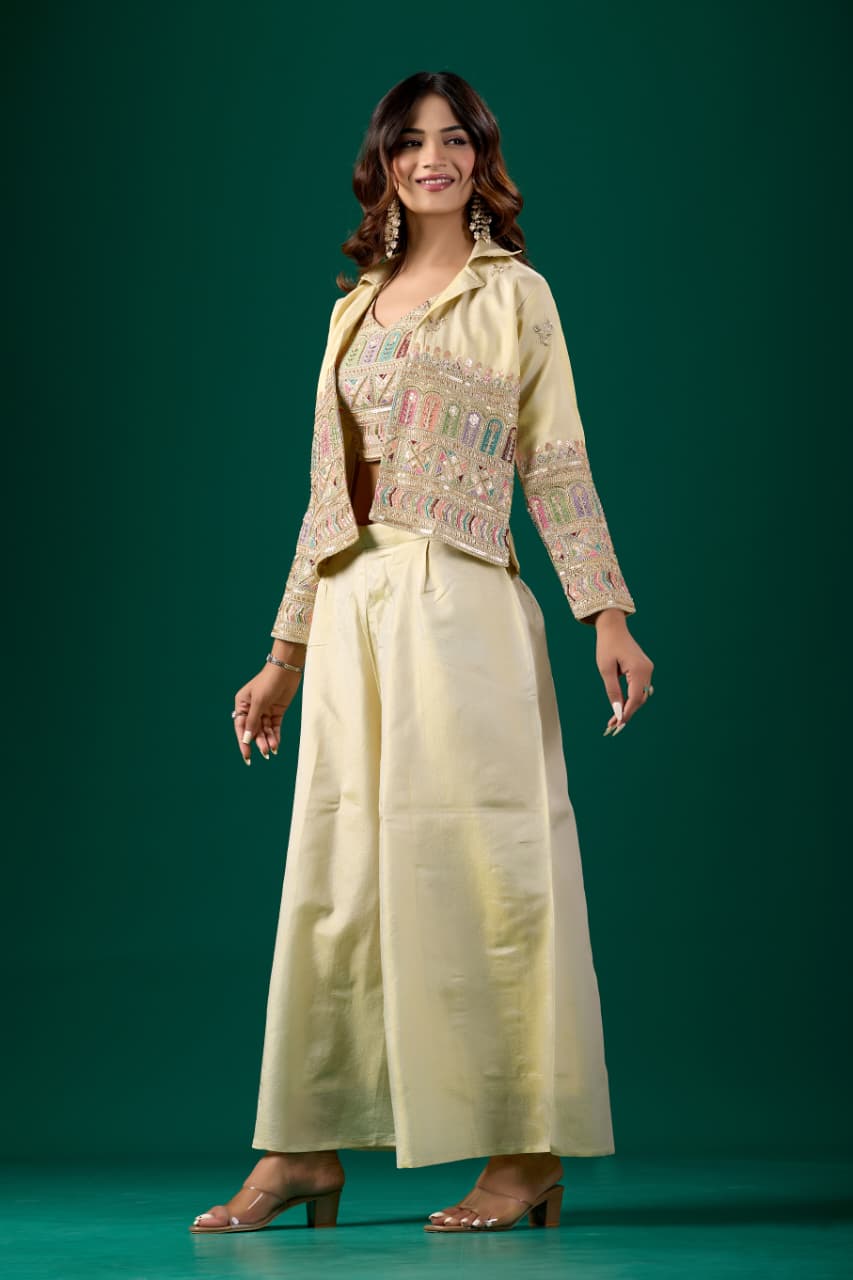
Palazzo trousers provide width through the leg and can be comfortable for bending, walking and dancing. A waistband that sits securely at the natural waist is more reliable than a loose elastic waist that shifts during turns. Women's Embroidered Crop Top & Jacket Palazzo Set | Varnavi illustrates the layered palazzo approach; a crop top and jacket can suit a contemporary celebration if the jacket doesn't restrict the shoulders.
Sharara-style bottoms are festive and culturally resonant, but the extra flare around the knee needs attention. Check that the inner seam doesn't catch on footwear and that the trouser opening doesn't expose the leg during movement. A moderate flare is generally easier to manage in a busy Garba circle than an extremely wide, multilayered design.
Bandhani Salwar Suits for Gujarati Navratri Celebrations and Colour Pairing
Use one dominant festive colour, one supporting colour and one metallic accent to keep a colourful Navratri outfit visually balanced. Red with ivory and gold, mustard with maroon and antique gold, or royal blue with pink and silver are dependable combinations for Bandhani-inspired dressing.
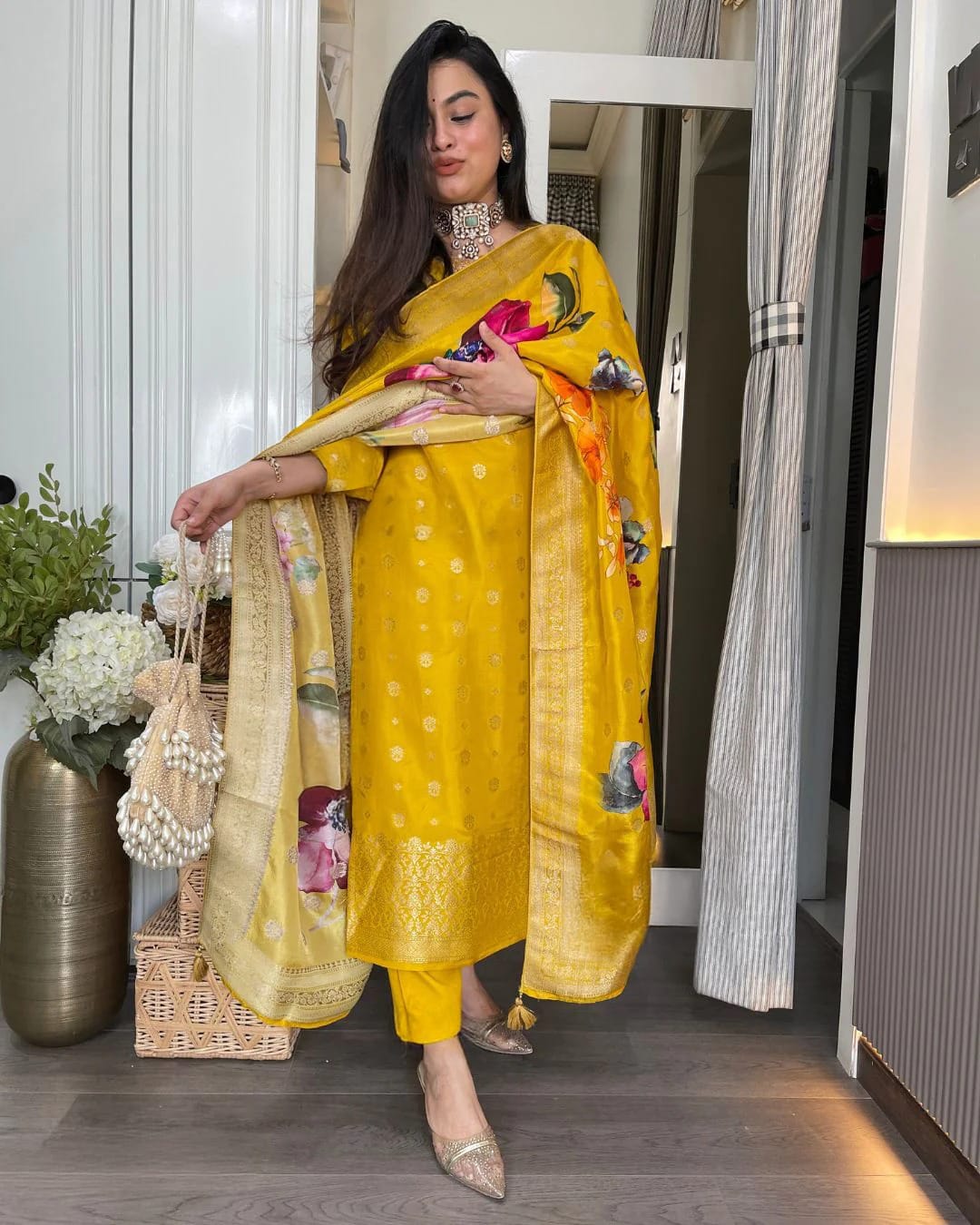
Mustard yellow works particularly well with red, rust, bottle green and maroon. Mustard Yellow Jacquard Kurta Set with Embroidery & Dupatta provides a reference for combining a warm base with decorative surface detail. A red or magenta Bandhani dupatta can add contrast without making every garment equally bright.
Blue works well when you want a cooler alternative to the familiar red-yellow palette. Pair a blue kurta or dupatta with white, silver or fuchsia, and repeat one colour in the earrings or footwear. White Chanderi Kurta Set with Floral Embroidery and Dupatta brings a neutral foundation for a vivid Bandhani dupatta, colourful bangles or a patterned potli.
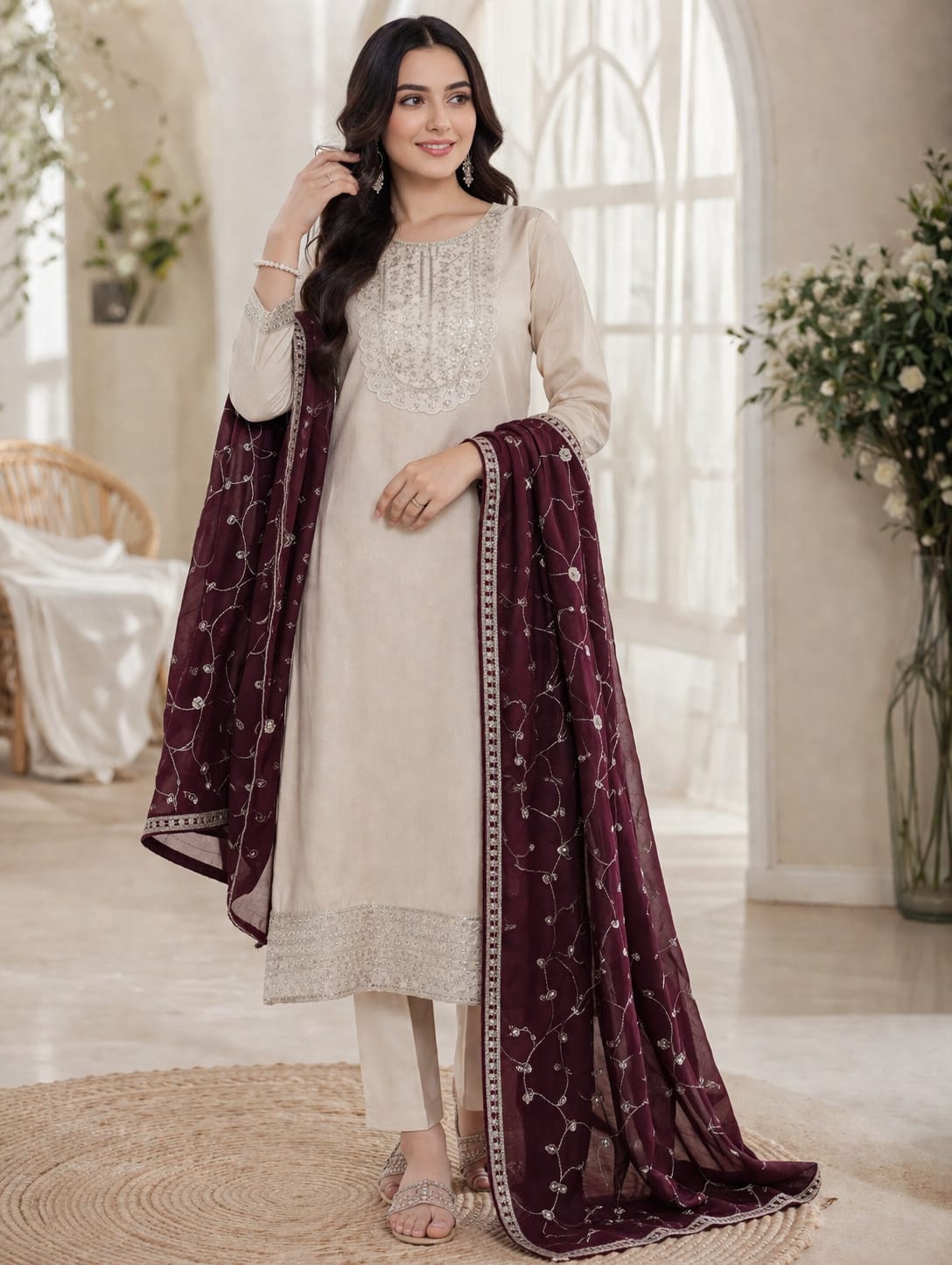
Maroon, rust and deep green are effective for evening events because they absorb and reflect light differently from pale pastels. Elegant Beige Vichitra Silk Embroidered Kurta Set for Women shows how a muted base can let jewellery, dupatta colour and makeup provide stronger festive notes. A neutral kurta is practical when you want to reuse the set for weddings, Diwali gatherings or formal dinners.
don't combine a busy Bandhani print, dense zari, mirror work, large earrings and a heavily patterned shoe without a visual pause. Let one element carry the strongest pattern. A solid bottom with a patterned dupatta is often easier to style than a printed kurta, printed trousers and printed scarf together.
Bandhani Salwar Suits for Gujarati Navratri Celebrations and Buying Checks
Check fabric composition, garment measurements, trouser construction, lining, closure details and dupatta dimensions before ordering a Navratri salwar suit. Product photographs can't tell you whether the waistband will stay in place or whether the hem is safe for dancing.
- Measure the body: Record bust, waist, hip and shoulder measurements, then compare them with the seller's size chart rather than relying on your usual size.
- Allow movement ease: Look for additional room across the bust and upper arm because a very close fit can restrict clapping, turning and raised-arm gestures.
- Inspect the bottom: Confirm whether the trousers are straight, tapered, palazzo or sharara, and check the inseam and waistband details.
- Check the length: Measure the kurta and trousers against the footwear you expect to wear. A floor-grazing hem can catch during Garba.
- Read the embellishment details: Confirm whether decoration uses embroidery, sequins, zari, beads or print because each affects weight and care.
- Review delivery time: Order at least 10 to 14 days before the event when possible, leaving time for alterations or an exchange.
Price should be assessed alongside technique and construction rather than colour alone. A printed viscose suit will usually cost less than a hand-tied Bandhani textile, while dense embroidery, silk blends and lined garments increase labour and material costs. Collections such as Dress Materials, Salwar Suits with 30% Off and Salwar Suits Flat 40% Off can help compare silhouettes and festive pricing, but a discount should not replace checking measurements and fabric details.
Red Dress Materials Under 2000 may suit shoppers who want to coordinate a custom Bandhani-inspired outfit on a controlled budget. Dress material purchases require additional time for tailoring, so allow at least 2 to 3 weeks if the fabric must be cut, stitched and altered before Navratri.
Bandhani Salwar Suits for Gujarati Navratri Celebrations with Dupatta and Jewellery
Secure the dupatta at one shoulder and, when dancing actively, anchor a second point near the waist so the fabric can't slip into the Garba circle. A lightweight dupatta with a finished border is easier to manage than a heavy, slippery scarf.
For a time-honoured visual note, drape a Bandhani dupatta over one shoulder and let the opposite end fall across the front, then use a small concealed safety pin at the shoulder seam. Pinning through the garment's seam rather than the centre of a decorated panel reduces visible damage. Test the complete drape by raising both arms and turning before leaving home.
Jewellery should follow the outfit's strongest detail. Oxidised silver earrings and bangles complement mirror work and cool colours, while gold-toned jhumkas suit mustard, red, maroon and zari. A short necklace is safer than a long pendant for active dancing because it's less likely to swing into the face or catch on the dupatta.
Choose footwear with a secure strap, a low stable heel or a cushioned flat sole. New footwear should be worn indoors for at least 30 minutes before Navratri to identify rubbing points. Avoid very smooth soles on polished floors and very high heels on uneven outdoor grounds.
A beautiful Garba outfit should remain secure after the first hour, not only during the first photograph.
Bandhani Salwar Suits for Gujarati Navratri Celebrations and After-Event Care
Follow the garment care label because Bandhani colours, zari, sequins and Chanderi fabrics can respond differently to washing. If the label recommends dry cleaning, use a reputable cleaner and mention any zari, mirror work or colour contrast before treatment.
don't soak a dark red, fuchsia or navy garment with pale pieces because excess dye can transfer. For washable cotton or viscose, use cold water, a mild detergent and a short gentle wash. Dry the garment inside out in shade rather than in strong sunlight, which can fade bright resist-dyed colours.
Store a clean salwar suit completely dry and avoid pressing heavy embroidery under a stack of clothes. Fold zari or sequin panels with soft tissue paper between decorated sections, and hang a structured kurta on a broad hanger. A Bandhani dupatta should be folded loosely or rolled around a clean tube to reduce sharp creases.
Inspect the garment within 24 hours after the event. Remove surface dust with a soft brush, air out perspiration before storage and treat stains promptly according to the care label. Quick attention is especially important for oil, makeup and coloured food stains because heat from ironing can set them permanently.
Bandhani Salwar Suits for Gujarati Navratri Celebrations are most successful when tradition and practicality work together. A recognisable colour story, breathable fabric, secure dupatta and movement-friendly cut will support the rituals of Garba far better than decoration alone.
Common Questions About Bandhani Salwar Suits for Gujarati Navratri Celebrations
What are Bandhani Salwar Suits for Gujarati Navratri Celebrations?
Bandhani Salwar Suits for Gujarati Navratri Celebrations are salwar suit outfits that use Bandhani or Bandhej patterns, colours or dupattas associated with Gujarat. They may feature hand-tied resist-dyed fabric or a printed design inspired by the traditional dotted look.
Which fabric is most comfortable for a Navratri salwar suit?
Light cotton, viscose, Chanderi and breathable cotton blends are generally comfortable for several hours of Garba. Light georgette can provide fluid movement, but polyester versions may feel warmer in crowded venues, so check the fabric composition before buying.
Can I wear an Anarkali suit for Garba?
Yes, an Anarkali suit can work for Garba if the hem clears the floor and the flare does not restrict your feet. Choose a moderate flare, secure footwear and enough room through the shoulders and upper arms for dancing.
How can I stop a dupatta from slipping during Garba?
Pin the dupatta at the shoulder seam and anchor it near the waist when dancing actively. A lightweight dupatta with a finished border is usually easier to secure than a heavy or slippery scarf.
How should I style a Bandhani suit without looking too colourful?
Choose one dominant colour, one supporting colour and one metallic accent. A patterned Bandhani dupatta with a solid kurta and trousers creates a balanced outfit, while simple earrings and footwear prevent excessive visual competition.
How early should I order a Navratri salwar suit?
Order a ready-to-wear suit at least 10 to 14 days before the event to allow for delivery, fitting and exchanges. Custom stitching from dress material can require 2 to 3 weeks or longer, especially during the busy Navratri season.