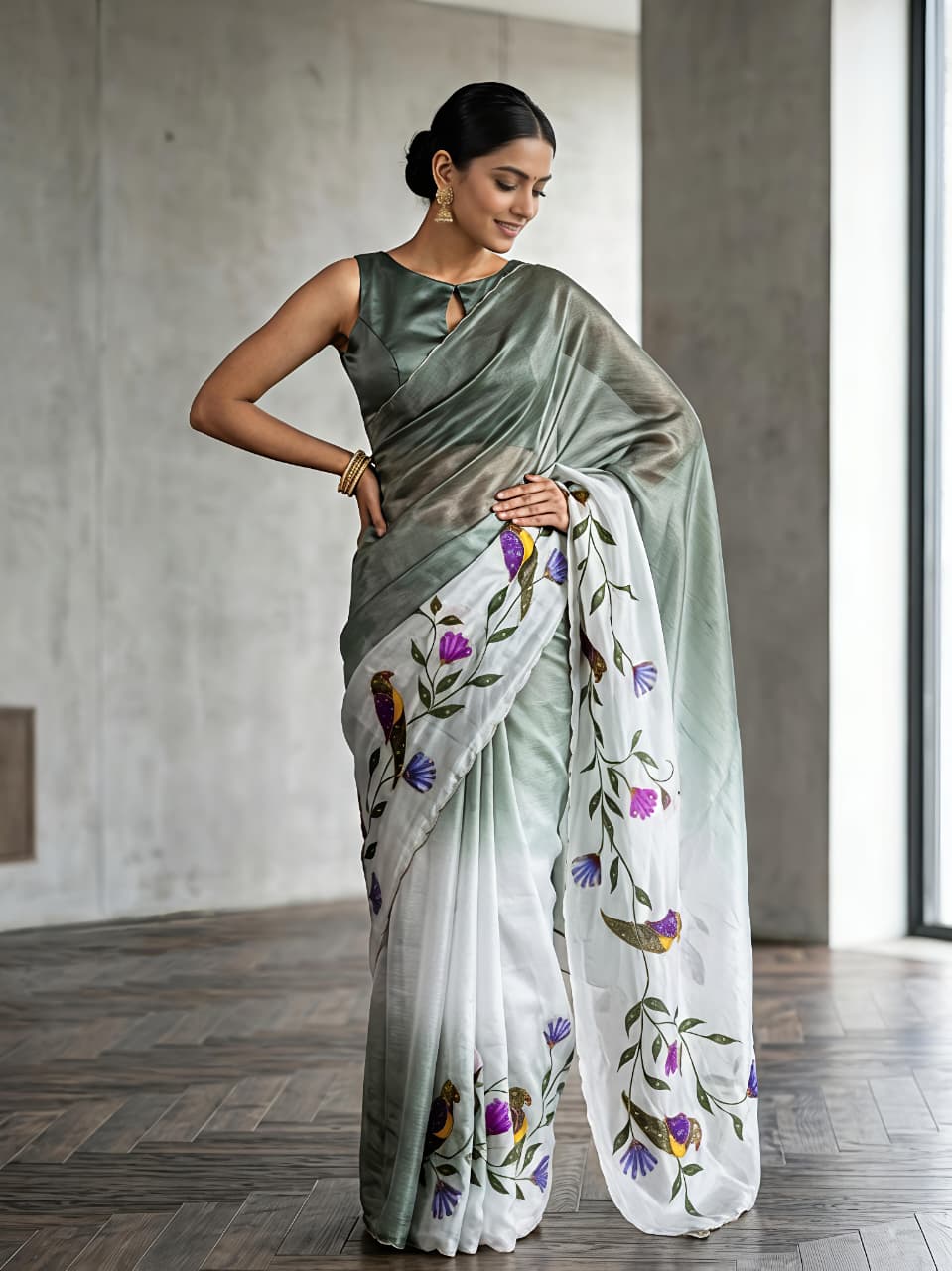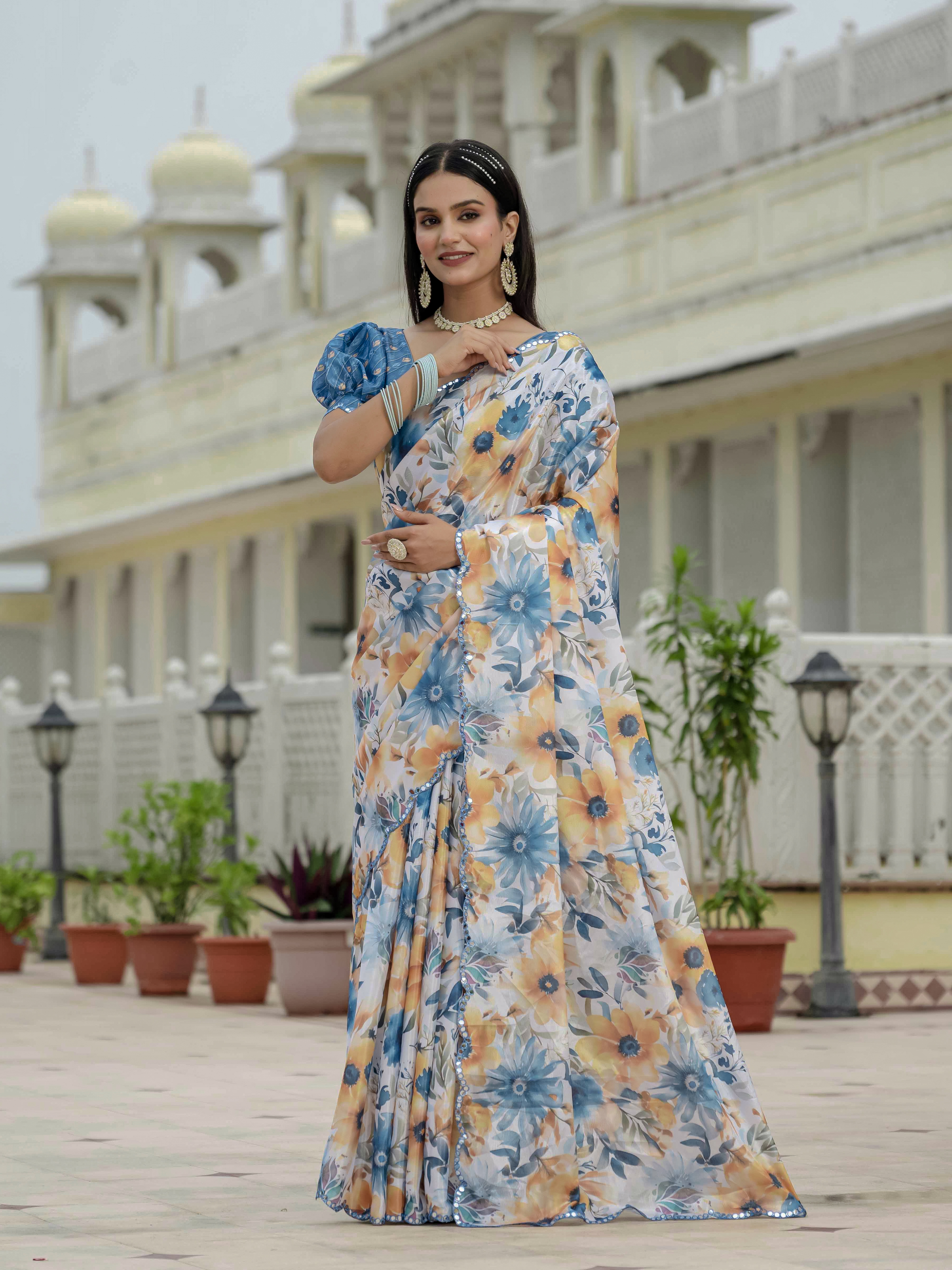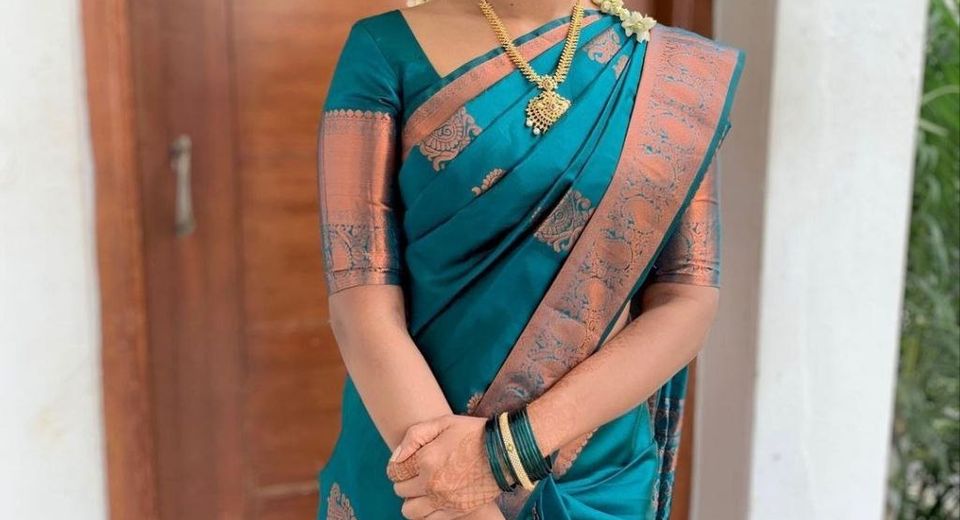
Banarasi vs Chikankari: Saree & Suit Styles for Different Occasions is a useful comparison when you're choosing between the shine of a woven Banarasi saree and the quiet detail of a Chikankari salwar suit. The right choice depends on more than colour: fabric weight, surface texture, climate, movement, dress code and time of day all matter. A Banarasi saree often creates a formal, ceremonial effect, while Chikankari usually offers breathable elegance and easier movement.
Banarasi vs Chikankari: Saree & Suit Styles for Different Occasions and Their Main Differences
Banarasi and Chikankari differ because Banarasi is primarily a weaving tradition, while Chikankari is an embroidery tradition. Banarasi silk, brocade and zari motifs are built into the fabric on a loom; Chikankari designs are created with hand or machine embroidery on a base fabric such as cotton, georgette, rayon or silk.
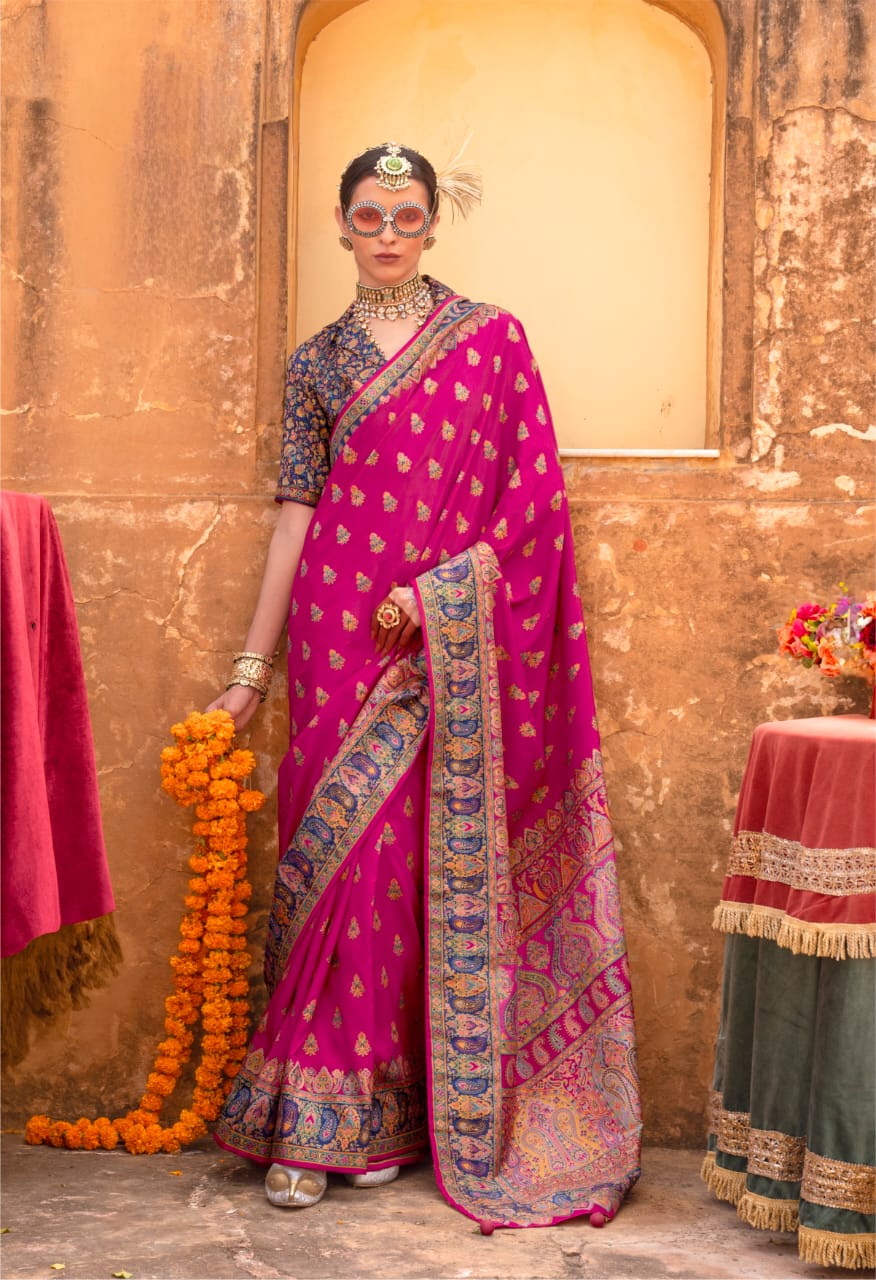
Banarasi fabric commonly has a luminous surface created by silk yarns and metallic zari. Traditional motifs may include floral butis, kalga, bel and jaal patterns. Banarasi fabric generally has more body and drape, which makes a Banarasi saree visually commanding but sometimes warmer and heavier than a lightly embroidered suit.
Chikankari is associated with Lucknow and is recognised for delicate floral embroidery, shadow work, jaali details and fine thread patterns. White-on-white embroidery is the classic image, although contemporary Chikankari also appears in pastel, jewel and neutral shades. Chikankari suits tend to feel softer and less formal when made in breathable cotton or lightweight blends.
- Surface: Banarasi gives shine and woven depth; Chikankari gives raised, tactile threadwork.
- Structure: Banarasi sarees usually hold pleats and a pallu strongly; Chikankari suits often fall softly around the body.
- Visual mood: Banarasi reads regal and festive; Chikankari reads graceful, airy and understated.
- Styling flexibility: A Chikankari suit can move from daytime gatherings to office-friendly dressing more easily, while Banarasi is naturally suited to ceremonial dressing.
Banarasi vs Chikankari: Saree & Suit Styles for Different Occasions at Weddings
A Banarasi saree is usually the stronger choice for a wedding ceremony, reception or formal family celebration because zari, silk sheen and a defined pallu match the visual importance of the event. A Banarasi saree also photographs well under indoor lighting, where woven motifs and metallic details remain visible from a distance.
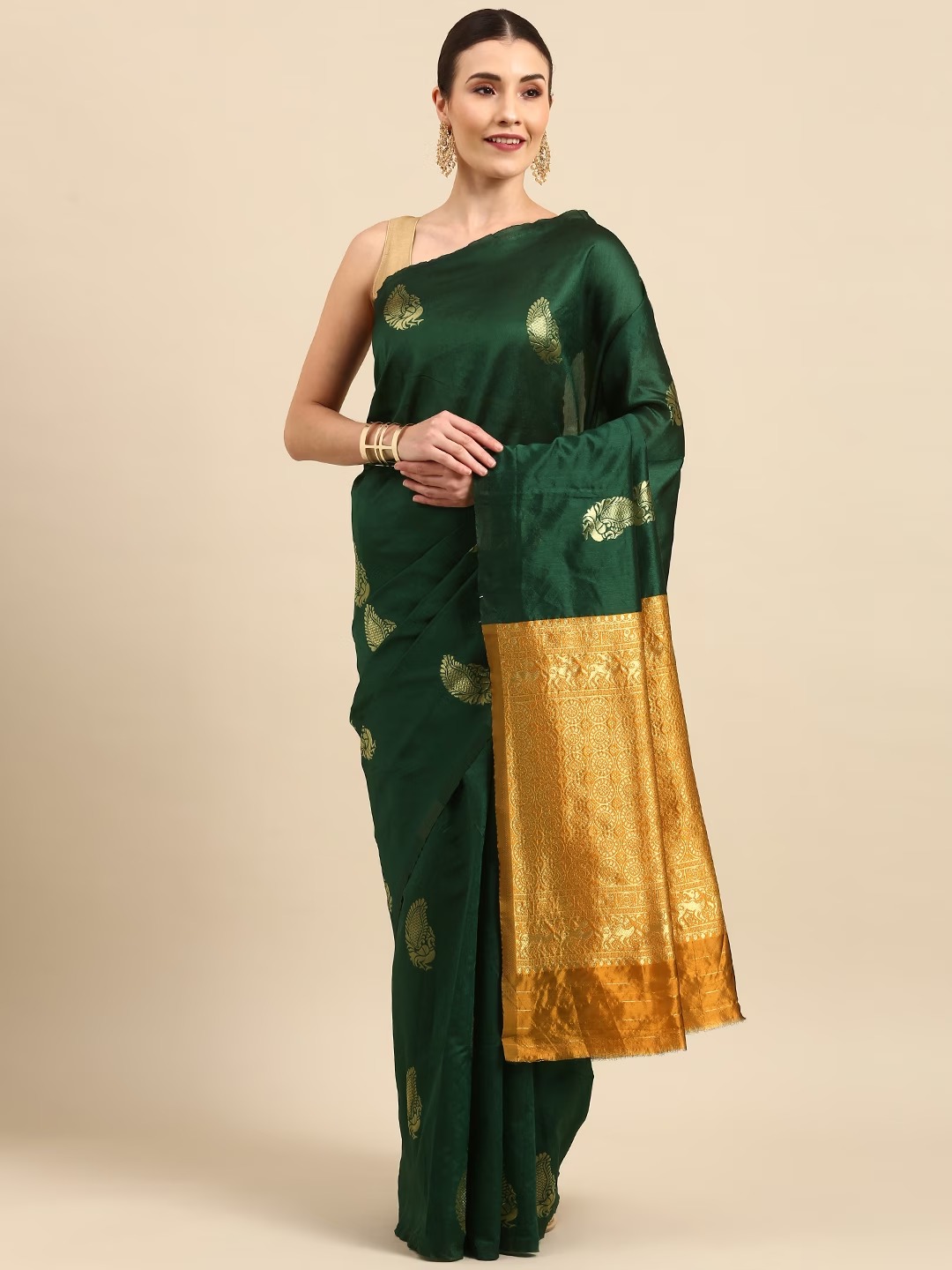
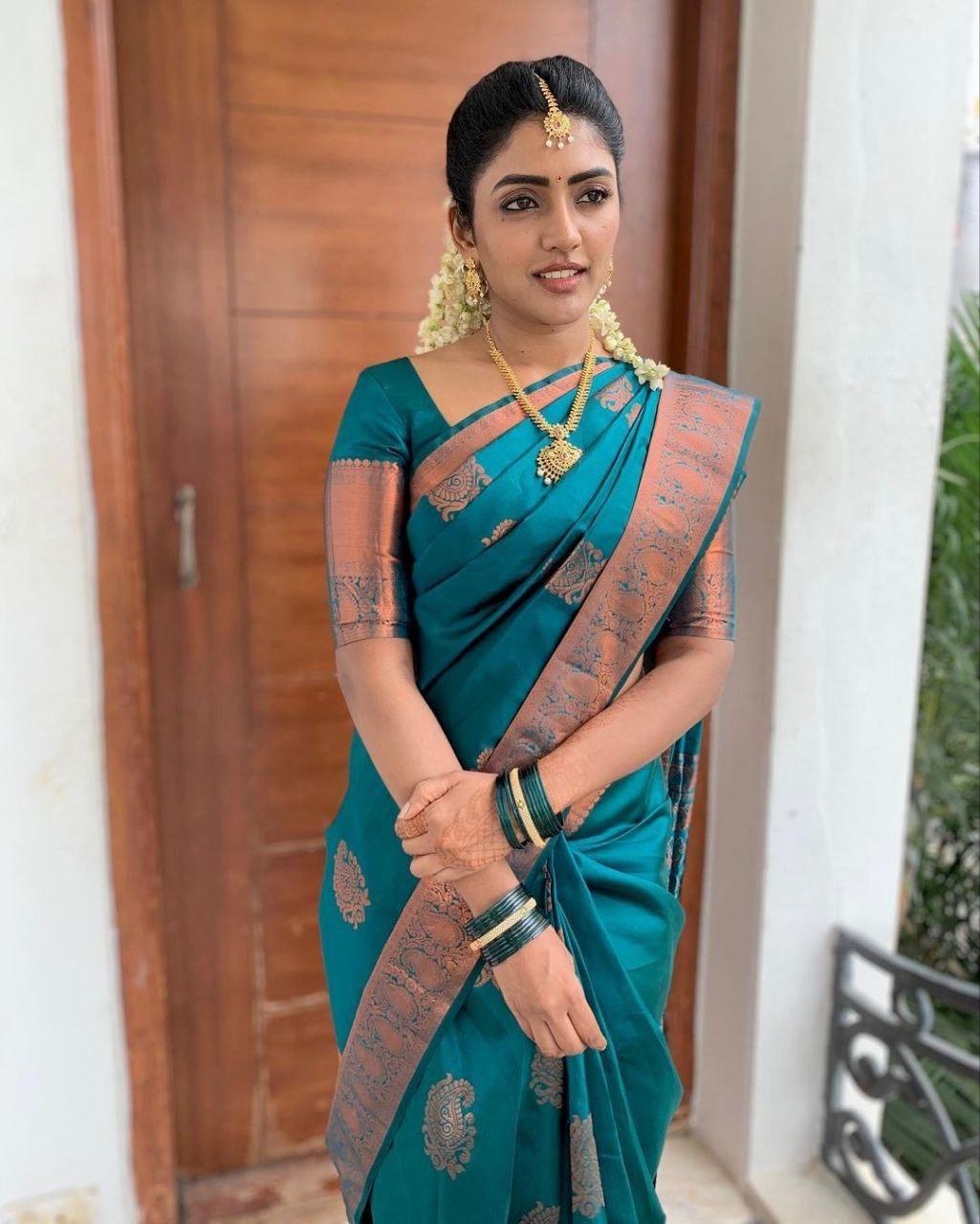
For a bride's relative or a guest attending a traditional wedding, colour should follow the event's timing. Deep teal, purple, bottle green, magenta and red create a richer evening impression, while gold zari works particularly well with warm jewellery. The Festive Teal Banarasi Saree with Traditional Motifs gives a balanced option when you want colour and heritage pattern without choosing the most predictable red or maroon.
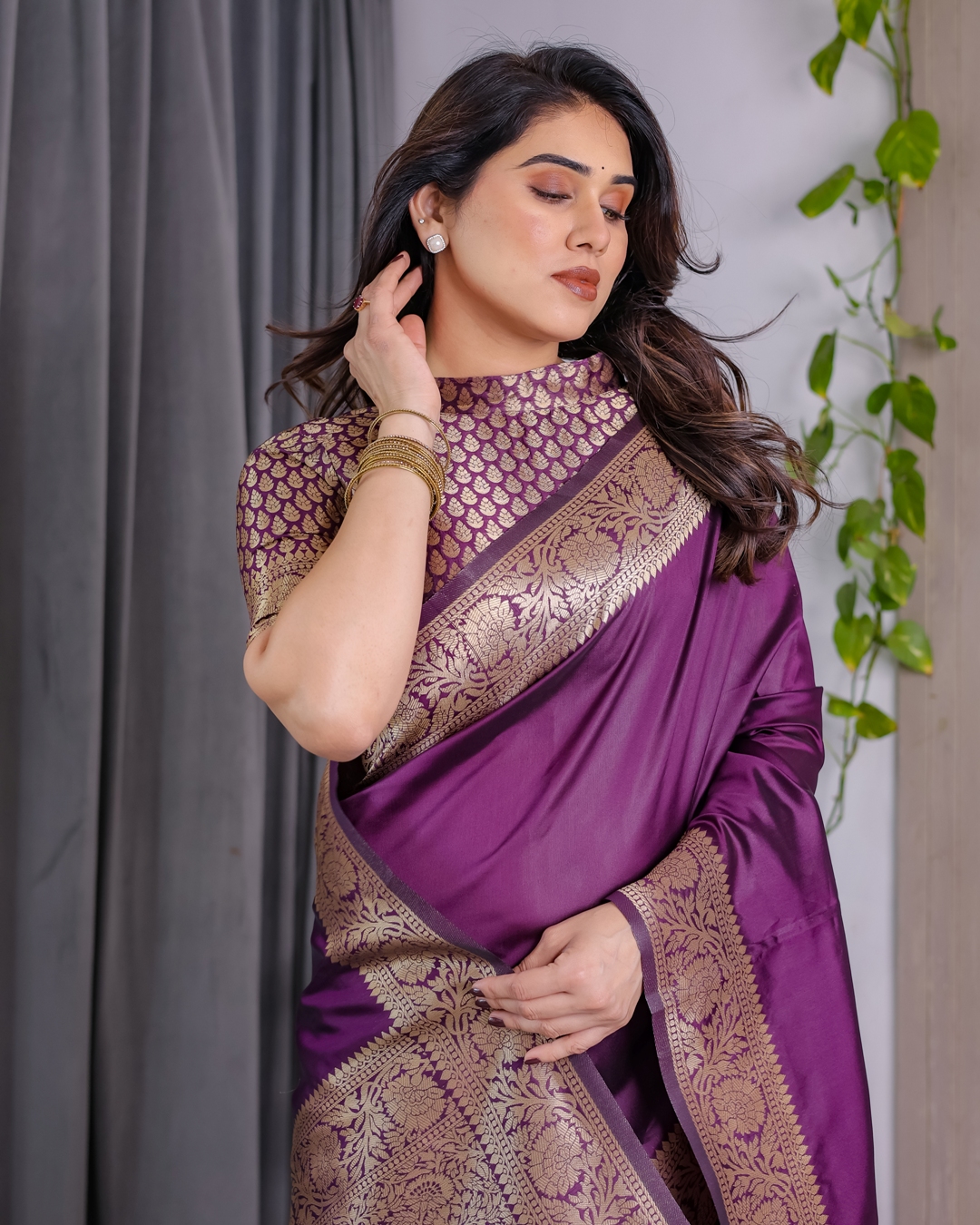
The Royal Purple Banarasi Soft Silk Saree With Floral Zari Work suits an evening reception because purple creates depth and floral zari prevents the colour from looking severe. The Bottle Green Banarasi Soft Silk Saree for Wedding Wear has a similarly formal presence and works well with antique gold earrings, a structured potli and a low bun decorated with fresh flowers.
Chikankari can suit a daytime wedding, intimate mehendi, engagement brunch or summer celebration when a heavily woven saree would feel excessive. A pastel Chikankari suit with a light dupatta looks polished without competing with the bride's outfit. Avoid pairing very delicate embroidery with extremely heavy jewellery; medium-sized jhumkas, pearl drops or a slim mathapatti maintain proportion.
Banarasi vs Chikankari: Saree & Suit Styles for Different Occasions in Hot Weather
Chikankari is more practical than Banarasi for hot weather, daytime events, long hours of sitting or standing, travel and occasions that require easy movement. Lightweight Chikankari salwar suits allow a wearer to manage stairs, commute comfortably and remain presentable without repeatedly adjusting a pallu.
A Chikankari suit is particularly useful for Eid lunches, daytime pujas, festive office events, summer family gatherings and casual cultural programmes. Cotton Chikankari absorbs moisture better than silk, while a lightweight georgette or chiffon dupatta can add movement without adding substantial weight.
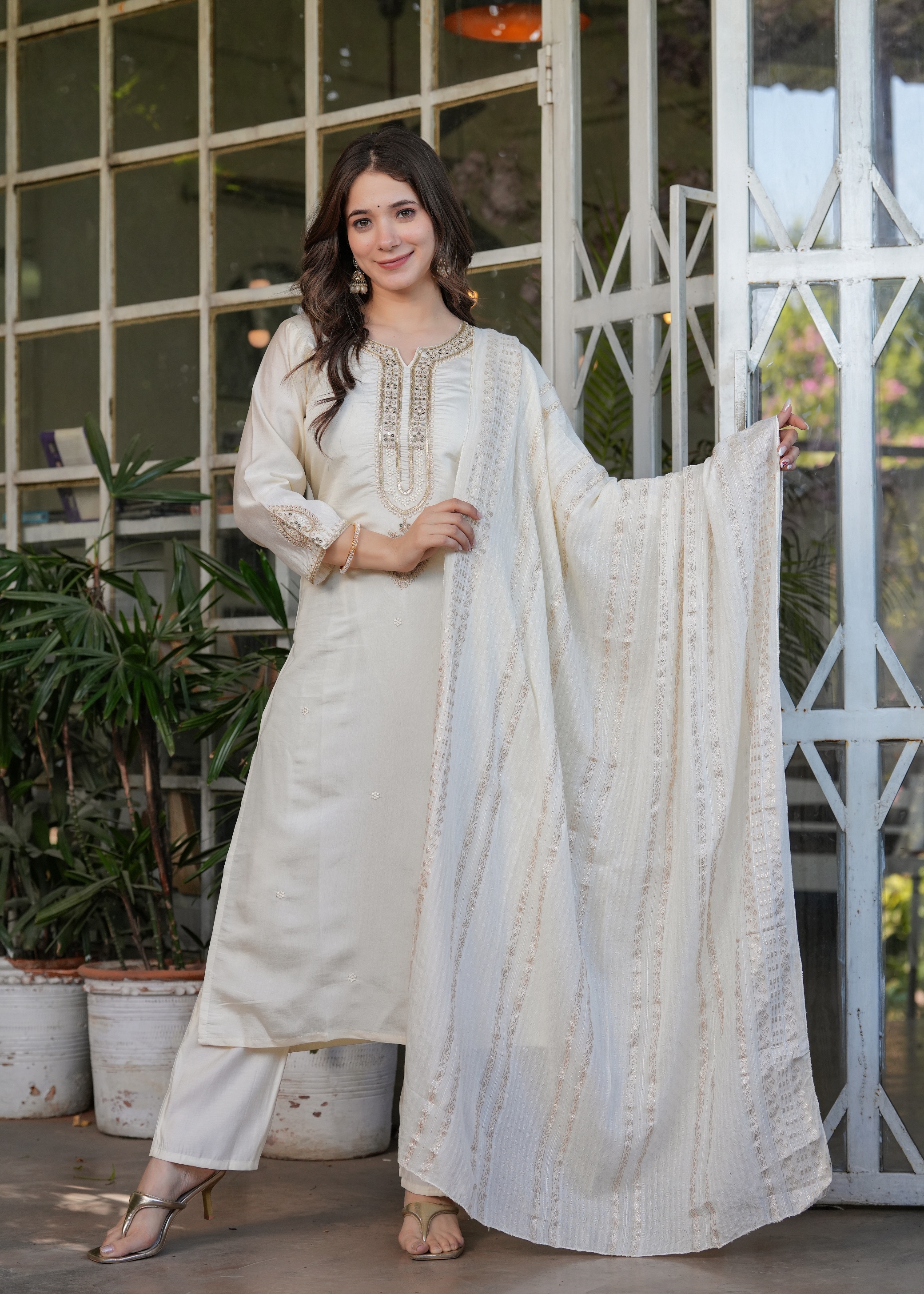
The Elegant White Chanderi Threadwork Suit with Dupatta demonstrates why a pale, embroidered suit can be a strong daytime alternative to a metallic saree. Chanderi is light, slightly crisp and known for a subtle sheen, so white threadwork can look refined rather than plain. Silver jewellery, nude sandals and a pastel clutch keep the outfit suitable for a formal lunch or intimate celebration.
Chikankari also works well when the dress code says festive but not heavily traditional. A straight kurta with cigarette pants creates a cleaner silhouette for a gallery visit or professional celebration, while a flared kameez and flowing dupatta feel more festive for a family gathering.
Banarasi vs Chikankari: Saree & Suit Styles for Different Occasions at Festivals
Choose Banarasi for festivals when you want visible tradition and choose Chikankari when comfort, simplicity or daytime elegance matters more. Both styles can be appropriate for religious functions, but colour, sleeve length and ease of movement deserve attention.
A Banarasi saree works especially well for Diwali, Navratri evenings, Dussehra gatherings and formal pujas. A woven saree in teal, purple or green can carry the festive look with minimal additional decoration. Choose a blouse with a secure neckline and sleeves that allow comfortable arm movement if you expect to light diyas, sit on the floor or participate in rituals.
Chikankari suits are often better for morning pujas, house visits and festivals held in warm weather. White, ivory, blush, pistachio and powder blue embroidery create a calm appearance, although very pale garments require extra care around oil, turmeric and coloured powders. A three-quarter-sleeve kurta and a dupatta pinned at both shoulders offer practical coverage during religious activities.
Regional textile collections can help you build a broader festive wardrobe. Maharashtra Paithani Inspired Salwar Suits bring the visual language of Paithani borders and colour contrasts into a suit format, while Gujarat Bandhej Salwar Suits use the lively tied-and-dyed character associated with Bandhani. Odisha Sambalpuri Salwar Suits offer another route to festive dressing through distinctive regional pattern vocabulary rather than metallic shine.
Banarasi vs Chikankari: Saree & Suit Styles for Different Occasions at Work
A lightweight Chikankari suit is generally the most practical option for work, college and daytime events because it combines a composed silhouette with lower visual intensity. A straight kurta, narrow trousers or palazzos and a manageable dupatta look neat without the ceremony associated with a heavily zari-woven saree.
For a professional setting, choose embroidery in a controlled scale and colours such as ivory, muted blue, sage, taupe or dusty rose. Keep the dupatta free of excessive embellishment so it doesn't require constant adjustment. Small studs, a watch, a structured tote and flat or low-heeled footwear provide a finished appearance without making the outfit feel occasion-specific.
A Banarasi saree can still work for an office festival, cultural presentation or leadership event when the weave is subtle and the styling is restrained. Select a smaller motif, a matte blouse and minimal jewellery rather than combining heavy zari, a dramatic blouse and ornate accessories. Banarasi silk can be less comfortable than cotton or Chanderi during a long commute, so consider the venue's ventilation and the amount of walking involved.
Kalamkari Print Salwar Suits and Punjab Patiala Salwar Suits offer useful alternatives when you want pattern or regional character without choosing either ornate Banarasi zari or delicate Chikankari embroidery. Kalamkari works well for creative workplaces and daytime events, while a Patiala silhouette gives extra ease for movement and a distinctly Punjabi expression.
Banarasi vs Chikankari: Saree & Suit Styles for Different Occasions by Fabric and Fit
Fabric weight, fibre content and fit should guide the decision as much as the occasion name. A formal event in an unventilated venue can make a heavy Banarasi saree uncomfortable, while a thin Chikankari garment may feel underdressed at a richly traditional evening wedding.
For humid or hot weather
Choose cotton Chikankari, lightweight Chanderi or a breathable inner layer for humid weather. Avoid overly tight sleeves and synthetic lining, because restricted airflow can make a suit feel warmer than its embroidery suggests. A cotton or modal lining, where available, is usually more comfortable for extended daytime wear.
For winter or air-conditioned venues
Banarasi silk and soft silk sarees offer more coverage for cool evenings and air-conditioned halls. A full-sleeve blouse, shawl or embellished jacket can add warmth without changing the saree's formal character. Chikankari remains suitable when layered with a silk stole, velvet jacket or tailored long coat.
For petite and taller frames
Smaller motifs and a relatively narrow border can prevent a petite frame from being visually overwhelmed by a Banarasi saree. Taller wearers can carry a larger jaal, a broad zari border or a longer Chikankari kurta more easily. Fit matters more than height: shoulder seams, armholes and trouser length should allow movement without pulling across the body.
Banarasi vs Chikankari: Saree & Suit Styles for Different Occasions with Better Styling
Balanced styling comes from matching accessories to the garment's strongest detail. Banarasi already supplies shine through zari, so antique gold, kundan or temple jewellery can be enough without adding a heavily embellished blouse and sequinned footwear together.
For a Banarasi saree, begin with the pallu and border. A high-neck blouse or a simple round-neck blouse lets an ornate pallu remain visible. Secure pleats with a discreet pin at the waist, place a second pin near the shoulder, and choose footwear that's stable enough for walking on polished floors. A compact clutch is more practical than a large shoulder bag because shoulder straps can crease the pallu.
For a Chikankari suit, use contrast in texture rather than excessive sparkle. Pearl earrings, silver bangles, embroidered juttis or a printed silk dupatta can add definition. A belt over a long straight kurta creates shape for a contemporary event, while a loose dupatta and flat sandals preserve the relaxed character of a daytime gathering.
Colour balance also matters. Gold accessories complement teal, purple, bottle green and warm ivory Banarasi pieces. Silver, pearls and oxidised metal generally suit white, blue, sage and cool pink Chikankari. These are styling guidelines rather than strict rules; the venue's lighting and the garment's zari tone should have the final say.
Banarasi vs Chikankari: Saree & Suit Styles for Different Occasions and Care
Banarasi and Chikankari require different care because woven zari and silk respond differently from embroidered thread and lightweight base fabrics. Read the care label before washing, and avoid storing either garment while damp or compressed under heavy clothing.
Fold a Banarasi saree with the zari surface turned inward to reduce friction and refold it every few months to prevent permanent fold lines. Store Banarasi silk in a clean muslin or cotton cloth, away from direct sunlight and strong perfumes. Professional dry cleaning is the safer choice for silk, metallic zari and heavily finished garments.
Chikankari cotton may sometimes be hand-washed, but embroidery can snag and colours can bleed. Use cool water, a mild detergent and gentle pressing rather than vigorous rubbing. Chanderi and delicate blends should be treated more cautiously, dried in shade and ironed from the reverse side on a low setting with a pressing cloth.
For both styles, allow perspiration and perfume to dry before storage. Remove brooches, pins and heavy jewellery before folding. A breathable storage space, occasional airing and prompt treatment of food or cosmetic stains will extend the useful life of a saree or suit far more effectively than frequent washing.
Banarasi vs Chikankari: Saree & Suit Styles for Different Occasions FAQs
Is Banarasi or Chikankari better for a wedding?
A Banarasi saree is usually better for a formal evening wedding, while Chikankari is often better for a daytime wedding or summer function. Choose according to venue formality, weather and how much movement the event requires.
Can a Chikankari suit be worn to a reception?
A Chikankari suit can be worn to a reception when the event has a daytime, intimate or semi-formal dress code. Select a richer colour, a well-structured silhouette and refined jewellery rather than a very casual cotton set.
Is Banarasi silk comfortable in summer?
Banarasi silk can feel warm in hot, humid weather because silk and zari create a more substantial layer. A lightweight weave, breathable blouse lining, minimal underskirt volume and an air-conditioned venue can improve comfort.
What jewellery suits a Banarasi saree?
Gold, antique gold, kundan, temple jewellery and polki commonly complement Banarasi zari. Use fewer pieces when the saree has a large jaal or a heavily decorated border so the outfit retains visual balance.
How should a Chikankari suit be styled for an office?
Style a Chikankari suit with a straight kurta, tailored trousers, a lightly decorated dupatta and restrained jewellery for an office. Neutral or muted colours, closed-toe flats and a structured bag make the outfit more professional.
How do I store a Banarasi saree and a Chikankari suit?
Store a Banarasi saree folded in muslin with the zari facing inward, and keep a Chikankari suit clean, dry and protected from snagging. Refold stored garments periodically, avoid direct sunlight and follow the care label before washing.
Common Questions on Banarasi and Chikankari Occasion Dressing
Is Banarasi or Chikankari better for a wedding?
A Banarasi saree is usually better for a formal evening wedding, while Chikankari is often better for a daytime wedding or summer function. Choose according to venue formality, weather and how much movement the event requires.
Can a Chikankari suit be worn to a reception?
A Chikankari suit can be worn to a reception when the event has a daytime, intimate or semi-formal dress code. Select a richer colour, a well-structured silhouette and refined jewellery rather than a very casual cotton set.
Is Banarasi silk comfortable in summer?
Banarasi silk can feel warm in hot, humid weather because silk and zari create a more substantial layer. A lightweight weave, breathable blouse lining, minimal underskirt volume and an air-conditioned venue can improve comfort.
What jewellery suits a Banarasi saree?
Gold, antique gold, kundan, temple jewellery and polki commonly complement Banarasi zari. Use fewer pieces when the saree has a large jaal or a heavily decorated border so the outfit retains visual balance.
How should a Chikankari suit be styled for an office?
Style a Chikankari suit with a straight kurta, tailored trousers, a lightly decorated dupatta and restrained jewellery for an office. Neutral or muted colours, closed-toe flats and a structured bag make the outfit more professional.
How do I store a Banarasi saree and a Chikankari suit?
Store a Banarasi saree folded in muslin with the zari facing inward, and keep a Chikankari suit clean, dry and protected from snagging. Refold stored garments periodically, avoid direct sunlight and follow the care label before washing.