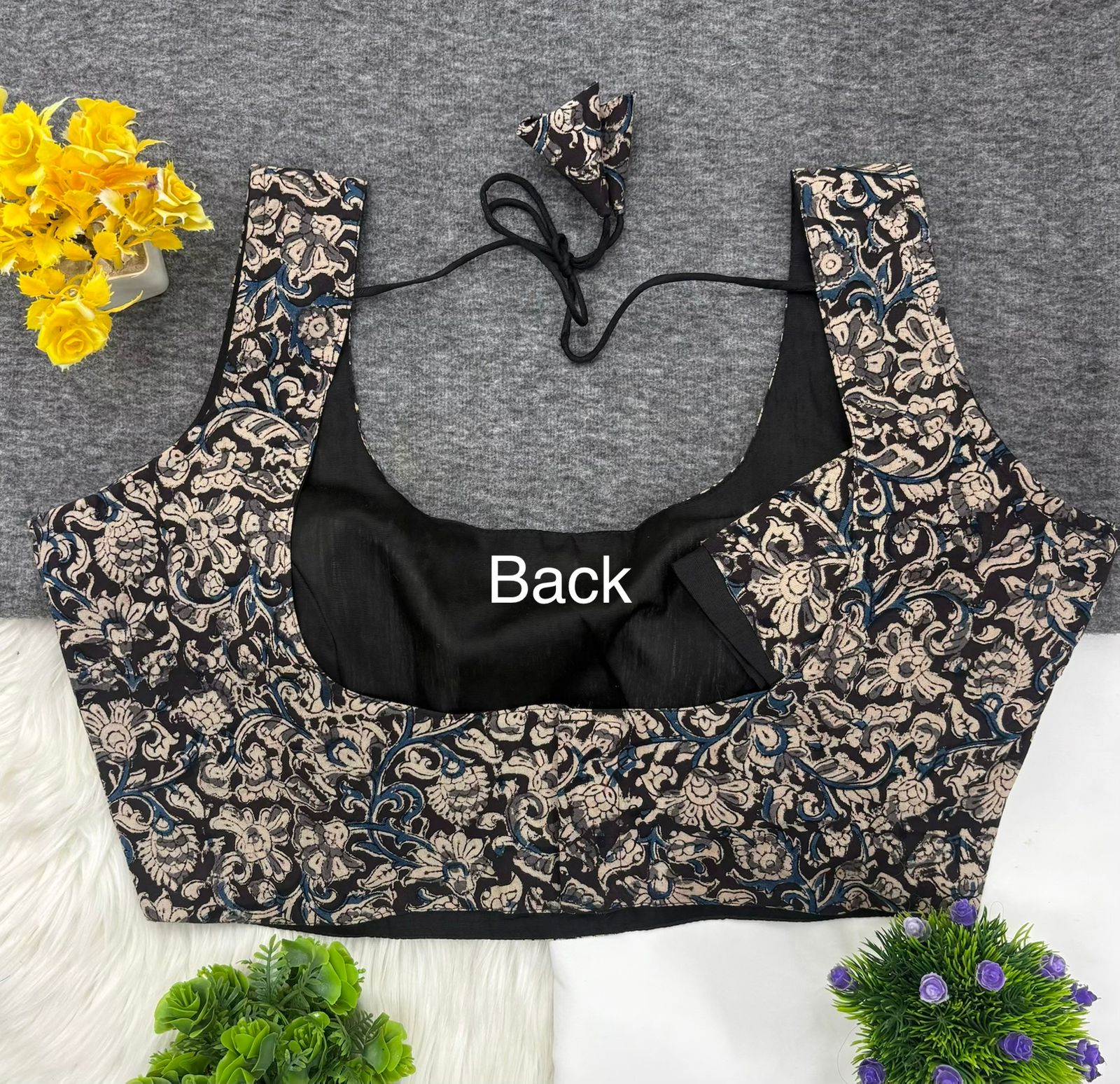
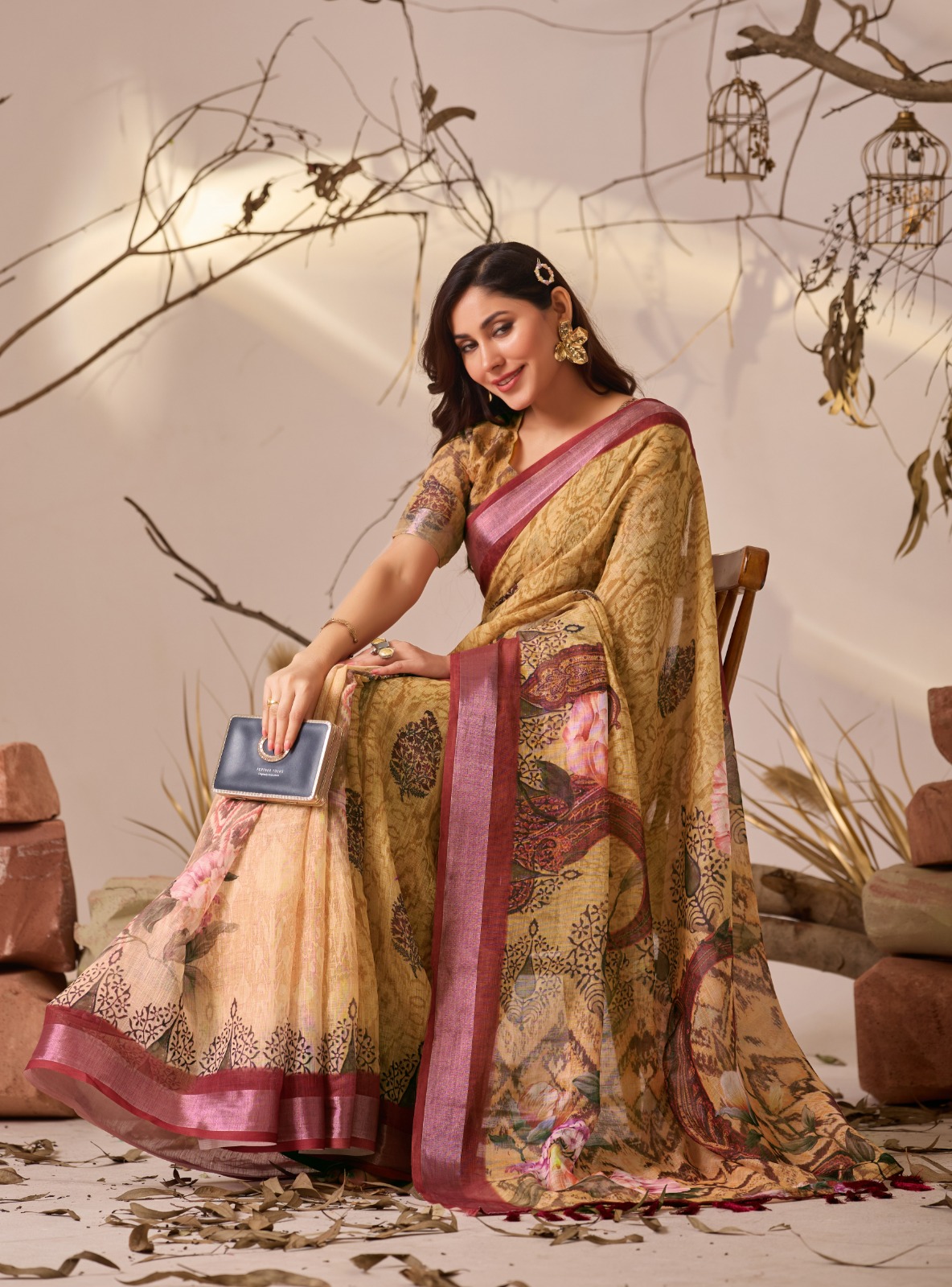
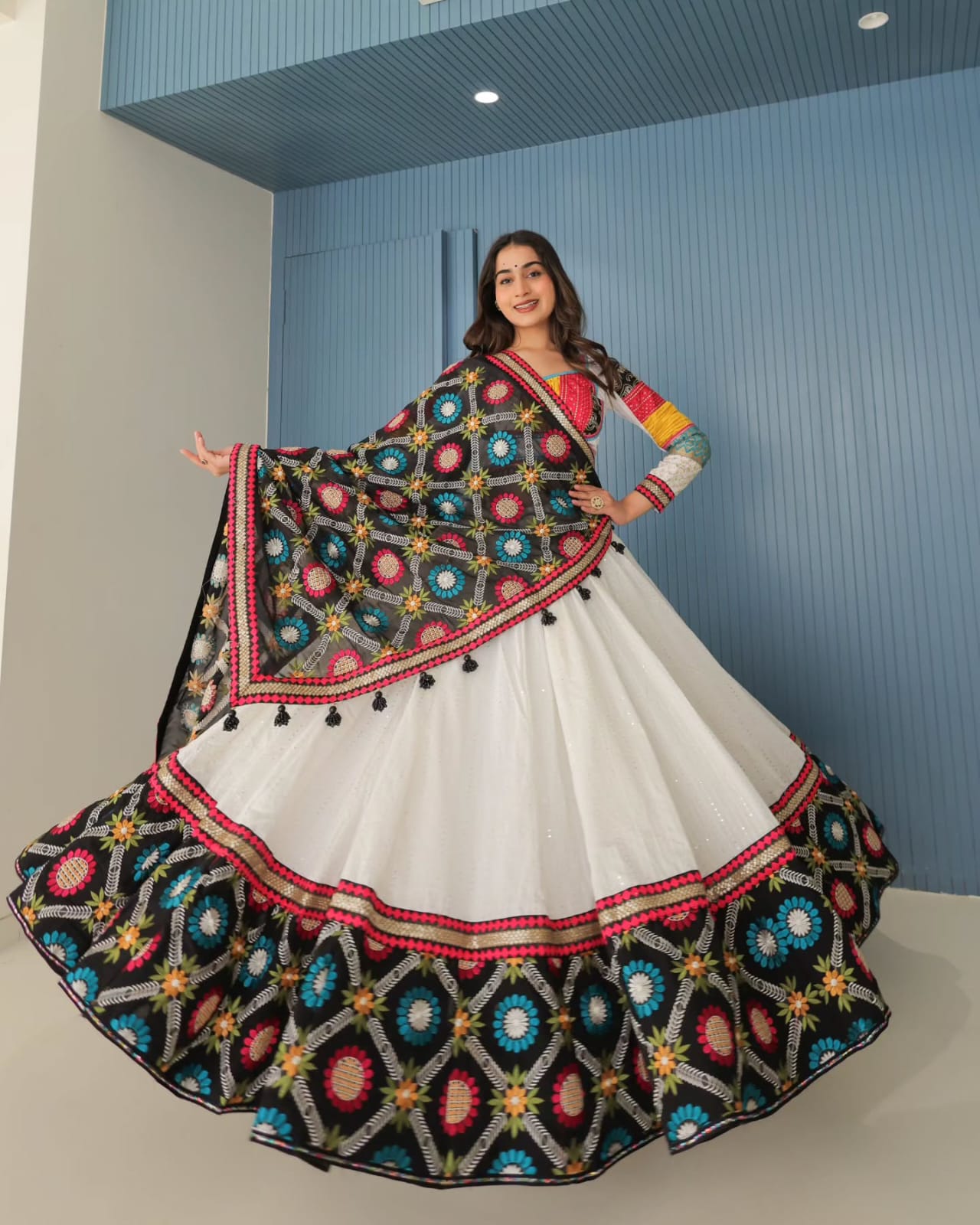
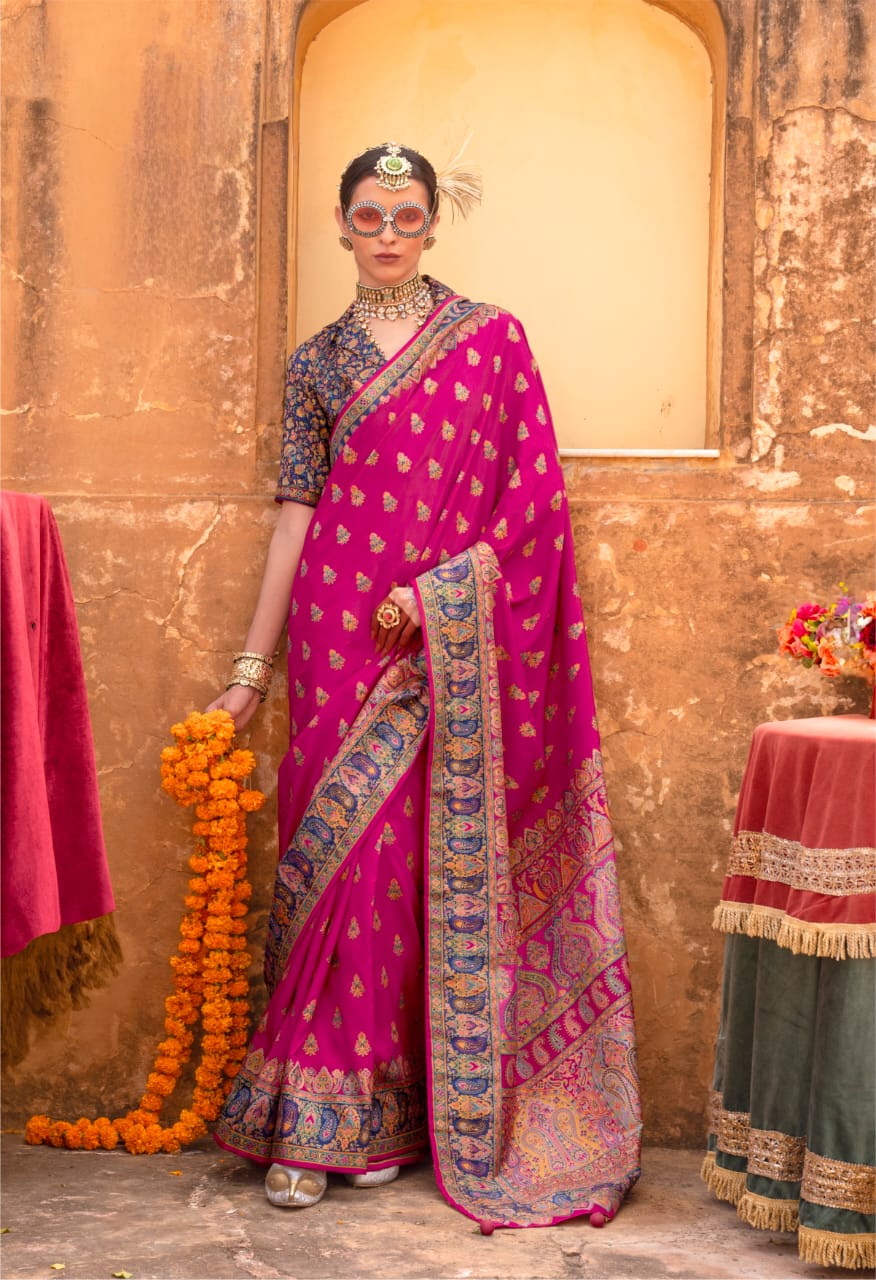
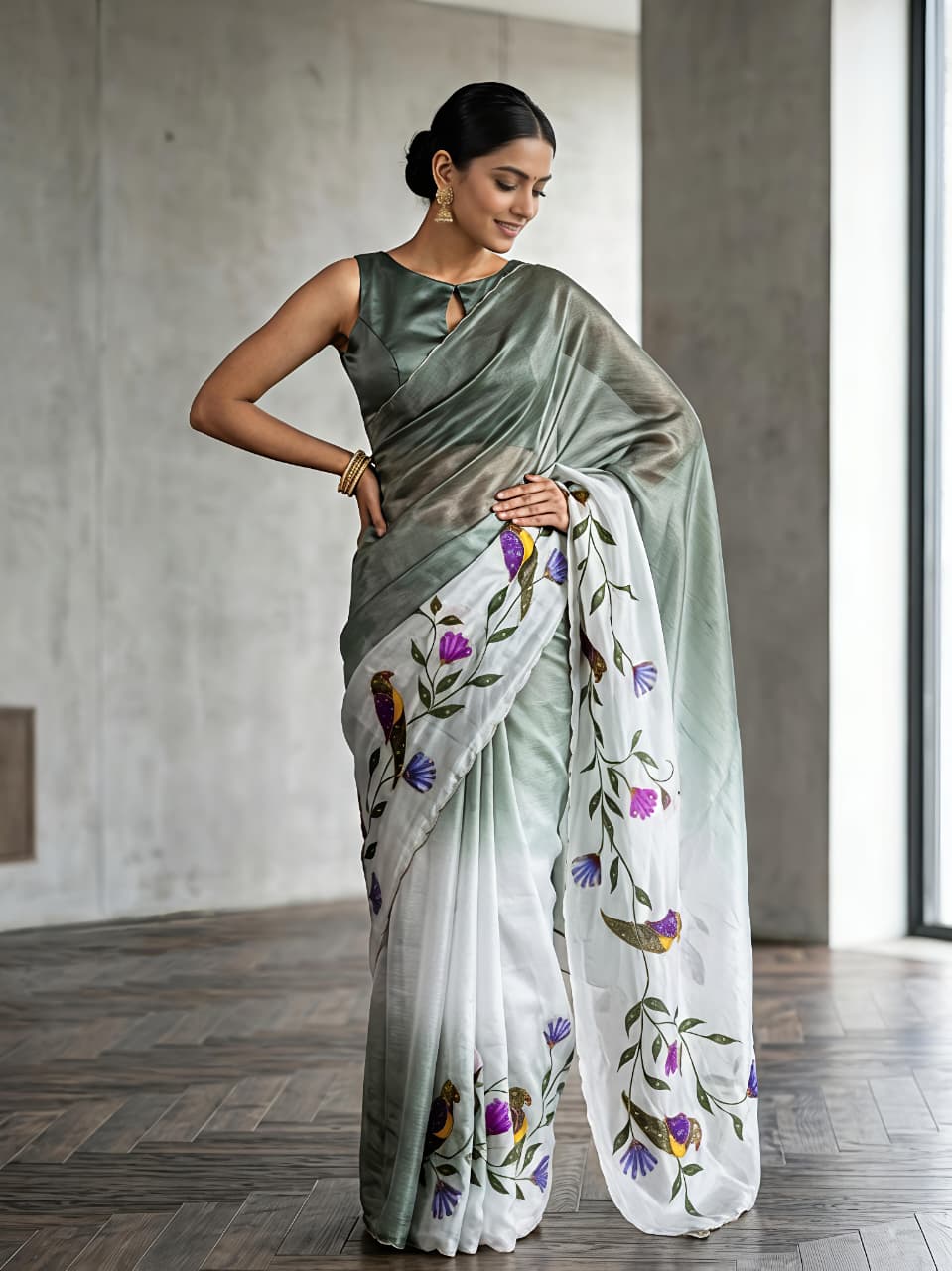
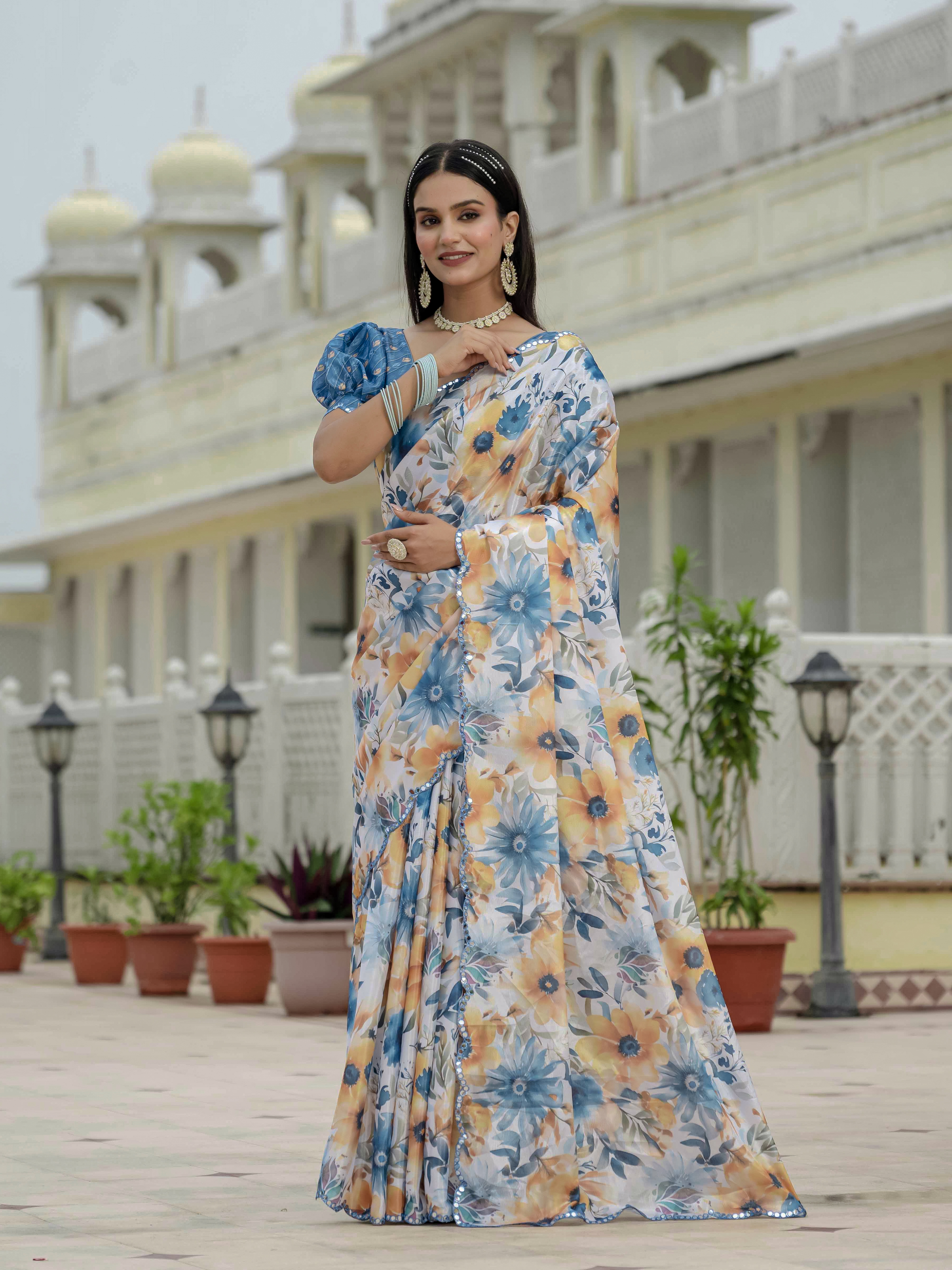
A wedding blouse can change the proportion, mood and formality of an entire outfit. Banarasi Silk Blouse Designs: Traditional & Modern Wedding Ideas are especially versatile because Banarasi silk brings structure, sheen and woven detail to both sarees and lehengas. The best choice depends on the garment being paired with it, the ceremony, personal comfort and the jewellery planned for the day.
Banarasi silk can support a high-neck bridal blouse, a classic elbow-sleeve design, a contemporary peplum or a reception-ready corset-inspired shape. The fabric isn't limited to one bridal aesthetic. Careful attention to motif placement, lining, measurements and colour makes the difference between a blouse that merely looks ornate and one that remains comfortable for six or more hours.
Banarasi Silk Blouse Designs: Why the fabric suits wedding wear
Banarasi silk suits wedding blouses because its firm hand supports tailoring while its woven zari and motifs provide decoration without requiring heavy embroidery.
Banarasi silk is traditionally associated with Varanasi and is woven with silk yarns, often incorporating zari made from metallic threads. Recognisable design vocabulary includes butidar dots, jaal layouts, bel vines, kalga motifs and floral forms. A blouse cut from a motif-rich section can appear complete even when the construction is relatively restrained.
The fabric also holds a sleeve edge, neckline, peplum or structured shoulder better than many fluid silk blends. That stability helps a fitted blouse sit neatly beneath saree pleats and keeps a sleeve border from collapsing during movement. A heavier weave may provide more support for a deep back or sculpted neckline, but professional stitching and a suitable lining remain necessary.
Fabric weight matters when choosing a blouse for a wedding. Dense zari can feel visually heavy with an already embellished saree, while small butis can balance a grand Kanjeevaram or a richly bordered Banarasi saree. Inspect the reverse side, zari density, weave consistency and colour under natural light before finalising a fabric.
For editorial examples, a traditional product such as the Banarasi Silk Zari Blouse can demonstrate how an all-over weave creates a complete bridal look, while the Modern Banarasi Peplum Blouse shows how the same textile can be shaped for a reception. A third example, the Banarasi Silk Elbow Sleeve Blouse, illustrates a practical middle ground between ornate bridal styling and everyday comfort.
Banarasi Silk Blouse Designs: Traditional bridal necklines and sleeves
Traditional bridal styling usually benefits from a medium or high neckline, defined sleeves and a colour relationship that connects the blouse to the saree border.
High-neck and round-neck silhouettes
A high-neck Banarasi blouse creates a regal frame for a bridal saree and works particularly well with long necklaces, layered harams and statement earrings.
A 1.5 to 2.5 inch high neck can make the upper body appear elongated when the blouse has a clean front and a narrow sleeve. A round neck positioned 2 to 4 inches below the collarbone is easier to wear for long ceremonies and leaves room for a choker. Covered buttons, fabric loops or a concealed back zip can preserve the traditional appearance.
Elbow sleeves and short sleeves
Elbow sleeves are a dependable bridal choice because they provide coverage, allow comfortable arm movement and leave enough surface for zari borders.
A 9 to 12 inch sleeve ending near the elbow can be finished with a woven Banarasi border or narrow contrast piping. Short sleeves ending 4 to 6 inches above the elbow feel lighter and suit smaller motifs. A thick border placed exactly at the widest part of the upper arm can draw attention to that area, so border placement should be planned with the wearer's preferred proportions in mind.
Back details with practical support
A moderately deep back with a stable fastening is more practical for wedding rituals than an extremely low back.
A back depth of 6 to 9 inches offers room for tassels, tie strings or a central motif without making the blouse difficult to secure. Brides who will sit on the floor, bend frequently or carry a dupatta should choose straps and hooks that remain firmly anchored. A broad back band distributes tension more effectively than narrow strings on a heavy silk blouse.
Banarasi Silk Blouse Designs: Modern shapes for receptions
Modern Banarasi blouse styling comes from changing the silhouette, proportion or construction while allowing the woven fabric to remain the visual focus.
Sweetheart, square and asymmetric necklines
A sweetheart neckline softens the structure of Banarasi silk and pairs naturally with a six-yard saree or a pre-pleated drape.
A square neckline gives a sharper contemporary effect and works well when the saree has a simple border. An asymmetric neckline can look striking with a plain silk saree, but the shoulder seam must be balanced carefully so the blouse doesn't pull during movement. A shoulder strap measuring at least 1 to 2 inches is generally more secure than a very narrow strap beneath a heavy pallu.
Peplum, corset-inspired and cropped shapes
A peplum Banarasi blouse defines the waist and can be worn with a saree, lehenga skirt or high-waisted draped skirt.
A short peplum extending 3 to 5 inches below the natural waist gives a clear shape without competing with saree pleats. Corset-inspired panels can create a contemporary line, but the blouse should use inner support and a breathable lining rather than relying on tightness. A cropped blouse ending just above the natural waist suits high-rise lehengas and creates a clean gap between blouse and skirt.
Statement sleeves and one-shoulder styles
One-shoulder Banarasi blouses are better suited to receptions, engagement parties and indoor celebrations than to ceremonies requiring extensive movement.
Statement sleeves can be created with a controlled shoulder puff, a flared elbow sleeve or a detachable sheer sleeve. Banarasi silk has enough body for a moderate puff, but an oversized sleeve may become uncomfortable under a dupatta. When the blouse has a wide sleeve, restrained jewellery and a simpler saree border usually create better visual balance.
Banarasi Silk Blouse Designs: Colour, zari and motif selection
The most reliable colour choice repeats the saree body, the saree border or a secondary tone found in the woven motif.
Deep red, maroon, vermilion and magenta remain strong bridal choices because they work with traditional wedding palettes and photograph well under warm lighting. Rani pink and fuchsia create a brighter effect with gold zari. Bottle green, emerald and peacock blue offer contrast against red, pink or mustard sarees while retaining festive depth.
Gold zari usually harmonises with warm reds, oranges, pinks, mustard and ivory. Silver zari suits cool blue, lavender, grey and some jewel-green palettes. Antique zari has a muted rather than mirror-like finish and is useful when the saree already contains substantial metallic work or when a vintage mood is preferred.
Contrasting blouses work best when the contrast appears somewhere else in the outfit. A green Banarasi blouse with a red saree can feel intentional when green repeats in jewellery stones, border detailing or bangles. A completely unrelated contrast may make the blouse appear detached from the saree, especially in photographs.
Ivory, beige, black and deep navy Banarasi silk blouses offer stronger repeat-wear potential after the wedding. These colours pair with bright sarees, printed drapes and lehenga skirts, making them useful trousseau pieces rather than single-event garments.
Motif scale should also relate to the wearer and the outfit. Large kalga or floral motifs create a dramatic result on a broad blouse front, whereas small butis are easier to use on a short blouse or a narrow sleeve. A tailor can place a prominent motif at the centre back, sleeve cuff or neckline rather than cutting through it at a seam.
Banarasi Silk Blouse Designs: Pairing ideas for every wedding function
The blouse should match the visual weight and movement requirements of the outfit rather than simply matching its colour.
Wedding ceremony
A wedding ceremony calls for a secure blouse with enough coverage for sitting, rituals and repeated arm movement.
Elbow sleeves, a medium neckline and a firm lining are suitable when the saree is heavy or the ceremony will last several hours. Kanjeevaram sarees, bridal Banarasi sarees and richly bordered silk sarees can carry a traditional Banarasi blouse with woven zari, but the blouse border should not be so wide that it competes with the saree border.
Haldi ceremony and mehendi
Haldi ceremony and mehendi outfits benefit from lighter construction, washable styling considerations and greater freedom of movement.
A short-sleeved blouse, peplum shape or moderate sweetheart neck works well with a lighter saree or lehenga. Secure hooks, tassels and sleeve trims carefully because dancing and seated mehendi sessions place more stress on seams than a formal reception. Chanderi sarees and lighter organza drapes can balance a richly woven blouse when texture is desired without excessive weight.
Sangeet
A sangeet blouse should allow the arms to lift comfortably and should not rely on delicate fastenings that may catch during dancing.
A cropped blouse with a high-waisted lehenga, a short-sleeved Banarasi blouse with a pre-pleated saree or a structured peplum with wide-leg trousers can all work well. Test the outfit by raising both arms, turning at the waist and sitting before approving the final stitching.
Reception
A reception allows the greatest flexibility for modern tailoring, including sculpted necklines, longer sleeves and minimalist woven motifs.
A black, navy, wine or metallic-toned Banarasi blouse can anchor a plain silk saree and shift the outfit towards evening wear. With a heavily embellished lehenga, use a relatively clean blouse and let the weave provide the detail. With a plain lehenga skirt, a motif-rich blouse can become the central feature.
Banarasi Silk Blouse Designs: Fit, lining and tailoring checklist
Accurate measurements and a supportive lining determine whether a Banarasi blouse looks polished after several hours of wear.
Measure the bust at the fullest point, underbust, shoulder width, armhole, upper arm and desired blouse length while wearing the bra or shapewear intended for the event. Take measurements at least 3 to 4 weeks before the wedding to allow time for a first fitting, alterations and a final trial with the saree.
Banarasi silk usually benefits from a breathable cotton-silk, cotton or lightweight silk lining. The lining should support the fabric without making the blouse excessively stiff or warm. A blouse containing zari should not be left unlined because metallic threads and unfinished seams may irritate the skin.
Ask the tailor to preserve seam allowance at the side seams whenever possible. A 1 to 1.5 inch allowance can help with minor alterations after fitting. Shoulder seams should sit at the shoulder edge, and the armhole should allow the arm to lift without pulling the blouse upwards.
Check the fastening according to the fabric weight. Hooks and eyes are dependable for a fitted back, a concealed zip gives a cleaner contemporary finish and fabric-covered buttons suit traditional designs. A heavy blouse should not depend entirely on decorative tie strings for support.
Test the blouse with the exact saree drape, bra, jewellery and footwear. Raise both arms, sit on a chair, walk for five minutes and check whether the hooks remain closed. These simple tests reveal fitting problems that can be missed during a brief standing trial.
Banarasi Silk Blouse Designs: Jewellery, draping and care
Jewellery should respond to the blouse neckline and the density of the Banarasi weave.
A high-neck blouse pairs well with long earrings, a matha patti or layered long necklaces rather than a highly tight choker. A square or sweetheart neck leaves space for a choker, collar necklace or short temple jewellery set. A deep back can be highlighted with a back chain, but a back chain may become uncomfortable when the saree pallu already contains heavy embellishment.
Keep the saree drape proportionate to the blouse. A broad pallu border can balance a structured blouse, while a narrow pallu often works better with a more detailed neckline or sleeve. Pin the pallu at the shoulder and waist when movement is expected, using safety pins with protective covers so the silk doesn't snag.
Banarasi silk should be dry-cleaned when necessary, stored folded in clean muslin and kept away from direct sunlight. Refold the blouse every few months to prevent a permanent crease along the same line. Avoid spraying perfume directly onto the fabric because alcohol and fragrance oils can affect metallic zari and leave marks.
A successful wedding blouse combines textile knowledge with practical construction. The strongest choice isn't always the most embroidered or deepest neckline. A well-proportioned Banarasi silk blouse with secure support, considered motif placement and a colour relationship to the saree will remain elegant through photographs, rituals, meals and dancing.
Common Questions About Banarasi Silk Wedding Blouses
Which Banarasi silk blouse design is best for a bridal saree?
A high or medium round neckline with elbow-length sleeves is one of the most practical bridal choices. The silhouette offers support and coverage while leaving room for zari borders, temple jewellery and a traditional saree drape.
Can a Banarasi silk blouse be worn with a lehenga?
Yes, Banarasi silk works well with lehengas when the blouse length and skirt waist are planned together. A cropped blouse suits a high-rise skirt, while a 3 to 5 inch peplum creates a more shaped contemporary silhouette.
Which colours pair well with a Banarasi silk blouse for a wedding?
Maroon, red, magenta, emerald, bottle green, navy, ivory and antique gold are versatile wedding colours. Gold zari suits warm palettes, while silver zari generally works better with blue, lavender, grey and cool green.
How early should a bridal Banarasi blouse be stitched?
Begin measurements 3 to 4 weeks before the wedding. That timeframe usually allows an initial fitting, adjustments and a final trial with the exact saree, undergarments, jewellery and footwear.
How should a Banarasi silk blouse be cared for after the wedding?
Use professional dry cleaning when needed, store the blouse folded in clean muslin and keep it away from direct sunlight. Refold it periodically and avoid spraying perfume directly on the silk or zari.
Are modern Banarasi blouse designs comfortable for long ceremonies?
Modern designs can be comfortable when the neckline, armhole and fastening are properly fitted. Test the blouse by sitting, walking and raising both arms, and choose breathable lining for ceremonies lasting several hours.