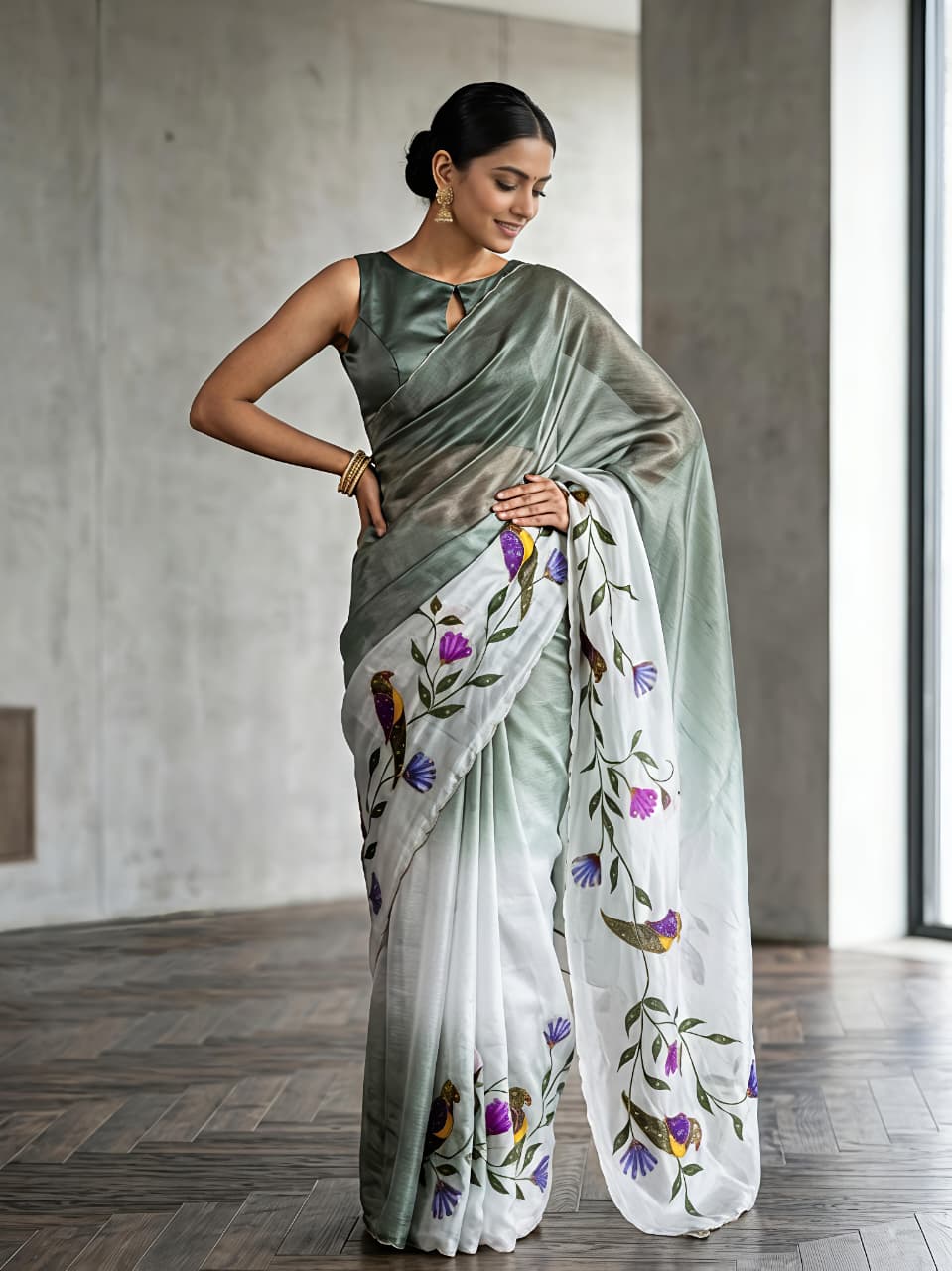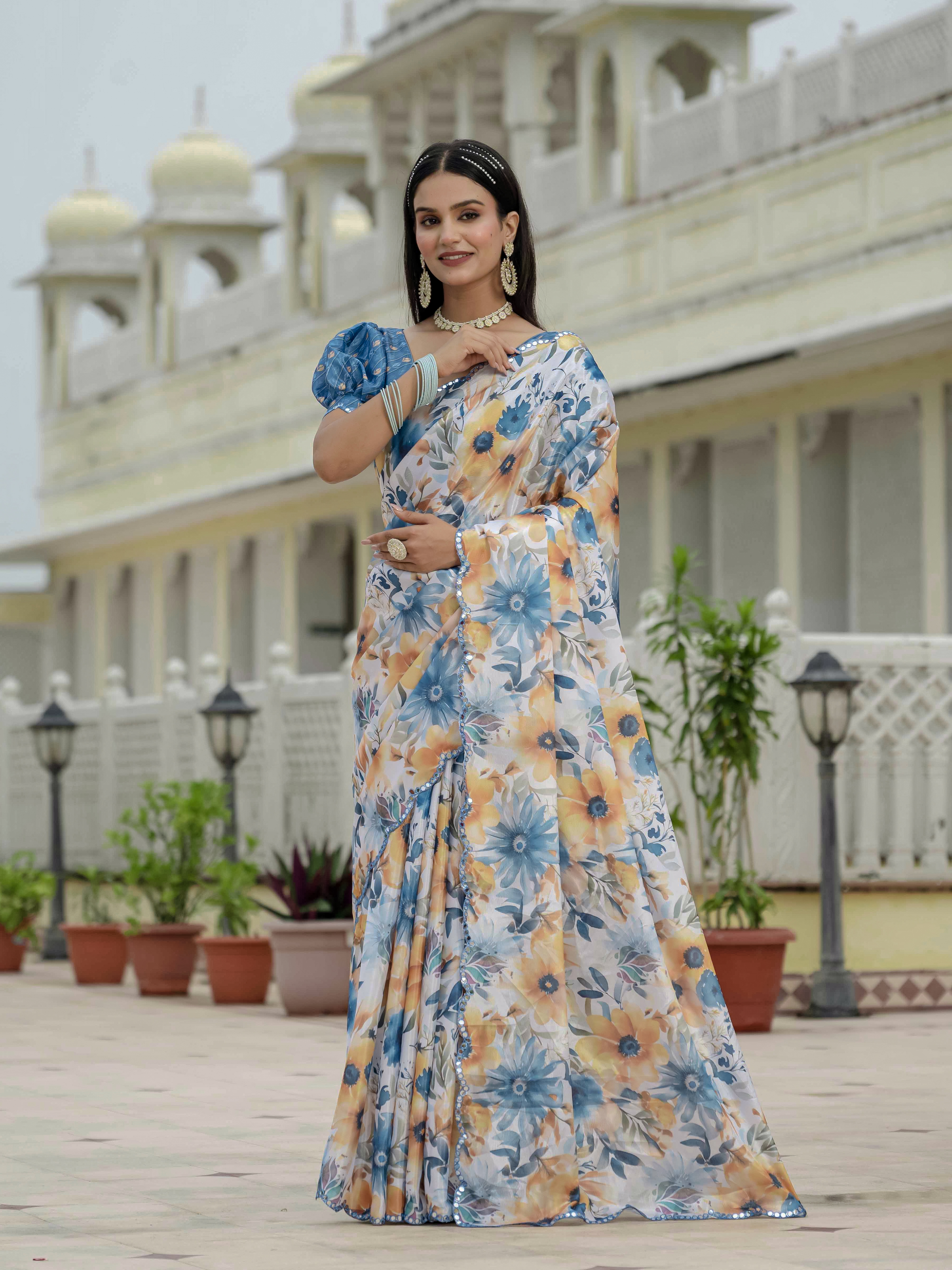
This Baluchari Saree Guide begins with the detail that makes a Baluchari saree exceptional: its pallu can narrate a story through woven figures, scenes and repeating panels. Traditionally associated with Bengal, especially Bishnupur in Bankura, the saree is usually woven in silk with a jacquard technique that places detailed motifs directly into the fabric. The result is more than a decorative drape; the pallu becomes a visual record of mythology, courtly life, architecture or everyday Bengali culture.
Understanding the weave helps you shop more intelligently. A buyer can distinguish a genuine story-led design from a printed saree that merely borrows Bengali-looking imagery, choose a suitable blouse and preserve the silk correctly. The same knowledge also makes it easier to adapt a traditional saree for a wedding, Haldi ceremony, office celebration or women party wear wardrobe.
Baluchari Saree Guide: What makes a Baluchari saree different?
A Baluchari saree is distinguished by figurative woven motifs, a narrative pallu and a Bengali silk-weaving heritage centred on Bishnupur. The motifs are created through the structure of the fabric rather than simply being printed on top.
Baluchari weaving developed from the Murshidabad tradition and later became strongly associated with Bishnupur. Historical designs often included scenes from the Ramayana and Mahabharata, Krishna Leela, royal processions, musicians, horses, temple forms and colonial-era figures. Modern weavers may simplify these subjects or arrange them into repeating panels, but the storytelling quality remains the key visual signature.
Jacquard looms allow separate motif areas to be formed with contrasting yarns. Zari may appear in contemporary interpretations, but zari alone doesn't make a saree Baluchari. A silk saree with floral zari borders and a plain pallu belongs to a different design tradition, even when its colour palette feels similar.
Why does the pallu deserve close attention?
The pallu is the clearest place to inspect Baluchari workmanship because the largest narrative panels are usually positioned there. Look for repeated figures with clean outlines, balanced spacing and a motif that remains legible when the pallu is spread flat.
A good pallu should not look like an isolated image pasted onto the fabric. The border, body motifs and pallu should share a considered scale. If a seller describes a saree as Baluchari but shows only a close-up of a shiny border, ask for a full-length image, a reverse-side view and the fibre composition.
Baluchari Saree Guide: How can you identify silk and construction?
You can assess a Baluchari saree online by checking the fibre label, full saree images, reverse side, pallu detail, measurements and seller description before focusing on colour.
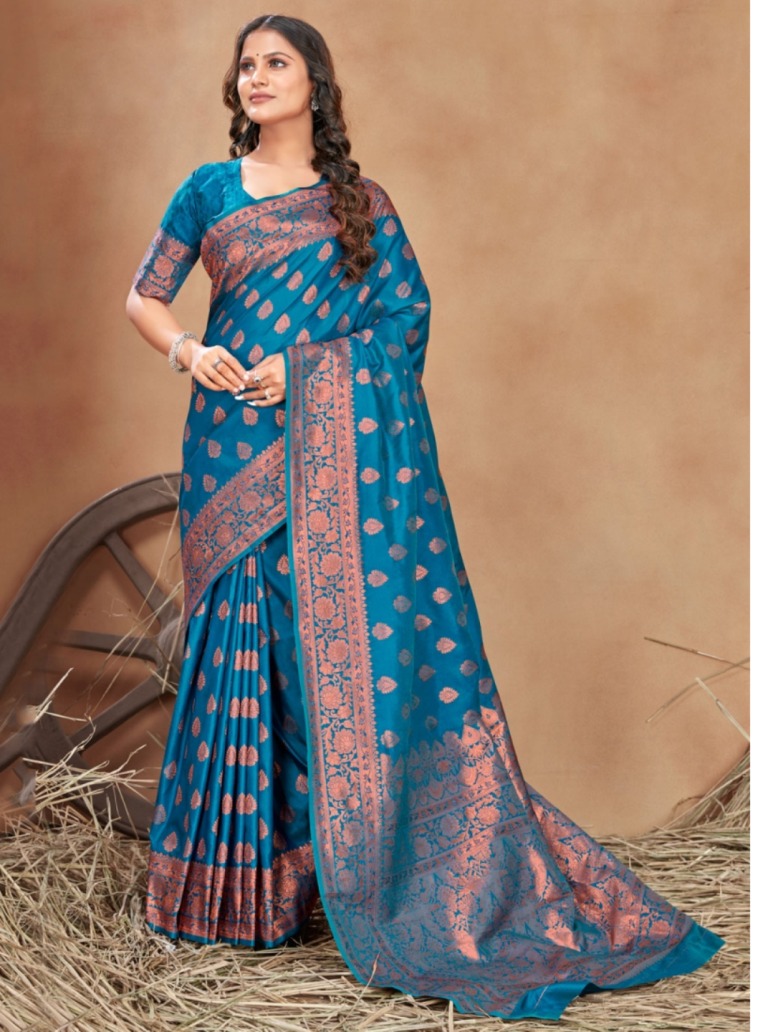
Silk quality can't be judged reliably from a screen, so product information matters. Check whether the listing says pure silk, silk blend, art silk or another composition. A silk blend may be attractive and practical, but it should not be presented as the same thing as handwoven silk. Ask whether the saree is handloom or powerloom, whether the motifs are woven or printed, and whether the blouse piece is included.
The reverse side provides useful evidence. Woven motifs generally show thread movement and a structured reverse, while a print will leave the back largely plain. A reverse side with many loose floats isn't automatically a defect, but excessive loose threads, uneven selvedges and abrupt motif breaks deserve clarification.
Measurements are equally practical. A saree length of about 5.5 metres is common, while a blouse piece may add roughly 0.8 metres; exact dimensions vary. A heavy pallu can alter how the saree hangs, so petite wearers may prefer a narrower pleat arrangement and a well-fitted underskirt rather than excessive pinning.
Colour names can also mislead. Teal, peacock blue, bottle green and blue-green may photograph differently under warm indoor lighting. Compare the seller's close-up and full-length images, and remember that metallic zari may look brighter in direct light than in a room.
Baluchari Saree Guide: How should you style it today?
An up-to-date Baluchari look works best when the saree remains the visual focus and the blouse, jewellery and drape repeat one or two colours from the woven narrative.
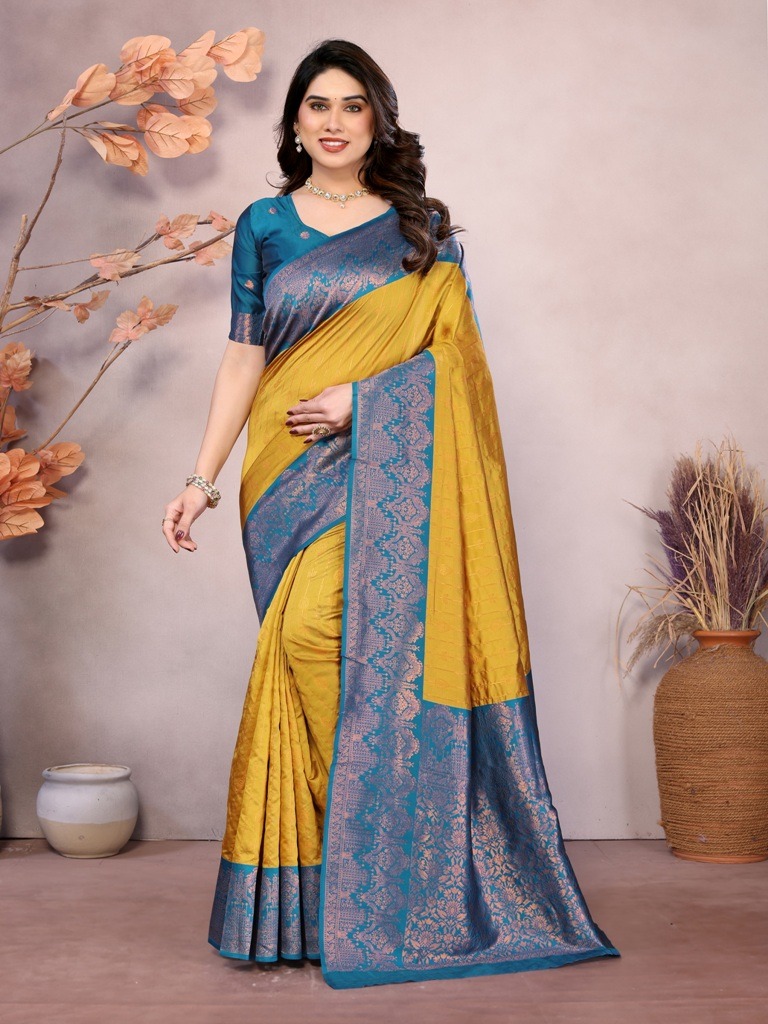
Which blouse works with a detailed pallu?
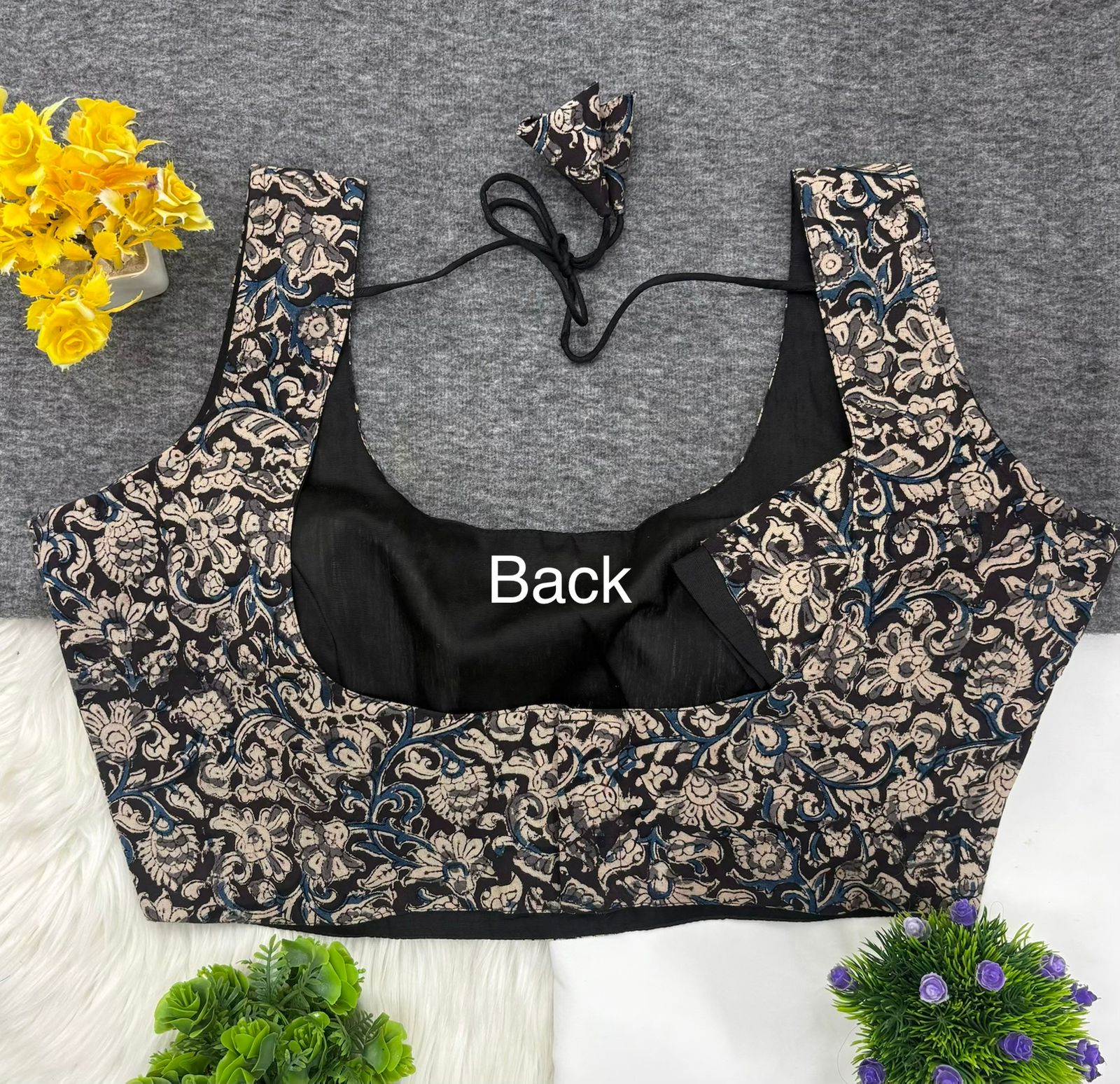
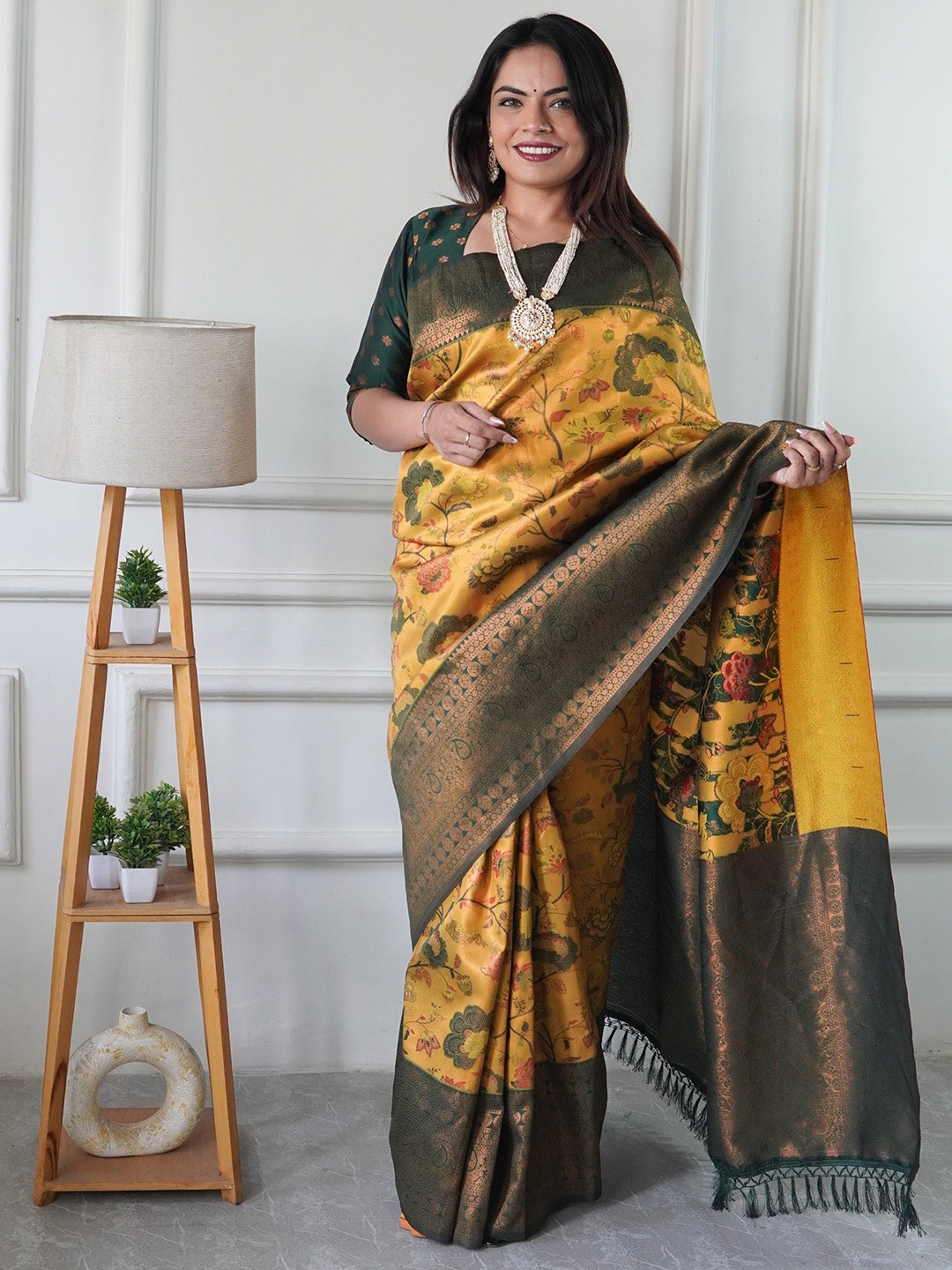
A plain silk or raw-silk blouse gives a detailed pallu enough space to speak. Jewel tones such as deep teal, wine, indigo, rust and antique gold can pick up small accents in the border without competing with the figures. A high round neck creates a composed traditional silhouette, while a square neck or elbow-length sleeve introduces a sharper contemporary line.
For a formal wedding, a blouse with a restrained zari edge can echo the metallic threads without adding a second heavy motif. For a daytime festival or Haldi ceremony, a cotton-silk or matte silk blouse in mustard, coral or leaf green keeps the outfit lighter. Avoid pairing a narrative Baluchari pallu with a heavily embroidered blouse featuring a separate large scene; two competing focal points can make the ensemble look crowded.
Which drape suits different settings?
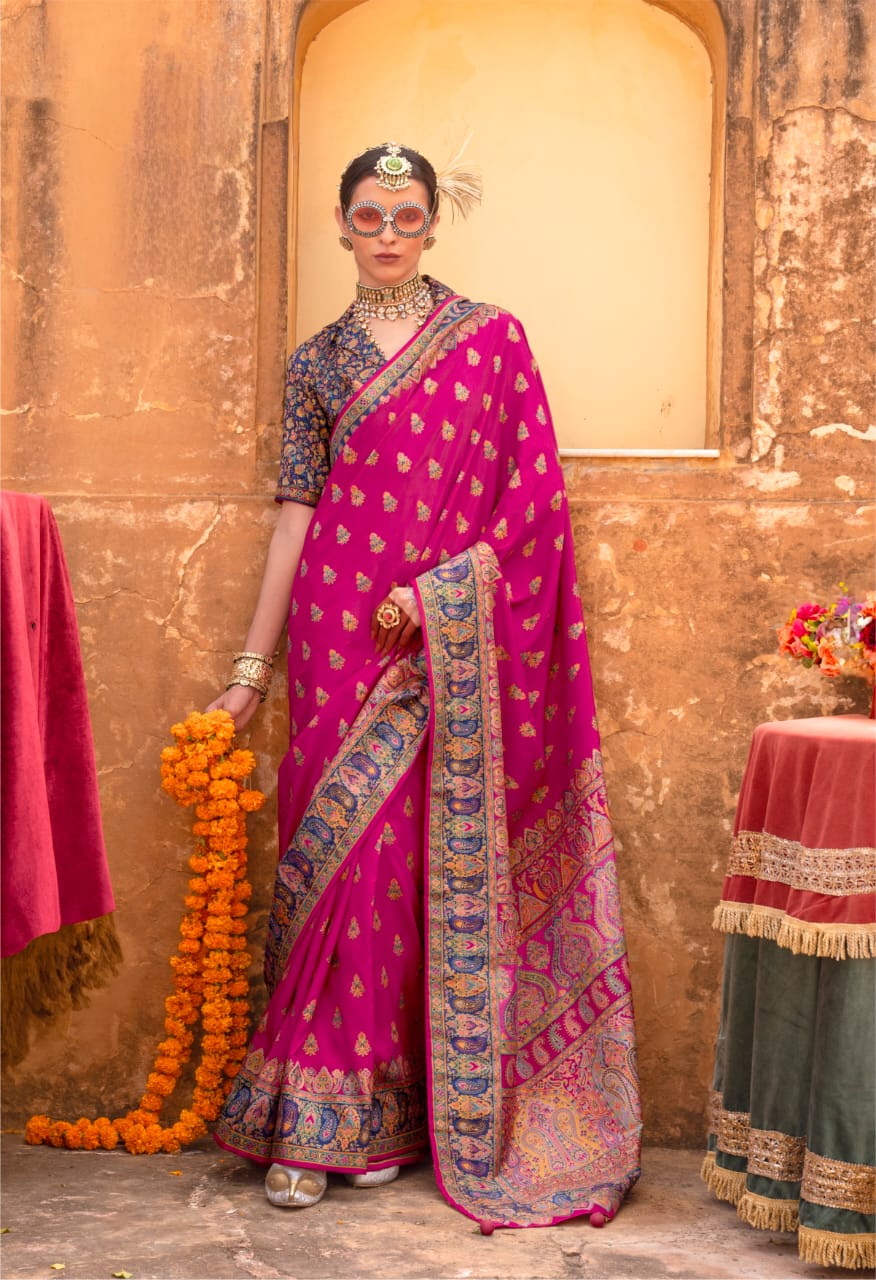
The classic Bengali drape highlights the broad pallu and allows the end to fall over the shoulder with a generous display of motifs. Secure the pleats at the waist and use a discreet shoulder pin if the silk is slippery. For a more familiar formal silhouette, a neat front-pleated Nivi drape keeps the pallu visible while making walking and sitting easier.
For office festivities, keep the pallu folded once so the narrative border remains visible without overwhelming the frame. For an evening reception, let the pallu open fully and use antique-gold earrings, a low bun and a small structured clutch. A belt can modernise the drape, but a narrow fabric or metallic belt is safer than a wide statement belt that hides the woven story.
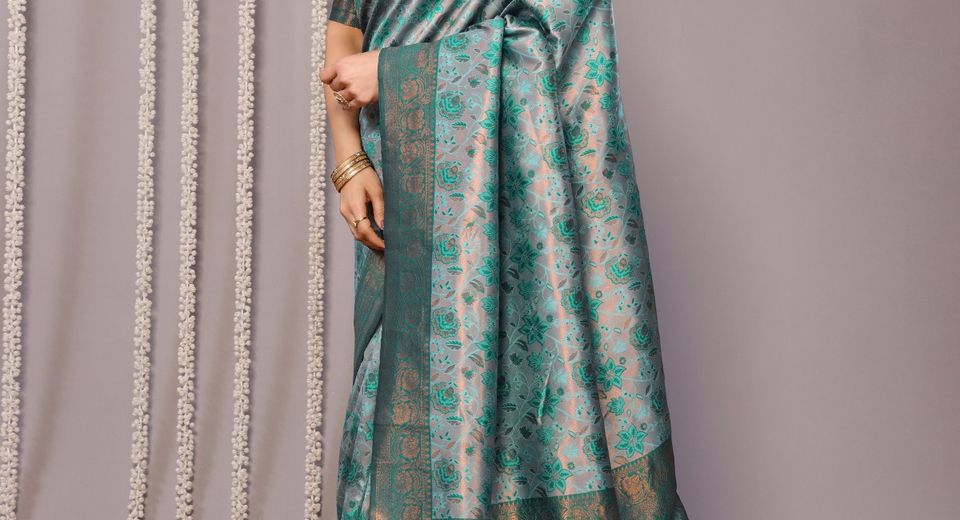
Teal Banarasi Silk Saree with Zari Floral Weaving and Elegant Teal Silk Saree with Floral Zari Design demonstrate how a floral silk-and-metallic palette can be styled with a plain blouse. These sarees are not automatically Baluchari, and that distinction matters: their design vocabulary is useful for styling reference, not proof of Bengali narrative weaving.
Baluchari Saree Guide: Which colours and accessories work best?
Deep jewel tones, earthy reds, muted golds and balanced pastels suit Bengali-inspired silk because they support the visual weight of woven motifs without erasing them.
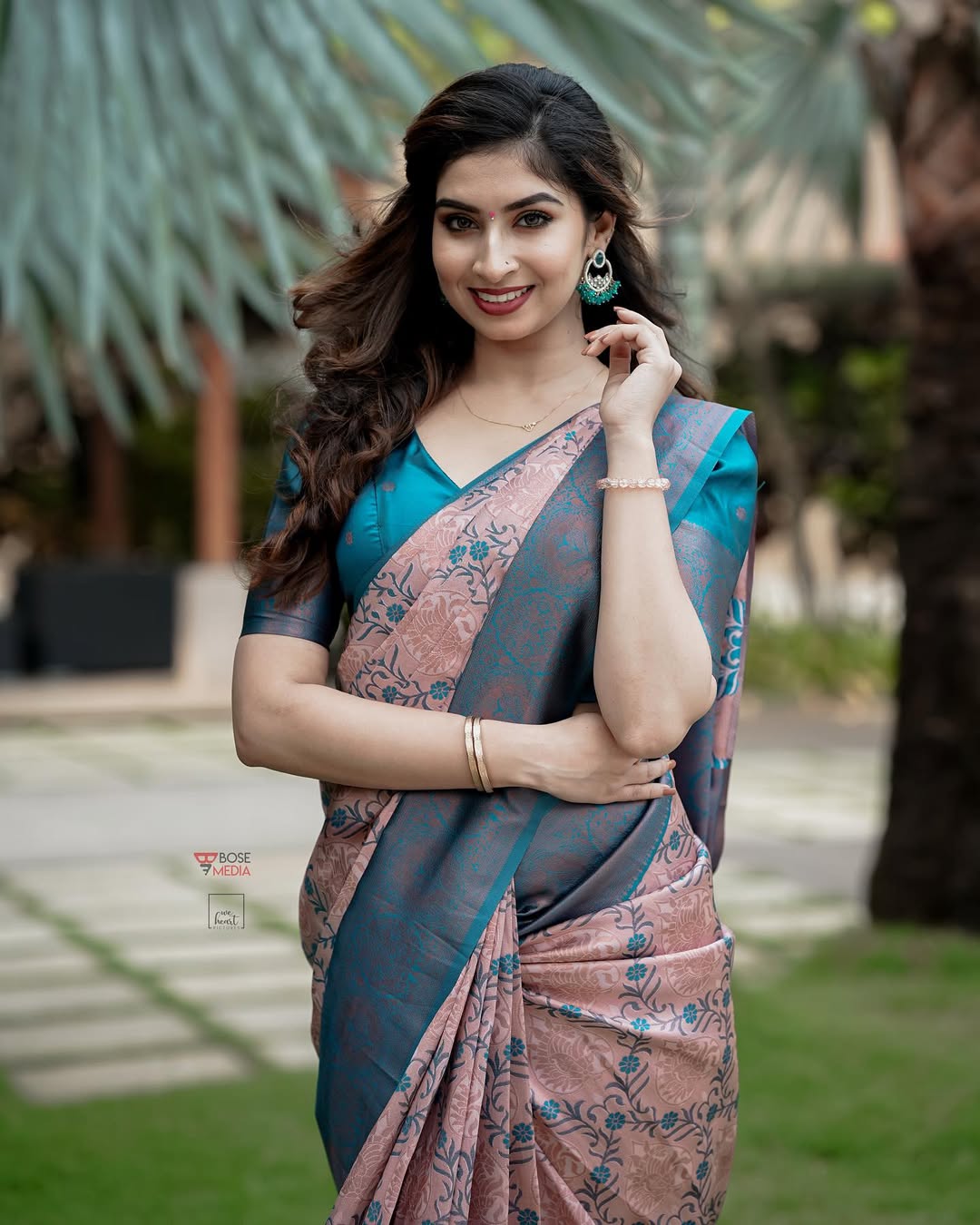
Red and ivory create a recognisable festive combination, but a Baluchari saree doesn't need to be red to look traditional. Teal with copper, indigo with antique gold, plum with beige and olive with muted zari offer more individual options. Teal Traditional Silk Saree with Copper Jacquard Border shows why copper can feel warmer and less reflective than bright gold when paired with blue-green clothing.
Choose jewellery according to the scale of the pallu. A broad narrative pallu usually needs one strong accessory category: temple-style earrings, a long necklace, a stack of bangles or a bold ring. Wearing every category at maximum size can obscure the saree. Terracotta, gold-plated metal, pearls and carved wooden accessories can all work, depending on the motifs and occasion.
Makeup and hair can complete the regional reference without turning it into costume. A centre-parted bun, a low braid, a small bindi and a defined lip offer a polished finish. Fresh flowers are appropriate for many festive settings, but secure them firmly so moisture doesn't contact the silk for long periods.
Baluchari Saree Guide: How does it compare with Banarasi silk?
Baluchari and Banarasi sarees are both associated with elaborate silk weaving, but Baluchari is identified primarily by Bengali narrative motifs and Bishnupur-linked design traditions, while Banarasi silk is known for the weaving heritage of Varanasi and its characteristic brocade vocabulary.
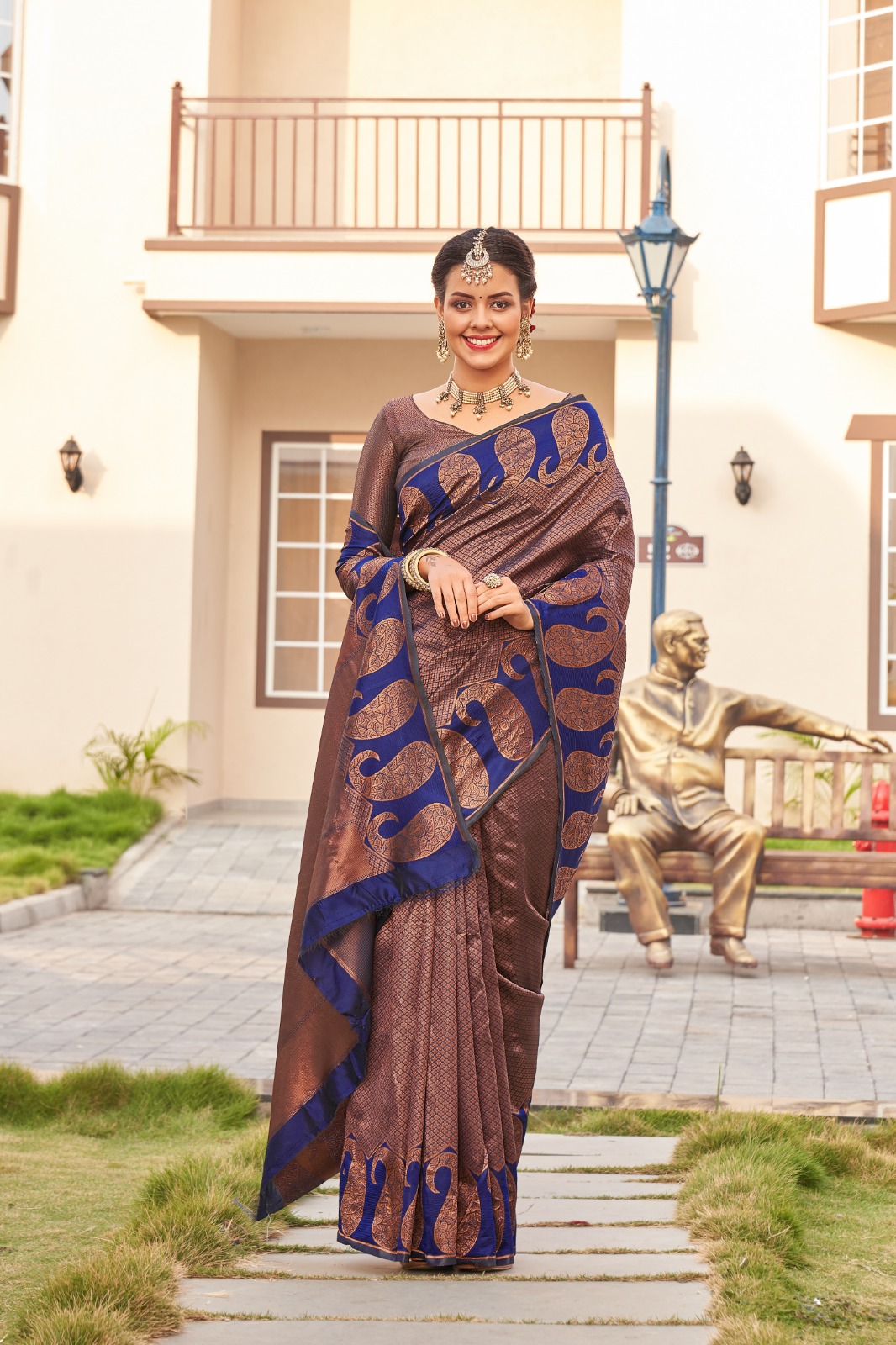
Banarasi designs frequently feature jaal, butidar arrangements, floral bels, kalga, jangla patterns and rich zari surfaces. Baluchari designs more often make the pallu resemble a sequence of scenes or framed figurative panels. Some contemporary sarees borrow techniques, colours or motifs from both traditions, so the product description should specify what has actually been woven.
Royal Banarasi Soft Silk Zari Weave Saree and Traditional Teal Banarasi Saree for Festive Wear represent the Banarasi direction: the emphasis suggested by their names is soft silk, zari and festive brocade rather than a narrative Baluchari pallu. Teal Green Banarasi Soft Lichi Silk Saree with Zari Work offers another route for someone who wants a lighter green-blue palette and metallic detailing.
Shoppers searching websites for silk sarees should therefore use terms such as handloom, jacquard, narrative pallu, Bishnupur, Murshidabad, pure silk and woven motifs as verification terms. Search results often group all ornate silk sarees together, but a category label isn't a technical description.
Baluchari Saree Guide: Where can you wear and shop for it?
A Baluchari saree suits cultural events, wedding functions, festive dinners, pujas and formal gatherings where a detailed pallu can be appreciated at close range.
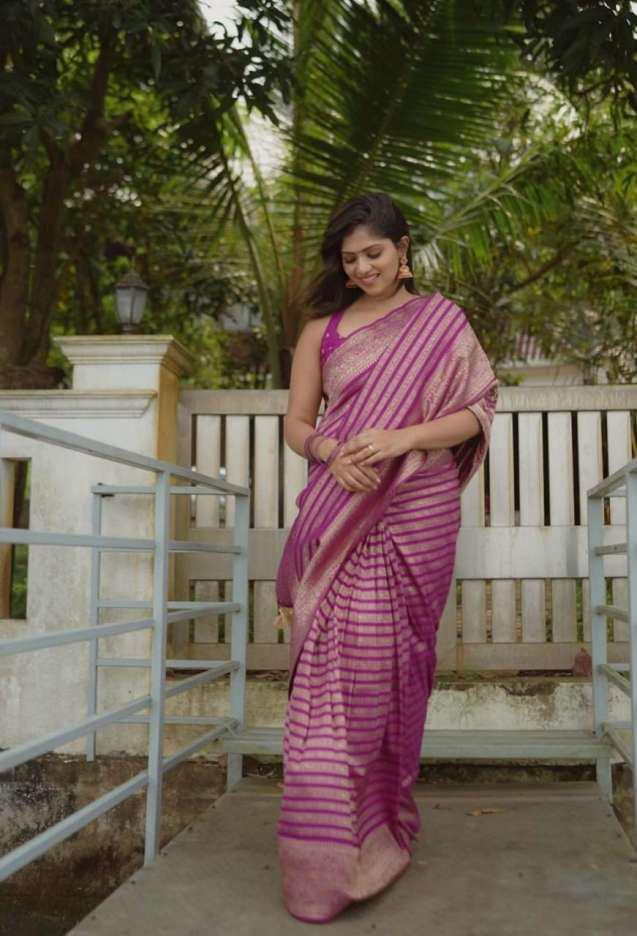
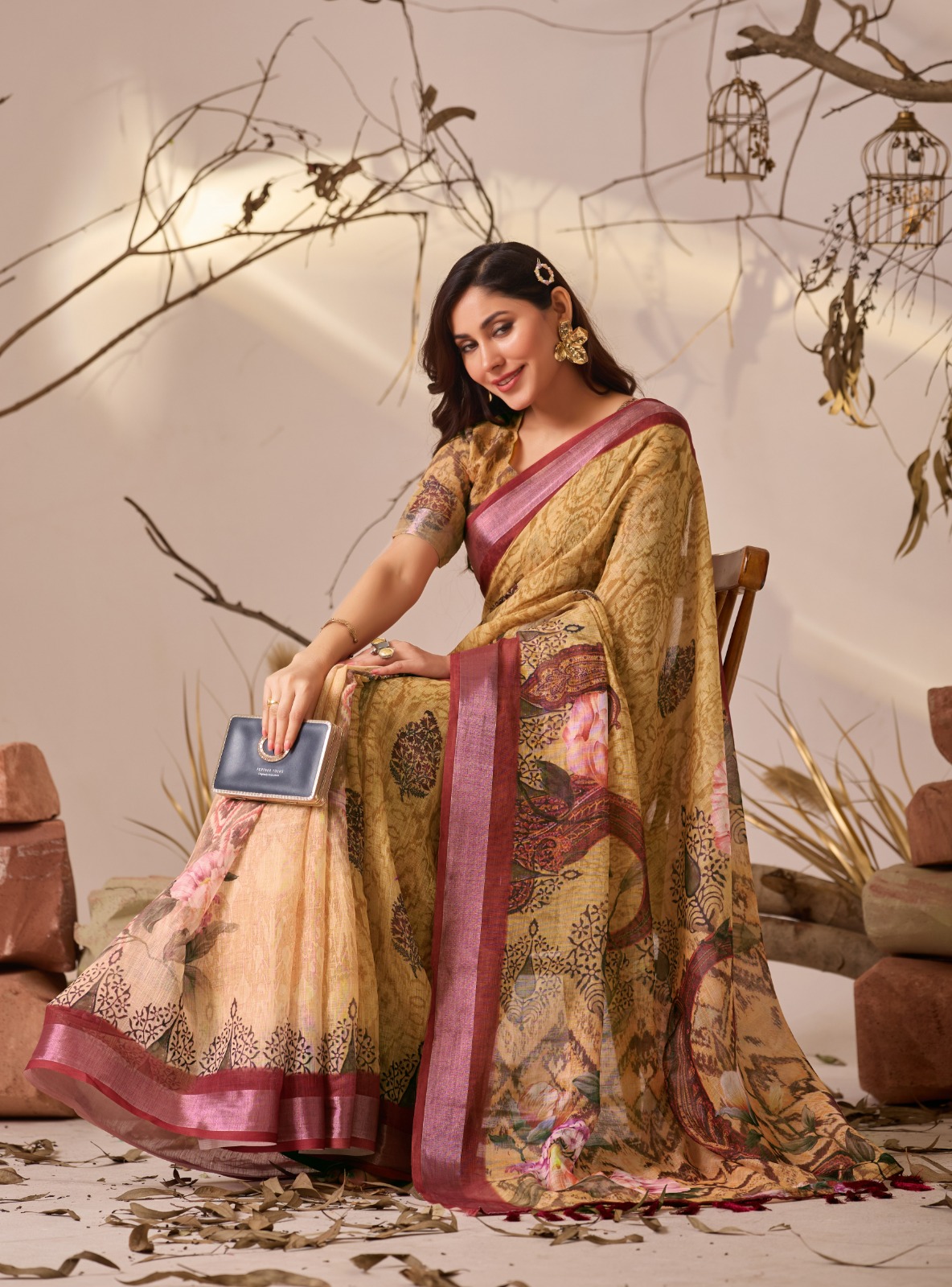
For a wedding ceremony, choose a stronger silk with a clearly visible pallu and pair it with a fitted blouse and traditional jewellery. For a reception, a dark base with metallic detailing can look formal without requiring heavy embroidery. For a daytime puja, a lighter colour and a compact border are easier to manage. A party wear saree can also borrow the Baluchari idea through a story-led pallu, even when the fabric is a lighter silk blend; the description should remain accurate about the material.
Price isn't a reliable authenticity test. Handloom silk, detailed weaving, finishing and verified provenance can increase cost, while powerloom production and blends may lower it. Silk Sarees Under 3000 With Discount can suit a budget search, but buyers should check whether the listing specifies silk composition, weaving method and motif construction before treating a low price as a bargain.
Pink Georgette Sarees and Party Wear Sarees can help shoppers compare lighter fabrics and occasion-led styling, while Red Banarasi Silk Sarees for Weddings Under 1100 shows how price-led collections may focus on accessible festive looks rather than artisanal Baluchari construction. Gray Color Sarees Under 1000 gives a neutral colour direction for shoppers who want understated styling, but the same checks about fibre and weave still apply.
Pastel Peach Teal Banarasi Lichi Silk Saree Zari Work adds a softer colour idea for daytime events. Its pastel teal and peach relationship can inspire a Baluchari blouse pairing, even though Banarasi and Baluchari remain distinct textile traditions.
Baluchari Saree Guide: How should you care for silk?
Professional dry cleaning, careful storage and limited exposure to moisture provide the safest routine for preserving a silk Baluchari saree.
Air the saree in shade after wearing it, especially if perspiration or perfume has reached the blouse or underarm area. Do not scrub stains, soak the saree or apply detergent at home. Blot a fresh spill gently with a clean, dry cloth and send the saree to a reputable silk cleaner as soon as possible.
Store the saree folded along different lines every few months to reduce eternal creasing. Wrap the saree in natural cotton or muslin rather than sealing it immediately in plastic. Keep zari away from damp walls, direct sunlight and powerful perfume. Refold the saree every eight to twelve weeks if it remains in long-term storage.
Before wearing a stored silk saree, inspect the fold lines, pallu and blouse piece for signs of moisture or insect activity. A breathable storage box with cedar or neem placed nearby, rather than directly touching the fabric, can help maintain a dry environment. Never iron silk at high heat; use a low setting with a pressing cloth, or leave pressing to a professional.
Baluchari Saree Guide: What should a careful buyer remember?
A careful buyer should verify the motif technique, silk composition, weaving method, measurements, seller documentation and return conditions before placing an order.
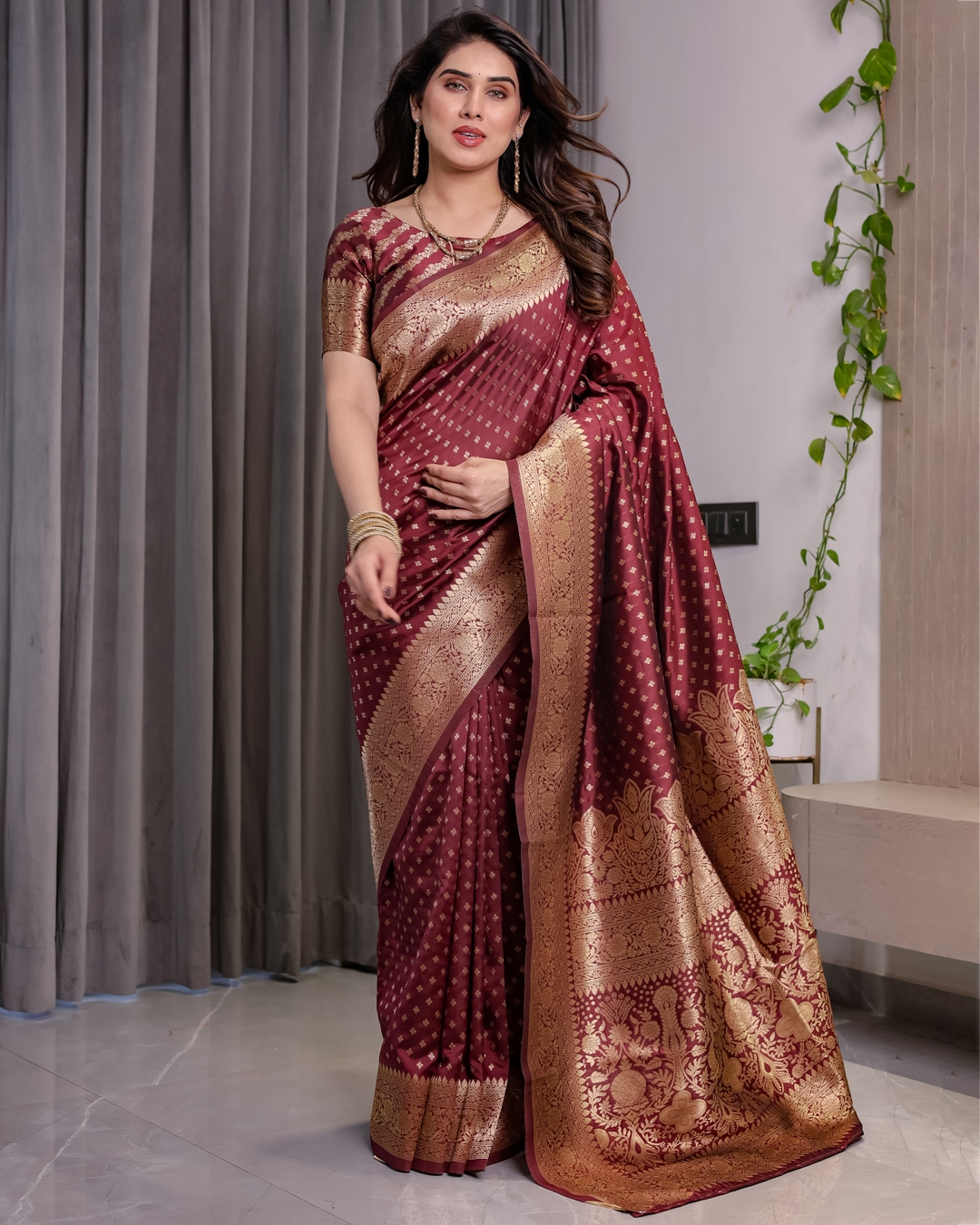
The strongest sign of a considered purchase isn't the word "traditional" in a product title. It is a consistent description supported by clear images of the full saree, pallu, border, reverse and blouse piece. A buyer who wants authentic Baluchari character should prioritise a legible narrative pallu and transparent information over excessive shine or a very low price.
Current styling doesn't require removing the saree's identity. A restrained blouse, practical drape and selective jewellery can make Bengali weaving feel current while preserving the story embedded in the pallu. That balance is what allows a Baluchari saree to move comfortably from a family ceremony to a contemporary festive wardrobe.
Common Questions Before Buying and Styling a Baluchari Saree
What is the best online store for sarees in India?
The best online store is one that clearly states fibre composition, weaving method, saree and blouse measurements, motif construction, dispatch details and return terms. For a Baluchari purchase, choose a seller that provides full-length, pallu and reverse-side images rather than relying only on a broad category label.
Which company saree is best in India?
No single company is best for every saree buyer because quality depends on the textile, construction, budget and occasion. For a Baluchari saree, transparent information about silk, handloom or powerloom production, woven motifs and provenance is more useful than a company name alone.
Which app is best for saree shopping in India?
The best shopping app is one that offers detailed product specifications, high-resolution images, verified reviews and a clear exchange or return process. Buyers looking for Baluchari silk should also confirm whether the motifs are woven or printed and whether the product is pure silk, a blend or art silk.
Which online site is the best for buying silk sarees?
The best site for silk sarees is one that identifies the silk composition, weaving technique, dimensions and care instructions accurately. A trustworthy listing should show the pallu and reverse side, explain zari or jacquard work and avoid calling every ornate silk saree a Baluchari.
How can you tell whether a Baluchari saree is genuinely woven?
A genuinely woven Baluchari saree has motif structure visible on the reverse, cleanly integrated figures and a narrative pallu rather than a surface-only image. Ask for close-up and reverse photographs, and confirm whether the seller describes the design as woven, jacquard or printed.
Can a Baluchari saree be worn for a modern party?
A Baluchari saree works for a modern party when a detailed pallu is paired with a restrained blouse, contemporary drape and selective jewellery. A belt, square-neck blouse, sleek clutch or low bun can modernise the outfit without hiding the Bengali narrative motifs.