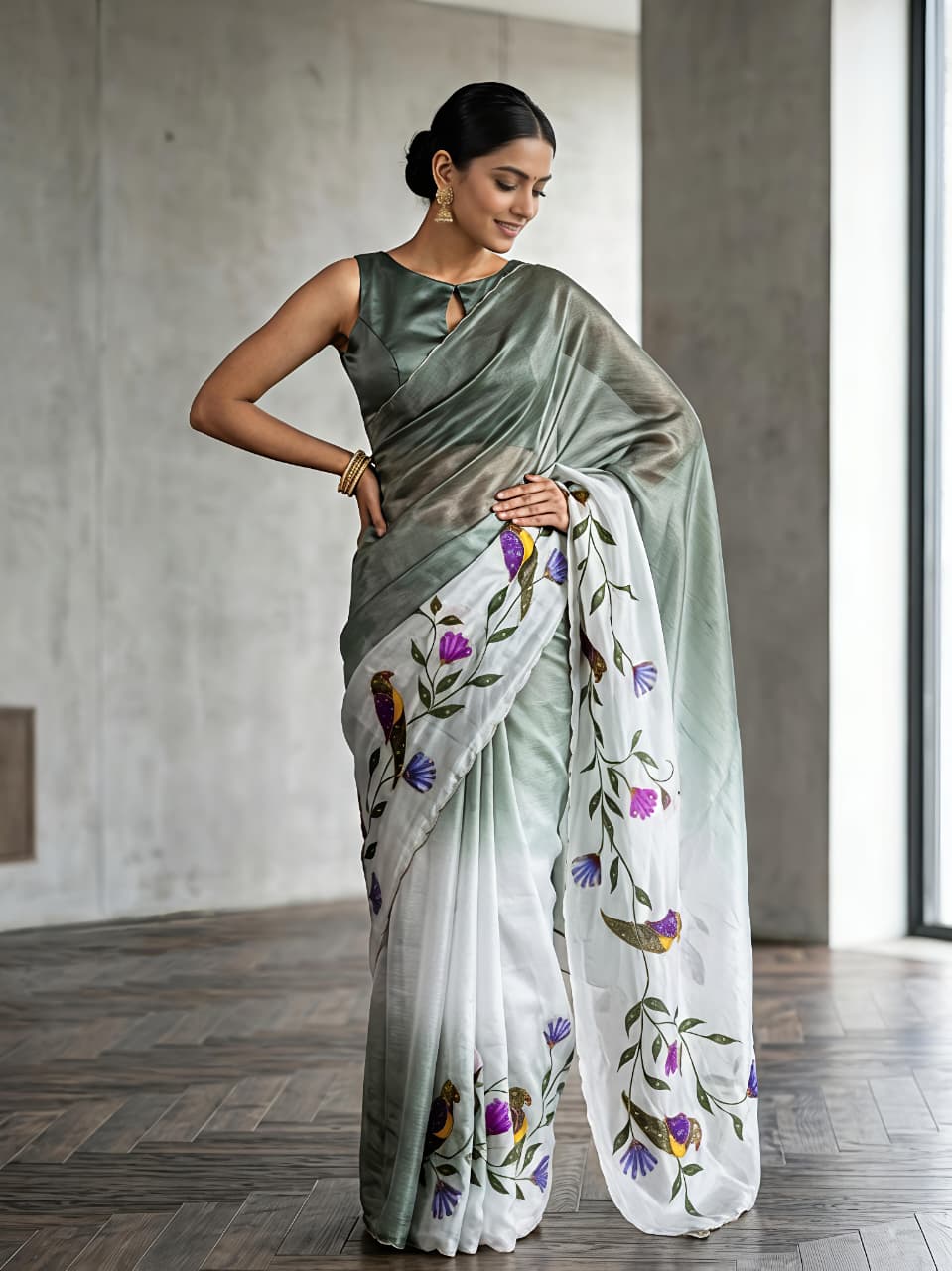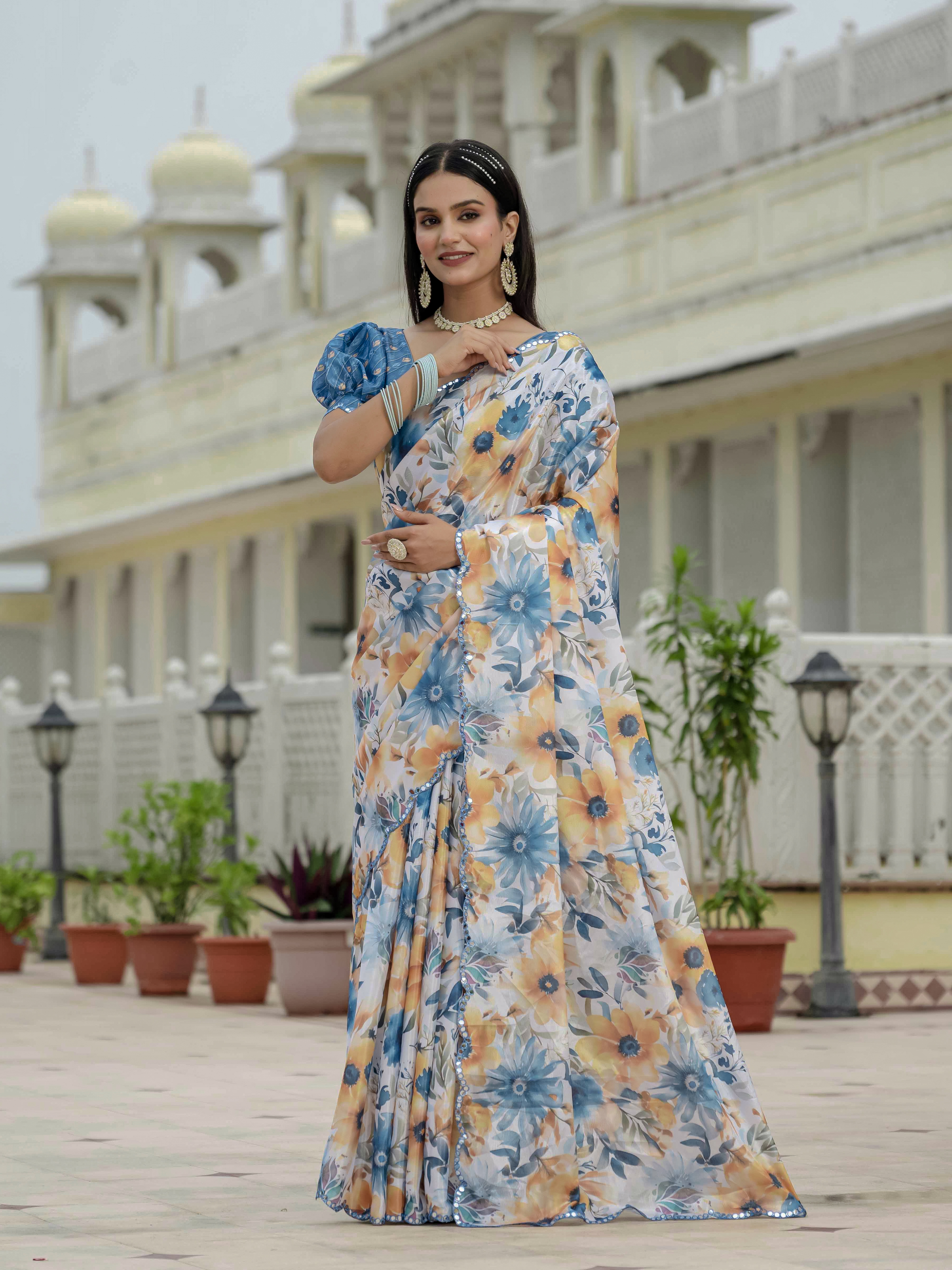
Baisakhi in Jammu: Dogri-Inspired Sarees, Suits & Traditional Looks can be approached through colour, comfort and regional detail rather than costume-like imitation. Baisakhi marks the harvest season and carries religious, agricultural and community significance across Jammu, Punjab and northern India. For women attending a gurdwara visit, family gathering, mela or festive lunch, a practical salwar suit or graceful saree can reflect Dogri sensibilities without restricting movement.
Dogri-inspired dressing doesn't require one fixed uniform. Jammu's traditional visual language includes vivid red, saffron, green and pink, textured fabrics, embroidered borders, carefully styled dupattas and jewellery that adds occasion value. The most convincing outfit combines those cues with a silhouette suited to the weather, venue and amount of walking planned for Baisakhi celebrations.
Baisakhi in Jammu: Dogri-Inspired Sarees, Suits & Traditional Looks for Regional Style
Dogri-inspired Baisakhi dressing uses bright regional colour, modest festive silhouettes, embroidered or woven detail and a dupatta styled with intention. The look feels more authentic when the clothing connects with Jammu's climate, family customs and celebration spaces instead of relying on excessive ornament.
A salwar suit is especially useful because the kameez provides coverage, the salwar or trouser allows easy movement, and the dupatta introduces colour and texture. A saree offers a more formal option for a Baisakhi dinner, temple visit or family portrait. Neither choice is automatically more traditional; fabric, finish and styling determine the regional impression.
Look for details that sit comfortably within North Indian festive dressing. Phulkari-style floral embroidery, zari borders, jacquard weaving, gota-like accents and jewel-toned dupattas can all support a Dogri-inspired outfit. A handloom-style texture or restrained embroidery often looks more considered than several competing embellishments.
Baisakhi in Jammu: Dogri-Inspired Sarees, Suits & Traditional Looks Through Colour
Saffron, mustard, green, magenta, orange, fuchsia and deep red suit Baisakhi in Jammu because they echo harvest fields, spring flowers, ceremonial textiles and the lively atmosphere of community celebrations.
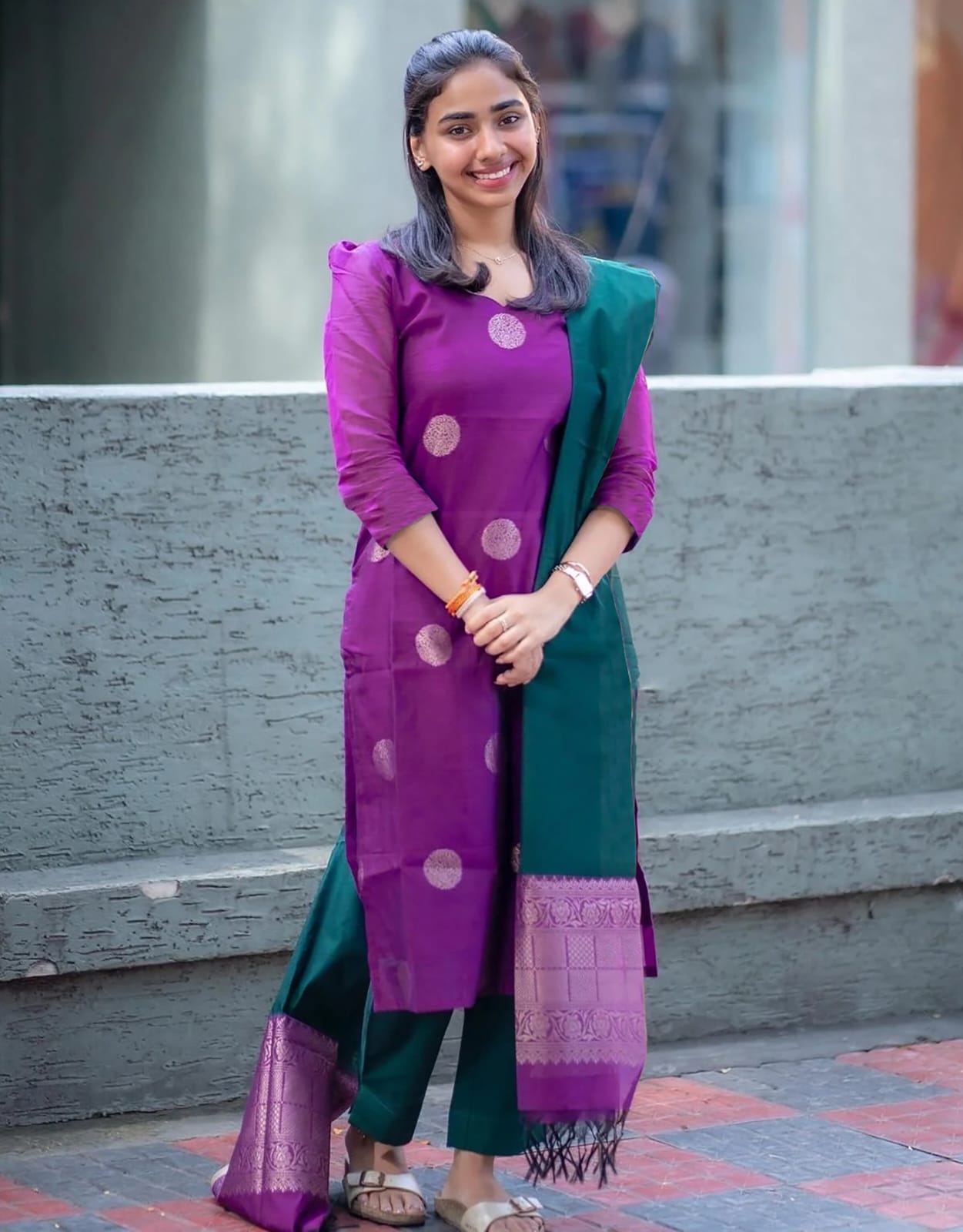
Colour can also be matched to the time of day. A light green, coral or pink suit works well for a daytime gurdwara visit or outdoor mela because the shades remain fresh in natural light. Teal, purple, wine and deep orange create greater visual depth for an evening gathering. White or ivory can balance a highly saturated dupatta, while gold zari gives a festive finish without requiring heavy jewellery.
Colour pairing is more effective when one shade leads and two shades support it. A purple kurta with a green dupatta creates a strong complementary contrast, while an orange kurta with an ivory or pale organza dupatta feels warmer and lighter. A multicolour garment already contains several visual notes, so jewellery and footwear should stay relatively simple.
An important practical test is to photograph the outfit in daylight before Baisakhi. Camera exposure can make neon colours look harsher and muted colours appear duller, while natural light reveals whether the dupatta and base garment actually work together.
Baisakhi in Jammu: Dogri-Inspired Sarees, Suits & Traditional Looks for Sarees and Suits
Choose a salwar suit for long gatherings, active movement and daytime events, and choose a saree when you want a more formal silhouette for a dinner, ceremony or family photograph.
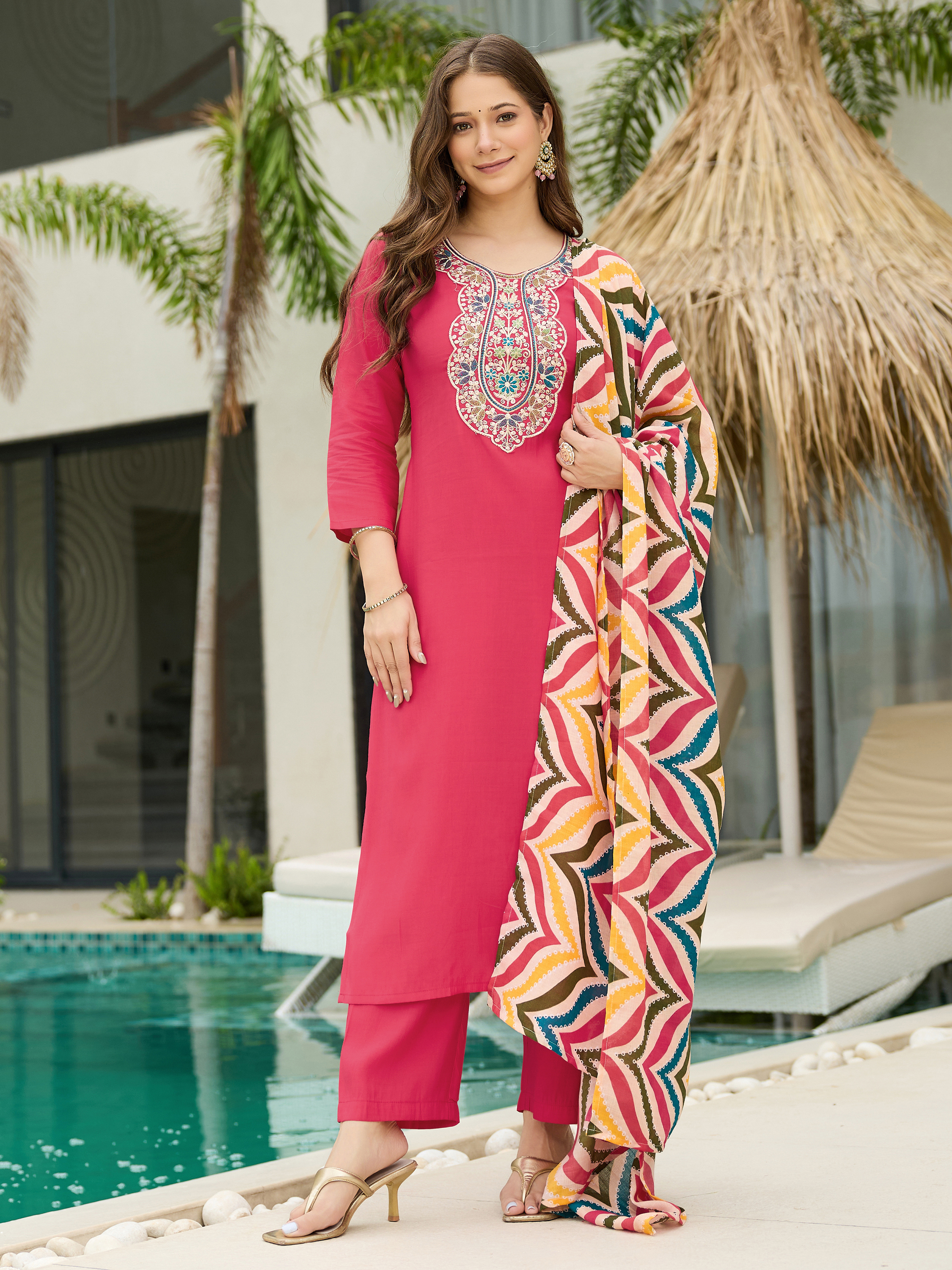
When a salwar suit works best for Baisakhi in Jammu
A salwar suit is the practical first choice when the day includes walking, sitting on the floor, visiting several homes or spending time outdoors. A straight kurta with trousers creates a clean contemporary line, while a traditional salwar adds volume and a more classic North Indian character. A three-piece set also makes colour coordination easier because the kurta, bottom and dupatta are designed as one outfit.
Gajri Embroidered Kurti Pant Dupatta Set Women demonstrates how a soft pink family of colour can feel festive without becoming overly formal. Purple Jacquard Weave Kurta Set with Green Dupatta shows a stronger contrast that works particularly well for evening celebrations. For a more ceremonial finish, Silk Festive Kurta Pant Set with Zari Jacquard Dupatta combines a structured silhouette with woven metallic detail.
When a saree suits Baisakhi in Jammu
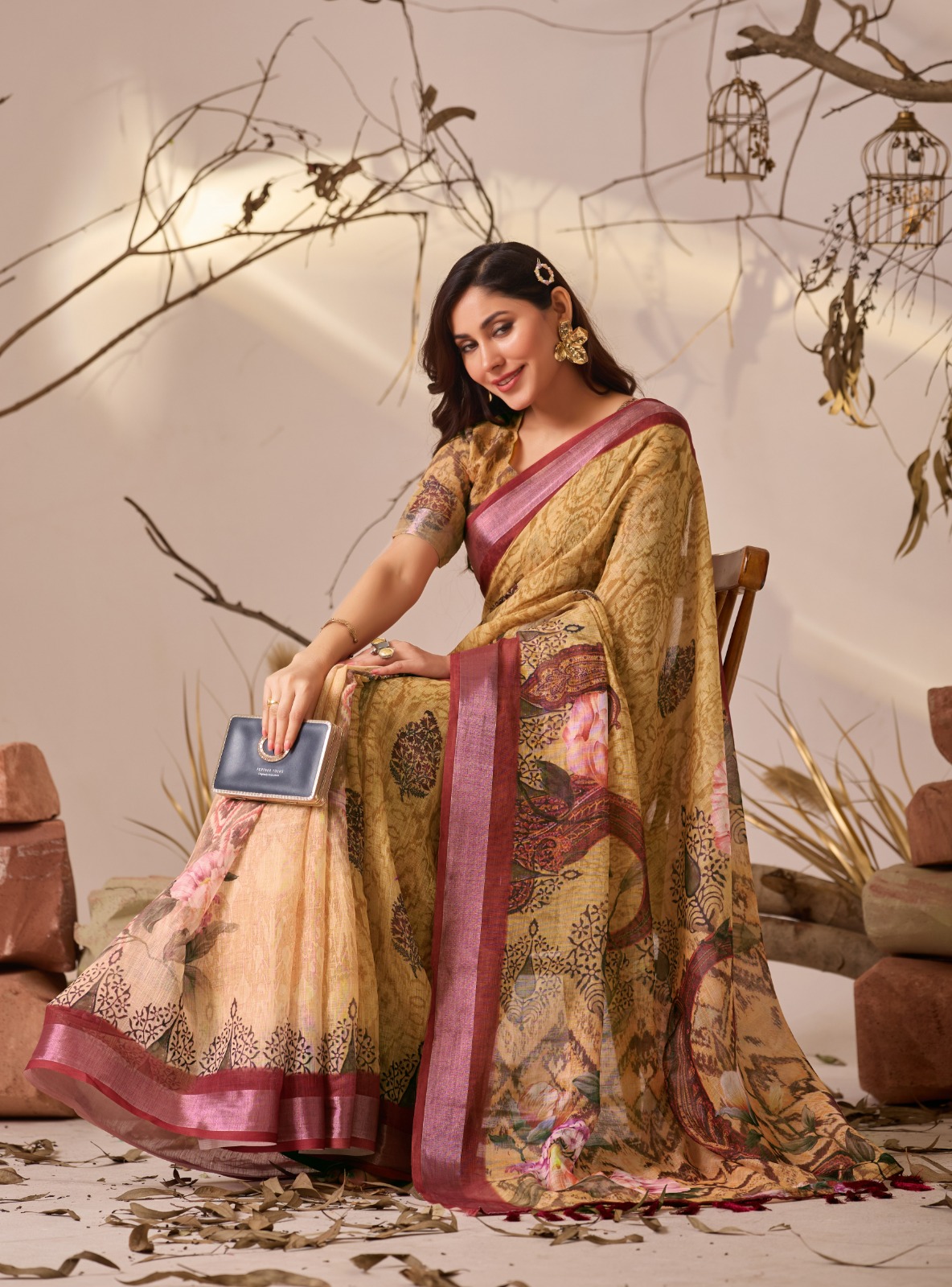
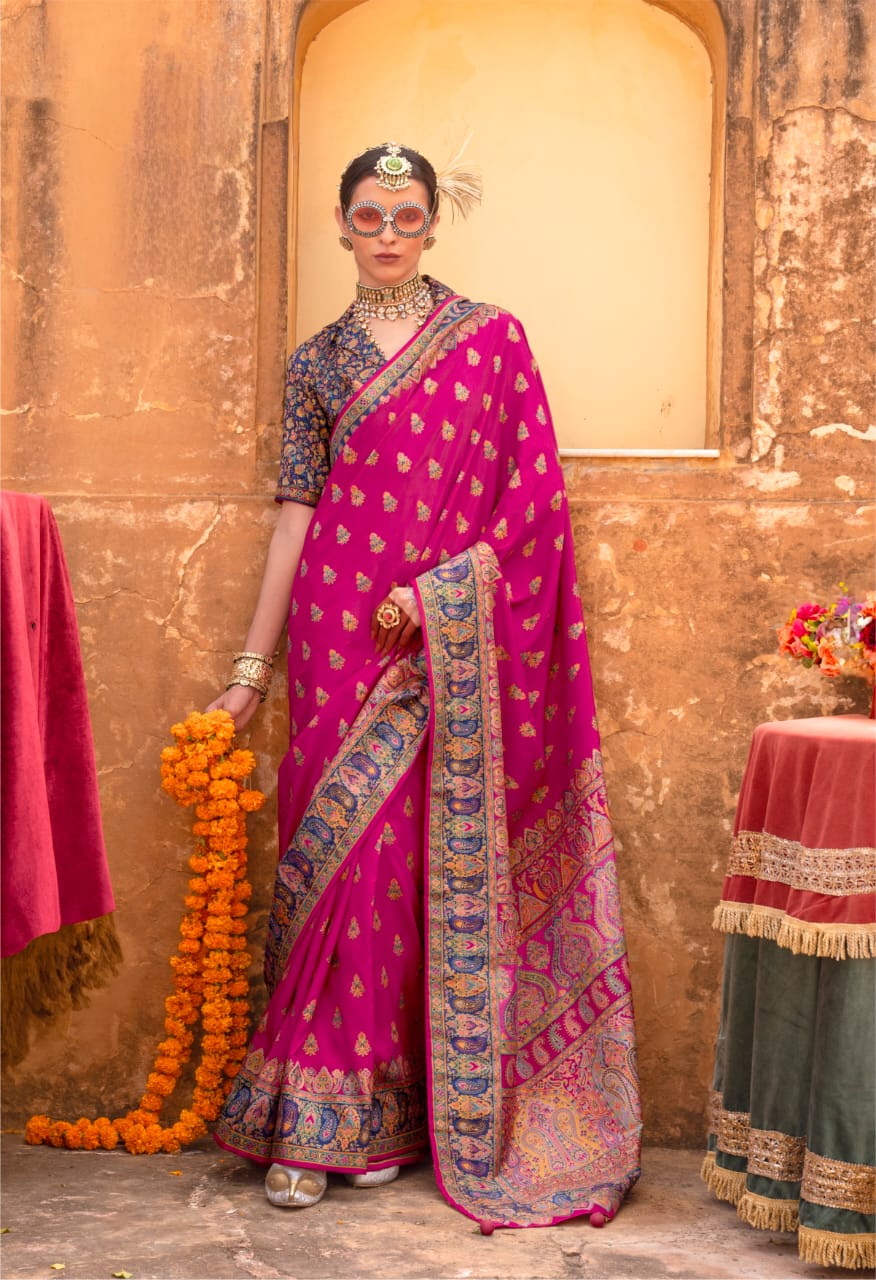
A saree suits a formal Baisakhi lunch, an evening gathering or a celebration where photographs and graceful drape matter more than constant movement. Banarasi silk, jacquard and other structured textiles hold pleats more reliably than very fluid fabrics. A pre-planned pallu and secure waist tuck are important when the event involves standing or walking for several hours.
Festive Teal Banarasi Saree with Traditional Motifs shows how a saree can look celebratory through weave and motif rather than dense surface embroidery. Teal has enough depth for evening light, while traditional motifs connect the garment to Indian textile vocabulary without copying one regional costume exactly.
Baisakhi in Jammu: Dogri-Inspired Sarees, Suits & Traditional Looks with a Salwar Suit
Build a Dogri-inspired salwar suit look by choosing one vivid base colour, adding a contrasting or tonal dupatta, and finishing with compact jewellery and comfortable traditional footwear.
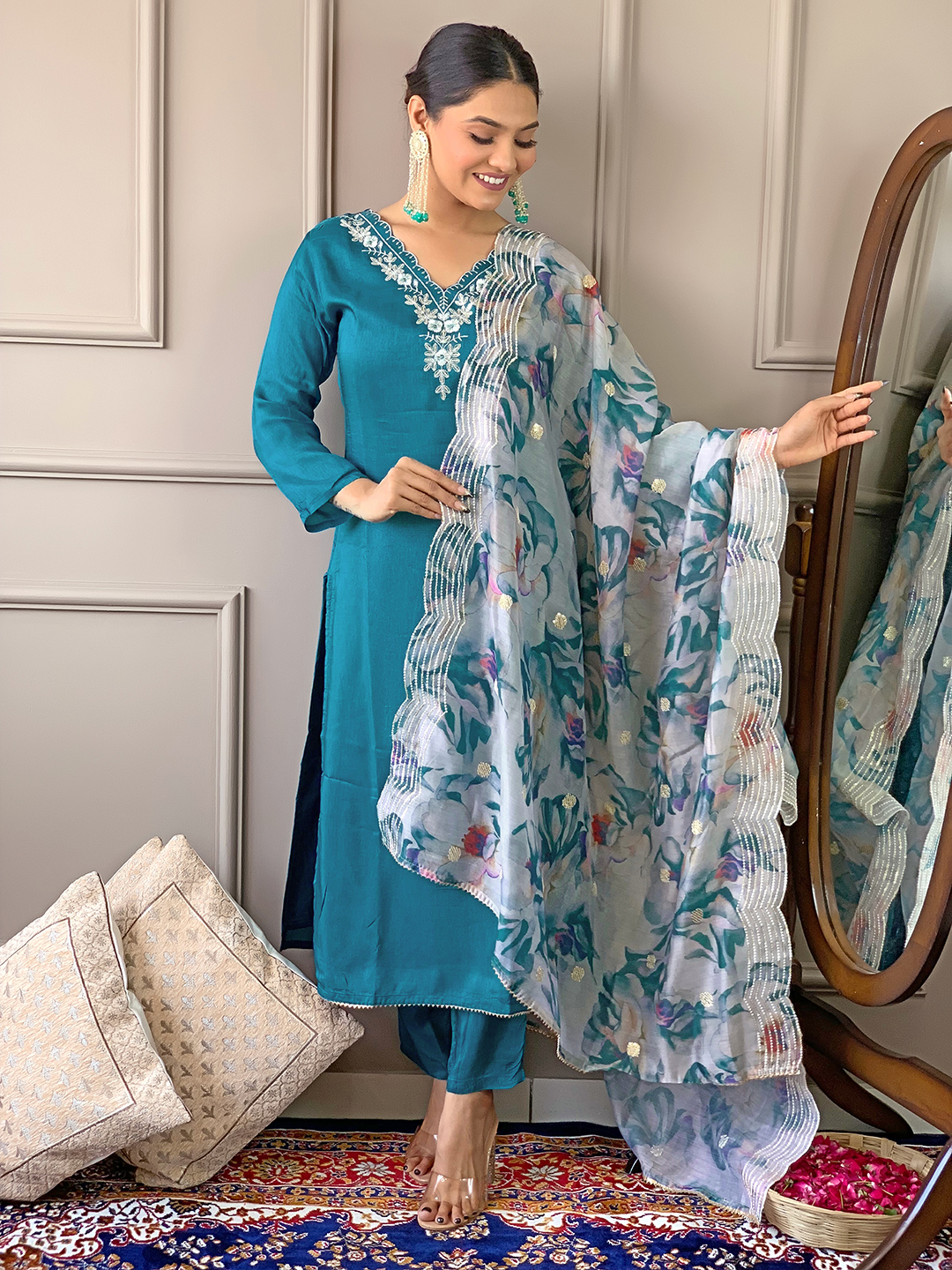
- Start with the silhouette. Select a straight kurta and pant for easy movement, a flared kameez for a softer festive shape, or a salwar-style bottom when you want a more traditional North Indian proportion.
- Use one recognisable textile detail. Jacquard, zari, floral embroidery or a woven border is enough to establish occasion dressing. Too many competing surfaces can make the outfit look heavy.
- Give the dupatta a deliberate role. Drape it over one shoulder for a relaxed family gathering, bring both ends forward for a formal appearance, or pin one shoulder and keep the other end free when walking outdoors.
- Keep the neckline and earrings balanced. A high or embellished neckline needs smaller earrings, while a plain neckline can accommodate jhumkas or chandbalis.
- Finish with a functional shoe. Juttis, embroidered flats or low wedges are safer choices than delicate high heels when the venue includes grass, uneven paving or extended standing.
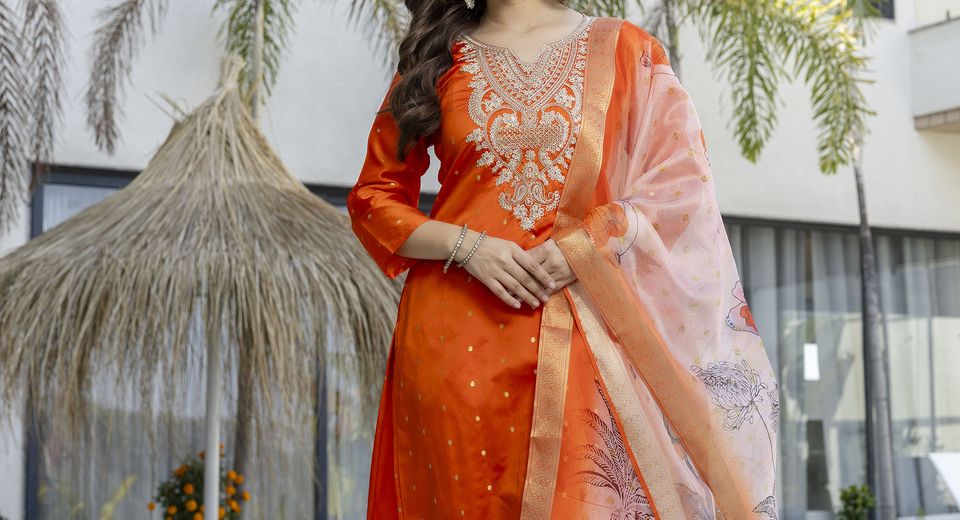
Orange Jacquard Embroidered Kurta Set with Organza Dupatta suits someone who wants a bright Baisakhi statement while retaining a light-looking dupatta. Embroidered Salwar Suit Set for Women brings another route when the preferred style is more traditionally ornate. Multicolor Embroidered Crepe Maxi Suit Set for Festive Wear can work for an evening gathering, but its broader colour range calls for quieter accessories.
Baisakhi in Jammu: Dogri-Inspired Sarees, Suits & Traditional Looks by Fabric
Medium-weight cotton blends, silk blends, Banarasi silk, jacquard and lined crepe generally handle a Jammu spring celebration well because they balance festive appearance with practical wearability.
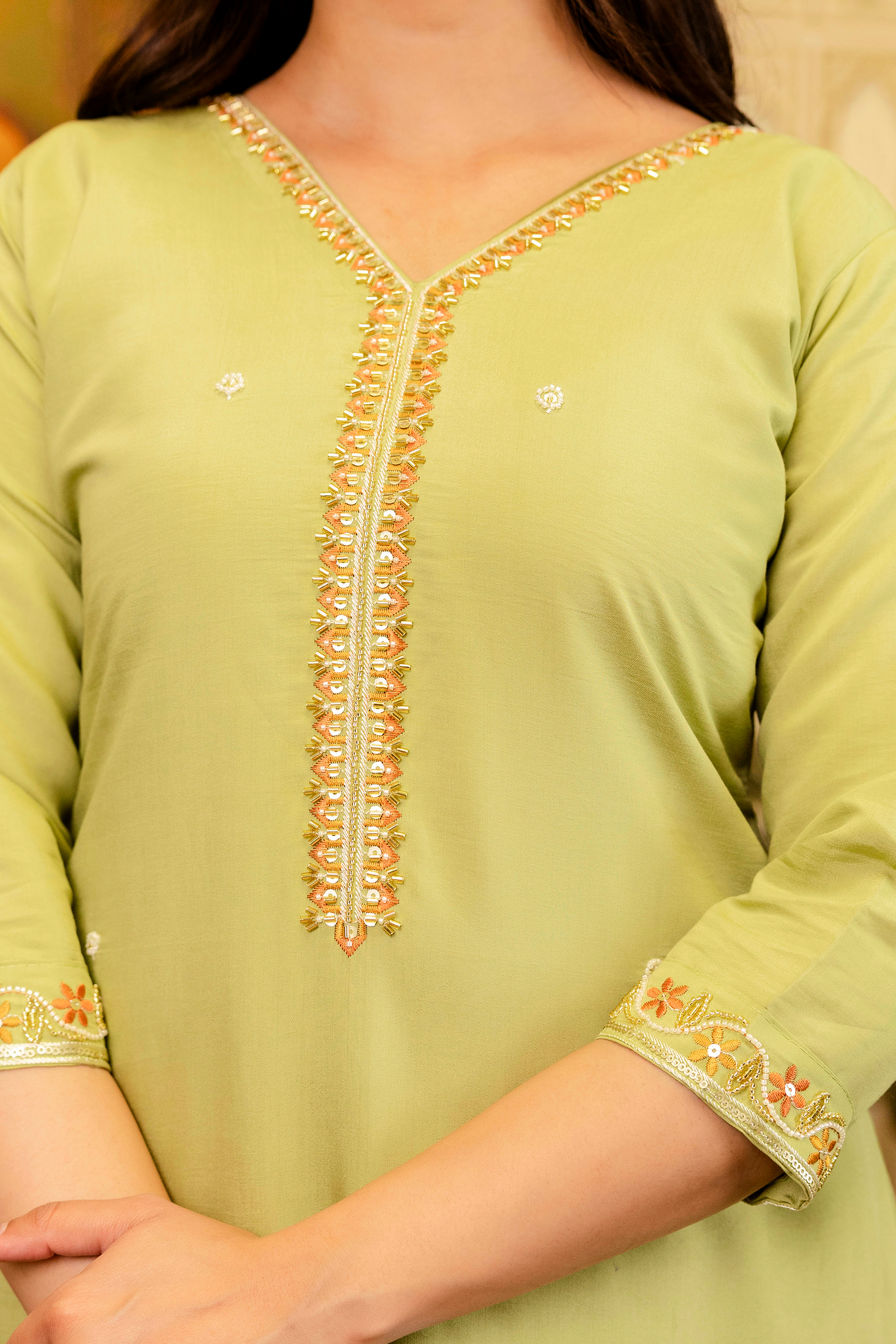
Fabric choice should follow the venue. Cotton or cotton-silk blends breathe well for daytime events and outdoor processions. Jacquard adds body and resists a limp appearance in photographs. Banarasi silk and silk blends create a richer surface for evening wear, although they may feel warmer indoors. Organza is attractive as a dupatta because it adds airiness, but its crisp edge can require careful pinning.
Zari deserves special attention. Zari is a metallic thread used in woven or embroidered decoration, and its density affects both comfort and maintenance. A zari border or jacquard dupatta can provide enough shine for Baisakhi without covering the entire garment in metallic work. Check the reverse side for rough threads that may irritate the neck or catch on jewellery.
Crepe falls smoothly and can make a maxi suit look fluid, but crepe may show pressure marks after prolonged sitting. Silk and silk-blend garments should be aired after use rather than folded immediately while warm. Organza and delicate embroidery should be stored away from rough hooks and heavy accessories.
Light Green Embroidered Ethnic Suit Set for Women gives an useful daytime direction because pale green can feel spring-like while embroidery maintains festive relevance. A garment in this colour family pairs well with antique gold jewellery, tan juttis and a deeper green or pink accent.
Baisakhi in Jammu: Dogri-Inspired Sarees, Suits & Traditional Looks from Regional Collections
Regional collections broaden a Baisakhi wardrobe when they're used as references for colour, embroidery and textile vocabulary rather than treated as interchangeable copies of Dogri dress.
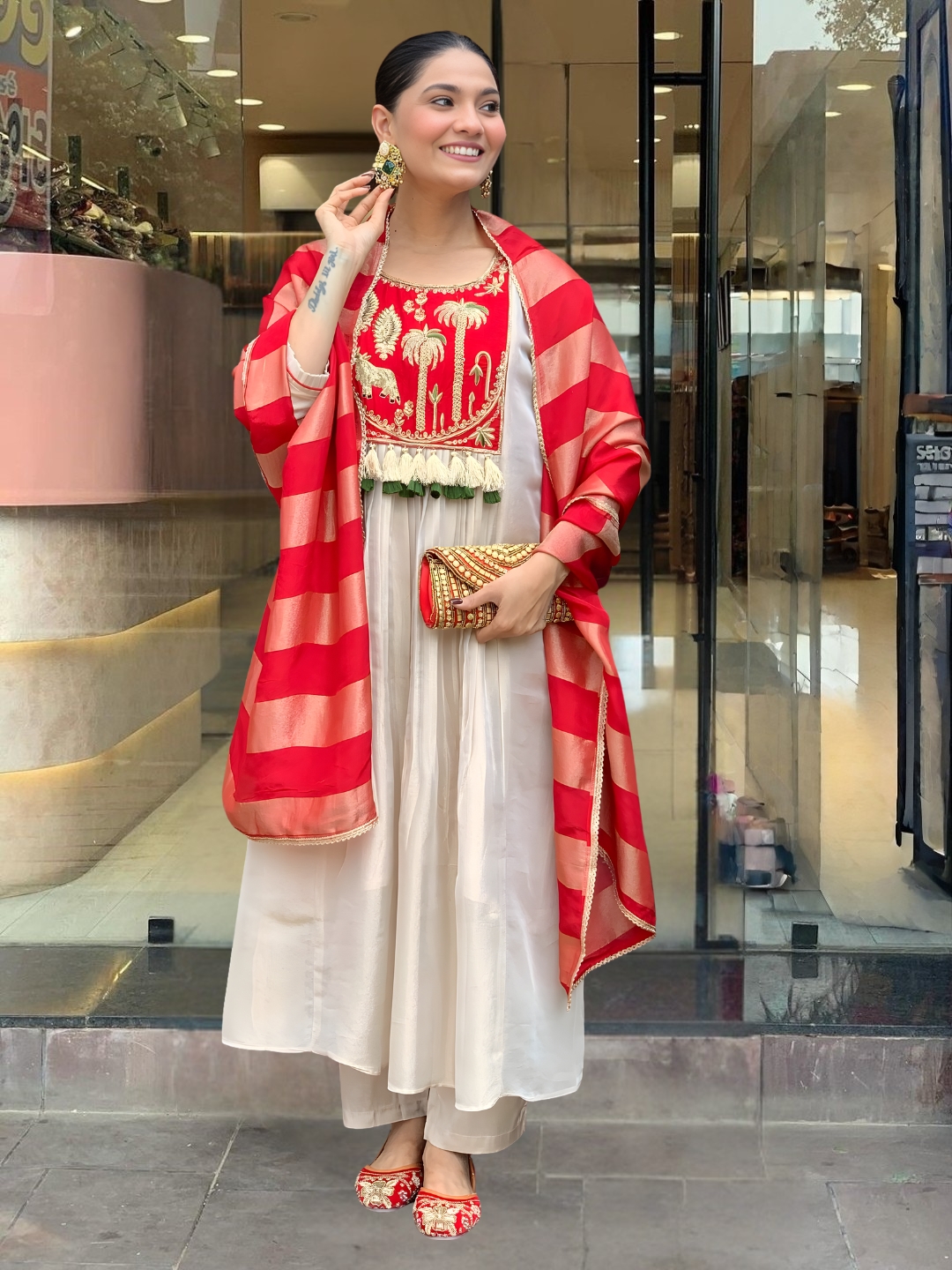
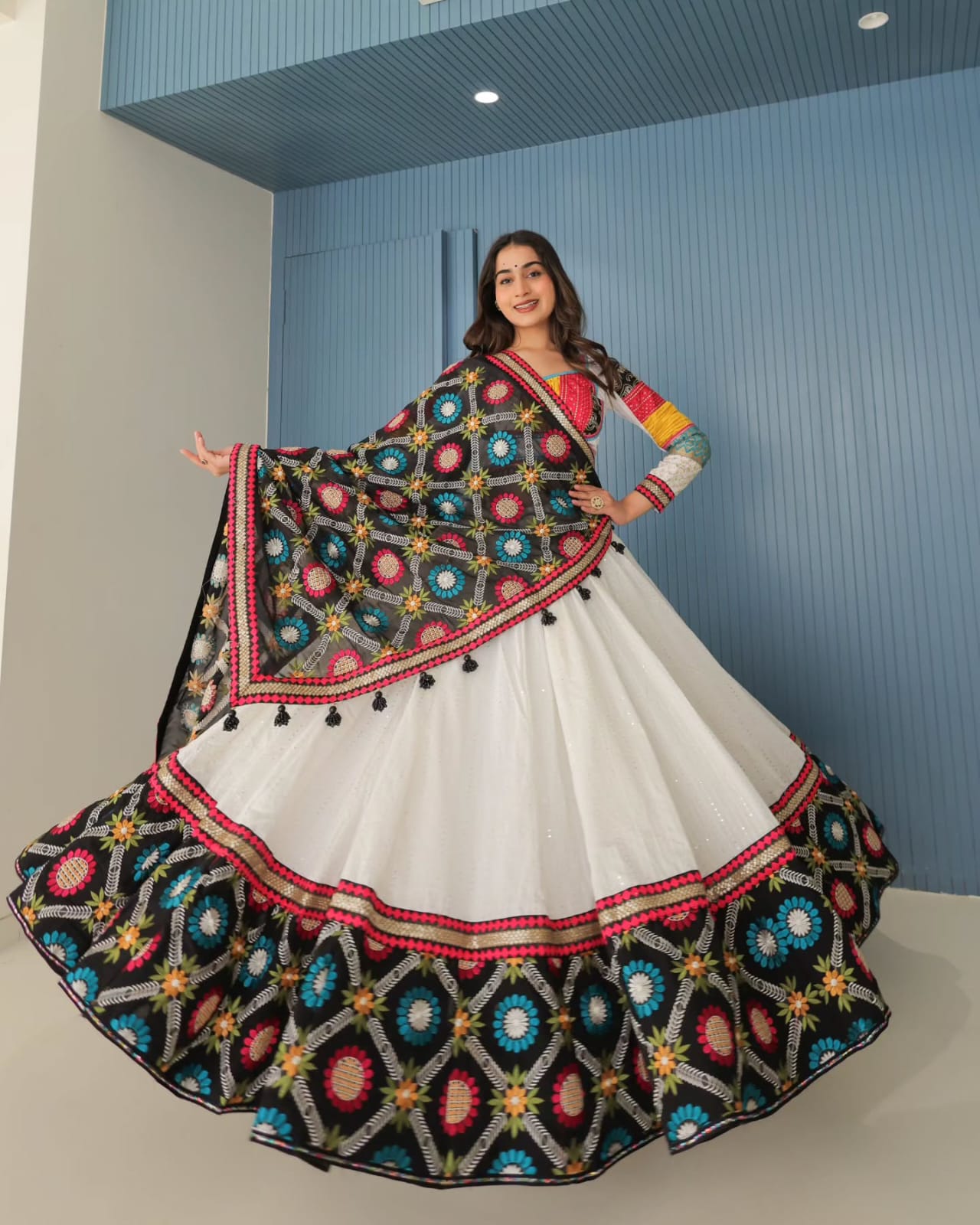
Punjab Phulkari Embroidered Salwar Suits are a natural reference for floral surface work and bright dupatta combinations. Phulkari traditionally uses colourful thread embroidery on a base textile, and its visual energy suits Baisakhi particularly well. The embroidery can be balanced with a plain trouser and minimal necklace.
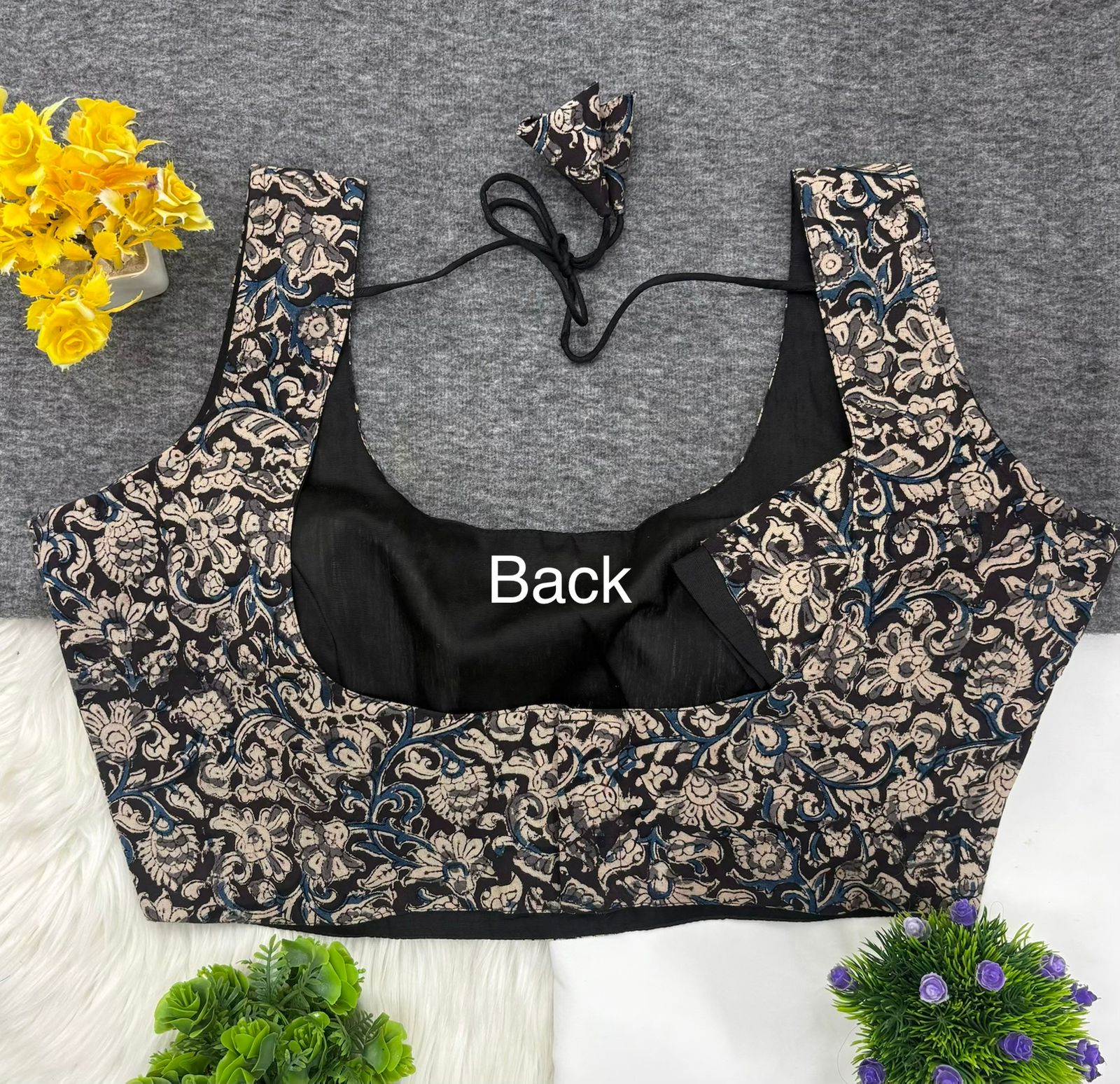
Kashmir Embroidered Salwar Suits offer a different direction through detailed needlework, softer palettes and layered texture. That influence works for someone who prefers a more intricate but less high-contrast outfit. Maharashtra Paithani Inspired Salwar Suits can contribute jewel-toned colour and woven-border inspiration, while Karnataka Silk Salwar Suits introduce a polished silk surface suitable for a formal family event. Kalamkari Print Salwar Suits (Copy) provide a printed alternative for someone who prefers botanical motifs over metallic embellishment.
These regional references should support, not overwhelm, a Dogri-inspired look. Combining a Phulkari-like floral dupatta with a simple kurta may feel coherent, while adding Paithani-inspired borders, heavy zari, Kashmiri embroidery and bold printed motifs all at once can make the outfit visually confused.
Baisakhi in Jammu: Dogri-Inspired Sarees, Suits & Traditional Looks for Accessories and Care
Finish the outfit with lightweight gold-toned or oxidised jewellery, secure footwear and careful garment preparation rather than adding accessories indiscriminately.
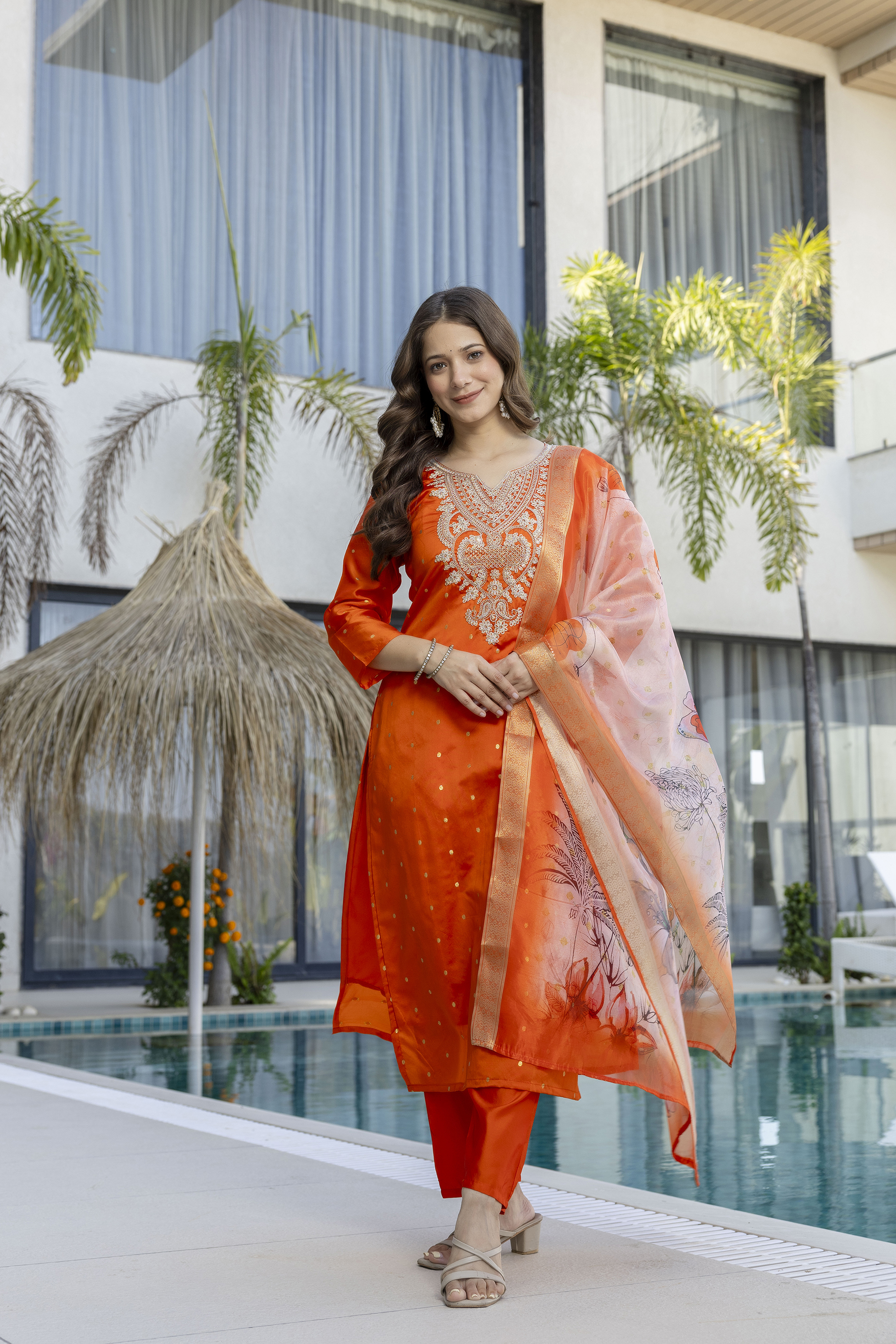
Jhumkas, small chandbalis, glass bangles and a compact potli create a recognisable festive finish. A maang tikka can suit a formal family gathering, but it may be unnecessary for a daytime mela. Choose one focal accessory, such as statement earrings or a bold dupatta, and keep the remaining pieces quieter.
Pin a slippery dupatta at the shoulder and, if necessary, at the waist. Saree pleats should be secured with discreet safety pins before leaving home. Test the full outfit by sitting, walking up stairs and raising both arms; those simple checks reveal whether the hem, sleeve and drape are practical.
Care instructions depend on the textile. Dry-clean Banarasi silk, heavy zari and heavily embroidered garments unless the care label specifically permits another method. Wash many cotton blends separately in cool water, avoid wringing embroidered areas and dry coloured garments away from harsh midday sun. Fold sarees and embellished suits with soft muslin or plain cotton layers to reduce snagging and colour transfer.
Preparing the outfit one day in advance also protects the garment. Steam from the reverse side when the fabric allows it, check hooks and hems, and keep jewellery away from loose embroidery. A polished Baisakhi look depends as much on fit, secure draping and fabric condition as on colour.
Common Questions About Baisakhi in Jammu Festive Dressing
What should women wear for Baisakhi in Jammu?
A bright salwar suit, embroidered kurta set or well-draped saree works well for Baisakhi in Jammu. Choose breathable fabric for daytime events and add one regional detail, such as Phulkari-style embroidery, zari or a contrasting dupatta.
Which colours are considered suitable for a Baisakhi outfit?
Saffron, mustard, green, orange, magenta, pink and red are suitable Baisakhi colours because they reflect the festival's spring and harvest atmosphere. Teal, purple and wine are effective for evening celebrations.
Is a saree or salwar suit better for a Baisakhi celebration?
A salwar suit is better for walking, outdoor gatherings and long family visits, while a saree suits formal lunches, dinners and photographs. Fabric structure and secure draping matter more than choosing one garment category universally.
How can a salwar suit look Dogri-inspired?
Use a vivid colour combination, a festive dupatta, modest jewellery and one textile detail such as jacquard, floral embroidery or zari. A comfortable silhouette and restrained accessories create a more convincing regional influence than excessive decoration.
What jewellery goes with a Baisakhi salwar suit?
Jhumkas, chandbalis, glass bangles and a small pendant complement a Baisakhi salwar suit. If the kurta or dupatta has heavy embroidery, choose one statement jewellery piece and keep the rest understated.
How should a Banarasi saree or embroidered suit be stored after Baisakhi?
Air the garment before storage and fold it with a soft cotton or muslin layer. Dry-clean Banarasi silk, heavy zari and dense embroidery according to the care label, and store embellished pieces away from rough hooks and direct sunlight.