Baisakhi 2026 Outfit Ideas: Punjabi Suits, Phulkari Dupattas & Sarees should balance the colour and energy of a harvest festival with the warmth of April weather. The best outfit isn't always the most embellished one. A breathable weave, a secure dupatta and footwear that can handle several hours of standing often matter more than extra sparkle.
Baisakhi marks the solar new year and wheat harvest in Punjab and is also associated with the formation of the Khalsa in 1699. Clothing can therefore carry both celebration and cultural meaning. Bright pink, yellow, orange, red, green and blue express the festival mood, while Phulkari embroidery, Punjabi salwar silhouettes and handloom sarees add regional character without making the outfit feel costume-like.
Baisakhi 2026 Outfit Ideas: Punjabi Suits, Phulkari Dupattas & Sarees for different celebrations
The right Baisakhi outfit depends on the setting, duration and amount of movement involved. A morning gurdwara visit calls for respectful coverage and practical draping, while a family lunch allows lighter styling. A Baisakhi mela or bhangra programme requires an outfit that stays secure when you walk, dance and sit outdoors.
For a gurdwara visit
A full-length Punjabi suit, salwar kameez or modest saree with a securely pinned pallu works well for a gurdwara visit. Choose a dupatta that covers the head comfortably and avoid very long hems that can drag on the floor. Refined jewellery, secure sandals and a clean pair of socks are practical choices when footwear needs to be removed.
For a family lunch
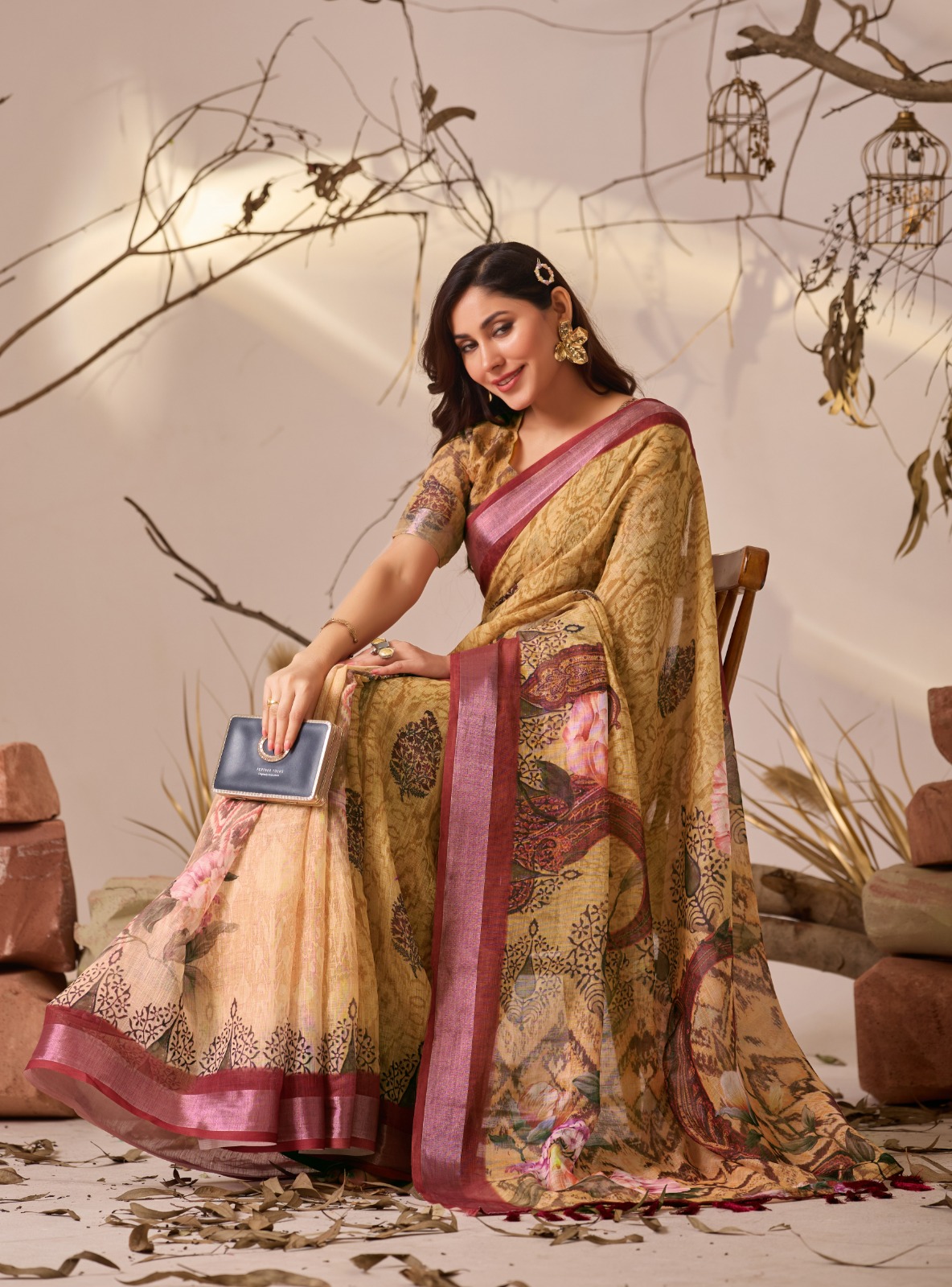
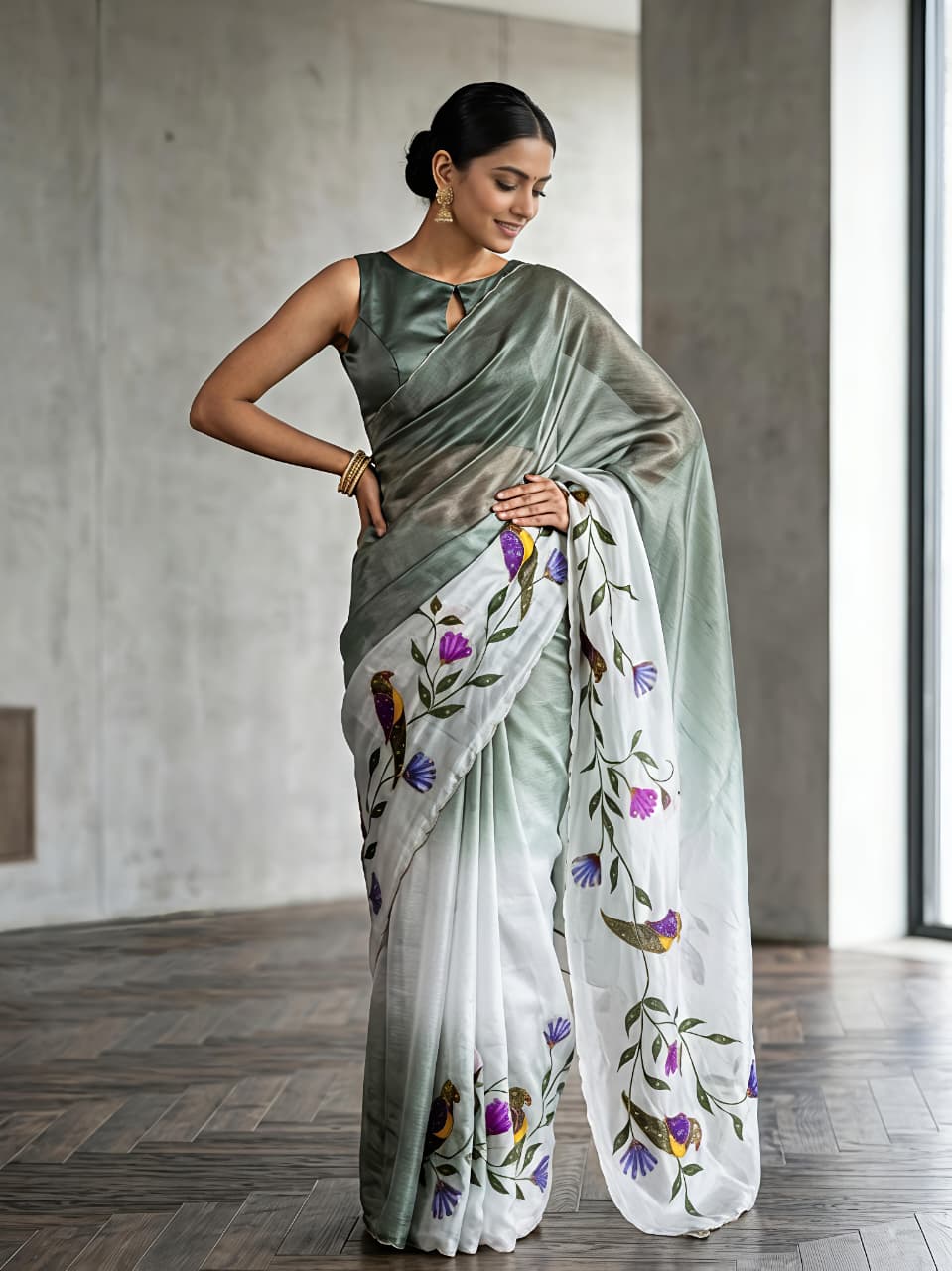
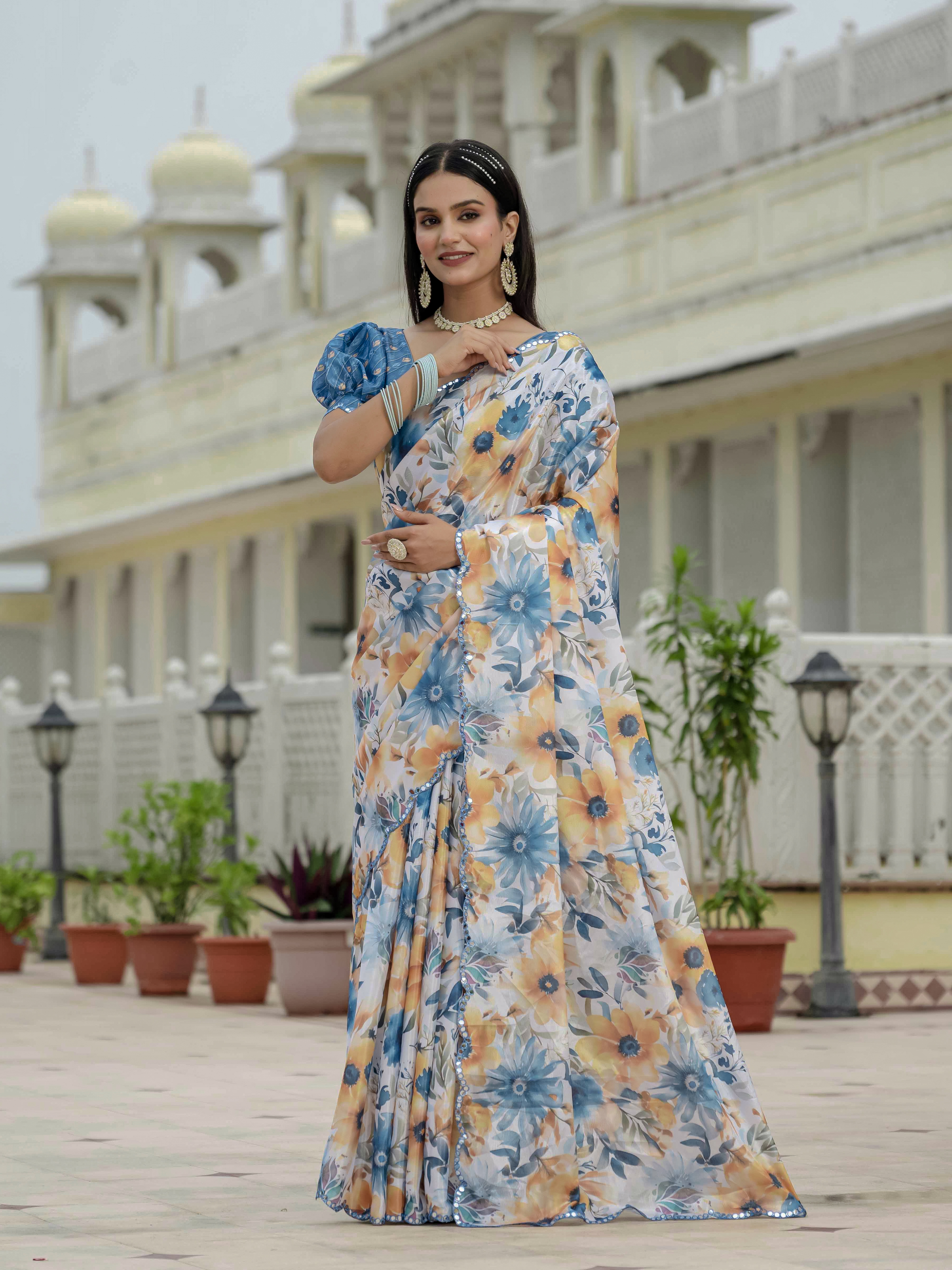
A bright cotton saree, printed georgette saree or straight-cut Punjabi suit suits a family lunch because each option looks festive without restricting movement. Pastel Linen Cotton Floral Print Saree with Designer Blouse can be styled with colourful glass bangles and a compact shoulder bag. Small jhumkas, a low bun and a contrasting blouse provide enough detail for family photographs.
For a mela or dance programme
A short or medium-length kameez with a comfortable salwar, palazzo or cigarette pant is a practical choice for an outdoor Baisakhi programme. A saree should be pre-pleated or firmly pinned if dancing or walking is likely. Flat juttis, a crossbody potli and lightweight earrings help keep the outfit manageable during a three- to five-hour event.
Baisakhi 2026 Outfit Ideas: Punjabi suits with authentic festive details
Punjabi suits are an easy way to combine regional identity with comfort during Baisakhi. The silhouette usually includes a kameez, salwar or trouser and dupatta, but the proportions change the impression. A short kurta with Patiala salwar feels lively and traditional, while a long kurta with straight pants looks cleaner and more contemporary.
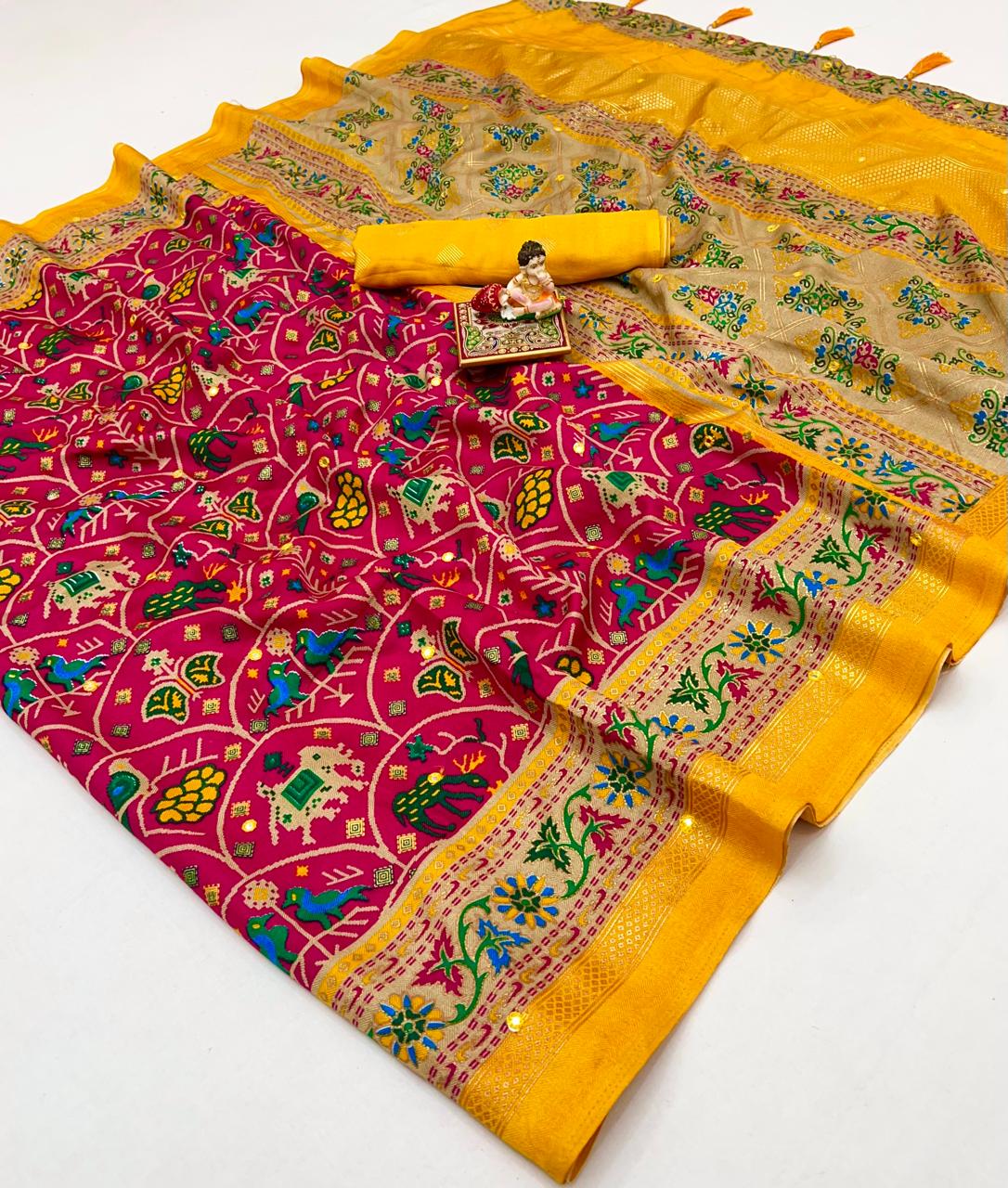
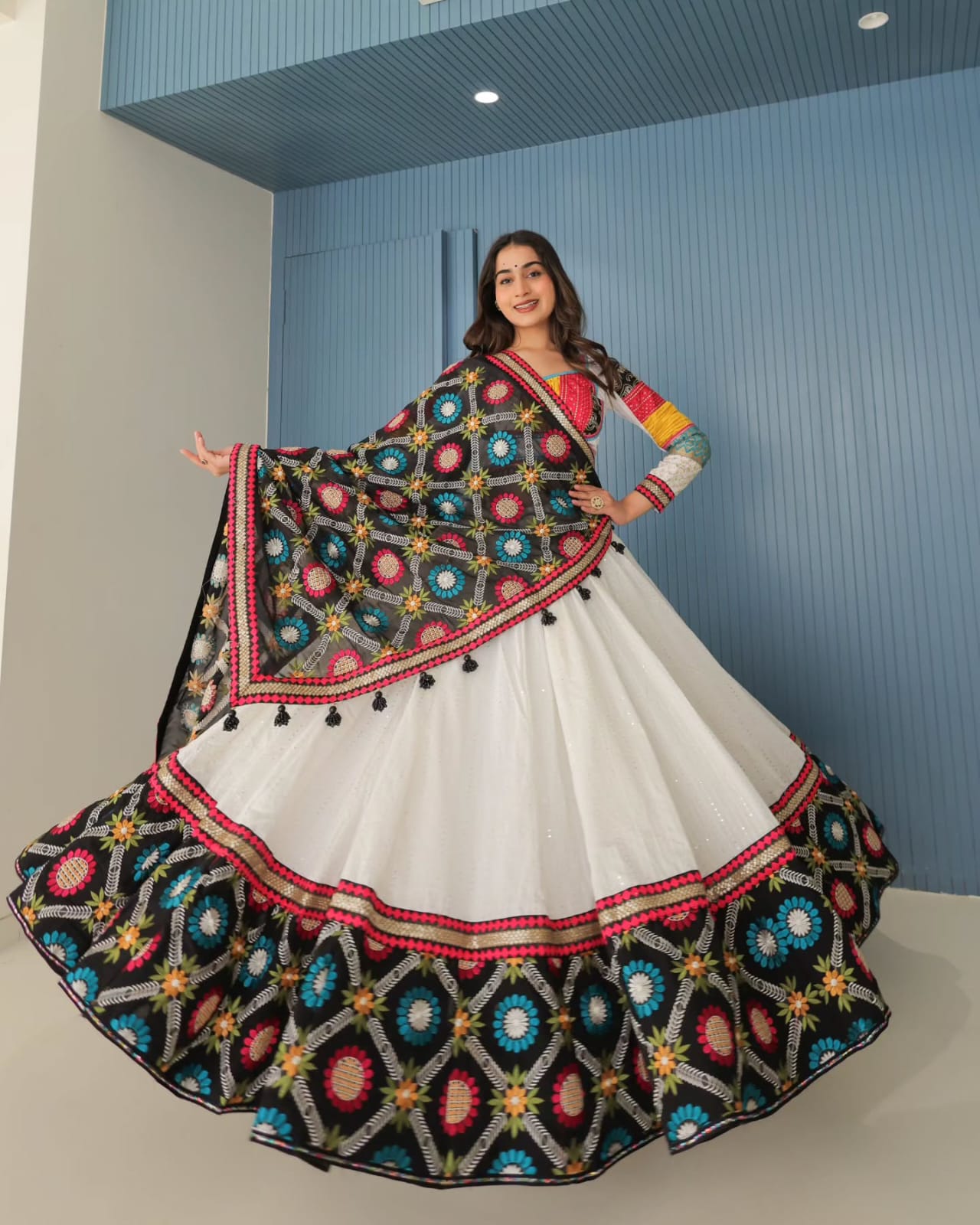
Phulkari is the key detail to consider. Classic Phulkari uses brightly coloured silk floss embroidery on a base cloth, often creating floral, geometric or stylised botanical patterns. A heavily embroidered Phulkari dupatta can become the focal point, so pair it with a solid suit in mustard, ivory, pink, bottle green or deep blue. A lighter Phulkari border works better with a printed kurta because both elements retain visual space.
Cotton, mulmul, kota and lightweight linen-cotton suit daytime celebrations because these fabrics allow air circulation. Silk-blend fabric, tissue or a lightly textured weave adds polish for an evening gathering. Check the lining before buying because a synthetic lining can feel warmer than the outer fabric in April.
Dupatta placement affects comfort and appearance. Drape a Phulkari dupatta over both shoulders for a secure, balanced look. Pin one side near the collarbone and the other at the waist when you expect to move frequently. A narrow front pleat keeps embroidery visible without allowing the dupatta to fall into food or catch on door handles.
Baisakhi 2026 Outfit Ideas: Sarees that feel festive without feeling heavy
A saree feels appropriate for Baisakhi when colour, texture and styling suggest a harvest celebration without sacrificing ease. Bright floral prints, zari borders, handloom texture and an energetic blouse can create that connection. The saree doesn't need to come from Punjab; the colour story, accessories and drape can establish the festive mood.
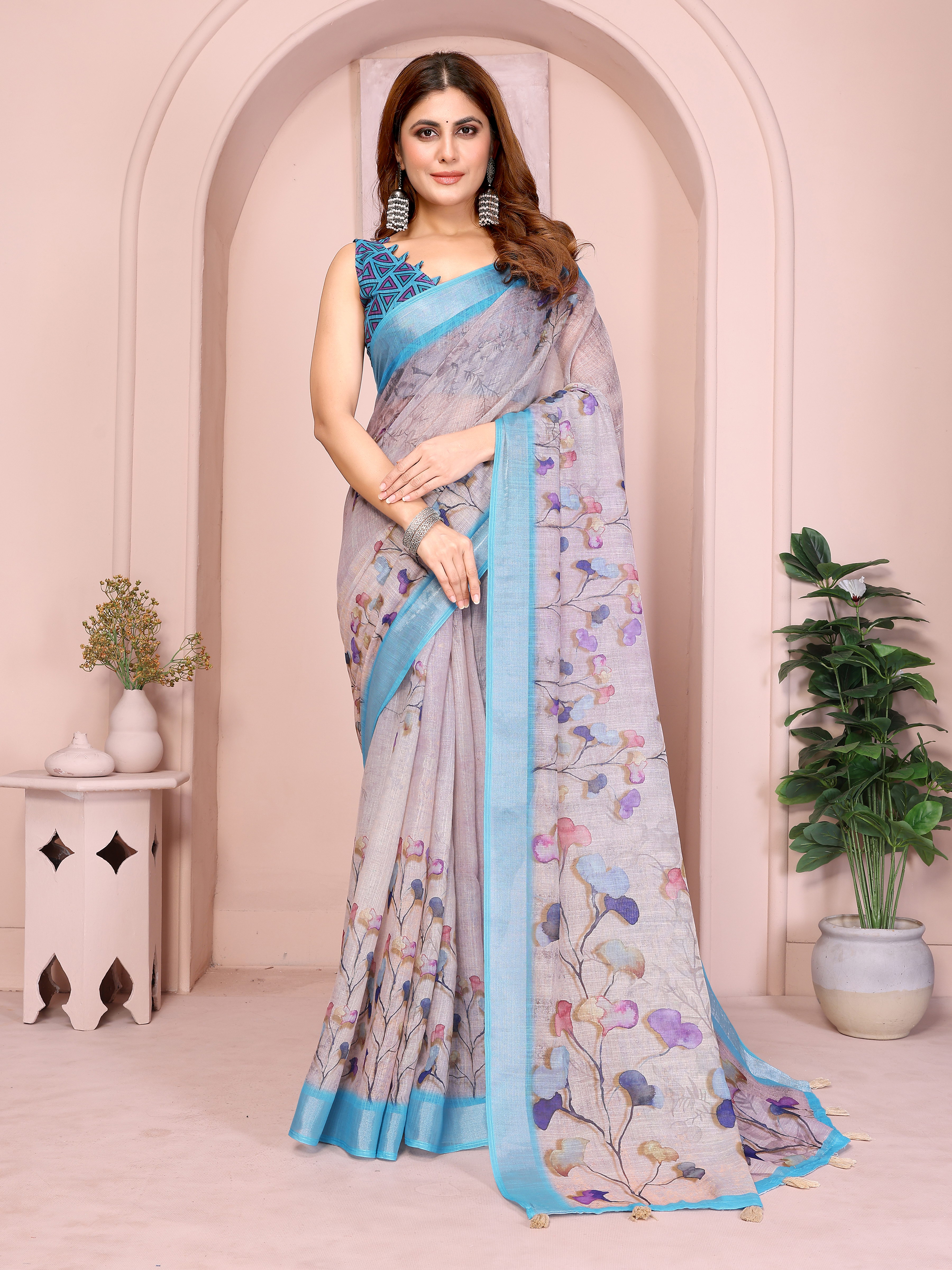
Cotton and linen-cotton are strong daytime choices because they absorb some moisture and retain a breathable structure. Peach Linen Cotton Floral Print Saree with Blouse for Women has a warm, fresh palette that can be sharpened with a green blouse or emerald earrings. Pastel Floral Tissue Handloom Cotton Saree with Zari Weaves provides a softer base, while zari adds enough light reflection for a lunch or small family ceremony.
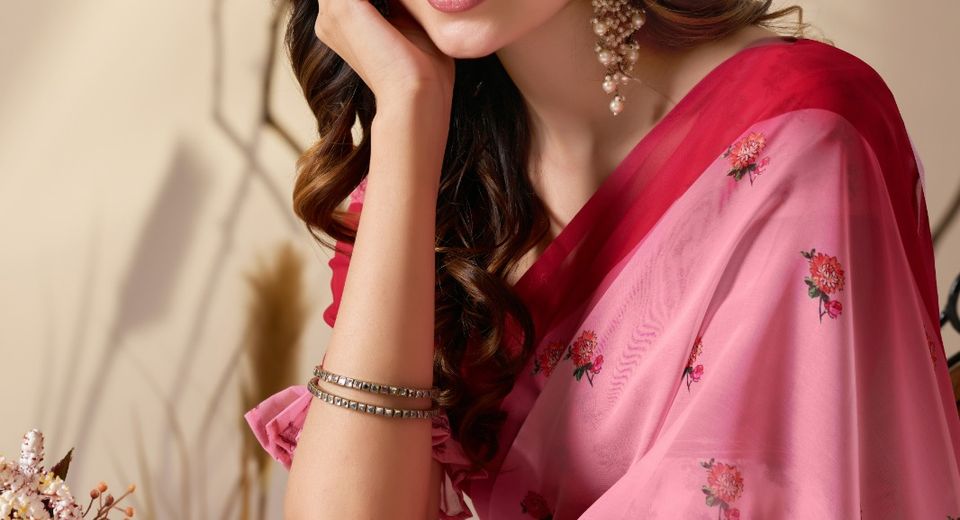
Georgette brings fluid movement and a graceful fall, but the fabric can shift more easily than cotton. Pink Floral Georgette Saree with Designer Pallu benefits from a well-fitted blouse, a non-slip petticoat and three to five discreet safety pins under the pallu. A cotton or silk-blend petticoat with a firm drawstring is more dependable than a loose elastic waist.
Cream Pink Tissue Handloom Cotton Saree with Zari combines a light base with a metallic accent. Keep the blouse matte if the saree already contains zari, or choose a subtle woven blouse in pink, cream or mustard. A heavy necklace is unnecessary when the border, pallu and earrings already provide three clear points of detail.
Baisakhi 2026 Outfit Ideas: Colour combinations for daylight and photographs
Yellow with green, pink with orange, cream with rani pink, and red with mustard are reliable Baisakhi colour combinations. These pairings work because warm harvest shades contrast with fresh or light secondary tones. Daylight reveals pale colours clearly, so pastel sarees need a defined border, stronger blouse or colourful jewellery to avoid looking flat in photographs.

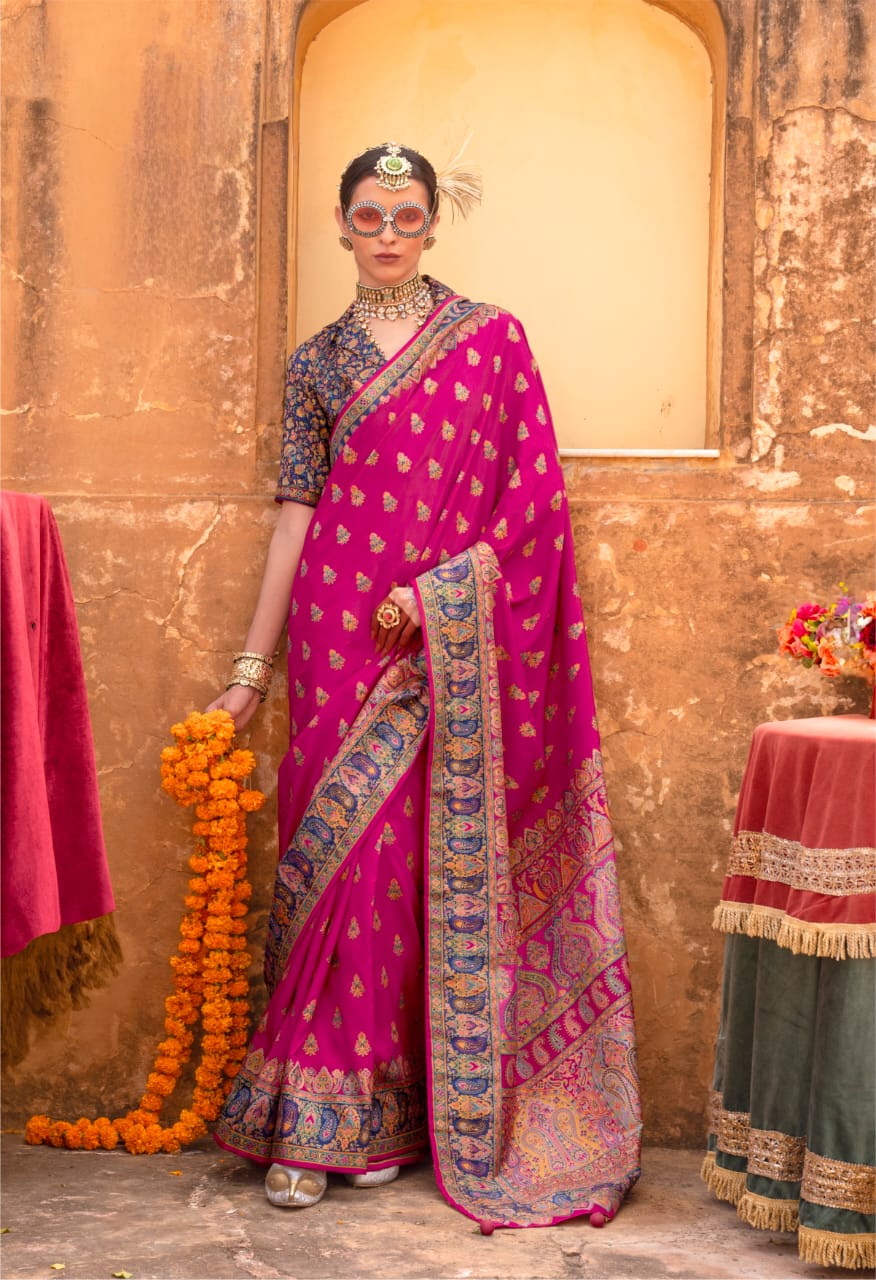
Rani pink creates a festive accent without the visual weight of deep maroon. Designer Rani Pink Patola Print Pashmina Silk Festive Saree can be styled with a plain cream blouse, gold-toned jhumkas and a small green bindi. Patola-inspired geometric patterning already supplies visual energy, so a simple handbag and plain footwear create better balance.
Red can work beautifully for Baisakhi, although a completely red outfit may feel more associated with wedding dressing. Balance a red saree or dupatta with ivory, peach, mustard or leaf green. Red Banarasi Silk Sarees for Weddings Under 1100 offers useful colour inspiration for using red strategically at a daytime festival rather than copying a bridal look.
Pink Georgette Sarees are useful when movement and colour matter more than a heavy textile. Pair bright pink with a yellow blouse for a playful mela outfit, or soften pink with a blush blouse and antique-gold jewellery for a family lunch. Gray Color Sarees Under 1000 can work for an evening celebration when combined with rani pink, mustard or orange accessories; gray becomes festive through contrast.
Baisakhi 2026 Outfit Ideas: Fabric, blouse and accessory decisions
Fabric weight, lining and fit determine whether a festive outfit remains comfortable after several hours. Cotton and linen-cotton usually suit warm daytime functions, while tissue, silk and pashmina are better for cool evenings, air-conditioned venues or shorter appearances. Georgette gives an elegant drape but may need extra fastening, and heavily embellished fabric can become tiring during a long programme.
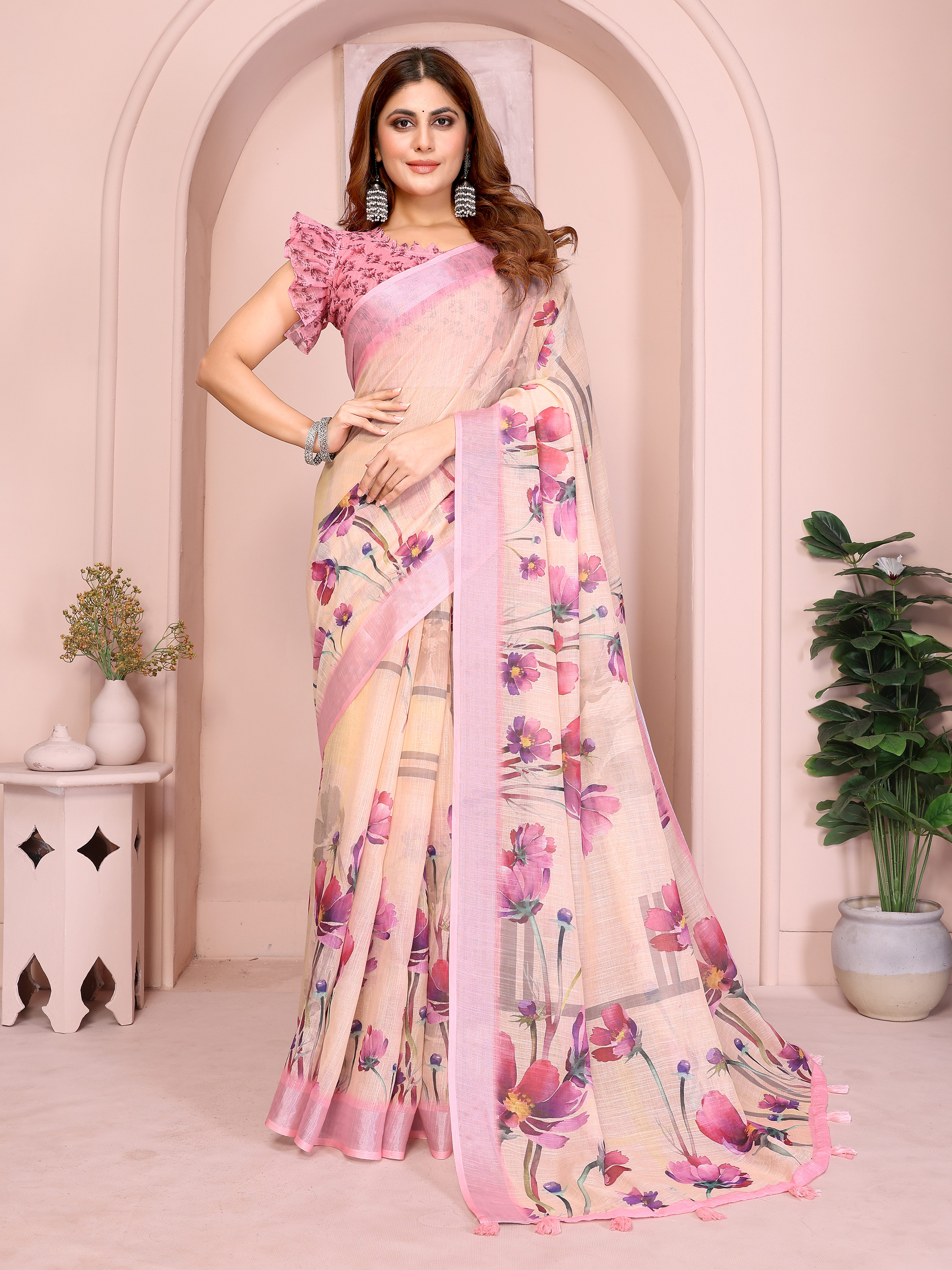
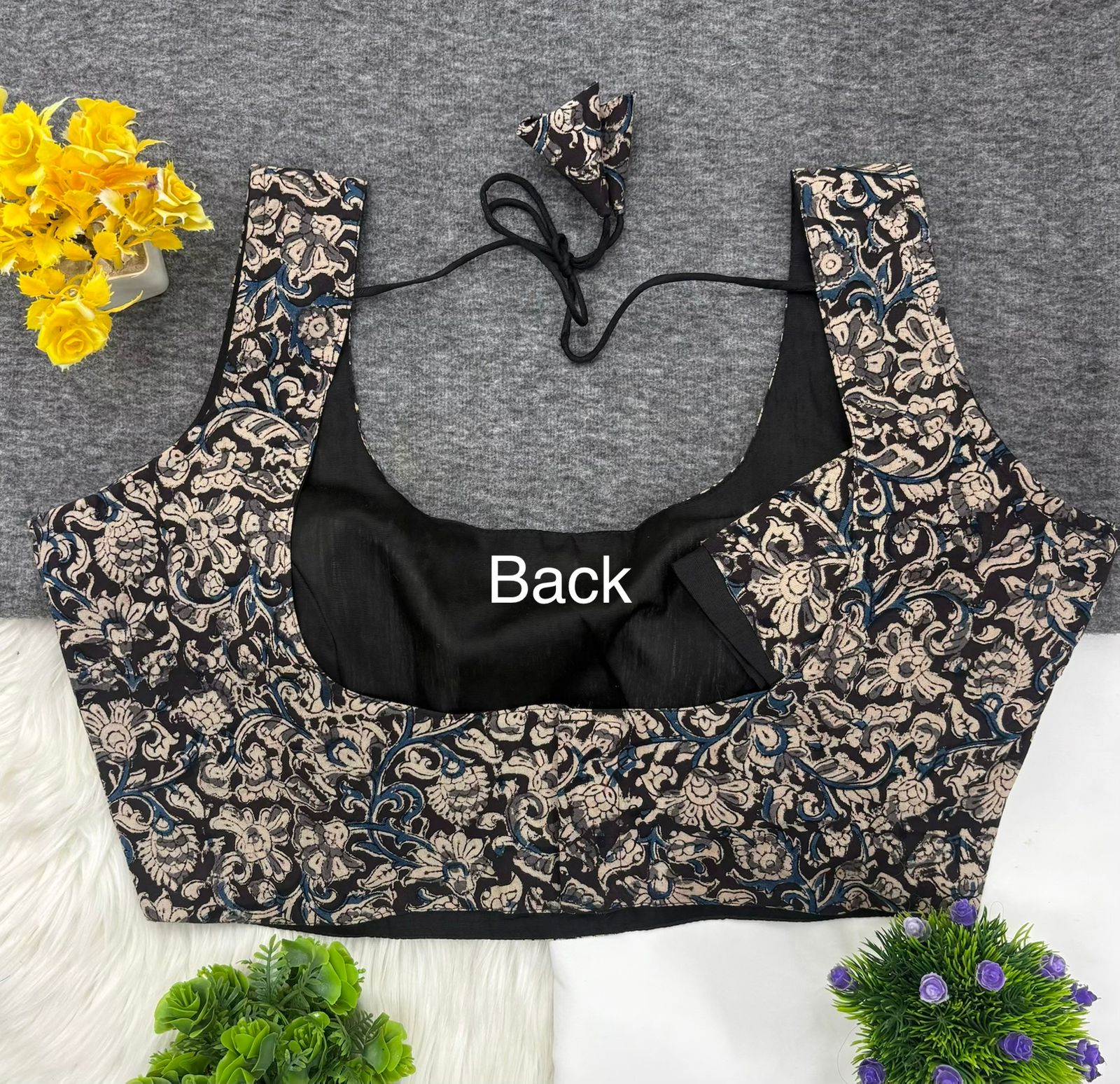
Blouse fit deserves a practical check. A well-fitted blouse should allow you to raise both arms, sit without the neckline pulling and place two fingers comfortably under the armhole. A broad shoulder strap or modest sleeve can make a saree more secure outdoors. A 0.5- to 1-inch adjustment allowance at the side seam is useful when alterations are being completed close to the event date.
Jewellery should support the outfit's strongest detail. Choose jhumkas when the dupatta has dense embroidery, a choker when the blouse has a comfortable open neckline, or stacked bangles when the saree is relatively plain. Combining a large necklace, oversized earrings, maang tikka and heavily decorated dupatta can make the outfit visually crowded.
Footwear should be tested before the celebration rather than worn for the first time on the day. Cushioned juttis, low block heels and embellished flats are more practical than narrow high heels on uneven outdoor surfaces. A small anti-slip sole pad can make a smooth sandal safer, while a compact foldable flat can help during a long evening.
Baisakhi 2026 Outfit Ideas: How to style a wardrobe you already own
A new outfit isn't essential for a convincing Baisakhi look. A plain pink, yellow, ivory or green suit can look different with a Phulkari dupatta, while a neutral saree can gain a Punjabi mood through a colourful blouse, paranda-inspired hair accessory and juttis. Repeating one familiar piece also improves comfort because you already know how it fits and moves.
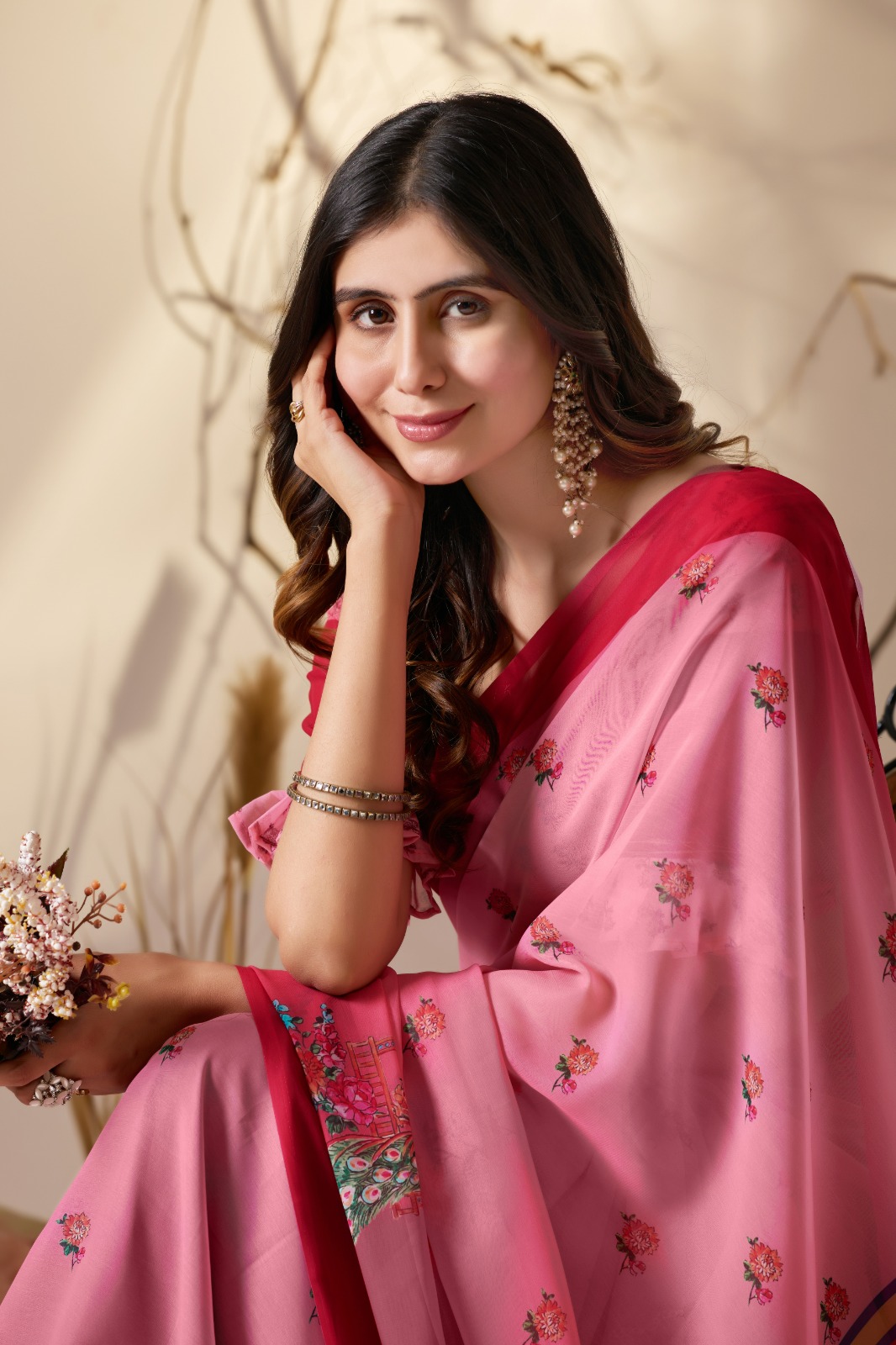
Party Wear Sarees can be adapted for Baisakhi when styling is made lighter. Replace a large statement necklace with medium jhumkas, use a fresh flower gajra or ribbon in the hair, and choose a flat sandal instead of a high heel. A bright dupatta over a simple kurta can create the same celebratory effect without requiring a fully new wardrobe.
Silk Sarees Under 3000 With Discount can help when you want a polished festive texture at a controlled budget. Check the fibre composition, zari description, blouse-piece measurements and return conditions before purchasing. A lower price doesn't automatically indicate poor quality, but the listing should clearly state fabric, dimensions and care instructions.
Luxury Pashmina Saree with Paisley Design & Shaw and Kashmiri Style Pashmina Saree With Shawl Set are more suitable for a cool evening gathering than a sunny afternoon mela. Pashmina can look graceful with a simple blouse and low bun, but its warmth and drape make it less practical for vigorous dancing or hot outdoor events.
Baisakhi 2026 Outfit Ideas: Care and packing before the festival
Preparing the outfit 24 to 48 hours before Baisakhi prevents last-minute problems with pleats, hooks and accessories. Try the complete outfit with footwear, jewellery and bag, then sit, walk and raise both arms. Mark the pallu pin positions and keep spare safety pins, fashion tape, a small sewing kit and a stain-removal wipe in the emergency pouch.

Cotton sarees should be folded along existing creases and stored in a breathable cotton cover. Zari sarees should not be pressed directly with a hot iron; place a thin cotton cloth between the iron and saree and use low heat. Georgette should be hung only briefly because long-term hanging can stress the shoulder area. Pashmina should be folded rather than placed on a thin hanger.
Food and coloured powders are common sources of festival stains. Blot liquid quickly with a clean cloth instead of rubbing, and avoid applying perfume directly to silk, zari or pashmina. Dry-clean embellished sarees when the care label requires it, while washable cotton should be tested for colourfastness on an inside seam before cleaning.
A considered Baisakhi outfit brings together cultural detail, movement-friendly construction and weather-appropriate fabric. Whether the final choice is a Phulkari dupatta, a cotton Punjabi suit or a floral saree, the most useful test is simple: the outfit should let you participate fully in the celebration rather than spend the day adjusting it.
Common Questions About Baisakhi 2026 Outfits and Styling
What should women wear for Baisakhi 2026?
Women can wear a Punjabi suit with a Phulkari dupatta, a breathable cotton saree or a lightweight salwar kameez for Baisakhi 2026. Choose cotton, linen-cotton or georgette for warm daytime events and add juttis, jhumkas or colourful bangles for a festive finish.
Which saree fabric is best for a Baisakhi celebration?
Cotton and linen-cotton are usually the most comfortable saree fabrics for a daytime Baisakhi celebration. Georgette works when you want fluid movement, while tissue, silk and pashmina are better for cooler evenings or shorter indoor gatherings.
How can I style a Phulkari dupatta with a plain suit?
Wear a heavily embroidered Phulkari dupatta with a solid suit in ivory, mustard, pink, green or deep blue. Pin one end near the collarbone and the other at the waist for movement, or drape it over both shoulders for a more traditional balanced look.
Can I wear a saree to a Baisakhi mela?
You can wear a saree to a Baisakhi mela if the pleats and pallu are securely pinned and the petticoat has a firm drawstring. Choose a breathable saree, flat juttis and a compact crossbody bag so walking and sitting remain comfortable.
What colours are suitable for Baisakhi outfits?
Yellow, green, pink, orange, red, mustard, cream and blue are suitable Baisakhi colours. Pairing a warm harvest shade with a contrasting light or fresh colour creates definition in daylight and photographs.
How should I care for a saree after wearing it at Baisakhi?
Air the saree away from direct sunlight, blot stains instead of rubbing them and follow the care label before washing or dry-cleaning. Fold zari and pashmina sarees in breathable fabric covers, and avoid storing damp cotton or georgette garments.