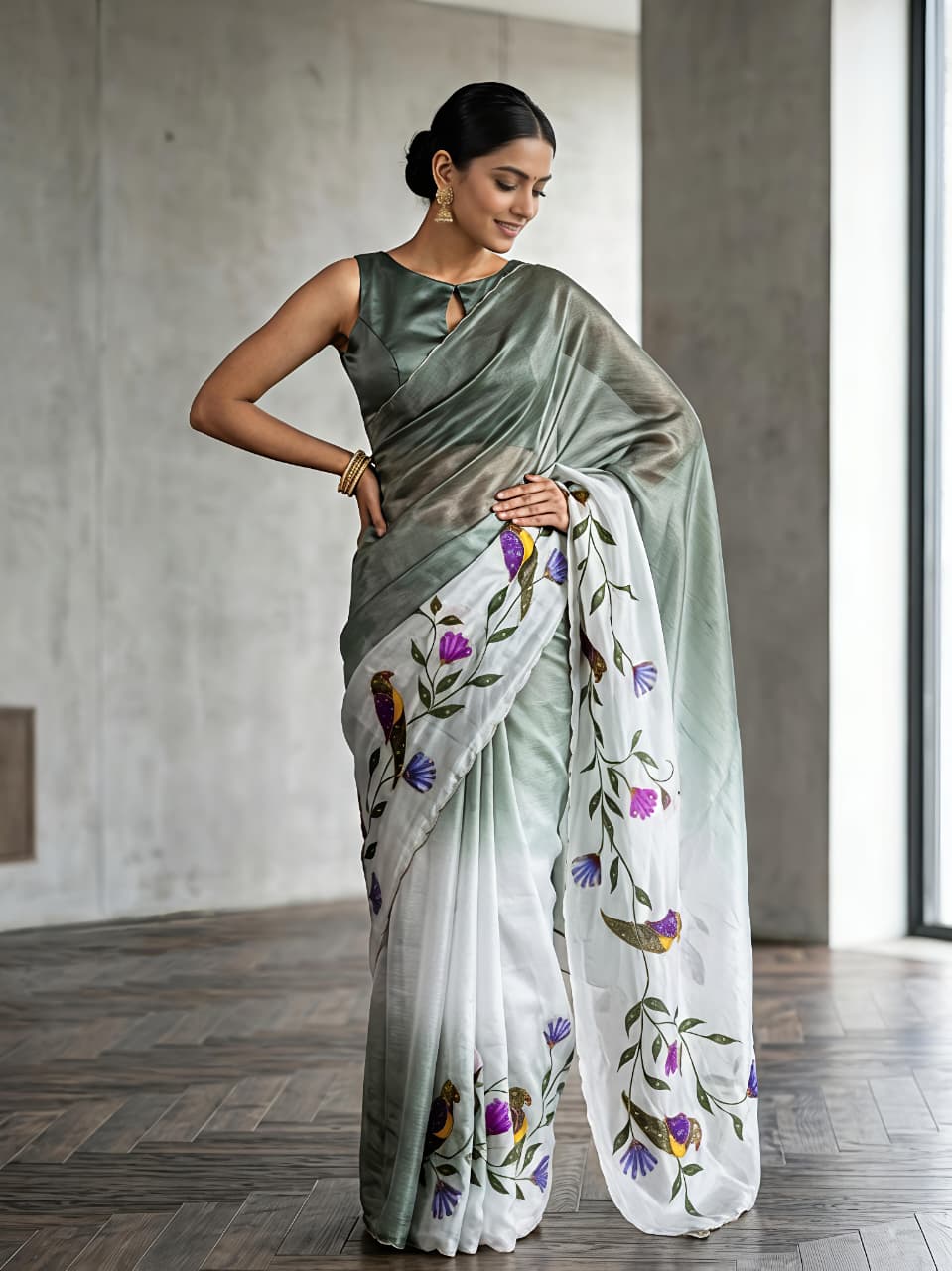
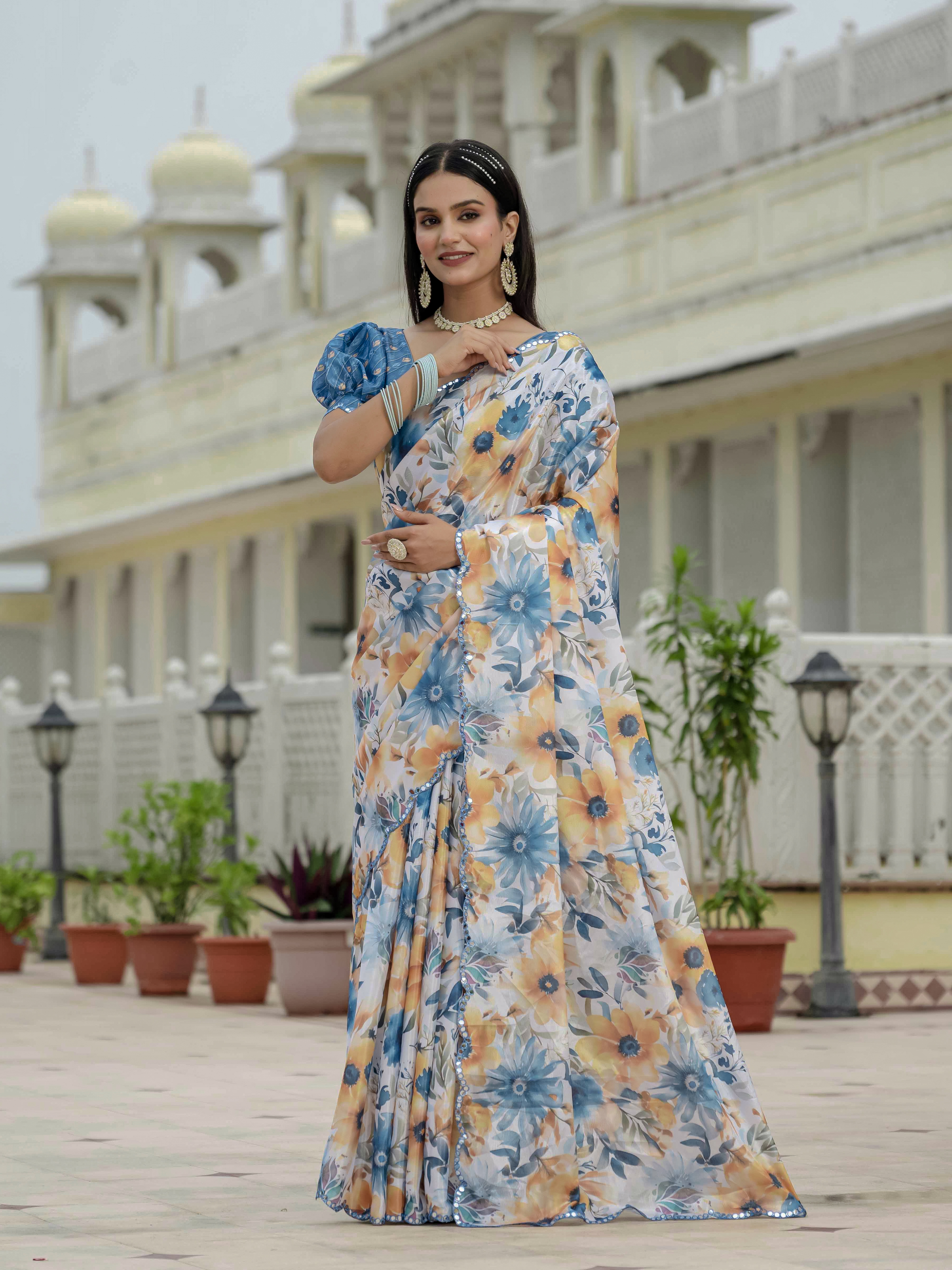
Awadhi Fashion Guide: Banarasi Sarees, Chikankari Suits & Lehengas begins with a practical question: what should an outfit do for the wearer? A Banarasi saree can provide formal presence, a Chikankari suit can offer breathable elegance, and a lehenga can create the celebratory silhouette expected at a wedding. Fabric, construction, colour, movement and tailoring matter as much as surface decoration.
Awadhi dressing is associated especially with Lucknow and the wider cultural landscape of Uttar Pradesh. Modern Awadhi-inspired style doesn't require a costume-like appearance. A woven Banarasi silk saree, a lightly embroidered Chikankari suit or a carefully proportioned lehenga can express the same refinement while remaining wearable beyond one event.
Awadhi Fashion Guide: Banarasi Sarees, Chikankari Suits & Lehengas and Their Distinctive Features
Awadhi fashion is distinctive because it balances detailed craftsmanship with graceful proportions, movement and occasion-appropriate comfort. Banarasi silk contributes woven richness, Lucknowi Chikankari contributes delicate surface embroidery, and lehengas contribute volume and ceremony.
Chikankari is associated with Lucknow and may be worked by hand or machine on cotton, georgette, chiffon, viscose and silk-blend bases. Traditional and contemporary motifs include flowers, vines, leaves and jaalis. Tonal white-on-white embroidery creates a quiet effect, while contrasting thread or sequins makes a Chikankari suit more suitable for evening wear.
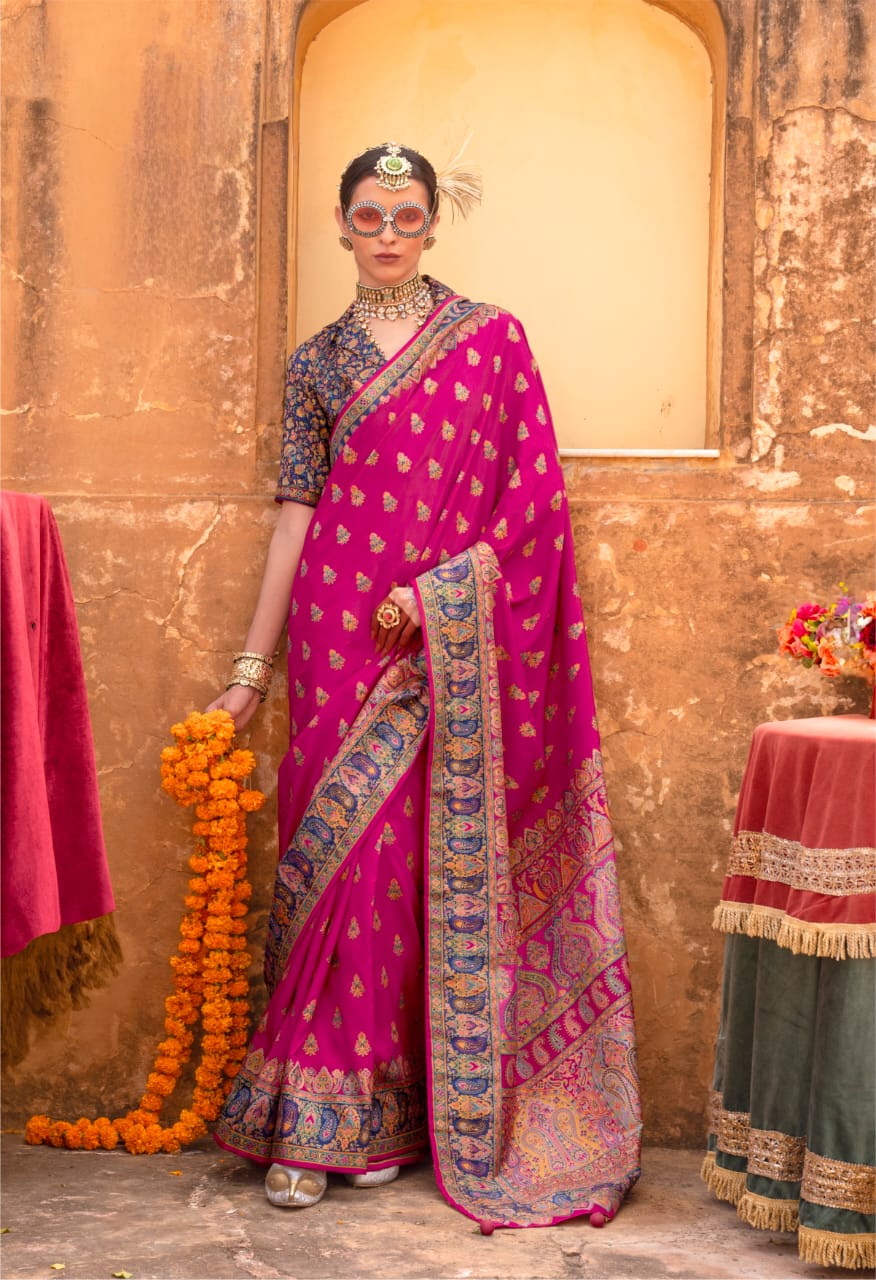
Banarasi silk is woven in Varanasi and is recognised for brocaded patterns, metallic zari and a structured drape. Floral jaal, jangla-inspired patterns and dense borders create visible depth through weaving rather than only through applied embroidery. A Banarasi saree therefore looks perfect with relatively restrained jewellery.
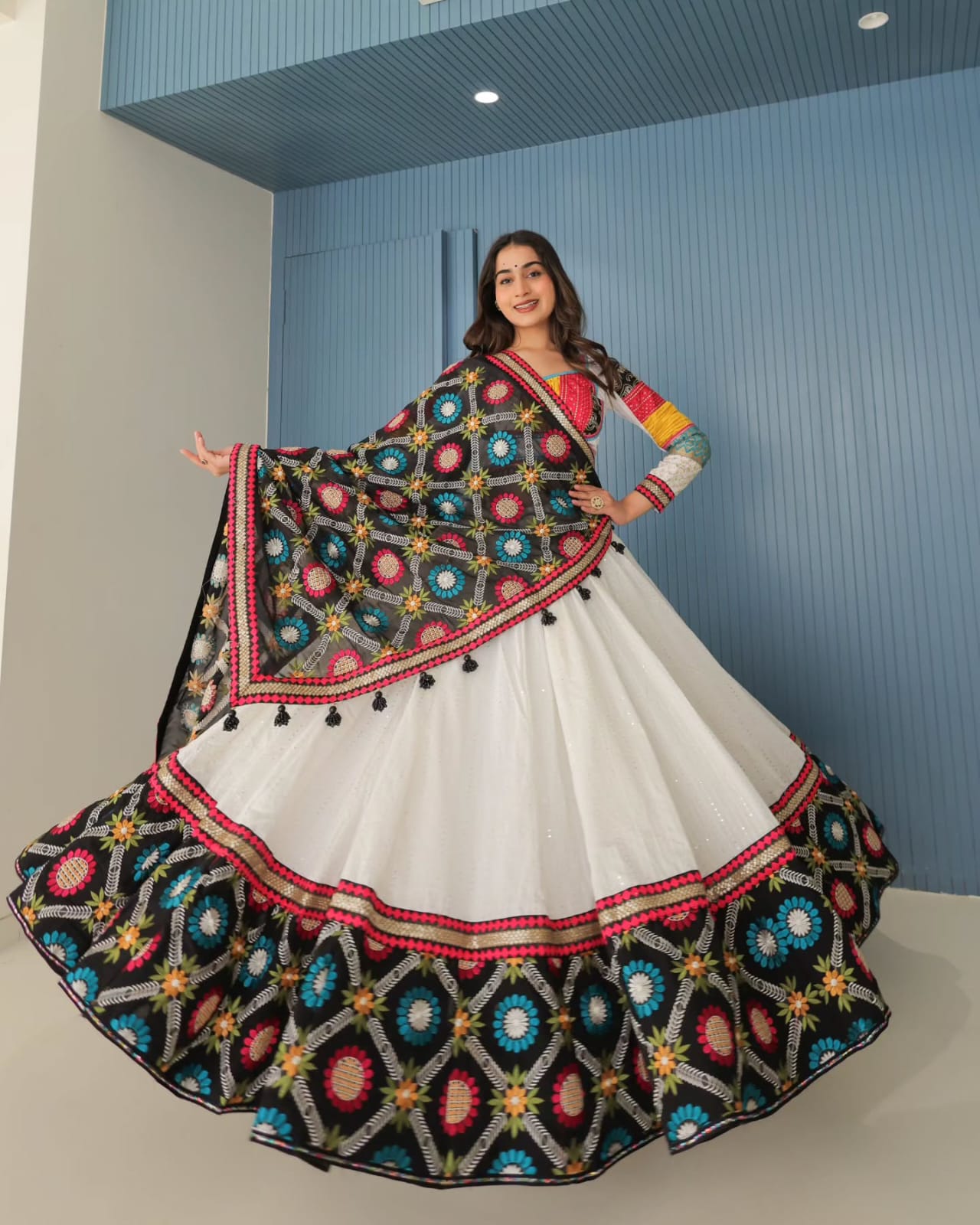
Lehengas belong to a wider North Indian occasion-wear tradition. An Awadhi-influenced lehenga may use brocade, delicate embroidery, chikankari-inspired motifs, restrained zari or a softer colour palette instead of relying exclusively on heavy embellishment. The result can feel ceremonial while remaining easier to move in.
Awadhi Fashion Guide: Banarasi Sarees, Chikankari Suits & Lehengas for Different Occasions
Choose a Banarasi saree for formal elegance, a Chikankari suit for breathable daytime versatility and a lehenga for celebrations where movement, photographs and a defined festive silhouette matter most.
Banarasi sarees for formal gatherings
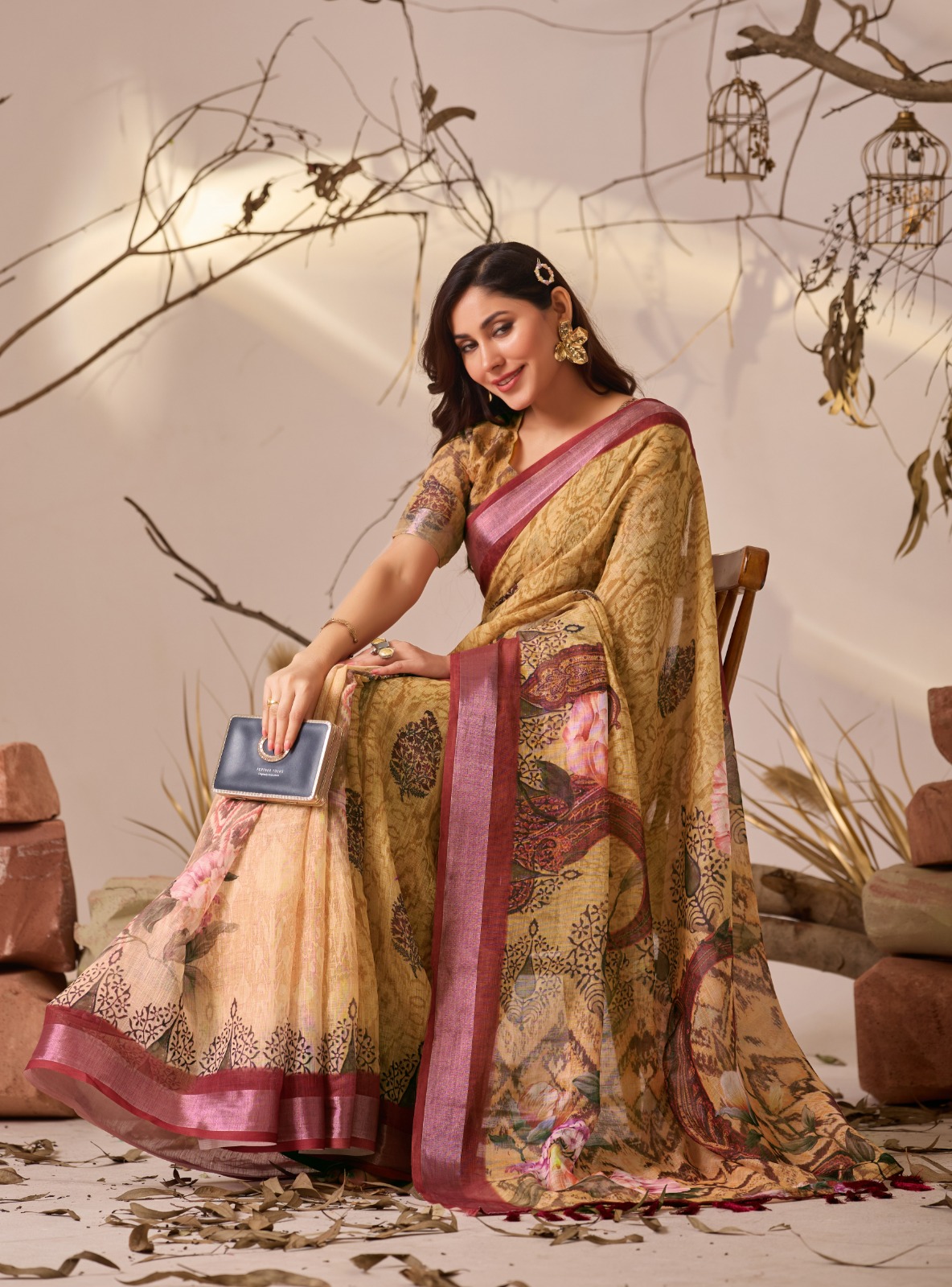
A Banarasi silk saree suits a wedding ceremony, reception, religious celebration or formal family dinner. Dense zari and brocade are effective at night, while lighter Banarasi fabrics and narrower borders are more comfortable for daytime events. A standard 5.5-metre saree usually provides enough length for conventional pleats and a pallu, although taller wearers or elaborate drapes may prefer additional fabric.
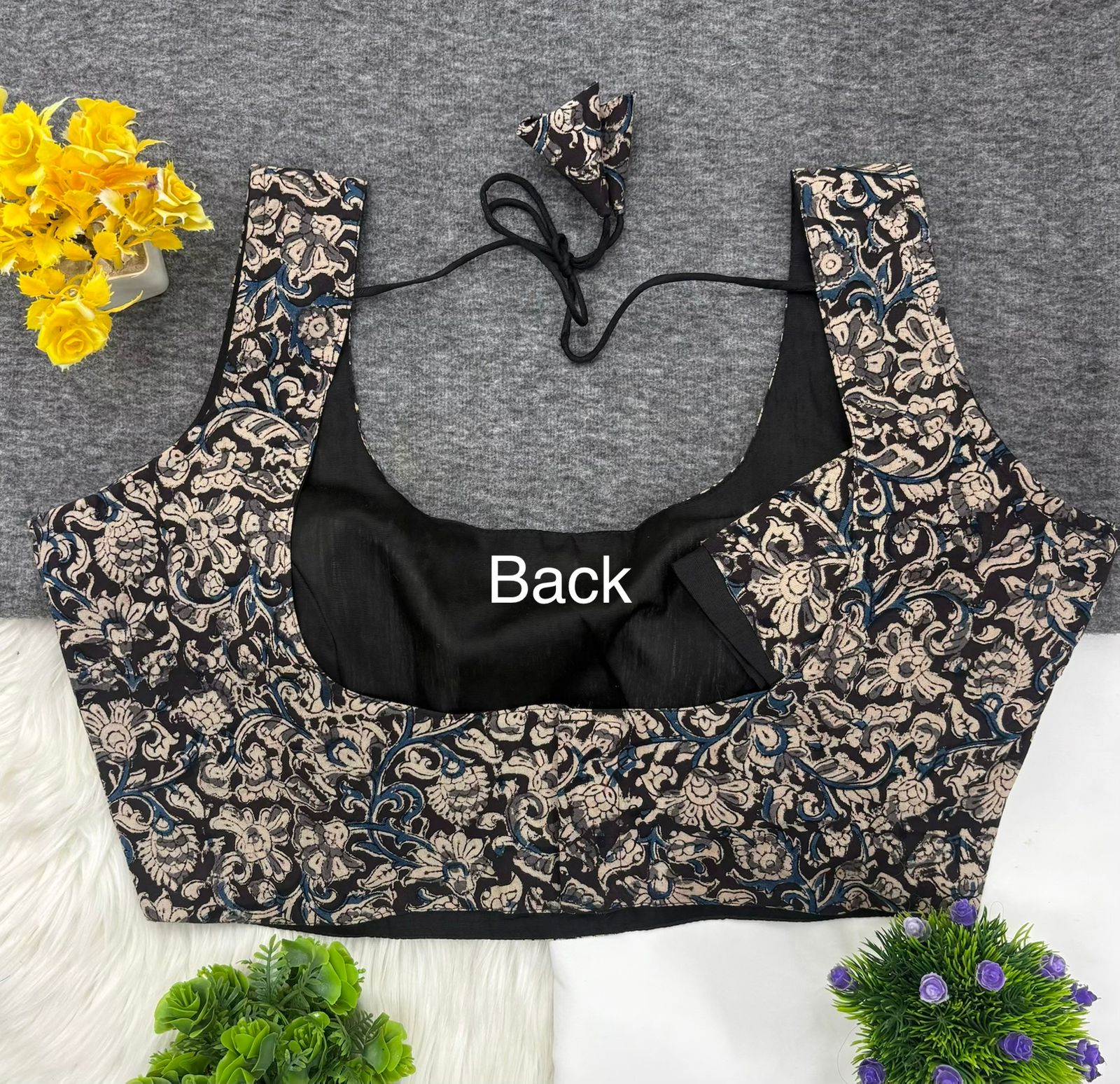
Blouse planning determines how formal a Banarasi saree appears. A plain silk blouse allows the woven border to lead, while a blouse repeating one saree motif creates a coordinated outfit. Elbow-length sleeves, a high neckline or a simple boat neck can make a richly patterned saree feel polished without adding unnecessary ornament.
Chikankari suits for daytime occasions
A Chikankari suit is usually the most practical choice for a daytime ceremony, warm-weather celebration or event involving frequent walking and sitting. Cotton Chikankari works well for a Haldi ceremony, intimate puja or summer lunch. Georgette and chiffon create more movement for an evening gathering, although a lining is essential when the base fabric is sheer.
A straight kurta with cigarette pants creates a clean contemporary line. A flared kurta with palazzo trousers gives movement, while a kurta with a salwar gives a softer time-honoured impression. A heavily embroidered kurta generally looks more balanced with a plain dupatta or a dupatta carrying only a narrow border.
Lehengas for high-visibility celebrations
A lehenga suits a sangeet, engagement, reception or main wedding function when the dress code calls for a visibly festive outfit. The skirt creates movement in photographs and on the dance floor, the choli defines the upper silhouette, and the dupatta adds a layer of colour or contrast.
Lehenga weight affects comfort as much as appearance. A skirt weighing approximately 1.5 to 2.5 kilograms is generally easier to wear for several hours than a heavily layered bridal skirt exceeding 3 kilograms. A lighter design can be especially useful for a Mehendi ceremony, destination wedding or event involving stairs and extended standing.
Awadhi Fashion Guide: Banarasi Sarees, Chikankari Suits & Lehengas by Colour and Fabric
Daytime Awadhi dressing generally suits yellow, green, ivory, blush, peach and soft pink, while evening celebrations can carry maroon, wine, navy, emerald, royal blue and antique-gold combinations.
Yellow connects naturally with turmeric celebrations, but lemon, mustard and marigold produce different moods. A marigold lehenga feels energetic and classic, while a pale yellow Chikankari suit feels lighter and more suitable for an afternoon gathering. Green works particularly well for Mehendi events, especially with antique zari, gota-inspired borders or a contrasting pink dupatta.
Red, rani pink and deep wine remain strong bridal colours, but emerald, rust, ivory and midnight blue can also create memorable bridal looks when family customs and ceremony styling allow. Colour selection should consider the venue lighting because warm indoor lights can intensify red and gold while making pale pastels appear less saturated.
Banarasi silk performs best when the base colour and zari are considered together. Antique zari softens jewel tones, bright gold zari energises red and fuchsia, and silver zari gives navy, lilac and sage a more contemporary finish. Chanderi offers a lighter, translucent appearance for festive daywear, while Chanderi silk with a zari border can sit between a casual suit and a formal saree.
Chikankari embroidery is effective in tonal combinations such as white-on-white, ivory-on-peach and pastel thread on a slightly darker base. Contrasting thread creates a more graphic appearance. A multicoloured Chikankari suit usually needs simpler jewellery because the embroidery already establishes the visual focus.
Yellow Lehengas and Green Lehengas can help narrow a large shopping search by beginning with the ceremony's colour language. Mehendi Lehengas are useful when an outfit must look festive in photographs without competing with the bride's main wedding attire.
Awadhi Fashion Guide: Banarasi Sarees, Chikankari Suits & Lehengas and Lehenga Construction
Before buying a lehenga, check the construction, waist measurement, skirt length, blouse allowance, dupatta dimensions, lining and closure rather than relying on the labelled size alone.
Fully stitched choli shopping
Fully stitched choli shopping is simplest when the wearer needs a quick, ready-to-wear outfit with minimal tailoring. Check whether the choli uses a side zip, back zip, hooks or dori closure. Confirm how much alteration allowance is available at the side seams, because a choli with 1 to 2 inches of usable margin is more adaptable than a tightly finished garment with no extra fabric.
Measure the bust at the fullest point, the underbust when the blouse is structured, the waist where the skirt will sit and the shoulder width. Compare every measurement with the seller's chart in centimetres or inches. A label such as medium or large isn't a reliable substitute because lehenga sizing varies significantly between makers.
Readymade and semi-stitched options
A readymade lehenga is convenient when the standard skirt length and blouse proportions are close to the wearer's measurements. A semi-stitched lehenga is more suitable when the waist, bust or choli length needs tailoring. Semi-stitched construction can also help teenagers and growing girls, provided a skilled tailor can preserve embroidery and border alignment.
Ready Made Lehenga options save time, but buyers should still allow 7 to 10 days for minor alterations when an event date is fixed. The Semi Stitched Lehengas Collection brings more fitting flexibility, although tailoring time, stitching charges and access to an experienced lehenga tailor should be included in the budget.
For bridal shopping, inspect the skirt panels and hem. A circular skirt with eight or more panels can provide generous flare, while a narrower panel arrangement may feel lighter and easier to manage. Can-can layers increase volume but also add stiffness, weight and storage requirements.
A bridal lehenga should be tested with the actual footwear because a hem that looks correct in bare feet may drag after heels are added. Sit down, walk up a few steps, turn around and lift the dupatta before approving the final fit. These simple checks reveal problems that a mirror often hides.
Awadhi Fashion Guide: Banarasi Sarees, Chikankari Suits & Lehengas with Balanced Styling
Balanced Awadhi styling usually combines one dominant feature with two supporting details, such as a zari saree with jhumkas and a simple clutch or a Chikankari suit with chandbalis and embroidered footwear.
A Banarasi saree already contains pattern, sheen and border structure. Kundan, pearl or jadau-inspired jewellery can complement Banarasi silk, but a large necklace, oversized earrings and a heavy maang tikka together may obscure the face and blouse. Jewellery scale should follow the saree's zari: fine zari benefits from lighter pieces, while dense gold brocade can support a stronger statement accessory.
Chikankari suits work well with silver jhumkas, enamel earrings, glass bangles, embroidered juttis and small potli bags. White or pastel Chikankari can take brighter accessories, while multicoloured threadwork usually looks better with one repeated accessory colour.
A lehenga needs practical dupatta placement. Pinning the dupatta at the shoulder and securing one point near the waist reduces repeated adjustment during dancing or greeting guests. A second lightweight drape can be carried over the head for a ceremony and released later for the reception, provided the fabric and border are comfortable.
For a family wedding, a heritage silhouette can be modernised through a short structured blouse, a plain skirt paired with an ornate dupatta or a restrained blouse paired with a zari-rich skirt. Designers and buyers should treat proportion as a styling tool: if the skirt is broad and heavily decorated, a cleaner choli prevents the outfit from becoming visually crowded.
Awadhi Fashion Guide: Banarasi Sarees, Chikankari Suits & Lehengas Care and Rewear
Care requirements depend on the fabric and embellishment, but most occasion garments should be aired after wear, stored dry and professionally cleaned when the label recommends it.
Banarasi silk should be folded with soft cotton or muslin rather than stored against plastic for long periods. Refold the saree every few months to prevent permanent creases along the same lines. Keep zari away from damp wardrobes, perfume overspray and direct sunlight, which can affect metallic surfaces and dyes.
Chikankari garments should be washed according to their base fabric and embroidery. Handwashing in cool water with a mild detergent may suit some cotton pieces, but silk, georgette, chiffon and heavily embellished garments generally require professional cleaning. Avoid wringing embroidered fabric because twisting can distort both the ground material and the stitches.
Lehengas should be aired fully before storage. Remove surface dust with a soft brush, empty the pockets and store the skirt and dupatta in breathable garment bags. Heavy bridal lehengas should be stored flat or supported evenly rather than hung for months from a narrow hanger, because concentrated weight can strain seams and waistbands.
Rewearing becomes easier when the outfit is separated into components. A lehenga skirt can be paired with a plain silk blouse for a smaller celebration, a Chikankari dupatta can refresh a simple kurta set, and a Banarasi blouse can be used with a lighter saree. These combinations increase the value of a purchase without diminishing its festive character.
Awadhi Fashion Guide: Banarasi Sarees, Chikankari Suits & Lehengas for a Confident Purchase
The best purchase matches the garment's structure to the event, the fabric to the weather, and the fit to the number of hours the outfit must be worn. A beautiful lehenga that restricts sitting or a rich saree that feels too heavy for a daytime ceremony will be less successful than a simpler garment chosen with precision.
Use a short checklist before ordering: identify the ceremony, confirm the fabric, measure the wearer, check the construction, estimate alteration time, inspect the lining and plan footwear. For readymade pieces, allow time for delivery and adjustments. For semi-stitched pieces, confirm whether local tailoring can handle zari, sequins, can-can and shaped hems.
Awadhi style remains relevant because it gives more than decoration. Banarasi silk gives a saree lasting visual structure, Chikankari gives a suit airiness and texture, and the lehenga gives a celebration its sense of movement. Choosing among them becomes easier when craftsmanship, comfort and rewear potential receive the same attention as colour and trend.
Common Questions About Awadhi Sarees, Chikankari Suits and Lehengas
What should I wear to a Haldi ceremony in an Awadhi-inspired style?
A yellow Chikankari suit or a lightweight yellow lehenga is a practical choice for a Haldi ceremony. Choose washable or easy-care fabric when turmeric, flowers and outdoor movement are likely, and avoid very long hems that can collect stains.
Is a Banarasi saree suitable for a daytime wedding?
A Banarasi saree is suitable for a daytime wedding when the fabric, zari and colour are not excessively heavy. Lighter Banarasi silk, softer gold tones and a breathable blouse create a more comfortable look than dense brocade styled with multiple heavy layers.
What is better for fully stitched choli shopping: readymade or semi-stitched?
A readymade choli is better when standard measurements are close to the wearer's body measurements and the outfit is needed quickly. A semi-stitched choli is better when bust, waist, shoulder or length adjustments are likely, although it requires tailoring time.
Which lehenga colour works best for a Mehendi ceremony?
Green, yellow, lime, pink and combinations of green with contrasting pink work well for a Mehendi ceremony. The best shade also depends on the bride's outfit, venue lighting and whether the event takes place during the day or evening.
How much alteration time should I allow for a lehenga?
Allow at least 7 to 10 days for minor alterations to a readymade lehenga, and allow longer for a semi-stitched or heavily embellished garment. A bridal lehenga should be fitted at least two weeks before the event whenever possible.
How should I store a Banarasi saree or embellished lehenga?
Store a Banarasi saree in breathable muslin and refold it periodically, while an embellished lehenga should be aired completely and kept in a breathable garment bag. Protect both garments from dampness, direct sunlight, perfume and prolonged contact with plastic.