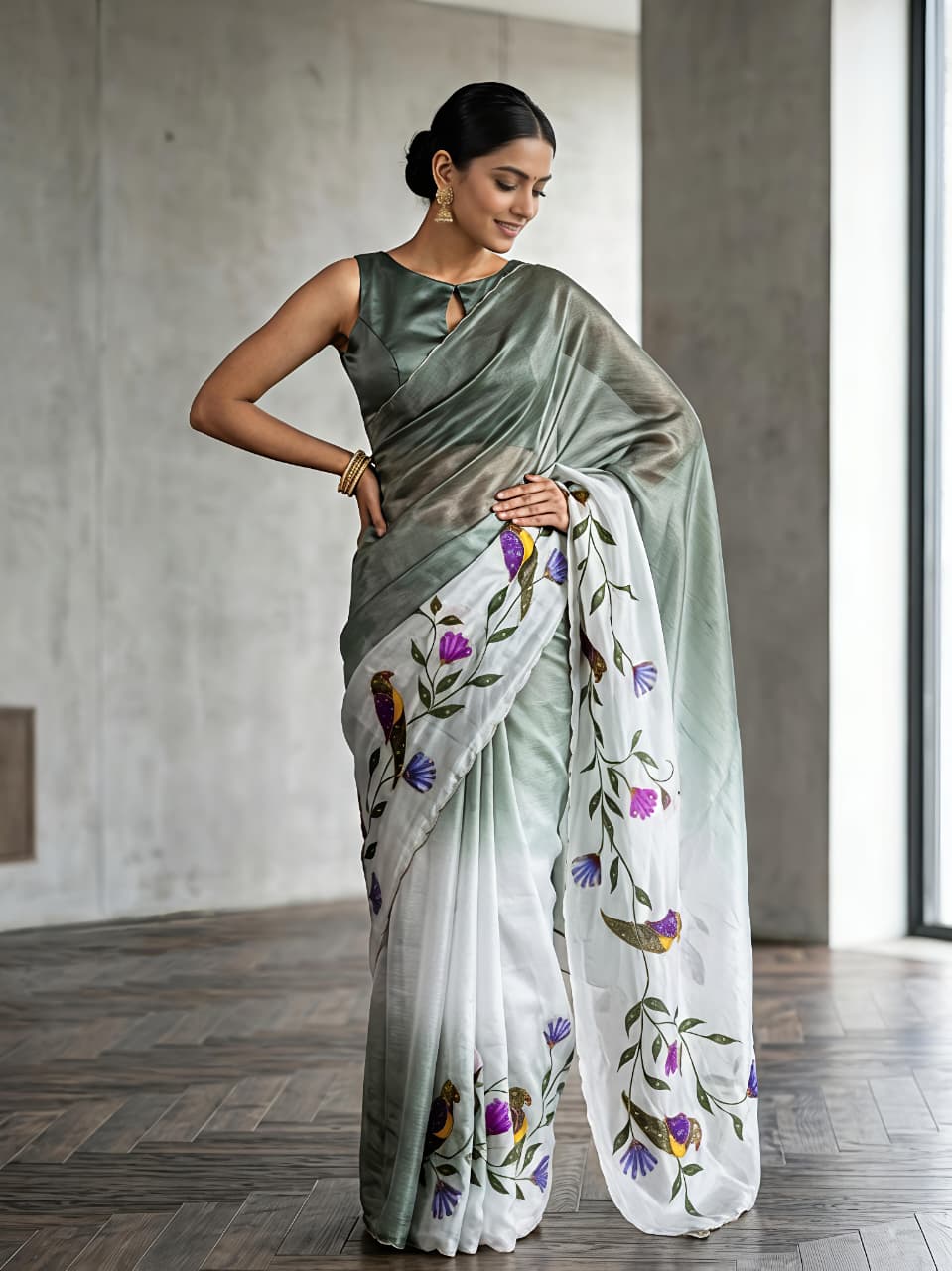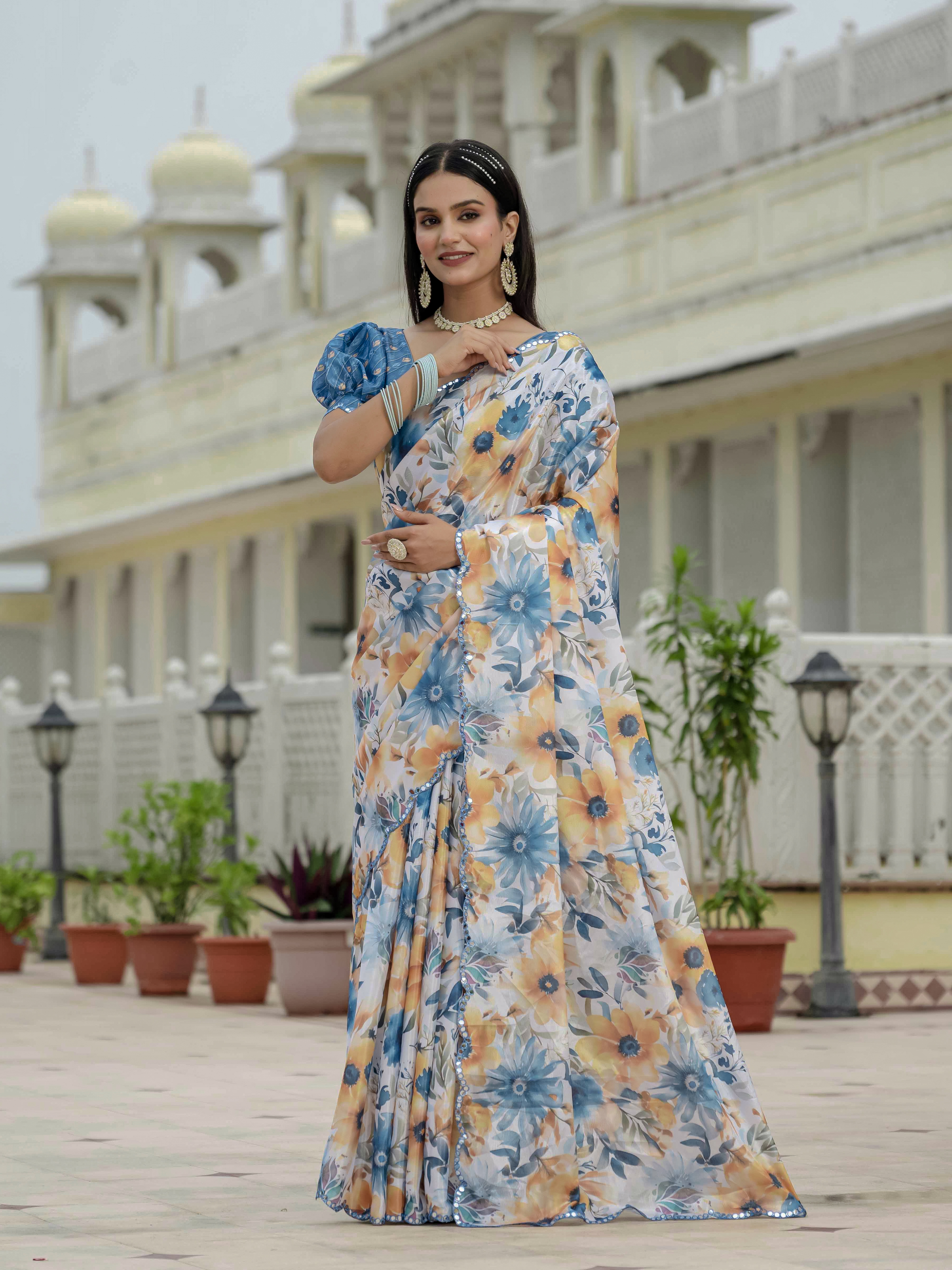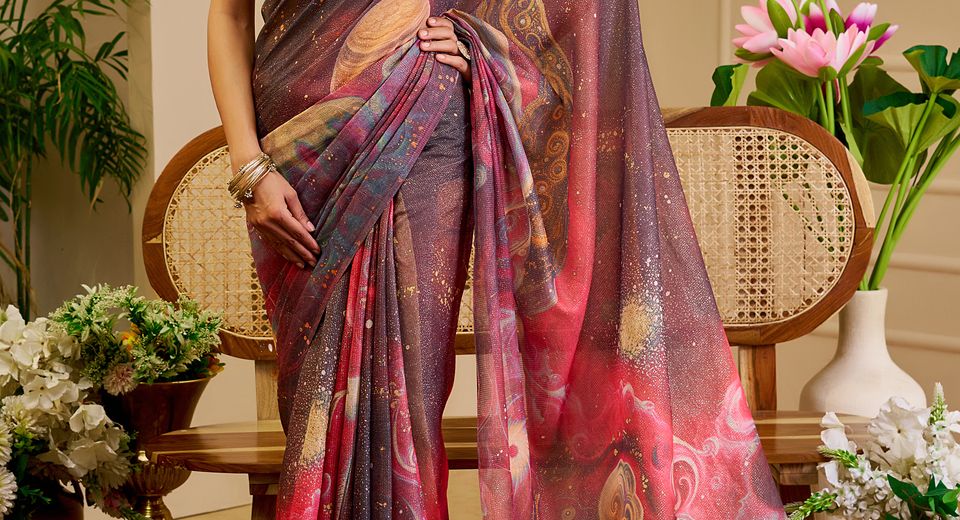
Attukal Pongala Outfit Ideas: Traditional Sarees for Women should account for more than colour and ornamentation. Attukal Pongala involves standing, walking, cooking the offering in an open setting and spending several hours in Kerala's heat, smoke and crowds. A breathable saree, a secure pleat, a well-fitted blouse and practical footwear can make the difference between enjoying the ritual and constantly adjusting your clothing.
Attukal Bhagavathy Temple in Thiruvananthapuram draws enormous crowds for Pongala, when women prepare the sweet offering in earthen pots as part of a deeply significant devotional gathering. Clothing for the day can remain heritage-inspired without becoming heavy or difficult to manage. Cotton, linen-cotton and light handloom sarees generally work better than dense embellishment when the schedule includes outdoor cooking and long periods on your feet.
Attukal Pongala Outfit Ideas: Heritage Sarees for Women for a Daytime Temple Visit
A lightweight saree with a secure drape, breathable blouse and modest accessories is the most practical choice for Attukal Pongala. White, off-white, pastel, muted floral and gentle jewel tones all suit a daytime temple gathering, provided the saree allows easy movement and doesn't have a trailing pallu.
Classic dressing doesn't require a heavily embroidered silk saree. A cotton saree with a neat border can look equally appropriate, particularly when paired with a blouse that covers the shoulders and provides enough support for walking and cooking. A saree between approximately 5.3 and 5.5 metres is easier to pleat securely than an unusually long, embellished drape.
A saree for Attukal Pongala should also respect the practical character of the ritual. A small or medium border is less likely to catch on vessels, bricks, bags or nearby people. A pallu pinned at the shoulder and a second discreet pin near the waist reduce repeated adjustments during the day.
Why do breathable fabrics matter for Attukal Pongala?
Breathable fabrics reduce discomfort caused by heat, humidity and smoke during Attukal Pongala. Cotton, linen-cotton and light handloom weaves allow more air circulation than thick synthetic fabrics or densely layered brocade.
A cotton saree can absorb perspiration, while linen-cotton often feels crisp and comparatively airy. Banarasi silk, Kanjeevaram and heavy zari sarees are beautiful choices for weddings and formal celebrations, but their weight and heat retention may be less convenient for an outdoor festival lasting several hours. A light silk-cotton or tissue handloom saree can be considered when a dressier finish is important, although the wearer should check whether the weave feels comfortable in warm weather.
Attukal Pongala Outfit Ideas: Time-honoured Sarees for Women by Fabric and Colour
Choose a classic saree for Attukal Pongala by checking fabric weight, border construction, pallu length and ease of care before considering colour. Those four details determine whether the saree remains comfortable through walking, sitting and cooking.
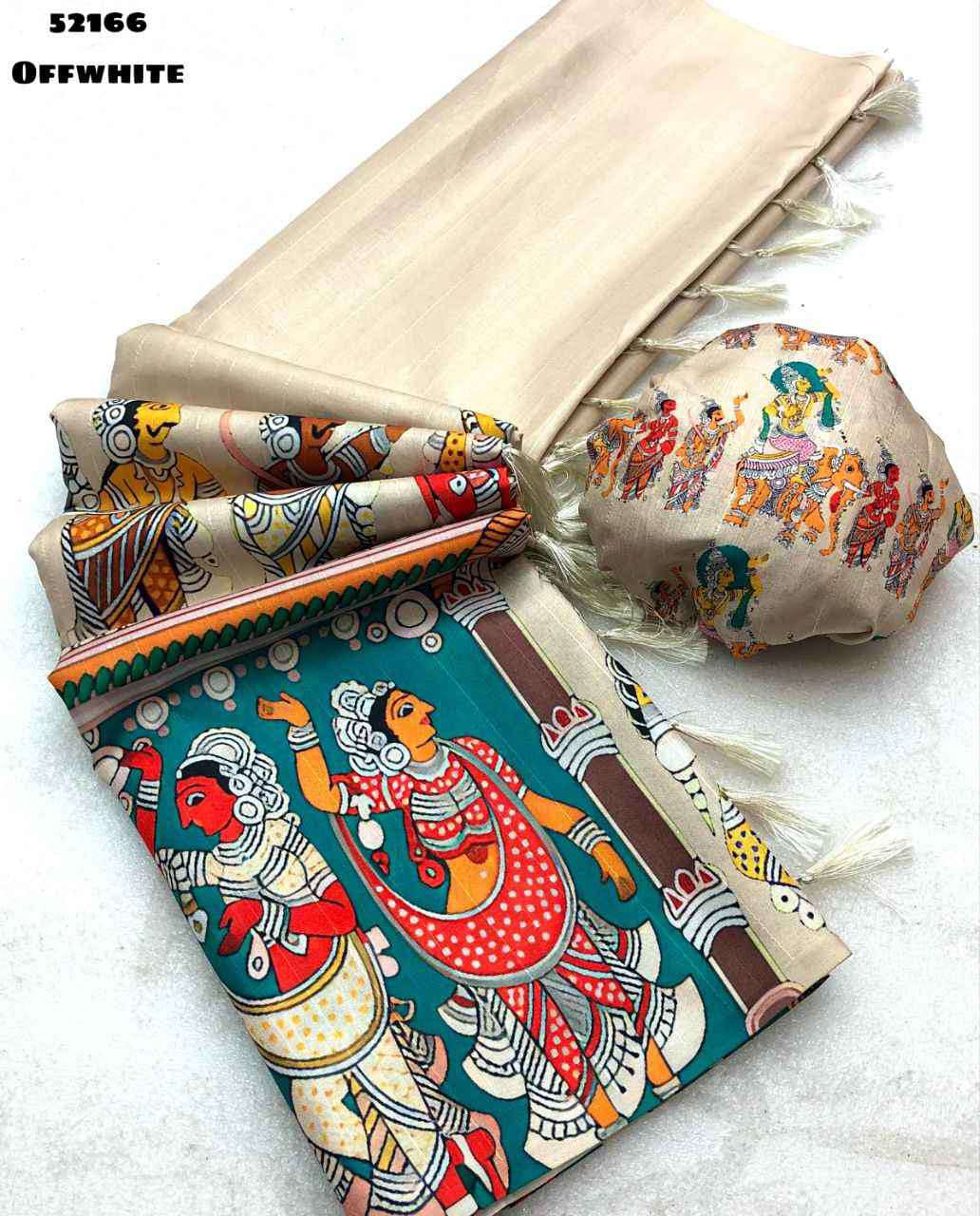
A saree weighing roughly 400 to 650 grams is usually easier to carry for a long day than dense silk or heavily embellished designs, although actual comfort depends on the weave and the wearer. Small woven motifs, floral prints and restrained zari work provide visual interest without adding substantial bulk.
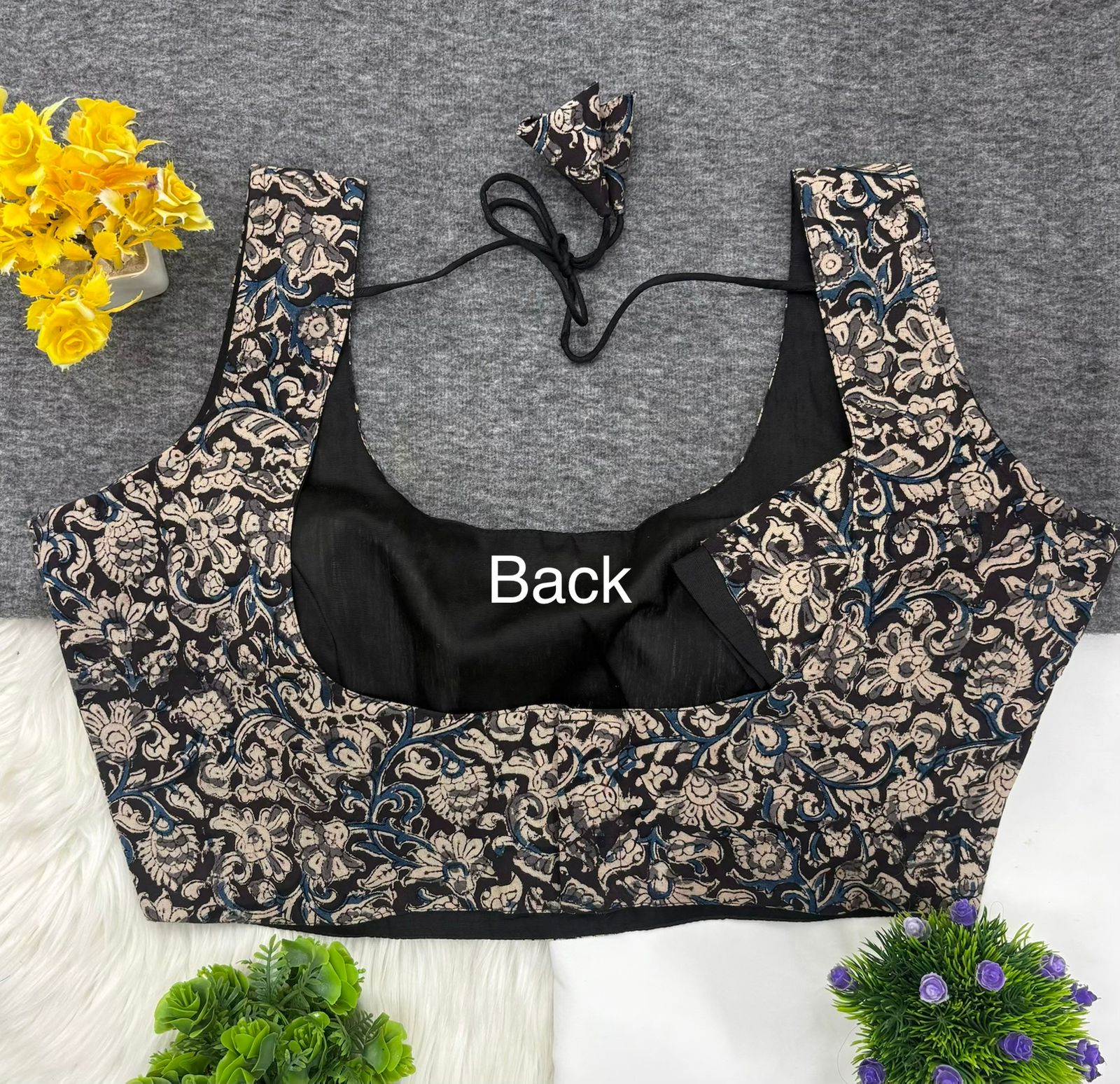
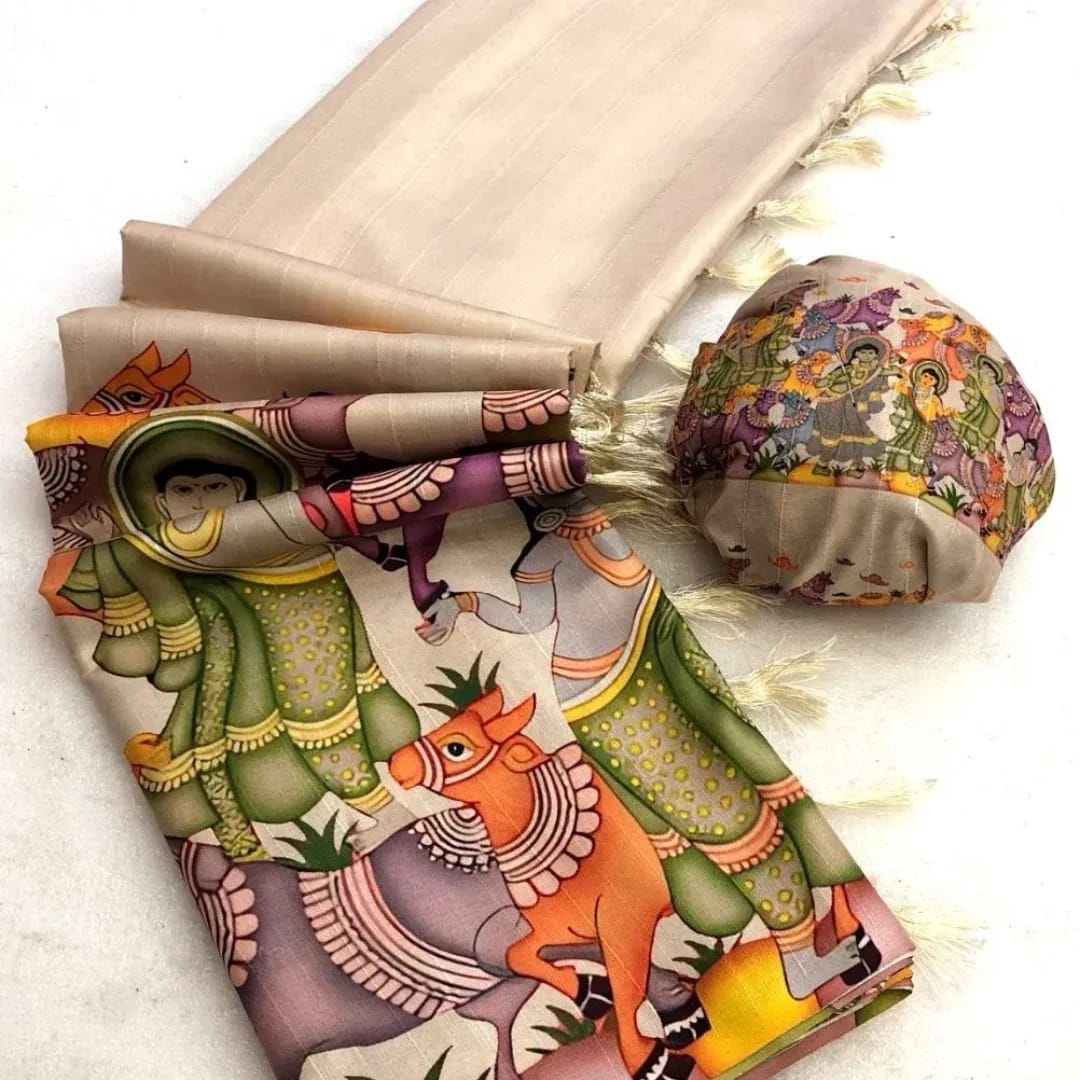
Off White Kalamkari Tussar Silk Saree with Blouse offers an artisanal printed look for someone who wants a classic appearance without a glitter-heavy finish. Tussar silk has a textured character, so it can feel more substantial than cotton; pairing the saree with light jewellery and a simple hairstyle keeps the overall outfit balanced.
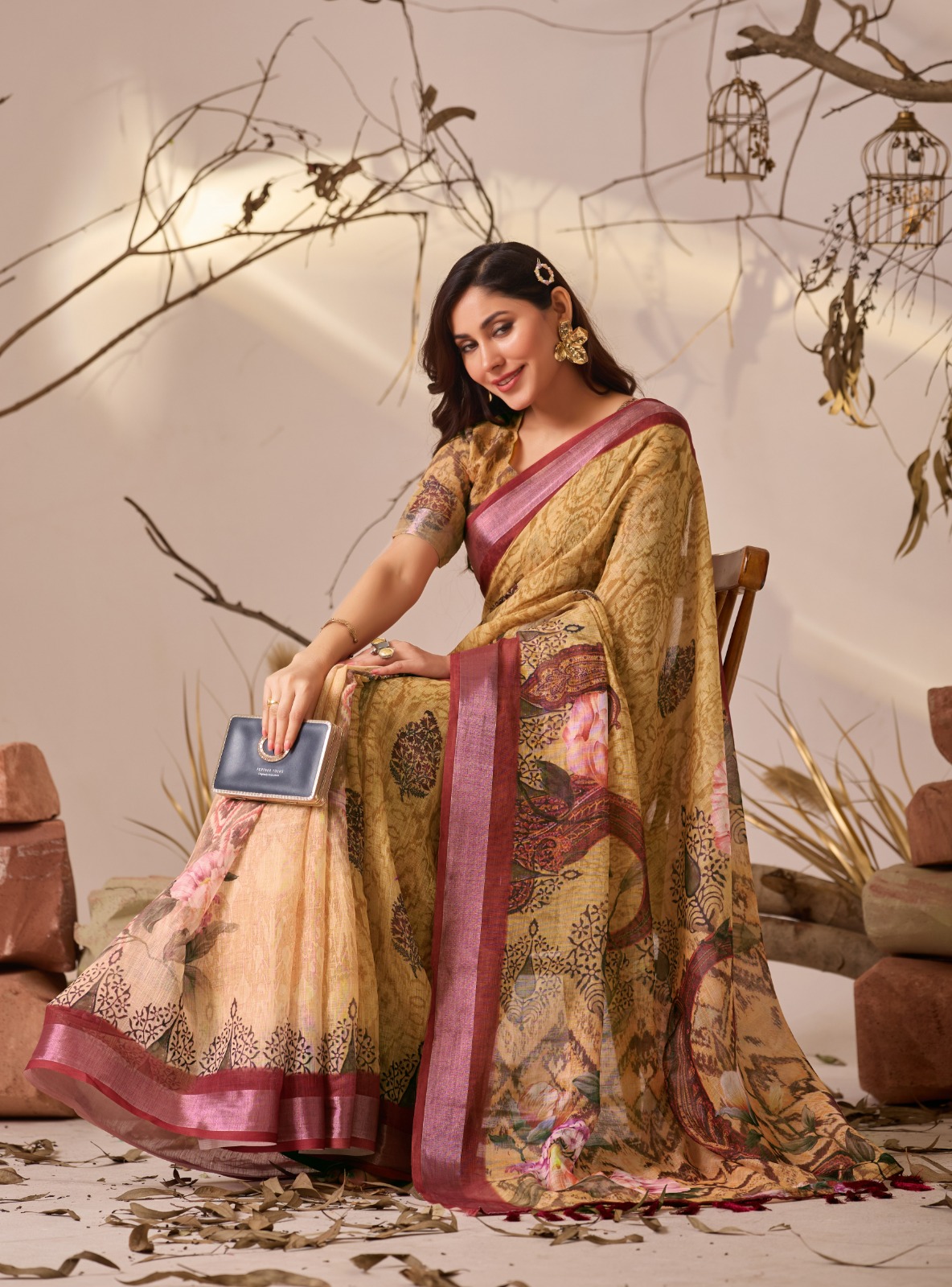
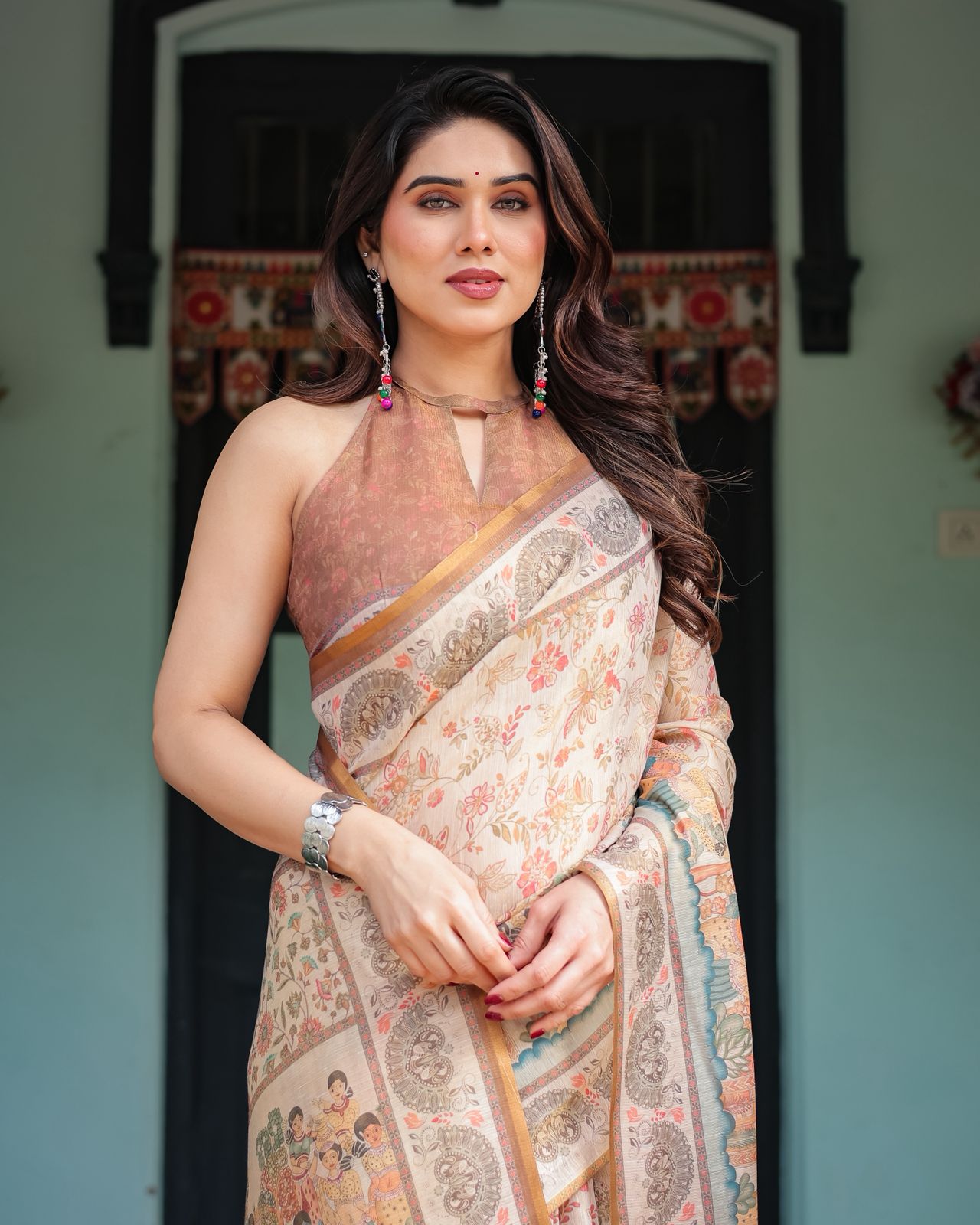
Pastel Linen Cotton Floral Print Saree with Designer Blouse suits a softer daytime palette, while Peach Linen Cotton Floral Print Saree with Blouse for Women creates warmth without relying on intense embellishment. Linen-cotton can crease during sitting or walking, but natural creases are usually more manageable than the discomfort of wearing a heavy saree in humid weather.
Which colours suit a heritage daytime saree?
Soft white, ivory, peach, pink, pale yellow, green and muted blue are useful colour directions for a classic daytime saree. Deeper wine, red or teal shades can also look dignified when the blouse and jewellery remain restrained.
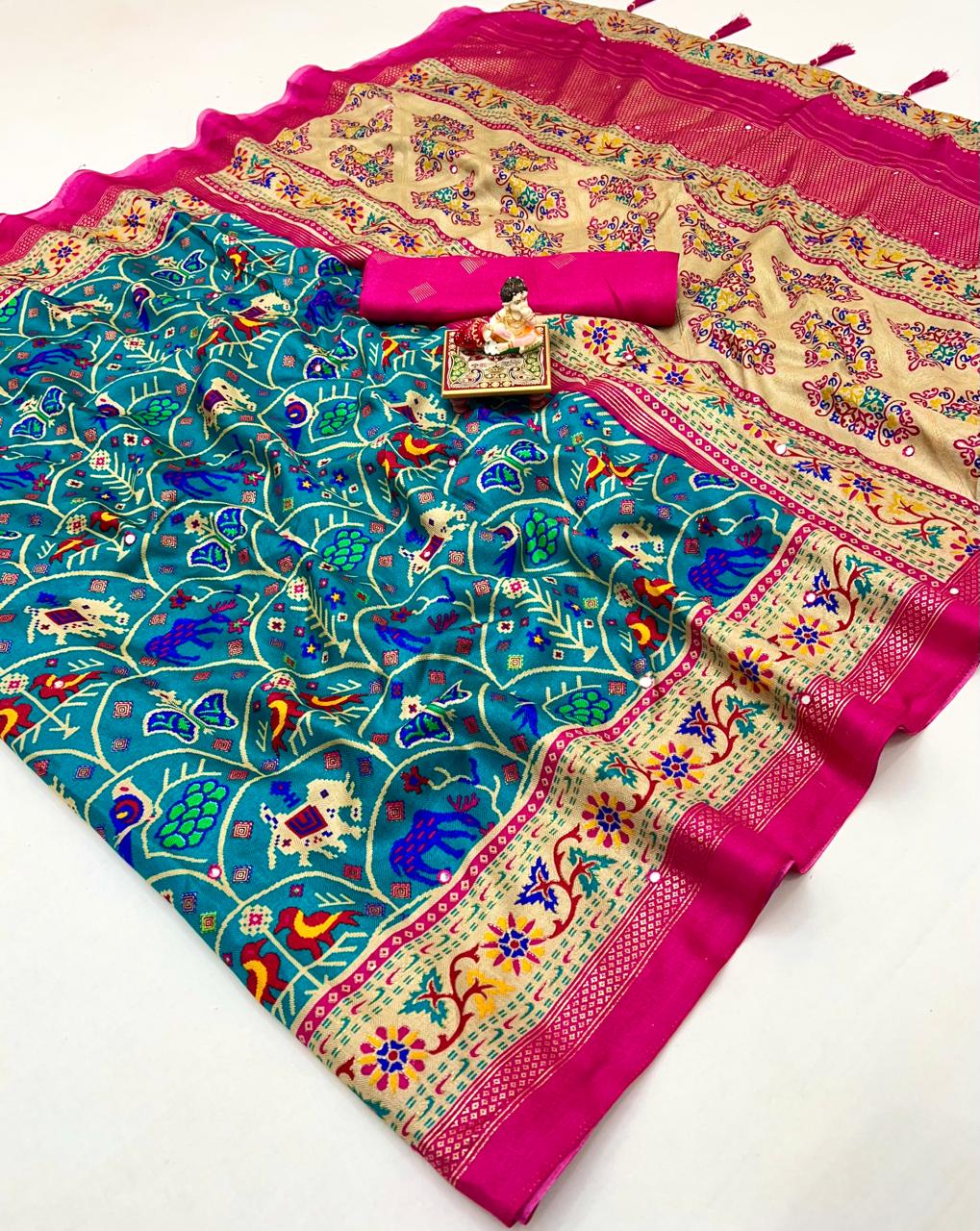
Pastel Floral Tissue Handloom Cotton Saree with Zari Weaves shows how a light base can be lifted by a narrow metallic detail. Zari reflects light attractively, but a modest zari border is generally easier to manage than a broad, heavily ornamented one. Teal Green Cotton Saree for Women Online India brings a stronger colour option for women who prefer contrast while retaining the practical advantage of cotton.
Women who prefer pink can look at the Pink Georgette Sarees collection for colour inspiration, but georgette should be assessed for lining, grip and comfort before a long outdoor festival. Women seeking a broader classic selection can also compare Silk Sarees Under 3000 With Discount, while remembering that price doesn't by itself indicate weight, breathability or weave quality.
Attukal Pongala Outfit Ideas: Heritage Sarees for Women with a Secure Drape
A firmly pleated Nivi-style drape with the pallu pinned at the shoulder is generally the safest option for walking and cooking. The lower pleats should be even, tucked securely at the waist and positioned so that the hem doesn't touch the ground.
Before leaving home, walk up and down stairs, sit on a low chair and take several normal steps in the fully draped saree. That simple test reveals whether the pleats are too tight, the pallu is too long or the footwear catches the hem. A petticoat with a secure drawstring or a well-fitted saree underskirt prevents the saree from slipping as the day progresses.
Cooking near an open flame requires particular care. Keep the pallu away from the pot and fire, pin the loose edge close to the shoulder and avoid long tassels or dangling decorative elements. Gather excess fabric only in a controlled manner; tucking the pallu randomly can loosen the shoulder drape or create an uneven hem.
The pallu should finish around the knee or lower calf rather than trail close to the floor. A narrow, firm pleat is easier to keep in place than a wide fan of loose fabric. Two or three high-quality safety pins are preferable to many small pins that can damage delicate fibres or become uncomfortable against the skin.
Can a saree be worn without a blouse for this festival?
A saree should be paired with a comfortable, secure blouse for Attukal Pongala rather than worn with an improvised top or an unstable drape. A blouse brings support, keeps the pallu in place and gives more coverage in a crowded public setting.
Women who need an easy alternative can wear a saree with a plain cotton blouse, a three-quarter-sleeve blouse or a well-fitted high-neck blouse. A ready-made blouse can work when the armhole, bust and shoulder fit correctly, but a loose neckline or tight sleeve becomes uncomfortable during several hours outdoors.
A matching blouse isn't essential. Tonal contrast can look intentional and heritage, such as a cream blouse with a pastel saree or a muted green blouse with a warm floral print. Breathable cotton, cotton-silk or another comfortable material is preferable when seams may rub beneath the arm while walking or tending to the offering.
Attukal Pongala Outfit Ideas: Time-honoured Sarees for Women with Practical Styling
Lightweight jewellery, a secure hairstyle and low-maintenance makeup are the most practical styling choices for Attukal Pongala. The aim is to complete a heritage look without adding heat, snagging points or items that need constant repositioning.
Small gold-toned studs, a short chain, modest jhumkas or a simple bangle stack can complement a saree without becoming cumbersome. Avoid very long earrings if you expect to move through crowds, and keep bangles to a number that won't interfere with handling a pot or serving an offering. A small bindi can finish the look in a culturally familiar way.
A low bun, braided hair or a tightly secured plait performs better than loose curls in humid weather. Fresh jasmine can be graceful, but flowers should be pinned firmly so they don't fall into food or become uncomfortable in the heat. Hairpins and safety pins should be tested before leaving home rather than added hurriedly at the venue.
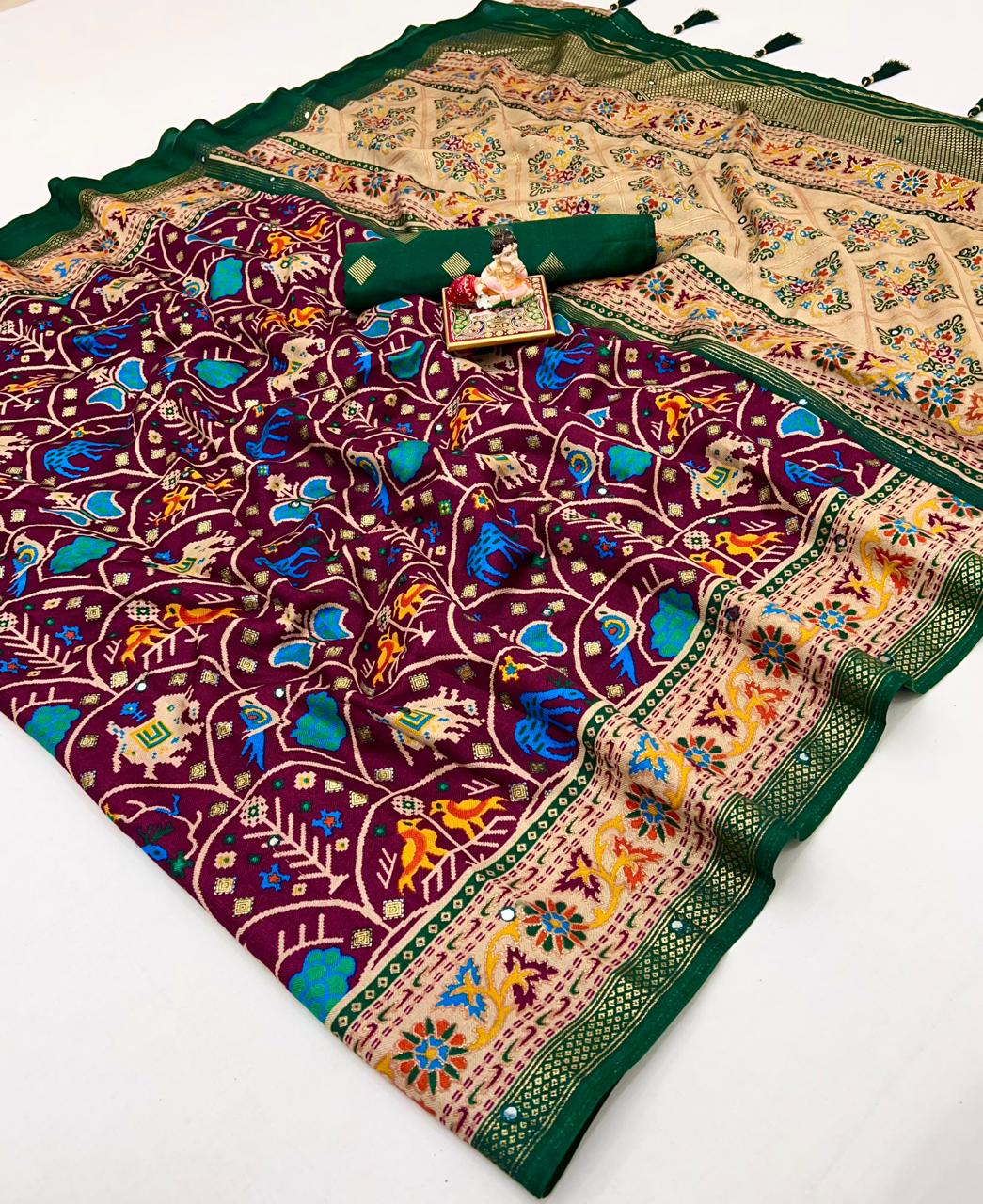
Wine Tissue Handloom Cotton Saree with Zari & Floral Prints can support a richer festive look with minimal jewellery because the print and zari already provide detail. Tussar Silk Kalamkari Printed Saree with Blouse similarly benefits from simple accessories that allow the Kalamkari-inspired visual language to remain the focus.
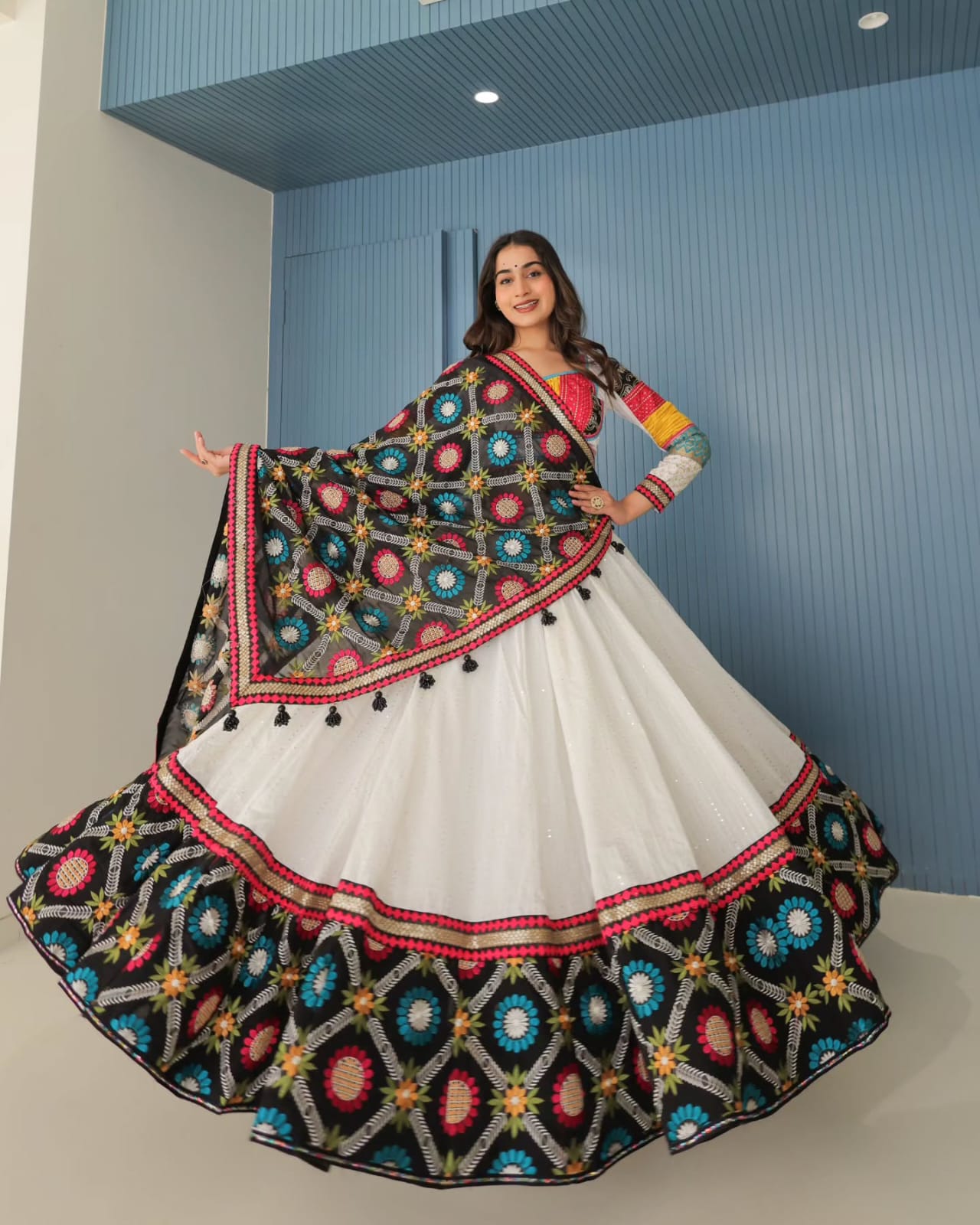
Women who prefer a more festive wardrobe can browse Party Wear Sarees for ideas about colour and drape, but party styling should be adapted for a temple gathering. Large sequins, very long tassels and heavy layered necklaces are less practical around open flames and dense crowds.
Attukal Pongala Outfit Ideas: Heritage Sarees for Women and All-Day Comfort
A secure underskirt, comfortable footwear, a small safety-pin kit and a smoke-conscious fabric choice make a saree more comfortable throughout the festival. These details matter because Attukal Pongala combines devotion with long periods of outdoor activity.
- Secure the waist: Use a firm but comfortable drawstring or fitted underskirt, and tuck the pleats at a point that doesn't press against the abdomen while sitting.
- Pin selectively: Use one pin at the shoulder and one near the waist so the saree retains movement without becoming difficult to adjust.
- Choose footwear carefully: Flat sandals with a secure strap are safer than slippery slides or high heels on crowded, uneven surfaces.
- Protect the hem: Keep the saree approximately one to two centimetres above the floor when wearing flat footwear, especially in areas with ash, water or cooking residue.
- Carry essentials: A spare safety pin, tissues, a small cloth, water and a compact phone pouch are more useful than a large handbag that catches on the pallu.
- Consider smoke: Very delicate fabrics, loose fringe and elaborate surface work can retain smoke or catch on nearby objects, so simpler finishes are often easier to maintain.
Check the washing instructions before selecting a saree for an outdoor festival. Cotton may tolerate careful hand washing, while Tussar silk, tissue weaves and zari details may require gentler professional care. After the event, air the saree in shade to release smoke odour, then fold it loosely once it's completely dry. Direct sunlight can fade printed surfaces and weaken some dyes over time.
Red Banarasi Silk Sarees for Weddings Under 1100 and Gray Color Sarees Under 1000 may be useful collections when comparing colour or price, but an Attukal Pongala purchase should be judged by fabric, fit and construction rather than a low advertised price alone. A classic saree becomes a successful festival outfit when the wearer can move, participate and remain comfortable without constant adjustment.
Attukal Pongala Outfit Ideas: Time-honoured Sarees for Women for Different Personal Styles
A simple time-honoured saree, a printed handloom saree or a more polished silk-blend look can all suit Attukal Pongala when the drape remains secure and the styling respects the setting. Personal style can be expressed through colour, blouse shape, border width and jewellery rather than excessive decoration.
For a simple traditional look, choose an off-white, pastel or soft-coloured saree with a plain blouse, small earrings and a braid. For a more colourful look, select a teal, peach or wine saree and keep the accessories understated. For women who enjoy South Indian textile traditions, a restrained zari border can provide a festive finish without requiring a heavy Kanjeevaram saree.
Online saree websites make comparison easier when product information clearly states the fabric, blouse inclusion, length, care instructions and dispatch timeframe. Examine close-up images for weave density, border stiffness and print placement rather than relying only on a model photograph. A saree purchased for Attukal Pongala should ideally arrive several days before the festival so the blouse fit, fall and pleats can be tested.
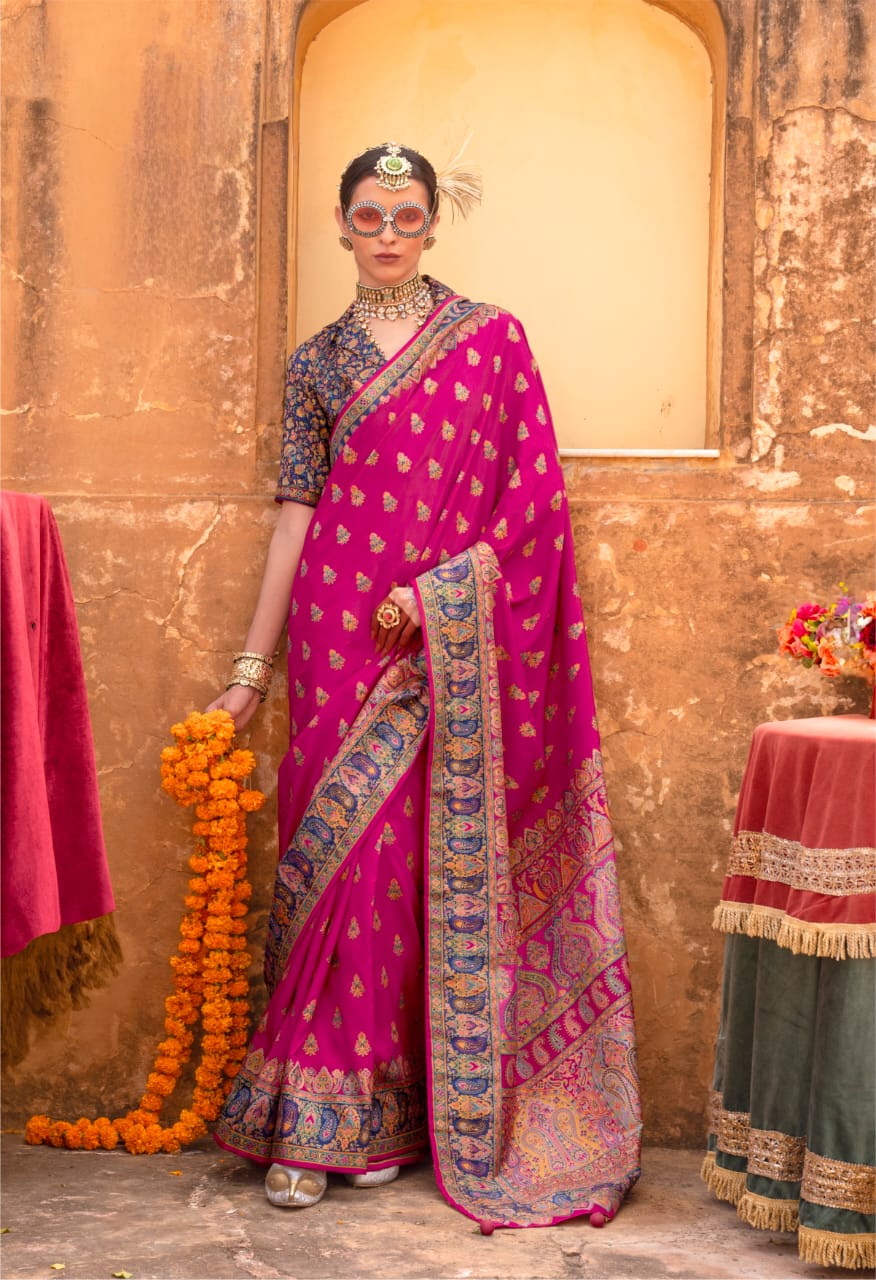
Traditional wedding styling and temple-festival styling share heritage details but don't have identical practical requirements. A wedding may justify heavy Banarasi silk, broad zari or elaborate jewellery, while Attukal Pongala usually rewards lighter materials, secure pins and footwear suited to walking. That distinction helps women create a respectful outfit that looks traditional without treating a long ritual day like a short indoor celebration.
Common Questions About Attukal Pongala Sarees and Traditional Styling
What is the best website to buy a saree online in India?
The best website is one that gives clear information about fabric, saree length, blouse details, care instructions, delivery timing and return terms. For Attukal Pongala, compare breathable cotton, linen-cotton and light handloom options rather than choosing only by photographs or discount.
Where can I buy ready-to-wear sarees online in India?
Ready-to-wear sarees are available from specialist saree websites and larger ethnic-wear marketplaces, but check whether the product includes a pre-stitched pallu, attached pleats or an adjustable waist. A ready-to-wear design can save time, although the waist and hem must be tested before a crowded temple visit.
What are some trending traditional sarees for Attukal Pongala?
Light cotton sarees, linen-cotton floral prints, Kalamkari-inspired sarees, tissue handloom cotton and sarees with restrained zari are practical traditional choices. Pastel, off-white, peach, teal and muted jewel tones are especially adaptable for a daytime Kerala festival.
Where can I buy authentic South Indian sarees online?
Look for sellers that identify the weave, fibre content, artisan technique and care method instead of using only broad labels such as South Indian saree. Product photographs, a transparent fabric description and realistic pricing provide better evidence of authenticity than the word traditional alone.
Can I wear a silk saree to Attukal Pongala?
You can wear a silk saree to Attukal Pongala, but a lightweight silk or Tussar silk is generally easier to manage than heavy Kanjeevaram, dense brocade or broad zari designs. Consider heat, smoke, walking distance and the risk of contact with ash or cooking residue before choosing silk.
How can I keep my saree secure while preparing Pongala?
Pin the pallu at the shoulder and near the waist, use a well-fitted underskirt and keep the pleats above the floor. Test the complete drape by walking, sitting and reaching forward before the festival, and keep loose fabric away from the Pongala pot and open flame.