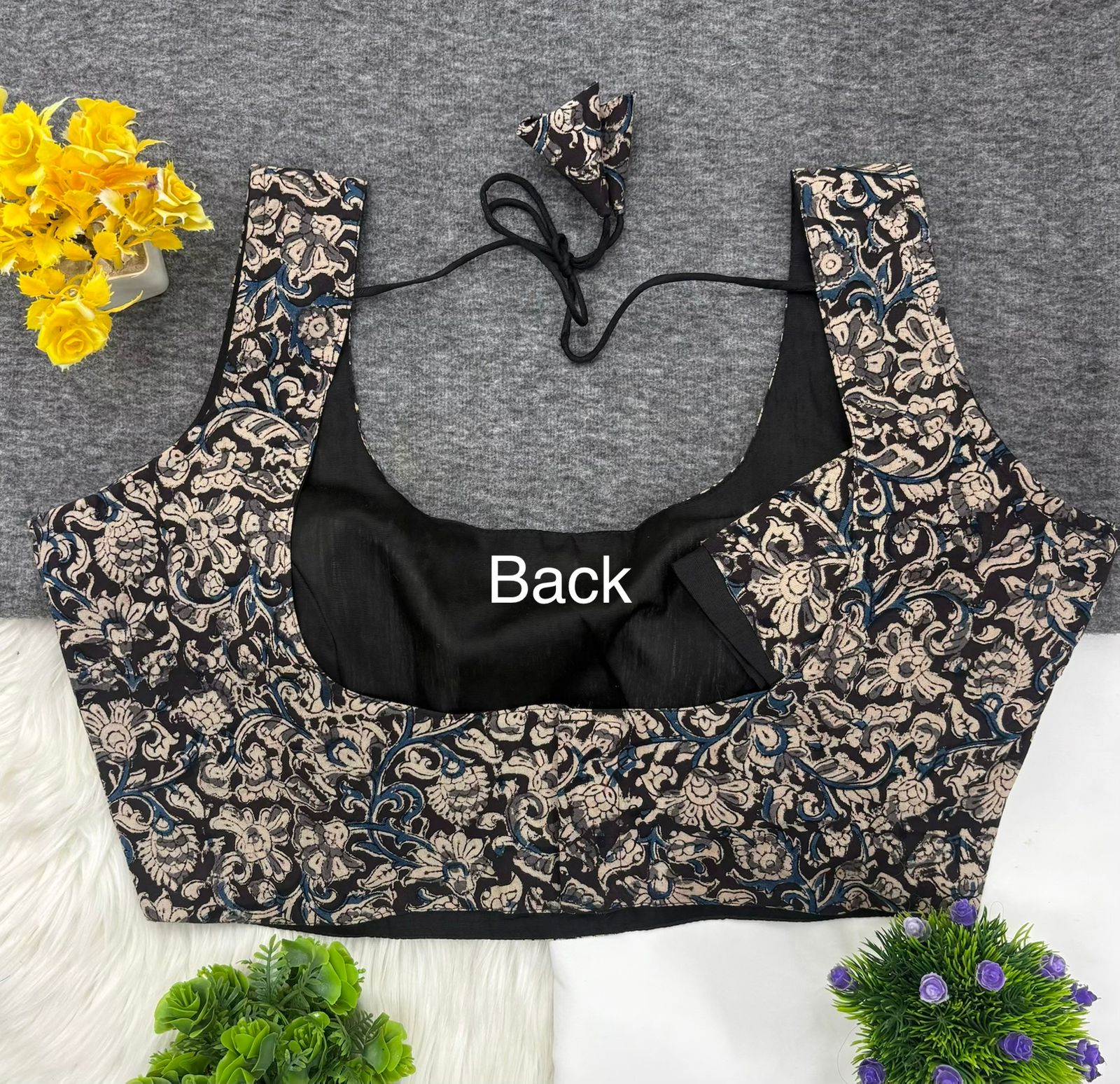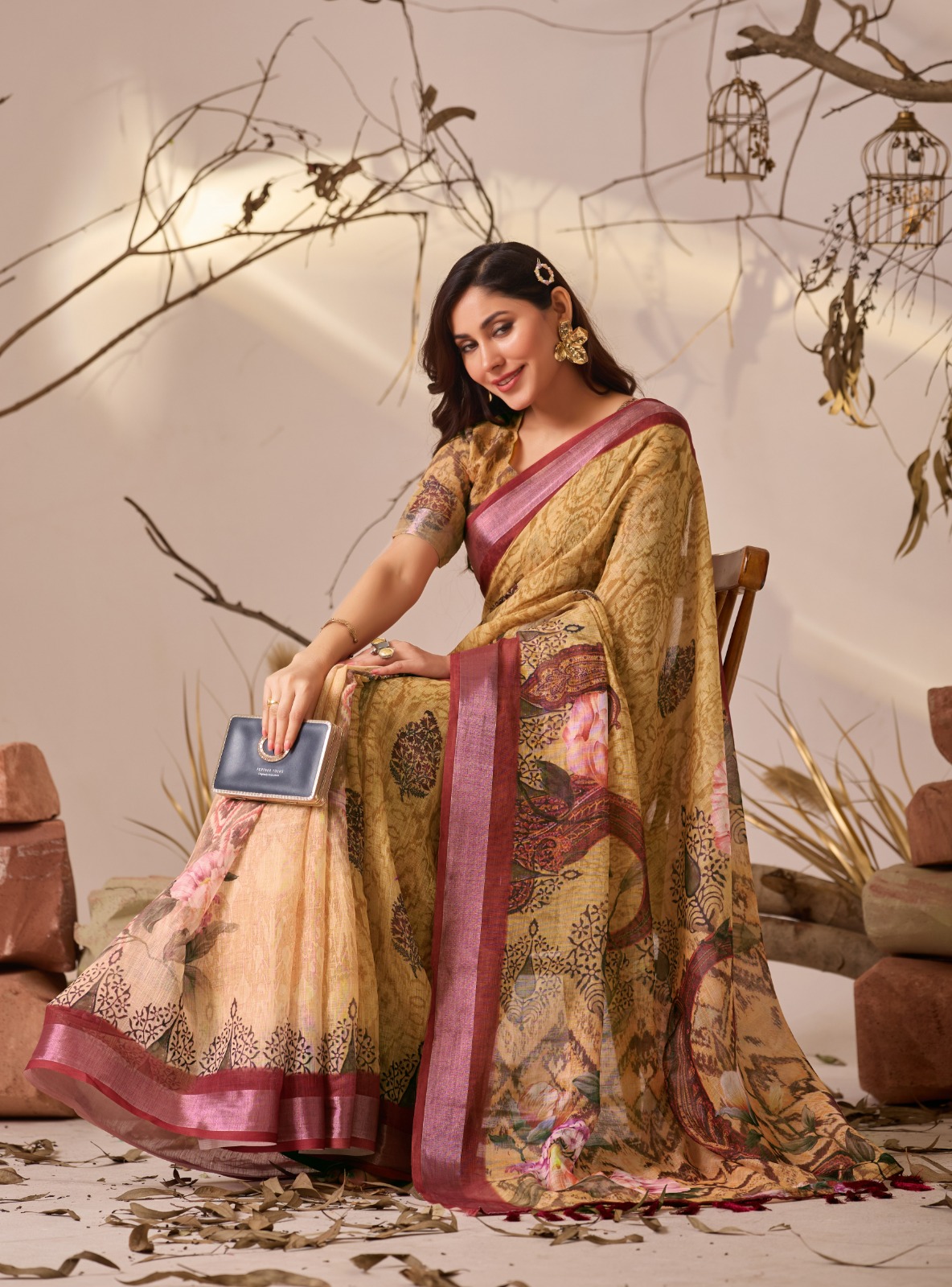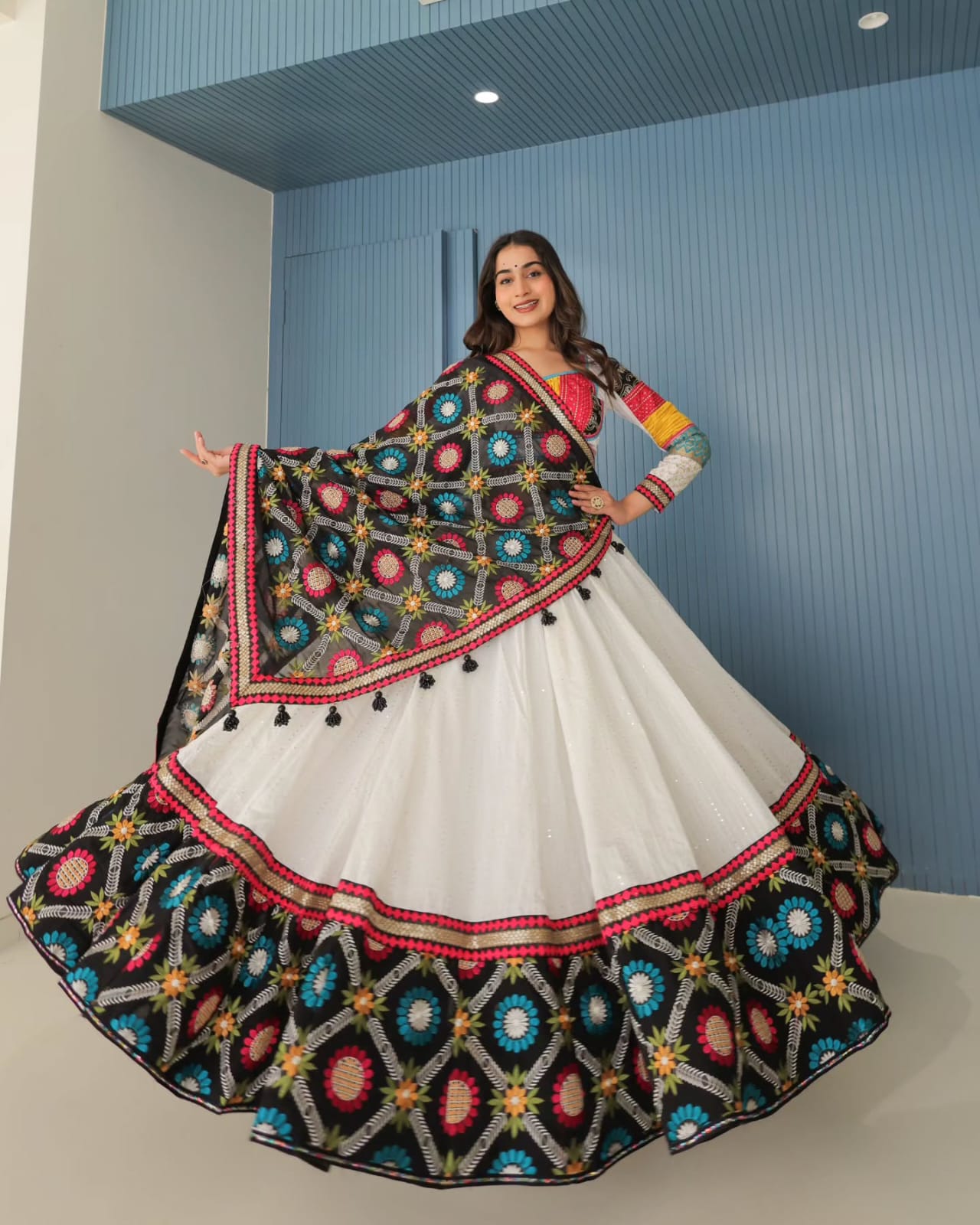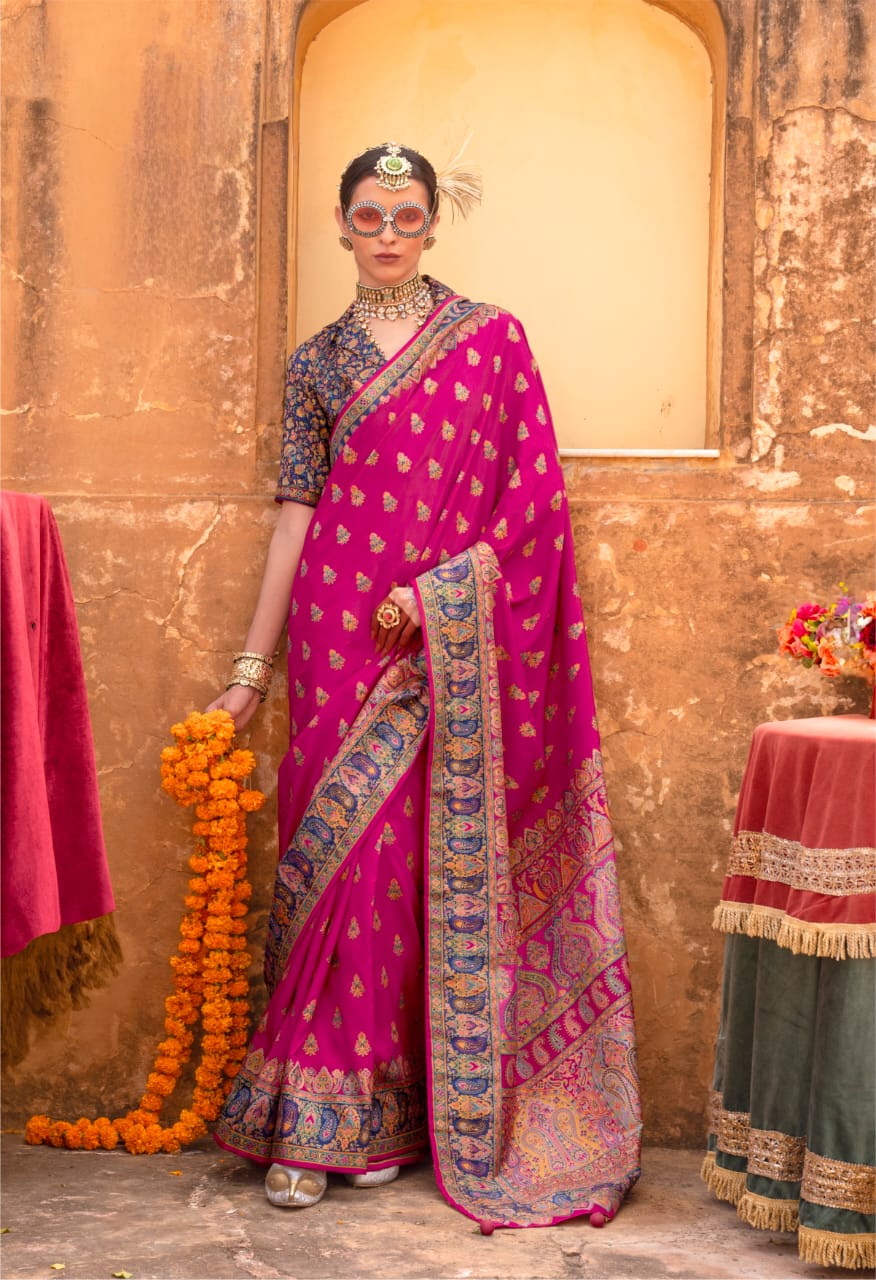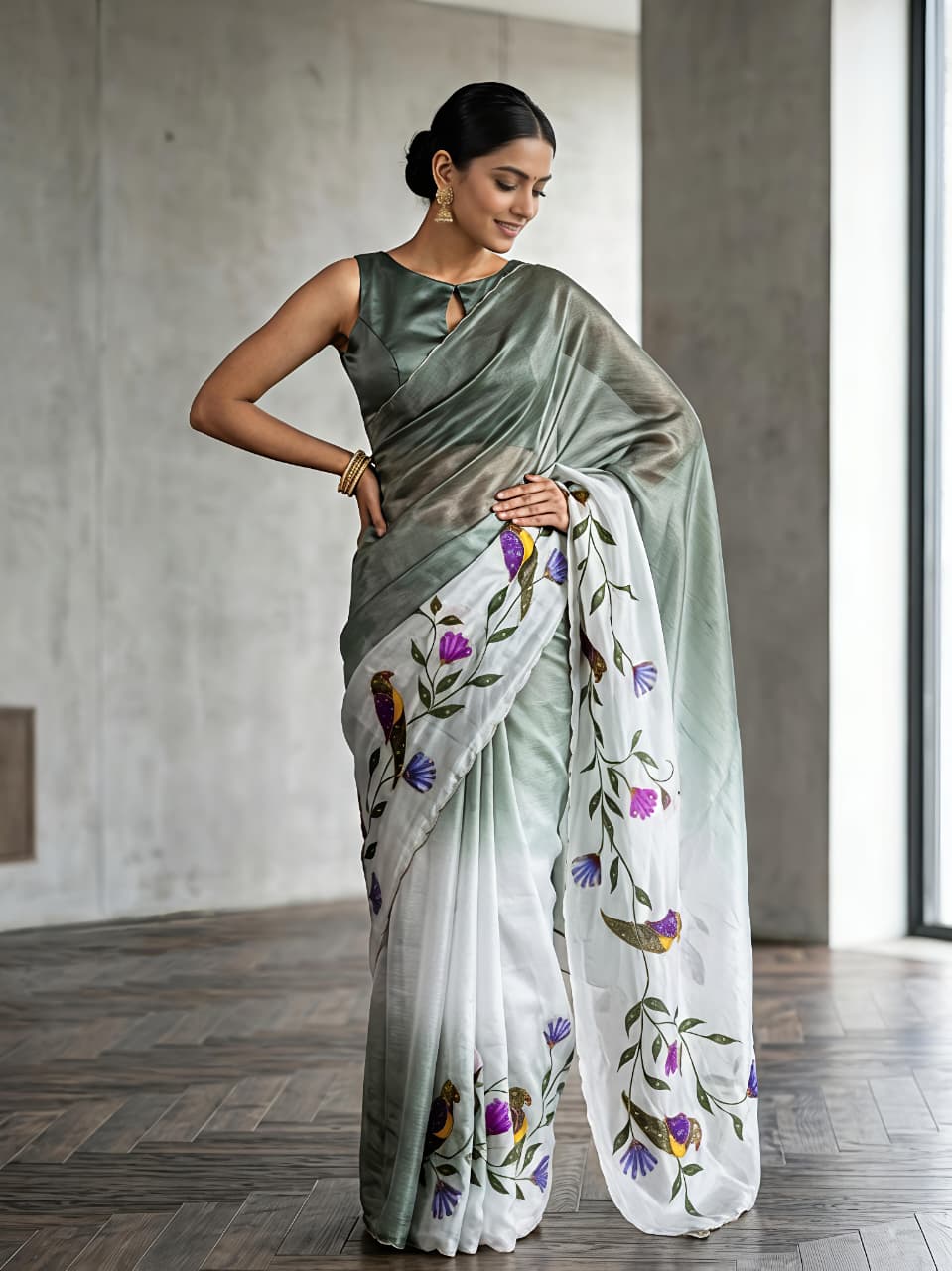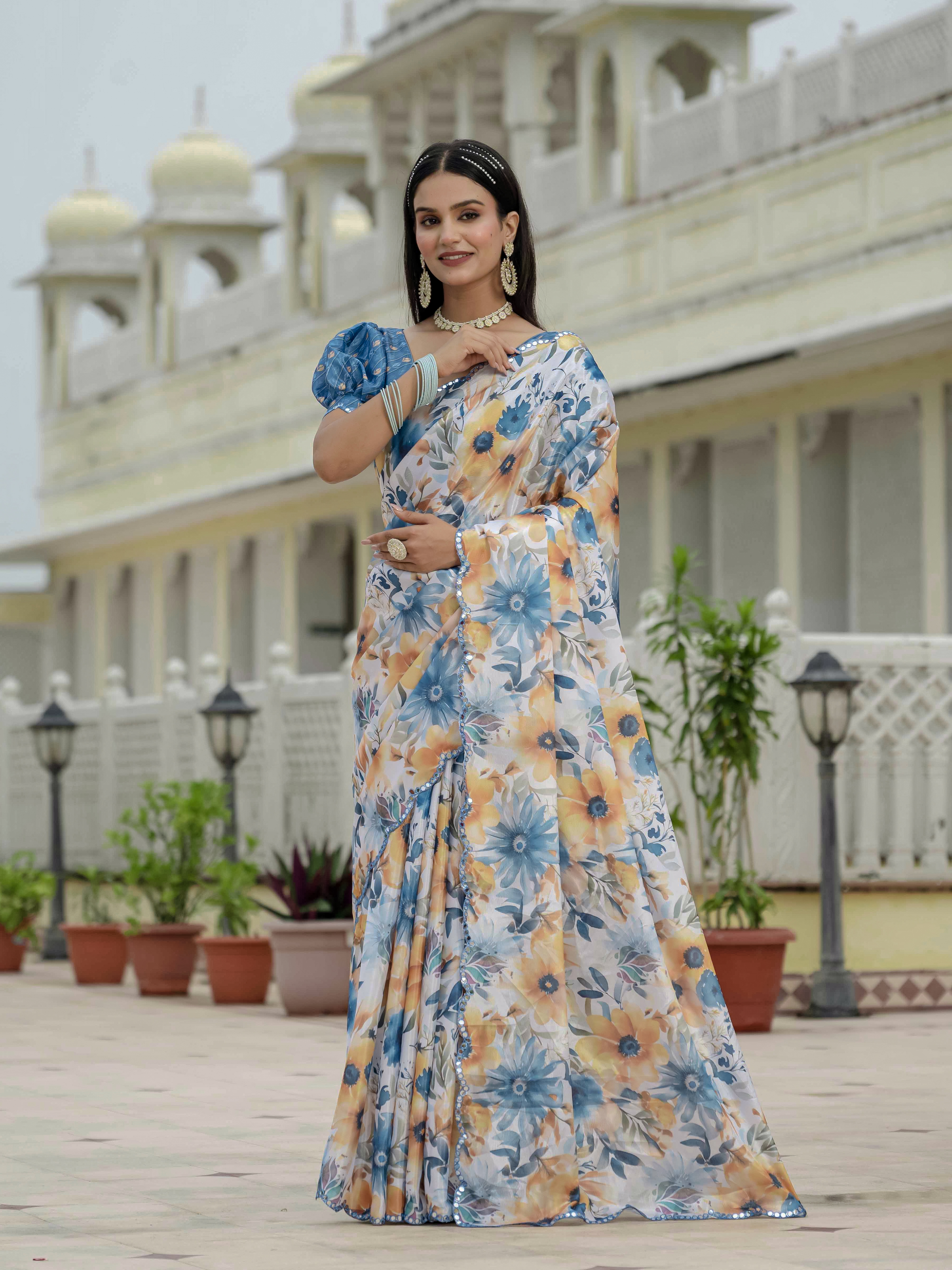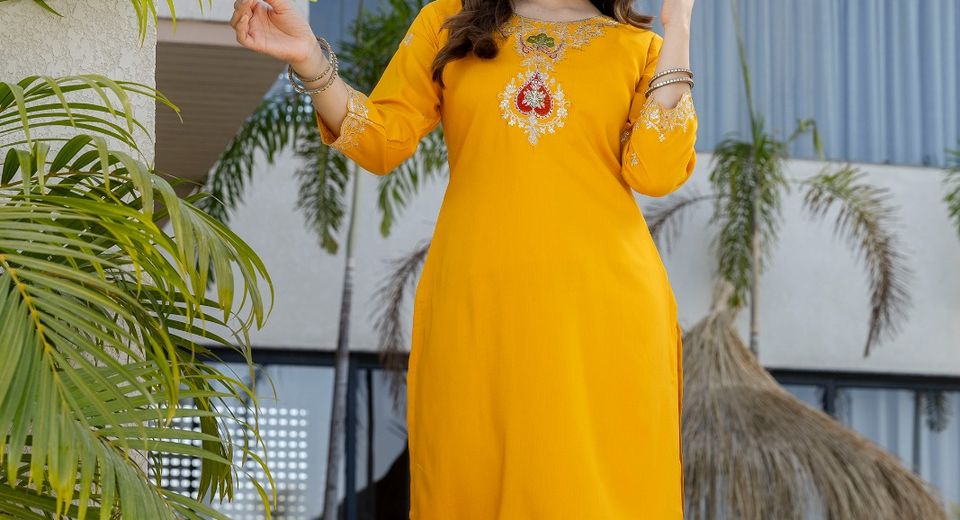
Assamese Traditional Jewellery & Mekhela Chador Styling brings together a structured two-piece garment, regionally distinctive ornaments and the quiet richness of Assam's silk traditions. The strongest looks don't depend on wearing every possible accessory. They depend on matching the weave, drape, metalwork, blouse shape and ceremony so that each element has room to be seen.
A Mekhela Chador has two main sections: the lower mekhela, which is wrapped around the waist, and the chador, which is pleated and placed over the upper body. Assamese jewellery adds recognisable forms such as the junbiri crescent pendant, gamkharu bangles, keru earrings and dugdugi necklaces. Understanding the purpose of each piece makes styling more comfortable and more faithful to Assamese visual language.
The Cultural Details Behind Assamese Traditional Jewellery & Mekhela Chador Styling
Assamese traditional dress combines practical draping with motifs drawn from local nature, craft and ceremonial life. The Mekhela Chador is commonly made in silk or cotton, while traditional ornaments are often crafted in gold or gold-toned metal with designs inspired by flowers, animals, musical instruments and agricultural symbols.
Muga silk has a natural golden sheen and is closely associated with Assam. The fibre is hard, grows softer with use and usually appears in warm ivory, beige, honey and muted gold tones. Pat silk is smoother and often supports bright colours and woven borders. Eri silk has a softer, more textured hand and is often chosen when comfort matters as much as ceremony. Cotton Mekhela Chador sets are lighter and practical for daytime events, Bihu gatherings and humid weather.
Jewellery also communicates occasion and family style. Gold ornaments may be reserved for weddings or major festivals, while silver-toned pieces, plated brass and lightweight replicas make the same design vocabulary wearable for smaller gatherings. A traditional look doesn't require heavy jewellery if the motifs, proportions and drape remain coherent.
Which Assamese Jewellery Pieces Work with a Mekhela Chador?
A balanced Assamese jewellery set usually needs one visible neckpiece, one pair of earrings, bangles and a small number of hair or forehead accents. The ideal combination depends on the chador border, blouse neckline and formality of the event.
Necklaces and pendants
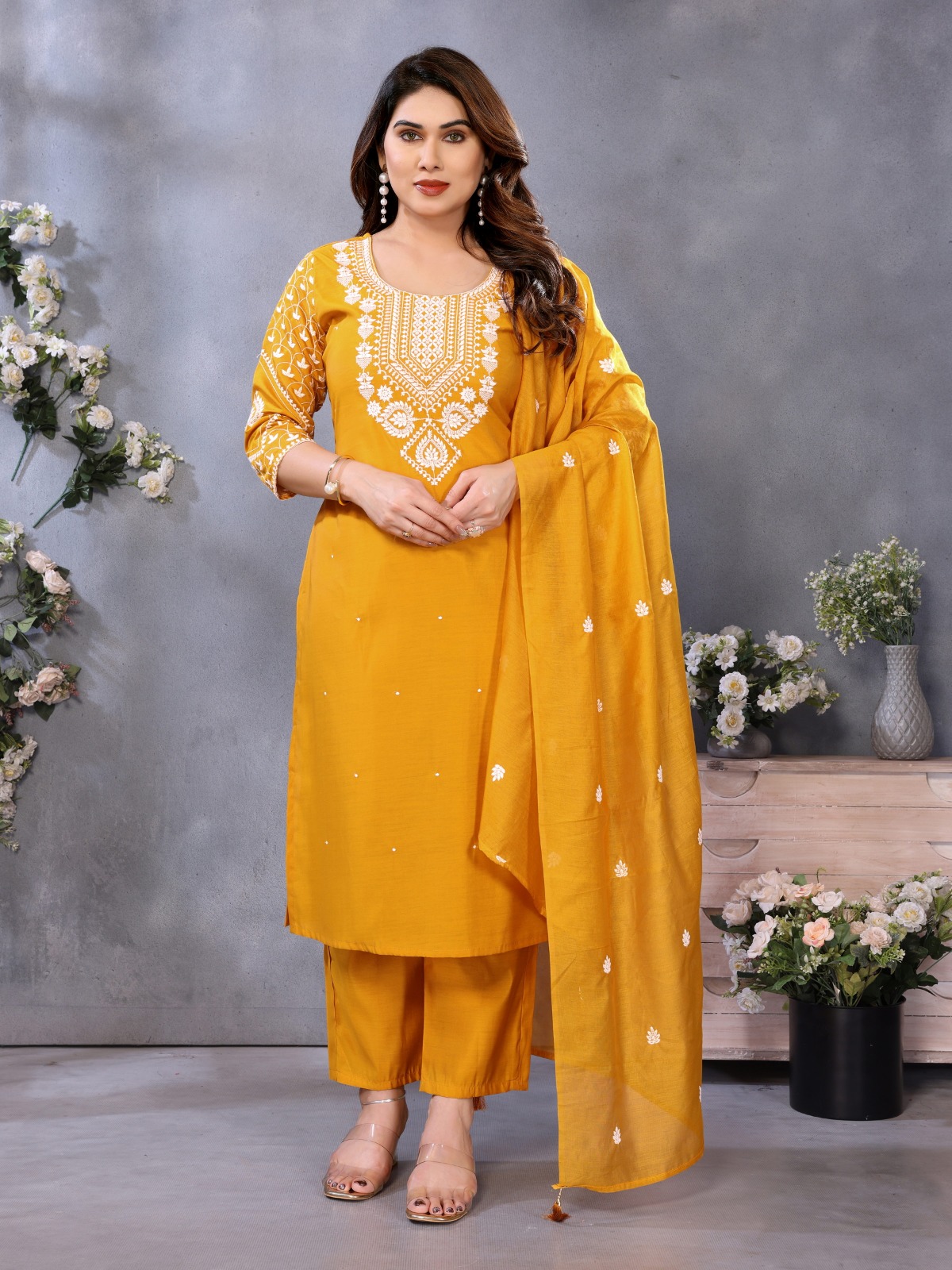
The junbiri is a crescent-shaped pendant often associated with Assamese ornament traditions. A junbiri works especially well with a plain or lightly woven chador because its curved silhouette becomes a clear focal point. A dugdugi necklace uses rounded forms and can be layered with a shorter chain when the neckline is open and the blouse has minimal embroidery.
A gamkharu-style necklace has a broader, more substantial appearance and can anchor a bridal or evening outfit. Choose one statement neckpiece rather than combining several heavy pieces when the Mekhela Chador already carries a wide zari border. The neckpiece should sit above the border or clearly below it; an awkward overlap can hide both the ornament and the textile.
Earrings, bangles and rings
Keru earrings have a curved, often floral or scroll-like profile and suit both traditional and contemporary outfits. Thuria earrings are another recognised Assamese form, frequently made with a heavier upper section and a drop. Long earrings need a secure backing because silk chadors can shift as the wearer moves.
Gamkharu bangles are thick, sculptural bangles that create a strong silhouette at the wrist. One or two gamkharu pieces can be paired with slimmer gold or glass bangles, but stacking too many rigid bangles can make eating, greeting guests and adjusting the chador difficult. A simple ring or a traditional Assamese design on the finger is enough when the wrist is already prominent.
Hair and forehead details
Apeck or hair ornaments, a small maang tikka and fresh flowers can complete a formal Assamese look without competing with the necklace. White kopou phool, often associated with Bohag Bihu, brings a distinctly Assamese reference to a braid or low bun. Keep flowers fresh and restrained for a polished result; one cluster near the bun usually looks more intentional than several unrelated additions.
How Should a Mekhela Chador Be Draped?
A Mekhela Chador should be secured at the waist, arranged in clean front pleats and anchored at the shoulder so the border remains visible while walking. The exact method varies by family and region, but the following sequence creates a stable formal drape.
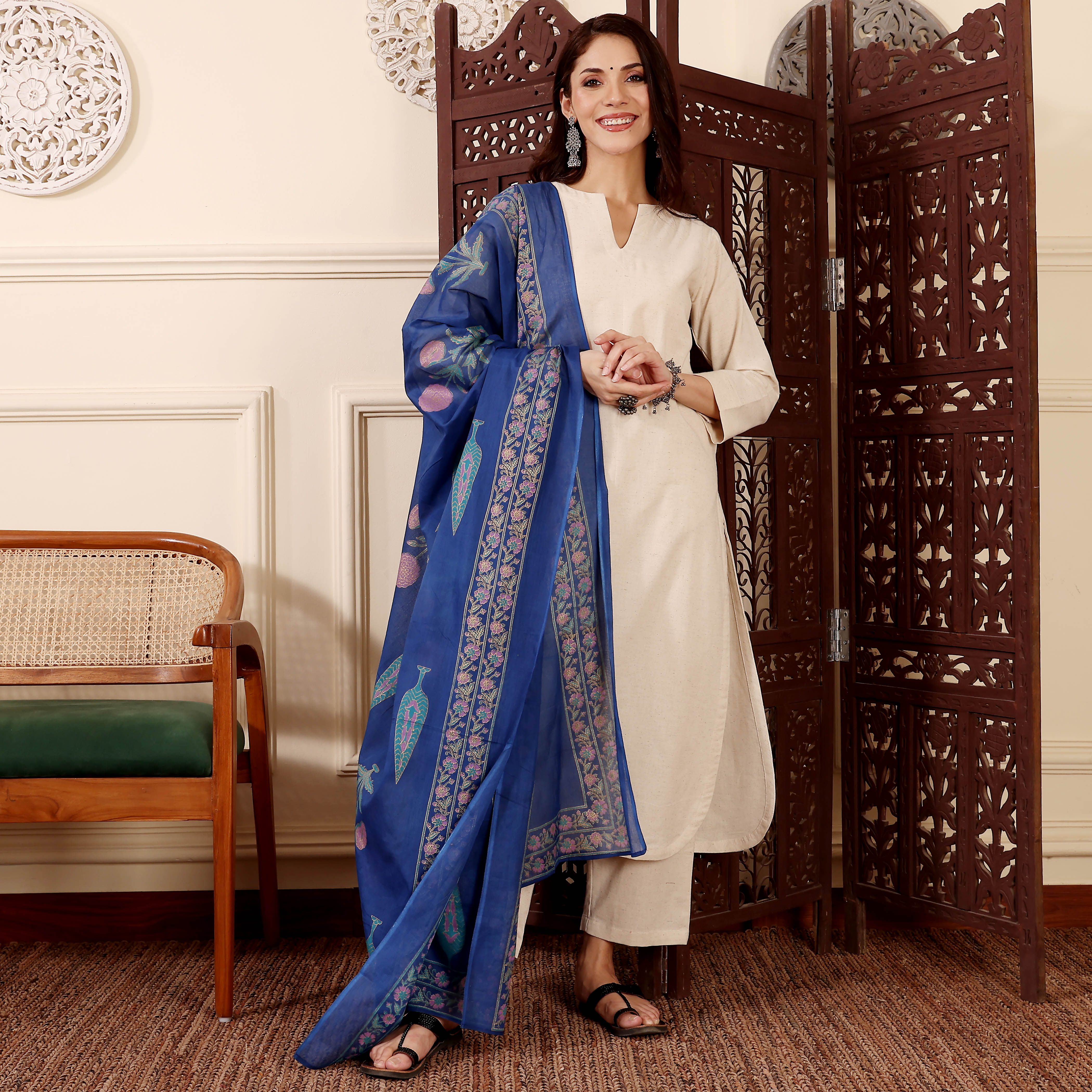
Wrap the mekhela around the lower body with the pleats facing forward or slightly to one side, depending on the preferred Assamese style. Tuck the fabric firmly at the waist and check that the hem falls evenly above the floor.
Make broad, regular pleats rather than many narrow pleats. Five to seven controlled pleats are often easier to manage than a crowded front, especially with heavier Muga silk or zari borders.
Bring the chador around the upper body with the border visible along the front or lower edge. The fabric can be draped over one shoulder and allowed to fall at the back, or pleated across the chest for a more structured appearance.
Pin the chador at the shoulder only after checking the neckline and jewellery placement. A concealed safety pin beneath the border gives security, while a second pin near the waist prevents the fabric from sliding during a long ceremony.
Walk, sit and raise both arms before leaving home. A drape that looks neat while standing may pull at the shoulder when seated. Testing movement prevents last-minute re-pinning.
The blouse should support the drape rather than introduce a separate visual story. A high round neck works with a broad necklace, while a modest V-neck creates space for a junbiri pendant. Elbow-length sleeves, small puff sleeves and fitted short sleeves can all work, provided the sleeve fabric doesn't catch on the chador.
Colour Pairing for Assamese Traditional Jewellery & Mekhela Chador Styling
The most dependable colour combinations use one dominant textile colour, one border or blouse colour and one metal tone. Assamese dress often looks especially refined in combinations that echo Muga silk's warm gold, ivory, red, black, deep green, indigo and muted yellow.
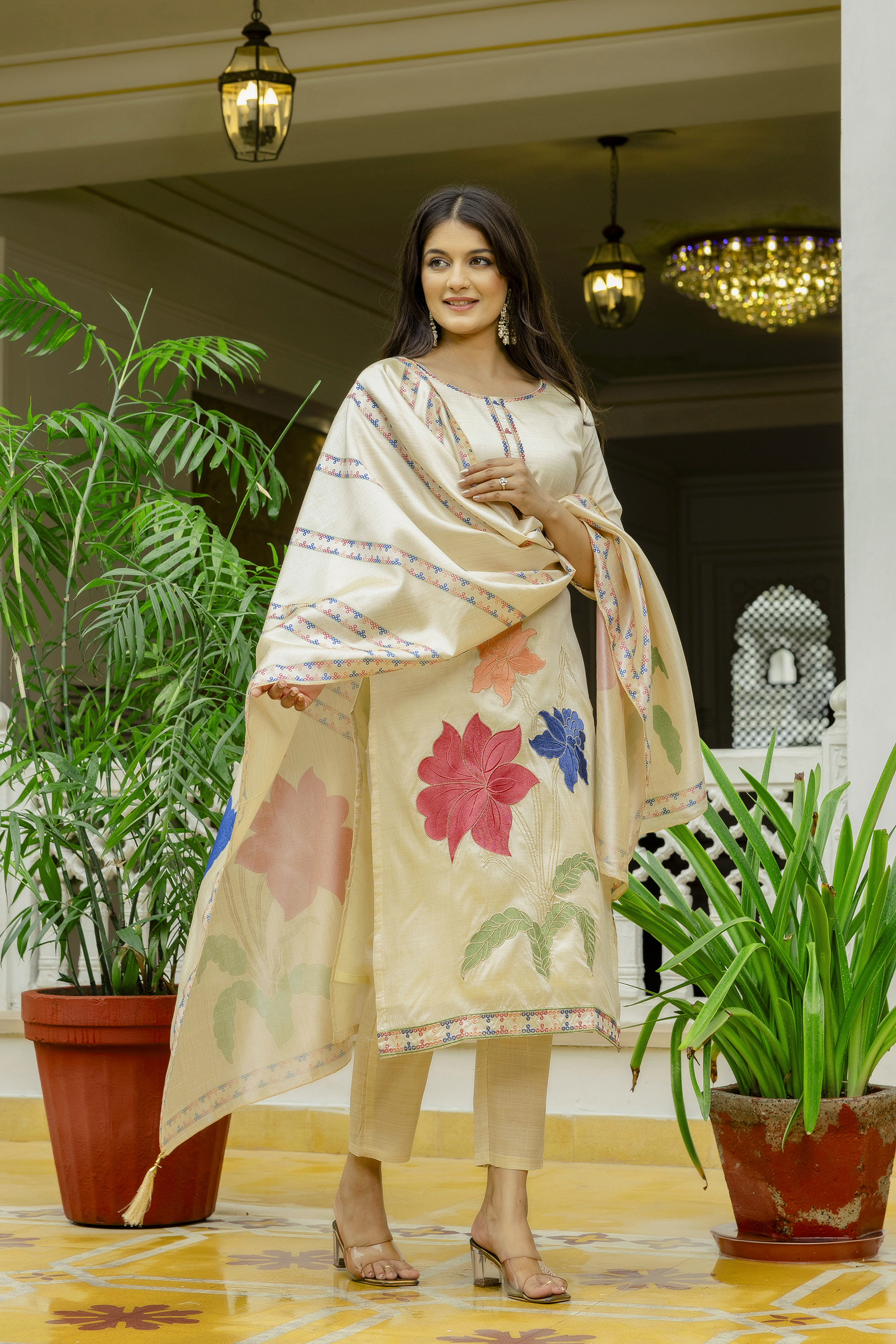
Red and ivory create a classic ceremonial contrast. An ivory or cream Mekhela Chador with a red border suits weddings, family pujas and formal cultural programmes. Gold jewellery reinforces the warmth, while red glass bangles add colour without requiring a heavy necklace.
Black and gold offer a stronger evening contrast. A black Pat silk or silk-blend chador with a gold woven border can carry a gamkharu bangle and a medium junbiri pendant. Keep the blouse matte or minimally embroidered if the border already contains metallic thread.
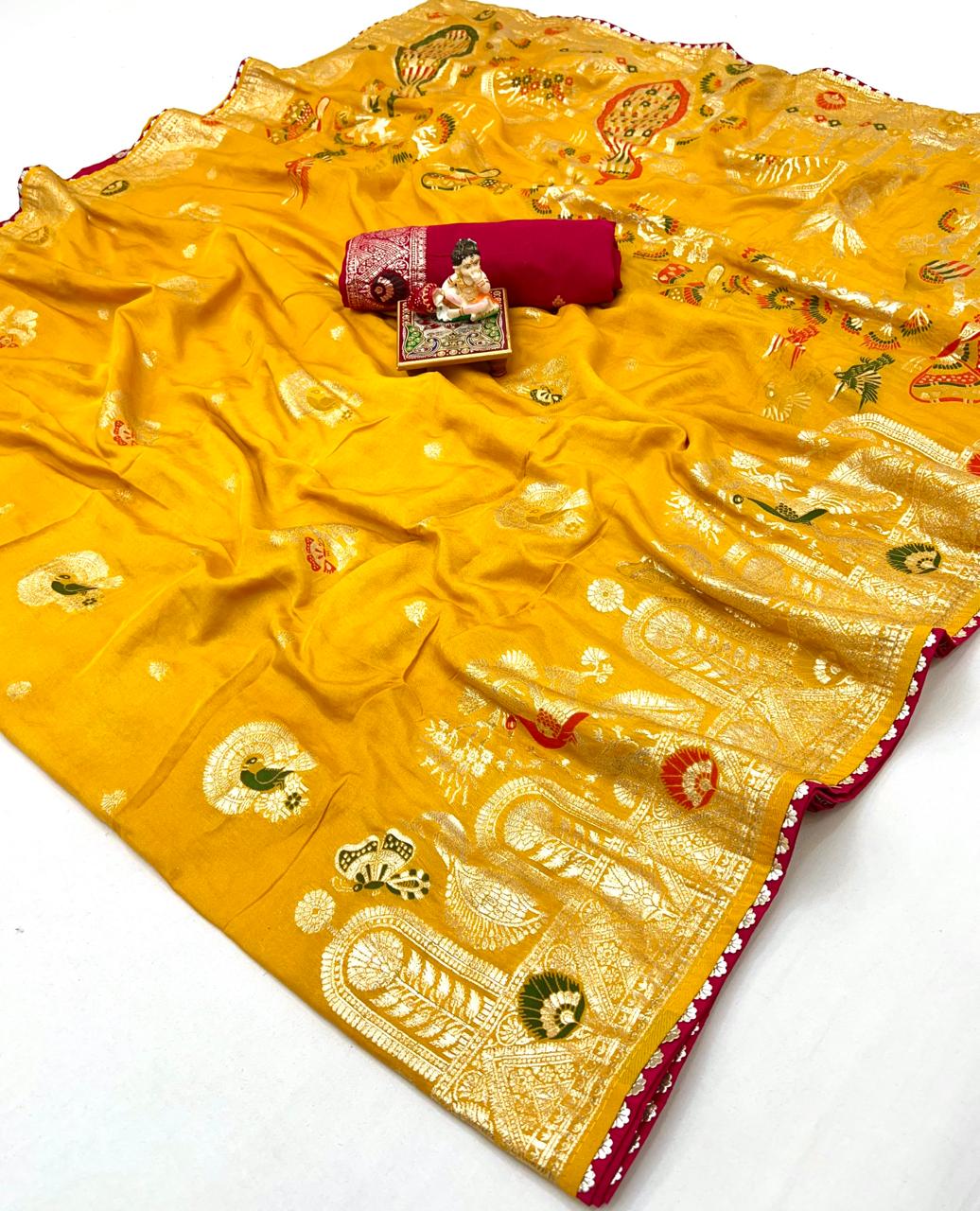
Mustard, beige and rust produce a softer daytime palette that works well with antique-gold jewellery. The Elegant Mustard Chanderi Cotton Kurta Set with Embroidery demonstrates how mustard can be balanced with delicate embroidery rather than excessive contrast. The Mustard Chanderi Embroidered Kurta Pant Dupatta Set and the Mustard Yellow Embroidered Chanderi Silk Kurta Set offer similar colour references for a contemporary festive wardrobe, even though their silhouettes differ from a Mekhela Chador.
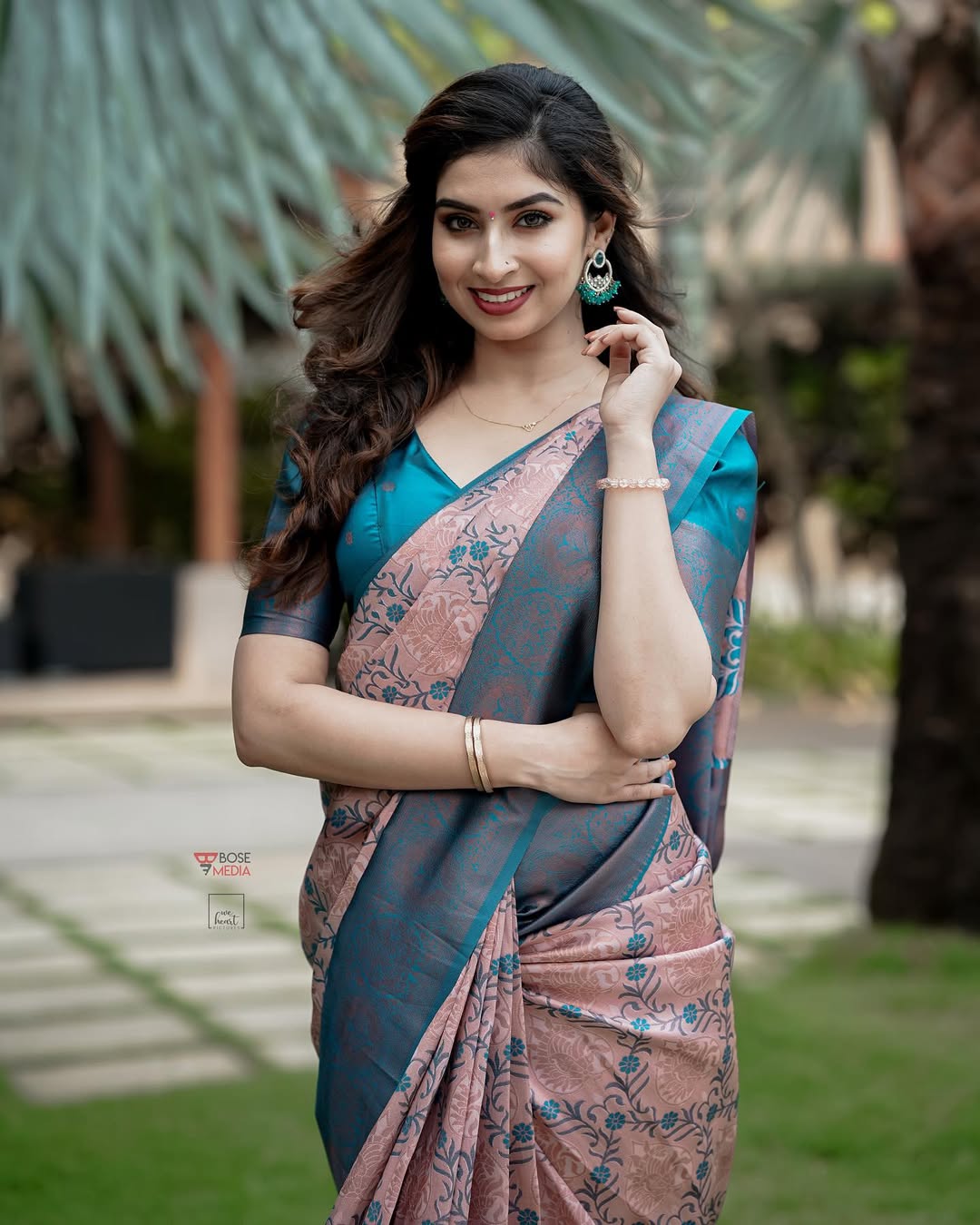
Teal and ivory provide a cooler alternative to traditional red and gold. Teal Ethnic Dola Silk Saree With Elegant Jacquard Border shows how a saturated jewel tone can be grounded by a defined woven border. For Assamese styling, teal can be paired with antique gold jewellery, a cream blouse and a chador border in muted gold or red.
Choosing the Look for Bihu, Weddings and Family Ceremonies
Daytime Bihu gatherings call for breathable fabric, secure draping and jewellery that can withstand movement. A cotton or lightweight Pat silk Mekhela Chador, small earrings, one necklace and a few bangles are more practical than a heavily layered bridal set. Kopou phool in the hair provides a recognisable festive detail without adding weight.
Wedding guests can increase formality through silk, a wider border and one statement ornament. Gold-toned Assamese jewellery, a neat bun and a chador pinned at the shoulder create a polished appearance. Avoid wearing a very large bridal-style necklace if the invitation calls for understated guest dressing.
For a reception or evening celebration, deeper colours and reflective borders work effectively under artificial lighting. The Elegant Beige Vichitra Silk Embroidered Kurta Set for Women and the Ivory Floral Embroidered Chanderi Silk Kurta Set Women show how pale bases can carry detailed embroidery and gold accessories without looking dull.
Religious ceremonies usually benefit from covered shoulders, moderate hemlines and secure jewellery. An understated chador arrangement, small earrings and a single bangle set preserve comfort and respect the setting. The Rust Chanderi Silk Embroidered Kurta Set with Dupatta can guide a warm rust-and-gold palette for a contemporary ceremony outfit.
Modern Ways to Adapt the Traditional Silhouette
Modern Assamese styling works when the essential structure remains visible while the accessories become lighter or more selective. A shorter chador, a structured blouse, a narrow belt at the waist or a tonal border can update the outfit without turning it into an unrelated fusion costume.
Use contemporary separates as colour and texture references rather than copying their construction. Beige Kurta Set with Blue Chanderi Dupatta for Women suggests a useful beige-and-blue contrast for a lighter Mekhela Chador palette. Ivory Floral Embroidered Chanderi Silk Kurta Set Women offers another direction: delicate floral embroidery can replace a wide ornate border when a quieter result is preferred.
Minimal styling can be particularly effective for younger wearers. Pair a solid silk Mekhela Chador with keru earrings, a thin chain, two bangles and a low bun. The uncluttered arrangement lets the handloom texture and border carry the visual interest.
Care, Storage and Comfort After the Event
Silk Mekhela Chador garments should be aired in shade after wearing and stored only when completely dry. Fold silk along existing fold lines, place soft cotton or muslin between embroidered sections and avoid pressing heavy jewellery directly against the fabric during storage.
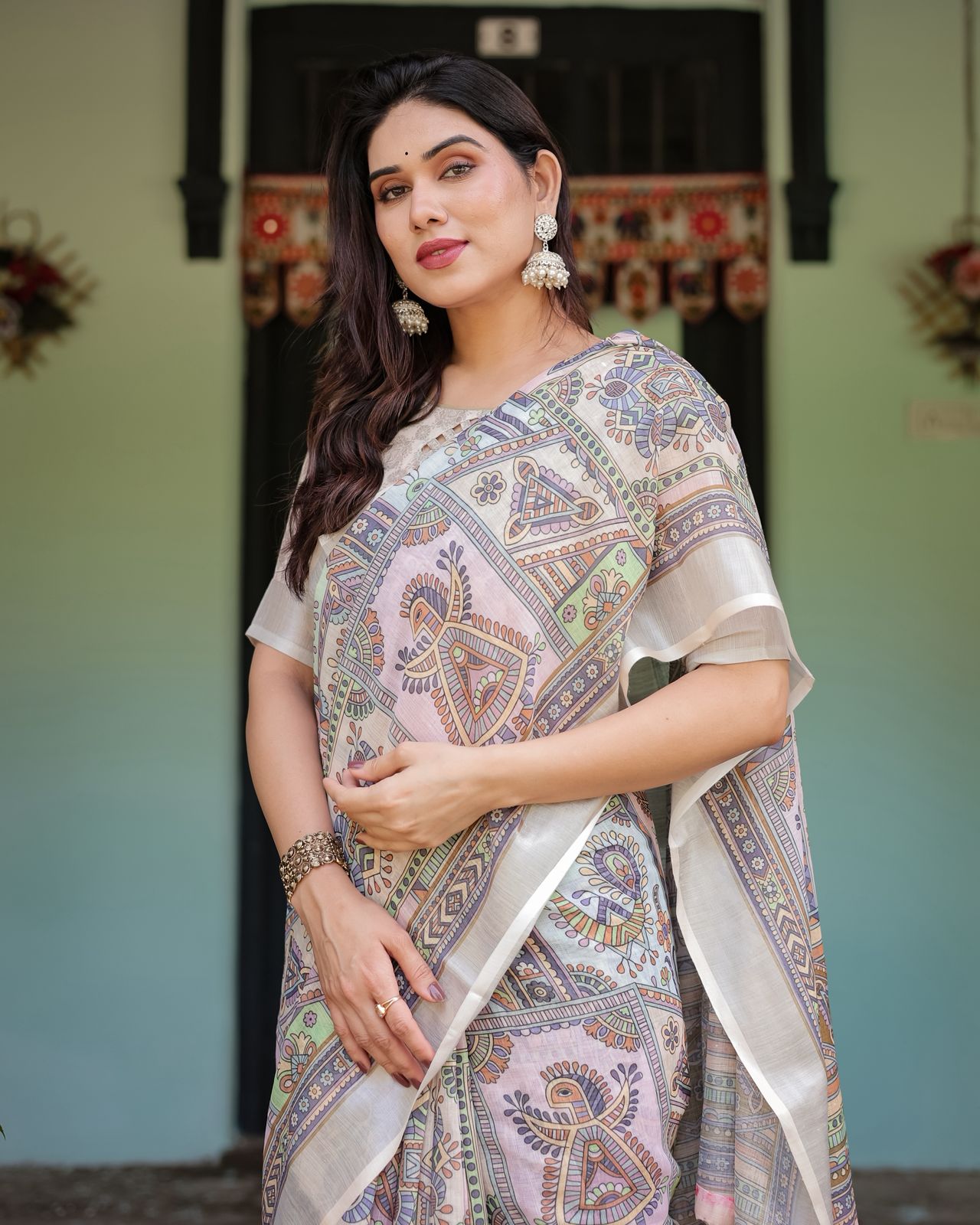
Dry-clean Muga silk, Pat silk and zari-heavy textiles according to the care label because aggressive washing can alter the sheen, shrink the fabric or loosen metallic threads. Cotton Mekhela Chador pieces may tolerate gentler home washing, but colour bleeding should be tested on an inconspicuous area first.
Store gold-plated or imitation Assamese jewellery in separate soft pouches. Keep moisture, perfume and hairspray away from metal surfaces because chemicals can darken plating and weaken adhesive-set stones. Put jewellery on after makeup and fragrance have dried, and wipe each piece with a soft cloth before storage.
Assamese Traditional Jewellery & Mekhela Chador Styling feels effortless when the outfit is planned as a connected system. Select the textile first, choose jewellery according to neckline and border width, secure the drape through movement tests and reserve the most dramatic ornament for the element that deserves attention. That method honours tradition while leaving enough room for personal taste.
Questions About Assamese Jewellery and Mekhela Chador Dressing
What jewellery is traditionally worn with a Mekhela Chador?
Common choices include a junbiri pendant, dugdugi or gamkharu necklace, keru or thuria earrings and gamkharu bangles. A maang tikka, hair ornament and kopou phool may be added for weddings or Bihu celebrations.
Can I wear Assamese jewellery with a non-Assamese ethnic outfit?
Yes, Assamese jewellery can work with sarees, kurta sets and lehengas when the colour and scale are coordinated. Use one recognisable piece, such as a junbiri pendant or gamkharu bangle, instead of combining every traditional ornament with another regional jewellery style.
Which fabric is best for a Mekhela Chador in hot weather?
Cotton is usually the most breathable choice for hot and humid weather, while lightweight Eri silk offers softness with a more dressed-up finish. Muga silk and heavier Pat silk are better suited to shorter ceremonies, cooler evenings or formal indoor events.
How do I keep a Mekhela Chador from slipping?
Make firm waist tucks, use concealed safety pins at the shoulder and waist, and test the drape while walking and sitting. A fitted blouse with a stable neckline also helps the chador remain in position throughout a ceremony.
What colours look traditional with Assamese gold jewellery?
Red, ivory, cream, black, mustard, rust, deep green and muted gold all complement Assamese gold jewellery. A single dominant colour with a contrasting woven border usually looks more refined than several equally bright colours.
How should Assamese silk jewellery and garments be stored?
Air silk garments in shade, fold them with soft cotton or muslin between embroidered areas and follow the care label for cleaning. Keep jewellery dry in separate fabric pouches and apply perfume or hairspray before putting on the ornaments.