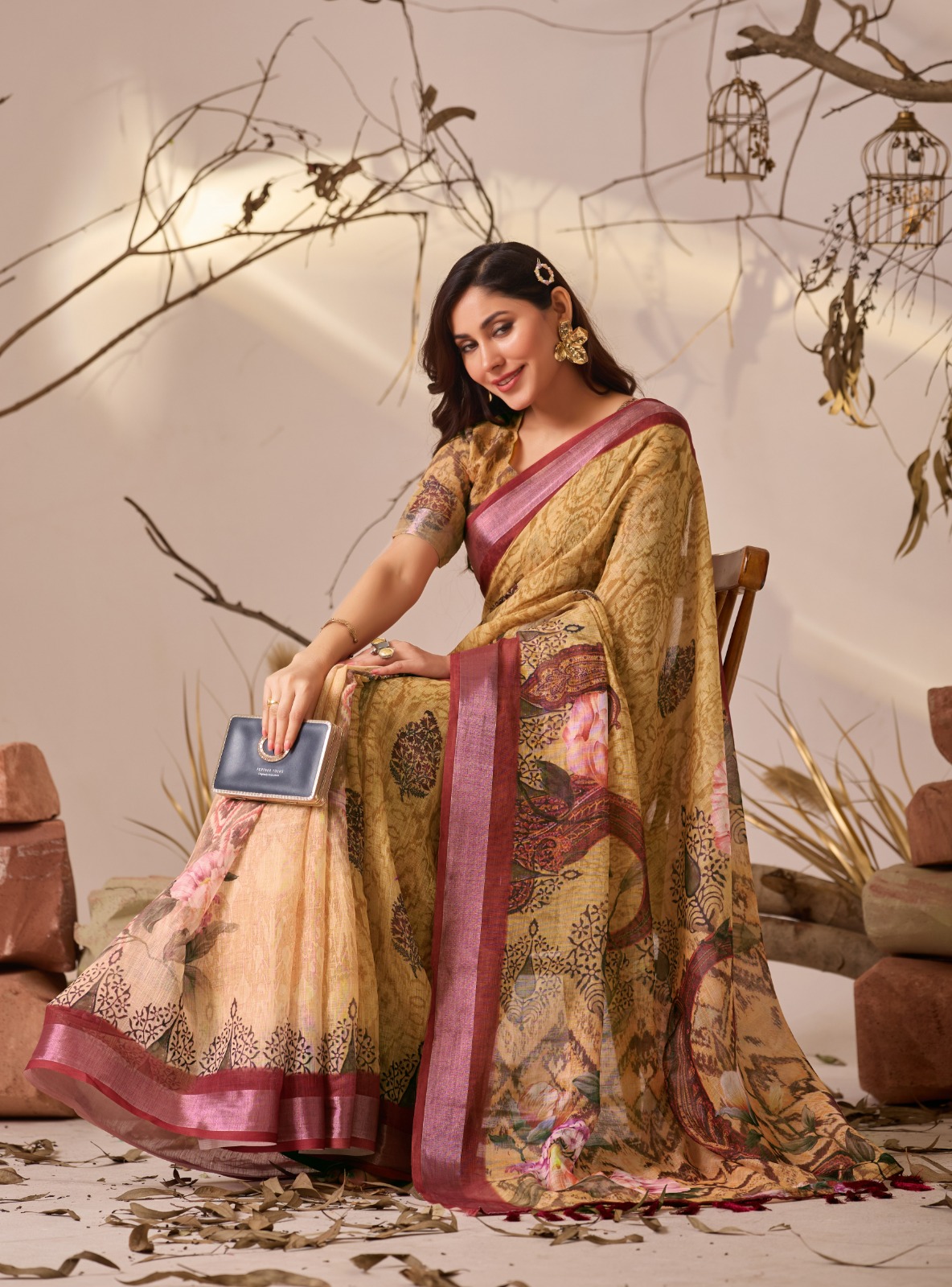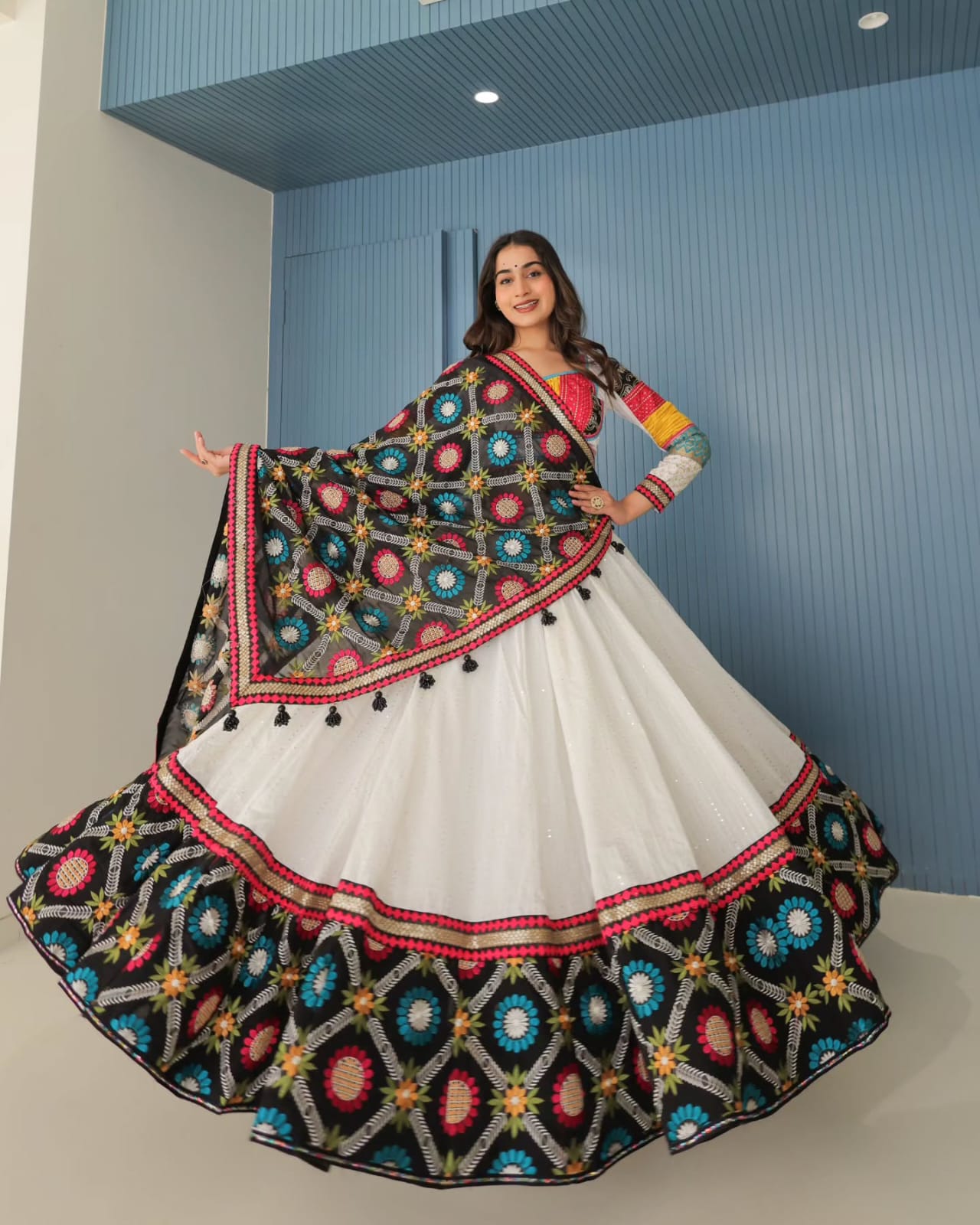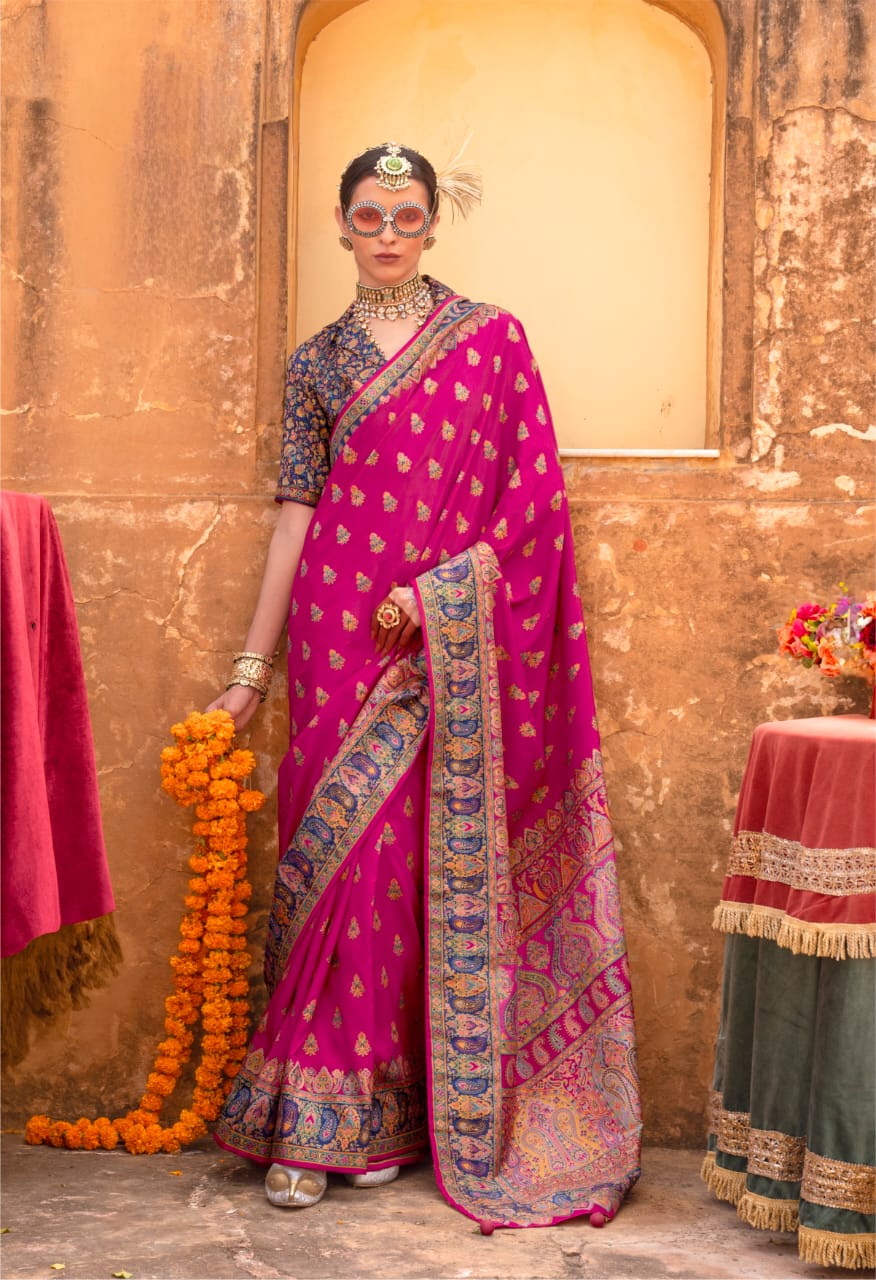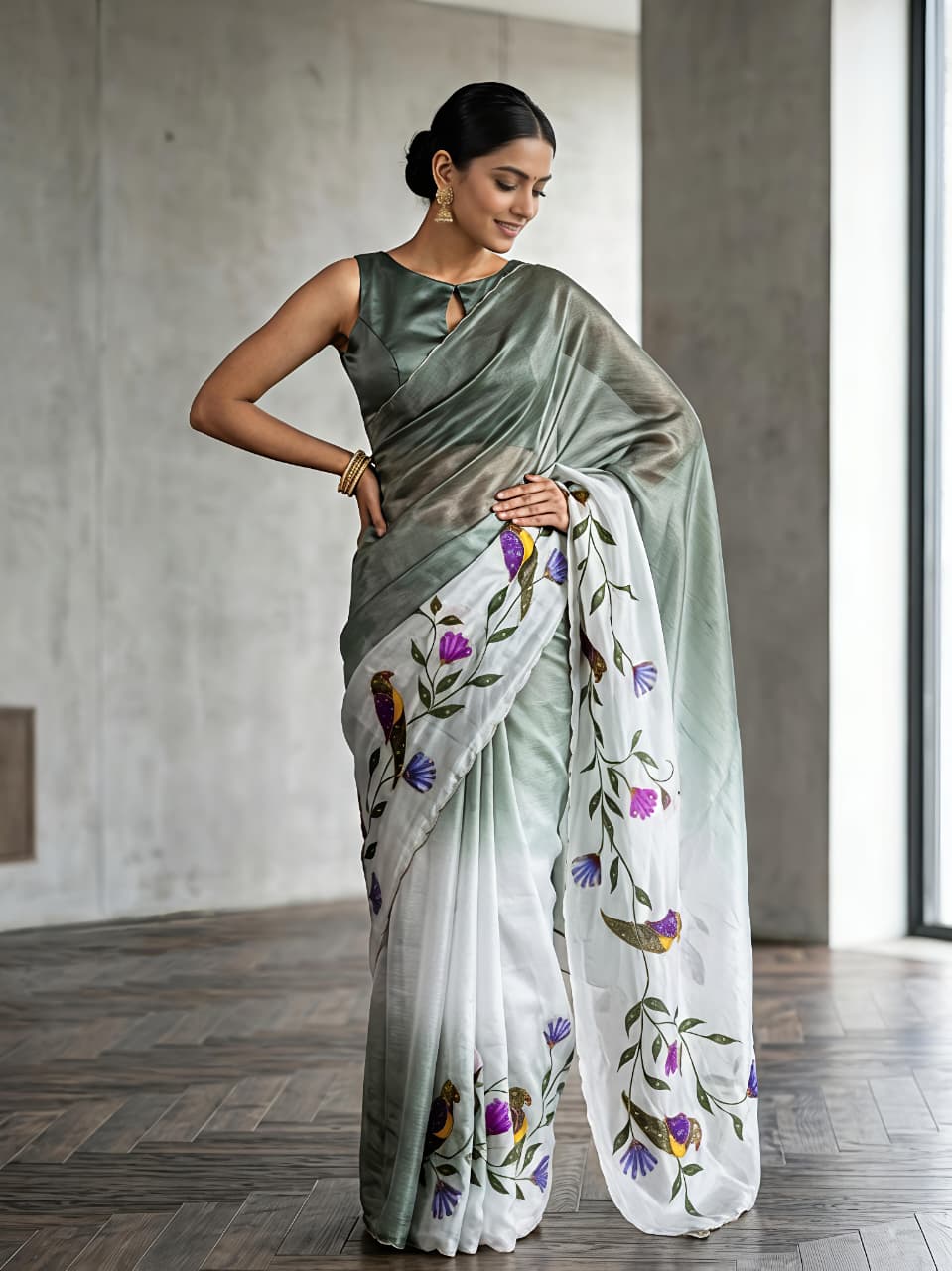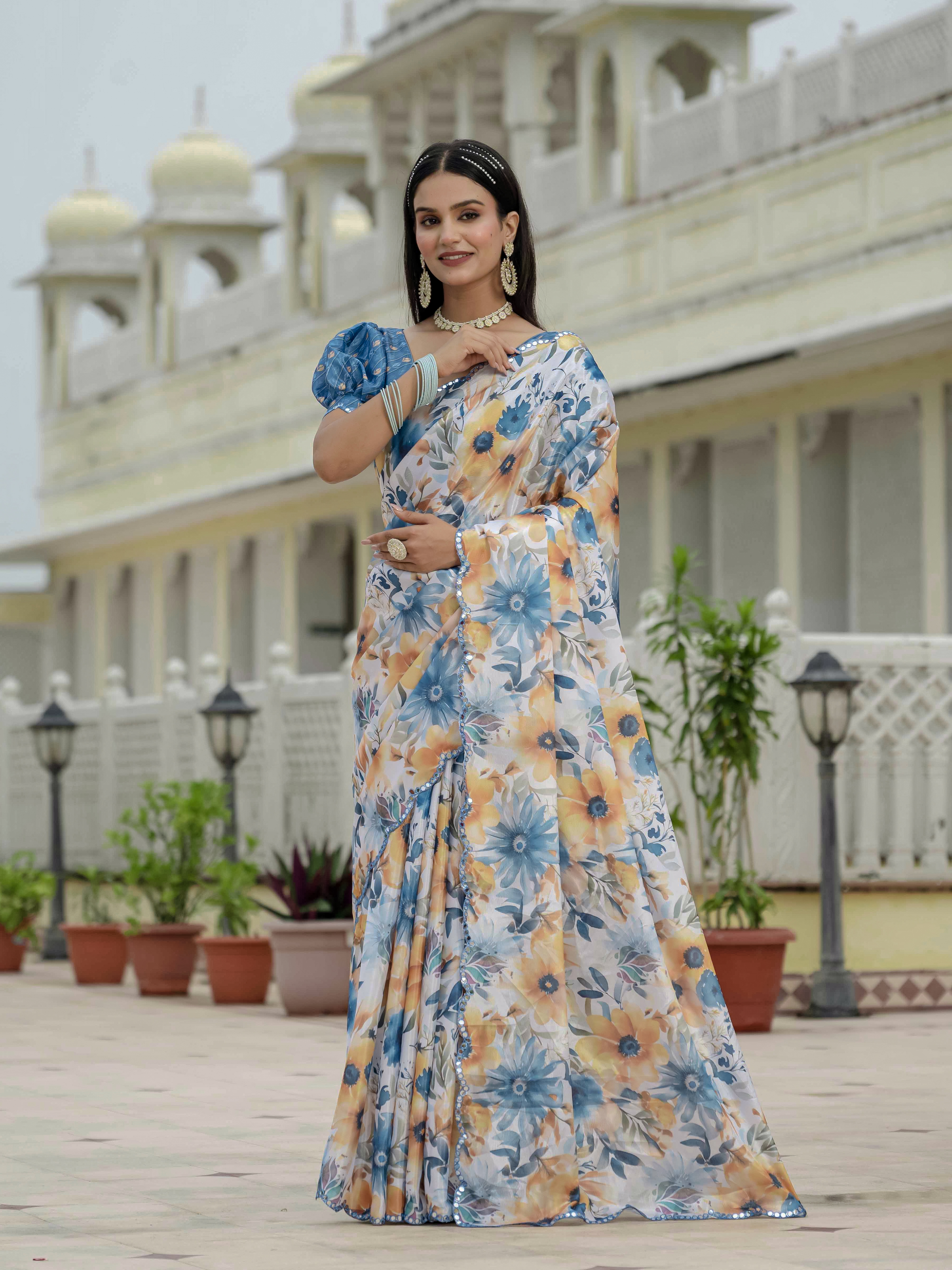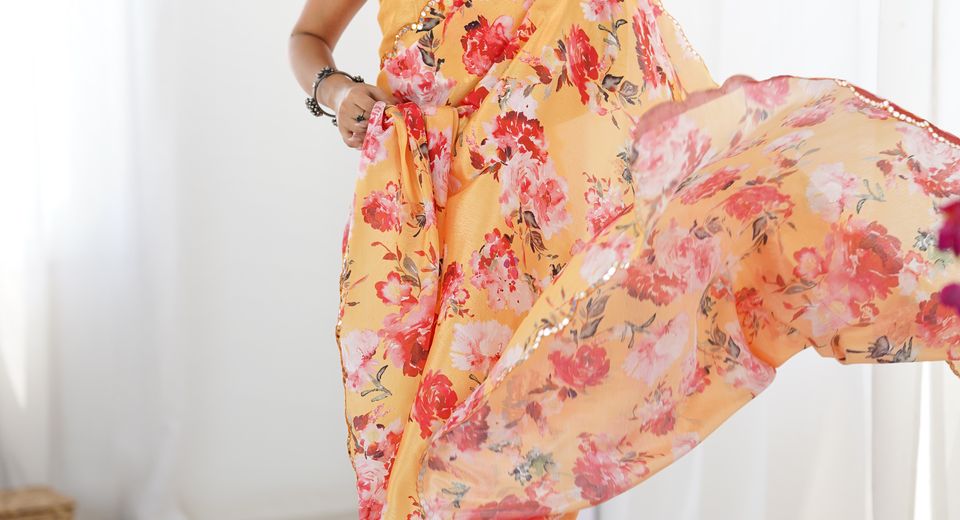
Assamese Traditional Dress for Women: Mekhela Chador Fashion Guide begins with one important distinction: a Mekhela Chador is a two-piece Assamese ensemble, not a saree with a different name. The lower garment is the Mekhela, the upper drape is the Chador, and a separate Riha may be worn beneath or across the upper body. Together, these pieces reflect Assam's weaving traditions, regional identity and practical approach to festive dressing.
The most recognisable versions use Muga silk, Pat silk, Eri silk, cotton or silk blends, with woven motifs such as Jaapi forms, floral butis, birds, peacocks and geometric borders. A perfect outfit therefore depends on more than colour. Fabric weight, pleat width, border placement, blouse proportions and the occasion all affect how well the ensemble sits.
Assamese Traditional Dress for Women: Mekhela Chador Fashion Guide to the garment's structure
A Mekhela Chador differs from a saree because the lower and upper sections are separate garments rather than one continuous length of fabric. The Mekhela is wrapped around the waist in a skirt-like form, while the Chador is pleated and draped over the upper body.
The Mekhela usually has a broad decorative border called the Pari, which is positioned near the hem. The Chador often carries a matching or contrasting border along its length. The Riha is traditionally a narrower cloth associated with Assamese women's dress and may be visible at the shoulder, across the chest or beneath the Chador, depending on regional and ceremonial styling.
This construction makes the ensemble easier to adjust than a single-length drape. A wearer can change the blouse, Riha or Chador while retaining the same Mekhela. Separate pieces also allow different textile weights: a lightweight cotton Mekhela can be paired with a silk Chador, while a wedding ensemble may use Muga silk or richly woven Pat silk throughout.
What are the three visible parts in Assamese Traditional Dress for Women?
The three commonly discussed elements are the Mekhela, the Chador and the Riha. The Mekhela forms the lower wrap, the Chador creates the main upper drape, and the Riha adds an additional traditional layer.
- Mekhela: The lower garment wraps around the waist and is arranged in front-facing pleats.
- Chador: The upper cloth is worn over the blouse and usually falls from one shoulder.
- Riha: The narrower traditional cloth can be worn under the Chador or styled across the upper torso.
Contemporary wardrobes sometimes use only a Mekhela and Chador with a fitted blouse. Traditional and ceremonial dressing may include all three pieces, especially when the outfit is intended to communicate Assamese cultural identity.
Assamese Traditional Dress for Women: Mekhela Chador Fashion Guide to fabric selection
Muga silk, Pat silk, Eri silk and cotton are the principal fabric choices for Assamese Traditional Dress for Women, and each creates a different level of sheen, structure and comfort.
Which Assamese fabrics suit weddings and festivals?
Muga silk is famous for its natural golden glow, durability and association with Assam. Authentic Muga silk can be expensive and may feel firm before repeated wear, but the fabric is prized for its distinctive lustre. Pat silk, often called Mulberry silk, has a smoother surface and accepts vivid dyed colours, making it suitable for wedding ceremonies and formal receptions.
Eri silk has a softer, slightly textured character and is valued for its warm hand-feel. Eri silk suits wearers who prefer a less glossy appearance. Silk blends can offer easier maintenance and a lower price, but the fibre composition should be checked before purchase because polyester-heavy blends drape differently from natural silk.
When is cotton a practical choice?
Assamese cotton is a practical choice for daytime ceremonies, cultural programmes and warm weather. Cotton Mekhela Chador sets are breathable, easier to wash and usually less slippery during draping. A cotton-silk blend can provide some festive sheen without the weight or cost of dense silk.
Chanderi isn't a traditional Assamese textile, but Chanderi fabric can work as a modern regional-inspired styling option when the wearer wants a lighter, translucent finish. Elegant Mustard Chanderi Cotton Kurta Set with Embroidery and Mustard Embroidered Chanderi Kurta Set for Women - Varnavi. Show how Chanderi can bring mustard and embroidery details into a kurta wardrobe without presenting the garment as a traditional Mekhela Chador.
Assamese Traditional Dress for Women: Mekhela Chador Fashion Guide to motifs and colour
Choose Assamese motifs and colours by considering the event, the fabric's natural tone and the scale of the border rather than relying on colour alone.

Traditional Assamese weaving frequently features floral forms, stylised birds, peacocks, creepers and geometric patterns. The Jaapi, a conical Assamese hat made from bamboo and palm materials, is a recognisable cultural symbol and appears in contemporary textile design. Other motifs may reference local plants, animals or household objects, although their names and meanings can vary between weavers and regions.
Red, white, cream, gold, black and yellow appear often in festive styling, but there's no single mandatory colour combination for every woman or occasion. Mustard can echo the warmth of Muga silk, while deep red creates a ceremonial effect. Ivory, off-white and black provide a calmer base for a strongly patterned Pari or Chador border.
For a wedding or Bihu celebration, a rich red Chador with gold zari can look appropriate when the border is woven rather than excessively embellished. For a daytime cultural event, white-and-red cotton, indigo, green or mustard can feel lighter. A restrained base with one strong border is often more visually coherent than combining several unrelated prints, metallic trims and heavy sequins.
Assamese Traditional Dress for Women: Mekhela Chador Fashion Guide to draping
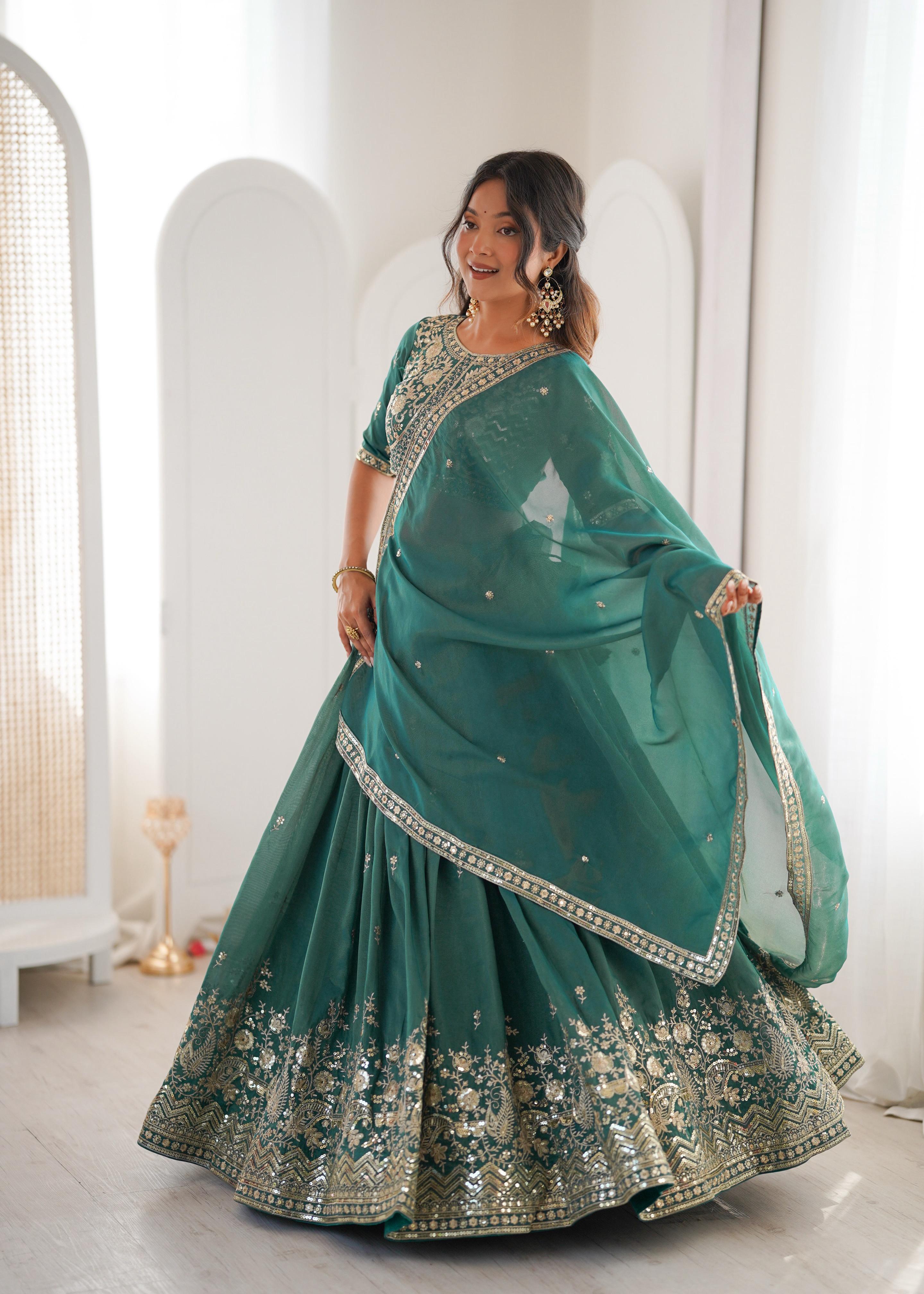
A Mekhela Chador is secured by wrapping the Mekhela at the waist, arranging front pleats, anchoring the fabric firmly and then pleating the Chador over one shoulder.
- Prepare the base: Wear a well-fitted blouse, a comfortable petticoat or underskirt if the fabric is slippery, and a thin waist tie if extra security is needed.
- Wrap the Mekhela: Place the decorative Pari at the lower edge and wrap the fabric around the waist, keeping the opening and pleats at the front according to the chosen drape.
- Make even pleats: Create approximately 5 to 7 broad pleats, depending on the fabric width and the movement required. Align the pleats so that the central motif or border remains visible.
- Tuck securely: Tuck the pleated section into the waist and use discreet safety pins at the side and centre. Pins should hold the fabric without piercing visible zari or delicate silk threads.
- Arrange the Chador: Pleat one end of the Chador, place it over the shoulder and let the remaining length fall across the back or front. A shoulder pin and a waist pin reduce movement during dancing or long ceremonies.
- Add the Riha: If wearing a Riha, place it before finalising the Chador so the two borders don't bunch together.
The most useful test is a five-minute movement check. Sit on a chair, walk up steps, raise both arms and turn around before leaving home. If the waist loosens, the shoulder drape slides or the hem catches under the foot, adjust the pins and pleats rather than adding more layers.
Assamese Traditional Dress for Women: Mekhela Chador Fashion Guide to blouse and jewellery styling
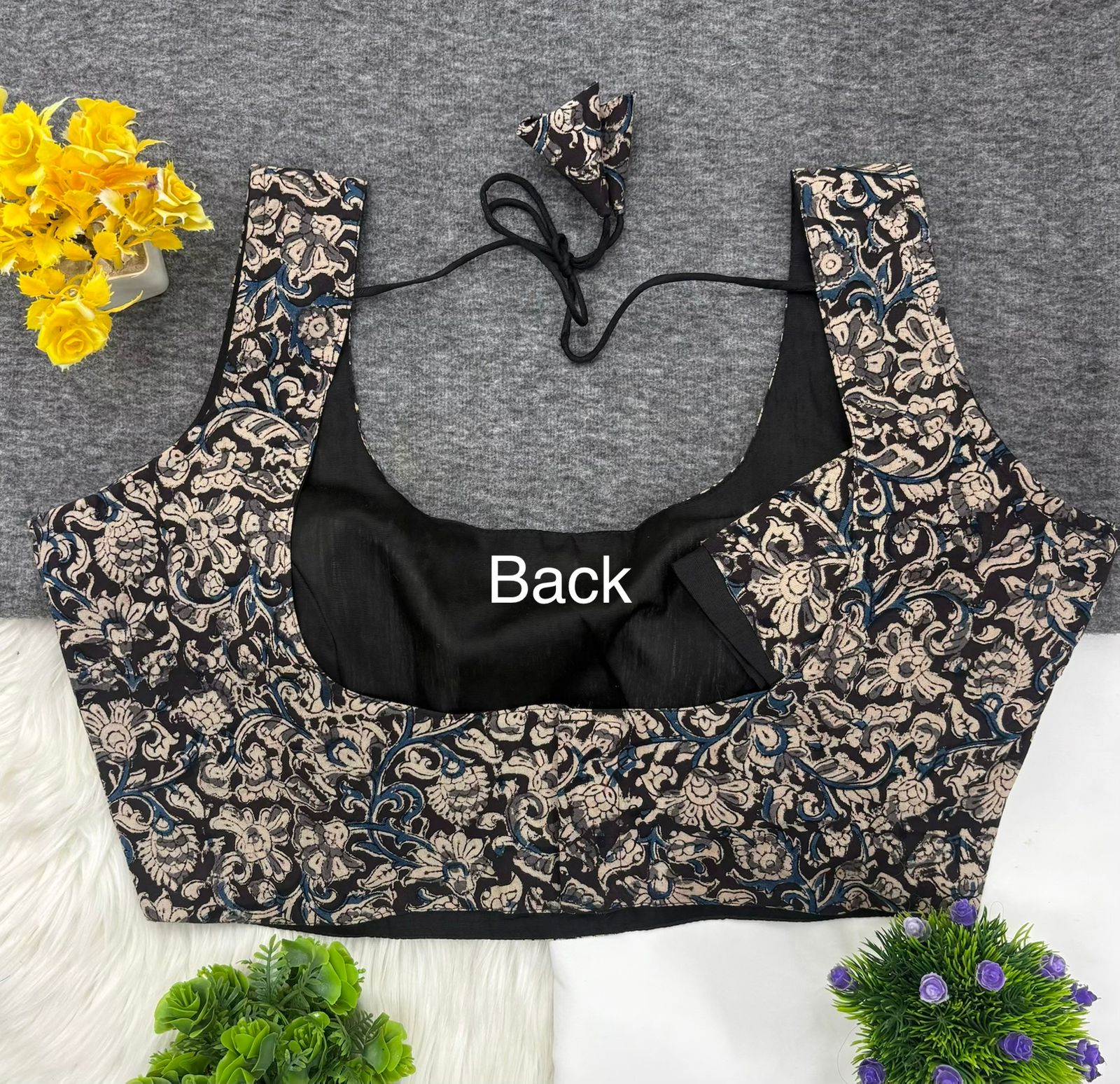
A fitted blouse with elbow-length sleeves balances the volume of a Mekhela and works well for formal Assamese dressing. A high-neck blouse creates a polished winter or evening look, while a square or boat neckline can suit lightweight cotton.
Keep embellishment concentrated on one area. A heavily woven border needs a relatively quiet blouse, while a plain Chador can support hand embroidery, textured fabric or modest zari work. Blouse measurements should include bust, underbust, shoulder width, armhole and sleeve length; a blouse that's tight at the armhole can make the Chador shift throughout the day.
Jewellery should support the textile rather than conceal it. Gold-toned earrings, a simple necklace, red or ivory bangles and a small traditional-inspired hair accessory can be enough. Avoid wearing a large necklace, oversized earrings and an elaborate headpiece together when the Chador already has a wide zari border.
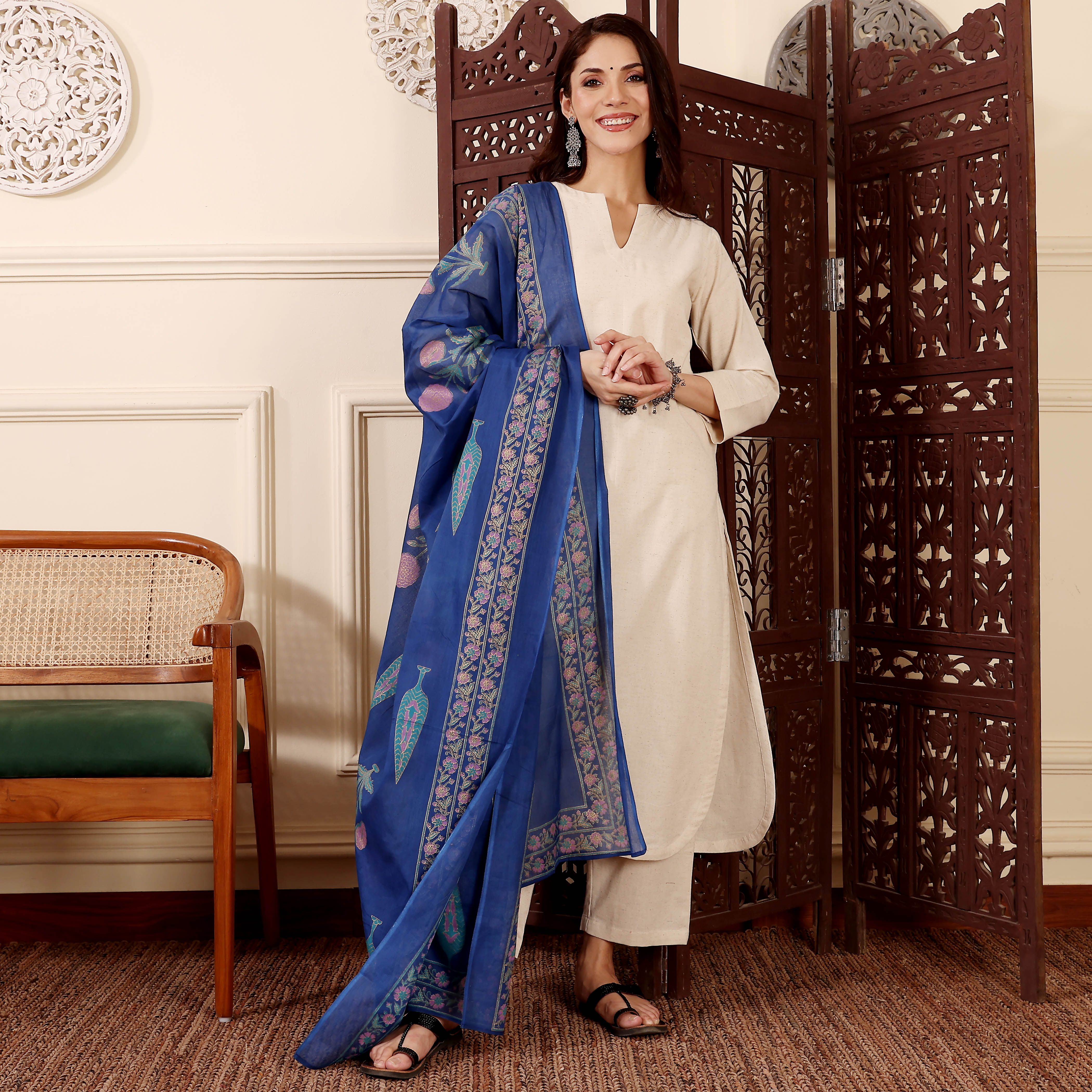
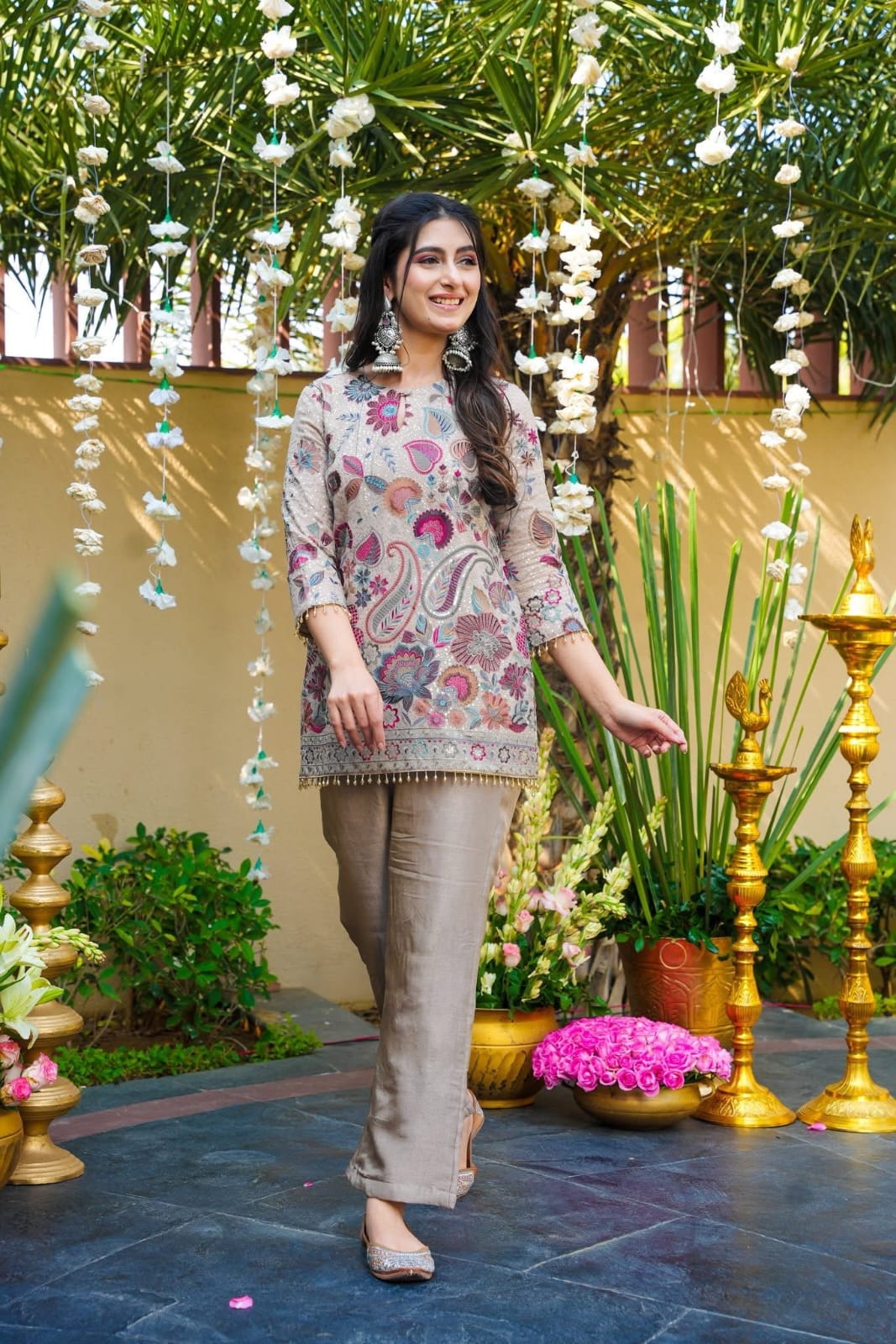
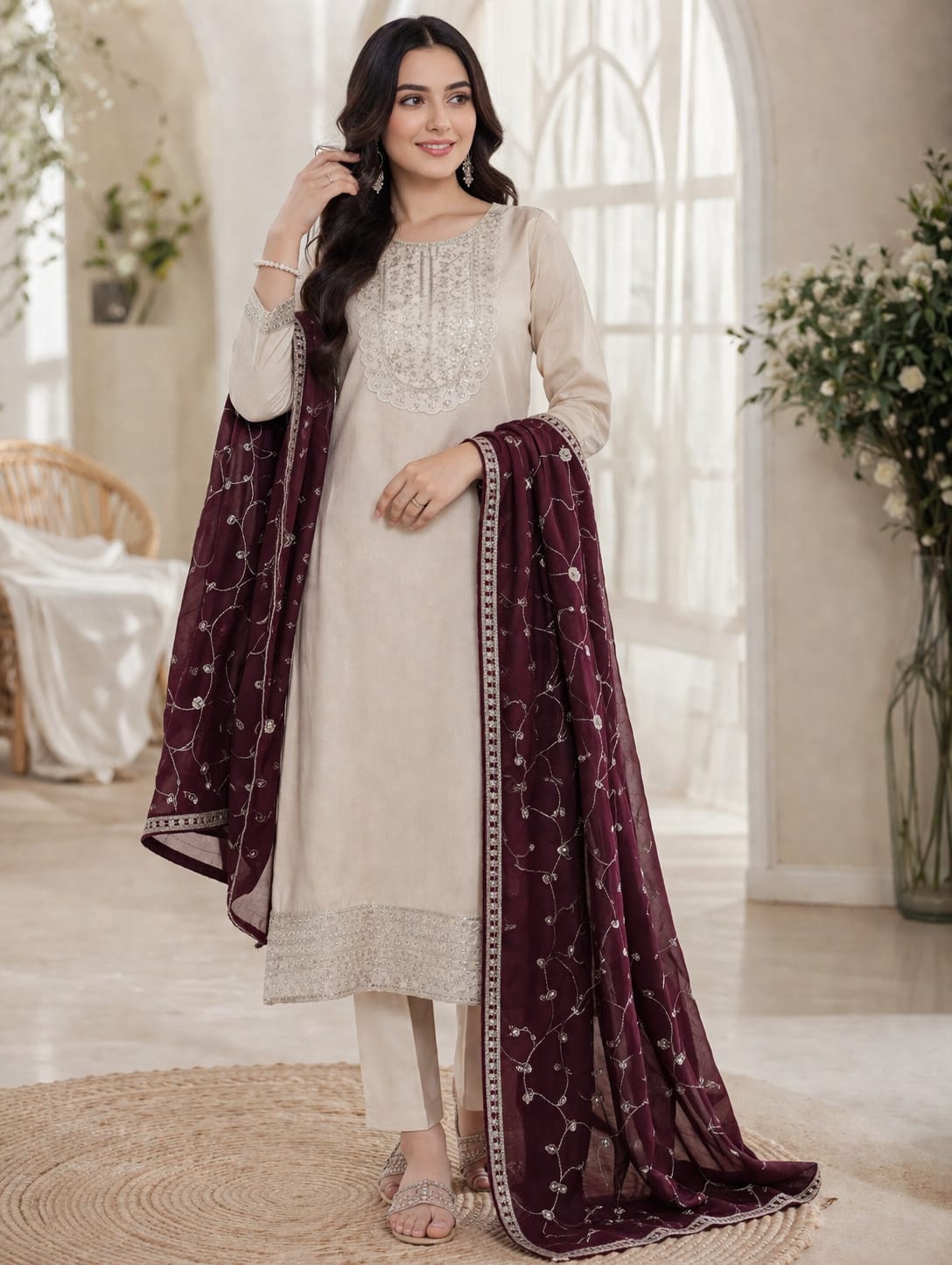
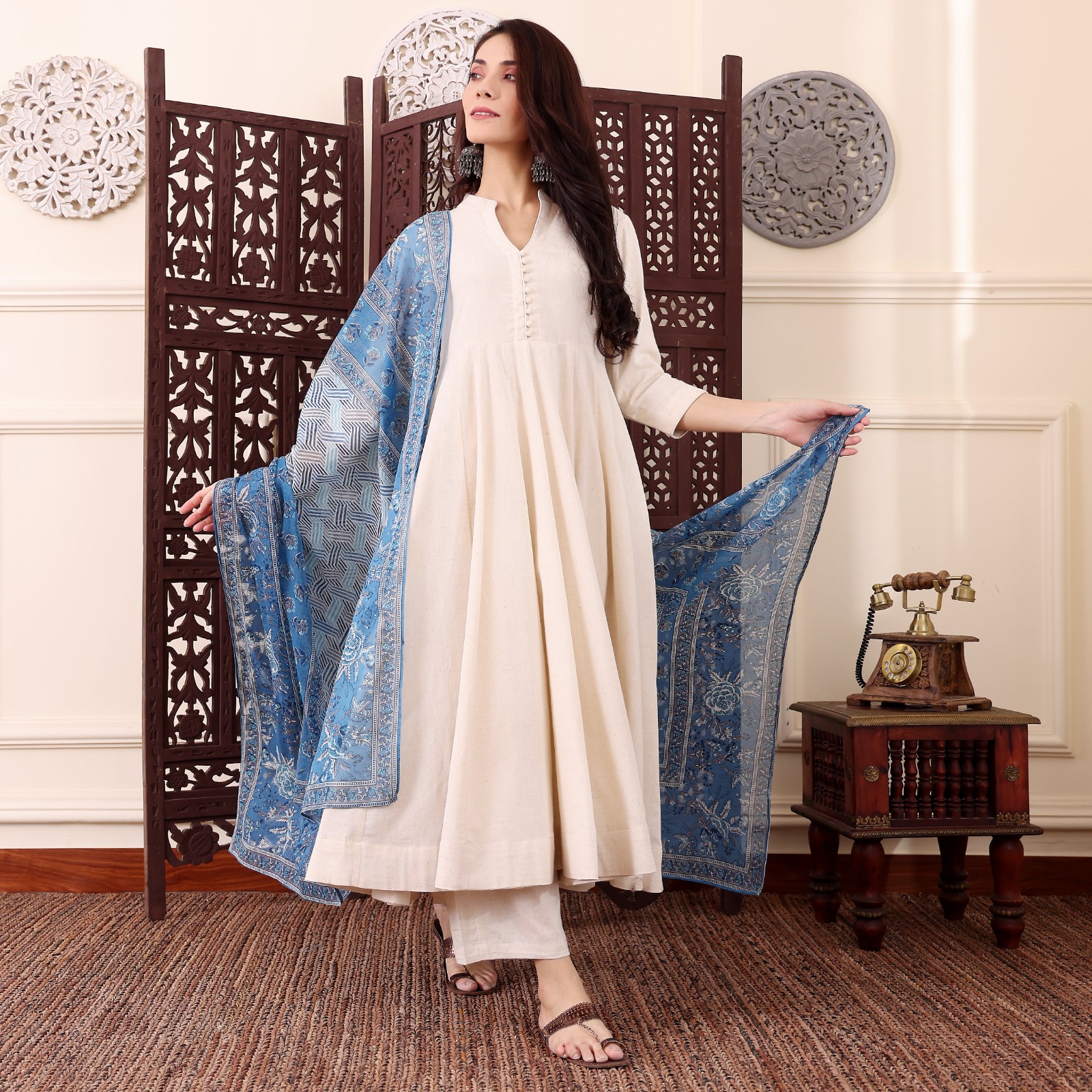
Non-Mekhela pieces can help build a related Assamese-inspired wardrobe. Beige Kurta Set with Blue Chanderi Dupatta for Women offers an example of balancing a neutral base with a contrasting layered textile. Elegant Beige Vichitra Silk Embroidered Kurta Set for Women shows how a softly lustrous textile can create a formal mood without copying the construction of a Mekhela Chador.
For travel or a less formal gathering, Colorful Ethnic Chinon Saree for Women and Multicolor Heavy Chinnon Printed Saree for Women provide fluid drapes, but they should be described as sarees rather than Mekhela Chador outfits. Mustard Viscose Chanderi Kurta Set with Sequence Embroidery and Cream Floral Printed Western Dress for Women can serve as everyday alternatives when a wearer wants colour or print without a traditional drape.
Assamese Traditional Dress for Women: Mekhela Chador Fashion Guide to buying decisions
Check the fabric composition, finished measurements, border placement, included pieces and fastening requirements before buying a Mekhela Chador.
- Fabric composition: Confirm whether the garment uses Muga silk, Pat silk, Eri silk, cotton, a silk blend or synthetic fibre.
- Finished measurements: Check the total length and width of the Mekhela and Chador instead of relying only on a standard size label.
- Border placement: Make sure the Pari is wide enough to remain visible after pleating and that the Chador border will sit correctly on the shoulder.
- Included pieces: Verify whether the purchase contains the Mekhela and Chador only or also includes a Riha and blouse piece.
- Transparency: Lightweight Chanderi, organza or fine silk may need a lining, slip or underskirt for comfortable coverage.
- Colour accuracy: Screen settings can alter mustard, red, cream and gold tones, so request additional photographs when the precise shade matters.
- Alteration scope: A blouse can usually be tailored, but changing the border position or reducing the Mekhela length may disturb the intended design.
Price should be evaluated against fibre, weaving method, zari content, embroidery and finishing rather than appearance alone. Handwoven Muga silk with a detailed woven border will generally cost more than a printed polyester blend, while a lightweight cotton set may provide better value for frequent daytime wear.
Assamese Traditional Dress for Women: Mekhela Chador Fashion Guide to care and storage
Care for a Mekhela Chador by following the fibre-specific washing instructions, keeping silk away from prolonged sunlight and storing embellished pieces without crushing the borders.
Dry-clean Muga silk, Pat silk and heavily zari-worked Chador pieces unless the maker specifically permits gentle hand washing. Cotton may be hand-washed in cool water with mild detergent, but colour bleeding should be tested on an inside seam first. Never wring silk, viscose or delicate zari because twisting can distort the weave and loosen metallic threads.
Air-dry garments in shade and avoid direct midday sunlight, which can fade red, mustard and indigo dyes. Fold silk with acid-free tissue or clean cotton between heavy borders. Refold stored pieces every few months to prevent permanent creases along the same fold line.
Keep a Mekhela Chador in a breathable fabric bag rather than sealed plastic for long-term storage. Add cedar blocks or neem leaves nearby for insect protection, but don't place strongly scented materials directly against silk. Remove safety pins after wearing and allow perspiration to dry before folding the outfit.
Assamese Traditional Dress for Women: Mekhela Chador Fashion Guide decisions become easier when the wearer separates cultural structure from current styling. Understanding the Mekhela, Chador and Riha first makes it possible to choose the right fabric, motif, blouse and care routine for Bihu, weddings, cultural events or everyday ethnic dressing.
Common Questions About Assamese Traditional Dress for Women and Mekhela Chador
What is the difference between a Mekhela Chador and a saree?
A Mekhela Chador uses separate lower and upper garments, while a saree is one continuous length of fabric. The Mekhela wraps around the waist, and the Chador is draped over the blouse and shoulder.
What fabric is best for an Assamese Mekhela Chador?
Muga silk is a prized choice for formal Assamese dressing because of its natural golden sheen and durability. Cotton suits warm-weather daytime events, while Pat silk, Eri silk and silk blends offer different levels of smoothness, softness and shine.
Can a Mekhela Chador be worn without a Riha?
Yes, a contemporary Mekhela Chador outfit can be worn with the Mekhela and Chador paired with a blouse. A Riha adds a more traditional layered appearance, particularly for ceremonial or culturally significant dressing.
How many pleats should a Mekhela have?
A Mekhela commonly uses about 5 to 7 broad front pleats, although the exact number depends on fabric width, body measurements and the desired drape. The pleats should remain even and should not hide the main Pari border.
How should Muga silk or Pat silk Mekhela Chador pieces be washed?
Muga silk and Pat silk should generally be dry-cleaned unless the maker provides specific hand-washing instructions. Avoid wringing, direct sunlight and plastic storage, and use breathable fabric bags with tissue between heavy borders.
What blouse works best with a Mekhela Chador?
A fitted blouse with elbow-length sleeves provides balanced proportions for most formal Mekhela Chador outfits. High-neck, boat-neck and square-neck designs can work well when the blouse remains comfortable at the shoulder and armhole.