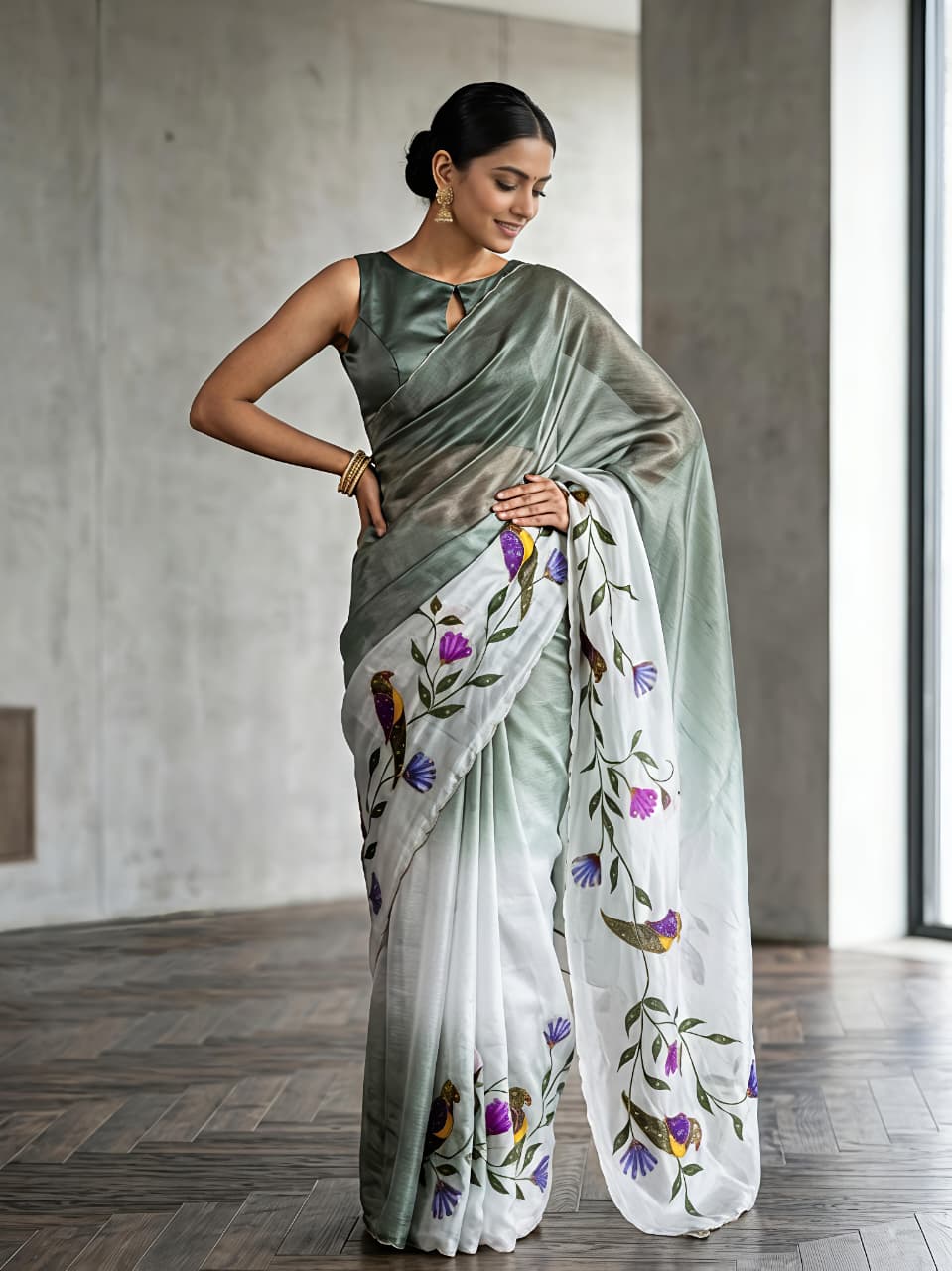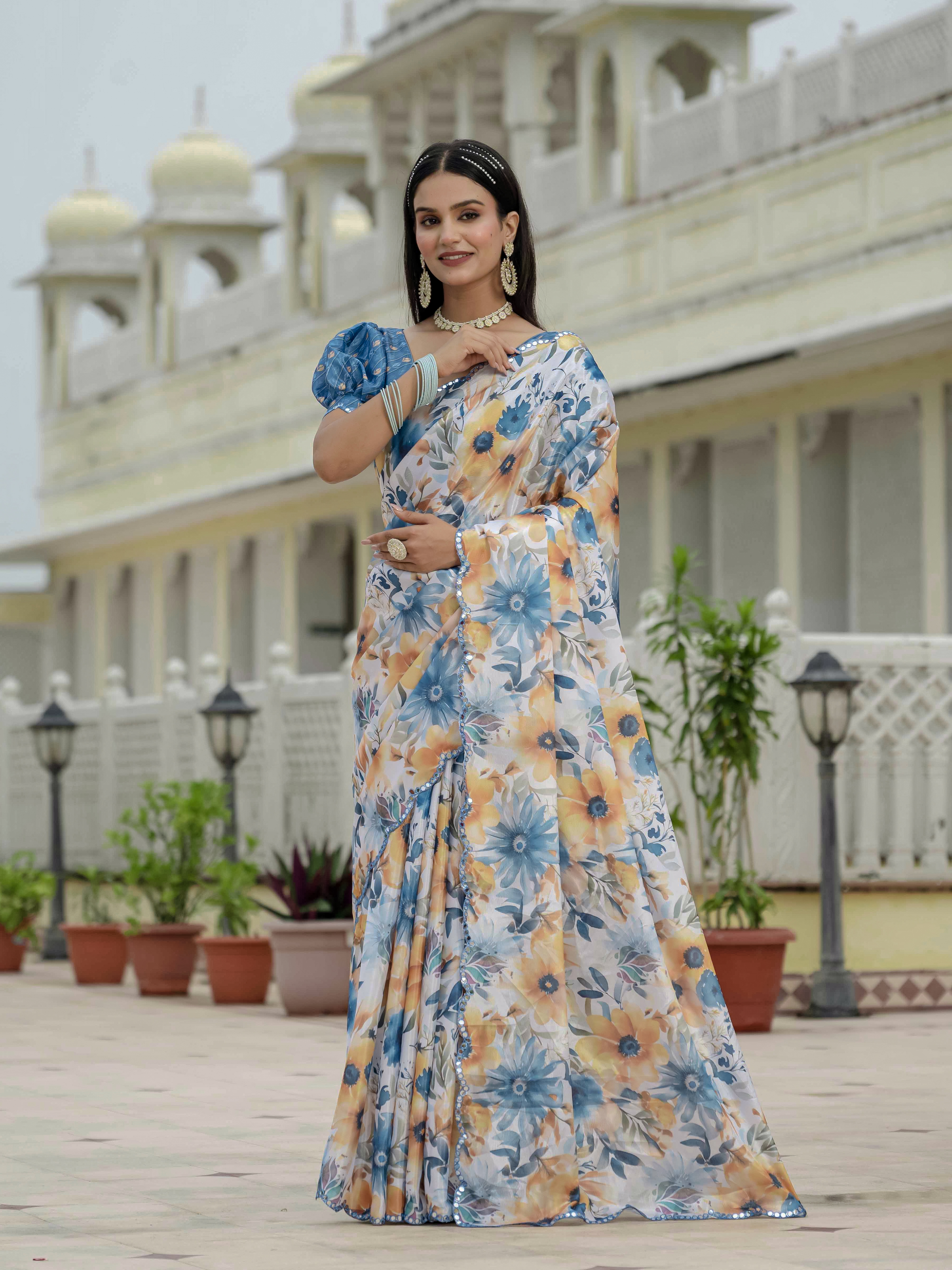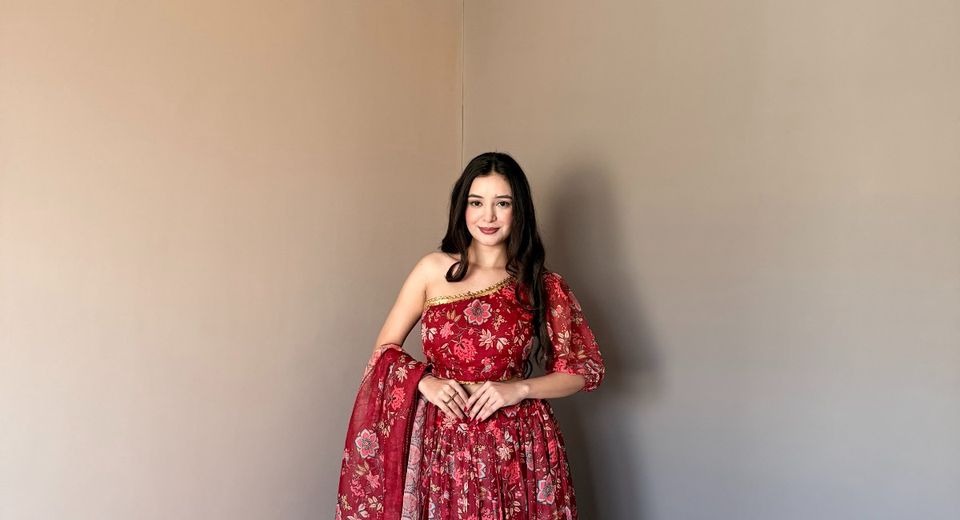
Assam Wedding Lehenga Ideas for Modern Brides & Guests begin with a simple styling decision: keep the lehenga silhouette contemporary, but let Assamese colour, textile and ceremony traditions guide the details. Muga silk, pat silk, red-and-white wedding palettes, gamusa-inspired borders and gold-toned jewellery can influence a look without making it feel like a costume. The right outfit also depends on whether you're dressing for the wedding ceremony, a Haldi ceremony, the reception or a smaller family ritual.
A lehenga works well for a modern Assamese celebration because it combines the movement of a skirt, the structure of a blouse and the coverage of a dupatta. Brides can add regional references through weaving, embroidery and jewellery, while guests can use lighter fabrics and restrained embellishment. Comfort matters because Assamese weddings may involve long hours of standing, visiting several homes, sitting on the floor or moving between indoor and outdoor venues.
What makes a lehenga suitable for an Assamese wedding?
A suitable lehenga for an Assamese wedding combines breathable fabric, secure draping, graceful movement and visual details that respect Assamese textile traditions. The outfit should feel festive without relying only on heavy sparkle or an extremely wide skirt.
Assam has a strong silk vocabulary, so fabric is an useful starting point. Banarasi silk brings a formal zari surface, while Muga silk offers a naturally warm golden tone associated with Assam. Pat silk has a smoother, brighter finish and works well for structured bridal blouses or polished reception lehengas. Chanderi is lighter and more translucent, making it practical for a guest dupatta or a daytime ceremony.
Regional character can appear in smaller details. A red border, ivory base, gold thread, woven floral motif or gamusa-inspired stripe can reference Assamese aesthetics without copying a complete mekhela chador. Traditional Assamese wedding clothing often centres on the mekhela chador, especially for the bride, but a lehenga can be styled as a coordinated alternative when the family and ceremony setting allow it.
Silhouette should match the venue. An A-line lehenga is easier to walk in than a very flared circular skirt, while a panelled skirt gives movement without excessive volume. A blouse with broad shoulder straps, a higher back and a well-fitted waist is more dependable for several hours of wear than a heavily cut-out design. The dupatta should be long enough to drape over the shoulder and remain secure during greetings, photographs and rituals.
Assam Wedding Lehenga Ideas for Modern Brides & Guests by ceremony
The best lehenga changes with the ceremony because daytime rituals, the main wedding and the reception require different levels of weight, colour and shine.
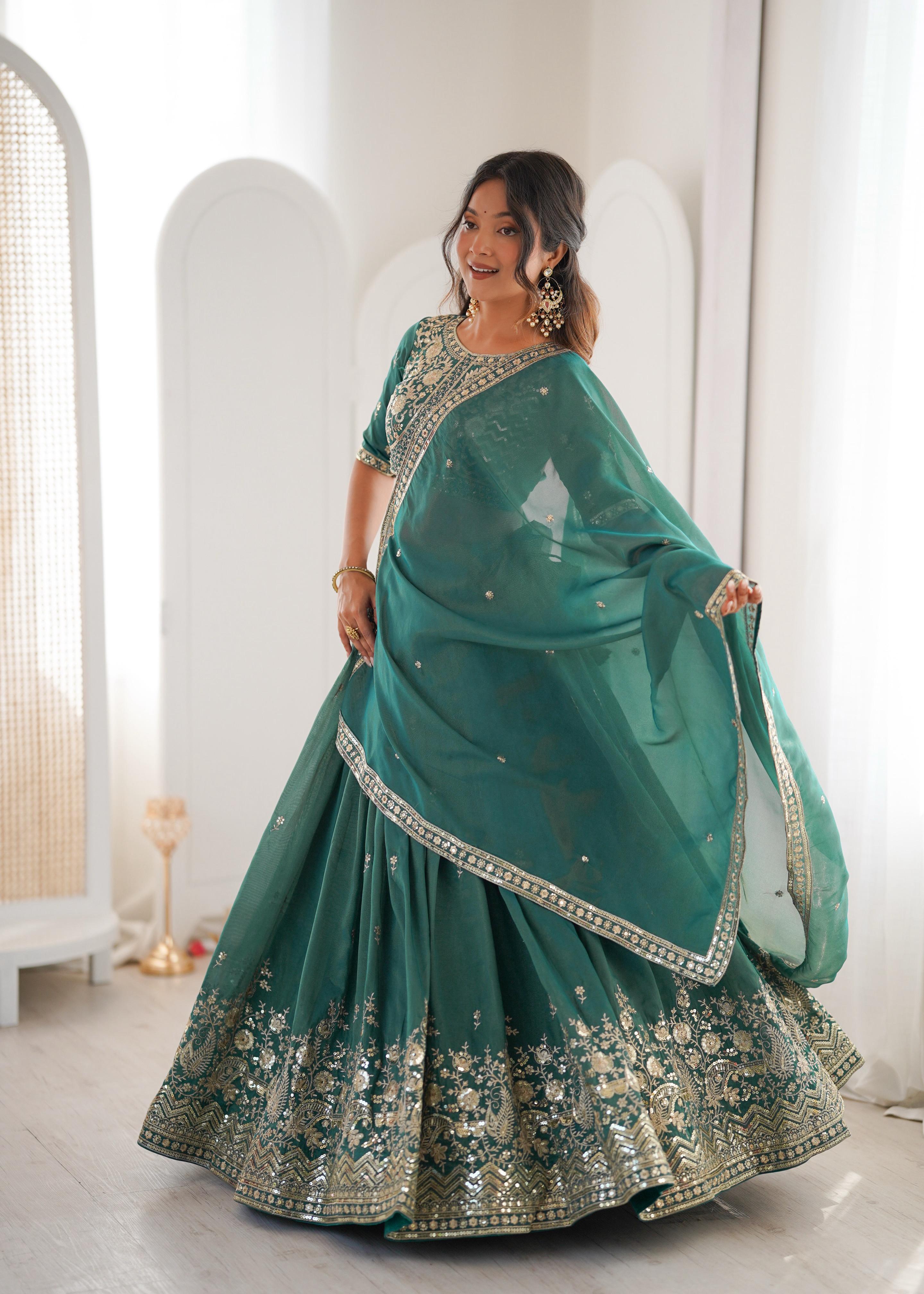
For the Haldi ceremony
Yellow, marigold, turmeric, ivory and fresh green are practical Haldi ceremony colours because they photograph well in daylight and suit the joyful mood of the ritual. Choose georgette, butter silk or lightweight net rather than dense velvet or heavily layered brocade.
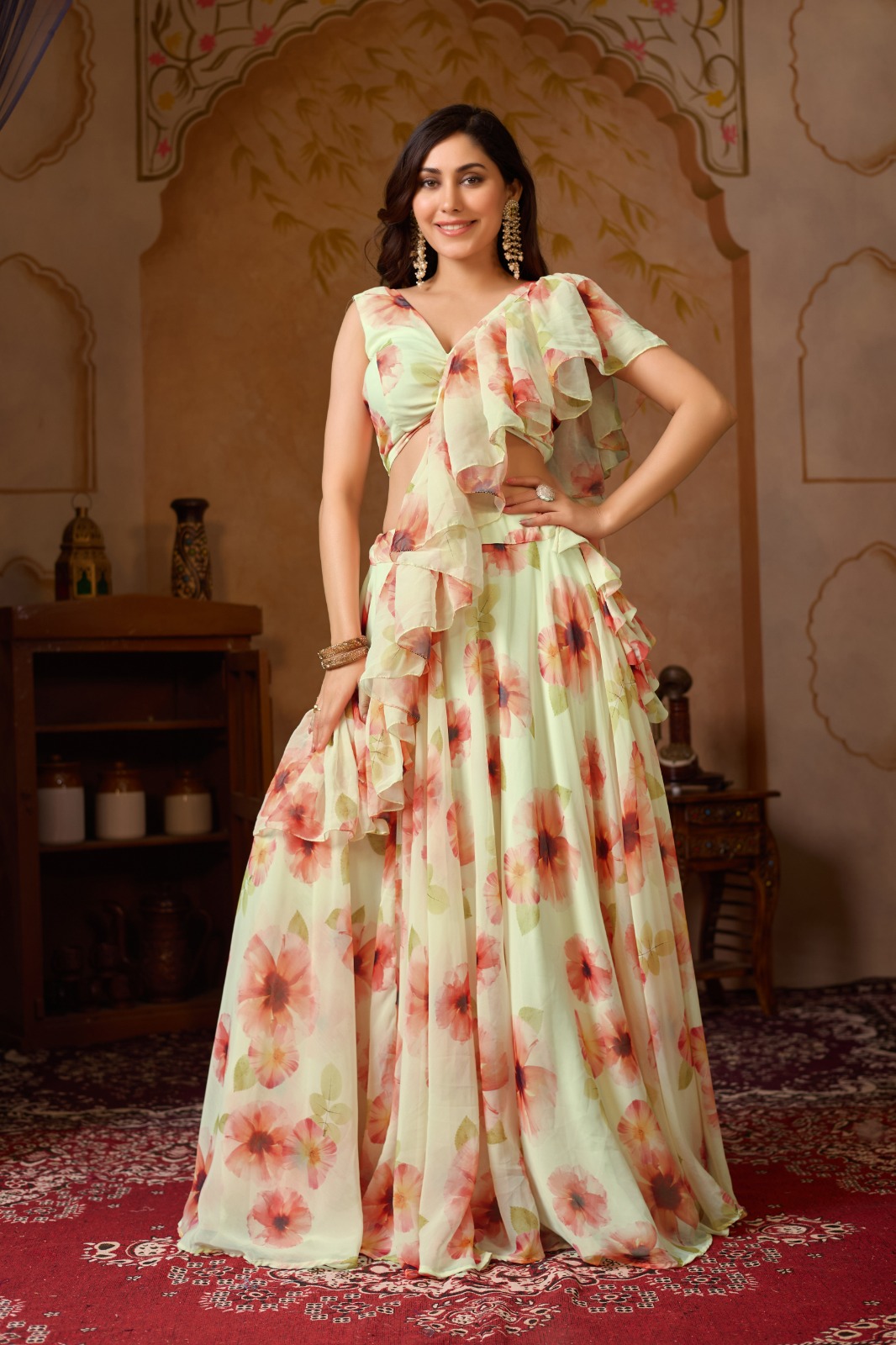
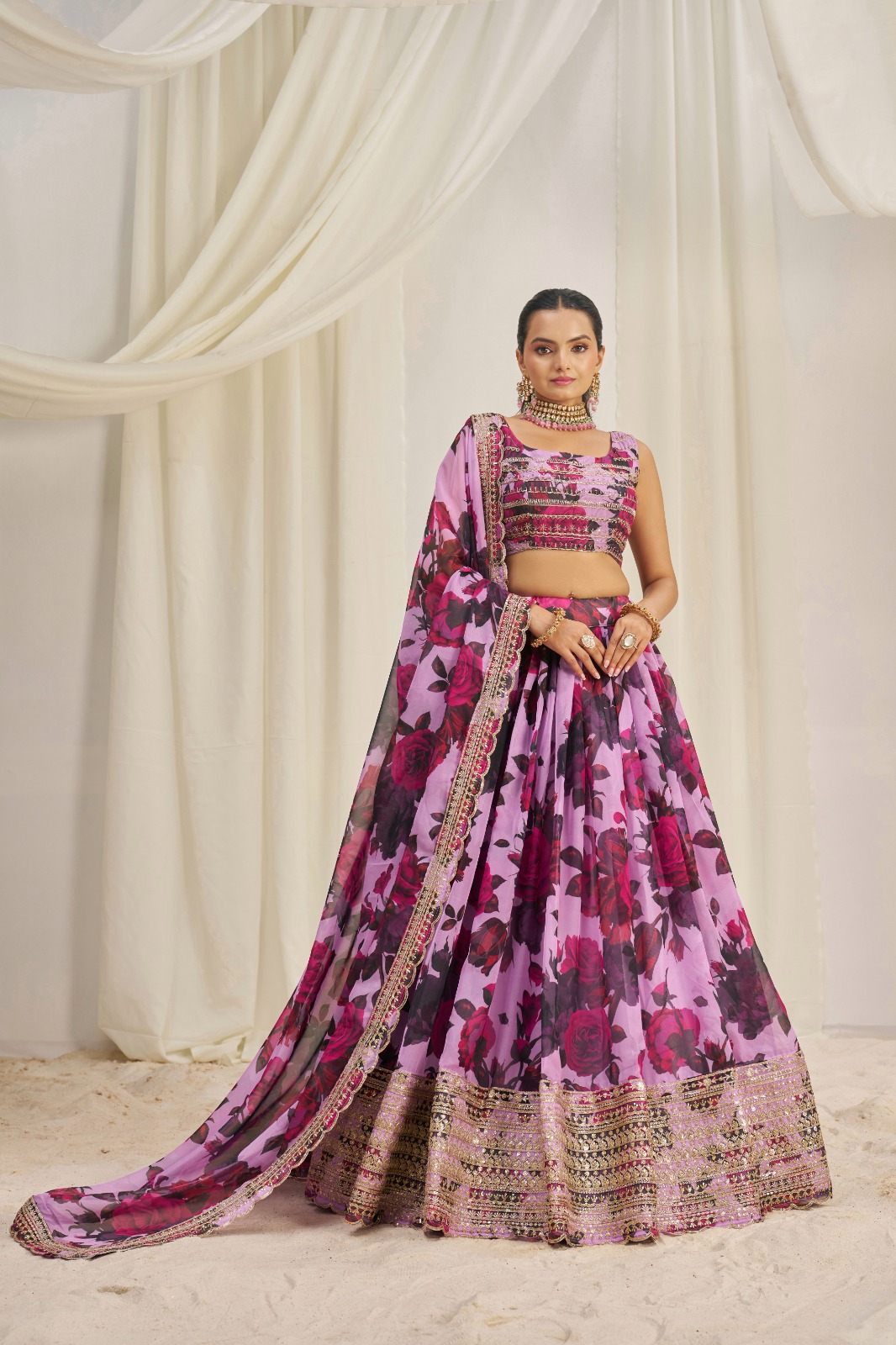
A short or three-quarter-sleeved blouse helps with movement, and a pre-pleated dupatta reduces the chance of fabric dragging through turmeric paste. Pastel Floral Georgette Lehenga Set with Ruffle Blouse brings a softer interpretation of Haldi dressing, while Stylish Multicolor Butter Silk Lehenga Choli Set creates more colour without needing elaborate jewellery. Haldi Lehengas Under 5500 is useful when you want a ceremony-specific outfit rather than a second heavily embellished bridal set.
For the wedding ceremony
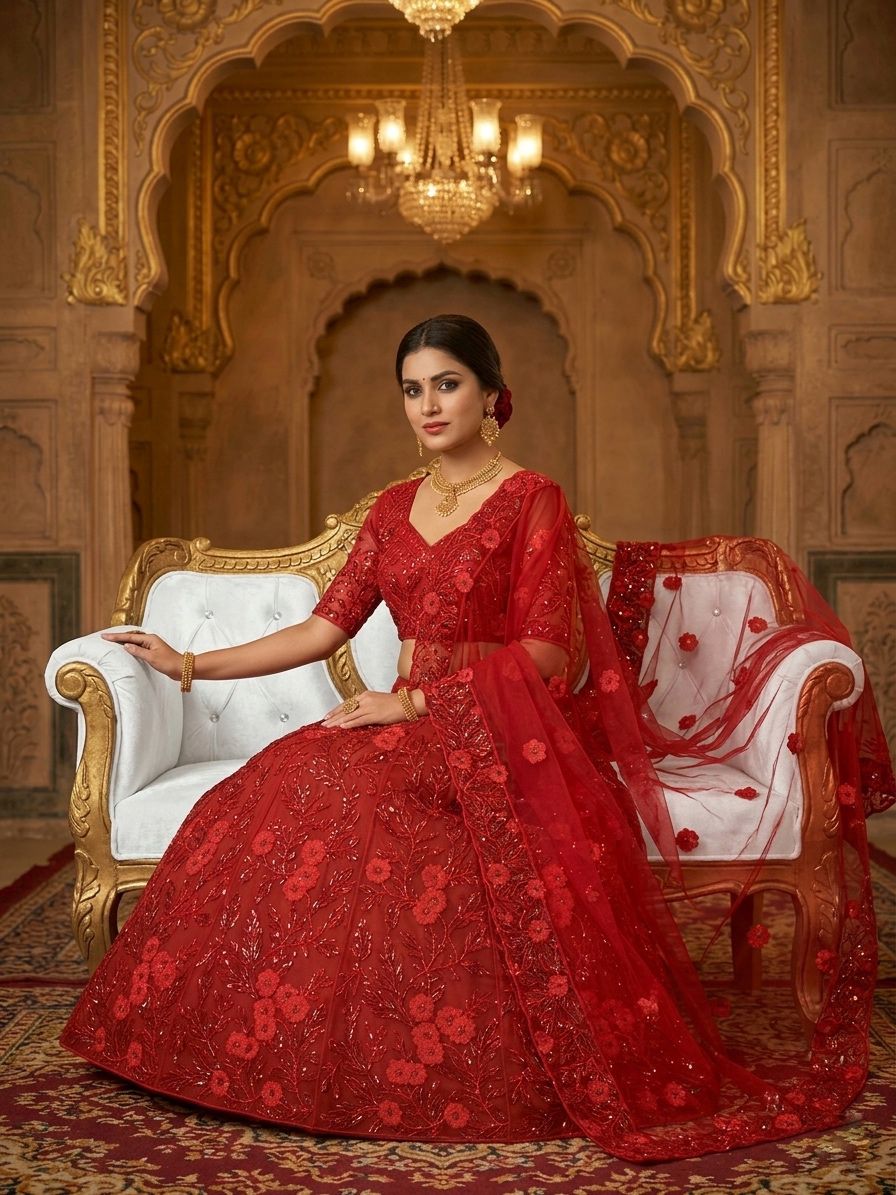
Red, vermilion, deep pink, ivory with gold and warm saffron are strong choices for the main wedding ceremony. A bride can select a red lehenga with zari or sequin work, then balance the shine with Assamese jewellery and a controlled dupatta drape.
Red Butterfly Net Sequins Lehenga Set Wedding Wear gives a classic bridal colour a lighter, more contemporary surface. A bride who prefers a softer palette could choose Cream Peacock Embroidered Net Lehenga Set for Women and introduce red through the blouse border, bangles, bindi or footwear. The cream-and-red combination can echo Assamese wedding colour traditions while remaining distinct from a full red bridal outfit.
For the reception
A reception allows deeper colours, metallic surfaces and more sculptural styling than a daytime ceremony. Black, wine, emerald, navy, antique gold and jewel-toned multicolour embroidery work particularly well under evening lighting.
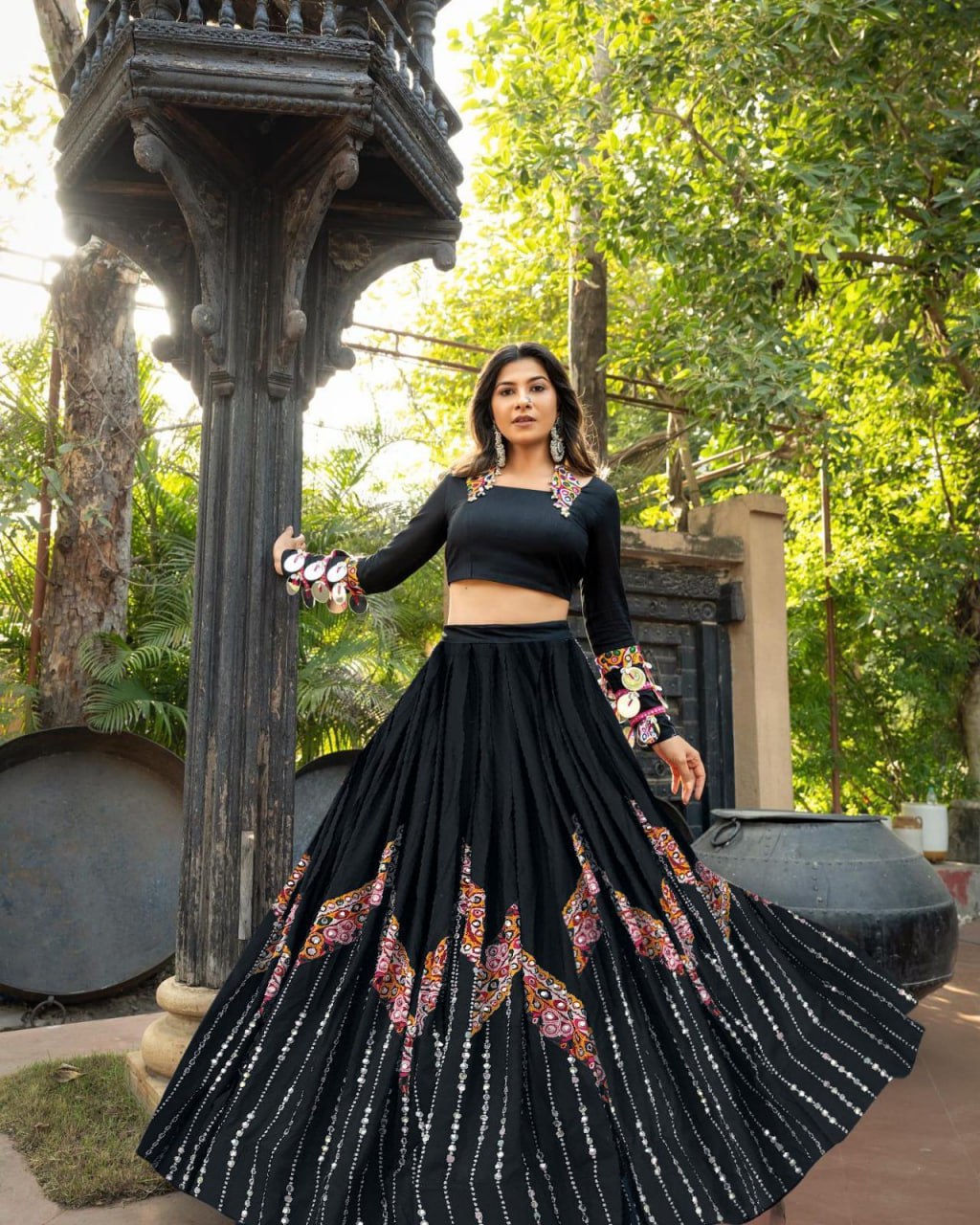
Black Wedding & Festive Wear Designer Lehenga shows how a dark base can make zari, sequins and jewellery stand out. Designer Threadwork Silk Lehenga Choli Set with Dupatta brings a classic silk-led direction, especially when paired with a sleek bun and a single statement necklace. Reception styling should still leave enough room to sit and greet guests; a dramatic skirt is less useful when a stiff waistband or heavy cancan restricts movement.
Which fabrics work best for a modern Assamese wedding lehenga?
Georgette, net, silk blends, butter silk, Banarasi silk, Muga silk and Chanderi each suit different wedding conditions, so the best fabric depends on weather, ceremony timing and the amount of embroidery.
- Georgette: Lightweight, fluid and comfortable for dancing or warm indoor venues. Georgette suits guest lehengas and daytime functions, but very thin georgette needs a reliable lining.
- Net: Net creates volume and supports embroidery, sequins and layered dupattas. Net is attractive for bridal looks, although a soft lining is important because rough embroidery can irritate the skin.
- Silk: Silk gives a formal fall and photographs richly. Designer Threadwork Silk Lehenga Choli Set with Dupatta illustrates how threadwork can make silk feel festive without depending entirely on mirror work.
- Butter silk: Butter silk gives a smooth, relatively lightweight surface with a gentle sheen. Butter silk is practical for guests who want a polished outfit that feels lighter than heavily woven silk.
- Muga silk: Muga silk is known for its natural golden tone and strong Assamese association. Muga silk details, a Muga-inspired blouse or a zari border can provide regional character even when the main skirt uses another fabric.
- Chanderi: Chanderi is airy and elegant, with a delicate finish. Chanderi works especially well for a dupatta, blouse overlay or understated daytime outfit, but Chanderi needs careful handling around jewellery that can snag.
For a summer wedding in Assam, a lined georgette skirt with a lightweight blouse is usually easier to manage than multiple layers of brocade. For a winter evening reception, silk or a silk-blend lehenga can provide a more substantial fall. Check whether the lining is breathable, whether the waistband is adjustable and whether the blouse includes enough seam allowance for minor fitting changes.
How can brides add Assamese details without over-styling?
Brides can add Assamese identity through one or two deliberate elements, such as Muga silk, a gamusa-inspired border, heritage jewellery or a red-and-white colour story.
Jewellery is often the most effective regional reference. A bride might wear a gold necklace with a gam-kharu-style bracelet, a pair of time-honoured earrings or a restrained peacock motif that complements Assamese craftsmanship. Balance is important because a heavily worked blouse, layered necklaces, oversized earrings and a large maang tikka can compete with one another.
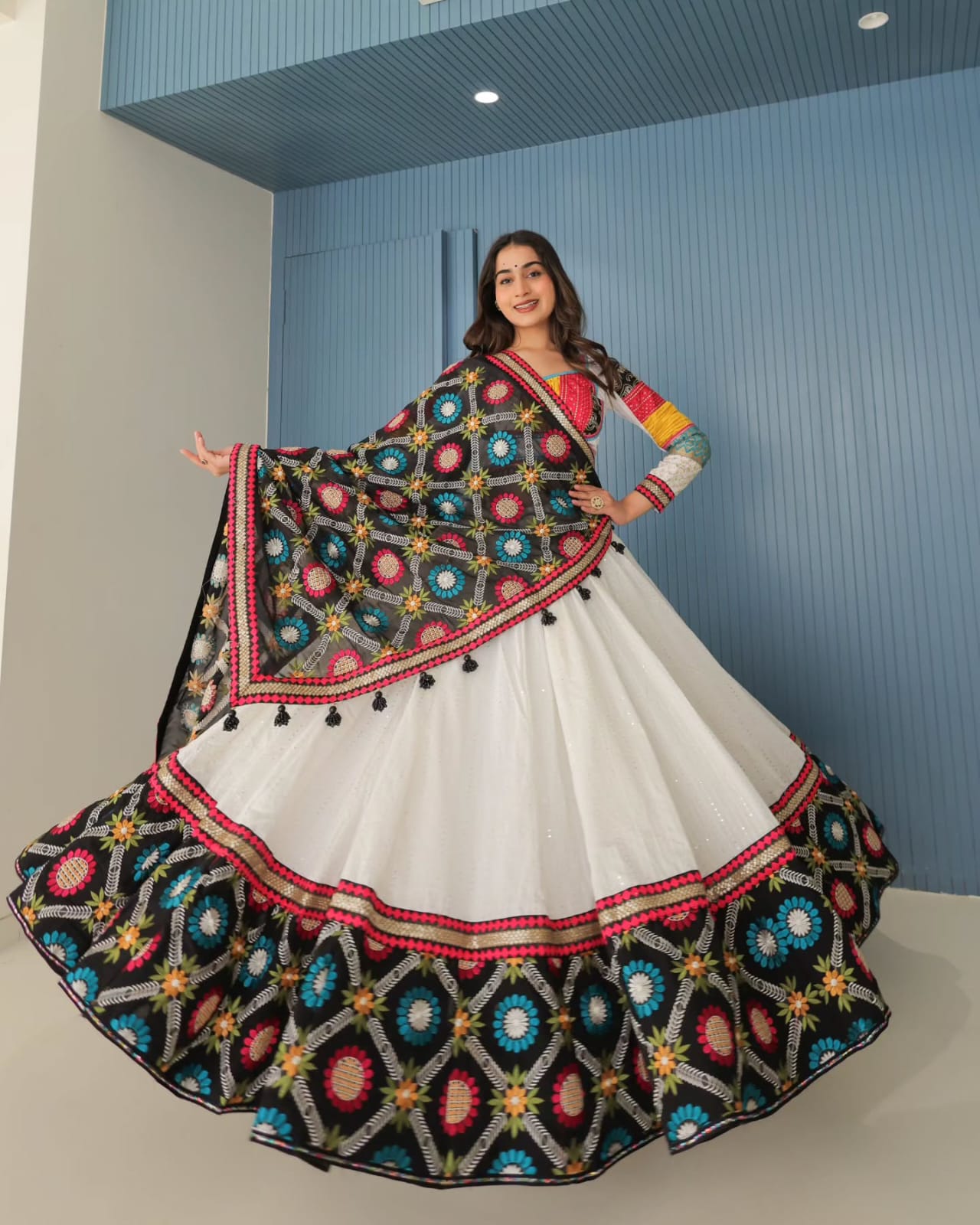
Textile details can be subtle and still visible in photographs. A red border on an ivory dupatta, gold zari on a deep pink skirt or woven motifs inspired by flowers and birds can connect the outfit to Assamese visual language. Festive White Lehenga Choli with Mirror Work Design can become more regionally grounded with gold jewellery, a red bindi and an Assamese-style woven stole used for selected portraits rather than layered over every part of the outfit.
Bridal draping should prioritise security. Use discreet shoulder pins, a waist belt under the dupatta or a blouse loop that anchors the fabric. A strip of double-sided fashion tape can help secure a lightweight neckline, but test the tape on a small area of skin first. Keep a small emergency kit with safety pins, a needle, thread, blister patches and a spare hook.
What should wedding guests wear with a lehenga?
Wedding guests should choose a lighter lehenga than the bride, with one clear focal point such as colour, embroidery or jewellery. Comfortable fabrics and moderate volume are more useful than maximum embellishment when a guest will attend several ceremonies.
Pastel pink, sage, powder blue, lilac, cream, coral and muted mustard suit daytime events. Deeper green, wine, navy and black work well for evening receptions. Guests should avoid reproducing the bride's exact red-and-gold combination when the family has a clearly established bridal palette.
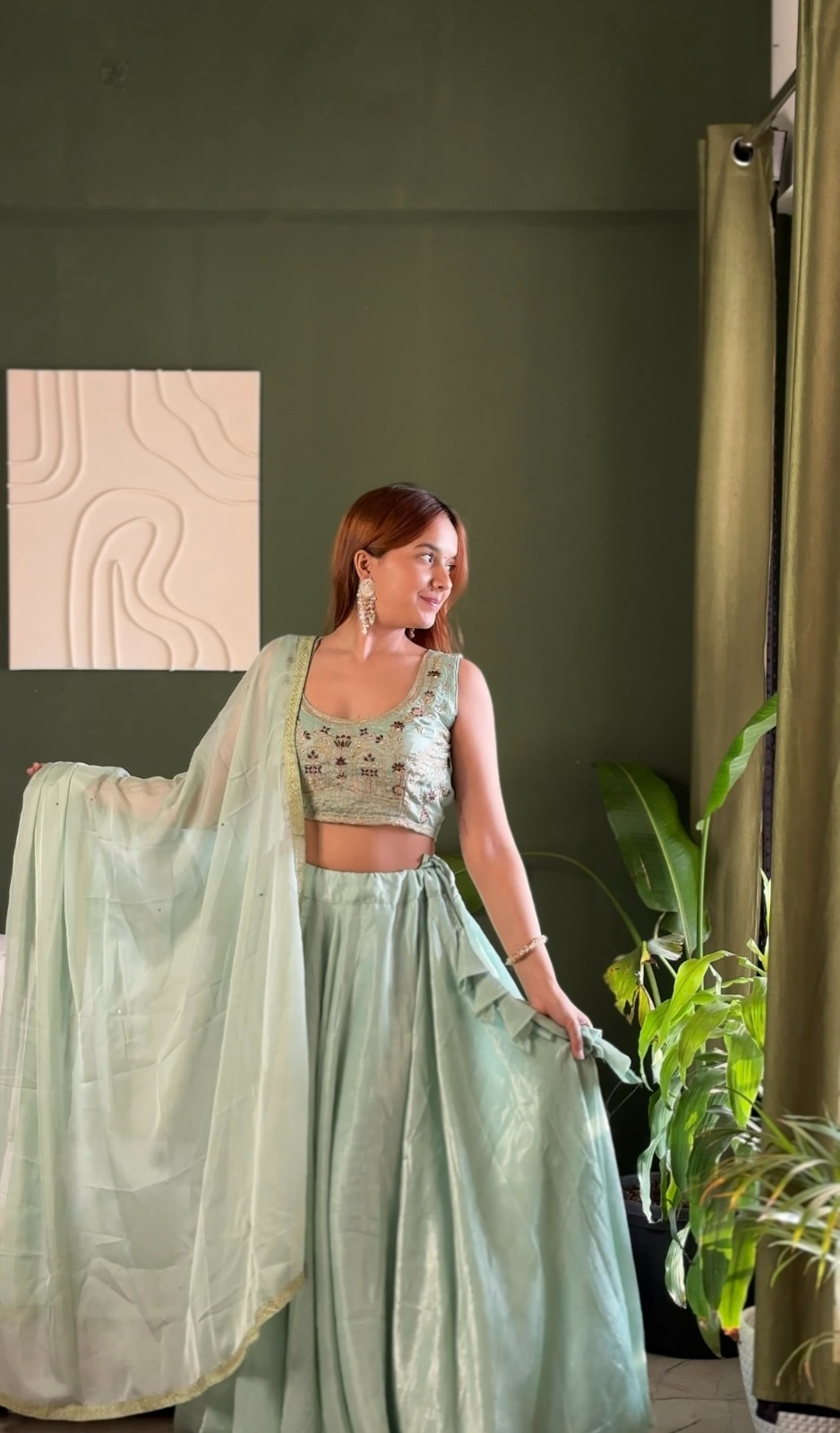
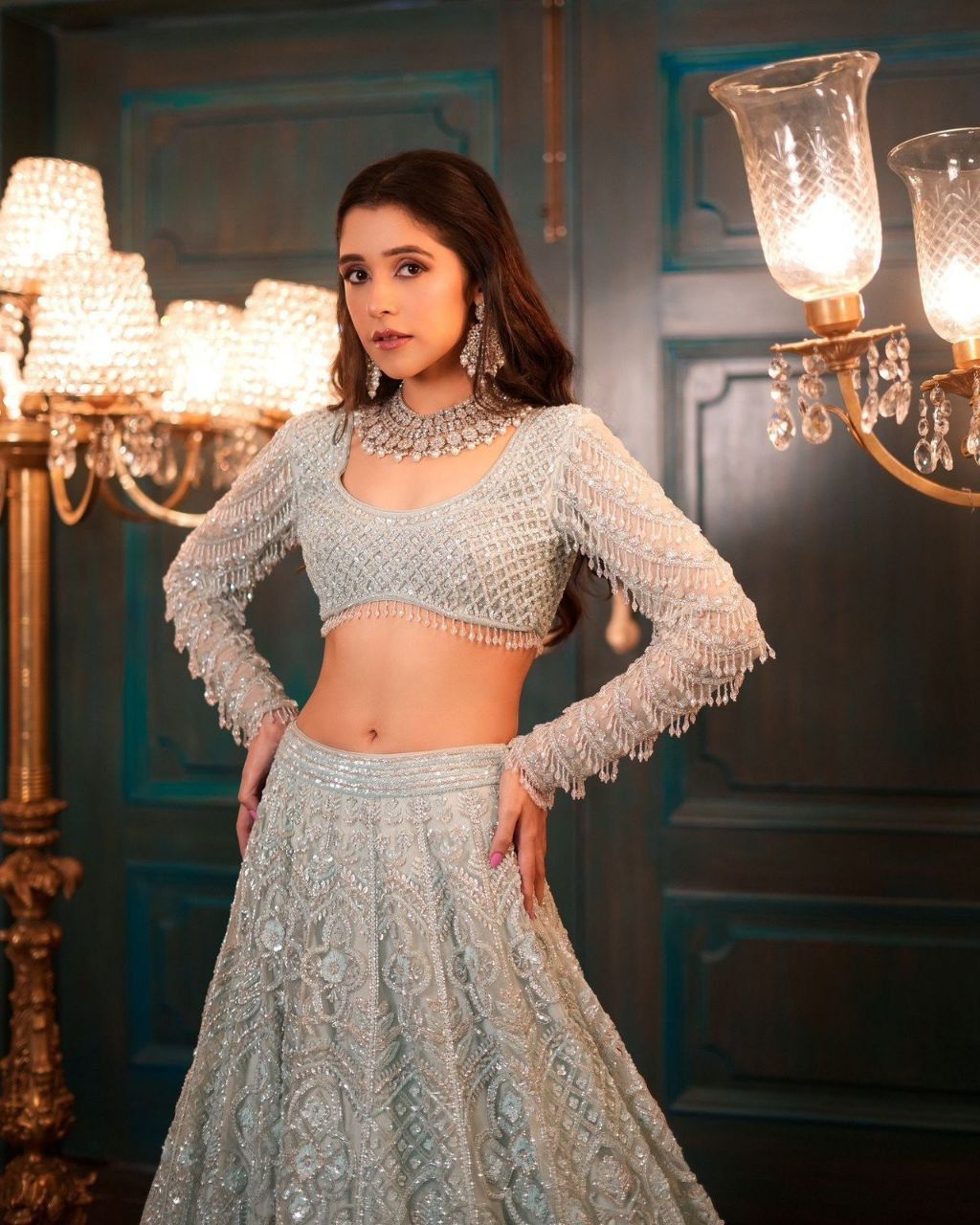
Mint Embroidered Lehenga Set with Net Dupatta for Women suits a fresh daytime guest look, particularly with pearl earrings and metallic sandals. Pastel Floral Georgette Lehenga Set with Ruffle Blouse is suitable for a garden venue or daytime engagement, while Cream Peacock Embroidered Net Lehenga Set for Women can transition from a family celebration to a formal dinner.
Budget-conscious guests can compare Pink Lehengas Under 4000 with 50% Discount and Bridesmaid Lehengas Under 5500 when choosing a wearable outfit for one or more events. Net Lehengas Under 4500 with 51% Discount may suit a guest who wants embroidery and volume without committing to a heavier bridal purchase. Check the final delivered measurements, lining and embellishment before ordering because a low listed price doesn't remove the need for alteration costs.
How should you style the blouse, dupatta and accessories?
A balanced lehenga outfit usually needs one statement element, one supporting element and one quiet element. A heavily embellished blouse can be paired with a plain dupatta and small earrings, while a simple blouse can support a zari dupatta and stronger jewellery.
Neckline choice affects both comfort and proportion. A square or softly rounded neckline works with a broad necklace, while a high neck is effective with long earrings and no necklace. Brides who plan to wear layered Assamese gold jewellery should request a blouse neckline that leaves enough visible space rather than placing embroidery where the necklace will cover it.
Dupatta draping should reflect the practical demands of the ceremony. A shoulder drape with a few hidden pins is reliable for rituals, while a front pleat or belt-secured drape creates a cleaner reception silhouette. A second lightweight dupatta can add bridal volume, but two heavily embellished dupattas may become hot and difficult to manage.
Footwear should have a stable heel of approximately one to two inches for long ceremonies. Block heels are generally safer on grass, uneven courtyards and temporary event flooring than narrow stilettos. Break in the footwear for at least two short indoor walks before the wedding and carry flat sandals for the journey home.
How can you prepare a lehenga for Assam's weather and long ceremonies?
Prepare the lehenga by checking lining, ventilation, fastenings, storage and emergency repairs at least one week before the event. Assam's humidity, rain and long celebrations make practical preparation as important as colour coordination.
Keep the lehenga in a breathable cotton garment bag rather than sealed plastic for long-term storage. Air the outfit indoors for several hours after unpacking, but avoid direct sunlight because strong sunlight can fade dyed net, georgette and delicate embroidery. Place silica-gel packets near, not directly on, the folded garment if humidity is high.
don't wash an embroidered or zari lehenga at home unless the care label specifically permits it. Dry-clean embellished net, silk and mirror-work pieces through a professional cleaner, and ask for zari-safe handling. Small stains should be dabbed with a clean, dry cloth rather than rubbed into the fibres.
Complete a full dress rehearsal before the wedding. Wear the blouse, petticoat or cancan, skirt, dupatta, jewellery and shoes for 30 minutes. Sit on a chair, climb a few steps, walk at a normal pace and practise the dupatta drape. A rehearsal reveals tight armholes, slipping shoulders, scratchy seams and skirt hems that need alteration before the ceremony.
Final checklist for choosing a modern Assamese wedding lehenga
A strong final choice should satisfy the ceremony, climate, comfort, family context and personal style at the same time. Use the following checklist before placing an order or visiting an alteration specialist.
- Confirm the ceremony: Select lighter fabrics for Haldi and daytime functions, and reserve heavier silk, zari or sequins for the main wedding and reception.
- Check the palette: Use red, ivory, gold, yellow, pink, green or Muga-inspired tones, while avoiding a colour reserved for the bride if you're a guest.
- Measure correctly: Record bust, waist, blouse length, shoulder width and skirt length while wearing the footwear planned for the event.
- Inspect construction: Check lining, hooks, zip quality, seam allowance, waistband support and whether the dupatta has a finished border.
- Plan regional details: Add Assamese gold jewellery, a gamusa-inspired border, Muga silk accents or a red-and-white combination rather than combining every reference at once.
- Test mobility: Walk, sit, climb steps and raise both arms before approving the final fit.
- Pack intelligently: Carry safety pins, fashion tape, needle and thread, blister patches, a small stain cloth and comfortable backup footwear.
The most successful modern Assamese wedding lehenga feels personal, moves comfortably and acknowledges its setting through considered details. A bride can make a statement with Muga-inspired gold, silk, red accents or heirloom jewellery, while a guest can achieve the same sense of occasion through a lighter skirt, one distinctive accessory and a secure drape.
Common Questions About Choosing Lehengas for Assamese Weddings
Can a bride wear a lehenga instead of a mekhela chador at an Assamese wedding?
A bride can wear a lehenga when the family, ceremony and personal style support that choice. Assamese details such as Muga silk accents, gold jewellery, a red-and-white palette or a gamusa-inspired border can connect the lehenga to the regional setting while keeping the silhouette contemporary.
Which colour lehenga is suitable for an Assamese wedding guest?
Pastel pink, mint, sage, lilac, cream, coral, mustard, navy and emerald are suitable guest colours for Assamese weddings. Guests should check the bride's planned palette and avoid copying a distinctive red-and-gold bridal combination.
Is Muga silk suitable for a wedding lehenga?
Muga silk is suitable for a wedding lehenga when you want an Assamese textile reference and a naturally golden finish. Muga silk can be used for the full outfit, blouse, dupatta border or woven accents, although the fabric should be handled carefully and fitted by an experienced tailor.
What lehenga fabric is comfortable for a summer wedding in Assam?
Lightweight georgette, butter silk and well-lined net are generally comfortable for a summer wedding in Assam. Choose breathable lining, avoid excessive cancan layers and select a dupatta that can be pinned securely without adding unnecessary weight.
How can a wedding guest style a lehenga without looking overdressed?
A wedding guest can avoid looking overdressed by choosing moderate skirt volume and making only one element, such as embroidery, colour or jewellery, the focal point. Pearl earrings, metallic sandals and a simple bun can balance a detailed lehenga without competing with the bride.
How should an embellished lehenga be stored after an Assamese wedding?
An embellished lehenga should be aired indoors, stored in a breathable cotton garment bag and kept away from direct sunlight and moisture. Dry-clean zari, silk, mirror-work and heavily embroidered pieces according to the care label instead of washing them at home.