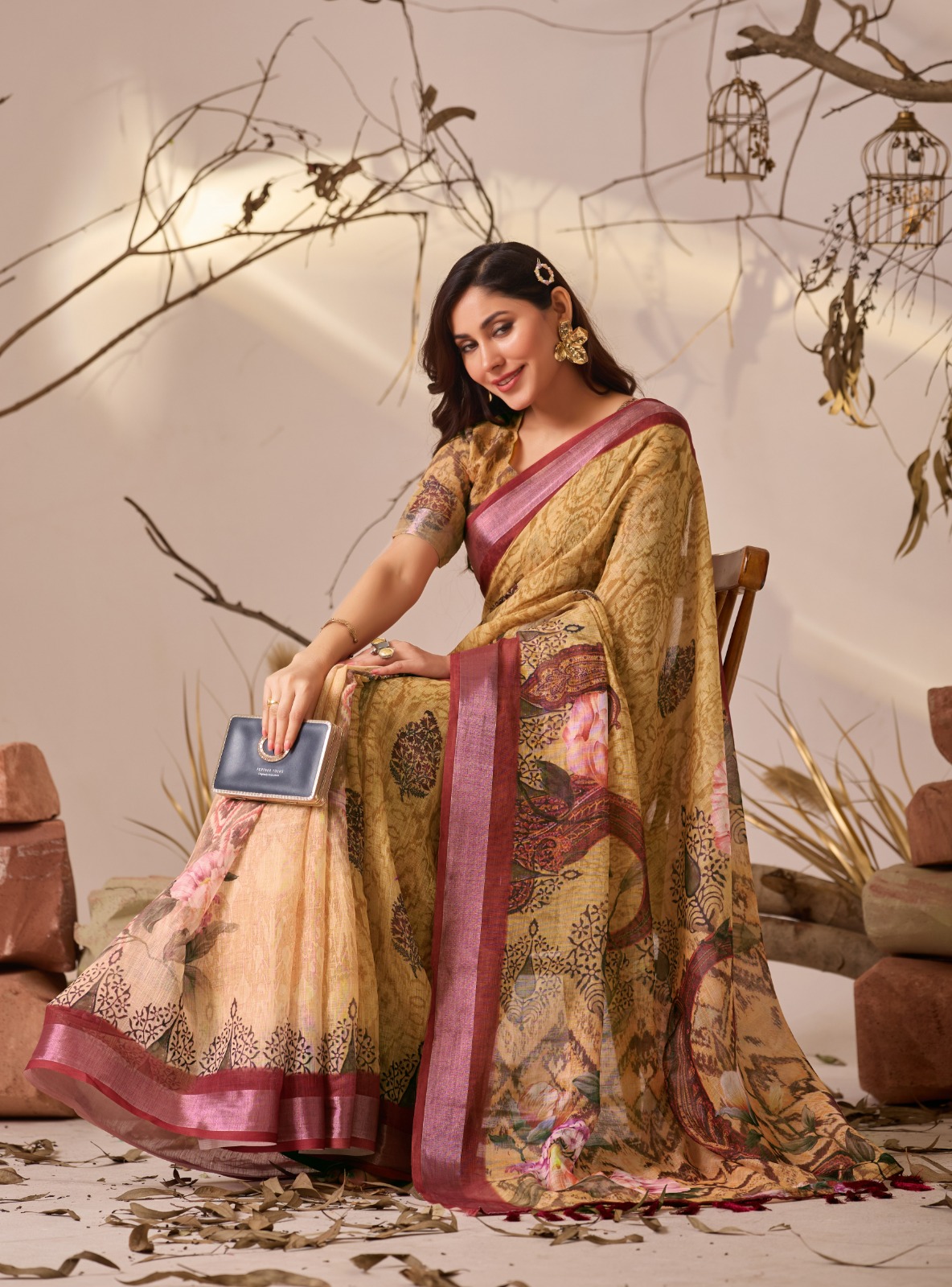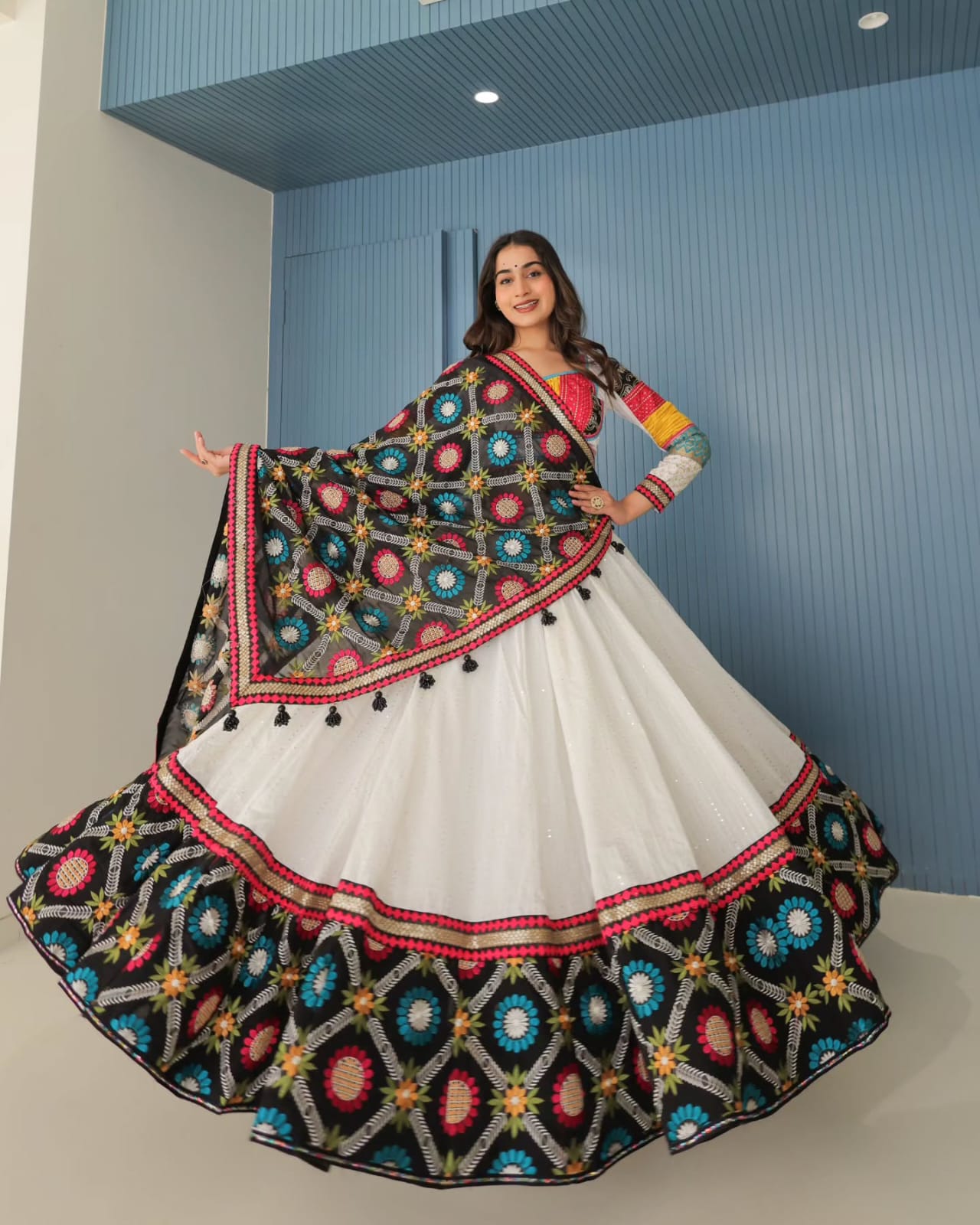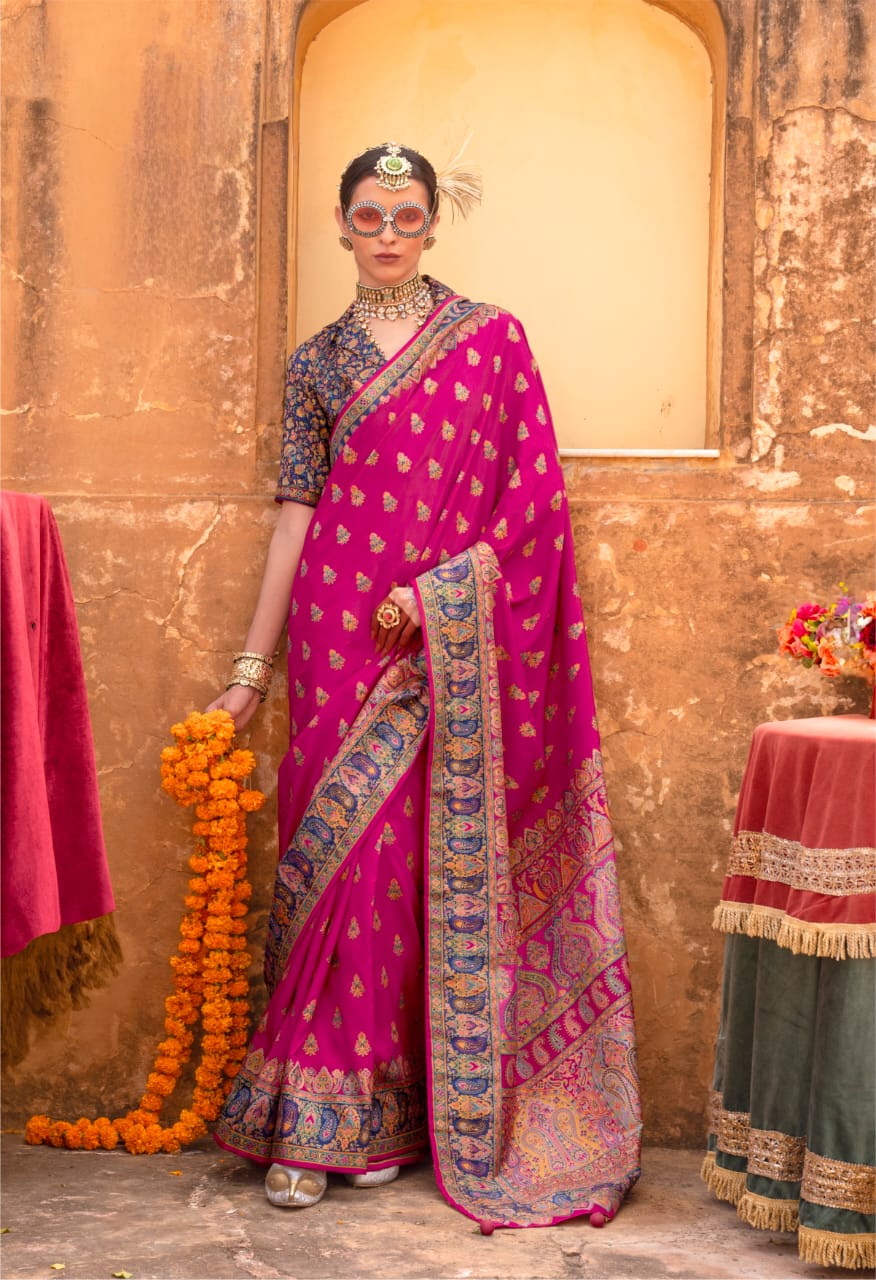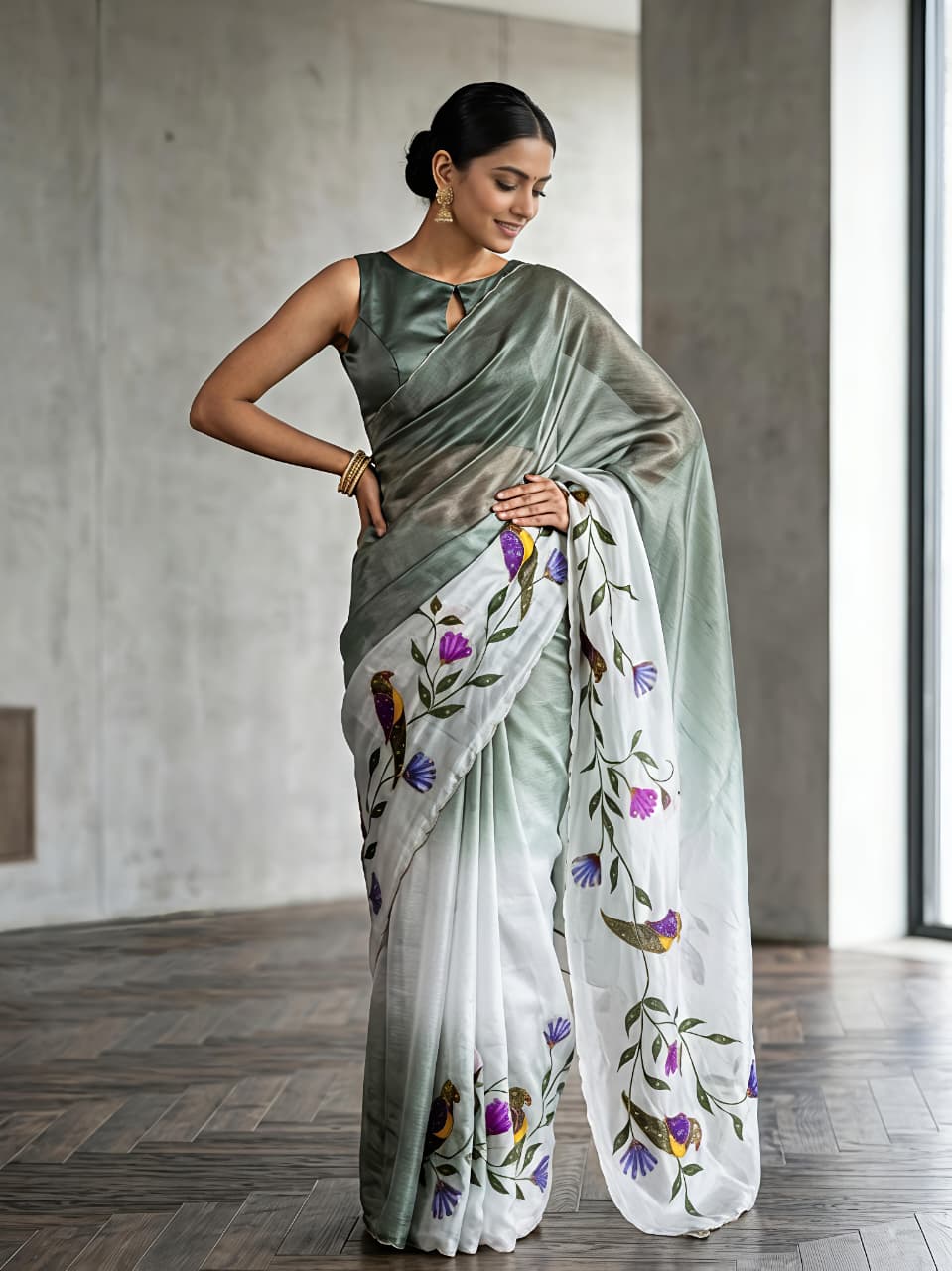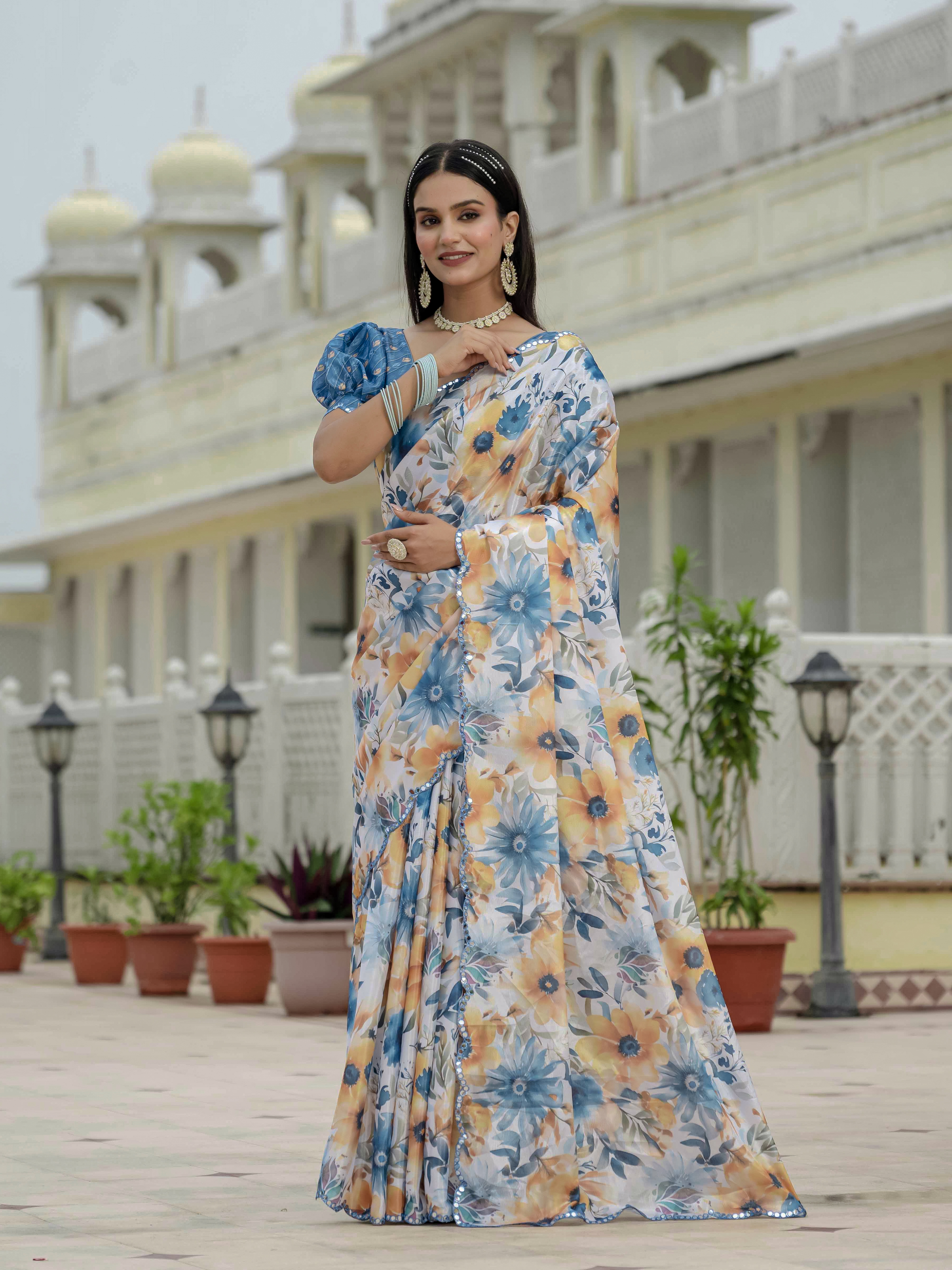
Assam Ethnic Fashion: Mekhela Chador, Sarees & Blouse Guide starts with one useful distinction: a Mekhela Chador isn't simply an Assamese version of a saree. The two-piece garment has its own structure, drape and textile vocabulary, while the blouse provides the fitted layer that connects traditional cloth with personal style. Understanding the difference helps you choose a blouse that looks balanced, stays comfortable and respects the character of Assamese dress.
Assamese clothing includes the Mekhela Chador, the riha, Assam silk, muga silk, eri silk, pat silk and cotton textiles. Motifs such as jaapi forms, flowers, birds, geometric borders and stylised creepers frequently appear in regional weaving. A blouse doesn't need to copy every motif to look appropriate. A considered neckline, a compatible colour and a sleeve proportion that suits the drape usually create a stronger result than excessive decoration.
Assam Ethnic Fashion: Mekhela Chador, Sarees & Blouse Guide to the garment structure
A Mekhela Chador uses two principal pieces, while a saree uses one continuous length of fabric. The mekhela forms the lower wrap and is generally pleated at the front before being tucked around the waist. The chador covers the upper body and is arranged over the blouse and shoulder as a separate layer.
The structure affects blouse selection. A saree blouse is usually designed around a pallu falling from one shoulder, but a Mekhela Chador can reveal more of the blouse across the upper torso depending on the chosen drape. A very deep neckline may therefore feel visually disconnected from a classic chador arrangement. A round, boat, square or modest V-neck generally creates a cleaner transition between the blouse and the upper drape.
The riha is another important Assamese garment. The riha is a narrower upper cloth worn with the mekhela and may sit beneath the chador as part of a layered time-honoured ensemble. Contemporary outfits sometimes simplify the arrangement for convenience, but the layered origin explains why fitted blouses and neatly controlled shoulder drapes work particularly well with Assamese dress.
The lower mekhela also differs from the lower half of a saree because the front pleats and border placement are more fixed. A blouse with too much volume, bulky sleeves or large shoulder embellishment can interrupt that visual rhythm. A cleanly fitted blouse allows the horizontal border of the mekhela and the vertical fall of the chador to remain visible.
Assam Ethnic Fashion: Mekhela Chador, Sarees & Blouse Guide to silk and cotton fabrics
Silk, cotton and lightweight woven fabrics each suit Assam Ethnic Fashion, but the best choice depends on climate, occasion, drape weight and the fabric of the Mekhela Chador or saree.
Which silk works for a formal Assamese outfit?
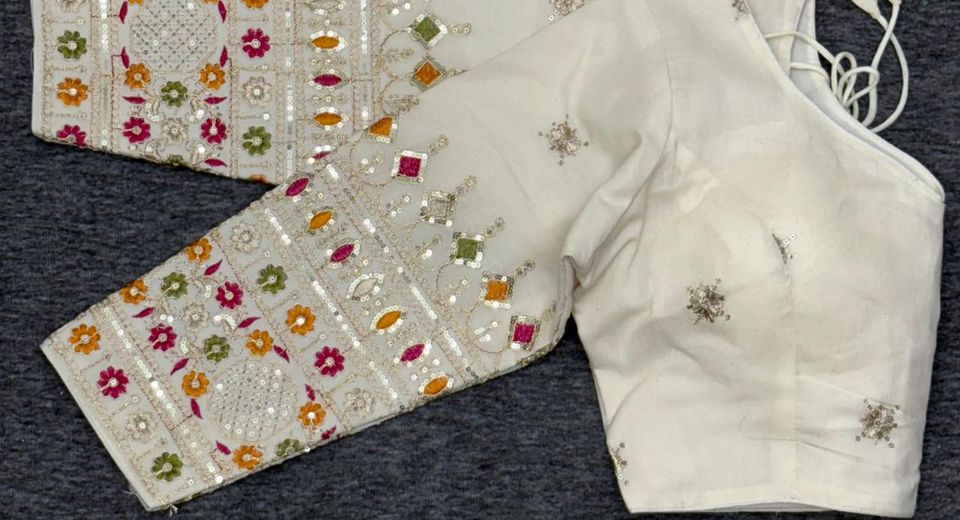
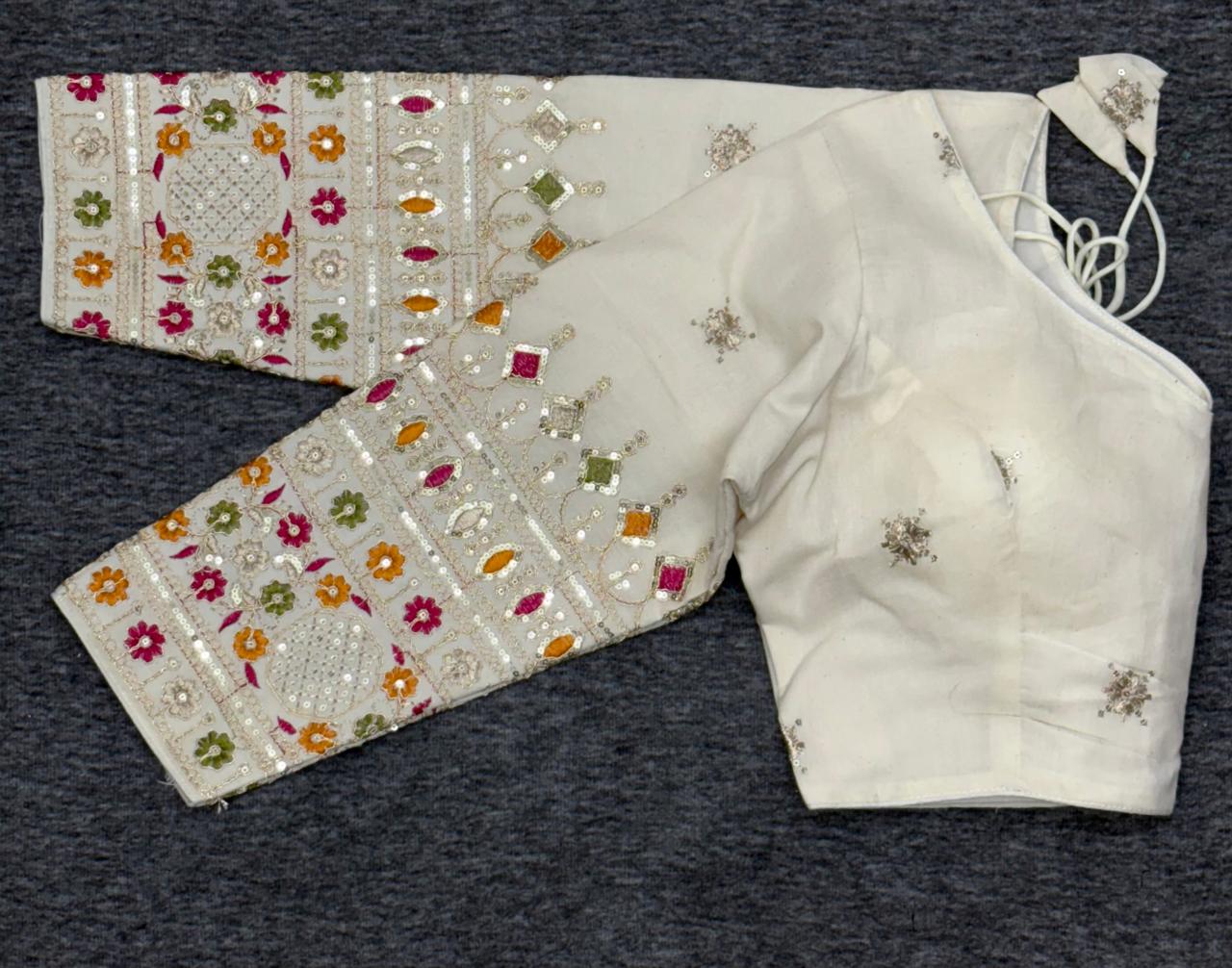
Muga silk, eri silk, pat silk and Banarasi silk create different formal effects. Muga silk has a distinctive golden-beige lustre, eri silk has a softer and warmer character, and pat silk has a smoother appearance. Banarasi silk brings a more pronounced zari surface and can suit a formal saree or a restrained festive blouse.
A silk blouse can echo the sheen of a silk Mekhela Chador, but a contrast blouse can be more effective when the main garment already contains a strong woven border. Zari, metallic thread and ornate borders need visual breathing room. A heavily embellished blouse paired with an elaborate chador may obscure both surfaces.
Banarasi Silk Golden Jari Padded Blouse for Women can work with a restrained silk drape when the gold zari is repeated in the border or jewellery. The blouse should not introduce a completely unrelated metallic tone, because yellow gold, antique gold and silver can produce visibly different effects under indoor lighting.
Why is cotton useful for Assamese clothing?
Cotton is a practical blouse fabric for warm, humid conditions and daytime ethnic dressing. Handloom cotton, Ikat cotton and printed cotton offer breathability, texture and easier movement than densely embellished fabrics. Cotton also suits casual Mekhela Chador styling, college events, cultural programmes and informal festive gatherings.
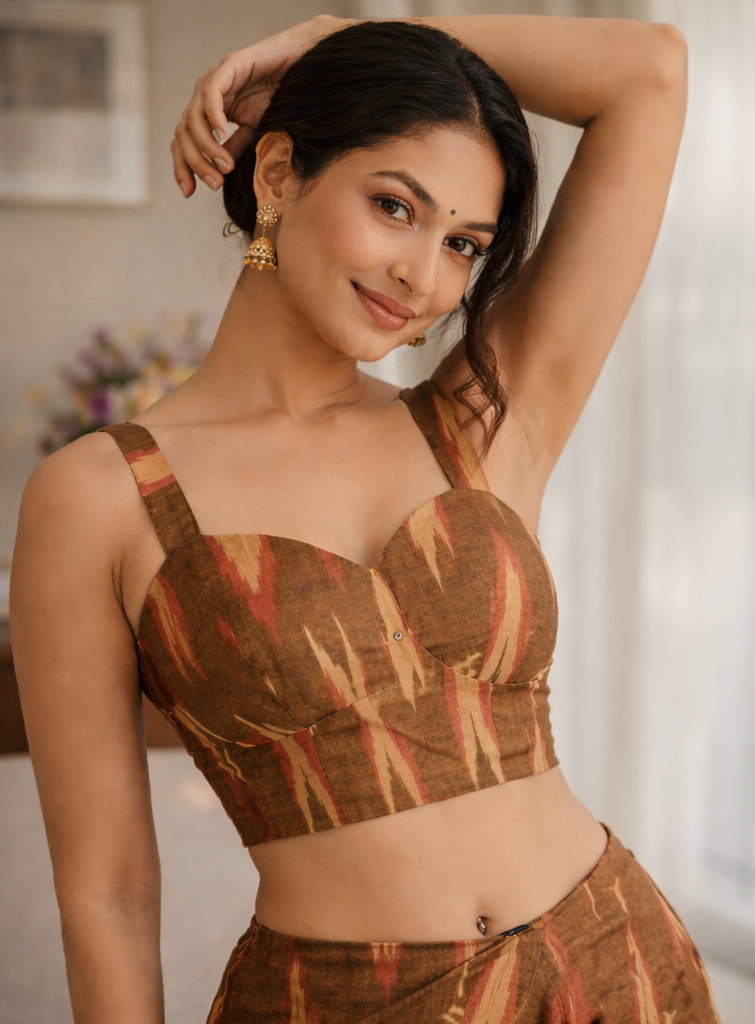
Brown Ikat Cotton Padded Blouse Sleeveless Stylish or Cream Ikat Cotton Padded Blouse Sleeveless Trendy can complement a plain or lightly patterned lower garment because Ikat supplies pattern without requiring heavy embroidery. Cream is useful with red, maroon, rust, green and indigo textiles, while brown works especially well with beige, mustard, ivory and muted red borders.
Printed cotton allows the blouse to become the focal point when the Mekhela Chador has a simple weave. Pure Kalamkari Cotton Padded Blouse for Women offers a stronger statement with a plain chador. Kalamkari Cotton V Neck Collar Blouse for Women introduces a defined neckline for a modern saree or festive drape, although the print scale should be checked against the Assamese textile's border.
Assam Ethnic Fashion: Mekhela Chador, Sarees & Blouse Guide for choosing the right fit
Choose a blouse for a Mekhela Chador by matching the blouse's visual weight, neckline and fit to the woven border and the way the chador is draped. The blouse should support the garment rather than compete with its most recognisable features.
- Match colour thoughtfully: Repeat one colour from the mekhela border, or select a controlled contrast such as ivory with red, mustard with green, or black with gold.
- Control pattern density: Use a printed or Ikat blouse with a plain lower garment, and choose a solid blouse when the chador already has prominent motifs.
- Consider sleeve balance: Sleeveless styles expose more of the shoulder and work well for contemporary drapes, while elbow-length sleeves create a more covered, formal line.
- Check the armhole: A high armhole can restrict movement during pleating and dancing, while a low armhole may gape when the chador is pinned.
- Allow for the bra and lining: A lined blouse should sit smoothly over the bust without pulling at the centre front or creating folds beneath the arm.
Readymade blouses are convenient when the neckline and general measurements are close to your own. Measure bust, underbust, shoulder width and armhole before ordering, because ready-to-wear sizing differs between makers. Padding can provide structure under a thin saree or chador, but a padded blouse may feel warmer in humid weather and may require a slightly more generous fit.
Measure while wearing the undergarment you plan to use with the blouse. A measurement taken without that layer can result in a tighter fit across the bust. Check the garment's length as well: a blouse that ends too high can expose the waist when the chador shifts, while excessive length can bunch beneath the lower wrap.
Ikkat Cotton Padded Blouse for Women Sleeveless suits a current, clean-lined outfit where the chador remains the principal feature. Sleeveless styling is most comfortable when the shoulder seam sits directly on the shoulder and the armhole doesn't cut into the body during movement.
Assam Ethnic Fashion: Mekhela Chador, Sarees & Blouse Guide to necklines and sleeves
Moderate round, boat, square and V-necklines are the most versatile choices for Assamese-inspired saree and Mekhela Chador outfits. The best neckline depends on the chador's fold, the jewellery you plan to wear and the amount of coverage you prefer.
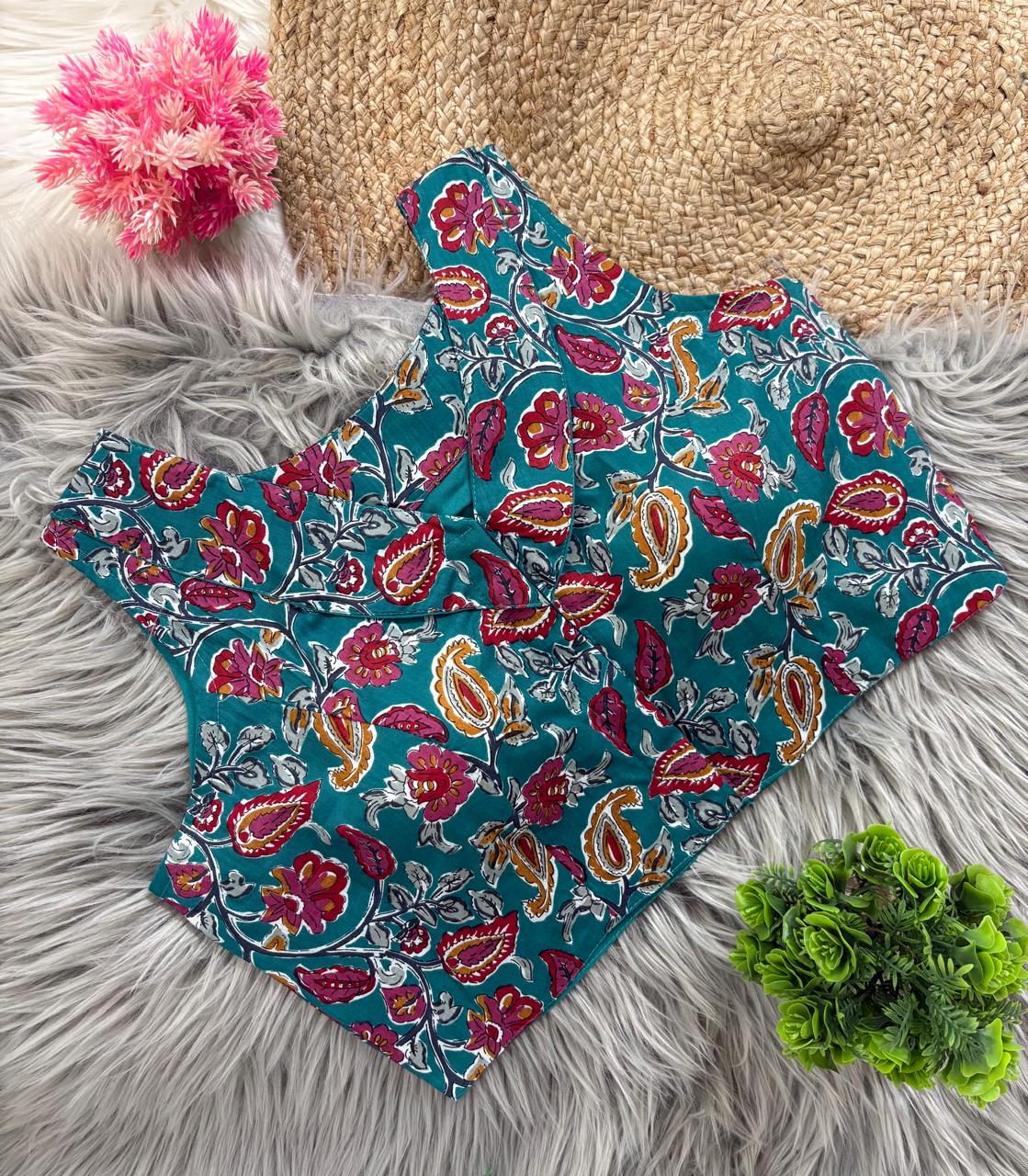
A round neck is dependable with necklaces and heritage pendants. A boat neck lengthens the shoulder line and looks composed when the chador is arranged broadly across the upper body. A square neck adds definition to a plain blouse, while a V-neck creates a longer vertical line and pairs well with a pendant or layered chain.
Collars can give a cotton blouse a tailored, contemporary quality. Kalamkari Cotton V Neck Collar Blouse for Women demonstrates how a collar and V shape can make a printed textile feel structured rather than casual. A collar is especially useful when the rest of the outfit has a soft drape and needs a sharper upper outline.
Elbow-length sleeves are useful for ceremonies, family gatherings and cooler indoor venues. Three-quarter sleeves can make a silk blouse appear more formal, but the sleeve opening should remain comfortable when the arms are raised. Sleeveless blouses are suitable for up-to-date dressing, provided the armhole is secure and the shoulder coverage matches personal comfort.
Fendy Silk Zigzag Moti Work Readymade Blouse adds surface interest through silk and beadwork. The blouse is best paired with a simpler woven textile rather than another highly ornate layer. A plain chador allows the zigzag motif and moti work to read clearly from a normal viewing distance.
Assam Ethnic Fashion: Mekhela Chador, Sarees & Blouse Guide for saree styling
Style an Assamese saree with a contemporary blouse by preserving one heritage anchor, such as a woven border, regional motif or recognisable drape, while allowing the blouse to introduce a current silhouette.
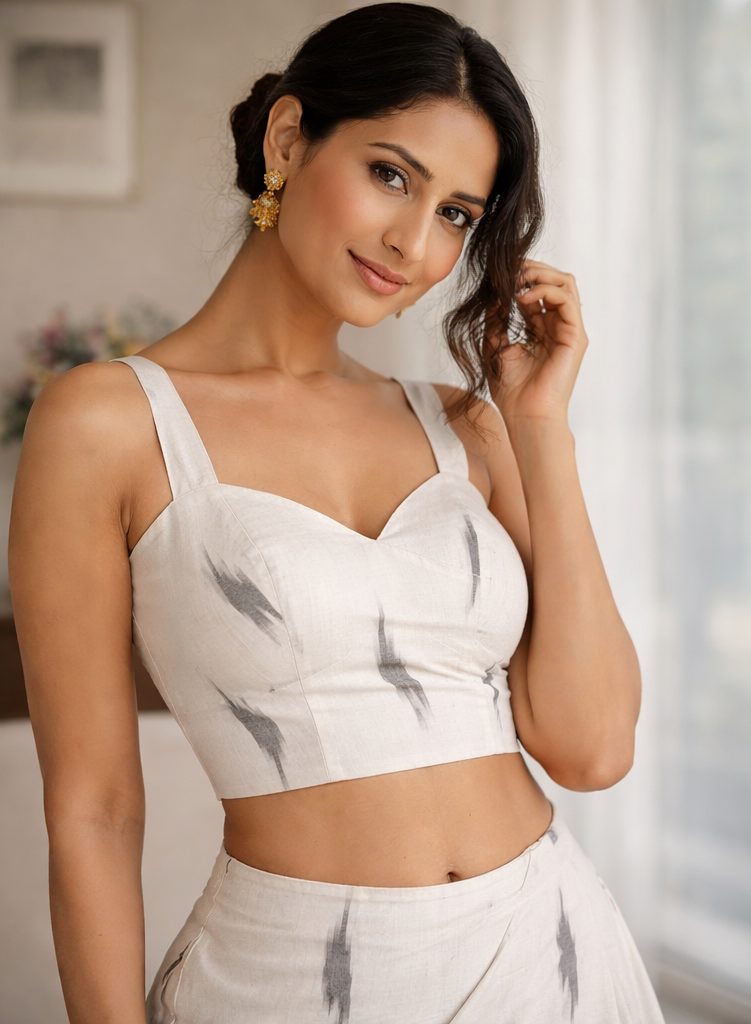
For an Assam silk saree, try a solid blouse that matches a minor border colour instead of the dominant body colour. The technique creates coordination without producing one uninterrupted block of colour. A Banarasi silk blouse can be used for a more formal interpretation, especially when zari jewellery or a gold border is already present.
For a cotton saree, contrast between texture and colour is often more attractive than exact matching. Brown Ikat cotton can support a rust, cream, indigo or mustard saree. Cream Ikat cotton can soften a dark maroon or bottle-green drape. Kalamkari cotton can accompany an unpatterned saree when the blouse print contains no more than three strong colours.
Classic Festive Wear Blouse for Stylish Saree Look represents an useful general direction: a clean, adaptable shape can serve several sarees when a wardrobe includes different borders and colours. Versatility matters because Assamese textiles often have enough identity of their own; a blouse that can be reused prevents every outfit from becoming overly coordinated.
Designer readymade blouses are particularly useful when you want a defined silhouette without commissioning a new blouse for every saree. Readymade doesn't automatically mean universal fit, however. A readymade blouse should be checked for shoulder width, bust ease, closure placement and the amount of alteration permitted before an important event.
Assam Ethnic Fashion: Mekhela Chador, Sarees & Blouse Guide for jewellery and care
Choose jewellery that echoes the textile's scale and leaves the chador's border visible. Classic Assamese accessories may include gamkharu bracelets, gold-toned ornaments, earrings, necklaces and kopou phool-inspired hair adornment, while contemporary styling can use one statement piece instead of several competing layers.
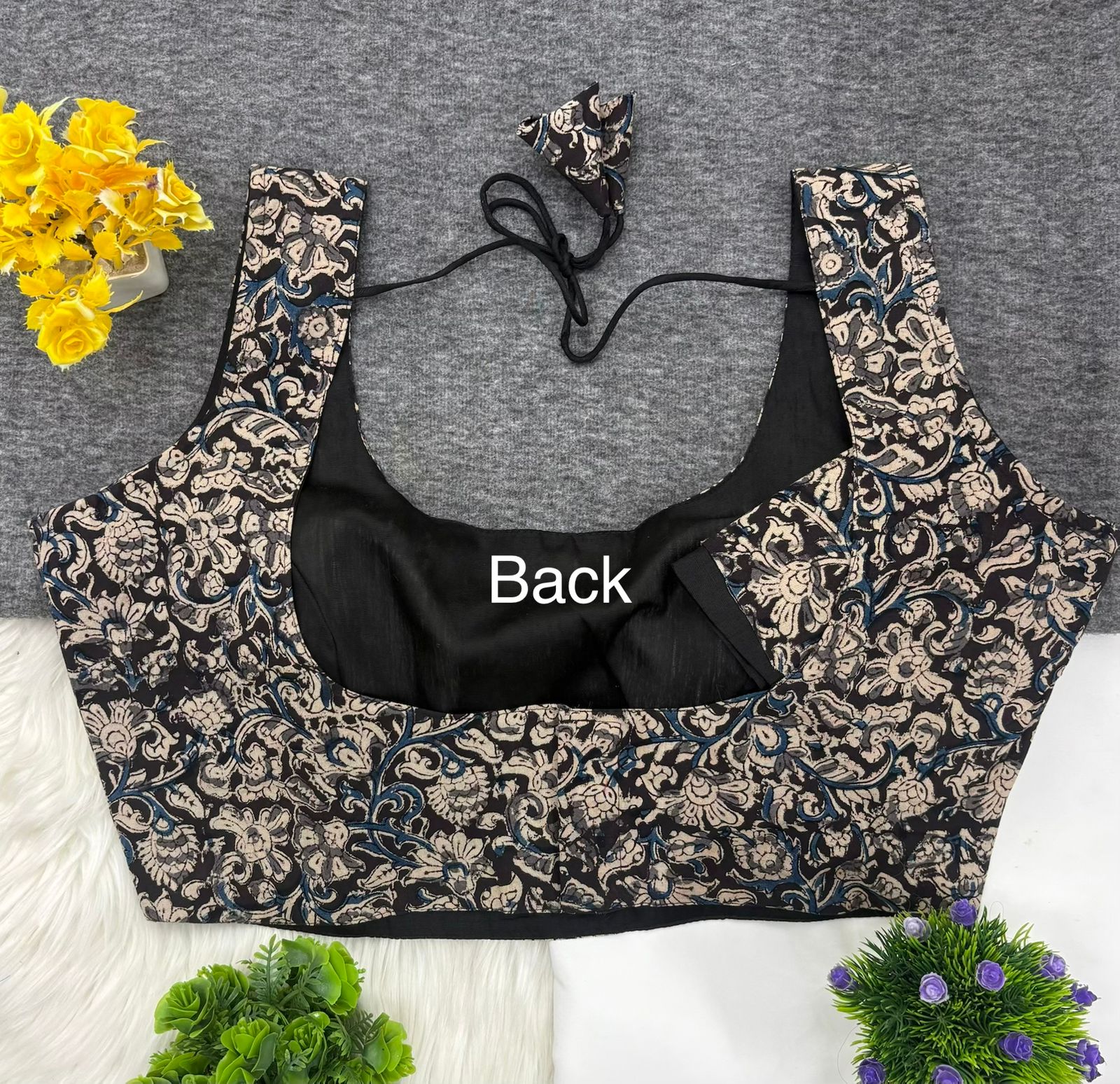
Gold works naturally with muga silk, warm red borders and zari. Silver or oxidised metal can provide functional contrast with indigo, black, white and cool green cotton textiles. A pendant should sit within the neckline rather than disappear beneath the chador. Large earrings may be enough when the blouse already has a collar or high neckline.
Secure the chador with concealed pins placed at the shoulder and near the waist, but avoid piercing delicate zari repeatedly in the same area. A brooch can hold a fold, although a heavy brooch may pull the fabric and distort the border. Test the complete arrangement at home for at least ten minutes before a wedding or Haldi ceremony.
Care depends on the textile rather than the garment's label alone. Dry-clean silk with zari when the care instructions recommend it, and avoid soaking muga silk or Banarasi silk in ordinary detergent. Cotton blouses can often be gently hand-washed in cool water, but printed cotton should be tested for colour bleeding and dried away from strong direct sunlight.
Store silk blouses in breathable cotton covers instead of sealed plastic. Fold along different lines every few months to reduce permanent creasing, and keep zari away from perfume, deodorant and damp storage. Air garments fully after wearing before returning them to a wardrobe. These simple steps protect the weave, lining and embellishment between occasions.
The most successful Assamese outfit usually has one clear focal point. If the Mekhela Chador has an elaborate border, keep the blouse relatively calm. If the lower garment is plain, use colour, Ikat, Kalamkari, silk texture or restrained embellishment on the blouse. That balance keeps the ensemble recognisably rooted in Assamese dress while making it practical for contemporary wardrobes.
Common Questions About Assam Ethnic Fashion, Mekhela Chador and Blouses
What blouse should be worn with a Mekhela Chador?
A fitted blouse with a round, boat, square or modest V-neck works well with a Mekhela Chador. Choose the colour from the chador border or use a controlled contrast, and match the blouse's visual weight to the textile's pattern and zari.
Can a readymade blouse be worn with a Mekhela Chador?
Yes, a readymade blouse can be worn with a Mekhela Chador when the bust, shoulder, armhole and blouse length fit correctly. Measure while wearing the intended undergarment and check whether minor alterations are possible before ordering.
Which fabric is best for an Assamese saree blouse?
Silk suits weddings and formal events, while cotton is more breathable for daytime wear and humid weather. Banarasi silk, Assam silk, Ikat cotton and Kalamkari cotton create different effects, so the blouse fabric should be selected according to the saree's texture and pattern density.
Can I wear a sleeveless blouse with a Mekhela Chador?
Yes, a sleeveless blouse can create a contemporary Mekhela Chador outfit when the shoulder seam and armhole fit securely. A sleeveless silhouette works best when the chador remains the main visual feature and the blouse does not add excessive pattern or embellishment.
How is a Mekhela Chador different from a saree?
A Mekhela Chador has a separate lower mekhela and upper chador, while a saree is made from one continuous length of fabric. The separate pieces create different pleat, border and blouse proportions, so saree-draping assumptions do not always apply to a Mekhela Chador.
How should silk Assamese blouses be stored?
Store silk Assamese blouses in breathable cotton covers, away from perfume, moisture and direct sunlight. Follow the care label for cleaning, avoid soaking zari garments in detergent and refold stored silk periodically along different lines to reduce permanent creases.