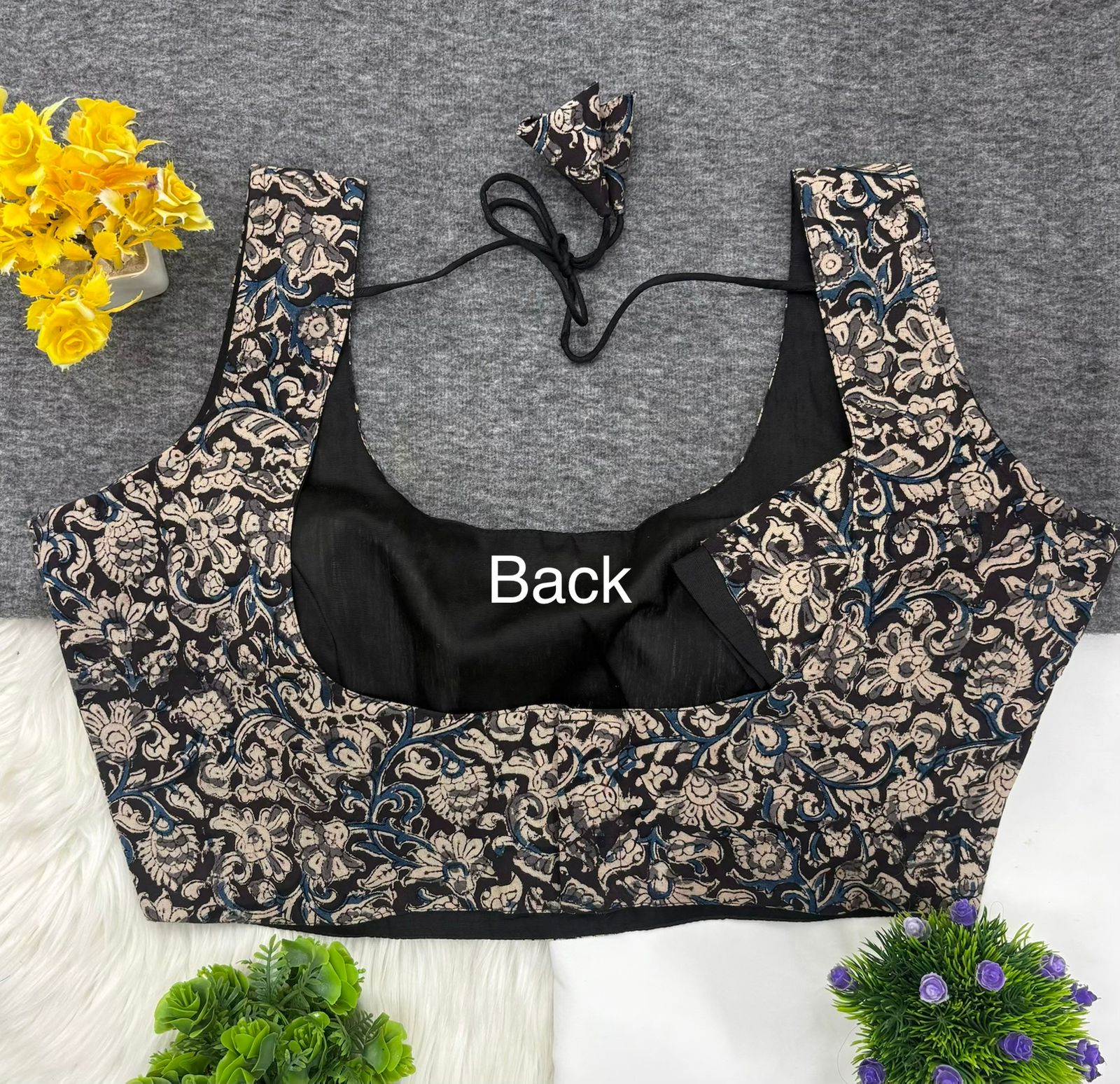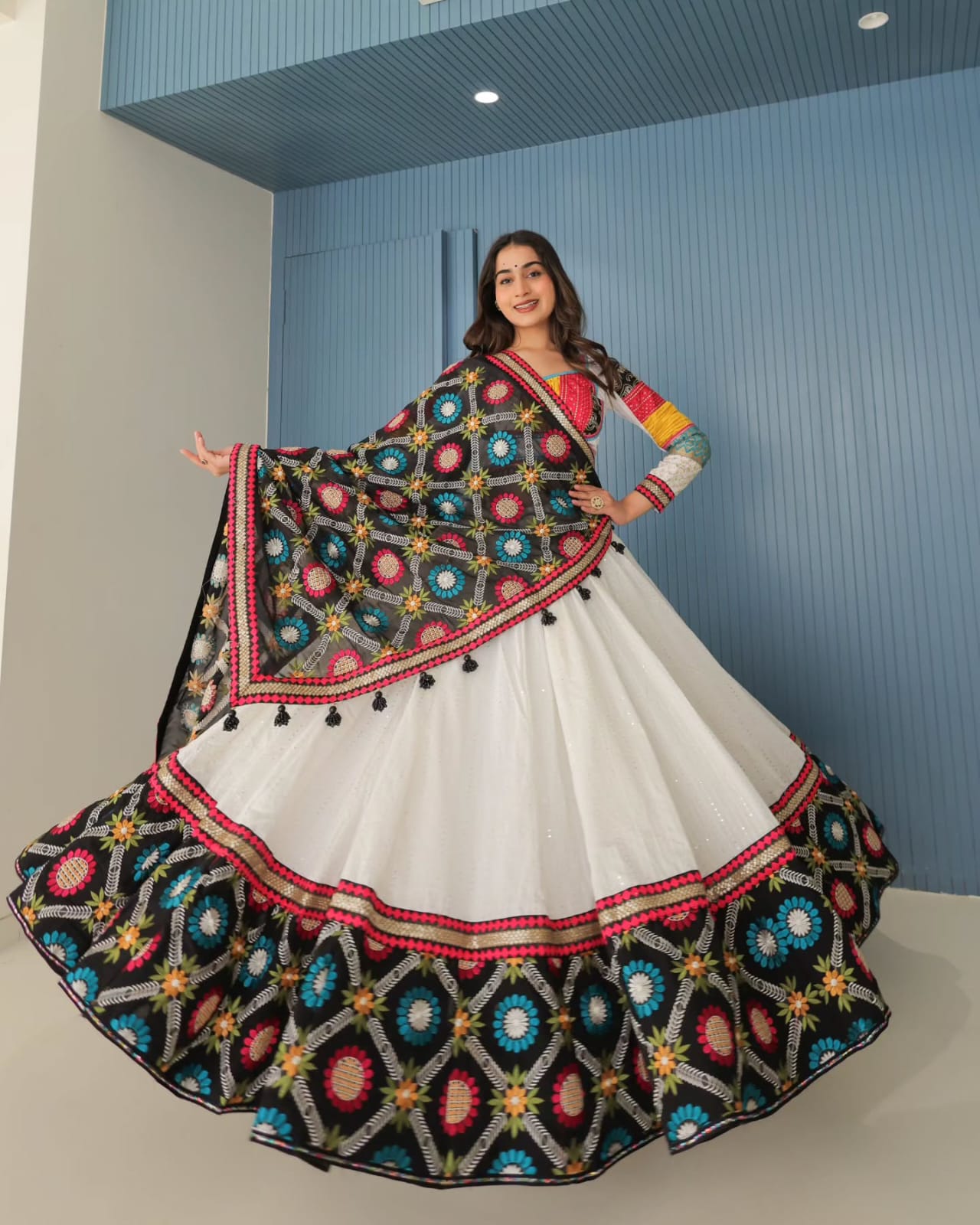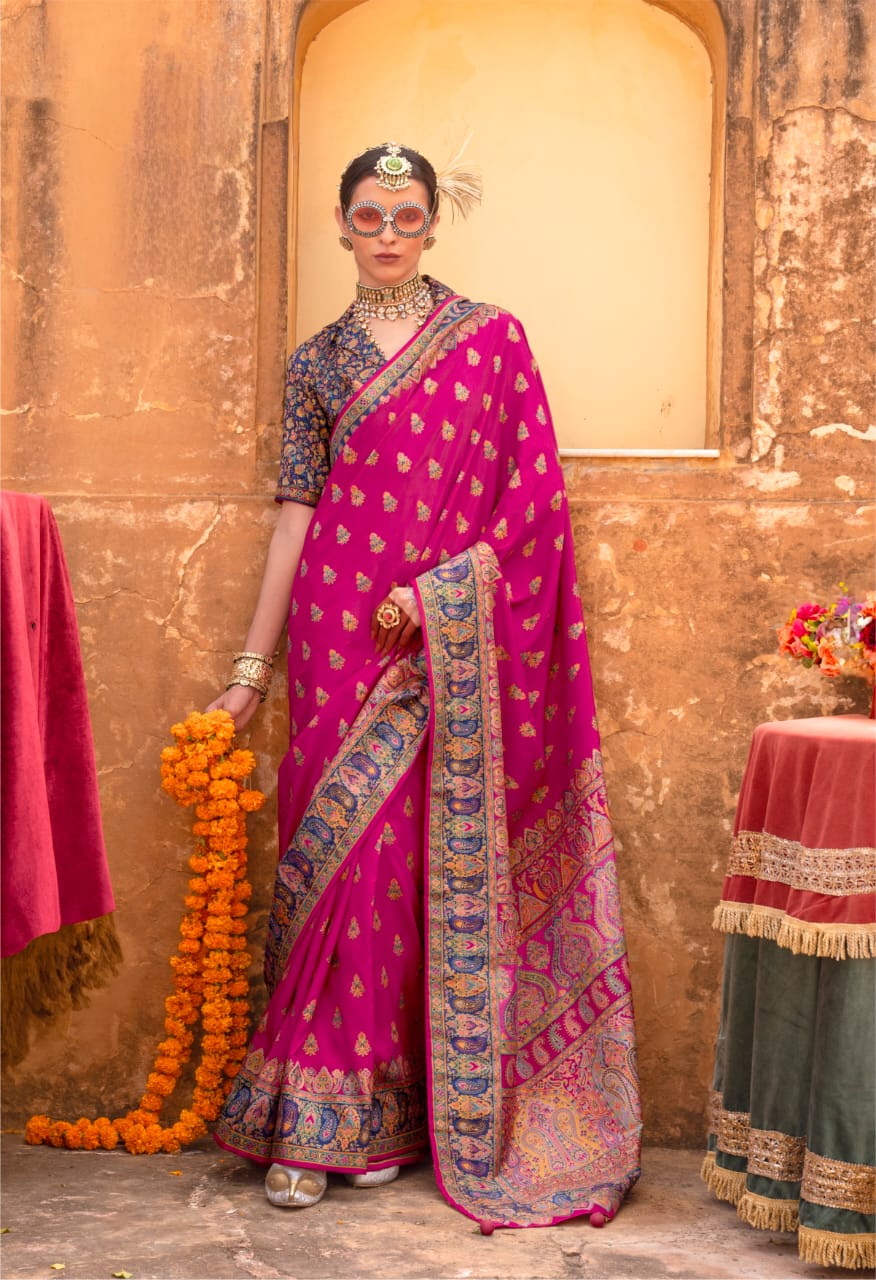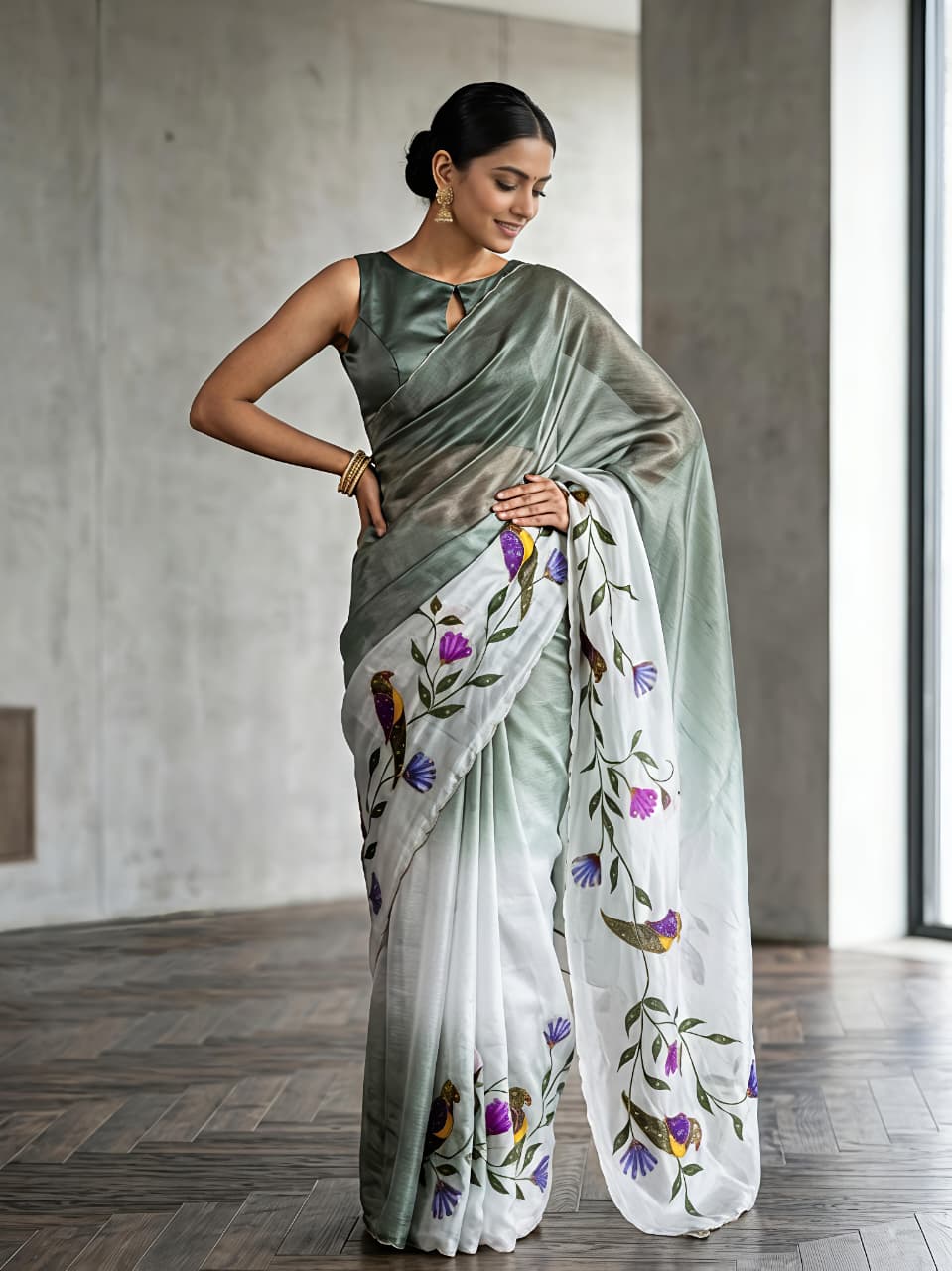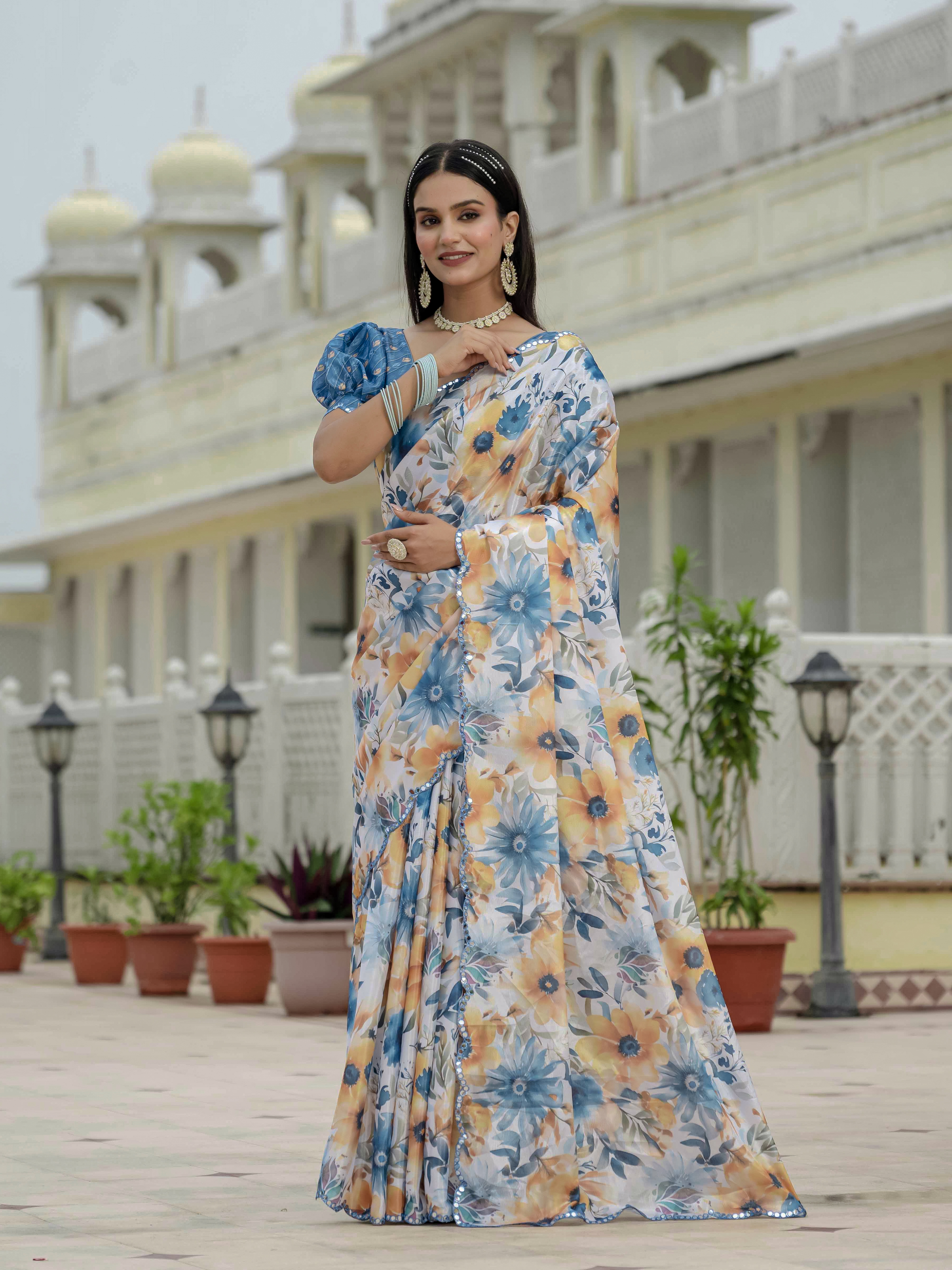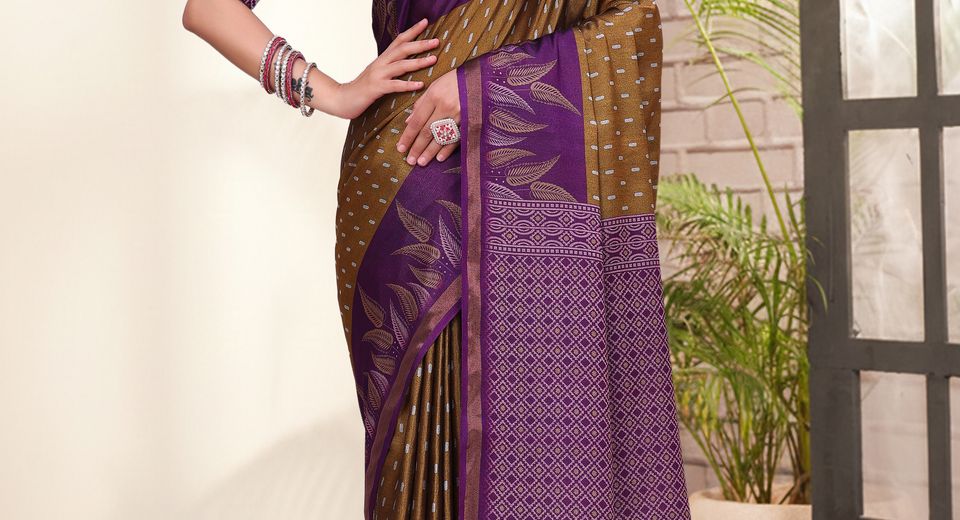
Arunachal Wedding Guest Outfits: Traditional Ethnic Wear & Modern Looks should reflect the ceremony, climate, venue and customs of the family hosting the wedding. A guest may choose a Banarasi silk saree, a breathable linen cotton drape, a polished anarkali, a tailored co-ord set or a contemporary salwar suit. The most successful outfit isn't simply attractive; it remains comfortable during travel, respectful during rituals and practical for the terrain and weather found across Arunachal Pradesh.
Arunachal Pradesh includes many communities, landscapes and wedding traditions, so one outfit can't represent every local custom. The Adi, Nyishi, Apatani, Monpa, Galo, Mishmi and Wancho peoples have distinct textiles, ornaments, patterns and ceremonial practices. Guests should ask the hosts whether a colour, shawl, fabric or accessory has a particular meaning before wearing it as a supposedly traditional statement.
Arunachal Wedding Guest Outfits: Traditional Ethnic Wear & Modern Looks for Different Ceremonies
Guests should select an outfit after confirming the ceremony type, venue, dress code and expected weather. A church service, family ritual, monastery visit, community celebration and hotel reception can each require a different level of coverage, ornamentation and formality.
A daytime ceremony usually benefits from breathable fabrics, restrained embroidery and comfortable footwear. An evening reception allows deeper colours, zari, sequins, silk and more noticeable jewellery. A wedding held outdoors calls for secure drapes, stable shoes and a layer that can handle a sudden change in temperature. A formal indoor event permits a longer hem and more elaborate embellishment because guests are less likely to walk over grass, gravel or muddy ground.
Guests should dress modestly for religious and customary ceremonies, especially when the invitation includes a prayer service or a visit to a sacred place. A blouse with secure coverage, a dupatta that remains in position and jewellery that doesn't make excessive noise are sensible choices. Very low necklines, fragile trains and heavily trailing drapes can become inconvenient during greetings, blessings and group photographs.
Ask the hosts whether they expect guests to wear a particular colour or local textile. A request for white, red, yellow or a handwoven accessory may relate to family custom rather than a general fashion preference. Following the hosts' guidance is more respectful than trying to recreate a community-specific ceremonial costume without understanding its significance.
Arunachal Wedding Guest Outfits: Traditional Ethnic Wear & Modern Looks with Sarees
Sarees work well for Arunachal wedding guests because a secure drape can look formal while allowing the wearer to adjust fabric weight and layering. Banarasi silk, soft silk, Chanderi, linen cotton and lightweight blends offer different levels of warmth, sheen and movement.
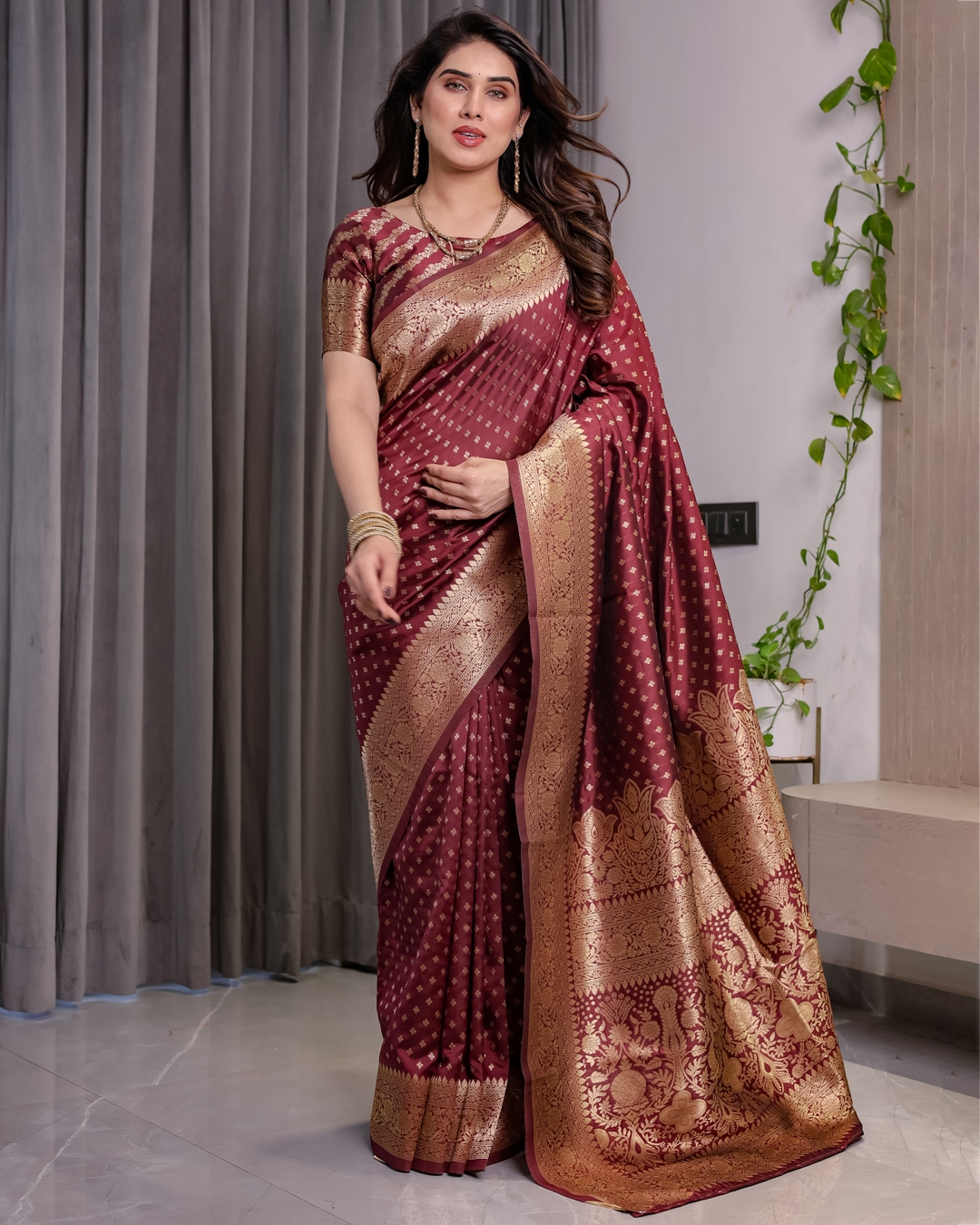
The Maroon Banarasi Soft Silk Saree with Golden Zari Border demonstrates how a deep colour and defined border can create an evening-ready look without requiring heavy all-over embroidery. A plain maroon, antique gold or muted beige blouse keeps the zari visible. Small jhumkas, a low bun and a compact potli bag are enough to complete the outfit.
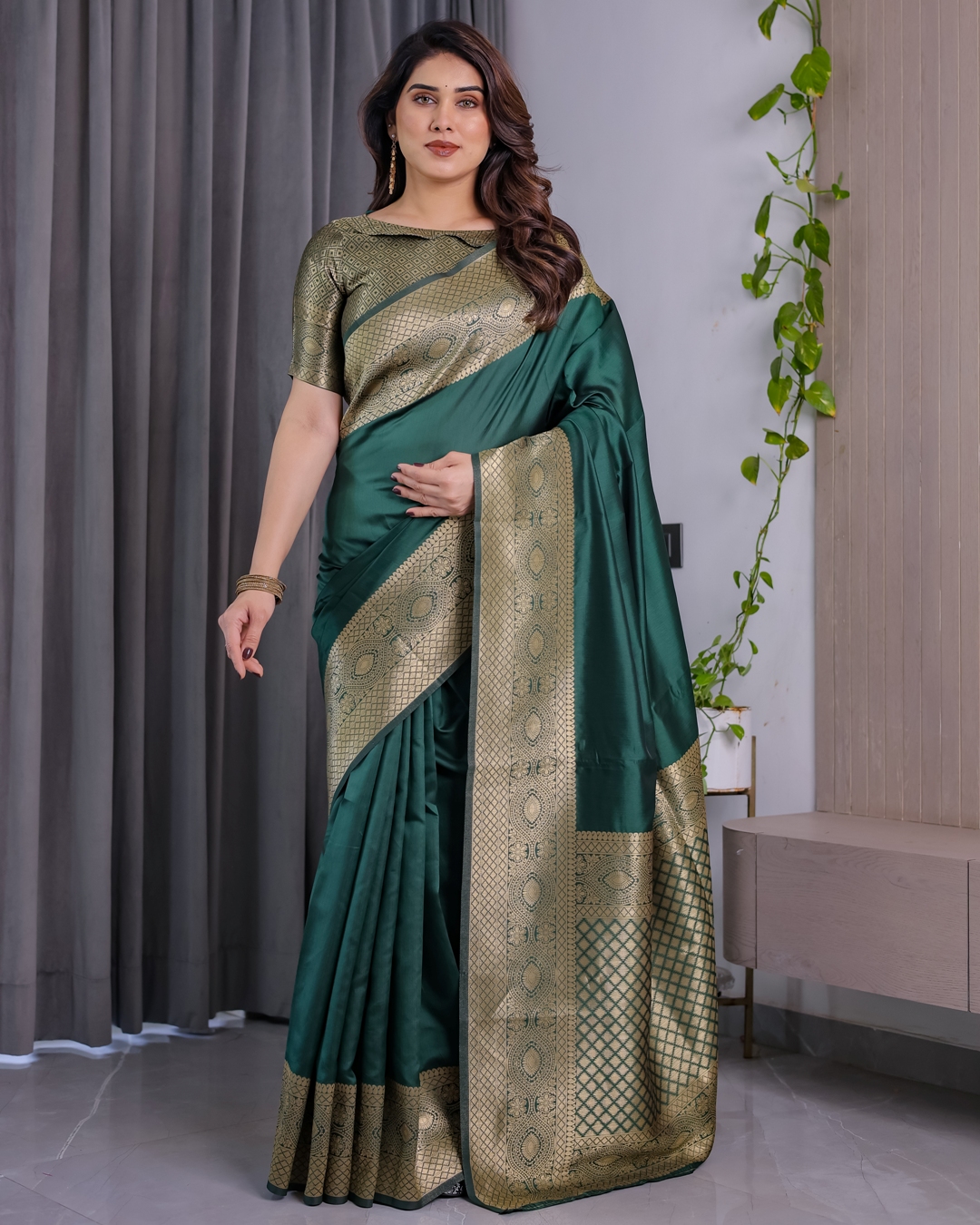
The Emerald Green Banarasi Soft Silk Saree with Zari Border provides a vivid alternative to bridal red. Emerald green works with antique gold jewellery, warm neutrals and a blouse in forest green or champagne. A guest can reduce the formal intensity by choosing a simple blouse and avoiding a full bridal-style necklace set.
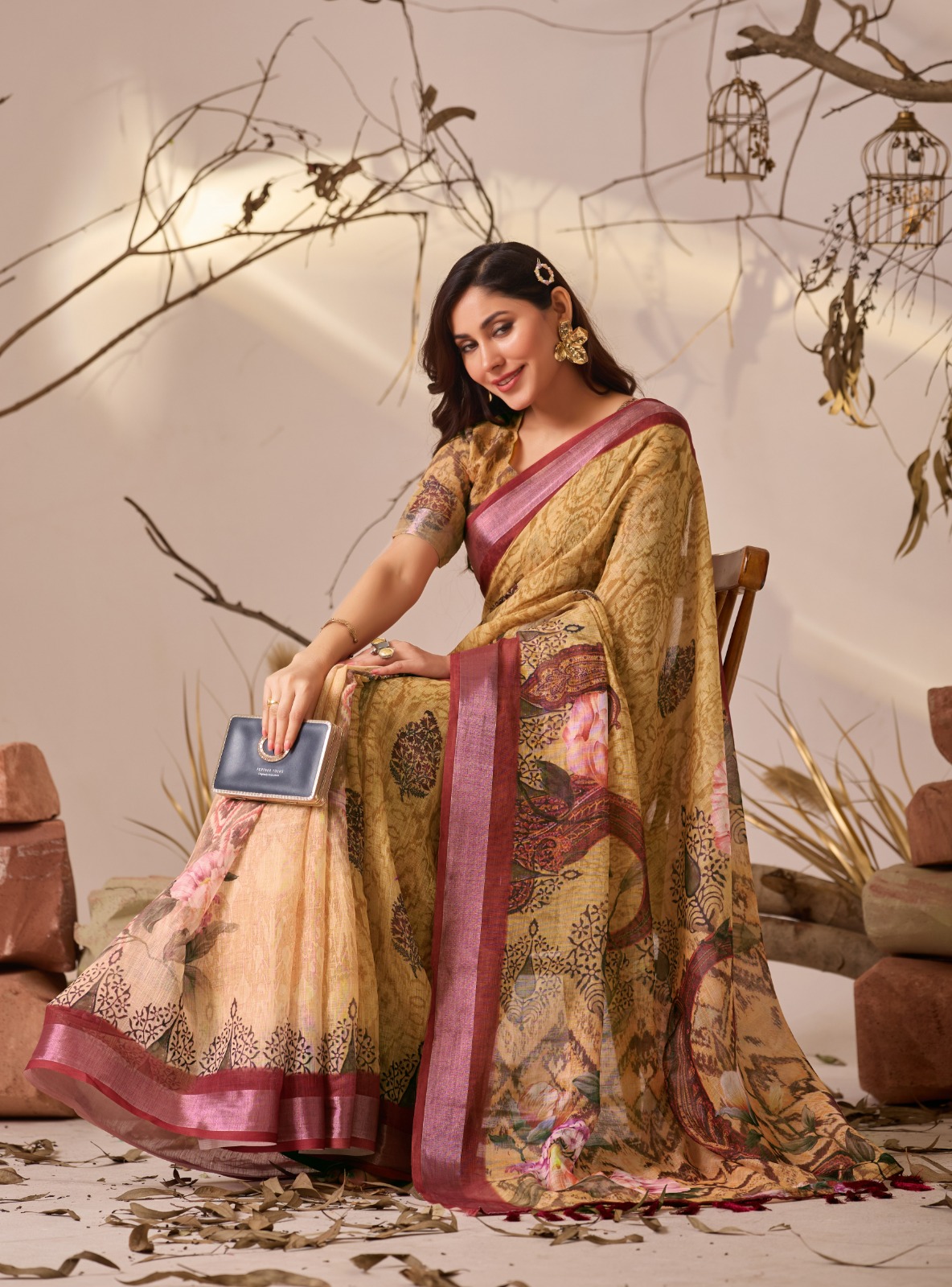
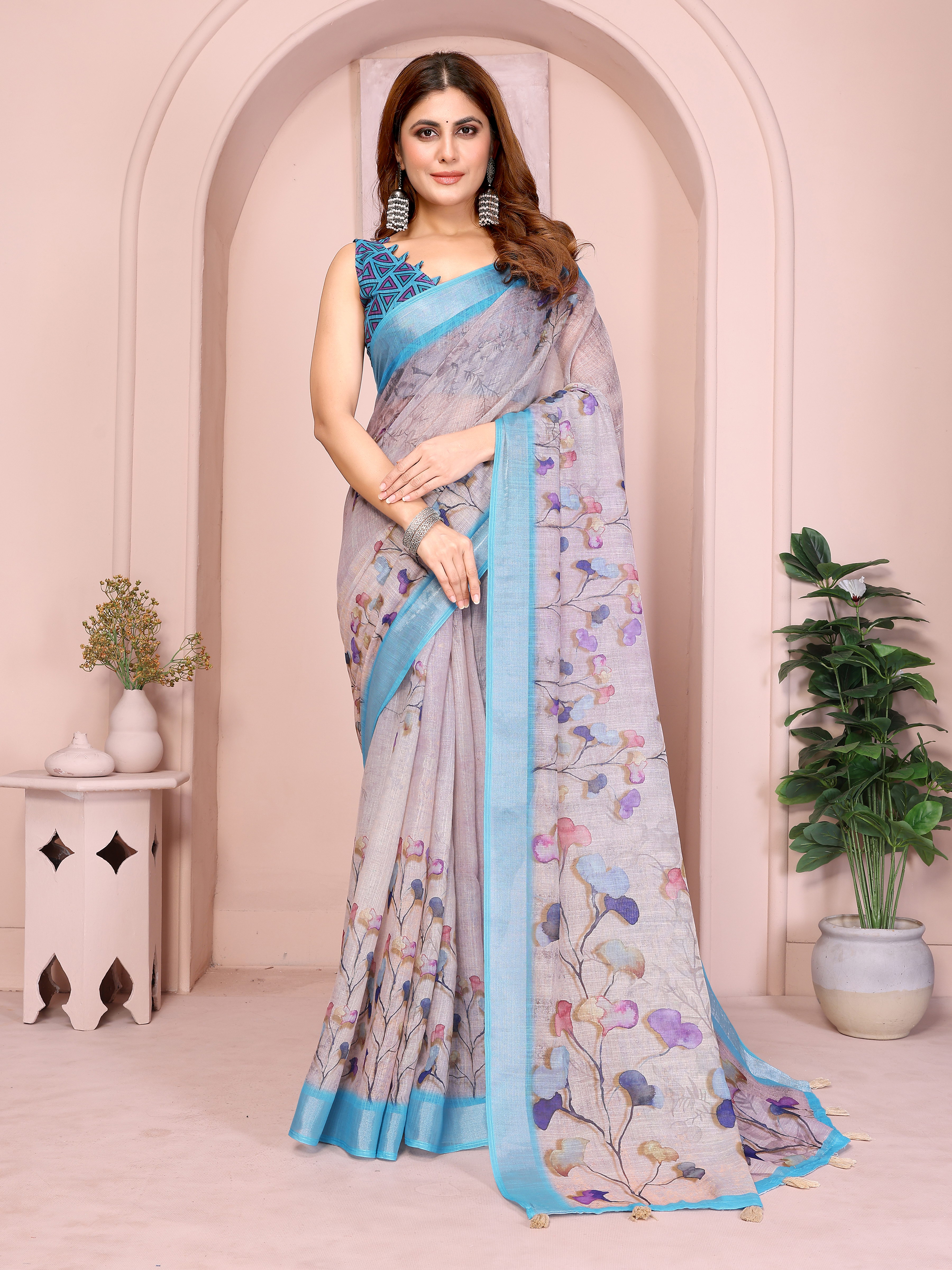
The Pastel Linen Cotton Floral Print Saree with Designer Blouse suits a daytime wedding, garden venue or warm-weather reception. Linen cotton is generally more breathable than dense silk, while the floral print brings visual interest without demanding heavy jewellery. A neatly pinned pallu, pearl earrings and embellished flats make the outfit polished but not overdressed.
The Green Banarasi Soft Silk Saree with Golden Jacquard Border relies on woven texture and colour contrast rather than excessive surface decoration. That construction makes it useful for guests who want a traditional silhouette with a cleaner finish. Pairing the saree with a solid blouse allows the jacquard border to remain the focal point.
Banarasi silk should not be described as a region-specific Arunachali textile. Banarasi silk has its own history, weaving vocabulary and relationship with zari, while Arunachal Pradesh contains numerous local textile traditions. Wearing a Banarasi saree can be a respectful Indian ethnic-wear choice when the garment is presented honestly rather than as an imitation of community-specific ceremonial clothing.
Arunachal Wedding Guest Outfits: Traditional Ethnic Wear & Modern Looks for Contemporary Events
Contemporary wedding guests can choose tailored co-ord sets, anarkalis, palazzo suits, shararas or restrained lehengas when the invitation calls for modern ethnic wear. The strongest modern outfits retain festive fabric, colour or embellishment while improving ease of movement.
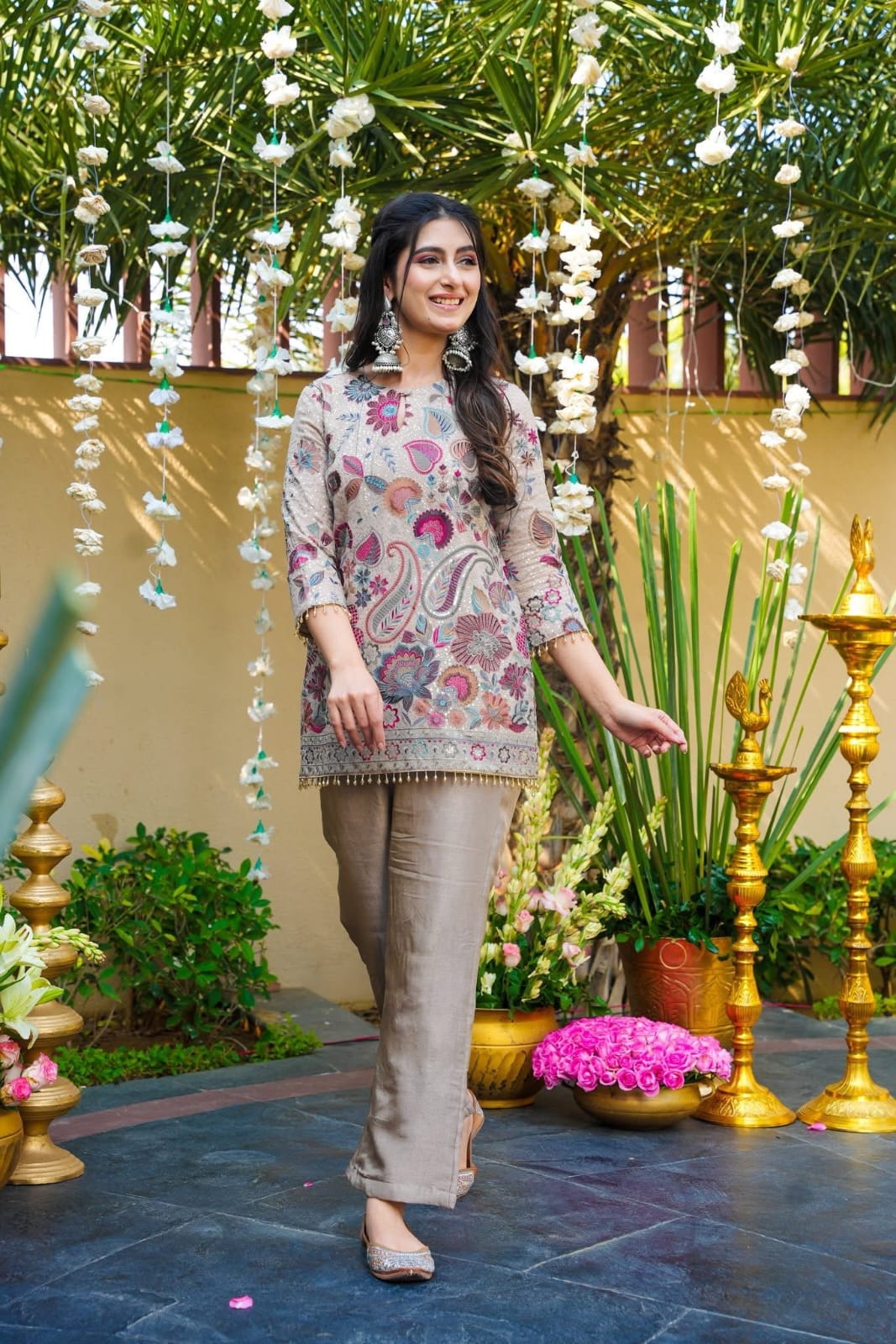
The Modern Taupe Vichitra Silk Embroidered Co-Ord Set for Women suits a cocktail-style reception or a guest who prefers trousers to a skirt. Taupe brings a quiet foundation for gold heels, pearl earrings or a coloured clutch, while Vichitra silk adds evening sheen. A longer top and full-length sleeves make the co-ord set more suitable for a formal family ceremony than a cropped or sharply fitted variation.
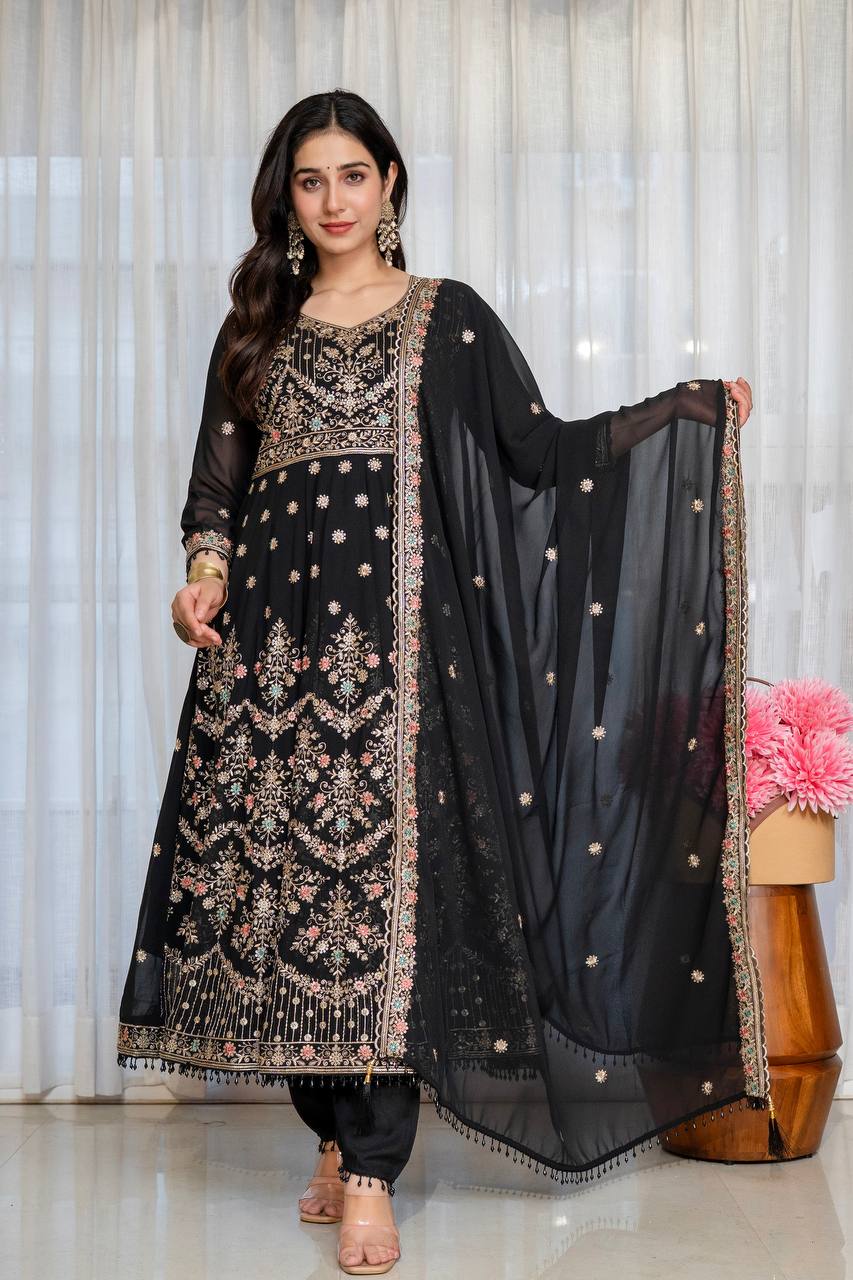
The Black Anarkali Suit Set with Sequin Zari and Moti Lace Work offers a dependable evening option. Black becomes festive through sequin zari and moti lace work, so additional accessories should remain controlled. One statement element, such as chandelier earrings or metallic footwear, is usually more elegant than combining a heavy necklace, glittering bag and highly embellished shoes.
A sharara or palazzo suit is useful when the wedding involves standing, walking and sitting on different surfaces. Wide-leg trousers create movement without the maintenance required by a floor-length skirt. Choose a kurta that falls below the hip, a dupatta with a manageable border and trousers that don't drag on wet ground.
A modern outfit should still suit the venue. A heavily embellished floor-length design may look impressive in photographs but become uncomfortable at an outdoor celebration. A straight kurta with palazzos, a softly embroidered sharara or a silk-blend anarkali can preserve the festive mood while making stairs, pathways and long ceremonies easier.
Arunachal Wedding Guest Outfits: Traditional Ethnic Wear & Modern Looks by Colour and Fabric
Jewel tones, pastels, floral prints and metallic accents are suitable wedding guest choices when the hosts have not specified a colour code. Colour should also reflect the time of day, the surrounding landscape and the guest's wish to avoid appearing bridal.
Red, deep maroon and bright bridal pink can look more bridal when combined with dense gold embroidery, a veil and a complete jewellery set. Guests who prefer red can select a lighter border, a contrasting blouse or minimal accessories. The Red Banarasi Soft Silk Zari Saree Online | Varnavi has a celebratory base, so a plain blouse and small gold earrings can make the styling festive without reproducing a bridal ensemble.
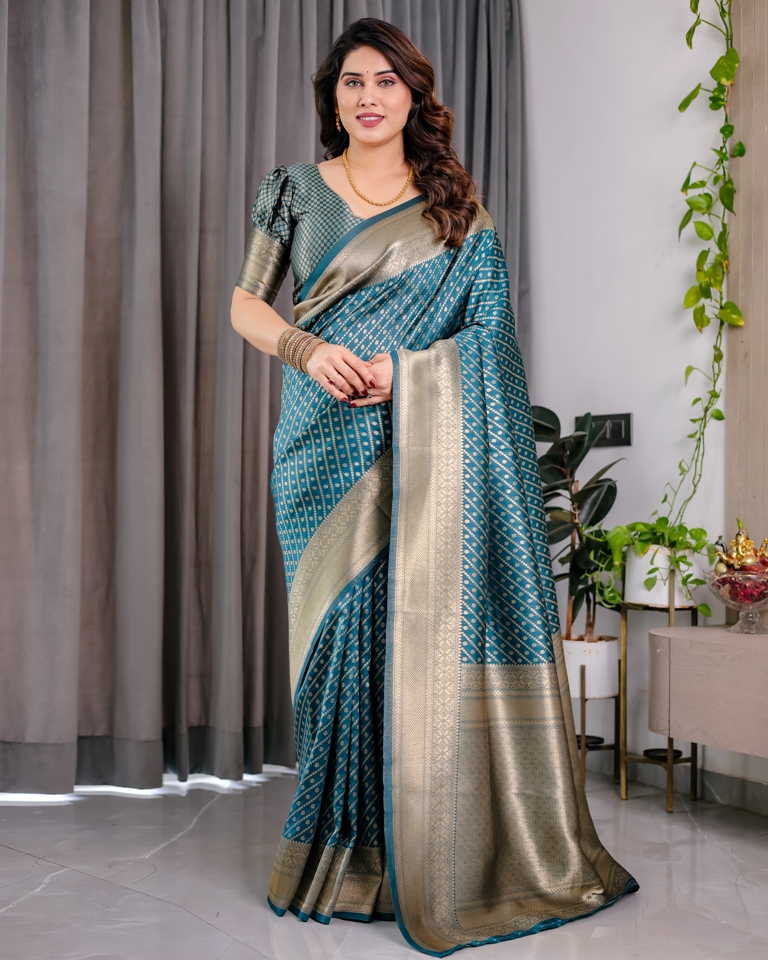
Teal, emerald, royal blue and wine offer saturated colour without automatically copying a bridal palette. The Teal Blue Banarasi Silk Zari Saree Online | Varnavi can be styled with a blouse in deep teal, antique gold or soft beige. If a saree already contains a strong zari border, keep the necklace and bangles lighter so the outfit remains visually balanced.
Fabric weight matters across Arunachal Pradesh. Cotton, linen cotton, Chanderi silk and lightweight blends are more comfortable for warm or humid daytime events. Banarasi silk, velvet accents and layered brocade are better suited to cool evenings or indoor receptions. A silk saree can remain comfortable in a warmer climate when the blouse has breathable lining and the petticoat is made from a smooth, lightweight fabric.
Rain requires additional planning in many parts of the Northeast. Keep delicate hems slightly higher than usual, carry a waterproof pouch for a phone and makeup, and use a compact shawl instead of a long trailing dupatta. Suede footwear and untreated fabric bags are poor choices when heavy rain is forecast.
Arunachal Wedding Guest Outfits: Traditional Ethnic Wear & Modern Looks with Accessories
Jewellery, footwear, bags and layers should support the outfit's silhouette and the amount of movement required. Secure accessories often matter more than adding another decorative element to the main garment.
Gold-toned jhumkas, pearl drops, silver earrings and handloom-inspired accessories can all suit Indian wedding wear. Guests should distinguish appreciation from imitation, however. Community-specific ornaments should not be worn as costume jewellery unless the hosts have explained that the accessory is appropriate for guests. A locally purchased textile accessory or a simple silk stole is generally safer than borrowing ceremonial pieces without context.
Footwear should have a stable sole and a heel height that can manage stairs, grass and uneven pathways. Block heels between 2 and 2.5 inches are easier to walk in than narrow stilettos. Embellished juttis, kolhapuris and dressy flats are practical choices for long ceremonies, particularly when the saree or anarkali already supplies visual drama.
Layering can look refined rather than merely functional. A neutral shawl works with jewel-tone sarees, while a cropped velvet jacket can add warmth to an evening anarkali. Keep the layer shorter than the saree pallu or kurta hem if the main silhouette should remain visible. A lightweight camisole or inner blouse can provide extra comfort when temperatures change through the day.
Arunachal Wedding Guest Outfits: Traditional Ethnic Wear & Modern Looks for Multiple Functions
Guests can adapt one main outfit across several wedding functions by changing the blouse, dupatta, jewellery, hairstyle and footwear. Small alterations can move a look from a daytime family gathering to an evening reception.
For a daytime event, pair a pastel saree or light suit with flats, a compact handbag and delicate jewellery. For an evening function, replace the flats with block heels, add a metallic clutch and choose larger earrings. A more formal reception may justify a structured bun and a zari-bordered stole, while a casual pre-wedding gathering may call for open hair and fewer accessories.
Secure a saree before leaving the hotel or changing area. Pin the pleats at the waist, use one discreet pin at the shoulder and test the pallu by walking, sitting and raising both arms. A saree that survives these three movements is more likely to remain comfortable during greetings and photographs.
For a salwar suit or anarkali, check whether the dupatta slips from the shoulder. A small concealed pin, a textured fabric or a narrower border can prevent constant adjustment. Keep emergency safety pins, a few hairpins, blister patches and a stain-removal wipe in the handbag.
Travel should influence packing. Fold silk with tissue paper, avoid compressing zari under heavy shoes and carry jewellery in separate soft pouches. Let a damp garment dry fully before placing it in luggage. After the wedding, follow the care label; many Banarasi silk sarees and embellished suits are better handled through professional dry cleaning than repeated home washing.
Arunachal Wedding Guest Outfits: Traditional Ethnic Wear & Modern Looks and Cultural Courtesy
Cultural courtesy means asking questions, avoiding unsupported claims about local dress and choosing clothing that honours the invitation without treating regional identity as a costume theme. Guests can wear beautiful ethnic clothing while remaining clear about what they know and what they don't.
don't label every patterned textile from Northeast India as tribal, Arunachali or traditionally ceremonial. Textile techniques, motifs and meanings vary by community, and a commercial print may only borrow a visual idea. If a host brings a handwoven shawl or explains a pattern, receive the information respectfully and avoid making broad claims about all Arunachal Pradesh traditions.
Colour and modesty requests should take priority over personal styling preferences. If a family asks guests to avoid red because red is reserved for the bride, select emerald, teal, maroon or gold instead. If the ceremony requires covered shoulders or knees, adjust the blouse, dupatta or hem rather than treating the request as optional.
The best wedding guest look balances beauty with attention. A well-secured saree, comfortable footwear, a climate-appropriate layer and culturally informed accessories allow the guest to participate fully rather than spend the day managing an impractical outfit.
Common Questions About Arunachal Wedding Guest Outfits
What should a woman wear to an Arunachal wedding?
A woman can wear a saree, anarkali, salwar suit, sharara, palazzo suit or polished co-ord set, depending on the ceremony and dress code. Banarasi silk suits evening events, while linen cotton, Chanderi and lightweight blends are more comfortable for daytime or warm weather.
Are sarees appropriate for weddings in Arunachal Pradesh?
Sarees are appropriate for many Arunachal Pradesh wedding events when the drape is secure and the styling respects the hosts' customs. A Banarasi silk saree, soft silk saree or breathable linen cotton saree can work well, but guests should not present a commercial saree as a community-specific Arunachali ceremonial garment.
Which colours should wedding guests avoid?
Guests should ask the hosts whether any colour is reserved for the bride or required for a particular ceremony. When no colour code exists, jewel tones such as emerald, teal and wine are dependable choices, while heavily embellished bridal red may be better avoided.
What fabric is best for an outdoor Arunachal wedding?
Linen cotton, cotton, Chanderi and lightweight blends are practical for warm or humid outdoor ceremonies. Guests attending a cool evening event can choose soft silk or Banarasi silk and add a compact shawl or tailored jacket.
How can I keep a saree comfortable during a long wedding?
Use a smooth lightweight petticoat, pin the pleats and shoulder drape securely, and test the saree by walking and sitting before leaving. Stable block heels or embellished flats, breathable blouse lining and a small emergency kit also improve comfort.
Can guests wear traditional Arunachal jewellery?
Guests should wear community-specific Arunachal jewellery only when the hosts confirm that it is suitable for visitors. Otherwise, choose general Indian accessories such as jhumkas, pearl earrings or understated silver pieces rather than treating ceremonial ornaments as costume jewellery.