Arunachal Pradesh Traditional Dress for Women: Complete Guide begins with an important fact: there's no single traditional outfit worn by every woman in Arunachal Pradesh. The state is home to more than 25 major tribes and many sub-tribes, including the Apatani, Nyishi, Adi, Galo, Monpa, Sherdukpen, Mishmi, Nocte, Wancho and Tangsa communities. Each community has its own woven textiles, colours, ornaments and methods of draping.
Women's clothing may include a wrapped skirt, a woven jacket, a blouse, a shoulder cloth, a waist belt and distinctive bead or metal jewellery. Climate also shapes the wardrobe. High-altitude communities need layered woollens, while warmer eastern and southern areas use lighter cotton and plant-fibre textiles. The result is clothing that's practical, symbolic and closely connected to community identity.
Arunachal Pradesh Traditional Dress for Women: What Are the Main Garments?
The main garments are woven wrap skirts, waist-length jackets, blouses, shawls, belts and community-specific neck or head ornaments. The exact combination changes according to tribe, district, age, marital status, ritual and weather.
Wrapped skirts and lower garments
A wrapped lower garment is one of the most recognisable elements of women's traditional clothing in Arunachal Pradesh. The textile is generally secured around the waist and falls below the knee or towards the ankle, depending on local custom. Some skirts are made from narrow handwoven lengths joined or wrapped around the body, while others resemble rectangular woven panels.
Horizontal stripes, narrow bands and geometric borders are common design features. Red, black, white, blue, green and yellow may appear in different combinations, although colour meanings are not identical across tribes. A striped skirt from an Adi community should not automatically be described as an Apatani garment simply because both use geometric weaving.
Jackets, blouses and shoulder cloths
Short jackets and fitted woven bodices provide warmth and structure over the lower garment. In colder western districts, women may layer a blouse or tunic beneath a woollen jacket and add a shawl. In other regions, a sleeveless or short-sleeved upper garment allows easier movement during agricultural work and community dances.
Shoulder cloths and shawls are useful layers rather than decorative afterthoughts. A shawl can provide warmth, cover the upper body and complete a ceremonial outfit. The way a textile is folded, pinned or draped can also signal local practice.
Belts and waist fastenings
Woven waist belts hold a wrapped skirt securely and often introduce a sharper horizontal contrast at the centre of the outfit. Beaded belts, braided cords and decorative bands may be worn for festivals or formal gatherings. A belt is therefore both useful and visually big: it stabilises the garment while framing the woven pattern.
Arunachal Pradesh Traditional Dress for Women: How Do Tribal Styles Differ?
Tribal traditions differ through textile construction, dominant colours, jewellery, garment proportions and ceremonial use. Geography alone can't identify an outfit, because neighbouring communities may share materials while using different motifs and styling conventions.
Apatani women's attire
Apatani women's dress is associated with woven skirts, fitted upper garments, waist belts and distinctive traditional ornaments. Apatani clothing is often recognised through carefully arranged bands and a balanced combination of dark and bright colours. Traditional facial ornaments associated with Apatani women, including the large nose plugs known as yaping hullo, belong to a specific cultural history and should not be added to a costume as a generic fashion prop.
Nyishi and related central Arunachal styles
Nyishi women's clothing commonly combines woven lower garments with blouses, shawls, waist elements and bead jewellery. The use of red, black and white is prominent in many examples, but individual textiles vary by maker and locality. Bead necklaces may be layered and can carry social or ceremonial significance.
Adi and Galo textiles
Adi and Galo women's clothing frequently comes with strong horizontal stripes, geometric borders and handwoven panels. Red, black, white and blue are seen in many traditional textiles, though colour combinations differ between communities. A wrapped skirt with a contrasting shoulder cloth can create a striking silhouette without relying on heavy embroidery.
Monpa and high-altitude attire
Monpa women's clothing reflects the colder conditions of Tawang and adjoining high-altitude areas. Woollen layers, long garments, warm shawls and substantial jackets are more useful there than lightweight ceremonial textiles alone. Monpa dress may also show cultural connections with Himalayan and Tibetan Buddhist regions, making fabric weight and layering especially important.
Mishmi, Nocte, Wancho and Tangsa traditions
Mishmi, Nocte, Wancho and Tangsa communities have distinct clothing and ornament traditions that should be researched separately rather than grouped under one generic tribal look. Woven skirts, bead strands, metal ornaments, jackets and headdresses may appear, but their shapes and meanings are community-specific. Museum records, local artisans and community-led cultural organisations are better references than a random costume photograph.
Arunachal Pradesh Traditional Dress for Women: Which Textiles and Motifs Matter?
Handwoven cotton, wool and locally available plant fibres form the material foundation of many traditional garments in Arunachal Pradesh. The choice depends on the region, climate, loom practice and intended use.
Backstrap looms and other traditional weaving methods allow artisans to build stripes and geometric motifs directly into the textile. Woven patterns are not the same as printed patterns: a woven border becomes part of the cloth structure, which gives it durability and a subtly raised surface. Small irregularities can indicate hand production rather than poor quality.
Traditional motifs may express community identity, local ecology or inherited design systems, but a motif should not be assigned a fixed meaning without a reliable cultural source. Geometric bands are safer to describe as woven designs unless an artisan or community source explains their symbolism.
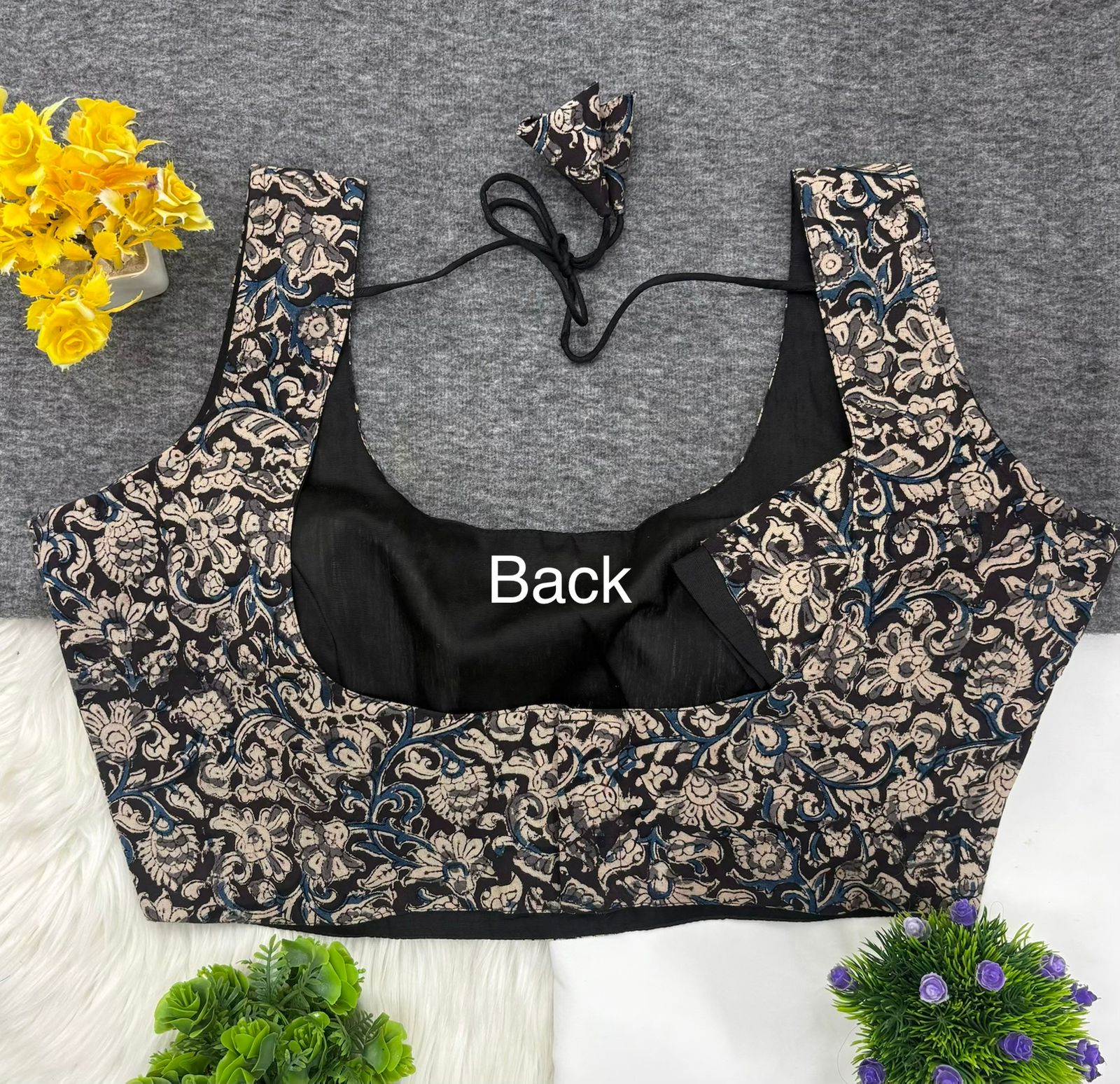
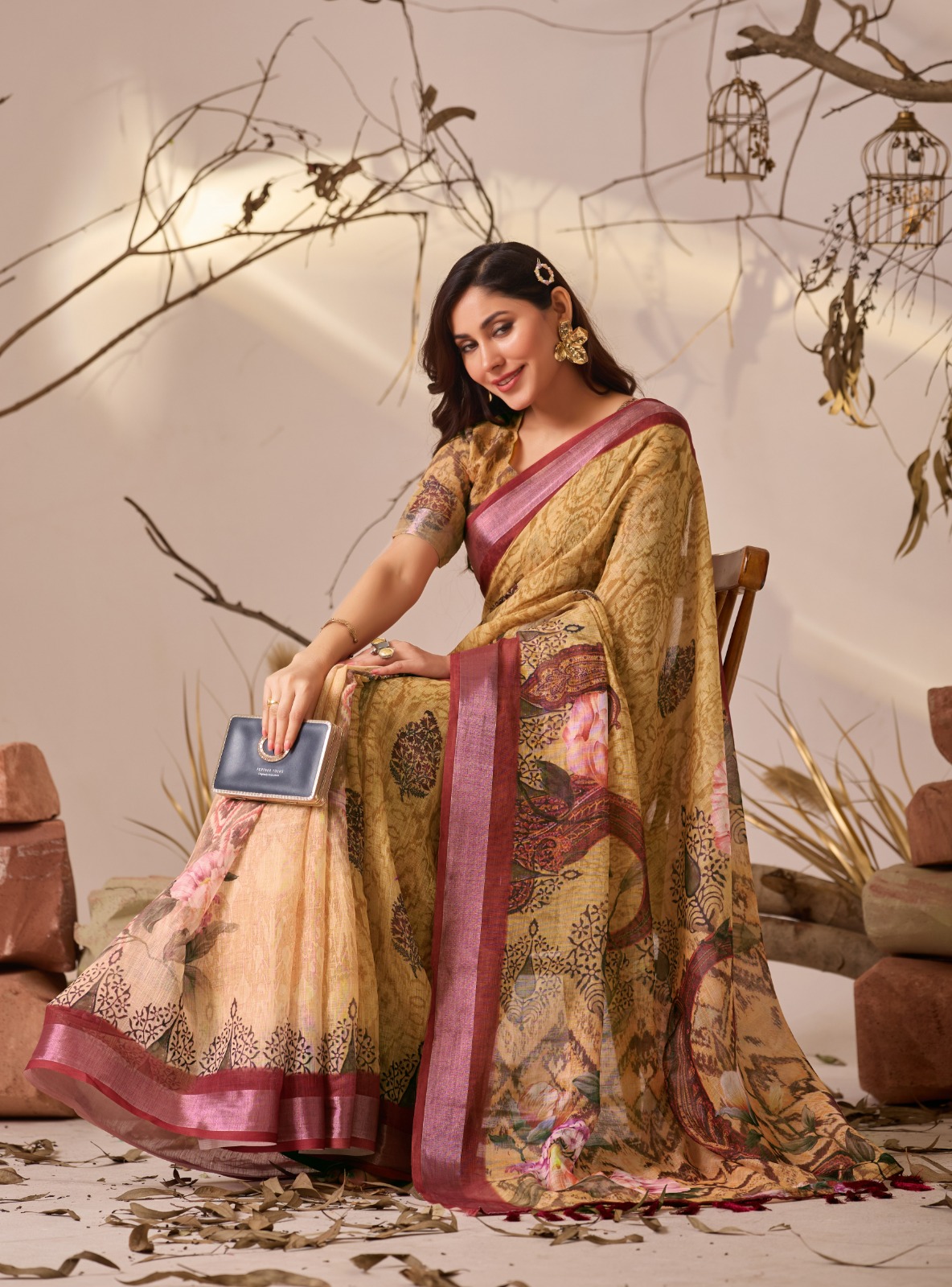
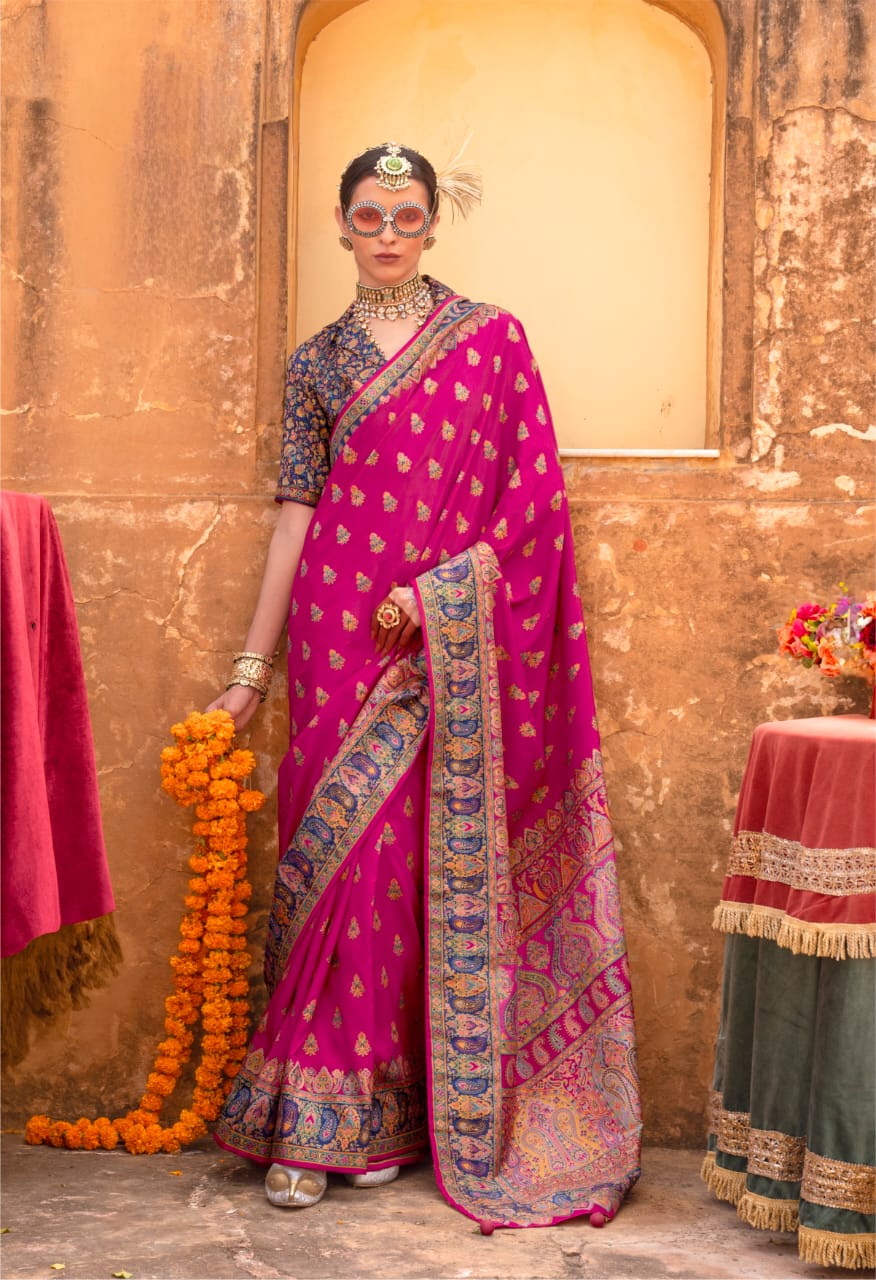
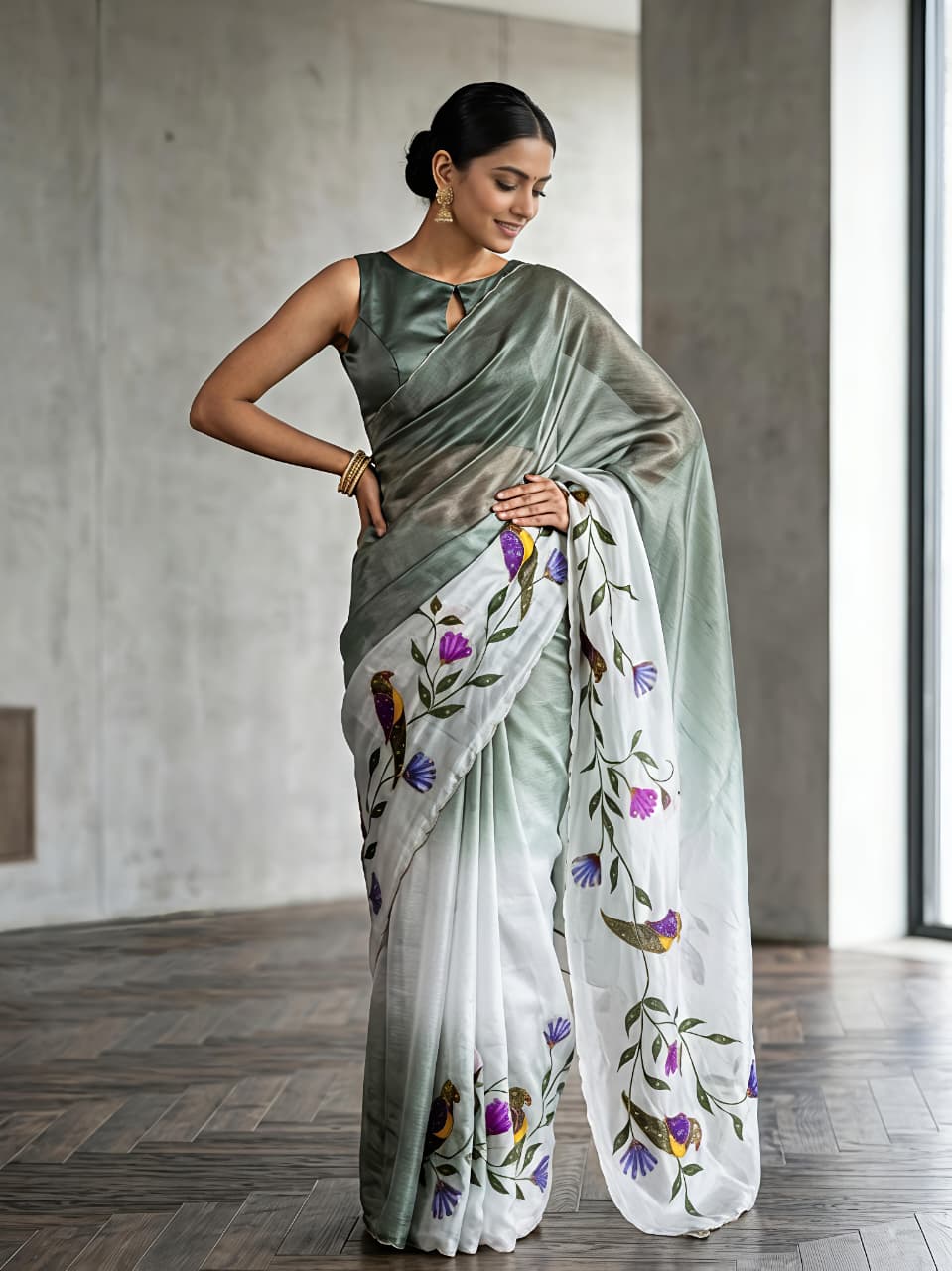
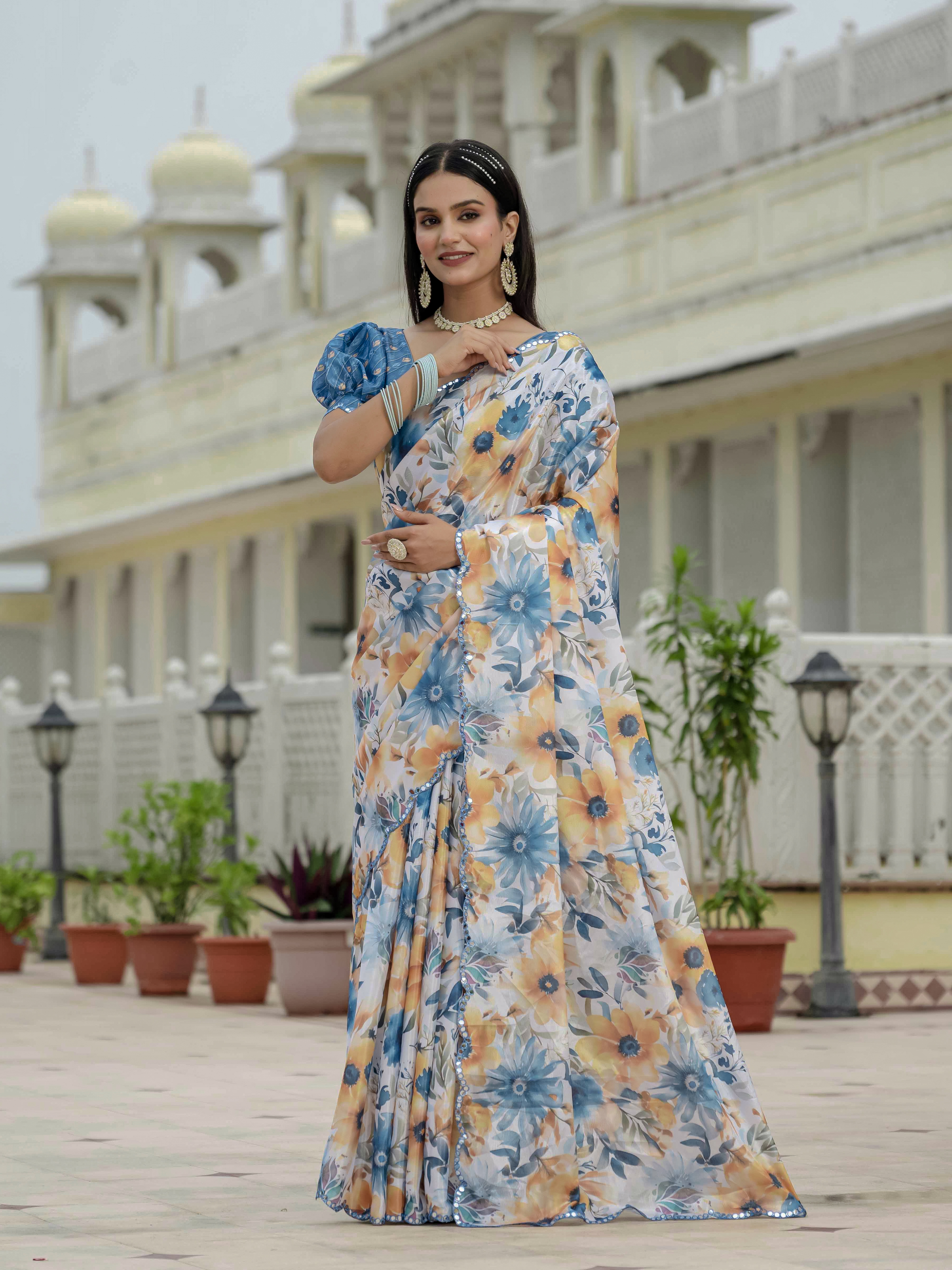
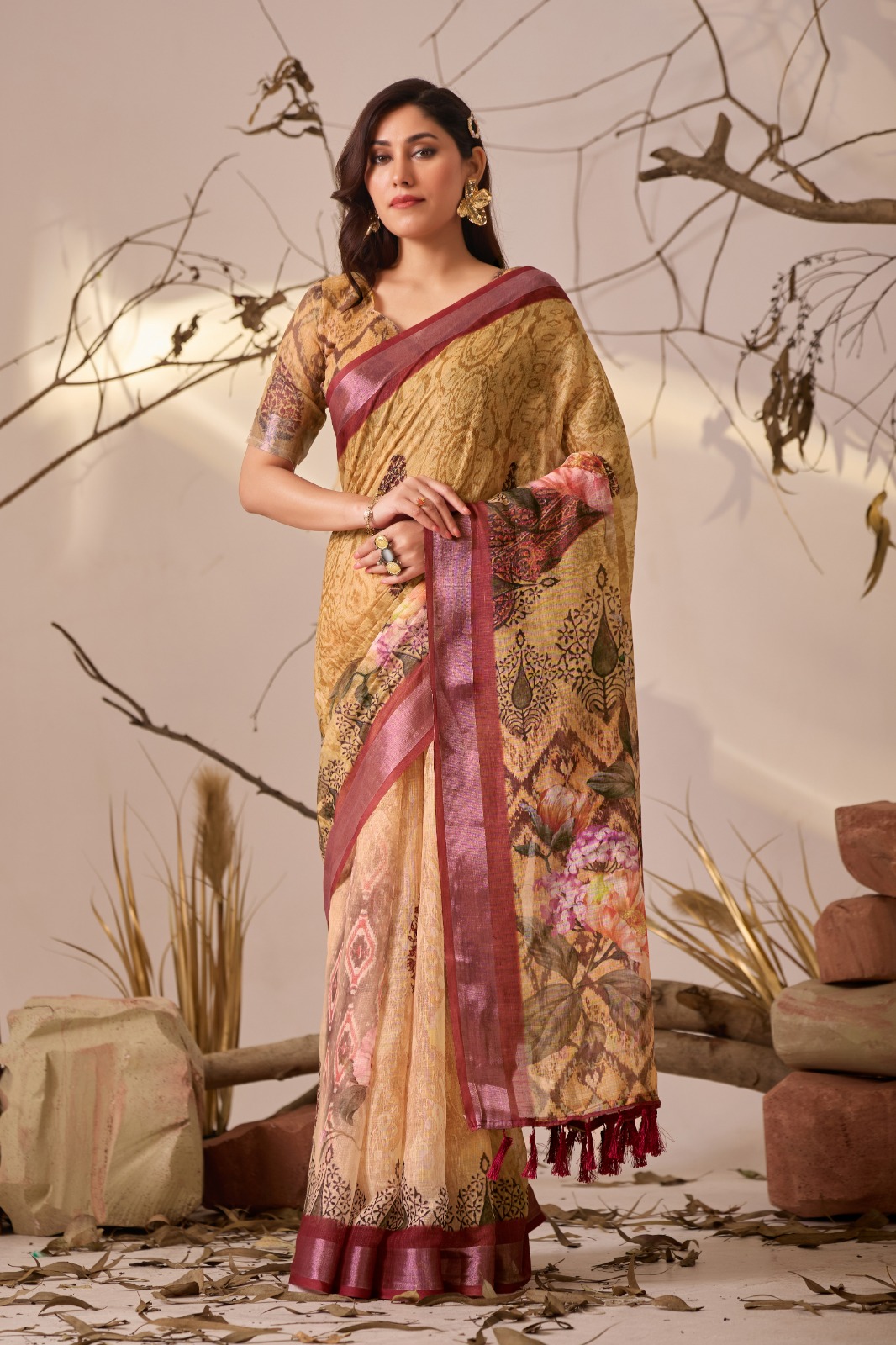
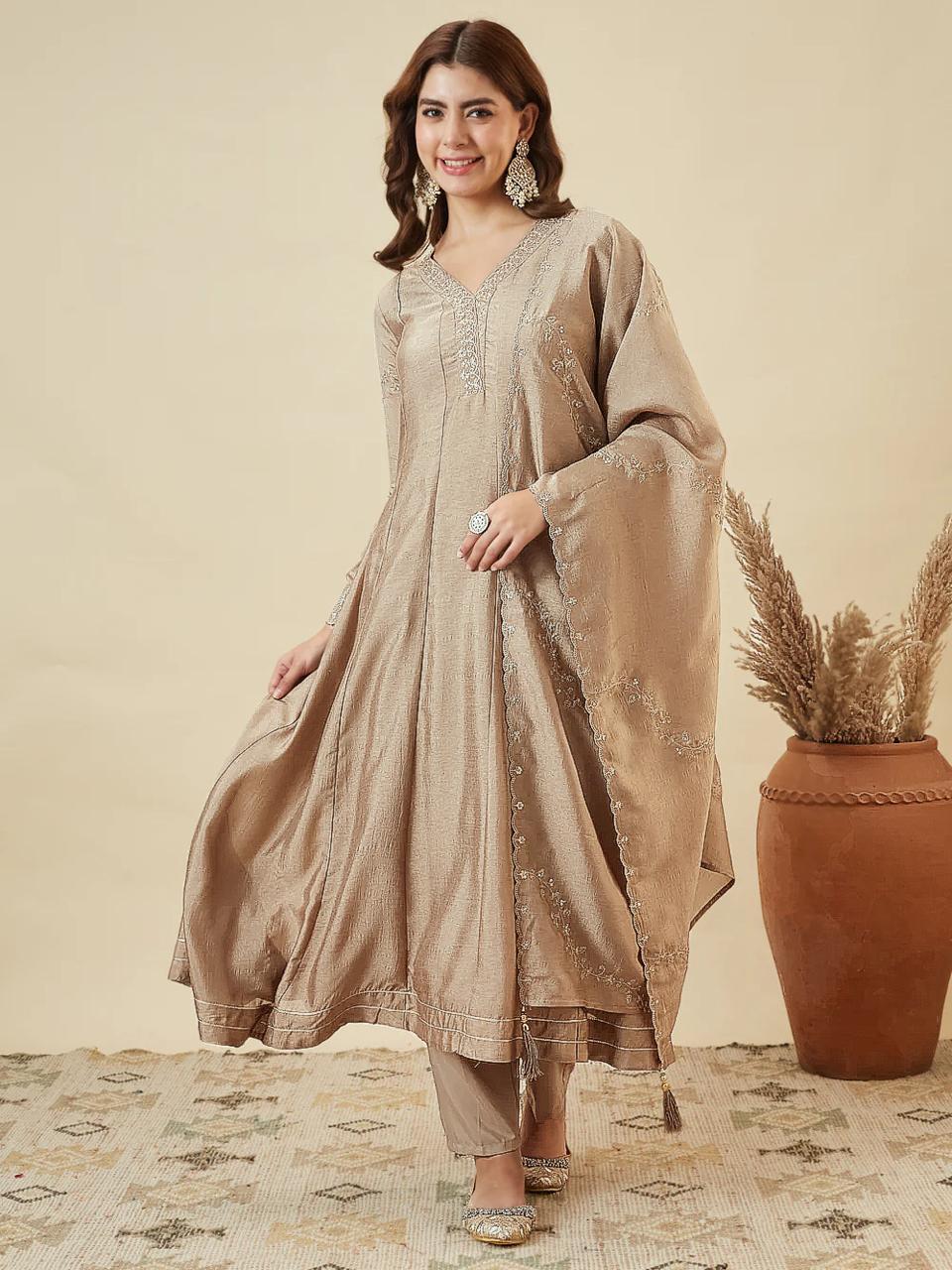
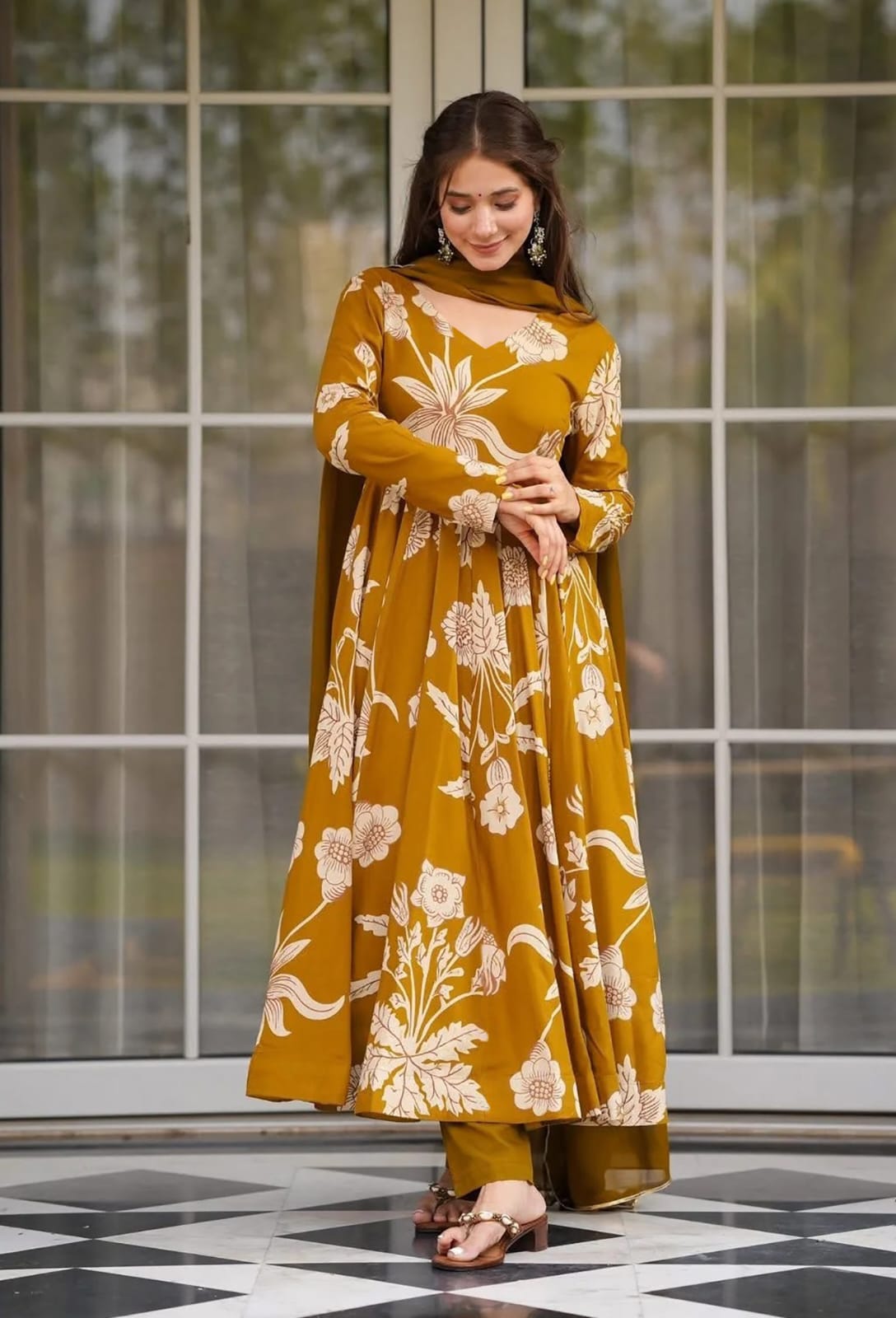
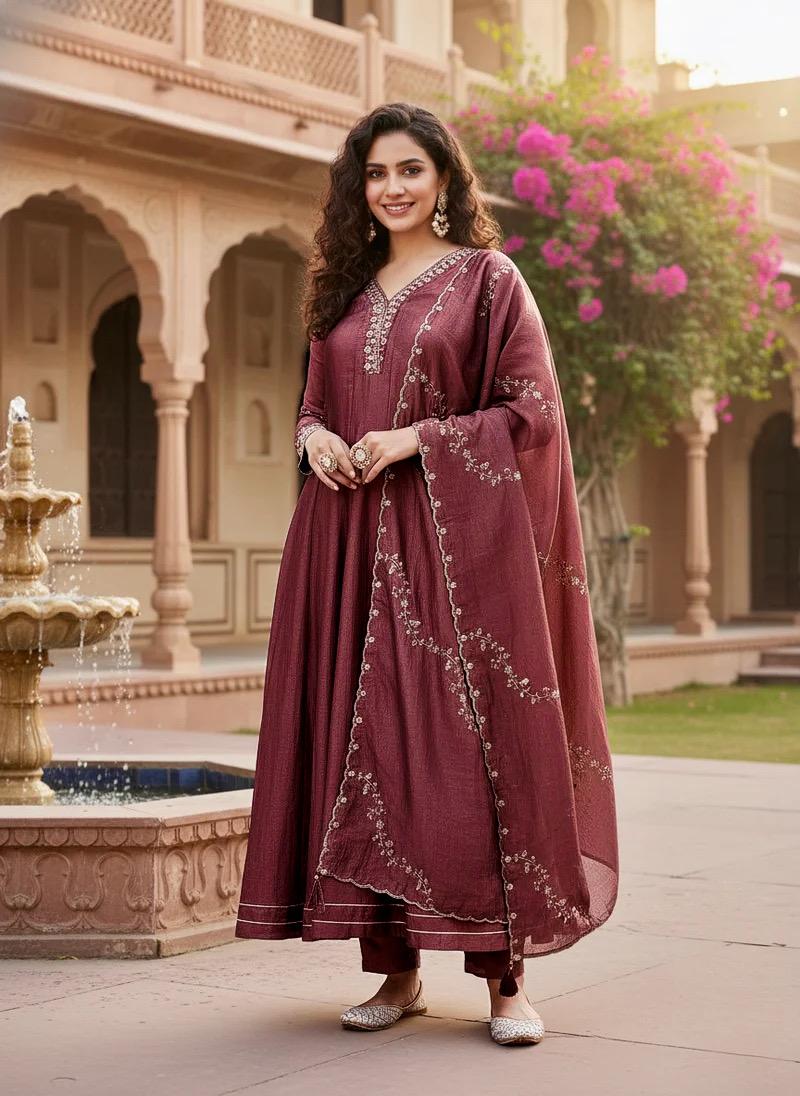
Silk sarees, zari borders and embroidered anarkali suits belong to other Indian textile traditions and should not be labelled as authentic Arunachal tribal dress. Those garments can, however, help a wearer build a contemporary festive outfit inspired by colour layering and structured borders. Banarasi silk, Kanjeevaram and Chanderi are useful comparison points for understanding how different Indian regions develop distinct textile identities; they're not substitutes for Arunachal handwoven textiles.
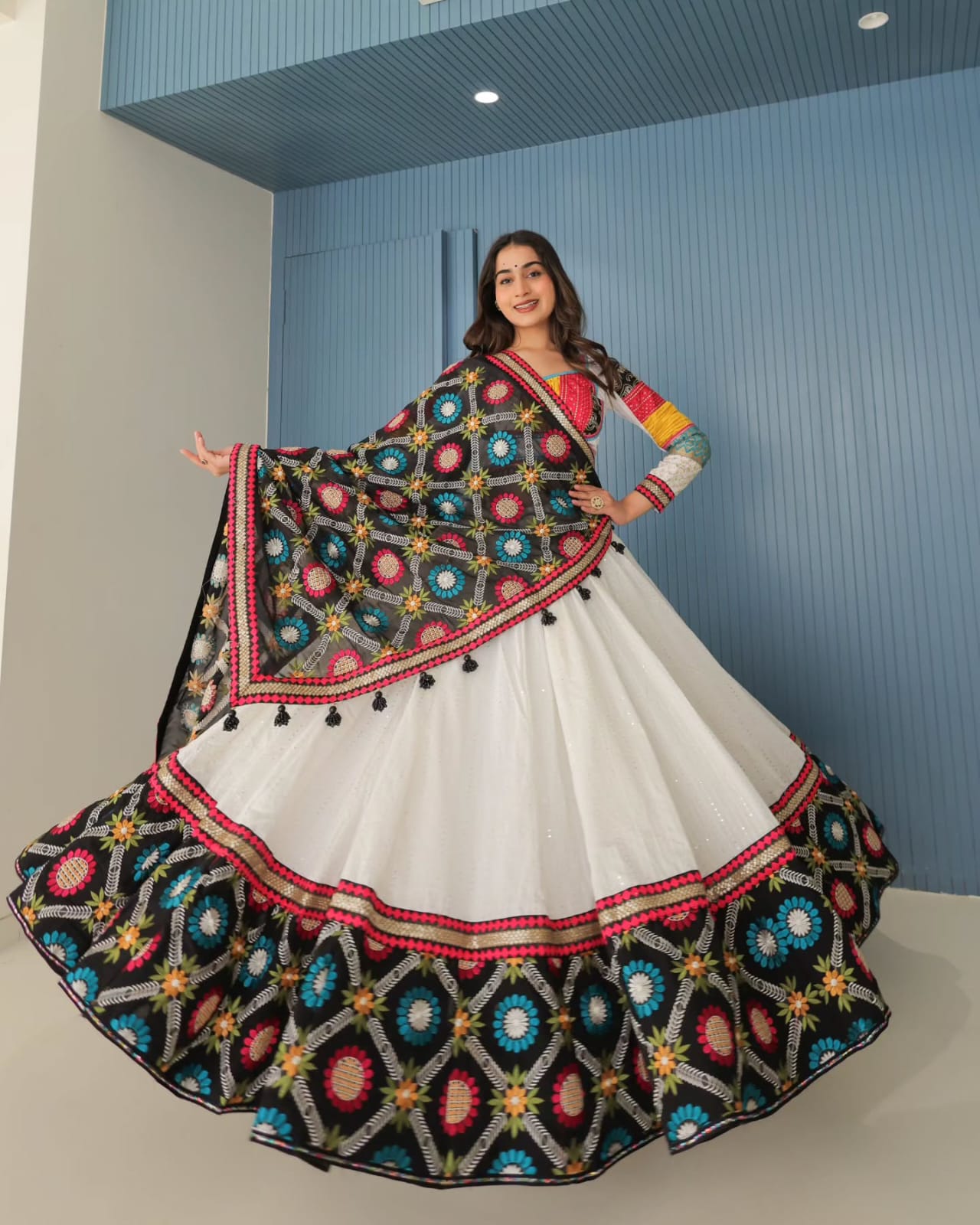
The Arunachal Ethnic Wear in Silk and Festive Colours collection can illustrate a contemporary, occasion-ready approach to regional colour and textile presentation. The collection should be described as festive ethnic fashion unless a garment's product information specifically identifies its community, artisan and textile origin.
Arunachal Pradesh Traditional Dress for Women: How Are Jewellery and Accessories Worn?
Jewellery completes many traditional outfits in Arunachal Pradesh through beads, metal, shells, cane, bone, silver-coloured elements and natural materials. Accessories can indicate age, community, ceremony and family tradition, so cultural context matters as much as appearance.
Layered bead necklaces are particularly visible in many women's festive ensembles. Red, blue, pure, amber and rosy beads may be combined into long strands or compact collars. Earrings, bangles, hair ornaments and waist pieces add minor points of detail. Some communities also use distinctive headgear or decorative elements attached to the hair.
Headgear requires special care in styling. A ceremonial headdress may belong to men, a particular tribe or a specific ritual, even when online costume sellers present it as a universal Arunachal accessory. Wearing an item without understanding its context can turn cultural identity into visual decoration.
For a modern gathering, a safer approach is to wear a handwoven textile with simple bead jewellery and avoid copying sacred, clan-specific or historically significant ornaments. Credit the artisan and name the community accurately when the information is available.
Arunachal Pradesh Traditional Dress for Women: How Can It Be Styled Respectfully?
Respectful styling keeps the textile, silhouette and source visible while avoiding invented tribal labels. A contemporary outfit can borrow the principles of layering, contrast and woven borders without pretending to reproduce ceremonial dress.
Start with one authentic or clearly sourced handwoven textile. Pair a striped wrap skirt with a plain blouse, a short jacket or a neutral shawl. Keep the jewellery restrained if the textile already contains bold bands. A red-and-black woven textile may work with a black blouse and matte metal earrings, while a blue-and-white textile can be balanced with an unprinted ivory layer.
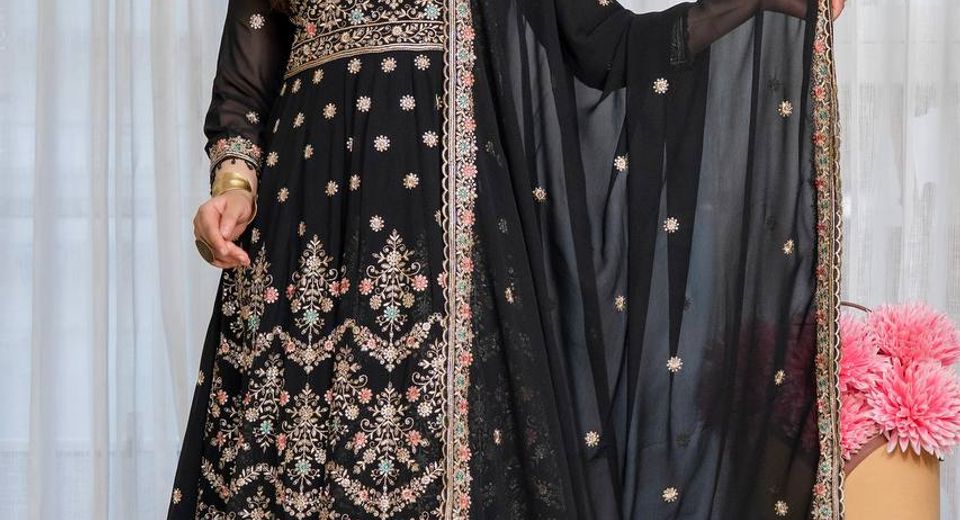
Black Anarkali Suit with Zari, Sequins & Moti Lace Work creates a formal evening silhouette through zari and surface embellishment, while White Embroidered Anarkali Suit Set with Gota Patti Dupatta offers a lighter festive direction. Neither garment replaces a community-specific woven outfit, so descriptions should distinguish between Arunachal-inspired styling and traditional Arunachal dress.
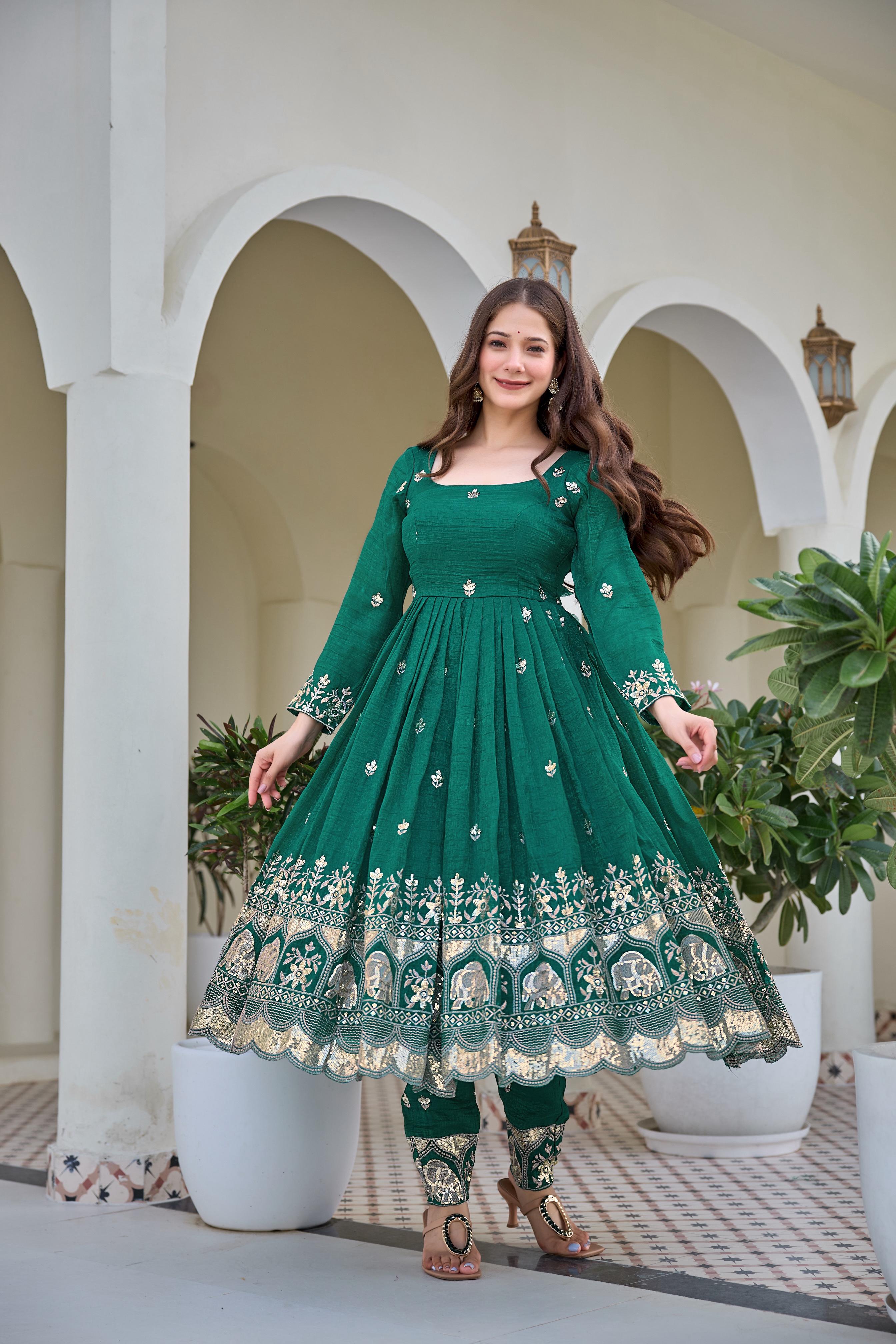
Black Embroidered Anarkali Suit Set with Zari Work demonstrates how a dark base can make geometric accessories stand out. Green Embroidered Anarkali Suit Set for Women can be paired with a handwoven-looking border or a carefully sourced shawl for a colour-led interpretation. These combinations work best when product descriptions remain honest about what is contemporary fashion and what is traditional textile culture.
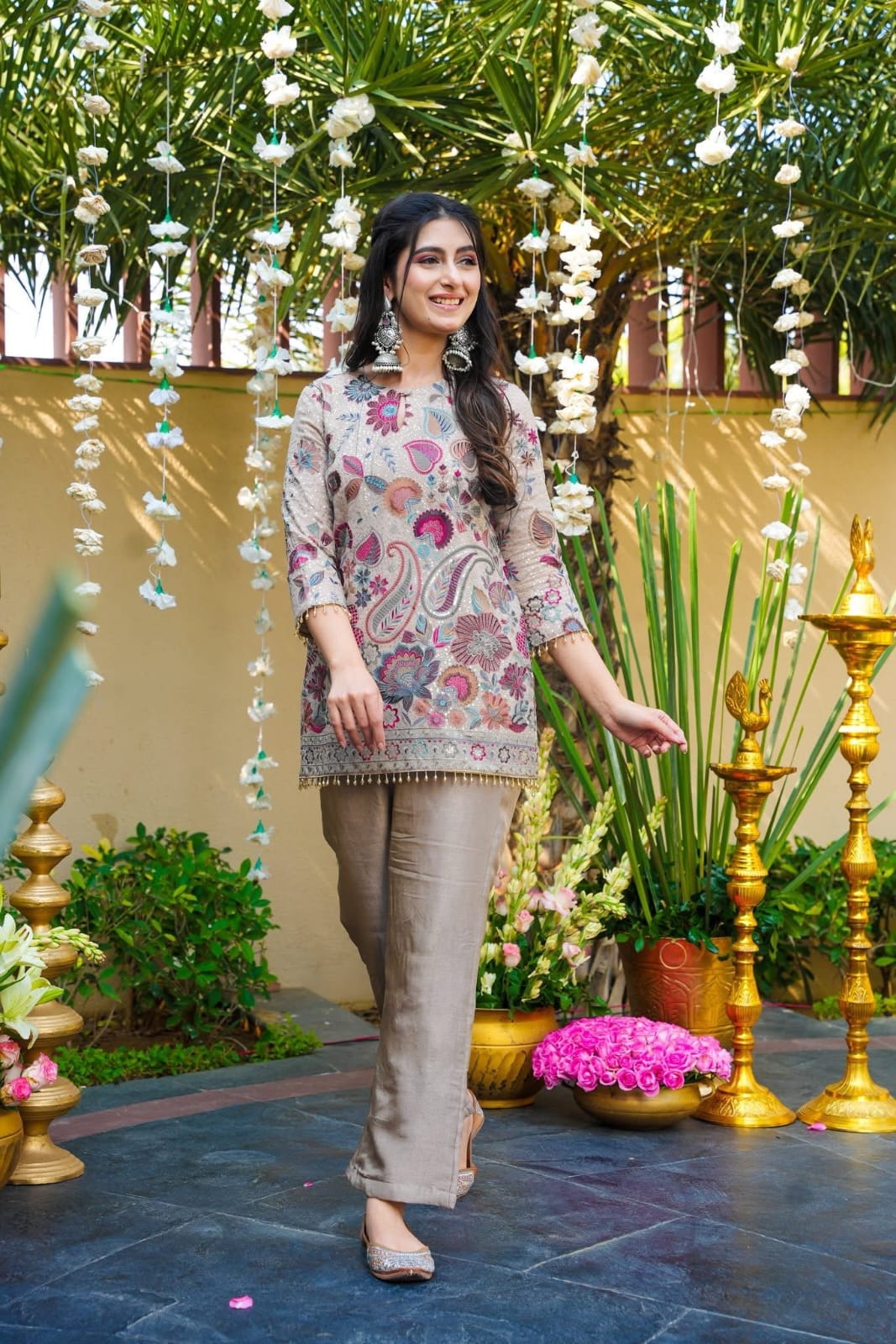
For a Haldi ceremony, a bright blouse, woven waist belt and lightweight wrap can provide movement and colour without using sacred ornaments. For a formal cultural programme, a layered shawl and modest blouse may be more appropriate than heavy sequins. The Arunachal Ethnic Wear in Silk and Festive Colours collection can serve as a visual reference for festive colour combinations, but community-specific claims should be supported by provenance.
Arunachal Pradesh Traditional Dress for Women: What Should Buyers Check?
Buyers should check the textile fibre, weaving method, garment dimensions, artisan or community attribution, care instructions and whether the item is traditional or merely inspired by regional aesthetics.
Ask whether the cloth is handwoven or powerloom-made, and whether the pattern is woven, embroidered, printed or digitally reproduced. A handwoven cotton textile may have slight variations in width and colour. Those variations are normal, but the seller should still provide useful measurements, including full length, border width and approximate weight.
Buyers should also check whether a garment is suitable for the local climate and event. A woollen Monpa-style layer may be comfortable in Tawang during a cool season but excessive for a humid lowland celebration. A lightweight cotton wrap may be more practical for daytime wear.
Care depends on fibre and dye. Handwoven cotton should usually be washed gently in cool water with mild detergent and dried away from harsh direct sunlight. Wool should be aired, folded rather than hung for long periods and washed according to the maker's instructions. Zari, mirror work and sequins should not be rubbed aggressively or soaked without checking the care label.
Most importantly, don't buy an item described only as tribal without asking which community it represents. Specific attribution is more informative than a broad label, and responsible buying supports artisans whose techniques and designs are often tied to particular places.
Arunachal Pradesh Traditional Dress for Women: Why Does Cultural Context Matter?
Cultural context matters because clothing can communicate community identity, ceremonial role and inherited knowledge rather than serving only as decoration. A visually similar garment can carry different meanings in two neighbouring communities.
Responsible fashion writing names the community when reliable information exists, avoids assigning invented symbolism to colours and doesn't present one tribe's ornaments as a universal Arunachal costume. Photographs should also be captioned accurately, especially when they show ceremonial dress, ritual objects or elders.
A respectful wearer can support local weavers, purchase from transparent artisan groups, learn the correct pronunciation of community names and avoid using sacred or clan-specific elements as party accessories. These actions make contemporary styling more thoughtful without requiring a person to imitate an entire ceremonial ensemble.
Arunachal Pradesh Traditional Dress for Women: Complete Guide therefore points to a living and diverse clothing culture rather than one fixed costume. The strongest outfit choices begin with correct attribution, suitable textiles, practical layering and genuine respect for the people who keep these weaving traditions alive.
Questions About Arunachal Pradesh Traditional Dress for Women
What is the traditional dress of women in Arunachal Pradesh?
Women's traditional dress in Arunachal Pradesh commonly includes a woven wrap skirt, blouse or short jacket, waist belt, shawl and bead or metal jewellery. The exact outfit varies among Apatani, Nyishi, Adi, Galo, Monpa, Mishmi, Nocte, Wancho and Tangsa communities.
What fabric is used in Arunachal Pradesh traditional clothing?
Handwoven cotton and wool are widely used, along with locally available plant fibres in some communities. Fabric weight depends on the region: high-altitude Monpa clothing generally needs warmer layers, while warmer areas can use lighter woven textiles.
What are the main colours in Arunachal Pradesh tribal dress?
Red, black, white, blue, green and yellow appear frequently in Arunachal Pradesh textiles, particularly in stripes and geometric borders. Colour combinations and meanings differ between communities, so one colour should not be assigned a universal tribal meaning.
Can I wear Arunachal Pradesh traditional dress at a Haldi ceremony?
You can wear a contemporary outfit inspired by Arunachal textiles at a Haldi ceremony, such as a plain blouse, colourful woven wrap and simple bead jewellery. Avoid copying sacred, clan-specific or ceremonial ornaments unless a knowledgeable community source confirms that the styling is appropriate.
How should handwoven Arunachal textiles be cared for?
Handwoven cotton should generally be washed gently in cool water with mild detergent and dried away from harsh direct sunlight. Wool, zari, sequins and beadwork need separate care, so the maker's instructions should take priority over a generic washing method.
How can I tell whether an Arunachal-inspired outfit is genuinely traditional?
Check whether the seller identifies the community, fibre, weaving method, artisan or place of production rather than using only the word tribal. A printed or embellished modern garment may be attractive, but it should be described as inspired or contemporary unless its traditional provenance is documented.