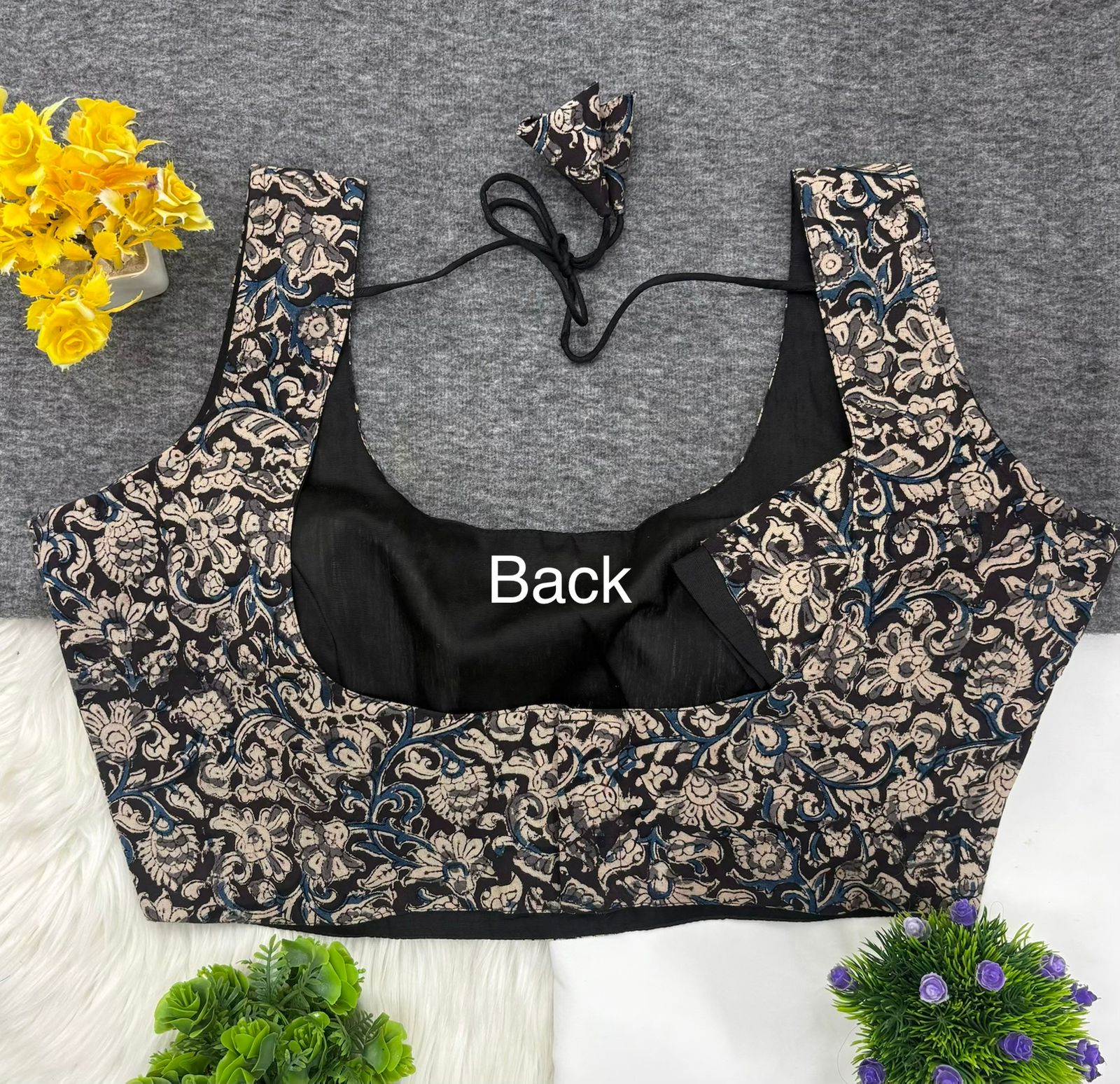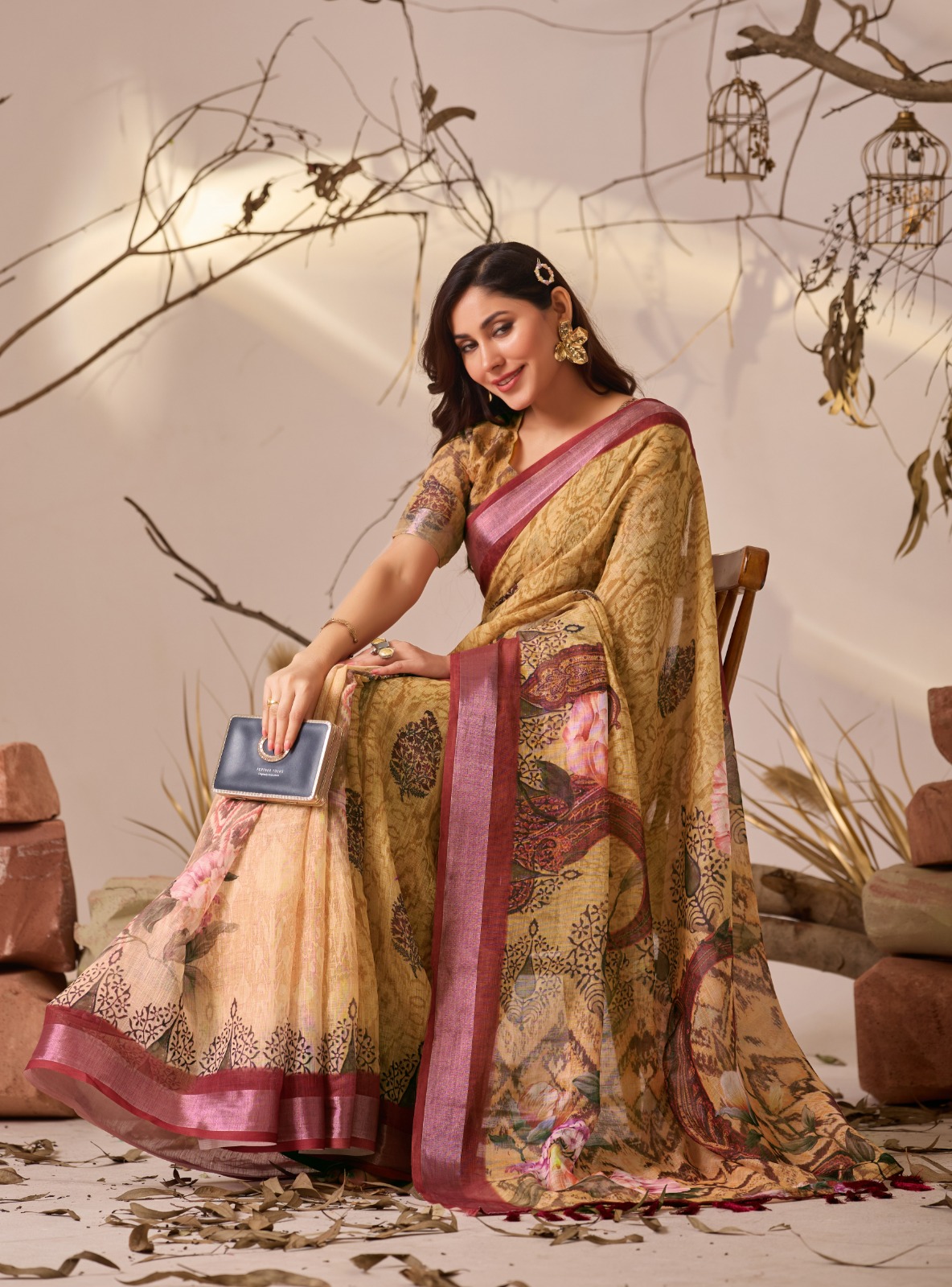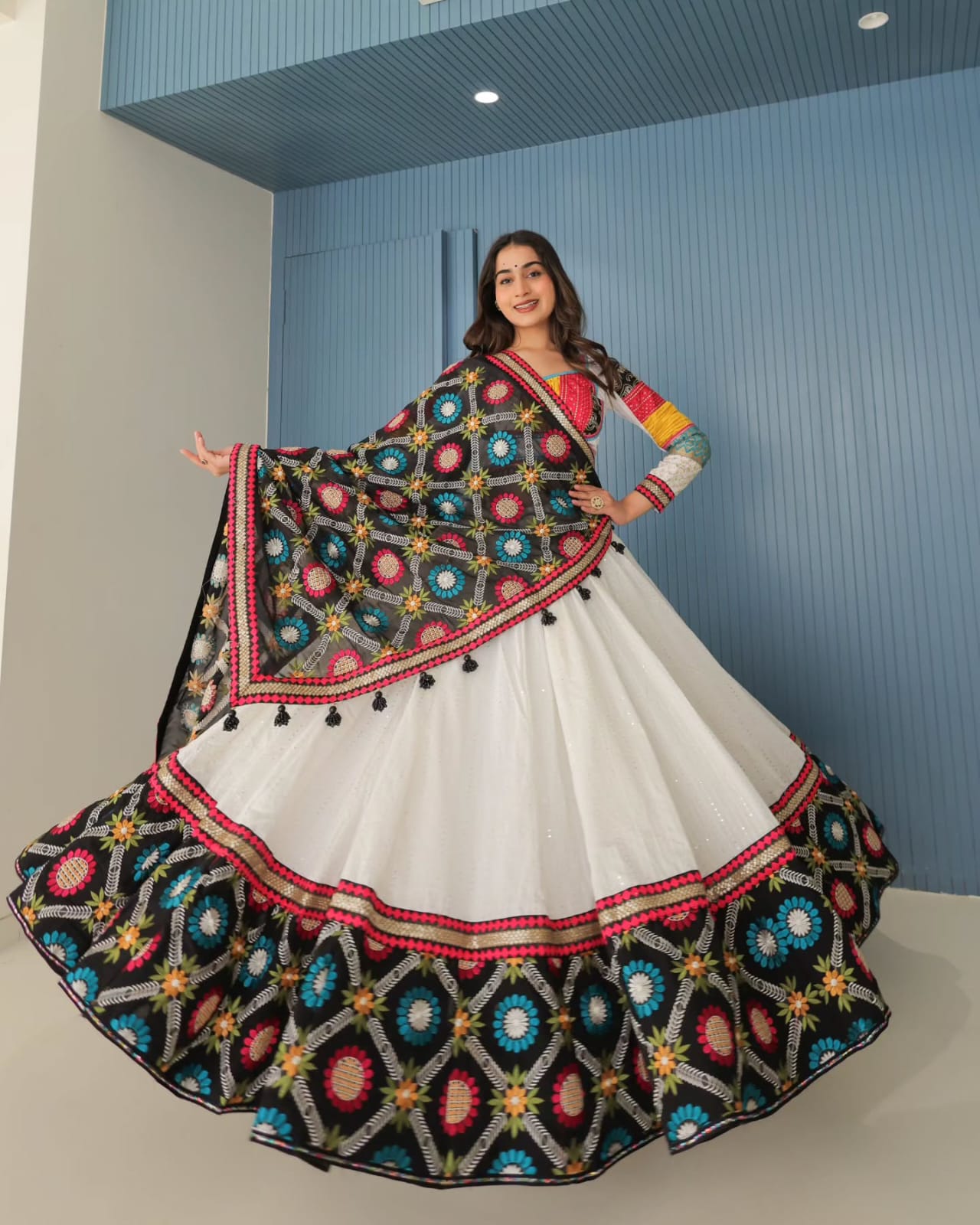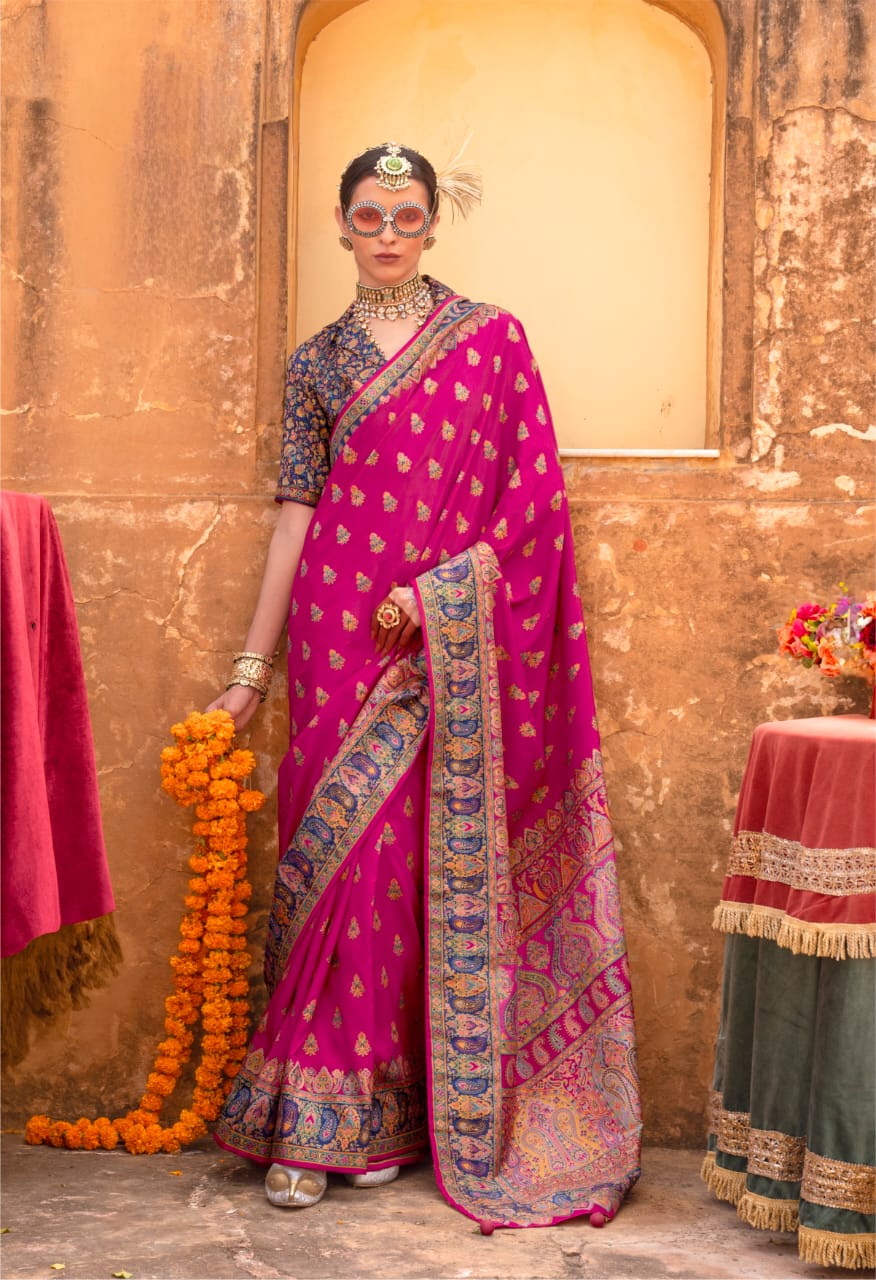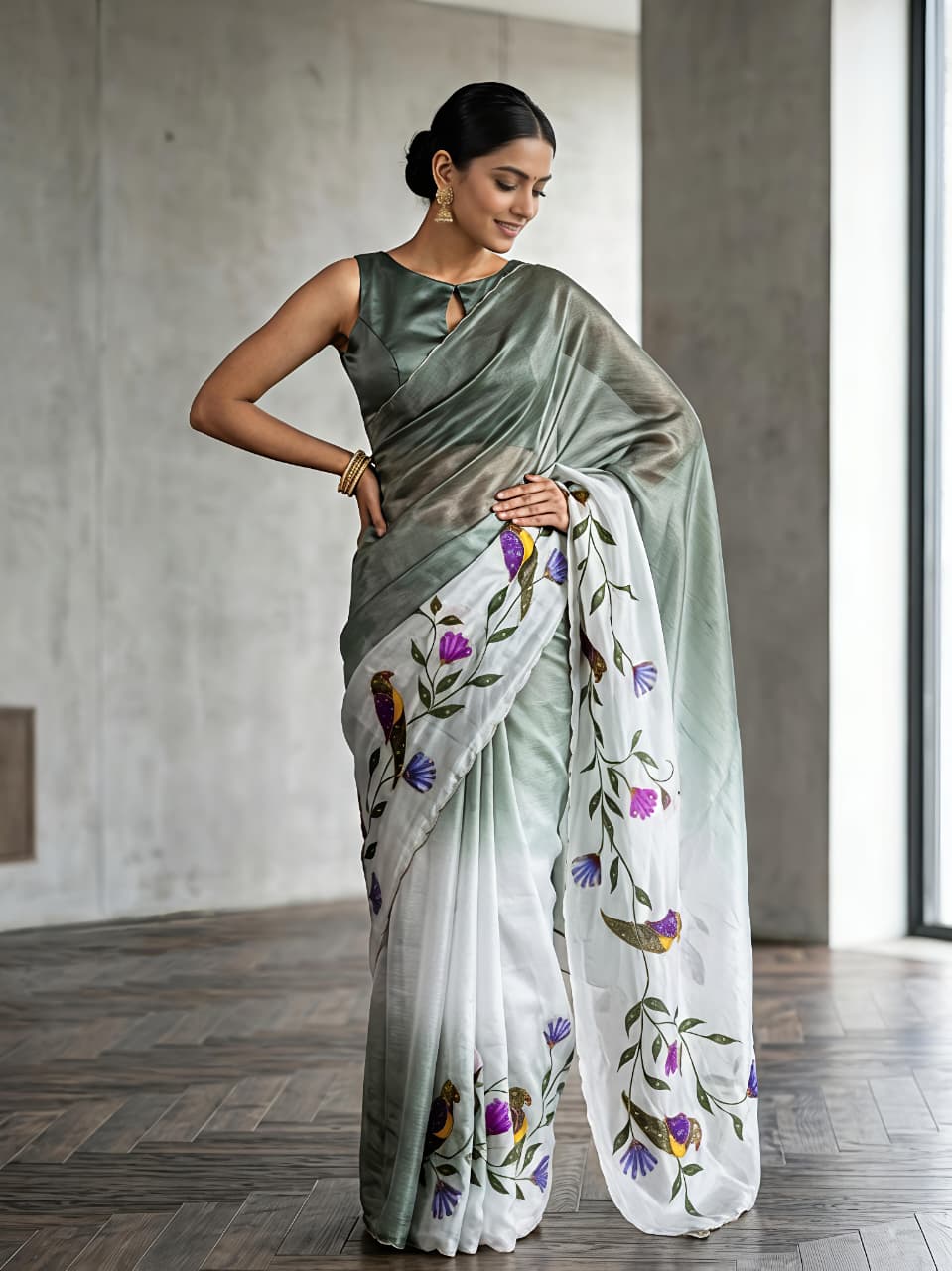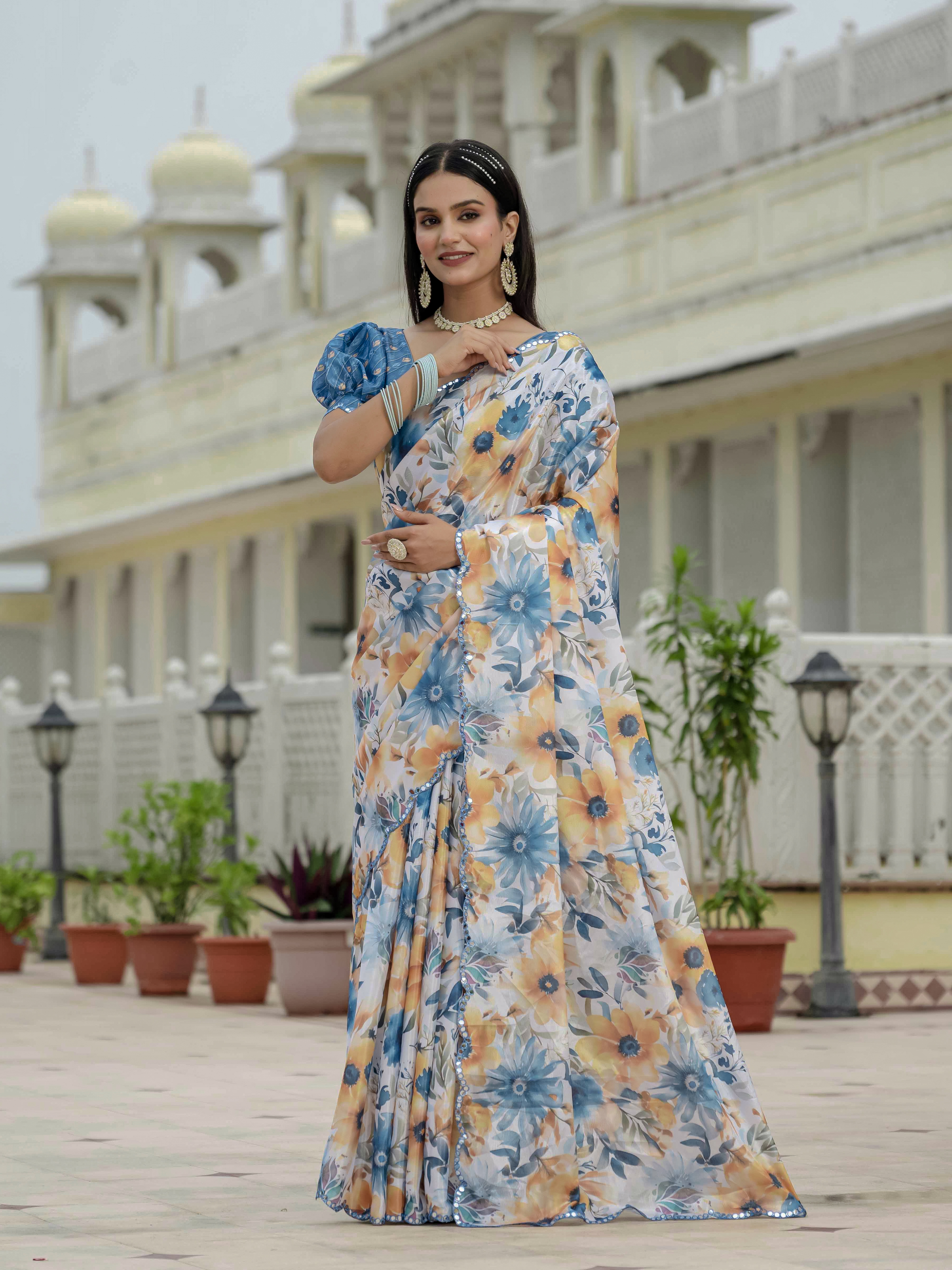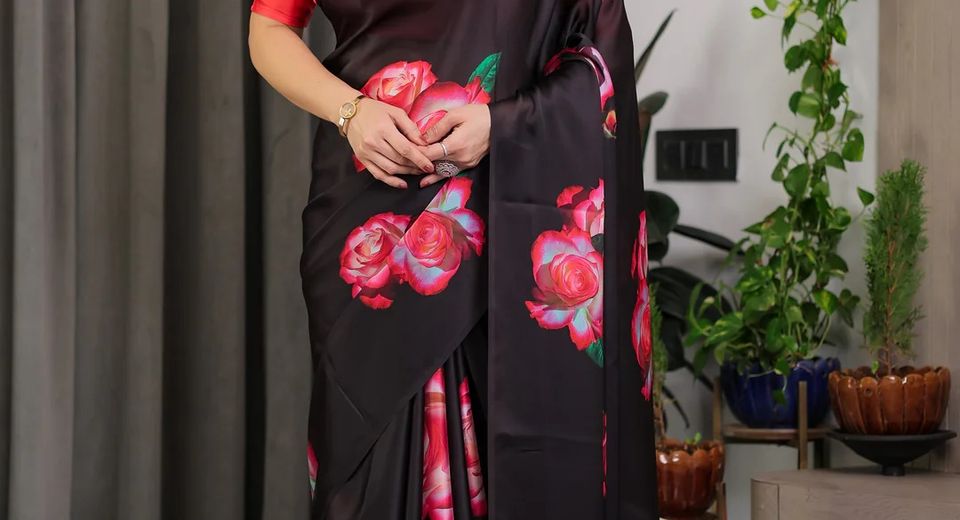
The Arunachal Pradesh Festival Fashion Calendar helps match festive clothing with the state's seasons, regional traditions and practical travel conditions. Arunachal Pradesh has no single festival costume: Nyishi, Adi, Monpa, Galo, Apatani, Mishmi, Nocte and other communities have distinct textiles, ornaments and ceremonial dress. Visitors can dress beautifully without presenting a community-specific garment as a generic costume by choosing comfortable Indian occasion wear, using local craft references thoughtfully and following host guidance.
Festival dates can change because many celebrations follow lunar calendars, agricultural cycles or community decisions. Confirm the current date, venue and dress expectations with an official tourism source, local organiser or host before travelling. The calendar below offers a planning framework rather than a substitute for community knowledge.
How the Arunachal Pradesh Festival Fashion Calendar works
The calendar organises festivals by their usual month, regional climate and level of ceremonial formality. A winter Buddhist celebration in Tawang requires different layers from a spring agricultural festival in the foothills, even when both include music, food and public gatherings.
Three decisions make festival dressing easier. First, identify whether the event is primarily religious, agricultural, community-based or a public cultural programme. Second, check the elevation and forecast because Arunachal Pradesh ranges from humid foothills to cold Himalayan valleys. Third, separate respectful everyday styling from ceremonial clothing that belongs to a particular community.
For a public festival, a saree, salwar suit, kurta set or modest lehenga in breathable fabric is generally practical. For a monastery visit or religious ceremony, covered shoulders, a longer hem and a stole or shawl are safer choices. Avoid copying distinctive tribal headdresses, woven motifs or ritual ornaments merely as accessories unless a local host explains their meaning and gives permission.
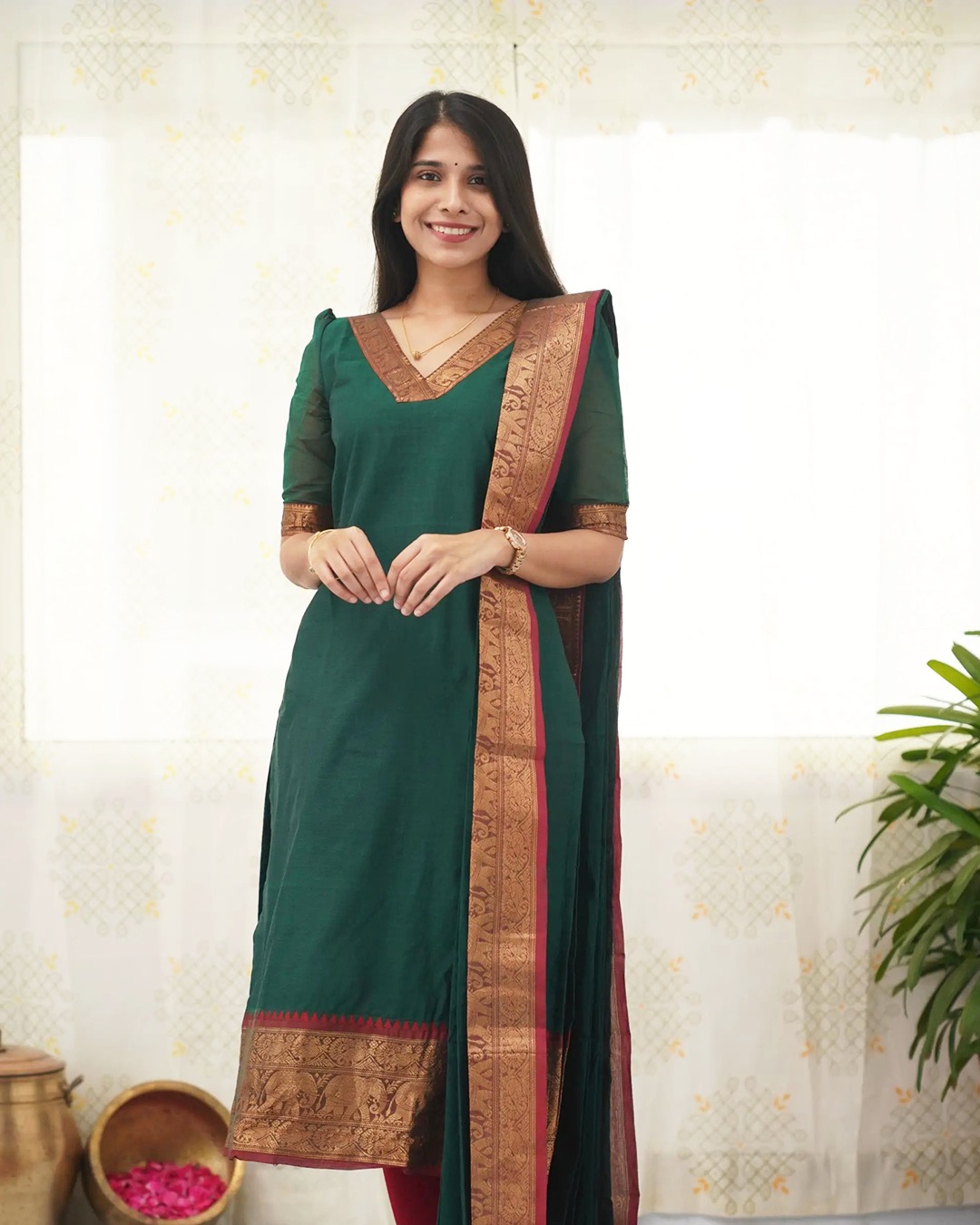
The collection Arunachal Ethnic Wear in Silk and Festive Colours can provide an useful starting point for colour and fabric planning, but a collection label should never be treated as a replacement for knowledge of a community's actual dress traditions.
January to March: winter festivals and spring renewal
January through March brings gentle conditions in high-altitude Arunachal Pradesh and milder, sometimes rainy weather in the foothills. Clothing should therefore promising a bright base outfit with a warm layer, closed shoes and a compact stole.
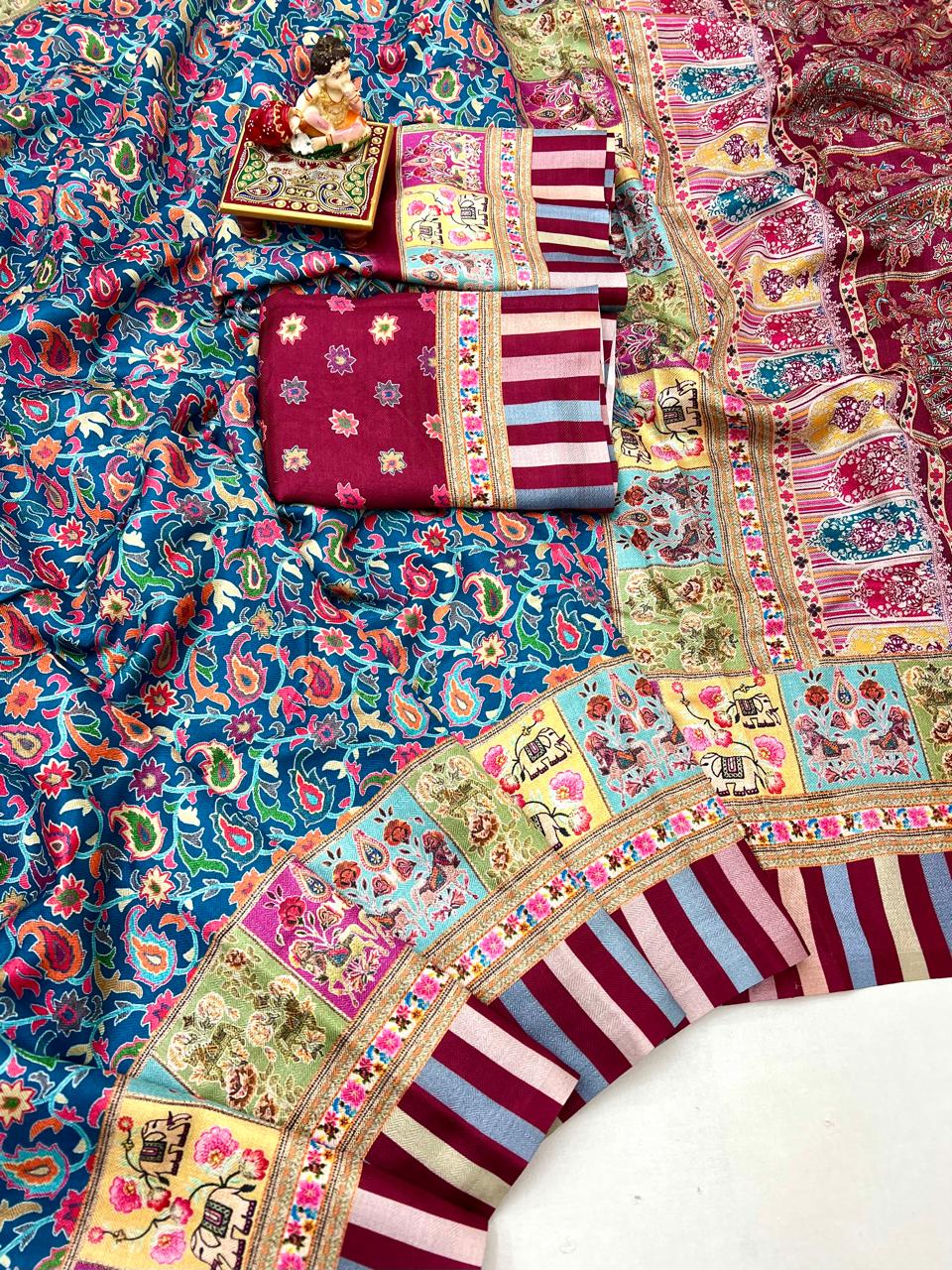
Losar and Torgya in January or February
Losar is the Tibetan Buddhist New Year, while Torgya is a major Monpa monastery festival associated especially with Tawang and surrounding areas. Dates vary by the Tibetan lunar calendar, and visitors should expect cold weather, crowds and long periods spent outdoors.
A full-sleeved kurta with straight trousers, a woollen shawl and low-heeled footwear works better than a lightweight party outfit in Tawang. A silk saree can be worn for a formal meal or indoor gathering, but secure the pallu and add thermal layers underneath when temperatures are low. A muted or jewel-toned palette such as maroon, rust, deep blue or ivory photographs well without competing with ceremonial surroundings.
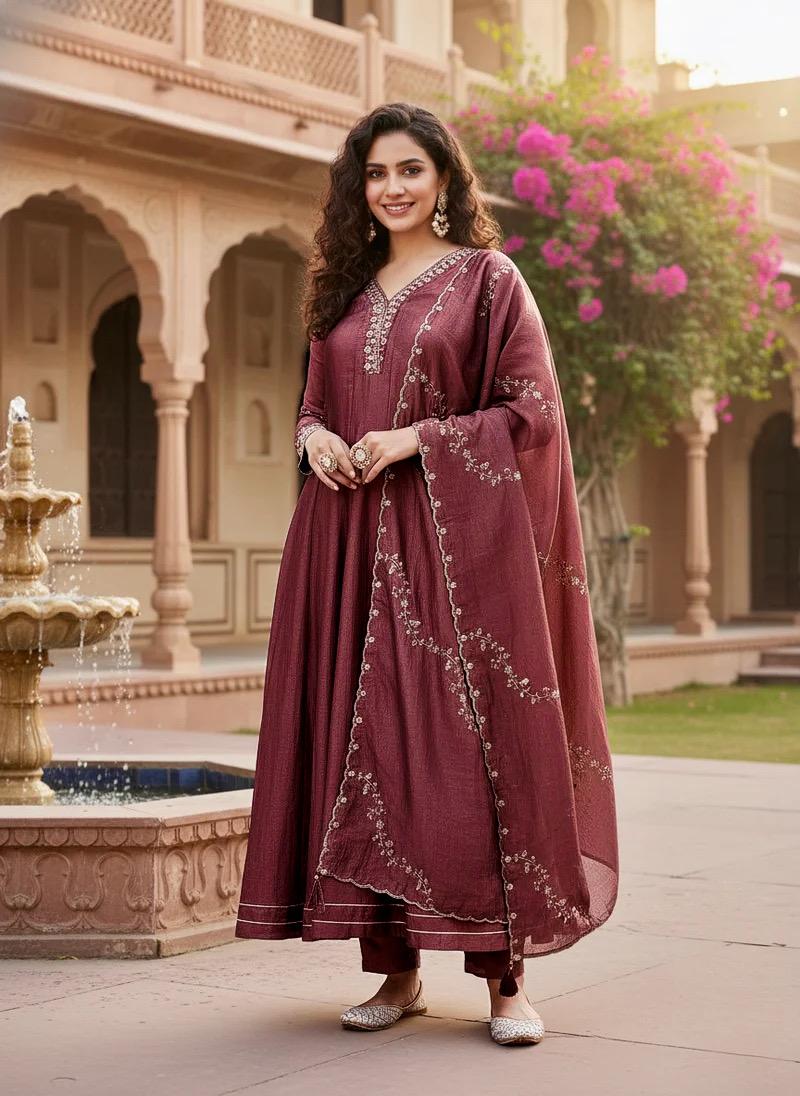
Festive Wear Maroon Silk Anarkali Suit Set for Women gives an useful reference for a warm, covered silhouette. Pair a similar anarkali shape with a plain shawl rather than adding conspicuous costume jewellery near a monastery. During prayer ceremonies, follow instructions about photography, seating and movement before adjusting clothing or accessories.
Nyokum, Boori Boot and Reh in February
Nyokum, celebrated by the Nyishi community, is commonly associated with February and honours nature, harmony and community well-being. Boori Boot among the Hill Miri community and Reh among the Idu Mishmi are also generally observed around the late-winter period, although dates and public schedules vary.
These celebrations may involve open grounds, dancing and community feasts, so breathable layers and secure footwear matter more than elaborate trains or delicate drapes. Cotton-silk blends, handloom-style textures and modest kurtas are comfortable choices. Visitors should not assume that one festival's customary attire represents every Arunachal community; ask before wearing a motif that appears connected to a specific group.
Elegant Pista Festive Wear Kurta Pant Set provides a practical colour and silhouette direction for daytime gatherings. Add a woven-looking dupatta, small earrings and a warm neutral jacket if the forecast is cool. The aim is to look festive while leaving room to walk, sit on mats and participate respectfully.
April to June: Mopin, Sangken and warm-weather dressing
April to June usually calls for lighter fabrics, sweat-friendly layers and footwear that can handle uneven ground. Lower-altitude towns can feel warm and humid, while rain may arrive suddenly, making a light water-resistant cover useful.
Mopin in April
Mopin is a major Galo agricultural festival traditionally observed in April, with prayers, community singing, dancing and the application of rice paste during some celebrations. Public programmes may extend over several days, and local customs can differ between villages and urban venues.
Choose an outfit that allows free arm movement and can tolerate outdoor activity. A cotton saree with a firmly pinned pallu, a salwar suit or a kurta with palazzo trousers is more practical than a heavily embellished lehenga for daytime events. White, red and other colours may have local associations, so ask a host whether a particular combination is appropriate for a ceremonial programme.
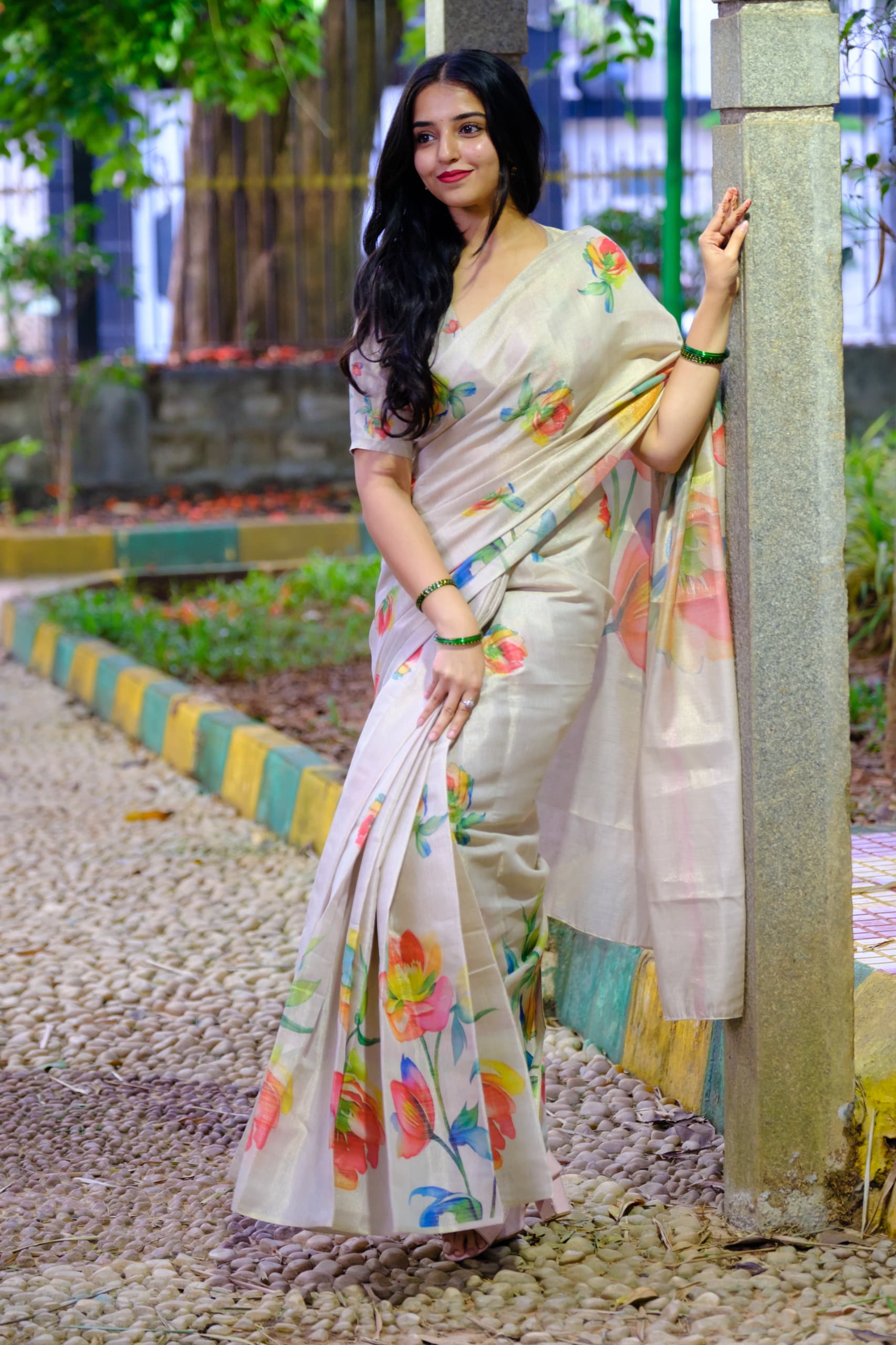
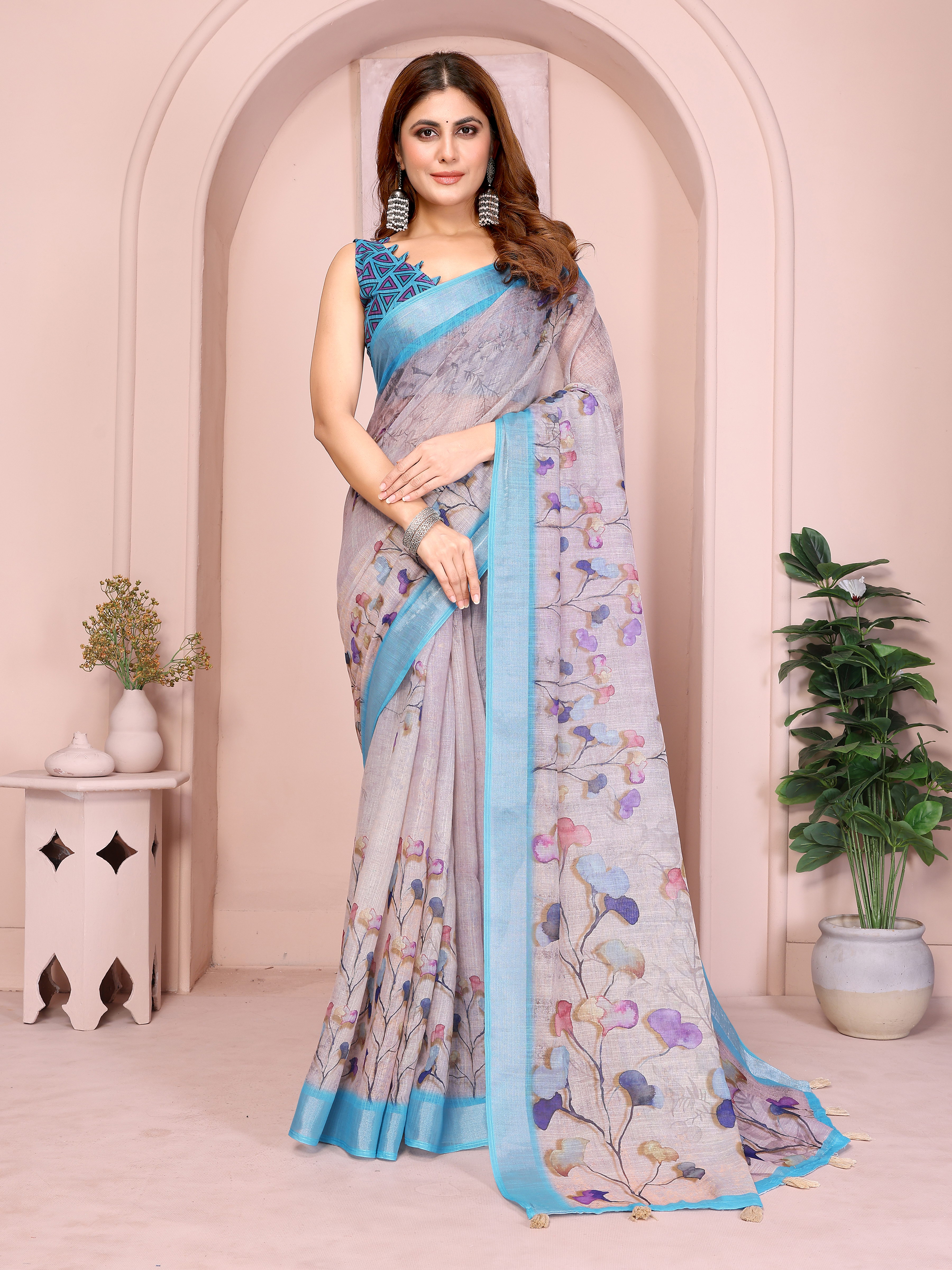
Pastel Linen Cotton Floral Print Saree with Designer Blouse demonstrates why a linen-cotton saree can work in warm weather: the blend has more structure than very soft cotton while remaining lighter than many dense silks. Secure the blouse straps and pin the pleats before leaving, because dancing, walking and humidity can quickly loosen a casual drape.
Sangken in April
Sangken, the water festival observed by Buddhist communities in parts of Arunachal Pradesh, is commonly celebrated in April. Water-related rituals and public play make dry-clean-only garments, long trailing dupattas and suede footwear poor choices.
Wear quick-drying cotton or a washable synthetic blend, carry a spare blouse or kurta and protect your phone in a sealed pouch. A knee-length or longer tunic with tapered trousers gives more freedom than a floor-length skirt. Choose jewellery that can tolerate moisture, and remove leather accessories before joining water activities.
July to September: monsoon textiles and agricultural festivals
July to September is the monsoon and early harvest period, so festival outfits need moisture management, quick drying and easy movement. Roads may be muddy, transport may take longer and indoor spaces can become crowded when rain interrupts outdoor performances.
Dree in July
Dree is an important Apatani agricultural festival usually celebrated in July, with prayers for crops, community well-being and a successful harvest. Local cultural performances may feature traditional Apatani dress, ornaments and dance, which should be observed with appreciation rather than imitated without context.
A lightweight saree, a cotton salwar suit or a short kurta with wide-leg trousers is suitable for a public programme. Keep the hem above puddle level and choose a blouse with secure sleeves. A compact umbrella, waterproof sandals with grip and a cotton scarf are more useful than extra decorative layers.
Soft Tussar Silk Floral Saree For Festive Wear can inspire an evening look when the venue is covered and the rain forecast is manageable. Tussar silk has a textured surface and a dressier appearance than ordinary cotton, but it still needs careful protection from prolonged moisture. Carry the saree in a breathable cloth bag instead of sealing damp fabric in plastic.
Solung in September
Solung is a major Adi harvest festival generally celebrated in September. Community feasts, songs and dances create a lively setting, but the event remains culturally specific and isn't simply a generic ethnic-fashion theme.
For visitors, an earthy saree, a simple silk kurta or a coordinated set in rust, indigo, green or cream can acknowledge the harvest mood without reproducing ceremonial dress. Avoid wearing borrowed tribal jewellery or a headpiece for photographs unless the owner or organiser explicitly invites you to do so. A crossbody bag worn under a shawl keeps essentials secure in a crowd.
Peach Floral Linen Cotton Saree with Statement Blue Border! Shows how a restrained base with one strong border can create visual interest without excessive embellishment. Add flat footwear and a cropped rain jacket for a practical monsoon adaptation. Keep the jacket plain so the border remains the focus.
October to December: clear skies, harvest gatherings and winter layers
October to December often brings clearer skies, cooler evenings and a busy cultural calendar, although conditions still vary sharply between Itanagar, Pasighat, Ziro, Tezu, Tawang and other locations. Festival dressing can become more textural during this period, but a warm outer layer remains important after sunset.
Chalo Loku and winter cultural programmes
Chalo Loku is a major festival of the Nocte community, commonly held in November and linked with agricultural life, community identity and the beginning of a new cycle. Dates, public access and customary dress should be confirmed locally.
Daytime dressing can include a handloom-style saree, a kurta with a Nehru jacket or a modest co-ord set. For evening events, add a woollen stole, opaque tights under a long dress or a lightweight quilted jacket. Choose fabrics that don't snag easily if the venue includes bamboo seating, outdoor fires or crowded dance areas.
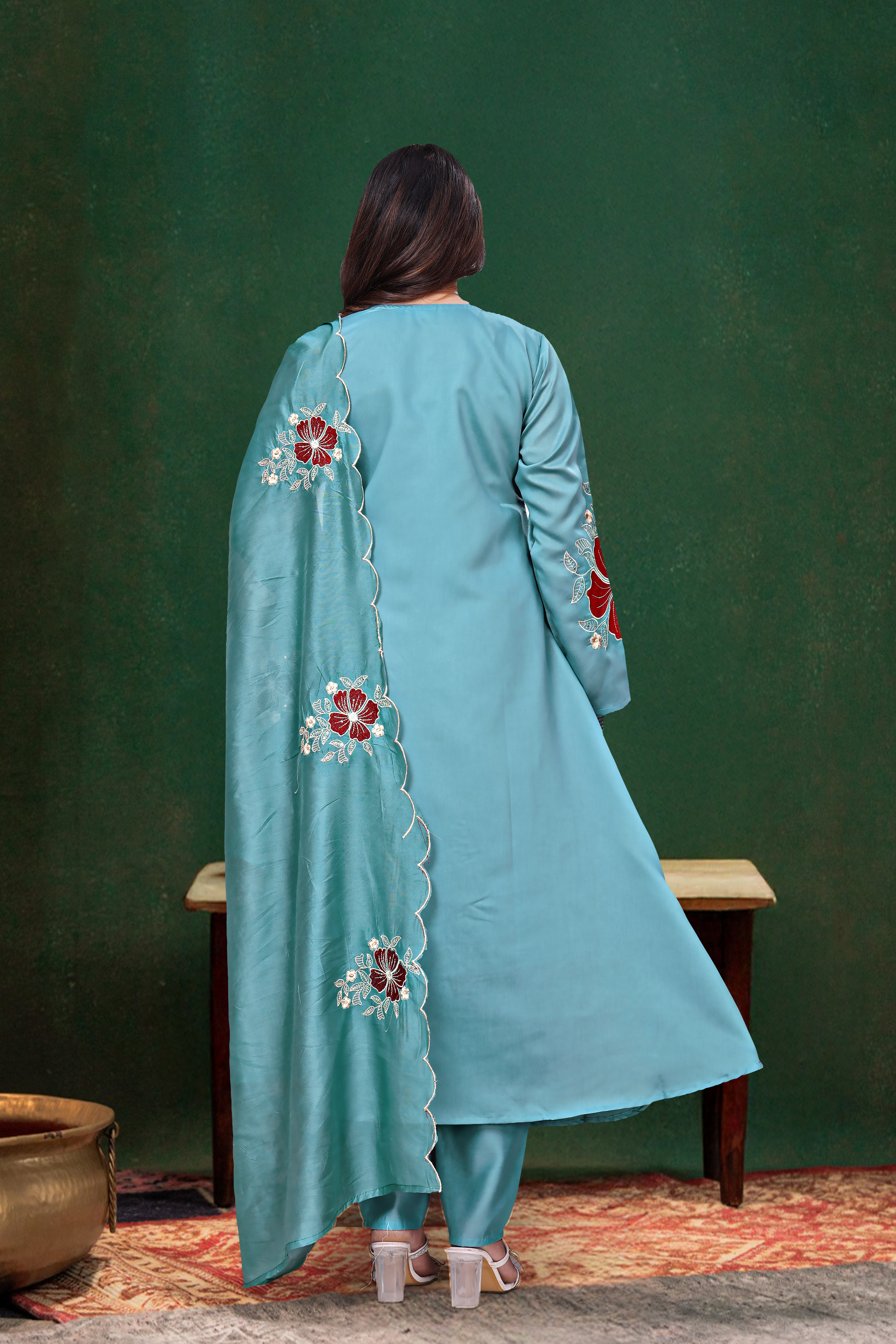
Modern Taupe Vichitra Silk Embroidered Co-Ord Set for Women gives an useful direction for an evening outfit with texture and structure. Keep the accessories restrained when attending a community programme, and use a plain shawl rather than layering several highly decorative pieces.
Winter travel and Buddhist celebrations
Winter travel to Tawang and other high-altitude areas requires thermal clothing beneath festive garments, insulated socks and shoes with reliable grip. A saree can work indoors, but a kurta set or anarkali is easier for walking on cold, uneven surfaces.
Colorful Ethnic Chinon Saree for Women is better suited to an indoor celebration, family dinner or photography session than a long outdoor monastery visit in cold weather. Chinon has a fluid drape, so use a wide belt or additional pleat pins when moving through crowded venues. A warm coat should be removed only after reaching a heated indoor space.
Arunachal Ethnic Wear in Silk and Festive Colours can also be consulted for a more formal winter palette, particularly when selecting maroon, emerald, navy or antique-gold accents. The most respectful choice remains the outfit that allows local dress instructions, religious etiquette and practical weather needs to take priority over trend-led styling.
How to dress respectfully at Arunachal Pradesh festivals
Respectful festival dressing means distinguishing appreciation from imitation and asking before wearing culturally specific items. A visitor can wear Indian festive clothing while avoiding sacred ornaments, community headdresses, ceremonial weapons and distinctive woven symbols that may carry identity or ritual meaning.
- Ask before photographing or borrowing attire. A performer, artisan or host may explain which pieces are ceremonial, which are everyday items and which should not be touched.
- Cover appropriately for religious spaces. Carry a stole, keep shoulders covered where requested and choose a hemline that allows comfortable sitting on the floor.
- don't label every Northeast textile as tribal. Name a community, material or technique accurately when you know it; otherwise describe the garment simply as a saree, kurta or woven accessory.
- Prioritise movement and weather. Secure drapes, wear shoes with grip and carry a spare layer, especially during monsoon or high-altitude travel.
- Support local makers responsibly. Buy from identified artisans or reputable cooperatives, ask about fibre content and avoid bargaining aggressively over labour-intensive handwork.
Fabric and packing checklist for the festival calendar
A practical festival suitcase should contain one breathable daytime outfit, one warmer evening layer, comfortable footwear, rain protection and a small repair kit. Two blouse options for a saree, safety pins, fashion tape and a reusable garment bag can prevent minor wardrobe problems from becoming travel disruptions.

- Cotton and linen-cotton: Suitable for warm daytime events, but linen-cotton can crease and cotton may take longer to dry during heavy rain.
- Tussar silk and Banarasi silk: Appropriate for formal indoor gatherings, but both should be protected from prolonged moisture and stored in breathable fabric.
- Chinon and other fluid fabrics: Easy to drape for photographs, but they need extra pins in windy or crowded outdoor settings.
- Vichitra silk and blended fabrics: Useful for cooler evenings because structured surfaces create a polished look, although care labels should be checked before washing.
- Zari and metallic embroidery: Keep away from rain, perfume and rough surfaces; wrap embellished garments in muslin and fold them loosely.
After a damp festival day, air garments completely before packing them away. Do not iron silk while it's wet, don't rub mud into embroidery and don't store an used saree in sealed plastic for more than a few hours. Professional dry cleaning is safer for heavy zari, colour-sensitive silk and garments with fused embellishment.
Planning answers from the Arunachal Pradesh Festival Fashion Calendar
The most reliable outfit plan combines the festival's community context with the destination's elevation, forecast and venue. A breathable kurta set is often the safest daytime choice, while a silk saree or structured anarkali can suit an indoor evening programme when local etiquette permits.
Check dates and public access shortly before departure because festival schedules may shift. Carry one modest, adaptable look rather than assuming that a social-media photograph represents the dress code for every village, ceremony or community.
Common Questions About Festival Dressing in Arunachal Pradesh
What should I wear to a festival in Arunachal Pradesh?
Wear a comfortable saree, salwar suit, kurta set or modest lehenga suited to the weather and venue. Choose covered shoulders and a longer hem for religious spaces, and carry a shawl or jacket because temperatures vary significantly across the state.
What should women wear to the Nyokum festival?
A breathable saree, cotton salwar suit or kurta with trousers is suitable for a public Nyokum programme. Avoid copying Nyishi ceremonial ornaments or headdresses unless a local host explicitly explains their use and gives permission.
What fabric is best for an Arunachal Pradesh festival during monsoon?
Light cotton, linen-cotton and washable blended fabrics are practical during monsoon because they are easier to dry and move in. Protect silk, zari and heavy embroidery from rain, and carry spare clothing in a waterproof pouch.
Can I wear a saree to Losar or Torgya in Tawang?
You can wear a saree to an indoor gathering if the host and venue consider it appropriate, but layered clothing is more practical for outdoor monastery events. Add thermal innerwear, a warm shawl and shoes with good grip, and follow photography and seating rules.
Is it acceptable to wear traditional Arunachal tribal jewellery as a visitor?
Traditional Arunachal tribal jewellery should not be worn as a costume accessory without permission and context. Ask the owner, artisan or event organiser whether a piece is ceremonial, community-specific or available for respectful everyday use.
When are Arunachal Pradesh festival dates announced?
Dates are announced according to the festival's community calendar, lunar cycle, agricultural timing and local organising decisions. Verify dates with an official tourism source, local organiser or host because annual schedules and public programmes can change.