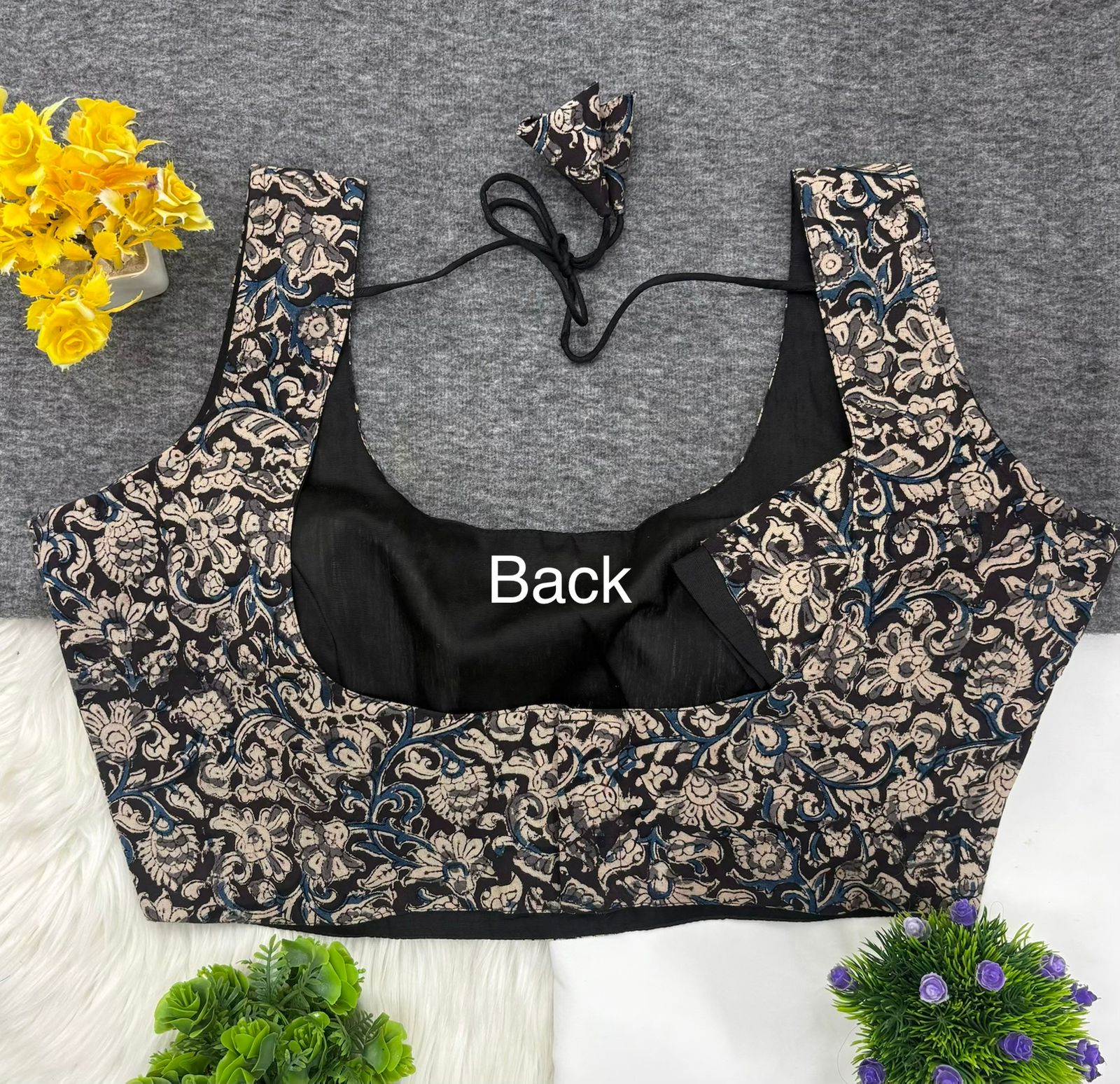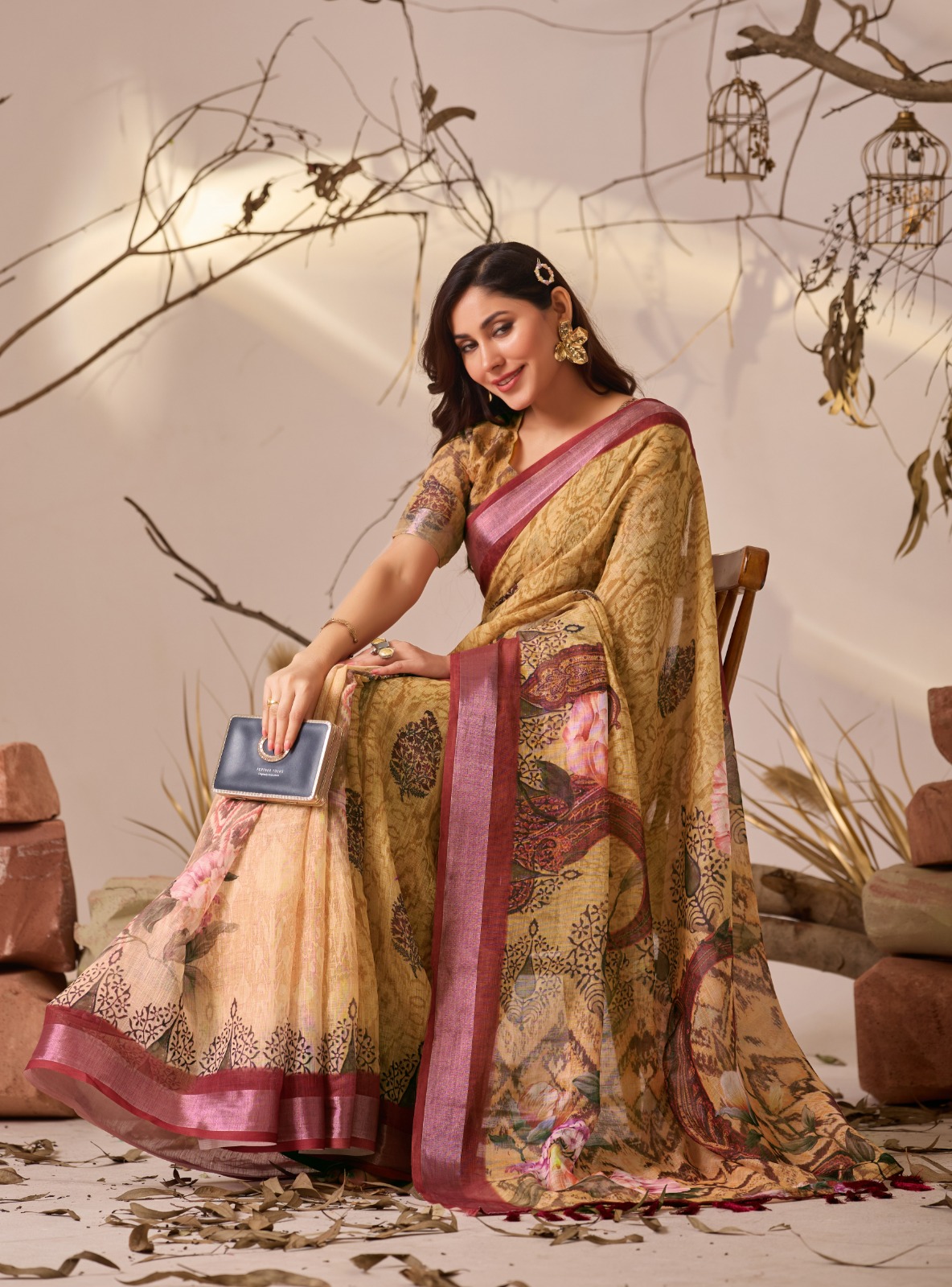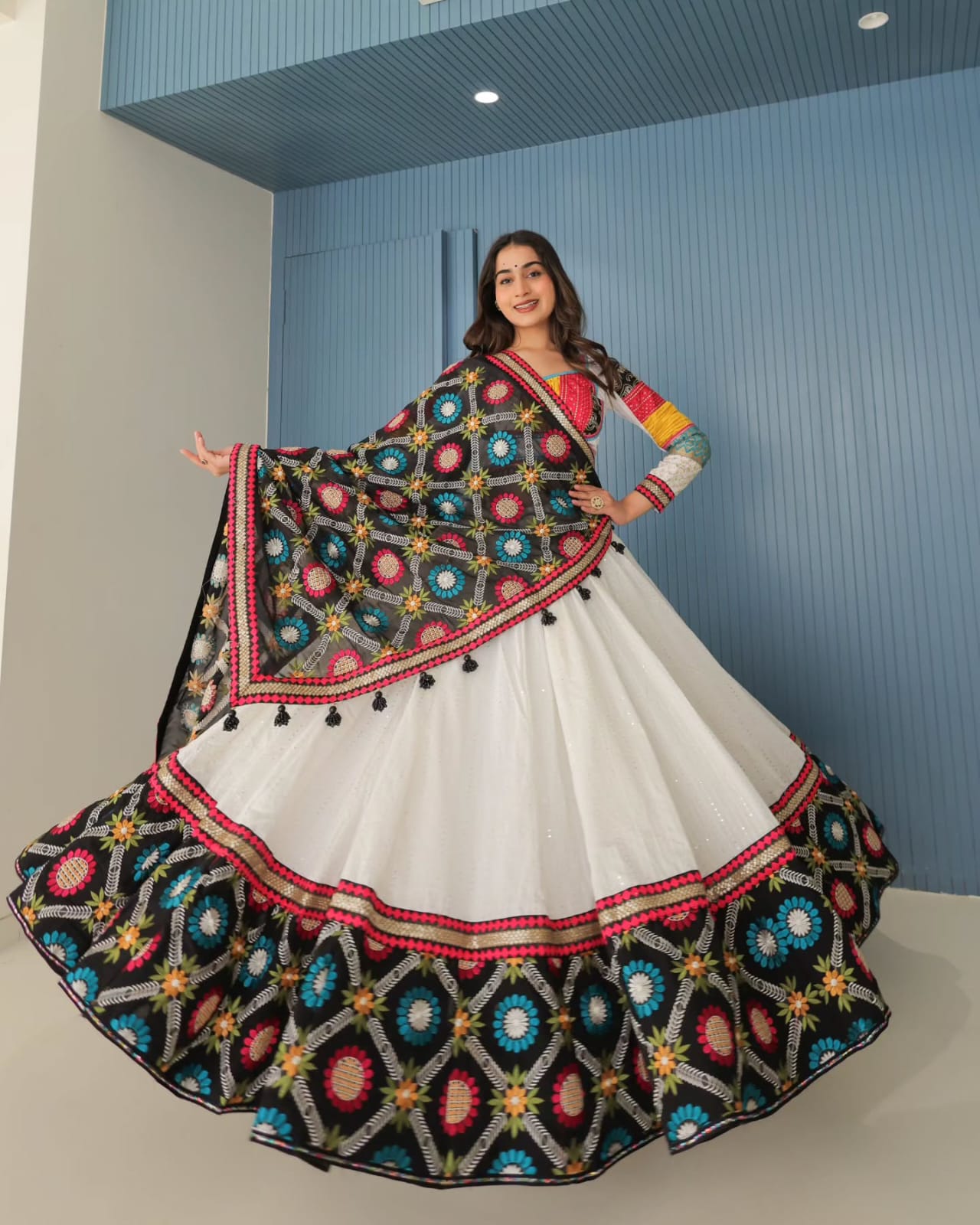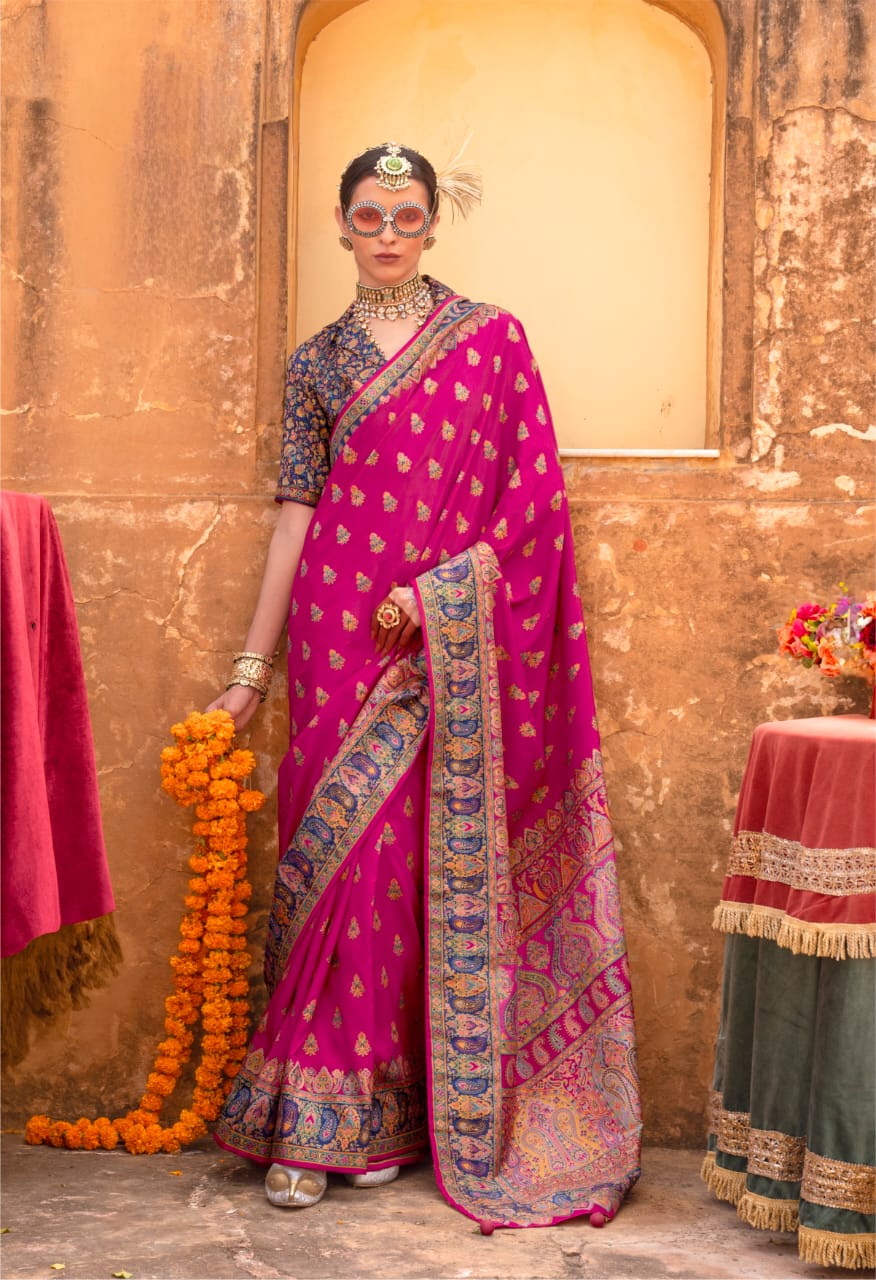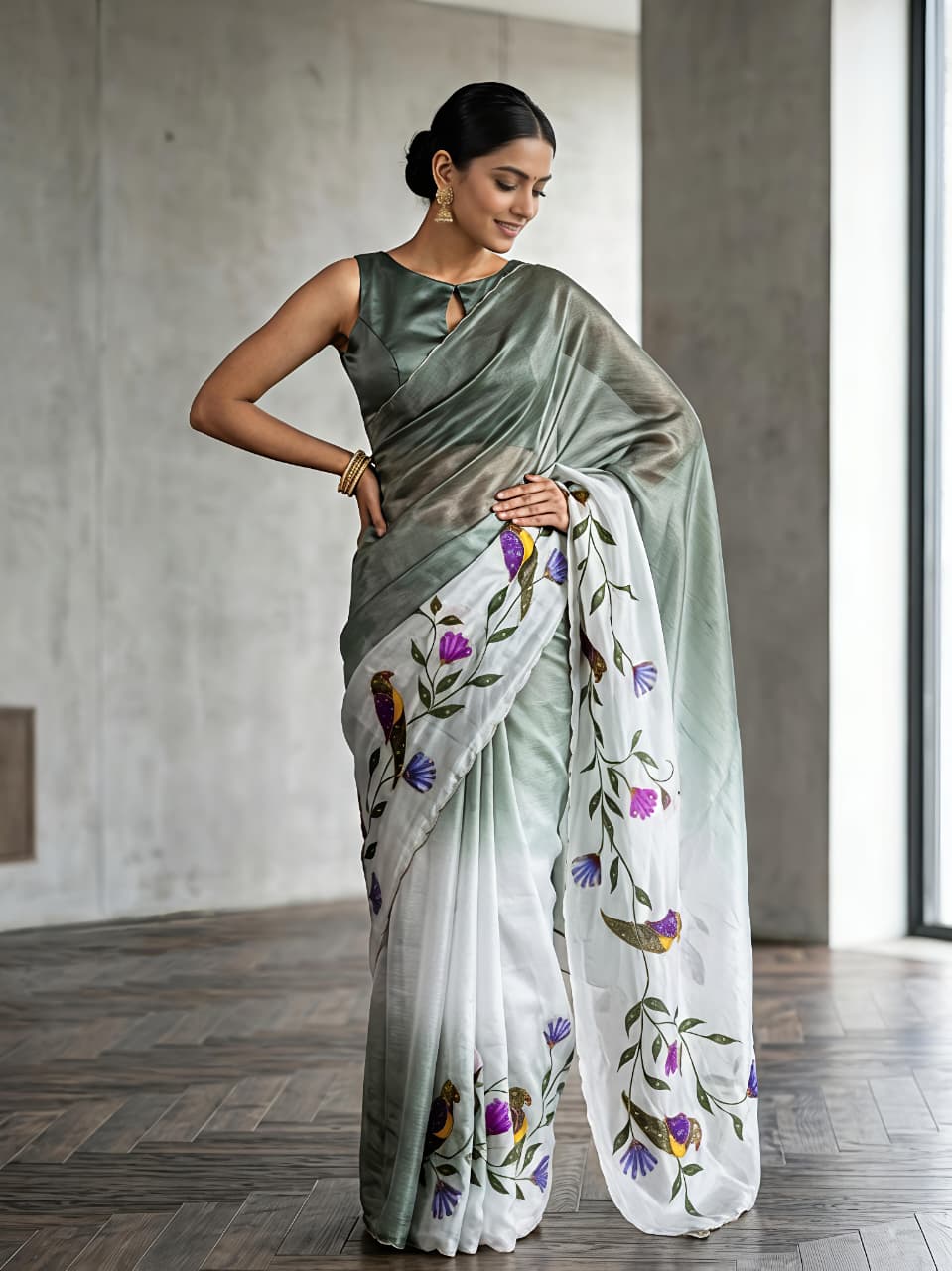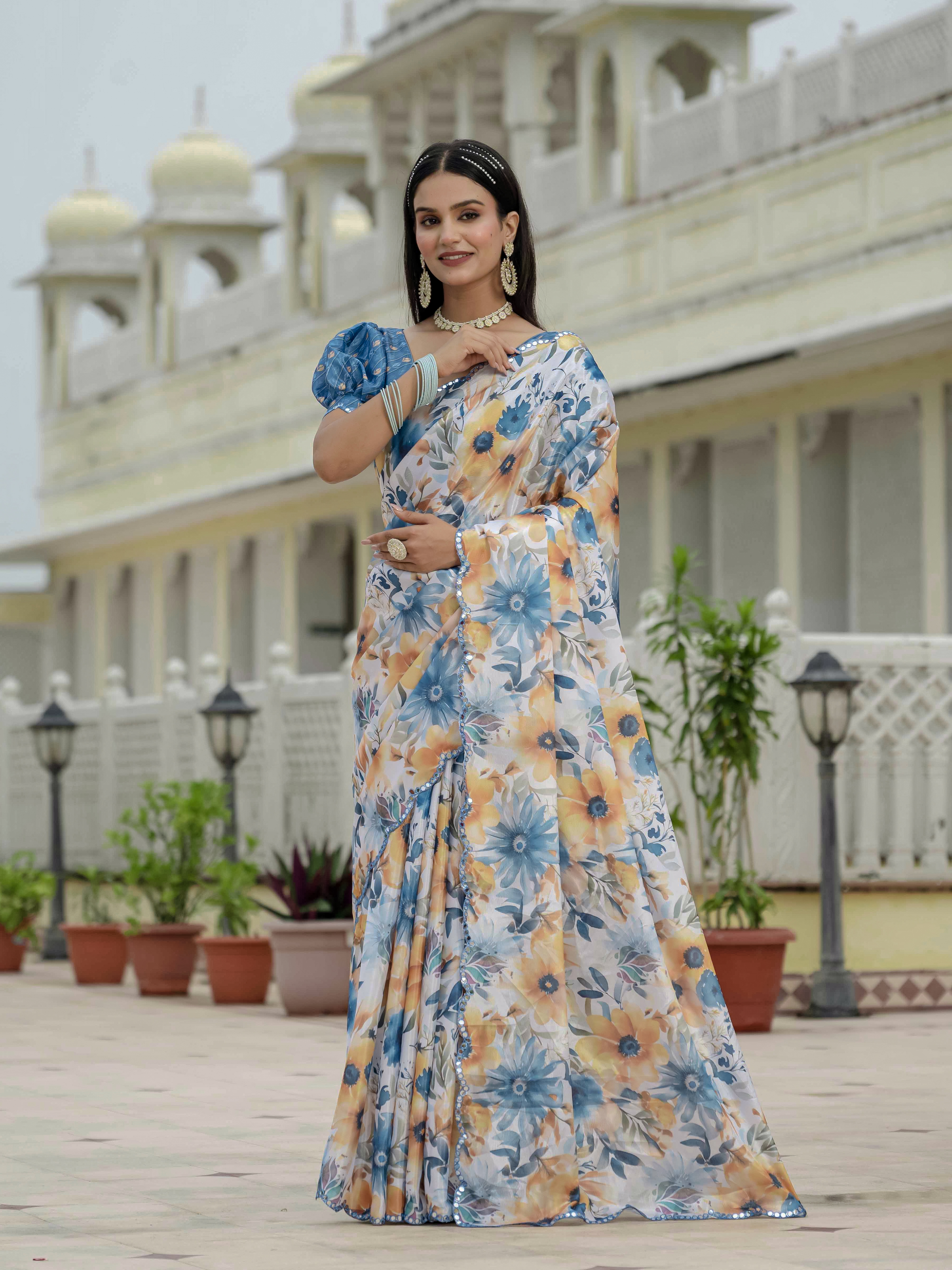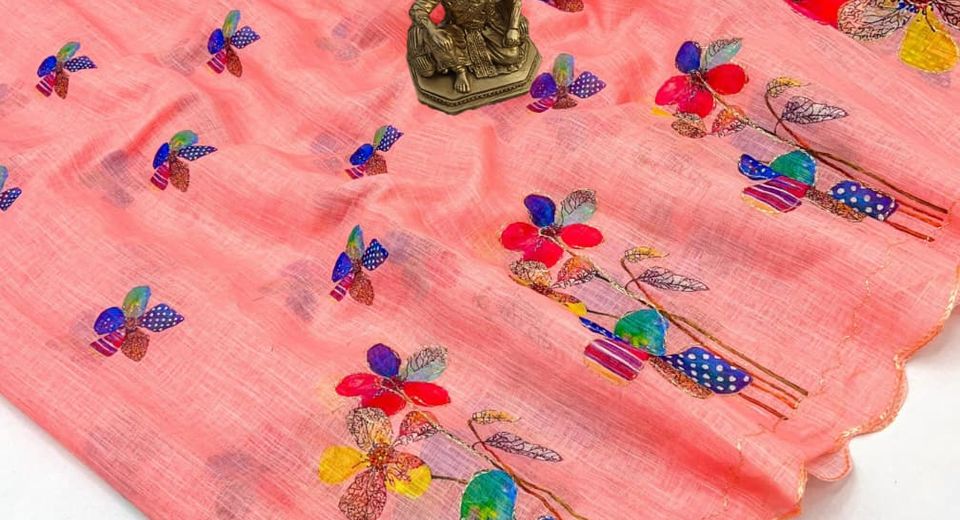
Andhra Silk Sarees become easier to choose when the weave name, fibre content and zari type are considered separately. Andhra Pradesh has several silk traditions rather than one uniform saree style: Uppada is known for airy Jamdani-inspired patterning, Dharmavaram for rich silk and broad decorative borders, and Venkatagiri for light, graceful fabrics. Each tradition creates a different drape, weight and level of formality.
A saree described as Andhra silk may be made from pure mulberry silk, silk cotton, a silk blend or a handloom fabric with zari details. Those differences affect price, shine, fall, maintenance and suitability for a Haldi ceremony, wedding, reception or festive puja. Understanding the construction helps a buyer select a saree for its actual qualities instead of relying only on colour or photographs.
What makes Andhra Silk Sarees distinctive?
Andhra Silk Sarees are distinctive because regional weaving traditions combine silk yarns with structured borders, zari ornamentation and motifs influenced by local textile culture. The most useful identification clue is the named weaving tradition, not simply the presence of a glossy surface or metallic thread.
Andhra Pradesh has a varied textile landscape. Coastal Uppada is associated with fine handloom sarees and Jamdani-style supplementary-weft motifs. Dharmavaram, in the Anantapur region, is associated with substantial silk sarees, contrast borders and pallu designs suited to formal dressing. Venkatagiri, near Nellore, is celebrated primarily for exceptionally light handloom sarees, including cotton and silk varieties.
Andhra textile vocabulary can overlap with neighbouring traditions. Kanjeevaram belongs to Tamil Nadu, while Pochampally Ikat is strongly associated with Telangana. Gadwal sarees are also linked to Telangana, although historic trade and shared Deccan design influences can make regional labels appear together in online searches. A careful listing should name the actual weave and fibre rather than treating every South Indian silk saree as interchangeable.
Traditional Andhra design often gives the border and pallu a clear visual role. Temple-inspired edges, floral vines, peacocks, paisleys and geometric forms may appear through zari, jacquard or coloured yarns. A restrained body with an elaborate pallu can look more authentically traditional than a saree covered uniformly in heavy decoration.
Which traditional styles define Andhra Silk Sarees?
Uppada, Dharmavaram and Venkatagiri are the three Andhra traditions most useful for understanding the range of regional silk sarees. Their differences are practical: Uppada often feels light and detailed, Dharmavaram usually looks grander and more structured, and Venkatagiri is valued for a softer, lighter drape.
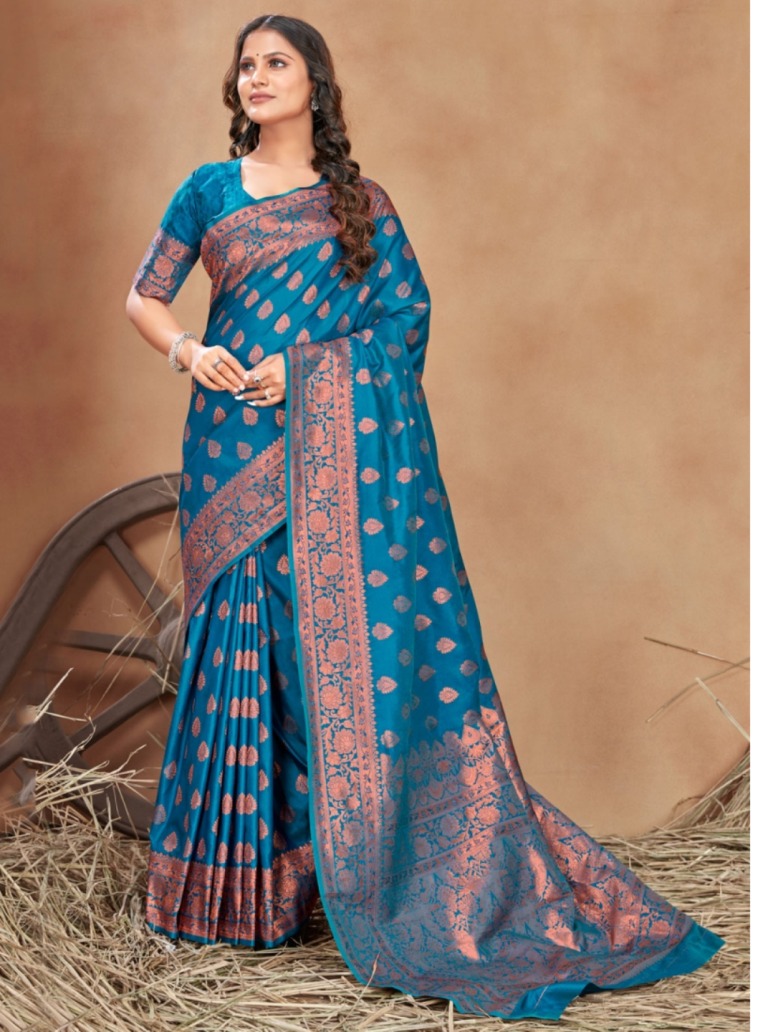
Uppada Jamdani
Uppada Jamdani is recognised for delicate motifs inserted into the fabric through a supplementary-weft technique. The method allows floral, paisley, butti and geometric details to appear as though they're placed within the body rather than simply printed on top. Traditional Uppada sarees can be made with silk and zari, and the weave may produce a light, supple feel.
Uppada silk works well for daytime weddings, formal lunches and receptions where the wearer wants visible craftsmanship without the weight of a heavily brocaded saree. The pallu may carry more concentrated ornament, so folding and draping should preserve its motif alignment.
Dharmavaram silk
Dharmavaram silk is recognised for its lustrous silk ground, prominent borders and elaborate pallus. Traditional versions frequently use contrast colour combinations, floral forms, peacocks, paisleys and metallic zari. The fabric generally has more body than a very light Uppada or Venkatagiri saree, making it suitable for bridal wardrobes and evening ceremonies.
A Dharmavaram-style saree can be a sensible choice when a blouse with architectural sleeves, a high neck or structured tailoring is planned. The firm fall supports pleats, while the broad pallu creates a strong visual frame when worn over the shoulder.
Venkatagiri silk and silk cotton
Venkatagiri silk and silk-cotton sarees are valued for their lightness, fine texture and understated elegance. Venkatagiri is especially useful for long ceremonies, travel and summer celebrations because a lighter saree can remain comfortable for several hours. Small zari dots, narrow borders and restrained motifs are common design directions.
Venkatagiri should not be confused with a heavyweight bridal silk merely because both fabrics may include zari. Fibre content and fabric weight create the more meaningful distinction. A listing that states silk cotton should not be assumed to mean pure silk.
How do fabrics and zari shape Andhra Silk Sarees?
Silk, silk cotton, zari and jacquard change the weight, shine, texture, fall and care requirements of Andhra Silk Sarees. Fibre composition identifies the base material, while zari and jacquard describe important decorative or structural elements.
Pure mulberry silk usually has a smooth surface, natural lustre and a fuller fall. Silk cotton combines silk with cotton to reduce weight and shine while improving breathability and everyday comfort. Silk blends can offer attractive colour and easier pricing, but blend percentages should be checked before purchase because silk blend doesn't mean pure silk.
Zari is a metallic thread used to create borders, pallus, motifs and woven highlights. Traditional zari may contain a precious-metal coating over a core, while modern zari is commonly made with metallic film or synthetic material around a thread. A saree with extensive zari generally needs more careful folding because metallic areas can snag against rough jewellery or dry surfaces.
Jacquard refers to a method of creating woven patterns through controlled lifting of warp threads. A copper jacquard border, for example, can provide raised pattern and depth without the same construction as hand-inserted Jamdani motifs. Woven designs are usually more durable than surface prints, but woven zari and jacquard can still flatten if pressed at excessive heat.
Colour also gives useful information about styling and maintenance. Deep wine, maroon, navy and teal shades often look especially rich beside antique-gold or copper zari. Pastel silk or silk-cotton sarees can appear more contemporary when paired with a blouse in a related tone rather than an exact colour match.
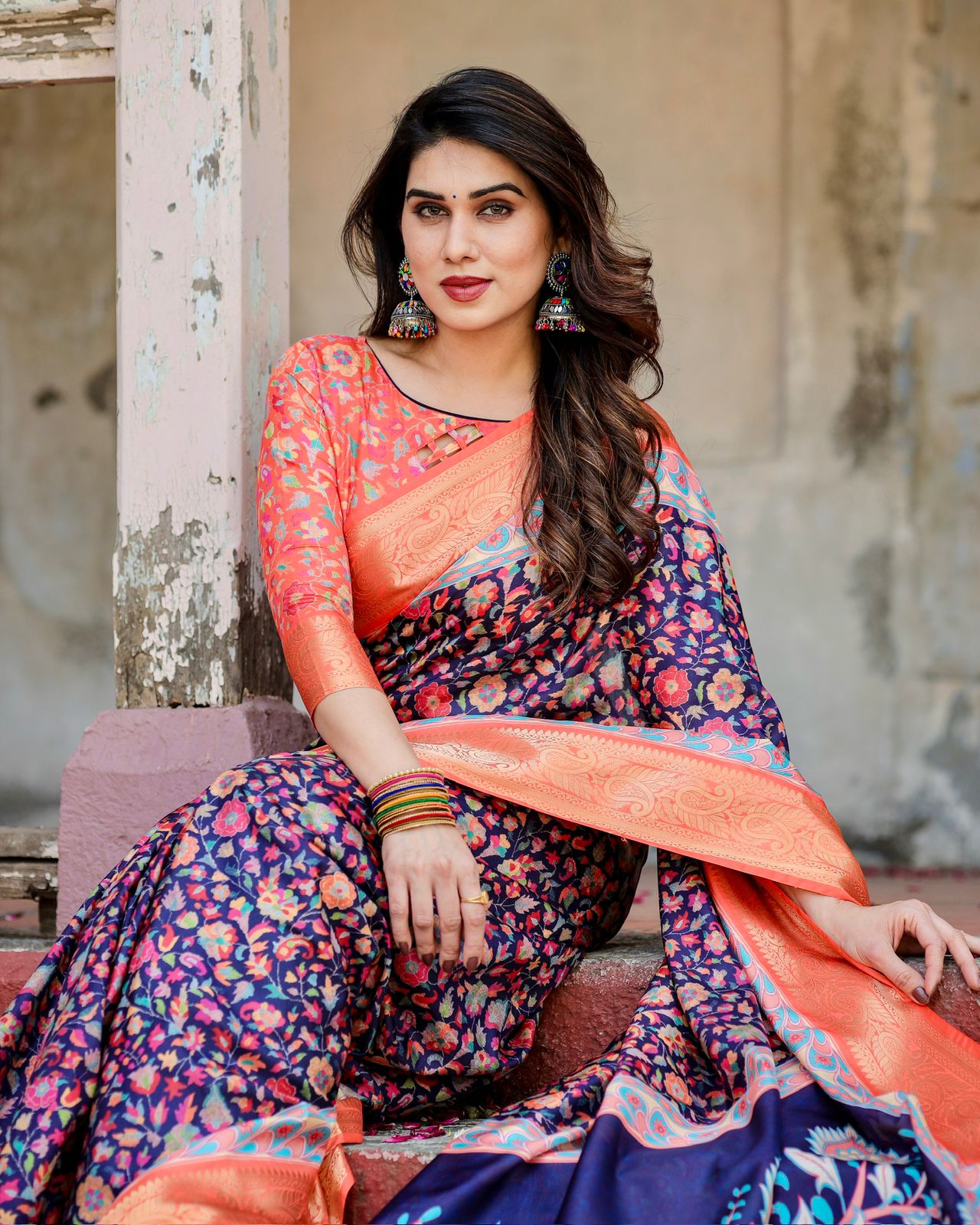
Navy Blue Floral Silk Saree with Peach Zari Border demonstrates how a contrasting peach border can soften a dark silk base. Teal Traditional Silk Saree with Copper Jacquard Border shows how copper can create a warmer alternative to conventional gold. Neither colour combination needs heavy jewellery to look complete.
How can you assess Andhra Silk Sarees online?
A well-described Andhra Silk Sarees listing states the fibre, weave or regional style, zari details, blouse information, dimensions and care instructions. A product photograph alone can't confirm whether a saree is pure silk, silk cotton, silk blend, printed or handwoven.
- Check the fibre composition. Look for terms such as pure silk, silk cotton, cotton, linen cotton or silk blend. Ask for the percentage when the description uses a blend label.
- Check the construction. Woven zari, jacquard border, printed, embroidered and Jamdani-style motifs describe different processes. The process affects texture and longevity.
- Check the measurements. A standard saree is often around 5.3 to 5.5 metres, with an attached blouse piece commonly near 0.8 metres, but exact measurements vary. Border width can alter the visual balance and the amount of fabric available for pleats.
- Inspect the reverse side when possible. Woven motifs may show small floats or thread movement on the reverse, while a print usually remains visually flatter. A close-up image can also reveal whether zari has a smooth, regular path.
- Read the care advice. Dry cleaning, low-heat ironing and storage in breathable cotton indicate that the fabric should be handled as a delicate textile. Machine washable should not be assumed for silk merely because the saree feels light.
- Separate price from authenticity. A high price doesn't automatically prove handloom origin, and a lower price doesn't automatically prove poor quality. Fibre, construction, workmanship, finishing and transparent specifications provide better evidence.
Several related styles help illustrate the difference between fibre and appearance. Pastel Floral Tissue Handloom Cotton Saree with Zari Weaves has cotton and zari qualities that may resemble a lightweight silk at first glance, while Wine Tissue Handloom Cotton Saree with Zari & Floral Prints belongs to a different material category despite its festive surface. Maroon Cotton Saree with Zari Work for Wedding shows how cotton can be made ceremonial through metallic detailing.
Budget collections can also be useful when comparing construction rather than assuming that every discounted saree is a regional silk. Sarees from Rs 1000 to Rs 1500, Sarees Under 20% Off and Sarees Under 10% Off provide price points for comparing cotton, silk-cotton and silk-blend options. Sarees Flat 60% Off and Sarees Flat 50% Off may offer further value, but fibre labels and care instructions should still be read before purchase.
How should Andhra Silk Sarees be styled for occasions?
Andhra Silk Sarees can be styled for an occasion by balancing fabric weight, border scale, blouse structure and jewellery. A heavy Dharmavaram-inspired saree needs fewer competing details, while a lighter Uppada or Venkatagiri saree can support more visible blouse texture.
For weddings and receptions
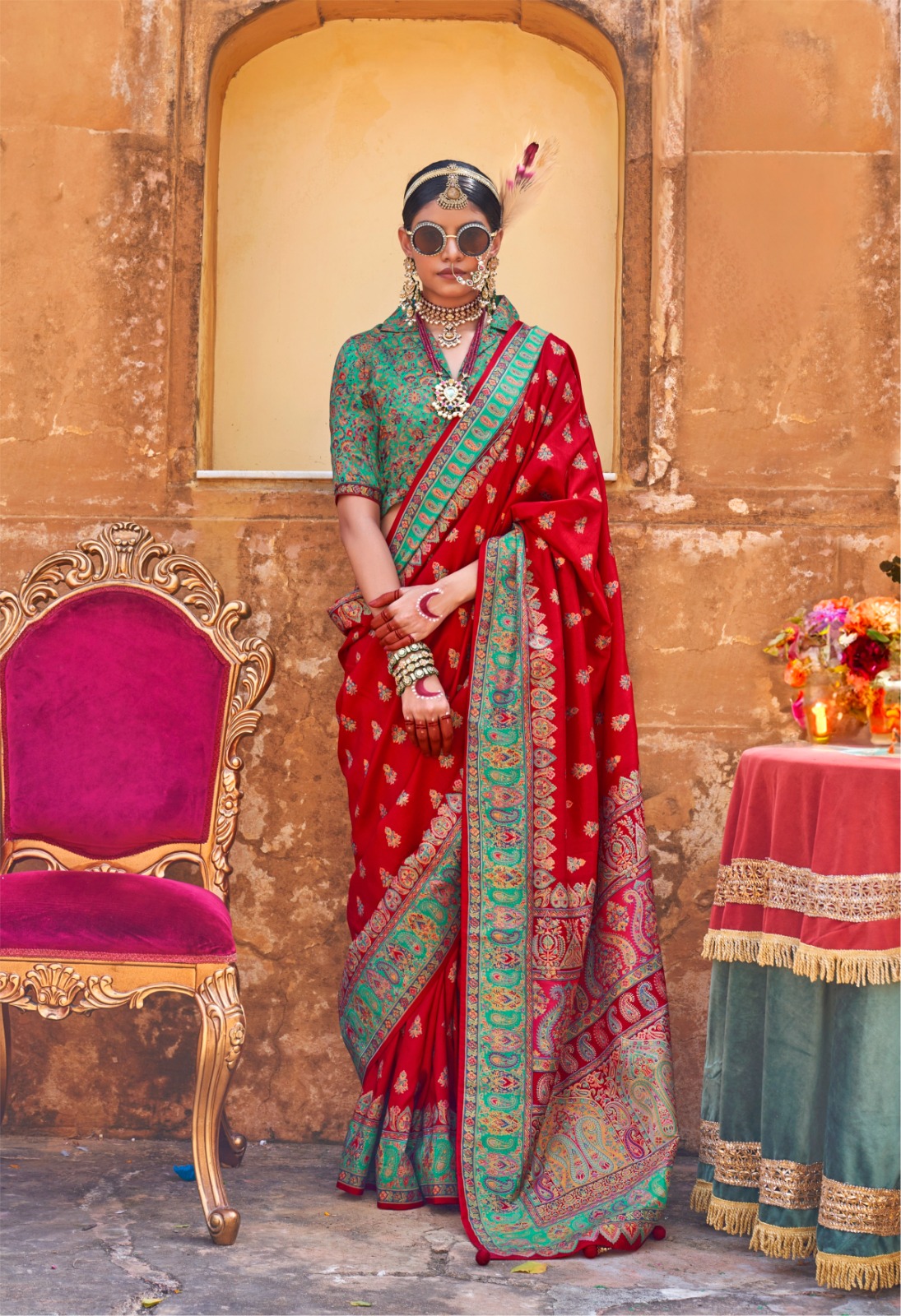
Choose a fuller silk with a defined pallu and substantial border for a wedding or evening reception. A brocade blouse, elbow-length sleeve or carefully fitted high-neck blouse can echo the saree without copying every motif. Red Woven Zari Silk Blend Saree With Brocade Blouse demonstrates the visual logic of pairing a woven metallic surface with a coordinated blouse.
Gold-toned jewellery works naturally with traditional zari, but copper, oxidised gold and antique finishes can be better companions for brown, teal or wine borders. Keep the necklace scale consistent with the blouse neckline so the pallu remains visible.
For a Haldi ceremony and daytime functions
Light silk cotton, Venkatagiri-style fabrics and softer colours are practical for a Haldi ceremony or daytime family gathering. Pastel Floral Tissue Handloom Cotton Saree with Zari Weaves and Pastel Linen Cotton Floral Print Saree with Designer Blouse show how breathable, less formal surfaces can still look festive.
Choose jewellery that won't catch the weave, especially when turmeric, flowers or repeated movement are likely. Thread earrings, small gold hoops, glass bangles and a neatly pinned pallu can provide colour without adding unnecessary weight.
For contemporary festive dressing
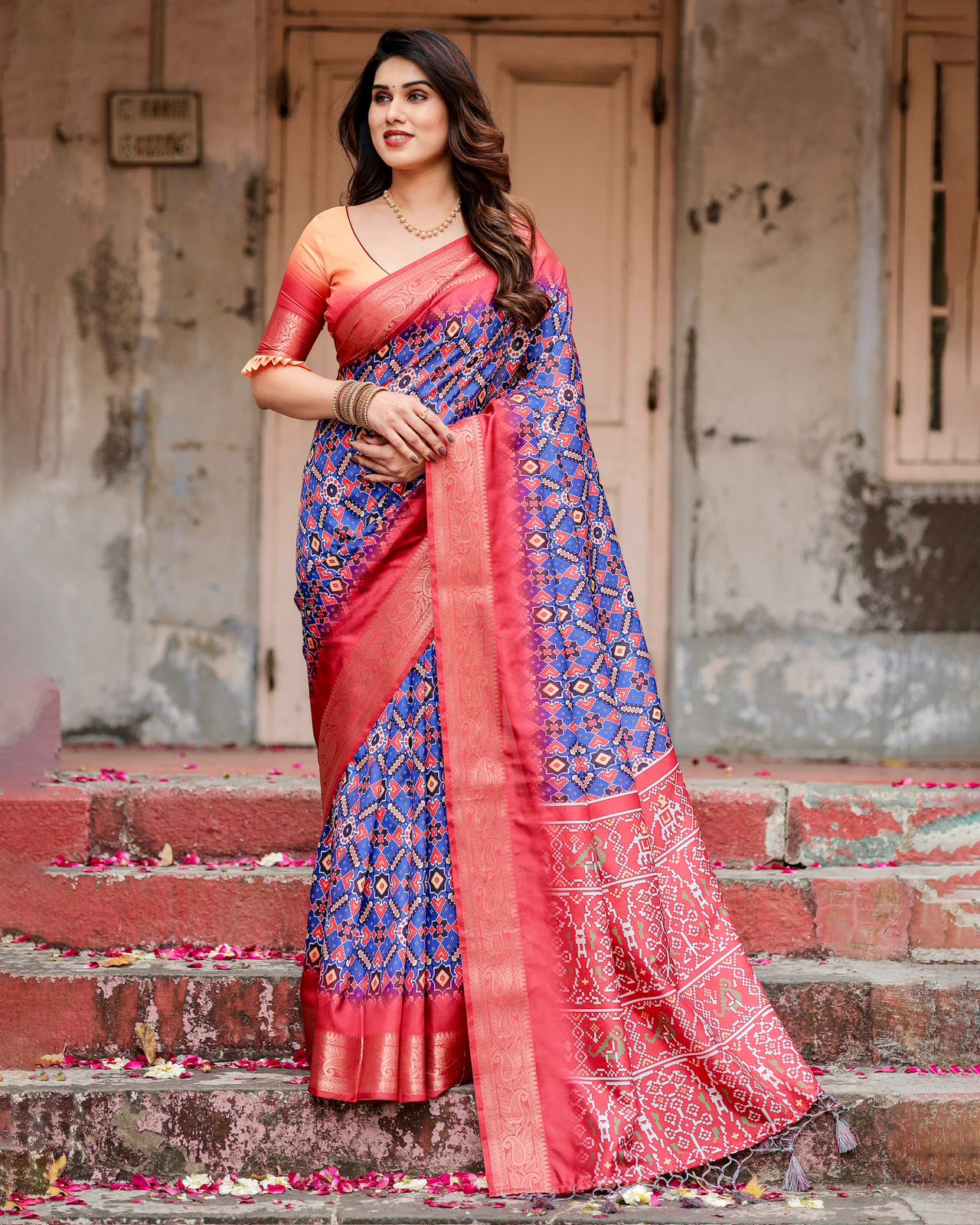
Use a contrasting blouse, a narrow belt or a simpler drape when the saree has a strong woven border. Blue Red Ikat Silk Saree Online with Zari | Varnavi introduces an Ikat-led colour story that can be styled with a solid blouse pulled from one of its deeper tones. A sleek bun, low braid or minimal shoulder drape keeps the textile pattern visible.
How should Andhra Silk Sarees be stored and maintained?
Andhra Silk Sarees should be cleaned according to their fibre content, aired after use and stored folded in breathable cotton rather than plastic. Proper storage protects silk yarns, zari, dyes and woven motifs from avoidable damage.
After wearing a silk saree, air it in shade for several hours before folding. Avoid direct sunlight because prolonged ultraviolet exposure can weaken fibres and fade dark dyes. Remove pins, brooches and heavy jewellery before storage because sharp metal can pull zari and supplementary-weft motifs.
Refold a silk saree every few months so one crease doesn't remain permanently pressed into the same section. Place acid-free tissue or a clean muslin layer between elaborate zari folds when possible. Store the saree in a dry cupboard away from damp bathroom walls, and avoid sealed plastic for long-term storage because trapped moisture can encourage odour and mildew.
Professional dry cleaning is the safest default for pure silk, heavy zari and richly dyed sarees. A silk-cotton saree may have different instructions, but colour bleeding should still be considered. Never rub a stain aggressively or apply bleach; blot gently with a clean, dry cloth and consult a textile cleaner.
Iron silk on the reverse side at low heat with a pressing cloth. High heat can flatten jacquard texture, weaken metallic threads and create a permanent shine on dark silk. A garment steamer may be suitable at a safe distance, but steam should not be held over zari for a prolonged period.
Which Andhra Silk Sarees suit different wardrobes?
The best Andhra Silk Sarees choice depends on how often the saree will be worn, the climate, the ceremony length and the wearer's preferred level of shine. Pure silk suits formal and heirloom use, silk cotton suits lighter festive dressing, and structured zari borders suit occasions where the pallu is meant to make a strong statement.
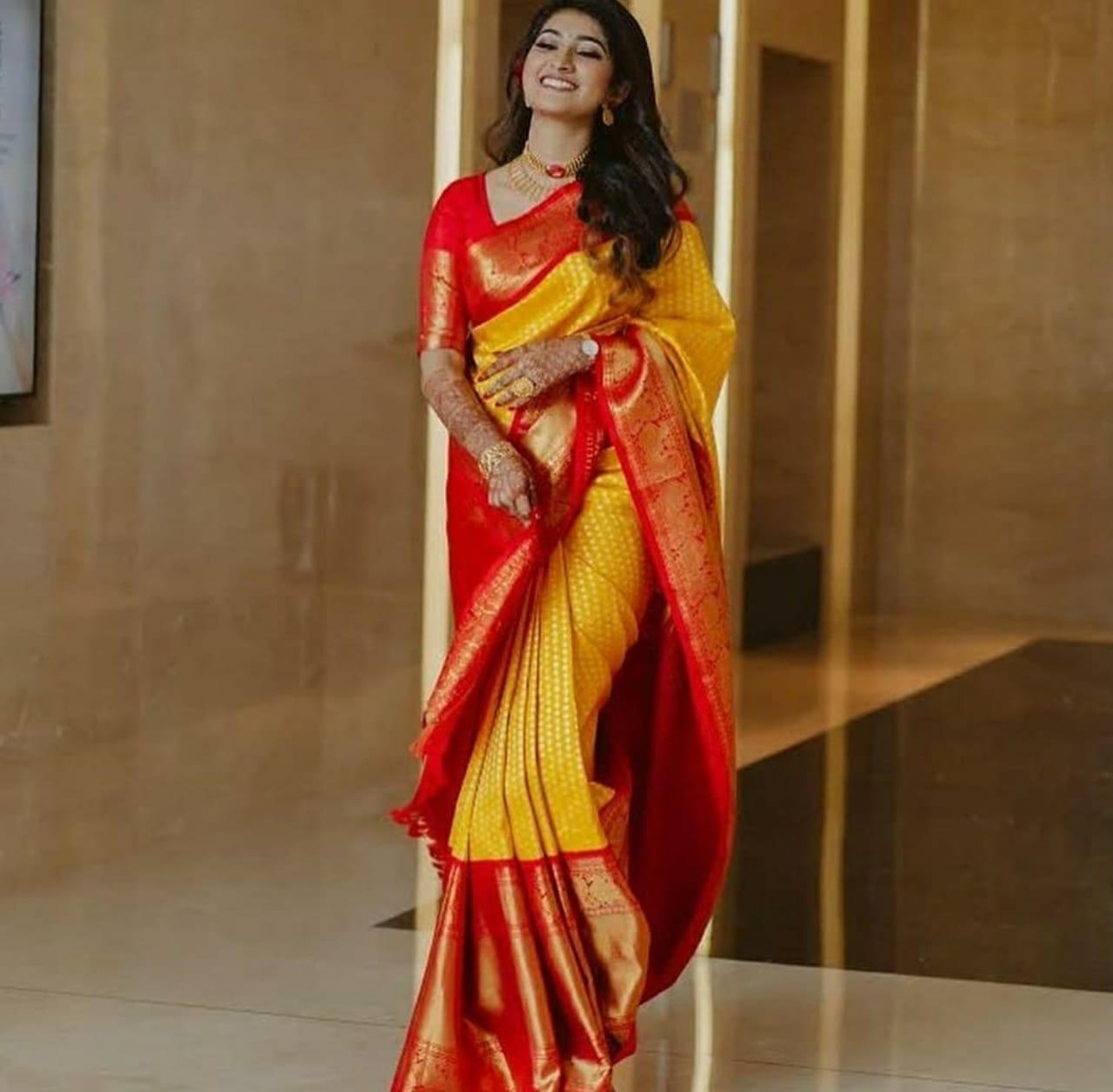
Choose Uppada when fine motifs and a lighter handloom drape matter most. Choose Dharmavaram when a grand border, lustrous silk and a formal pallu are priorities. Choose Venkatagiri when comfort, lightness and subtle ornament are more important than heavy bridal volume.
Look beyond the word silk when comparing two similar photographs. A saree with pure silk, woven zari and a broad border will behave differently from a silk-blend saree with a brocade-style finish. The more clearly a listing explains fibre, construction, measurements and care, the more confidently the saree can be assessed for its intended use.
Andhra silk traditions reward close attention because their beauty lies in construction as much as colour. Once the regional style, fibre, zari and care requirements are understood, selecting a saree becomes a practical decision about comfort, occasion and longevity rather than a guess based on surface shine.
Common Questions About Choosing Andhra Silk Sarees
Which are the main types of Andhra silk sarees?
Uppada, Dharmavaram and Venkatagiri are the main Andhra silk traditions discussed by shoppers. Uppada is associated with Jamdani-style motifs, Dharmavaram with rich silk and elaborate borders, and Venkatagiri with lightweight drapes.
Are Andhra Silk Sarees made from pure silk?
Some Andhra Silk Sarees are made from pure mulberry silk, but others use silk cotton, silk blends or cotton with zari. The product description should state the fibre composition; the word silk alone does not guarantee pure silk.
How are Uppada and Dharmavaram silk sarees different?
Uppada silk sarees are generally valued for lighter fabrics and delicate Jamdani-inspired motifs. Dharmavaram silk sarees usually have a fuller body, broader borders and more elaborate pallus suited to formal and bridal dressing.
What type of blouse works with an Andhra silk saree?
A structured blouse with elbow-length sleeves, a high neck or brocade texture works well with a fuller Dharmavaram-style saree. A lighter Uppada or Venkatagiri saree can be paired with a simpler blouse, a contrast colour or subtle printed texture.
How should a silk saree with zari be washed and stored?
Pure silk and heavy-zari sarees should generally be professionally dry-cleaned rather than machine washed. Air the saree in shade, fold it in breathable cotton, refold it periodically and iron it on the reverse side at low heat with a pressing cloth.
How can I check an Andhra silk saree before buying online?
Check the fibre content, named weave, zari or jacquard construction, saree and blouse measurements, close-up images and care instructions. Price and shine alone cannot confirm purity or handloom origin.