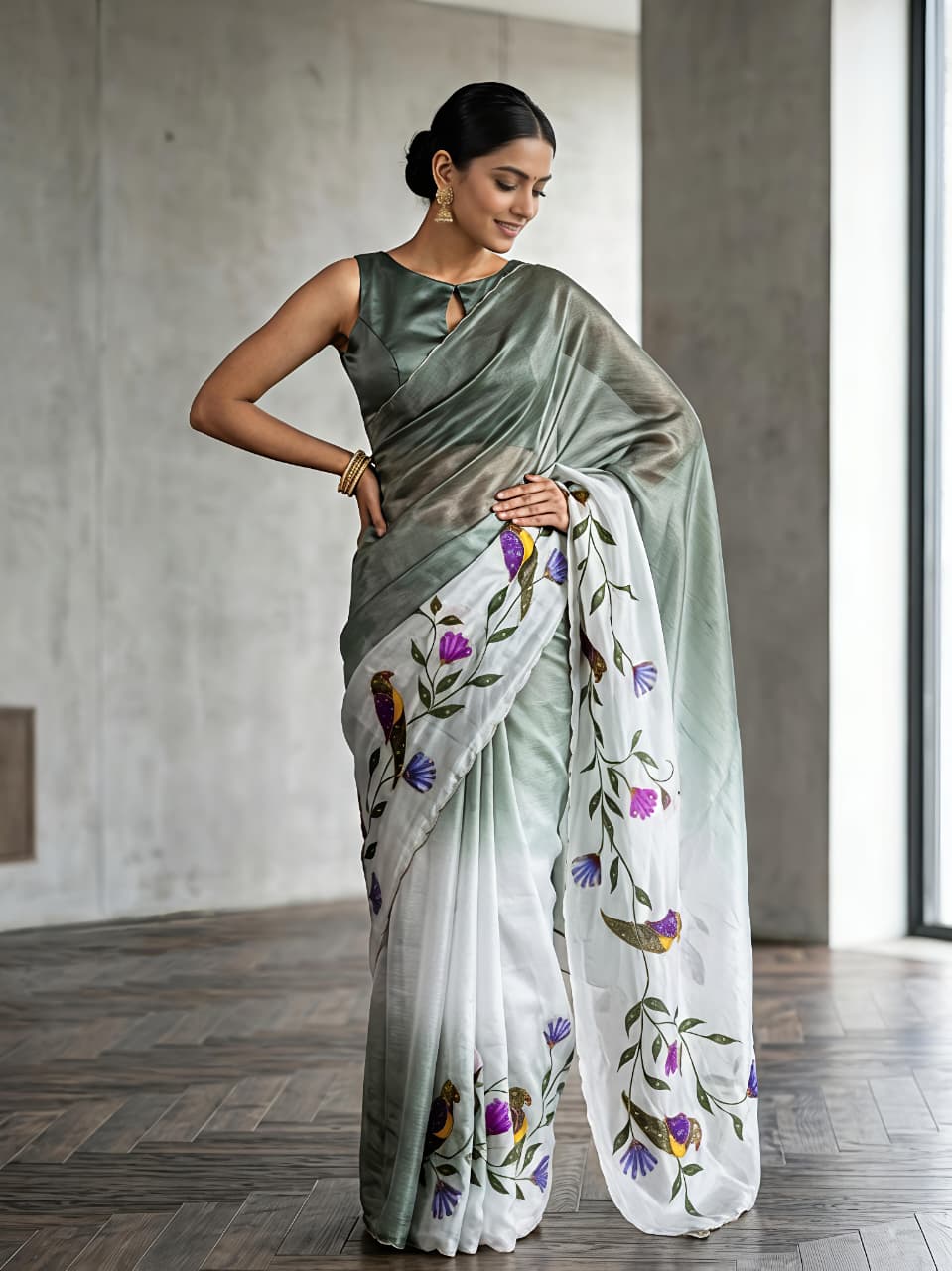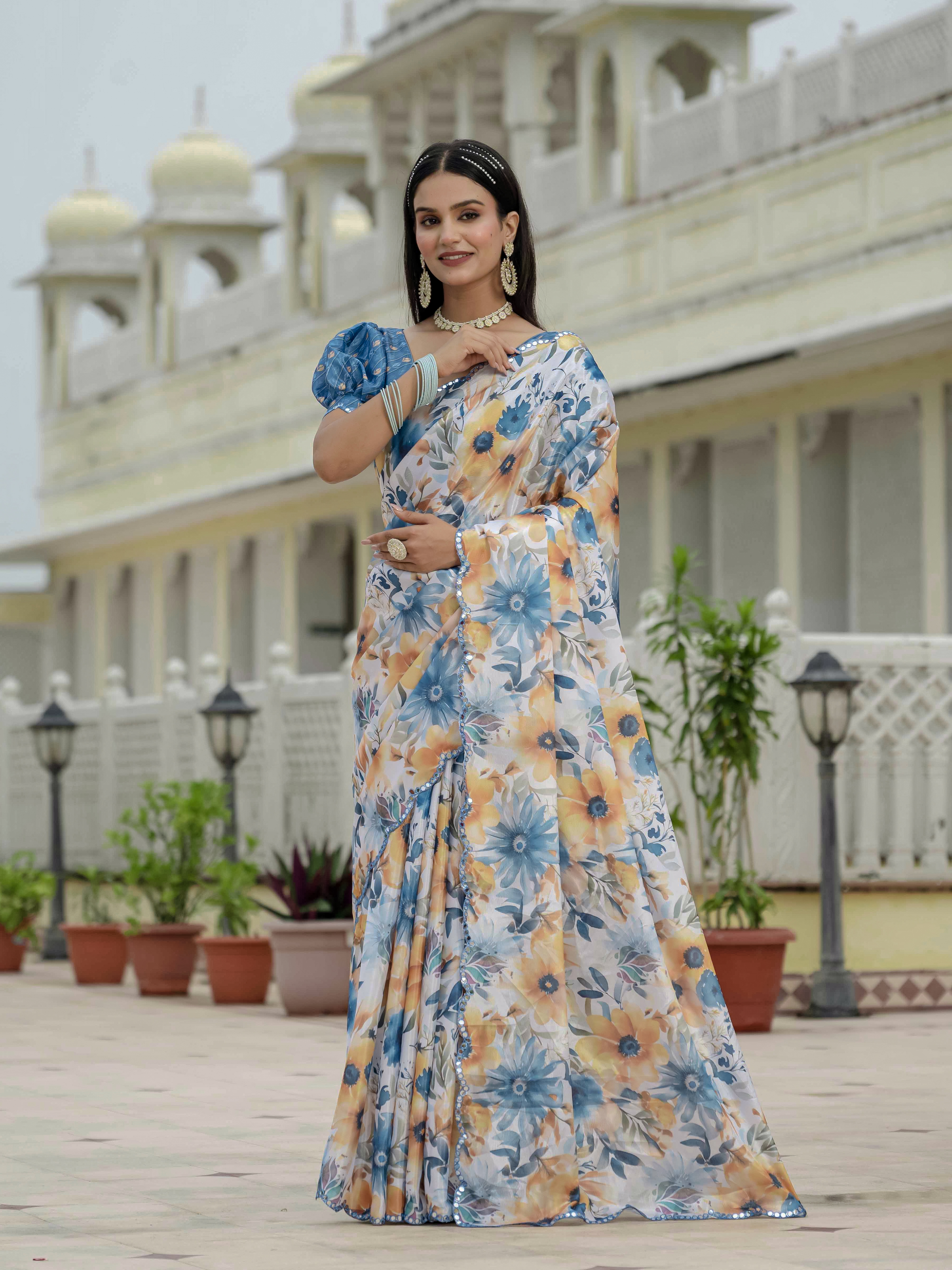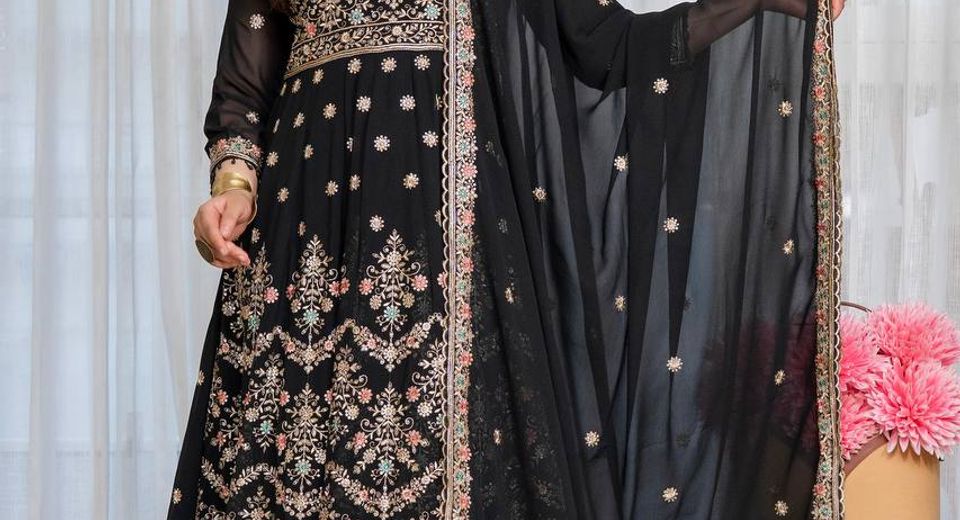
Andhra Pradesh Wedding Guest Outfits: Sarees and Salwar Suits require more thought than choosing a festive colour. Telugu weddings often include several ceremonies, from a turmeric-filled Haldi ceremony to a formal reception, and each setting calls for a different balance of comfort, coverage, texture and ornamentation. A breathable cotton-silk saree may suit a daytime ritual, while a Banarasi silk saree or embroidered salwar suit can carry the richer mood of an evening celebration.
The most useful starting point is the invitation, followed by the ceremony timing and venue. Andhra Pradesh weddings may take place in a temple, marriage hall, open courtyard or hotel ballroom, and those settings affect footwear, drape security, sleeve length and fabric choice. Guests can dress beautifully without competing with the bride by choosing considered colour combinations, moderate zari and jewellery that complements rather than overwhelms.
Andhra Pradesh Wedding Guest Outfits: Sarees and Salwar Suits for Each Ceremony
The ceremony determines whether a guest outfit should prioritise movement, lightness, traditional formality or evening glamour. Wedding invitations may mention pellikuthuru, muhurtham, reception, sangeet or Haldi ceremony, but the expected dress level can vary by family and venue, so asking the host is sensible when the wording is unclear.
Daytime rituals and Haldi ceremonies
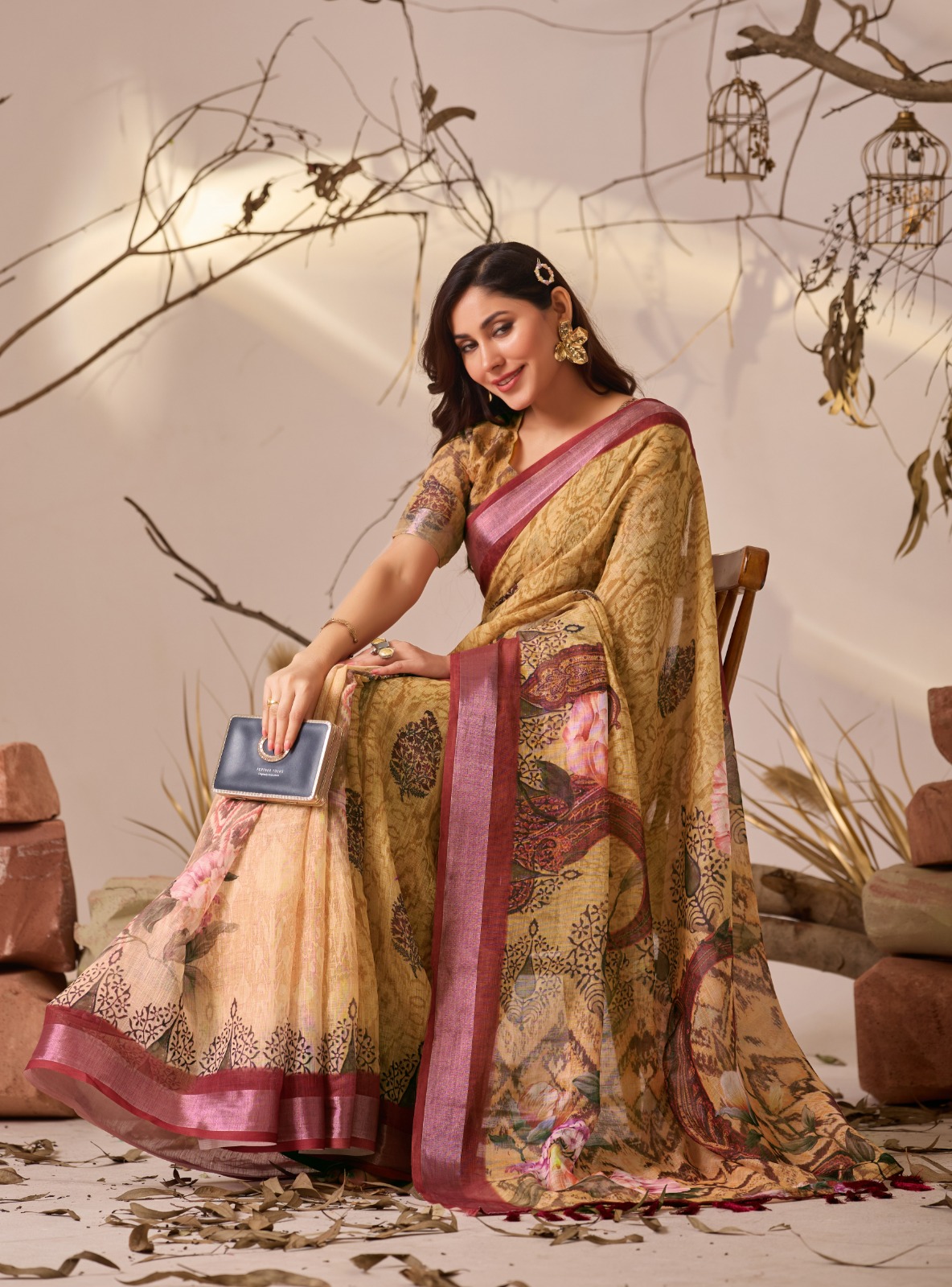
Daytime rituals are usually most comfortable in breathable fabrics and clear, cheerful colours. Yellow, turmeric, marigold, coral, leaf green, powder blue and pink work well for a Haldi ceremony, although guests should avoid wearing an especially pale outfit if turmeric paste or flower petals will be applied nearby. Chanderi, cotton-silk, linen-silk and lightweight georgette offer movement without making the outfit feel casual.
A printed saree with a simple blouse or a straight-cut salwar suit with a dupatta is practical for sitting on the floor, walking between ritual areas and joining photographs. Choose a dupatta with a manageable border rather than a very long trailing edge. Small jhumkas, a bangle stack and flat embellished sandals provide enough occasion detail for a morning function.
Muhurtham and the main wedding ceremony
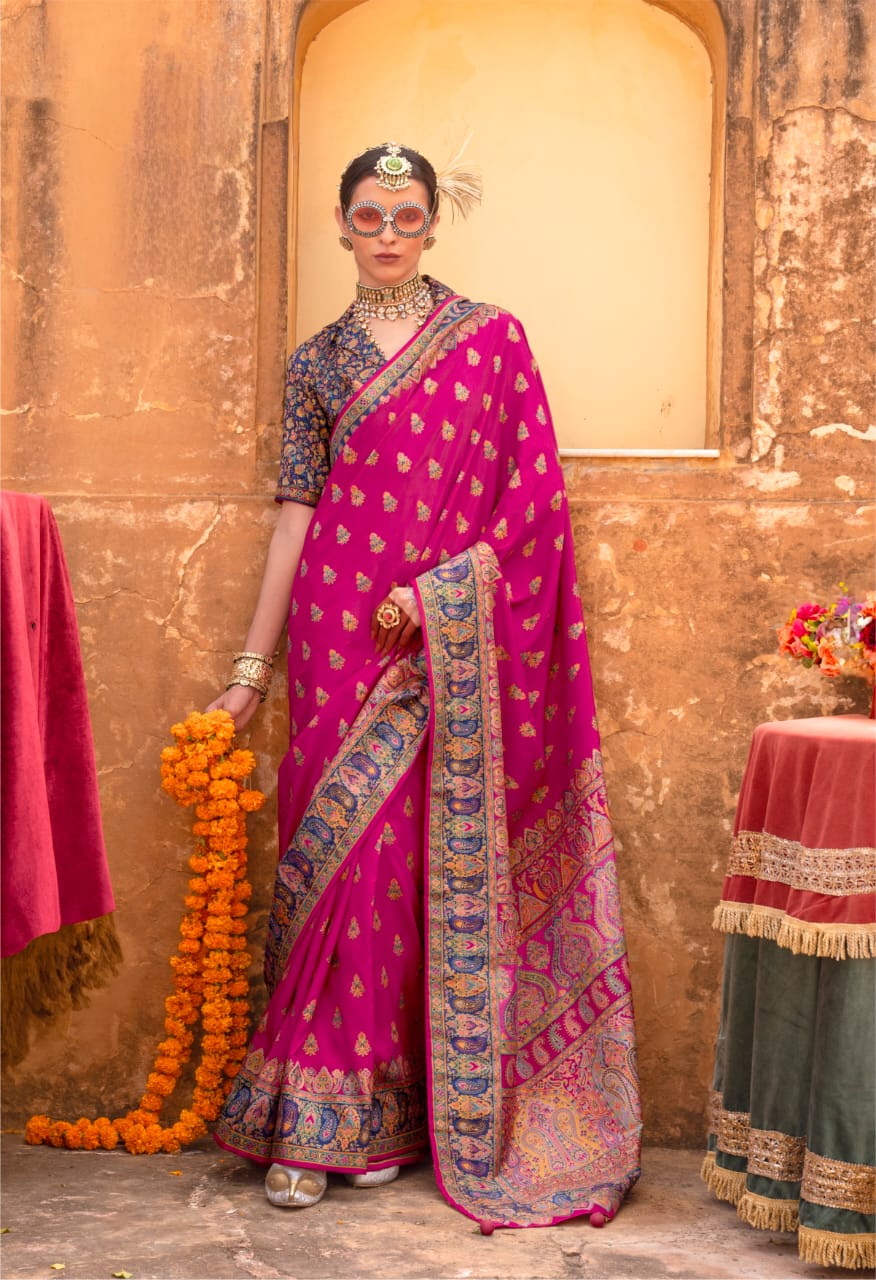
The muhurtham generally calls for a more heritage outfit than a casual pre-wedding event. A silk saree, a silk-blend saree with a defined zari border or a structured salwar suit with brocade detailing can meet that expectation. Kanjeevaram is strongly associated with South Indian ceremonial dressing, while Banarasi silk, Gadwal-inspired weaves and Paithani-style borders can also create a suitably formal appearance.
Guests attending a classic Telugu wedding can wear a saree with secure pleats or a long kurta set with a well-pinned dupatta. A blouse sleeve ending near the elbow gives coverage while keeping the look polished. Gold-toned accessories, a small potli and a low block heel are dependable choices for a long ceremony that may involve standing, sitting and walking across polished floors.
Reception and evening celebrations
An evening reception allows deeper colours, more surface detail and slightly more contemporary silhouettes. Jewel tones such as wine, emerald, navy, plum and charcoal photograph well under indoor lighting. Sequins, zari, metallic thread, velvet accents and embroidered yokes can work at a reception, provided the overall outfit remains comfortable for several hours.
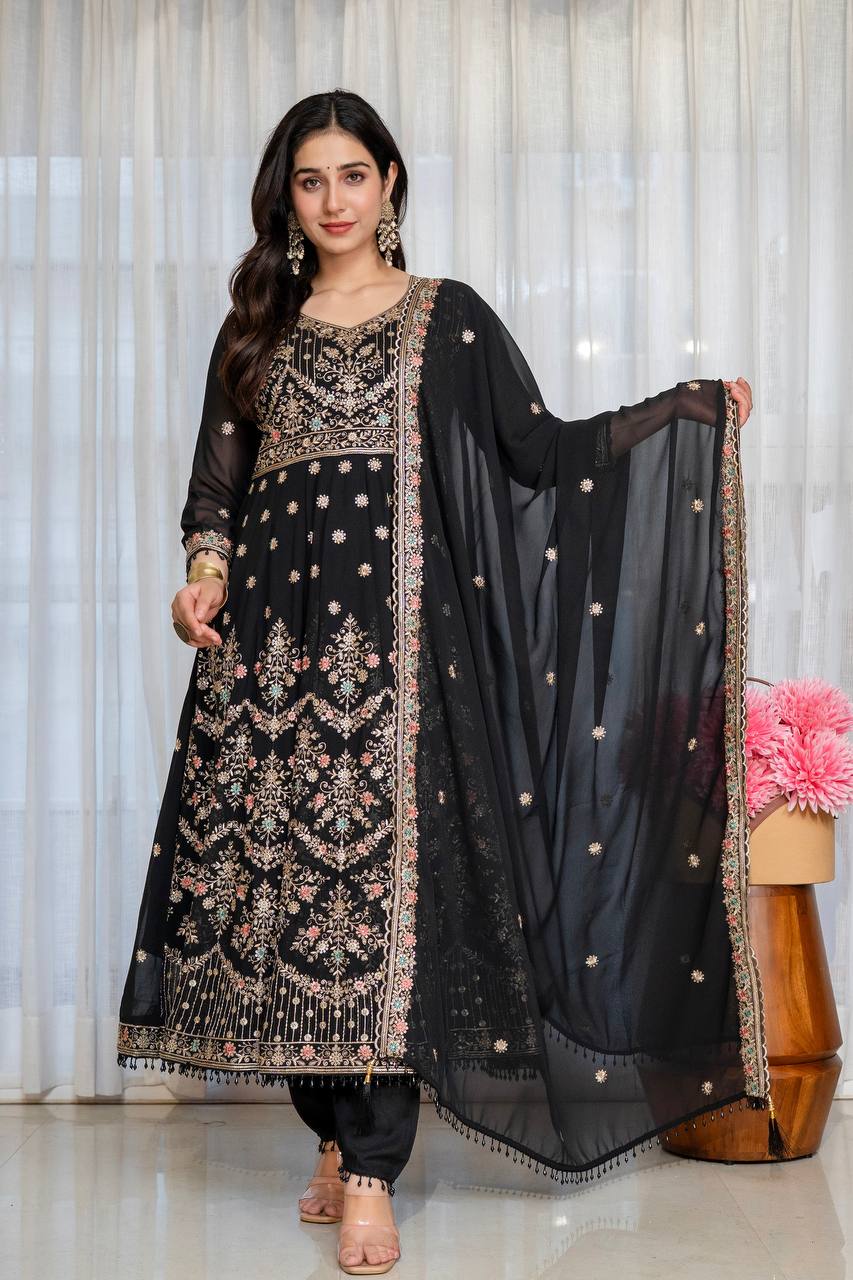
A saree with a pre-stitched or neatly pinned pallu reduces last-minute adjustments, while an Anarkali or palazzo suit creates a graceful silhouette without requiring saree-draping experience. Black Anarkali Suit Set with Sequin Zari and Moti Lace Work illustrates how black can become wedding-appropriate when paired with controlled sparkle, elegant earrings and a lighter makeup palette.
Andhra Pradesh Wedding Guest Outfits: Sarees and Salwar Suits by Fabric
Lightweight silk blends, Chanderi, cotton-silk, organza and georgette are usually the most versatile fabrics for Andhra Pradesh wedding guests because they balance festive appearance with airflow and manageable weight. The best fabric still depends on the month, venue ventilation and how long the guest will remain dressed.
Andhra Pradesh can be hot and humid for much of the year, particularly in coastal areas. Pure heavy silk with dense zari can feel restrictive during a daytime ceremony, whereas a silk-cotton blend or light Banarasi silk can provide a formal finish with less weight. Chanderi has a crisp, airy hand and catches light delicately, making it useful for morning and afternoon functions.
For cooler months or air-conditioned evening venues, heavier fabrics become easier to wear. Velvet-blend blouses, tissue silk borders and richly woven Banarasi silk add warmth and visual depth. A heavy saree should be balanced with a lightweight blouse lining and comfortable footwear because dense borders can become tiring after several hours.
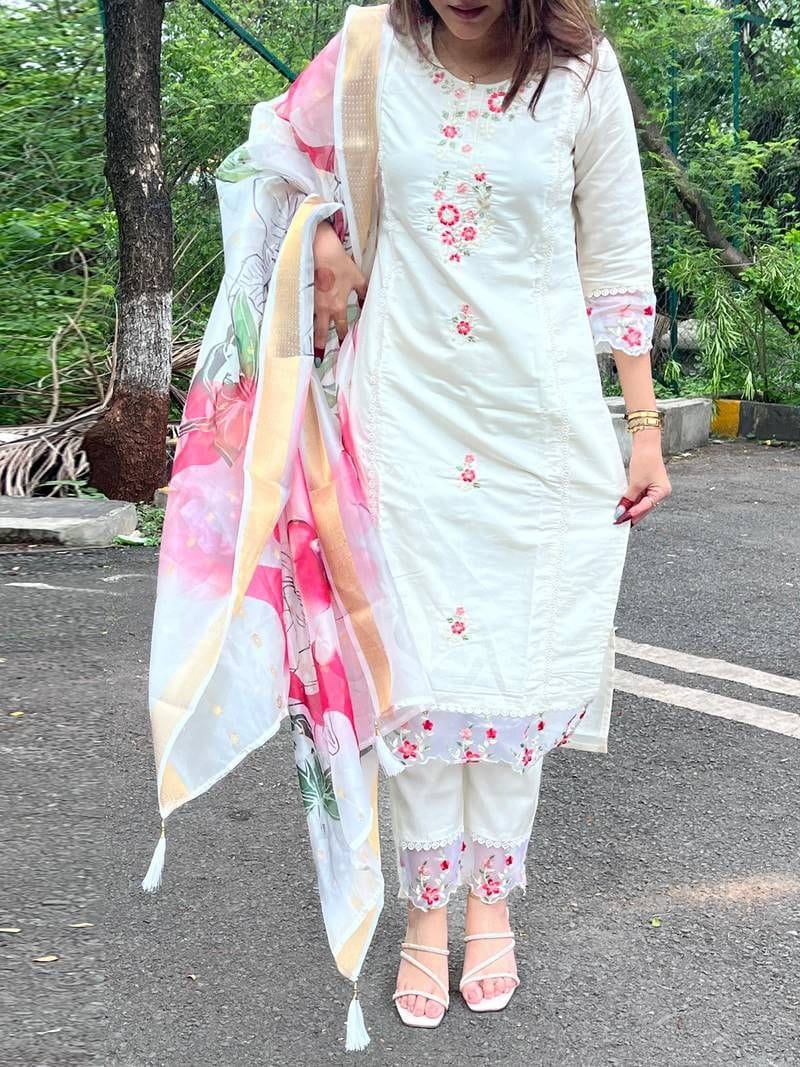
White Chanderi Kurta Set with Floral Embroidery and Dupatta demonstrates why Chanderi works well for a daytime wedding guest wardrobe. White can look refined with gold, pastel or multicoloured embroidery, but guests should confirm family preferences before wearing white to a ceremony where white carries mourning associations. Many contemporary weddings accept white, while some households don't consider it suitable.
Fabric weight should guide the choice of a salwar suit as carefully as the cut. Silk, jacquard and brocade suit sets suit evening venues, while cotton-silk, Chanderi and rayon blends are more pleasant for daytime use. A lining that ends above the ankle, non-scratchy embroidery and a dupatta with a stable border make a significant difference during long ceremonies.
Andhra Pradesh Wedding Guest Outfits: Sarees and Salwar Suits for Movement
A salwar suit is often the better choice when you need easy movement, secure coverage, quick dressing or comfortable travel between multiple wedding functions. Salwar suits are especially practical for guests who will help family members, care for children, sit on the floor or attend an outdoor ceremony in warm weather.
Anarkali suits create fluid movement and suit reception settings, while straight-cut kurta sets look composed at daytime rituals. Palazzo suits provide extra ease around the legs, and sharara suits bring a more celebratory shape for sangeet or reception events. A well-fitted kameez shoulder, correctly placed armhole and dupatta that stays on the shoulder matter more than excessive embellishment.
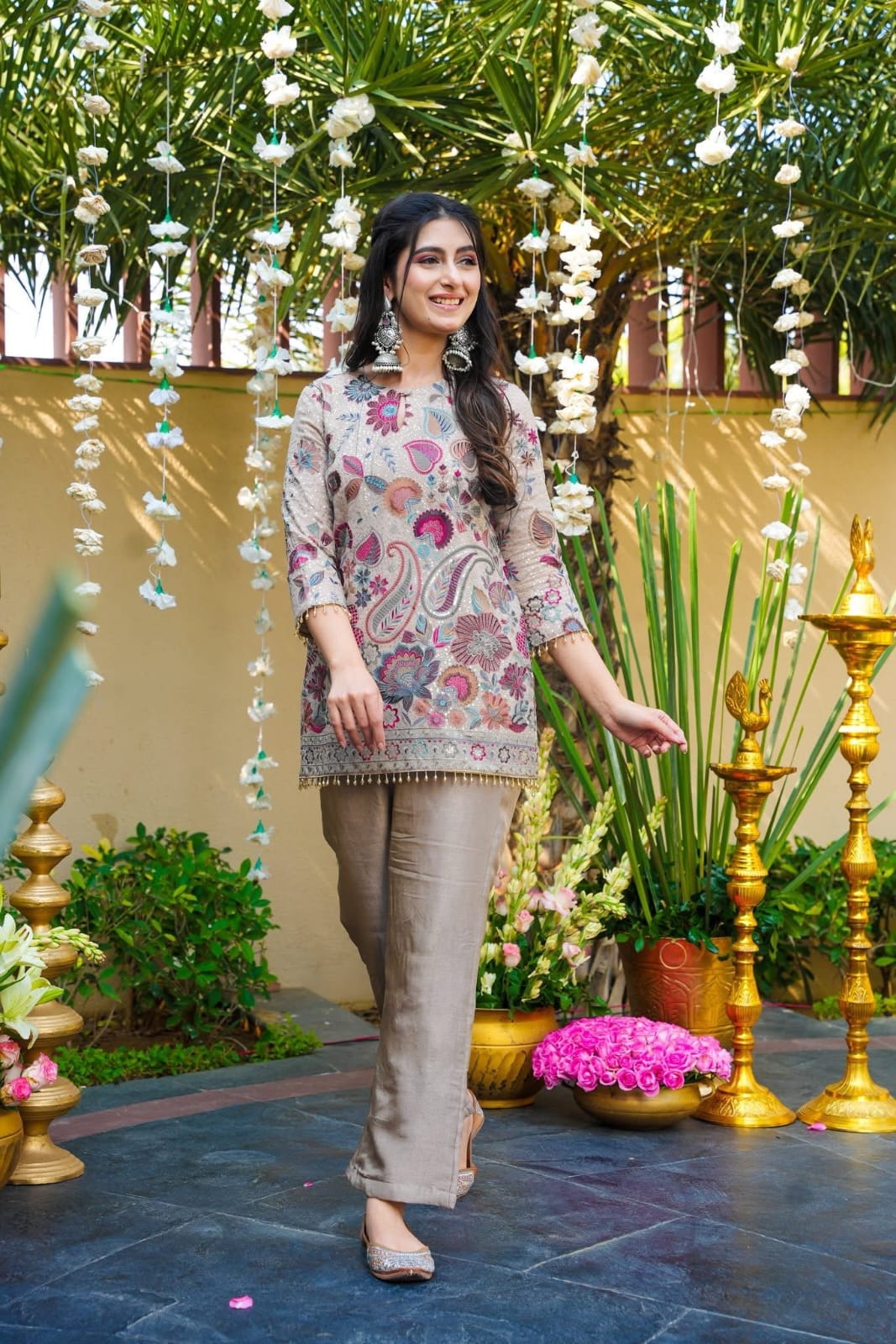
Modern Taupe Vichitra Silk Embroidered Co-Ord Set for Women offers an useful example of a contemporary silhouette for guests who prefer coordinated dressing over a classic saree. Taupe can be lifted with antique gold jewellery, a jewel-toned clutch or a contrasting dupatta. Neutral outfits need visible texture or embroidery so that they don't appear too office-like in wedding photographs.
Anarkali length also affects mobility. A floor-grazing hem creates drama but can catch on steps and footwear, while an ankle-length hem is easier for outdoor venues. A palazzo suit needs enough width to permit sitting comfortably without dragging across the floor. A sharara suit works best when the flare is balanced by a shorter kurta or a neatly controlled dupatta.
Guests who travel by car, train or aeroplane should consider crease resistance before choosing an outfit. Georgette, crepe and many silk blends recover from light folding more easily than heavily starched cotton or fragile organza. Carrying a small garment steamer or using a hotel iron on a low setting can restore a packed outfit, but direct heat should not touch sequins, zari or delicate embroidery.
Andhra Pradesh Wedding Guest Outfits: Sarees and Salwar Suits with Appropriate Colour
Colour etiquette is family-specific, but guests generally make safe choices by avoiding bridal red, excessively bridal gold and any colour the couple has specifically reserved for close family. Colour doesn't need to be muted; saffron, rani pink, bottle green, cobalt, fuchsia and peacock blue can look festive without reproducing a bridal ensemble.
Red requires particular judgement because red may be the bride's principal colour in many Telugu weddings. Guests can use red as a border, dupatta, blouse or small accessory rather than choosing a fully red, heavily embellished outfit. A rich wine or berry shade can provide similar depth while feeling less bridal.
Metallic dressing also benefits from restraint. Antique gold zari works naturally with time-honoured silk, while silver zari suits cooler colours such as lavender, blue and charcoal. Rose gold can bridge pink and neutral palettes. Combining gold, silver and rose gold in one outfit may look disconnected unless the jewellery and embroidery already share a deliberate design language.
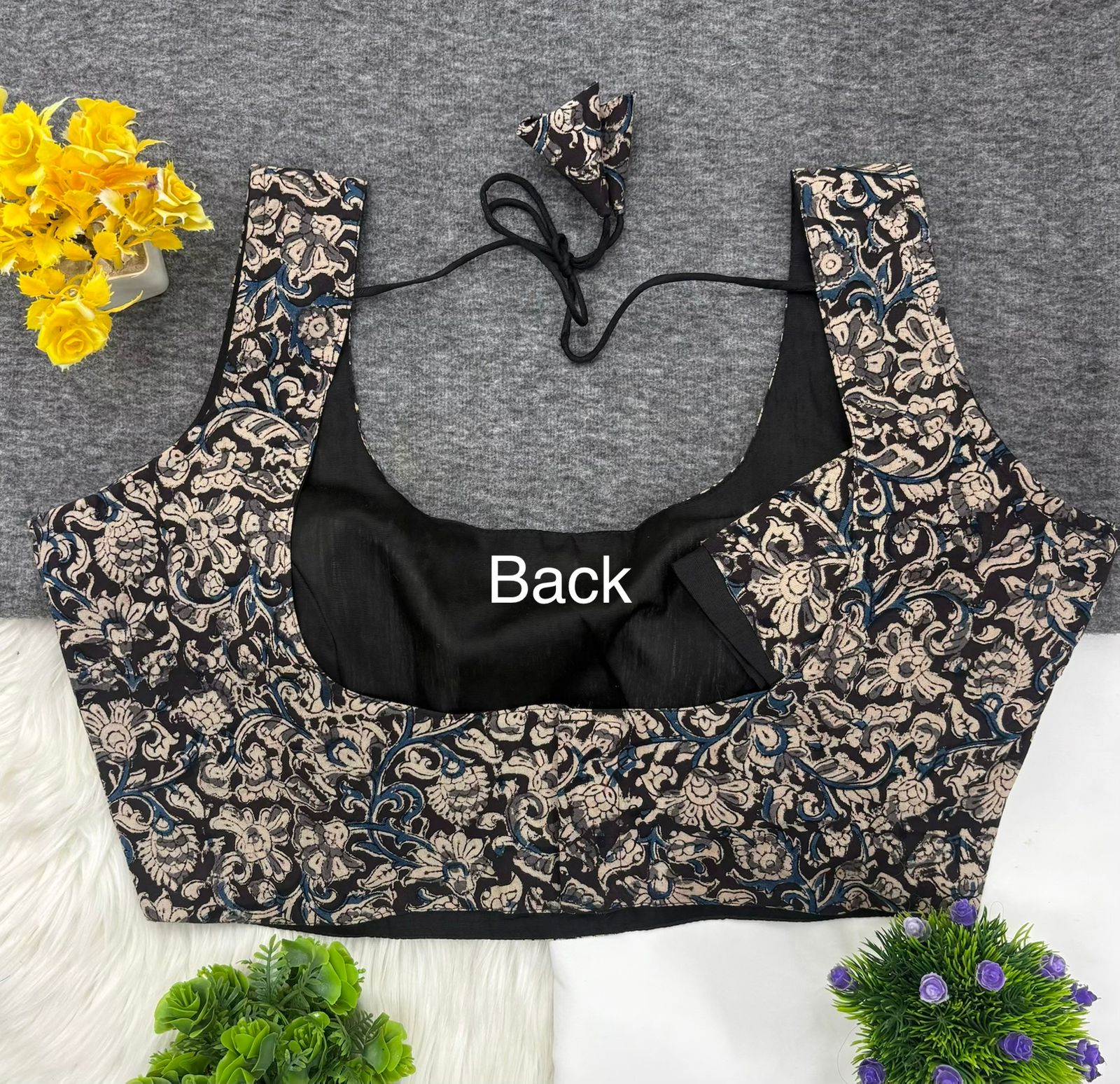
Regional craft references can broaden a wedding wardrobe without making the outfit look generic. Kalamkari Print Salwar Suits (Copy) can bring earthy reds, indigo and mustard into a daytime wardrobe. Karnataka Silk Salwar Suits can support a more heritage silk-led mood, while Maharashtra Paithani Inspired Salwar Suits offer peacock, magenta and green accents that suit festive dressing. These references don't replace checking the family's preferred dress code, but they show how regional textiles can inform colour selection.
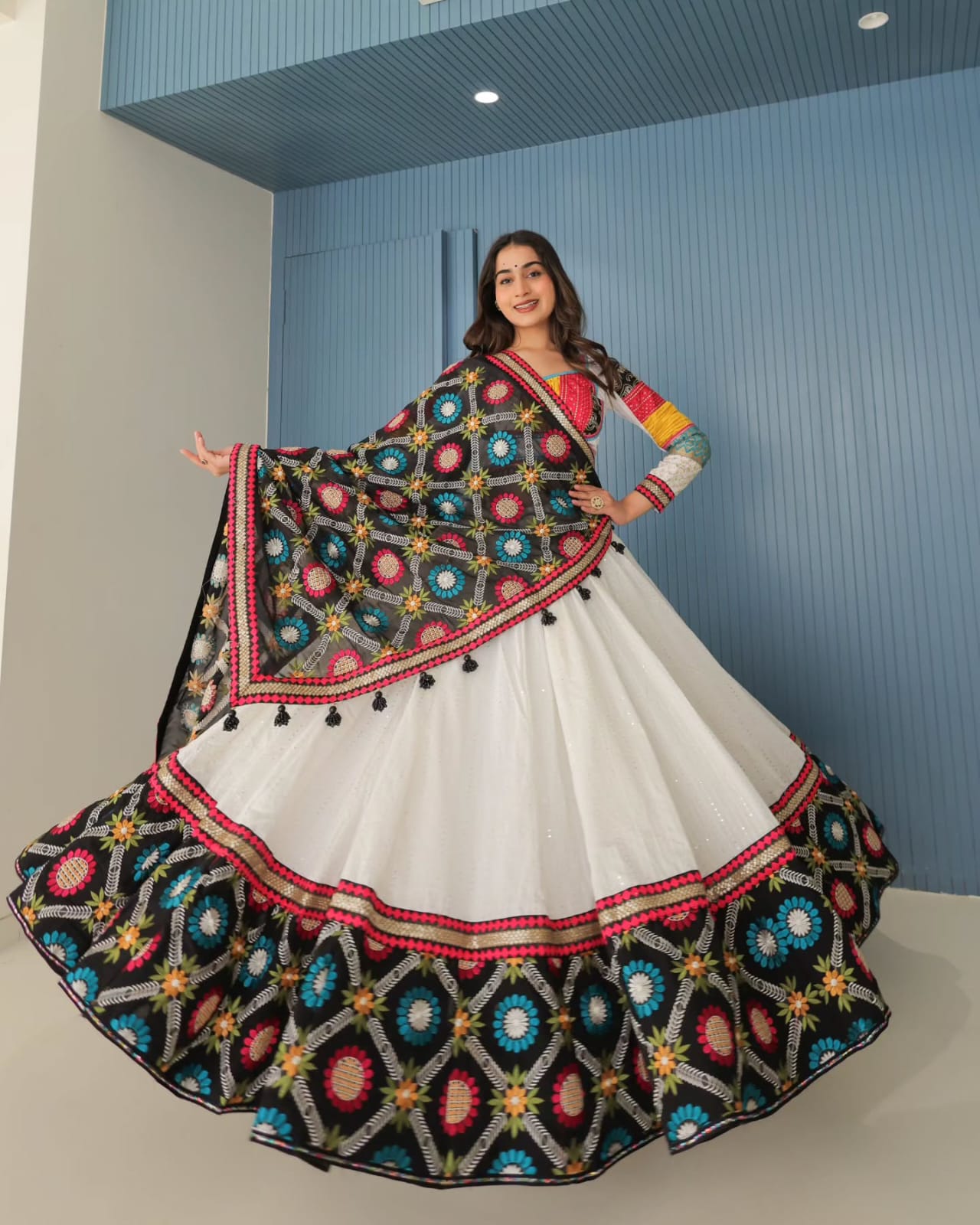
Punjab Phulkari Embroidered Salwar Suits can work for a colourful pre-wedding event when the embroidery is balanced with a simple accessory plan. Kashmir Embroidered Salwar Suits can provide a more detailed, artisanal look for an indoor celebration, particularly when the base colour is restrained. A richly worked suit is easiest to style when the shoes and handbag remain quiet.
Andhra Pradesh Wedding Guest Outfits: Sarees and Salwar Suits Styled Well
Successful styling depends on proportion, comfort and one clear focal point. If the outfit has a broad zari border or dense embroidery, choose simpler earrings and a restrained bracelet stack. If the garment is relatively plain, a textured dupatta, statement necklace or detailed blouse can add the required ceremonial finish.
Saree drape and blouse details
A firmly pinned pallu and a secure waist tuck help a saree remain presentable during photographs and rituals. Use two or three discreet safety pins, place the lowest pin inside the pallu fold and avoid pinning directly through delicate zari. A medium-width belt can stabilise a contemporary drape, but a heritage wedding may call for a more classic pleated style.
Blouse fit should allow the arms to lift comfortably and should not pull across the bust when the pallu is pinned. Elbow-length sleeves suit formal daytime weddings, while a high-neck or boat-neck blouse can provide structure for a lightweight saree. A padded blouse may reduce the need for constant adjustment, but padding should not make the neckline uncomfortable.
Dupatta placement and accessories
A dupatta stays more securely when one shoulder is pinned and the opposite side is allowed to fall in a controlled fold. A narrow belt, concealed brooch or small safety pin can prevent slippage without disturbing embroidery. Avoid placing a large brooch over delicate threadwork because concentrated weight can stretch the fabric.
Jewellery should respond to the neckline and the outfit's surface detail. Jhumkas suit a saree or high-neck kurta, a choker works with an open neckline, and long earrings may be enough when the dupatta already has a heavy border. Gold jewellery sits well with zari and warm colours, while silver or oxidised metal suits indigo, lavender, charcoal and cooler pastels.
Footwear should be selected before finalising the hemline. A two-inch block heel gives height with more stability than a narrow stiletto, while embellished flats are practical for temple visits and outdoor ceremonies. Wear the shoes at home for at least 30 minutes before the wedding, and carry blister plasters in the handbag.
Andhra Pradesh Wedding Guest Outfits: Sarees and Salwar Suits with Practical Care
Wedding clothing remains wearable for future occasions when guests store, clean and transport each fabric according to its construction. Sarees and salwar suits with zari, sequins or hand embroidery should be aired after use for several hours before folding, because trapped moisture can encourage odour and tarnish metallic surfaces.
Dry-clean heavily embellished silk, velvet and zari garments unless the care label specifically permits gentle washing. Chanderi, cotton and some rayon blends may be hand-washable in cold water, but colour bleeding should be tested on an inner seam first. Never wring embroidered dupattas, and never place a damp garment directly in a closed plastic bag.
Fold sarees along different lines every few months to reduce permanent creases along the same zari edge. Wrap zari borders in soft, uncoloured muslin rather than newspaper, whose ink can transfer. Store salwar suits with tissue or muslin between heavily embroidered layers, and keep neem leaves or cedar blocks nearby without allowing them to touch the fabric directly.
Pack a wedding outfit in a breathable garment bag rather than a thin plastic cover. Place jewellery in separate pouches, keep sharp brooches away from silk and carry a spare hook, safety pins and a small sewing kit. These simple preparations reduce wardrobe problems during a multi-day Andhra Pradesh wedding.
A reliable final check is to sit, walk, raise both arms and take a few photographs before leaving home. The outfit should remain comfortable for at least four hours, the dupatta should not require repeated adjustment and the hem should clear the ground. Practical testing turns a beautiful outfit into a dependable wedding guest look.
Common Questions About Andhra Pradesh Wedding Guest Outfits
What should a female guest wear to a Telugu wedding?
A female guest can wear a saree, Anarkali, straight-cut salwar suit, palazzo suit or sharara suit, depending on the ceremony and dress code. Silk, Chanderi, cotton-silk and elegant embroidered fabrics work well, while bridal red and excessively heavy gold are best avoided unless the family requests them.
Is a saree necessary for an Andhra Pradesh wedding?
A saree is not necessary for an Andhra Pradesh wedding because a well-fitted salwar suit is also appropriate for most ceremonies. Choose an embroidered Anarkali or silk kurta set for a reception, and select a lighter straight-cut suit or palazzo suit for daytime rituals and outdoor venues.
Which saree fabric is comfortable for a summer wedding in Andhra Pradesh?
Chanderi, cotton-silk, linen-silk, lightweight georgette and light silk blends are comfortable choices for a summer wedding in Andhra Pradesh. These fabrics provide festive texture while allowing more airflow than heavily woven silk with dense zari.
Can wedding guests wear black to an Andhra Pradesh wedding?
Wedding guests can wear black when the family and invitation do not restrict it, particularly for an evening reception. Sequins, zari or a bright accessory can make black feel festive, while a softer colour may be more suitable for a daytime or temple ceremony.
What colours should guests avoid at a Telugu wedding?
Guests should generally avoid a fully bridal red outfit, excessive gold and any colour specifically reserved for the bride or close family. Wine, berry, rust, emerald, navy and peacock blue offer festive alternatives, but family customs should take priority over general colour guidelines.
How can I keep a saree or salwar suit comfortable during a long wedding?
Choose breathable fabric, test the outfit while sitting and walking, secure the pallu or dupatta with discreet pins and wear stable footwear. A garment should allow free arm movement, remain comfortable for at least four hours and avoid embellishments that scratch the skin.