

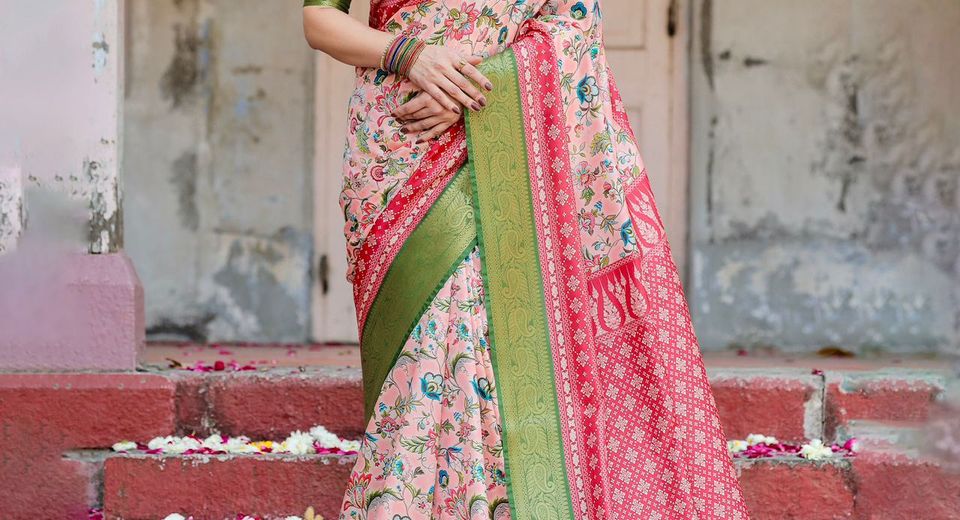
Andhra Pradesh Festival Fashion: Traditional Sarees and Ethnic Wear Guide planning starts with the saree, but the best choice depends on the festival, weather, ritual and length of the event. A glossy Dharmavaram silk saree suits an evening wedding reception, while a breathable Mangalagiri cotton saree is more practical for a warm Sankranti morning. Ugadi, Varalakshmi Vratam, Dasara, Deepavali and family weddings each allow a different balance of colour, zari, jewellery and comfort.
Regional textile knowledge makes festive dressing more purposeful. Uppada Jamdani, Venkatagiri cotton, Mangalagiri cotton and Dharmavaram silk create different silhouettes, textures and levels of formality. The Nivi drape, now widely associated with modern saree dressing, also has strong roots in Andhra styling. Knowing these details helps you choose ethnic wear for the event rather than relying only on labels such as "designer" or "party wear".
Andhra Pradesh Festival Fashion: Which sarees represent the region?
Uppada silk, Mangalagiri cotton, Venkatagiri cotton and Dharmavaram silk are important regional references for Andhra Pradesh Festival Fashion. Each textile offers a distinct combination of weight, surface texture, lustre, border treatment and occasion suitability.
Uppada Jamdani for refined celebrations
Uppada Jamdani is a lightweight handwoven silk associated with Uppada in the East Godavari region. Uppada sarees are known for delicate motifs, an airy drape and a soft lustre rather than a very stiff appearance. Gold or silver zari details can make Uppada suitable for Varalakshmi Vratam, a temple visit or a daytime wedding ceremony.
A pastel Uppada saree with a narrow zari border works particularly well with a clean-neckline blouse and restrained jewellery. A heavy necklace can overwhelm a fine silk surface, so small jhumkas, a short haram or one strand of pearls often creates better balance. A neatly pressed pleat structure also allows the delicate weave to remain visible.
Mangalagiri and Venkatagiri cotton for daytime rituals
Mangalagiri cotton is a practical festive choice for hot weather because its cotton structure feels lighter and more breathable than many silk blends. Classic Mangalagiri sarees often have a plain body with a contrasting zari or coloured border, making them easy to style with a bright blouse.
Venkatagiri cotton is valued for its fine texture and lightweight fall. Mangalagiri cotton and Venkatagiri cotton both suit Sankranti visits, Ugadi lunches and extended family gatherings where the wearer may sit, walk, cook or participate in rituals for several hours.
Dharmavaram silk for evening grandeur
Dharmavaram silk is a stronger choice when the celebration calls for a richer, more formal appearance. Dharmavaram sarees commonly use broad borders, elaborate pallu designs and zari work that catches indoor light. The extra weight gives the saree a structured fall, but a well-fitted petticoat and secure pleats are important for comfortable movement.
Banarasi silk and Kanjeevaram are not Andhra weaves, but both are widely worn at Telugu weddings and festivals. Banarasi silk usually brings a dense brocade surface and strong metallic shine, while Kanjeevaram is recognised for its firm silk body and contrast borders. Regional identity can come from the blouse, jewellery, drape and styling as well as the weave itself.
Andhra Pradesh Festival Fashion: How should you choose a festive saree?
Choose a festive saree by matching fabric weight and surface detail to the time of day, venue, weather and amount of movement required. An useful rule is to reserve heavier silk and broad zari for shorter evening events, and choose cotton, linen or lightweight tissue for daytime functions.
For a morning puja, breathable cotton or linen with a modest zari border keeps the outfit polished without becoming uncomfortable. Pastel Floral Tissue Handloom Cotton Saree with Zari Weaves shows how a lighter base can still look festive when the border and weave provide definition. Cream Pink Tissue Handloom Cotton Saree with Zari brings a similarly gentle palette for a daytime family gathering.
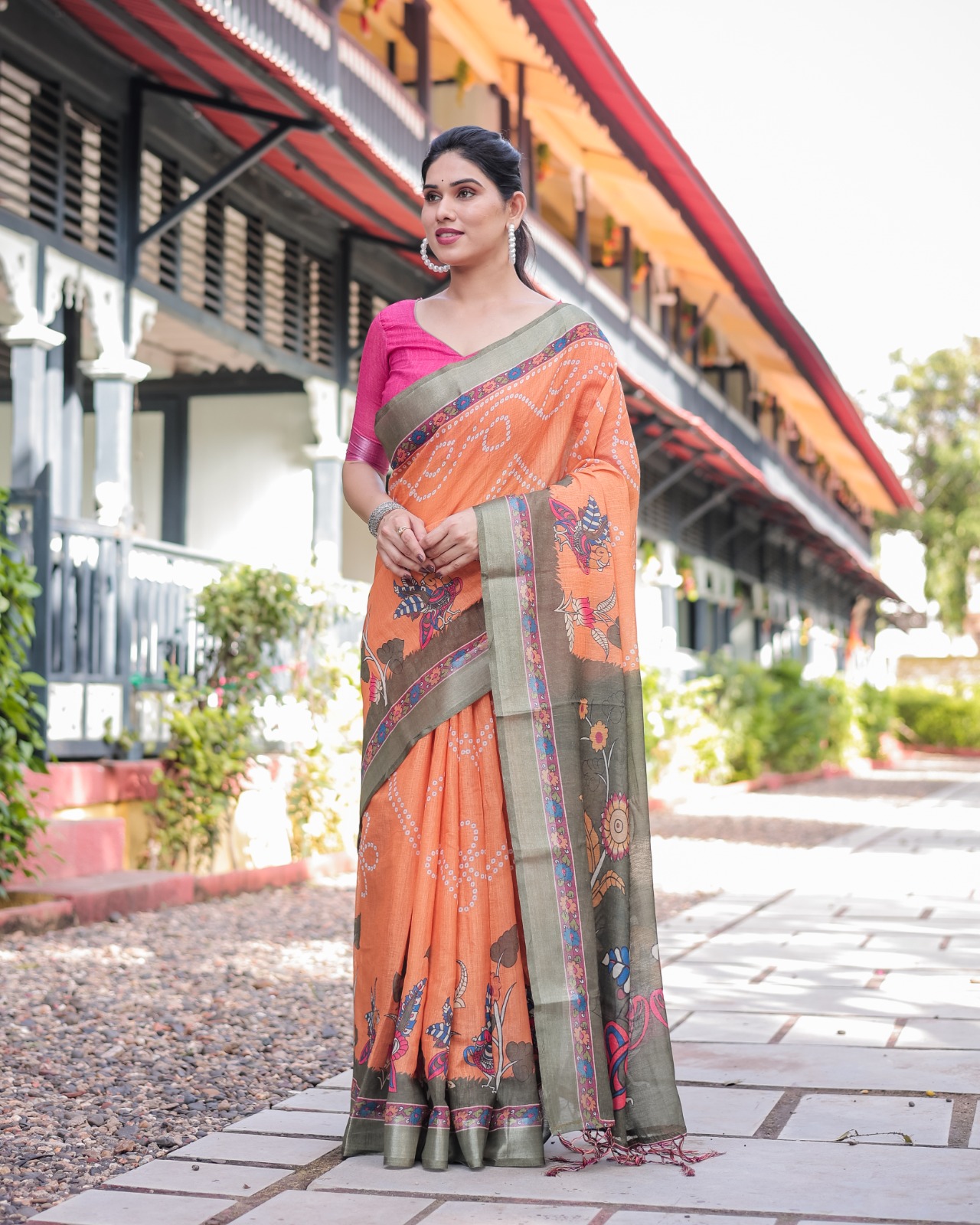
A floral print can soften the formality of a heritage silhouette. Pastel Linen Cotton Floral Print Saree with Designer Blouse is useful for a lunch, cultural programme or casual festive visit because linen-cotton texture looks composed without requiring heavy jewellery. Peach Linen Cotton Floral Print Saree with Blouse for Women gives the same approachable direction through peach rather than pastel pink.
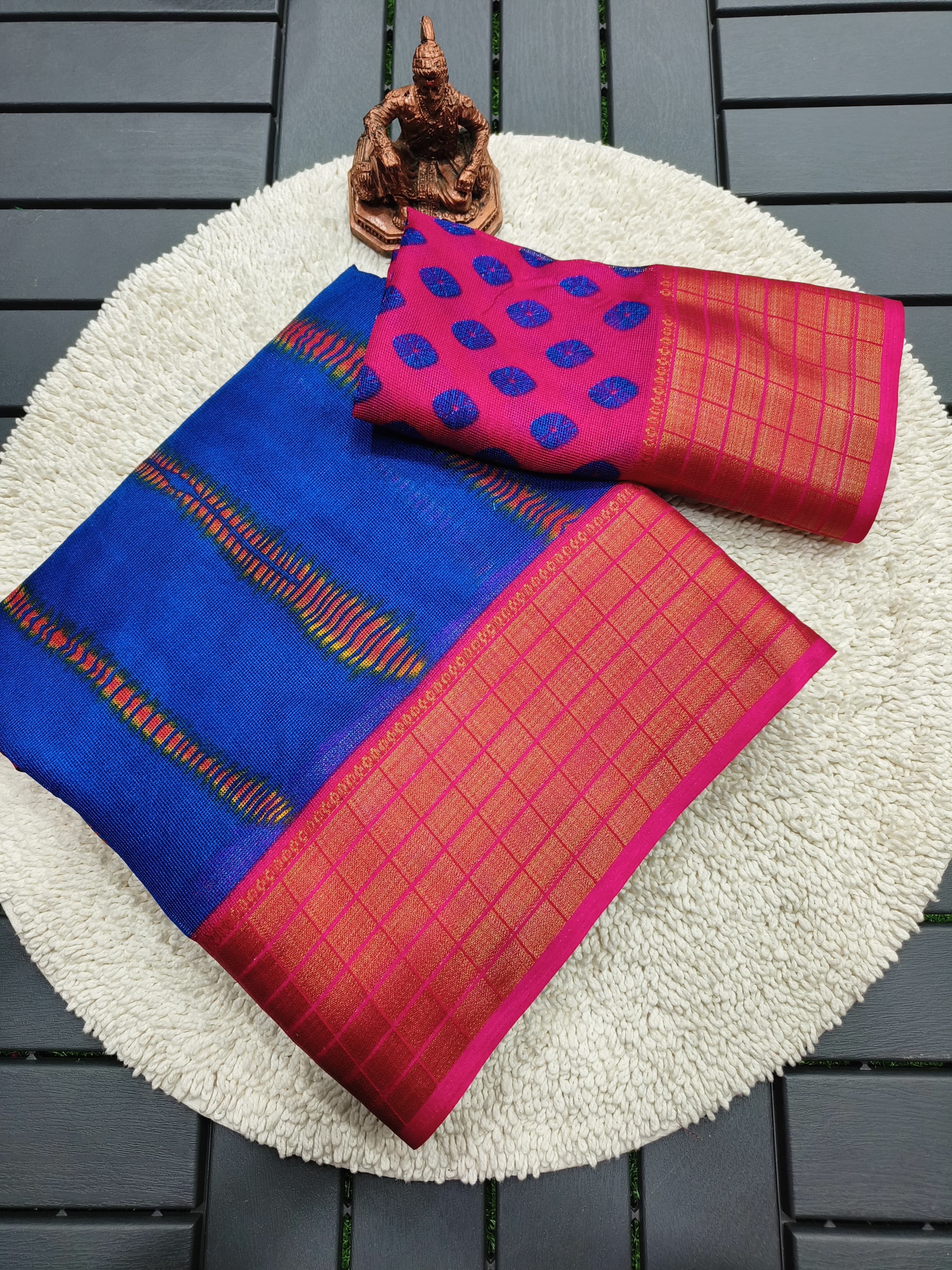
Silk becomes more useful when a celebration continues into the evening or includes formal photography. Festive Wear Blue Silk Saree for Women creates a cooler, jewel-toned look that pairs well with silver-toned accessories, pearls or a blouse with a small amount of crystal work. Pink Green Floral Silk Saree with Zari Border Festive combines lively colour contrast with a classic metallic edge for Deepavali or a wedding-related event.
Budget also affects fabric selection. Silk Sarees Under 3000 With Discount can be a practical starting point for shoppers who want festive sheen without committing to a high-value heirloom textile. Price alone doesn't establish authenticity, so check the fibre description, weave details, finishing, blouse fabric and return terms before purchasing.
For a darker and more formal festive tone, Wine Tissue Handloom Cotton Saree with Zari & Floral Prints balances a wine base with floral detail. The floral surface prevents the deeper shade from looking severe, while the zari adds enough shine for an evening gathering.
Andhra Pradesh Festival Fashion: Which colours suit Ugadi, Sankranti and Dasara?
Bright yellow, leaf green, vermilion red, pink, orange and peacock blue are dependable festive colours, while cream, ivory and soft pastels provide a quieter base for zari and jewellery. The most suitable colour depends on the ritual, personal comfort and whether the saree will be worn in daylight or artificial light.
Colour planning for Ugadi
Ugadi celebrations often suit fresh shades such as green, mango yellow, coral, turquoise and pink. These colours echo the spring season and photograph well in daytime settings. A pink saree with a green blouse looks more intentional when one colour appears again in the border, earrings or bangles.
Andhra Pradesh Festival Fashion for Ugadi doesn't require heavy embellishment. A light saree, a neat blouse, a small bindi and gold-toned earrings can look more appropriate for a home puja than a heavily sequinned garment. Soft floral prints also work well for Ugadi lunches and visits.
Colour planning for Sankranti
Sankranti styling can accommodate sunflower yellow, marigold, orange, parrot green and red. Cotton sarees are especially practical for rangoli-making, visits and outdoor family activities because cotton is easier to move in and less precious than delicate silk.
A bright blouse can provide the main colour when the saree is cream, beige or pale pink. This approach reduces visual heaviness and makes it easier to reuse the saree with a different blouse later. Stable flats or low block heels are more practical than narrow high heels for outdoor Sankranti gatherings.
Colour planning for Dasara and Deepavali
Dasara and Deepavali invite deeper colour stories such as wine, red, royal blue, emerald and magenta. These shades hold their presence under warm indoor lighting and work well with gold-toned jewellery. Red Banarasi Silk Sarees for Weddings Under 1100 provides an affordable colour reference for wedding guests, although buyers should examine the fibre composition and zari description rather than assuming every Banarasi-style saree is pure Banarasi silk.
Pink Georgette Sarees are useful when an event calls for a fluid, evening-friendly drape rather than a handloom texture. Georgette generally falls close to the body, so a fitted petticoat and carefully secured pleats are important. Party Wear Sarees can also be adapted for a festival when the styling includes a time-honoured blouse, bindi and jewellery.
Andhra Pradesh Festival Fashion: How can you style an Andhra saree?
Keep one heritage element prominent and let the remaining accessories support it. A zari border, temple jewellery, classic blouse sleeve or neat Nivi drape can provide cultural definition without requiring every part of the outfit to be heavily embellished.
Blouse proportions
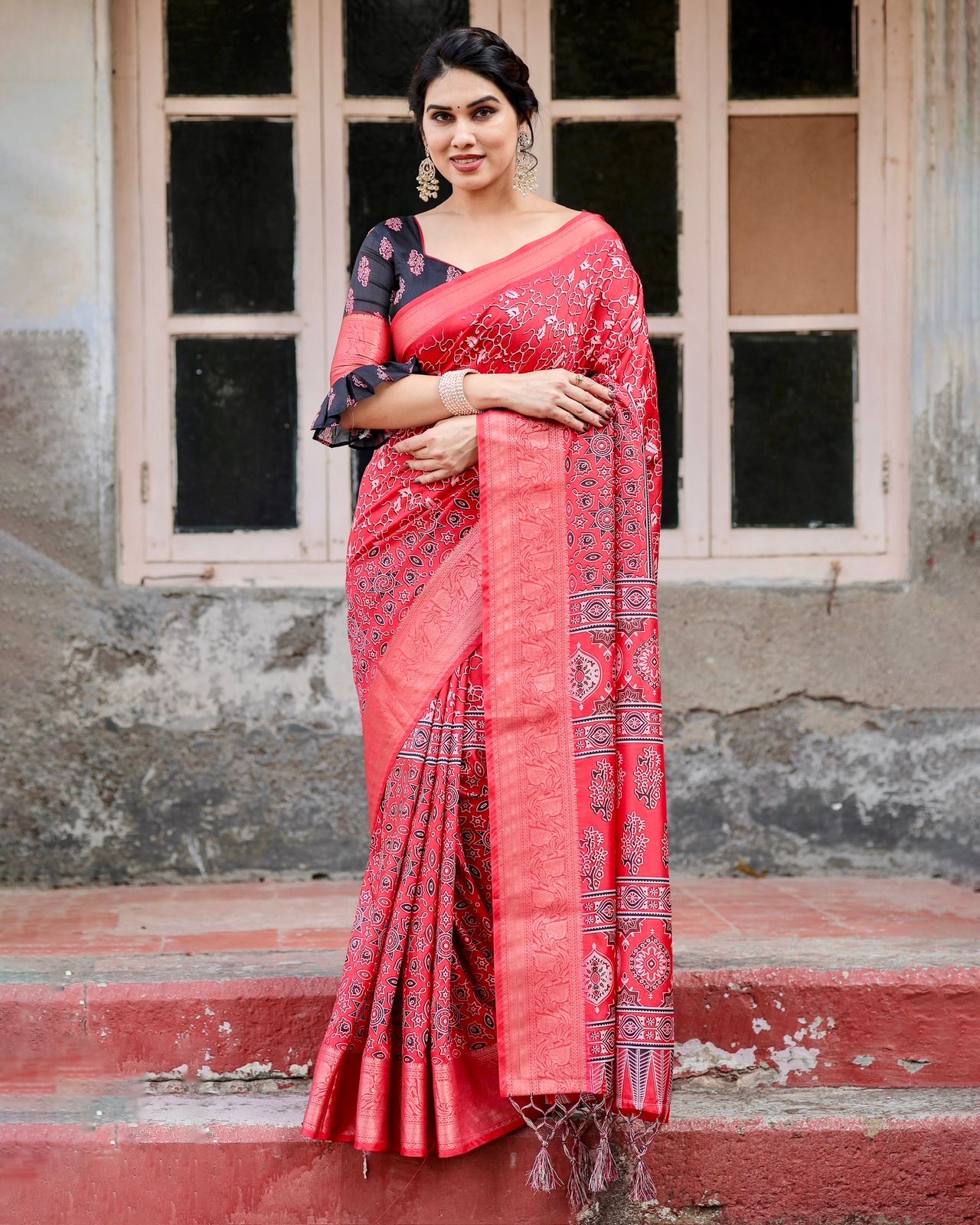
A high-neck or elbow-sleeve blouse gives a formal appearance with a silk saree and works well for temple visits or family ceremonies. A short-sleeve round-neck blouse feels lighter with cotton and linen. Contrast blouses are effective when the saree has a simple body, but a heavily printed saree usually benefits from a solid blouse in one of its existing colours.
For a broad zari border, keep blouse embroidery concentrated around the neckline or sleeve edge. Repeating the entire border pattern on the blouse can make the upper half look visually heavy. A plain silk blouse with covered buttons, piping or a small zari line often gives a more refined finish than excessive embellishment.
Jewellery, hair and footwear
Gold-toned jewellery complements zari, maroon, mustard and warm pink, while silver-toned jewellery suits blue, lavender, cool green and grey. Temple jewellery, kasu malas and jhumkas reinforce a classic Telugu festive mood, but one statement necklace is usually enough for a detailed saree.
A low bun decorated with jasmine is a classic option for a puja or wedding. A braid with a simple hair accessory is more practical for a long day. Choose block heels or embellished flats with a stable sole, and keep the heel height low enough to prevent the saree from dragging or pulling at the pleats.
Gray Color Sarees Under 1000 can provide a neutral base for a brightly coloured blouse, especially when the event is semi-formal rather than ceremonial. Pairing grey with magenta, mustard or emerald creates contrast without adding another competing print.
Andhra Pradesh Festival Fashion: What is the safest way to drape a saree?
The most secure festival drape uses a correctly fitted petticoat, firm waist pleats, a pinned pallu and footwear worn before the final hem is set. These four steps prevent slipping, dragging and repeated adjustments during rituals, meals or photographs.

Wear the footwear first and set the saree length so the hem sits just above the floor. A hem that touches the ground can collect dust and become a tripping hazard.
Use a cotton or satin petticoat with a firm drawstring rather than a loose elastic waist. The petticoat should support the saree without creating a visible ridge beneath the fabric.
Make five to seven front pleats of similar width, depending on the saree fabric. Cotton usually holds broader pleats, while georgette and soft silk may need narrower pleats to prevent spreading.
Secure the pleats at the waist with a discreet safety pin placed horizontally. Add a second pin near the top if the saree is slippery or the wearer will be moving frequently.
Place the pallu over the left shoulder and pin it near the shoulder seam and under the arm. A pallu that's too long can catch on chairs, door handles and jewellery.
Do a complete movement test before leaving home. Sit cross-legged or on a chair, climb a few steps, raise both arms and walk at a normal pace. If the pleats pull, the petticoat feels loose or the pallu shifts, adjust the drape before adding jewellery.
Andhra Pradesh Festival Fashion: How should festive sarees be cared for?
Care depends on fibre, zari and dye, but most festive sarees last longer when they're aired, folded in a breathable cloth and stored away from direct sunlight. A saree should never be put away damp after a humid festival or long journey.
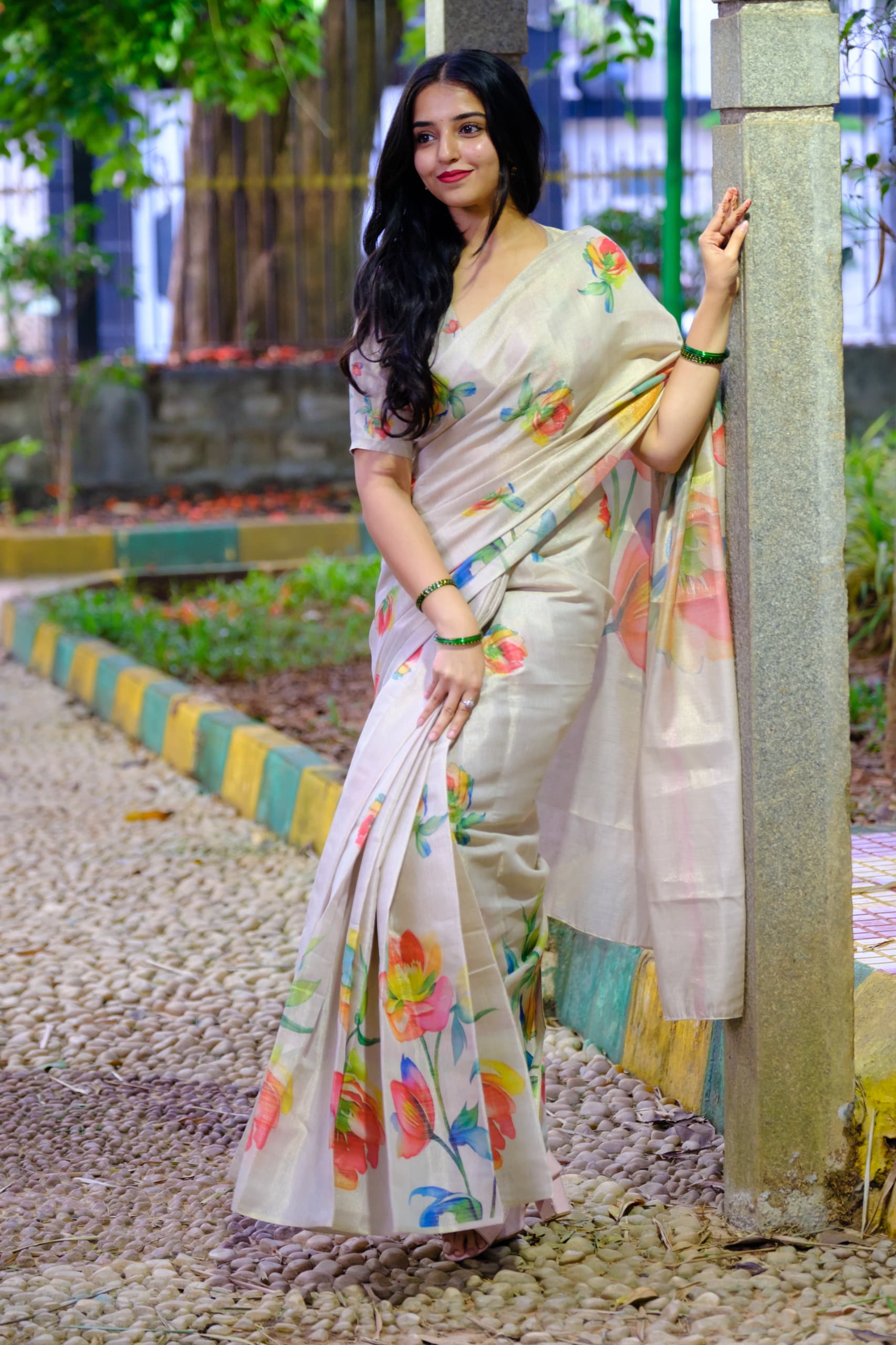
Air a cotton or linen saree in shade after wearing it, then fold it with the inner side outward if the surface has delicate printing. Refold handloom cotton every few months so permanent crease lines don't develop in one place. Avoid pressing directly over zari; place a thin cotton cloth between the iron and the saree and use a low to medium temperature.
Silk sarees should usually be dry-cleaned when washing instructions don't clearly permit water washing. Store silk away from unlined wood, rough cardboard and plastic bags that trap moisture. Fold a silk saree with acid-free tissue or soft muslin between layers, and change the fold direction every few months.
Floral prints and pale tissue sarees should be kept away from strong perfumes, hair sprays and damp jewellery. Apply fragrance before draping and allow it to dry fully. If food or oil falls on the saree, blot gently with a clean cloth rather than rubbing the mark deeper into the weave.
Andhra Pradesh Festival Fashion becomes more sustainable when one saree can serve several settings. A festive silk saree can be worn with a plain blouse for a family puja, while a cotton saree can become more formal with a silk blouse, zari belt and traditional jewellery. Thoughtful storage and varied styling reduce the need to buy a new outfit for every celebration.
Common Questions About Andhra Pradesh Festival Saree Dressing
Which saree is best for a Sankranti celebration in Andhra Pradesh?
Mangalagiri cotton or Venkatagiri cotton is usually a practical choice for Sankranti because both fabrics are lightweight and breathable. Bright yellow, orange, green and red work well for daytime rituals and outdoor family activities.
What should I wear for an Andhra Pradesh Ugadi celebration?
Choose a lightweight silk, cotton, linen-cotton or tissue saree in a fresh shade such as mango yellow, green, coral, pink or turquoise. A neat blouse, small bindi and moderate gold jewellery are usually sufficient for a home puja or family lunch.
Is Uppada silk suitable for a daytime festival?
Uppada silk is suitable for a daytime festival because its lightweight handwoven structure and soft lustre do not look excessively heavy. Pair Uppada silk with a simple blouse and restrained jewellery so the weave remains visible.
How do I keep a saree secure during a long festival event?
Wear the correct footwear before setting the hem, use a firm petticoat, make even pleats and pin the pallu at the shoulder and underarm. A movement test involving sitting, walking and climbing stairs can reveal problems before you leave home.
Can I wear a Banarasi silk saree for a Telugu wedding?
Yes, Banarasi silk is commonly worn for Telugu weddings even though it is not an Andhra weave. Check the fibre and zari description carefully, and balance a richly patterned Banarasi saree with a simpler blouse and jewellery arrangement.
How should I store a silk saree after a festival?
Air the silk saree in shade, keep it away from perfume and moisture, and store it folded in breathable muslin or with acid-free tissue. Dry-clean the saree when the care label requires it, and refold it periodically to prevent permanent crease lines.





