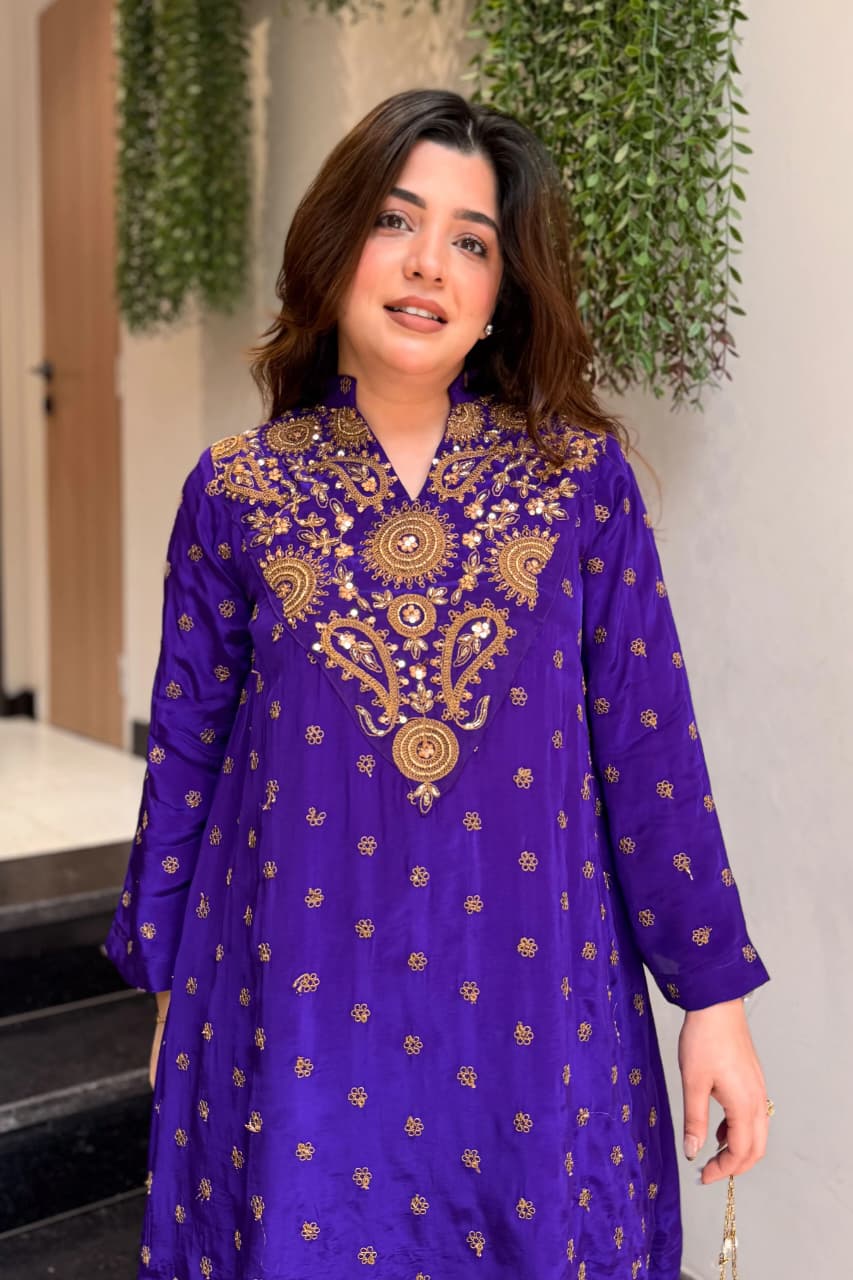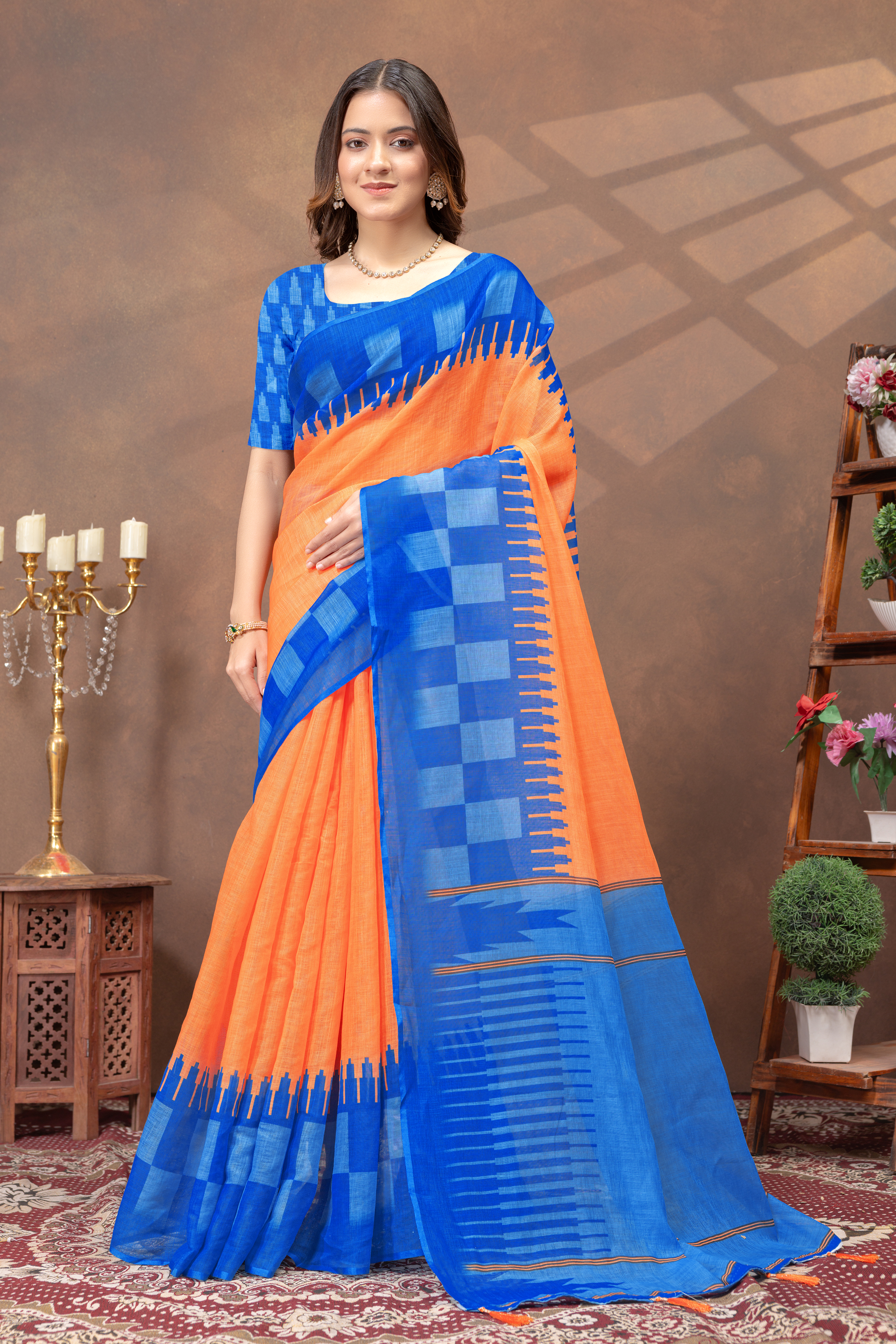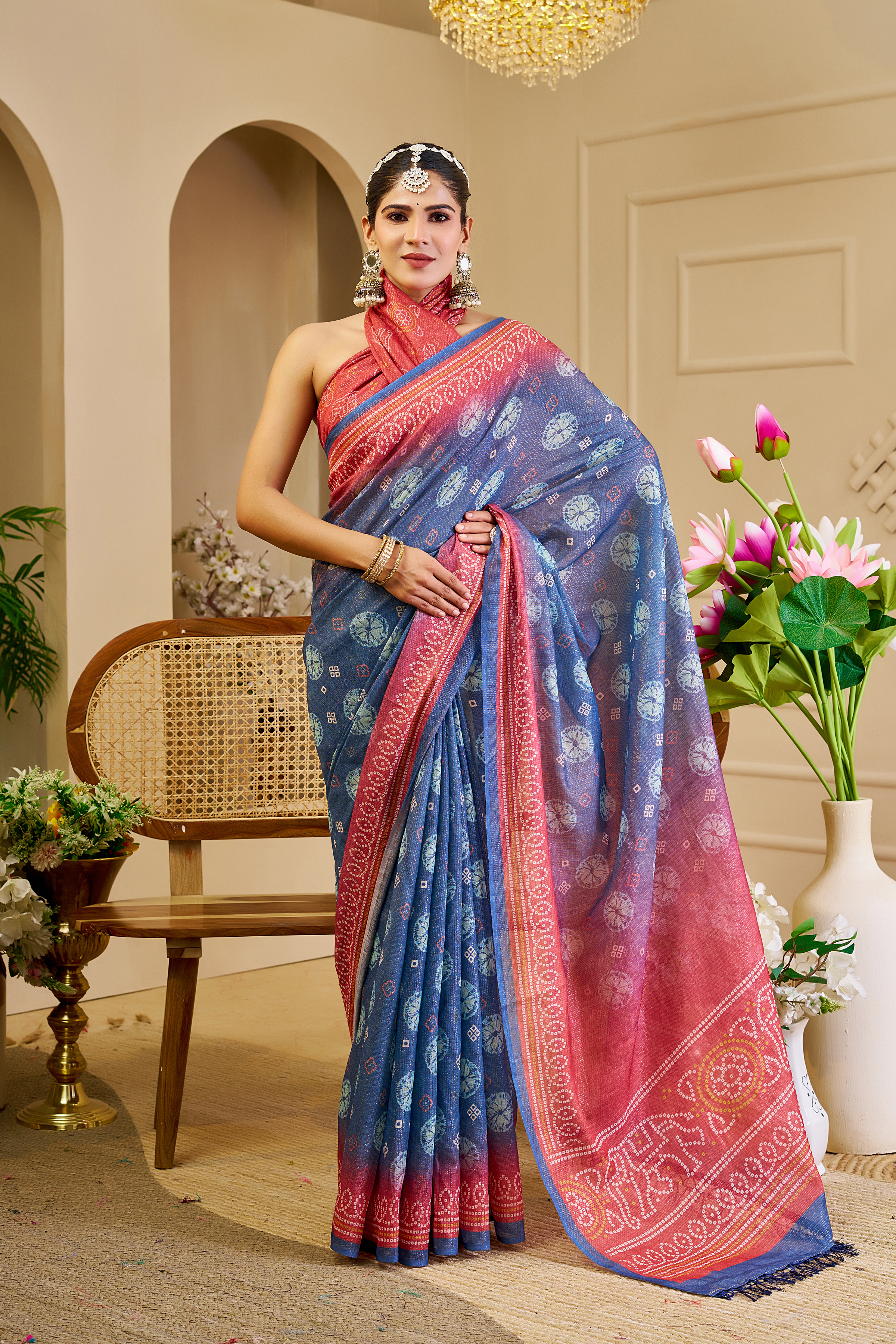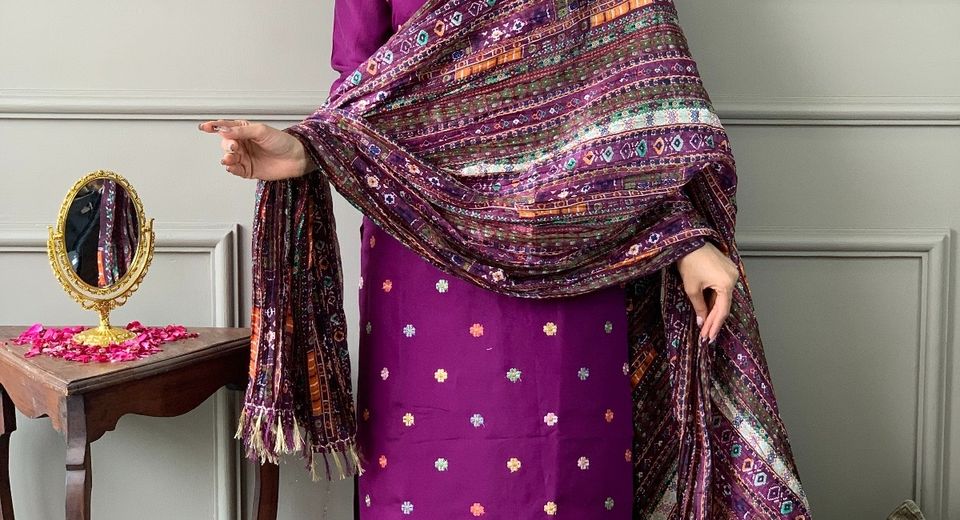
Anarkali Dupatta Styling When the Neckline Is Already Embroidered requires one simple shift in thinking: the dupatta should frame the neckline instead of competing with it. Dense zari, sequins, gota patti, moti lace or floral threadwork already creates a focal point near the face, so a heavy front drape can cover the most considered part of the suit. The most flattering result usually comes from controlling where the dupatta crosses, how much volume it adds and which surface remains visible.
An useful starting rule is to leave at least 3 to 5 centimetres of embroidered neckline visible on both sides of the face. That margin preserves the shape of a V-neck, sweetheart neckline, round neck or keyhole detail while allowing the dupatta to look intentional. The best styling choice also depends on fabric weight, sleeve volume, body proportions, jewellery and the formality of the event.
Anarkali Dupatta Styling When the Neckline Is Already Embroidered: Why placement matters
Dupatta placement matters because an embroidered neckline already carries visual weight at eye level. A plain or lightly worked dupatta can soften the frame, while a densely decorated dupatta needs to sit farther away from the neck or remain on one shoulder.
When a dupatta is pulled tightly under the chin, its border can create a second horizontal line directly over the embroidery. That arrangement can make a short neckline look crowded and reduce the apparent length of the torso. Letting the neckline breathe creates clearer separation between the face, bodice and dupatta border.
Consider the direction of the embroidery before choosing a drape. Vertical motifs, pendant-shaped bootis and elongated floral sprays benefit from an open front. Broad horizontal zari bands work better with an asymmetric shoulder drape that prevents several strong lines from stacking together. A high embroidered collar generally needs more space than a low round neck because the collar already occupies the area where a close dupatta fold would sit.
The neckline shape also affects the best pin position. A V-neck usually looks longer when the dupatta begins behind the shoulder rather than at the base of the throat. A round neck can support a wider open-front drape. A square neckline looks neat with a single shoulder fall because the diagonal fabric breaks up the strong geometric line.
Anarkali Dupatta Styling When the Neckline Is Already Embroidered: Three protective drapes
The shoulder fall, open-front drape and one-sided pleated drape protect an embroidered neckline most effectively because each keeps the centre of the bodice visible.
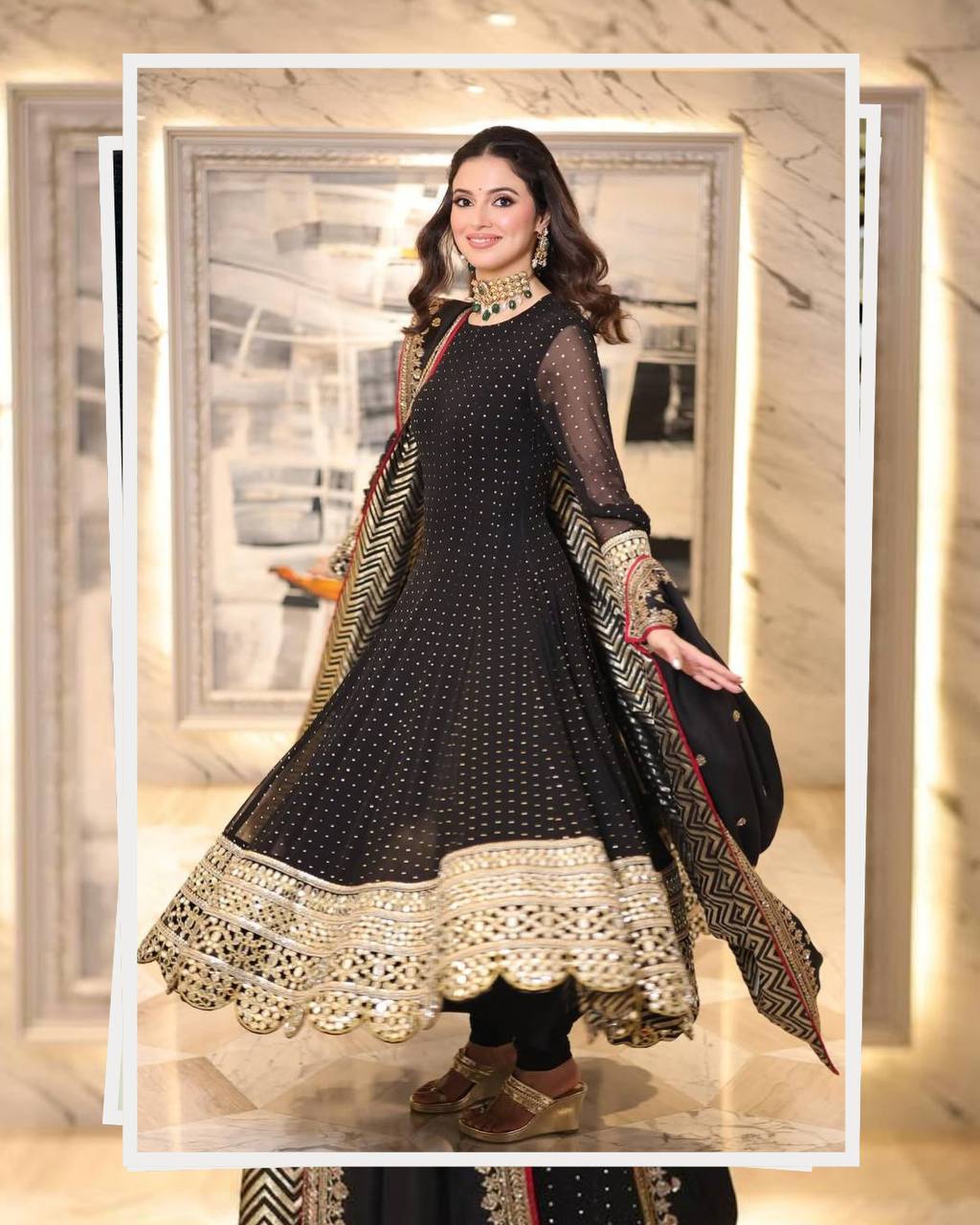
The open-front shoulder fall
The open-front shoulder fall places the dupatta over both shoulders while leaving the centre of the chest uncovered. Make narrow pleats at one end, pin them 5 to 7 centimetres behind the shoulder seam and allow the remaining fabric to fall straight down the back and sides.
This arrangement works particularly well with a round, V-shaped or floral embroidered neckline. A lightweight georgette, chiffon or soft organza dupatta can hold the shape with two discreet pins. A heavier silk dupatta may need one pin at the shoulder and another near the waist to prevent sliding.
The one-sided pleated drape
The one-sided pleated drape keeps the embroidery visible by placing the dupatta on one shoulder and directing the fabric diagonally away from the neckline. Pleat the dupatta from border to border, anchor it on the shoulder opposite your preferred jewellery or hairstyle and let the loose end fall beside the opposite hip.
This style creates a diagonal line, which is useful when the neckline has a wide horizontal border. Keep the pleats between 4 and 6 centimetres wide so the border remains legible. A diagonal drape also adds movement to a very full Anarkali skirt without introducing extra width at the bust.
The elbow loop
The elbow loop keeps the dupatta away from the neckline by carrying the fabric over one shoulder and gathering the fabric loosely at the opposite forearm. Avoid pulling the loop across the upper chest. The arrangement is convenient for greeting guests, carrying a clutch or moving through a crowded Haldi ceremony.
The elbow loop is more secure when the shoulder section is pinned and the forearm section is gathered with a small hidden safety pin. Use a soft, flexible fabric for this drape; stiff brocade can create a bulky fold near the elbow and distract from the neckline.
Anarkali Dupatta Styling When the Neckline Is Already Embroidered: Matching fabric and border weight
Fabric and border weight should be matched by keeping one element visually dominant and the other supportive. A heavy embroidered bodice usually pairs best with a fluid dupatta, while a plain bodice can carry a structured silk or heavily bordered dupatta.
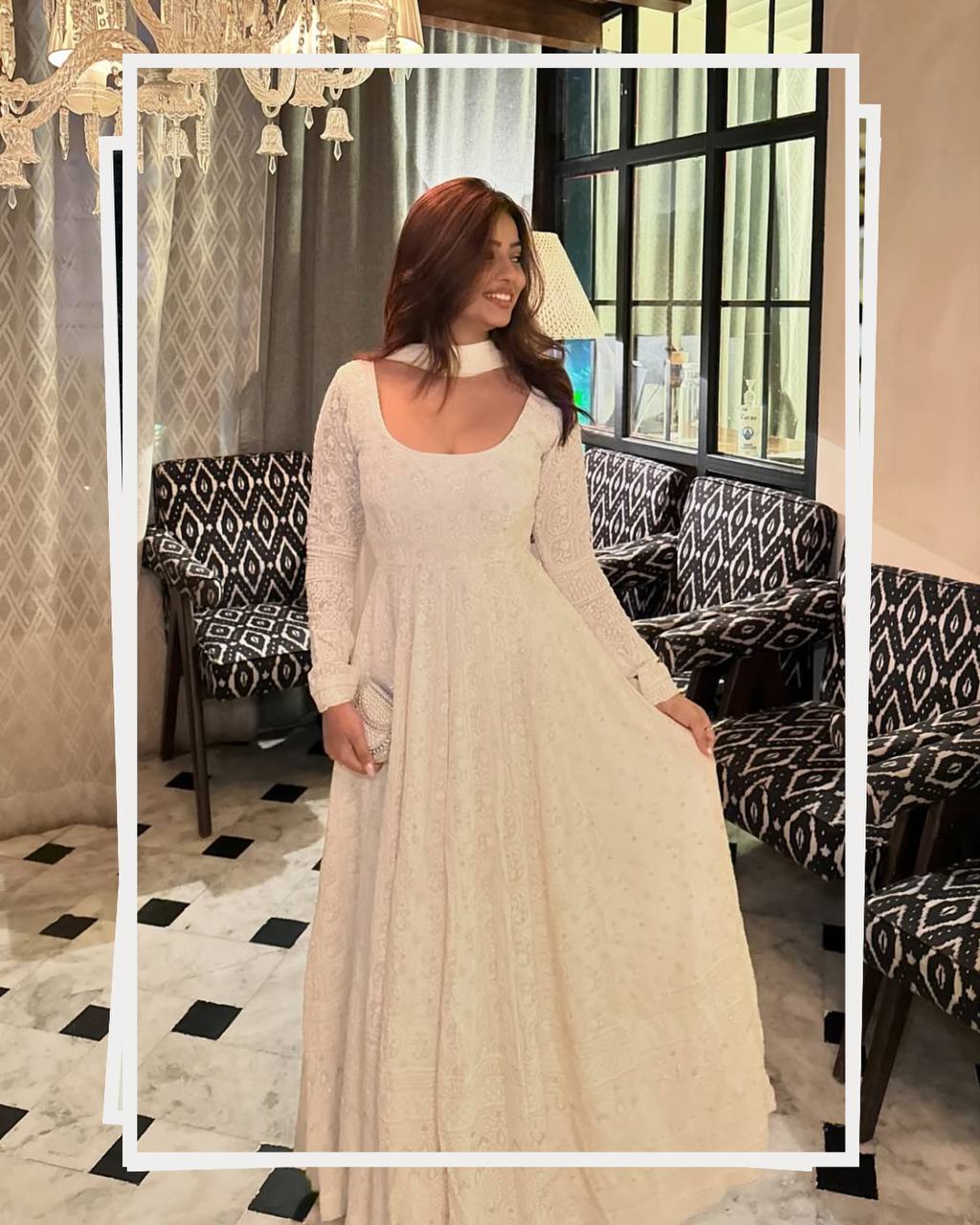
Banarasi silk, brocade and dense zari borders have enough body to hold sculptural pleats, but they can overwhelm a neckline covered in sequins or moti work. A narrow Banarasi silk border placed on one shoulder is more balanced than a wide border wrapped twice around the neck. Soft georgette reduces visual density and allows zari embroidery on the bodice to remain the main feature.
Chanderi offers an useful middle ground. Chanderi has a crisp, airy fall that can show off a delicate border without clinging to the embroidered chest. Chanderi works well for daytime festive events, particularly when the Anarkali has matte threadwork rather than reflective sequins.
Kanjeevaram-inspired silk or a Paithani-style border deserves a more deliberate drape. Place the strongest border vertically along one side or let it fall from the shoulder in a single clean panel. Avoid wrapping a broad silk border around the neck when the neckline already contains gold zari, because both borders can merge into one heavy band.
Colour contrast also affects perceived weight. A tonal dupatta in black, ivory, wine or deep maroon creates a continuous silhouette, while a contrasting mustard, pink or emerald layer makes the shoulder and upper body more prominent. Contrast is most successful when the dupatta has less surface embellishment than the neckline.
Fabric transparency deserves attention during daytime functions. A sheer organza or chiffon dupatta can preserve the embroidered neckline visually, but strong sunlight may make the border appear sharper than expected. Test the outfit near a window and under warm indoor lighting before finalising the drape.
Anarkali Dupatta Styling When the Neckline Is Already Embroidered: Jewellery and neckline balance
Jewellery works best when it fills the open space above or below the embroidery rather than sitting directly on top of the decorated neckline. Choose one principal piece, such as earrings, a choker or a long necklace, and let the remaining jewellery provide quiet support.
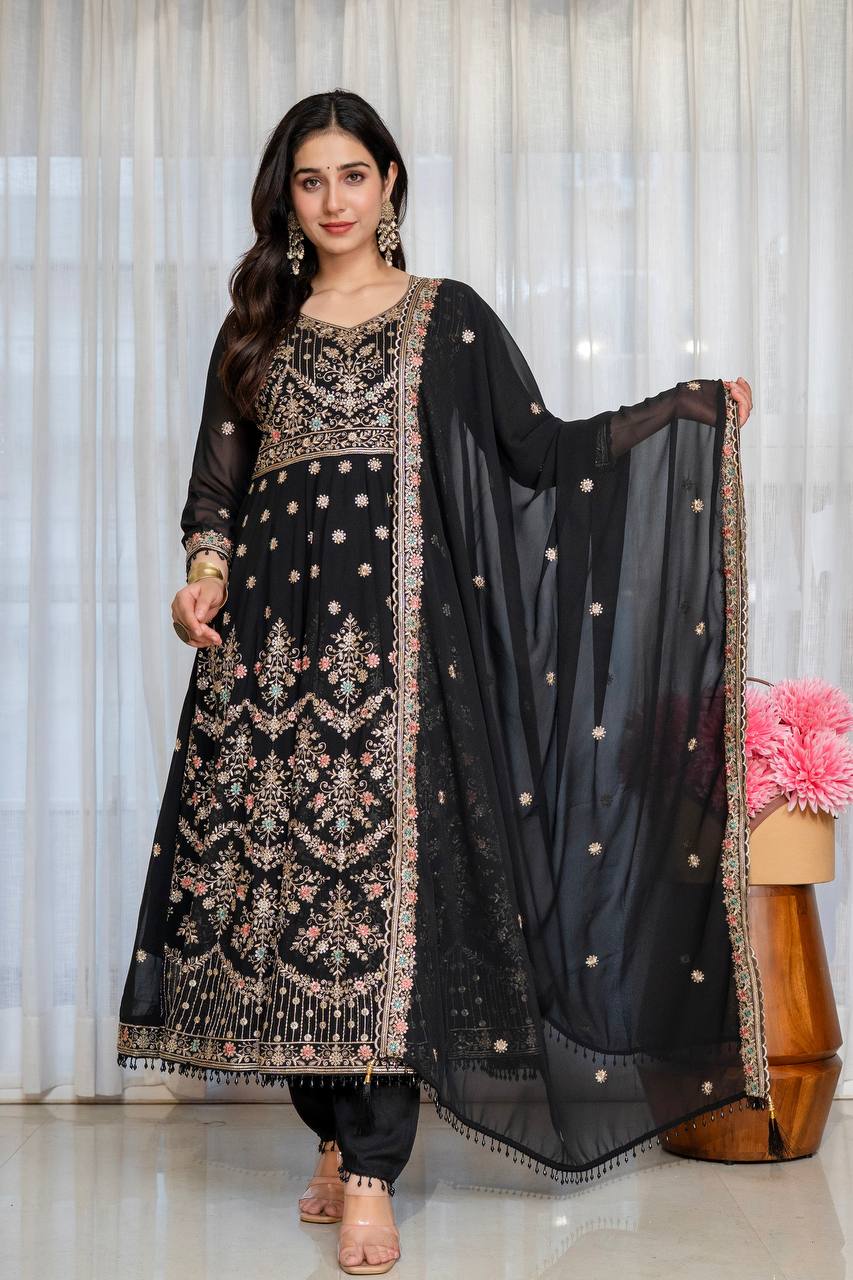
A high neckline with zari or sequin work usually needs earrings instead of a choker. Jhumkas, chandbalis or elongated drop earrings draw attention upward without adding another crowded line across the collarbone. Keep the earrings within roughly 4 to 7 centimetres if the neckline and dupatta border are both ornate.
A deep V-neck can accommodate a delicate pendant or a fine long haar, provided the necklace follows the open space and doesn't meet the embroidered edge. A broad choker is more suitable for a simple neckline with minimal surface work. Kundan, polki and pearl jewellery can repeat the shine of zari, but mixing every finish at once may make sequins, gota and metallic thread look disconnected.
For an outfit with moti lace, pearls create a deliberate connection between neckline and accessories. For a floral threadwork neckline, coloured stone earrings can pick up one flower shade without introducing a second heavy border. Bangles should echo the metal tone rather than compete with the upper bodice.
Hair placement can change the balance as much as jewellery. A low bun or side braid leaves statement earrings visible, while loose hair can soften a heavily embellished neckline but may hide shoulder embroidery. If the dupatta already has a prominent shoulder border, keep the hairstyle away from that shoulder.
Anarkali Dupatta Styling When the Neckline Is Already Embroidered: Colour and regional textile references
Colour and print keep the outfit balanced when the dupatta repeats one detail from the Anarkali and leaves the remaining colours quiet. A printed dupatta doesn't need to match every thread or stone; it only needs one credible visual link.
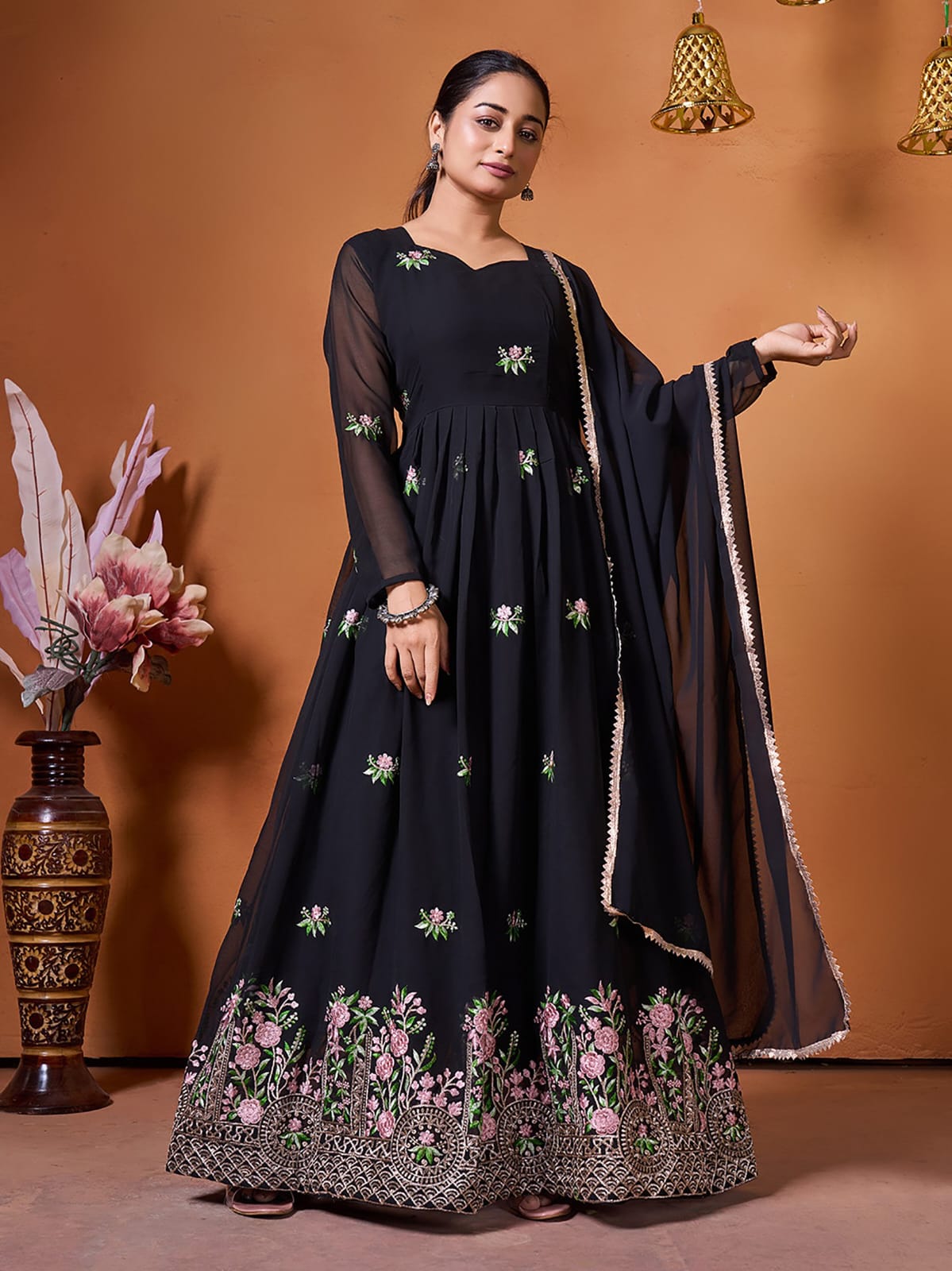
The Black Embroidered Anarkali Suit Set with Zari Work demonstrates why a restrained drape suits a dark, reflective base. A black dupatta with a controlled zari edge can remain on one shoulder, while antique gold earrings continue the metallic story. The Black Anarkali Suit Set with Sequin Zari and Moti Lace Work calls for even more breathing room because sequin and pearl details already create texture around the face.
White provides a different styling opportunity. The White Embroidered Anarkali Suit Set with Gota Patti Dupatta can take an open-front arrangement that shows the gota work without pulling the border tightly across the neckline. Silver, pearl or muted gold accessories can work, depending on the metallic finish of the gota patti.
A maroon Anarkali with a tonal dupatta looks elongated when the front remains uninterrupted. The Maroon Vichitra Silk Embroidered Anarkali Suit Set can therefore be styled with a single shoulder fall and a narrow waist-level pin. Mustard creates more warmth and contrast; the Mustard Vichitra Silk Embroidered Anarkali Suit Set pairs well with antique gold earrings and a dupatta that has a controlled, not oversized, border.
Printed and regional textile references can add personality without covering the neckline. A dupatta inspired by Kalamkari Print Salwar Suits introduces narrative motifs, while Maharashtra Paithani Inspired Salwar Suits suggest a rich border-led drape. Gujarat Bandhej Salwar Suits and Odisha Sambalpuri Salwar Suits offer patterned contrast, but choose a small or medium print scale when the Anarkali already contains large floral embroidery.
A black outfit with silver embroidery can tolerate a cool-toned printed dupatta, while a gold zari neckline generally looks more unified with rust, mustard, maroon, ivory or antique green. Keep the strongest contrast below shoulder level when the neckline is already the main feature.
Anarkali Dupatta Styling When the Neckline Is Already Embroidered: Occasion-based choices and finishing checks
The right drape depends on movement, photography, weather and the amount of coverage required at the event. A fixed shoulder fall suits seated functions, while a secure one-sided pleat is more practical for ceremonies involving walking, greeting and dancing.
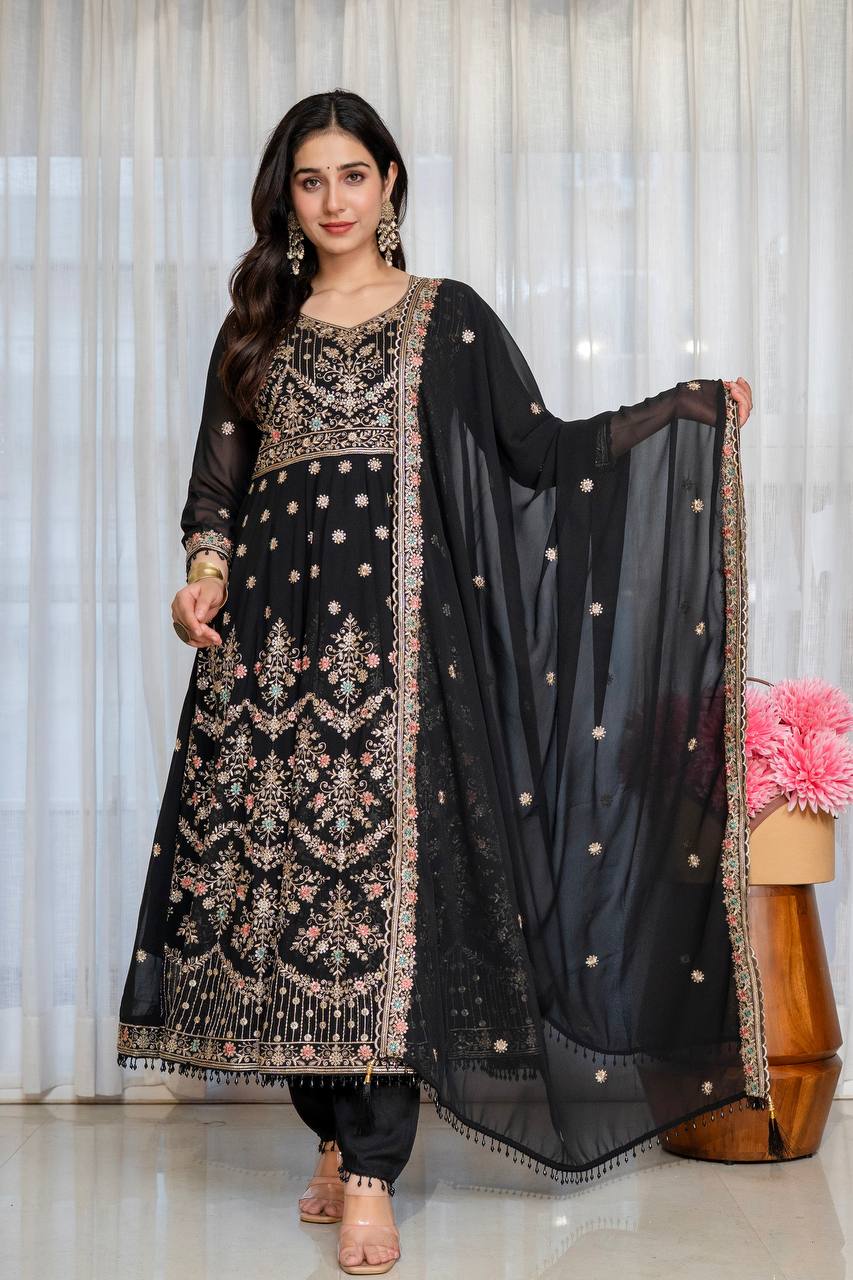
For weddings and receptions
An one-sided pleated drape is usually the most polished choice for a wedding or reception because it keeps the neckline visible and photographs clearly from a three-quarter angle. Use two hidden pins at the shoulder and one near the waist if the dupatta is slippery. A narrow metallic border adds definition without forming a second collar.
For a Haldi ceremony or daytime celebration
An open-front shoulder fall is practical for a Haldi ceremony or daytime celebration because it gives coverage while allowing air to circulate around the neck. Choose cotton silk, Chanderi, soft organza or a lightweight printed fabric when the temperature is high. Avoid a long loose end if the event includes movement, turmeric, food or outdoor seating.
For formal dinners
An elbow loop or controlled shoulder fall suits a formal dinner because the arrangement stays away from plates, bags and chair backs. A fluid dupatta with a subtle border is easier to manage than a stiff, heavily embellished panel. Keep the loose end above floor level to avoid dragging and accidental snags.
A five-minute mirror test
A five-minute mirror test can prevent most styling problems before leaving home. Stand straight and check that at least part of the neckline is visible, the shoulder pin doesn't pull the fabric into a lump and the border doesn't cut across the widest part of the bust. Sit down, raise both arms and walk several steps to confirm that the drape remains secure.
Take one front photograph and one three-quarter photograph in the lighting used at the event. A dupatta that looks balanced in a mirror can cover the neckline from a camera angle. Adjust the shoulder anchor by 2 to 3 centimetres if the embroidery disappears in photographs.
Keep spare safety pins, a small fabric clip and double-sided fashion tape in the accessory pouch. Use tape only on clean, dry fabric and test it on an inside seam first. Never pierce delicate zari or sequined areas repeatedly because unnecessary pin holes can loosen the embroidery.
Thoughtful draping gives an embroidered Anarkali enough space to look designed rather than overloaded. When the neckline remains visible, the dupatta supports the silhouette, jewellery has a clear role and the complete salwar suit appears more polished in person and in photographs.
Practical Questions About Anarkali Dupatta Styling When the Neckline Is Already Embroidered
How do I wear a dupatta with a heavily embroidered Anarkali neckline?
Use an open-front shoulder fall or a one-sided pleated drape so the centre of the embroidered neckline remains visible. Leave approximately 3 to 5 centimetres of space around the neckline and secure the shoulder with a hidden pin.
Should I wear a necklace with an embroidered Anarkali neckline?
Wear a necklace only when the neckline leaves enough open space for it to sit without covering the embroidery. High or heavily embellished necklines usually look better with statement earrings, while a deep V-neck can support a delicate pendant.
Which dupatta fabric is best for a heavy Anarkali neckline?
Lightweight georgette, chiffon or soft organza usually balances a heavy embroidered neckline because the fabric adds coverage without excessive bulk. Chanderi is a useful option when you want a slightly crisper fall and a defined but airy border.
How can I stop an Anarkali dupatta from covering the neckline?
Pin the pleated section 5 to 7 centimetres behind the shoulder seam instead of directly at the neck. Add a second hidden pin near the waist or elbow when the fabric is slippery, and test the drape while walking and sitting.
Can I wear a contrasting dupatta with an embroidered Anarkali suit?
Yes, a contrasting dupatta works when it repeats one colour or metallic detail from the Anarkali and has less embellishment than the neckline. Keep the strongest contrast on the shoulder or lower fall rather than directly across the chest.
What jewellery should I wear with a zari and sequin Anarkali?
Choose one main jewellery focus, usually jhumkas, chandbalis or elongated earrings, when zari and sequins already decorate the neckline. Pearls can complement moti lace, while antique gold jewellery generally works naturally with warm zari.