

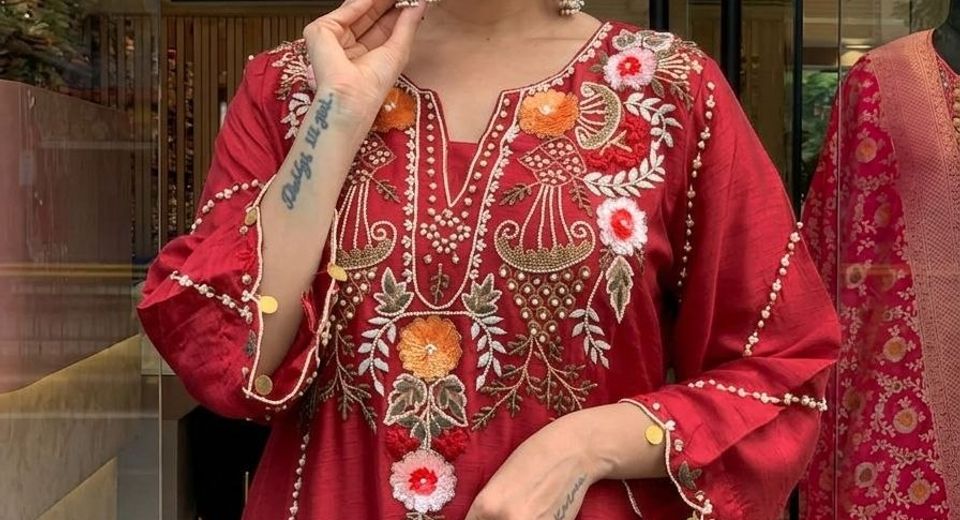
An Anarkali Alternative for Women Who Do Not Like Floor Length Clothes can deliver the same festive presence without a hem that drags, catches on footwear or restricts movement. The most useful options are shorter Anarkali suits, straight-cut salwar suits, A-line kurta sets and Punjabi-inspired silhouettes with a defined trouser or salwar shape. Choosing among them depends on height, event formality, fabric weight and how much walking or sitting the outfit must accommodate.
Floor-length Anarkalis are not the only way to create volume and occasion appeal. A midi or calf-length kurta can look equally dressed up when its flare, neckline, embroidery and dupatta are balanced correctly. The key is to treat the complete outfit as a proportion problem: a shorter hem needs enough visual detail above and below the waist to look intentional, not like a shortened formal gown.
An Anarkali Alternative for Women Who Do Not Like Floor Length Clothes: Why choose one?
An Anarkali alternative is useful when ease of movement, lighter weight or everyday versatility matters more than a sweeping silhouette. A shorter kurta allows the wearer to climb stairs, sit cross-legged, walk through crowded venues and show the shape of the salwar, palazzo or straight pant.
Floor-length garments also require practical decisions about footwear and height. A hem that ends one or two centimetres above the floor is safer than a hem that rests directly on it, but even that small clearance can become inconvenient during a Haldi ceremony, a family lunch or an event held on grass. A knee-length or calf-length salwar suit removes much of that concern.
A shorter silhouette can also work harder in a wardrobe. A heavily embroidered Anarkali may be reserved for one wedding season, while a moderate-length kurta can be worn with a different dupatta, cigarette pants or a plain salwar for another event. This makes the outfit a better choice for shoppers who want occasion polish without buying a single-use shape.
An Anarkali Alternative for Women Who Do Not Like Floor Length Clothes: Which silhouettes work?
The best alternatives are calf-length A-line kurtas, straight-cut suit sets, short Anarkalis, Punjabi Patiala suits and lightly flared kurta sets. Each silhouette creates a different balance between movement, structure and festive impact.
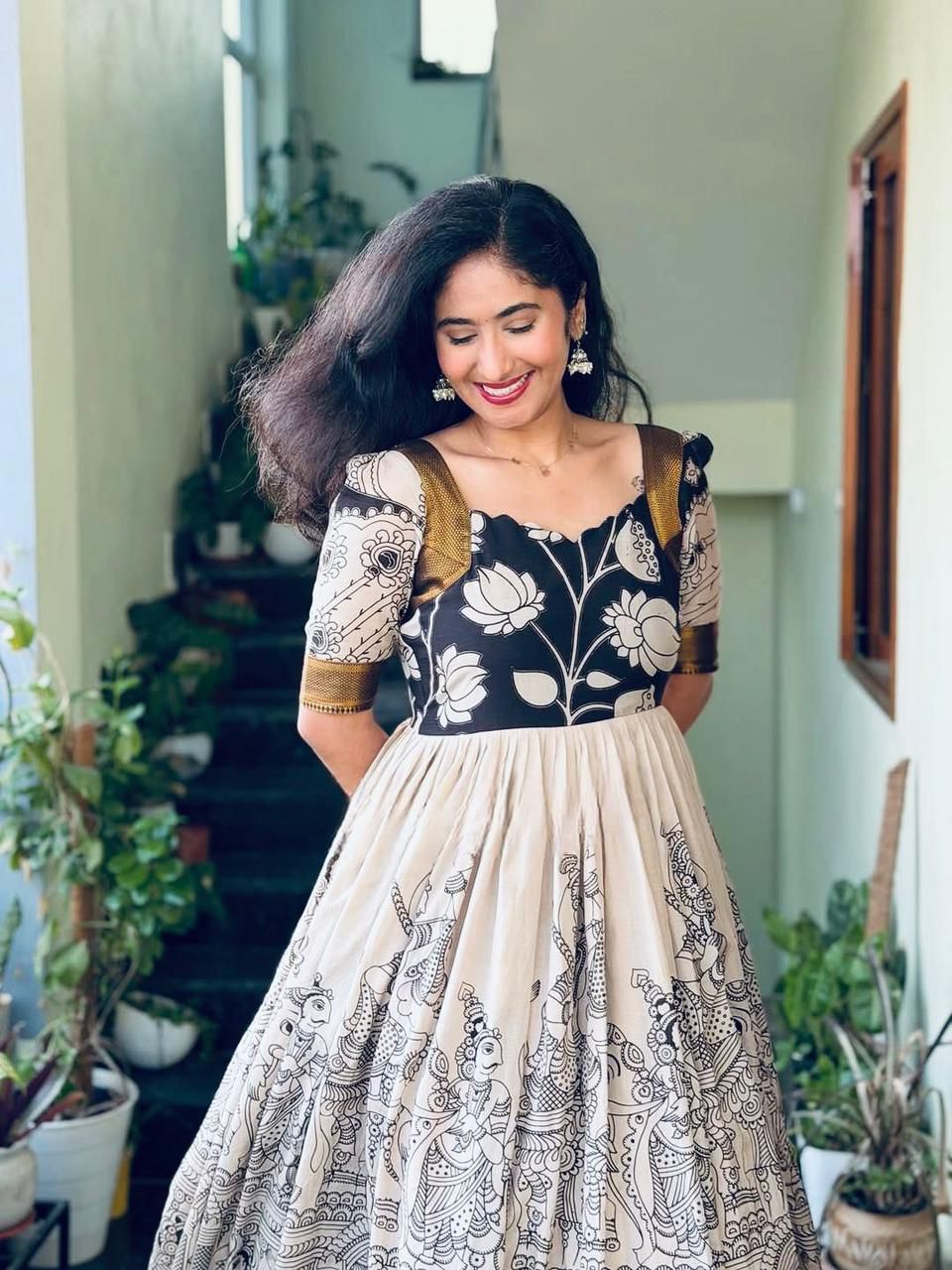
Calf-length A-line kurta
A calf-length A-line kurta provides controlled flare without the visual and physical weight of a floor-length skirt. The shape widens gradually from the bust or waist, so the garment moves when walking while remaining easy to pair with straight pants or churidars. A hem that falls between mid-calf and just above the ankle usually gives a graceful line without overwhelming shorter wearers.
Straight-cut salwar suit
A straight-cut salwar suit is the most adaptable choice for women who want a clean, non-flared silhouette. The straight kurta places attention on fabric, neckline, embroidery and dupatta rather than volume. A printed or lightly embroidered straight suit can move from a daytime puja to a dinner by changing jewellery and footwear.
Short Anarkali with defined bottoms
A short Anarkali retains the fitted-bodice-and-flared-kurta construction while ending around the knee or mid-calf. The shape looks especially balanced with slim churidars, cigarette pants or narrow trousers because the fitted bottom counteracts the flare. A short Anarkali works well for festive gatherings where the wearer wants twirl and movement without a trailing hem.
Patiala or salwar-based silhouette
A Patiala or traditional salwar-based silhouette shifts attention towards the lower garment instead of relying on a long kurta. Punjab Patiala Salwar Suits are a useful reference for this proportion because the gathered salwar supplies volume below a shorter kurta. The result is comfortable for movement and visually distinctive, although the outfit needs a relatively simple dupatta or kurta if the salwar has many pleats.
An Anarkali Alternative for Women Who Do Not Like Floor Length Clothes: How should the length fit?
The most flattering length depends on height, footwear, leg proportion and the width of the lower garment. A practical starting point is a knee-length kurta for a visibly modern look, a mid-calf kurta for balanced coverage and a few centimetres above the ankle for a more traditional appearance without floor contact.
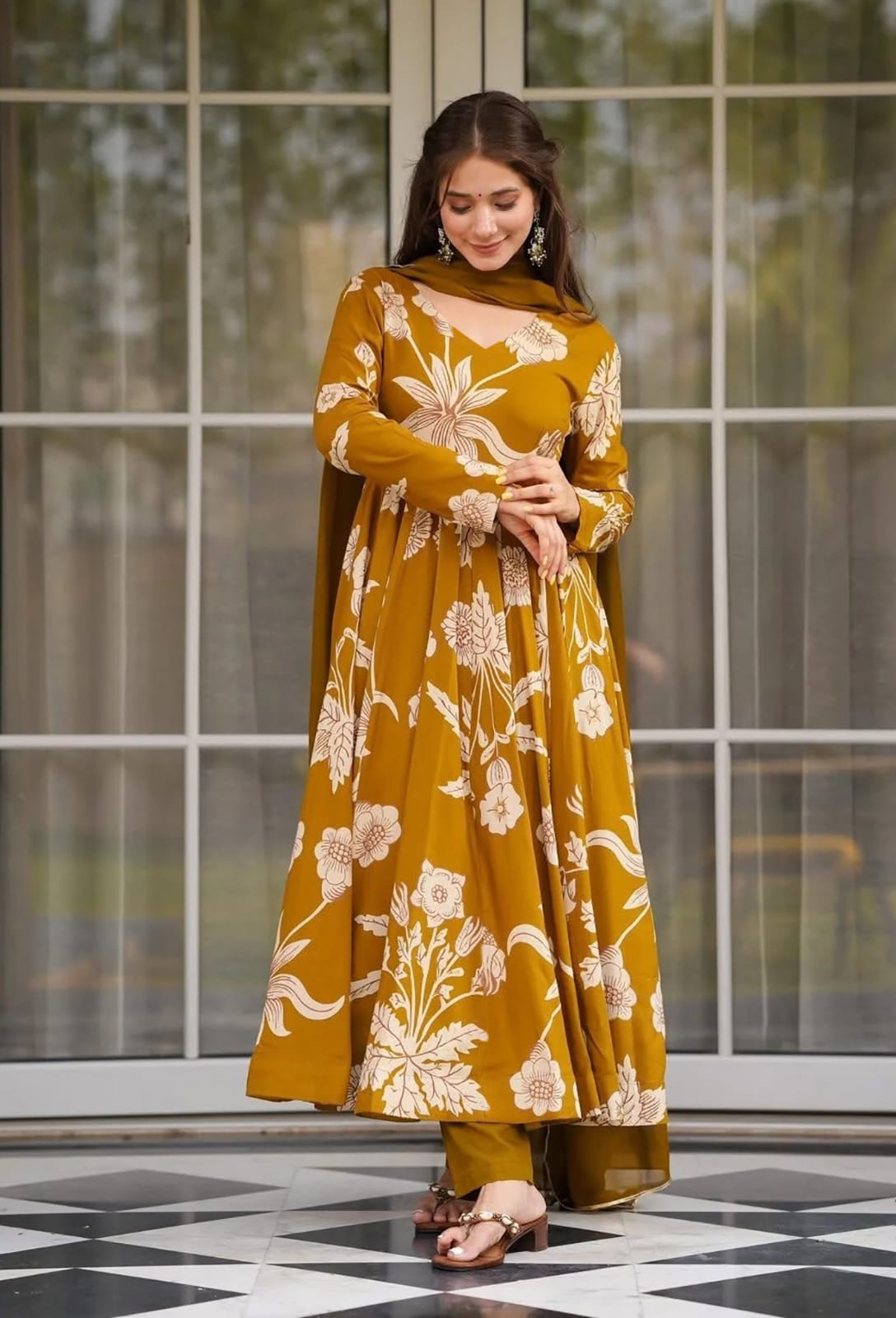
Women with a petite frame often benefit from a hem that ends below the knee but above the widest part of the calf. Stopping exactly at the broadest part of the calf can visually shorten the leg. A vertical embroidered panel, a narrow border or a matching trouser colour can restore length to the outfit.
Taller women can carry more volume and longer calf-length hems, particularly with palazzo pants or a fuller salwar. A wide hem paired with a wide palazzo can become visually heavy, so one of the two pieces should usually remain relatively streamlined.
The dupatta also changes perceived proportion. A dupatta worn over one shoulder creates a long vertical line, while a tightly wrapped dupatta adds horizontal volume around the torso. For a shorter kurta, let one end fall below the hip or drape the dupatta in a narrow front panel rather than bunching it at the waist.
Before ordering a ready-to-wear suit, compare the garment measurement with a kurta that already fits well. Measure from the highest shoulder point to the existing hem, then compare the bust, waist, sleeve and bottom measurements. A product description that states only a size label is less useful than one that provides finished garment measurements.
An Anarkali Alternative for Women Who Do Not Like Floor Length Clothes: Which fabrics work?
Silk blends, Vichitra silk, georgette, Chanderi and structured rayon can make a shorter suit look festive, while cotton and lighter rayon are better for daytime comfort. Fabric choice affects the flare, opacity, fall and amount of tailoring needed.
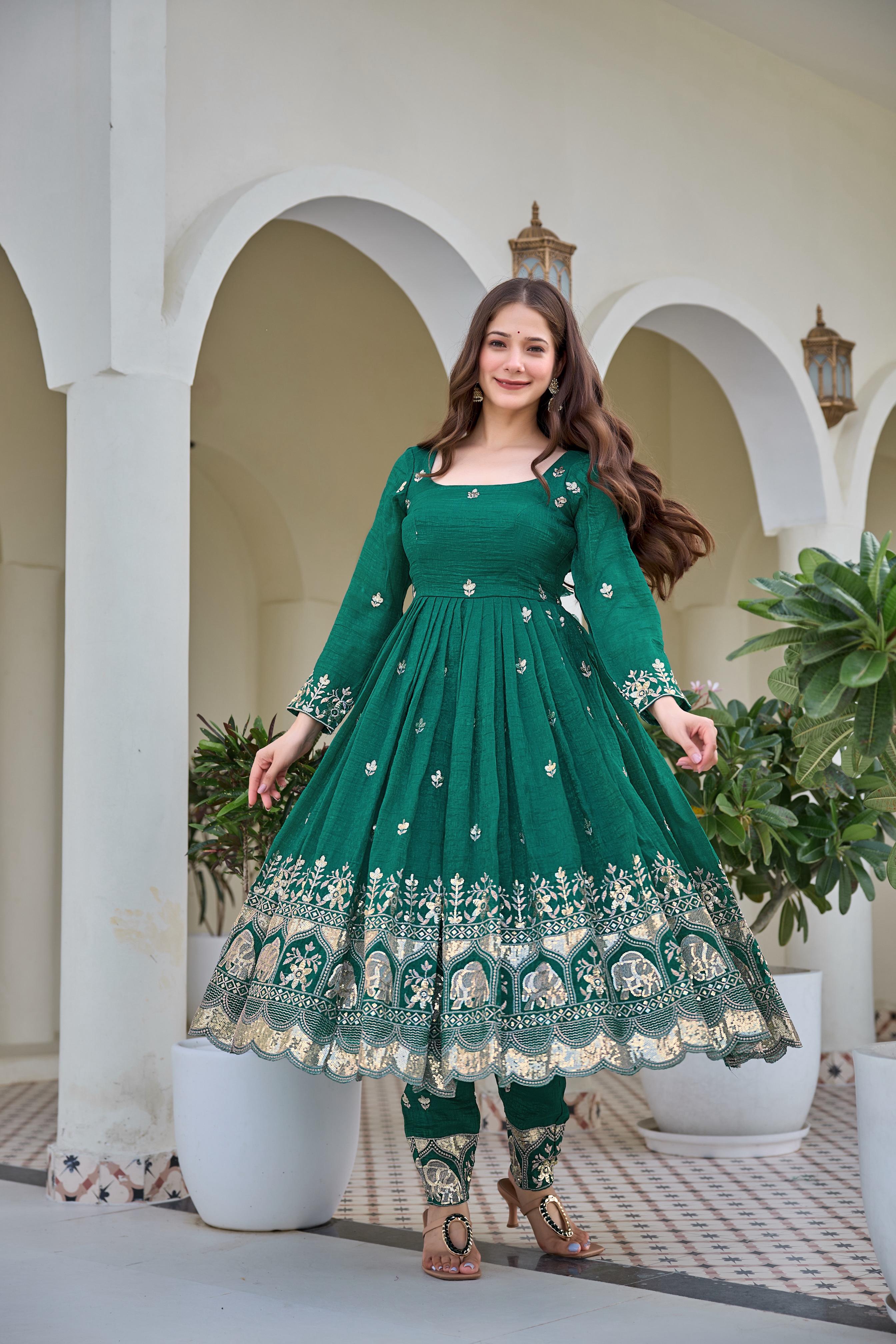
Vichitra silk has enough body to support embroidery and a controlled flare without requiring a floor-length cut. Yellow Vichitra Silk Embroidered Anarkali Suit Set with Dupatta and Mustard Vichitra Silk Embroidered Anarkali Suit Set show how a rich surface and structured fabric can create occasion presence even when the wearer chooses a shorter hem through alteration or a related silhouette.
Chanderi gives a lighter, more translucent impression and works well when the outfit needs airiness. Chanderi fabric may require a lining, especially in pale colours, and a careful dupatta fold because its crispness can create extra volume around the shoulders.
Banarasi silk and zari provide visual richness through woven shine and metallic detail. These materials can feel warmer and heavier than cotton, so they are better suited to evening receptions, winter celebrations or shorter events rather than long outdoor functions in hot weather.
Georgette and crepe fall close to the body and reduce bulk, but very soft fabrics may not hold a dramatic flare without additional panels or lining. Cotton-silk blends offer a useful middle ground for daytime weddings because they provide some sheen while remaining easier to sit and move in than a heavily layered skirt.
Surface decoration should match the scale of the garment. Dense zari, sequins and Moti lace work can look concentrated on a short kurta, so a simple bottom and restrained jewellery often produce a more refined result. Black Anarkali Suit Set with Sequin Zari and Moti Lace Work illustrates why a statement upper half benefits from clean styling below the waist.
An Anarkali Alternative for Women Who Do Not Like Floor Length Clothes: How can it look formal?
A shorter salwar suit looks wedding-ready when the fabric, finish, dupatta and accessories provide enough ceremony-level detail. Length alone does not determine formality; embroidery density, metallic work, colour depth and finishing do more of the visual work.
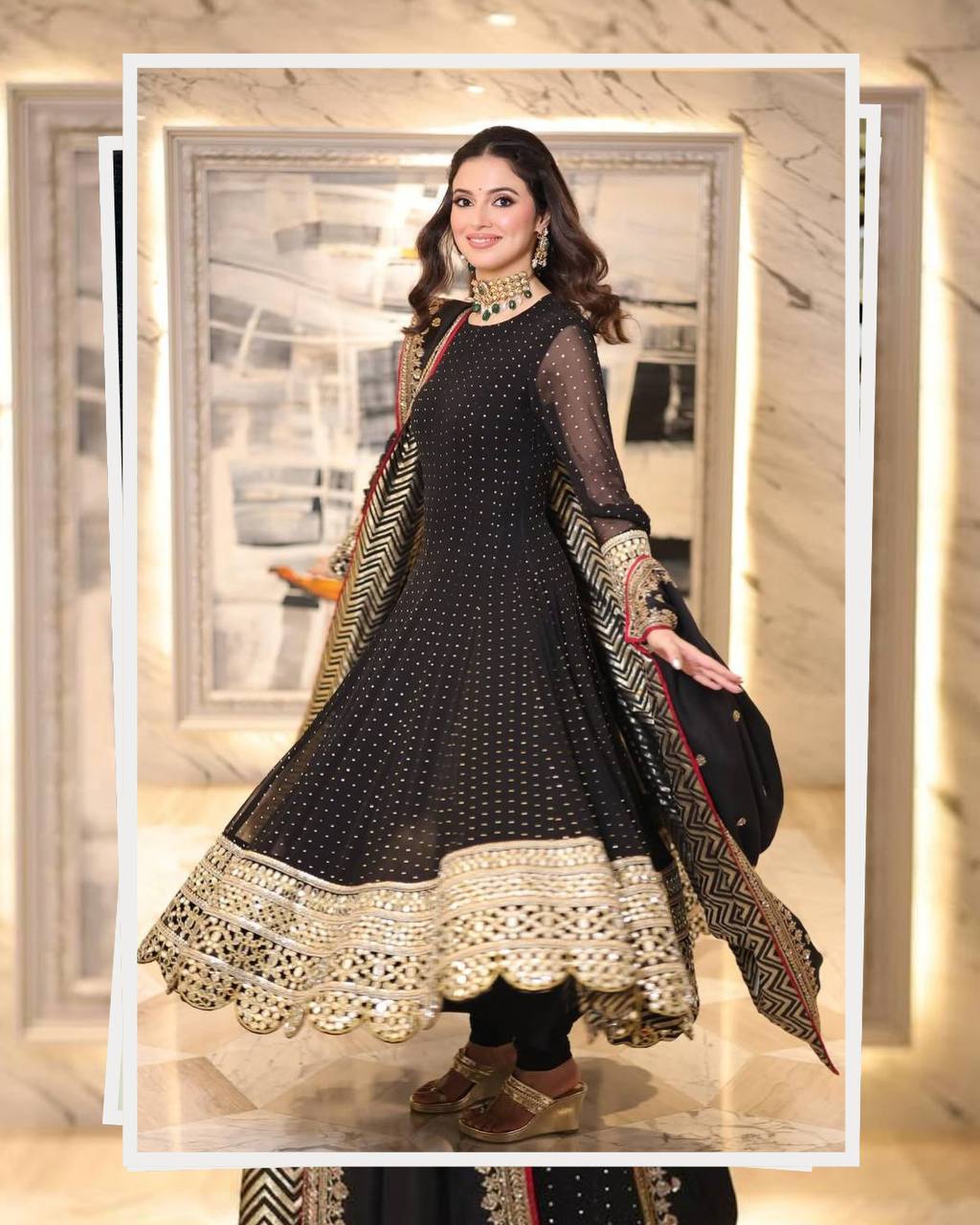
For a sangeet or reception, choose a saturated colour such as wine, emerald, black or deep maroon and pair it with tonal or metallic accessories. Premium Wine Embroidered Anarkali Suit Set for Women demonstrates how a strong colour can carry the outfit without a sweeping hem. A slim heel or embellished jutti can add height without making the garment difficult to walk in.
For a daytime wedding or Haldi ceremony, yellow, mustard, green and coral shades feel festive without becoming overly formal. Green Embroidered Anarkali Suit Set for Women can be styled with antique gold earrings and a lighter dupatta, while a yellow or mustard suit works with floral jewellery and a low, comfortable heel.
For an evening event, black does not need to look severe when the outfit includes zari, sequins, a contrast dupatta or pearl detailing. Black Embroidered Anarkali Suit Set with Zari Work can be balanced with gold-toned sandals and a compact clutch. Keep the hair and jewellery deliberate but avoid adding heavy detail to every part of the outfit.
Maroon silk creates a traditional festive impression, particularly with gold embroidery and a matching or contrasting dupatta. Festive Wear Maroon Silk Anarkali Suit Set for Women can inspire a shorter-suit styling approach: retain the rich colour story, but use a narrow trouser, modest heel and controlled dupatta drape to keep the overall outfit mobile.
Black Zari Sequins Embroidered Anarkali Suit Set | Varnavi! Offers another example of a high-shine evening direction. When one outfit element contains dense zari and sequins, choose one dominant accessory finish, such as gold earrings, rather than combining gold, silver and brightly coloured stones.
An Anarkali Alternative for Women Who Do Not Like Floor Length Clothes: Which regional styles help?
Regional salwar suit traditions offer practical alternatives because they combine movement-friendly garments with distinctive textile identity. A shorter kurta can be styled with regional prints, borders or bottom shapes instead of relying on a long flared skirt.
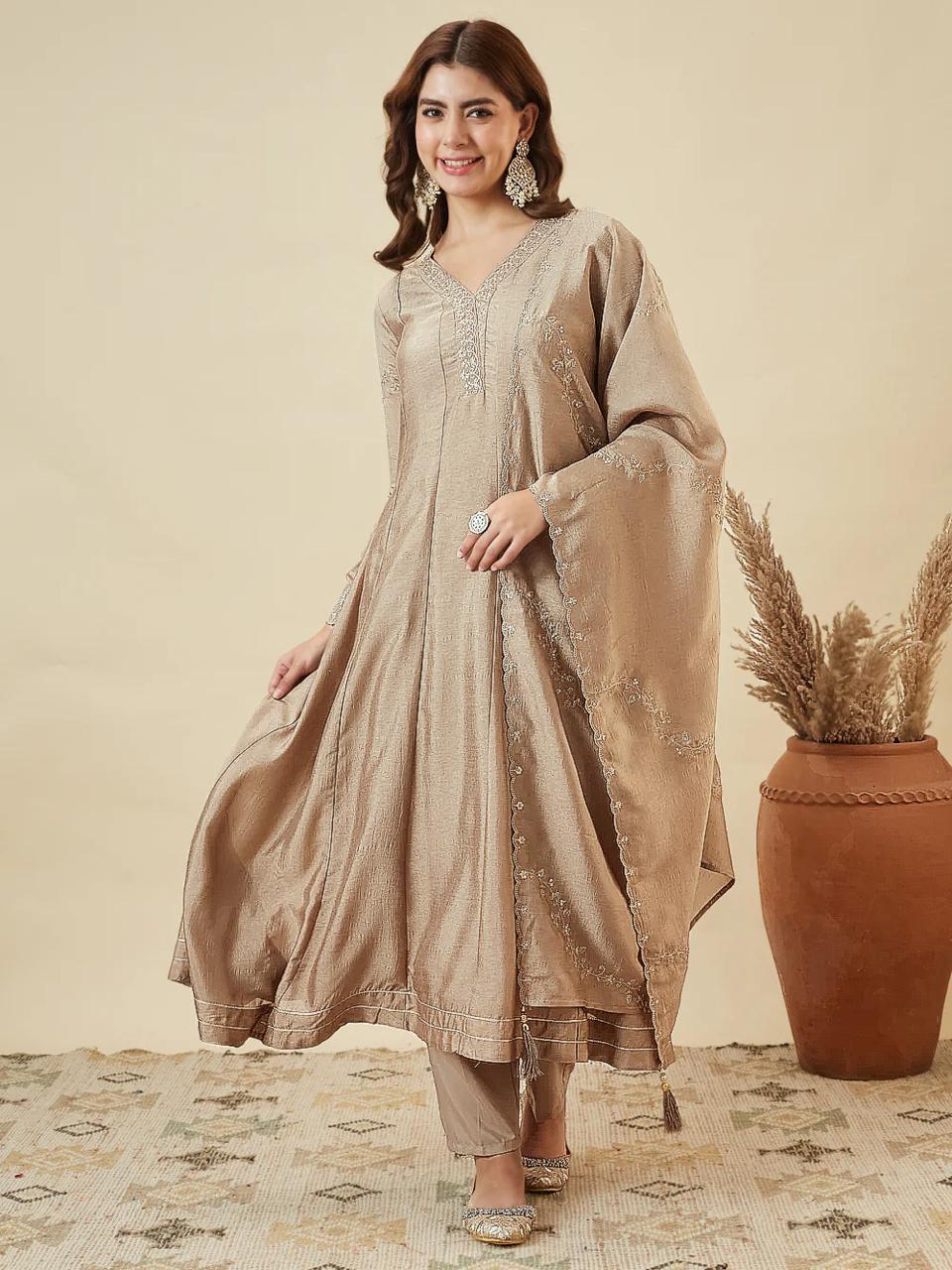
Kalamkari Print Salwar Suits bring narrative motifs and earthy colour combinations into a more manageable everyday silhouette. Pair a printed kurta with a solid straight pant when the print is dense, or use a printed dupatta with a plain kurta when you want the pattern closer to the face.
Maharashtra Paithani Inspired Salwar Suits can introduce jewel tones and Paithani-inspired border language without requiring a full-length drape. A shorter kurta with a restrained border works particularly well for festive lunches, family ceremonies and cultural programmes.
Gujarat Bandhej Salwar Suits use the visual energy of Bandhej-inspired dots and colour contrasts. Because Bandhej patterns can be lively, balance a bright kurta with neutral bottoms and uncomplicated footwear.
Odisha Sambalpuri Salwar Suits offer a distinctive textile-inspired appearance through traditional motifs and structured colour stories. A calf-length straight kurta can preserve the identity of the style while remaining easier to wear than a long, heavily layered garment.
Regional styling does not need to be theatrical. One recognisable element, such as a Bandhej dupatta, Sambalpuri-inspired motif or Paithani-inspired border, can make a shorter suit feel culturally rooted without making the entire outfit visually busy.
An Anarkali Alternative for Women Who Do Not Like Floor Length Clothes: What should you check before buying?
Check the finished garment length, lining, flare, fabric weight, bottom measurements and dupatta dimensions before buying a shorter festive suit. These details determine comfort more reliably than a product name or a model photograph.
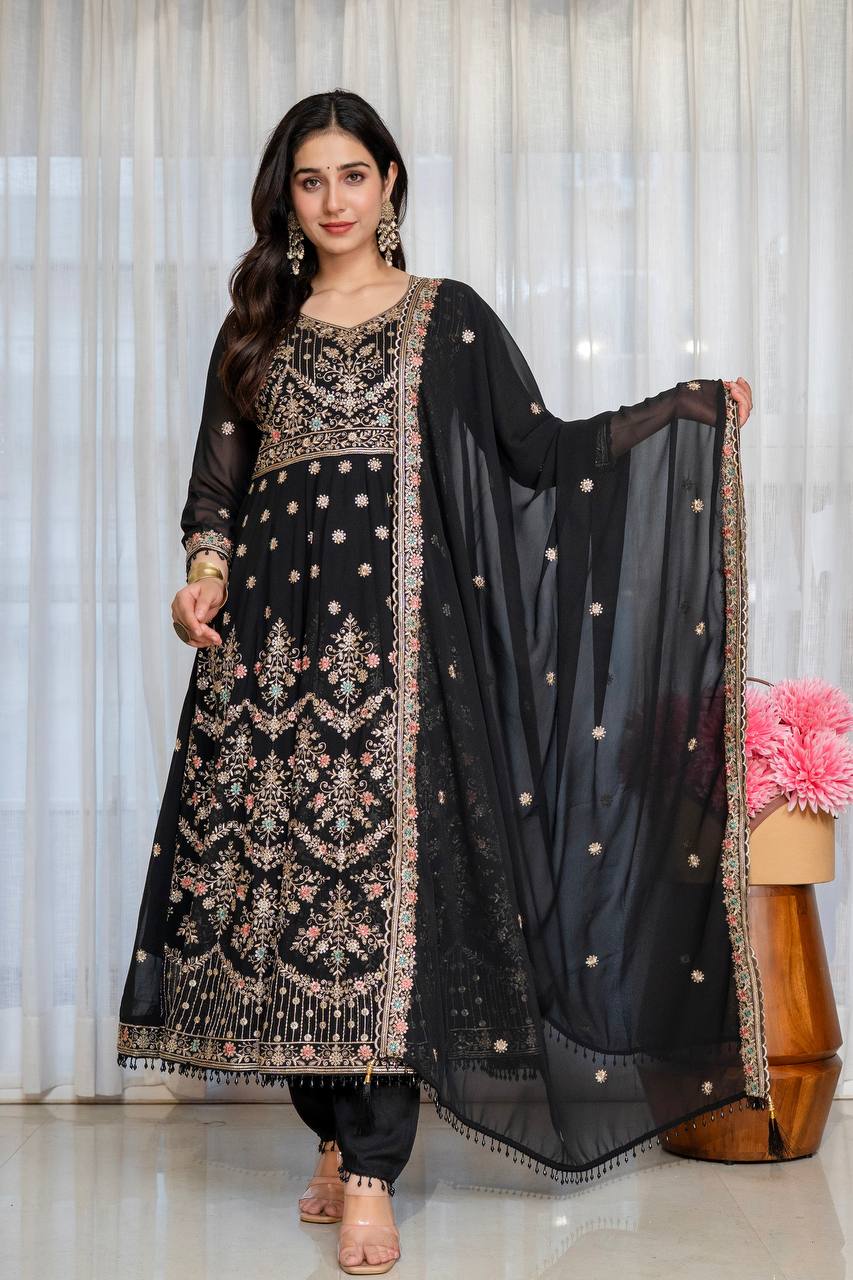
Check whether the stated length is measured from the shoulder or from the neckline, because a difference of 3 to 5 centimetres can change where the hem lands. Confirm whether the bottom is a churidar, salwar, palazzo or straight pant, since the same kurta can look completely different with each option.
Inspect the fabric composition and care instructions before selecting embroidered silk, zari or sequin work. Dry cleaning is generally safer for heavily embellished garments, while gentle hand washing in cold water may suit some lighter textiles. Do not wring zari, sequins or embroidered panels, and dry embellished garments inside out away from direct sunlight.
Consider the event logistics. A shorter kurta with a straight pant is usually more convenient for travel and long seated functions, while a shorter A-line style with a narrow churidar offers more festive movement. For outdoor celebrations, choose a hem that stays clear of wet ground and footwear with a stable sole.
The strongest Anarkali alternative for women who do not like floor length clothes is the one that matches the wearer's real movement needs. A calf-length A-line suit may suit someone who wants graceful flare, a straight suit may suit someone who values repeat wear, and a Patiala style may suit someone who prefers volume below the waist. Elegance becomes easier to maintain when the silhouette is comfortable enough to wear naturally.
Common Questions About Anarkali Alternatives Without Floor-Length Hems
What can I wear instead of a floor-length Anarkali suit?
A calf-length A-line kurta, straight-cut salwar suit, short Anarkali, Patiala suit or kurta with cigarette pants can replace a floor-length Anarkali. Choose the silhouette according to the amount of flare, coverage and movement you prefer.
What is the best salwar suit length for a short woman?
A hem below the knee and above the widest part of the calf is often a useful starting point for a petite frame. Matching the bottom colour to the kurta and adding a vertical embroidered detail can also create a longer visual line.
Can a short Anarkali suit be worn to a wedding?
A short Anarkali suit can be suitable for a wedding when it uses festive fabric, embroidery, zari, sequins or a well-finished dupatta. Rich colours such as wine, maroon, emerald and black can provide formal presence without a floor-length hem.
Which fabric is best for a shorter festive salwar suit?
Vichitra silk, silk blends, Chanderi, georgette and structured rayon are useful choices because they offer either body, sheen or graceful fall. Choose cotton or lighter rayon for daytime comfort and check whether pale or sheer fabrics require lining.
How do I style a short salwar suit for a Haldi ceremony?
Choose yellow, mustard, green or another bright colour and pair the suit with floral jewellery, comfortable juttis and a light dupatta. A low heel or flat footwear is usually more practical for outdoor movement than a narrow high heel.
How should I care for a zari or sequin salwar suit?
Follow the garment label and prefer professional dry cleaning for dense zari, sequin or embroidered work. Store the suit folded with a soft cotton layer, keep embellishments away from rough surfaces and avoid wringing or direct strong sunlight.




