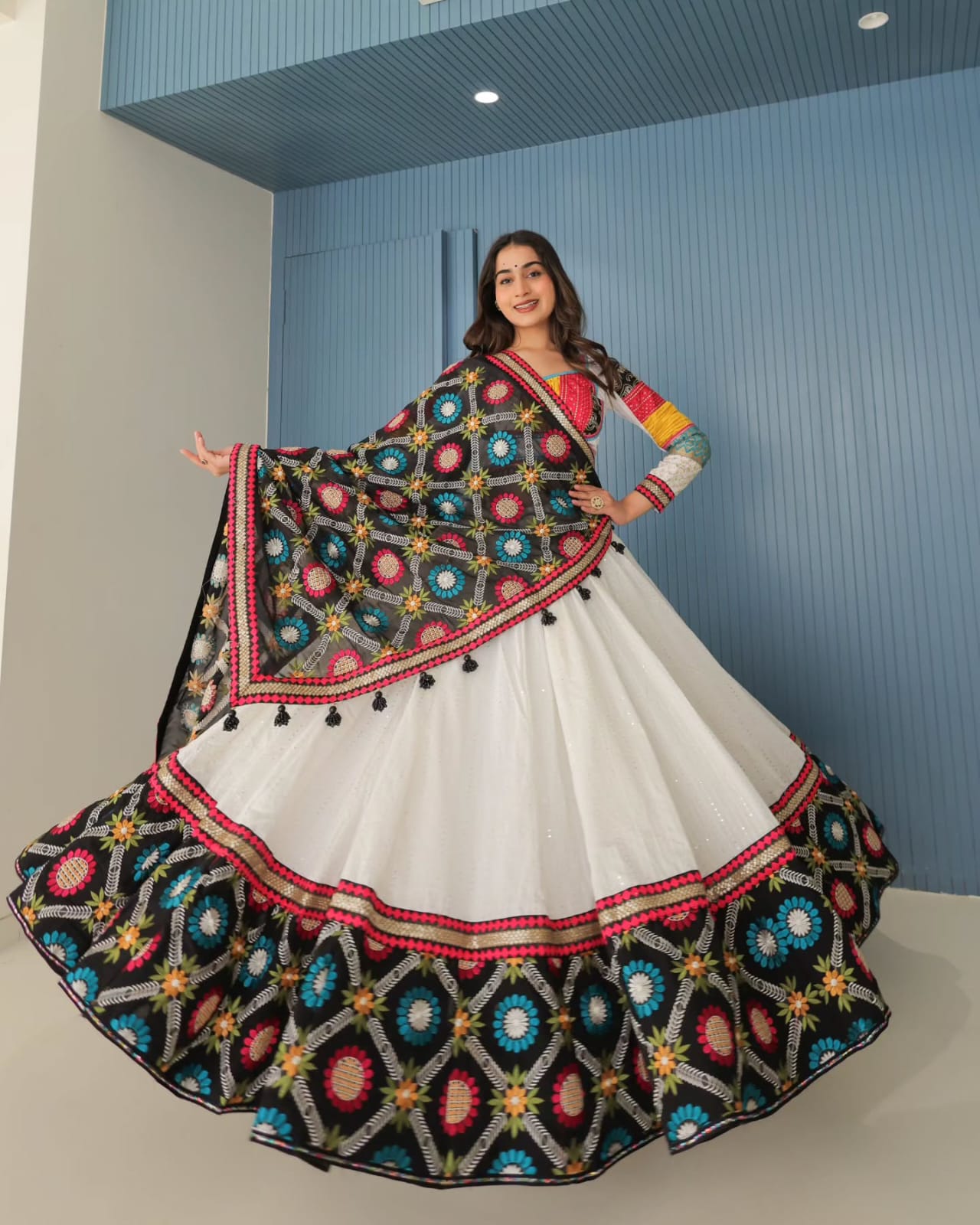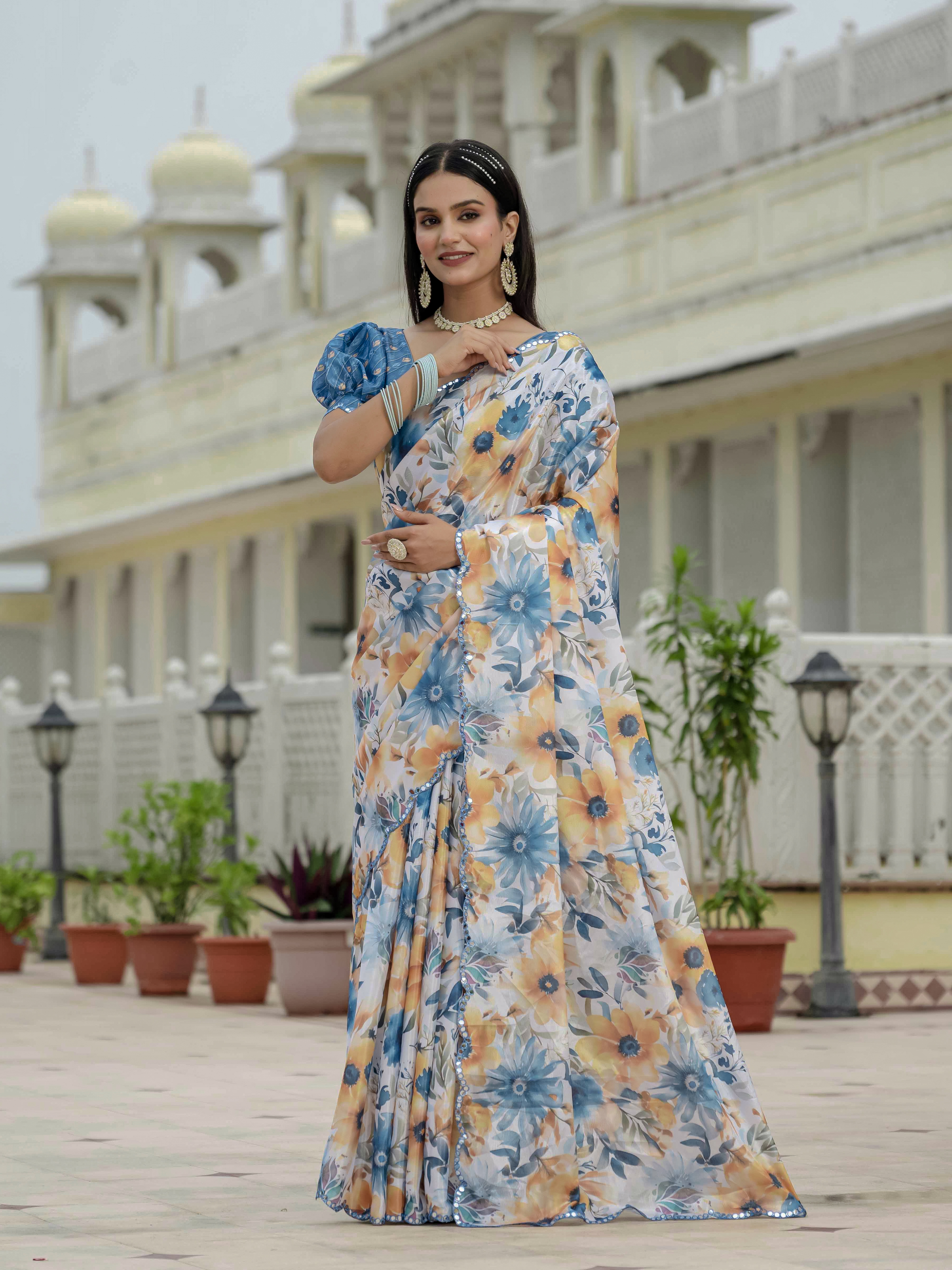
Aadi Perukku Special: Traditional Sarees and Blouse Ideas for Women can help you choose an outfit that respects the festival's connection with water, fertility and Tamil heritage while remaining comfortable for a long day of prayer and family visits. Aadi Perukku falls on the eighteenth day of the Tamil month of Aadi, usually around late July or early August, when the southwest monsoon has traditionally strengthened rivers, wells and agricultural life. The most successful outfit combines a suitable weave, an intentional colour story and a blouse that allows easy movement.
Why Aadi Perukku clothing carries cultural meaning
Aadi Perukku clothing carries meaning because the festival celebrates the life-giving power of water and the agricultural cycle. Women commonly gather near riverbanks, canals, tanks or household shrines to offer flowers, turmeric, rice, coconuts and other auspicious items. The celebration is especially associated with the Cauvery river in Tamil Nadu, although customs differ between communities and families.
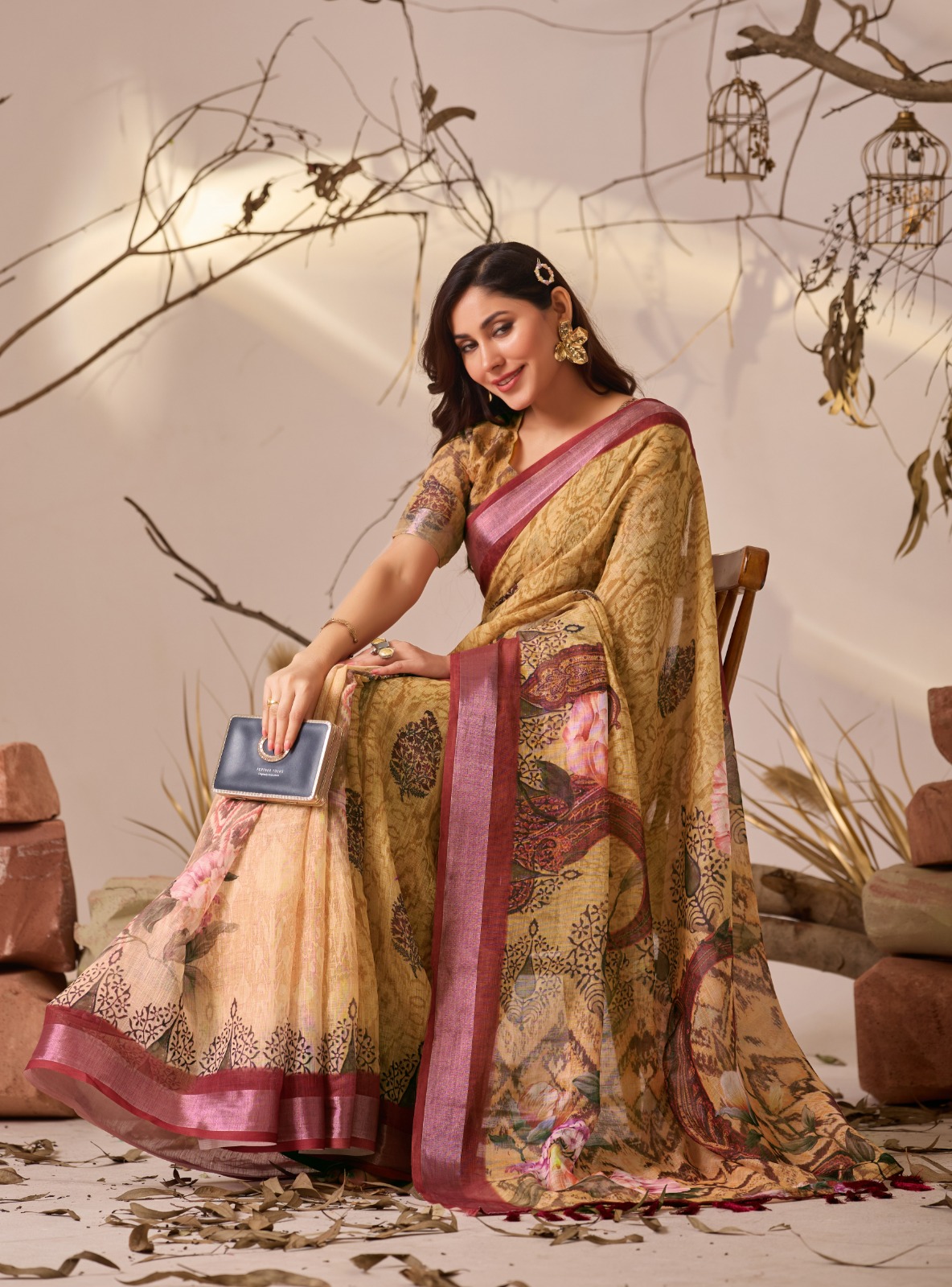
Yellow, turmeric, red, green and orange frequently appear in Aadi Perukku dressing because these colours suggest prosperity, fertility, energy and harvest. Gold-toned zari also fits the festive setting, but a heavily embellished garment isn't compulsory. A clean cotton saree with a bright blouse can be just as appropriate for a daytime observance, particularly when the venue is outdoors.
Traditional attire also has a practical role. A saree made from cotton, cotton silk or a light silk blend can cope better with humid weather than a dense synthetic fabric. A blouse with a stable neckline, secure hooks and a comfortable armhole reduces the need for constant adjustment during rituals, travel and meals.
Aadi Perukku Special: Traditional Sarees and Blouse Ideas for Women
Aadi Perukku Special: Traditional Sarees and Blouse Ideas for Women should begin with the time of day, location and level of formality rather than with decoration alone. Choose breathable cotton for a morning river visit, silk or soft silk for a temple-led celebration, and a polished cotton-silk combination for a gathering that continues into the evening.
For a daytime family or riverbank celebration
A lightweight cotton saree with a contrasting blouse is a reliable daytime choice because cotton absorbs moisture and doesn't cling as readily in humid conditions. A green saree with a mustard blouse, a turmeric-yellow saree with a red blouse, or a brick-orange saree with a green blouse creates a festive palette without requiring heavy jewellery.
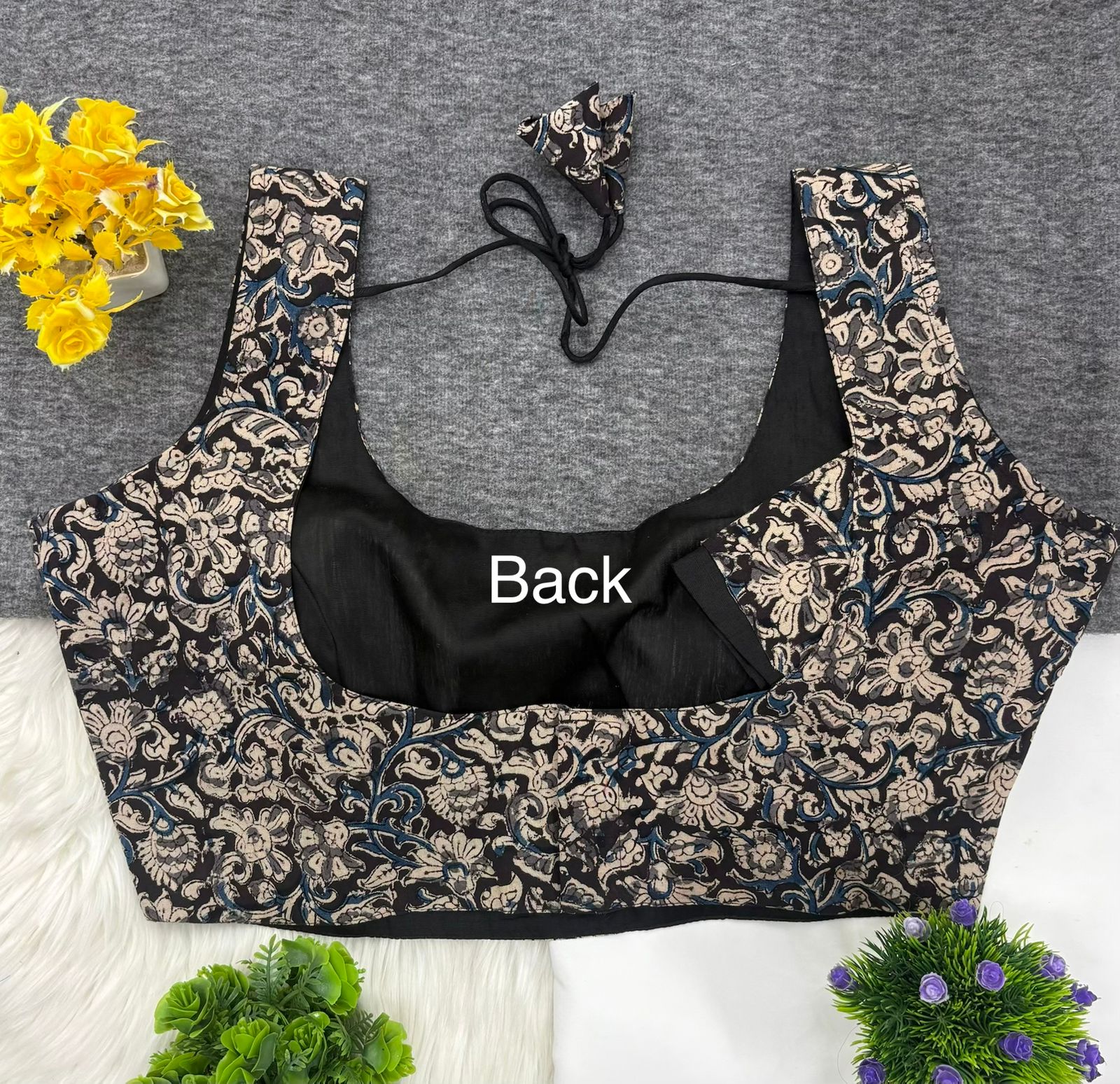
The Pure Kalamkari Cotton Padded Blouse for Women works well when a printed or plain cotton saree needs a structured upper half. Kalamkari motifs bring a hand-crafted visual connection to Indian textile traditions, while padding can provide coverage and shape under a lighter saree. Check the armhole depth and lining before wearing the blouse for several hours, because comfort matters more than a very close fit during an outdoor ceremony.
For a temple visit or formal puja
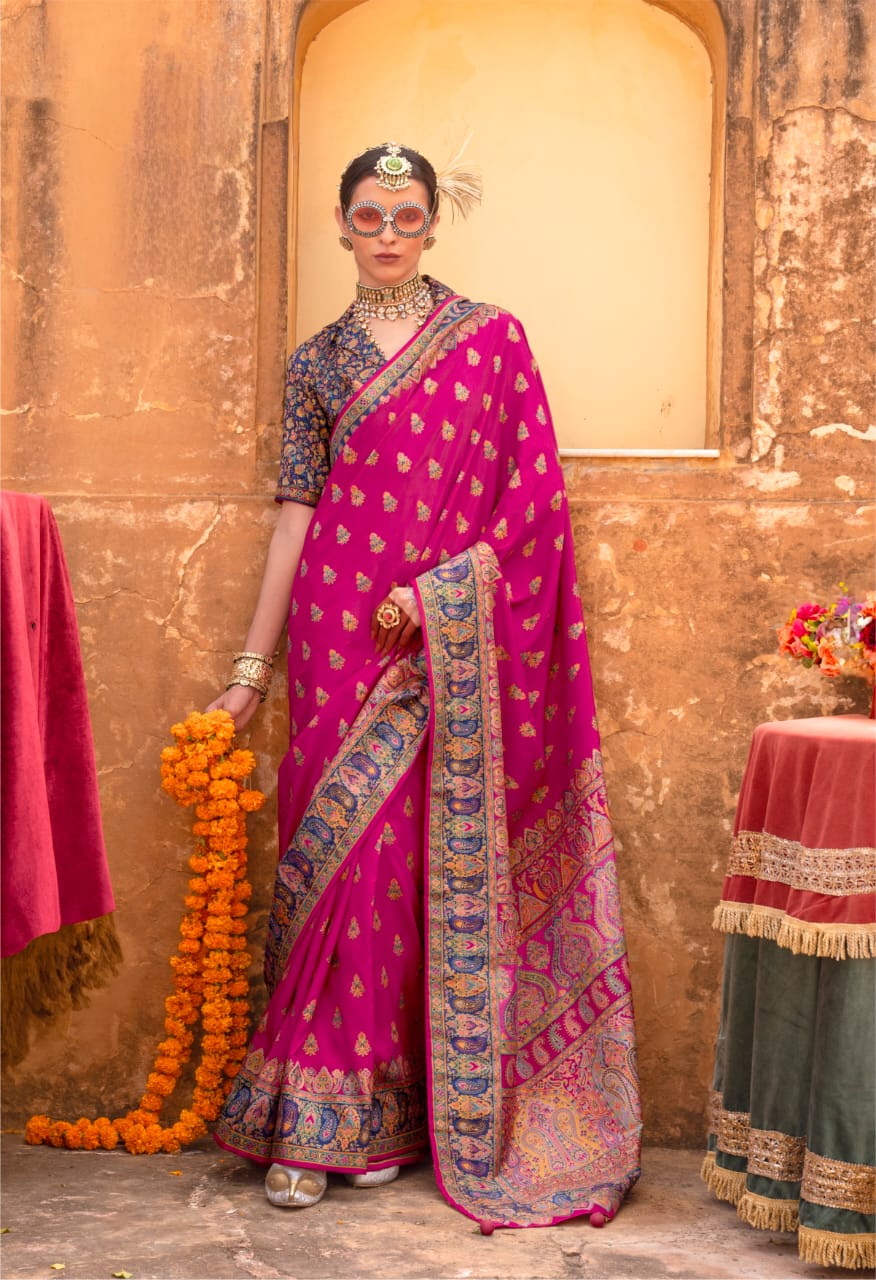
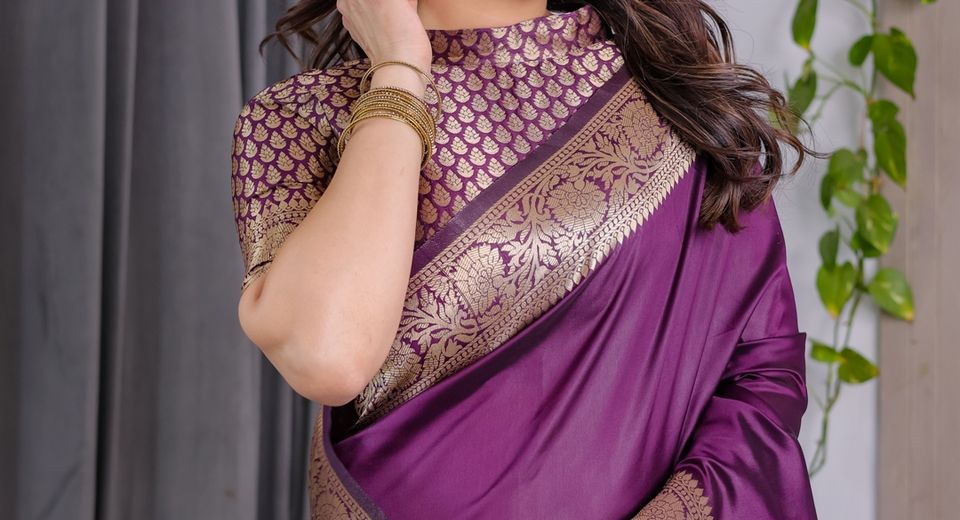
A silk saree or soft silk saree suits a more formal puja because its lustre and zari border create a ceremonial finish. The Royal Purple Banarasi Soft Silk Saree With Floral Zari Work offers a rich evening-leaning option, especially when paired with a blouse in antique gold, deep pink, bottle green or a closely matched purple. Floral zari can be balanced with a plain blouse so the saree remains the focal point.
Wear a fitted blouse for formal draping, but leave enough ease to raise the arms comfortably for prayer and to sit cross-legged if the ritual requires it. A blouse neckline between 2.5 and 4 inches at the front is generally versatile for traditional styling, although personal comfort and family conventions should guide the final choice.
How to choose the right saree fabric for Aadi Perukku
The right Aadi Perukku saree fabric depends on humidity, movement, draping skill and the formality of the celebration. Cotton is the most practical option for heat, silk gives the most ceremonial presence, and cotton silk gives a middle ground between breathability and sheen.
- Cotton: Handloom cotton, Kalamkari cotton and printed cotton are breathable choices for daytime rituals. Cotton may crease faster, so carry a few safety pins and avoid folding the saree tightly after ironing.
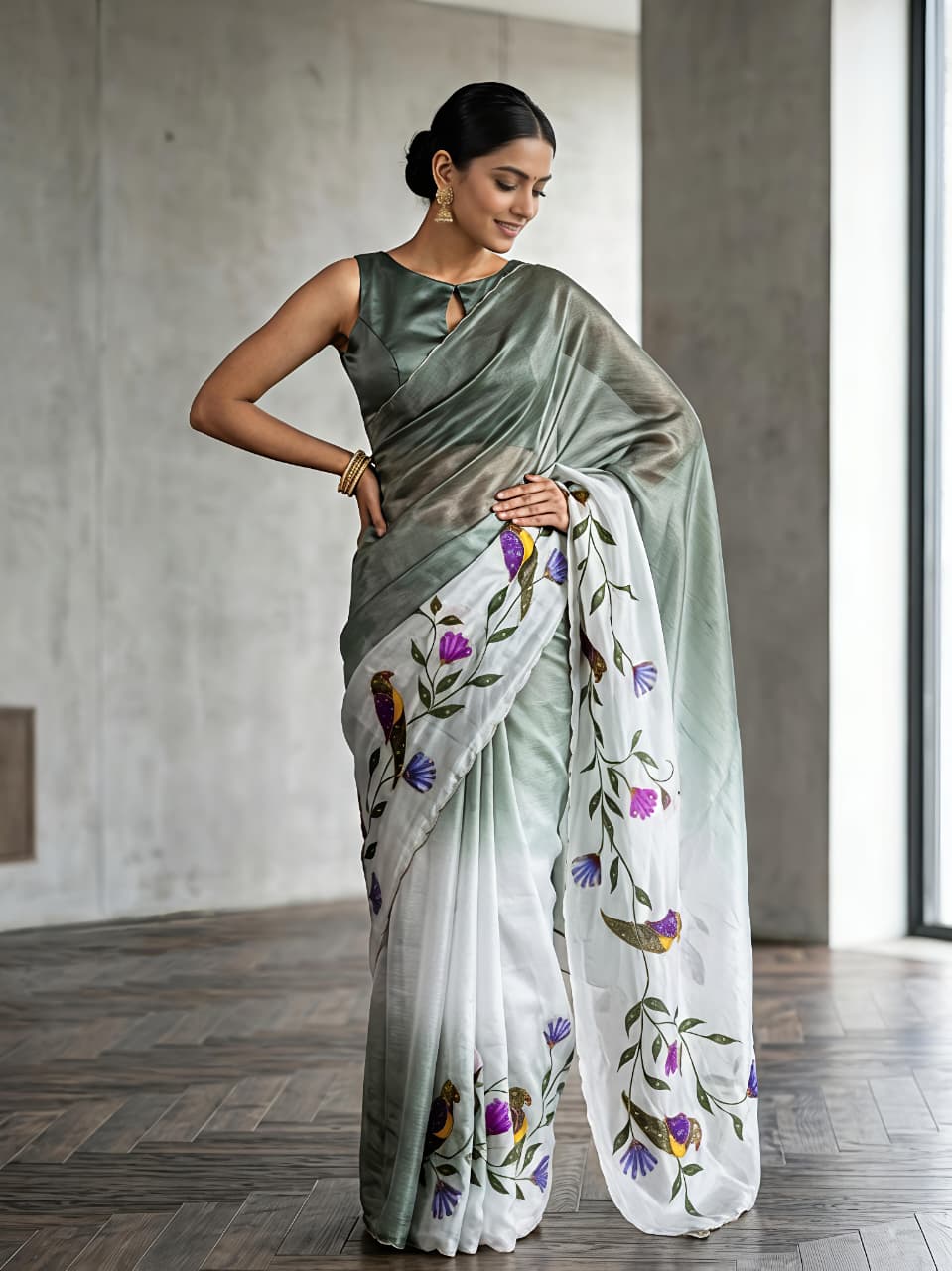
- Chanderi: Chanderi has a light, airy handle and a subtle sheen. The fabric can suit a graceful daytime look, but a slip and careful pleat-setting help prevent transparency and shifting.
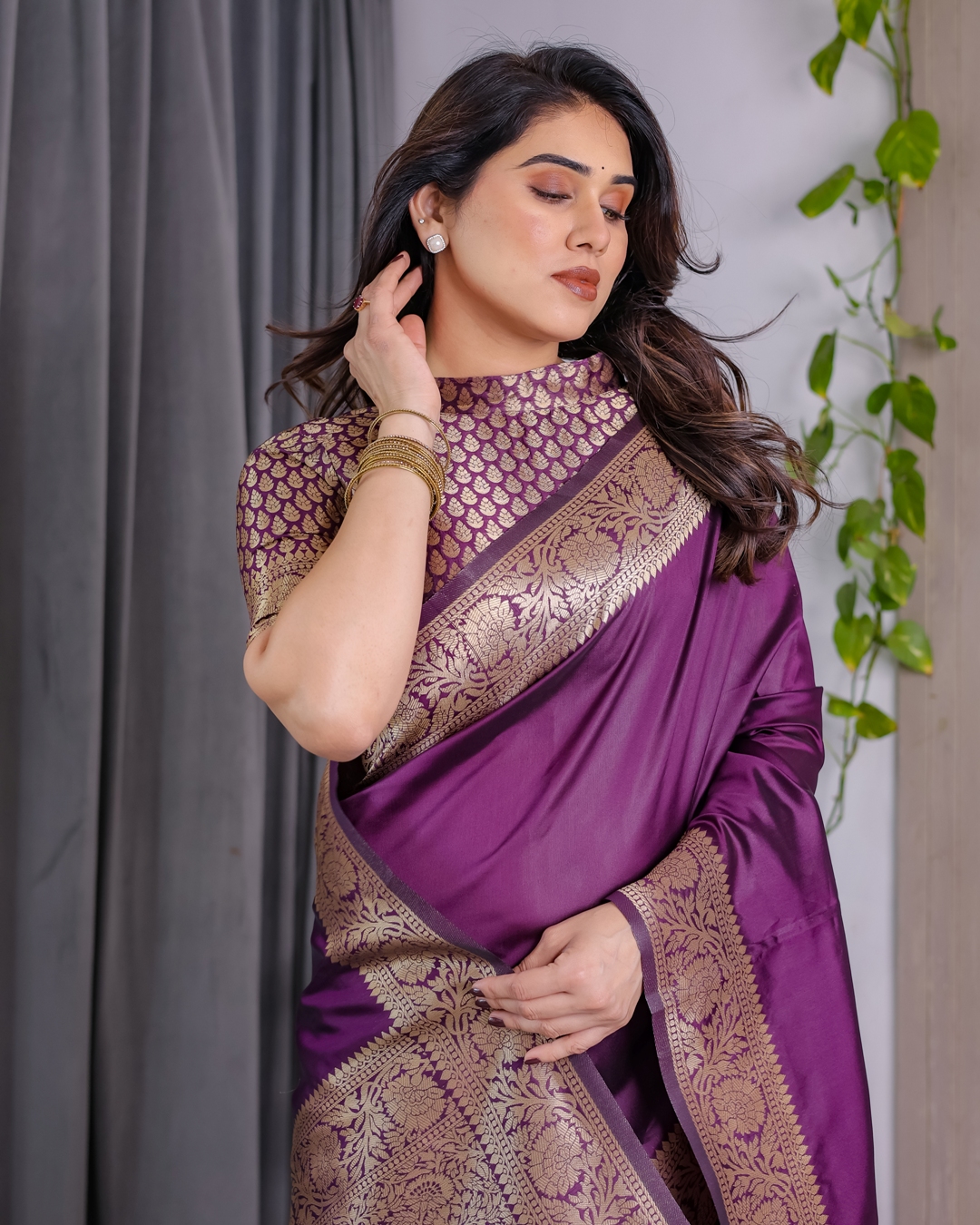
- Banarasi silk: Banarasi silk is suitable for a formal puja or evening gathering because zari motifs and a structured drape create visual richness. A softer Banarasi blend can feel easier to manage than a very heavy pure silk saree.
- Kanjeevaram: Kanjeevaram silk is a traditional choice for major family celebrations, particularly when a bold border and long-lasting heirloom quality are desired. Its weight can become tiring during an outdoor event, so it's best reserved for shorter ceremonies or cooler hours.
- Cotton silk: Cotton silk brings more body than ordinary cotton and less weight than many pure silks. It is useful when you want crisp pleats, a modest sheen and greater comfort in changing weather.
A saree with a 5.5 to 6.3 metre length is usually adequate for a standard Nivi drape with a pallu over the shoulder. A 6.3 metre saree gives additional fabric for a longer pallu or a more secure tuck, while a pre-pleated saree can save time but may offer less flexibility around the waist.
Blouse details that improve comfort and traditional style
A well-fitted blouse should support the saree, stay secure during movement and create a deliberate colour connection with the border or motifs. Measure the bust, underbust, shoulder width and armhole circumference while wearing the bra you plan to use with the saree, then allow practical ease rather than copying a smaller ready-made size.
Necklines and sleeves
A round or modest square neckline is flexible for family pujas and works with necklaces of different lengths. A boat neckline can complement a broad zari border, while a shallow V-neck can lengthen the appearance of the upper body without looking overly contemporary. Elbow-length sleeves offer a classic finish and provide more coverage in air-conditioned halls or during formal rituals.
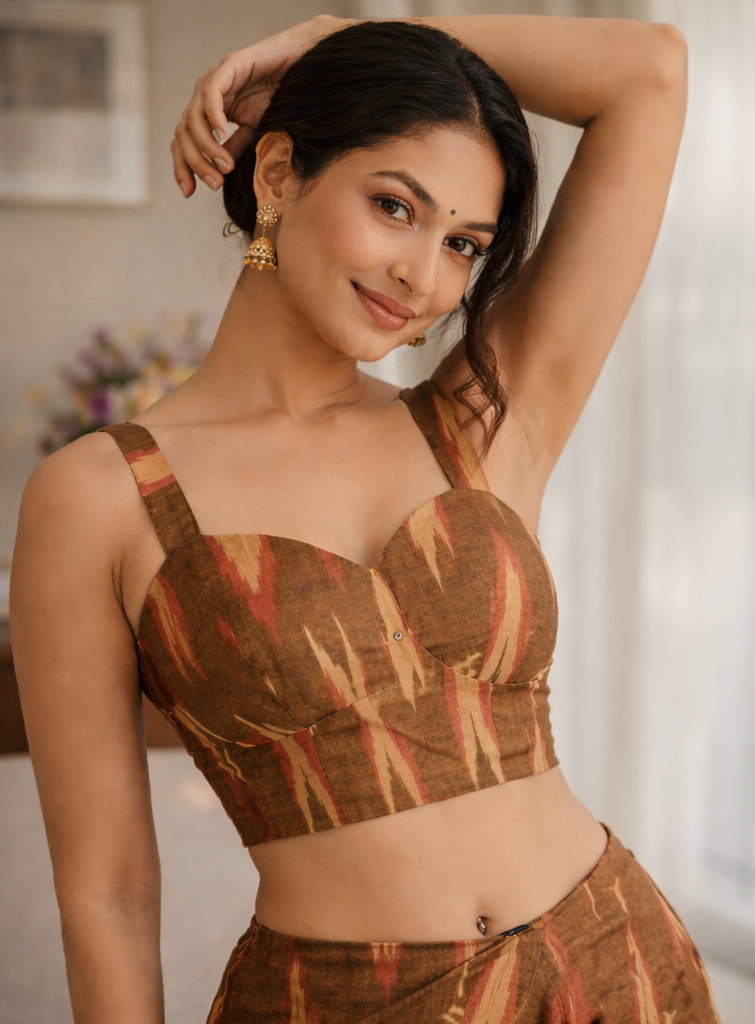
Sleeveless blouses can suit a modern cotton-saree interpretation, but they need secure shoulder construction and a neat armhole finish. The Brown Ikat Cotton Padded Blouse Sleeveless Stylish demonstrates how an earthy woven pattern can temper the brightness of a yellow, orange or red saree. Pairing a sleeveless blouse with a more traditional saree keeps the outfit balanced rather than making every element decorative.
Padding, lining and fastening
Blouse padding is useful when a thin saree needs a smooth base, but padding should not create pressure across the bust or restrict breathing. Cotton lining feels more comfortable than an unlined synthetic interior in humid weather, and covered seams help prevent irritation during extended wear.
Back hooks are easy to adjust, front hooks are convenient when dressing without assistance, and a concealed side zip gives a clean finish when the blouse is tailored accurately. Test the fastening by sitting, bending and lifting both arms before the festival. A blouse that fits only while standing can become uncomfortable during a long puja.
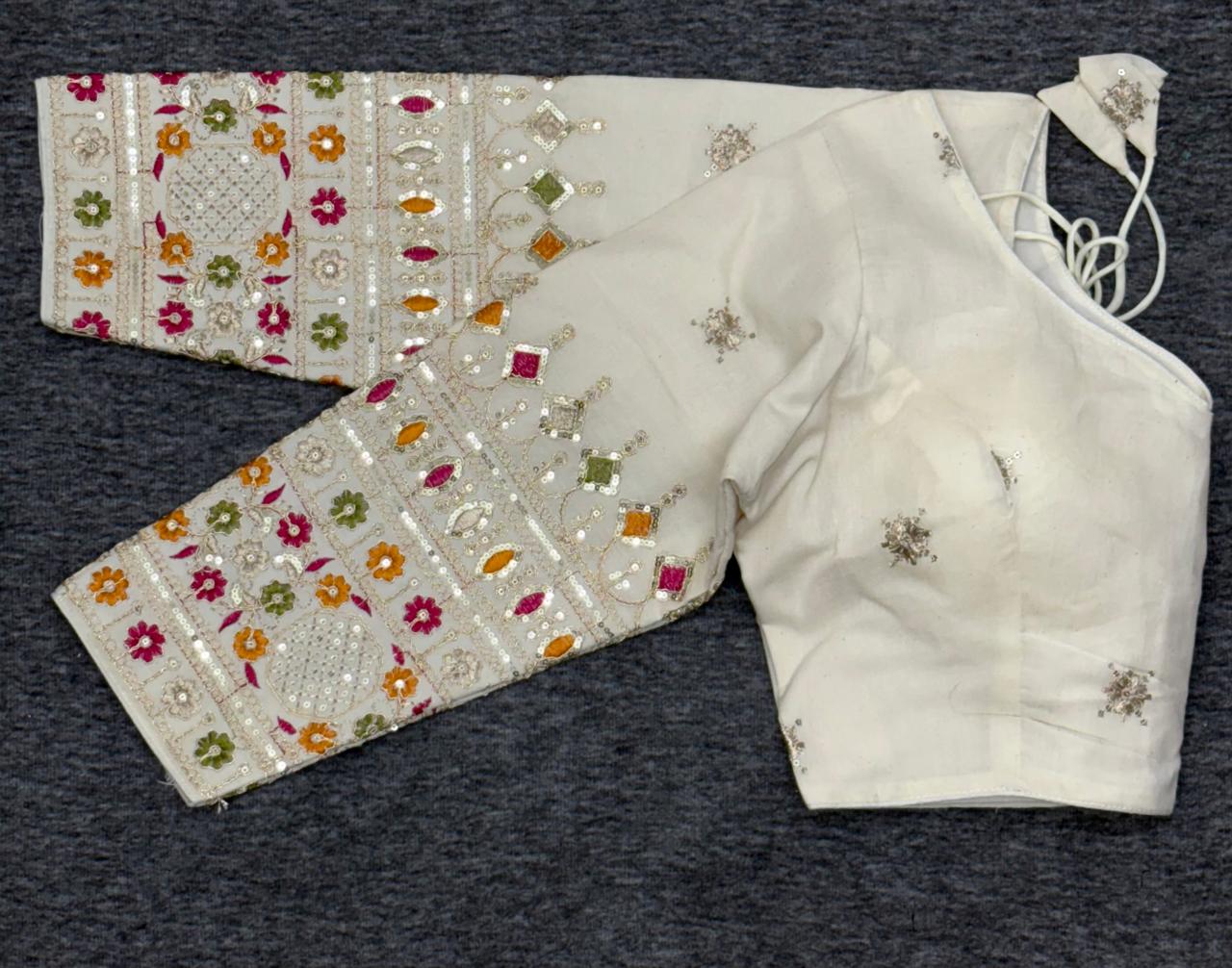
The Classic Festive Wear Blouse for Stylish Saree Look is an useful direction when a saree needs a polished, adaptable upper half without competing with an ornate border. A neutral gold, maroon or deep green blouse can be reused with several festive sarees, which makes it a practical part of a small occasion wardrobe.
Colour combinations with symbolic and visual balance
A balanced Aadi Perukku colour combination uses one dominant shade, one supporting shade and a small metallic or floral accent. This approach keeps the outfit festive while preventing the blouse, saree, jewellery and flowers from competing for attention.
- Turmeric yellow and vermilion red: This combination feels bright and traditionally auspicious. Use a red blouse with a yellow saree, then keep jewellery in gold tones.
- Leaf green and mustard: Green suggests vegetation and renewal, while mustard echoes turmeric. A mustard blouse can bring warmth to a green cotton saree without looking overly matched.
- Orange and magenta: Orange creates energy and magenta adds depth. Choose one shade for the saree and use the other on the blouse or border.
- Purple and antique gold: Purple suits evening celebrations, particularly with Banarasi silk or soft silk. Antique-gold jewellery often looks more harmonious than very bright yellow gold with muted zari.
- Off-white and red: An off-white saree with a red blouse gives a restrained traditional look. It requires careful handling around turmeric, kumkum, oil and food because pale fabrics show stains quickly.
Colour symbolism should remain personal because regional customs vary. A family may associate a particular shade with a household deity, a married woman's ritual or a community tradition, so personal and family practice should take priority over general fashion rules.
How to drape and accessorise for a long festival day
A secure Nivi drape with evenly set pleats is the most practical saree style for many Aadi Perukku activities. Tuck the saree firmly at the waist, place the pleats slightly left of the navel, anchor the pallu on the shoulder and use discreet pins beneath the visible folds.
Wear a cotton or moisture-managing petticoat that matches the saree closely. A drawstring should sit securely without digging into the waist, and a fitted petticoat helps prevent the saree from slipping during walking. Comfortable footwear with a low block heel or a cushioned flat is safer than a high heel near uneven riverbank paths.
Keep jewellery proportionate to the saree. Temple jewellery, jhumkas, a short gold chain, glass bangles and a small waist chain can create a traditional finish, but a heavy necklace is unnecessary when the blouse has a detailed neckline. Jasmine flowers or kanakambaram can be added to a braid or bun, provided the flowers remain fresh through the planned travel time.
A small fabric pouch can hold spare pins, a safety pin, blotting paper, tissues and a stain-removal wipe. Carrying these items is especially useful when the celebration includes turmeric, sandalwood paste, kumkum or food offerings.
Care steps before and after Aadi Perukku
Prepare the saree and blouse at least one day before the festival so colour bleeding, loose hooks or last-minute alterations don't become problems. Iron cotton on the reverse side with moderate heat, and place a thin cloth between the iron and zari when handling silk, Banarasi silk or Kanjeevaram.
Check zari for snagging, secure blouse hooks and inspect the saree fall before leaving home. Never spray perfume directly on zari or silk because alcohol and oils can mark delicate fibres. Apply fragrance to the skin first and allow it to dry before dressing.
After wearing the saree, air cotton garments in the shade before folding them. Silk sarees should be refolded along a different crease every few months and stored in unbleached cotton rather than plastic. Keep zari away from damp cupboards, and don't use naphthalene directly against silk or metallic thread.
Blouses should be washed according to their fibre and embellishment. Cotton blouses can often be gently hand-washed in cool water, while silk, heavily embroidered pieces and garments with unstable dyes are safer with specialised dry cleaning. Store padded blouses flat or with light support so the cups don't become permanently compressed.
Building a meaningful Aadi Perukku outfit
A meaningful Aadi Perukku outfit doesn't require a new saree, expensive jewellery or excessive ornamentation. A breathable fabric, a secure blouse, an intentional colour pairing and respect for family custom are enough to create a considered festive appearance.
Start with the venue and weather, select the saree, then choose a blouse that repeats one colour from the border or introduces a controlled contrast. Test the complete outfit by sitting, walking and raising the arms before the festival. Small preparations such as pressing the pleats, checking the hooks and packing spare pins make traditional dressing feel calm rather than restrictive.
Aadi Perukku Special: Traditional Sarees and Blouse Ideas for Women finally works best when clothing supports participation. Whether the choice is a cotton Kalamkari saree for a morning gathering, Chanderi for a lighter festive drape, Banarasi silk for an evening puja or Kanjeevaram for a formal family celebration, comfort and cultural attentiveness should stay at the centre.
Common Questions About Aadi Perukku Sarees and Blouses
Which saree is best for Aadi Perukku?
A lightweight cotton saree is usually best for a hot daytime Aadi Perukku celebration because it is breathable and easy to move in. Chanderi, cotton silk, soft silk, Banarasi silk and Kanjeevaram can suit more formal temple or evening gatherings, depending on the weather and ceremony length.
What colour saree should women wear for Aadi Perukku?
Yellow, red, green, orange, mustard and purple are commonly suitable festive colours for Aadi Perukku. Family and regional customs differ, so a colour associated with your household tradition should take priority over a general colour rule.
Which blouse goes with a yellow saree for Aadi Perukku?
A red, green, maroon, purple or antique-gold blouse can complement a yellow saree. Choose a blouse with cotton lining and enough armhole ease if the celebration involves outdoor rituals or several hours of movement.
Can I wear a cotton saree for a temple visit during Aadi Perukku?
Yes, a clean, well-pressed cotton saree is appropriate for many temple visits and daytime pujas. Add a structured blouse, modest jewellery and a secure drape to give the breathable fabric a more ceremonial finish.
How should I care for a zari saree after Aadi Perukku?
Air a zari saree in the shade, refold it along a different crease and store it in unbleached cotton away from moisture. Avoid direct perfume, plastic storage and high heat because these can damage silk fibres and metallic thread.
Is a sleeveless blouse suitable for Aadi Perukku?
A sleeveless blouse can be suitable for a casual or contemporary family celebration when local custom and personal comfort allow it. Choose secure shoulder seams, a neatly finished armhole and a saree with enough traditional detail to keep the overall outfit balanced.