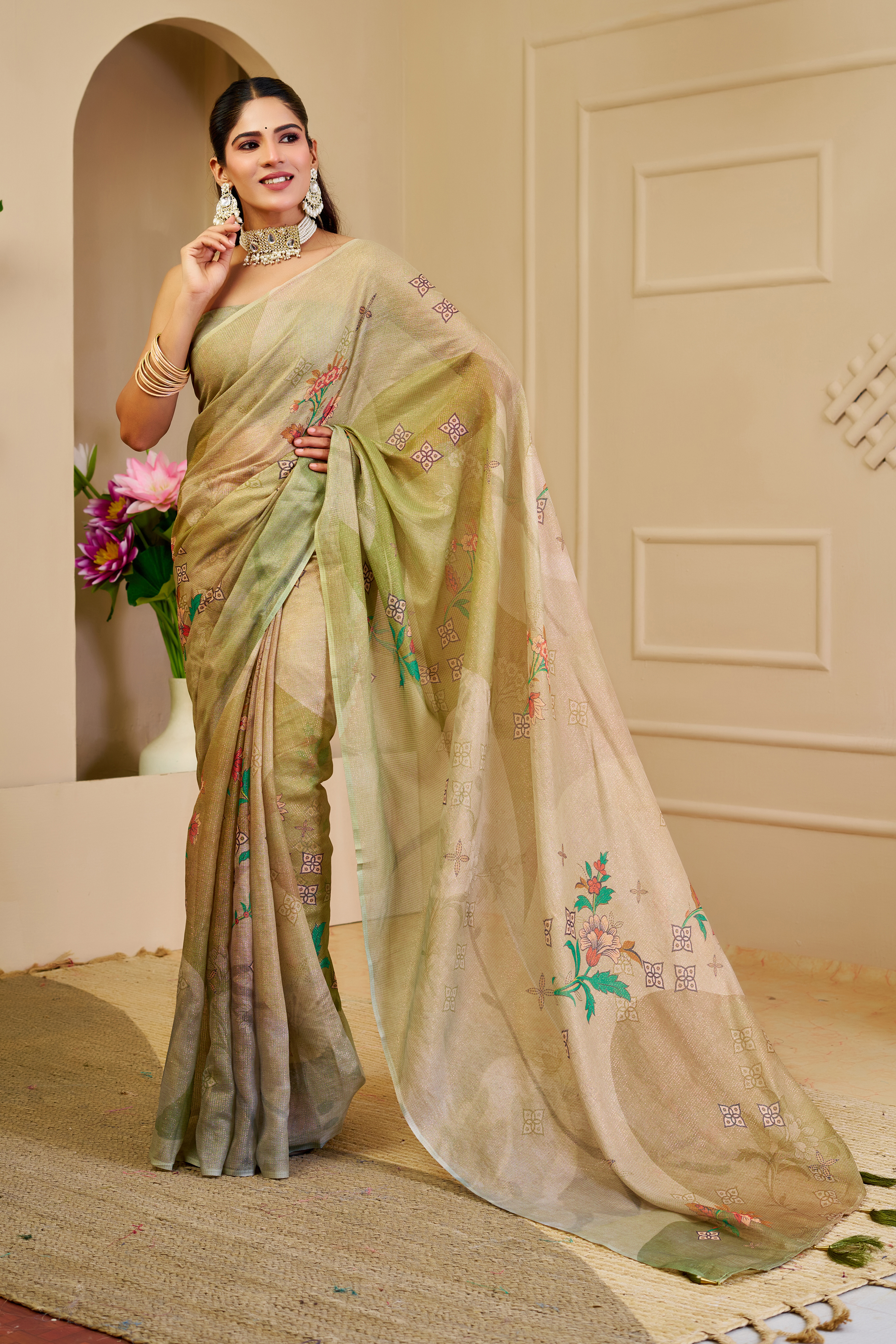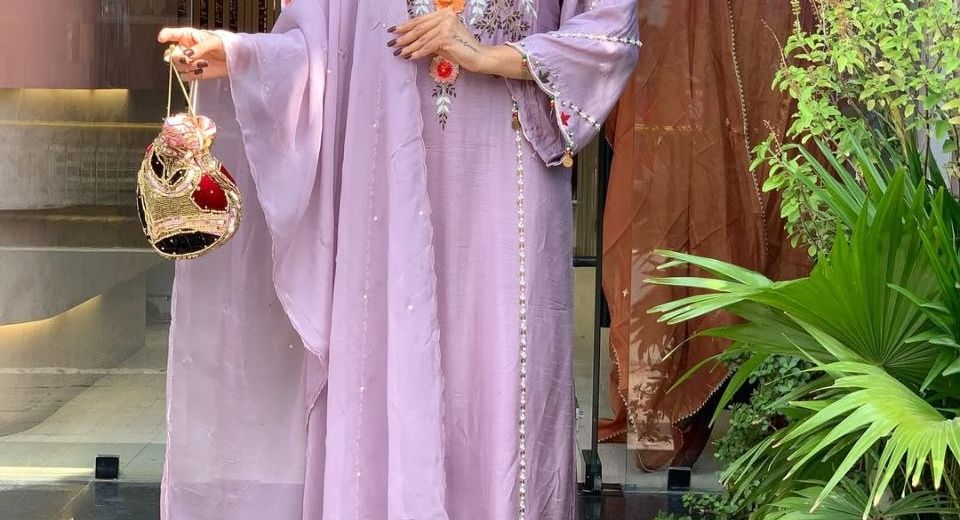
Why some summer suit linings feel hotter than the outer fabric is easier to understand once you look beyond the garment's visible layer. A sheer cotton, rayon or Chanderi outer fabric may allow air to move, while a dense polyester lining holds warm air and slows sweat evaporation next to the skin. The result is a salwar suit that looks suitable for hot weather but feels clammy after a short walk, commute or family gathering. Fibre, weave, fit, colour and tailoring construction all contribute to that difference.
The lining isn't automatically a problem. A carefully chosen lining can prevent transparency, improve drape, reduce abrasion and help an unlined garment keep its shape. Trouble begins when the lining is treated as a standard afterthought instead of being matched to the outer fabric, climate and intended use. A summer salwar suit needs a lining that supports airflow and moisture release without making the garment see-through or fragile.
Why Some Summer Suit Linings Feel Hotter Than the Outer Fabric
Summer suit linings feel hotter when the lining has low air permeability, absorbs moisture without releasing it quickly, or sits close to the skin with little room for ventilation. A lining can therefore create more discomfort than a heavier-looking outer layer.
Air permeability describes how readily air passes through a textile. A loosely woven cotton or rayon outer layer may permit useful airflow, but a tightly woven lining blocks part of that movement. The body then warms the small air space between skin, lining and outer fabric. If the lining also holds perspiration against the body, evaporative cooling becomes less effective.
Fibre matters, but fibre alone doesn't predict comfort. A lightweight polyester lining can feel smooth and slippery, yet its compact construction may trap heat. A rayon lining may feel cool at first because its surface is smooth and its fibre can absorb moisture, but a dense weave or close-fitting cut can still become humid. Cotton generally offers a familiar summer advantage because it absorbs moisture and allows air through when woven lightly, although very thick cotton can also add weight and retain dampness.
Outer fabric and lining also respond differently to movement. A fluid printed rayon suit may swing away from the body and create ventilation, while a stiff lining follows the body closely. That difference makes the lining more noticeable during sitting, climbing stairs or travelling, even when the outer fabric itself feels pleasant.
Which Lining Fabrics Work Better for Hot Indian Weather?
Lightweight cotton, cotton voile, mulmul and breathable rayon are usually more comfortable lining choices for summer salwar suits than dense polyester or acetate.
Cotton and cotton voile
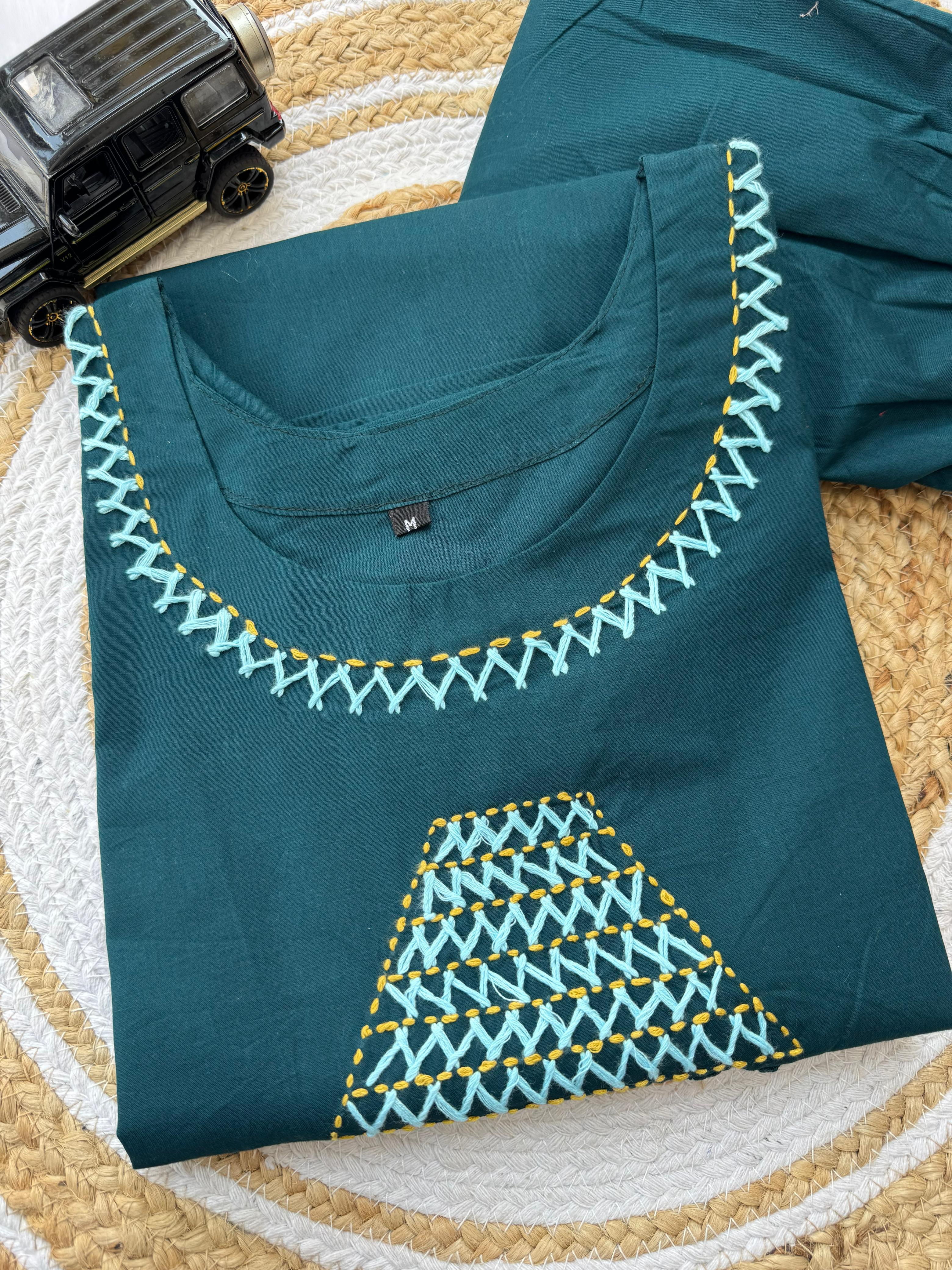
Light cotton lining is a practical choice for daily straight suits, palazzo suits and loose salwar silhouettes. Cotton voile and mulmul are especially useful when the outer fabric is thin because they add modesty without creating a thick, insulated layer. A plain cotton lining may crease more readily than polyester, but that trade-off is often worthwhile in humid weather.
Cotton voile should be checked for opacity before cutting. A very open weave may need a second layer in pale garments, which can cancel out the breathability benefit. One sufficiently opaque, lightweight layer is usually better than two flimsy layers stitched together.
Rayon and viscose
Light rayon or viscose lining can suit flowing garments because the fibres drape well and feel smooth against the skin. Rayon also absorbs moisture, but absorbed moisture must evaporate; in a humid city with poor air movement, rayon can feel damp rather than fresh. A loose cut and a light lining weight improve its performance.
The Cream Pink Printed Rayon Readymade Salwar Suit illustrates why the word "rayon" should not be the only buying criterion. The wearer should also ask whether the garment has a full lining, where the lining sits, and whether the sleeves and trouser sections are lined. A rayon outer layer can feel comfortable while a separate dense lining creates the heat.
Polyester, acetate and satin linings
Polyester and acetate linings are durable, smooth and resistant to wrinkling, but they can feel warmer when the weave is tight and the garment is close-fitting. Satin-faced surfaces may slide easily over clothing, yet a glossy finish doesn't mean that the textile breathes well. These linings can be sensible for structured festive suits or garments that need a polished inner finish, but they require careful placement in hot weather.
A lining that covers only the bodice may be more comfortable than one extending through the sleeves and trousers. The best choice depends on transparency, seam comfort and the body area most likely to sweat.
How Weave, Weight and Colour Change Summer Comfort
Fabric weight and weave influence heat transfer more directly than a label such as "summer fabric." A lightweight, open construction normally releases heat more readily than a compact, heavy construction made from the same fibre.
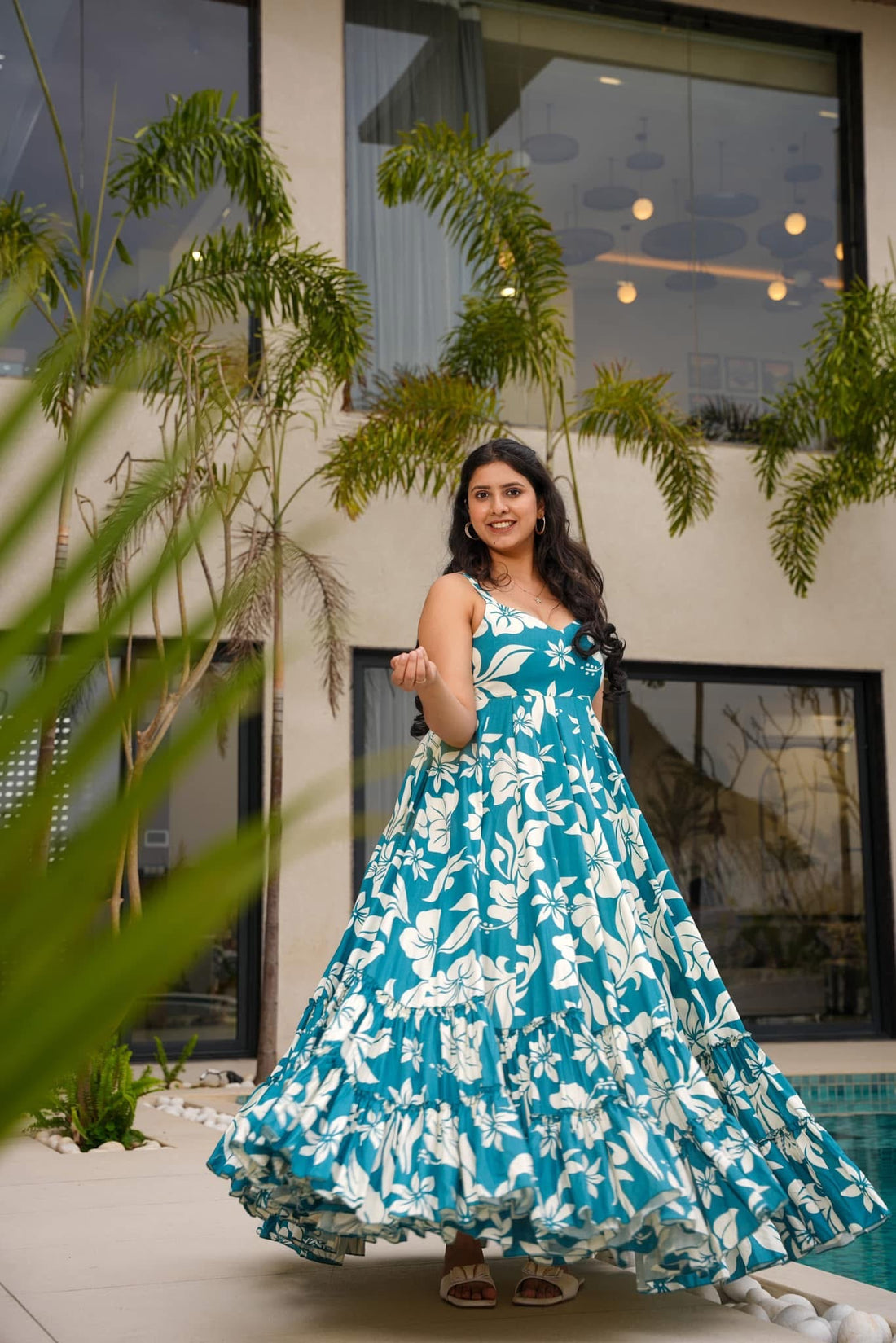
Grams per square metre, or GSM, gives a useful comparison when sellers provide it. Exact comfort depends on weave and finishing, but a lining around 60-100 GSM will generally feel less bulky than one around 120-160 GSM. Numbers are not universal rules: a loose 120 GSM cotton can feel cooler than a dense 90 GSM synthetic lining. Touch, transparency and construction must be considered together.
Woven fabrics can ventilate differently from knitted fabrics. A stable woven cotton lining may prevent cling and keep a kurta looking neat, while a soft knitted lining may stretch and sit closer to the body. For most salwar suits, a light woven lining gives a useful balance between airflow and shape retention.
Dark colours absorb more solar radiation than light colours, especially when a wearer spends time outdoors. A black lining under a pale outer fabric may also create a surprising visual effect by showing through thin areas. The Black Paithani Style Zari Woven Unstitched Suit Material and the Royal Purple Paithani Style Zari Woven Unstitched Suit Material contain decorative zari-style elements. A tailor should assess the base fabric, lining requirement and likely event timing rather than assuming that a festive textile will suit a midday summer function.
Zari and metallic-looking yarns can add surface density and reduce the airy feel of a fabric in selected areas. That doesn't make Paithani-inspired textiles unsuitable for warm weather. It means that a looser kurta, shorter lining coverage and an evening event may provide better comfort than a close-fitting, fully lined daytime suit.
Which Parts of a Salwar Suit Need Lining?
The bodice and any transparent panel usually need the most careful lining, while sleeves and trousers often need only partial lining or no lining at all.
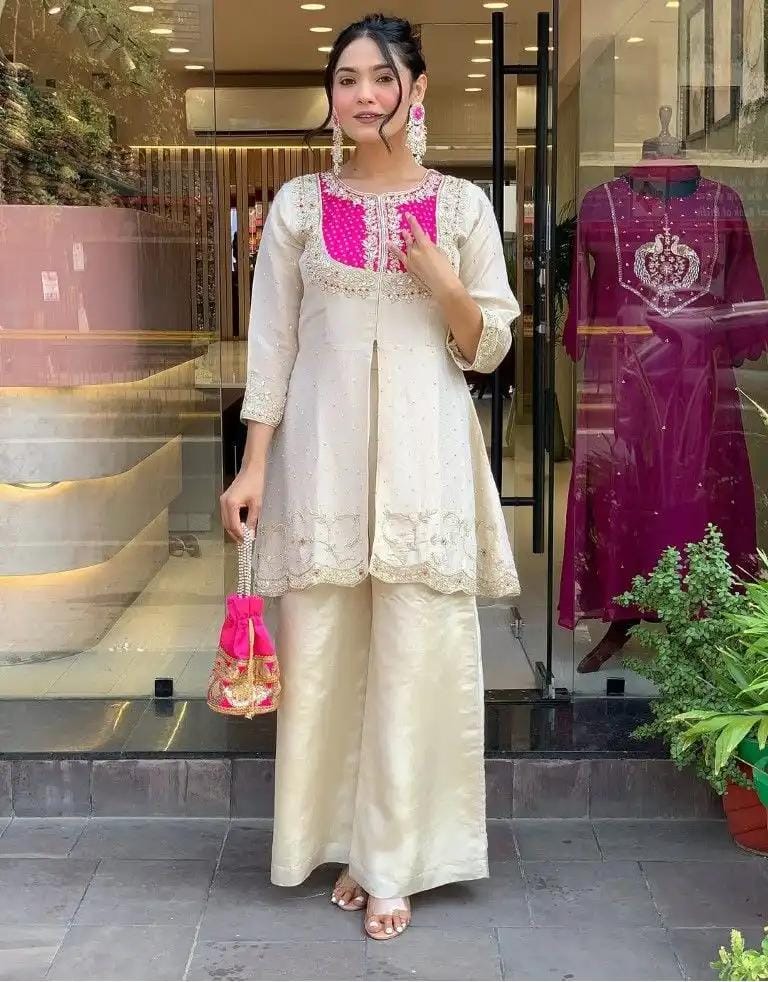
Kurtas and straight suit sets
A bodice lining can prevent the front from clinging and can hide seam allowances. Extending lining to the hip may help a straight kurta retain a clean fall, but extending it to the hem can increase heat around the legs. A tailor can stop the lining several centimetres above the hem when the outer fabric is opaque and stable.
The Off White Floral Embroidered Straight Suit Set demonstrates a common decision point: embroidery may make the upper fabric feel substantial while the lower fabric remains relatively light. A lining may be necessary below embroidered areas to protect the skin from thread ends, but the entire garment doesn't automatically need a heavy lining.
Salwars, palazzos and trousers
Loose salwars and palazzo trousers can often remain unlined if the outer fabric is opaque. Lining becomes more useful when the fabric is pale, loosely woven or likely to cling after washing. A half-length lining can protect modesty while allowing air around the calves and ankles.
Full trouser lining may feel particularly warm because the fabric moves with the legs and has limited ventilation when seated. A smooth lining can also make the garment slide against the skin and increase the sensation of heat. Check whether the garment is lined through the seat, thigh and lower leg before buying.
Sleeves and armholes
Sleeves need lining only when the outer textile is transparent, scratchy or prone to stretching. Unlined sleeves release heat more effectively, especially when the sleeve has a relaxed circumference. Tight armholes can make even a breathable lining feel hot because they compress the underarm area and restrict airflow.
How Tailoring and Fit Create Extra Heat
A close fit, excess seam allowance, fusible interlining and poorly placed lining can make a salwar suit feel hot even when every fabric is lightweight.
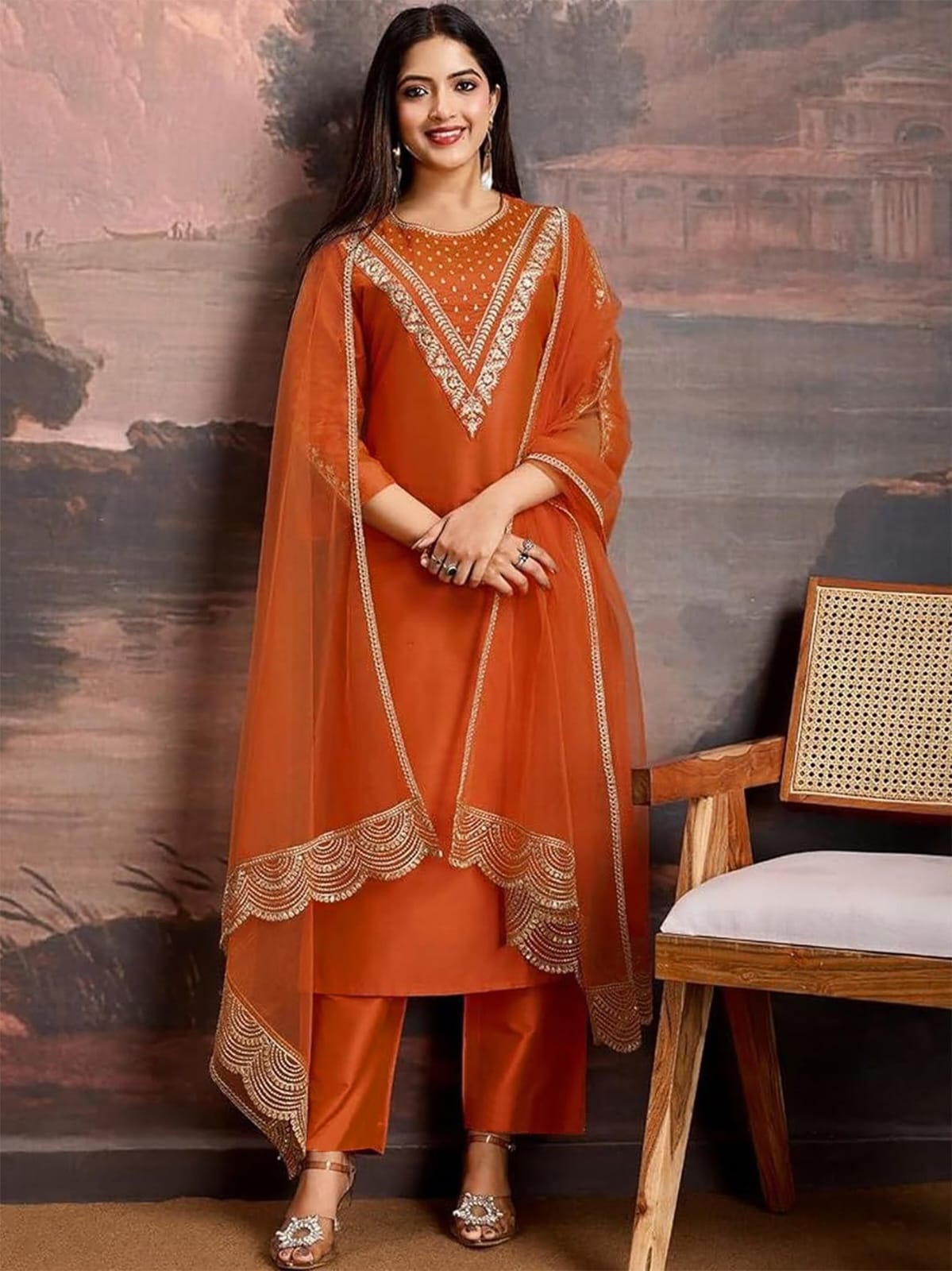
Ease is the small amount of room between the body and garment. For a summer straight kurta, modest additional ease around the bust, upper arm and waist can create an air channel without making the silhouette look oversized. A tailor should measure the wearer's sitting posture as well as standing posture, because fabric that feels comfortable while standing can pull tightly across the torso when seated.
Armhole depth deserves special attention. A very high armhole may reduce loose fabric movement and press the lining into the underarm. A very low armhole can cause the garment to gape and may require extra fabric or a thicker facing. Balanced armhole shaping generally improves both comfort and appearance.
Fusible interlining is another hidden layer. Interlining supports collars, necklines, cuffs and plackets, but a heavy adhesive-backed layer can make those areas stiff and warm. Use lightweight interfacing only where structure is required. A lined neckline doesn't need the whole front panel reinforced.
Seam finishes affect skin comfort too. Overlocked seams with bulky thread can feel warmer and more abrasive than flat, neatly pressed seams. Cotton lining can protect the skin from zari, embroidery and coarse seam allowances, but the lining should be smooth and securely attached rather than loose enough to bunch.
How Regional Suit Styles Affect Summer Lining Choices
Regional design details influence lining decisions because embroidery, zari, pleats, gathers and layered silhouettes place different demands on the garment.
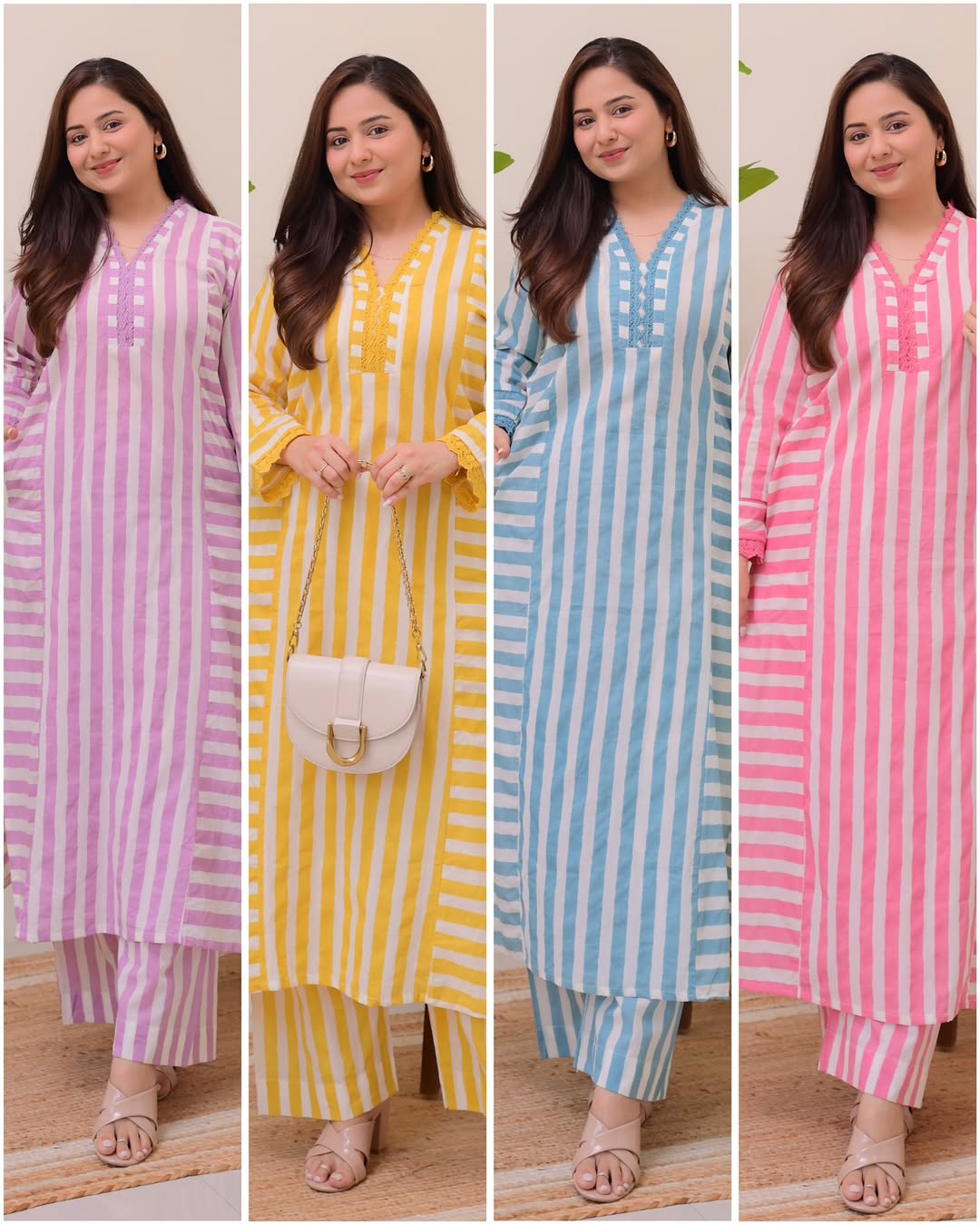
Maharashtra Paithani Inspired Salwar Suits may include a decorative weave or zari-inspired border that benefits from selective lining rather than blanket lining. A lined bodice can support the upper structure, while an unlined or lightly lined lower section preserves movement.
Gujarat Bandhej Salwar Suits often rely on vivid pattern and fluid drape. A lightweight cotton or rayon lining can protect modesty without competing with the print. A bulky lining may make gathers and dupatta drapes sit stiffly.
Odisha Sambalpuri Salwar Suits can feature a visually strong woven pattern and a firm hand. A breathable, partial lining is often more practical than adding dense synthetic fabric throughout the garment.
Kalamkari Print Salwar Suits (Copy) can work well for warm-weather dressing when the lining matches the opacity and drape of the printed outer textile. A loose straight kurta with a lined bodice and unlined sleeves generally releases more heat than a fully lined, close-cut design.
Punjab Patiala Salwar Suits require enough room for the characteristic folds and volume. A tight lining inside a gathered Patiala salwar can compress the folds, reduce airflow and make walking uncomfortable. If lining is needed, a light fabric should follow the major shape without reproducing unnecessary bulk.
How to Choose and Care for a Cooler Lined Suit
Choose a summer-lined suit by checking the lining fibre, coverage, fit and care instructions before judging the outer fabric alone.
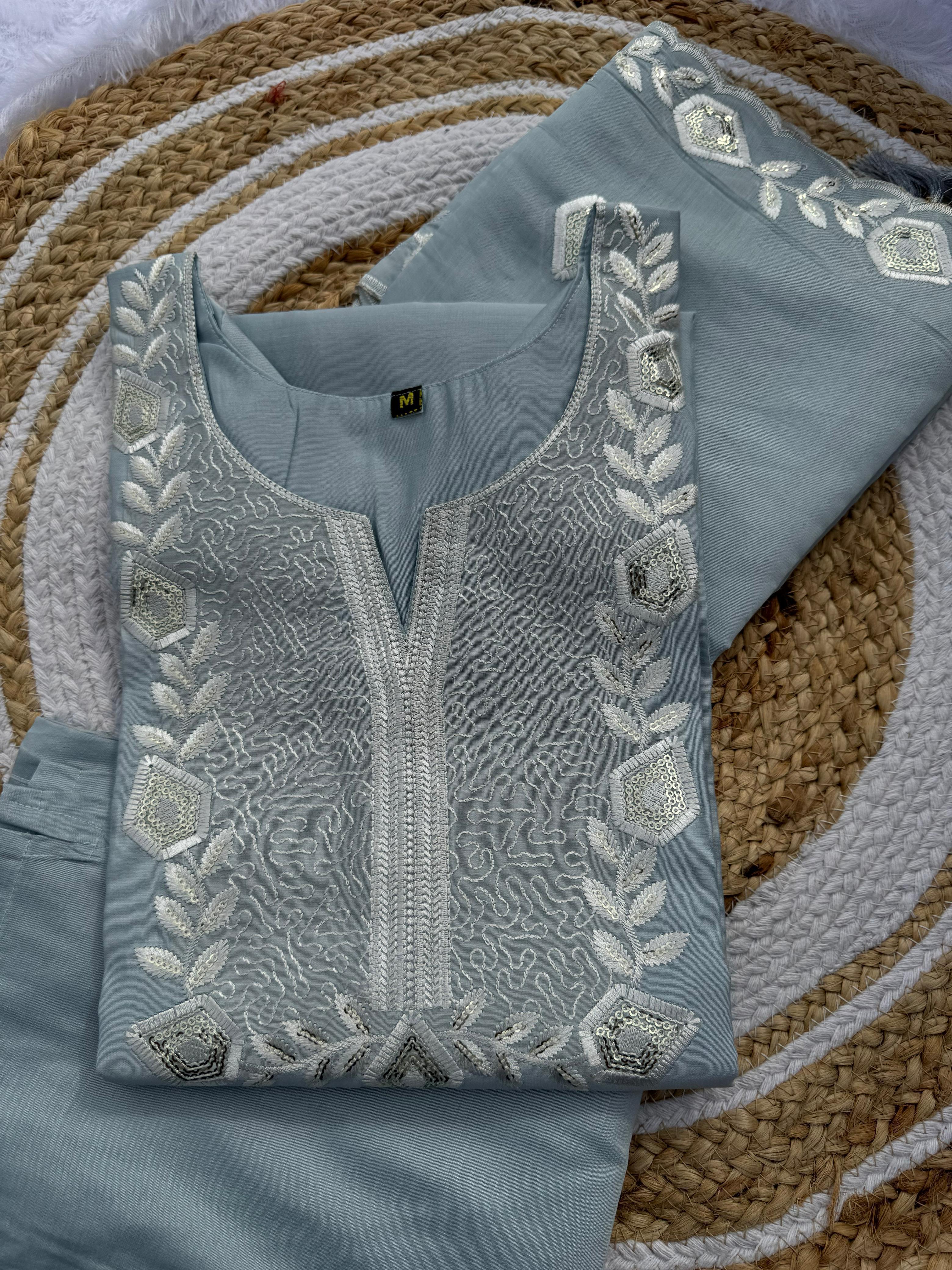
- Ask where the lining is placed. Confirm whether lining covers only the bodice or also the sleeves, trousers and skirt panels. Partial lining is often cooler than full lining.
- Check the fibre and hand feel. Look for light cotton, cotton voile, mulmul or rayon when breathability is the priority. Treat smooth polyester as a construction choice, not proof of coolness.
- Hold the fabric toward light. This simple test shows whether a single layer provides sufficient opacity. Two dense layers may be less comfortable than one carefully chosen opaque layer.
- Allow movement room. Sit, raise both arms and walk several steps when trying on a suit. Heat builds quickly when the lining pulls across the bust, underarms or thighs.
- Consider the event time. A zari-rich suit may be comfortable for an air-conditioned evening reception but less practical for a sunny outdoor Haldi ceremony. Match fabric density to the venue and duration.
- Wash before repeated wear. Follow the care label and test for shrinkage before altering a cotton-lined suit. Wash dark and light textiles separately, and avoid high heat unless the care instructions permit it.
After wearing a lined suit, air it fully before storing it. Perspiration left between two layers can make odour, weaken fibres and encourage colour transfer. Do not iron synthetic lining at a temperature intended for cotton. Use a pressing cloth and the lowest effective heat, especially around zari, prints and fused sections.
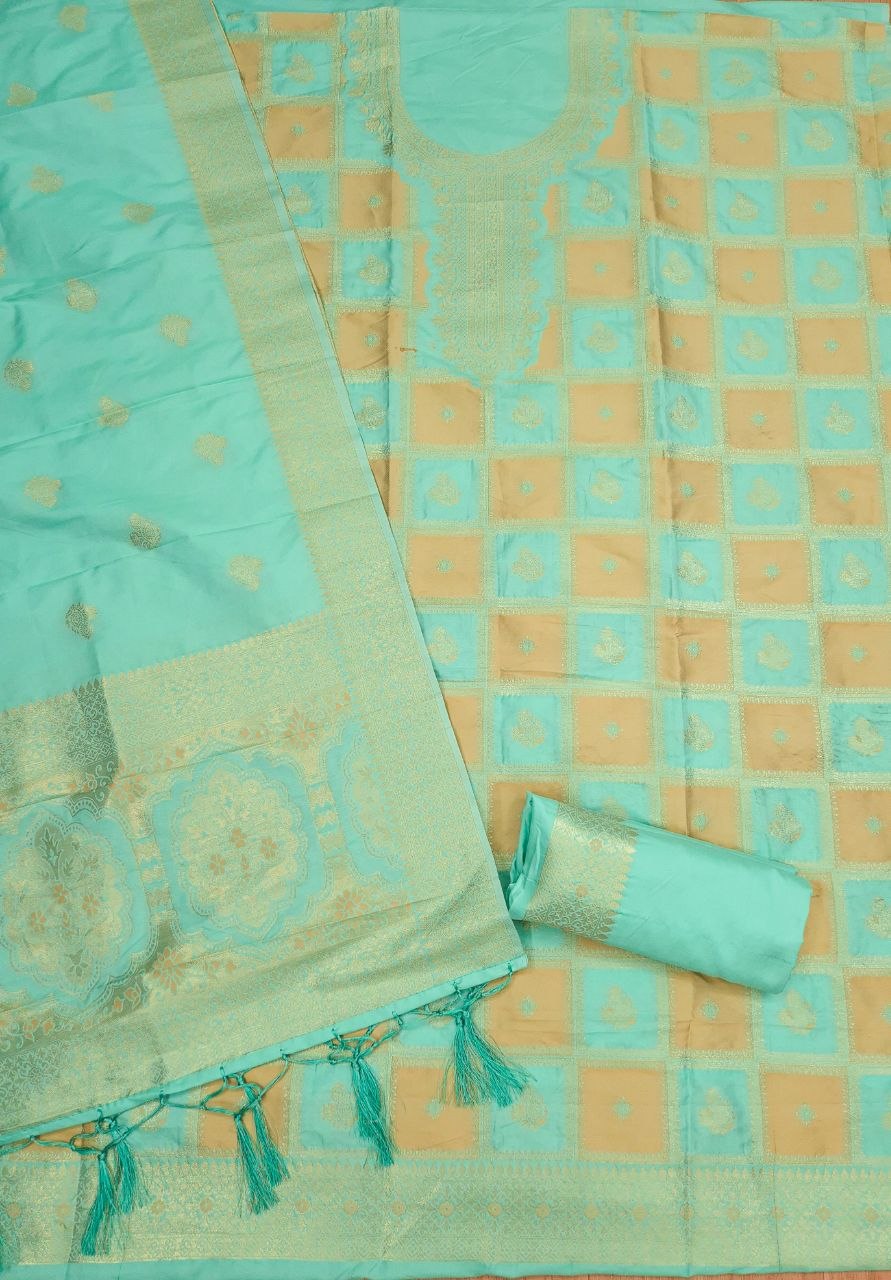
The Mint Green Paithani Style Zari Woven Unstitched Suit Material, Peach Paithani Style Zari Weave Unstitched Suit and Green Paithani Style Zari Woven Unstitched Suit Material each call for a fabric-specific tailoring decision. The right lining length, seam finish and ease can make a bigger difference to summer comfort than colour or surface decoration alone.
When Should You Skip a Full Lining?
Skip a full lining when the outer fabric is opaque, stable, comfortable against the skin and not vulnerable to seam irritation or excessive cling.
An unlined garment can be the cooler option for a loose cotton suit, relaxed rayon kurta or breathable woven set. Use facings, narrow partial lining or a lightweight slip only where transparency and support require them. Skipping unnecessary layers also reduces drying time after washing and makes the garment easier to maintain.
Full lining remains useful for very sheer fabrics, scratchy zari, delicate embroidery, pale textiles that reveal undergarments or structured formal suits. The goal isn't to remove every inner layer. The goal is to place the lightest effective layer exactly where it solves a problem.
Understanding why some summer suit linings feel hotter than the outer fabric turns an irritating shopping surprise into a manageable design decision. Check air movement, moisture behaviour, lining coverage and fit together, and a salwar suit can remain polished without becoming an unwanted heat trap.
Common Questions About Cooler Summer Salwar Suit Linings
Why does my salwar suit feel hot even when the outer fabric is cotton?
A dense polyester or acetate lining may block airflow beneath a breathable cotton outer layer. Full lining, a close fit and heavy fusible interfacing can increase heat further, especially around the bodice and underarms.
Is cotton lining better than polyester lining for summer suits?
Lightweight cotton, cotton voile and mulmul are usually more breathable than dense polyester in hot weather. Polyester can still work for a smooth, structured garment when used selectively and kept lightweight.
Should summer salwar suits be fully lined?
Summer salwar suits do not always need full lining. A bodice-only or partial lining is often enough when the outer fabric is opaque, while sheer, scratchy or heavily embroidered fabrics may need more coverage.
Is rayon suitable for a summer salwar suit?
Light rayon can feel cool and drape well, but it may hold moisture in humid conditions if the garment is close-fitting or densely lined. Check the lining, garment ease and drying requirements instead of judging rayon by fibre name alone.
How can I make a lined suit cooler without changing the whole garment?
Ask a tailor whether the lining can be shortened, removed from the sleeves or trousers, or replaced with lightweight cotton. Reducing bulky interfacing and adding a little ease around the bust and armholes can also improve airflow.
Are zari or Paithani-inspired salwar suits suitable for summer?
Zari or Paithani-inspired salwar suits can suit summer evening events when the cut is relaxed and the lining is selective. For a hot daytime function, choose lighter coverage, breathable inner layers and enough ease for air movement.