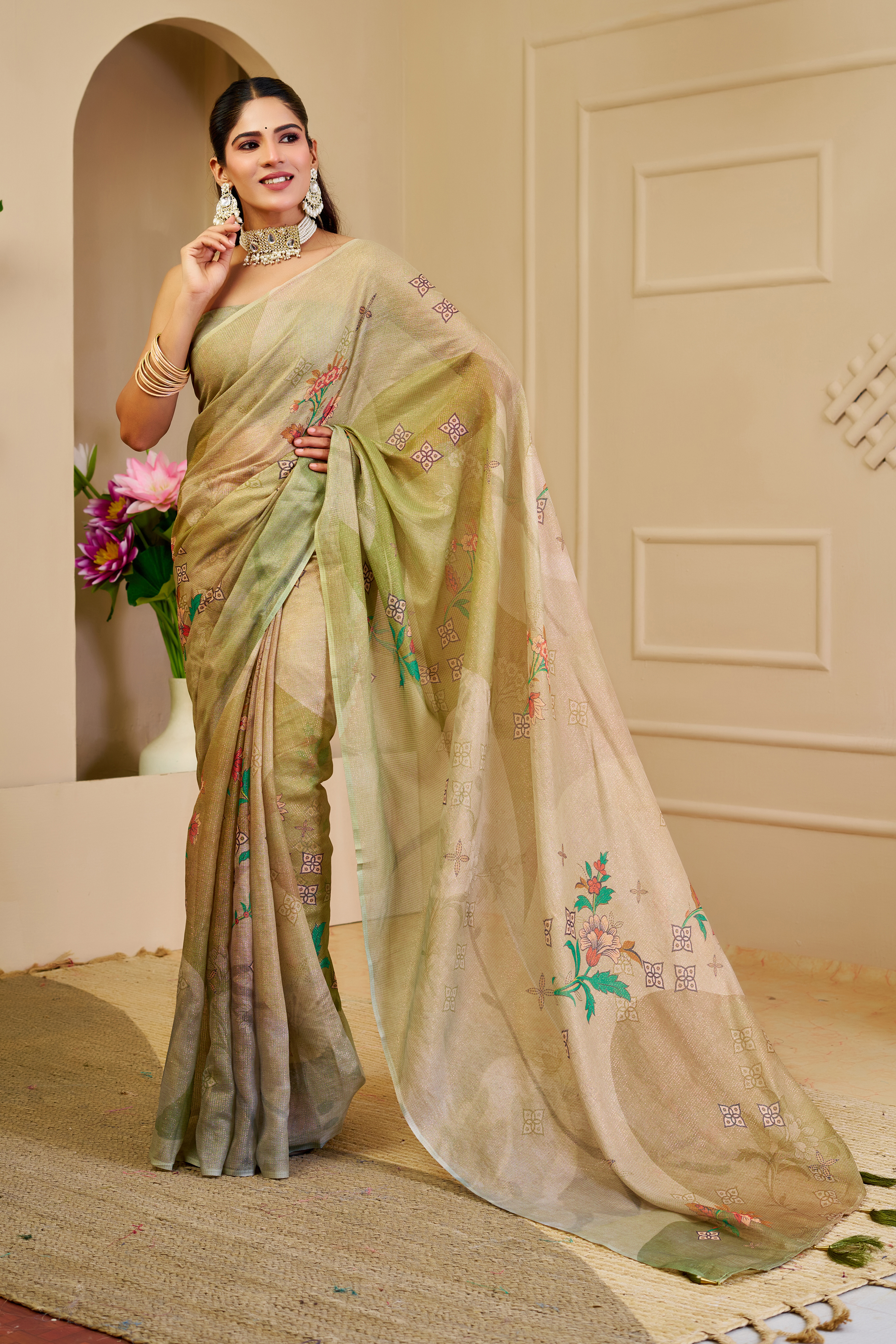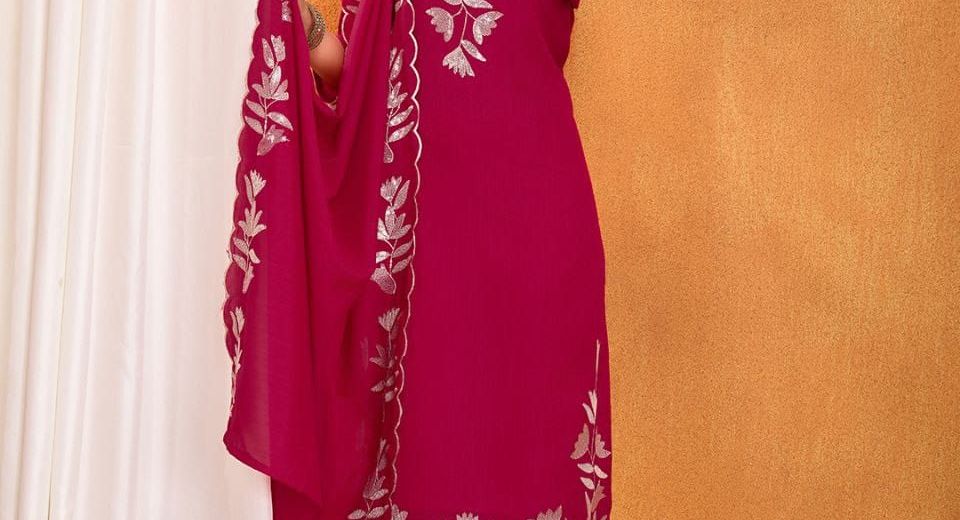
Which Indian Outfit Works for a Formal Wedding Dress Code depends on more than colour or embellishment. The right choice balances the wedding invitation, venue, ceremony timing, climate, movement and your role as a guest. A floor-length Anarkali, silk saree, refined sharara or embellished gown can all meet a formal Indian wedding dress code when the fabric, finish and styling are suitably elevated.
Formal dressing doesn't mean wearing the heaviest outfit available. Formality comes from controlled details: a structured silhouette, quality fabric, considered embroidery, polished tailoring and accessories that look intentional. A heavily embellished lehenga may be appropriate for a black-tie reception but excessive for a daytime pheras ceremony, while a plain cotton suit may appear too casual even if its colour is beautiful.
Start with the invitation, venue and wedding timing
The invitation and venue provide the most reliable clues about how formal an Indian wedding outfit should be. Words such as "formal," "black tie," "evening reception" or "cocktail" usually call for richer fabrics and more finished styling than "festive," "casual," or "day ceremony."
An evening ballroom reception supports jewel tones, metallic zari, silk, velvet accents and more substantial embroidery. A formal wedding at a heritage hotel can accommodate a regal Anarkali, a Banarasi silk saree or an elegant sharara with a structured dupatta. A formal beach or garden wedding still requires polish, but breathable Chanderi, crepe, georgette or lightweight silk may be more comfortable than dense velvet.
The ceremony schedule also affects fabric and colour. Daylight reveals the shine of sequins and metallic thread, so restrained embroidery often photographs better before sunset. Evening lighting can absorb muted colours, making royal blue, emerald, wine, teal, black or deep plum more effective. Ivory and white require extra care because some families reserve those colours for the bride, while black may be entirely acceptable at a reception but less comfortable for a traditional daytime ceremony.
- Daytime formal ceremony: choose silk blends, Chanderi, organza, crepe or light embroidery in fresh jewel, pastel or botanical colours.
- Evening reception: choose Banarasi silk, Vichitra silk, satin, velvet details, sequins, zari or tonal embellishment.
- Outdoor formal wedding: prioritise breathable fabric, secure footwear and a dupatta that won't drag or catch in wind.
- Black-tie-inspired celebration: select a floor-length gown, sharply tailored Anarkali, formal saree or sleek sharara with refined accessories.
Which Indian outfit works for a formal wedding dress code?
A floor-length Anarkali, formal saree, embellished sharara or understated Indian gown works best for a formal wedding dress code because each silhouette offers ceremony-appropriate coverage and visual refinement.
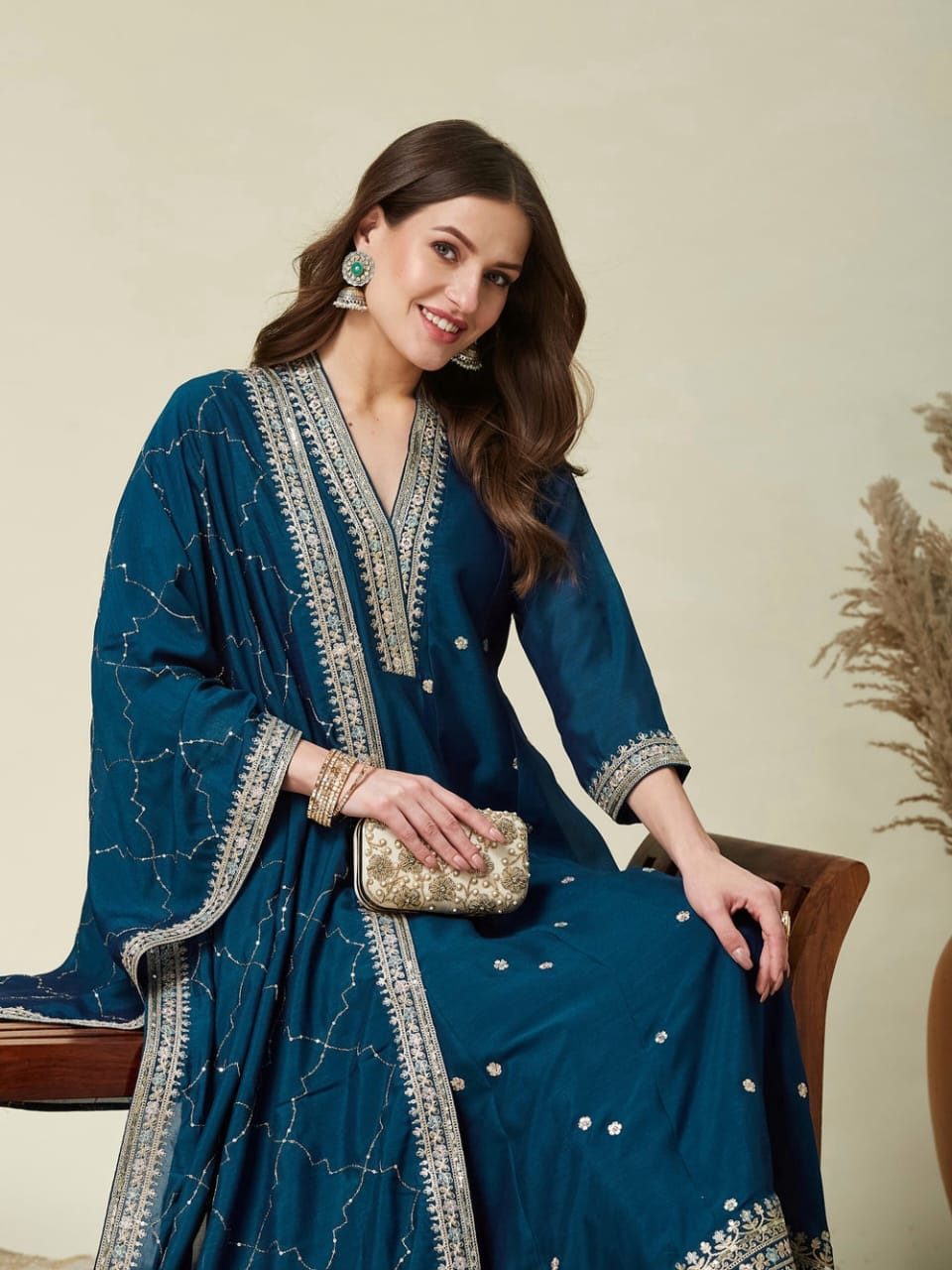
The best choice depends on how much movement you need and how heritage you want the outfit to feel. A saree has strong formal credibility and works across ceremonies, receptions and family portraits, but it requires confident draping and secure pleating. An Anarkali creates a similar vertical effect with less dressing complexity. A sharara brings movement and festive energy, while a gown-style Indian outfit gives the cleanest option for a contemporary reception.
Formal doesn't automatically mean floor length. A well-cut ankle-length suit can look formal when it uses a lustrous fabric, precise tailoring and sophisticated embroidery. Conversely, a floor-length outfit can look informal if the fabric is thin, the fit is poor or the accessories appear hurried. Hemline, proportion and finishing matter as much as length.
When is an Anarkali the safest formal choice?
An Anarkali is the safest formal choice when you want time-honoured Indian coverage, comfortable movement and a polished silhouette without managing saree pleats.
A full-length Anarkali creates a long line from shoulder to hem and works particularly well for receptions, sangeet evenings and formal family celebrations. The Ivory Anarkali Suit With Sequin Zari Embroidery And Dupatta demonstrates how sequin and zari work can raise a classic silhouette, although ivory should be selected only when the wedding's colour etiquette permits it.
The Royal Blue Vichitra Silk Embroidered Anarkali Suit Set gives a stronger evening direction through saturated colour and a silk surface. Vichitra silk has a soft, fluid appearance that can look festive without the stiffness of heavily structured brocade. Add pointed footwear, a small clutch and earrings with one dominant stone or metal finish rather than layering every available accessory.
When does a sharara look formal rather than casual?
A sharara looks formal when the fabric falls cleanly, the flared trousers are well balanced with the kurta and the embroidery is concentrated around the neckline, hem or dupatta.
The Black Chinon Sharara Set with Multicolour Embroidery for Women shows why a dark base can support vivid embroidery while retaining an evening-appropriate appearance. Chinon has a fluid drape, so the outfit benefits from a well-fitted upper layer and a dupatta that's pinned securely at the shoulder. Avoid oversized handbags or very casual footwear, which can make a formal sharara feel less cohesive.
A sharara is particularly useful for guests who expect to sit on the floor, dance during a sangeet or move between indoor and outdoor spaces. The wide leg creates ease, but the hem should remain at least a few centimetres above the floor when worn with the intended shoes. That small alteration reduces tripping and prevents the fabric from collecting dust during a long celebration.
Match the fabric to the level of formality
Fabric signals formality through its weight, surface, drape and ability to hold embroidery. A lustrous silk, structured brocade, refined crepe or quality georgette generally looks more formal than thin jersey, casual cotton or visibly synthetic fabric.
Banarasi silk communicates tradition through its woven motifs and zari surface, while Kanjeevaram silk creates a more substantial, ceremonial impression through its firm body and contrasting borders. Chanderi can look formal when paired with a graceful blouse and delicate zari, particularly for a daytime wedding. Vichitra silk brings a softer, fluid alternative for Anarkalis, gowns and coordinated sets.
Chinon and georgette are useful for shararas and dupattas because both fabrics move well. Crepe gives a smooth, relatively controlled fall that suits contemporary suit sets and maxi silhouettes. Organza adds volume and crispness, but organza dupattas can crease or shift during dancing, so discreet shoulder pins are practical rather than merely decorative.
Fabric choice should also account for climate. Dense silk and velvet can become uncomfortable in humid weather, while multiple layers of synthetic fabric may trap heat. For a summer formal wedding, select a breathable lining, lighter embroidery and a dupatta with enough length to drape without covering the entire torso in additional weight.
Use colour and embroidery with restraint
Formal wedding colour works best when the base shade and embellishment create a clear visual hierarchy. Choose one dominant colour, one supporting metallic or embroidery tone and, at most, one deliberate contrast.
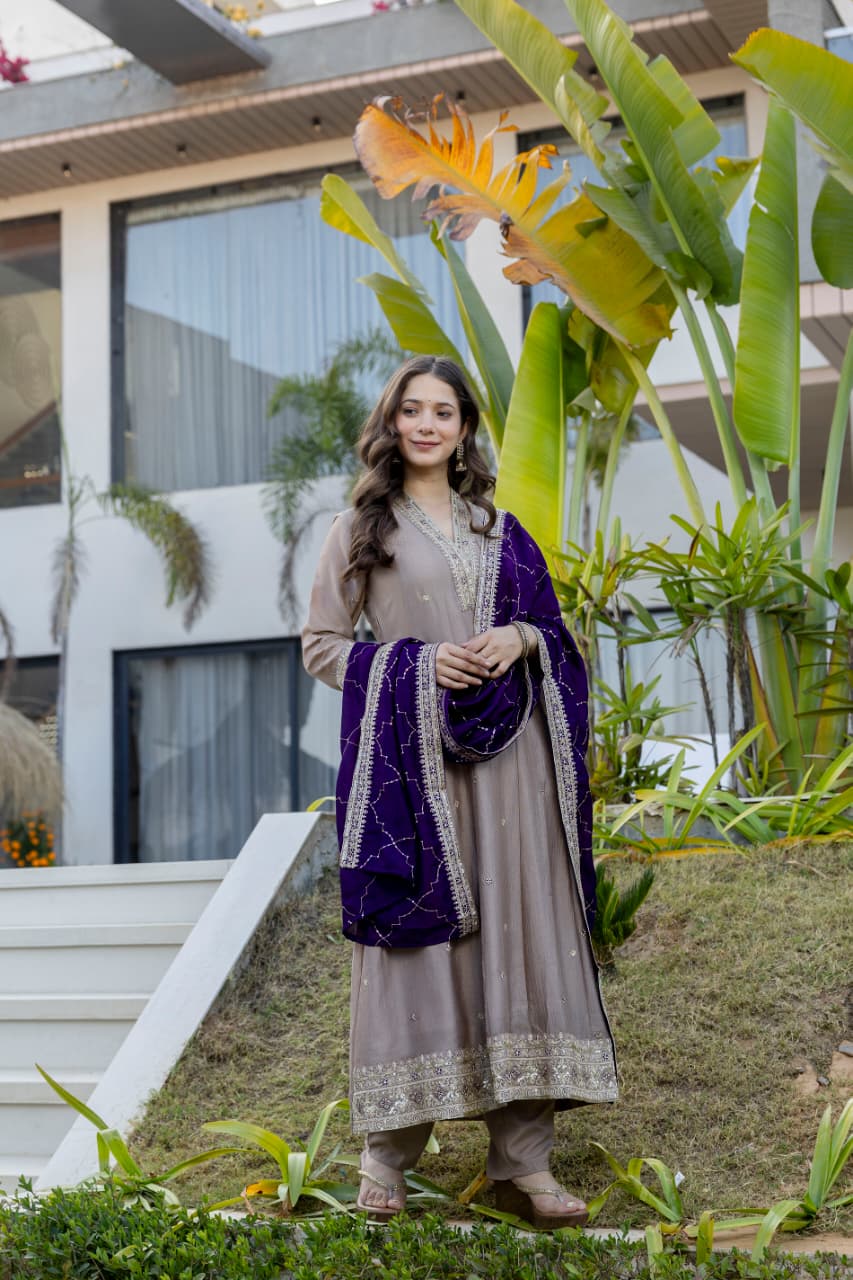
Teal, royal blue, emerald, burgundy, plum, charcoal and black photograph strongly at evening events. Soft taupe, blush, dusty rose, sage, ivory and powder blue are more suitable for daylight when the embroidery adds enough definition. A monochrome outfit can look especially sophisticated when the texture changes between the base, border and dupatta.
The Teal Blue Vichitra Silk Embroidered Gown Set Online uses a saturated colour and fluid gown direction for a modern formal appearance. The Taupe Beige Vichitra Silk Embroidered Gown Set Online takes a quieter route and can suit a daytime hotel wedding or a reception where understated dressing is preferred. Taupe benefits from warm gold, antique gold or pearl accessories; teal can support silver, diamonds, kundan or muted gold depending on the embroidery.
Embroidery placement is more important than the total amount of embellishment. A concentrated neckline frames the face, a bordered dupatta adds ceremonial detail and a decorated hem gives movement in photographs. Scattered motifs can look lighter and more contemporary, while dense all-over work creates a grander effect and may be better reserved for an evening reception.
Choose the silhouette according to your role and comfort
The guest's role, expected movement and personal comfort should determine the silhouette after the dress code has been understood.
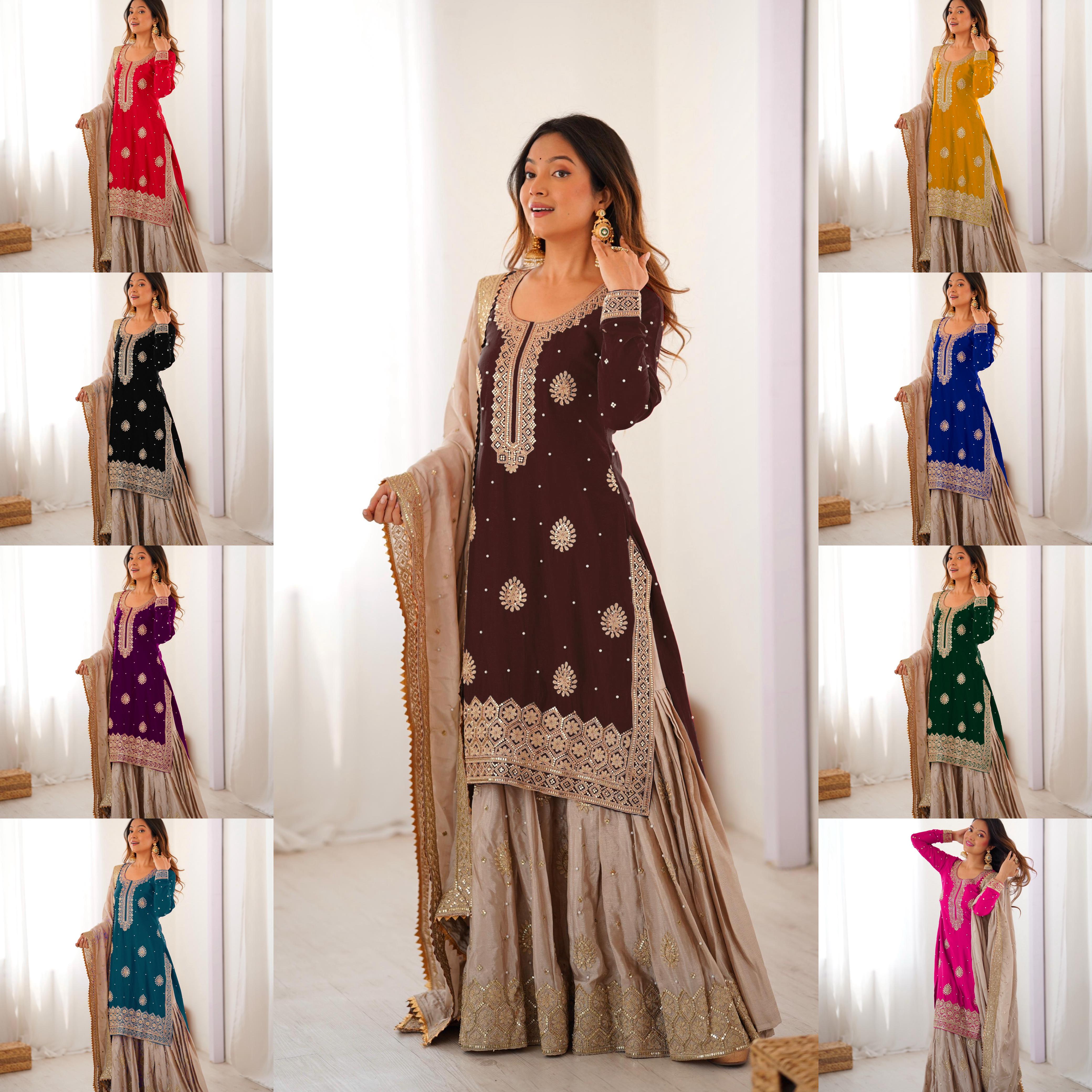
A close family member may choose a richer silk saree, embroidered Anarkali or heavily finished sharara because family portraits and rituals often involve extended visibility. A colleague or distant guest can select a polished suit, contemporary co-ord or restrained gown without competing with the bridal party. Guests should avoid outfits that imitate distinctive bridal red, bridal lehenga construction or the bride's announced palette when that information is available.
The Modern Taupe Vichitra Silk Embroidered Co-Ord Set for Women is useful for a guest who wants formal coordination without the volume of a classic Anarkali or sharara. A co-ord can look wedding appropriate when the top and bottom have a graceful drape, the finishing is neat and the accessories provide ceremonial definition. Choose a structured clutch and formal sandals instead of everyday sneakers or a large work tote.
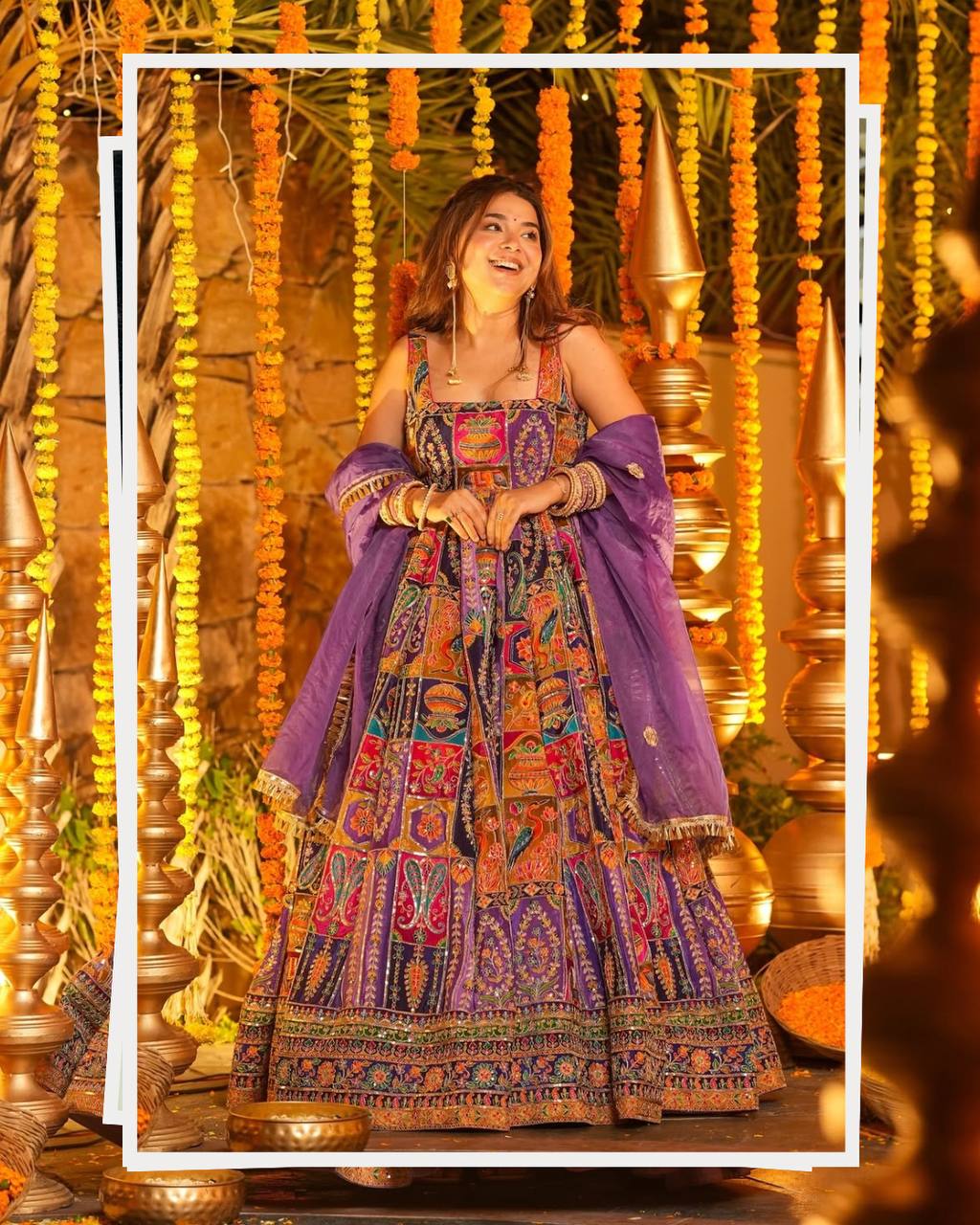
For guests who prefer a youthful, lighter silhouette, the Multicolor Embroidered Crepe Maxi Suit Set for Festive Wear brings movement through a maxi-length shape and visual interest through multicolour embroidery. Keep the rest of the styling edited so the embroidery remains the focal point. One pair of earrings, one bracelet and a low-profile ring are usually enough.
Build a formal look through tailoring and accessories
Tailoring is the fastest way to make an Indian wedding outfit look formal. The shoulder seam should sit correctly, the sleeve should allow movement, the waist should not pull and the hem should clear the floor with the chosen footwear.
Order or try on the outfit at least two weeks before the wedding when possible. This allows time to shorten a dragging hem, adjust a tight armhole, reinforce hooks or alter a neckline. A formal outfit that needs constant adjustment will look less polished in photographs and feel uncomfortable during a long ceremony.
Footwear should be selected before the final hem alteration. Block heels are practical for lawns, courtyards and uneven heritage floors, while slim heels work better on stable indoor surfaces. Metallic sandals, embroidered juttis and clean pointed heels can all work, but the shoe should repeat a colour already present in the outfit rather than introducing an unrelated accent.
Jewellery should follow the neckline. Chokers work with open or sweetheart necklines, longer earrings suit high necks and a pendant can provide balance when the outfit has minimal neckline embroidery. Kundan, polki, pearls and temple jewellery are traditional choices, while sculptural metal earrings can suit a contemporary gown or co-ord. Select either a statement necklace or statement earrings when the outfit already contains zari or sequins.
A dupatta should be styled for both appearance and security. Pin one point at the shoulder and another near the waist when dancing or moving through crowds. A formal drape should not cover the embroidery completely, drag behind you or require repeated handling throughout the ceremony.
Common mistakes that weaken a formal wedding outfit
The most common mistake is treating embellishment as a substitute for fit. Sequins can't correct a collapsing shoulder, a twisted side seam or a hem that pools around the feet.
- Ignoring the venue: A delicate chiffon outfit may be impractical for a windy lawn, while heavy velvet may be uncomfortable at a humid coastal wedding.
- Choosing the wrong underlayer: A visible lining, bunching slip or overly bright inner layer can disrupt the clean fall of silk, crepe or georgette.
- Over-accessorising: Heavy earrings, a necklace, bangles, rings and a dramatic maang tikka can compete with dense embroidery.
- Wearing untested footwear: New heels can affect posture and movement during a ceremony lasting several hours.
- Forgetting photographs: Very pale beige, reflective silver or tiny low-contrast motifs may disappear under flash or outdoor lighting.
- Leaving alterations late: Last-minute tailoring limits options for sleeve, neckline, length and waist adjustments.
The White Floral Vichitra Silk Anarkali Suit Set | Varnavi illustrates why a lighter floral outfit can need careful styling for a formal wedding. Keep the jewellery refined, check how white appears in the venue lighting and confirm that the colour is appropriate for the family's wedding customs.
A practical decision checklist before you buy
Choose the outfit only after answering five questions: where is the wedding, what time is it, how long will you wear it, how much movement is required and what colours should guests avoid?
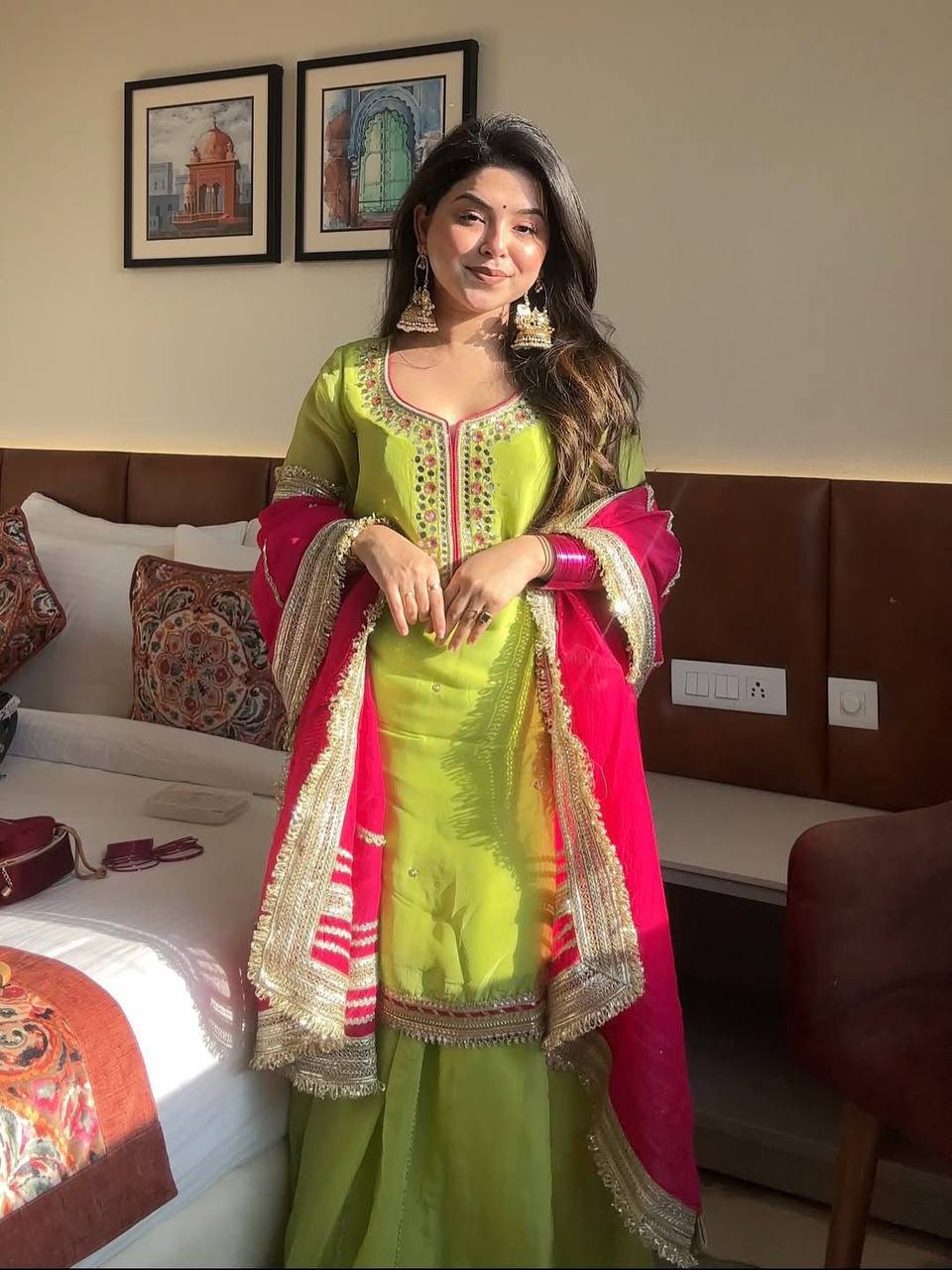
- Read the invitation for dress-code words and ceremony details.
- Choose a silhouette that supports sitting, walking, dancing and photography.
- Select fabric according to temperature, humidity and venue surfaces.
- Check the base colour against the wedding's known bridal palette.
- Balance embroidery with accessories instead of adding maximum sparkle everywhere.
- Try the complete outfit with footwear, innerwear, jewellery and dupatta before the event.
- Schedule alterations early enough to correct fit and length.
The strongest answer to Which Indian Outfit Works for a Formal Wedding Dress Code is therefore personal but not random: choose the most polished silhouette you can comfortably wear for the venue and timing. A formal Anarkali is dependable, a saree is timeless, a sharara adds movement and an Indian gown or co-ord offers a contemporary route. Fabric quality, fit, colour discipline and secure styling will make the final decision look intentional.
Common Questions About Formal Indian Wedding Guest Outfits
Which Indian outfit is most appropriate for a formal wedding reception?
A floor-length Anarkali, formal saree, embellished sharara or elegant Indian gown is appropriate for a formal wedding reception. Choose silk, crepe, georgette, Vichitra silk or another refined fabric, then match the embroidery and colour intensity to the evening venue.
Can I wear a sharara to a formal wedding?
Yes, a sharara can meet a formal dress code when it has a polished fit, quality fabric and balanced embroidery. A structured kurta, secure dupatta, formal footwear and edited jewellery keep the outfit sophisticated rather than casual.
Is an Anarkali suitable for a formal Indian wedding?
An Anarkali is one of the most reliable formal Indian wedding outfits because it offers coverage, movement and a naturally elongated silhouette. Full-length styles in silk, crepe or embellished georgette work especially well for receptions and evening ceremonies.
What colours should wedding guests avoid wearing?
Wedding guests should avoid the bride's announced colour palette and use caution with bridal red, bright ivory and pure white when family customs reserve those shades for the bride. Ask a close family member when the invitation does not clarify colour expectations.
How can I make a simple Indian suit look formal for a wedding?
Make a simple suit formal through precise tailoring, a refined dupatta, polished footwear and one or two high-quality accessories. A structured clutch, statement earrings, neat hair and well-finished makeup can elevate a restrained outfit without adding excessive embellishment.
What fabric is best for a formal Indian wedding in summer?
Lightweight silk blends, Chanderi, crepe, georgette and breathable lined fabrics are practical for a formal summer wedding. Avoid excessive layers and dense velvet, and choose embroidery that adds polish without making the outfit heavy or hot.