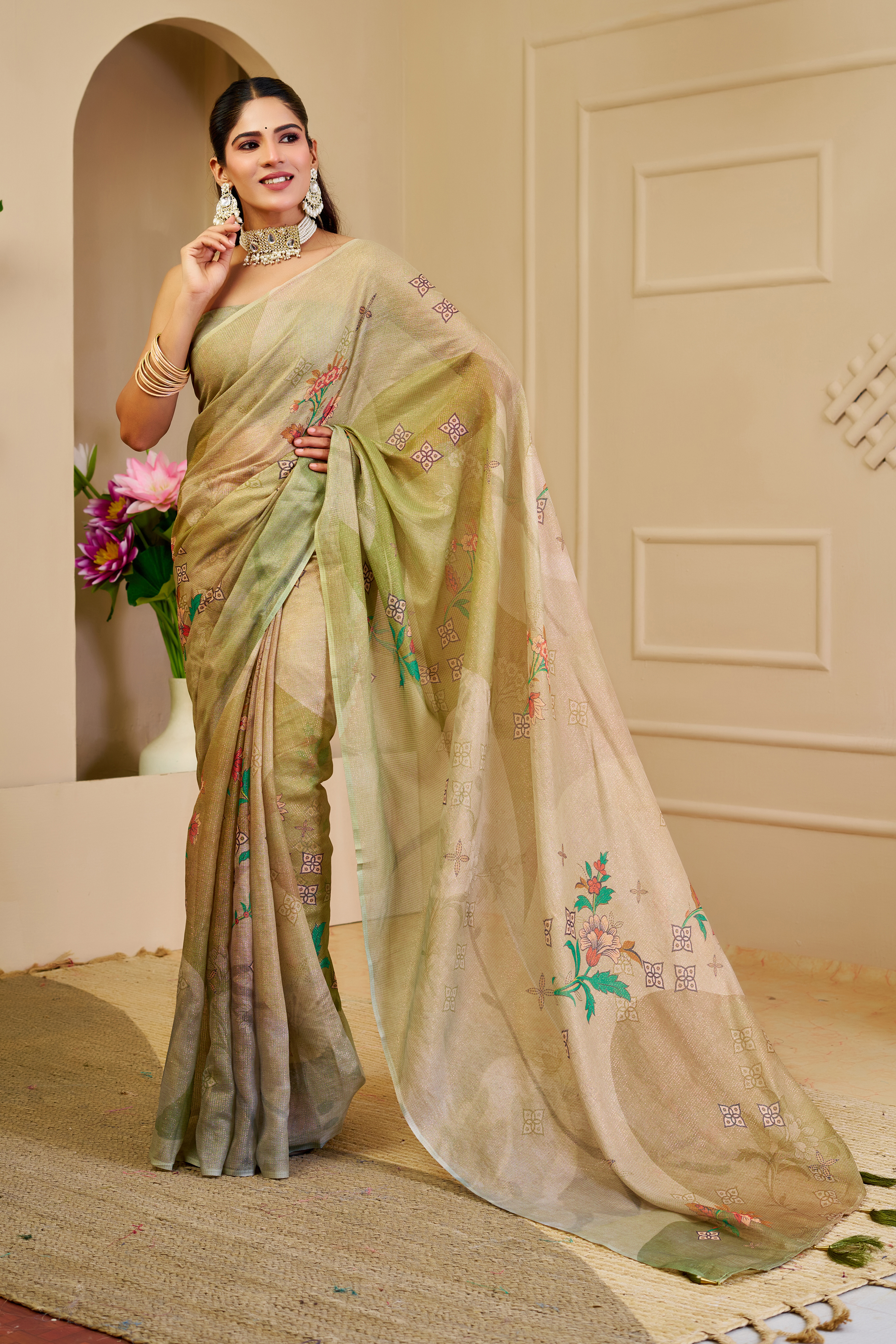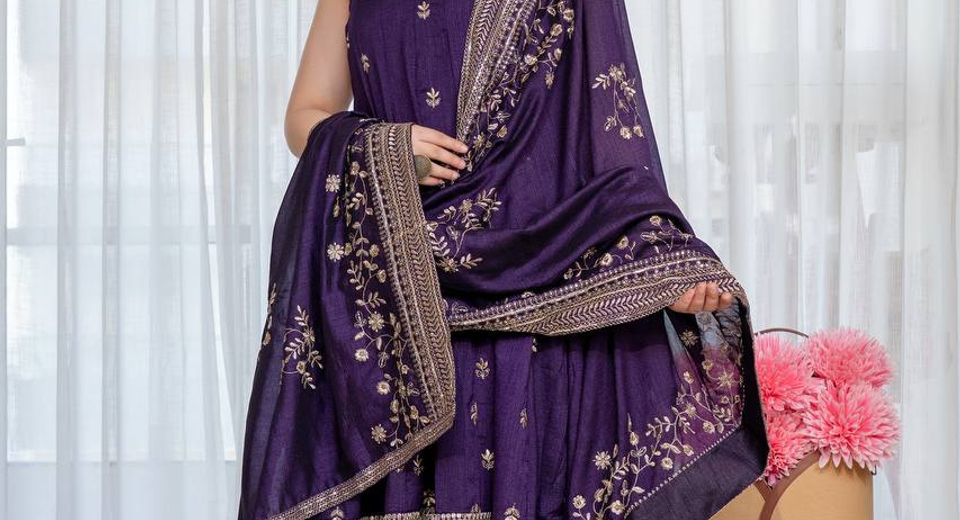
When does a winter Anarkali need a separate inner layer? The answer depends on the garment's lining, outer fabric, hem volume, indoor temperature and the amount of time you'll spend outside. A lined Anarkali may feel comfortable at a mildly cool indoor function, while a thin, unlined suit can leave you cold even when zari, sequins or embroidery make the garment look visually heavy.
A separate inner layer can add warmth, reduce transparency, prevent cling and make a flowing salwar suit more comfortable. The wrong inner can create bulk at the waist, disturb the fall of the Anarkali and restrict movement around the sleeves or armholes. Examining the garment's construction is more reliable than judging warmth by colour or embellishment.
When Does a Winter Anarkali Need a Separate Inner Layer?
A winter Anarkali needs a separate inner layer when the outer garment is unlined or lightly lined, the fabric is thin, the temperature is below about 18°C, or the wearer will spend more than 20 minutes outdoors. A separate inner is also useful when the Anarkali has a sheer dupatta, open neckline, short sleeves or a wide hem that allows cold air to circulate.
Indian winters vary considerably. A December afternoon in Mumbai may require only a breathable slip, while an evening wedding in Delhi, Jaipur, Lucknow or Chandigarh may call for a thermal camisole beneath the Anarkali and a shawl over the dupatta. Indoor banquet halls can be warm, so a removable layer is usually more practical than a permanently thick lining.
Use four checks before deciding:
- Does the kameez have a full lining from the bodice to the hem?
- Can you see light through the fabric when you hold it against a window or phone torch?
- Will you commute, queue outdoors or attend an open-air event?
- Can the garment accommodate an additional layer without pulling at the bust, armhole or waist?
If two or more answers are yes, plan a separate inner layer. If the Anarkali already has a comfortable cotton or silk lining and the event is indoors, a sleeveless slip may be enough for modesty and smoothness rather than warmth.
When Does a Winter Anarkali Need a Separate Inner Layer Based on Fabric?
A winter Anarkali needs a separate inner layer based on fabric when the weave is open, the material is lightweight or the garment has a cool, slippery lining that prioritises drape over insulation. Fabric density matters more than surface shine, embroidery or the number of decorative elements attached to the outfit.
Check the outer fabric
Dense silk blends, velvet panels and heavier brocade generally block more air than lightweight georgette, chiffon or thin polyester. Banarasi silk can feel substantial, but actual warmth depends on the weave and whether the garment has a lining. Vichitra silk may have a fluid, dressy surface while still needing an inner in a cold outdoor setting.
A fabric test takes less than a minute. Hold one corner of the garment near a window or phone torch, then rub the fabric between your fingers. Strong light passing through a large area indicates a more open construction. A cool, slippery lining often indicates that the garment is designed for movement and drape rather than insulation.
Embellishment should not be confused with warmth. Zari, sequins and moti lace add visual weight but provide very little insulation because metallic threads and decorative beads don't trap much body heat. A plain, tightly woven fabric can protect against cold air more effectively than a sheer Anarkali covered in sequins.
Inspect the lining
A full lining should extend across the bodice, sleeves and most of the skirt rather than stopping below the bust. A half lining protects modesty but leaves the lower body exposed to cold air. Cotton lining is generally breathable, while satin or polyester lining slides easily over clothing but can feel clammy with a thick base layer.
Turn the sleeve inside out and inspect the seam. A narrow, unlined sleeve can make the arms feel colder than the torso, especially when the sleeve opening is loose. A full-sleeved Anarkali with a thin lining may need only a thermal camisole, whereas a sleeveless Anarkali needs a more deliberate layer underneath.
When Does a Winter Anarkali Need a Separate Inner Layer for Different Temperatures?
A winter Anarkali needs a separate inner layer for different temperatures because the right base depends on both the weather and the time spent outdoors. The following temperature bands offer a practical starting point, but wind, humidity and personal sensitivity to cold also matter.
- At 18-22°C: Choose a cotton camisole or sleeveless slip with a smooth neckline. This option reduces cling and provides modesty without making the outfit uncomfortable indoors.
- At 12-18°C: Choose a fitted three-quarter or full-sleeve inner in cotton-modal, merino-blend knit or thin thermal fabric. Keep the layer close to the body so the Anarkali retains its flare.
- Below 12°C: Use a lightweight thermal top and consider warm leggings under the salwar, churidar or trousers. Add an outer shawl, cape or structured jacket rather than relying on the inner alone.
- For a windy outdoor event: Prioritise a close-fitting thermal layer and cover the neck, shoulders and forearms. Wind can make a moderately cold temperature feel considerably harsher.
A sleeveless inner is useful when the Anarkali has narrow sleeves. A full-sleeve thermal beneath a fitted sleeve can cause wrinkling, visible cuffs and restricted movement. For a wide sleeve, a full-sleeve layer offers more warmth without changing the silhouette.
Event duration should influence the decision. A guest travelling by car from a heated home to a heated banquet hall may need less insulation than someone standing outdoors for an hour during guest arrival, a procession or a late-night departure.
When Does a Winter Anarkali Need a Separate Inner Layer for a Good Fit?
A winter Anarkali needs a separate inner layer for a good fit when the base garment can remain smooth beneath the bodice and skirt without compressing the bust, digging into the armhole or adding folds at the waist. A close-fitting inner preserves the Anarkali's vertical fall, while a loose camisole can bunch below the empire seam.
Take three measurements before buying or tailoring an inner: bust circumference, upper-arm circumference and total length from shoulder to the point where the Anarkali begins to flare. The bust measurement should allow comfortable breathing, while the upper arm needs enough ease for sitting and lifting the arms. The inner should finish below the widest part of the hip if the outer skirt is fitted there, or extend near the hem if the outer fabric is sheer.
Try the complete combination while sitting, raising both arms and walking up stairs. Pulling across the upper back indicates that the inner is too tight. A horizontal ridge below the bust usually means the inner is too long or has a heavy hem. Clinging at the knees often comes from static between polyester layers, which can be reduced with a cotton slip, an anti-static product used according to its label or a lining with a smoother finish.
Tailoring can solve problems that ready-made slips can't. A tailor can add a side opening, reduce sleeve circumference, adjust the neckline or create a separate inner with ties instead of a thick elastic waist. A removable inner is particularly useful for an Anarkali worn in both winter and warmer seasons.
When Does a Winter Anarkali Need a Separate Inner Layer Under Embellished Designs?
A winter Anarkali needs a separate inner layer under embellished designs when the decoration adds weight without providing coverage, when the skirt remains sheer or when the garment's lining ends before the embroidered area. Embroidery can also make a fabric less flexible, so the inner must be smooth and light rather than bulky.
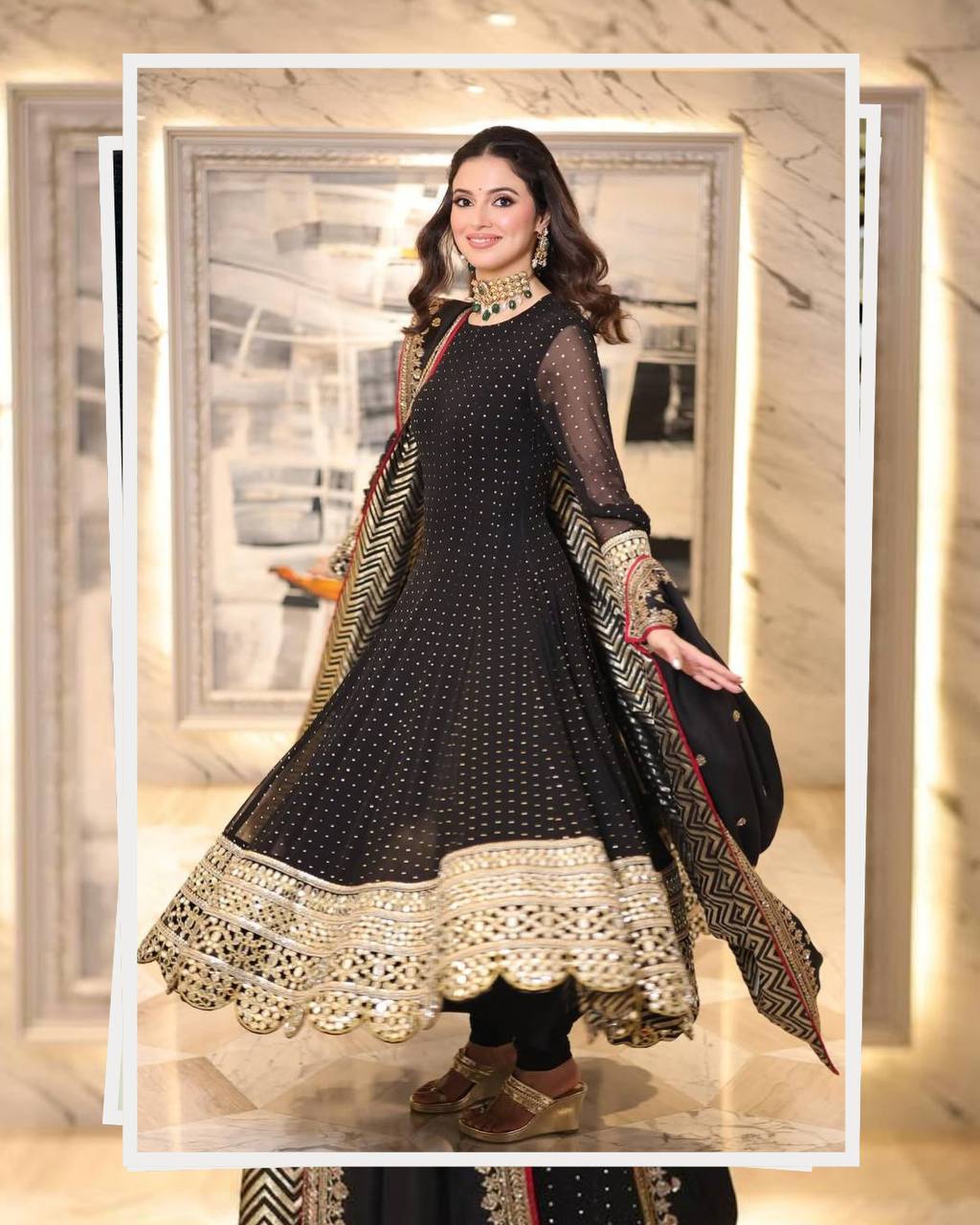
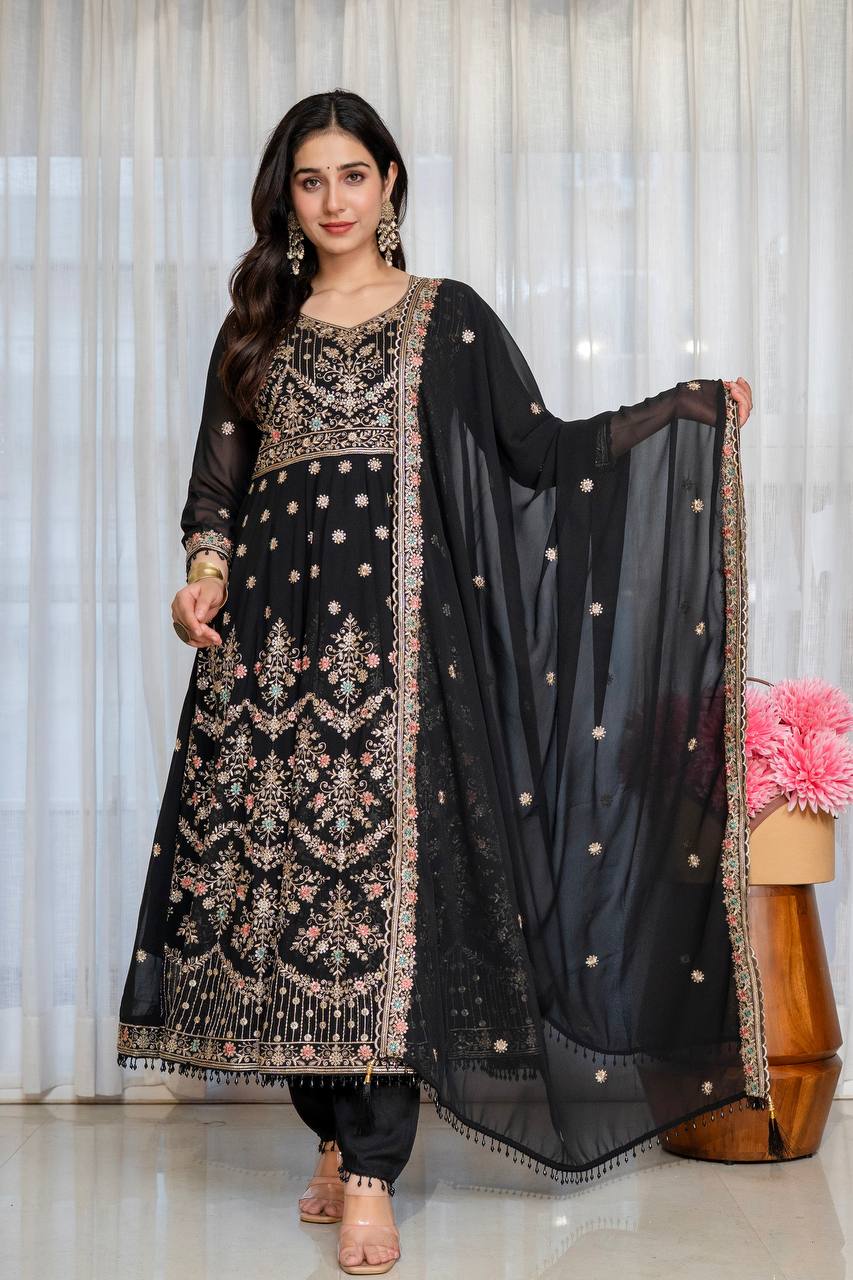
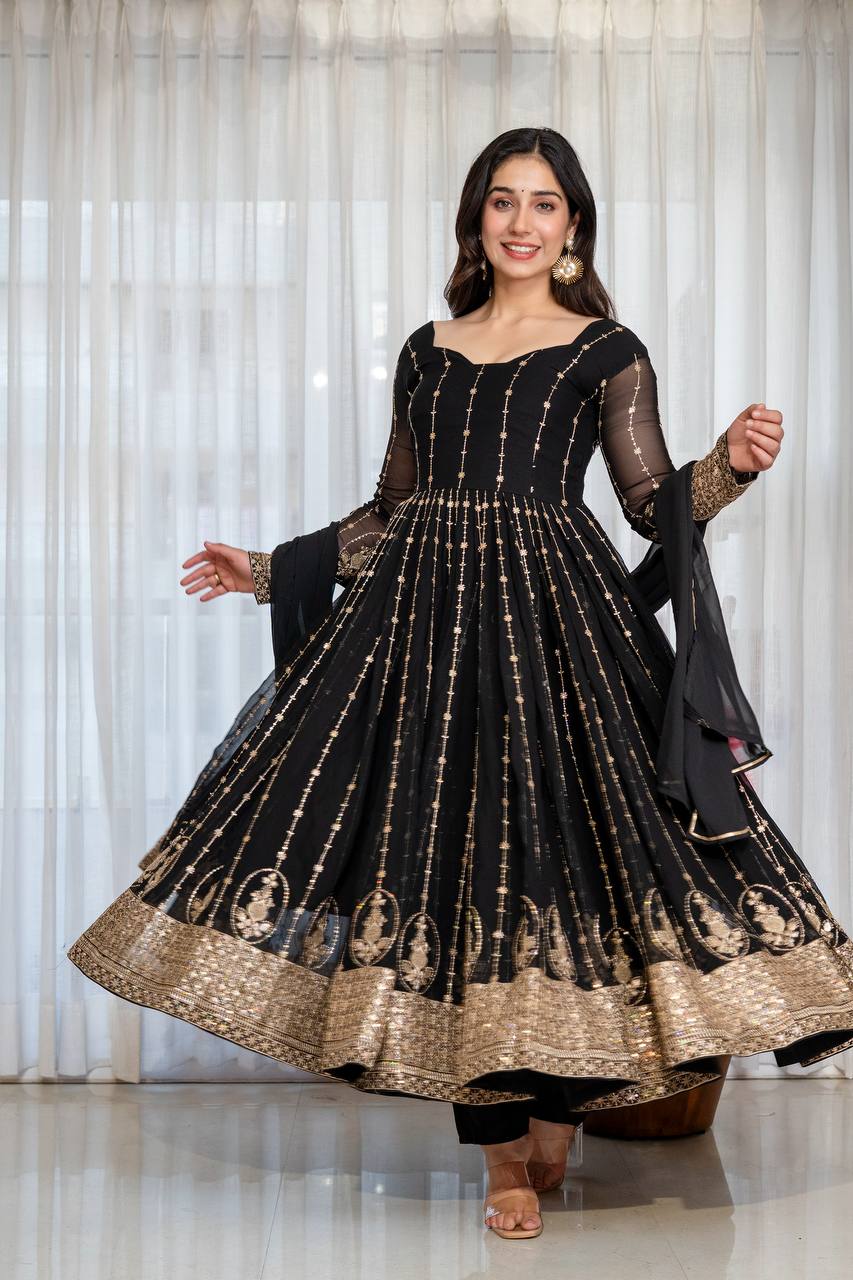
Black Anarkali Suit with Zari, Sequins & Moti Lace Work illustrates why embellishment should not be treated as insulation. Zari and sequins can make the bodice feel structured, but the skirt may still need a slip if its weave is light. Black Anarkali Suit Set with Sequin Zari and Moti Lace Work can be worn with a thin black or skin-tone inner when the lining doesn't extend fully through the flare.
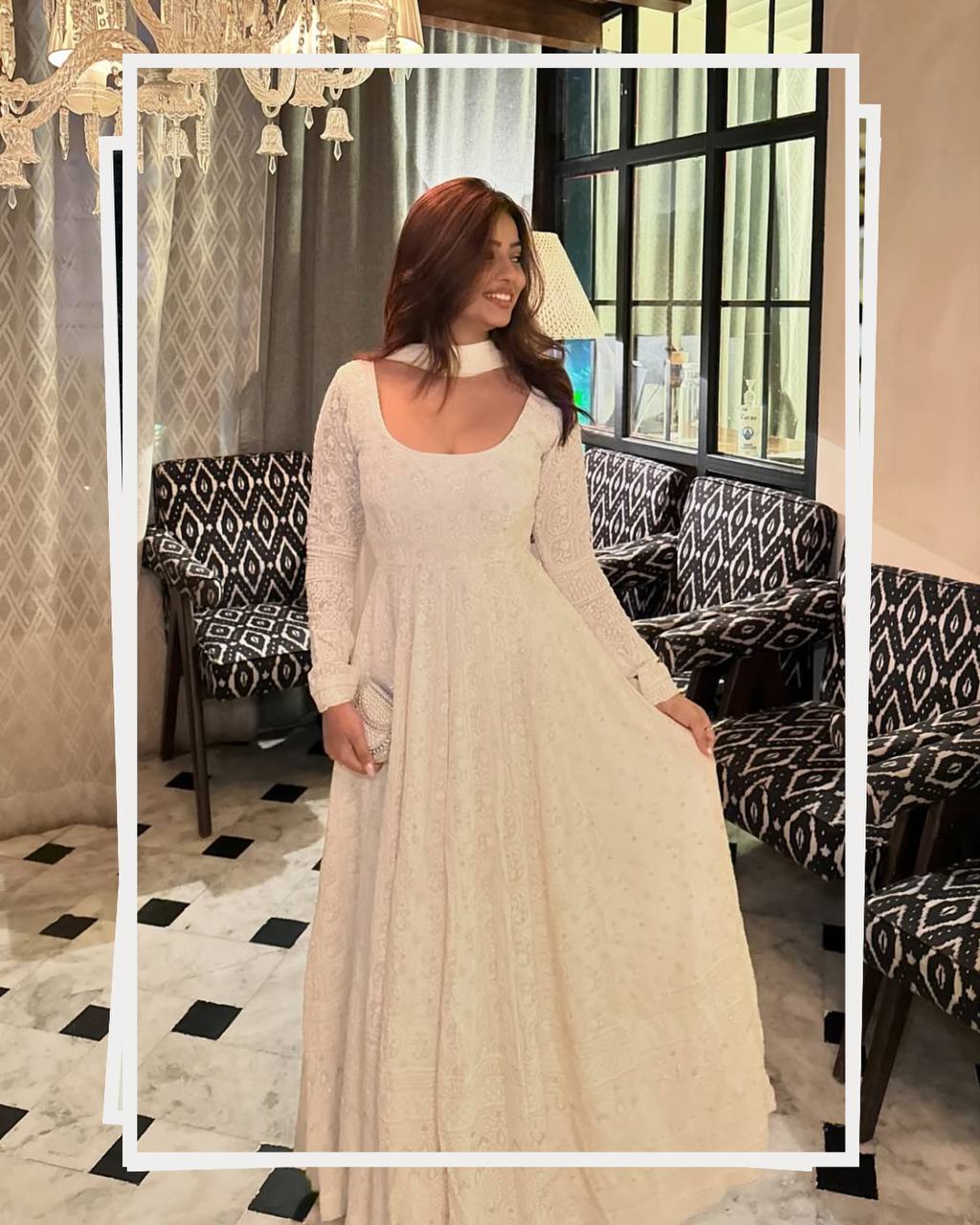
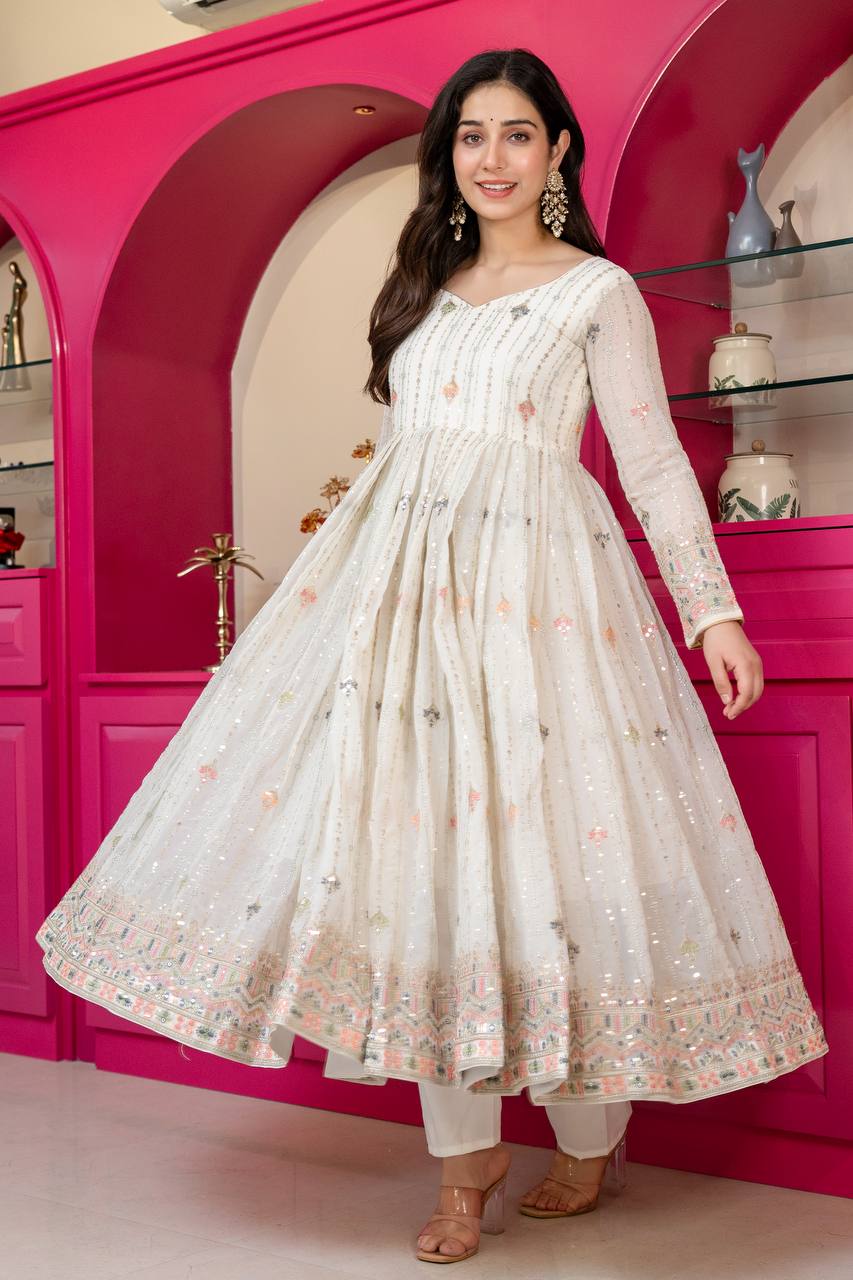
White Embroidered Anarkali Suit Set with Gota Patti Dupatta needs careful colour matching because a dark thermal can show through a pale bodice or skirt. An ivory slip generally creates a softer result under cream-toned fabric than a stark white slip. A separate inner also protects the Anarkali from body oils when the fabric is difficult to wash frequently.
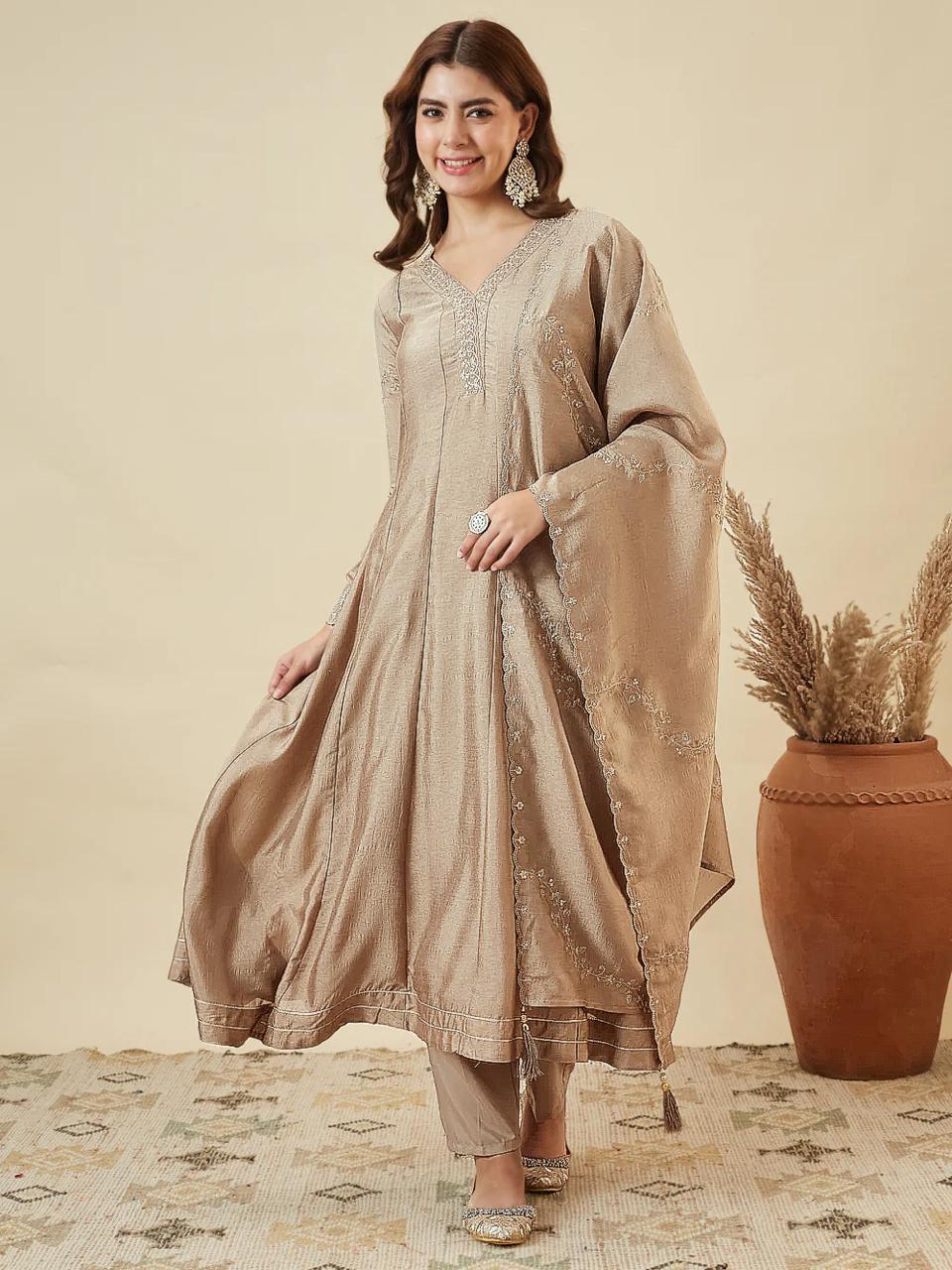
Black Embroidered Anarkali Suit Set with Zari Work can accommodate a black fitted inner for evening wear, provided the neckline remains hidden. White Floral Vichitra Silk Anarkali Suit Set | Varnavi has a dressy surface that benefits from a smooth, low-bulk base layer rather than a textured woollen camisole that may catch on the fabric.
Dupatta fabric matters as well. A lightweight dupatta leaves the neck and upper chest exposed, so a high-neck inner or warm shawl may improve comfort. A dense dupatta can act as a wind barrier around the shoulders but should not be wrapped so tightly that it pulls the Anarkali neckline backward.
When Does a Winter Anarkali Need a Separate Inner Layer for Styling?
A winter Anarkali needs a separate inner layer for styling when warmth must be added without covering the silhouette or competing with the dupatta. Keep the warmest layer close to the body, then use one defined outer piece such as a shawl, cape, longline jacket or wool-blend coat.
For a daytime family gathering, pair a cotton-modal inner with a lined Anarkali, churidar or straight trousers and a medium-weight dupatta. For an evening wedding, use a thin thermal top, a full-length slip and a shawl carried over one shoulder. For an outdoor Haldi ceremony, choose a washable inner and avoid a loose woollen layer that can catch on turmeric, jewellery or floral décor.
Kalamkari Print Salwar Suits often benefit from breathable cotton layers because printed fabric can look substantial without being especially warm. Maharashtra Paithani Inspired Salwar Suits can be paired with a smooth inner that doesn't compete with a decorative border. Gujarat Bandhej Salwar Suits work well with a fitted base layer and a contrasting shawl, especially when the outer fabric has a fluid drape.
Colour should be considered alongside warmth. A black inner is usually discreet under a dark Anarkali but may show through a pale or open-weave fabric. Nude, ivory or a close colour match is safer beneath white, cream, blush and pastel suits. Avoid a highly contrasting inner unless the contrast is intentional and the design allows the layer to be visible at the neckline or sleeves.
Layering should also preserve movement. Keep the dupatta pinning secure at one shoulder, leave enough ease to sit comfortably and avoid wearing a thick belt over several layers unless the Anarkali has a defined waist. A narrow shawl pin can keep wool away from delicate zari and sequins.
When Does a Winter Anarkali Need a Separate Inner Layer for Care and Comfort?
A winter Anarkali needs a separate inner layer for care and comfort when frequent washing could damage zari, sequins, zari work or delicate silk surfaces. The inner absorbs perspiration, reduces friction and helps the outer garment stay fresher between specialist cleanings.
Wash the inner according to its fibre content before wearing it under an embellished Anarkali. Residual dye from a new black thermal or slip can transfer to a pale lining through perspiration and friction. Test colourfastness by pressing a damp white cloth against an inside seam for a few seconds.
Allow both the inner and the Anarkali to dry completely before storing them. Damp fabric encourages odour and can affect metallic decoration. Air the Anarkali in shade rather than harsh direct sunlight, and keep heavy embroidered garments folded with clean, acid-free tissue or a breathable cotton cover.
Choose a breathable inner if you'll move between cold outdoor air and a heated indoor hall. Excess heat and sweat can be as uncomfortable as cold, particularly beneath synthetic lining. A removable cotton-modal layer gives more control than a thick built-in lining because it can be taken off during the event.
The most dependable winter combination is a thin, smooth base layer, a properly lined Anarkali and one removable outer layer chosen for the actual temperature.
Common Winter Layering Questions for Anarkali Suits
Can I wear a thermal inner under an Anarkali suit?
Yes, a thin thermal inner can be worn under an Anarkali suit when the temperature is low or the event includes outdoor time. Choose a close-fitting thermal with a low neckline and smooth seams so the garment does not create bulk or show through the fabric.
Does an Anarkali with sequins need an extra lining?
An Anarkali with sequins needs an extra lining only when the existing lining is incomplete, the fabric is sheer or the weather is cold. Sequins and zari add decoration rather than meaningful warmth, so inspect the skirt, sleeves and bodice separately.
What should I wear under a white Anarkali in winter?
Wear an ivory, nude or closely matched slip under a white Anarkali, adding a thin thermal layer if the weather requires more warmth. Avoid a dark inner because it can show through an open weave or lightweight white fabric.
How do I stop an inner layer from bunching under an Anarkali?
Stop bunching by choosing an inner that fits closely, ends at a compatible length and has a smooth hem. Test the full outfit while sitting and raising your arms; folds below the bust usually indicate that the inner is too long or loose.
Is a cotton slip warm enough under an Anarkali?
A cotton slip is warm enough for mild indoor winter conditions, generally around 18-22°C, when the Anarkali is already lined. Cotton alone may not be sufficient for a windy evening or temperatures below about 12-15°C, when a thin thermal layer is more suitable.
Should the inner layer be sleeveless or full-sleeved?
Choose a sleeveless inner under narrow or fitted Anarkali sleeves, and choose a full-sleeved inner when the outer sleeves are loose or the event is outdoors. The inner should provide warmth without pulling at the armhole or creating visible folds.