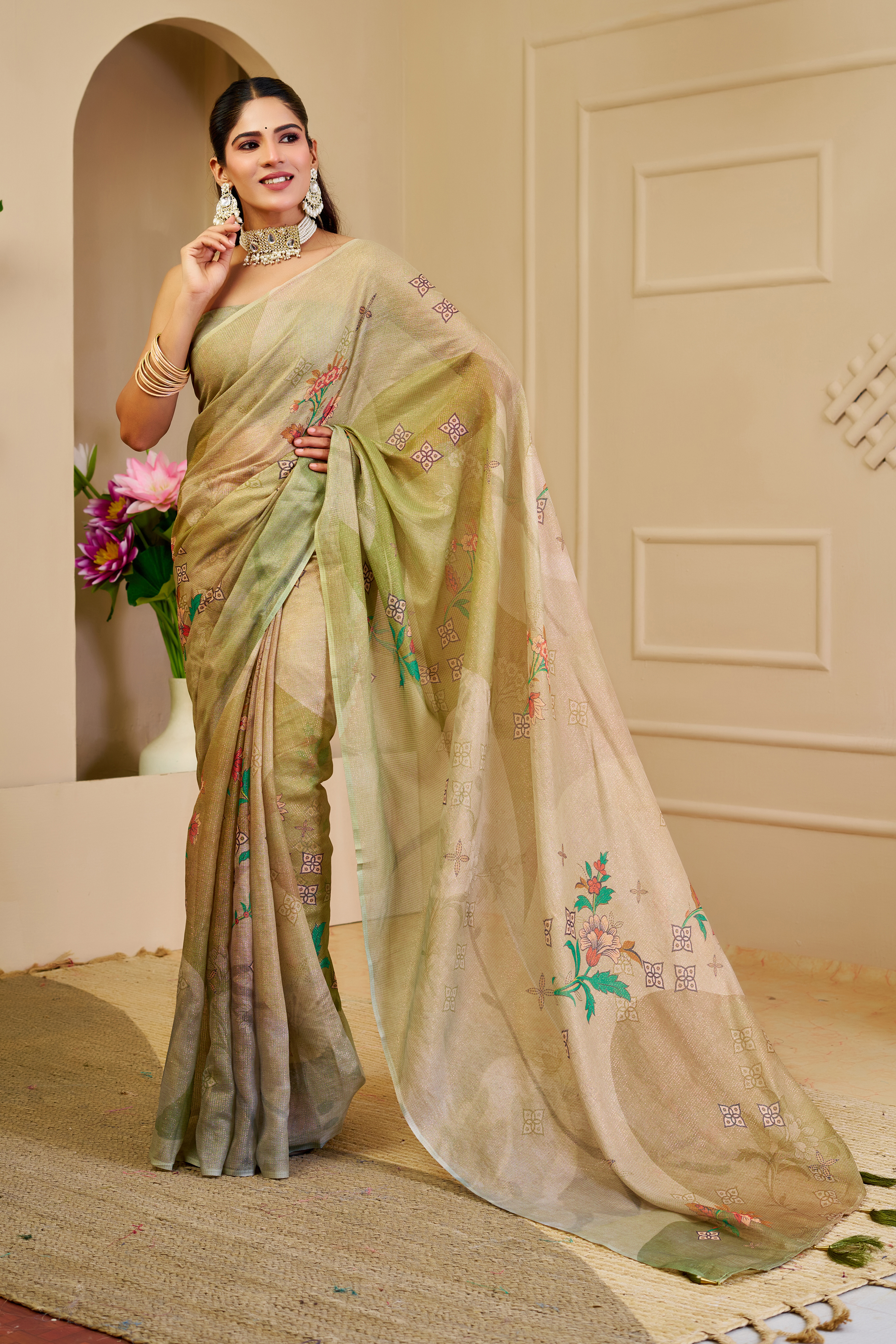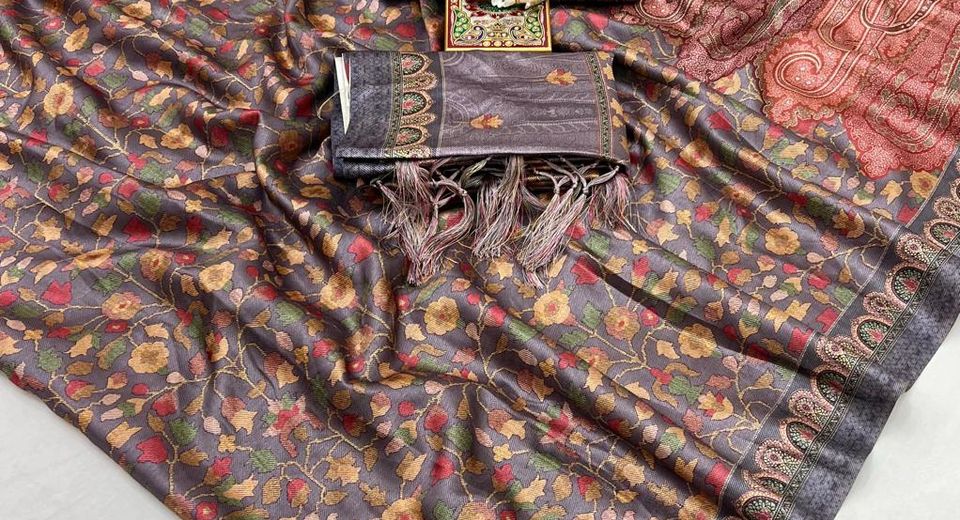
What to Wear to a November Wedding in a Warm Coastal City depends on more than the month on the invitation. A seaside November wedding can bring bright afternoon sun, humidity, sudden drizzle, wind and a cooler evening breeze, so the strongest outfit combines breathable fabric with enough structure for photographs and enough movement for dancing.
Indian wedding dressing works especially well in this climate when fabric weight, lining, sleeve length and footwear receive as much attention as colour. A georgette lehenga, linen-cotton saree, Chinnon saree or silk kurta set can all work, but each requires a different approach to drape, jewellery and layering.
What to Wear to a November Wedding in a Warm Coastal City
The most reliable choice is a lightweight Indian outfit in a breathable textile, styled with comfortable footwear and one removable layer for the evening.
A daytime Haldi ceremony calls for easy movement and colourfast fabric, while a formal evening reception allows richer silk, embroidery and deeper jewel tones. A wedding near the coast also rewards practical details: a secure blouse, a petticoat that doesn't cling, sandals with grip and accessories that won't become uncomfortable in humidity.
- For a daytime ceremony: choose cotton, linen-cotton, Chanderi, lightweight georgette or soft Chinnon in coral, sea green, turquoise, ivory or yellow.
- For an evening wedding: choose silk blends, Banarasi silk accents, embroidered Chinnon, velvet details or a pashmina shawl used only after sunset.
- For a beachside venue: choose a shorter hem, a pre-pleated saree or a firmly pinned drape, and avoid trailing embellishment that can catch on sand.
- For a humid city venue: choose an unpadded or lightly padded blouse, cotton-lined garments and jewellery that doesn't sit heavily against the neck.
Which fabrics work best for a warm coastal November wedding?
Linen-cotton, georgette, Chinnon, lightweight silk and Chanderi are among the most useful fabrics for a warm coastal November wedding because they balance airflow, drape and occasion-appropriate polish.
Breathable fabrics for daytime ceremonies
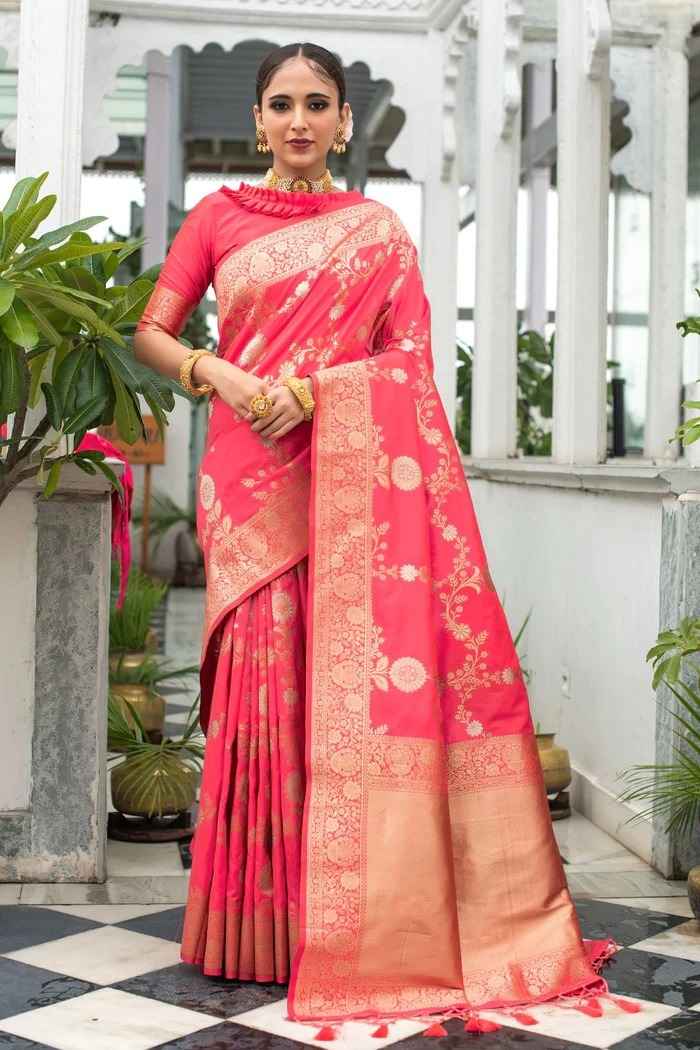
Linen-cotton sarees absorb some moisture and feel less clingy than many synthetic fabrics. The Buy Coral Floral Print Linen Cotton Saree with Woven Border is an useful example of how a breathable base can still look festive when the border supplies definition. Linen can crease, so steaming the saree before dressing and carrying a small safety-pin kit are sensible precautions.
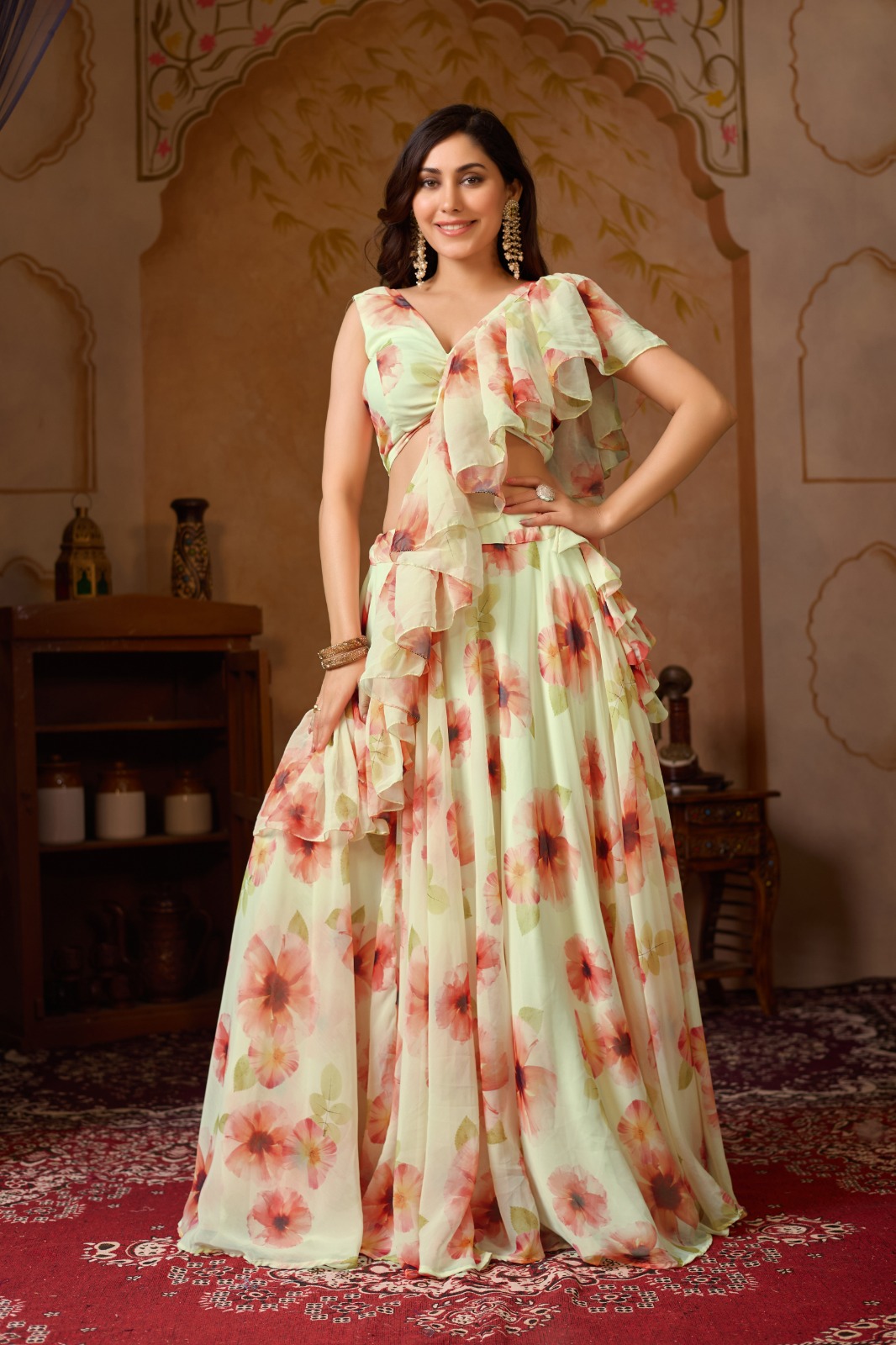
Georgette is light, fluid and easy to pleat. The Coral Bloom White Georgette Lehenga Set offers a softer alternative to a heavily layered bridal lehenga, particularly for a guest attending a daytime pheras ceremony or a sunset reception. Georgette can reveal cling more readily in humid weather, so a smooth, breathable lining and well-fitted inner skirt matter.
Chinnon creates a graceful drape with less bulk than many brocade textiles. The Turquoise Floral Heavy Chinnon Ready to Wear Saree can suit a guest who wants a pre-stitched silhouette without managing multiple pleats in warm weather. Ready-to-wear sarees are particularly useful when the venue involves walking between a hotel, lawn and mandap.
Fabrics for cooler evenings
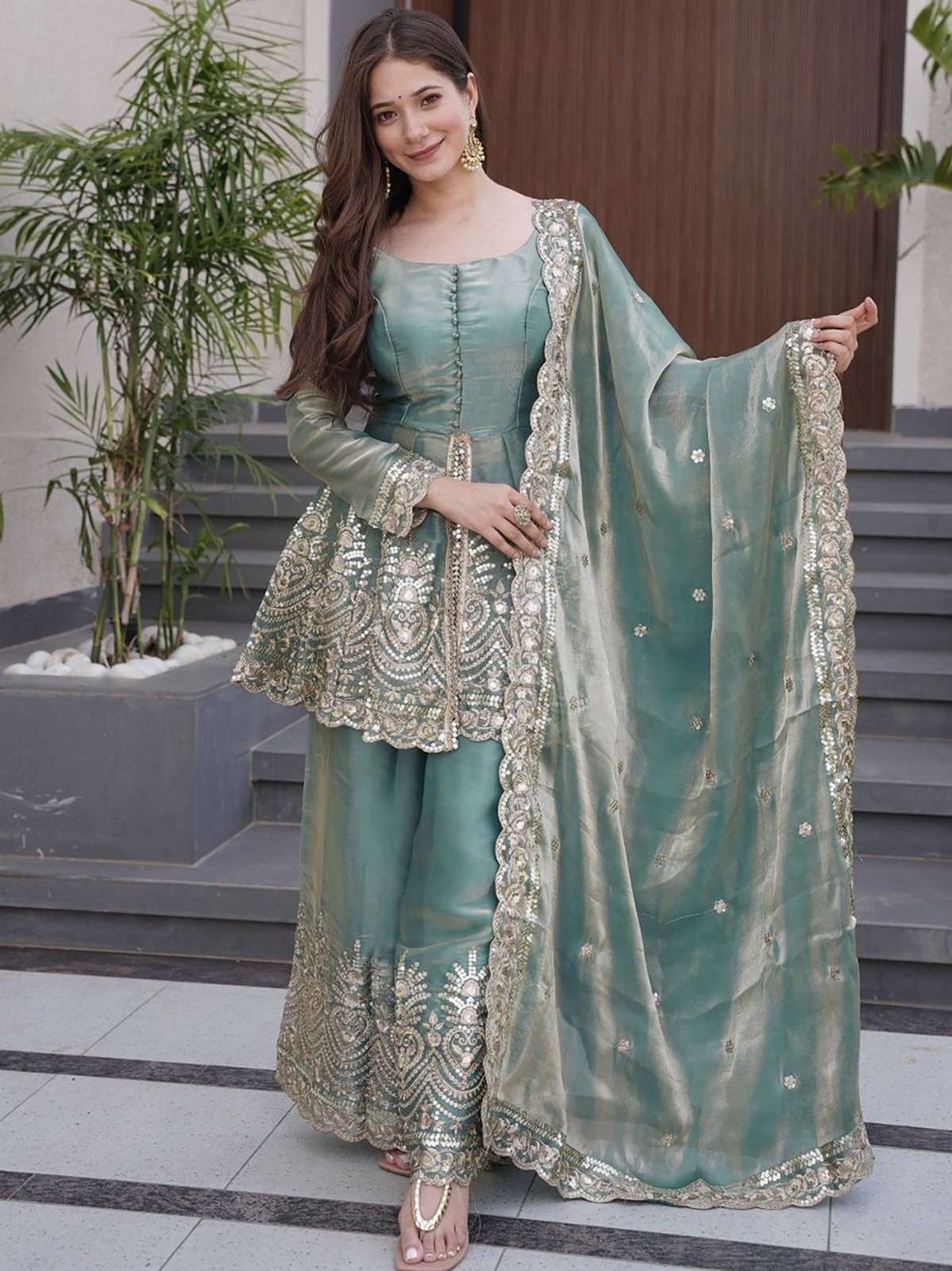
Lightweight silk adds a richer surface for an evening wedding, but silk should be balanced with a sleeveless, short-sleeved or open-neck blouse when the venue remains warm. The Sea Green Embroidered Silk Kurta Set with Dupatta creates a polished formal look without requiring a full saree drape, and the dupatta can be carried over one shoulder rather than wrapped tightly around the body.
Pashmina is better reserved for a genuinely cool or windy evening rather than a humid afternoon. The Navy Floral Pashmina Saree With Shawl & Blouse Piece can work at a coastal winter reception when the shawl is used after sunset. A pashmina layer should remain loose enough to allow airflow and should not be combined with a heavily padded, high-neck blouse in warm conditions.
How should you choose colours for a coastal November wedding?
Choose clear, saturated colours for daytime light and deeper tones for evening photographs, while checking whether the wedding invitation reserves a colour for the couple or a specific ceremony.
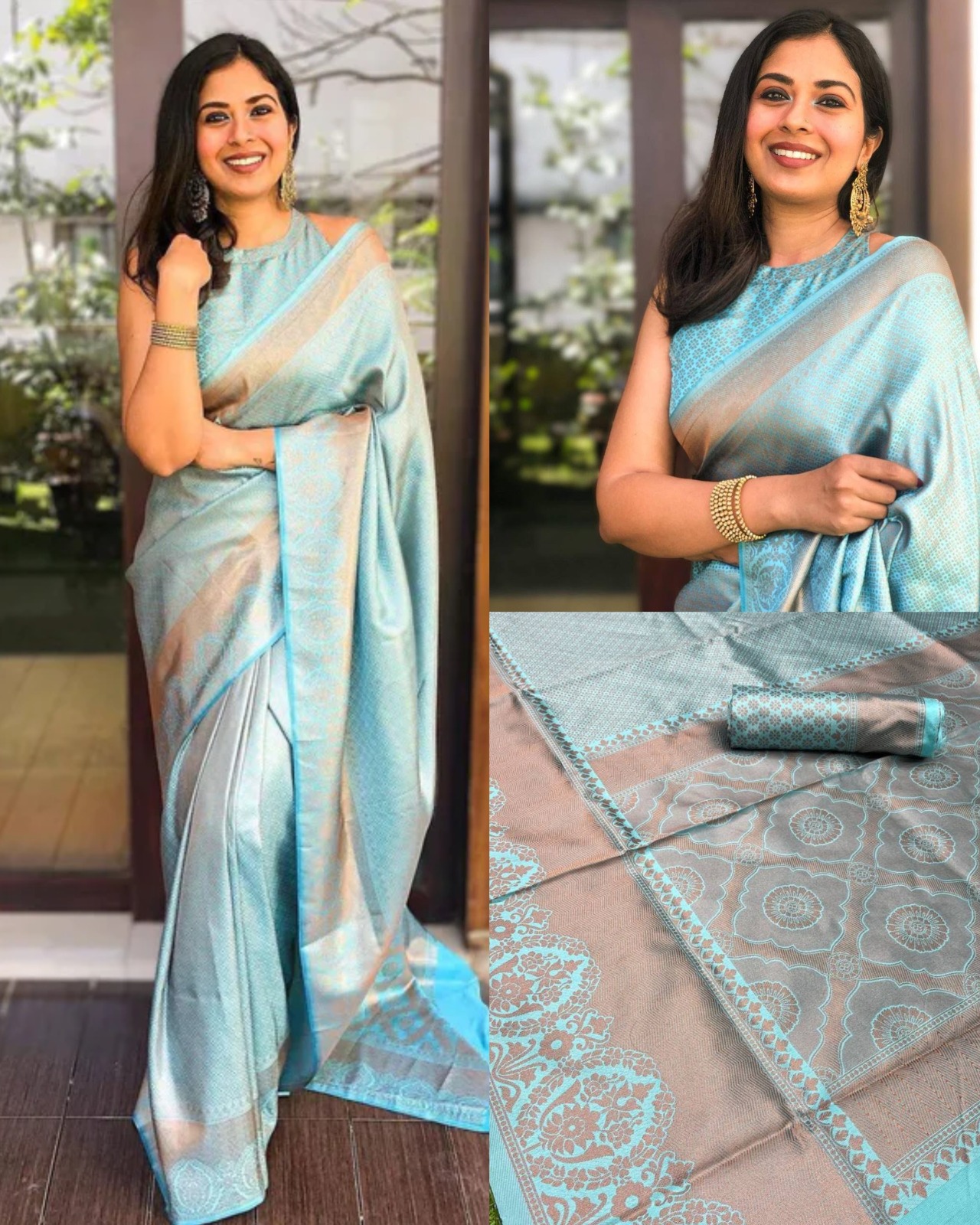
Coastal light can make pale clothing look brighter than expected, which makes coral, turquoise, sea green, ivory and soft peach strong daytime choices. Floral prints photograph well against palms, lawns and sea-facing architecture because the print adds contrast without requiring heavy embroidery.
Coral works particularly well with antique gold, pearl, champagne and muted rose accessories. Turquoise looks fresh with silver, kundan or brushed gold, while sea green pairs naturally with gold zari, pearls and neutral footwear. Ivory can be elegant for a guest, but a completely white outfit may be inappropriate if the family has requested traditional colour symbolism or if white is associated with mourning in the particular community.
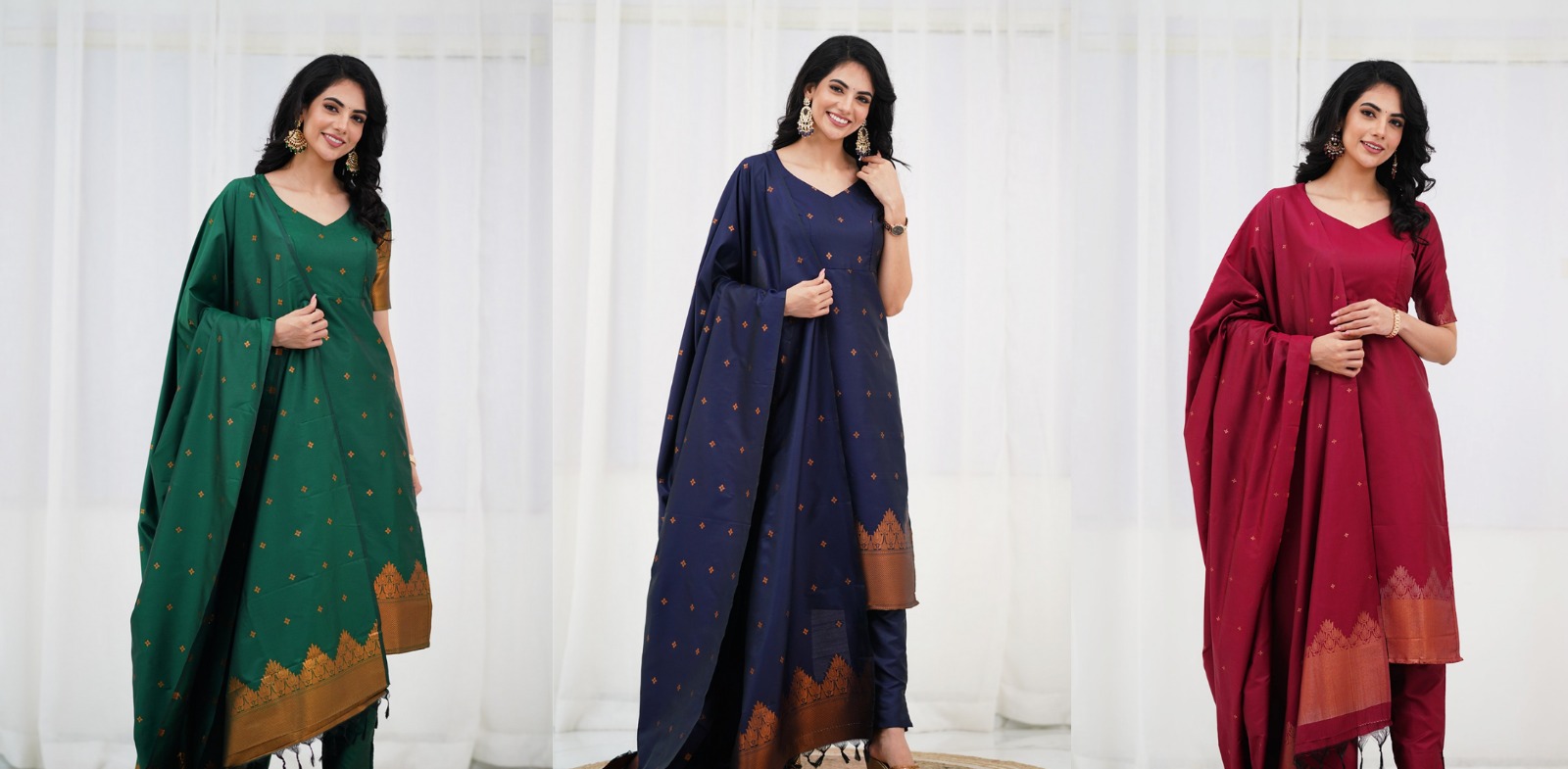
For evening functions, maroon, navy, emerald and plum create depth under warm venue lighting. The Maroon Wedding Wear Embroidered Palazzo Suit Set provides a strong evening colour story while retaining the ease of trousers, making it practical for guests who expect to sit on low seating or move between rooms.
Guests should avoid copying the bride's dominant palette, the groom's coordinated colour scheme or a colour explicitly assigned to the Haldi ceremony, bridesmaids or family members. Asking the hosts about colour expectations is more considerate than guessing from social-media photographs.
Which outfit silhouette suits each wedding function?
A saree, lehenga, sharara, palazzo suit or kurta set can work for a November wedding, but the best silhouette depends on heat, movement, ceremony formality and the amount of time spent outdoors.
Haldi ceremony
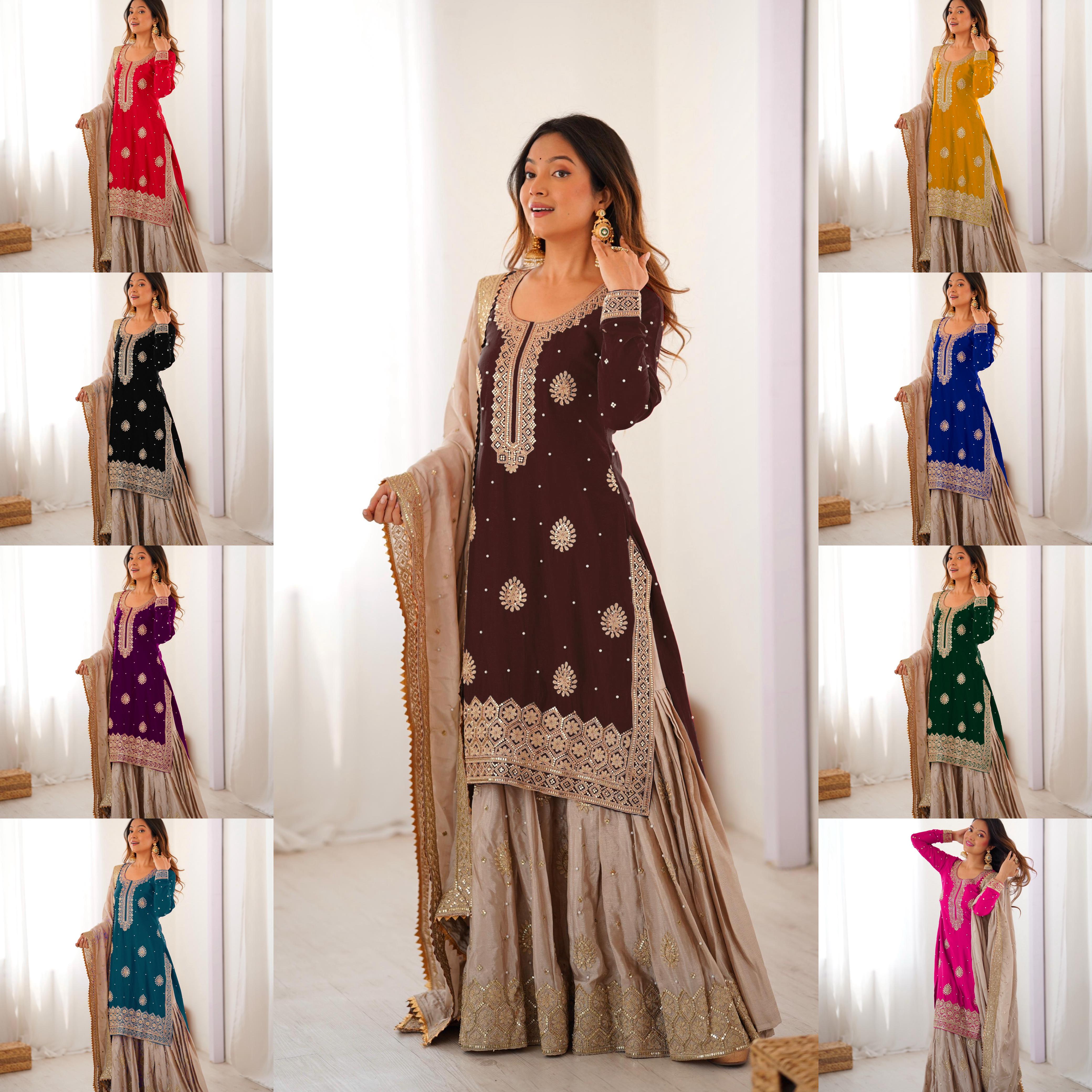
A breathable saree, short kurta set or lightweight sharara is practical for a Haldi ceremony because the outfit needs to permit sitting, standing and movement while remaining easier to clean than heavily embellished bridal wear.
Choose cotton, linen-cotton or washable georgette where possible. A pre-stitched saree reduces the risk of a loose pallu dragging through turmeric paste, while a three-quarter sleeve blouse protects the shoulders without creating excessive heat. Avoid long tassels, delicate metallic thread and fabrics that show every water mark.
Mehendi ceremony
A printed saree or fluid lehenga suits a Mehendi ceremony because the silhouette leaves room for arm movement while the outfit remains festive in daytime photographs.
The Floral Chinnon Ready to Wear Saree with Mirror Lace brings surface interest without the weight of a full zari weave. Keep bangles away from the hands during the application itself, and choose sandals that can be removed easily if the Mehendi seating area requires guests to sit on floor cushions.
Wedding ceremony
A structured saree, silk kurta set or moderately embellished lehenga is appropriate for the main wedding ceremony because each option looks formal while allowing controlled movement.
Guests attending pheras should check whether the venue requires bare feet or footwear removal. A saree with a firmly pinned pallu and a lehenga with a secure waistband are safer choices than garments that need constant adjustment. A blouse with hidden hooks or a well-tested zip is more dependable than a last-minute tie-up design.
Reception
A reception allows the most dramatic styling, including a heavier border, statement earrings, sculptural draping or a darker colour palette.
A saree such as the Coral Floral Paisley Chinnon Ready To Wear Saree by Varnavi can be elevated with a sleek bun, metallic heels and a compact clutch rather than additional layers of jewellery. A reception outfit should still account for heat if the event is held in an open lawn or a venue without strong air conditioning.
How can you layer without overheating?
Use one removable layer made from a breathable or lightweight material, and add it only after sunset or when moving into strong air conditioning.
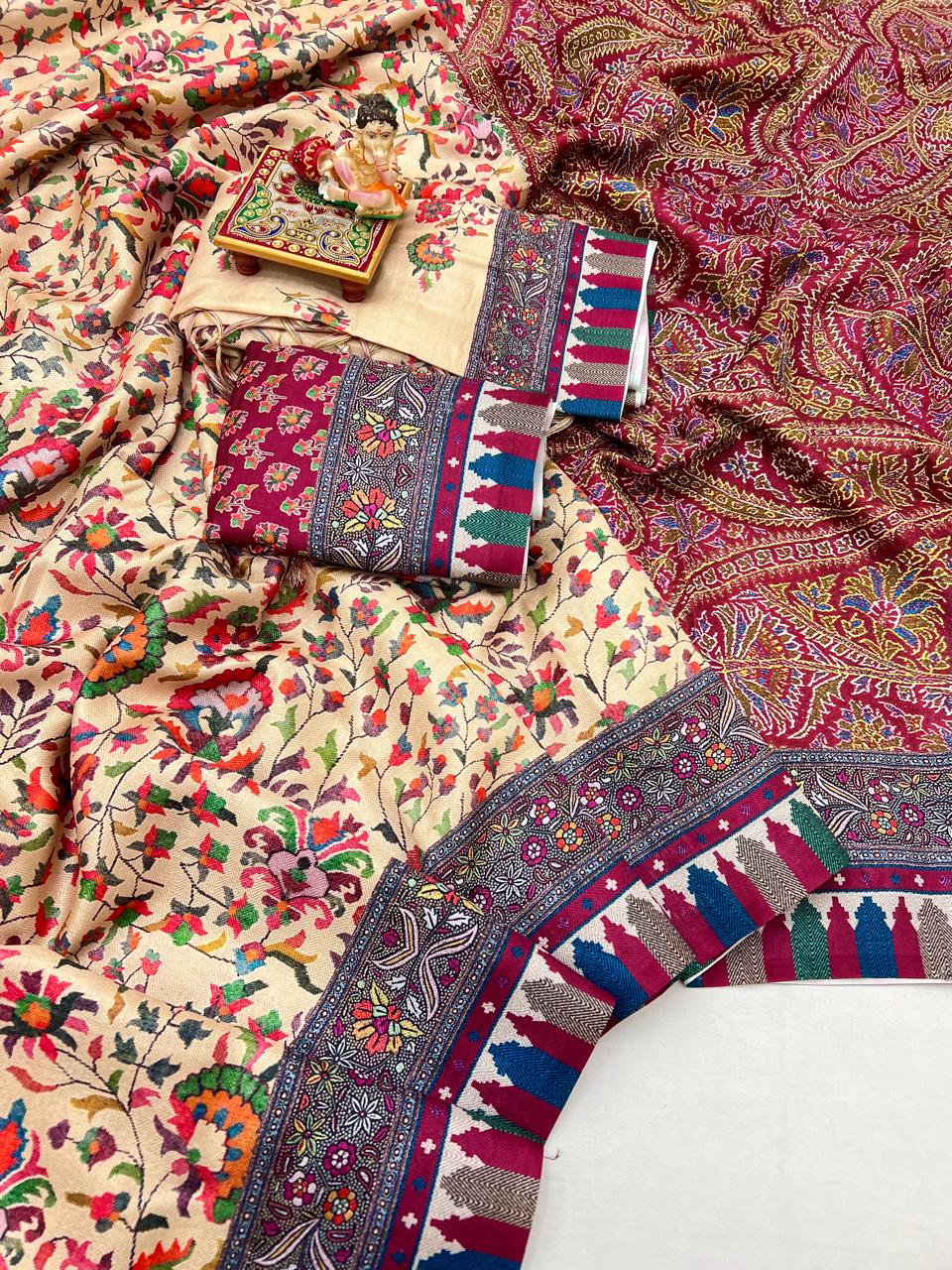
A dupatta can be draped over one shoulder for photographs and carried loosely for the rest of the event. A thin silk stole, cotton-silk shawl or airy organza layer is usually more comfortable than a dense velvet jacket in coastal humidity. The Sea Green Embroidered Silk Kurta Set with Dupatta can be styled with the dupatta left open rather than wrapped around the neck.
For a saree, a lightweight shawl should sit over the forearms instead of being pinned tightly across the chest. The Navy Floral Pashmina Saree With Shawl & Blouse Piece is more suitable for an evening with wind or air conditioning than for a sunny afternoon ceremony.
Layering also affects proportion. A voluminous dupatta over a heavily embroidered lehenga can trap heat and obscure the waistline, whereas a single shoulder drape creates movement and keeps the outfit visually clean. Store the layer in a breathable garment bag before the event, and don't compress embellished fabric in plastic for several days.
What footwear and accessories survive coastal wedding conditions?
Block heels, embellished flats and cushioned sandals with secure straps are the safest footwear choices for a warm coastal wedding because they provide stability on lawns, stone floors and sand.
Thin stilettos can sink into grass or uneven outdoor flooring, while slippery soles become risky near pools and sea-facing terraces. A 2- to 3-inch block heel gives height without placing all the pressure on a narrow heel. Carrying foldable flats can also prevent discomfort during a long reception.
Jewellery should be selected according to duration as well as appearance. Lightweight jhumkas, medium-sized chandbalis, a single statement necklace or stacked glass bangles create a finished look without making the neck and wrists feel overheated. Gold-plated and silver-toned pieces should be wiped with a soft cloth after use because perspiration can dull surface finishes.
Hair accessories need similar restraint. A low bun, braided ponytail or pinned half-up style usually performs better in coastal humidity than loose waves treated with heavy oil or wax. Strong but flexible pins are useful for securing a pallu, especially when the venue is exposed to sea wind.
How should you prepare and care for the outfit?
Prepare the outfit at least 24 hours before the wedding by checking fit, steaming the fabric, testing the fastenings and packing weather-appropriate accessories.
- Check the blouse: wear it for 20 minutes and sit, raise both arms and turn before the event. Tight armholes become especially uncomfortable in humidity.
- Test the drape: walk up stairs, sit on a low seat and dance briefly while wearing the saree or lehenga. Adjust the pallu length before leaving home.
- Pack protection: carry safety pins, fashion tape, a small stain-removal wipe, tissues, a sewing kit and a spare hairpin.
- Protect textiles: keep silk, zari and embellished Chinnon in a breathable cotton cover rather than sealed plastic after returning home.
- Dry thoroughly: air garments away from direct sunlight if they have absorbed perspiration or sea air, then follow the care label before storage.
Banarasi silk and zari garments generally benefit from professional dry cleaning rather than repeated home washing. Chanderi, linen-cotton and some georgette garments may require gentle hand washing, but the fibre content and embroidery backing should always be checked first. Do not iron zari directly; place a thin cotton cloth between the iron and the garment and use a low temperature.
An useful budget distinction is the difference between outfit cost and wearability. A lighter saree that can be worn to a Mehendi, reception or festive dinner may deliver more value than a very heavy lehenga that suits only one formal event. Spending on alterations, supportive footwear and a secure blouse often improves comfort more than adding another layer of embellishment.
Quick outfit formulas for a warm coastal November wedding
These combinations provide a starting point without requiring a guest to copy a complete look.
- Daytime Mehendi: a linen-cotton saree, pearl studs, a low block heel and a small crossbody clutch.
- Haldi ceremony: a washable printed kurta set or light sharara, flat sandals, minimal jewellery and a compact fabric bag.
- Wedding ceremony: a Chinnon saree with a secure blouse, medium jhumkas, cushioned sandals and a pinned pallu.
- Evening reception: an embroidered palazzo suit or georgette lehenga, statement earrings, a 2-inch block heel and one lightweight shawl.
- Windy seaside venue: a ready-to-wear saree or fitted lehenga, fashion tape at the neckline, a secure hairstyle and jewellery that won't snag in the breeze.
The final decision should reflect the invitation, the venue and the ceremony schedule. Breathable fabric, stable footwear and a tested fit will keep an Indian wedding outfit graceful long after the first photographs are taken.
Common Questions About Dressing for a Coastal November Wedding
What should I wear to a November wedding in a humid coastal city?
Choose a lightweight saree, georgette lehenga, Chinnon outfit, linen-cotton saree or breathable kurta set. Add secure footwear and one removable layer for the evening rather than wearing several heavy layers from the start.
Is silk suitable for a warm coastal wedding?
Lightweight silk is suitable for an evening wedding, especially when paired with a breathable blouse and minimal layering. Heavy silk, dense brocade and thick velvet are less comfortable for a sunny outdoor ceremony in humid weather.
Which saree fabric is best for a beachside wedding?
Linen-cotton, lightweight georgette and Chinnon are practical beachside saree fabrics because they drape easily and do not add excessive weight. A pre-stitched saree or firmly pinned pallu is safer than a loose drape in sea wind.
What colours should guests wear to a November wedding?
Coral, turquoise, sea green, soft peach and floral ivory work well during the day, while maroon, navy, emerald and plum suit evening lighting. Guests should check whether the couple has reserved a colour for the bride, groom, Haldi ceremony or wedding party.
What footwear is best for an outdoor Indian wedding?
Block heels, cushioned sandals and embellished flats are safer than thin stilettos for lawns, sand and uneven stone flooring. A 2- to 3-inch block heel offers height while remaining more stable during a long ceremony or reception.
How can I stop a saree or dupatta from moving in coastal wind?
Use discreet safety pins and fashion tape at tested points, secure the blouse properly and choose a shorter, controlled pallu. A ready-to-wear saree can also reduce the number of loose folds exposed to wind.