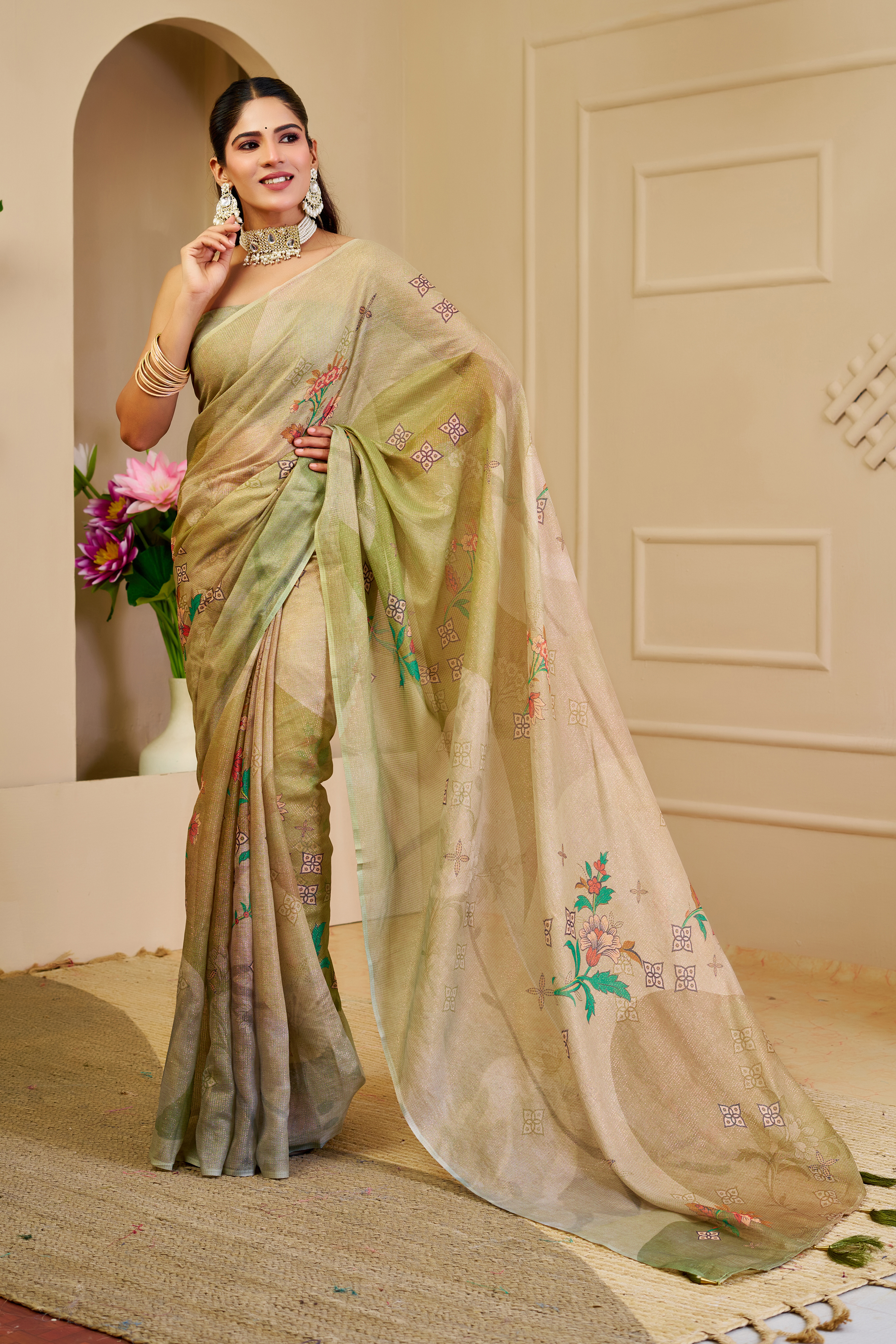
What to wear to a Bengali wedding when you are not Bengali can feel complicated, especially when several ceremonies take place over two or three days. The safest approach is to dress festively without presenting yourself as the bride, groom or a member of the wedding party. Choose an Indian silhouette you can wear comfortably, ask the hosts about colour expectations, and save experimentation with Bengali customs for accessories rather than sacred rituals.
Bengali weddings commonly include events such as Aiburo Bhaat, Gaye Holud, the main wedding, Bou Bhaat and a reception. Each gathering may have a different mood, from daytime turmeric celebrations to a formal evening ceremony. A saree, sharara suit, salwar suit or embellished gown can all work when the fabric, coverage and level of decoration match the event.
What to Wear to a Bengali Wedding When You Are Not Bengali
A festive saree or well-fitted Indian suit is the most reliable choice for a non-Bengali guest at a Bengali wedding. The outfit should look celebratory, allow easy movement, and avoid the bride's most distinctive colours and styling details unless the family specifically requests them.
Guests do not need to wear traditional Bengali clothing to show respect. Bengali women may wear a wide range of sarees, lehengas, salwar suits and contemporary Indo-western outfits, so an outfit from your own regional or cultural wardrobe can be equally appropriate. A Gujarati drape, a South Indian silk saree or a modest sharara can sit naturally within a mixed Indian wedding.
When in doubt, ask one simple question: "Is there a colour or outfit preference for this ceremony?" Families may request yellow for Gaye Holud, white and red for a themed event, or pastel clothing for a daytime function. A direct question is more respectful than guessing from photographs of another family's wedding.
How formal should a guest outfit be?
A guest outfit should be one level less ornate than the bride's outfit and roughly as formal as the invitation suggests. Heavy zari, dense crystals, a long veil, bridal-style jewellery and a dramatic red wedding saree can make a guest appear part of the bridal party.
For a small home ceremony, choose a lightly embellished saree, cotton silk suit or printed sharara. For a large evening reception, satin, Banarasi silk, Chanderi, georgette and embroidered tissue fabrics can provide enough occasion polish. Comfort matters because Bengali wedding ceremonies may involve long periods of sitting, standing, greeting relatives and moving between rooms.
Matching the Outfit to Each Bengali Wedding Ceremony
The best outfit depends on the ceremony's time, setting and dress code rather than on Bengali identity alone. Daytime rituals usually suit lighter fabrics and colours, while the main wedding and reception allow deeper tones, richer weaves and more elaborate jewellery.
Aiburo Bhaat
Aiburo Bhaat usually calls for comfortable festive clothing rather than a heavily formal wedding ensemble. A printed saree, cotton-silk saree, embroidered salwar suit or simple sharara works well for a daytime meal hosted at home or in a restaurant.
Choose breathable materials if the meal takes place during warm weather. Black Chanderi Cotton Saree with Contemporary Checked Weave offers a structured, modern look that can be softened with gold jhumkas and a colourful blouse. A small bindi, low heels and a compact handbag complete the outfit without making it look bridal.
Gaye Holud
Yellow, marigold, mustard and other warm shades are traditional choices for Gaye Holud, the Bengali turmeric ceremony. Select a washable or easy-care outfit because turmeric paste, flower petals and food can stain delicate fabrics.
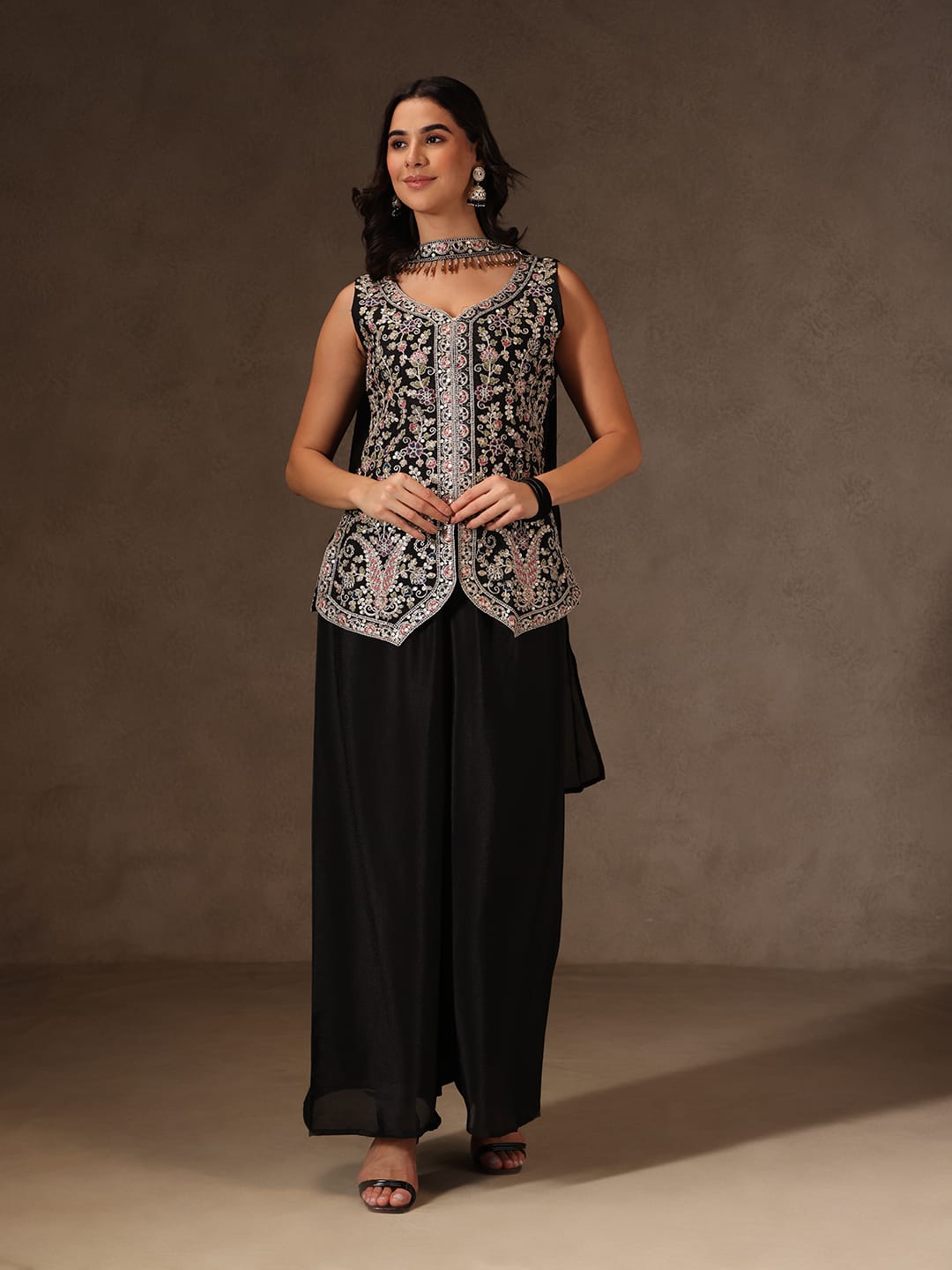
A light saree with a secure pleat or a sharara suit is practical for sitting on the floor and joining photographs. Brown Chinon Silk Sharara Suit Set for Women provides movement through its divided lower silhouette and can be styled with muted gold jewellery. Guests should avoid wearing expensive heirloom pieces that may be damaged by turmeric or crowded celebration activities.
The main wedding
A formal saree, silk outfit or elegant suit is suitable for the main Bengali wedding ceremony. The ceremony may include the bride's entrance on a piri, Shubho Drishti, Saat Paak, the exchange of garlands and Sindoor Daan, although the exact sequence varies by family and community.
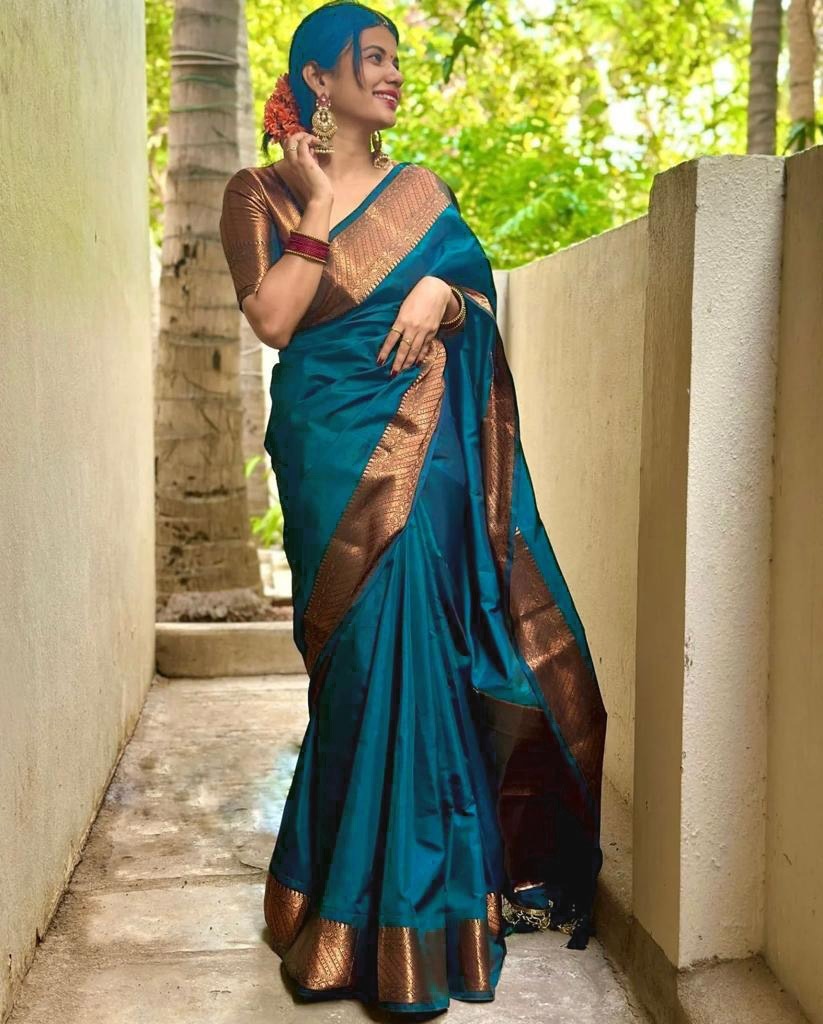
Traditional Teal Banarasi Saree for Festive Wear is an appropriate example of a guest saree with visible festive character but without requiring a bridal red palette. Banarasi silk and zari photograph beautifully under indoor lighting, although a lighter blouse and restrained jewellery prevent the outfit from becoming too ceremonial.
Bou Bhaat and reception
Bou Bhaat and the reception generally permit the most glamorous guest styling. A satin saree, embroidered gown set, velvet blouse or sophisticated sharara can work when the venue is formal and the outfit does not resemble the bride's exact look.
Sky Blue Party Wear Saree with Embroidered Blouse offers a cooler colour direction for an evening reception. Ivory Satin Floral Print Saree with Unstitched Blouse Piece can also work for a cocktail-style event when paired with a contrasting blouse, though guests should confirm that ivory is not reserved for the bridal styling at that wedding.
Which Colours and Fabrics Work Best?
Rich jewel tones, soft pastels, metallic accents and festive prints are dependable guest choices for Bengali weddings. Red, white, yellow and gold all have cultural associations, so the right choice depends on the ceremony and the family's preferences.
Using red, white and gold thoughtfully
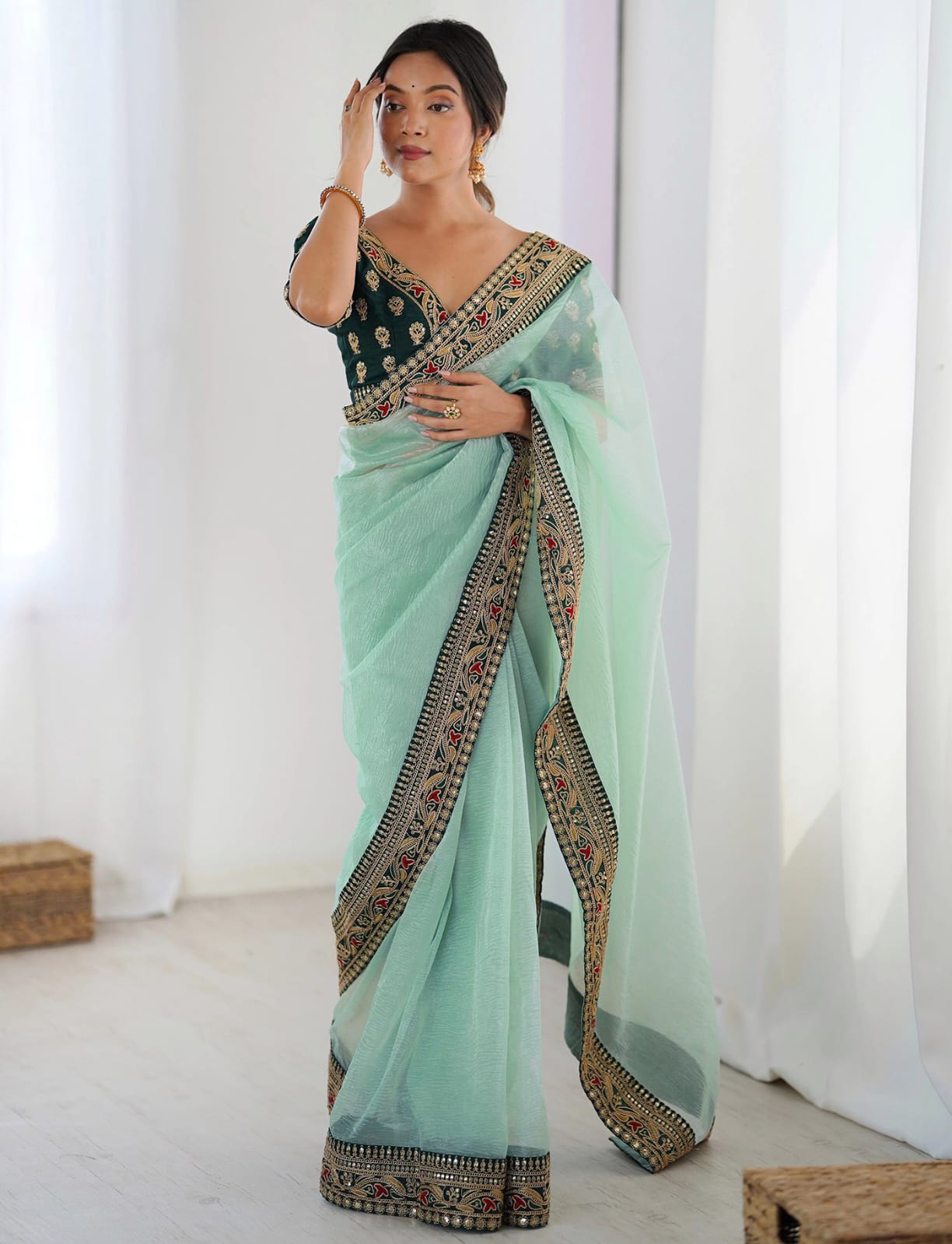
Red is strongly associated with Bengali bridal clothing, especially a red or white-and-red saree, so a guest should avoid an entirely bridal-looking red ensemble for the main wedding. A teal saree with a red border, a wine blouse with a printed drape or a red accessory with a neutral outfit is usually less conspicuous than head-to-toe bridal red.
White sarees with red borders are iconic in Bengali visual culture, but guests should not assume that every white-and-red combination is automatically appropriate. A white saree can be worn for a daytime function with a contemporary blouse, while a host's advice is useful if the family has a specific Laal Paar theme.
Gold works best as an accent through zari, earrings, a belt or a clutch. Excessive gold embroidery combined with a red veil and bridal jewellery may look closer to a bride's ensemble than to a guest outfit.
Choosing fabrics for comfort
Banarasi silk, Kanjeevaram silk and brocade provide structure and shine for a formal ceremony, but they can feel heavy during a long summer wedding. Chanderi, cotton silk, georgette, satin and lightweight embroidered fabrics are easier to manage for daytime events.
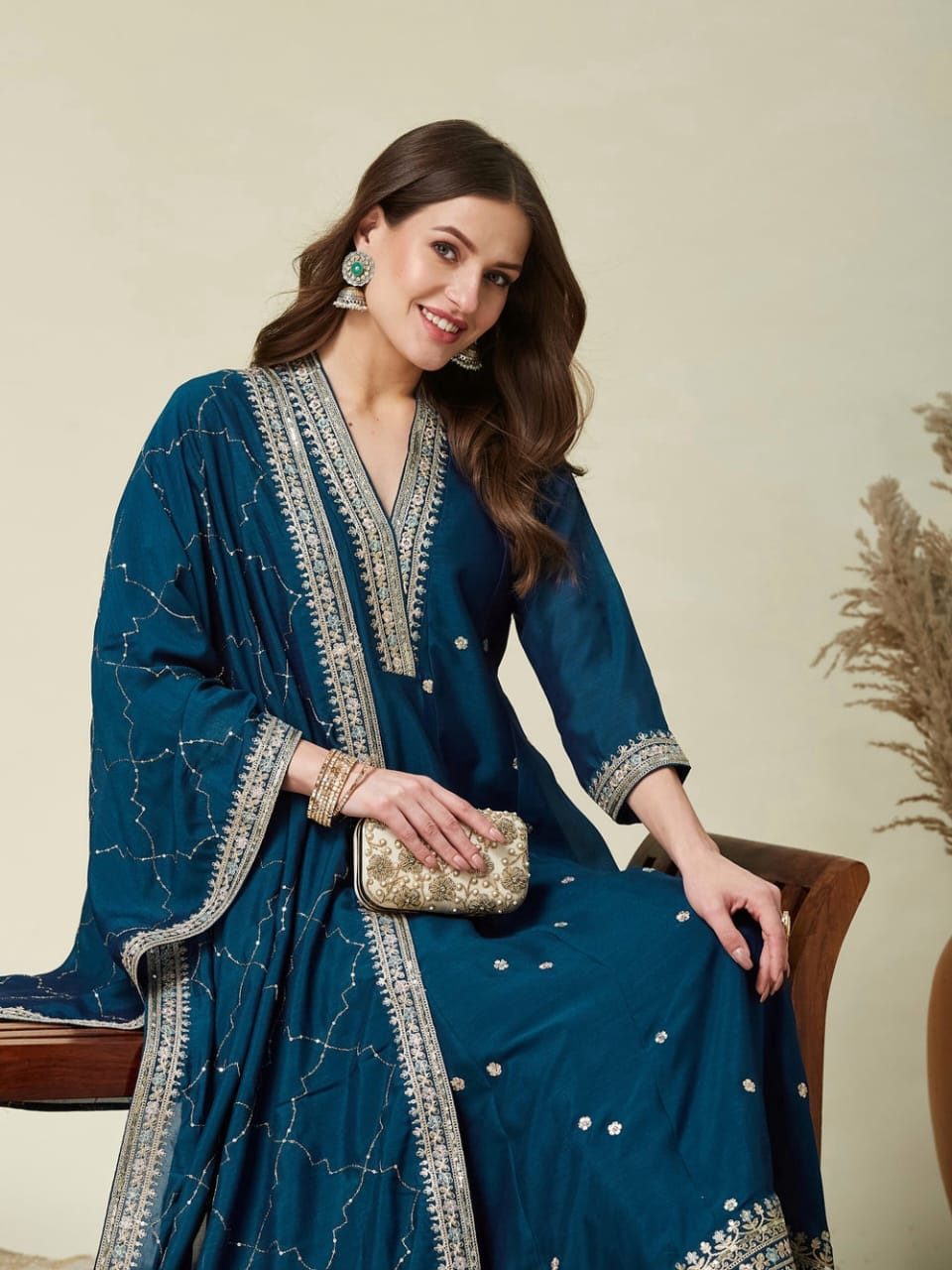
Teal Blue Vichitra Silk Embroidered Gown Set Online gives a guest a polished alternative to a saree when draping is unfamiliar. Taupe Beige Vichitra Silk Embroidered Gown Set Online offers a quieter neutral palette for a reception, especially when the wedding party is wearing saturated colours.
Fabric weight also affects sitting comfort. A six-yard silk saree with a stiff zari border may require more pinning than a fluid georgette saree, while a sharara allows easier movement but may need a longer kurta to provide coverage when sitting.
How to Style a Saree Without Losing Cultural Sensitivity
A guest can style a saree respectfully by focusing on secure draping, comfortable coverage and personal elegance rather than reproducing a ceremonial Bengali bridal look. The classic Bengali drape is beautiful, but guests are not required to copy it unless they have been invited to do so.
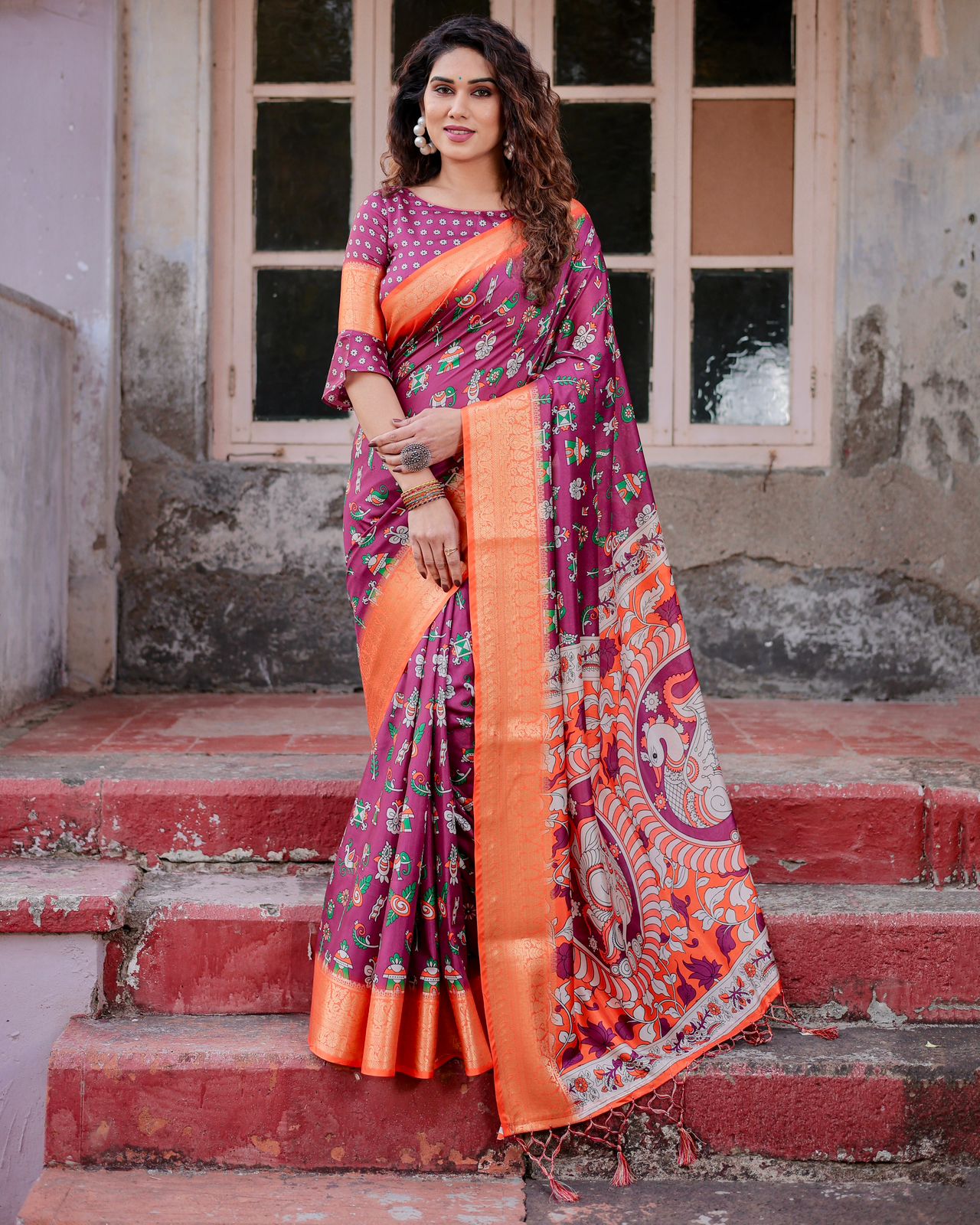
The Bengali saree drape often places the pallu over the left shoulder and may allow the loose end to fall across the back before returning to the front. Some versions use a key ring or decorative accessory to hold the pallu. A conventional Nivi drape is equally acceptable for a non-Bengali guest and may stay more securely during a crowded ceremony.
Blouse and pallu decisions
A blouse with sleeves, a high back and a secure neckline is practical for temple visits, family photographs and extended ceremonies. Sleeveless, backless and very low-cut designs are not automatically disrespectful, but they may feel unsuitable in a traditional home or religious setting.
Pin the pleats at the waist and secure the pallu at the shoulder before leaving for the venue. Fashion tape, two concealed safety pins and a small emergency sewing kit can prevent wardrobe problems. A pre-stitched saree or saree gown is useful for guests who want the appearance of a drape without adjusting pleats throughout the ceremony.
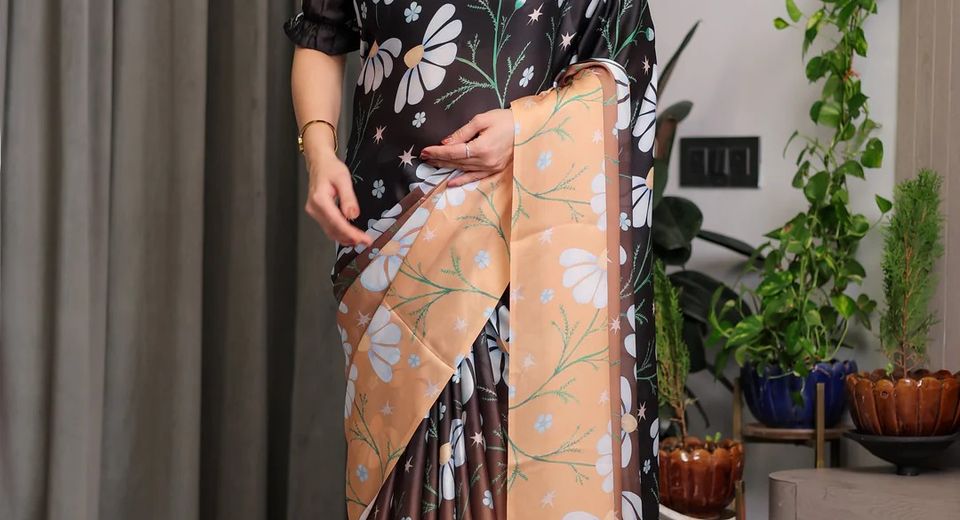
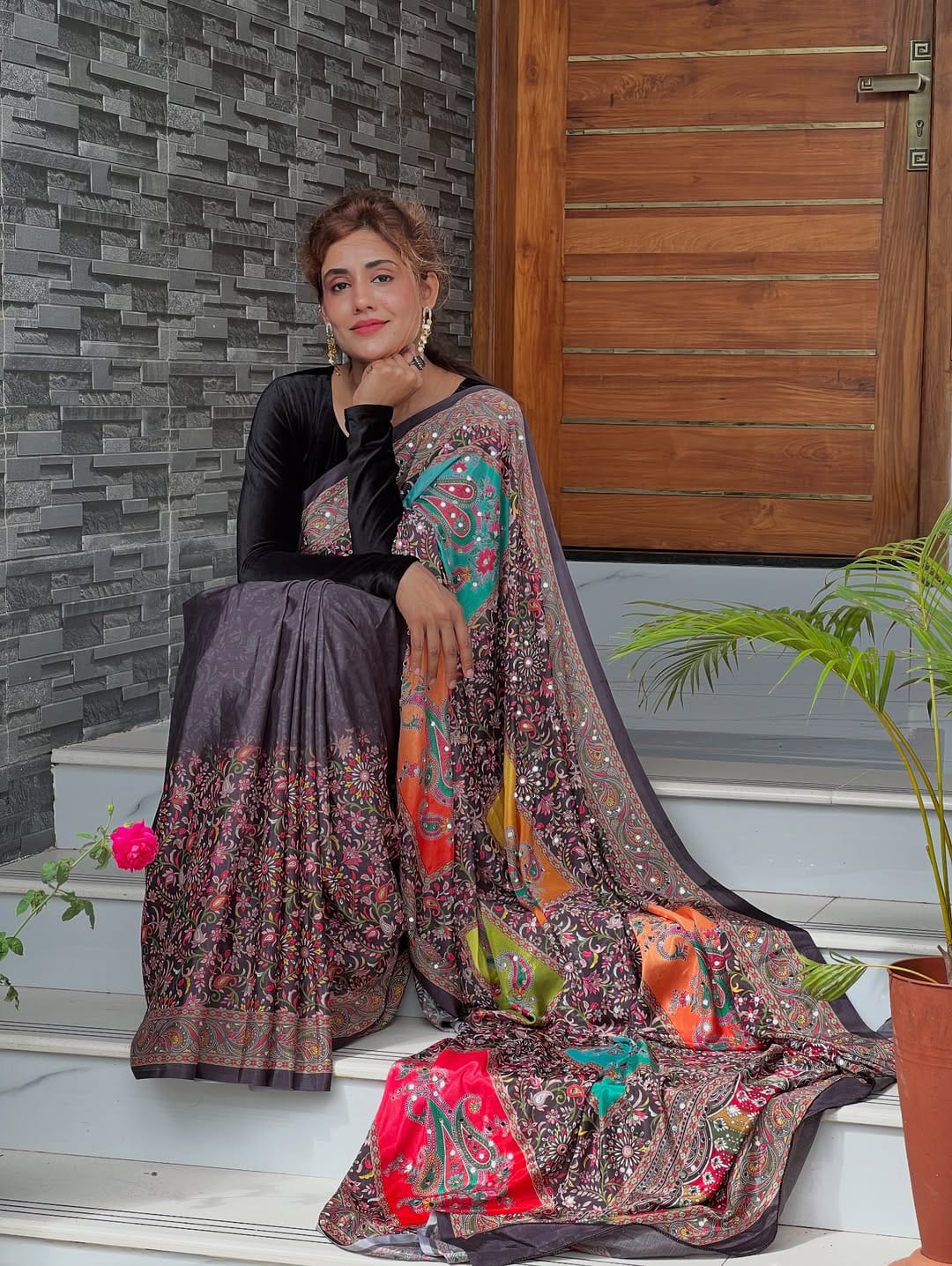
Black Peach Floral Satin Saree with Blouse | Varnavi shows how a dark saree can remain festive through floral colour and satin sheen. If wearing black, balance the palette with bright earrings, a colourful blouse or metallic footwear because some families consider all-black clothing too sombre for a wedding.
Jewellery, Hair and Makeup for a Bengali Wedding Guest
Light to medium jewellery is sufficient for most guests, with the amount adjusted according to the ceremony and outfit. Gold-toned jhumkas, pearl drops, a delicate necklace, glass bangles or a single statement ring can create a finished look without imitating bridal jewellery.
Married Bengali women may wear shakha and pola, the white conch-shell and red coral bangles associated with Bengali married identity. A non-Bengali guest should not wear shakha-pola as a costume or claim the symbol without understanding its meaning. Ordinary red, gold, glass or enamel bangles are safer choices for guest styling.
Hair can be worn in a low bun, braid, half-up style or soft waves. Fresh flowers, especially jasmine or tuberose, are festive options, but avoid copying the bride's exact hairstyle or floral arrangement. Waterproof eyeliner, transfer-resistant lipstick and a compact powder are useful for humid venues and long ceremonies.
Makeup should complement the outfit rather than compete with ceremonial activity. A warm gold eye with berry lipstick works with Banarasi silk, while peach blush and a coral lip suit a daytime pastel saree. Carry blotting paper, lipstick, hairpins and safety pins instead of a large cosmetic bag.
Practical Etiquette for Guests Outside Bengali Culture
Respectful attendance requires curiosity, restraint and attention to the hosts' instructions. Guests should follow the family's lead about footwear, photography, seating, food and participation in rituals.
Ask before touching ritual objects, entering a prayer space or joining a ceremony. The conch shell, sindoor, garlands and ritual trays can have specific religious or family significance. Watching quietly is always acceptable when a guest does not know what to do.
Photography may be restricted during certain moments, especially when the couple performs Sindoor Daan or other intimate rituals. Turn off the flash when requested and avoid blocking the priest, couple or immediate family for a photograph.
Footwear should be easy to remove if the ceremony takes place in a home or temple. Flat embellished sandals, low block heels or clean juttis are more practical than delicate stilettos when the venue includes grass, uneven flooring or extended standing.
Food may include Bengali dishes such as luchi, aloo dum, shukto, macher jhol, kosha mangsho, mishti doi and sandesh. Dietary restrictions should be communicated to the hosts in advance rather than announced during the meal. A polite explanation is enough if a guest does not eat fish, meat, eggs or sweets.
A Simple Decision Checklist Before You Dress
Start by identifying the ceremony, time and venue. A daytime Gaye Holud at home calls for a lighter, washable outfit, while an evening reception at a hotel allows richer fabric, more jewellery and formal footwear.
- Confirm the dress code: Ask whether the family has requested a colour, regional outfit or coordinated theme.
- Choose the silhouette: Select a saree, salwar suit, sharara or gown that allows comfortable sitting and walking.
- Check bridal overlap: Avoid copying the bride's red, white-and-red, veil, jewellery or embroidery combination.
- Prepare the outfit: Try the complete look at least one week before the wedding and test the blouse, footwear and drape together.
- Pack practical supplies: Carry safety pins, fashion tape, tissues, a small sewing kit and comfortable backup footwear.
- Respect the ceremony: Participate only when invited and follow the hosts' instructions around rituals and photographs.
The most successful outfit communicates celebration without pretending to represent a culture that is not your own. A well-fitted saree, polished suit or comfortable sharara, combined with thoughtful colour choices and basic ceremony etiquette, allows a guest to look festive and feel at ease throughout the wedding.
Common Questions About Dressing for a Bengali Wedding
Can a non-Bengali person wear a saree to a Bengali wedding?
Yes, a non-Bengali guest can wear a saree to a Bengali wedding. Choose a comfortable drape and avoid copying the bride's exact colour, blouse, jewellery and veil combination.
What colour should a guest wear to a Bengali wedding?
Guests can wear jewel tones, pastels, florals, teal, blue, green, pink or muted metallics. Ask the hosts before wearing a fully red, white-and-red or themed yellow outfit because those colours may have special significance at particular ceremonies.
What should I wear to a Bengali Gaye Holud?
A lightweight yellow, mustard, marigold or floral outfit is suitable for Gaye Holud. Choose washable fabrics or clothing that can tolerate turmeric stains, and wear secure footwear if guests will sit on the floor or move around outdoors.
Is it disrespectful to wear black to a Bengali wedding?
Black is not automatically disrespectful, but some families consider an all-black outfit too sombre for a wedding. If you wear black, add colourful florals, bright jewellery or metallic accents and confirm the family's preference when possible.
Should a non-Bengali guest wear a Bengali saree drape?
A non-Bengali guest does not need to use a Bengali saree drape. The Bengali drape can be worn when taught by the hosts, but a secure Nivi drape or pre-stitched saree is equally appropriate for a guest.
What jewellery should I avoid at a Bengali wedding?
Avoid wearing bridal jewellery, a long veil or shakha-pola as a costume because these items can carry cultural or marital significance. Gold-toned jhumkas, glass bangles, pearls and one statement necklace are safer guest choices.