What Should a Teen Wear to Her First Garba Night? A comfortable lehenga, secure footwear and lightweight accessories will make the evening far more enjoyable than an outfit chosen only for photographs. Garba involves repeated circular steps, quick turns, clapping and sometimes Dandiya sticks, so clothing needs to stay in place while still looking festive. The right first outfit usually combines a flared lehenga or easy kurta set, breathable fabric, reliable fastenings and colours that feel personal.
A first Garba night can last three to five hours, including travel, waiting, dancing and photographs. Teenagers therefore need more than a traditional silhouette: they need a waistband that doesn't pinch, a blouse that allows arm movement, a dupatta that can be secured and shoes that won't make blisters. The following guide explains how to make those choices without losing the bright, celebratory spirit of Navratri.
Start With the Right Silhouette
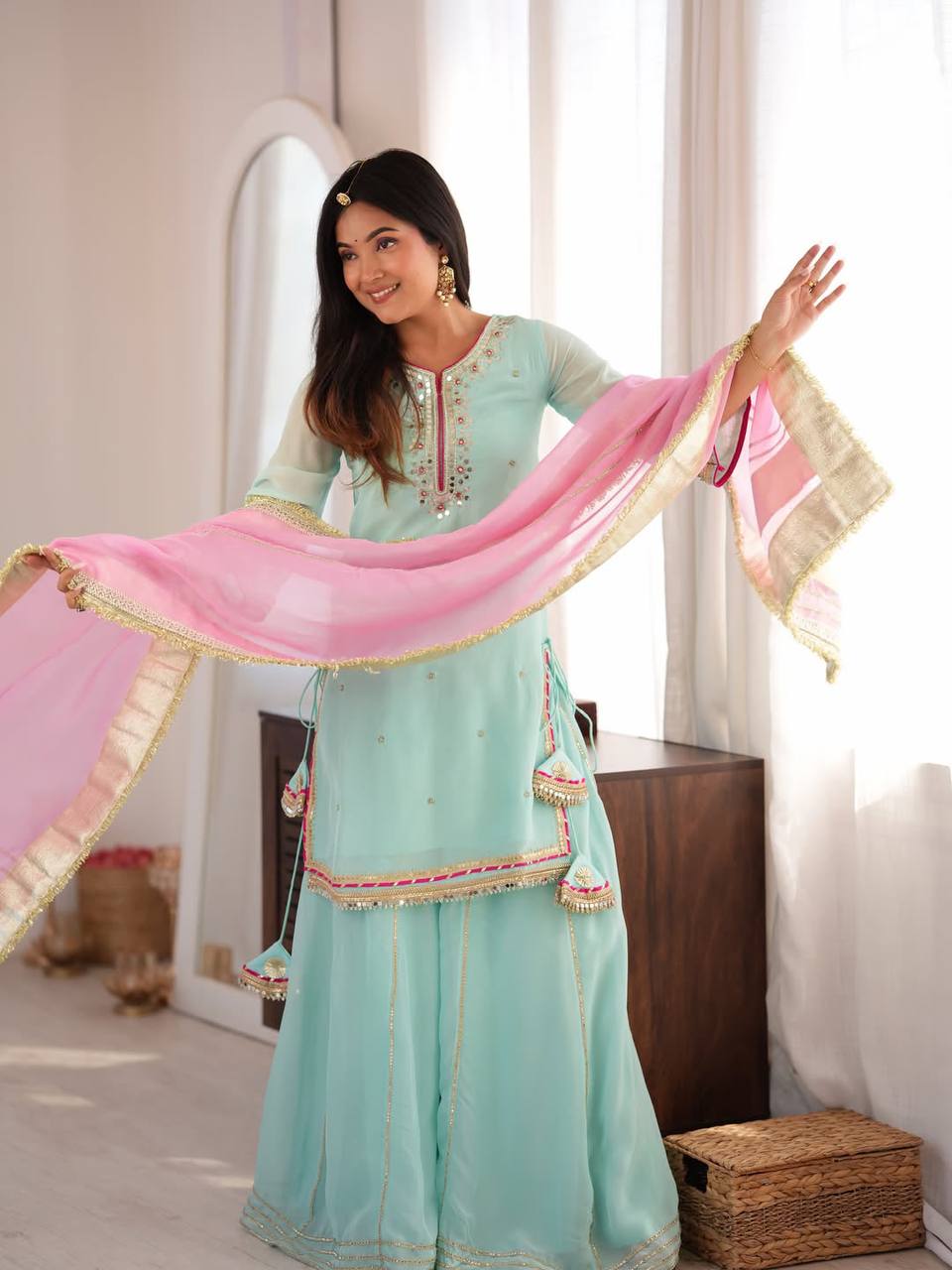
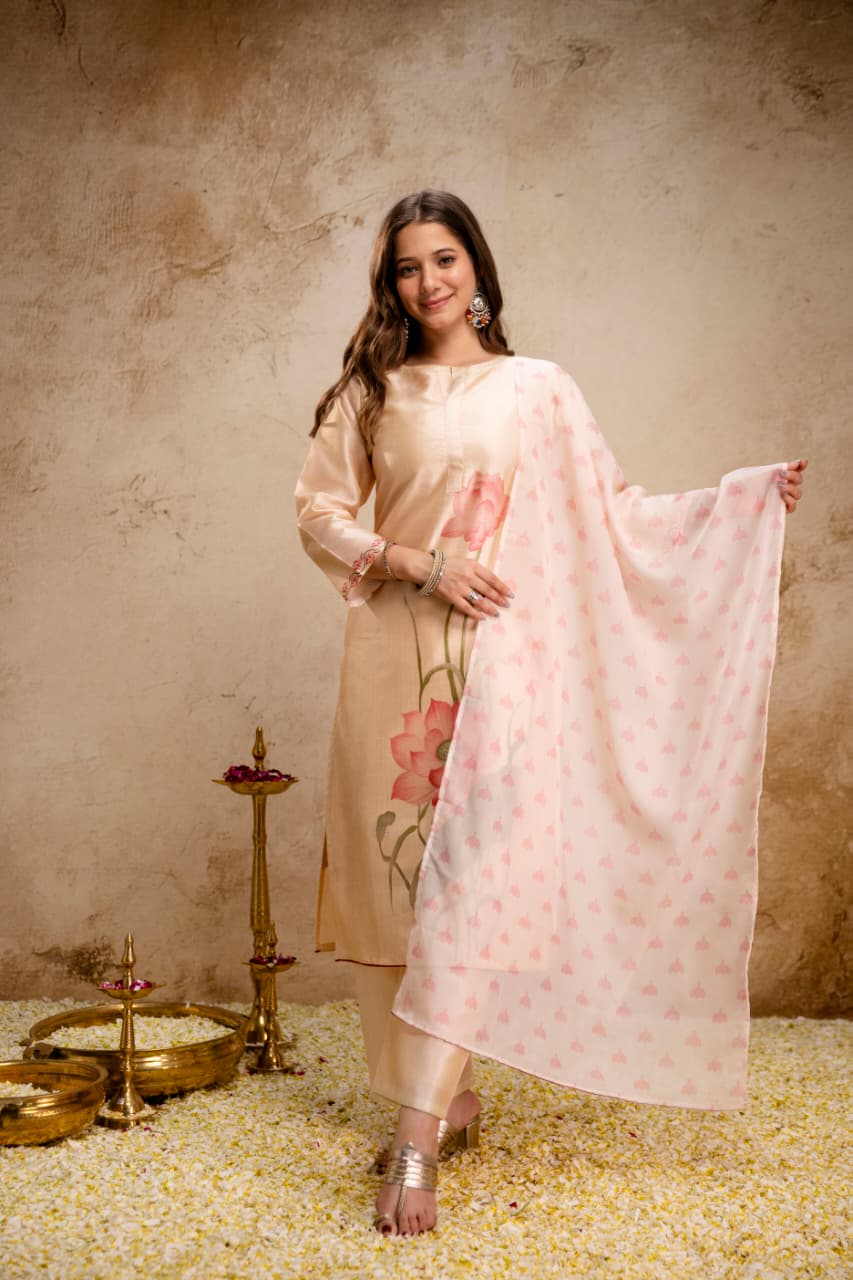
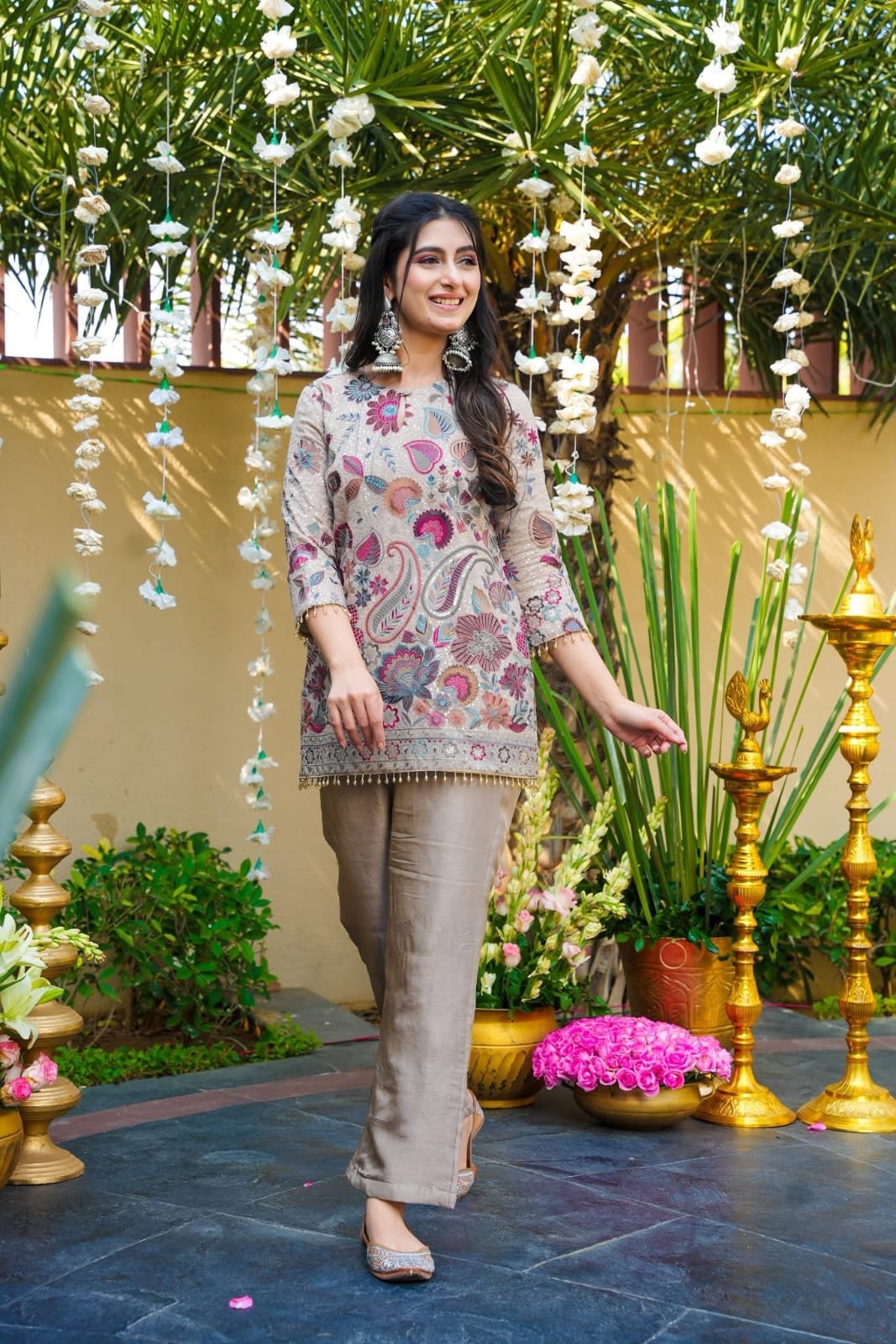
A teen should wear a well-fitted lehenga choli, a short kurta set or a palazzo outfit made from breathable material and styled for easy movement. A lehenga with a flexible waistband and a blouse with comfortable shoulder coverage is the most recognisable choice for Garba. A kurta set or palazzo suit is a practical alternative for someone who prefers more coverage or doesn't enjoy a swirling skirt.
Teenagers should choose an outfit with enough ease for movement rather than selecting a very tight fit for a sharper photograph. The hem should sit approximately 2 to 3 centimetres above the floor when worn with the intended shoes. That small clearance reduces the chance of stepping on the skirt during fast turns. A blouse should allow the wearer to raise both arms without the armhole cutting into the underarm.
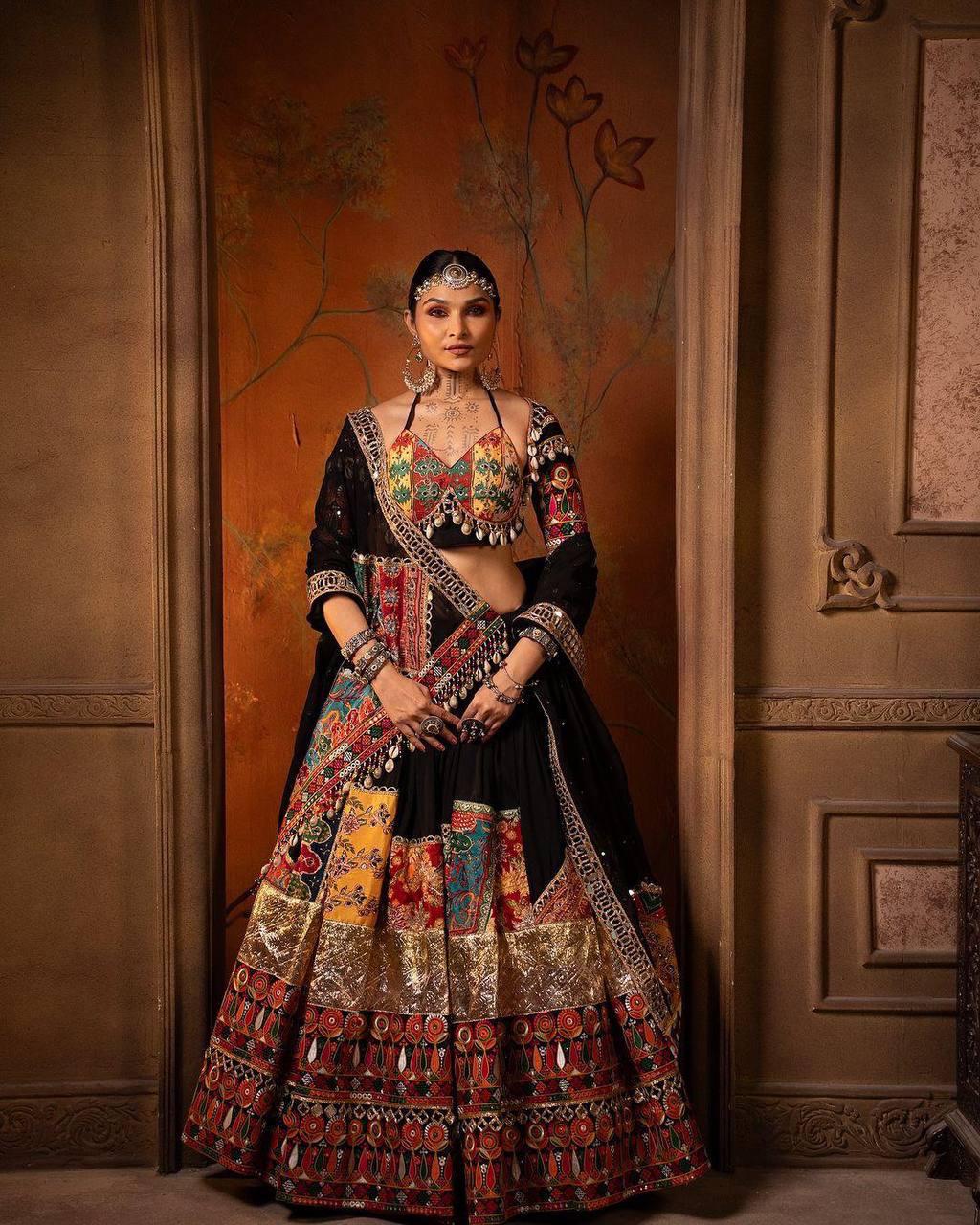
Lehenga choli styling also allows a teen to express her personality. Mirror work, digital prints, bandhani-inspired colour combinations and zari details all suit Garba, but heavy embellishment isn't compulsory. A printed skirt with a bright dupatta can look just as festive as a densely embroidered set while weighing less during a long evening.
Consider a Lehenga Choli
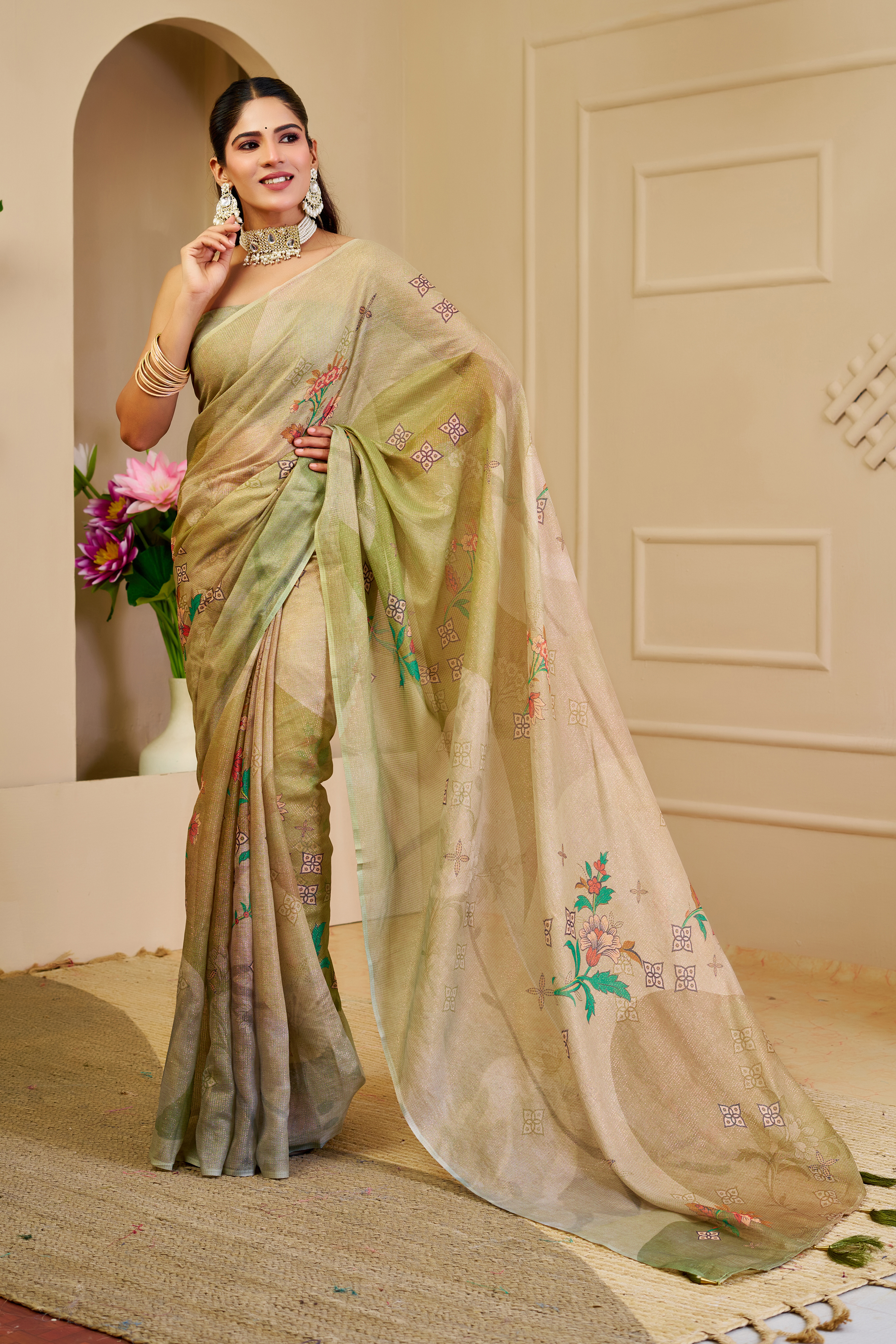
A lehenga choli works well when the blouse fits securely across the bust and the skirt sits comfortably at the natural waist. Beige Ethnic Printed Lehenga Set for Navratri and Garba shows how a printed festive outfit can look lively without relying only on heavy surface work. Red Ethnic Lehenga Choli with Digital Print Design offers another direction for a teen who enjoys a strong colour contrast and a more graphic appearance.
Mirror work can reflect venue lighting beautifully, but large or dense mirrors add weight and may feel uncomfortable against the skin. Cream Ethnic Lehenga Choli with Mirror Work Design suggests a softer palette for daytime or indoor Garba events. A cotton lining, smooth seams and a secure dori are more important than the number of embellishments.
Try a Kurta or Palazzo Set
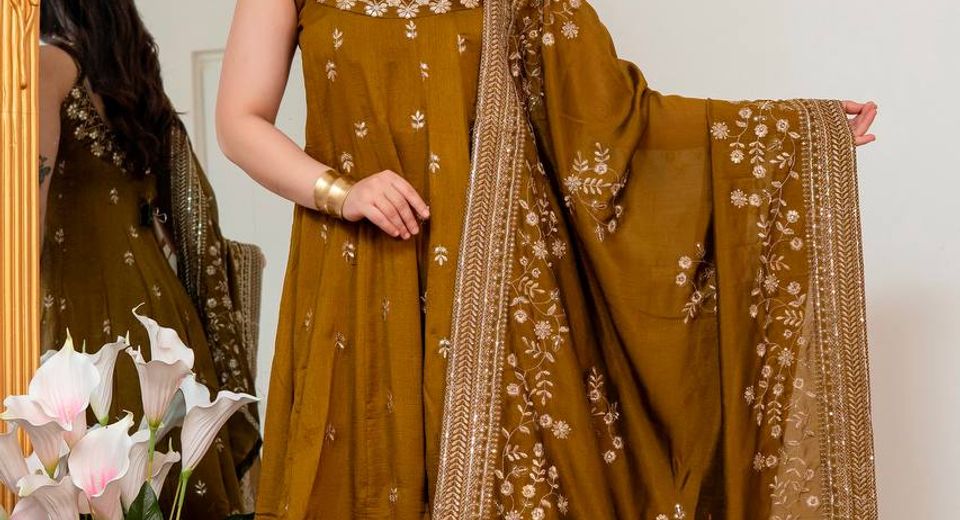
A kurta and palazzo set is an easy alternative when a teen wants freedom around the legs, extra coverage or a familiar fit. Wide-leg palazzos allow long strides and don't wrap around the ankles as a narrow salwar can. Women's Embroidered Crop Top & Jacket Palazzo Set | Varnavi demonstrates how a coordinated top and jacket can create a festive layered look without the volume of a full lehenga.
A black kurta set can also look festive when embroidery, a contrasting dupatta or metallic details add visual interest. Black Georgette Kurta Set with Heavy Embroidery and Dupatta suits someone who likes a polished appearance, although georgette should be checked for lining and secure fastening before dancing. A teen wearing a kurta set should test whether the dupatta stays clear of the feet while walking quickly.
Choose Breathable Fabrics
Cotton, cotton-muslin blends and lightweight lined georgette are generally the most comfortable fabrics for several hours of Garba. Breathable fabrics help manage warmth in crowded venues, while a smooth lining prevents embroidery from rubbing against the skin. Very heavy velvet, thick brocade or multiple stiff layers may look dramatic but can become tiring during continuous dancing.
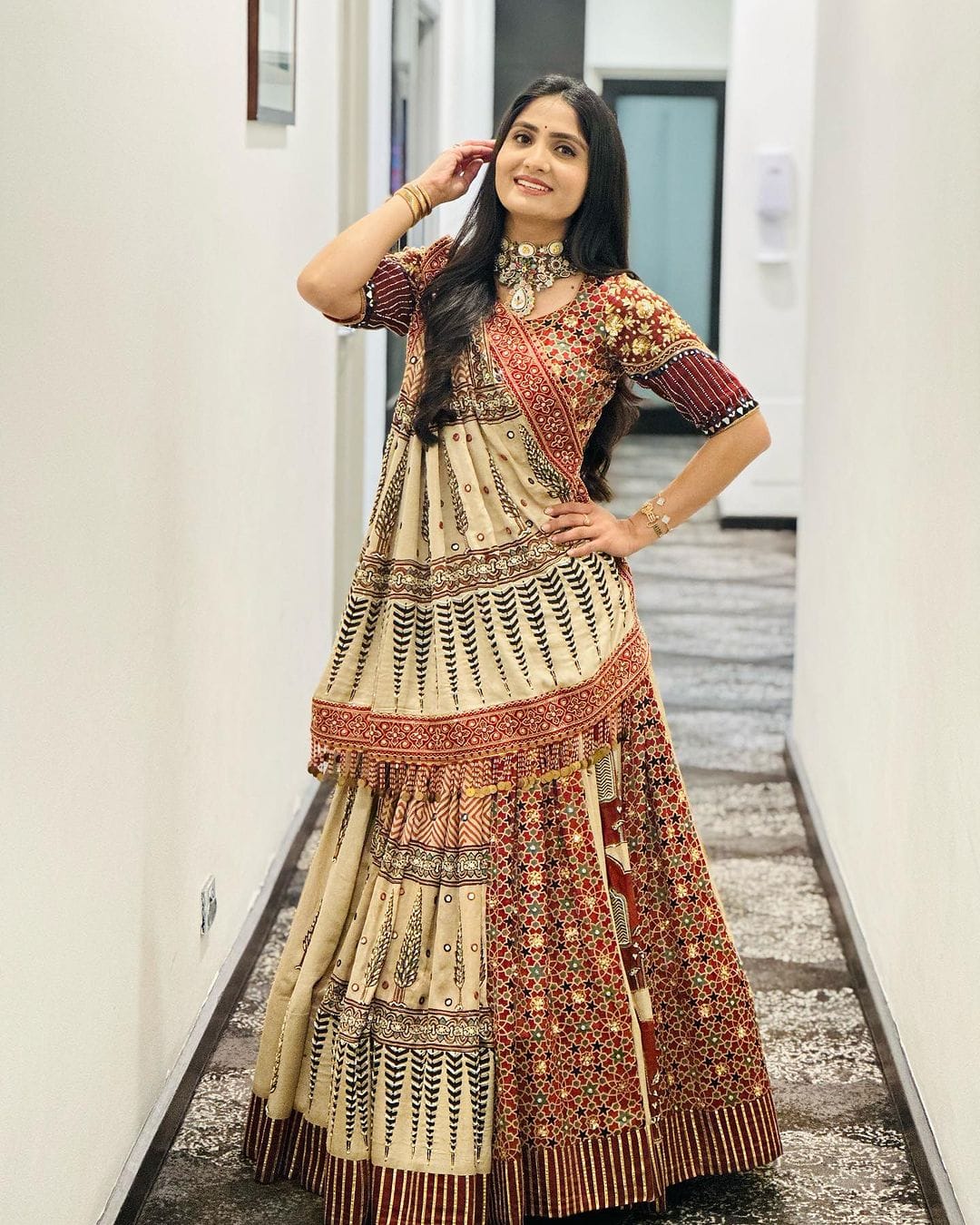
Premium Black Muslin Cotton Lehenga Choli Set illustrates why muslin cotton can suit a long festive evening: the fabric is comparatively light and allows air movement. Cotton doesn't automatically mean casual; colour, print, mirror work and a neat finish can make a cotton lehenga fully appropriate for Navratri.
Georgette gives a fluid fall and photographs well, but the fabric can cling, snag or feel warm when heavily layered. Chiffon dupattas are light but need careful pinning because their slippery surface can move during turns. Silk blends, including Banarasi silk accents, offer richness but should be balanced with a lighter skirt or blouse if the event involves prolonged dancing.
Teenagers should inspect the inside of the outfit before buying. Rough zari edges, exposed hooks, scratchy sequins and thick seams can become painful after an hour. A cotton lining at the blouse and skirt, flat seam finishing and a soft waistband are valuable construction details. Wearing a camisole or thin fitted inner layer can also reduce irritation when the outfit has dense embroidery.
Select Colours That Feel Personal
A teen should choose a Garba colour combination that feels cheerful, photographs clearly and remains comfortable to wear for the full evening. Jewel tones such as red, fuchsia, cobalt blue, emerald and orange create strong movement in photographs, while cream, beige and black provide a calmer base for colourful accessories.
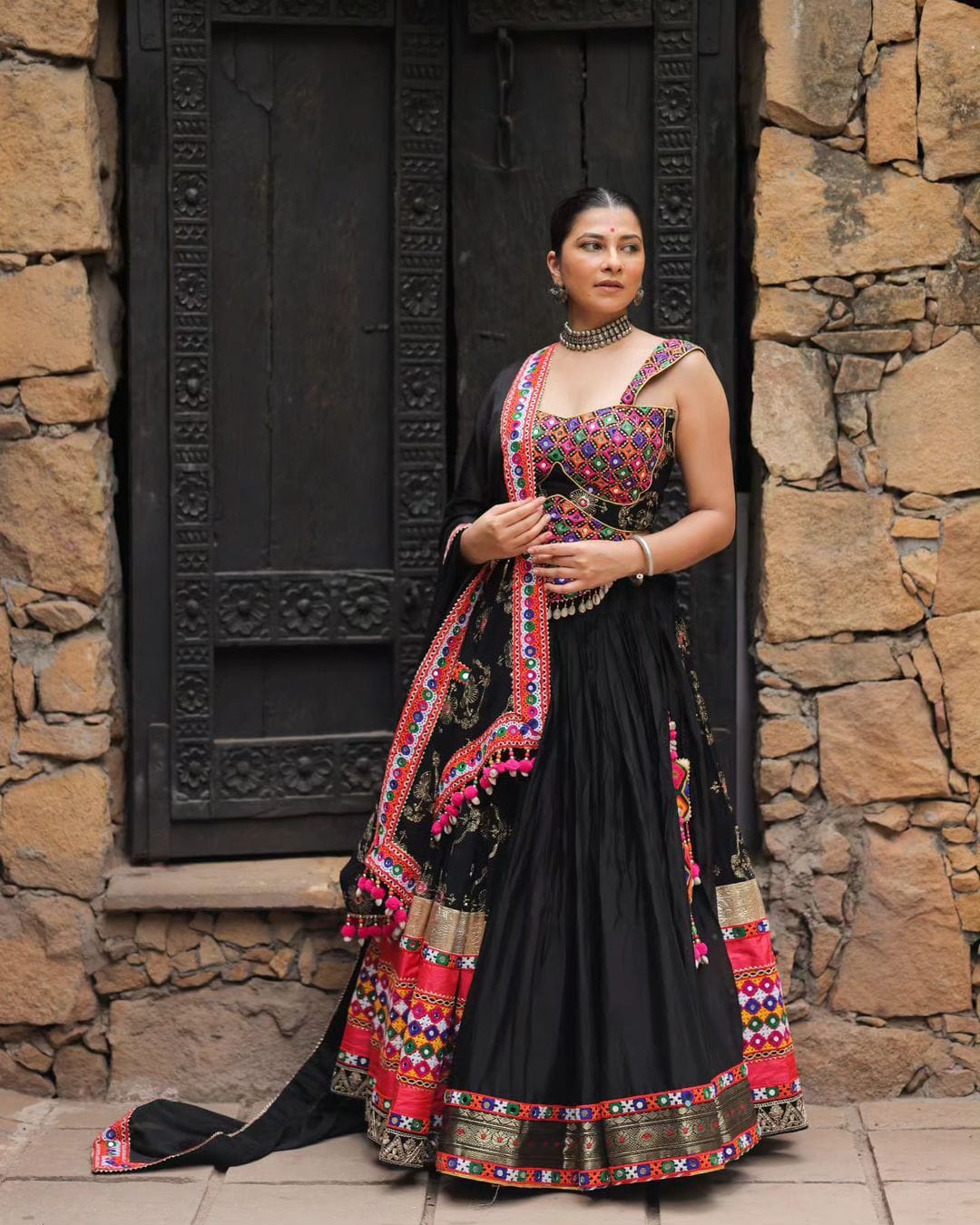
Red and yellow create a classic festive contrast, while black and silver offer a sharper contemporary look. Designer Black Garba Lehenga Choli for Festive Season suits a teenager who prefers a dramatic base colour and wants mirror work or metallic jewellery to stand out. Black Wedding & Festive Wear Designer Lehenga can guide a more formal styling direction, but its weight and embellishment should be checked before choosing it for active dancing.
Colour can also help coordinate a group without making every outfit identical. One friend might wear a red skirt with a pink dupatta, another might choose a cream base with orange accessories and a third might select black with silver details. Matching one element, such as a dupatta border or hair accessory, creates a group connection while preserving individual style.
Photographs under coloured venue lights can change how shades appear. Neon pink, bright orange and reflective silver may look more intense under stage lighting, while beige and cream can appear pale. A teen attending an evening event should test the outfit under indoor lighting and take a full-length photograph before finalising accessories.
Secure the Shoes and Dupatta
Low, cushioned footwear with a secure strap is the safest choice for Garba. Flat juttis, padded mojaris, sports-style ethnic shoes or sandals with an ankle strap are usually more practical than high heels. New shoes should be worn indoors for at least two short sessions before the event so pressure points can be identified.
A heel higher than 2 to 3 centimetres can make repeated turns more tiring and increases the risk of twisting an ankle on uneven ground. Soft insoles and blister plasters are useful additions to a small emergency pouch. Teenagers should also carry a backup pair of comfortable flats if travel footwear is different from dance footwear.
A dupatta should be pinned at one shoulder and secured discreetly at the waist or opposite side when dancing. Two small safety pins placed through the dupatta and blouse seam can prevent the fabric from slipping, provided the pins are not positioned where they can scratch the skin. A shorter dupatta or jacket layer may be easier for a beginner than a long, loose drape.
Jewellery should be lightweight and close to the body. Small jhumkas, stud earrings, a few slim bangles and a short necklace are safer than very long earrings or stacks of rigid bracelets that can catch during hand movements. A teen should avoid wearing jewellery that causes discomfort when turning the head or raising both arms.
Test Comfort Before Leaving Home
A teen can improve comfort by testing the complete outfit at home for 20 to 30 minutes before Garba night. The test should include the blouse, skirt, dupatta, jewellery and intended footwear because a comfortable individual item can become restrictive when worn with several layers.
During the test, the wearer should walk quickly, raise both arms, sit on a chair, turn in both directions and practise a few basic Garba steps. A waistband that rolls, a blouse that rides up, a dupatta that reaches the floor or a skirt that catches under the shoe needs adjustment before the event. Alterations are easier when completed at least three to five days before the celebration.
Fit matters particularly for teenagers because standard ready-to-wear proportions may not match every body shape. A tailor can shorten a hem, add an extra hook, loosen a waistband by a small amount or add soft cups and lining to a blouse. Alterations should preserve enough ease for breathing and movement; a garment should never be made so tight that sitting or lifting the arms becomes difficult.
Hair and makeup also affect comfort. A low braid, secure ponytail or pinned half-up style reduces hair in the face during dancing. Waterproof eyeliner, a small amount of setting powder and a lip colour that can be reapplied easily are more practical than a complicated makeup routine. Hairpins should be checked by moving the head from side to side before leaving home.
Pack a Small Practical Kit
A teen should carry a small emergency kit containing safety pins, blister plasters, tissues, a hair tie, lip balm, a phone charger and a little cash. A spare pair of earrings or a simple stud can be useful if a larger earring becomes uncomfortable. The kit should fit inside a small crossbody bag that closes securely and doesn't swing heavily while dancing.
Food and water are also part of comfortable dressing for a long Garba evening. Drinking water before dancing and taking short breaks can help prevent fatigue in crowded, warm venues. A light snack before leaving home is sensible because continuous dancing on an empty stomach can make a teenager feel weak or dizzy.
Parents and teenagers should agree on a meeting point, return time and phone arrangement before entering a busy venue. A visible but comfortable identification detail, such as a bright hair ribbon or matching wristband, can help friends recognise one another without making the outfit look uniform. Practical planning supports confidence just as much as colour and embellishment.
Use This Final Outfit Checklist
The final outfit should be festive, breathable, secure and easy to move in. A teen doesn't need the heaviest lehenga or the tallest heels to look appropriately dressed for Garba. A well-fitted outfit with one memorable detail, such as mirror work, a vivid dupatta, colourful bangles or a strong print, usually creates a more wearable result.
- Check that the skirt hem clears the floor by approximately 2 to 3 centimetres with the chosen shoes.
- Raise both arms to confirm that the blouse doesn't restrict the shoulders or underarms.
- Walk, turn and practise a few Garba steps in the full outfit.
- Secure the dupatta at the shoulder and waist so it can't reach the feet.
- Choose flat or low shoes that have already been worn indoors.
- Remove jewellery that scratches, swings heavily or catches on clothing.
- Pack safety pins, blister plasters, tissues and a phone charger.
- Carry a light layer if the journey home may be cooler than the venue.
When someone asks what should a teen wear to her first Garba night, the most useful answer is a festive outfit that supports movement for several hours. A comfortable lehenga choli remains a classic choice, but a breathable palazzo suit or embroidered kurta can work equally well. The best outfit lets a teenager concentrate on learning the steps, joining the circle and enjoying the music rather than adjusting her clothes after every turn.
Common Questions About Choosing a Teen’s First Garba Outfit
What should a teen wear to her first Garba night if she is new to dancing?
A lightweight lehenga with a secure waistband or a wide-leg palazzo set is a practical choice for a beginner. Flat, cushioned shoes and a pinned dupatta reduce distractions while she learns the steps.
Is a lehenga or a salwar suit better for Garba?
A lehenga offers the classic flared Garba shape, while a salwar or palazzo suit can provide more coverage and easier leg movement. The better option is the one that fits securely and remains comfortable after several hours.
Which fabric is most comfortable for a long Garba night?
Cotton, muslin cotton and lightweight lined georgette are generally comfortable for extended dancing. Heavy velvet, thick brocade and dense embellishment can feel warm and tiring in crowded venues.
What shoes should a teenager wear for Garba?
Flat juttis, mojaris or low sandals with cushioning and an ankle strap are suitable choices. New footwear should be worn indoors before the event, and blister plasters are useful to carry.
How can a teen stop her dupatta from falling while dancing?
Pin the dupatta at one shoulder and secure it discreetly at the waist or opposite side. A shorter dupatta or jacket can be easier to manage than a long, loose drape.
How much jewellery should a teen wear to Garba?
Lightweight jewellery is safest for active dancing. Small jhumkas or studs, a short necklace and a few slim bangles add festive detail without catching on clothing or becoming uncomfortable.