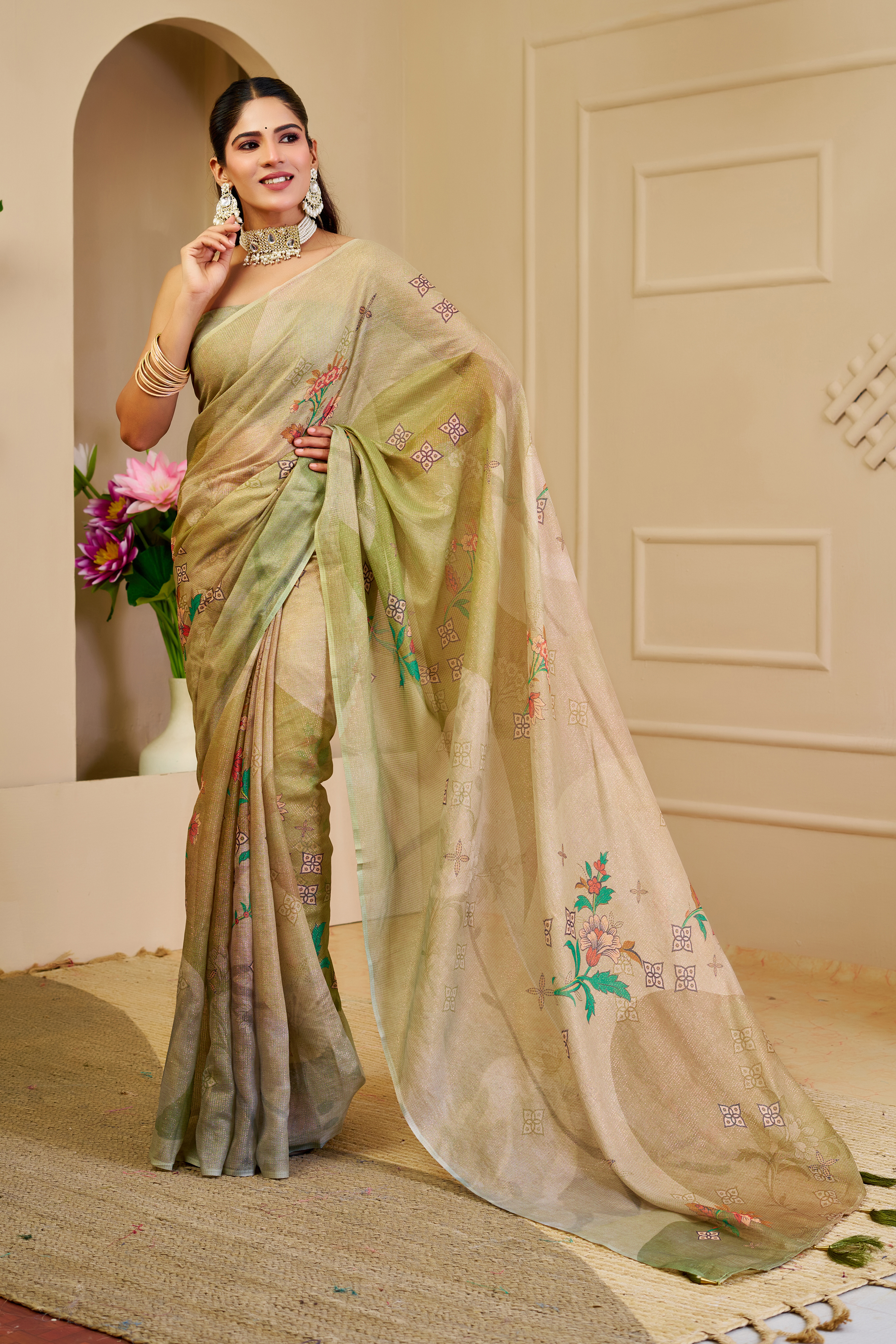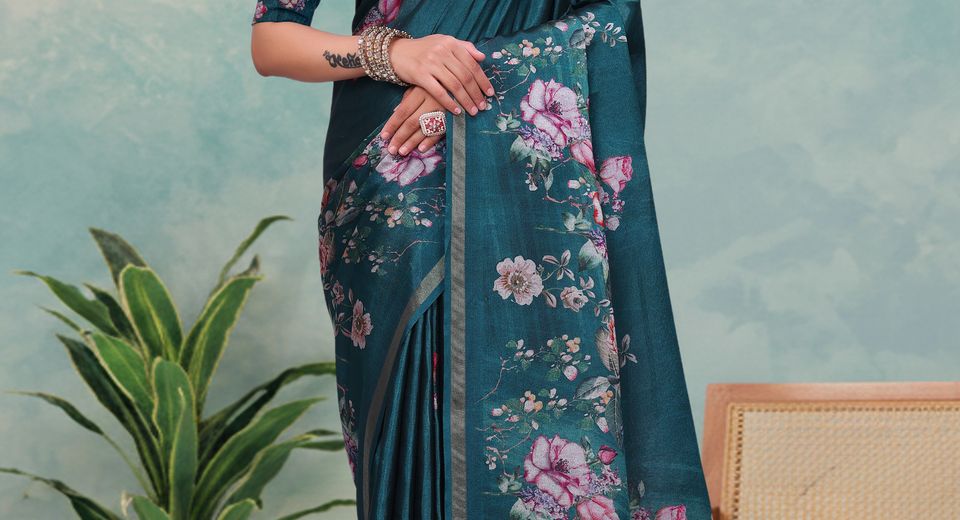
What Is a Comfortable First Half Saree for a Teenager? The answer usually begins with a lightweight, breathable saree that stays secure without making the wearer feel restricted. Cotton, linen cotton and modal cotton are practical first choices because they're easier to manage than very slippery silk, heavy zari or densely embellished fabrics. A comfortable first saree should also have a manageable pallu, a well-fitted blouse and enough ease at the waist for sitting, walking and joining family activities.
For a teenager, comfort isn't a minor styling preference. A first saree may be worn at a school cultural event, a family celebration, a Haldi ceremony, a festival or a formal photo session. The right fabric and drape allow a young wearer to concentrate on the occasion instead of repeatedly adjusting pleats, pins and shoulder fabric. This guide explains how to choose each element with practical measurements and realistic use in mind.
Start With These Features
A comfortable first saree feels light on the body, remains stable at the shoulder and allows normal movement. The most useful combination is a breathable fabric, a non-restrictive blouse, a firmly secured pallu and pleats that are broad enough to stay organised.
Weight matters because a teenager may not be accustomed to carrying several metres of fabric for four or five hours. A saree weighing roughly 500 to 700 grams is often easier for a first wear than a dense festive design, although the final weight depends on the border, weave, blouse and embellishment. A lightweight saree also makes it easier to sit on the floor, walk through crowded spaces and use stairs.
Surface texture matters as well. Smooth satin can look attractive but may shift more readily at the waist or shoulder. Linen cotton and mal cotton have enough structure to hold pleats while remaining comparatively breathable. Modal cotton can offer a softer fall, but the wearer should use a secure petticoat and safety pins because a fluid drape may move during walking.
Comfort also depends on preparation. A saree that has been ironed, pre-pleated and tested with the intended footwear will be easier to wear than a technically lightweight saree put on hurriedly. A teenager should practise sitting, climbing a few steps, raising both arms and walking for ten minutes before wearing a saree to a major event.
Choose the Right Fabric
Linen cotton, mal cotton and modal cotton are among the most practical fabrics for a teenager's first saree because they balance breathability, manageable structure and everyday movement.
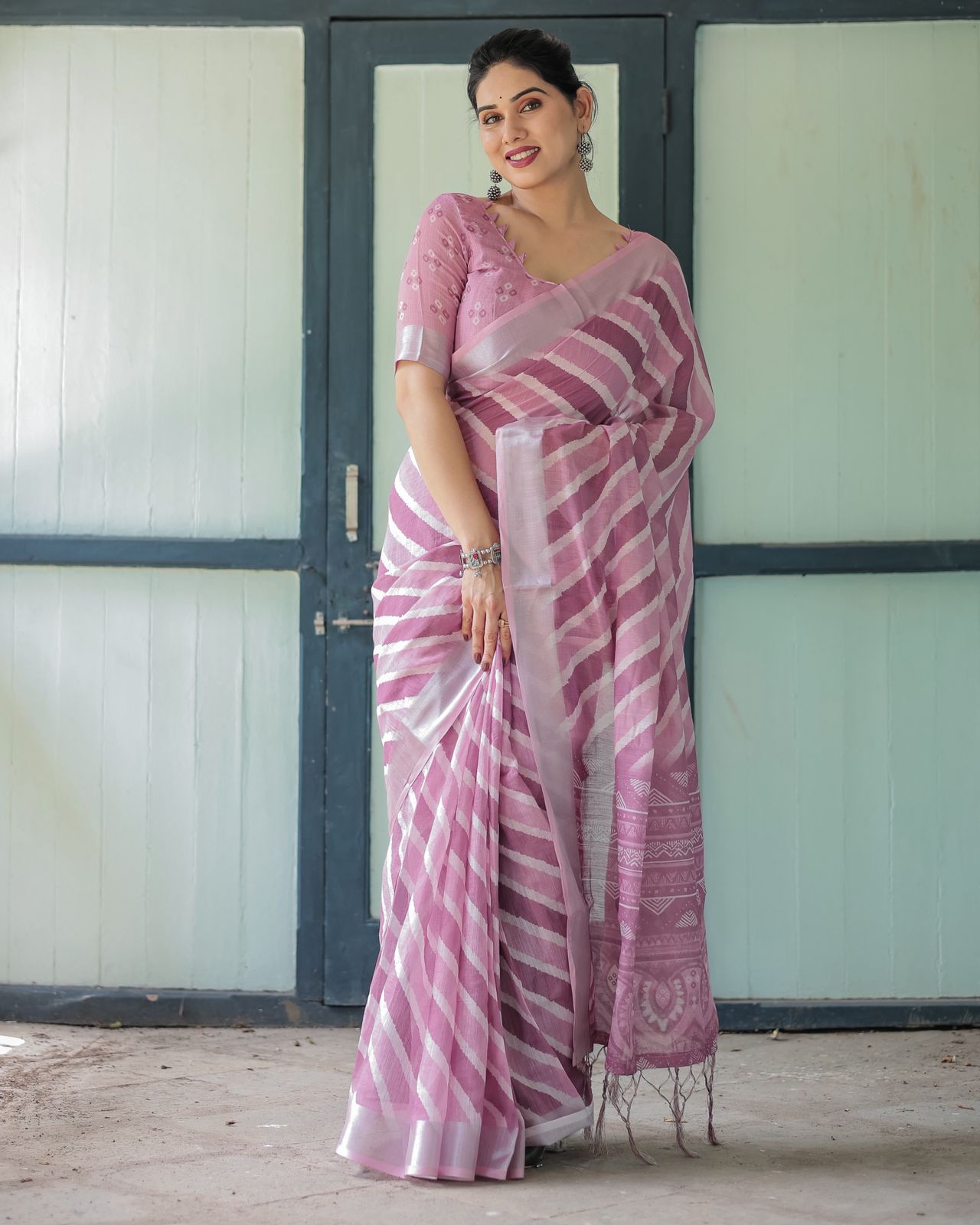
Why does linen cotton suit a first saree?
Linen cotton suits a first saree because it combines airflow with enough structure to keep pleats relatively neat. The cotton component improves softness and daily comfort, while the linen character gives the fabric a slightly textured, polished appearance. Linen cotton can crease, but light creasing is normal and often suits its relaxed look.
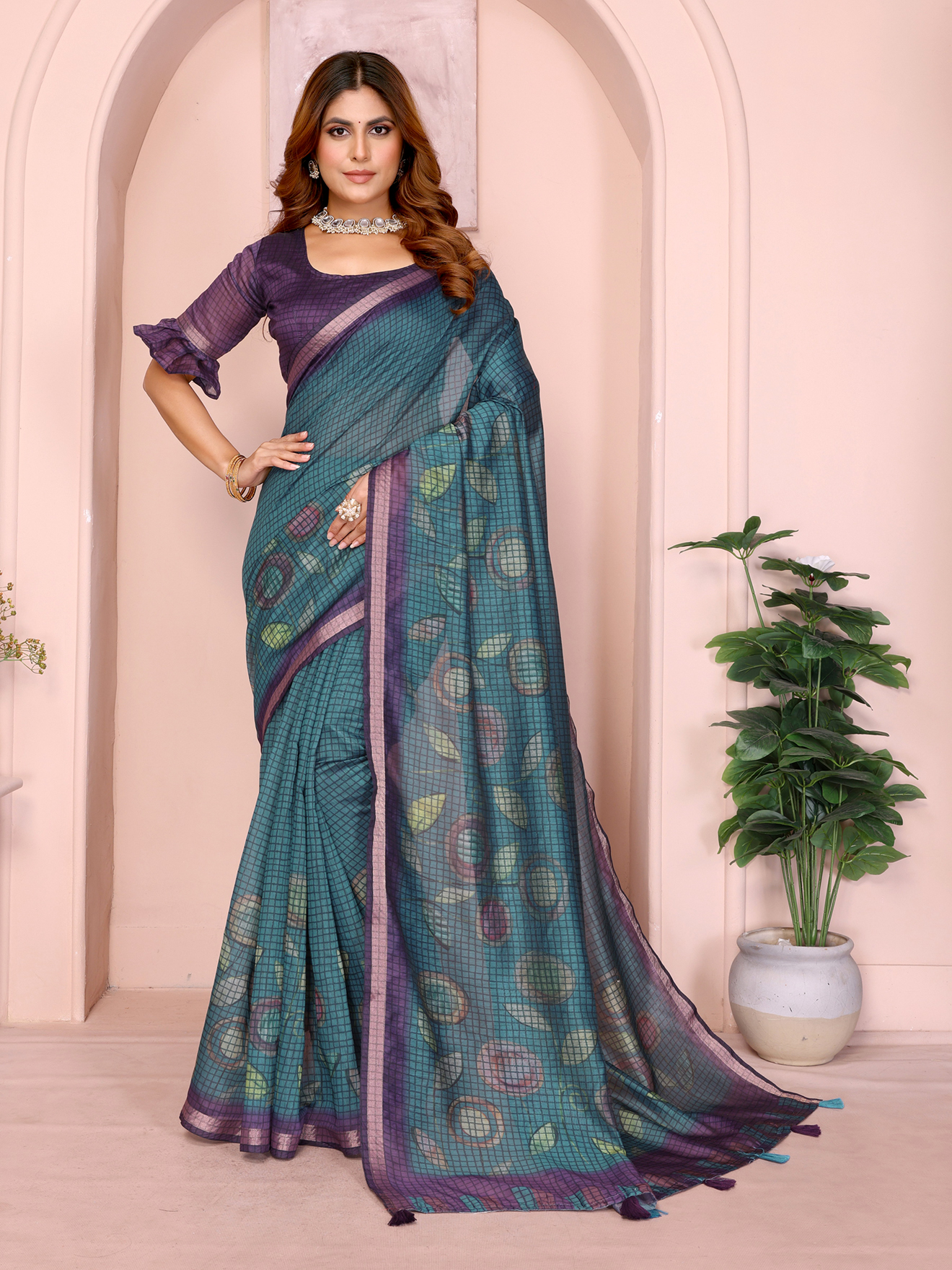
The Teal Blue Linen Cotton Floral Printed Saree with Blouse Set is an useful reference for first-saree dressing because the matching blouse removes one difficult decision. The Buy Blue Teal Linen Cotton Saree with Striped Printed Pallu offers another approachable direction when the wearer prefers a graphic pallu rather than dense ornamentation.
Why is mal cotton useful for daytime events?
Mal cotton works well for daytime functions because the fabric is generally light, breathable and simple to handle. A printed pallu and border can add occasion interest without the extra weight of sequins or thick zari. Mal cotton is particularly suitable for a teenager who will spend time outdoors or move between rooms.
The Teal Floral Mal Cotton Saree with Printed Pallu and Borders shows how floral colour and a defined border can create a festive appearance without relying on heavy embellishment. A cotton saree should still be checked for opacity, especially when the event involves strong sunlight or bright indoor lighting.
When is modal cotton a good choice?
Modal cotton can feel smooth against the skin and produces a fluid drape that photographs well. The softer fall may be comfortable, but the fabric can require more careful pinning than a crisp cotton weave. A teenager wearing modal cotton for the first time should use a properly tied petticoat and secure the pleats before placing the pallu over the shoulder.
The Teal Blue Modal Cotton Floral Woven Saree with Brown Border demonstrates how a woven floral surface can provide visual detail without a bulky embellished finish. A contrasting brown border also helps define the lower edge of the saree, making the outline easier to manage in photographs.
Can satin work as a teenager's first saree?
Satin can work as a first saree when the wearer has help with pinning and enough time for a drape trial, but satin generally needs more anchoring than cotton blends. Its smooth surface can allow pleats to spread or the pallu to slide if the petticoat and pins are not secure.
The Mustard Satin Saree with Printed Pink Pallu & Blouse is better suited to a carefully prepared event look than to a rushed first attempt. Satin isn't automatically unsuitable, but a teenager should practise in the complete outfit before choosing it for a long celebration.
Check the Fit
A teenager's saree should be long enough for a secure drape but not so long that the hem catches under the feet. A standard saree length of about 5.3 to 5.5 metres usually works with a normal petticoat, while a shorter wearer may need the saree arranged carefully rather than allowing excessive fabric to pool at the ankles.

The petticoat should sit at the natural waist or at the point where the saree will be tied, not loosely on the hips. The drawstring must hold firmly without digging into the body. A well-fitted petticoat gives the saree an anchor and reduces the need to tighten the saree repeatedly during the event.
The blouse should allow full breathing and arm movement. An useful fitting test is to raise both arms, reach forward, sit down and clasp the hands behind the back. If the blouse pulls across the bust, cuts into the upper arm or lifts noticeably at the waist, the pattern needs adjustment before the event. A sleeve ending above the elbow can be comfortable for many teenagers, while a very tight cap sleeve may restrict movement.
Blouse length also influences comfort. A blouse that ends at the natural waist gives the saree a clean anchor, but it should not expose the midriff whenever the wearer raises an arm. A slightly longer blouse can provide more coverage and may feel more secure for a first drape. A modest neckline, soft lining and non-scratchy seams are practical choices for several hours of wear.
Use an Easy Drape
The regular Nivi drape is usually the easiest first-saree method because it uses familiar front pleats and a pallu that can be secured over one shoulder. A pre-pleated Nivi drape is even more manageable when dressing time is limited.
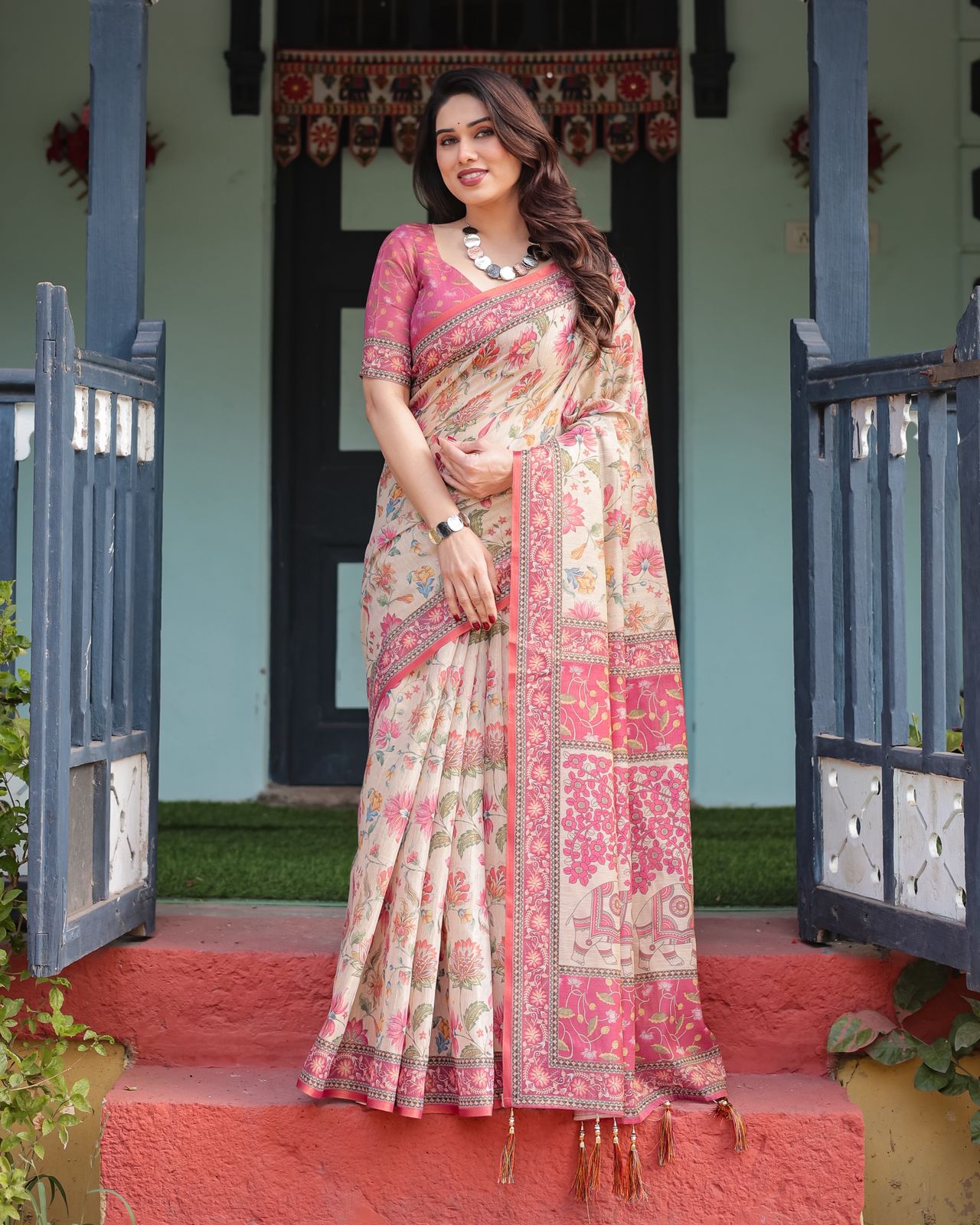
Start by wearing comfortable footwear before fixing the saree length. Tuck the inner end into the petticoat, wrap the saree once around the waist and bring the fabric back to the front. Make five to seven pleats of similar width, depending on the fabric, and place the pleats slightly to the left of the navel. Secure the pleats together before tucking them into the petticoat.
Bring the remaining fabric across the body and over the left shoulder. The pallu can end around the knee or slightly below the hip for easier movement; a very long pallu is more likely to drag or catch on furniture. Fold the top edge once if the fabric feels bulky, then use two concealed safety pins at the shoulder and one at the blouse near the underarm.
The number of pins should support the drape rather than replace a correct fit. Use pins with covered heads and place them between layers so they don't touch the skin. A waist pin at the pleats, a shoulder pin and a discreet pin near the blouse seam are often enough for a lightweight saree.
What should a teenager practise before the event?
A teenager should practise walking, sitting, using stairs and getting into a car before the event. These actions reveal whether the pleats are too long, the pallu is too loose or the petticoat is slipping.
Keep the pleats above the floor by approximately 2 to 3 centimetres when wearing the actual footwear. The hem should not drag, but it should also not sit so high that the ankles look exposed when standing. A ten-minute home trial followed by one adjustment is more useful than trying the complete outfit for the first time on the event morning.
Select Colour and Prints
Medium-scale prints, clear borders and coordinated colours can make a first saree visually easier to style. A defined border helps the wearer see whether the pleats are aligned, while a printed pallu creates interest without requiring elaborate jewellery.
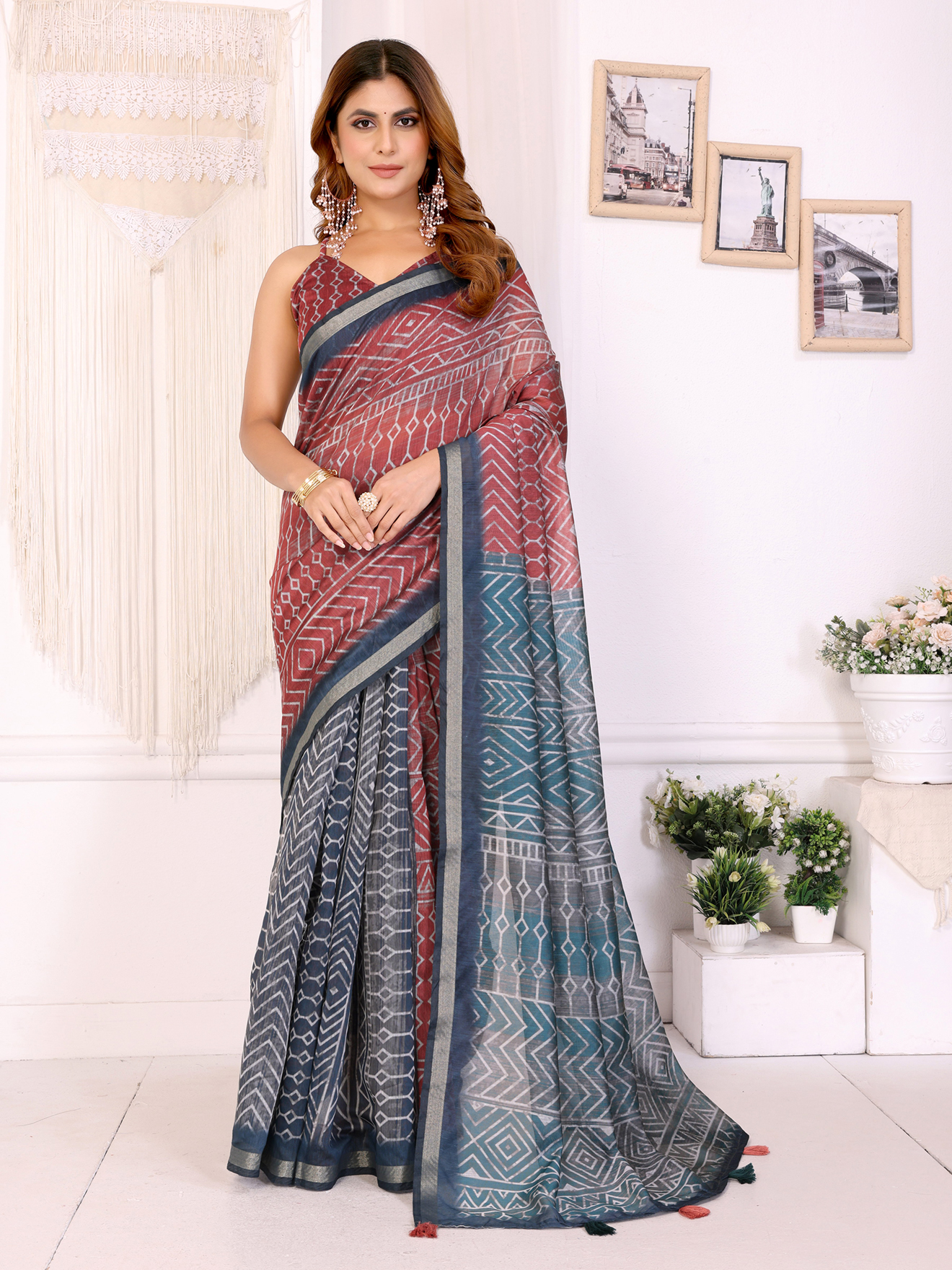
Teal, blue, mint and pastel shades are versatile choices for a teenager because they can be paired with simple silver-tone, pearl or oxidised jewellery. The Mint Green Floral Linen Cotton Saree with Pink Border Style provides an useful example of colour contrast: the pink border supplies definition while the mint base keeps the overall effect light.
The Pastel Linen Cotton Floral Print Saree with Designer Blouse can suit a daytime celebration where a softer palette feels appropriate. A coordinated designer blouse can reduce styling work, although the blouse should still be checked for sleeve comfort, lining and ease before purchase.
A teenager doesn't need a highly ornate saree to look dressed for a celebration. Floral prints, woven motifs and contrasting borders can provide enough visual detail for a Haldi ceremony, birthday, cultural programme or family lunch. Heavy zari and extensive sequins may look festive, but they can add weight, catch on jewellery and become uncomfortable during extended wear.
Build a Practical Outfit
A practical first-saree outfit uses one breathable saree, comfortable footwear, light jewellery and a blouse that doesn't require constant adjustment. Coordinating every element is less important than ensuring that the outfit remains wearable for the full duration of the event.

Flat sandals, low wedges or block heels are safer first choices than narrow stilettos. The footwear should be worn during the draping trial because even a 2-centimetre difference in heel height changes the saree's hem. A small pair of earrings, a slim bracelet and a few bangles are usually enough when the saree has a floral print or a noticeable border.
For a teenager shopping within a defined budget, Sarees from Rs 1000 to Rs 1500 can be an useful starting point for comparing lightweight printed styles. Sale-led browsing through Sarees Under 20% Off or Sarees Under 10% Off may also help, but the fabric, blouse measurements and return terms should be checked before the discount is treated as the deciding factor.
Deeper discounts in Sarees Flat 60% Off and Sarees Flat 50% Off can make a first saree more affordable, but a low price doesn't compensate for an unsuitable length or uncomfortable blouse. Compare the saree measurements, fabric description, included blouse and care instructions before placing an order.
Care for It Correctly
A first saree stays comfortable and presentable when it's aired after wearing, washed according to its care label and stored without prolonged dampness. Cotton, linen cotton and modal cotton each need slightly different handling, so the fibre description should guide the care routine.

Air the saree in shade after the event instead of sealing it immediately in a plastic cover. Sweat and perfume residue can weaken fibres or leave odours when trapped. Fold a dry saree along its natural border and refold it occasionally to reduce a permanent crease in one place.
Many printed cotton and linen cotton sarees benefit from gentle hand washing in cool water with mild detergent, but the garment label should take priority. Avoid wringing because twisting can distort the border and pleats. Dry the saree away from harsh direct sunlight when the colour appears delicate, and iron it on the recommended setting from the reverse side.
Store satin and modal cotton with care because sharp folds can become more visible on smoother surfaces. Keep safety pins, jewellery and rough accessories away from the folded saree to prevent snags. Proper storage makes a first saree useful for future festivals, family functions and cultural programmes instead of limiting it to one photograph.
Use This Final Checklist
The best choice is a lightweight saree with a stable drape, a breathable blouse, a secure petticoat and a length tested with the intended footwear. Fabric alone doesn't determine comfort; fit, preparation and movement tests matter just as much.
- Choose linen cotton, mal cotton or modal cotton when breathability and easy handling are priorities.
- Check that the saree length leaves the hem 2 to 3 centimetres above the floor with footwear on.
- Test the blouse by raising both arms, sitting down and reaching forward.
- Use a firmly tied petticoat and covered-head safety pins.
- Keep the pallu around knee level or slightly below the hip for easier movement.
- Practise walking, climbing stairs and sitting before the event day.
- Select jewellery and footwear that can be worn comfortably for several hours.
- Read the fabric and washing instructions before buying, especially for satin or printed materials.
The Teal Floral Printed Linen Cotton Saree With Matching Blouse gives another practical direction for a coordinated first look, particularly when choosing a separate blouse feels complicated. The right first saree should make a teenager feel secure enough to move naturally, participate fully and enjoy wearing Indian ethnic clothing without constant adjustment.
Common Questions About Choosing a Teenager’s First Comfortable Saree
Which saree fabric is most comfortable for a teenager’s first saree?
Linen cotton, mal cotton and modal cotton are practical first choices because they are breathable and easier to manage than heavy or very slippery fabrics. Linen cotton offers more structure, while modal cotton gives a softer, fluid fall.
What saree length is suitable for a teenage beginner?
A saree measuring about 5.3 to 5.5 metres usually works with a standard petticoat, but height and footwear affect the final fit. The hem should sit approximately 2 to 3 centimetres above the floor during the draping trial.
How can a teenager stop a saree pallu from slipping?
Secure the pallu with two covered-head safety pins at the shoulder and one discreet pin near the blouse or underarm. A well-fitted blouse and firmly tied petticoat also reduce movement.
Is satin a good first saree for a teenager?
Satin can work for a first saree when an experienced person helps with draping and pinning. Linen cotton, mal cotton and modal cotton are generally more forgiving for independent beginners because they offer better grip or structure.
What blouse fit is most comfortable for a teenage saree wearer?
A comfortable blouse allows full breathing, arm movement and sitting without pulling across the bust or upper arms. Soft lining, non-scratchy seams and enough length to stay in place during movement are more important than a very tight silhouette.
How should a first saree be practised before a family function?
A teenager should wear the complete outfit for at least ten minutes and practise walking, sitting, using stairs and getting into a car. The rehearsal identifies problems with hem length, pleat placement, pallu security and footwear before the event.