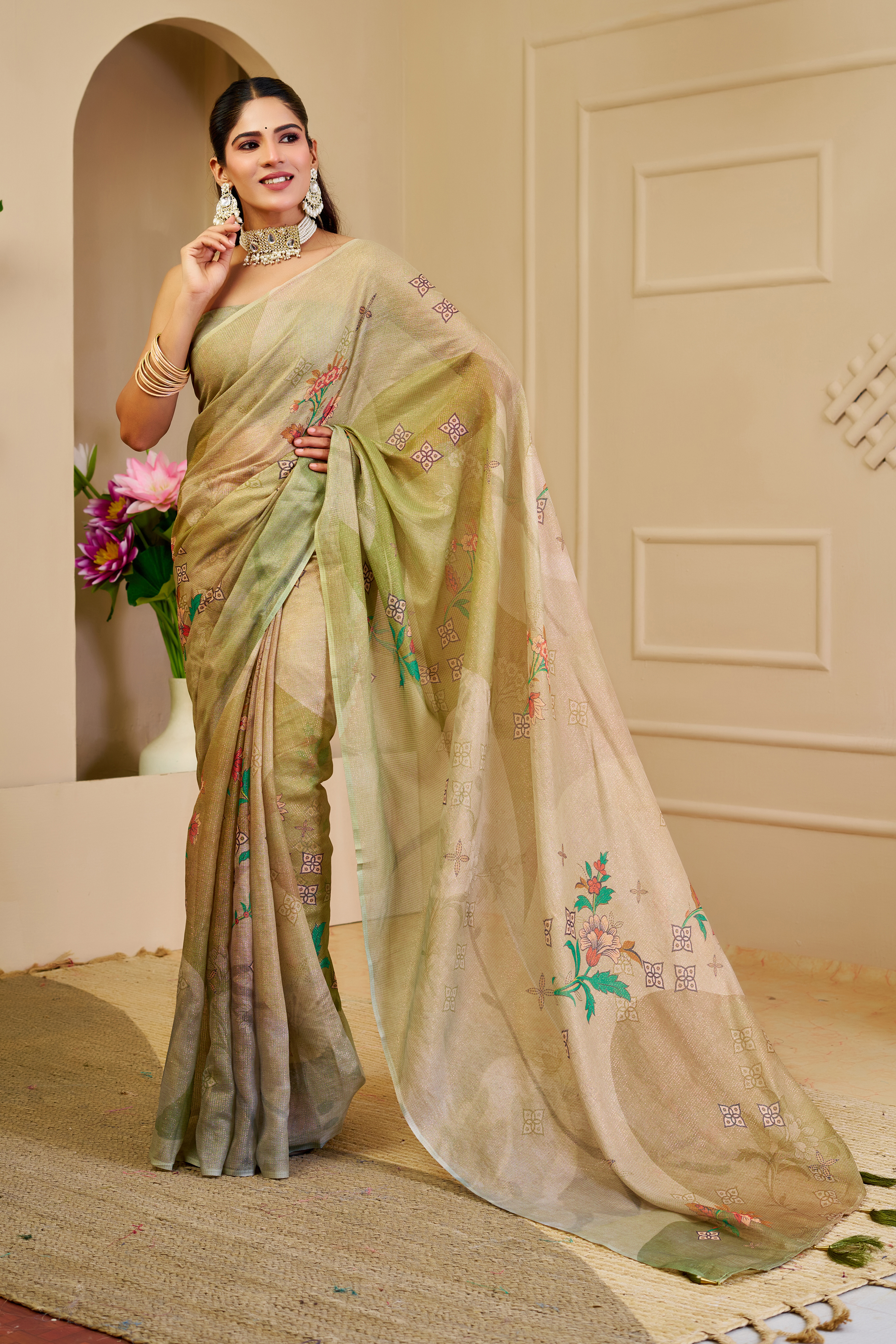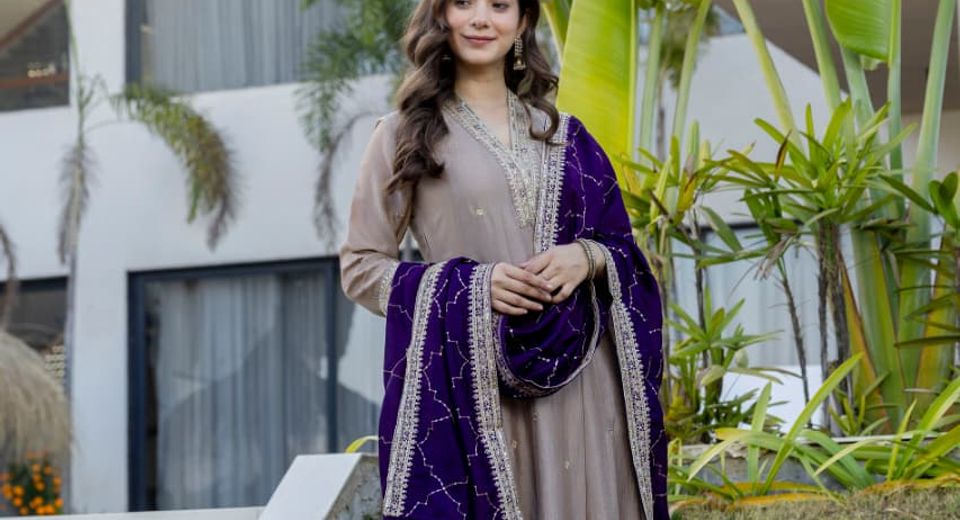
Wedding Guest Outfits for Women Attending a Sikh Ceremony for the First Time need to work in two settings: the gurdwara, where modesty and head covering matter, and the wedding reception, where colour, embellishment and movement are welcome. A salwar suit, anarkali, sharara set or elegant kurta-and-pant ensemble can meet both needs when the neckline, hemline, dupatta and footwear are chosen thoughtfully.
The central ceremony is normally an Anand Karaj, a Sikh marriage ceremony held in the presence of the Guru Granth Sahib. Guests commonly sit on the floor, cover their heads, remove their shoes and participate respectfully in a shared environment. The most successful outfit is festive without being restrictive, polished without exposing too much, and comfortable enough for several hours of sitting, walking and eating.
Wedding Guest Outfits for Women Attending a Sikh Ceremony for the First Time: What should women wear?
Women should wear a modest festive Indian outfit with covered shoulders, a secure head covering and a hemline that allows comfortable sitting. A salwar suit, long kurta set, anarkali or floor-length gown with a dupatta is usually more practical for an Anand Karaj than a very short dress or heavily trailing lehenga.
Gurdwara etiquette doesn't require guests to wear one specific colour or garment. Sikh families may dress in Punjabi suits, sarees, lehengas, shararas and contemporary Indo-western clothing, so guests can choose according to the invitation. A long kurta with trousers is a particularly dependable option because it looks celebratory while making it easier to sit cross-legged.
- Choose coverage: Select sleeves, a higher neckline and a tunic or skirt that reaches at least below the knee, especially for the gurdwara portion.
- Carry a dupatta: A dupatta provides shoulder coverage and becomes a head covering when entering the prayer hall.
- Prioritise movement: Wide-leg pants, churidars, palazzos and moderate-volume shararas are easier to manage than a stiff, floor-sweeping skirt.
- Keep the finish festive: Silk textures, zari, embroidery, sequins and tasteful jewellery make a modest silhouette feel occasion-ready.
Guests attending only the reception can usually wear a more dramatic outfit, but checking the invitation remains useful. Many Sikh weddings include several events across different days, such as a mehndi, sangeet, jaggo, Anand Karaj and reception. Dressiness, venue and cultural expectations can change between each event.
Wedding Guest Outfits for Women Attending a Sikh Ceremony for the First Time: How does gurdwara etiquette affect clothing?
Gurdwara etiquette changes practical details rather than requiring a plain or unfashionable outfit. Visitors remove shoes before entering, cover the head, avoid tobacco and alcohol, and dress in a way that shows respect for the prayer space.
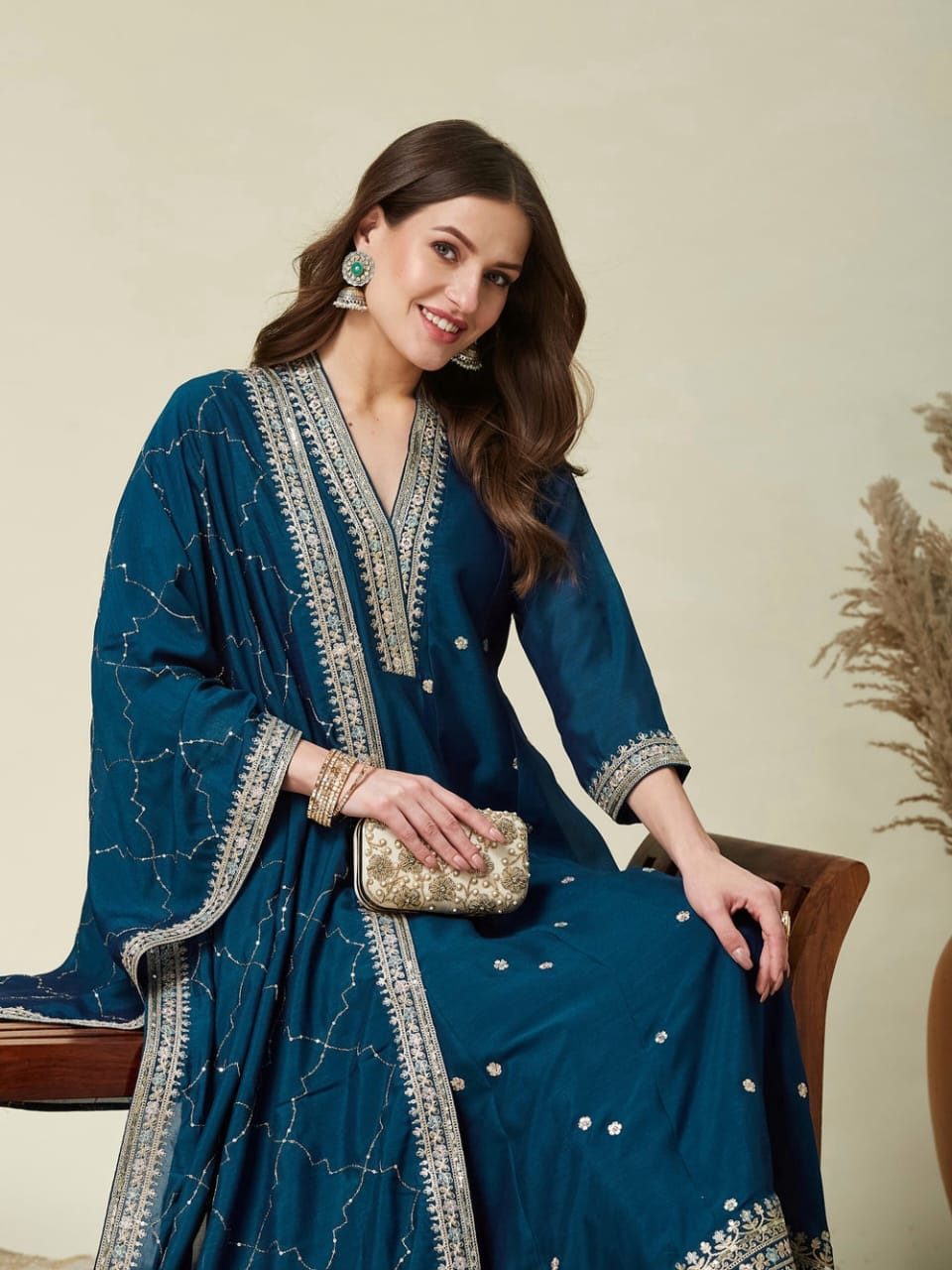
Head covering and dupatta placement
A woman's head should be covered inside the gurdwara, including during the Anand Karaj. A dupatta made from chiffon, georgette, silk or a light blend is easier to place securely than a very slippery satin scarf.
Before leaving home, practise folding the dupatta into a broad, comfortable layer that covers the crown of the head without pressing against the forehead. Small discreet pins can help, but avoid sharp pins that may catch in embroidery or become uncomfortable while sitting. A plain scarf supplied by the gurdwara may also be available, but carrying a matching dupatta gives you better control over comfort and appearance.
Shoes, socks and the floor
Wear shoes that can be removed quickly and put back on without assistance. Low block heels, embellished flats, juttis and cushioned sandals are more practical than lace-up boots or delicate stilettos when footwear must be left outside and guests may walk or sit on the floor.
Fresh socks or foot liners are useful if you're uncomfortable walking barefoot. Avoid a long, loose hem that can drag across the floor after shoes are removed. Trousers with a clean break at the ankle, or a long skirt that can be gathered neatly, reduce that problem.
Food and behaviour considerations
Langar is a vegetarian community meal traditionally served at the gurdwara, and guests generally sit together regardless of social status. Choose clothing that doesn't require constant adjustment while seated and keep long sleeves, tassels and very wide dupattas away from shared serving areas.
Alcohol and tobacco should not be carried into the gurdwara. A small shoulder bag or clutch is useful for a phone, tissues and lip colour, but leave bulky bags and unnecessary accessories with a trusted person or in designated storage.
Wedding Guest Outfits for Women Attending a Sikh Ceremony for the First Time: Which silhouettes work best?
The most versatile silhouettes are the long kurta set, anarkali, sharara suit, palazzo suit and modest gown set. Each silhouette offers a different balance of structure, volume and comfort for the Anand Karaj, family photographs and reception.
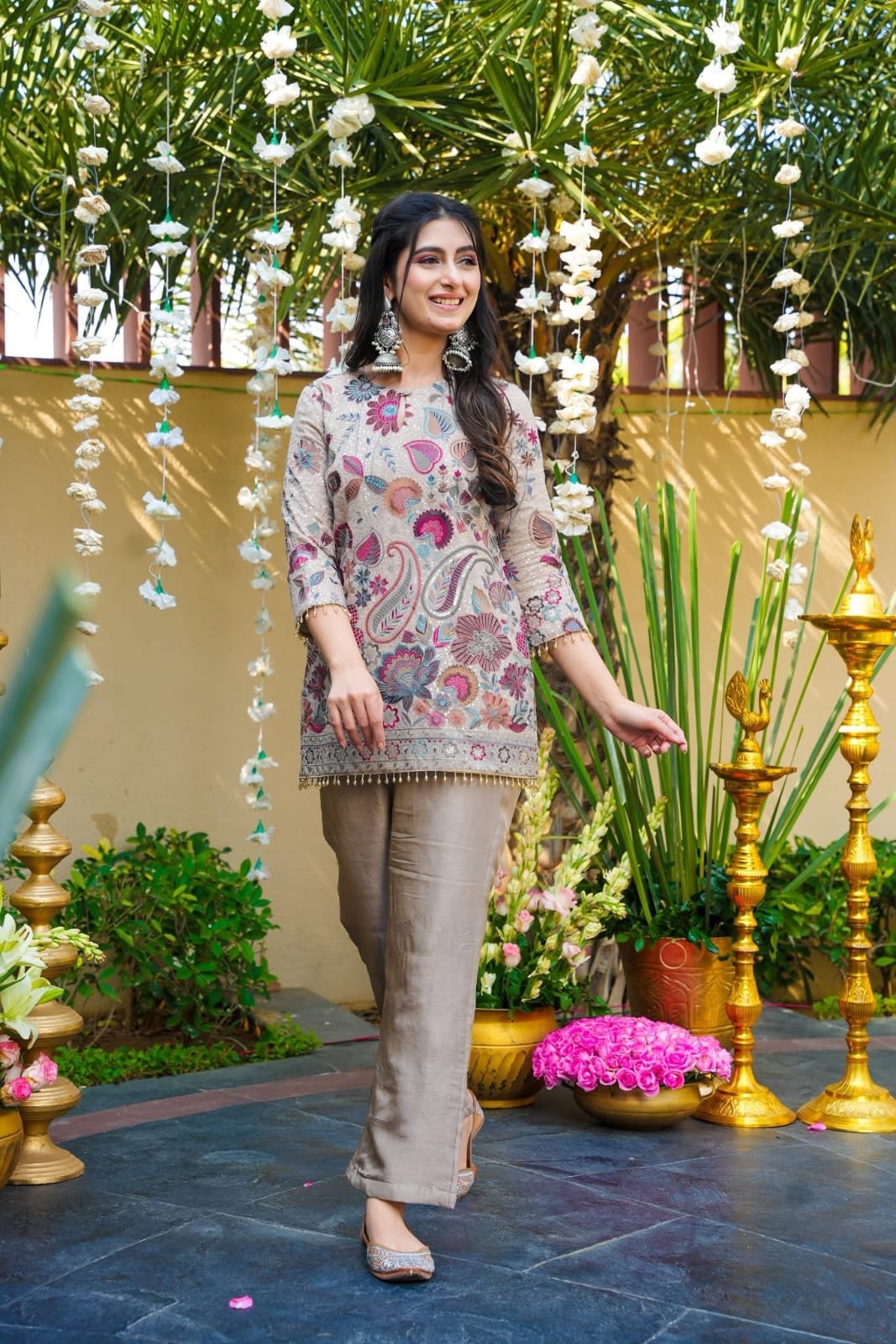
Kurta sets for reliable comfort
A kurta set is the safest starting point when you don't know how formal the ceremony will be. The DEVANSHI 2 Olive Green Embroidered Crunchy Silk Kurta Set has the visual richness of occasion wear while retaining the straightforward shape of a two-piece ensemble.
The Madhuri 2 Pink Chanderi Silk Kurta Set for Women | Varnavi illustrates why a lighter textile can be useful for a daytime ceremony. Chanderi silk has a refined, airy appearance, so it works well when the venue is warm or when the event includes travel between several locations.
For a brighter palette, the Rust Orange Vichitra Silk Embroidered Kurta Pant Set brings colour without needing a heavily layered skirt. Pair a kurta-and-pant set with a full-length dupatta for the gurdwara and drape it more loosely during the reception if the setting allows.
Anarkalis and gown sets for a dressier finish
Anarkalis and gown sets are suitable when you want a single flowing silhouette with visible embroidery. The Black Anarkali Suit Set with Sequin Zari and Moti Lace Work can suit an evening reception, but balance its dark base with a brighter dupatta, earrings or footwear if the ceremony is daytime.
The Teal Blue Vichitra Silk Embroidered Gown Set Online brings a jewel-toned alternative to traditional red and pink. A gown set should have a hem that doesn't pool excessively, because a long train becomes difficult to manage after shoes are removed in the gurdwara.
The Taupe Beige Vichitra Silk Embroidered Gown Set Online is an useful example of a neutral festive outfit. Taupe beige can look understated in photographs, so add colour through a coral lip, jewel-toned dupatta or warm gold jewellery rather than relying on heavy makeup alone.
Sharara and co-ord sets for movement
A sharara set gives a festive Punjabi-inspired shape while allowing more movement than a narrow skirt. The Parrot Green Embroidered Readymade Sharara Suit Set can work especially well for a daytime wedding when paired with comfortable flats and a securely draped dupatta.
A co-ord set is appropriate when the wedding invitation leans contemporary. The Modern Taupe Vichitra Silk Embroidered Co-Ord Set for Women can be made more classic for the gurdwara with a dupatta and covered shoulders.
Wedding Guest Outfits for Women Attending a Sikh Ceremony for the First Time: How should fabric and colour be chosen?
Fabric choice should reflect the season, venue temperature and amount of movement required. Banarasi silk, Chanderi silk, Vichitra silk, georgette and lightweight organza can all work for wedding guest clothing, but their weight, shine and drape differ noticeably.

Chanderi silk is comparatively light and slightly crisp, which helps a kurta retain its shape during a daytime event. Vichitra silk generally gives a smooth, rich surface that photographs well with embroidery. Banarasi silk and dense zari can feel warmer and heavier, so they're more comfortable for cooler months, air-conditioned halls or shorter ceremonies.
Colour is flexible at a Sikh wedding. Jewel tones such as teal, emerald, parrot green and cobalt create a celebratory appearance, while rust orange, pink, plum and fuchsia suit daytime functions. Black isn't universally prohibited for Sikh wedding guests, although some families may prefer brighter colours for a joyful ceremony; when uncertain, ask the host rather than relying on a blanket rule.
Red is also not automatically reserved for the bride in every Sikh family. A bride's outfit may be red, maroon, pink, ivory or another shade, so avoiding an extremely bridal lehenga with a veil and heavy head jewellery is more considerate than avoiding one colour alone.
Use embellishment strategically. Zari, sequin work, mirror work, pearls and moti lace can elevate a simple silhouette, but dense embroidery on the seat or waistband may become uncomfortable during the Anand Karaj. Test the outfit by sitting on the floor for ten minutes before the wedding; discomfort that appears at home will become more distracting during the ceremony.
Wedding Guest Outfits for Women Attending a Sikh Ceremony for the First Time: How can one outfit suit both events?
One outfit can work for both parts of a Sikh wedding when the base layer is modest and accessories can be adjusted. Start with a covered kurta, anarkali or gown, then use the dupatta, jewellery, shoes and makeup to change the level of formality.
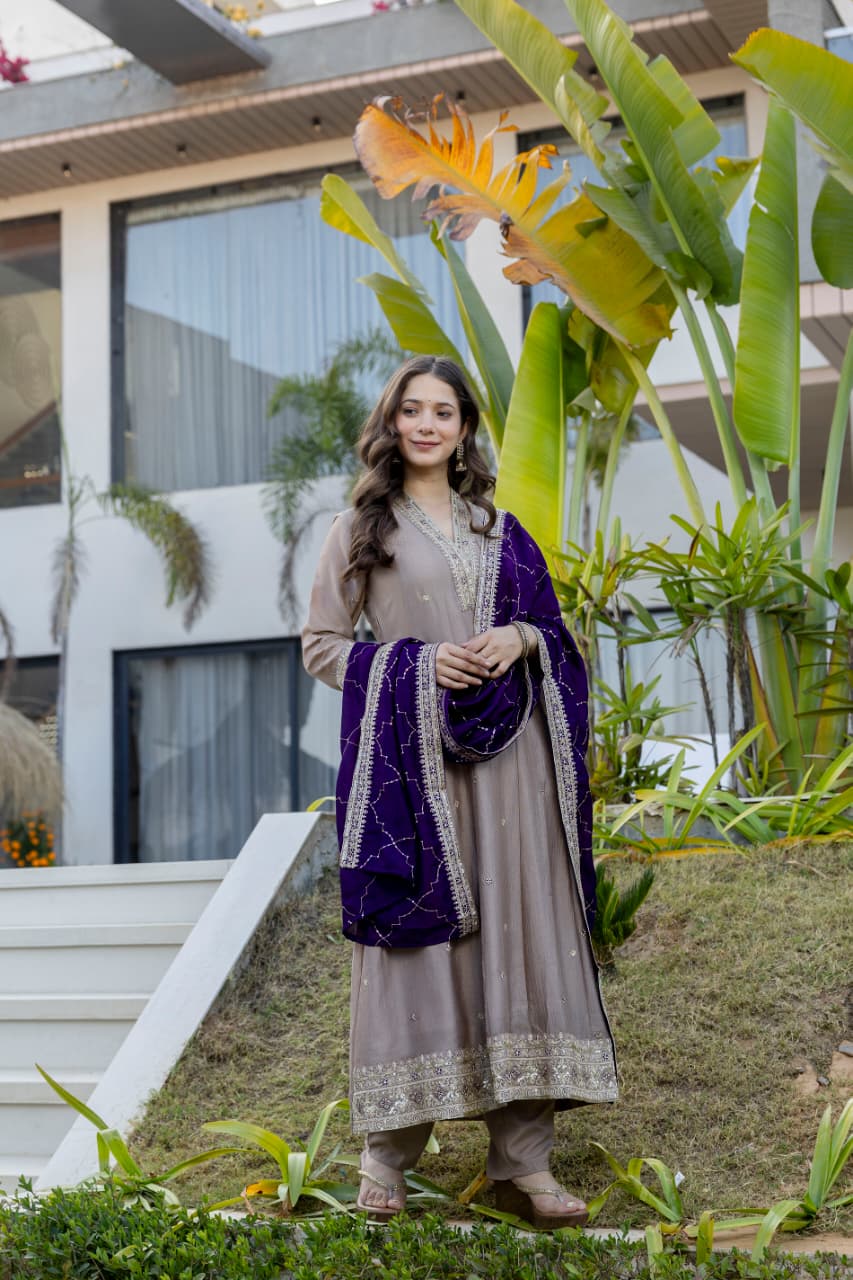
- Prepare for the gurdwara: Cover the shoulders, secure the dupatta over the head, choose flat or low shoes, and keep jewellery quiet enough for comfortable sitting.
- Move to photographs: Add statement earrings, a structured potli or a brighter lipstick after leaving the prayer hall. Keep the head covering available because photographs may take place near the gurdwara.
- Adjust for the reception: Change into block heels if desired, loosen the dupatta and add bangles or a necklace. A removable belt or embroidered jacket can also make a simple kurta set feel more formal.
- Protect the outfit: Carry safety pins, fashion tape, tissues and a small stain-removal pen. These items are particularly useful when the wedding includes travel, langar and crowded photographs.
Jewellery should complement rather than compete with the ceremony. Pearl drops, jhumkas, small chandbalis and a slim bangle stack are adaptable choices. Heavy maang tikas, bridal-style matha pattis and large kaleera-inspired accessories can make a guest appear too bridal, especially when combined with a veil or very ornate lehenga.
Wedding Guest Outfits for Women Attending a Sikh Ceremony for the First Time: What should be checked before leaving home?
A successful outfit should pass four tests before the wedding: coverage, comfort, security and venue suitability. Checking these details the night before prevents most avoidable wardrobe problems.
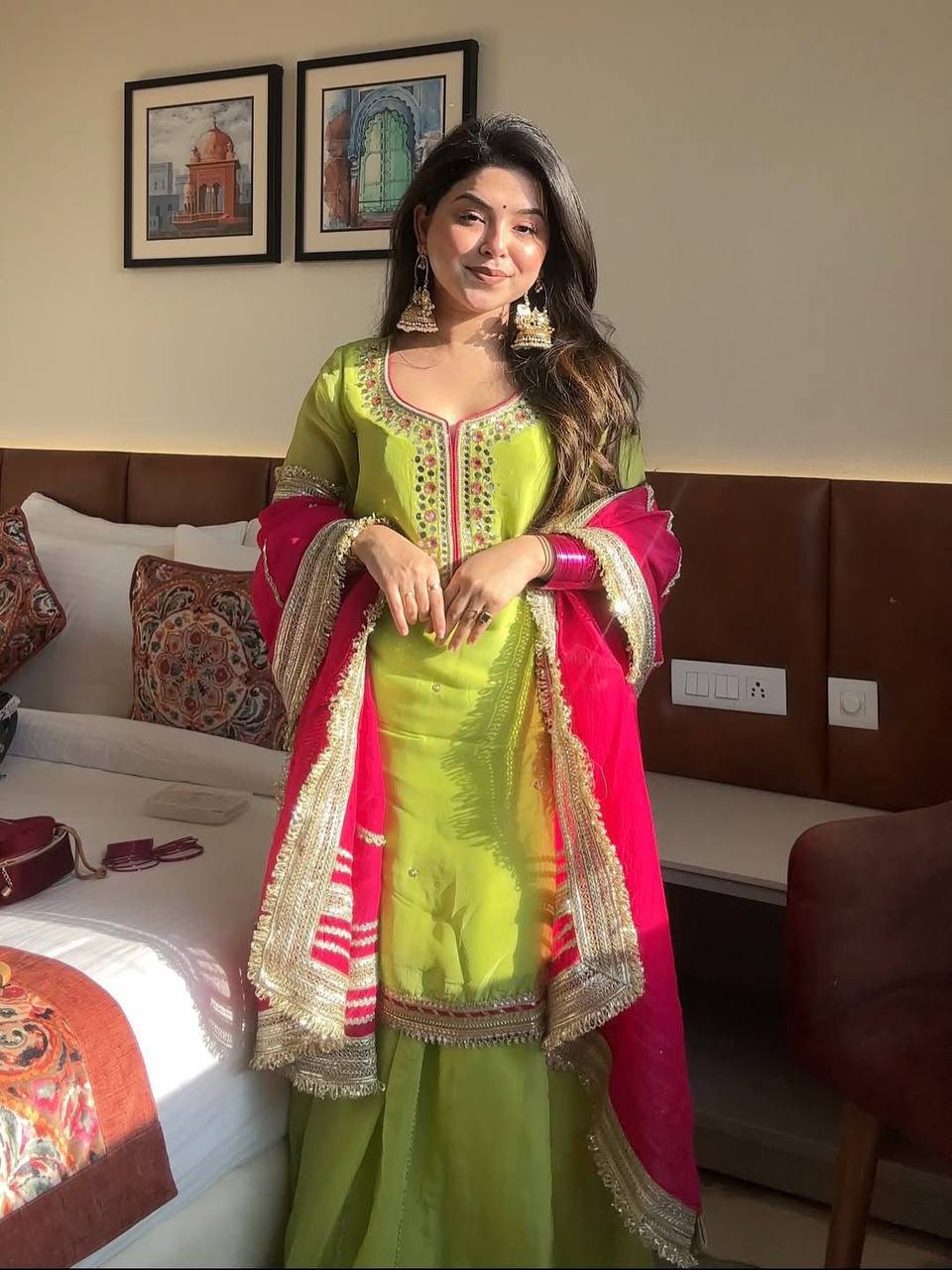
- Coverage test: Sit, bend and raise your arms to confirm that the neckline, hem and sleeves remain comfortable.
- Head-covering test: Wear the dupatta for at least fifteen minutes and check that it stays in place without constant pinning.
- Floor test: Remove your shoes and walk a few steps to confirm that the hem doesn't drag or catch underfoot.
- Seating test: Sit cross-legged for ten minutes to identify stiff embroidery, tight waistbands or scratchy lining.
- Weather test: Add a light stole or shawl for winter, and choose breathable layers for humid summer ceremonies.
- Transport test: Confirm that the outfit can be folded or carried without crushing delicate zari, sequins or embroidery.
Ask the hosts if the invitation doesn't explain the schedule or dress expectations. A simple question about whether the Anand Karaj will be followed by a formal reception can help you decide between a lighter kurta set and a more elaborate anarkali or sharara. Respectful clothing doesn't require guessing every custom; it requires attention, flexibility and consideration.
The best first-visit choice is usually a polished outfit that you can sit, walk, cover your head and eat in comfortably. A modest silhouette, a secure dupatta, removable shoes and thoughtfully chosen embellishment will let you participate in the Sikh wedding with confidence while leaving room for personal style.
Common Questions About Dressing for Your First Sikh Wedding
Can women wear a saree to a Sikh wedding?
Yes, women can wear a saree to a Sikh wedding if the blouse provides suitable coverage and the pallu can cover the head inside the gurdwara. Choose a secure drape and avoid a long trailing hem that becomes difficult to manage after removing shoes.
Do women have to cover their heads in a gurdwara?
Yes, women should cover their heads inside a gurdwara, including during the Anand Karaj. A dupatta, scarf or clean head covering can be used, and the covering should remain secure and comfortable while sitting.
Is black appropriate for a Sikh wedding guest?
Black can be appropriate for a Sikh wedding guest because there is no universal Sikh rule banning the colour. Some families prefer brighter shades for a joyful celebration, so a black outfit can be softened with colourful jewellery, a bright dupatta or a contrasting accessory.
Can I wear a lehenga to an Anand Karaj?
Yes, you can wear a lehenga to an Anand Karaj if the blouse and skirt provide comfortable coverage and the dupatta can cover your head. Select a manageable hem and avoid a heavily bridal design, long train or veil that may be impractical in the gurdwara.
What shoes are best for a Sikh wedding ceremony?
Flats, juttis, cushioned sandals and low block heels are practical choices for a Sikh wedding ceremony. Shoes should be easy to remove and comfortable for walking, standing and sitting because footwear is removed before entering the gurdwara.
What should I wear to langar at a Sikh wedding?
Wear comfortable clothing that stays secure while sitting on the floor and eating a vegetarian community meal. Avoid very long sleeves, dragging hems, loose tassels and oversized dupattas that may fall near shared serving dishes.