Wedding Guest Outfit Planning for a Small Temple Space calls for more than choosing a festive colour. A compact temple venue may involve bare feet, narrow aisles, floor seating, warm interiors, devotional rituals and close photographs, so clothing must support movement and respect as well as visual appeal. The most reliable outfit usually combines a manageable silhouette, breathable fabric, secure details and a level of coverage suited to the temple setting.
Wedding Guest Outfit Planning for a Small Temple Space Starts with the Venue
A small temple wedding usually requires an outfit that occupies less physical space and remains comfortable during periods of standing, sitting and walking. Before selecting a garment, check whether the ceremony takes place inside the sanctum area, in a covered courtyard or in a separate wedding hall, because each setting changes the practical requirements.
Temple entrances often have a raised threshold, steps or uneven stone flooring. Long trailing hems and wide floor-length panels can catch on these surfaces, especially when guests remove footwear. A saree with a controlled pallu, a salwar suit with a straight hem or a sharara with a moderate flare is easier to manage than an exaggerated train or very wide skirt.
Small spaces also place guests close to one another. Dense sequins, stiff metallic borders and oversized sleeves can press against neighbouring guests during group photographs or seated rituals. Medium-scale embroidery and a defined shoulder line create a dressed-up appearance without making the outfit cumbersome.
Which practical details should be checked before dressing?
Check the expected footwear rules, seating arrangement, ceremony duration and weather before finalising a temple wedding guest outfit. These four details influence the ideal hemline, fabric weight, blouse structure and amount of jewellery more than a trend forecast does.
A ceremony lasting two hours or more requires support at the waist and shoulders. Test the outfit by sitting cross-legged for five minutes, walking up and down stairs and raising both arms before the wedding day. A garment that looks comfortable on a hanger can feel restrictive when the wearer moves through a crowded temple.
Choose Fabrics That Handle Heat, Movement and Close Seating
Breathable silk blends, linen cotton, light georgette and soft rayon generally perform better than heavily layered velvet or thick brocade in a compact temple venue. Fabric choice should reflect the season, ventilation and time spent outdoors before and after the ceremony.
Banarasi silk and Kanjeevaram have traditional authority, but their weight can become tiring when a guest must stand for long periods or walk across a large temple complex. A lighter silk blend can provide sheen and structure with less strain. Chanderi offers another useful option when a guest wants a refined festive texture without the density of a heavily woven silk.
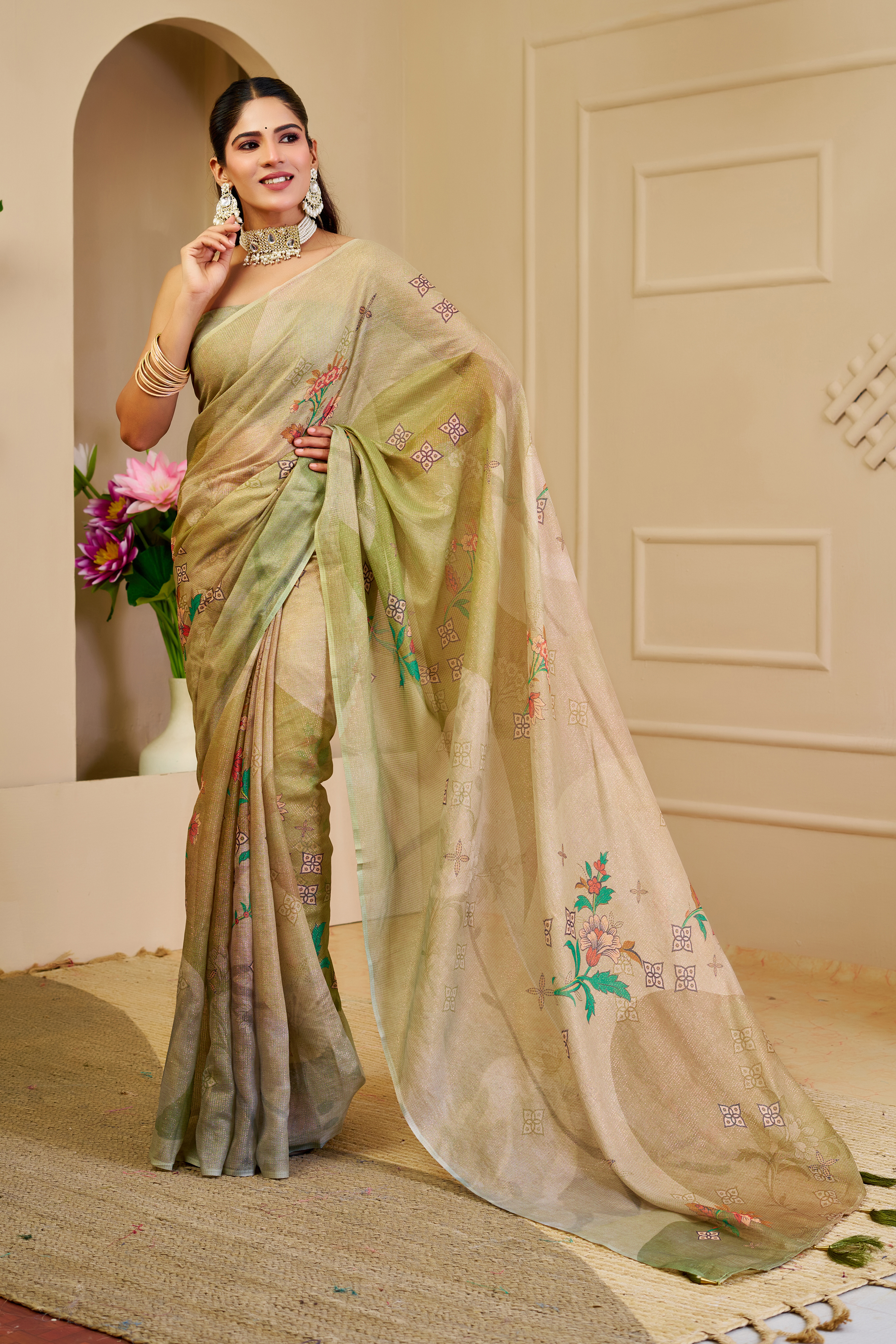
Linen cotton is especially practical for a daytime wedding because it absorbs moisture and usually feels less clingy than synthetic fabric. The Teal Floral Printed Linen Cotton Saree With Matching Blouse demonstrates how a print can create occasion-appropriate interest without relying on heavy surface work. The Mint Green Floral Linen Cotton Saree with Pink Border Style brings a similarly airy direction, with the border supplying definition at the hem and pallu.
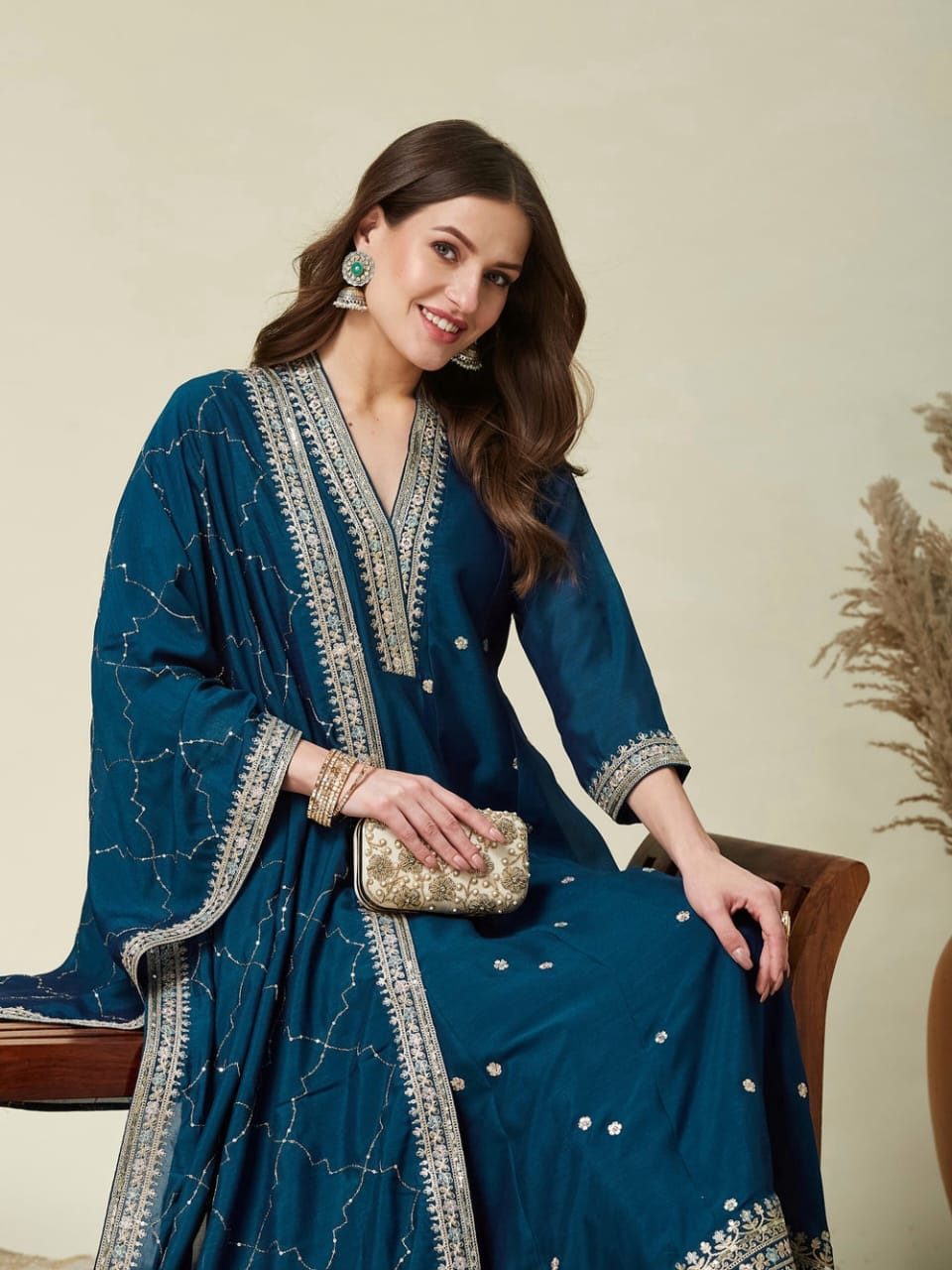
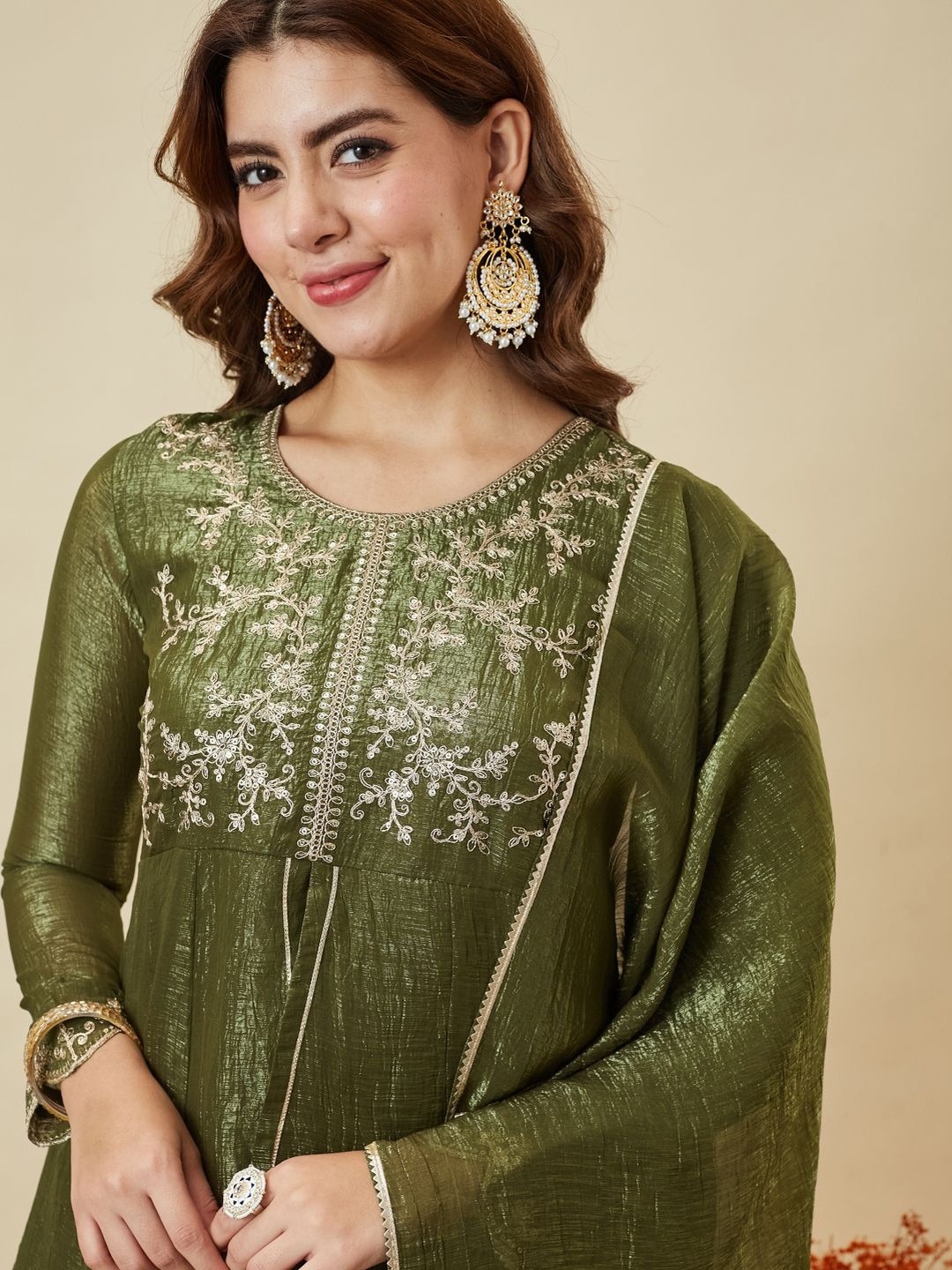
Vichitra silk can work well when the ceremony is air-conditioned or held during a cooler season, but embroidery placement matters. The Teal Blue Vichitra Silk Embroidered Gown Set Online Copy Title provides a formal, one-piece option, while the Taupe Beige Vichitra Silk Embroidered Gown Set Online creates a quieter neutral effect. Both silhouettes should be checked for lining, sleeve comfort and ease at the waist before purchase.
How much embellishment is appropriate for a small temple?
Moderate embroidery with one dominant decorative element is usually appropriate for a small temple wedding. A heavily embroidered neckline, ornate dupatta and dense trouser border together can create unnecessary weight and visual congestion in a close indoor setting.
Zari, sequins and metallic thread catch warm temple lighting beautifully, but placement is more important than quantity. A zari border on a saree, embroidery around a kurta yoke or a decorated dupatta edge can frame the outfit without covering every surface. Matte threadwork and small motifs are also easier to photograph clearly than scattered high-shine embellishment.
Match the Silhouette to Sitting, Walking and Removing Footwear
A straight suit, controlled saree drape, streamlined gown or moderate sharara is generally easier to wear in a small temple than a very full lehenga. The best silhouette allows the knees, ankles and hands to move freely while keeping the hem away from oily lamps, crowded floors and door thresholds.
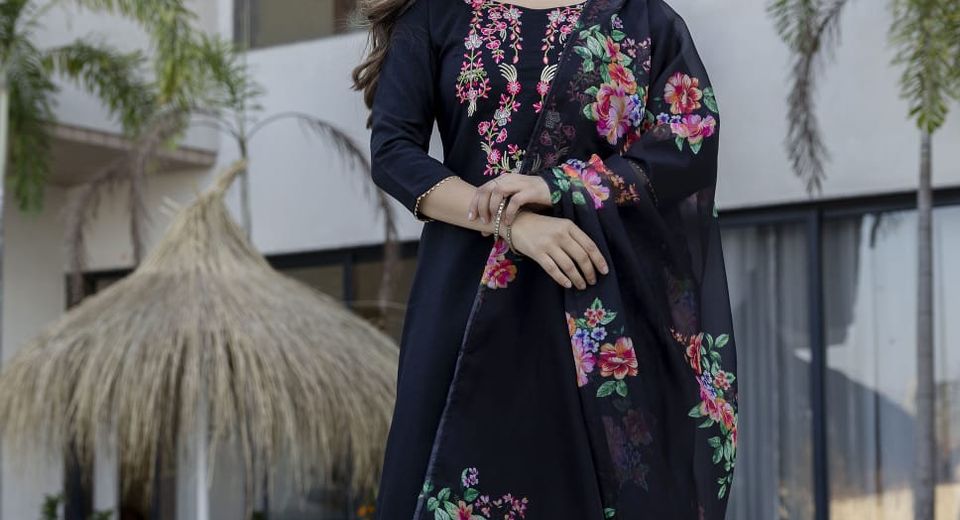
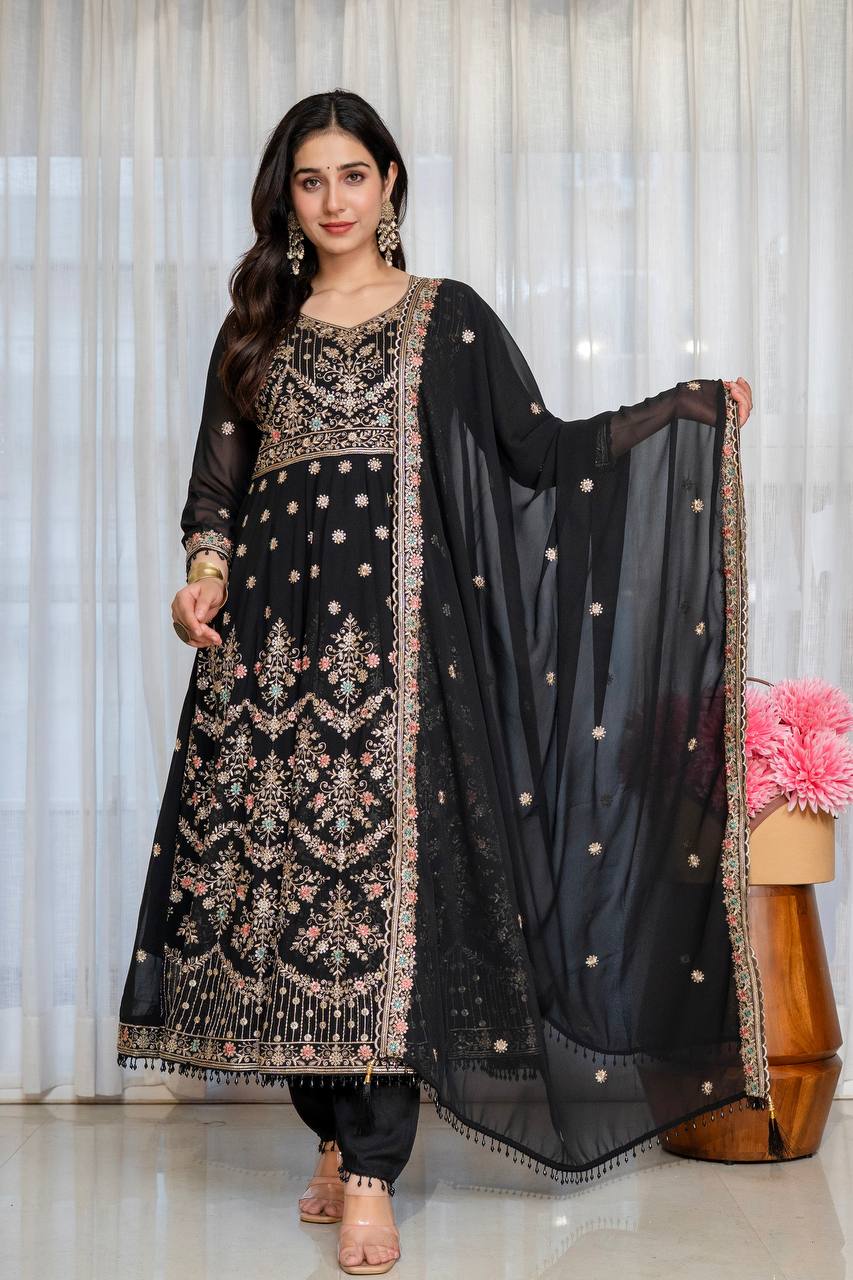
A salwar suit is a dependable choice for guests who expect repeated movement. The Black Chinon Embroidered Kurta Set with Floral Dupatta gives a darker, structured base that can be paired with low-profile jewellery and comfortable footwear. The dupatta should be pinned at one shoulder and lightly secured at the opposite side so it doesn't slip during prayers or photographs.
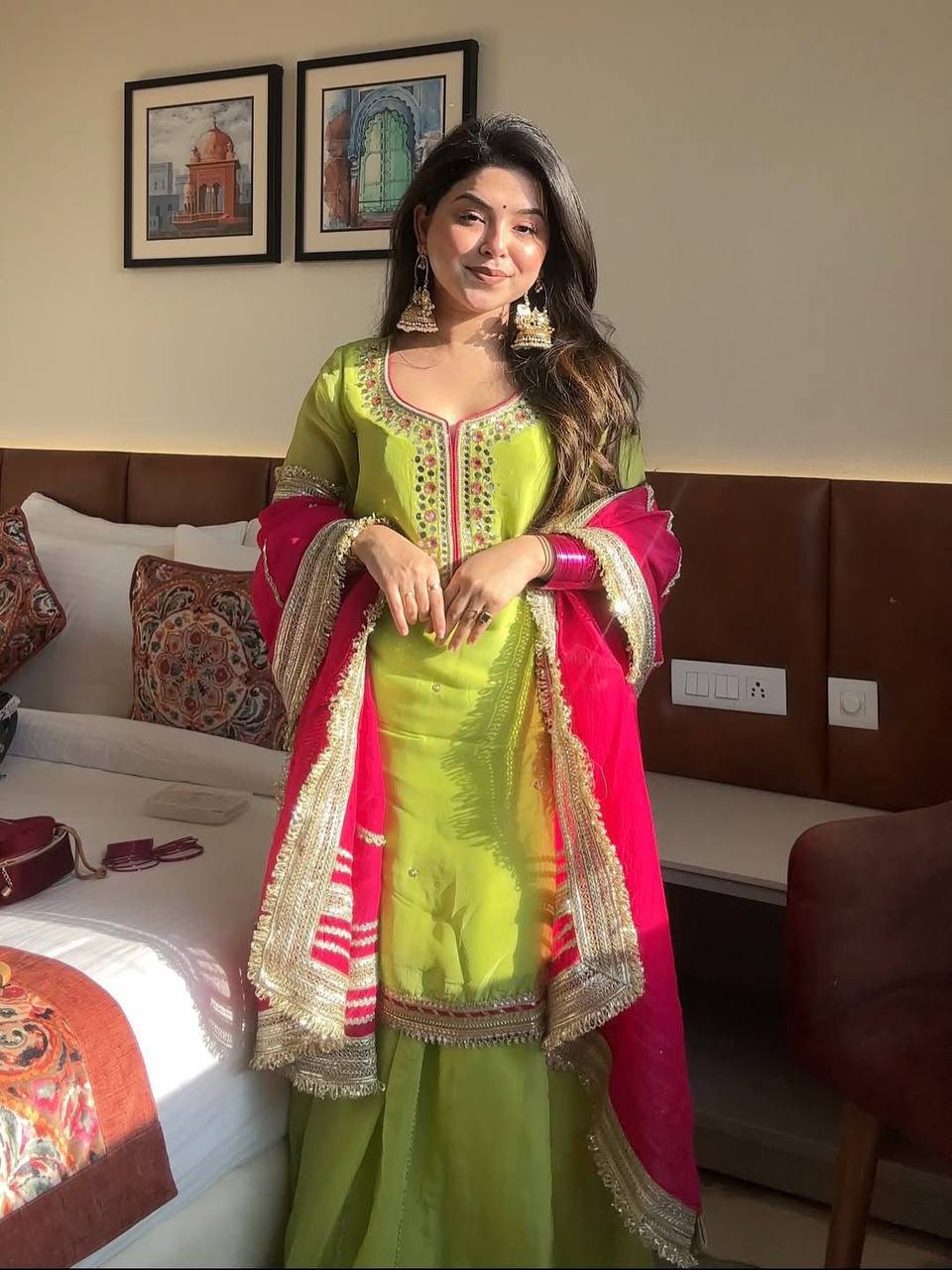
A sharara works when the flare is balanced by a shorter kurta and a well-controlled dupatta. The Parrot Green Embroidered Readymade Sharara Suit Set brings colour and festive detail, but the wearer should test whether the trouser volume bunches when sitting on the floor. The Black Chinon Sharara Set with Multicolour Embroidery for Women creates a more dramatic option; keeping the jewellery simple prevents the overall look from becoming crowded.
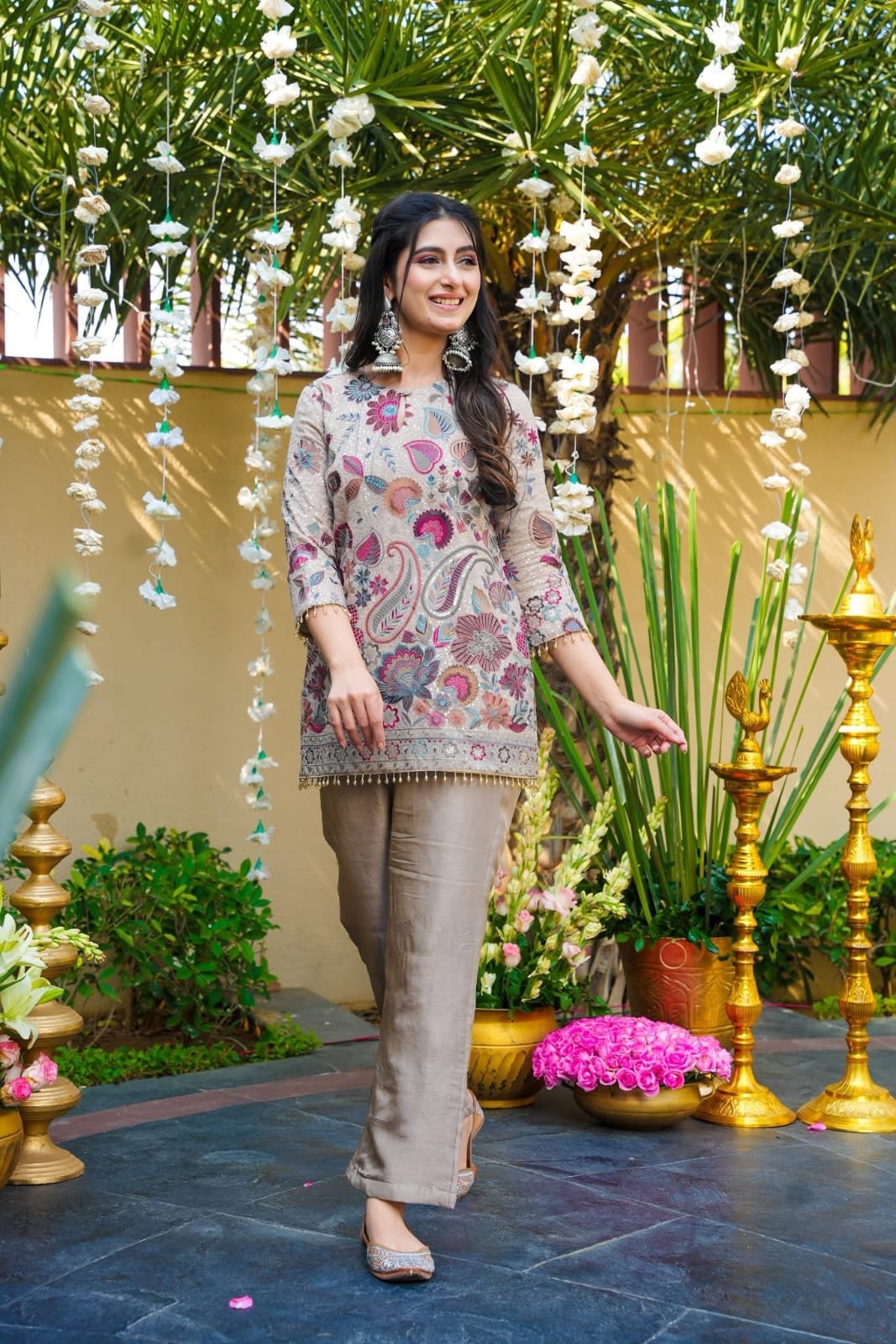
Co-ord sets can be useful when a guest wants a polished appearance without managing several draped layers. The Modern Taupe Vichitra Silk Embroidered Co-Ord Set for Women uses a coordinated colour story that can be styled with a compact clutch and small earrings. A co-ord set also reduces the risk of a dupatta dragging across the floor, although modest coverage should still be checked for the temple's dress expectations.
Is a gown suitable for a temple wedding?
A modest Indian gown can suit a temple wedding when the neckline, sleeve length, hem and fabric weight meet the venue's expectations. Gowns are most practical when they have a secure lining, no floor-length train and enough ease for sitting.
A gown should not require constant lifting or adjustment near lamps and steps. Choose a length that clears the floor by approximately 1 to 2 centimetres when worn with the intended footwear. The Taupe Beige Vichitra Silk Embroidered Gown Set Online can be made more temple-appropriate with a light dupatta worn over the shoulders, while the teal version can carry the colour focus without excessive accessories.
Use Colour and Coverage with Temple Etiquette in Mind
Colour choice can be festive and expressive while still remaining suitable for a devotional environment. Jewel tones, fresh greens, muted pastels, ivory-based prints and warm neutrals are versatile choices for guests, while the couple's family may have specific preferences that should take priority.
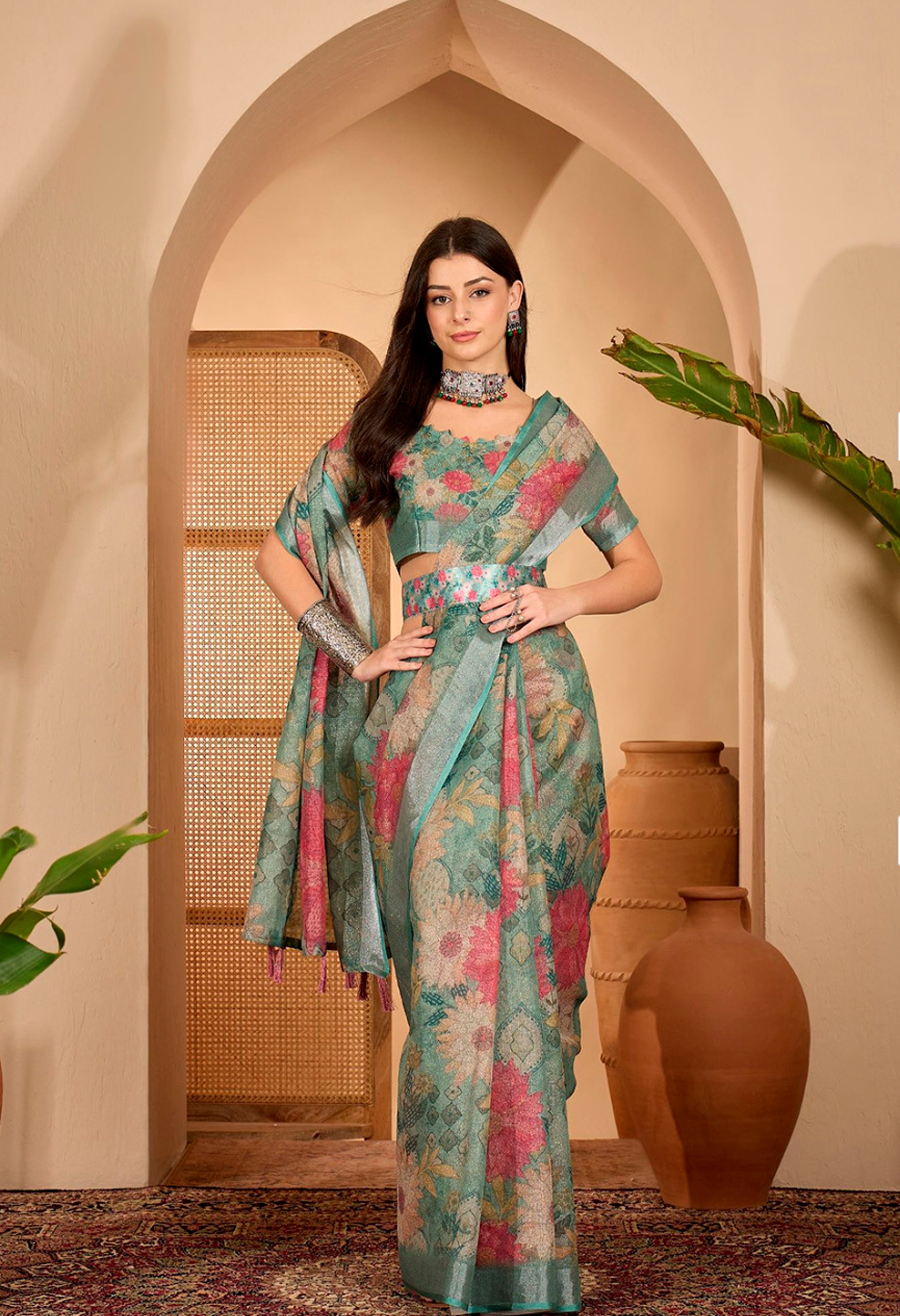
Red, maroon and deep pink are often associated with bridal dressing in India, so guests who want to avoid appearing bridal can select teal, parrot green, taupe, mint, navy or a printed neutral instead. The Teal Floral Printed Linen Cotton Saree With Matching Blouse gives colour without bridal heaviness. The Mint Green Floral Linen Cotton Saree with Pink Border Style uses a lighter palette that suits a daytime ceremony and remains visible in indoor photographs.
Temple etiquette commonly favours covered shoulders, a secure neckline and a hemline that doesn't expose too much leg when sitting. Local customs vary, so guests should follow instructions from the couple or temple staff rather than assume that one national standard applies everywhere. A lightweight dupatta can provide adjustable coverage without adding the bulk of another garment.
Guests should avoid a pallu, stole or dupatta that repeatedly touches the floor. Pin the fabric at the shoulder, use a discreet brooch or fold the end over the forearm when moving through the ceremony. These small adjustments protect the garment and make it easier to participate respectfully.
Build Accessories Around Safety and Scale
Small temple venues reward compact accessories that stay secure during movement. Medium-sized jhumkas, short necklaces, a slim bangle stack and a small structured bag usually provide enough festive detail without catching on dupattas or pressing into neighbouring guests.
Heavy chandelier earrings can become uncomfortable during a long ceremony, particularly when paired with a high-neck kurta or embroidered collar. If earrings are large, skip a heavy necklace and choose a low-profile maang tikka only when it can be secured firmly. Hair should be pinned away from the face if the venue is warm or crowded.
Choose a clutch with a wrist strap or a small crossbody bag that can be placed beside a seated guest without blocking the aisle. Avoid oversized handbags because temple corridors may be narrow and floor seating leaves limited personal space. Keep cash, phone, tissues and safety pins in one compact pouch rather than several loose compartments.
What footwear works best for a temple wedding guest?
Low block heels, cushioned juttis, flat sandals and supportive slip-on shoes are usually the safest choices for a temple wedding guest. Footwear should be easy to remove, easy to identify and stable on stone or uneven surfaces.
New shoes should be broken in for at least three short outings before the wedding. A 2 to 3 centimetre block heel brings modest height without the instability of a narrow stiletto. Guests should carry blister patches and avoid footwear with complicated buckles if shoes must be removed several times.
Plan the Outfit Around the Wedding Schedule
A ceremony schedule should determine whether the outfit prioritises heat management, warmth, coverage or after-ceremony photographs. Morning temple weddings usually favour breathable textiles and lighter colours, while evening ceremonies can accommodate richer shades and more reflective embroidery.
For an early morning wedding, linen cotton sarees, light Chanderi layers and unlined or lightly lined suits are sensible. For a late evening ceremony, Vichitra silk, Chinon and controlled zari accents can provide formality without requiring a heavy lehenga. Guests attending both a temple ritual and a reception may use a detachable dupatta, statement earrings or a change of blouse to shift the look rather than carrying a complete second outfit.
Allow at least 30 minutes before departure for draping, pinning and a movement test. Saree pleats should be secured with hidden pins, and a dupatta should be tested while walking, sitting and raising the arms. Readymade sets reduce preparation time, but the wearer should still inspect seams, hooks, zips and lining before the event.
Weather also affects garment care. Humidity can make silk blends cling, while rain can stain pale hems and metallic footwear. A garment bag, a spare pair of comfortable flats and a small emergency kit containing safety pins, fashion tape and stain-removal wipes can prevent minor problems from becoming visible in photographs.
A Practical Decision Framework for the Final Outfit
The final outfit should pass five checks: movement, coverage, climate, footwear compatibility and visual balance. If a garment fails even one of these checks, a simpler alternative will usually look more polished after several hours at the venue.
- Movement: Sit on the floor or a low chair, climb steps and walk for ten minutes without lifting the hem repeatedly.
- Coverage: Confirm that the neckline, shoulder area and hem remain comfortable during prayer, sitting and reaching for a handbag.
- Climate: Check whether the lining and fabric suit the expected temperature, humidity and ventilation.
- Footwear: Remove and replace the shoes quickly, then test the outfit at the actual heel height.
- Visual balance: Keep one main focus, such as a printed saree, embroidered kurta, colourful sharara or statement earring, rather than competing details everywhere.
Wedding Guest Outfit Planning for a Small Temple Space becomes much easier when the outfit is judged by real actions rather than by a mirror photograph alone. A breathable saree, controlled sharara, secure suit or modest gown can all work when the proportions match the venue and the guest's role in the ceremony.
The strongest final choice often feels quietly practical: a hem that doesn't drag, a dupatta that stays in place, footwear that survives stone floors and fabric that remains comfortable after two hours. Those details allow the guest to focus on the couple, participate in the rituals and appear composed in every photograph.
Questions Guests Ask About Dressing for a Small Temple Wedding
What should I wear to a small temple wedding as a guest?
A breathable saree, straight salwar suit, moderate sharara or modest Indian gown is suitable for most small temple weddings. Choose secure coverage, a controlled hem and footwear that is easy to remove.
Can I wear a gown to a temple wedding?
You can wear a gown when the neckline, shoulders and hem are modest and the gown does not trail on the floor. A light dupatta can add coverage, while a 1 to 2 centimetre floor clearance improves safety on temple steps.
Which saree fabric is most comfortable for a temple wedding?
Linen cotton, light silk blends and Chanderi are generally comfortable for warm or daytime ceremonies. Heavy Banarasi silk, Kanjeevaram or dense brocade can work in cooler settings but may feel tiring during long periods of standing or sitting.
What colours should wedding guests avoid at a temple wedding?
Guests may want to avoid a fully red or heavily bridal-looking outfit if the couple has not specified a dress code. Teal, parrot green, mint, taupe, navy, maroon accents and printed neutrals offer festive alternatives without strongly imitating bridal dressing.
What footwear is best for a temple wedding guest?
Low block heels, cushioned juttis, flat sandals and supportive slip-on shoes are practical choices. Break in new footwear beforehand and select a design that can be removed and worn again without complicated fastenings.
How can I keep my dupatta or saree pallu secure inside a temple?
Pin the dupatta or pallu at the shoulder and add a discreet second pin near the waist or opposite side when needed. Keep the loose end off the floor, especially near steps, lamps and areas where guests sit.