Wedding Guest Dressing for a Gujarati Morning Phera Ceremony requires a different balance from dressing for a late-night reception. Morning sunlight, warmer temperatures, temple or outdoor settings, repeated standing, and close family photographs all reward clothing that looks festive without becoming heavy. A breathable saree, a light lehenga-style set, or a polished gown with sensible jewellery can work beautifully when the outfit respects the ceremony and the season.
Gujarati weddings vary by community and family, so the invitation remains the best guide to formality. A morning phera generally calls for colour, refinement, and movement-friendly dressing rather than the dense velvet, dark sequins, or heavily layered styling often chosen for an evening sangeet. The goal is to look celebratory while leaving the couple and the wedding rituals visually central.
Wedding Guest Dressing for a Gujarati Morning Phera Ceremony: What should you wear?
A guest should wear a polished Indian outfit in a breathable fabric, using lighter embellishment and comfortable footwear suited to several hours of standing. A silk-cotton saree, printed saree with a neat blouse, embroidered co-ord set, or light gown-style outfit is usually more practical than a very heavy lehenga.
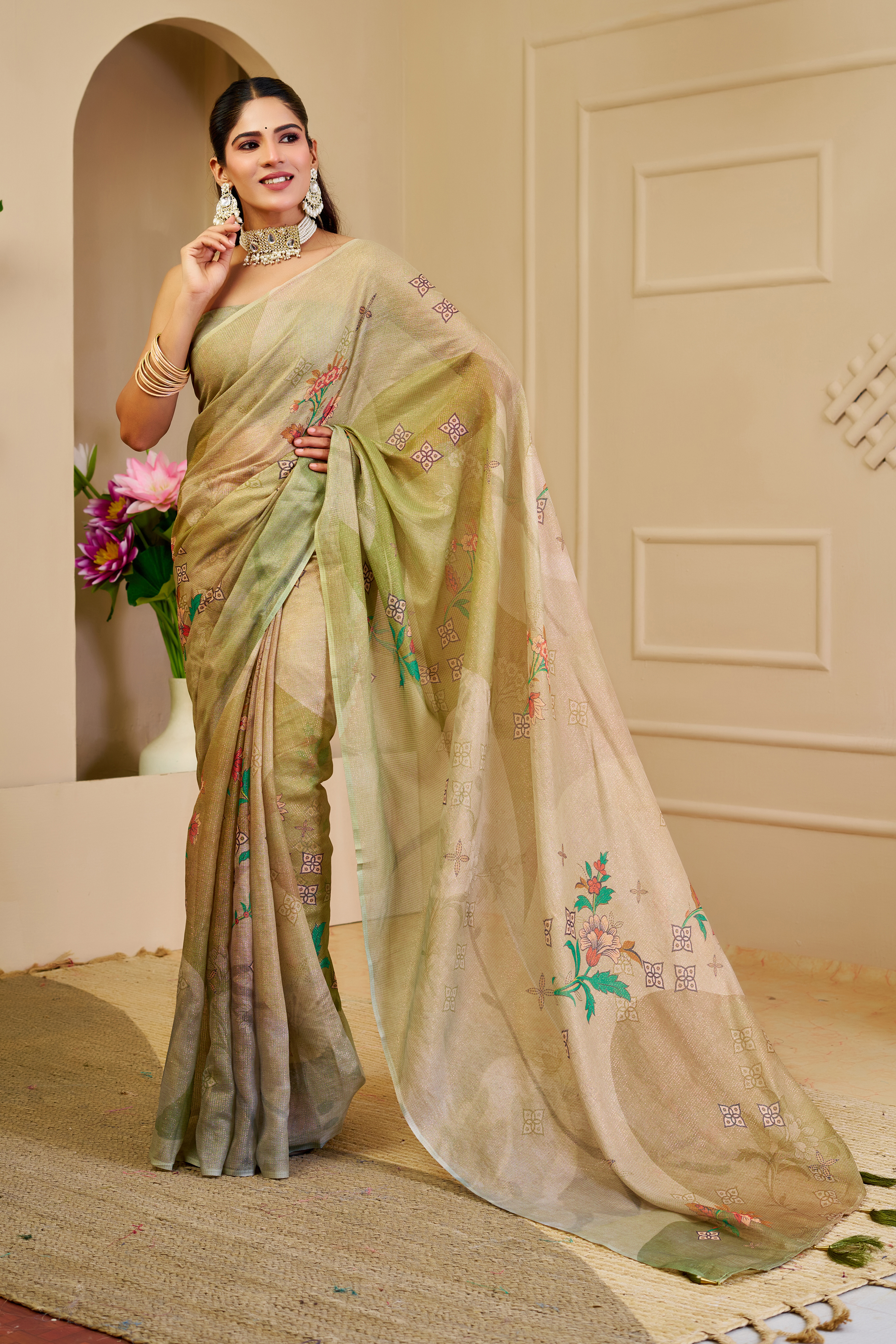
Morning pheras often take place in bright natural light, which makes texture and fit more noticeable than dramatic evening sparkle. Chanderi, linen cotton, tissue cotton, soft silk, and lightweight Vichitra silk can provide enough occasion presence without trapping excessive heat. A guest attending a more formal palace, hotel, or family wedding may add zari, a structured blouse, or a restrained embroidered layer.
The word "morning" should also influence colour selection. Emerald, teal, peach, mauve, ivory, rose, coral, and fresh green tend to photograph well in daylight. Maroon and deep jewel tones can also work, especially when balanced with a lighter blouse, gold border, or minimal accessories.
Wedding Guest Dressing for a Gujarati Morning Phera Ceremony and family etiquette
Gujarati wedding etiquette generally favours festive Indian clothing that allows guests to participate respectfully in rituals, sit near the mandap, and move between ceremony and meal areas without constant adjustment. Customs differ, but guests should avoid clothing that's excessively revealing, unstable around fire, or so elaborate that it competes with the bride's outfit.
Some Gujarati families perform four pheras, while other families follow seven pheras or additional regional rituals. The number and order of rituals can differ according to family tradition, caste, sect, and the priest's practice. Guests don't need to imitate ceremonial dress, but guests should choose an outfit that remains graceful while seated on the floor or standing near the sacred fire.
Very long trailing dupattas, broad dangling sleeves, and loose tassels can catch on chairs, footwear, or mandap arrangements. A saree with secure pleats, a pre-stitched drape, or a dupatta pinned at the shoulder reduces those risks. Guests should also check whether the venue requests covered shoulders, removes footwear, or follows a more conservative dress expectation.
Wedding Guest Dressing for a Gujarati Morning Phera Ceremony: Which fabrics work?
Linen cotton, tissue cotton, Chanderi, lightweight silk, and breathable blends work well for a daytime Gujarati wedding because they combine visual texture with lower heat retention. Fabric choice matters more than surface shine when the ceremony takes place outdoors or in a crowded, sunlit hall.
Sarees that support airflow and movement
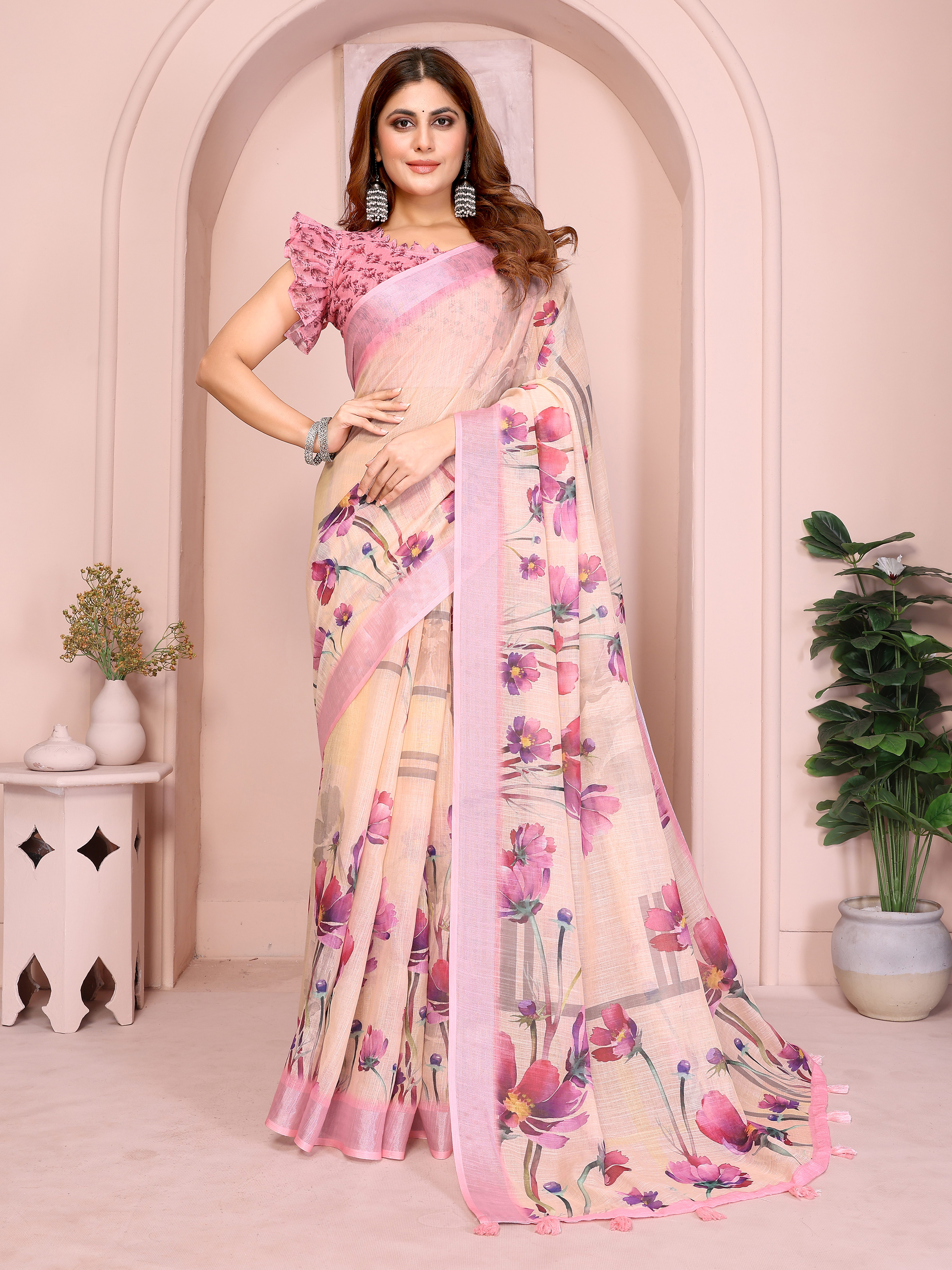
A linen cotton saree offers a crisp fall and useful breathability, although the fabric may crease during travel. Peach Linen Cotton Floral Print Saree with Blouse for Women suits a softer daytime palette, while Teal Green Tissue Handloom Cotton Saree With Printed Pallu gives a more structured handloom effect without the weight of heavily woven silk.
Tissue cotton can catch the light handsomely in a morning mandap, but the saree should be pleated securely because a slippery pallu can shift during blessings or photographs. Emerald Green Tissue Cotton Saree With Digital Floral Print introduces a clear floral motif, making it a good choice when the blouse and jewellery are kept relatively quiet.
Silk and embellishment for a formal venue
Banarasi silk and zari borders remain appropriate for a formal Gujarati wedding when the saree is lightweight enough for daytime wear. Maroon Banarasi Soft Silk Saree with Golden Zari Border has the visual authority of a traditional silk saree, so pair it with a modest blouse, small jhumkas, and a light makeup finish instead of adding a heavily embroidered shawl.
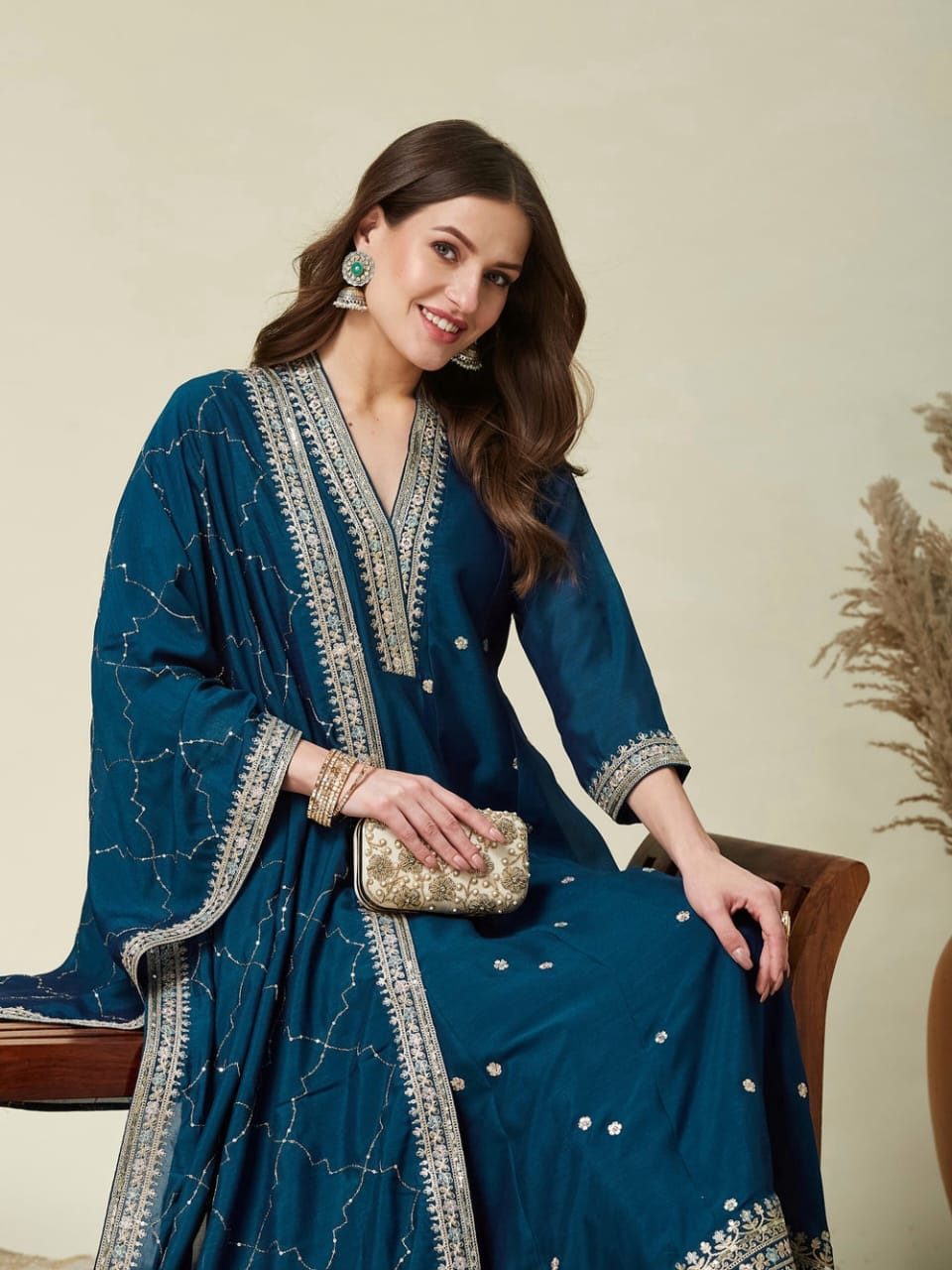
Vichitra silk can create a smooth, dressy silhouette for guests who prefer a gown or coordinated outfit to a saree. Teal Blue Vichitra Silk Embroidered Gown Set Online Copy Title works best with low-profile jewellery and comfortable block heels because the fabric and embroidery already provide noticeable detail. Taupe Beige Vichitra Silk Embroidered Gown Set Online brings a quieter neutral base for pearl, kundan, or antique-gold accents.
Wedding Guest Dressing for a Gujarati Morning Phera Ceremony: Which colours are suitable?
Guests can choose fresh, medium-depth colours that remain distinct in strong daylight, such as teal, emerald, peach, mauve, coral, maroon, or warm taupe. A daytime palette should look celebratory but should not automatically rely on bridal red, dense bridal pink, or head-to-toe gold.
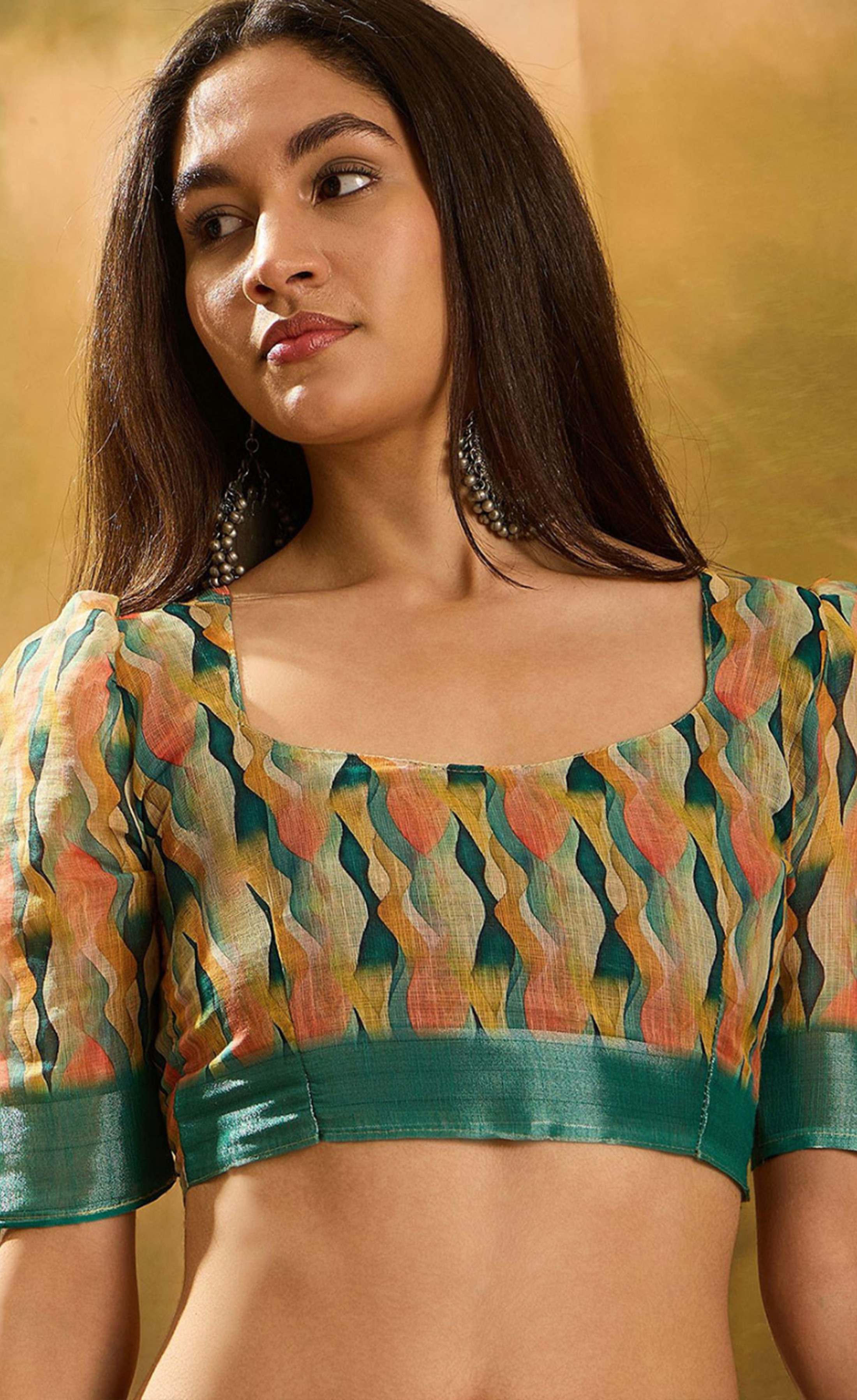
Colour etiquette isn't identical across all Gujarati families. Red may be a bridal colour in one family and a welcome festive colour for guests in another, while white may be associated with mourning in some communities but used in elegant daytime prints in others. Ask a close family member if the invitation suggests a colour theme or if the bride's outfit has a known dominant shade.
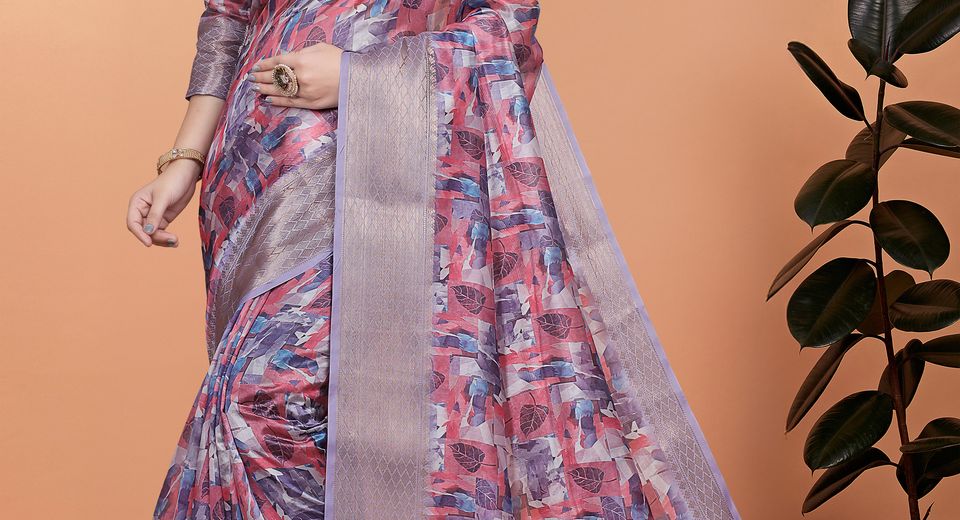
Prints are especially useful for a morning ceremony because they add dimension without requiring large quantities of embroidery. Buy Mauve Floral Printed Satin Saree With Woven Border gives a romantic, softly coloured option, but satin can feel warmer and more slippery than cotton. Wearing a well-fitted blouse with an inner lining and securing the pallu with a discreet pin will improve comfort.
A modern neutral can also be festive when the cut is precise. Modern Taupe Vichitra Silk Embroidered Co-Ord Set for Women suits guests who want a contemporary silhouette, particularly when paired with a coloured potli, emerald earrings, or a bright bindi. Neutral clothing should still include one intentional festive element so that it doesn't read as officewear.
Wedding Guest Dressing for a Gujarati Morning Phera Ceremony: How should you style a saree?
A guest should secure the saree at the waist, anchor the pleats, and pin the pallu at a position that allows comfortable sitting and walking. A medium-width belt, hidden safety pins, a fitted underskirt, or a pre-draped saree can make the outfit more reliable during a long ceremony.

Wear the blouse before the wedding day and test the neckline, armholes, hooks, and sleeve length while sitting, reaching forward, and raising both arms. A blouse that feels comfortable while standing may become restrictive near the elbows when a guest sits cross-legged. Cotton lining is often more comfortable than polyester lining in warm weather.
Choose a pallu length that reaches around the knee or slightly below rather than brushing the floor. A narrow pallu border is easier to manage near the havan kund, while a very broad zari border may feel heavy after several hours. Keep two small safety pins, one spare earring back, and a stain-removal wipe in the handbag.
Jewellery should follow the visual weight of the garment. Handloom cotton with a printed pallu can take oxidised silver, terracotta, or small gold jewellery, while Banarasi silk can support kundan, pearls, or classic gold-toned pieces. Wearing either statement earrings or a bold necklace is usually more comfortable than wearing both with a morning saree.
Wedding Guest Dressing for a Gujarati Morning Phera Ceremony: What footwear is practical?
Low block heels, embellished flats, and cushioned sandals are the most practical footwear choices because they provide stability on grass, marble, carpet, and uneven outdoor paths. A heel between 1.5 and 2.5 inches usually adds polish without making standing, stair use, or temple entry unnecessarily difficult.

Break in new footwear for at least two short walks before the wedding. Blister patches, thin gel insoles, and a small foldable flat can prevent minor discomfort from becoming a distraction during pheras. Guests should confirm whether the venue requires footwear to be removed before selecting shoes with complicated straps.
A small potli or compact shoulder bag is more useful than a large tote at a mandap. Keep the phone, tissues, lipstick, safety pins, and a small cardholder inside, but avoid placing the bag on the floor near ritual items. A lightweight stole can provide shoulder coverage in an air-conditioned hall and sun protection when the ceremony moves outdoors.
Accessories should also account for sound. Long metal bangles and heavy anklets can become noisy when guests move near the priest or family members. Two or three slim bangles, small hoops or jhumkas, and a watch with a simple strap create a finished look without constant clinking.
Wedding Guest Dressing for a Gujarati Morning Phera Ceremony: How can you prepare for heat?
Guests can manage a warm morning wedding by choosing breathable fabrics, applying light makeup in thin layers, and carrying a compact touch-up kit. The most useful kit includes blotting paper, translucent powder, lip colour, tissues, hair pins, and a small water bottle if the venue permits it.

Natural fibres can crease, but a few creases are usually preferable to visible sweat patches or an outfit that restricts movement. Linen cotton and cotton sarees benefit from careful steaming rather than aggressive ironing, while silk should be pressed from the reverse side with a cloth barrier. Do not spray perfume directly onto Banarasi silk, zari, or delicate embroidery because alcohol and moisture can mark the surface.
Hair should be secured according to the weather and the neckline. A low bun, braided style, or half-up hairstyle is more reliable than loose hair in humidity and keeps earrings visible in photographs. Guests attending an outdoor Haldi ceremony before the phera should avoid wearing a saree that can't tolerate turmeric stains or using very pale accessories that are difficult to clean.
Makeup for a morning phera usually photographs better in satin or natural finishes than in intense glitter. Waterproof kajal, a light base, cream blush set with a small amount of powder, and a tinted lip product can withstand warmth without appearing heavy. Sunscreen should be applied at least 15 minutes before leaving, especially when the venue has an open lawn or uncovered procession route.
Wedding Guest Dressing for a Gujarati Morning Phera Ceremony: How should you plan the full outfit?
The most dependable outfit plan combines one statement element with several quiet supporting pieces. A printed saree can be paired with a plain blouse and small gold earrings; an embroidered gown can be paired with simple sandals and a compact clutch; a neutral co-ord set can receive its colour from the potli, bangles, or footwear.
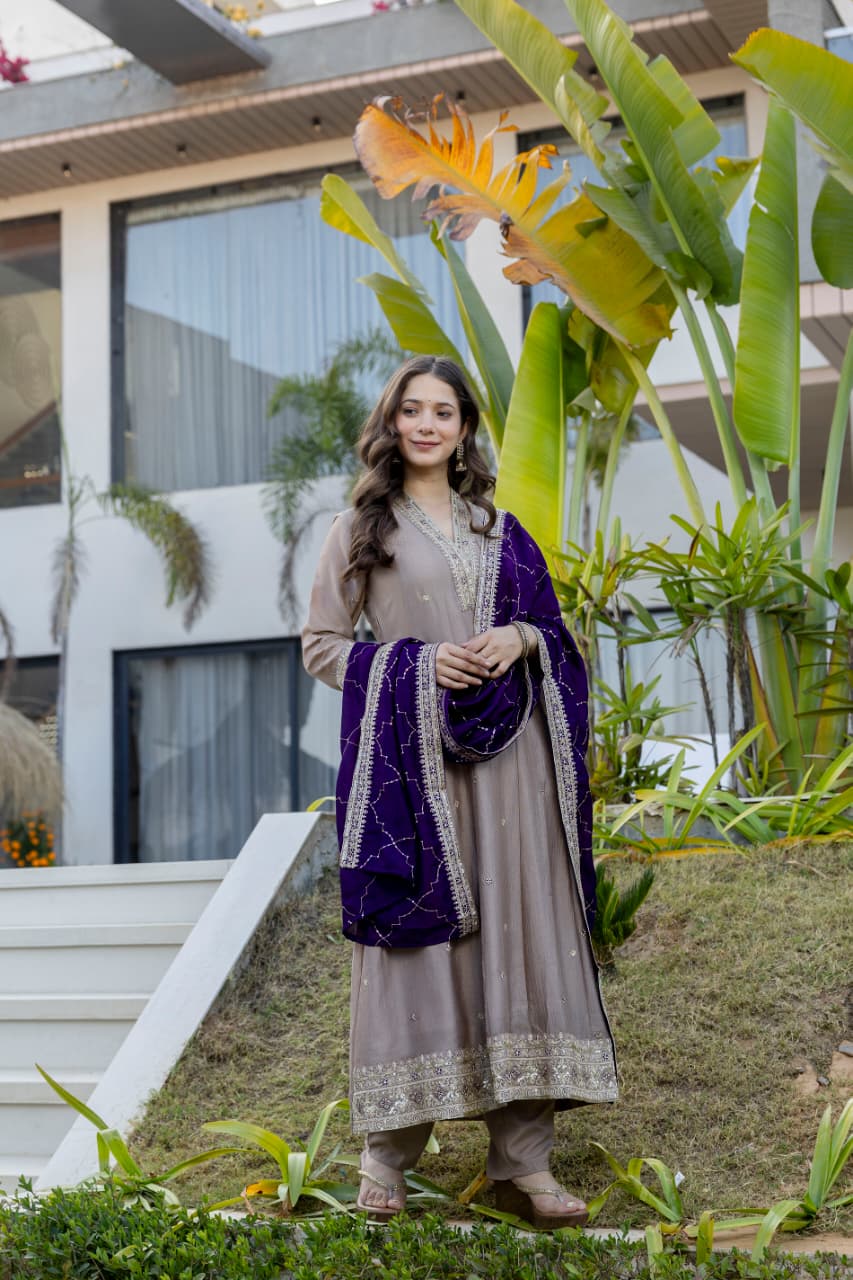
Consider the entire schedule before choosing a look. A guest travelling by car for 30 minutes may manage a delicate drape, while a guest taking public transport or attending several rituals should choose a secure pre-stitched or firmly pinned silhouette. A ceremony followed by lunch also favours fabrics that don't become uncomfortable after hours of sitting.
Fit deserves priority over trend. The shoulder seam should sit at the edge of the shoulder, trouser hems should clear the ground by roughly 1 centimetre when worn with the intended shoes, and a saree blouse should close without pulling across the bust or back. Tailoring these details at least one week before the wedding leaves time for a second fitting.
Finally, check the invitation for dress codes, venue instructions, and the expected sequence of events. Wedding Guest Dressing for a Gujarati Morning Phera Ceremony works best when the outfit is festive enough for family portraits, practical enough for rituals, and personal enough to feel natural throughout the day.
Common Questions About Wedding Guest Dressing for a Gujarati Morning Phera Ceremony
Can I wear a saree to a Gujarati morning phera ceremony?
Yes, a saree is an appropriate choice for a Gujarati morning phera ceremony when the fabric is comfortable and the drape is secure. Linen cotton, tissue cotton, Chanderi, lightweight silk, and soft silk work well; pin the pleats and pallu so you can sit and walk easily.
What colours should a guest avoid at a Gujarati wedding?
Guests should be cautious with bridal red, heavily embellished gold, and colours specifically reserved by the family. Colour customs vary, so ask a close family member if the invitation does not clarify the palette.
Is Banarasi silk suitable for a morning wedding?
Banarasi silk is suitable for a morning wedding when the saree is not excessively heavy and the styling remains restrained. A zari border with small jewellery and comfortable footwear gives the outfit ceremony-appropriate richness without making it look like evening reception wear.
What fabric is best for a Gujarati wedding in summer?
Linen cotton, tissue cotton, cotton-silk blends, and lightweight Chanderi are practical summer choices because they allow more airflow than velvet or heavily layered synthetic fabrics. Test the lining as well, because a polyester-lined blouse can feel warmer than the saree itself.
Can I wear a gown or co-ord set to a Gujarati phera ceremony?
Yes, a gown or co-ord set can suit a Gujarati phera ceremony if the silhouette is modest, festive, and easy to move in. Add one traditional detail such as jhumkas, a bindi, a potli, a dupatta, or a zari accent so the outfit feels connected to the wedding setting.
What footwear is best for standing during pheras?
Low block heels, cushioned flats, and embellished sandals are the safest options for standing during pheras. Break in the shoes beforehand and check whether the venue requires footwear to be removed near the mandap or prayer area.