Wedding guest clothes that can be shared between sisters should offer more than a similar colour or festive surface. The most useful shared outfit has a flexible fit, a fabric that drapes well on more than one body type, and enough styling possibilities to look different at each event. A single saree can appear understated for a daytime Haldi ceremony, polished for a wedding lunch, or more dramatic for an evening reception when the sisters change the blouse, drape, jewellery and footwear.
Sharing occasion wear also makes practical sense. Many wedding outfits are worn only once or twice, while a well-chosen saree can circulate between wardrobes for years. The key is to select garments that can be adapted rather than garments whose identity depends on one highly specific blouse, one fixed silhouette or one exact styling formula.
Wedding Guest Clothes That Can Be Shared Between Sisters Need Flexible Foundations
Wedding guest clothes that can be shared between sisters work best when the main garment has a forgiving fit and the styling pieces provide personal adjustment. In a saree, the fabric, length, pallu width and blouse construction matter more than a nominal clothing size.
A saree usually accommodates different heights and waist measurements because the fabric is wrapped and pleated rather than cut into a fixed trouser or skirt shape. However, a six-yard saree isn't automatically suitable for everyone. A very stiff Banarasi silk can create bulky pleats on a petite wearer, while an extremely fluid satin saree may require careful pinning on someone who is new to draping.
Look for sarees with a finished length of approximately 5.3 to 5.6 metres, depending on the attached blouse piece and the wearer's preferred drape. A separate blouse is especially valuable because sisters can choose different necklines, sleeve lengths and levels of coverage without altering the saree itself. A petticoat with an adjustable drawstring or stretch panel also makes sharing more comfortable.
- Flexible drape: Linen cotton, Chanderi cotton and lightweight tissue blends generally adapt more easily than very rigid woven fabrics.
- Separate styling pieces: An unstitched blouse piece, neutral blouse or detachable belt allows two sisters to create different proportions.
- Balanced ornamentation: A moderate border, botanical print or restrained zari detail can work at daytime and evening weddings.
- Alterable construction: Blouses with extra seam allowance, hook-and-eye rows or adjustable tie details are easier to share.
- Reusable colour: Coral, lavender, teal, wine, taupe and cream can each move across several wedding functions with changes in accessories.
Wedding Guest Clothes That Can Be Shared Between Sisters Should Suit Different Body Types
Sisters should choose the fabric and border scale first, then adapt the blouse and drape to each person's proportions. A shared saree doesn't need to sit identically on two bodies to look coordinated.
For petite or shorter sisters
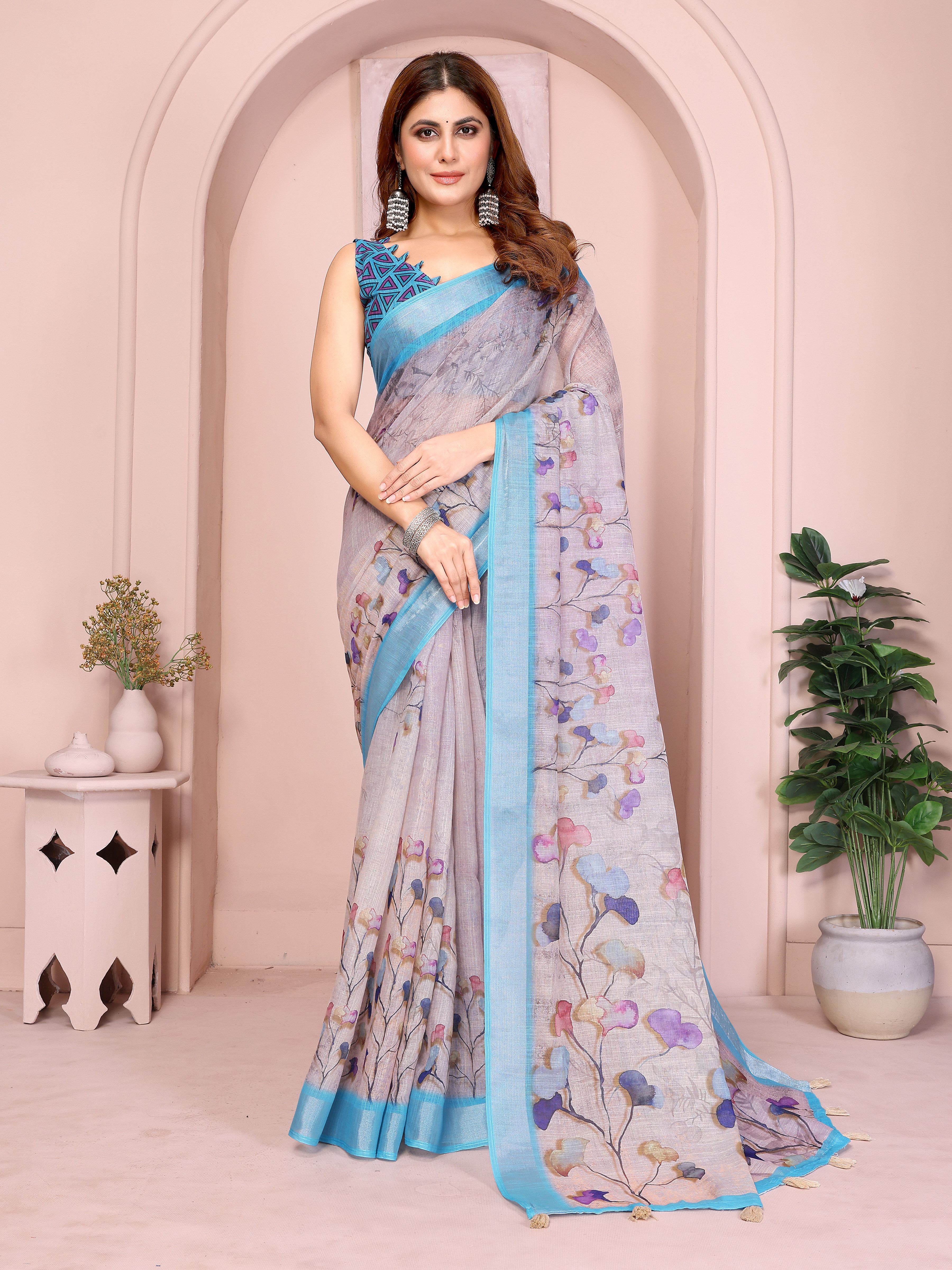
A narrow border and a lighter fabric usually create a more balanced vertical line for a petite wearer. Small botanical prints, fine floral motifs and a close-to-the-body Nivi drape can prevent the saree from appearing overwhelming. Lavender Floral Linen Cotton Saree with Blouse Online is an useful example of a lightweight direction that can be styled simply for a daytime wedding rather than built into a heavily layered look.
Petite sisters can also reduce visual bulk by keeping pallu pleats narrow, wearing a blouse that ends near the natural waist and choosing footwear with a modest heel. A wide contrast border isn't forbidden, but it should be balanced with a simpler blouse and minimal waist accessories.
For taller or fuller sisters
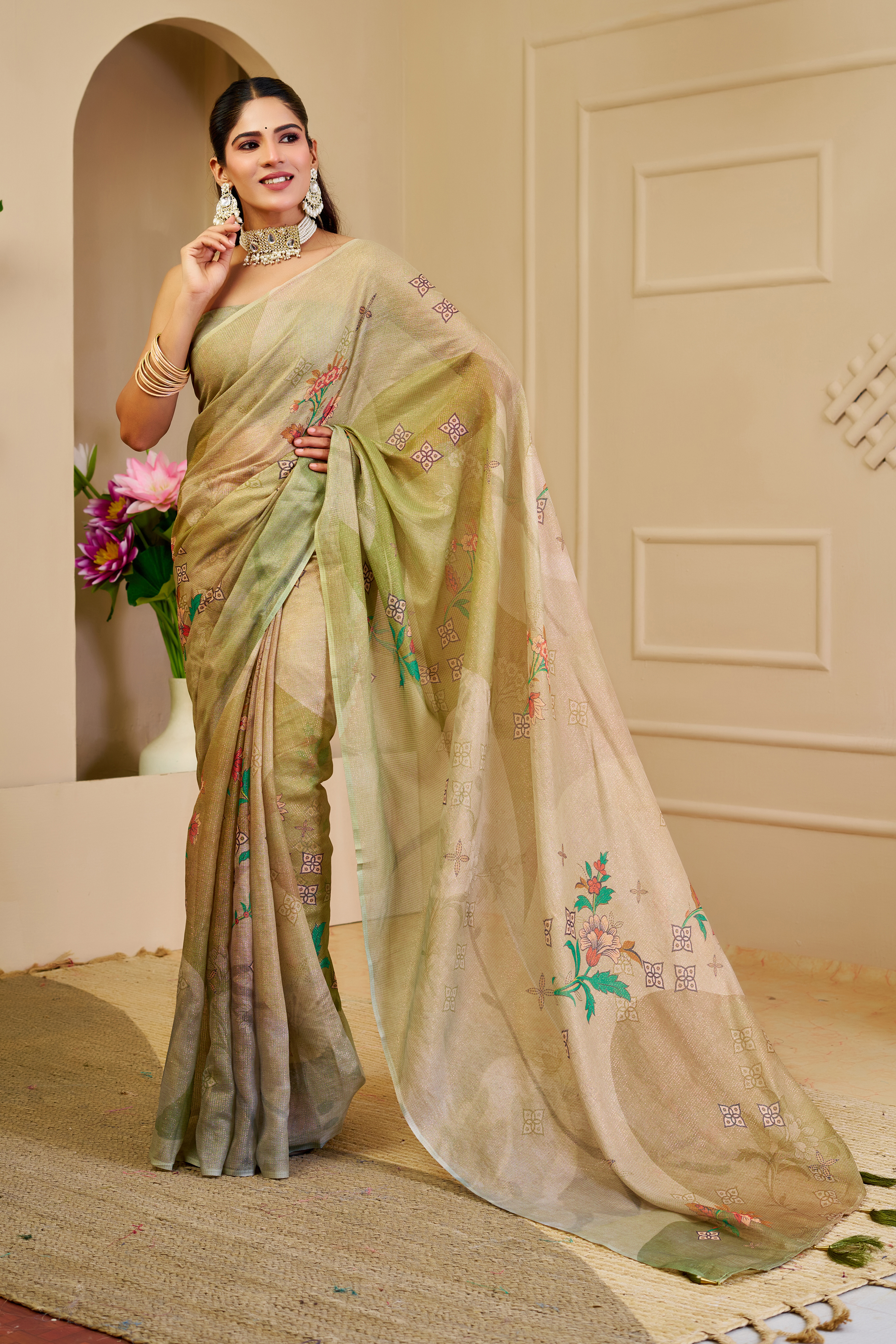
A taller wearer can carry a wider border, a fuller pallu and stronger contrast without losing proportion. Chanderi cotton, with its crisp hand and subtle sheen, can create structure while remaining lighter than heavily embellished silk. Taupe Chanderi Cotton Saree with Botanical Border Detailing offers a neutral example that can be made more architectural with a high-neck blouse or softer with a short-sleeved blouse.
For fuller proportions, a blouse with a well-shaped shoulder, a comfortable sleeve and a neckline that sits flat is more useful than a very tight or heavily padded design. Sisters should avoid sharing a blouse without checking bust, armhole and upper-arm measurements. Saree wrapping can accommodate waist differences, but blouse fit can't be solved with pleating.
Wedding Guest Clothes That Can Be Shared Between Sisters Depend on Fabric Choice
Linen cotton, Chanderi cotton, tissue cotton and satin each solve a different sharing problem, so the right choice depends on the wedding function, climate and styling experience.

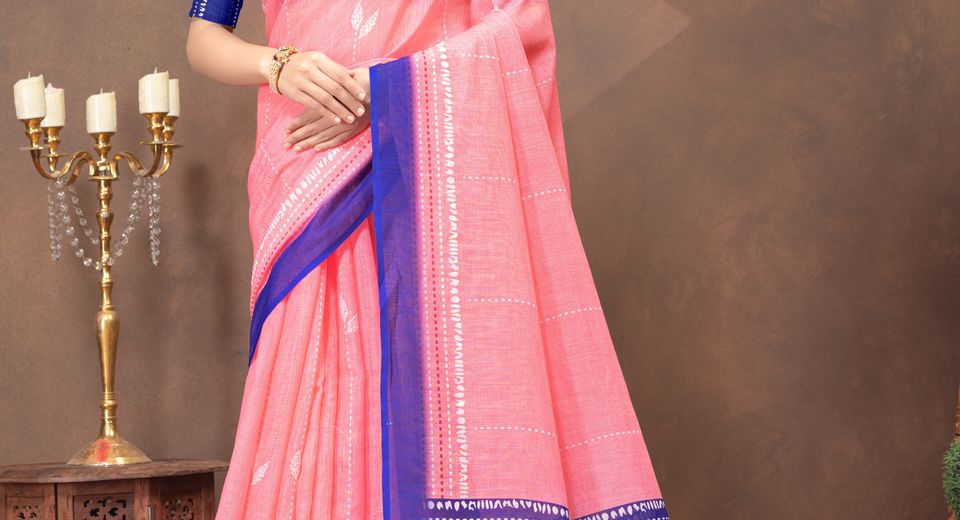
Linen cotton is practical for warm-weather weddings because it generally feels breathable and has enough body to hold pleats. Shop Coral Pink Linen Cotton Saree with Artistic Deer Motif can suit a daytime ceremony when paired with a simple blouse and flat sandals, while a second sister can use metallic earrings and a structured clutch to create a more formal impression.
Chanderi cotton has a lightweight feel and a gentle sheen that works across ceremonies. Wine Pink Printed Chanderi Cotton Saree with Elegant Border can be styled with antique gold for a traditional appearance or with pearl jewellery and a plain blouse for a quieter reception look. Chanderi cotton can crease, so fold the saree along its original pleats and store it in breathable muslin.
Tissue and zari blends catch light and are useful for evening weddings. Wine Tissue Handloom Cotton Saree with Zari & Floral Prints provides festive texture without requiring a heavily embroidered blouse. One sister can emphasise the zari with gold accessories, while another can reduce the shine with a matte silk or cotton blouse in a deep wine or neutral shade.
Satin photographs well because its surface reflects light, but satin also shows friction marks, pulled threads and uneven pleats more readily than cotton. Cream Floral Satin Saree with Unstitched Blouse Varnavi can be shared effectively when both sisters use a smooth, properly sized petticoat and avoid rough jewellery edges that may catch the fabric. Satin is better suited to a controlled indoor reception than to a crowded outdoor function where the saree may brush against walls, chairs and bags.
Wedding Guest Clothes That Can Be Shared Between Sisters Need Different Styling Plans
Two sisters can make one saree look distinct by changing at least three visible elements: the blouse, the drape and the accessory finish. Changing only earrings may not be enough when the saree has a strong print or prominent border.

- Change the blouse silhouette. One sister can wear a short-sleeved round-neck blouse, while the other chooses a three-quarter-sleeved V-neck or a high-neck version. A solid blouse in a colour drawn from the print creates coordination without duplication.
- Change the drape. A classic Nivi drape is neat and versatile. A seedha pallu creates a more visibly time-honoured line, while a slimmer pleated pallu can look modern and reduce volume.
- Change the jewellery metal. Gold works naturally with zari, maroon and warm coral. Silver, pearls and oxidised metal can cool lavender, teal and taupe. Jewellery should echo one detail in the saree rather than compete with every colour.
- Change the hair and makeup balance. A low bun with jasmine suits a formal family wedding, while a loose braid or low ponytail can make the same saree feel younger and less ceremonial.
- Change the footwear and bag. A metallic heel creates evening polish; embroidered flats or kolhapuris make a daytime look easier to wear. A structured potli and a leather-textured clutch produce visibly different finishes.
Colour placement can also separate the looks. If a saree has coral and green in its motif, one sister can choose coral lipstick and a green blouse, while the other can reverse the emphasis with a neutral blouse and coral accessories. Both looks remain coordinated because they draw from the same visual vocabulary.
Wedding Guest Clothes That Can Be Shared Between Sisters Can Cover Several Functions
One shared saree can work across several wedding functions when the fabric is appropriate for the setting and the styling intensity changes with each event. The same garment should not be forced into every ceremony if its weight, sheen or level of formality is unsuitable.

For a Haldi ceremony, choose breathable linen cotton or light Chanderi cotton and avoid long, fragile pallu accessories. Teal Blue Linen Cotton Floral Printed Saree with Blouse Set can be made practical with a shorter blouse sleeve, secure pleats and flat footwear. Keep jewellery minimal because turmeric, flower petals and outdoor movement can place extra strain on delicate pieces.
For a daytime wedding, a floral print or modest zari border can be elevated with a neat bun, a silk blouse and a small structured bag. Cream Floral Satin Saree with Unstitched Blouse Varnavi is better used when the venue is relatively controlled, while a cotton saree may be more comfortable for a long ceremony in warm weather.
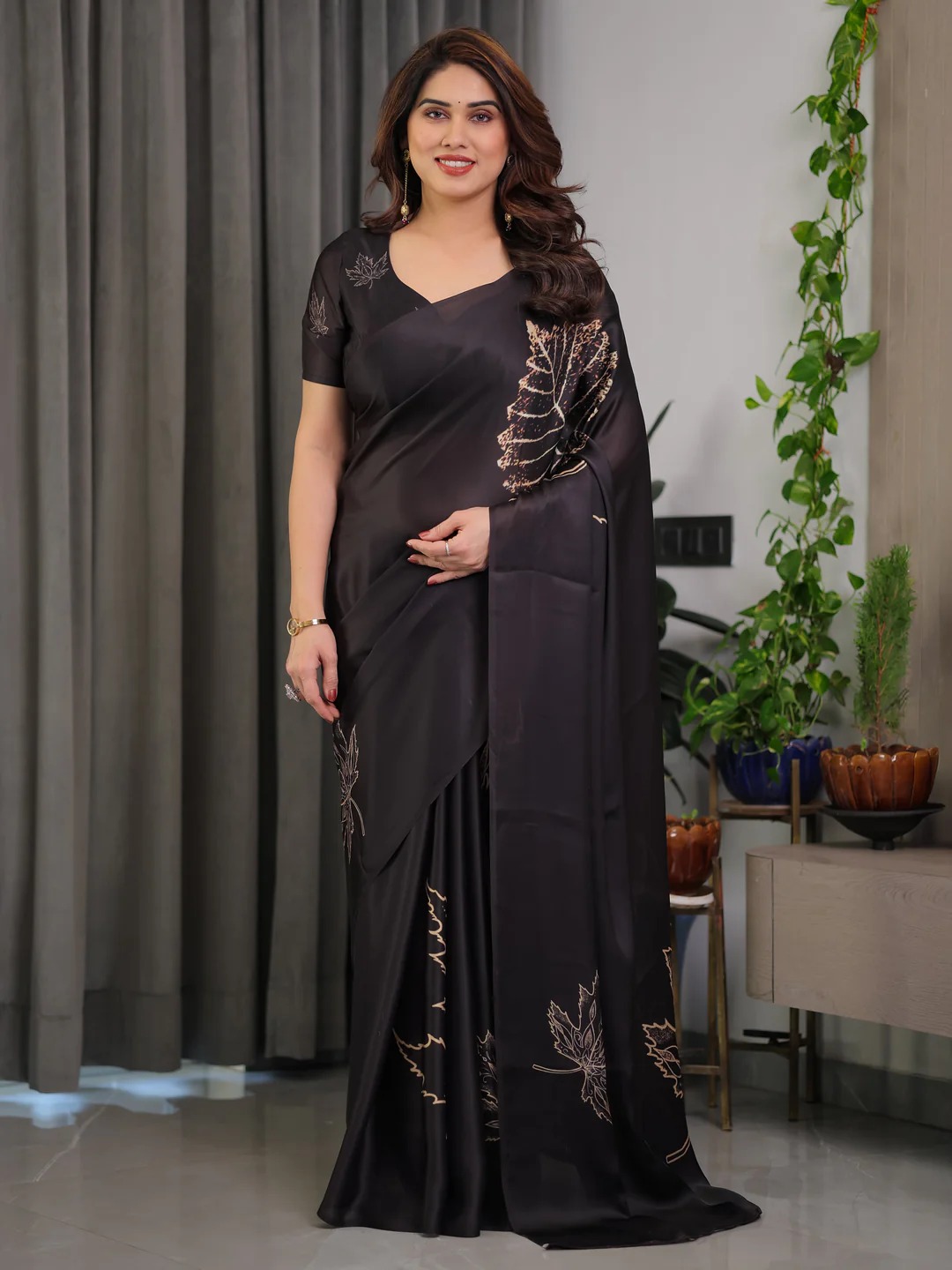
For a reception, a deeper colour, reflective border or more sculpted blouse can provide evening presence. Black Satin Saree with Leaf Print & Blouse | Varnavi can be styled with restrained metallic jewellery and a sleek hairstyle, while another sister can soften the same black base with pearls, a coloured blouse and a looser drape.
Lavender Floral Linen Cotton Saree with Blouse Online can move from a daytime wedding to a smaller sangeet gathering when the sisters change from flats to block heels and add a more defined eye look. The garment remains recognisable, but the styling communicates a different level of formality.
Wedding Guest Clothes That Can Be Shared Between Sisters Are Easier to Maintain with Planning
Shared wedding clothes last longer when sisters agree on handling, cleaning and storage before the first event. A simple care plan prevents one person's wear from creating avoidable problems for the next person.
Inspect the saree after every function, especially around the lower hem, blouse hooks, pleats and pallu edge. Air the garment in shade for several hours before folding it. Do not store a damp saree in plastic because trapped moisture can encourage mildew and dull zari.
Wash instructions should follow the fibre and surface treatment. Linen cotton and Chanderi cotton may tolerate careful professional cleaning, but zari, tissue and satin often need specialist attention. Avoid rubbing a food or cosmetic mark vigorously; blot the area with a clean, dry cloth and tell the cleaner what caused the stain.
Fold zari sarees with a soft muslin layer and refold them every few months to reduce permanent fold stress. Store satin away from rough embroidery and metal accessories. Keep the blouse separately if the blouse hooks, padding or embellishment could press lines into the saree.
A shared wardrobe also benefits from a small measurement record. Note each sister's blouse bust, underbust, shoulder, armhole and sleeve preferences, along with the petticoat waist. Measurements taken over a fitted camisole are more consistent than estimates based on a standard size label.
Wedding Guest Clothes That Can Be Shared Between Sisters Should Be Bought for Rewear
The best shared purchase is a garment that each sister can imagine wearing independently at least twice. Rewear potential depends on neutral styling options, comfortable construction and a colour that can work with existing jewellery and blouses.
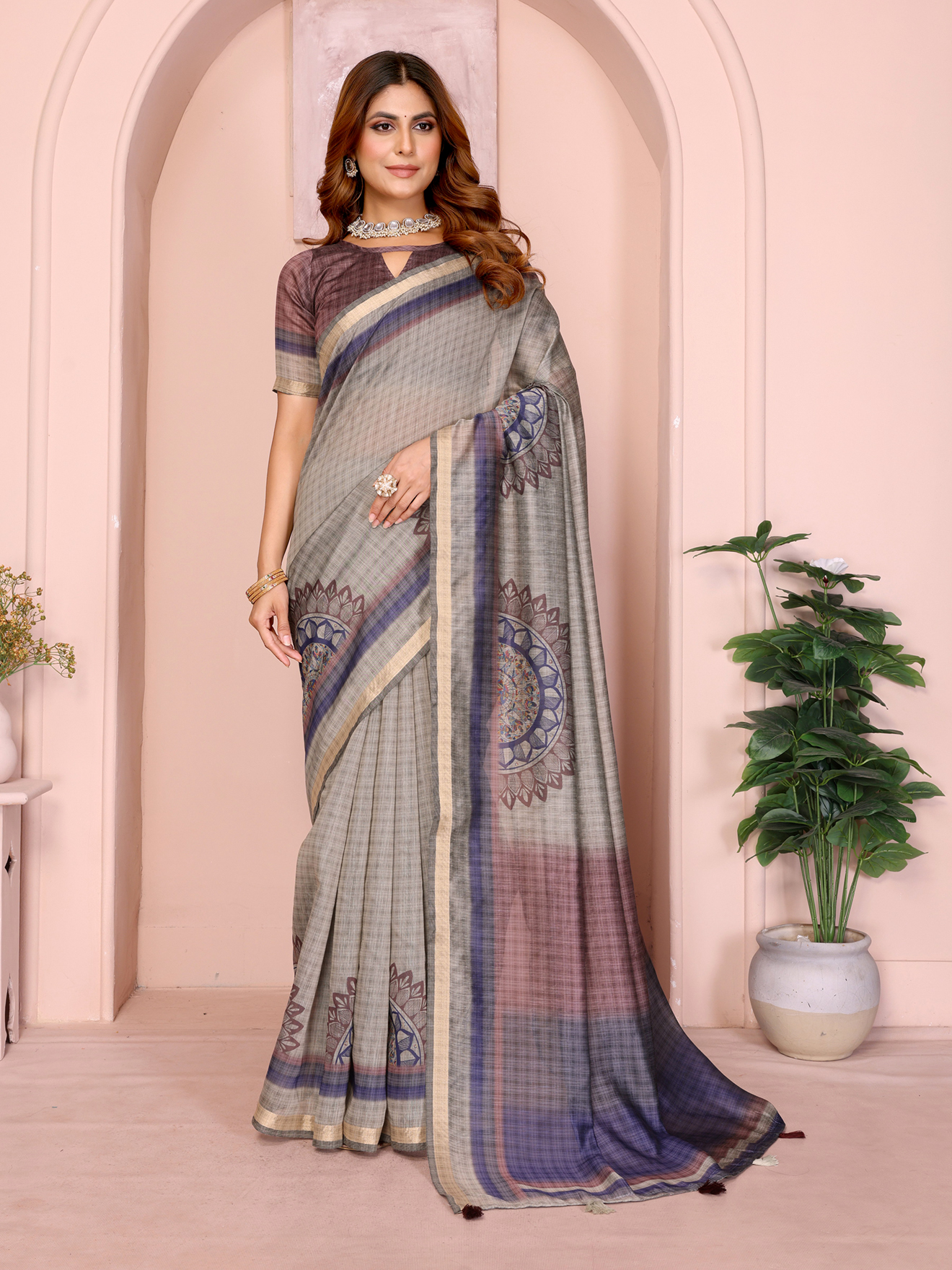
Wine Tissue Handloom Cotton Saree with Zari & Floral Prints may suit a festive evening when paired with gold, but it can also work at a family puja with a plain blouse and fewer accessories. Taupe Chanderi Cotton Saree with Botanical Border Detailing can shift from formal guest wear to a daytime cultural event because taupe coordinates with ivory, rust, green, black and gold.
Before purchasing or sharing a saree, check four practical details: whether both sisters can wear the blouse comfortably, whether the pallu length allows secure pinning, whether the fabric suits the local climate, and whether the care requirements fit the household routine. A beautiful saree that remains uncomfortable, difficult to clean or impossible to restyle isn't an economical shared garment.
Sharing also doesn't require identical dressing. One sister may prefer a contemporary blouse and minimal jewellery, while the other may choose heritage earrings, bangles and a seedha pallu. Coordinated colour families and a common level of formality are usually enough to make the pair look intentional without making either person feel costumed.
Common Questions About Sharing Wedding Guest Outfits Between Sisters
What makes a saree suitable for sharing between sisters?
A saree is suitable for sharing when it has a flexible drape, a comfortable length, a separate or adaptable blouse and styling options that suit different body proportions. Linen cotton, Chanderi cotton and moderate-weight tissue blends are often easier to adapt than very stiff or heavily embellished fabrics.
Can sisters wear the same saree and still look different?
Yes, sisters can wear the same saree and look different by changing the blouse silhouette, drape, jewellery metal, hairstyle, makeup, footwear and bag. Changing at least three of these elements creates a clearer difference than changing earrings alone.
Which saree fabrics are best for a daytime wedding guest outfit?
Linen cotton and lightweight Chanderi cotton are strong choices for a daytime wedding because they are generally breathable and hold neat pleats. A modest floral print or restrained border can look festive without becoming too heavy for warm weather.
Can one saree be worn for a Haldi ceremony and a wedding reception?
One saree can serve both functions if its fabric is comfortable for the Haldi ceremony and its styling can become more formal for the reception. Use secure pleats, minimal jewellery and flat footwear for Haldi, then add a structured blouse, metallic accessories and evening footwear for the reception.
How should sisters share a blouse with one saree?
Sisters should share a blouse only when the bust, shoulder, armhole and upper-arm measurements are compatible. A blouse with extra seam allowance, multiple hook positions or adjustable ties is more practical, but a separate blouse is usually the most comfortable solution.
How should a shared wedding saree be stored between events?
Air the saree in shade after wearing it, remove surface dust, and store it completely dry in breathable muslin. Keep zari away from rough surfaces, avoid plastic storage, and refold a stored zari saree every few months to reduce stress along permanent fold lines.