A Valaikappu Saree With Comfortable Bangles and Sleeves needs more thought than a colour match alone. The saree must allow easy movement, the blouse must sit comfortably around the arms and upper body, and the bangles should create the familiar sound of the ceremony without pressing into the wrists. Valaikappu, also called Seemantham in many South Indian families, is a traditional celebration for an expectant mother, so clothing choices should honour custom while responding to her comfort throughout several hours.
The most reliable approach is to choose the fabric first, arrange a blouse with adjustable ease, and select bangles in measured groups rather than wearing every available set. A breathable cotton, linen cotton or soft silk saree can look ceremonial when paired with a defined border, zari, flowers and carefully chosen jewellery. The result feels festive in photographs but remains manageable during blessings, meals, sitting on the floor or greeting relatives.
Valaikappu Saree With Comfortable Bangles and Sleeves: What makes the saree practical?
A practical Valaikappu saree has breathable fabric, a secure but flexible drape, a non-restrictive blouse and lightweight accessories. These four details matter more than the saree's price or the number of embellishments.
Fabric weight is especially important during pregnancy, when heat, tiredness and sensitivity to pressure can change during the day. Cotton sarees absorb moisture and usually feel airy in warm venues. Linen cotton offers a crisp appearance with less heaviness than many richly ornamented silk sarees. Soft silk can work beautifully for a traditional wedding-style function, but a dense zari weave may feel warm if the event includes travel or an outdoor welcome ritual.
A saree between approximately 5.3 and 5.5 metres gives most wearers enough length for pleats and a secure pallu, although height, draping style and the use of a saree belt affect the final fit. A pre-stitched or ready-to-wear saree can reduce dressing time, but a traditional Valaikappu drape often brings better control over the waist and pallu when adjusted by an experienced dresser.
Teal Cotton Saree with Peacock Kalamkari Print, Zari Border is an useful example of how a cotton base can still look ceremonial. Peacock Kalamkari print adds visual richness, while a zari border gives the saree a defined edge for photographs without requiring heavy all-over ornamentation.
How should the saree be secured?
The saree should be secured with a smooth underskirt, evenly spaced pleats and discreet pins placed away from the stomach. A cotton or satin underskirt with an adjustable drawstring can be more forgiving than a tight elastic waist.
Pin the upper pleats at the waist only after the wearer has sat and stood once. The pallu can be secured at the shoulder with one concealed pin and allowed enough width to cover the upper arm comfortably. Avoid placing sharp pins near the abdomen, underarm or bangle line, where repeated movement can cause irritation.
Valaikappu Saree With Comfortable Bangles and Sleeves: Which sleeves work best?
The best sleeves for a Seemantham blouse provide arm coverage without gripping the upper arm or colliding with bangles. Short sleeves, elbow-length sleeves and soft three-quarter sleeves can all work when the armhole and sleeve circumference are drafted with ease.
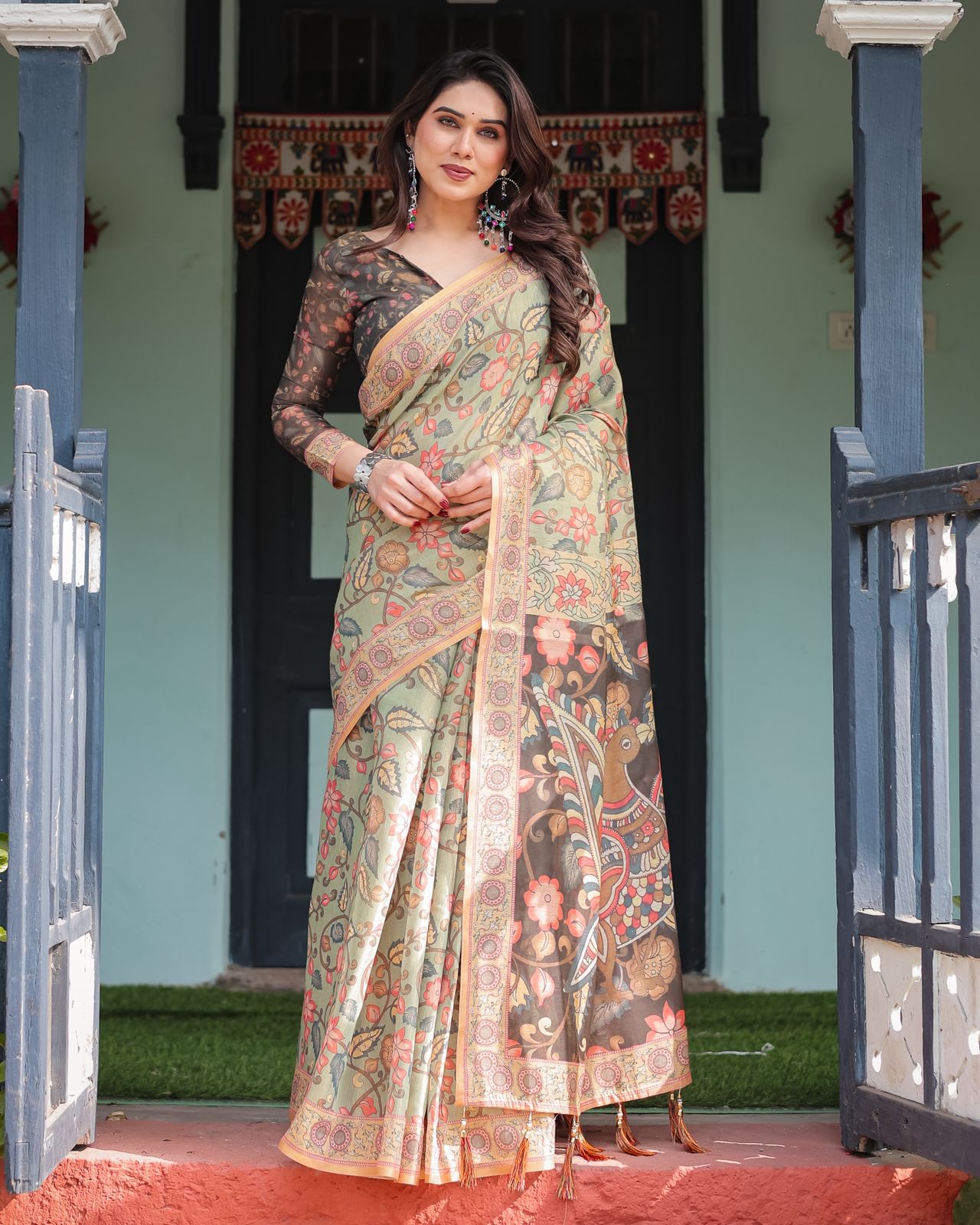
A blouse worn during a Valaikappu ceremony should not be fitted to a static standing pose. The wearer may lift her arms for blessings, maintain a flower tray, greet guests and sit with her elbows bent. Ask the tailor for unnecessary ease at the armhole and bicep, particularly if the blouse will be stitched several weeks before the function. A side opening with hooks, a front opening or a concealed elastic panel can make dressing simpler than a very tight back fastening.
Elbow-length sleeves are often a practical middle ground. Elbow-length sleeves preserve a traditional silhouette, leave room for bracelets below the sleeve edge and offer more coverage than cap sleeves. Soft cotton lining prevents zari or embroidery from rubbing the skin. If the blouse fabric is brocade or synthetic, lining becomes even more valuable in a warm hall.
Three-quarter sleeves suit wearers who prefer more coverage, but the sleeve opening should stop before the widest bangle stack. A sleeve that ends directly against several rigid bangles can pinch the wrist whenever the arm bends. A two- to three-centimetre gap between the sleeve edge and the first bangle usually permits easier movement.
What blouse details help during pregnancy?
An adjustable blouse back, side seams with extra allowance and a soft inner lining help accommodate changing measurements. A blouse should never depend on strong compression around the ribcage or stomach for its shape.
Tailors can add hidden hook-and-eye extensions, extra seam allowance or a modest panel at the side seams. A sweetheart or deep curved neckline isn't necessary for a festive appearance; a higher round, square or boat neckline can look equally traditional with jhumkas, flowers and a defined saree border. Test the blouse while seated, not only while standing in front of a mirror.
Teal Mal Cotton Woven Print Saree With Blouse - VARNAVI demonstrates the usefulness of a coordinated blouse option. A matching blouse reduces last-minute colour decisions, while the cotton construction supports an easier daytime drape. Check the actual blouse measurements before ordering, because a ready blouse may still need sleeve or closure alterations.
Valaikappu Saree With Comfortable Bangles and Sleeves: How should bangles fit?
Comfortable Valaikappu bangles should slide over the hand without force, leave slight room at the wrist and be light enough for repeated arm movement. The ideal stack is a measured combination of glass, metal, lac or lightweight imitation bangles rather than the maximum number that fits.
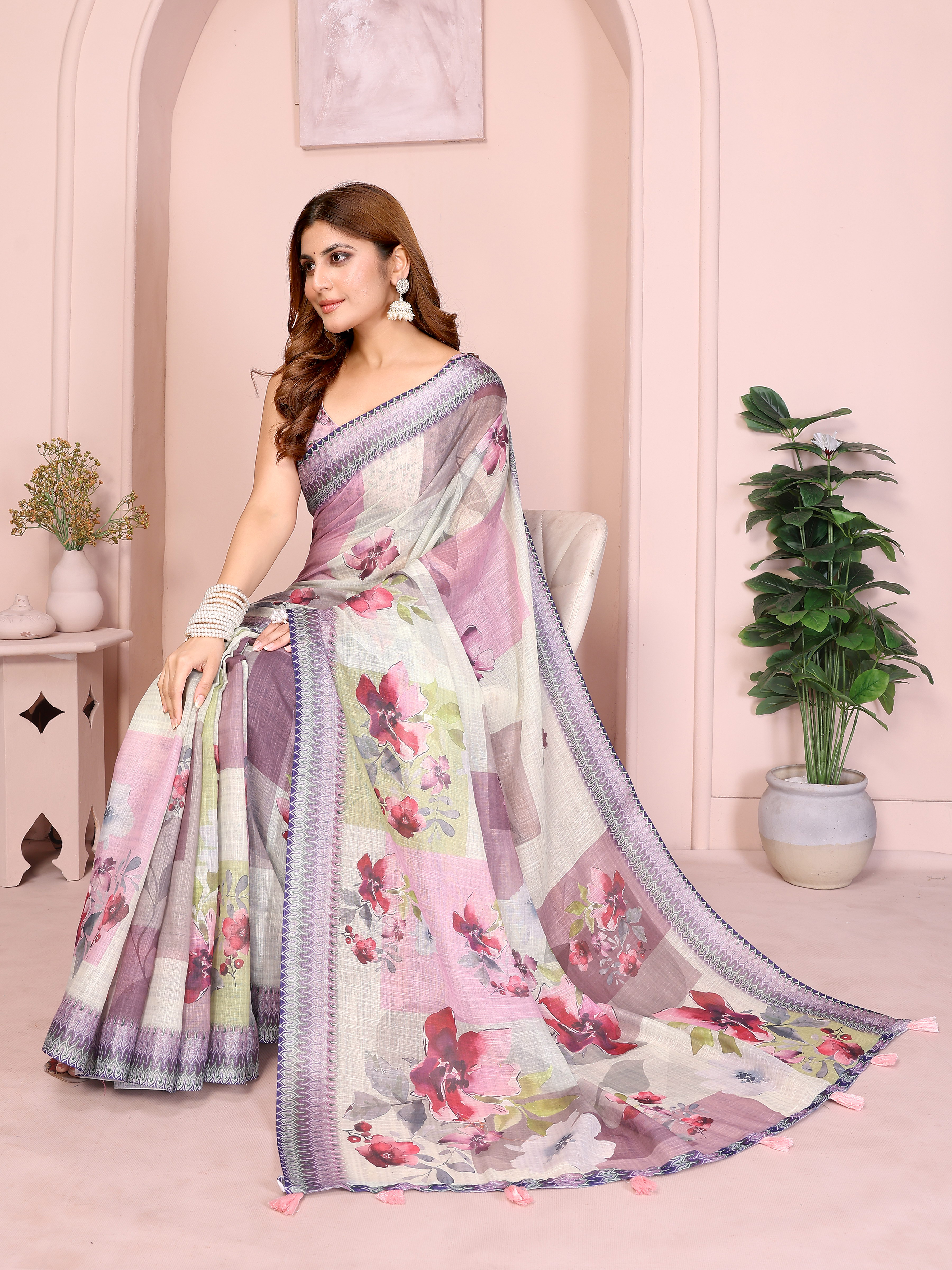
Measure the widest part of the hand, not only the wrist, before choosing a closed bangle size. A bangle that fits the wrist but catches at the knuckles can create pressure and make removal difficult. For an adjustable or open design, check that the edges are smooth and that the closure doesn't press into the skin.
Many families use green, red, yellow or gold-toned bangles for Valaikappu because those colours carry festive and regional associations. Exact colour customs vary between families, so the safest styling decision is to follow the mother's family tradition while keeping the material and quantity comfortable. Two or three slim stacks separated by a small gap can appear fuller in photographs than one crowded stack.
Glass bangles create the familiar chime but can break if the wearer leans on a table or catches the stack against a chair. Keep a small replacement set available, and combine glass bangles with a few smooth metal or lac bangles at the outer edges. Avoid rough-cut stones, exposed wire and oversized charms that can catch on the saree or scratch the skin.
VARNAVI Peach Linen Cotton Floral Saree with Border Tassels pairs naturally with a restrained bangle arrangement. Linen cotton already provides texture through its weave, while border tassels and floral print supply visual interest; a stack of slim gold-toned bangles can complete the look without making the wrists heavy.
Valaikappu Saree With Comfortable Bangles and Sleeves: Which colours and fabrics suit it?
Teal, peach, maroon, pastel pink, red and gold are dependable directions for a traditional Valaikappu wardrobe, but the best choice depends on venue lighting, family customs and the wearer's comfort with heat. A contrasting border can make a lighter saree look ceremonial without adding substantial weight.
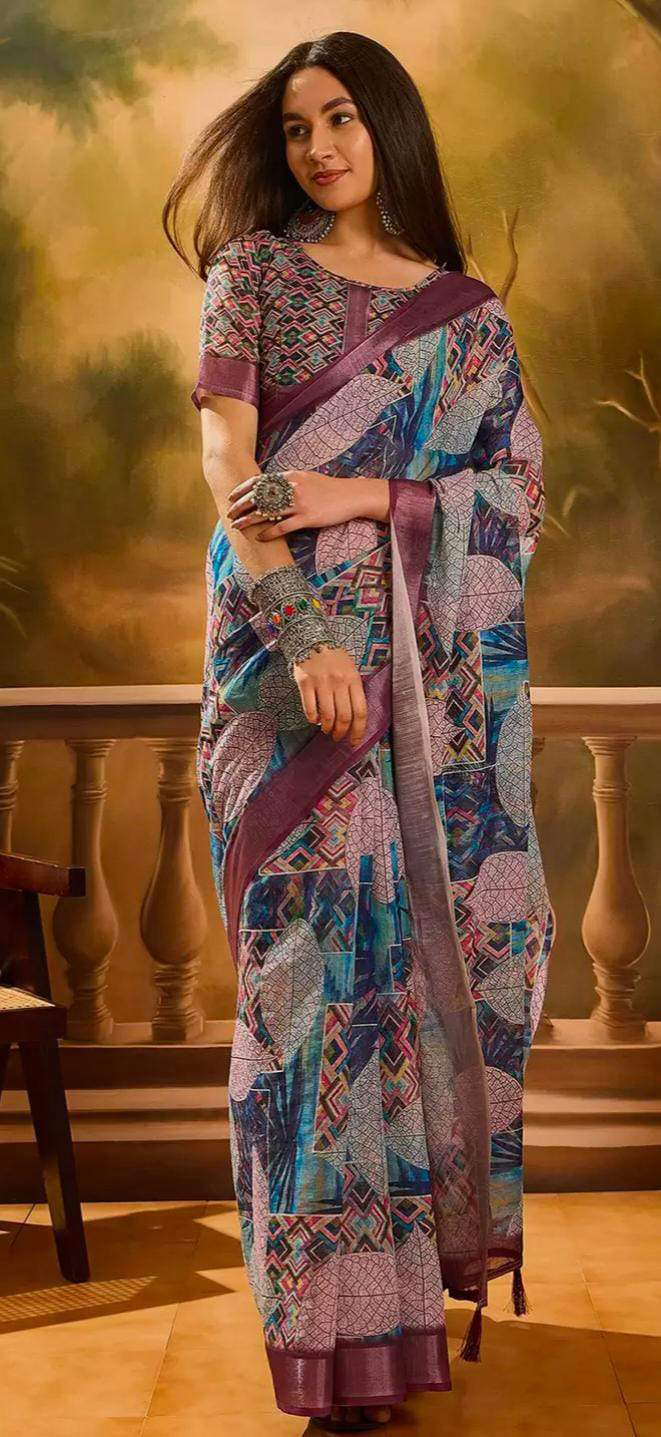
Teal works well with antique gold, copper, peacock green and muted pink accessories. Teal Floral Printed Linen Cotton Saree With Matching Blouse gives a coordinated route for a polished outfit, especially when the blouse is altered for sleeve ease. A matching blouse also helps keep the visual line calm when the bangles and flowers are already colourful.
Maroon and red create a more traditional wedding-adjacent appearance. Varnavi Royal Kalamkari Maroon Handloom Saree brings handloom texture and Kalamkari character into the outfit, making it suitable for families that prefer a richer, heritage-led look. Pair a detailed print with a plain blouse or keep the jewellery more controlled so the overall outfit remains balanced.
Pastels are useful for daytime ceremonies and bright indoor photography. Pastel Floral Tissue Handloom Cotton Saree with Zari Weaves combines a lighter colour direction with zari detail, showing how a soft palette can remain festive. Tissue surfaces may snag more easily than plain cotton, so keep bangles smooth and avoid carrying a rough-edged handbag against the pallu.
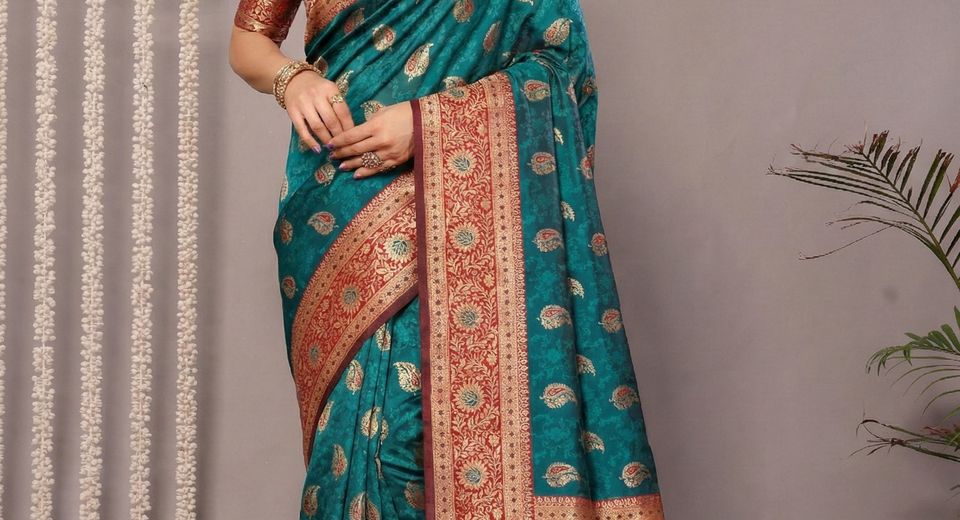
Silk traditional sarees remain popular for Valaikappu and related family functions, especially when elders expect a classic South Indian appearance. Teal Traditional Silk Saree with Copper Jacquard Border brings a deeper, more structured option. Choose it when the venue is cool or the ceremony is short; for a long summer event, a cotton-silk blend or linen cotton may be easier to wear.
Valaikappu Saree With Comfortable Bangles and Sleeves: How can the full look stay balanced?
A complete outfit needs one dominant visual feature, one supporting texture and accessories that leave the wearer's hands and shoulders free. If the saree has a strong Kalamkari print, use a simpler blouse and jewellery; if the saree is plain, flowers, zari and bangles can carry more of the festive detail.
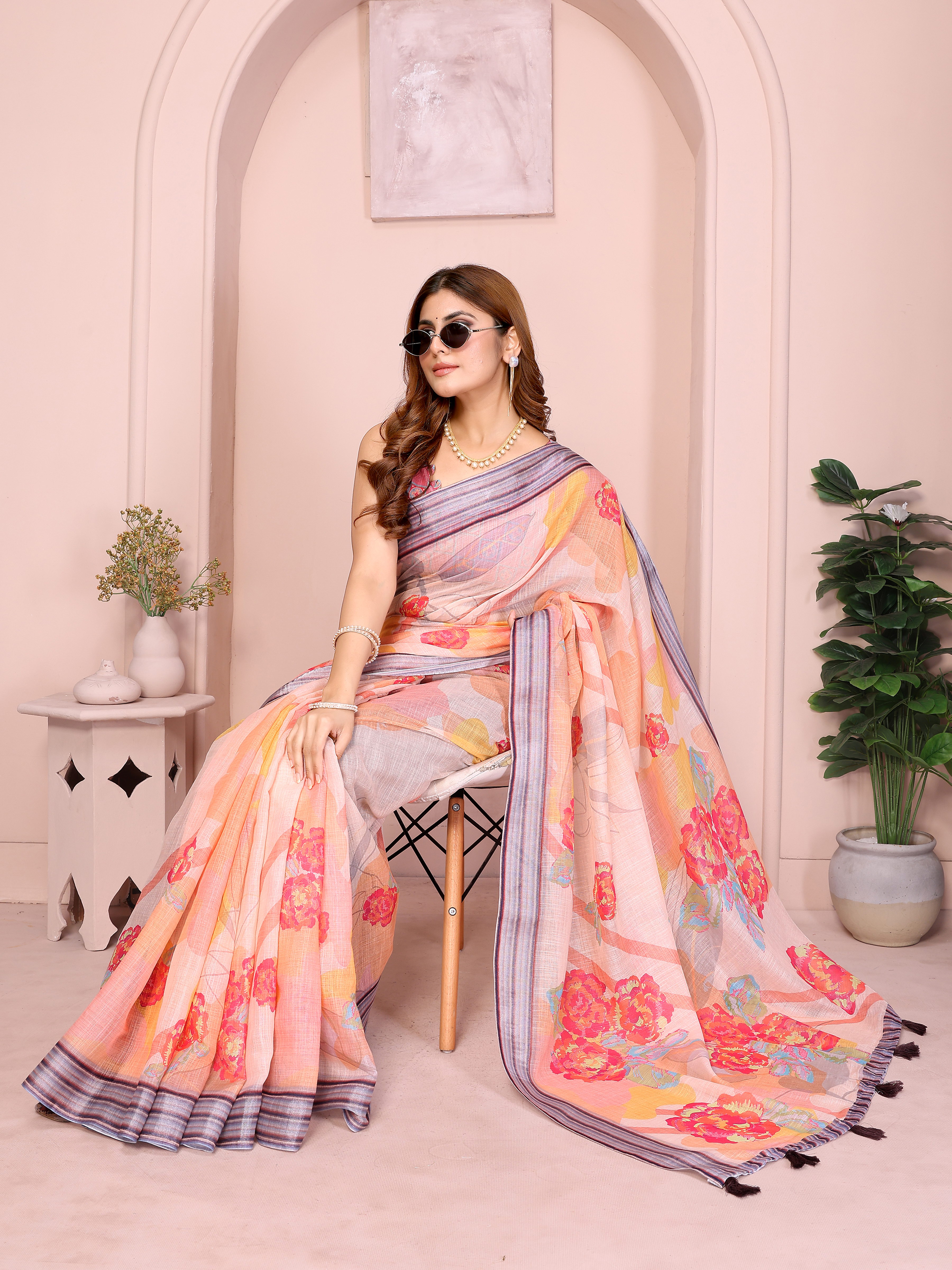
Flowers remain one of the most effective ways to signal a traditional ceremony. Jasmine can be arranged around a braid or low bun, while roses or kanakambaram can introduce colour that echoes the bangle stack. Keep the arrangement light enough that it doesn't pull at the hair or create pressure against the back of the head.
Choose footwear with a broad, cushioned sole and a low heel or flat profile. A ceremony may involve standing for photographs, walking between rooms and sitting on a mat, so unstable high heels create unnecessary strain. Pack a second pair of soft sandals if the event includes outdoor photography.
Collections such as Pink Georgette Sarees and Party Wear Sarees can offer colour and drape inspiration, but Valaikappu styling should prioritise breathable construction over a highly embellished party finish. Silk Sarees Under 3000 With Discount may be useful for comparing budget-friendly traditional options, while Red Banarasi Silk Sarees for Weddings Under 1100 and Gray Color Sarees Under 1000 show how colour and price filters can narrow an online search. Always verify fabric, blouse measurements, lining and return terms before ordering online.
Some families prefer a simple traditional saree with minimal jewellery, while others choose a richer silk look for a traditional wedding-style gathering. Both approaches are appropriate when the wearer can sit, stand, breathe and move comfortably. A saree can also be styled without a blouse only in family or regional contexts where a draped blouse alternative is customary; for most contemporary ceremonies, a well-fitted blouse gives better support and coverage.
Valaikappu Saree With Comfortable Bangles and Sleeves: What should be checked before the ceremony?
A final comfort check should happen at least one week before the function, with a second short trial on the previous day. This schedule leaves time to alter sleeves, replace a tight bangle or change the underskirt.
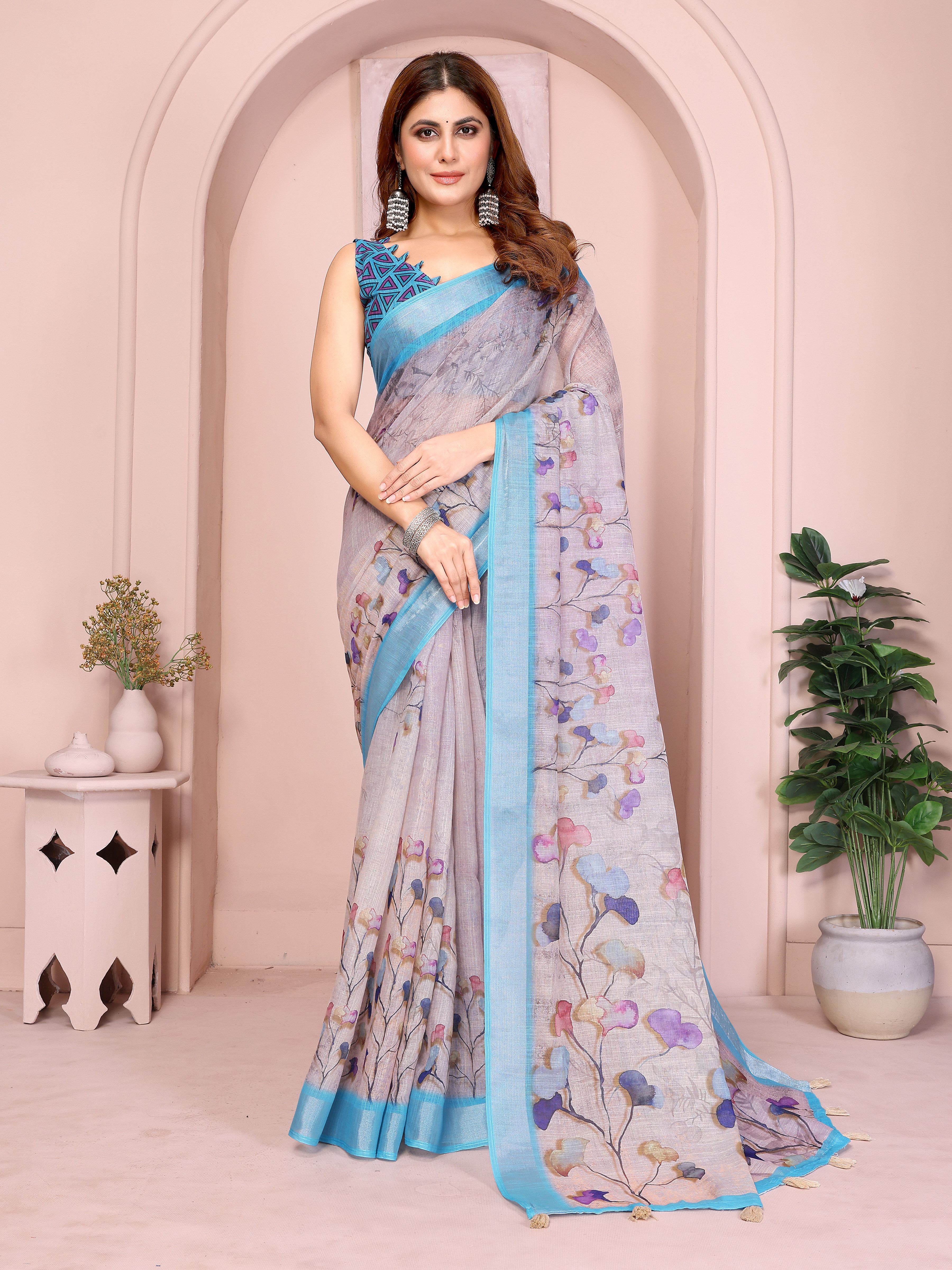
- Wear the complete outfit for 20 to 30 minutes. Sit on a chair, walk across the room, raise both arms and check whether the blouse pulls at the underarm.
- Test the bangle stack while seated. Confirm that the bangles don't press into the wrist, catch on the sleeve or make the fingers feel numb.
- Inspect every inner seam. Rough embroidery, loose hooks and exposed threads can cause irritation after several hours.
- Prepare practical backups. Keep safety pins, a small sewing kit, spare bangles, tissues, a water bottle and comfortable footwear with a trusted family member.
- Confirm the drape plan. Tell the saree dresser about preferred coverage, sitting arrangements and any area where pressure must be avoided.
The most successful traditional outfit is one that photographs gracefully without demanding constant adjustment. Breathable fabric, flexible sleeves, correctly sized bangles and a tested drape allow the Valaikappu celebration to remain focused on family, blessings and the expectant mother rather than on discomfort.
Common Questions About a Comfortable Valaikappu Saree Look
What is the best fabric for a comfortable Valaikappu saree?
Cotton, linen cotton and lightweight handloom sarees are usually comfortable choices because they allow airflow and weigh less than heavily embellished silk. Banarasi silk, Kanjeevaram and other silk sarees can suit a shorter or cooler ceremony, but check the zari weight and lining before committing.
How should bangles be sized for Valaikappu?
Measure the widest part of the hand and choose bangles that pass over the knuckles without force. The finished stack should leave slight movement at the wrist, and smooth metal or lac bangles can be combined with glass bangles to reduce breakage and pressure.
Which sleeve length is most comfortable with Valaikappu bangles?
Elbow-length sleeves are often the easiest option because they provide coverage while leaving room for bracelets below the sleeve edge. Three-quarter sleeves can also work if the cuff does not touch or compress the bangle stack.
Can I buy a traditional Valaikappu saree online in India?
Yes, online saree websites can offer cotton, linen cotton, handloom, silk and printed traditional options across several price ranges. Check the exact fabric, saree length, blouse measurements, lining, delivery timeframe and return conditions before placing an order.
What are some trending traditional sarees for a Valaikappu ceremony?
Kalamkari cotton, floral linen cotton, pastel handloom cotton with zari, teal silk with a copper border and maroon handloom sarees are versatile traditional directions. The most suitable trend is the one that matches family customs and remains comfortable for the entire ceremony.
Where can I buy authentic South Indian sarees for a traditional function?
Look for sellers that clearly identify the weave, fibre, border material and blouse details instead of relying only on terms such as authentic or traditional. Kanjeevaram, Banarasi silk, Chanderi and handloom sarees should have specific product information and care guidance.