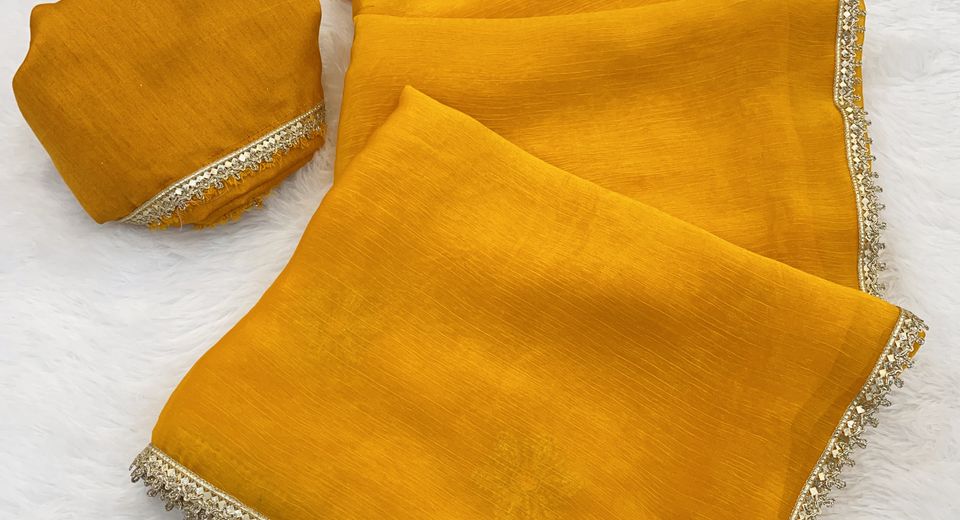
A Maharashtrian Haldi ceremony calls for colour, movement and clothing that can survive affectionate hugs covered in turmeric. The Paithani Look for a Maharashtrian Haldi Ceremony brings those needs together through a rich silk-inspired palette, zari borders, a carefully displayed pallu and jewellery rooted in regional dressing. A traditional Paithani saree can be lavish, but the same visual language can also guide a lighter, more practical outfit for a daytime function.
The most successful look balances three things: cultural recognition, comfort in warm weather and sensible stain management. Yellow, mustard, green, pink and orange create the right mood, while a secure drape, manageable pallu and washable or less delicate fabric keep the outfit suitable for a ceremony where turmeric is part of the celebration.
The Paithani Look for a Maharashtrian Haldi Ceremony: what makes it recognisable?
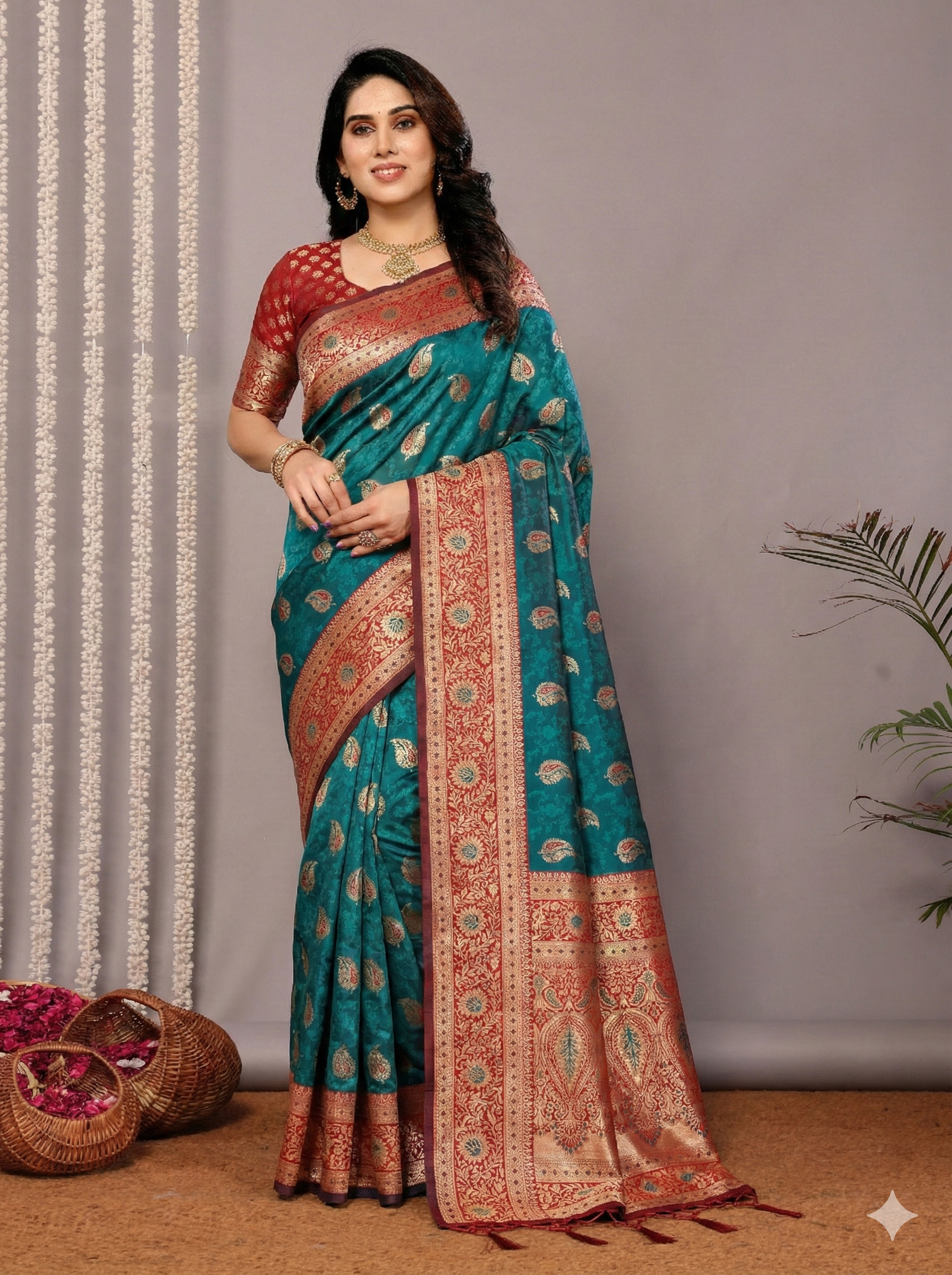
A Paithani-inspired Haldi outfit is recognisable through a lustrous silk surface, a contrasting zari border, a prominent pallu and traditional motifs such as peacocks, parrots, flowers or geometric forms. The look doesn't require every element of an heirloom Paithani saree to be reproduced.
Traditional Paithani silk is associated with Maharashtra, particularly the weaving tradition of Yeola in Nashik district. A genuine handwoven Paithani may use silk for the body and zari for the border and pallu, with motifs woven into the structure rather than simply printed on top. The price, weight and time required for such a saree can make it more appropriate for the wedding ceremony or reception than for a turmeric-heavy Haldi event.
For a Haldi function, the visual cues matter more than excessive ornamentation. Look for a bright body colour, a clearly visible border, a pallu that can be arranged over one shoulder and a blouse with enough structure to support the saree. A modern saree in Chanderi, organza, georgette or a silk blend can create a Paithani-inspired impression through its palette and zari placement without claiming to be an authentic handwoven Paithani.
Peacock motifs are especially effective because they immediately connect the outfit with classic Paithani design vocabulary. Asawali-style floral vines, munia-inspired edging and narali-style patterns associated with coconut forms can also guide motif selection. Motifs should remain visible at standing distance; tiny all-over prints tend to look more like generic festive wear than Paithani-inspired dressing.
The Paithani Look for a Maharashtrian Haldi Ceremony: which colours work best?
Marigold yellow, turmeric yellow, saffron, mustard, parrot green, pink and orange are the strongest colour choices for a Maharashtrian Haldi ceremony. Yellow remains the obvious anchor, but a second colour in the border, pallu or blouse gives the outfit definition in photographs.
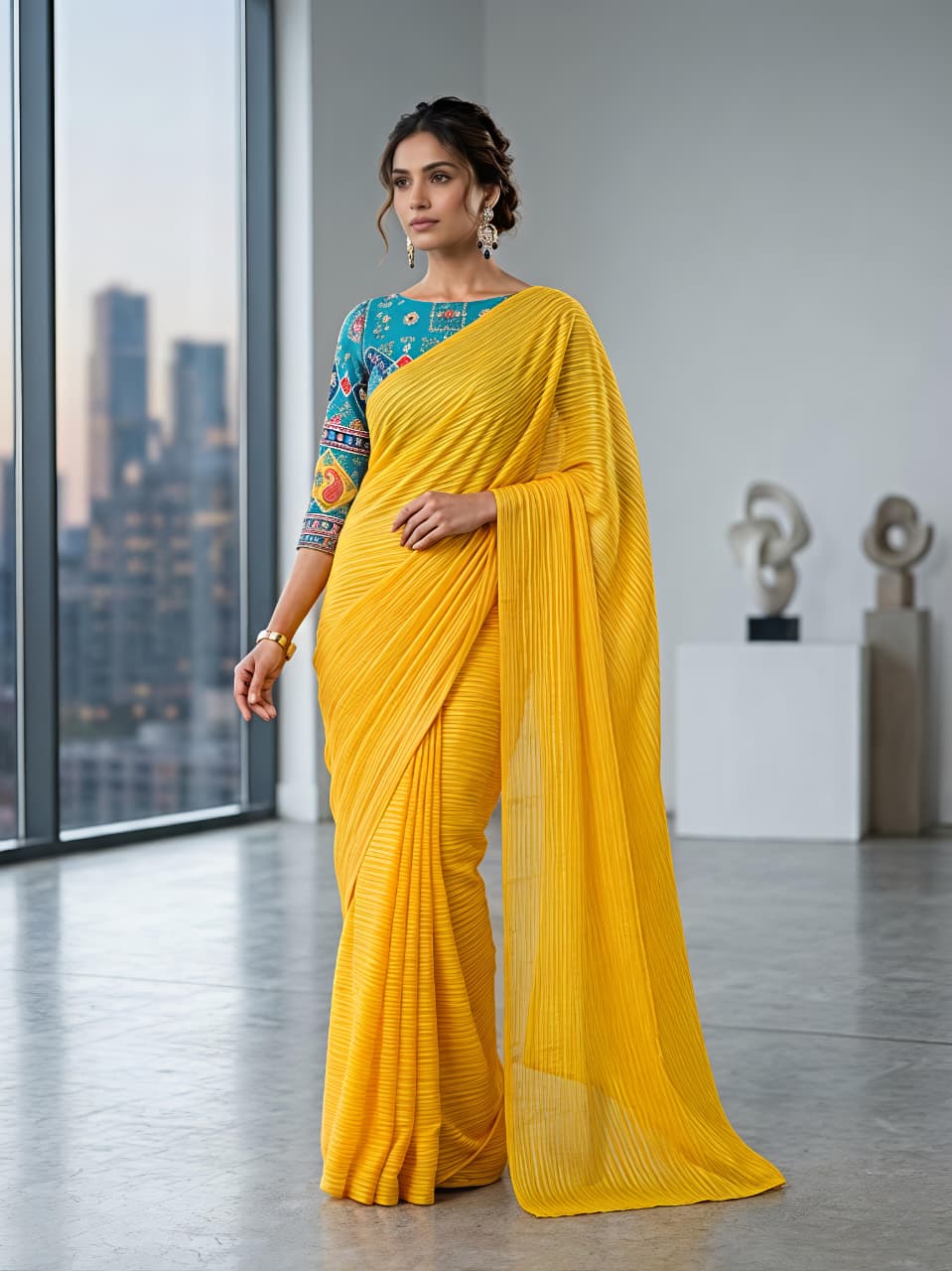
Bright lemon yellow creates a fresh daytime effect, while mustard looks richer and pairs well with antique gold zari. A green border can reference the natural colours frequently seen in Maharashtrian festive textiles. Pink or magenta adds contrast around the face, especially when the wearer chooses a yellow saree and a pink blouse. Orange works well for a warm, traditional palette, although orange and turmeric yellow together may need a darker zari border to prevent the outfit from appearing visually flat.
The Yellow Haldi Special Georgette Saree with Zari demonstrates the most direct route to the ceremony palette. Georgette falls close to the body, which can make walking and sitting easier than managing a heavier silk saree. The zari detail supplies the festive note, while the yellow base remains visibly connected to the Haldi setting.
The Sunshine Mustard Floral Organza Kurti Palazzo Set offers a different interpretation for guests or family members who don't want to wear a saree. Mustard supplies the Haldi colour story, floral detailing creates occasion depth and a kurti-palazzo silhouette allows easier movement during games, photographs and rituals. A dupatta pinned at both shoulders can provide a more traditional finish without creating a long, loose train.
The Haldi Collection can be an useful starting point when several family members need coordinated festive clothing without wearing identical outfits. One person can choose a yellow saree, another can select a mustard kurta set and a third can use green or pink accessories to connect the group visually.
Pastel shades can work when the ceremony has a softer, contemporary visual direction, but pastels should be balanced with zari or a stronger accessory. A pale blue outfit with gold embroidery may look elegant in daylight, yet it won't produce the immediate Haldi association of yellow or mustard. Colour should therefore follow the role of the wearer, the family's dress expectations and the overall décor.
The Paithani Look for a Maharashtrian Haldi Ceremony: how should you choose fabric?
Choose a Haldi saree by considering stain risk, heat, weight, transparency and the amount of time the wearer will spend standing or moving. A lighter saree with a stable drape is usually more practical than a heavy heirloom silk when turmeric will be applied directly.
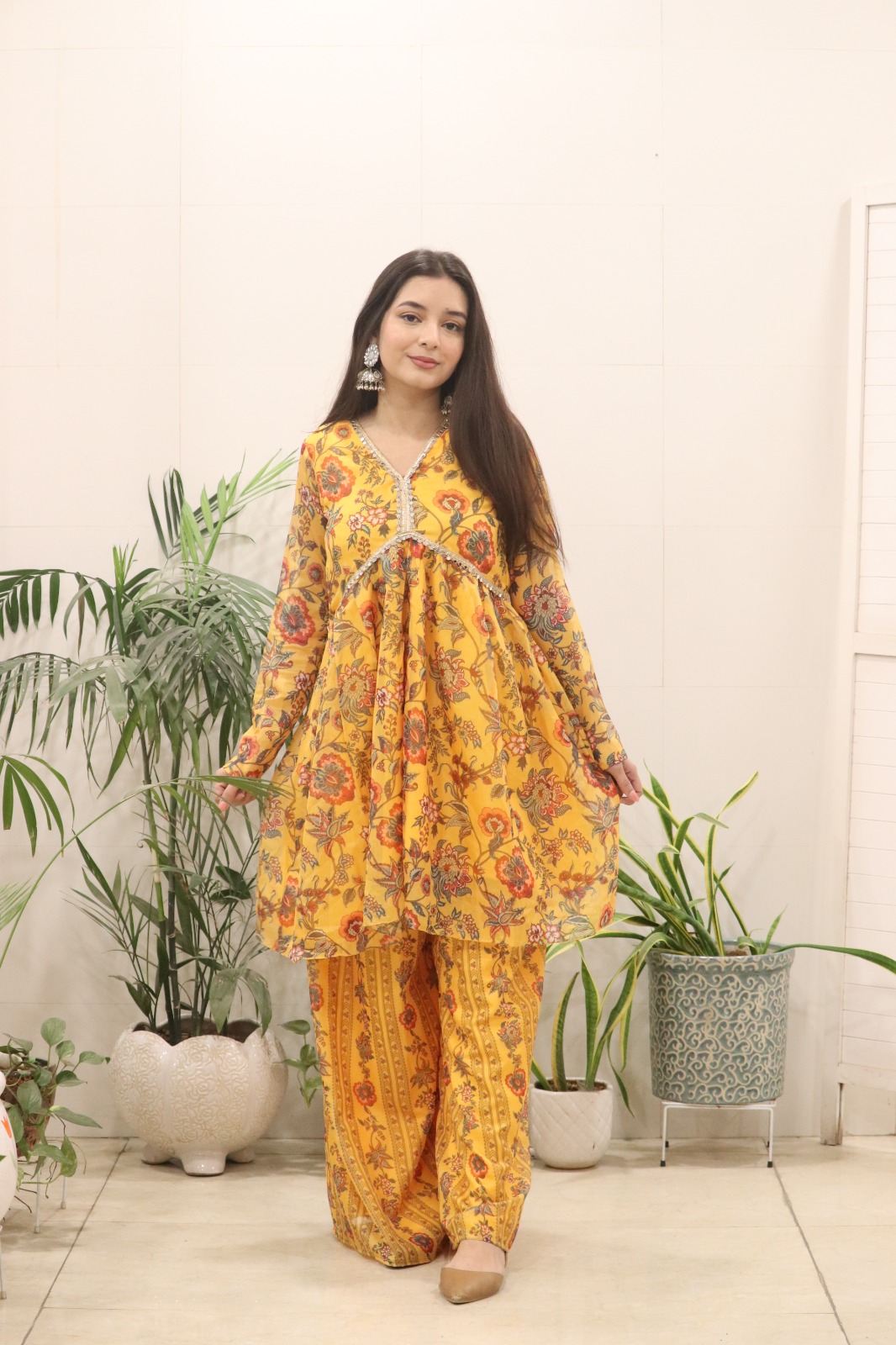
Georgette is comfortable for movement because its fluid fall reduces bulk around the legs, but the fabric can show oil-based marks and may require professional cleaning. Organza photographs beautifully because its surface catches light, although its crisp body can feel less forgiving when the wearer sits on the floor. Chanderi is airy and elegant, but its delicate zari and fine weave deserve protection from rough jewellery and repeated pinning.
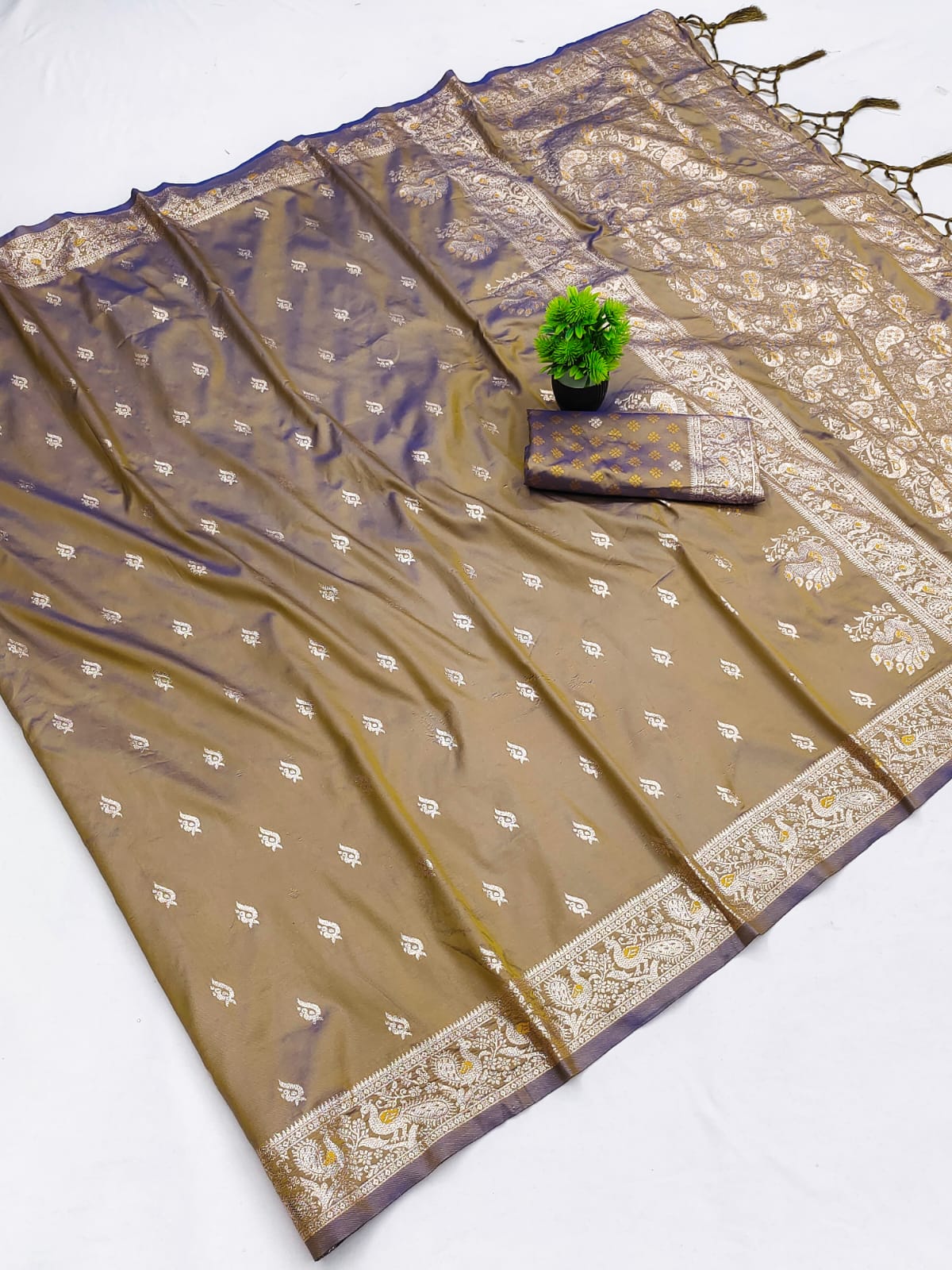
Banarasi silk and traditional Paithani silk provide structure, shine and ceremonial weight. Those qualities are valuable for a wedding ceremony, but they also make the saree more expensive to clean and more difficult to handle if turmeric paste reaches the pallu. A Paithani silk saree should be worn when the family intends to keep the Haldi ritual relatively controlled or when the saree is an important heirloom that will be carefully protected.
The Premium Mustard Fancy Saree with Blouse can suit someone who wants a richer, more structured appearance than a lightweight georgette style. The mustard tone remains aligned with Haldi, while the included blouse reduces the risk of a colour mismatch between the saree and blouse fabric.
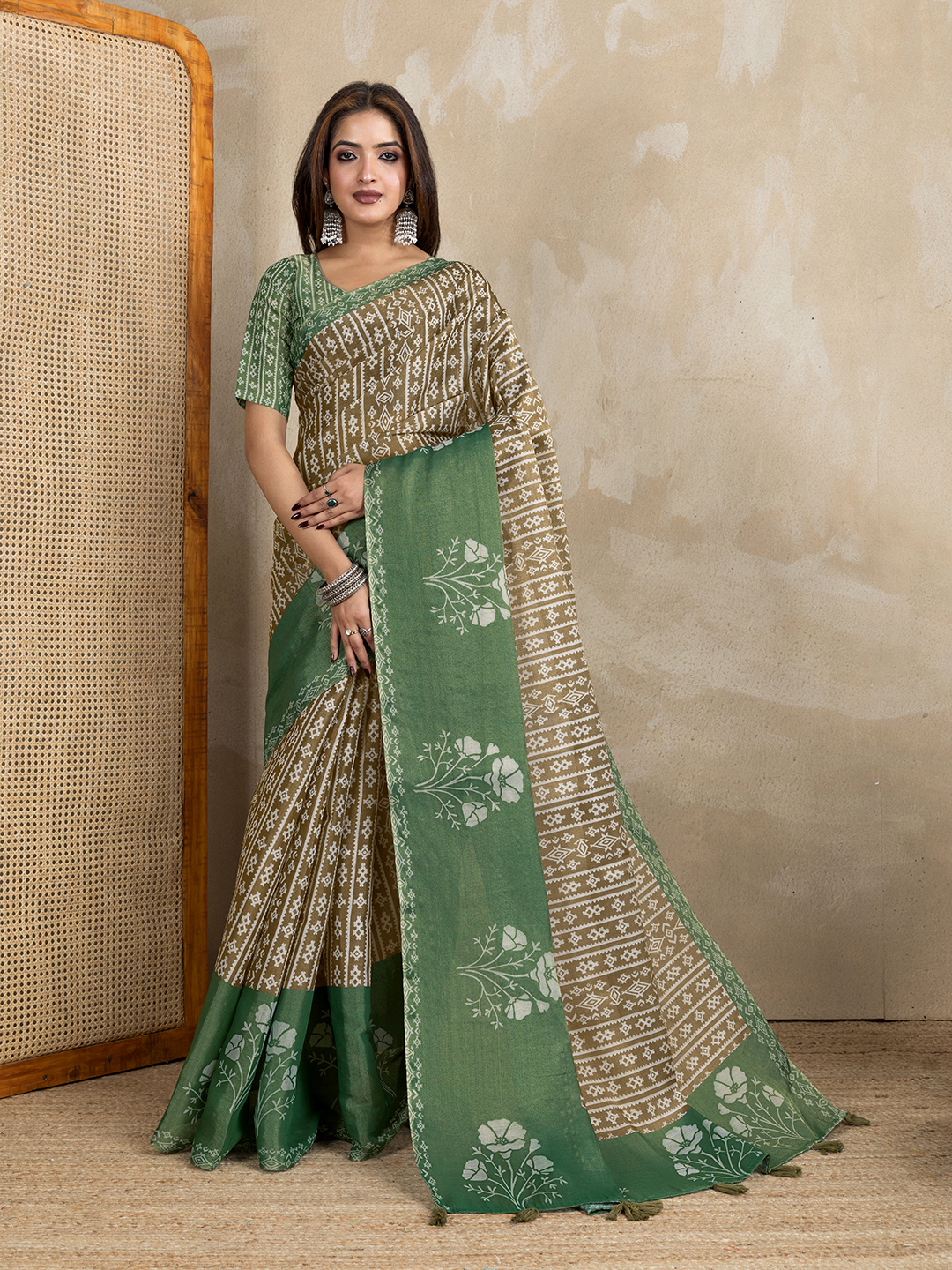
The Peach Floral Printed Shimmer Linen Cotton Saree for Women is useful for a daytime guest look because linen cotton generally feels more breathable than dense silk. Peach doesn't imitate a classic yellow Paithani palette, but floral print and subtle shimmer can create a festive appearance when paired with gold earrings and a green or mustard blouse. A guest doesn't need to dress identically to the bride; coordinated colour is often more tasteful than duplication.
For a bride, keep the heirloom or highly valuable saree away from direct turmeric and use a separate practical drape for the messy portion of the ritual whenever family customs allow it.
The Paithani Look for a Maharashtrian Haldi Ceremony: which blouse and drape work?
A blouse with a defined neckline, elbow-length sleeves and a contrasting border usually makes the Paithani effect stronger. The blouse should support the saree visually without competing with a motif-rich pallu.
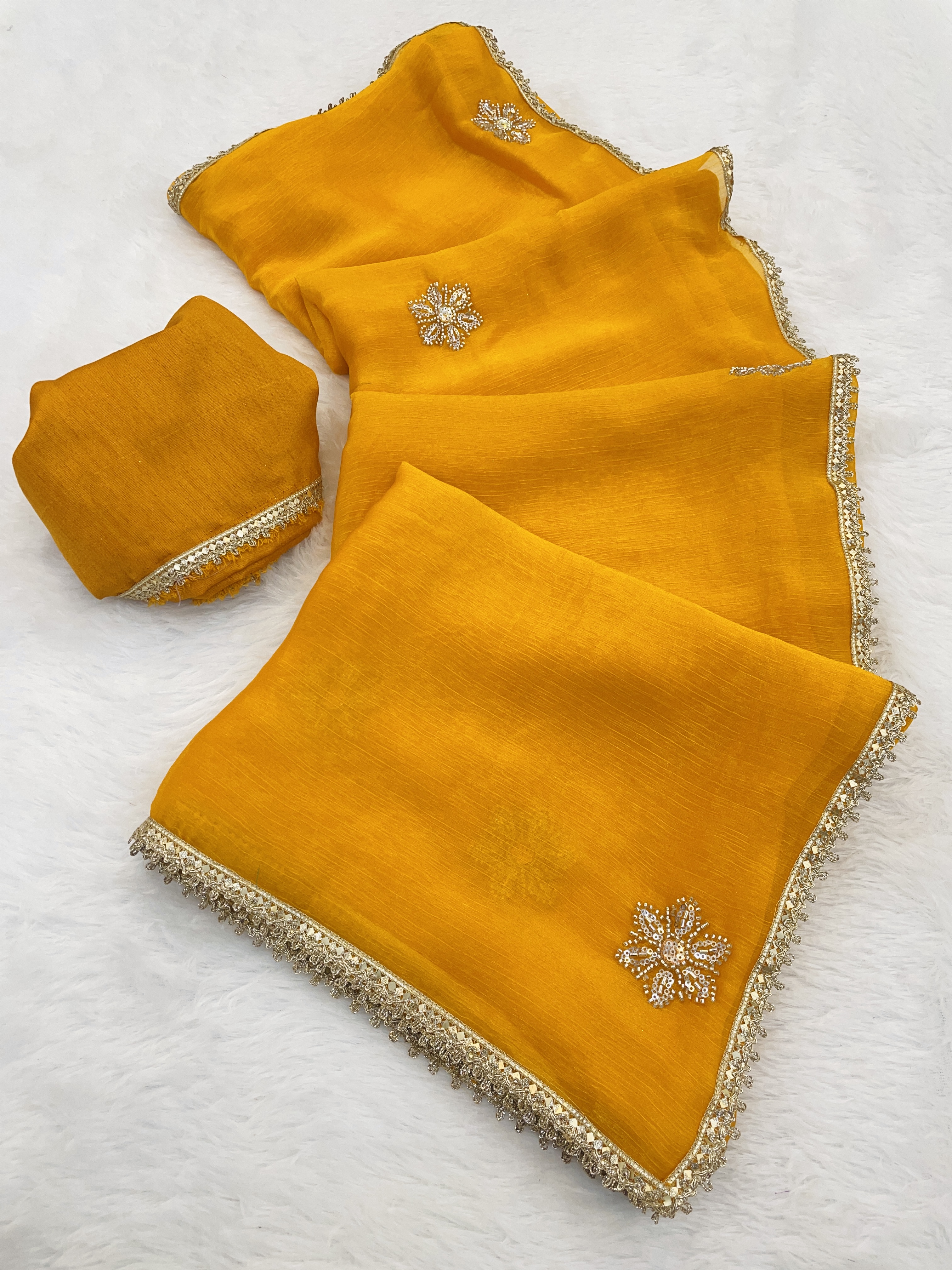
Elbow-length sleeves create a distinctly Maharashtrian festive appearance and offer more coverage than a sleeveless blouse during a family ritual. A square, round or modest V neckline can work, depending on personal comfort and jewellery. Gold zari piping on the sleeve edge can connect a plain blouse to a decorated saree. A green blouse with a yellow saree, a pink blouse with a mustard saree or a purple blouse with a green border can provide the contrast that traditional Paithani styling often relies on.
Drape the saree securely over the left shoulder and keep the pallu length close to the hip rather than allowing it to trail near turmeric bowls. Six to eight safety pins are usually enough for a stable festive drape: two at the shoulder, two near the waist, one or two securing the pleats and additional pins only where the fabric slips. Use small, concealed pins and avoid inserting them repeatedly into delicate zari.
A traditional Maharashtrian nauvari drape is a separate styling choice from a conventional six-yard saree drape. Nauvari sarees divide the lower portion for a trouser-like silhouette and support active movement, but correct pleating and tucking require practice. A regular saree drape with a firmly pinned pallu is more practical for someone unfamiliar with nauvari dressing.
Keep the pleats narrow enough to sit neatly but wide enough to open while walking. A saree that's too tightly pinned can restrict movement during dancing or ritual rounds. A low, stable heel or embellished flat is safer than a narrow stiletto when the venue has grass, uneven flooring or wet turmeric near the ritual area.
The Paithani Look for a Maharashtrian Haldi Ceremony: how can jewellery complete it?
Maharashtrian jewellery completes the Haldi look through a nath-inspired nose ring, green glass bangles, gold-toned accents, a thushi-style necklace and floral hair decoration. The strongest result comes from choosing two or three regional cues rather than wearing every accessory at once.
A traditional nath can be large and expressive, so test the fit before the ceremony and choose a clip-on version if piercing comfort is a concern. Green glass bangles paired with gold bangles echo the colour combinations commonly associated with Maharashtrian bridal dressing. A thushi-style necklace sits close to the neck and works particularly well with a simple blouse neckline, while a long rani haar can add length when the blouse and saree have minimal surface work.
For the ears, jhumkas or small bugadi-inspired earrings can frame the face without competing with the nose ring. Gold-toned jewellery is the natural partner for zari, but antique gold may look more harmonious with mustard and rust than very bright polished gold. Fresh mogra around a bun or braid adds fragrance and regional character, although flowers should be secured firmly if the ceremony includes dancing.
Makeup should remain resilient rather than excessively elaborate. Waterproof kajal, a light setting spray and a lip colour that can be reapplied quickly are useful for a daytime event. Turmeric can stain pale foundation, so a satin or matte base in a close skin tone is more practical than a very pale dewy base. Keep a small cotton handkerchief nearby instead of rubbing turmeric into the fabric or makeup.
The Paithani Look for a Maharashtrian Haldi Ceremony: what are practical alternatives?
A kurta set, sharara or palazzo suit can deliver Paithani-inspired colour and detail when a saree feels inconvenient. Practical alternatives work especially well for guests, cousins and family members who will help with rituals, photography or food service.
The Modern Taupe Vichitra Silk Embroidered Co-Ord Set for Women brings a more contemporary silhouette for someone who prefers coordinated separates. Taupe isn't a traditional Haldi colour, so gold earrings, mustard footwear or a saffron dupatta can introduce the required warmth. The Vichitra silk surface adds polish without requiring a full saree drape.
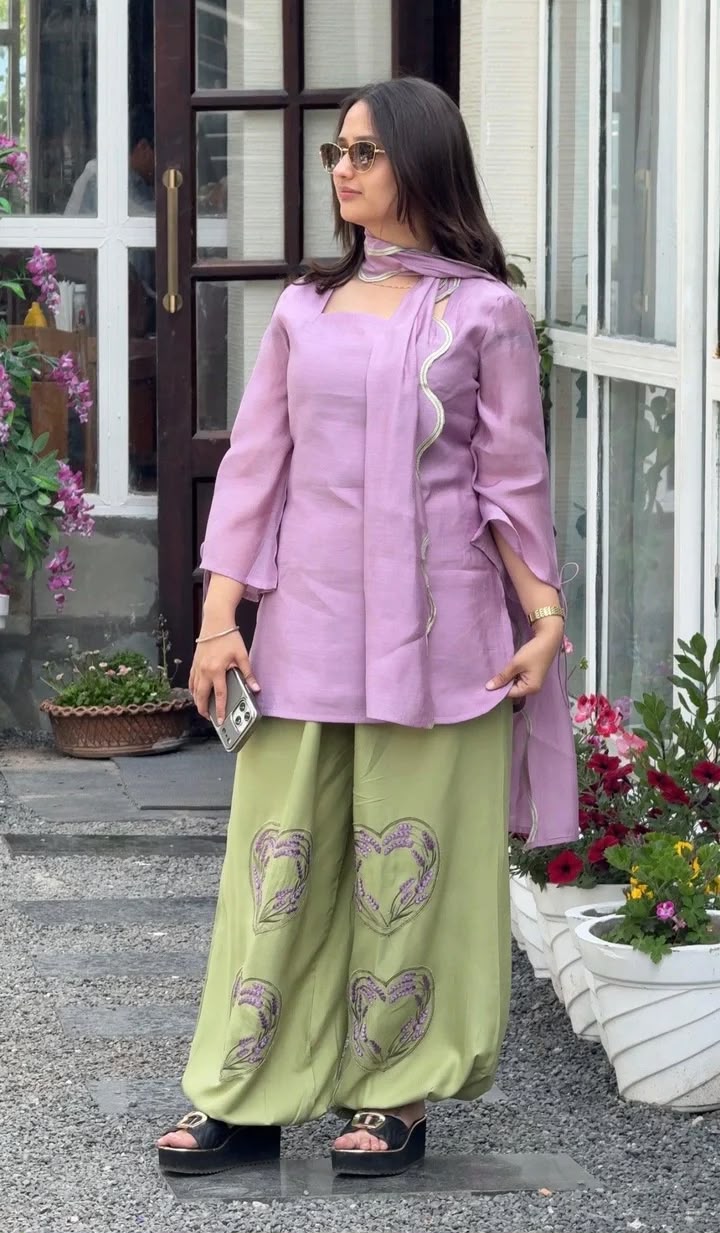
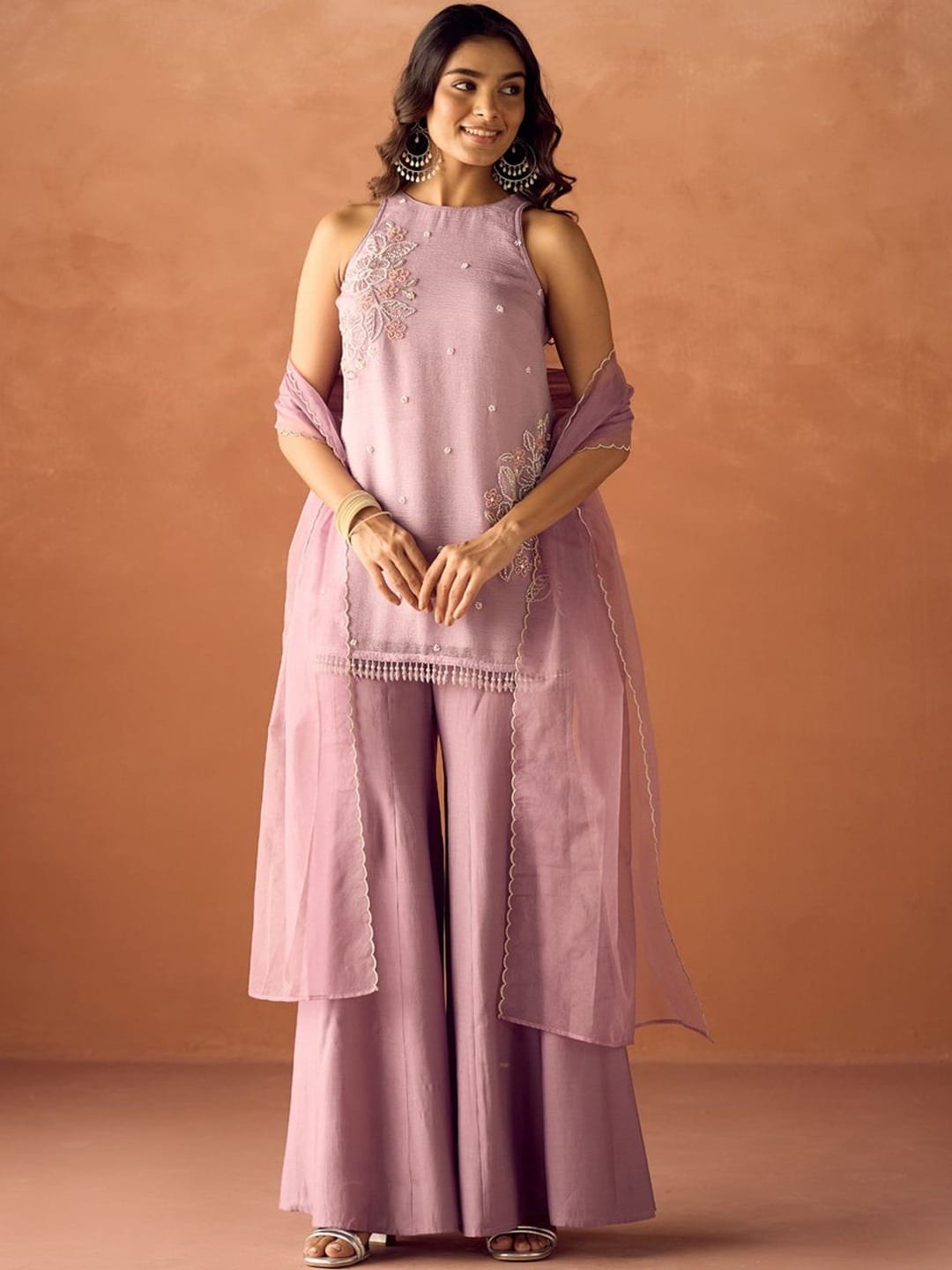
The Mauve Crunchy Silk Embroidered Kurti Palazzo Set for Women creates a softer contrast with yellow décor. Mauve works best when paired with gold accessories and a small mustard or green accent rather than with heavy multicoloured jewellery. The palazzo cut allows easier movement, making the set suitable for a guest who expects to sit on the floor or move between ceremony spaces.
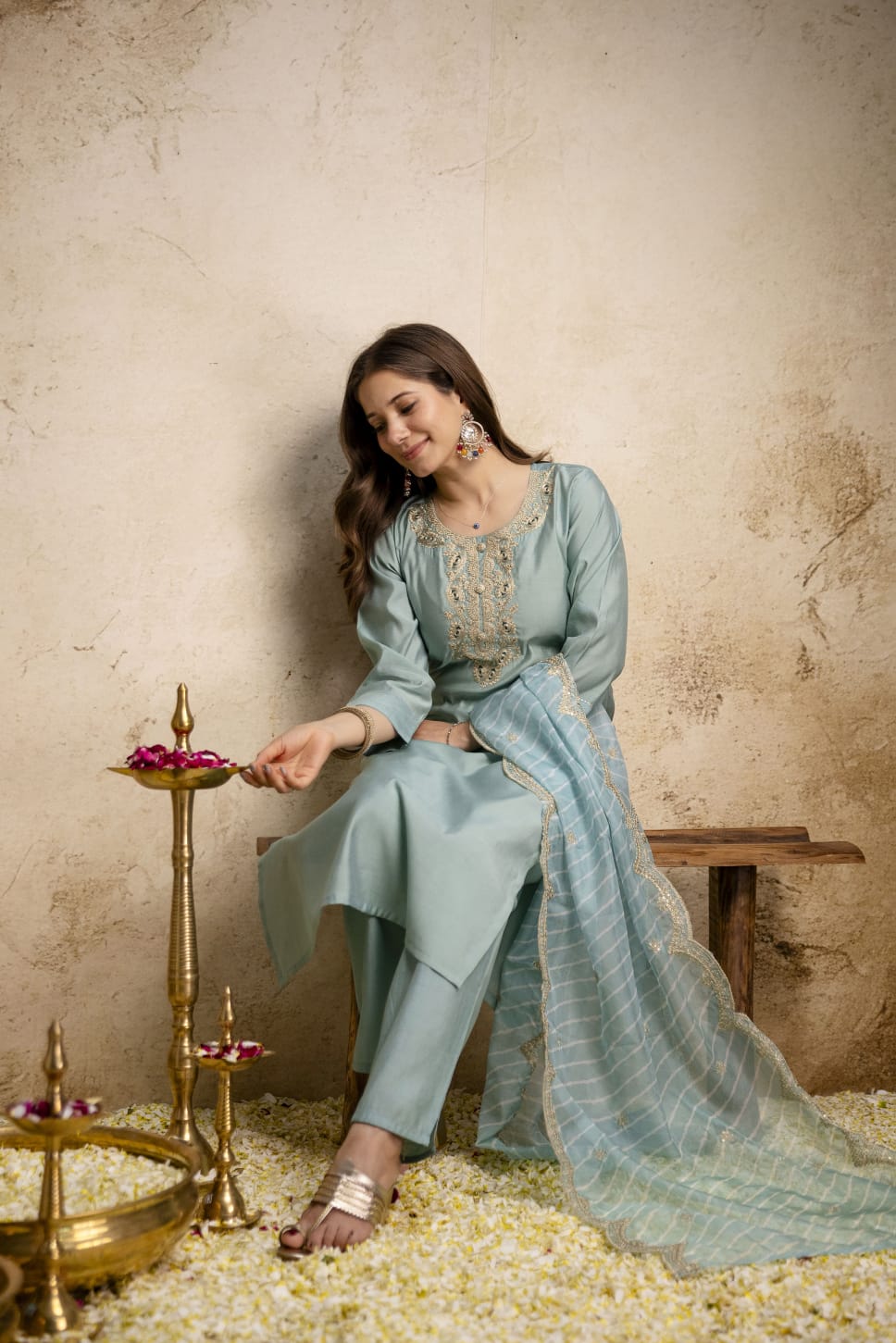
The Pastel Blue Embroidered Chanderi Kurta Set with Dupatta suits a guest who wants a lighter, less conventional colour story. Chanderi catches daylight gracefully, but the dupatta should be pinned securely at the shoulder and kept away from open turmeric bowls. Gold jhumkas and yellow bangles can connect pastel blue to the Haldi setting.
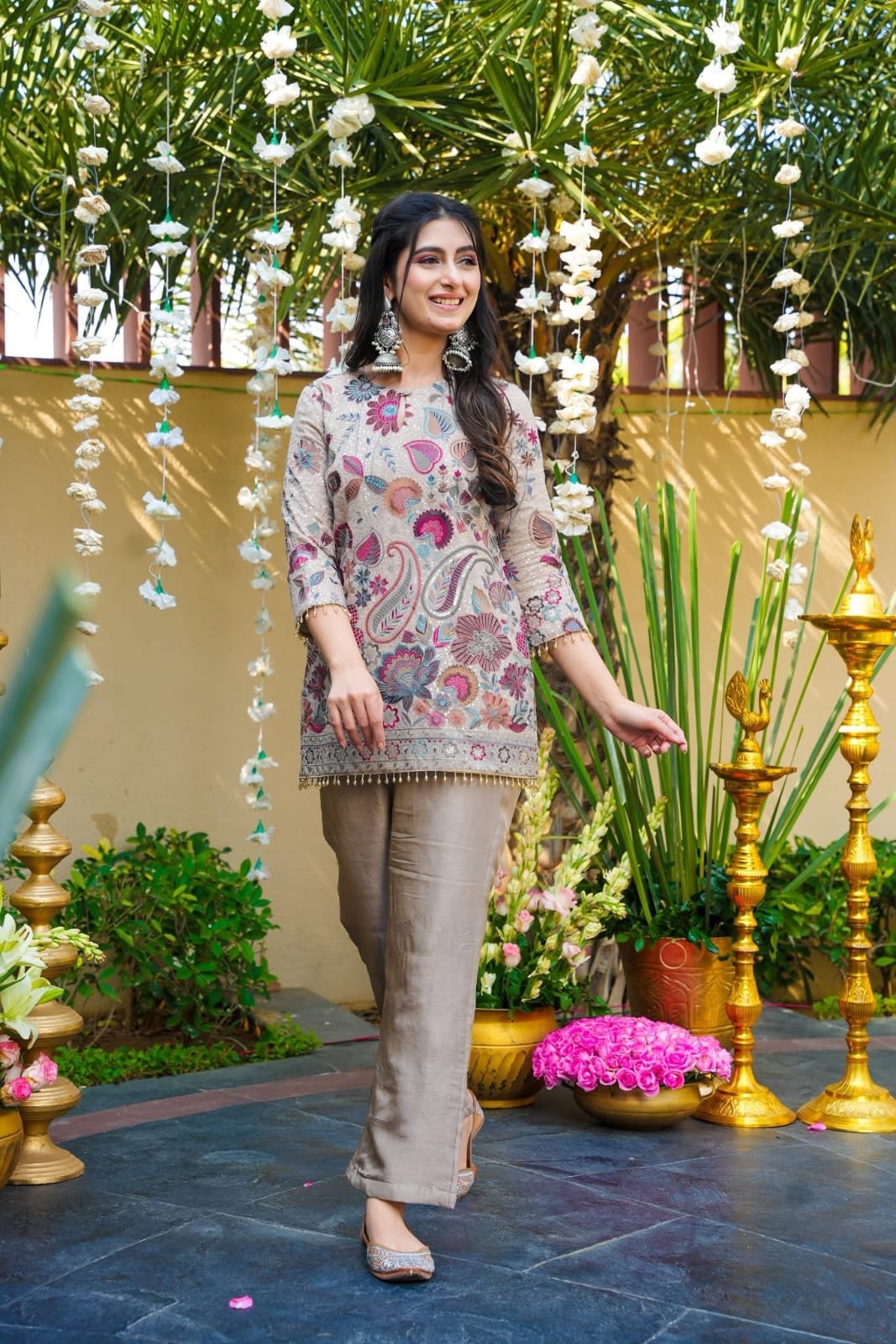
The Elegant Beige Vichitra Silk Embroidered Kurta Set for Women is another adaptable guest option. Beige benefits from a strong accessory contrast, such as a green dupatta, pink bangles or a mustard potli. The outfit can look understated in photographs unless the wearer adds one visible festive element around the neckline or ears.
The Haldi Collection can also accommodate different levels of formality within one family group. A bride may choose a zari saree, a sibling may wear a silk palazzo set and an older relative may prefer a comfortable kurta set while retaining the shared yellow, green and gold palette.
The Paithani Look for a Maharashtrian Haldi Ceremony: how should you protect and clean it?
Protect a Haldi outfit by keeping the pallu away from the ritual area, using a washable underlayer and treating turmeric marks without rubbing. Immediate aggressive cleaning can spread pigment and damage zari, silk or surface embroidery.
Before the ceremony, check the care label and test any cleaning method on an inner seam. For a fresh dry turmeric powder mark, gently lift loose particles with a soft brush or clean tissue. Do not pour hot water directly onto silk, organza or zari. Blot a damp mark from the outside towards the centre with a clean white cloth, then send delicate sarees to a professional cleaner.
don't store a Paithani saree damp or compressed in plastic for several days. Air the saree in shade, fold it with clean muslin and refold the fabric every few months to reduce permanent creases. Keep zari away from direct sunlight, perfume and moisture because oxidation can dull metallic threads.
For a less stressful Haldi experience, wear a cotton or lightweight lining beneath a transparent or fluid saree, pin the pallu before leaving home and carry a spare blouse if the ritual is expected to be especially energetic. A practical outfit can still look unmistakably Maharashtrian when colour, border, jewellery and drape are chosen with intention.
Common Questions About a Paithani Haldi Ceremony Look
Can I wear a traditional Paithani saree to a Haldi ceremony?
Yes, a traditional Paithani saree can be worn to a Haldi ceremony when the family plans to keep direct turmeric application limited. Protect the pallu, use a secure drape and consider wearing a less delicate saree during the messiest rituals.
What colour Paithani saree is best for a Maharashtrian Haldi ceremony?
Yellow, mustard, saffron, green, pink and orange are strong choices for a Maharashtrian Haldi ceremony. Yellow or mustard creates the clearest Haldi connection, while a contrasting green or pink border prevents the outfit from looking flat.
Is georgette suitable for a Paithani-inspired Haldi saree?
Georgette is suitable for a Paithani-inspired Haldi saree because it is lightweight and easy to move in. Georgette can still require professional cleaning after turmeric exposure, so keep the pallu away from bowls and apply pins carefully.
How can I style a Paithani look without wearing a saree?
Choose a mustard, yellow, green or pink kurta-palazzo set with gold embroidery, a structured dupatta and Maharashtrian jewellery. Green bangles, jhumkas, a nath-inspired nose ring or mogra can provide regional detail without requiring a saree drape.
Which jewellery suits a Maharashtrian Haldi outfit?
A nath-inspired nose ring, green glass bangles, jhumkas, a thushi-style necklace and mogra suit a Maharashtrian Haldi outfit. Select two or three of these elements so the jewellery complements rather than overwhelms the Paithani border and pallu.
How do I remove turmeric from a silk or zari saree?
Lift loose turmeric gently, blot moisture with a clean white cloth and avoid rubbing, bleach or hot water on silk and zari. Professional dry cleaning is the safest choice for valuable Paithani silk, Banarasi silk or heavily embroidered sarees.