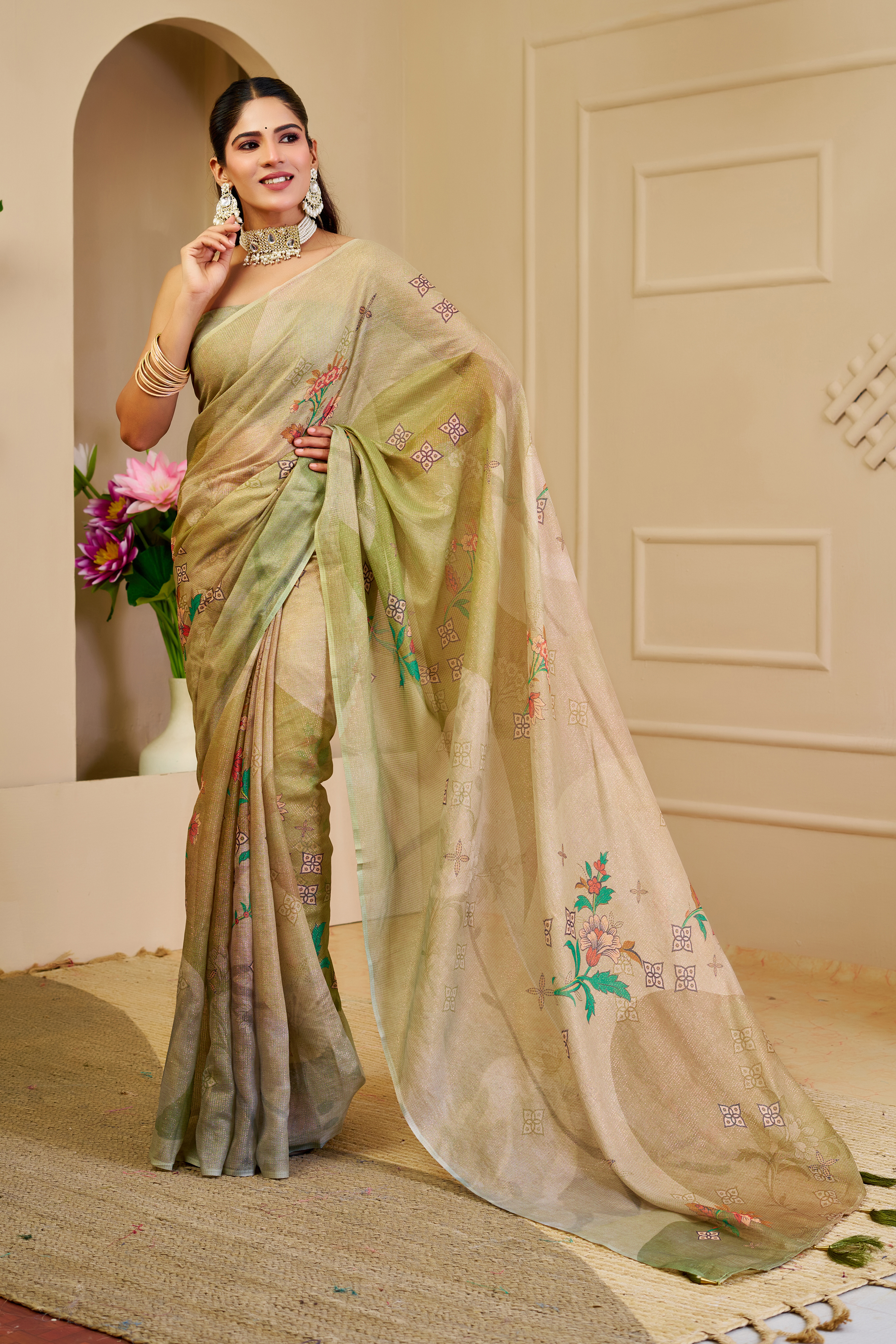
The Difference Between a Wedding Muhurtham Saree and Reception Saree becomes clear when you separate the sacred wedding ritual from the evening celebration. A muhurtham saree must feel rooted in family tradition, photograph well during the main ceremony and remain secure through rituals. A reception saree can be more experimental, lighter, more dramatic or easier to move in while greeting guests and standing under stage lighting.
Both sarees can be made from silk, both can use zari, and both can be richly coloured. The important difference lies in purpose: the muhurtham saree supports a ritual, while the reception saree creates a polished evening look. Understanding that distinction helps you avoid choosing two sarees that look identical or buying a beautiful saree that becomes uncomfortable after several hours.
The Difference Between a Wedding Muhurtham Saree and Reception Saree
A wedding muhurtham saree is usually chosen for auspicious colour, traditional silk texture and ceremonial presence, whereas a reception saree is chosen for visual impact, comfort and evening styling. The muhurtham saree appears during the central wedding rites, such as the tying of the mangalsutra or the exchange of garlands, depending on regional custom. The reception saree appears at a later celebration where photographs, conversation and stage appearances take priority.
Muhurtham dressing often follows family expectations more closely. A bride may be encouraged to wear red, maroon, gold, turmeric yellow, green or another colour associated with prosperity and auspiciousness. Reception dressing generally allows jewel tones, pastels, metallic finishes, contemporary blouse cuts and more noticeable surface detail.
The distinction isn't a strict rulebook. A red Banarasi silk saree can work for both events if the blouse, jewellery, drape and makeup change. The same saree may look heritage with a high-neck elbow-sleeve blouse and temple jewellery in the morning, then look more glamorous with a sculpted blouse and diamond-style accessories at night.
How should you choose the muhurtham saree?
Choose the muhurtham saree by checking ritual suitability, fabric structure, colour symbolism, border visibility and the number of hours you'll wear it. A ceremony saree should hold pleats securely, support a neat pallu and remain comfortable while you sit, stand, bend and walk through several rituals.
Start with silk and weave
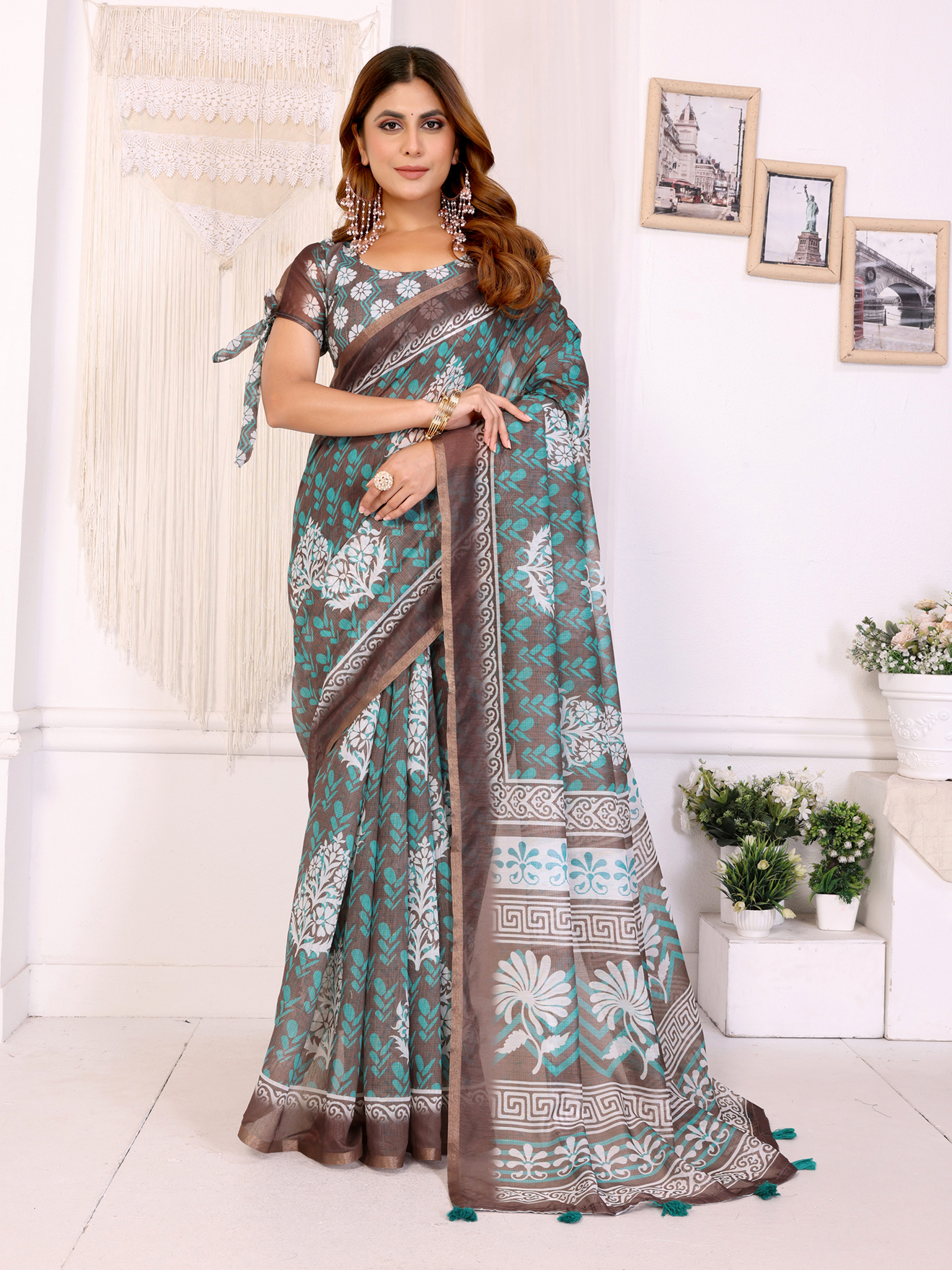
Banarasi silk is a strong choice when you want a structured saree with visible zari and a formal bridal finish. Banarasi soft silk usually feels easier to drape and may be more comfortable for a long ceremony than a very stiff, heavily woven textile. Kanjeevaram is another classic choice for South Indian weddings because its broad borders and contrast pallu create a recognisable ceremonial silhouette.
Fabric weight matters more than many shoppers expect. A saree that feels manageable for five minutes in a shop can become tiring after four hours of sitting and standing. Hold the folded saree over your arm, check whether the zari feels excessively stiff, and ask for the approximate garment weight when buying online.
Use colour with intention
Red and maroon remain dependable muhurtham colours because they photograph richly against gold jewellery and coordinate easily with time-honoured wedding décor. Coral red gives a brighter, fresher effect without losing the warmth associated with red. Gold zari borders make a colour look more ceremonial, while a contrasting green or mustard blouse can introduce family or regional styling cues.
Check the venue lighting before finalising a shade. Deep maroon can appear almost brown under warm indoor lights, while bright red may look highly saturated in flash photography. Request daylight images or compare the saree colour against a white background before purchase.
Prioritise border and pallu structure
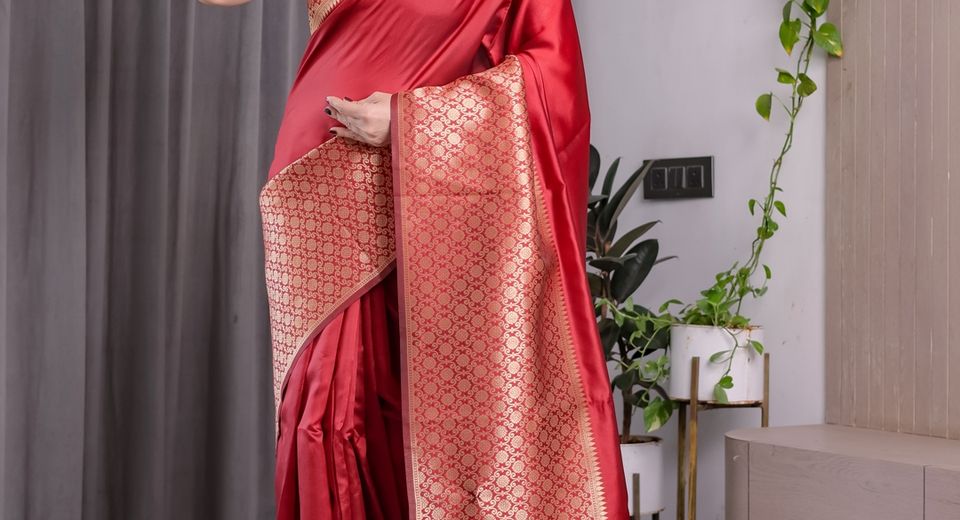
A visible border and a defined pallu help the saree read clearly in seated ceremony photographs. The Red Banarasi Silk Saree With Rich Golden Zari Floral Border demonstrates why a floral zari border can add detail without requiring heavy embellishment across the entire body.
A border between approximately 3 and 6 inches usually photographs distinctly without overwhelming the bride's blouse or jewellery. A very narrow border can disappear in full-length images, while an extremely broad border can reduce the visible length of the body and make pleating more demanding for shorter wearers.
What makes a reception saree different?
A reception saree is designed for extended socialising, movement, stage photographs and evening lighting, so comfort and controlled glamour usually matter more than strict ritual convention. Reception guests may see the saree from several angles while you walk, greet people and pose, making drape stability and blouse fit especially important.
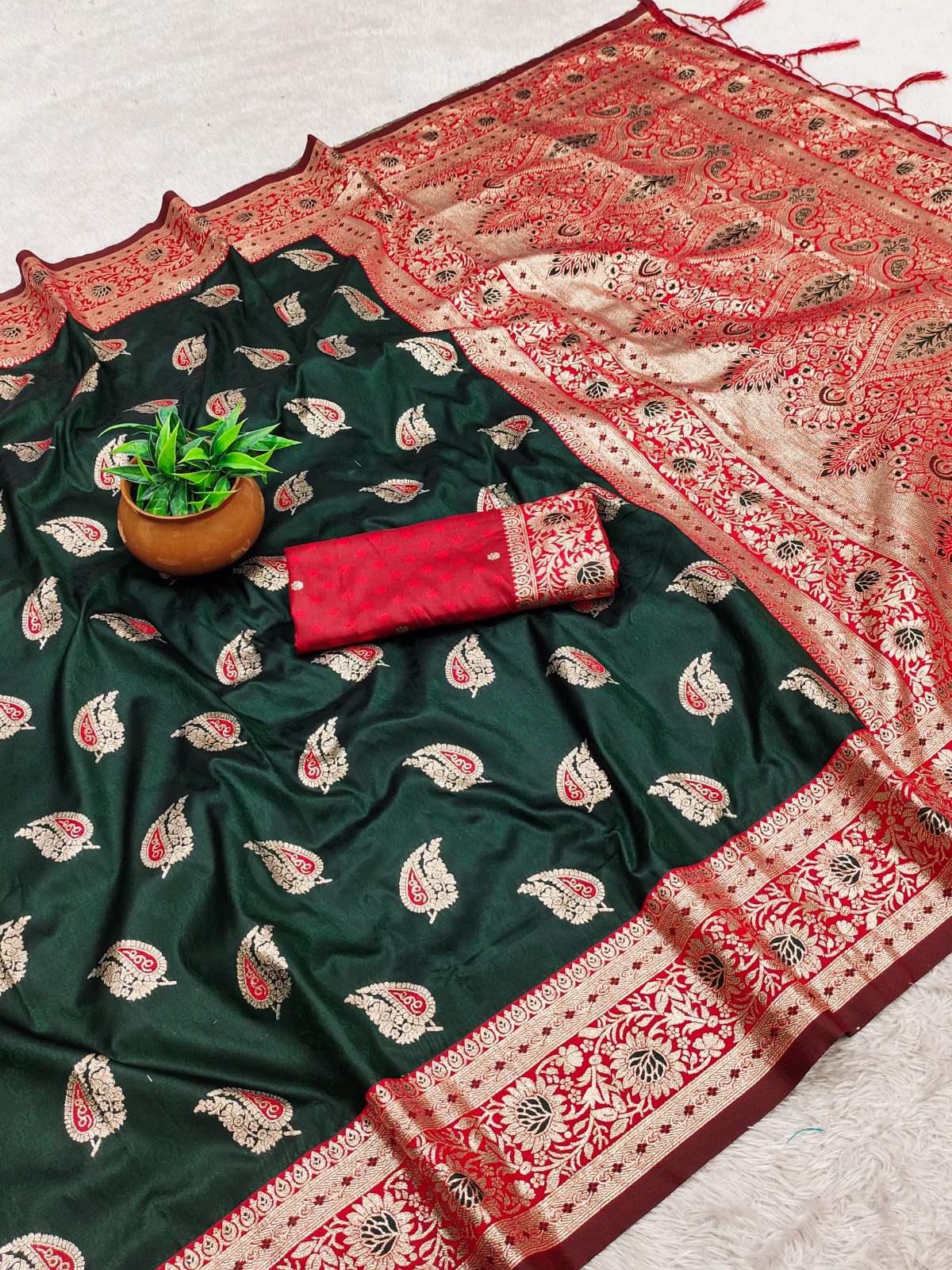
Reception styling gives you more room to choose a contemporary silhouette. A pre-stitched pleat arrangement, belt, statement blouse, sculpted sleeve or lighter pallu can make the look more practical without making it casual. A reception saree can also use a quieter body with a dramatic border, allowing the blouse and jewellery to provide the visual focus.
The Maroon Banarasi Soft Silk Saree With Golden Zari Border can shift effectively into reception styling because maroon remains rich under indoor lighting while soft silk supports an easier drape. Pairing the saree with a tonal blouse creates a refined look; pairing it with antique gold, copper or deep green creates stronger contrast.
Consider movement and photographs
A reception saree should allow you to walk comfortably for at least two to three hours without repeatedly adjusting the pallu. Test the complete outfit before the event, including shapewear or the petticoat, blouse, footwear and jewellery. Walk up stairs, sit on a chair and lift one arm to check whether the saree pulls at the waist or shoulder.
For stage photographs, a pallu placed over the shoulder usually gives a cleaner view of the blouse and jewellery than a loose front drape. For active hosting or dancing, secure the pallu with discreet pins at the shoulder and near the waist, but avoid pinning directly through delicate zari motifs.
Which saree colours and zari finishes suit each event?
Heritage red, maroon and gold are generally safer for a muhurtham ceremony, while reception dressing can accommodate deeper jewel tones, softer pastels, metallic accents and bolder contrasts. The best colour still depends on skin tone, venue lighting, regional custom and whether the saree must coordinate with family attire.
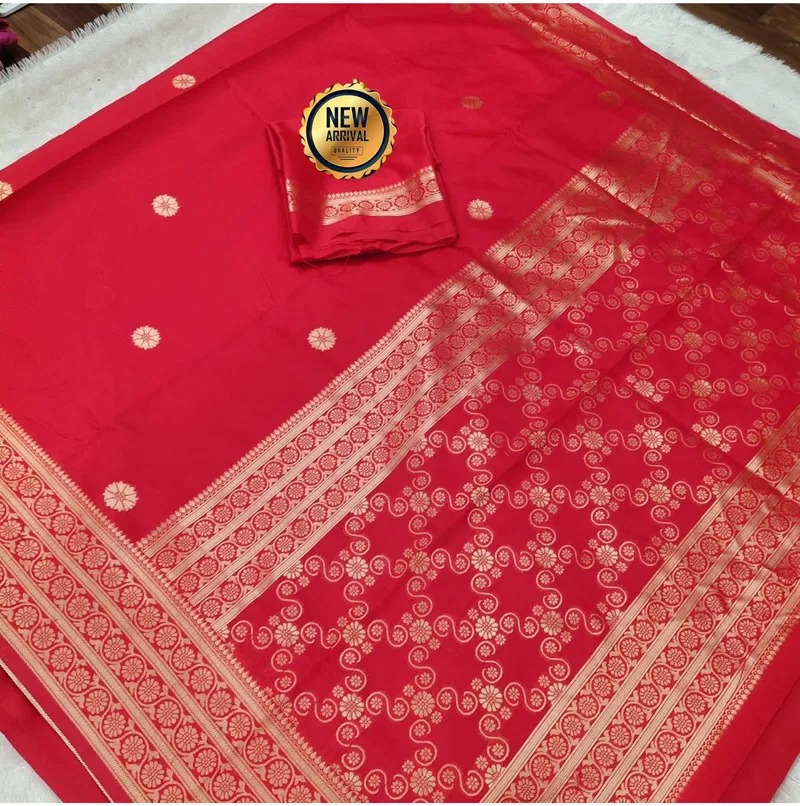
- Red: Red creates a high-energy bridal look and pairs naturally with gold temple jewellery, green accents and classic bridal makeup.
- Maroon: Maroon looks mature and rich, particularly under warm lighting, and works well with antique gold or ruby-toned accessories.
- Coral red: Coral red appears lighter and more contemporary while retaining the visual warmth of a red bridal saree.
- Gold zari: Gold zari gives a heritage finish and reflects warm light effectively, but dense zari can increase weight.
- Jacquard zari: Jacquard zari creates woven pattern and texture rather than relying only on surface shine, which can look sophisticated in close photographs.
The Red Banarasi Soft Silk Saree with Jacquard Zari Border illustrates how woven texture can provide interest for a reception without requiring sequins or heavy stonework. The Coral Red Banarasi Soft Silk Saree With Golden Zari Borders offers a brighter direction for a bride who wants the reception look to feel distinct from a deeper muhurtham palette.
How should you style the two sarees differently?
Style the muhurtham saree with time-honoured jewellery, a secure pleated drape and a blouse that supports the ceremony; style the reception saree with a more defined blouse, selective accessories and a drape that permits movement. Changing the styling is often enough to make two sarees from the same colour family feel entirely different.
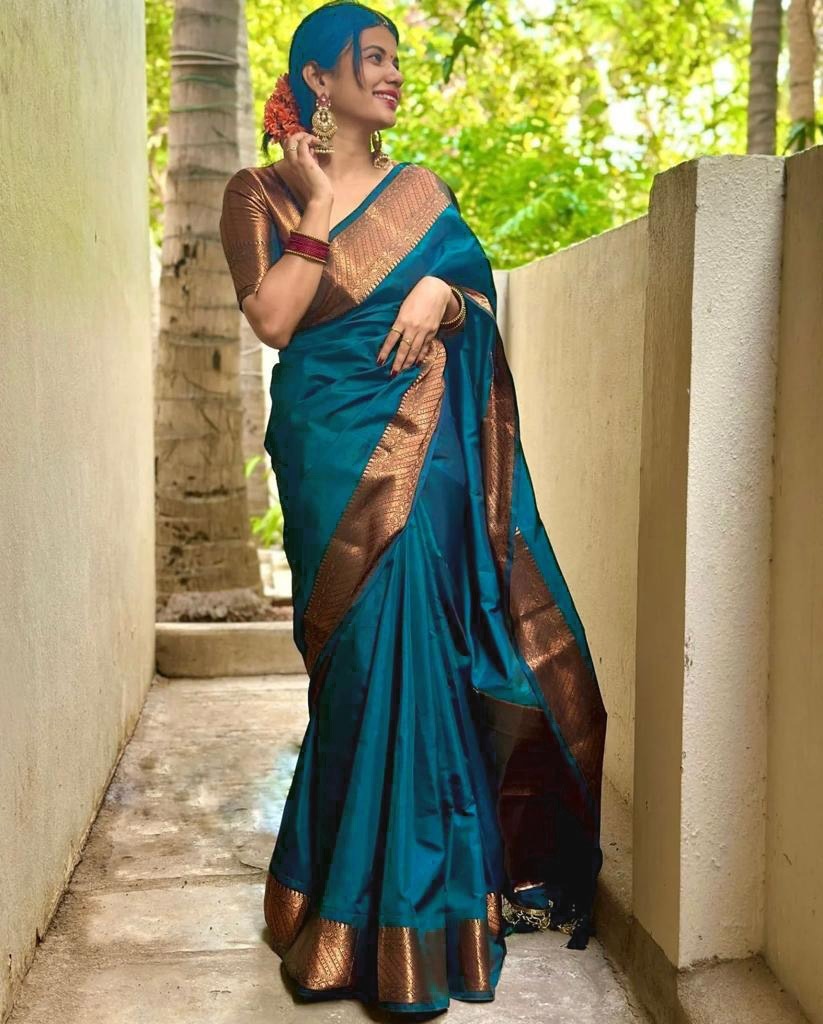
Muhurtham styling details
Temple jewellery, a classic waist belt, jasmine flowers, a gajra, gold bangles and a neatly arranged pallu reinforce a ceremonial mood. A blouse with elbow-length sleeves, a modest neckline and a contrast border can complement Banarasi silk without competing with the saree's zari.
Makeup should also withstand heat, tears and repeated photographs. A transfer-resistant lip colour, waterproof eye makeup and a compact powder for the T-zone are more useful than adding excessive shimmer. Pin the pleats from the inside and use a strong, comfortable petticoat or underskirt so the waist remains stable.
Reception styling details
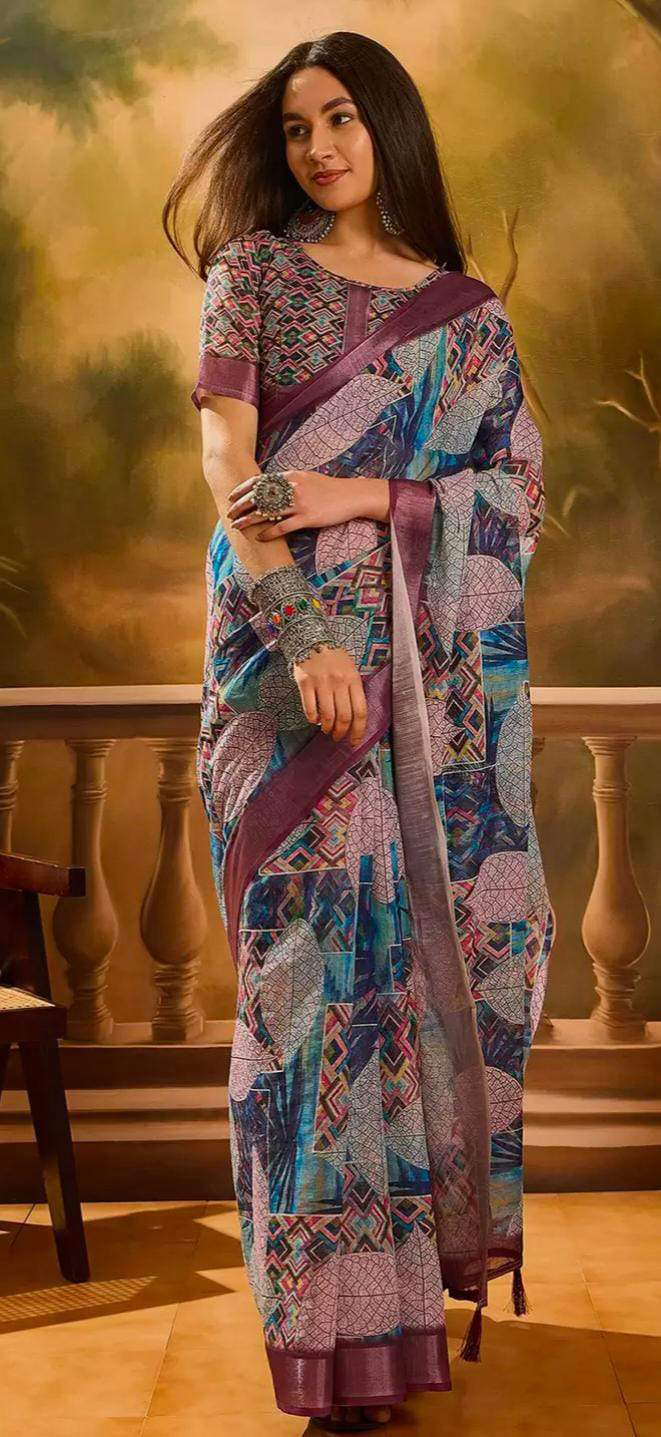
A reception blouse can introduce a different texture, such as velvet, raw silk or a carefully matched brocade, provided the blouse doesn't snag the saree. Statement earrings, a single dramatic necklace or a contemporary cuff often looks more balanced than wearing every piece of bridal jewellery at once.
The Elegant Red Banarasi Silk Saree for Festive & Wedding Wear can be styled traditionally for a family reception or made more modern with a sleeveless high-neck blouse and restrained jewellery. The Red Banarasi Soft Silk Saree With Golden Zari Floral Border can also take on a reception mood when paired with a structured blouse and a sleek, low-bun hairstyle.
How can you buy both sarees without overspending?
Buy the sarees according to wear frequency rather than treating the muhurtham and reception as completely separate costume categories. A silk saree with a strong border can return for festivals, anniversaries and family celebrations, while a reception saree with a versatile blouse may work at future evening events.
Set separate budgets for the saree, blouse stitching, fall and edging, petticoat, jewellery, footwear and alterations. Blouse construction can require additional fittings, especially for princess seams, padded cups, deep backs or unusual sleeve shapes. Keep at least three to four weeks for blouse stitching during the wedding season, and allow extra time for a second fitting.
Price-led collections can help when you compare fabric, zari and finishing rather than relying only on the discount percentage. The Sarees from Rs 1000 to Rs 1500 collection may suit a pre-wedding function or a reusable secondary look. The Sarees Under 20% Off collection and Sarees Flat 50% Off collection can be useful starting points when searching for a formal saree while keeping funds available for tailoring and accessories.
Always inspect the product description for fabric terminology, border details, length, blouse-piece information and care instructions. A standard saree is often around 5.5 metres, with an additional blouse piece, but measurements can vary. Confirm whether the saree includes fall and edging before assuming the garment is ready to drape.
What should you check before the wedding day?
Check the complete drape at least one week before the event, including the blouse, footwear, jewellery, petticoat and hairstyle. A rehearsal reveals practical problems such as a slipping shoulder, short blouse sleeves, an overly long hem or pleats that collapse when you sit.

- Steam or press the saree using the care instructions and avoid placing a hot iron directly on zari.
- Stitch fall and edging if the saree needs additional support at the lower edge.
- Mark the pleat width and pallu position during the trial drape.
- Pack safety pins, fashion tape, spare hooks, a small sewing kit and blotting paper.
- Store the saree folded in clean cotton or muslin rather than sealed plastic for long periods.
- Air the saree after wearing it and refold along different lines before storage to reduce permanent creases.
Banarasi silk and zari benefit from careful storage because friction, moisture and perfume can affect the surface over time. Keep perfume and hairspray away from the saree, and send heavily embellished or visibly stained silk to a specialist dry cleaner instead of attempting aggressive spot cleaning at home.
Can one saree serve for both the muhurtham and reception?
One saree can serve both events when the colour, fabric weight and border are flexible enough, but two sarees usually create more variety and better comfort across a long wedding day. Wearing one saree for both ceremonies works particularly well when the schedule is short or when the bride prefers a cohesive visual story.
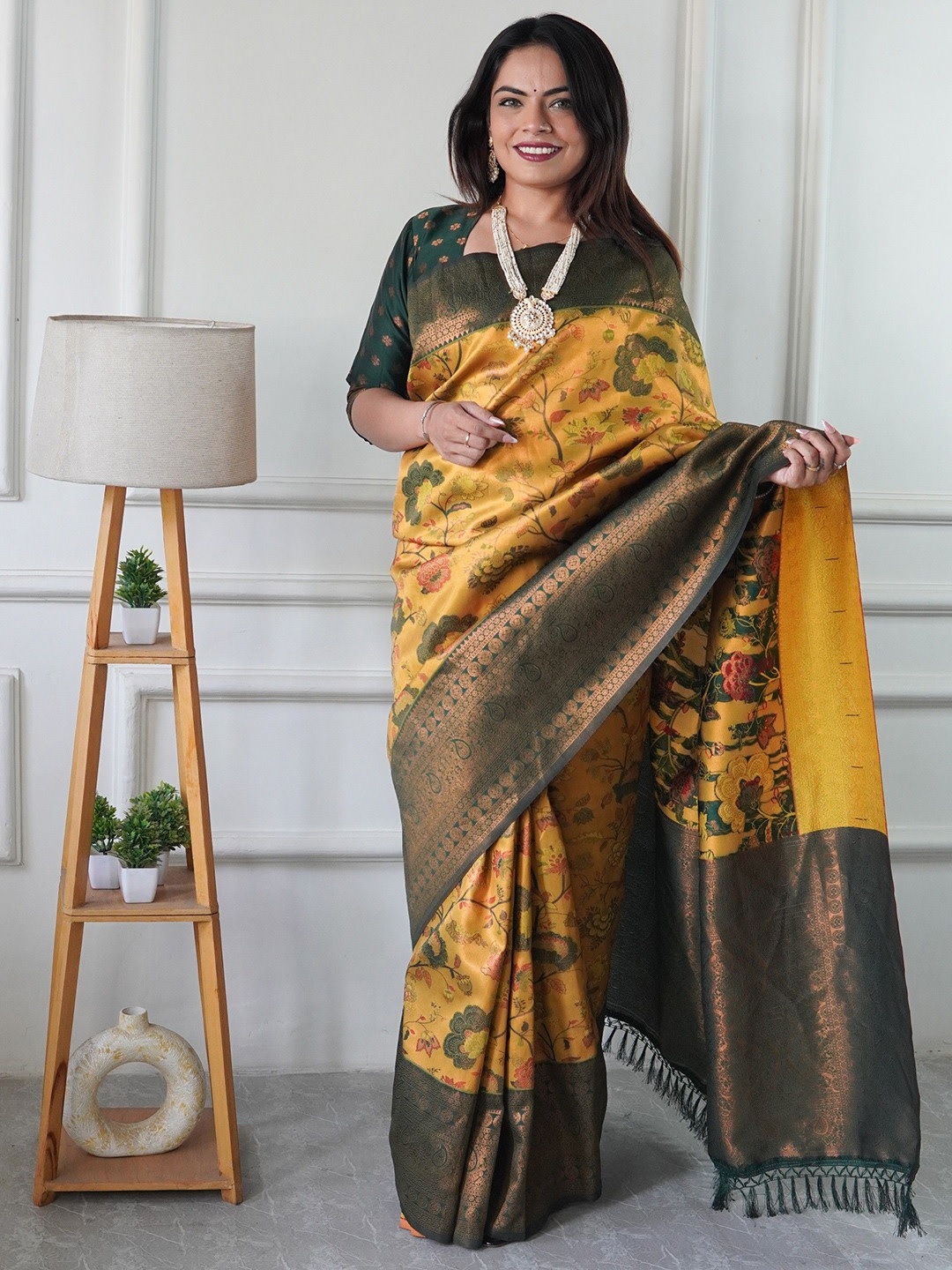
To transform one saree, change the blouse, jewellery, hairstyle and drape rather than simply replacing one necklace. A traditional blouse and temple jewellery can establish the muhurtham look; a contemporary blouse, lighter accessories and a more structured pallu can create the reception look. A second blouse is often a more economical investment than buying an entirely new saree.
For a two-saree plan, choose contrast in at least one category: select a deep maroon muhurtham saree and a coral red reception saree, or retain red in both but change from a dense floral border to a jacquard zari border. The result feels coordinated without appearing repetitive.
Questions Brides Ask About Muhurtham and Reception Sarees
What is the main difference between a wedding muhurtham saree and a reception saree?
A muhurtham saree is selected for the central wedding ritual, so traditional silk, auspicious colour, secure draping and ceremonial zari usually matter most. A reception saree allows more freedom with blouse design, colour, weight and contemporary styling because movement and evening photographs take priority.
Which colour is best for a muhurtham saree?
Red, maroon, gold, green and turmeric yellow are commonly chosen for their traditional and auspicious associations. Red and maroon also photograph strongly with gold jewellery, but regional customs and family preferences should guide the final choice.
Can I wear a Banarasi silk saree for a wedding reception?
Yes, Banarasi silk works well for a reception because its zari and structured drape create a polished evening appearance. Choose a manageable weight and pair the saree with a contemporary blouse or lighter jewellery if you expect to move around for several hours.
Should a wedding saree have a broad border?
A border of roughly 3 to 6 inches usually remains visible in full-length photographs without making pleating excessively difficult. A broader border creates a more traditional statement, while a medium border may be easier to manage for shorter wearers or active ceremonies.
How can I make the same saree work for both wedding and reception?
Change the blouse, jewellery, hairstyle and drape to create two distinct looks from one saree. A traditional blouse with temple jewellery suits the muhurtham, while a structured modern blouse and selective statement accessories can shift the same saree toward the reception.
How early should I order and alter a bridal saree?
Order the saree at least four to six weeks before the wedding and allow three to four weeks for blouse stitching and fittings. A complete drape rehearsal one week before the event provides time to correct the petticoat, pleats, blouse fit, fall or edging.